
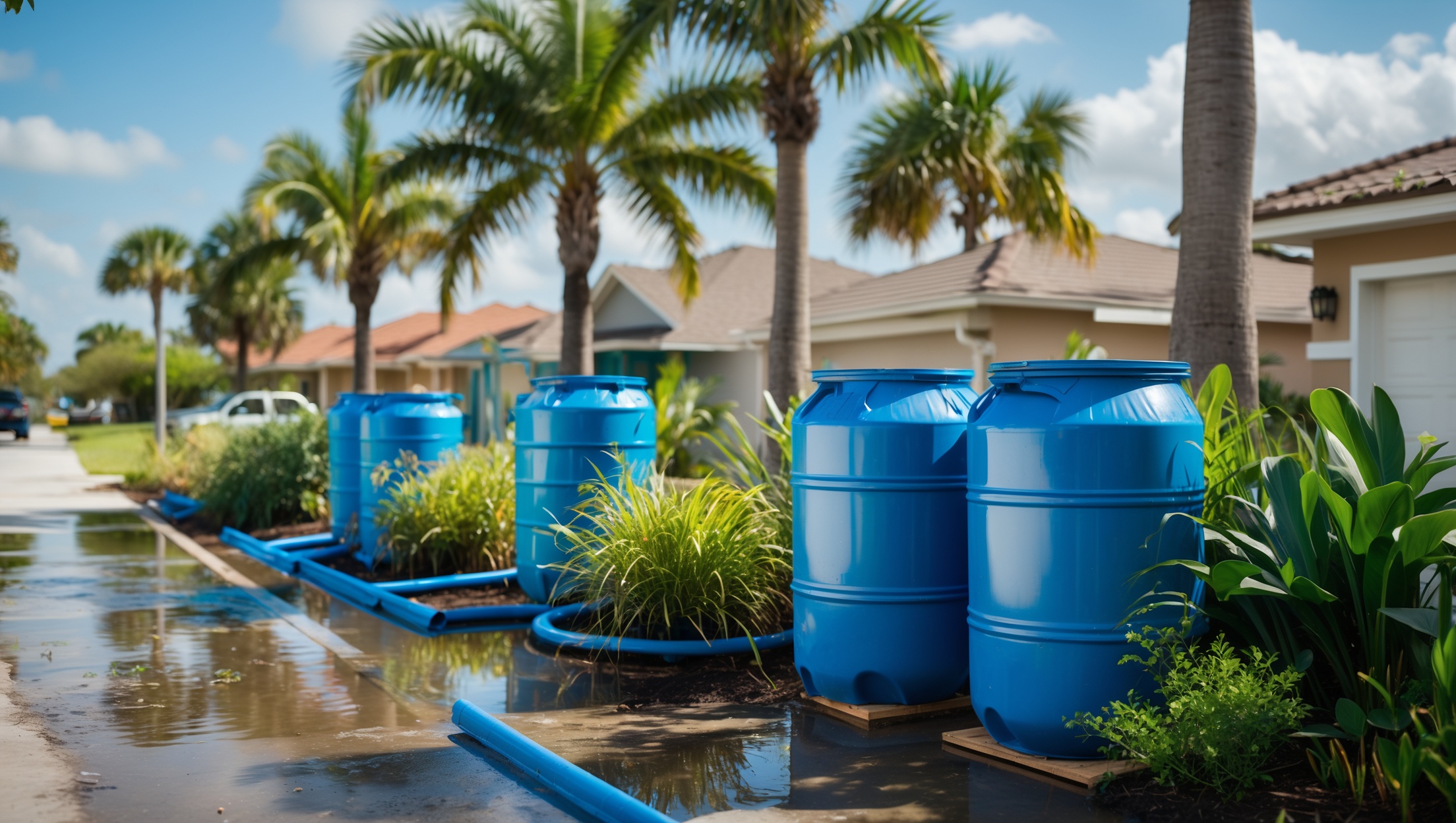
Tools & Equipment Guide for St. Petersburg Community Rainwater Harvesting Projects

Introduction: Why Rainwater Harvesting Matters for St. Petersburg Communities
St. Petersburg, FL, known for its vibrant neighborhoods and environmental consciousness, faces unique challenges when it comes to water conservation. Seasonal rains can be intense, and stormwater runoff poses risks to both infrastructure and local ecosystems. As more residents recognize the benefits of sustainable water management, community-driven rainwater harvesting projects have emerged as a practical and impactful solution. These initiatives collect and store rainwater from rooftops, providing a free source of water for gardens, landscaping, and even emergency reserves. They also help reduce flooding, alleviate pressure on municipal systems, and foster a sense of collaboration among neighbors. However, the success of a community rainwater project depends not just on good intentions, but on having the right tools, equipment, and know-how. This in-depth guide breaks down the essential gear, local material sourcing tips, and best practices tailored to St. Pete’s unique climate and community landscape. Whether you’re a volunteer, neighborhood leader, or a group of eco-minded friends, you’ll find actionable advice to get your project running smoothly—and keep it thriving for years to come.
Understanding Community Rainwater Harvesting: Local Opportunities & Challenges
St. Petersburg’s Climate and Water Needs
St. Petersburg experiences a humid subtropical climate, with summer thunderstorms delivering most of the city’s annual rainfall between June and September. This seasonal pattern makes rainwater harvesting especially valuable, allowing communities to capture surplus in wet months and make use of reserves during dryer spells. Additionally, regular watering bans and rising utility costs have spurred local groups to seek alternative water sources for communal gardens, urban greening efforts, and beautification projects.
Common Harvesting Models in St. Pete
- Barrel-Based Systems: Most popular for neighborhood and small-group initiatives, using repurposed food-grade barrels or purpose-built rain barrels connected to downspouts.
- Tank-Based Systems: Larger capacity polyethylene or metal tanks, suited for schools, community centers, or shared urban farms.
- Permeable Landscape Features: Swales, rain gardens, and bioswales that slow, filter, and store runoff in the soil.
Essential Tools & Equipment: The Complete Checklist
Rainwater Collection: Barrels, Tanks, and Gutters
- Rain Barrels: Choose UV-resistant, food-grade barrels (minimum 50 gallons); avoid barrels that previously held chemicals. In St. Pete, repurposed syrup or pickle barrels are common and affordable.
- Storage Tanks: For larger projects, polyethylene or galvanized steel tanks (100–1000+ gallons) with secure lids and mosquito-proof screens.
- Gutters & Downspouts: Aluminum or vinyl gutters, downspout diverters (to direct water into barrels), and leaf strainers. St. Pete’s salt air can corrode metal over time—opt for coated or vinyl systems where feasible.
Filtration & First-Flush Systems
- First-Flush Diverters: Simple devices that discard the initial runoff (which may contain roof debris or bird droppings) before water enters storage. Essential for safe irrigation.
- Leaf & Debris Screens: Fine mesh screens for gutters and barrel inlets; prevents clogging and mosquito breeding.
- Inline Filters: For larger tank systems, install inline sediment filters to reduce maintenance and protect pumps.
Distribution: Pumps, Hoses, and Watering Tools
- Gravity-Fed Spigots: Basic spigots installed near the base of the barrel; ensure brass or high-quality plastic to withstand local weather.
- Transfer Pumps: For distributing water to raised beds or distant areas; electric or solar-powered models are available.
- Garden Hoses & Soaker Hoses: Food-safe hoses; soaker hoses for drip irrigation in community gardens.
- Rainwater Watering Cans: For manual watering, especially where hose access is limited.
Assembly & Maintenance Tools
- Cordless Drill & Hole Saw Bits: For installing spigots, overflow outlets, and downspout diverters.
- Wrenches & Pliers: For tightening fittings and securing hoses.
- Silicone Sealant & Teflon Tape: Prevent leaks at connection points.
- Level & Measuring Tape: For ensuring barrels/tanks are installed securely and evenly.
- Shovels & Rakes: For grading the ground beneath storage units and installing rain gardens or swales.
Local Sourcing: Where to Find Materials in St. Petersburg
Rain Barrels & Tanks
- Pinellas County Extension Office: Offers rain barrel workshops and periodic barrel sales.
- St. Pete Reuse Stores: Habitat for Humanity ReStore, Creative Clay, and local hardware stores often have surplus barrels at reduced costs.
- Online Marketplaces: Facebook Marketplace and Craigslist frequently list used (clean) barrels—verify previous contents!
Gutter & Plumbing Supplies
- Local Hardware Stores: Ace Hardware (multiple St. Pete locations), Home Depot, and Lowe’s carry gutter kits, downspouts, and connectors.
- Specialty Irrigation Shops: For high-quality hoses, filters, and soaker systems—try Rain Bird or local irrigation supply stores.
Filtration & First-Flush Devices
- Online Retailers: RainHarvest Systems, The Rain Barrel Depot, and Amazon offer first-flush kits and inline filters not always found locally.
- DIY Options: PVC pipes and simple ball valves available at hardware stores can be used to make custom first-flush diverters.
Step-by-Step: Assembling a Community Rainwater Harvesting System
1. Planning & Site Selection
- Assess rooftop area and rainwater yield (roughly 0.6 gallons per square foot per inch of rain).
- Choose locations with stable ground, easy gutter access, and sufficient sun to keep barrels dry and discourage mold.
- Ensure accessibility for all volunteers, including those with mobility challenges.
2. Prepping the Collection Area
- Clean gutters and downspouts before installation; remove leaves, nests, and debris.
- Install leaf screens at gutter outlets to minimize clogging.
3. Installing Barrels or Tanks
- Place barrels on a raised, level platform (concrete blocks or pressure-treated wood) for gravity flow.
- Drill a hole near the base of the barrel for a spigot; use a cordless drill and appropriate hole saw.
- Install overflow outlets at the top, directing excess water away from building foundations and walkways.
- Attach downspout diverters to channel water into the barrel or tank.
4. Adding Filtration & First-Flush Components
- Connect a first-flush diverter to the downspout before it reaches the barrel to improve water quality.
- Install fine mesh screens over barrel inlets to prevent mosquito entry.
5. Plumbing for Distribution
- Attach spigot or hose bib at barrel base with Teflon tape and silicone sealant to prevent leaks.
- For larger systems, connect transfer pumps and run hoses to irrigation zones or garden beds.
6. Safety & Signage
- Label barrels/tanks as “Non-Potable: Irrigation Only.”
- Secure lids and screens to prevent accidental entry by children or animals.
- Install slip-resistant mats if barrels are near walkways.
Maintenance Best Practices for St. Pete’s Climate
Monthly Tasks
- Inspect barrels/tanks for cracks, leaks, or algae growth.
- Check and clean screens and first-flush devices.
- Flush the first-flush diverter and empty debris baskets.
Seasonal Tasks
- Before summer storms, ensure all overflow outlets are clear.
- After hurricane threats, check for contamination or structural damage.
- In winter, drain hoses and pumps if short freezes are forecast.
Pest & Mosquito Management
- Ensure all openings are tightly screened.
- Add mosquito dunks (Bti-based, safe for gardens) monthly.
- Immediately repair any cracks or gaps in barrels/tanks.
Budgeting: Typical Costs for Community Projects
- Rain barrels: $35–$75 each (used vs. new).
- Storage tanks: $300–$1200+ depending on size and material.
- Gutters, diverters, and fittings: $50–$200 per installation.
- First-flush and filtration systems: $25–$100.
- Pumps: $80–$250 (manual, electric, or solar).
- Tools (if not already owned): $100–$250 for group sets.
Tip: Many St. Pete community projects source donated barrels, recycled materials, and borrow tools from local tool libraries or neighbors to reduce expenses.
Safety Checklist: Protecting Volunteers & Users
- Wear gloves and eye protection during installation.
- Use sturdy ladders for gutter and downspout work; never work alone on ladders.
- Ensure barrels/tanks are firmly anchored to prevent tipping.
- Label all non-potable water clearly to avoid accidental consumption.
- Keep the area around installations free of standing water to deter mosquitoes.
- Provide training or written instructions for all volunteers.
Marketing & Community Engagement Strategies
Showcasing Local Impact
- Host rain barrel painting days—combine art with education.
- Share before-and-after photos on Nextdoor, Facebook Groups, and local newsletters.
- Organize open houses or tours for other neighborhoods interested in replicating your project.
Educational Outreach
- Partner with local schools and environmental groups for hands-on workshops.
- Create clear, friendly signage explaining the system’s benefits and usage tips.
Conclusion: Building a Sustainable Future, One Drop at a Time
Community-driven rainwater harvesting is more than just a technical project—it’s a catalyst for neighborhood resilience, environmental stewardship, and collaborative learning. In St. Petersburg, where water conservation directly impacts both the local economy and natural beauty, these initiatives are especially meaningful. By equipping your group with the right tools and equipment—and understanding where and how to source, install, and maintain them—you lay the groundwork for long-term success. Remember, the most effective projects are those that bring people together: sharing resources, stories, and fresh ideas. Tap into St. Pete’s spirit of innovation by involving neighbors in every step, from planning and assembly to ongoing maintenance and community outreach. With each barrel or tank installed, you’re not just saving water—you’re building connections and setting an example for sustainable living citywide. Whether your group is small or large, your efforts can ripple out, inspiring others to join the movement toward a greener, more self-sufficient St. Petersburg. Start with a single drop, and watch your impact grow.
You mentioned sourcing materials locally for these projects. Are there any specific stores or suppliers in St. Pete that offer discounts or advice for community rainwater harvesting groups working with a limited budget?
Yes, several local businesses in St. Pete are supportive of community rainwater harvesting projects. Tampa Bay Salvage and Habitat for Humanity ReStore often offer discounted barrels, piping, and other supplies. Additionally, some neighborhood hardware stores like Wilson’s and local garden centers may provide advice or small discounts to group projects—just mention your community initiative. It’s also worth reaching out to the city’s sustainability office for possible connections or partnerships.
For neighborhoods in St. Pete with really old infrastructure, are there specific tools or installation methods you recommend to help prevent overflow or backflow issues during those heavy summer thunderstorms?
For neighborhoods with older infrastructure, it’s smart to use first-flush diverters and backflow preventers in your rainwater harvesting setup. Installing overflow pipes that direct excess water safely away from foundations also helps. Make sure to use flexible, high-capacity hoses and regularly clear debris from gutters and downspouts to prevent clogs. These steps can help manage heavy rain and reduce the risk of overflow or backflow during storms.
When organizing a neighborhood rainwater harvesting build, what are the most common mistakes or challenges folks run into given St. Petersburg’s humid climate and occasional watering bans? Are there troubleshooting tips to keep the system low-maintenance over time?
One challenge in St. Petersburg is ensuring tanks and barrels are properly sealed to prevent mosquito breeding in the humid climate. Overflow issues during heavy rains also happen if systems are not sized right. During watering bans, some forget rainwater can still be used for gardens, so clear guidelines help. To keep maintenance low, regularly clean gutters and screens, check for leaks, and empty barrels between major rainy seasons to avoid algae buildup and odors.
Can you suggest where in St. Petersburg you can find affordable, locally sourced barrels or materials for building a community rainwater setup? I’m trying to figure out if it’s better to buy a kit or gather pieces myself.
You can often find affordable barrels at local hardware stores, garden centers, or landscaping supply shops in St. Petersburg. Some community groups and recycling centers may also offer food-grade barrels at a lower cost. Gathering materials yourself can be cheaper and lets you customize the setup, but kits from local stores may save you time and ensure compatibility. If you’re building for a group, bulk purchases from local suppliers could also reduce costs.