
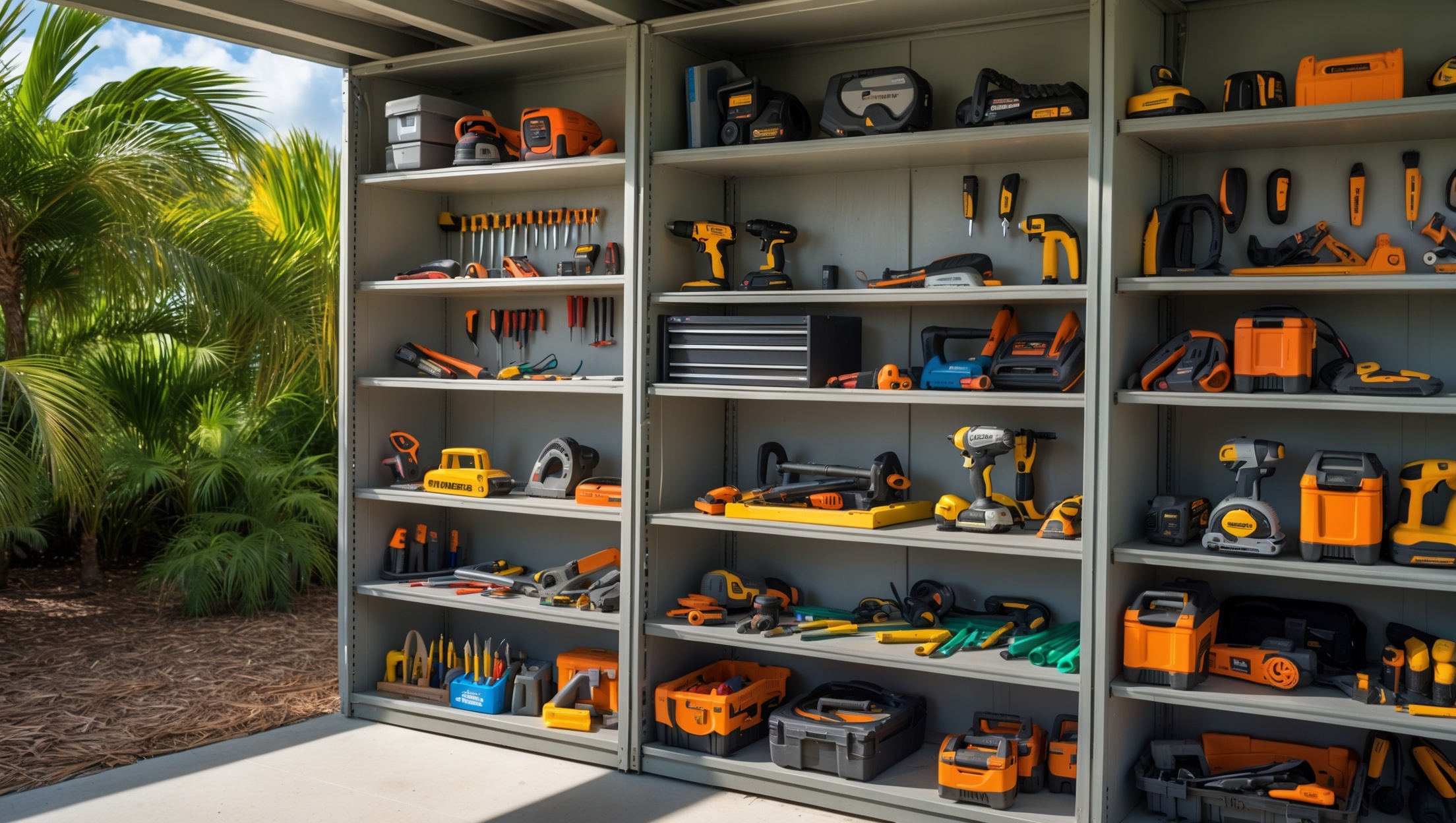
St. Petersburg Community Tool Lending Libraries: A Seasonal Maintenance Checklist for Volunteers

Introduction: Why Seasonal Maintenance Matters for St. Pete’s Tool Libraries
St. Petersburg’s community tool lending libraries are more than just sheds filled with hammers and rakes—they’re vital hubs that connect people, foster skill-sharing, and empower neighborhoods to tackle projects together. But as any seasoned volunteer or project lead knows, the real secret to a thriving tool library isn’t just about acquiring great equipment—it’s about keeping those tools in top shape, organizing the space for safety and efficiency, and ensuring the whole operation runs smoothly year-round. That’s where a robust seasonal maintenance routine comes in.
St. Pete’s subtropical climate, with its humid summers, salty air, and sudden storms, presents unique challenges for shared resources. Tools can rust, sheds can grow mold, and storage spaces can quickly become cluttered, especially after a busy lending season. That’s why having a clear, actionable checklist—tailored for our local conditions and volunteer-powered operations—is essential for any tool library’s sustainability and impact.
This guide is crafted especially for St. Pete volunteers, project coordinators, and neighborhood champions. Whether you’re maintaining a community tool shed in Historic Kenwood, a gardening gear bank in Old Southeast, or a multi-purpose tool library serving the wider city, these seasonal checklists and best practices will help your shared tools last longer, stay safer, and remain accessible to everyone who needs them. Let’s dive in and set your tool library up for year-round success.
Spring: Preparing for Peak Lending Season
Inspecting and Inventorying Tools
- Full Inventory Audit: Begin with a thorough count of all tools and equipment. Update your digital or paper records, noting missing or damaged items.
- Physical Inspection: Examine every item for signs of rust, wear, or damage. Pay special attention to wooden handles (for splinters or cracks), blades (for dullness or chips), and power cords (for fraying or exposed wires).
- Function Test: Plug in or test mechanical tools to ensure they work safely. Replace batteries or charger packs as needed.
Cleaning and Preventive Care
- Remove Rust: Use wire brushes or sandpaper to scrub off surface rust. Apply a light coat of mineral oil to metal surfaces to protect against humidity.
- Sharpen Blades: Sharpen pruners, shears, hoes, and lawnmower blades. Dull blades are a safety risk and slow down projects.
- Clean Power Tools: Blow out dust from tool vents, clean filters, and lubricate moving parts as recommended by manufacturers.
Space Organization
- Declutter: Remove broken or obsolete tools. Consider hosting a community tool recycling or upcycling event.
- Reorganize Shelving: Place high-demand spring/summer tools (garden trowels, trimmers, wheelbarrows) in easily accessible spots.
- Label Everything: Clear, weather-resistant labels help volunteers and borrowers quickly find what they need.
Volunteer Prep
- Schedule Orientation: Host a spring volunteer orientation to train newcomers on safety, check-out procedures, and cleaning standards.
- Assign Roles: Designate volunteers for weekly tool checks, cleaning, and borrower assistance.
Summer: Combatting Heat, Humidity, and Heavy Use
Moisture and Heat Management
- Ventilation Checks: Ensure sheds or storage spaces are well-ventilated to reduce mold and mildew growth. Install or service fans if needed.
- Dehumidifiers: If possible, run a small dehumidifier in enclosed spaces. Empty water trays regularly.
- Check for Leaks: Inspect roofs, windows, and doors for leaks after rainstorms. Promptly patch any entry points to prevent water damage.
Tool Maintenance
- Weekly Wipe-Downs: Establish a routine for volunteers to wipe down metal tools with oil-soaked cloths to prevent rust.
- Inspect Cords and Batteries: Heat can degrade power tool batteries and cords faster. Rotate battery packs and store them in cool, dry places.
- Monitor Pest Activity: Check for signs of rodents or insects, especially in stored organic materials or soft cases.
Borrower Communication
- Weather Alerts: Remind borrowers to return tools promptly before severe storms or hurricanes.
- Summer Lending Tips: Share best practices for tool care in hot, humid weather—such as not leaving tools outdoors or in vehicles.
Fall: Preparing for the Rainy Season and Reduced Traffic
Deep Cleaning and Repairs
- Post-Summer Clean: Conduct a deep clean of the entire space. Remove cobwebs, sweep floors, and sanitize frequently touched surfaces.
- Repair Drive: Gather volunteers for a repair day to fix minor tool issues: replace handles, tighten screws, patch tool bags, and lubricate moving parts.
Reassessing Inventory
- Seasonal Tool Swap: Reorganize shelving to highlight autumn tools (leaf rakes, pruning saws) and store away low-demand summer items.
- Donate or Retire: Remove tools that are no longer safe or useful. Donate usable extras to other local projects or upcycle creatively.
Preparing for Storms
- Waterproofing: Check seals on doors and windows. Apply weather stripping as needed.
- Elevate Vulnerable Tools: Store power tools and electronics on shelves or pallets to prevent water damage.
- Emergency Plan: Ensure all volunteers know procedures for securing the facility if a hurricane watch is issued.
Winter: Protecting Tools and Planning Ahead
Tool Preservation
- Full Tool Oil-Down: Before the slow season, apply a protective oil layer to all metal tools to prevent rust during periods of low use.
- Battery Maintenance: Charge and cycle all rechargeable batteries at least once a month. Remove batteries from tools to prevent leaks.
- Monitor Humidity: Even in winter, St. Pete’s moisture can corrode tools. Continue dehumidifying and ventilating the space.
Facility Care
- Inspect Structure: Check for termites, leaks, or structural damage after hurricane season.
- Plan Small Upgrades: Use the low-traffic months to paint, repair, or reorganize the shed as needed.
Volunteer Engagement
- Winter Workshops: Host skill-building workshops or maintenance days to keep volunteers engaged and tools in use.
- Feedback Loop: Survey borrowers and volunteers for suggestions on tool selection, space improvements, and process tweaks.
Annual Maintenance Milestones
- Annual Safety Inspection: Schedule a yearly review of all tools for safety compliance, especially power tools and ladders.
- Update Lending Policies: Review and revise borrower agreements, fines, and lending limits based on the past year’s experiences.
- Community Reporting: Share an annual report with the neighborhood, highlighting tool usage, repairs, and upcoming needs. Transparency builds trust and encourages donations.
Pro Tips for St. Pete Volunteers
- Partner Up: Connect with local hardware stores for bulk supply discounts or donation drives.
- Weather-Resistant Storage: Invest in rust-proof shelving, sealed storage bins, and desiccant packs for toolboxes.
- Local Expertise: Tap into the knowledge of St. Pete’s many skilled tradespeople. Invite them for volunteer workshops on tool care and repair.
- Insurance Check: Annually review your insurance policy for coverage gaps related to property damage or volunteer safety.
Conclusion: Building Resilience and Community, One Season at a Time
Seasonal maintenance isn’t just a chore—it’s a cornerstone of community resilience in St. Petersburg. When volunteers invest time and care into organizing, cleaning, and protecting the shared tools in your local library, you’re doing much more than preventing rust or clutter. You’re building a culture of stewardship, trust, and mutual support that strengthens neighborhoods and empowers local projects.
By following this tailored checklist, St. Pete’s tool libraries can extend the life of valuable equipment, reduce operating costs, and ensure that every neighbor—regardless of income or experience—has access to safe, reliable tools when they need them. In a city where hurricanes, heat, and humidity are part of life, this kind of proactive care makes all the difference between a tool library that survives and one that truly thrives.
Remember: Your efforts echo far beyond the four walls of a shed. Every well-maintained rake, every safely stored power drill, and every organized shelf tells a story of a community that looks out for one another. So gather your volunteers, print out these checklists, and make seasonal maintenance a celebrated tradition in your St. Pete neighborhood. Your tools—and your neighbors—will thank you for it.
If we find a bunch of tools with splintered wooden handles or dull blades during the spring inspection, should we prioritize repairing them ourselves or is it better to raise funds for replacements? I’m wondering what most libraries in St. Pete usually do.
Most tool lending libraries in St. Pete try to repair tools with splintered handles or dull blades first, especially if the repairs are straightforward and volunteers have the skills. Handles can often be sanded or replaced, and blades sharpened. For tools that are unsafe or beyond repair, raising funds for replacement is the next step. This approach helps stretch the budget and keep more tools available for the community.
The checklist talks about doing a full inventory and inspection at the start of spring. How do you recommend organizing volunteer teams for this in a way that doesn’t overwhelm a small group, especially in neighborhoods with large tool collections?
To keep things manageable, divide the tool inventory by categories—like power tools, gardening tools, and hand tools—and assign small teams to each. Schedule different days or time slots for each team, so everyone isn’t working at once. You can also stagger volunteer shifts and encourage people to sign up for specific tasks based on their strengths or interests. This approach helps prevent burnout and makes the process more efficient.
When it comes to organizing the tool library for safety and efficiency after peak seasons, do you have any tips for labeling or storage systems that have worked well in your own St. Pete locations? I’m curious how you manage clutter and keep things accessible for new volunteers.
In our St. Pete tool libraries, color-coded labels and wall-mounted pegboards have really helped with organization. We group tools by category (like gardening, carpentry, etc.) and use clear bins for smaller items, each labeled with both words and pictures. For new volunteers, we keep a simple map posted showing where each type of tool lives. Regular shelf checks and a sign-in/out log also help minimize clutter and misplaced items.
I’m a first-time volunteer helping out at our neighborhood tool shed. For the spring inventory audit you mentioned, do you have any tips for quickly telling the difference between surface rust that can be removed and deeper damage that means we should retire a tool?
When checking tools, surface rust usually looks like a thin, reddish-brown layer that you can often wipe off with a cloth or remove with a little steel wool. If the rust is flaky, has pitted the metal, or the tool feels weakened or unsafe to use, that’s a sign of deeper damage. For spring audits, set aside any tools with heavy rust or cracks and flag them for further review before deciding to retire them.