
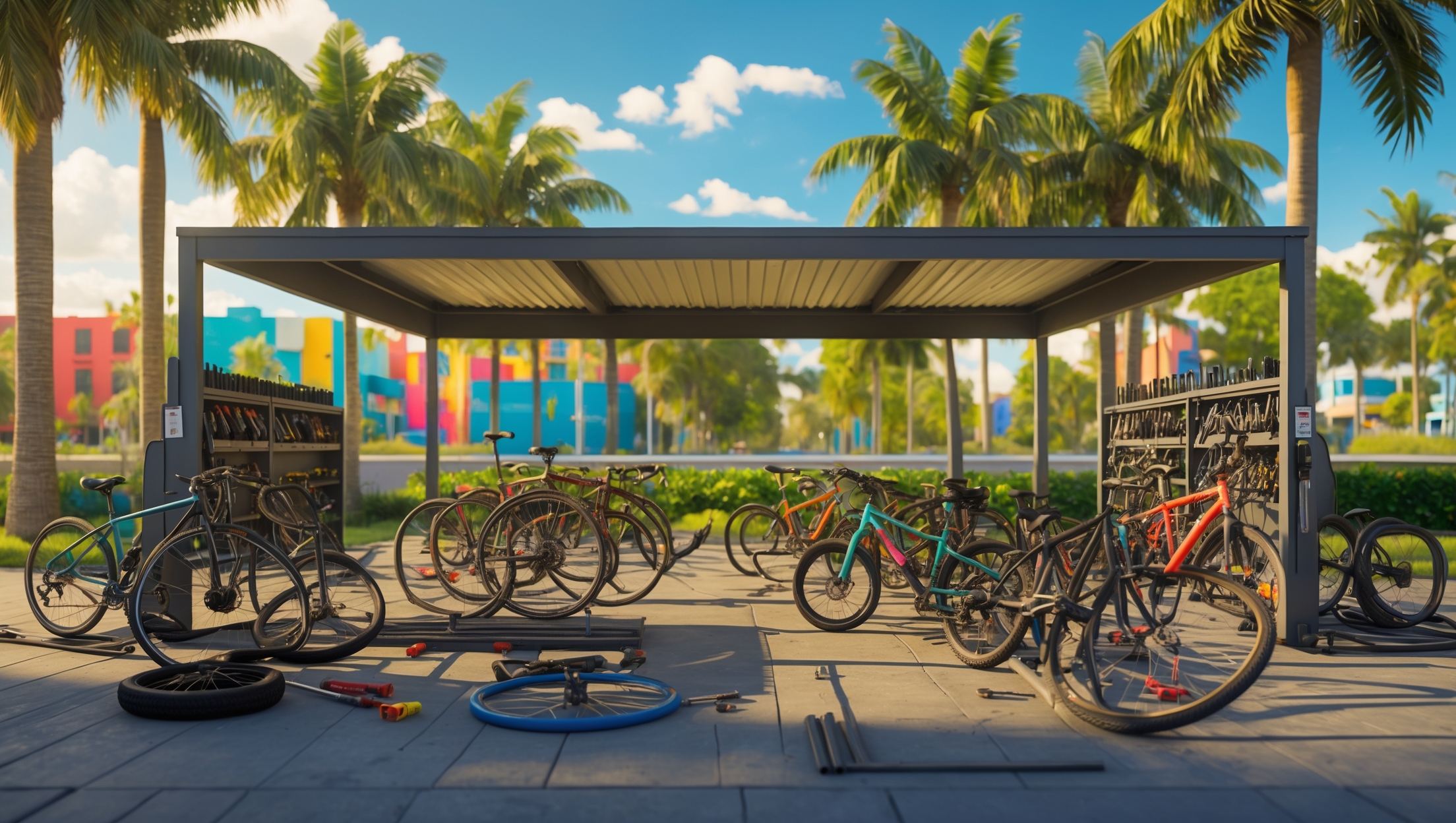
Essential Tools & Equipment Checklist for Launching a St. Petersburg Community Bike Repair Station

Introduction: Pedaling Forward with Community Bike Repair in St. Petersburg
St. Petersburg, FL, is a city known for its vibrant neighborhoods, active cycling community, and commitment to sustainable transportation. With the Pinellas Trail weaving through the heart of the city and a growing network of bike lanes, more locals are choosing bikes for commuting and recreation. But as any cyclist knows, regular maintenance is key to keeping bikes safe and road-ready. That’s where community bike repair stations come in—accessible hubs that empower residents to fix flats, tune gears, and keep rolling. If you’re considering launching a community bike repair station in St. Pete, having the right tools and equipment from day one is essential for success.
This in-depth guide walks you step-by-step through the process of selecting, sourcing, and organizing tools and equipment for your community bike repair station. We’ll cover must-have essentials, recommended upgrades, St. Pete-specific considerations, local suppliers, budgeting strategies, and best practices for maintenance and storage. Whether you’re starting fresh or upgrading an existing station, you’ll leave with actionable knowledge and local insights to make your project sustainable and impactful.
Why Community Bike Repair Stations Matter in St. Petersburg
St. Pete’s commitment to bike-friendly streets is reflected in its diverse cycling population—from students and commuters to families exploring the waterfront. A community bike repair station offers more than just tools; it provides:
- Accessibility: Reduces barriers for those without access to private repair resources.
- Skill-Building: Offers a chance for residents to learn hands-on bike maintenance.
- Community Connection: Serves as a gathering point for cyclists to share tips and camaraderie.
- Sustainability: Encourages bike use, reducing reliance on cars and supporting St. Pete’s environmental goals.
But success starts with the right setup. Let’s dive into what you’ll need.
Core Tools: The Essential Kit for Any Bike Repair Station
There are hundreds of bike tools out there, but not all are necessary for a community station. Focus on durable, multi-use tools that cover the most common repairs and adjustments. Here’s a breakdown of the essentials:
- Floor Pump (with Gauge): For inflating tires; opt for a heavy-duty model with a wide base for stability.
- Tire Levers: At least two sets; plastic levers are safer for rims and easy to use.
- Patch Kits and Spare Tubes: For on-the-spot flat repairs.
- Multi-Tool Sets: Include hex (Allen) wrenches, screwdrivers, and Torx keys in common bike sizes (2-10mm).
- Adjustable Wrenches: For pedals, nuts, and bolts; at least two (small and medium).
- Chain Tool: For removing or shortening bike chains.
- Lubricant (Bike-Specific): For chains and moving parts; avoid general-purpose oils.
- Rags and Cleaning Brushes: For basic cleaning and maintenance.
- Phillips and Flathead Screwdrivers: Multiple sizes for derailleurs, brakes, and accessories.
- Spoke Wrench: For minor wheel truing.
- Pliers (Needle-Nose and Standard): For cables and small parts.
- Cable Cutters: For brake and gear cables.
- Pedal Wrench: 15mm is the most common size; specifically designed for pedal removal.
- Bike Stand: At least one sturdy stand for repairs; consider wall-mounted options for space savings.
- Work Table or Bench: For organizing tools and small parts.
Tip: Buy two or more of the most-used tools to reduce wait times during busy periods.
Recommended Upgrades for Added Impact
Once you’ve covered the essentials, consider these upgrades to increase the station’s capabilities and community value:
- Torque Wrench: Ensures correct bolt tightness, reducing risk of damaging components.
- Bottom Bracket Tool: For crank and bottom bracket adjustments and repairs.
- Chain Wear Indicator: Helps cyclists know when to replace their chain.
- Spoke Tension Meter: For more advanced wheel work.
- Parts Washer or Cleaning Station: For deep-cleaning drivetrains and components.
- Tubeless Tire Repair Kit: If serving modern bikes with tubeless setups.
- Lighting and Magnifiers: For detailed work, especially in evening light or shaded areas.
Upgrading thoughtfully lets your station evolve with the needs of St. Pete’s cycling community.
Budgeting for Your Community Bike Repair Station
Budget is a major concern for most community-led projects. Here’s how to plan for your station without overspending:
- Estimate Startup Costs: For a basic outdoor station, expect to spend $700–$1,500 for durable, theft-resistant tools and a sturdy stand. Indoor or staffed spaces may require $2,000+ for benches, storage, and advanced tools.
- Shop Smart: Seek local bike shop discounts, ask about nonprofit rates, or request donations of gently used tools from the community.
- Apply for Microgrants: Local groups like Bike St. Pete and St. Pete Sustainability & Resiliency sometimes offer small grants for community-driven transport initiatives.
- Prioritize Security: Invest in theft-resistant tool mounting systems and lockable storage. Replacing stolen tools kills momentum and budgets.
- Plan for Consumables: Budget for ongoing costs like patches, lube, and cleaning supplies (approx. $150–$300/year, depending on use).
Choosing the Right Equipment: Factors Unique to St. Petersburg
St. Pete’s weather, environment, and local cycling culture influence equipment selection. Consider the following:
- Weatherproofing: Humidity and salt air can corrode tools. Opt for stainless steel or rust-resistant coatings, and store tools under cover or indoors when possible.
- Sun Exposure: UV rays can degrade plastics and rubber. Use shaded areas or UV-resistant materials for outdoor installations.
- Sand and Grit: Frequent cleaning is necessary to prevent grit from damaging tools and bikes. Provide brushes and encourage users to wipe down equipment regularly.
- Bike Diversity: St. Pete features beach cruisers, hybrids, e-bikes, and road bikes. Stock a range of tube sizes, and make sure your tools fit both older and newer bike standards.
- Accessibility: Ensure your setup is usable by people of all ages and abilities. Adjustable stands and clearly labeled tools help.
Local Resources: Where to Source Tools and Equipment in St. Petersburg
Supporting local businesses and organizations strengthens your project and the community. Here are some St. Pete–area resources:
- Local Bike Shops: St. Pete Bicycle & Fitness, Trek Bicycle St. Petersburg, and ABC Bicycles often offer discounts for community projects and may donate used tools.
- Tool Libraries: Check with the St. Petersburg Library System for potential partnerships or tool-sharing opportunities.
- Hardware Stores: Local chains like Faulkenberry’s Hardware stock general tools and fasteners for benches and storage solutions.
- Online Sources: For specialty bike tools, suppliers like Park Tool and Planet Bike ship nationwide. Look for group-buy discounts.
- Community Grants: Apply for equipment funding from local cycling advocacy groups or city sustainability programs.
Setting Up: Organizing Your Space for Safety and Efficiency
Organization ensures your station is inviting and safe. Follow these best practices:
- Mount Tools Securely: Use locking cables, tool boards, or retractable tethers to prevent loss and make cleanup easy.
- Label Everything: Use weatherproof labels for each tool and provide simple pictorial instructions for common repairs.
- Lighting: Install solar-powered or motion-sensor lights for evening use and safety, especially in parks or public spaces.
- Waste Disposal: Place bins for used tubes, rags, and packaging; partner with local recycling services for sustainable disposal.
- Signage: Clearly post rules, hours, and emergency contact info. Include a QR code or web link to local bike safety resources.
- Accessible Layout: Leave clear walkways and provide enough space for users to work on bikes without crowding.
Tip: Regularly solicit user feedback to improve layout and tool selection over time.
Maintenance: Keeping Tools in Top Shape
Neglected tools quickly become useless or unsafe. Establish routines for:
- Weekly Checks: Inspect for missing or damaged tools, tighten bolts on stands, and wipe down equipment.
- Monthly Deep Cleans: Remove rust, lubricate moving parts, and replace worn-out consumables.
- Inventory Management: Track tool usage and loss; keep a reserve fund for replacements.
- Community Roles: Rotate maintenance responsibilities among volunteers or partner with local youth programs for skill-building.
- Weather Response: Secure tools indoors during severe weather; create a hurricane plan for outdoor stations.
Safety Checklist: Protecting Users and Volunteers
Safety is paramount for building trust and minimizing liability. Implement these measures:
- Post Safety Guidelines: Clear instructions on safe tool use and proper lifting techniques.
- Provide PPE: Gloves, eye protection, and first aid kits should be available and visible.
- Emergency Contacts: Post local emergency numbers and directions to the nearest urgent care or hospital.
- Regular Training: Offer periodic workshops on tool safety and bike repair basics.
- Incident Log: Keep a simple log of any accidents or injuries to improve future safety measures.
Case Study: The Crescent Lake Community Bike Station
One inspiring example is the Crescent Lake Bike Repair Station, launched in partnership with local neighborhood associations. Their approach included:
- Securing an accessible location near the park entrance, visible from the Pinellas Trail.
- Partnering with a local bike shop for donated tools and instructional signage.
- Organizing monthly volunteer days for tool maintenance and user education.
- Offering a QR code linking to video tutorials and local cycling events.
- Tracking usage (over 200 repairs in the first six months!) to demonstrate community impact.
This model can be adapted for other St. Pete neighborhoods, showing how the right tools and a community-driven approach create lasting value.
Conclusion: Building Momentum for a More Bikeable St. Pete
Launching a community bike repair station in St. Petersburg is more than just setting out wrenches and pumps—it’s an investment in mobility, sustainability, and neighborhood pride. By choosing durable, weather-resistant tools tailored to St. Pete’s environment, organizing your space for safety and efficiency, and tapping into local partnerships, you lay the groundwork for a project that keeps rolling for years to come.
Remember, a successful station adapts to the evolving needs of local cyclists. Regularly update your tools, seek feedback, and celebrate each milestone, whether it’s your first hundred users or a major equipment upgrade. With thoughtful budgeting, community engagement, and ongoing maintenance, your bike repair station can become a beloved local asset—empowering riders of all ages to travel safely and confidently throughout our beautiful city.
Ready to take the next step? Connect with St. Pete’s cycling groups, visit existing repair stations for inspiration, and gather your team. With the right tools and a shared vision, you’ll help shape a more connected, resilient, and bike-friendly St. Petersburg—one repair at a time.
Do you have recommendations on local suppliers in St. Pete for sourcing quality bike tools at a reasonable price, or should we look online for better deals when setting up the repair station?
For setting up your bike repair station in St. Pete, check out local shops like The Bikery and ABC Bicycles—they often offer discounts for community projects and can provide advice on tool selection. However, for bulk tools or specialized items, online retailers might have better pricing. It can be helpful to compare both options to balance cost, quality, and community support.
Do you have recommendations for weather-resistant storage solutions for tools and equipment, especially considering St. Petersburg’s humidity and frequent rain? I’m concerned about keeping everything organized and rust-free in an outdoor setting.
For St. Petersburg’s climate, look for heavy-duty, lockable outdoor storage cabinets or deck boxes made from molded resin or marine-grade stainless steel—these resist rust and won’t warp in humidity. Add silica gel packs or dehumidifier containers inside to reduce moisture. Using foam tool organizers or hanging racks within the storage will help keep tools both organized and dry. Be sure to periodically check and clean the tools, and apply a thin layer of oil to metal parts for extra protection.
I’m just starting to put together a community bike repair station and I’m a little overwhelmed by all the tool options. For someone with a limited budget, are there a few essential tools you would prioritize above others to make sure most local riders can handle basic repairs?
Absolutely, starting with the basics is a good way to stretch your budget. Prioritize a set of Allen wrenches, tire levers, a quality floor pump, patch kits, a chain tool, and a set of screwdrivers. These cover most common issues like flat tires, loose bolts, and chain problems. If you have a bit extra, add a pedal wrench and adjustable wrench. These essentials will help most riders with basic repairs.
For someone new to organizing community bike repair events, what are some best practices for keeping the tools secure and in good condition, especially in a public or semi-outdoor space in St. Petersburg’s climate?
To keep tools secure and in good shape, consider lockable storage like weatherproof tool chests or cabinets, ideally bolted down if possible. Organize tools with labeled trays or pegboards so you can easily check if anything is missing. After each session, do a quick inventory and wipe down tools to prevent rust from humidity. If you’re leaving anything on-site, use rust-resistant tools and silica gel packs to fight moisture.
I’m curious about the recommended approach for budgeting the initial purchase of tools and equipment for a community bike repair station in St. Pete. Are there local suppliers that offer significant discounts for community initiatives or nonprofit projects?
For budgeting your initial tool and equipment purchase, start by listing all essential items and getting quotes from multiple suppliers to compare prices. Consider prioritizing must-have tools first, allowing room in your budget for future expansion. In St. Petersburg, some local bike shops and hardware stores may offer discounts to community initiatives or nonprofits, especially if you reach out directly and explain your project. You can also contact regional bike co-ops and nonprofit organizations for advice on sourcing affordable supplies.
You mentioned budgeting strategies—do you have any rough estimates or example budgets for launching a basic versus a more fully equipped community bike repair station in St. Pete?
For a basic community bike repair station in St. Petersburg, you might spend between $1,500 and $3,000. This would cover essential tools, a sturdy work stand, locks, and some basic spare parts. For a more fully equipped station, expect a budget closer to $5,000–$8,000, which allows for a wider range of specialty tools, equipment for multiple users, signage, weatherproof storage, and a larger stock of replacement parts.
You mentioned budgeting strategies for launching a community bike repair station in St. Pete. Could you provide more detail on what initial costs to anticipate and any suggestions for sourcing affordable but reliable tools locally?
Initial costs for a bike repair station usually include tools (like wrenches, tire levers, pumps), sturdy work stands, tool storage, signage, and possibly liability insurance. You should also budget for a basic stock of replacement parts, such as tubes and patch kits. For affordable tools, consider checking local bike shops for bulk discounts, visiting hardware stores, or reaching out to cycling clubs for gently used equipment. Community organizations or city programs might also have grants or donations available.
If I have a pretty basic budget to work with, which tools would you consider absolutely essential for launching a station that helps with the most common bike issues around the Pinellas Trail? I’m not sure how to prioritize the checklist.
For a basic setup, focus on tools that address the most frequent repairs. Prioritize a quality floor pump with a gauge, tire levers, patch kits, a set of Allen wrenches, screwdrivers, an adjustable wrench, and chain lube. These will cover flats, basic adjustments, and minor tweaks which are the issues most riders face around the Pinellas Trail. As your budget allows, you can gradually add more specialized tools.
In the section about local suppliers, do you have any recommendations for small businesses or nonprofits in St. Pete that might offer bulk discounts or partnership opportunities for sourcing bike repair tools?
Yes, in St. Petersburg, you might want to reach out to The St. Pete Bicycle Co-op, which often supports community projects and may offer partnership opportunities or advice on sourcing tools. Another option is your local Ace Hardware stores, which sometimes provide bulk discounts for community initiatives. It’s also worth contacting local cycling nonprofits, as they sometimes have established supplier networks or may share contacts for discounted tools.
For someone just starting out, what would you say is the most essential piece of equipment that often gets overlooked when setting up a community bike repair station in St. Petersburg? Is there anything specific to the local climate or biking patterns that should influence what goes on the checklist?
One commonly overlooked but essential item is a sturdy floor pump with both Presta and Schrader valve compatibility. With St. Petersburg’s humid, rainy climate, rust-resistant tools and a well-sealed, weatherproof storage cabinet are also important to keep equipment in good shape. Additionally, stocking extra patch kits and chain lubricant helps address the wear and tear bikes experience due to salt air and frequent rides near the coast.
The article mentions best practices for maintenance and storage—could you give specific tips on how to organize tools and keep everything secure overnight in a public space, especially in Florida’s humid climate?
To keep tools organized and secure in a public bike repair station, use lockable, weather-resistant cabinets or tool chests made from rust-proof materials. Arrange tools on pegboards or with labeled bins inside for easy access. At closing, ensure all items are accounted for, wipe down metal surfaces to prevent rust, and use silica gel packs inside storage to help control humidity. Always lock up the storage units securely overnight.
Could you clarify what the St. Pete-specific considerations are when choosing bike tools? Are there certain tools or equipment that are especially important for local conditions, like weather or the types of bikes people usually ride here?
In St. Pete, salty air and frequent rain mean rust-resistant tools and lubricants are especially important for bike maintenance. Many locals ride beach cruisers, hybrids, and bikes with wider tires, so tire levers, sturdy pumps, and patch kits for larger tubes are useful. It’s also smart to have chain cleaners and degreasers that work well in humid conditions.
You mention best practices for maintenance and storage of tools. Could you share examples of effective systems or routines that have worked well in other community bike repair stations, especially in a humid climate like St. Petersburg’s?
Absolutely. In humid climates like St. Petersburg, many community bike stations use sealed, waterproof storage cabinets and keep silica gel packs or dehumidifiers inside to reduce moisture. Some groups set up weekly tool checks, wiping tools down with an oil-soaked rag to prevent rust. Labeling tools and having shadow boards help maintain organization and make it easy to spot missing items. Rotating tool inventories every few months is another routine that helps keep everything in working order.
Could you give some guidance on how to budget for setting up a basic repair station for a smaller neighborhood in St. Petersburg? I’m wondering what the minimum essentials might cost and how much to plan for recommended upgrades.
For a small neighborhood bike repair station, budgeting for the basics is a great starting point. Essential tools like a bike stand, basic hand tools (wrenches, tire levers, screwdrivers), a floor pump, and patch kits can total around $400 to $600. If you want to include upgrades—like a more robust stand, a tool storage cabinet, and extra specialty tools—plan for an additional $300 to $500. Don’t forget to budget for signage and weather protection if outdoors.
You mention sourcing equipment from local suppliers in St. Pete. Do you have suggestions for reputable local vendors, or tips for negotiating discounts when buying in bulk for a community project like this?
For sourcing tools and equipment in St. Petersburg, you might try local shops like ABC Bicycles or The Bike Room, as they often support community projects. When negotiating discounts, mention your nonprofit or community focus—many vendors offer bulk rates or community support discounts. It also helps to gather quotes from several suppliers and be transparent about your budget and mission.
You mention budgeting strategies for setting up a community bike repair station. Can you provide a ballpark estimate for the total startup cost, and maybe suggest where it’s most important not to cut corners?
Based on the article’s recommendations, a community bike repair station in St. Petersburg typically requires a startup budget ranging from $2,000 to $5,000. This covers essentials like quality tools, a sturdy workbench, spare parts, and signage. It’s especially important not to cut corners on durable, professional-grade tools and secure bike stands, as these will be used daily and need to withstand heavy use.
You mentioned the Pinellas Trail and a diverse cycling population in St. Pete. Are there any unique tools or equipment the guide suggests to better support family or commuter cyclists compared to a standard repair kit?
Yes, the guide highlights a few extra tools to better support families and commuters. It suggests including adjustable child seat wrenches, extra tire levers for strollers or cargo bikes, a range of hex keys for various bike accessories, and a reliable air pump that can handle both high-pressure and large-volume tires. These additions go beyond a standard kit to address the needs of different bikes and attachments often used by families and daily commuters.
Since St. Pete has a lot of bike commuters and families on the trails, are there any St. Pete-specific tools or equipment you’ve found especially useful or necessary that might not make the standard checklist in other cities?
In St. Pete, the salty air and frequent rain mean rust can be a bigger issue, so having a good supply of rust remover and chain lubricant suited for humid climates is highly recommended. Also, wider tire levers and pumps for beach cruisers and family bikes are especially handy here, since those bikes are so popular along the Pinellas Trail and waterfront paths.
Since St. Pete has a pretty humid and sometimes salty climate, are there any special considerations for tool storage or maintenance to keep equipment in good shape long-term at an outdoor repair station?
Yes, St. Pete’s humid and salty air can definitely be tough on tools. To help prevent rust and corrosion, choose stainless steel or coated tools when possible, and store them in weatherproof, lockable cabinets or toolboxes. Regularly wipe down tools after use, and consider applying a light oil or rust inhibitor. It’s also smart to inspect and clean equipment frequently to catch any early signs of wear.
Could you clarify if your checklist covers any St. Pete-specific tools or equipment that might be needed due to the city’s weather or coastal conditions? I’m curious whether salt air or humidity affects maintenance needs for community bike stations.
The checklist mainly focuses on general bike repair tools and equipment, but you raise an important point about St. Pete’s coastal climate. Salt air and humidity can lead to faster rusting and corrosion, so it’s wise to include stainless steel or rust-resistant tools, weatherproof storage, and extra chain lube or rust inhibitor spray. Regular cleaning supplies should also be on hand to combat buildup from salt and moisture.
Once the station is set up, what are some best practices for maintaining and securing the tools so they don’t go missing or get damaged, especially in a public space like one of St. Pete’s parks or near the Pinellas Trail?
To keep your tools secure and in good shape, consider mounting them to the station with retractable cables or tamper-proof fasteners so they can’t be easily removed. Regularly inspect all equipment for wear, and schedule routine cleanings to prevent rust or grime buildup. Posting clear signage about proper tool use and encouraging community responsibility also helps deter misuse or theft. If possible, position the station in a well-lit, visible area to increase security.
For someone completely new to bike repair, which essential tools from your checklist are the easiest for beginners to use, and are there any that might require some initial training or supervision at a community station?
For beginners, basic tools like tire levers, floor pumps, Allen wrenches, and screwdrivers are very straightforward and user-friendly. These are great starting points for simple tasks like adjusting seats or inflating tires. On the other hand, tools such as chain breakers, pedal wrenches, and cable cutters might need some guidance or supervision, as improper use can damage bike parts or cause injury.
Could you elaborate on which tools or equipment you found most challenging to source locally in St. Petersburg, and how you recommend overcoming any supply gaps for someone setting up a new community bike repair station?
Some of the hardest items to source locally in St. Petersburg were specialty bike tools like headset presses, bottom bracket tools, and certain spoke wrenches. Basic tools are widely available, but the specialized ones often require ordering from dedicated bike supply companies. For these gaps, consider teaming up with local bike shops to borrow or purchase in bulk, and check online community forums where mechanics sometimes sell or donate extra equipment.
When sourcing equipment locally in St. Petersburg, are there any particular suppliers or community organizations that offer discounts or partnerships for nonprofit bike repair stations?
Yes, in St. Petersburg, local bike shops like The Bikery and St. Pete Bicycle & Fitness have a history of supporting community projects and may offer discounts for nonprofit initiatives. Additionally, organizations like Shift StPete and St. Pete Free Clinic have partnered with bike repair stations in the past. It’s worth reaching out directly to these businesses and nonprofits to discuss possible partnerships or donation programs for your project.
You mention local suppliers and tips for sourcing tools in St. Pete. Are there any community organizations or bulk-buying programs in the area that could help lower the upfront costs for a new bike repair station?
Yes, St. Petersburg has a few community organizations like the St. Pete Bike Co-op and Shift St. Pete that sometimes assist with tool donations or advice on sourcing affordable equipment. You might also connect with local bike shops or neighborhood associations, as they occasionally coordinate bulk-buying programs or group orders to help new projects save on costs. Reaching out directly to these groups can open doors to partnerships and discounts.
I’m curious about the budgeting strategies mentioned in the article—are there any specific grants or local organizations in St. Pete that routinely help fund community bike repair stations? Any tips for first-time applicants to these funding sources?
Yes, the article mentions that groups like the St. Petersburg Bicycle Co-op and local chapters of organizations such as the Community Foundation of Tampa Bay have supported similar projects. For grants, check with the city’s Neighborhood Partnership Program and local businesses with community funds. When applying for the first time, be clear about your goals, provide a realistic budget, and highlight the community impact. Gathering letters of support from local residents or partners can also strengthen your application.
Could you provide more detail on the specific St. Pete-specific considerations mentioned for a community bike repair station? Are there any local ordinances or unique weather factors that would impact the selection or placement of tools and equipment?
For St. Petersburg, it’s important to account for the humid, coastal climate which can cause tools and metal parts to rust more quickly. Opt for stainless steel or coated equipment and consider weatherproof storage. Placement should avoid low-lying areas prone to flooding. Local ordinances require public installations to get city approval and sometimes need permits, so check with the city’s parks or public works department before setting up your repair station.
Our neighborhood has families with younger kids and casual riders. Are there specific tools or equipment you would add to the checklist to better serve people who aren’t regular cyclists or might be using smaller bikes?
For neighborhoods with younger children and casual riders, consider adding smaller-sized tire levers, adjustable wrenches for kids’ bikes, and extra patch kits suited for smaller tires. Including a selection of Allen keys for training wheels and scooters, a pump compatible with both Schrader and Presta valves, and a step stool for little helpers can make the repair station more inclusive. A basic instruction guide or visual chart for simple repairs could also empower less experienced users.
The checklist sounds comprehensive, but I wonder how you recommend sourcing quality tools locally in St. Petersburg without blowing the budget. Are there any local suppliers or organizations that regularly support projects like this with discounts or donations?
You can reach out to local bike shops in St. Petersburg, as many are supportive of community initiatives and may offer discounts or even donate used tools. Nonprofits like the St. Pete Bike Co-op are also great contacts—they often collaborate on community projects and might have surplus equipment or know about local grant opportunities. It’s also worth contacting hardware stores about potential group discounts for community projects.
I’m curious about how you recommend organizing and storing tools to keep the station accessible and user-friendly, especially in a busy area along the Pinellas Trail. Any best practices for preventing loss or damage?
For high-traffic spots like the Pinellas Trail, mount tools on retractable cables or chains to prevent them from being misplaced or taken. Use labeled pegboards or shadow boards so users can see where each tool belongs, making it easy to put items back. Regularly inspect and inventory the tools, and consider using weatherproof, lockable cabinets for less commonly used equipment. Clear signage helps everyone understand how to keep the area tidy and secure.
Do you have any tips for organizing or securing tools at an outdoor repair station to prevent loss or theft, while still making everything as accessible as possible for the residents using the space?
One practical approach is to use lockable tool cabinets or weatherproof boxes bolted to the repair station. You can also attach tools to the station with retractable cables or chains to allow use without easy removal. Clearly labeling and numbering the tools encourages accountability. Consider posting visible signage about tool use guidelines, and, if possible, involve local volunteers or a neighborhood watch to keep an eye on the station.
I noticed you mention budgeting strategies for starting up a station. Could you give an estimated upfront cost range for the essential tools and equipment list you recommend, especially for someone just launching in St. Petersburg?
For a basic community bike repair station in St. Petersburg, you can expect upfront costs for essential tools and equipment to range from $1,000 to $2,000. This covers quality hand tools, a sturdy repair stand, essential consumables like patches and lubricants, and basic storage solutions. Prices may vary depending on brands and whether you purchase new or gently used items, but starting with reliable basics will help your station serve the community effectively.
As someone who’s pretty new to bike maintenance, I’m curious—do you have any tips for offering beginner-friendly workshops or resources at a repair station? How do you make sure people feel comfortable learning hands-on skills, especially if they’ve never fixed a bike before?
To make workshops beginner-friendly, consider starting with very basic topics like fixing a flat tire or adjusting brakes. Use clear, simple explanations and demonstrate each step before letting participants try themselves. Create a welcoming atmosphere by encouraging questions and offering lots of positive feedback. Printed handouts with diagrams or quick reference cards can be helpful, and having experienced volunteers available for one-on-one guidance can boost confidence for first-timers.
When organizing a new station, what’s a good starting point for budgeting if we want to offer both essential tools and some recommended upgrades? Are there cost-effective local suppliers in St. Pete that you’d suggest for a nonprofit project?
For budgeting, start by listing the essential tools from the article—basic wrenches, tire levers, pumps, and patch kits—then add recommended upgrades like work stands or specialty tools. For a nonprofit in St. Pete, check local bike shops like The Bikery or ABC Bicycles, and reach out to them about nonprofit rates or possible donations. Also, look into local hardware stores for bulk deals on general tools.
Could you provide a rough estimate of how long it typically takes to set up a basic repair station from sourcing the equipment to being fully operational in St. Petersburg?
Setting up a basic community bike repair station in St. Petersburg usually takes around 2 to 4 weeks. This timeline covers sourcing essential tools and equipment, securing permits if needed, organizing the space, and assembling the station. Delays could occur if certain tools are on backorder or if you need to coordinate with local authorities for approvals or utilities.
For someone new to organizing community projects, how do you recommend sourcing tools locally in St. Petersburg? Are there specific suppliers or organizations that support initiatives like this with discounts or donations?
For sourcing tools locally in St. Petersburg, check with hardware stores such as Ace Hardware or Home Depot for possible community discounts. Local bike shops sometimes donate gently used tools or parts, especially if you explain your project’s community focus. Consider reaching out to organizations like the St. Pete Free Clinic or local Rotary clubs, as they sometimes support grassroots projects with supplies or funding. Don’t forget to ask neighbors and community groups—they might have extra tools to donate.
I noticed the article mentions budgeting strategies, but I’m wondering if you have a ballpark estimate for how much it costs to fully equip a basic but functional bike repair station in St. Petersburg using local suppliers?
A basic but functional community bike repair station in St. Petersburg typically costs between $1,200 and $2,000 when sourced from local suppliers. This covers essential tools, a sturdy work stand, a basic set of spare parts, and some safety gear. Costs can vary depending on tool quality and whether you buy new or refurbished items, but that range should give you a solid starting point for your budget.
You mention sourcing tools locally for the bike repair station in St. Pete. Are there any specific shops or suppliers in the area that offer discounts to community projects, or tips on negotiating better prices for bulk purchases?
Several local bike shops in St. Petersburg, like The Bikery and ABC Bicycles, are known for supporting community initiatives and may offer discounts if you explain your project’s purpose. It’s helpful to approach them with a clear outline of your needs and budget. For bulk purchases, try negotiating by highlighting the community benefit and offering recognition or partnership opportunities, which can encourage better pricing or donations.
As a local business owner, I’m curious if you have advice on partnering with St. Petersburg-based suppliers for sourcing tools and equipment. Are there particular shops or organizations in the area you recommend for community projects like this?
Partnering with local suppliers is a great way to support the community and often makes ongoing maintenance easier. In St. Petersburg, you might reach out to shops like The Bikery and ABC Bicycles, as they’re known for community involvement. Also, consider connecting with organizations such as St. Pete Bike Co-op, which can offer advice and may have leads on local tool suppliers or even donations for community projects.
With St. Petersburg’s humidity and frequent rain, are there specific tools or storage methods you recommend to prevent rust and prolong the life of the repair station’s equipment?
St. Petersburg’s humid and rainy climate definitely calls for some extra care. Opt for stainless steel or chrome-plated tools, as these materials resist rust much better. Keep all equipment in a weatherproof, lockable storage cabinet when not in use. Adding moisture-absorbing packets or a small dehumidifier inside the storage unit can help too. Regularly drying tools after use and applying a light coat of lubricant will further protect them from corrosion.
You mentioned budgeting strategies for setting up a community repair station. What would you say is a realistic estimate for the total start-up cost if we’re prioritizing essential tools in St. Petersburg?
If you’re focusing on essential tools and basic setup for a community bike repair station in St. Petersburg, a realistic estimate would range from $1,000 to $2,000. This budget should cover quality hand tools, a sturdy repair stand, a basic pump, a secure storage solution, and some initial spare parts. Costs can vary depending on whether you buy new or used equipment and any donations or discounts you might receive.
I’m curious about the budgeting strategies mentioned for sourcing equipment locally in St. Petersburg. Did the article provide any resources or tips on working with local bike shops to secure discounts for community repair stations?
The article highlights the importance of building relationships with local bike shops in St. Petersburg to help with sourcing equipment. It suggests reaching out directly to shop owners to discuss your community repair station’s goals and explore potential partnerships. While it doesn’t list specific shops, it encourages asking about bulk discounts or donations, and emphasizes that many businesses are receptive to supporting community initiatives if approached personally and transparently.
Does your checklist include any recommendations for weather-resistant storage solutions for tools, especially considering St. Petersburg’s humidity and potential for sudden rain? I’m trying to figure out the best way to keep everything in good shape year-round.
The checklist does mention the importance of weather-resistant storage, especially for a place like St. Petersburg. It recommends using lockable, heavy-duty outdoor cabinets or sheds made from rust-resistant materials like resin or powder-coated metal. Keeping tools organized in waterproof toolboxes inside the storage also helps protect them from humidity and sudden rain, ensuring they stay in good condition all year.
When organizing the tools and equipment, what are some practical approaches for ensuring everything stays secure and accessible, especially in outdoor or public spaces common in St. Petersburg?
To keep tools both secure and accessible in outdoor or public spaces, consider using lockable weatherproof cabinets or tool chests anchored to the ground. Organize tools on pegboards or in labeled bins inside the cabinet for easy access. Use a check-out system or numbered tool tags to track usage. Installing security cameras nearby can deter theft, and posting clear guidelines for tool use helps maintain organization.
I noticed the article talks about the Pinellas Trail and attracting different groups of cyclists. Does the equipment checklist change at all if you’re setting up close to a popular family riding spot versus a commuter-heavy area?
Yes, the equipment checklist can vary depending on your location. Near family-friendly spots, it’s helpful to include more basic repair tools, pumps for kids’ bikes, and simple instructions for beginners. In commuter-heavy areas, stock up on higher-quality tools for quick, more advanced repairs, and consider extra spare parts like tubes and patch kits. Tailoring your setup to your audience makes the station more useful for everyone.
I love the idea of the station doubling as a learning hub for hands-on bike maintenance. Do you have any advice on organizing workshops or attracting volunteers to help out, especially for people like me who are new to running community events?
Organizing workshops can start simple—try hosting regular, themed sessions (like flat tire fixes or brake adjustments) to attract both beginners and experienced cyclists. Promote the events at local bike shops, libraries, and community centers to draw in volunteers. Partnering with local cycling groups is a great way to find knowledgeable helpers, and offering snacks or small perks can encourage participation. Start small and learn as you go—people love sharing skills in a welcoming space!
I’m curious about how you decide which upgrades or additional tools make the biggest impact once the essentials are covered. Are there any tools specific to St. Petersburg’s biking environment that you’d recommend prioritizing after the basics?
Once the basics are in place, upgrades that offer the biggest impact usually address common repairs specific to your local riders. For St. Petersburg, it helps to prioritize rust-resistant tools and a good supply of chain lube because of the humid, coastal climate. Tubeless tire repair kits and heavy-duty tire levers are also useful, as many locals use bikes for commuting and encounter a lot of road debris. Ask regular visitors about their most frequent repairs to guide further purchases.
For areas of St. Petersburg that might experience more exposure to saltwater or humidity, are there particular types of tools or storage solutions you would suggest to prevent rust and wear at an outdoor bike repair station?
For outdoor bike repair stations in humid or saltwater-prone parts of St. Petersburg, consider using stainless steel or chrome-plated tools, as they’re more resistant to rust. Galvanized or powder-coated tool racks and cabinets also hold up better outdoors. Storing tools in weatherproof, sealed containers or lockers and regularly applying a light oil to metal surfaces can help prevent corrosion. Try to choose equipment specifically designed for marine or outdoor environments when possible.
I saw you mentioned sourcing from local suppliers. Do you have any advice on the differences between buying tools at a shop in St. Pete versus ordering online, especially when starting fresh with limited experience?
Buying tools locally in St. Pete lets you see and feel the quality before purchasing, and shop staff can offer advice tailored to your needs. Local shops may also help with returns or issues. Online shopping often has a wider selection and competitive prices, but it can be harder to judge tool quality and get immediate support if you’re new to bike repairs. For beginners, starting at a local shop can be reassuring, especially when you have questions.
I’m curious if you have advice on how often stations should check and maintain their own tools to keep everything in good working condition, given St. Pete’s humid climate.
In St. Pete’s humid climate, it’s important to inspect bike tools and equipment at least once every two weeks. Moisture can lead to rust and wear, so regular cleaning, drying, and lubricating of metal tools will help prevent damage. After periods of heavy rain or high usage, a quick check is a good idea. Keeping a maintenance log can also make it easier to stay on schedule.
As someone who’s looking to launch a bike repair station from scratch, how much initial budgeting should I expect if I stick to only the essentials your checklist describes? Any suggestions for keeping upfront costs manageable?
Based on the essentials listed in the article, you can expect to budget around $800 to $1,500 for a basic community bike repair station. This range covers quality hand tools, a sturdy repair stand, basic spare parts, and storage solutions. To keep upfront costs down, consider sourcing gently used tools, reaching out to local bike shops for donations, or hosting a tool drive in your community.
I noticed the article talks about recommended upgrades for the repair station. For someone just getting started on a tight budget, which upgrades would you suggest prioritizing after the must-have essentials are covered?
Once you’ve got the basic tools and parts covered, consider prioritizing a sturdy bicycle work stand as your first upgrade. It makes repairs easier and safer. Next, think about adding a quality floor pump with a pressure gauge and a set of reliable tire levers. These upgrades will increase efficiency and help users get back on the road faster, while still being budget-friendly.
As a parent in St. Pete who sometimes bikes with my kids, I’m curious if the checklist includes kid-sized tools or anything specific to children’s bikes. Have you noticed families using these repair stations, and if so, are there any extra considerations for younger riders?
The checklist mainly covers standard tools designed for adult and most youth bikes, such as wrenches, tire levers, and pumps, which usually fit a wide range of sizes. While there aren’t specific kid-sized tools listed, most community stations are used by families, and the provided tools generally work for children’s bikes. For younger riders, it’s helpful to check that the station includes smaller Allen keys and adjustable wrenches, since some kids’ bikes have smaller components. Supervising children and helping them with tool use is always recommended.
Can you provide a rough estimate of how much it would cost to fully equip a community bike repair station at the most basic level versus a more advanced setup, especially if we’re looking to source everything from local suppliers?
For a basic community bike repair station in St. Petersburg, sourcing from local suppliers, you could expect to spend around $800 to $1,200. This includes essential tools, sturdy workstands, and basic spare parts. For a more advanced setup with professional-grade tools, more workstands, and a broader selection of replacement parts, the estimate could range from $2,500 to $4,000. Costs can vary depending on brand choices and supplier prices.
When choosing between must-have essentials and recommended upgrades for the initial setup, what factors should we consider to make sure the station stays both sustainable and impactful as St. Pete’s cycling community grows?
When deciding between essentials and upgrades, consider how frequently each tool or feature will be used, your available budget, and the potential for future expansion. Focus first on durable, multipurpose tools and secure storage. Assess local cycling patterns to prioritize items that address common repairs. For upgrades, choose equipment that can be integrated easily as the station grows, ensuring long-term sustainability and relevance for St. Pete’s evolving community.
You mentioned organizing tools and equipment is crucial for success. Could you give some examples of effective storage solutions that work especially well in the humid St. Petersburg climate?
In humid climates like St. Petersburg, rust and corrosion can be a real issue. Consider using stainless steel tool chests or heavy-duty plastic bins with tight-fitting lids to protect tools from moisture. Wall-mounted pegboards made of coated metal or composite materials can keep tools organized and off damp surfaces. Silica gel packs or dehumidifiers in storage areas also help reduce humidity levels.
I’m new to bike repair and still learning. When pulling together a station like this, how do you suggest training volunteers, especially in teaching basic skills to the community? Are there any local organizations or programs in St. Pete that can help with education or support?
Start by organizing hands-on workshops where experienced volunteers guide both new helpers and community members through basic repairs like fixing flats or adjusting brakes. Pair newcomers with seasoned mentors during shifts to build confidence and skills. In St. Petersburg, check out local cycling groups like Shift St Pete or the St. Pete Bicycle Co-op—they often offer training sessions and may be willing to collaborate or provide educational materials for your station.
For someone starting a community bike repair station in St. Pete, what are a few must-have tools you’d recommend prioritizing on a tight budget before thinking about upgrades or extras?
If you’re just getting started and funds are tight, focus on a reliable floor pump, basic tire levers, a set of Allen wrenches, screwdrivers, and a quality chain tool. Also, a few adjustable wrenches and patch kits go a long way for common repairs. These essentials will cover most typical bike fixes and keep your station useful until you can invest in more specialized tools.
The article talks about budgeting strategies for sourcing tools and equipment. Do you have recommendations on which items are okay to buy used versus which you really should get new when starting out a St. Pete bike repair station?
For your St. Pete bike repair station, basic hand tools like wrenches, screwdrivers, and tire levers can often be bought used, as long as they’re in good condition. However, safety-critical items such as torque wrenches, bike stands, and anything electrical should ideally be purchased new to ensure accuracy and reliability. Always inspect used items for wear or damage, and prioritize new purchases for tools where precision or safety is essential.
The article mentions connecting with local suppliers in St. Pete for sourcing tools. Are there particular stores or organizations in the area that offer discounts or support for community projects like this?
Yes, several local bike shops and hardware stores in St. Petersburg are known to support community projects. Shops like The Bikery and St. Pete Bicycle & Fitness sometimes offer nonprofit or group discounts. It’s also helpful to reach out to organizations like St. Pete Free Clinic or local neighborhood associations, as they often have connections or recommendations for discounted supplies and community partnerships.
Could you share some specific recommendations for local St. Petersburg suppliers that offer quality bike repair tools and parts? I’m trying to support businesses in the area while sourcing equipment for a new community station.
Absolutely, supporting local businesses is a great approach. In St. Petersburg, consider checking out ABC Bicycles and The Bike Room for quality tools, parts, and advice. Also, Pinellas Park Cyclery and St. Pete Bicycle & Fitness are reputable options with a wide selection. Visiting these shops can help you source reliable equipment and build valuable connections for your community station.
You talked about must-have essentials versus recommended upgrades for a new repair station. If our group is on a tight budget, which few tools should we definitely prioritize to get started effectively?
If your budget is limited, focus on the basics first: tire levers, a quality floor pump with a pressure gauge, a set of Allen wrenches, screwdrivers, and patch kits. These tools cover the most common repairs and maintenance tasks, allowing you to help cyclists with flats, basic adjustments, and quick fixes right from the start.
The guide talks about best practices for organizing and storing equipment. Could you elaborate on recommendations for keeping tools secure in a public station, especially with humidity and potential theft being concerns in St. Petersburg?
To keep tools secure in a public bike repair station, consider using lockable cabinets or tool chests made from weather-resistant materials. Use stainless steel or rust-resistant coatings to combat humidity. For theft prevention, tether tools to workstations with retractable cables or chains, and install security cameras or motion-sensor lights. Regularly inspect for rust and replace tools as needed, and encourage community volunteers to help monitor the station.
I noticed you mentioned local suppliers and budgeting strategies. Are there certain places in St. Petersburg where beginners can find quality used or discounted bike repair tools, or is it better to buy new from specialized stores?
In St. Petersburg, beginners can find quality used or discounted bike repair tools at local spots like thrift stores, community bike co-ops, or weekend markets. Some bike shops also sell pre-owned tools or have sales on starter kits. Buying new from specialized stores ensures warranties and expert advice, but used options are budget-friendly if you inspect condition carefully. Combining both approaches often works well for those just starting out.
We’re looking to open a bike repair station close to the Pinellas Trail, and I’m wondering if there are any recommended local suppliers in St. Pete for tools that hold up well in Florida’s humid climate. Do you cover any specific brands or feature requirements in the checklist?
The checklist highlights the importance of choosing rust-resistant and weatherproof tools, such as stainless steel or coated steel options, but it doesn’t mention specific brands. For St. Pete, local bike shops like St. Pete Bicycle & Fitness or ABC Bicycles often carry tools designed for harsh climates, and you could ask them for recommendations. Look for tools with sealed bearings and corrosion-resistant finishes to ensure longevity outdoors.
You mention budgeting strategies for sourcing the right tools and equipment—are there any local suppliers in the St. Petersburg area that offer discounts or grant opportunities for community projects like this? I want to make sure I don’t miss out on any local support.
Local bike shops in St. Petersburg, such as The Bikery and ABC Bicycles, sometimes offer community discounts or are open to partnerships for nonprofit projects. You might also check with local hardware stores for group rates. Additionally, the city’s Neighborhood Partnership Grant and some local foundations occasionally provide grants for community improvement projects. Reaching out directly to these businesses and organizations is a great way to explore available support.
The article mentions best practices for organizing and storing tools at the station. Do you have any examples or layouts that work particularly well in shared outdoor spaces, considering security and Florida’s climate?
For shared outdoor spaces in Florida, lockable weatherproof tool cabinets or metal storage boxes anchored to a concrete pad are great choices. Pegboards with labeled outlines help organize tools inside cabinets and make inventory checks easy. Consider portable tool chests with combination locks for mobile setups. To handle humidity, choose rust-resistant materials and regularly maintain your tools. Group frequently used tools together for quick access, and always secure everything after hours.
Could you expand on the budgeting strategies you mentioned? I’m trying to figure out if there are certain tools or equipment that are better to buy used versus new, especially for someone launching their first repair station in St. Petersburg.
For budgeting, it’s wise to buy sturdy hand tools like wrenches, tire levers, and screwdrivers used, since they hold up well over time if checked for wear. However, for items like pumps, truing stands, and torque wrenches, buying new ensures accuracy and reliability, which is important for safety. Prioritize new purchases for equipment that needs regular calibration or is critical for precise adjustments, and look for quality used tools at local shops or online to stretch your budget.
I’ve never set up anything like this before, so I’m wondering which tools on your checklist are the absolute must-haves to get started, versus items that I could add later when we have more funding?
To get your bike repair station off the ground, focus on the basics first: a bike pump, tire levers, patch kits, multi-tools with Allen wrenches, screwdrivers, and basic lubricants. These cover most common repairs. You can add advanced items like torque wrenches, truing stands, and specialty tools once you have more resources. Start simple and expand as your needs grow.
For stations aiming to serve a wide range of cyclists, from beginners to experienced riders, what are some best practices for organizing tools and equipment so that all users can find what they need without confusion?
To help all cyclists easily find what they need, consider grouping tools by repair type—like tires, brakes, or chains—and labeling each section clearly. Use shadow boards or pegboards with outlines for each tool so users know where tools belong. Including simple, visible instructions for common repairs can guide beginners, while keeping advanced tools in a separate, labeled area will help experienced riders find specialty items quickly.
The article mentions both must-have tools and recommended upgrades for a bike repair station. Could you give examples of what you consider an upgrade versus a necessity, especially considering St. Pete’s weather and biking conditions?
Certainly! For must-have tools, items like tire levers, basic wrenches, screwdrivers, and a sturdy bike pump are essential for everyday repairs in St. Pete’s humid and sometimes rainy climate. Upgrades might include a work stand for easier repairs, a torque wrench for precision, or weather-resistant tool storage to help equipment last longer in local conditions. Essentials keep bikes running, while upgrades improve efficiency and durability for both volunteers and riders.
The article mentions budgeting strategies for setting up a community bike repair station. Can you give examples of how much a basic versus an upgraded toolkit might cost when sourcing from local suppliers in St. Pete?
A basic toolkit sourced from local St. Petersburg suppliers will typically cost between $150 and $250, covering essential wrenches, tire levers, patch kits, and multi-tools. For an upgraded toolkit with higher-quality tools and additional items like torque wrenches, chain gauges, and specialty bike tools, you might expect to spend $400 to $700. Prices can vary depending on brand and supplier, but these ranges should help with budgeting.
Could you clarify what specific St. Pete-specific considerations should be factored in when selecting the types of tools and storage solutions for an outdoor community bike repair station?
For St. Petersburg, it’s wise to prioritize rust-resistant tools and weatherproof storage since the area experiences high humidity, frequent rain, and salty air from the Gulf. Stainless steel or coated tools and sealed, waterproof cabinets or lockers will help prevent corrosion. Also, consider providing secure, lockable storage due to the risk of theft and ensuring any signage or tool mounts can withstand strong sun and wind.
Can you talk more about the best ways to organize and store all the tools at an outdoor station in Florida’s climate? I’m concerned about rust and equipment damage due to humidity and occasional storms.
To protect your tools from Florida’s humidity and storms, opt for weatherproof, lockable storage cabinets or chests made from stainless steel or heavy-duty plastic. Use silica gel packs or moisture-absorbing products inside storage areas to reduce humidity. Organize tools on shadow boards or pegboards within the cabinets for easy access. Regularly clean and dry tools after use, and apply a light coating of oil or a rust-preventive spray to metal surfaces. Always secure storage units after hours to prevent water intrusion during storms.
You mention budgeting strategies for getting the right gear—can you share any examples of how to prioritize which essential tools to buy first if funds are tight? I want to start small and upgrade as more families use the station.
When starting with a limited budget, focus first on versatile tools used for basic repairs. Prioritize tire levers, a good quality floor pump, patch kits, Allen/hex wrenches, and screwdrivers. These cover most common issues like flats and minor adjustments. As your station grows and you get a sense of what repairs are most in demand, you can add specialty tools like chain breakers, spoke wrenches, and bottom bracket tools gradually.
You mentioned budgeting strategies for setting up the repair station. Do you have any tips on prioritizing which tools to get first if I’m working with limited funds? I want to make sure the basics are covered but I’m worried about stretching my budget too thin.
Start by focusing on the most commonly used bike tools: a quality set of tire levers, a floor pump, Allen wrenches, and a set of screwdrivers. These will cover most basic repairs. Next, think about chain tools and patch kits. You can add more specialized items like pedal wrenches or bottom bracket tools as funds allow. It’s also worth considering purchasing sturdy used tools to stretch your budget further.
For someone interested in keeping the repair station sustainable long-term, what are some best practices for maintaining and securely storing tools, especially given Florida’s sometimes unpredictable weather? Any tips for organizing everything so volunteers can easily find what they need?
To keep your repair station sustainable in Florida, use weatherproof storage like heavy-duty, lockable cabinets or sheds to protect tools from humidity and storms. Organize tools on pegboards or labeled bins so everything has a clear place. Regularly inventory tools and assign a volunteer to check supplies and maintenance. Posting a tool checklist and using color-coded labels can also help volunteers quickly find and return items, keeping the station tidy and efficient.
Could you share some tips on how to source reliable tools and replacement parts locally in St. Petersburg? Are there any specific suppliers or local shops that the cycling community prefers for quality and fair pricing?
For sourcing reliable tools and replacement parts in St. Petersburg, many local cyclists recommend shops like The Bike Room and St. Pete Bicycle & Fitness for their quality selection and knowledgeable staff. You might also check with ABC Bicycles, which has a good reputation for fair prices. Building relationships with these shops can sometimes lead to discounts or special orders for community projects. Don’t forget to connect with local cycling groups, as members often share supplier recommendations based on recent experiences.
You mention budgeting strategies for setting up a bike repair station. Do you have any sample budget breakdowns or tips on prioritizing must-have tools versus nice-to-have upgrades when funds are limited?
Absolutely. When funds are tight, it’s smart to focus on essentials first. Prioritize must-have tools like tire levers, pumps, wrenches, multi-tools, and basic lubricants—these cover most common repairs. For a sample breakdown, you might allocate 70% of your budget to core tools and sturdy work stands, 20% to spare parts like tubes and patches, and leave 10% for optional upgrades (like advanced diagnostic tools or specialty wrenches) as funds allow. Start with basics, then add extras as your budget grows.
If the station is meant to be outdoors and accessible around the clock, how do you suggest organizing and securing equipment to balance accessibility with preventing theft, especially in busier parts of St. Pete?
For an outdoor, 24/7 community bike repair station, consider using heavy-duty, weather-resistant cabinets with coded or app-based locks to store tools. Tether essential tools to the station using strong, theft-resistant cables so they can’t be easily removed but remain usable. Install good lighting and signage to increase visibility and deter theft. Regularly check and maintain the equipment to address any issues quickly. In busy areas, involving the local community in monitoring can also help reduce theft.
The article mentions best practices for maintenance and storage. What are some strategies to ensure tools don’t go missing or get damaged in a public, shared repair station environment?
To keep tools secure and in good condition at a public bike repair station, consider using lockable tool cabinets or tethering tools to workstations with sturdy cables. Regularly check the inventory and have a sign-in or check-out system for tool use. Posting clear guidelines about returning and caring for tools also encourages community responsibility and reduces the risk of loss or damage.
I’m curious how you suggest organizing and securing the tools to prevent theft or loss, especially since this will be in a public space. Have you seen any strategies that work well in other cities or specifically in St. Pete?
In public spaces, many community bike repair stations use sturdy, weather-resistant tool stands with tools attached by heavy-duty, retractable cables or chains. Lockable cabinets are another popular option, only accessible during staffed hours. In St. Pete, several stations use tamper-proof bolts and signage encouraging community stewardship. Regular tool audits and partnerships with local volunteers also help minimize loss or theft.
Could you elaborate a bit on budgeting strategies for a start-up repair station? Specifically, what are the most common hidden costs that pop up once things are up and running in a St. Pete neighborhood?
When budgeting for a bike repair station, hidden costs can include ongoing tool replacement due to wear or theft, restocking basic supplies like tubes and lubricants, insurance for liability, and utilities if you have a physical space. Also, plan for unexpected expenses like emergency repairs or permits. Building a small contingency fund into your budget helps cover these surprises and keeps your station running smoothly in St. Pete.
When you mention budgeting strategies for a community bike repair station in St. Pete, do you have any tips on estimating start-up costs for basic vs. upgraded equipment? I’m trying to figure out a realistic budget before I reach out to local suppliers.
To estimate start-up costs, first list all essential tools and equipment for a basic setup, like wrenches, tire levers, pumps, and a sturdy repair stand. Get prices from multiple suppliers for these items. For an upgraded setup, include items like professional-grade stands, advanced diagnostic tools, and extra spare parts. Compare both lists and factor in bulk discounts, donations, or secondhand options to keep costs realistic. This approach helps you set a clear, itemized budget before contacting local suppliers.
Can you give more details on how much space is generally needed to safely and efficiently organize both the must-have essentials and recommended upgrades for a community bike repair station in St. Petersburg?
For a safe and efficient community bike repair station in St. Petersburg, plan for at least 200–300 square feet of usable space. This allows room for repair stands, tool storage, and a few bikes being worked on simultaneously. If you’re including the recommended upgrades like a wheel truing stand or parts washer, aim for closer to 350–400 square feet. Ensure there’s clear walking space and organized tool access for both volunteers and visitors.
Once I have all the essential equipment set up at my station, what are some best practices for keeping tools organized and well-maintained, especially in Florida’s humid climate? Any advice on storage solutions to keep everything in good shape?
To keep your tools organized and in good condition, use labeled pegboards or toolbox drawers to separate different items. In Florida’s humid climate, opt for rust-resistant stainless steel or coated tools when possible. Store tools in airtight bins or cabinets with silica gel packs to control moisture. Regularly wipe tools down with a light oil to prevent rust, and check for corrosion every week. Having a clear tool return policy and a sign-out sheet will also help maintain organization in a community setting.
As St. Pete summers can be brutal, do you have any tips for organizing or protecting tools and equipment from the humidity and sudden storms? I’d love to know what’s worked well for others in the area.
Humidity and sudden storms are definitely a challenge in St. Pete. Many local bike stations use weatherproof storage cabinets or lockable tool chests with rubber seals to keep moisture out. Keeping silica gel packets inside toolboxes helps absorb excess humidity. When possible, set up your repair station under a sturdy canopy or in a shaded area to protect from both sun and rain. Regularly wiping down and oiling tools also helps prevent rust. These steps have worked well for community stations in this climate.
I’m curious about budgeting—are there recommendations for sourcing quality tools locally versus buying in bulk online, specifically for someone starting a new repair station on a tight budget in St. Petersburg?
For a tight budget in St. Petersburg, it’s smart to check local options like hardware stores, bike shops, and secondhand stores, as you might find deals or even donations for community projects. Bulk buying online can be cheaper for essentials like tire levers or patch kits, but for tools that need durability, local stores let you assess quality firsthand. Also, consider reaching out to local cycling groups; they may know where to find good used tools or share supplier contacts.
You mentioned budgeting strategies in the guide. Could you break down some estimated startup costs for a basic community bike repair station versus a more fully-equipped one, especially considering local St. Pete prices?
For a basic community bike repair station in St. Pete, you can expect to spend around $1,000 to $1,500. This covers essential tools, a sturdy work stand, basic spare parts, and signage. For a fully-equipped setup, the cost rises to $3,000–$5,000, including advanced tools, multiple stands, storage cabinets, a broader spare parts inventory, and possibly weather protection like a canopy. Prices may vary a bit depending on sourcing, but local hardware and bike shops are good starting points for quotes.
For those organizing a community bike repair station in St. Petersburg, are there any weather- or humidity-specific storage recommendations for keeping the tools and parts in good shape, especially during the rainy season?
St. Petersburg’s humidity and rain can definitely affect bike tools and parts. It’s best to store everything in weatherproof, airtight containers or cabinets to prevent rust and corrosion. Consider using silica gel packs or dehumidifiers inside storage areas. Also, regularly wipe down and oil metal tools, and avoid leaving anything exposed outdoors, even under a shelter, during the rainy season.
As someone who’s never organized tools for a shared space like this, could you give more guidance on how to securely store the tools at a community bike repair station so they don’t go missing? Are there any St. Pete-specific best practices for this?
For secure tool storage at a community bike repair station, many organizers in St. Pete use lockable tool cabinets or wall-mounted boxes with sturdy padlocks. Some stations attach tools to cables or chains to prevent them from being removed, but still allow use. It’s also common to label all tools and do regular inventory checks. Connecting with local groups, like St. Pete’s community bike shops, can offer extra tips based on their experiences with theft prevention and tool tracking.
Once the essential tools and equipment are acquired, what maintenance routines or best practices do you advise to keep everything in working order, especially given St. Pete’s humidity and outdoor conditions?
To keep your tools and equipment in top shape in St. Pete’s humid climate, wipe down all metal surfaces regularly to prevent rust, store items in weatherproof cabinets or containers, and apply light oil to moving parts when needed. Schedule monthly inspections to check for corrosion, tighten loose parts, and replace worn grips or cables. After heavy rain, dry off any damp tools and consider using silica gel packs in storage areas to control moisture.
Can you share more about how you recommend organizing the tools and equipment at the repair station to make it easy for people of all skill levels to use? Are there best practices specific to public spaces in St. Pete?
To make your repair station user-friendly, consider hanging frequently used tools on pegboards with clear labels and easy-to-follow visual guides. Group tools by repair type—tires, chains, brakes—so users can quickly find what they need. In St. Pete’s public spaces, use weather-resistant containers and lockable cabinets to prevent rust and theft. Also, keep instructions simple and post them in English and Spanish for accessibility.
The article mentions budgeting strategies for equipment—do you have any sample budget breakdowns or tips on which items are essential right away versus those that can be added later as the station grows?
For a basic launch, focus your initial budget on core tools like tire levers, basic wrenches, screwdrivers, pumps, patch kits, and a sturdy repair stand. These are essential for most repairs. Reserve more expensive or specialized items—like truing stands, torque wrenches, or advanced diagnostic tools—for future upgrades as funding allows. Start small and expand as your station’s needs and resources grow.
For someone starting from scratch, which recommended upgrades beyond the basic tool list would make the biggest immediate impact for both experienced cyclists and beginners using the repair station?
Beyond the basic tools, adding a quality bike stand will make repairs much easier for everyone. A good floor pump with a pressure gauge helps both beginners and serious riders keep tires at the right pressure. Stocking a chain cleaning tool and some basic lubricants also goes a long way, making maintenance smoother and more appealing for all levels of cyclists.
I’m interested in starting a community bike repair station in St. Pete, but I’m not sure how to estimate the budget for sourcing all the must-have essentials mentioned in your guide. Could you share any sample budgets or insight into what a realistic start-up cost might look like for this area?
Estimating a budget for a St. Petersburg community bike repair station can vary, but a realistic start-up cost often ranges from $1,500 to $3,500. This would cover basic tools, a sturdy workstand, spare parts, safety gear, and signage. Try researching local suppliers and reaching out to area bike shops for potential discounts or donations. Some costs can be offset by asking for tool donations or community fundraising events. If you’d like, I can help outline a sample budget based on the essentials list from the guide.
After organizing all the tools and setting up the station, what are some effective strategies to keep the equipment well-maintained and prevent theft in a public space?
To keep your equipment in good shape and minimize theft, consider using secure, lockable storage units for tools and only allowing access during supervised hours or via a sign-out system. Regularly inspect and inventory the tools to catch damage or missing items early. Posting clear guidelines for users on respecting shared equipment can also help maintain order and accountability.
Could you share some tips on budgeting for high-quality essential tools versus recommended upgrades when just starting out with a limited budget in St. Petersburg?
When starting with a tight budget, focus first on buying high-quality versions of the core tools you’ll use most frequently, like tire levers, wrenches, and multi-tools. These will last longer and provide better service. For less-used or specialty tools, opt for entry-level models or consider borrowing as needed. It can also help to ask for community donations or look for local discounts to stretch your budget further.
I’m new to setting up community projects and really like the idea of offering hands-on bike maintenance skills in St. Pete. Could you share any tips for organizing volunteers, especially those without much experience working on bikes? How do you make sure everyone feels comfortable helping out?
Welcoming volunteers of all skill levels is key. Start with a simple orientation session that covers basic bike maintenance and safety. Pair less-experienced volunteers with those who know more, so they can learn as they go. Encourage questions and create a non-judgmental environment—remind everyone that learning together is part of the process. Regular check-ins and sharing success stories can also help boost confidence and foster teamwork.
You mentioned recommended upgrades in addition to the must-have essentials. What are some examples of those upgrades, and should a new station prioritize them right away or wait until there’s more demand from the community?
Some recommended upgrades mentioned include advanced bike repair stands, specialized tool kits for unique bike types, and digital tire pressure gauges. These extras can make your station more versatile, but it’s usually better to start with the essentials. Once you see regular use and specific requests from your community, you can add upgrades based on what people actually need.
I noticed you mentioned budgeting strategies for setting up a bike repair station. Do you have any advice on how to prioritize equipment purchases if funding is limited, or suggestions for sourcing affordable quality tools locally in St. Pete?
When funding is tight, focus first on core tools used most often, like tire levers, wrenches, pumps, and patch kits—these will cover basic repairs for most users. For affordable, quality tools in St. Pete, try local bike shops, community tool libraries, or secondhand stores. Sometimes, bike co-ops and cycling groups hold swaps or sales where you can find gently used equipment at a lower cost.
Does your checklist include any recommendations for tools or supplies that are especially important for maintaining bikes exposed to St. Pete’s high humidity and salt air, since those conditions can cause specific wear issues?
Yes, the checklist highlights tools and supplies that help address St. Pete’s humid, salty environment. It suggests keeping rust-resistant lubricants, anti-corrosion sprays, and stainless steel or coated tools to prevent rust. Regular cleaning supplies, like brushes and degreasers, are also recommended to remove salt buildup. These additions will help local riders maintain their bikes’ longevity in coastal conditions.
You talk about must-have essentials and recommended upgrades. If I have a pretty limited space to work with, which core tools would you suggest prioritizing for the most common bike repairs people might need in St. Petersburg?
If space is tight, focus on versatile basics like tire levers, a quality floor pump, patch kits, a set of Allen wrenches, adjustable wrenches, and a basic screwdriver set. These will cover most flat tire fixes, brake adjustments, and minor gear tweaks—problems riders often encounter in St. Petersburg. Compact chain tools and a small selection of lubricants are also smart for quick tune-ups.
If I’m just getting started, which few tools would you consider truly essential for families who might only be fixing basic issues like flat tires or loose handlebars? I’m trying to keep my initial budget down.
For a simple family-friendly setup, start with a good floor pump, a set of tire levers for removing tires, a patch kit or spare tubes for flat repairs, and a basic multi-tool that includes Allen keys and screwdrivers. These will handle most common issues like inflating tires, fixing flats, and tightening handlebars or seats, while keeping costs low.
The guide mentions working with local suppliers and considering St. Pete-specific needs. Are there certain tools or equipment you’ve found are especially important because of our coastal climate or the types of bikes people usually ride here?
Yes, St. Pete’s coastal climate means rust-resistant tools and stainless steel work surfaces are especially important, as humidity and salt air can quickly corrode regular equipment. Many local riders use beach cruisers and bikes with wider tires, so having tools for those, like wide tire levers and adjustable wrenches, is useful. Also, consider a reliable air compressor for frequent tire inflation due to sand and heat.
Regarding local suppliers mentioned in the article, do you have any advice on sourcing specific tools or equipment that might be unique to the cycling needs in St. Pete, like for beach cruisers or e-bikes commonly seen in the area?
For St. Pete, it’s smart to source wider tire levers, heavy-duty pumps, and chain tools that work well with beach cruisers, plus e-bike specific tools like torque wrenches and diagnostic kits. Local suppliers often cater to these needs; you can ask them about inventory tuned for salt air resistance and the popular bike models in the area. Building relationships with local bike shops can also help you stay updated on what’s most in demand locally.
I’m curious about maintenance and storage best practices you referenced. With Florida’s humidity and storms, do you have specific recommendations for keeping tools and equipment in good condition at an outdoor or semi-outdoor bike repair station?
For Florida’s humid and stormy climate, use weather-resistant storage cabinets or lockable tool chests made from rustproof materials like stainless steel or heavy-duty plastic. Always store tools off the ground and cover them when not in use. Regularly apply light machine oil to metal parts to prevent rust. If possible, install a canopy or awning to shield the station from direct rain and sun, and periodically inspect tools for corrosion or wear.
For a community bike repair station in St. Petersburg, what would you say are the absolute minimum essential tools to start with, versus equipment that could be added later as the station grows?
To get started, the bare essentials for a St. Petersburg community bike repair station would be tire levers, a basic set of Allen wrenches, screwdrivers, a pump with a gauge, adjustable wrenches, and a patch kit. As your station grows, you can add more specialized tools like a chain tool, cable cutters, torque wrench, and a bike stand for easier repairs.
As a parent who bikes with my kids in St. Pete, I’m wondering if your checklist includes tools or repair stands suitable for kids’ bikes and smaller frames? Are there specific adjustments or add-ons we should consider for family-friendly stations?
Yes, the checklist can be adapted for family-friendly stations. Standard repair stands usually work for adult bikes but can struggle with small kids’ frames, so consider stands with adjustable heights or clamps that accommodate smaller tubes. Also, add a set of smaller wrenches and Allen keys for kids’ bike components. Including a floor pump with a gauge that handles both Schrader and Presta valves will also be helpful for a range of bike sizes.
For someone who doesn’t have a lot of bike repair experience, how detailed should the setup be at first? Should I stick to just flat repair and air pumps, or is it worth including gears and brake tools from day one to better serve the St. Petersburg community?
If you’re new to bike repair, it makes sense to start simple with just flat repair kits and air pumps—these address the most common issues people face. As you gain confidence and get feedback from your community, you can add tools for gears and brake adjustments later. This way, you won’t feel overwhelmed, and your station can grow along with your skills and local demand.
Do you have any suggestions for local St. Pete suppliers that offer bulk discounts on essential repair tools, or is it usually better to go with national distributors for better pricing when setting up a community station?
For bulk purchases of repair tools, local St. Pete suppliers like ABC Bicycles and The Bikery sometimes offer community project discounts if you reach out directly. However, national distributors such as Park Tool and JBI.Bike often provide better bulk pricing and a wider selection. Many stations use a mix: sourcing specialty or urgent items locally, while ordering general tools in bulk from national vendors to maximize savings.
You mention the importance of sourcing tools from local suppliers in St. Pete. Are there any particular stores or organizations in the area you recommend for getting reliable, affordable bike repair equipment for a community station?
In St. Petersburg, you might want to check out ABC Bicycles and The Bike Room, as both are known for their quality tools and helpful staff. Additionally, the St. Pete Bike Co-op could be a resource—they often have used equipment and might offer advice or discounts for community projects. Local hardware stores may also carry basic tools at reasonable prices.
Could you share more about how to source affordable, good-quality tools locally in St. Pete? Are there particular suppliers or partnerships you recommend for community organizations working with a tight budget?
For affordable, good-quality tools in St. Pete, try local hardware stores like Harbor Freight, Ace Hardware, or even secondhand options at pawn shops and thrift stores. Community organizations often get discounts by partnering with local bike shops or joining city-based initiatives like Keep St. Pete Local. Also, reach out to organizations like the St. Pete Free Clinic, which may have leads on tool donations or bulk buying opportunities for nonprofits.
Since a big part of the station’s value is skill-building for residents, do you have any advice on organizing workshops or training sessions as part of the launch, or should that come after the station is fully up and running?
Offering workshops during your launch can generate excitement and get people involved right away. Simple hands-on sessions, like basic bike maintenance or safety checks, are a great start and help build community from day one. You don’t need to wait until everything is fully set up—just start with what you have, then expand your training offerings as your station grows and more tools become available.
As a parent who bikes with my kids on the weekends, I’m interested in the skill-building aspect you mentioned. Are there any tips in your guide for organizing family-friendly workshops or activities at the repair station, especially for beginners or kids?
The guide does mention creating welcoming spaces for all ages and suggests hands-on demos, which are great for families. For organizing family-friendly workshops, consider simple activities like basic bike safety checks, decorating helmets, or flat tire repair lessons. Having kid-sized tools and visual instructions can help beginners feel comfortable. Involving local volunteers or older youth as helpers also makes workshops more engaging and supportive for kids.
When budgeting for a new community bike repair station in St. Pete, what would you say is the most expensive piece of essential equipment, and are there local suppliers that offer discounts for community projects?
The most expensive piece of essential equipment is usually the professional-grade bike repair stand, as it’s built for heavy use and stability. For discounts, many community projects in St. Pete have found success reaching out to local bike shops and hardware suppliers, who sometimes offer reduced rates or donations for community-focused initiatives. It’s a good idea to contact these stores directly and explain your project’s goals.
When organizing the tools for a new repair station, do you have advice on preventing theft or weather damage, especially considering Florida’s storms? Are there certain types of storage setups or tool choices that work best for outdoor locations here?
To keep tools secure and protected in Florida’s climate, use a weatherproof, lockable toolbox or storage cabinet, preferably made of stainless steel or heavy-duty plastic to resist corrosion. Mount storage units securely to prevent theft. Choose rust-resistant tools and consider tethering frequently used items with steel cables. For extra protection, install the station in a visible, well-lit area and perform regular maintenance checks after storms to ensure everything is in good condition.
For families with younger kids who ride bikes, are there specific tools or safety considerations you’d include in a community bike repair station that might not be on a standard checklist?
For families with young kids, it’s helpful to include smaller-sized tire levers and wrenches since children’s bikes often have different fittings than adult bikes. A pump with a gauge that works for smaller tires is also useful. Safety-wise, having a basic first-aid kit, reflectors, and child-sized helmets or helmet sizing guides can make the repair station more family-friendly.
Are there any tools or pieces of equipment that you’ve found especially important for St. Pete’s unique climate, like dealing with salt air or sudden rain, that might not be obvious from a general checklist?
For St. Pete’s salty air and frequent rain, rust-resistant tools are a must—look for stainless steel or coated options. A good selection of chain lube designed for wet, humid conditions is also helpful. Storing tools in sealed, water-resistant containers and having absorbent towels on hand for sudden downpours will help keep everything in working shape.
You talked about maintenance and storage best practices. For an outdoor setup along the Pinellas Trail, what are some specific ways to keep the tools secure and protected from the Florida weather?
For an outdoor station on the Pinellas Trail, consider installing a weatherproof, lockable toolbox or cabinet made from rust-resistant materials like stainless steel. Mounting tools on retractable cables inside the cabinet can deter theft while keeping them accessible. Adding a rubber gasket seal to the enclosure will help keep out moisture and sand. Regularly inspect for corrosion and clean tools to extend their lifespan in Florida’s humid conditions.
As the cycling population in St. Pete is pretty diverse, do you suggest tailoring the equipment checklist in any way for areas that serve more families or students versus commuter-heavy locations, or is a standard setup usually sufficient?
It can be helpful to tailor your equipment checklist based on the main users in each area. For family- or student-focused stations, consider adding more child-size bike tools, training wheels, and simpler repair guides. In commuter-heavy locations, extra pumps, multi-tools, and parts for road bikes might be more in demand. A solid basic setup works well everywhere, but a few targeted additions can really boost your station’s usefulness.
You touched on sourcing the right equipment, but are there any specific St. Pete regulations or weather-related considerations we should be aware of when choosing tools and planning storage for an outdoor repair station?
For St. Petersburg, it’s important to choose rust-resistant tools—look for stainless steel or coated options, as humidity and coastal air can cause corrosion. Storage should be weatherproof and lockable to prevent both theft and moisture damage. There are no unique city regulations for bike repair stations, but keep the area clear of sidewalks and follow public space guidelines from the city’s Parks and Recreation Department.
If I’m organizing volunteers who have never done bike repairs before, do you recommend any particular setup or training resources for teaching basic maintenance skills at the station?
For first-time volunteers, it’s helpful to set up a designated training area at the bike repair station with a workbench and basic tools. Providing visual guides or simple step-by-step posters on common repairs like fixing a flat or adjusting brakes can make learning easier. You might also schedule short, hands-on workshops where experienced mechanics or knowledgeable cyclists demonstrate basic skills. Many organizations use beginner-friendly online videos or printable guides from groups like Park Tool or the League of American Bicyclists as training materials.
I’m curious about handling ongoing maintenance and storage for the repair station. Do you have recommendations or best practices for preventing tool loss or theft, especially since it’s a shared community resource?
To keep tools secure and organized at a community bike repair station, consider installing a lockable tool cabinet or box that only designated volunteers can access. Use tethered cables or chains to attach essential tools to the station, making them harder to remove. Regularly inventory the tools and post clear signage about proper use and returning tools after use. Encouraging community involvement and assigning volunteer stewards can also help deter theft and promote accountability.
You mentioned budgeting strategies for getting the repair station set up. What’s a realistic estimate for the total startup cost for all the must-have essentials in St. Pete, and are there local resources that help cover those expenses?
A realistic estimate for setting up a basic community bike repair station in St. Pete typically ranges from $2,000 to $5,000. This covers essential tools, quality bike stands, spare parts, basic signage, and safety gear. To help with costs, check with local cycling clubs, the St. Pete Bicycle Co-op, and city grant programs—they often offer funding or donated equipment to community projects like yours.
For someone who’s completely new to bike maintenance, do you have recommendations for local workshops or resources in St. Petersburg to help volunteers learn basic repair skills before they start helping out at the station?
In St. Petersburg, the St. Pete Bike Co-op is a great place for beginners to learn bike maintenance skills. They often offer hands-on workshops and open shop hours where volunteers can get practical experience with guidance from experienced mechanics. Local bike shops like Two Wheel Revolutions sometimes host repair clinics as well. It’s a good idea to reach out directly to these organizations to ask about upcoming classes or volunteer training sessions.
I noticed the article mentions budgeting strategies for starting a community bike repair station in St. Pete. Could you give some advice on how much initial funding is typically needed and where to prioritize spending if resources are limited?
Initial funding for a community bike repair station in St. Petersburg generally ranges from $2,000 to $5,000. Prioritize essential tools like wrenches, tire levers, and a sturdy repair stand, as well as durable spare parts. If resources are tight, focus first on high-use items and basic safety gear. Consider seeking donations or grants for non-essential or higher-cost equipment.
I noticed the article mentions local suppliers and budgeting strategies. How much should I realistically expect to spend upfront outfitting a fully stocked station for a medium-sized neighborhood?
For a medium-sized neighborhood, you should plan for an upfront investment of around $2,500 to $4,000 to fully outfit a community bike repair station. This covers essential tools, work stands, basic spare parts, safety gear, and storage. Costs may vary depending on supplier deals and whether you source some items locally or through donations. It’s wise to budget a little extra for unexpected needs or initial promotional materials.
You mentioned St. Pete-specific considerations when setting up a community bike repair station. Can you elaborate on any unique weather or environmental factors in the area that might influence the selection or storage of certain tools and equipment?
St. Petersburg’s humid, salty air and frequent rain can accelerate rust and corrosion on tools and equipment. It’s smart to choose stainless steel or rust-resistant materials where possible. For storage, weatherproof cabinets or containers are important to protect against moisture. Also, intense sun can degrade plastic and rubber components, so keeping items shaded or indoors when not in use helps them last longer.
You mention local suppliers in St. Pete for sourcing tools and equipment. Are there any specific stores or organizations you’d recommend for affordable but durable bike tools, especially for someone trying to stick to a tight budget?
For affordable yet durable bike tools in St. Pete, consider checking out local bike co-ops like St. Pete Bicycle Co-op, where you can sometimes find used tools at lower prices. Also, Suncoast Trailside Bicycles and ABC Bicycles often have budget-friendly options. Don’t forget to ask about discounts for community projects, as some shops offer special pricing for nonprofit or volunteer initiatives.
For a neighborhood with lots of first-time cyclists, which tools or equipment should we prioritize to keep things user-friendly? Should we focus more on basic flat repair kits or include more advanced tuning tools from the start?
For areas with many first-time cyclists, focus on the basics to start. Prioritize flat repair kits, tire pumps, and simple multi-tools for adjusting seats and handlebars. These address the most common issues beginners face. Advanced tuning tools, like chain breakers or bottom bracket wrenches, can be added later as your community gains confidence and skills.
As a parent who bikes with my kids in St. Pete, I’m wondering if the guide has tips on making sure the tools and equipment are safe for children to use or if there’s a recommended setup for families and younger cyclists at the repair stations?
The guide mainly focuses on essential tools and general setup, but safety for younger users is important. Consider including child-friendly tools, like smaller tire levers and ergonomic pumps. It’s also wise to store sharp or heavy items securely, post clear safety instructions, and provide step stools or lower work surfaces so kids can participate safely with adult supervision.
Does your checklist include any recommendations for protecting tools and supplies from the Florida humidity and salt air? I’m worried about rust and equipment damage since this will be outdoors most of the time in St. Pete.
Absolutely, protecting your tools in the Florida climate is important. The checklist suggests using weatherproof storage boxes or cabinets to keep tools dry and secure. It also recommends choosing stainless steel or rust-resistant tools where possible, and regularly applying lubricant or rust inhibitors to metal surfaces. Covering your workspace and storing supplies off the ground will help reduce exposure to humidity and salt air.
I’m worried about keeping tools organized and secure in an outdoor setting, especially with Florida’s unpredictable weather. What kind of storage solutions or best practices would you recommend to protect equipment and keep the space welcoming for everyone?
For outdoor bike repair stations in Florida, weatherproof storage is key. Consider heavy-duty, lockable cabinets or tool chests made of rust-resistant materials like stainless steel or coated aluminum. Install rubber seals to keep moisture out, and anchor storage units to deter theft. Wall-mounted pegboards inside cabinets help with organization. Posting a tool return policy and adding clear labels keeps the space tidy and user-friendly for everyone.
The article mentions sourcing tools from local suppliers in St. Petersburg. Are there any local shops or organizations you suggest partnering with to get better deals or maybe even donations for a new community repair station?
Absolutely, connecting with local bike shops like The Bikery, St. Pete Bicycle and Fitness, and City Cycle could be beneficial—they’re known for supporting community initiatives. Also, consider reaching out to nonprofit organizations such as St. Pete Free Clinic or local cycling clubs, as they sometimes collaborate on community projects or can point you toward potential donors and deals.
Could you clarify which specific tools are considered absolute essentials for a new community bike repair station in St. Pete, especially given the types of bikes most common in the area?
For a St. Petersburg community bike repair station, the essentials include tire levers, patch kits, floor pumps with both Presta and Schrader heads, multi-tools (with Allen keys up to 8mm), adjustable wrenches, chain tools, screwdrivers, and spare tubes (mostly for 26” and 700c wheels, which are common locally). These basics will cover most flat fixes, minor adjustments, and maintenance for the typical cruisers, hybrids, and road bikes found in the area.
I’m really interested in setting up a bike repair station in my neighborhood, but I’m worried about theft or damage to the tools since the station would be accessible to everyone. Does the article provide suggestions on how to securely organize and store tools in a public space, especially here in St. Pete?
The article touches on concerns about tool security for public bike repair stations. It suggests using lockable tool cabinets or weather-resistant tool stations with built-in retractable cables to secure each tool. It also mentions mounting tools on short chains or steel cables to deter theft while keeping them accessible for use. These solutions are suitable for community spaces in St. Petersburg.
You mentioned budgeting strategies for launching a community bike repair station. What’s a realistic initial cost range to expect for getting all the essential tools and equipment together in St. Petersburg?
For a basic community bike repair station in St. Petersburg, you can expect to spend between $1,200 and $2,000 to cover all essential tools and equipment. This includes quality bike stands, a full range of hand tools, pumps, patch kits, and some spare parts. Costs can vary depending on the brands you choose and whether you buy new or gently used items.
The article mentions both essential tools and recommended upgrades for a community bike repair station in St. Pete. Are there any specific tools that are especially important for Florida’s climate or commonly needed repairs you’ve noticed in this area?
For Florida’s humid and sandy conditions, rust-resistant tools like stainless steel wrenches and chain tools are especially important. You’ll also want plenty of tire levers and patch kits, as punctures from sand and thorns are common here. A good floor pump with a dual head for different valves and a brush for cleaning off sand and salt can be particularly helpful in St. Pete.
We’re an active family and would love to contribute to a community bike repair station, but I’m wondering about ongoing maintenance. How often do these stations typically require restocking or repairs for the tools, and what’s the best way to keep everything organized for busy families?
Community bike repair stations usually need a quick check every week or two to restock consumables like tire levers or patch kits, and to make sure tools are in good shape. Some stations set up a volunteer schedule so families or groups can take turns with inspections and tidying up. Keeping a checklist posted at the station and using labeled bins or hooks for each tool can make it easy for everyone to keep things organized and spot when something is missing.
For those looking to upgrade an existing community bike repair station, what are some St. Pete-specific considerations or common challenges you’ve observed when expanding tool offerings or adding new equipment?
When upgrading a community bike repair station in St. Pete, humidity and salt air are key concerns—tools can corrode quickly, so choosing rust-resistant or stainless steel equipment is important. Space can be limited, especially in popular locations, so compact, multi-use tools are helpful. Also, make sure your upgrades meet the needs of local cyclists: beach cruisers and commuter bikes are common, so include appropriate-sized wrenches and pumps.
You mention budgeting strategies and local suppliers in the article. Could you share more about how to estimate start-up costs specifically for St. Pete, and what typical equipment expenses look like for a small community station?
To estimate start-up costs in St. Pete, begin by listing all essential tools and supplies—like repair stands, pumps, basic wrenches, tire levers, and patch kits. For a small station, expect equipment expenses to range from $1,000 to $2,500, depending on quality and quantity. Contact local bike shops for bulk pricing and consider reaching out to community organizations for possible donations or discounts tailored to local initiatives.
Could you share any tips or examples on how local stations in St. Petersburg partner with nearby bike shops or organizations for sourcing tools or getting donations? I’m curious about the best ways to find community support for equipment.
Local bike repair stations in St. Petersburg often connect with nearby bike shops by reaching out directly—either visiting in person or calling to explain their mission and needs. Many shops are open to donating used tools, spare parts, or offering discounts. Partnering with cycling clubs, neighborhood associations, or even posting requests on community boards can help attract donations and volunteers. Hosting a tool drive or repair workshop is also a great way to get the community involved and gather equipment support.
For someone upgrading an existing repair station, are there any specific tools or equipment you think are worth investing in first to make the biggest impact for the St. Pete cycling community?
If you’re upgrading an existing repair station, consider adding a high-quality work stand, a good floor pump with multiple valve compatibility, and a reliable set of torque wrenches. These make repairs easier, safer, and more accessible for all users. Stocking extra tire levers, patch kits, and a basic set of Allen keys also helps cyclists handle common issues quickly.
When you talk about sourcing tools and equipment locally in St. Pete, do you have suggestions for any specific shops or organizations that might offer discounts or partnerships for community projects like this?
In St. Petersburg, consider reaching out to local bike shops like The Bikery or ABC Bicycles; they sometimes support community initiatives through discounts or donations. Also, organizations such as St. Pete Free Clinic and local cycling clubs may be open to partnerships or know of grant opportunities. It’s a good idea to contact shops directly and explain your project—they’re often happy to help when it’s for the community.
How do you suggest balancing the need for quality tools with a limited budget, especially for a new community repair station just getting started in St. Petersburg?
For a new community bike repair station, start by focusing on essential tools that will cover the most common repairs, like tire levers, pumps, multitools, and wrenches. Consider buying quality for high-use items, but look for gently used or donated tools to stretch your budget. Reach out to local bike shops or cycling groups—they often support community initiatives with donated or discounted tools. As your station grows, you can gradually invest in more specialized or higher-end equipment.
Since St. Pete has that humid, coastal climate, are there specific maintenance or storage strategies you’d recommend to protect tools and equipment from rust and wear at an outdoor community station?
To protect tools and equipment in St. Pete’s humid, coastal climate, choose rust-resistant materials like stainless steel or coated tools where possible. Store everything in sealed, weatherproof cabinets or lockers, ideally off the ground. Regularly wipe tools down, apply a light oil to metal surfaces, and periodically inspect for corrosion. Rotating tools indoors during off-hours or during storms can also help extend their lifespan.
Is there any advice on budgeting for all the must-have tools versus the recommended upgrades? I’d like to get started but I’m worried about fitting everything into a limited student budget.
It’s smart to focus on the must-have tools first, as these will cover the essential repairs most commonly needed. Start small with basic, durable items, and look for quality used tools to save money. The recommended upgrades can often wait; add them gradually as your budget allows or as you notice specific needs in your community. Also, consider asking for tool donations or local sponsorships to help stretch your budget.
The article talks about community bike stations being great places for skill-building. Do you have suggestions for simple workshops or resources for teaching newcomers basic maintenance skills once the repair station is up and running?
Offering beginner workshops is a great idea for engaging newcomers. Start with sessions on fixing flat tires, adjusting brakes, and basic chain care. You can use hands-on demonstrations and provide simple printed guides. Inviting local bike shop mechanics or experienced volunteers to lead workshops is also very effective. Additionally, resources from organizations like Park Tool or the League of American Bicyclists offer excellent teaching materials and videos that can supplement in-person instruction.
We have a lot of beginner cyclists in our neighborhood, including students and families. Does the checklist include training resources or simple instructions for those who might be totally new to bike maintenance, or would you recommend hosting workshops alongside setting up the station?
The checklist mainly focuses on the physical tools and equipment needed for a repair station, so it doesn’t include specific training resources or step-by-step instructions for beginners. Given your community’s needs, hosting workshops or providing printed guides on basic bike maintenance would be a great complement to the station. This way, new cyclists can learn hands-on and feel more confident using the equipment provided.
How do you handle organizing and securing tools at a community bike repair station to prevent loss or theft, especially in public spaces like waterfront parks in St. Pete?
To keep tools organized and secure in public spaces, it helps to use lockable, weather-resistant tool cabinets or chests that can be anchored in place. Assigning a volunteer to monitor tools during open hours and keeping an inventory checklist also reduces loss. For after-hours security, consider removing high-value tools or using tamper-proof cable locks for frequently used items. Clear signage reminding users to return tools after use is also effective.
You mentioned budgeting strategies in the guide—what would be a realistic ballpark figure for getting a basic yet fully functional community bike repair station off the ground in St. Petersburg, factoring in some of the city-specific equipment needs?
For a basic but fully functional community bike repair station in St. Petersburg, you should anticipate a budget in the range of $2,500 to $5,000. This estimate covers durable tools, a sturdy work stand, basic spare parts, weather-resistant storage, and some city-specific equipment like rust-resistant bike pumps and sun shelters. Costs may vary depending on the brands you choose and whether you can secure any donations or local discounts.
If we want to get a basic community bike repair station up and running quickly, what’s the minimum set of tools and equipment you would suggest we start with before gradually expanding? How soon could something like this realistically be set up if we use your checklist?
To get started quickly, focus on essentials like tire levers, a good floor pump, patch kits, hex wrenches, screwdrivers, adjustable wrenches, chain lube, and basic cleaning supplies. These tools will handle most common repairs and adjustments. Using the checklist, you could realistically set up a simple repair station within a week, especially if you shop locally or place a consolidated order for supplies.
If the station is going to be outdoors near the Pinellas Trail, what are some best practices for keeping the equipment safe from weather and theft? Are there particular storage solutions or materials you suggest for places with high humidity like ours?
To protect your tools outdoors near the Pinellas Trail, use a weatherproof, lockable toolbox or cabinet made from stainless steel or heavy-duty plastic, both of which resist rust in high humidity. Anchor storage units securely to prevent theft. Consider tamper-proof fasteners, and if possible, install security cameras or motion-activated lighting. Regularly inspect and maintain your equipment to address any rust or wear.
I’m on a tight budget for starting a community bike repair station. Are there any essential tools you’d prioritize getting first, before moving on to the recommended upgrades you mentioned?
If your budget is tight, start with the absolute essentials: a quality floor pump, a good set of tire levers, a multitool with hex wrenches, and basic screwdrivers. These core items will cover most quick fixes and adjustments. Once you’ve used these and saved up, you can consider adding a chain tool, pedal wrench, and some patch kits.
As a busy parent who relies on the Pinellas Trail to bike with my kids, I’m curious about how much space is recommended for a community bike repair station to ensure it’s safe and accessible, especially for families with children. Are there any tips for making the space kid-friendly while keeping tools organized?
For a community bike repair station, aim for at least 100–150 square feet, allowing space for several bikes and people to move around safely—especially important for families with children. To make it kid-friendly, keep heavy tools out of reach, use bright signage and clear instructions, and provide a few benches or shaded spots. Wall-mounted racks and bins help keep tools organized and off the ground, reducing tripping hazards.
Regarding maintenance and storage best practices, what challenges are unique to St. Pete’s climate or environment that organizers should be especially mindful of when setting up their repair stations?
St. Pete’s humid, salty air can accelerate rust on metal tools and bike parts, especially if your repair station is near the coast. It’s important to use rust-resistant materials whenever possible and to store tools in sealed containers or cabinets. Frequent afternoon rain showers also mean you’ll need to ensure all equipment is protected from water, so a covered or indoor storage area is ideal to prolong the life of your tools.
Are there any St. Pete-specific weather considerations for storing and maintaining the tools and equipment outdoors, especially given the humidity and storms the area sometimes gets?
Yes, St. Petersburg’s humidity and frequent storms can be tough on tools and equipment stored outdoors. To protect them, consider using weatherproof storage cabinets or lockers made from rust-resistant materials like stainless steel or heavy-duty plastic. Regularly oil metal parts to prevent rust, and check seals to make sure water can’t get in. After severe storms, inspect tools for moisture or corrosion and dry them out as needed.
Could you give some more details about the budgeting strategies mentioned in the article? I’m curious how to balance getting quality tools for the repair station while staying within a tight community budget, especially in the St. Pete area.
The article suggests starting with essential, high-use tools and prioritizing those that offer durability, such as quality tire levers and multi-tools. It recommends checking for local discounts, reaching out to St. Pete bike shops for possible donations, and considering gently used equipment to stretch your budget. Bulk purchases or partnering with other community organizations can also help lower costs. Involving volunteers in fundraising or tool drives specific to your area can further ease budget constraints while maintaining quality.
I’m curious about the budgeting strategies mentioned in the article. Could you provide more details on typical startup costs and any recommended ways to secure funding or partnerships with local suppliers in St. Petersburg?
The article highlights that startup costs usually include basic tools, workbenches, spare parts, signage, and insurance, often totaling $2,000 to $5,000 for a small community station. For funding, it suggests applying for local grants, seeking sponsorships from bike shops, and partnering with cycling clubs or neighborhood organizations. Building relationships with local suppliers can also lead to discounts or donations of tools and materials.
If we already have a basic tool set from a previous DIY setup, which recommended upgrades would you prioritize for greater durability and community engagement when launching in St. Petersburg?
Since you already have basic tools, consider upgrading to heavy-duty, weather-resistant versions to withstand frequent use and Florida’s humidity. Prioritize a professional repair stand, high-quality tire levers, and a floor pump with a gauge. For community engagement, adding a tool kiosk, clear signage, and a workbench for group repairs can make your station more inviting and functional.
Do you have recommendations for sourcing affordable yet durable tools from local suppliers in St. Petersburg? I’m especially interested in balancing initial budget constraints with long-term reliability for high-use community stations.
For affordable and durable tools in St. Petersburg, check with local businesses like Harbor Freight and Ace Hardware, which often have competitive prices on basic bike repair equipment. You might also reach out to local bike shops—many offer discounts to community initiatives or can recommend brands known to last under heavy use. Bulk purchasing or seeking refurbished tools from local repair shops can help balance your upfront costs while ensuring reliability for your station.
For someone getting a community bike repair station off the ground in St. Pete, what are some local suppliers you’ve found to be reliable for sourcing quality tools, especially if we’re working on a tight budget?
If you’re setting up in St. Pete on a budget, check out local options like Ace Hardware and Harbor Freight for affordable, basic hand tools. For more specialized bike tools, St. Pete Bicycle & Fitness sometimes offers discounts for community projects—just ask the staff. Don’t overlook pawn shops and used tool stores; they can be great sources for sturdy wrenches and screwdrivers at lower prices.
I’m interested in the budgeting strategies outlined. Could you share more details on the average startup costs for a basic repair station in St. Pete and any hidden expenses that new organizers might not expect?
For a basic community bike repair station in St. Pete, the average startup costs typically range from $1,500 to $3,000. This covers essential tools, a sturdy work stand, basic spare parts, and signage. Hidden expenses that new organizers often overlook include insurance, permits, tool replacement, volunteer training materials, and ongoing maintenance. It’s also wise to budget for marketing materials and unexpected repairs to equipment. Planning for these extras can help avoid surprises down the road.
For someone just getting started, could you clarify which tools from your must-have essentials list are truly necessary for basic repairs versus those that are nice-to-have upgrades? I want to prioritize within a limited initial budget.
For basic repairs on a tight budget, focus on tire levers, a quality floor pump, patch kit, multi-tool with Allen keys, Phillips/flathead screwdrivers, adjustable wrench, and a chain tool. These cover most everyday fixes. Items like a work stand, torque wrench, and specialty tools (like a cable cutter) are helpful upgrades but can wait until your station grows or budget allows.
You mentioned that the checklist covers both must-have essentials and recommended upgrades. Could you clarify which tools are truly non-negotiable for launching a new St. Pete station, versus which ones can be added later as the station grows?
Absolutely! The non-negotiable essentials for launching your St. Petersburg bike repair station are basic tools like tire levers, a floor pump, a set of Allen wrenches, screwdrivers, adjustable wrenches, and chain lube. These cover most common repairs. Upgrades such as a work stand, specialty tools (like a chain breaker or torque wrench), and additional spare parts can be introduced as your station grows and sees more complex needs.
You mentioned skill-building and community connection as benefits, but do you have any suggestions for simple workshops or activities that help first-timers learn basic bike repair skills at one of these stations?
Absolutely! You can start with hands-on workshops like fixing a flat tire, adjusting brakes, or lubing a chain—these are beginner-friendly and build confidence. Try setting up a ‘bike basics’ session where participants learn to identify parts and use common tools. Hosting regular tune-up days or group repair clinics also encourages teamwork and makes it easy for first-timers to learn in a supportive setting.
You mention budgeting strategies for sourcing equipment—are there any local grant opportunities or city programs in St. Petersburg that specifically support the launch of community bike repair stations?
Yes, St. Petersburg offers some support through local initiatives. The city’s Sustainability and Resiliency Division sometimes provides small grants for community projects, including those promoting cycling. Additionally, check with the St. Petersburg Parks and Recreation Department and local organizations like the St. Petersburg Bicycle Co-op, as they occasionally offer funding or equipment donations for new repair stations. It’s also worth contacting neighborhood associations, as they may have resources for community improvement projects.
The article mentions budgeting strategies for setting up the repair station. Do you have any ballpark estimates on initial costs if we stick strictly to the must-have essentials and skip the recommended upgrades at first?
If you focus solely on must-have essentials—like basic hand tools, bike stands, tire levers, air pumps, patch kits, and safety gear—the initial setup cost can typically range from $600 to $1,200. This estimate depends on the quality and quantity of tools you choose. Skipping upgrades and extras helps keep costs manageable while still covering all the core needs to get your station running.
You talk about sourcing from local suppliers in St. Pete for the repair station. Are there specific shops or organizations in the area that offer discounts or support for community-based projects, or is it usually best to buy directly from established bike retailers?
Several local bike shops in St. Petersburg, such as The Bikery and ABC Bicycles, have a history of supporting community initiatives and may offer discounts or donations if you explain your project. It’s also a good idea to reach out to organizations like St. Pete Free Clinic or local cycling clubs, as they sometimes partner with bike shops for community projects. While established retailers are reliable, connecting directly with smaller shops or nonprofits can often yield better support for community-focused efforts.
For someone looking to launch a bike repair station in one of St. Pete’s neighborhoods along the Pinellas Trail, are there particular storage or security practices you recommend to protect equipment given the local climate and community needs?
In St. Pete’s climate, weatherproof storage is key—consider a steel shed with good ventilation to prevent rust and mildew. Use lockable cabinets or tool chests inside for added security. If your station is outdoors, install tamper-resistant locks and consider a community watch or volunteer schedule to keep an eye on the site. Securing tools with cables or chains overnight is also a smart move.
The article brings up budgeting strategies, but could you share any real-world tips for stretching a limited budget when setting up a new station, like which essentials to prioritize or common items that can be sourced secondhand?
Prioritizing must-have tools like tire levers, pumps, wrenches, and patch kits is key when money is tight. Consider sourcing sturdy items such as bike stands and basic tools from secondhand shops or local online marketplaces. Many communities also organize swaps or donations for bike parts and tools. Focus first on versatile tools that serve multiple repair needs, and add specialty items as your budget allows.
When you talk about maintenance and storage best practices for the tools and equipment, are there particular challenges because of St. Pete’s climate? For example, does the humidity affect the lifespan of certain tools or require extra precautions?
Yes, St. Pete’s humid, salty air can definitely impact tool longevity—especially metal tools, which are more prone to rust and corrosion. It’s important to store tools in a dry, well-ventilated area and use dehumidifiers or silica gel packs when possible. Regularly wiping tools down, applying light oil to metal surfaces, and keeping them off the ground also helps prevent rust and extends their lifespan in this climate.
Do you have any budgeting tips specific to sourcing tools from local suppliers in the St. Petersburg area? I’m trying to estimate startup costs and want to keep things sustainable without overspending.
When sourcing tools from local St. Petersburg suppliers, consider reaching out to community hardware stores for bulk discounts or nonprofit rates. Ask about gently used or open-box items, which can be more affordable. Some bike shops or repair collectives might donate older tools or offer them at a discount. Building relationships with local businesses could also open up sponsorship opportunities, reducing your initial costs while supporting sustainability.
I see the article highlights the importance of local suppliers. Are there any St. Pete-specific businesses or organizations that offer discounts or grants for community bike repair stations, especially when it comes to purchasing specialized tools?
Yes, in St. Petersburg, organizations like the St. Pete Bike Co-op sometimes offer discounts or assistance for community-focused projects. Local bike shops may also provide nonprofit pricing or be open to sponsorships. For grants, you might check with the city’s Office of Sustainability and local community foundations, as they occasionally support transportation and neighborhood improvement initiatives.
I noticed the article talks about sourcing tools and organizing them for the bike repair station. Do you recommend going with basic starter kits from local suppliers, or is it better to customize the tool selection based on what cyclists in St. Pete most commonly need?
Customizing your tool selection based on what local cyclists in St. Pete typically need will make your repair station much more useful. While basic starter kits are convenient, they might include tools you rarely use and miss some essentials. Talk to local riders or shops to find out which repairs are most common, and build your toolkit to match those needs.
Once the bike repair station is up and running, how often should we plan to check and maintain the tools, especially given how much outdoor use and potential weather exposure they’ll get in St. Pete?
In St. Petersburg’s climate, it’s wise to inspect and maintain your bike repair station tools at least once a week, especially since outdoor conditions can cause rust or damage. After heavy rain or storms, a quick check is also a good idea. Regular cleaning, tightening, and lubrication will help keep everything in safe, working order for your community.
For someone looking to launch a community bike repair station in St. Pete on a tight budget, are there local organizations or city programs that help with funding or sourcing affordable equipment beyond the usual retail suppliers mentioned in the article?
St. Petersburg has a few resources that might help. Try reaching out to local cycling advocacy groups, like Shift St. Pete or the St. Pete Bicycle Co-op, as they sometimes offer grants or help connect you with donated tools. The city’s Sustainability & Resiliency department occasionally supports community projects, too. You can also check if local hardware stores or service clubs offer sponsorships or surplus equipment for community initiatives.
When considering St. Pete-specific needs, are there any local regulations or neighborhood considerations to keep in mind before setting up a public repair station along the Pinellas Trail?
Yes, before setting up a public repair station along the Pinellas Trail, you’ll need to check with the City of St. Petersburg and Pinellas County for applicable permits. Placement along the trail may require coordination with the Pinellas Trail Management Committee and adherence to local zoning or public space ordinances. It’s also wise to reach out to neighborhood associations for input, as some residential areas may have specific guidelines or preferences about public installations.
Can you give more details about budgeting strategies for sourcing equipment locally versus online? I want to make sure I get quality tools without overspending, especially for a new station setup.
When budgeting for tools, compare local suppliers and online retailers for price and warranty differences. Local stores may offer discounts for bulk purchases or community projects, plus you can inspect items before buying. Online sources often have better selection and prices, but factor in shipping costs. Prioritize high-use tools for quality and buy less essential items secondhand. Create a tiered list: must-haves, nice-to-haves, and upgrade options as your budget allows. Don’t hesitate to ask local shops for sponsorship or donations, which can stretch your budget further.
If our neighborhood already has a small DIY repair setup, what are some of your recommended upgrades that really make a difference in St. Petersburg’s climate? Are there specific storage solutions or rust-proof tools you suggest to handle all the humidity and rain?
Upgrading to stainless steel or chrome-plated tools is worthwhile for St. Petersburg’s humid, rainy conditions since they resist rust much better. For storage, a weatherproof shed with good ventilation helps protect both tools and supplies from moisture. Wall-mounted tool boards or magnetic strips inside the shed keep things organized and off damp surfaces, while sealed bins for small parts can prevent corrosion. Covering workstands or outdoor workspaces with a canopy will also help during sudden showers.
Could you expand on budgeting strategies for sourcing quality equipment locally in St. Petersburg? Are there specific suppliers you’d recommend to help keep costs reasonable for a new community bike repair station?
To manage your budget, reach out to local bike shops and hardware stores for possible discounts or donations, especially if you explain your community focus. Check St. Pete Bicycle & Fitness and ABC Bicycles for both new and refurbished gear. Don’t overlook Habitat for Humanity ReStores or local pawn shops for tools. Consider joining local Facebook groups where residents may be willing to donate or sell gently used equipment at lower prices.
Could you elaborate on the specific St. Pete–related factors you recommend considering when choosing the types and quantities of tools for a community bike repair station? Are there particular maintenance needs unique to bikes used on the Pinellas Trail?
When planning for St. Pete, it’s important to factor in the area’s coastal climate, which means bikes often face humidity and salt exposure—leading to more frequent rust and corrosion. Tools for cleaning, lubricating, and treating rust are especially valuable. On the Pinellas Trail, you’ll see lots of hybrids, cruisers, and e-bikes, so stock tools and spare parts that fit wider tires, coaster brakes, and basic e-bike adjustments. Having pumps for both Schrader and Presta valves is useful, as is keeping extra tubes and patch kits for punctures common on long trail rides.
Once the initial station is set up, what are the best practices for maintaining and securely storing the tools, especially if the repair station is outdoors or in a public space where theft or weather might be an issue?
To keep tools secure and in good condition at an outdoor or public bike repair station, consider using tamper-resistant cables or mounts to attach tools to the station. Install weatherproof storage boxes or cabinets to protect against rain and sun. Regularly inspect and maintain tools, replacing any that are damaged or missing. Clear signage can also remind users to respect and return tools after use. If possible, have volunteers or staff check on the station daily to ensure everything remains in order.
When selecting essential tools for the station, which upgrades would you prioritize if you have limited initial funding? Are there certain must-haves, or can some advanced tools wait until the project is more established?
If your budget is tight, focus on must-haves like tire levers, patch kits, hand pumps, Allen wrenches, screwdrivers, and a basic bike stand. These will cover most common repairs and maintenance. Advanced tools like a truing stand, torque wrenches, or bottom bracket tools can definitely wait until the station is more established and you’ve received more funding or feedback on local needs.
Could you share more about the typical costs associated with starting one of these stations? I’m trying to figure out how to budget for both the essential tools and any recommended upgrades mentioned in the guide.
For a basic community bike repair station, you can expect essential tools and equipment to cost between $500 and $1,000. This covers items like tire levers, wrenches, pumps, work stands, and patch kits. If you want to include upgrades such as higher-end tools, weatherproof storage, or signage, you might need to budget an additional $300 to $700. Factoring in these numbers will help you plan a realistic budget for your project.
You mentioned St. Pete-specific considerations and local suppliers. Are there particular brands or stores in the area you recommend for sourcing quality tools that can withstand Florida’s humidity and salt air?
For St. Petersburg, local bike shops like ABC Bicycles and The Bikery carry durable brands such as Park Tool and Pedro’s, which are known for withstanding humid and salty conditions. You might also check with Pinellas Rubber Supply for rust-resistant hardware and local hardware stores for stainless steel options. Always look for coated or stainless steel tools to minimize corrosion in Florida’s climate.
I noticed you talked about sourcing from local suppliers in St. Petersburg. Are there any local shops or organizations that might be willing to donate tools or offer discounts for community projects like this?
Local bike shops in St. Petersburg, such as St. Pete Bicycle & Fitness and ABC Bicycles, are often supportive of community repair stations and may offer discounts or even donate basic tools if you explain your project. You might also want to contact the St. Pete Free Clinic or local cycling advocacy groups, as they sometimes have partnerships with suppliers or can connect you to businesses open to supporting community initiatives.
I’m interested in launching a station in a neighborhood without many bike shops nearby. Do you recommend partnering with local suppliers or is it more cost-effective to source tools online, considering the specific needs of St. Pete’s cycling community?
For St. Pete’s cycling community, a mix of both approaches often works best. Local suppliers can offer insights into the types of repairs cyclists commonly need and may provide discounts or support. However, some specialty tools may be more affordable online. Consider reaching out to local shops first for essential items and advice, then supplement with online orders if needed for budget or availability reasons.
You mention working with local suppliers in St. Petersburg—do you have any tips for negotiating better rates or donations for equipment, especially for nonprofit or volunteer-run bike repair stations?
When approaching local suppliers, highlight your nonprofit or volunteer status and explain the community impact of your bike repair station. Ask if they offer discounts, sponsorships, or donations for charitable projects. Building a relationship by inviting them to events or acknowledging their support publicly can also encourage generosity. Always be clear about what you need, and be prepared to offer recognition or partnership in return.
I’m curious about recommended upgrades for a basic community bike repair setup. If we’re starting with a minimal budget, which upgrades would have the biggest impact on both function and community involvement as we grow?
Focusing on a sturdy work stand and a reliable floor pump can make a big difference early on, as they improve workflow and safety. As your budget allows, consider adding a set of quality multi-tools and tire patch kits, which encourage community members to try repairs themselves. Hosting basic repair workshops or tool training sessions is another upgrade that increases engagement and builds skills in your community.
Since St. Pete has such a humid climate, are there any specific maintenance or storage recommendations to keep the tools and equipment in good shape at an outdoor community repair station?
In St. Pete’s humid climate, it’s best to use rust-resistant tools, such as those made from stainless steel or with protective coatings. Store tools in weatherproof, locked cabinets or boxes to keep moisture out. Regularly wipe down tools, apply a light oil to metal parts, and check for corrosion. Scheduling routine inspections will help catch and address any early signs of rust or wear.
You mention skill-building as a benefit of these stations. Are there particular workshops or volunteer-led sessions that you’ve seen work well in St. Pete for helping residents learn bike maintenance basics with provided equipment?
In St. Petersburg, community bike repair stations often host regular workshops like basic bike tune-ups, flat tire repair, and brake adjustments. These sessions are typically led by volunteers or local cycling groups, and they use the repair station’s tools so everyone can participate hands-on. Open shop hours, where anyone can drop in and get guidance while working on their own bike, have also been very successful for skill-building.
I’m interested in the budgeting strategies you mentioned. What are some realistic cost estimates for stocking a basic but functional bike repair station in St. Petersburg, especially for groups working with limited funds?
For a basic but functional bike repair station in St. Petersburg, you can expect to spend around $400 to $700 if buying new tools and equipment. Essential items like tire levers, pumps, multi-tools, patch kits, and a sturdy workstand can often be sourced at discounts or through donations. Thrift stores, local bike shops, and community grants can help stretch your budget even further. Prioritize versatile tools and gradually add specialized items as funds allow.
Could you give some ideas about how to keep the bike repair station organized so tools don’t go missing or get damaged, especially if a lot of people might be using it at the same time? I worry about things getting lost with so many hands involved.
To keep the bike repair station organized, consider mounting a pegboard with outlined tool shapes so each tool has a clear home. Use lockable toolboxes for smaller or valuable items. Assign a volunteer or schedule check-ins to monitor inventory, especially during busy times. Numbering tools and keeping a simple sign-out sheet can help track usage. Posting clear guidelines about returning tools after use also encourages everyone to help keep the space tidy.
When sourcing tools for a community bike repair station, do you suggest prioritizing local suppliers in St. Pete due to support or convenience, or can better deals usually be found online without sacrificing quality?
Prioritizing local suppliers in St. Pete is a great way to build community connections and get hands-on support, especially for warranty or advice. However, larger online retailers often offer better prices and more variety. Many groups choose a mix: sourcing essentials locally for after-sales support, and purchasing specialized or bulk items online to save money. Quality can be good from both sources—just check reviews and warranties.
When budgeting for a community bike repair station, how do you balance between buying basic essential tools and investing in some higher-end or less common gear? Is there a suggested budget range for launching a starter setup in St. Pete?
Start by prioritizing the essential tools listed in the article, like wrenches, tire levers, and patch kits—these cover most basic repairs. Only invest in higher-end or specialty tools after assessing your community’s needs and usage patterns. For St. Petersburg, a reasonable starter budget is typically between $1,000 and $2,500. This range allows for quality essentials, a few upgrades, and durable work stands without overspending on niche items.
For someone just starting out with limited space and funds, do you have suggestions on how to prioritize which tools to purchase first for a community bike repair station in St. Pete? Should I focus on flat fixes or gear tuning?
If you’re starting out with limited space and funds, it’s best to prioritize tools that address the most common bike issues. Start with flat repair essentials like tire levers, patch kits, and a good pump, since flats are frequent and quick to fix. Next, add basic multi-tools with Allen wrenches and screwdrivers for minor adjustments. Gear tuning tools can come later as your station grows.
I’m curious about storage and security—does the guide recommend any strategies to keep the tools safe and organized, especially since the station will be in a public space?
The guide suggests using lockable storage cabinets or weather-resistant toolboxes to keep tools safe and organized in a public setting. It also recommends setting up a check-out system or assigning a volunteer to oversee the tools during operating hours. These strategies help prevent loss while ensuring everything stays tidy and accessible for users.
Do you have any suggestions for reliable local suppliers in St. Pete where we could source quality tools and equipment for a community bike station, especially if we’re operating on a tight budget?
You might want to check with local bike shops in St. Pete like The Bikery or ABC Bicycles—they sometimes offer discounts or can recommend affordable suppliers for community projects. Also, consider reaching out to hardware stores that may have surplus or gently used tools, and don’t forget to ask about nonprofit or bulk pricing. Community groups and cycling clubs may also know of donation programs or tool swap opportunities.
If we have a tight budget to launch the station, are there any St. Pete-based suppliers or programs you’d suggest that offer discounts or support for community projects like this? I’d love to stretch our funds as far as possible.
For a tight budget, consider reaching out to local bike shops in St. Petersburg like The Bikery or ABC Bicycles, as they sometimes support community projects or offer discounts on bulk tool purchases. Also, check with organizations like The St. Pete Bike Co-op, which may have used tools or equipment to donate or sell at reduced prices. Don’t hesitate to contact the city’s Neighborhood Programs Office—they occasionally have grants or resources for community initiatives.
Once the station is up and running, what are your recommendations for ongoing maintenance and organization of tools to ensure the space stays welcoming and functional for the community over time?
To keep the bike repair station inviting and functional, set up a regular schedule for cleaning and checking tool conditions—weekly is ideal. Use labeled pegboards or bins to keep tools organized and easy to find. Assign a volunteer or rotating team to monitor supplies and replace worn-out or missing tools. Encourage users to return items to their proper place after use and consider a simple sign-in/sign-out log to track tool usage and spot any issues quickly.
For maintaining and storing equipment, are there best practices specific to St. Petersburg’s humid and rainy weather? I want to make sure our repair tools last and stay safe for everyone who uses them throughout the year.
In St. Petersburg’s humid and rainy climate, it’s best to store tools in a weather-resistant shed or cabinet with good ventilation to prevent rust and mold. Use silica gel packs or dehumidifiers to control moisture. Regularly clean and oil metal tools after use, and hang items like hoses or cables to keep them off damp floors. Also, check equipment periodically for corrosion or wear, and replace anything damaged to keep the station safe for everyone.
You mentioned sourcing tools from local suppliers in St. Petersburg. Are there specific local shops or organizations you recommend for finding reliable but affordable equipment for a community bike repair station?
For reliable and affordable bike tools in St. Petersburg, consider checking out shops like The Bikery or ABC Bicycles. Both are known for supporting local cycling initiatives and may offer advice or discounts for community projects. You might also reach out to local cycling advocacy groups, as they sometimes have partnerships or surplus tools available for donation or low-cost purchase.
You mention organizing tools effectively and best practices for storage, which is important with the weather here. Are there any local suppliers or resources in St. Petersburg that offer weather-resistant tool storage solutions, or is it better to build something custom for outdoor use?
In St. Petersburg, some local hardware stores like Ace Hardware and Home Depot offer weather-resistant tool storage options such as outdoor cabinets and heavy-duty storage chests. These can work well if you need a quick, reliable solution. However, if your station faces extreme weather or unique space constraints, building a custom storage unit with waterproof materials could give you better protection and flexibility. Many community projects partner with local carpenters or makerspaces for bespoke solutions.
How do you suggest organizing the tools at a community bike repair station to prevent loss or theft, especially since the station will be open to the public most of the time? Are there particular storage solutions that have worked well in St. Pete’s climate?
To keep tools secure and organized in a public bike repair station, many St. Pete stations use lockable, weather-resistant tool cabinets or lockers made from stainless steel or heavy-duty plastic. Tethering tools to workbenches with coated steel cables is another common method to prevent loss. Wall-mounted pegboards help keep tools visible and easy to inventory. For the humid climate, storage with rust-resistant coatings or sealed compartments is recommended to prevent corrosion.
Since St. Pete has its own unique cycling community and climate, are there any local considerations or specific types of tools you recommend that might not be needed in other cities? For example, do you see different repair needs because of the weather here?
Absolutely, St. Pete’s humid, coastal climate means rust prevention is especially important. I recommend stocking plenty of chain lube, anti-corrosion sprays, and brushes for salt residue. Stainless steel tools and puncture repair kits for thorns or debris are useful too, since the local terrain can be tough on tires. Having extra cleaning supplies and a good floor pump for beach sand removal will also come in handy for our area.
As a parent with school-aged kids who are just getting into biking, is there a list somewhere of the bare minimum tools we’d need at a community repair station to handle the most common issues young riders might have on local trails like the Pinellas?
For young riders on local trails like the Pinellas, you’ll want a simple toolkit at your community repair station. The bare essentials include tire levers, a quality pump (with both Presta and Schrader valve compatibility), a multi-tool with Allen wrenches, screwdrivers, a patch kit for flats, and an adjustable wrench. These cover most common issues like flat tires, loose bolts, and basic adjustments. Keeping these handy should ensure kids can handle typical on-the-go fixes.
The article mentions best practices for maintenance and storage. If our station is outdoors, what steps should we take to keep tools safe from St. Pete’s humidity and sudden rainstorms?
For an outdoor station in St. Pete, it’s best to use weatherproof storage cabinets or lockers designed to keep moisture out. Store tools in sealed containers or pouches when not in use and consider using rust-resistant or stainless-steel tools. Regularly check and clean all equipment, and use silica gel packs or moisture absorbers inside storage areas to help prevent rust and corrosion caused by humidity and rain.
I’m just getting started with planning a community bike repair station in St. Pete, and I’m wondering which tools are considered absolute essentials for day one. Are there any items you see beginners typically forget or overlook during setup?
For your first day, prioritize basic tools like a set of Allen wrenches, tire levers, a good floor pump, screwdrivers, adjustable wrenches, a chain tool, and patch kits. Beginners often overlook a sturdy work stand, chain lube, and extra inner tubes. Also, make sure you have plenty of rags and a basic first aid kit on hand. This setup will cover most common repairs and keep things running smoothly.
When budgeting for a new station, what would you say are the most essential tools to invest in upfront versus those that can be added later? I’d like to keep initial costs reasonable but still be effective for basic repairs.
For starting out, focus your budget on essential hand tools like tire levers, patch kits, multi-tools, adjustable wrenches, screwdrivers, and a reliable floor pump. These will cover most basic repairs and adjustments. Items like wheel truing stands, torque wrenches, and specialty tools for bottom brackets or hydraulic brakes can be added later as your station grows and serves more advanced needs.
How do you recommend organizing and storing the equipment, especially for stations that are outdoors or have a lot of public traffic in St. Pete’s climate? Are there any best practices for keeping things secure and weather-resistant?
For outdoor stations in St. Pete’s climate, use weatherproof storage like lockable metal cabinets or heavy-duty plastic bins to protect tools from rain and humidity. Secure all tools with heavy-duty locks or chain them to fixed points. Clearly label equipment and post usage guidelines to encourage community responsibility. Regularly inspect for missing or damaged items, and consider storing smaller or more valuable tools in a separate, more secure locker, accessible only to volunteers or staff.
For those looking to partner with local suppliers in St. Petersburg rather than ordering online, are there any particular shops or organizations you’ve found helpful when sourcing more specialized bike parts or tools?
In St. Petersburg, local bike shops like The Hub and St. Pete Bicycle & Fitness are great resources for specialized bike parts and tools. They often have knowledgeable staff who can help source harder-to-find items. You might also connect with organizations such as the St. Pete Bike Co-op, which sometimes coordinates bulk orders or shares supplier contacts with community projects.
Regarding local suppliers mentioned in your guide, do you have any recommendations for small businesses in St. Pete that offer discounts for community projects, or is it usually better to purchase tools online for budget reasons?
Some small hardware stores and bike shops in St. Pete, like ABC Bicycles or The Bikery, have a history of supporting community initiatives and may offer discounts or donations if you explain your project. Local suppliers can also offer advice and service. However, for certain tools, online prices might be lower, especially if you buy in bulk or during sales. It can be worth combining both approaches: reach out to local shops first, then compare with online deals.
I noticed you mentioned budgeting strategies for setting up a bike repair station. Could you share more specifics on cost-effective ways to source quality tools locally in St. Petersburg without sacrificing durability?
To source durable yet affordable tools locally in St. Petersburg, consider visiting area hardware stores that occasionally offer promotions, and check with local bike shops for gently used or overstocked tools. Community swap meets or bike co-ops are excellent places to find quality equipment at lower prices. Also, try reaching out to local cycling clubs—they sometimes have partnerships or bulk purchasing deals that can save money without compromising on quality.
I’m planning a community bike repair station in St. Pete and am curious which tools are absolutely essential to have on day one, especially considering Florida’s climate and the types of bikes most locals ride. Is there anything you’d skip at first to keep costs down?
For day one, definitely stock up on tire levers, patch kits, multi-tools (with Allen keys, screwdrivers, and Torx wrenches), chain tools, floor pumps with pressure gauges, and a basic set of open-end wrenches. Since Florida’s climate is humid and rainy, chain lube and cleaning supplies are also handy. You can skip specialty tools like bottom bracket or headset presses initially, as most common repairs don’t need them. Focus on the basics that keep flat tires, loose bolts, and chains in check.
The guide mentions budgeting strategies for sourcing equipment. Do you have any specific tips or examples of how other groups in St. Pete have kept costs down without sacrificing quality or safety in their tool selection?
Many community bike repair groups in St. Petersburg have successfully reduced costs by purchasing gently used tools from local bike shops or holding donation drives for both tools and parts. Partnering with local businesses has also helped some groups access discounts or sponsorships. Importantly, they focus on core, high-quality tools for safety-critical repairs, while supplementing with more budget-friendly options for less essential equipment.
If we want to set up a station near the Pinellas Trail, are there specific St. Pete weather or security factors (like storms or theft) we should consider when choosing storage solutions for our tools?
When setting up near the Pinellas Trail, it’s a good idea to choose weather-resistant, rust-proof storage for your tools since St. Pete gets heavy rain, humidity, and storms, especially during hurricane season. For security, opt for lockable tool cabinets or anchor heavy-duty tool stands and pumps to the ground to deter theft. Regularly check for water damage and ensure locks are in good condition.
You mention budgeting strategies in the article—can you share some realistic cost estimates for setting up an initial kit of essential tools in St. Petersburg? I’m not sure what to expect in terms of expenses and want to plan ahead.
For a basic community bike repair station in St. Petersburg, expect to spend around $300–$600 for quality essential tools. This covers items like a sturdy work stand ($100–$200), tire levers, patch kits, basic wrenches, chain tools, pumps, and lubricants. If you opt for mid-range brands, your kit might be on the higher end of that range. Don’t forget to budget for storage and replacement parts, which can add another $100–$200 depending on your setup.
If the repair station ends up with a lot of people showing up for help at once, do you recommend setting up any sort of tool lending system or scheduling to avoid long wait times? How do established stations in St. Pete typically handle high demand?
When a bike repair station gets busy, many established stations in St. Pete use a sign-up or scheduling sheet so visitors know when their turn is coming up. Some also run a tool lending system, where tools are checked out for a set time, keeping things organized and making sure everyone gets a fair chance. Volunteers can help coordinate this and keep things running smoothly, especially during peak times.
If we want to encourage more community members to participate in hands-on bike maintenance, what types of beginner-friendly tools or equipment would you suggest prioritizing in the initial setup of a public repair station?
For a beginner-friendly public repair station, focus on stocking basic tools that are easy to use and cover the most common bike fixes. Prioritize tire levers, a floor pump with a gauge, multi-tools with Allen wrenches, screwdrivers, and adjustable wrenches. Including chain oil, patch kits, and clear instructions can also make the experience more approachable for newcomers.
I’m a parent in St. Pete and love the idea of a community bike repair station, but I wonder if your checklist covers tools that are safe for older kids or teens to use too. Are there recommendations for age-appropriate equipment or supervision guidelines?
The checklist in the article mainly includes standard bike repair tools, many of which are suitable for older kids and teens with some supervision. Tools like tire levers, basic wrenches, and air pumps are generally safe. However, power tools and sharp instruments should only be used by adults or with close supervision. We recommend always having adult supervision for younger teens and clear safety instructions posted at the repair station.
As someone interested in launching a small community repair station, do you have any advice on balancing the must-have essentials with recommended upgrades if our initial budget is limited?
Start with the absolute essentials like basic wrenches, tire levers, a pump, patch kits, and a sturdy repair stand. Focus on tools that cover common repairs such as fixing flats and adjusting brakes or gears. As your station grows, track which tools are most requested and prioritize upgrades or additions based on community needs. Accepting donated tools from the community can also help expand your setup without straining your budget.
You mentioned best practices for organizing and maintaining tools at the repair station. What systems or routines have you seen work well to prevent loss and keep everything ready for community use, especially in a busy area like downtown St. Petersburg?
Labeling each tool and using shadow boards—where outlines show where tools belong—works really well to keep tools organized and visible. Regular daily or weekly inventory checks help quickly spot anything missing. Some stations also use sign-out sheets so volunteers are accountable for the tools they use. Keeping a basic checklist posted in the repair area reminds everyone to return tools after use and helps maintain order, especially in high-traffic spots downtown.
You mentioned budgeting strategies—do you have any tips for sourcing affordable but reliable tools locally, or recommendations for which items are okay to buy used versus new?
For affordable yet reliable tools, try checking local hardware stores, cycling co-ops, or online classifieds for deals. Used wrenches, screwdrivers, and basic hand tools are often fine if they’re in good shape. However, buy new for items like torque wrenches or tire levers where precision and safety matter. Visiting local bike shops and asking about donations or discounts for community projects can also help stretch your budget.
If our community group is starting completely from scratch, how long does it typically take to organize and set up a fully functional bike repair station in St. Pete, considering sourcing from local suppliers?
Starting from scratch, you can usually organize and set up a fully functional bike repair station in St. Petersburg within 4 to 8 weeks. This timeframe covers planning, fundraising, sourcing tools and equipment from local suppliers, and setting up the space. Factors like volunteer availability, supplier lead times, and permit requirements can affect the schedule, but many groups find two months is enough to get up and running.
For someone starting from scratch in St. Petersburg, how should I prioritize which tools and equipment to buy first if I have a limited budget? Are there certain essentials you’d never compromise on, even before any recommended upgrades?
If your budget is tight, focus first on the most frequently used essentials: a reliable floor pump, basic hex and Torx wrenches, tire levers, patch kits, and a quality chain tool. These cover most common repairs. Never compromise on these basics—the upgraded, specialized tools can come later as you grow and see what your community needs most.
How much should we budget for must-have tools versus recommended upgrades when setting up a community bike repair station here in St. Petersburg? Are there local suppliers you suggest to help keep costs manageable?
For a community bike repair station, budgeting about $500–$800 should cover essential must-have tools like wrenches, tire levers, pumps, and patch kits. Recommended upgrades, such as professional-grade stands and specialty tools, could add another $300–$600. To save money, consider local suppliers like ABC Bicycles or St. Pete Bicycle and Fitness, and ask about nonprofit or bulk discounts. Sometimes local bike shops may also donate used but functional tools if you explain your community focus.
As a parent who sometimes bikes with my kids around the Pinellas Trail, I’m wondering if your checklist includes any specific tools or safety features that are especially helpful for families or for repairing kids’ bikes at these community stations?
The checklist in the article covers a range of tools like adjustable wrenches, tire levers, and pumps that are definitely helpful for families and kids’ bikes, since children’s bikes often have different sizes of nuts and bolts. The list also mentions basic first aid supplies and patch kits, which can be extra useful for families. While it doesn’t single out family-specific safety features, these general tools and supplies are versatile and suitable for repairing both adult and kids’ bikes.
When budgeting for a new station, do you have any advice on balancing upfront tool quality versus long-term maintenance costs? I’m not sure if I should invest in high-end gear right away or start more basic and upgrade as we grow.
When setting your budget, it often makes sense to invest in quality for the most-used tools—like wrenches, pumps, and tire levers—since cheaper versions may wear out quickly and cost more to replace. For less frequently used or specialized equipment, starting with basic, reliable options is a good approach. As your station grows and sees more use, you can upgrade or expand your toolkit gradually.
I’m interested in budgeting for a community bike repair station in St. Pete. About how much should I expect to spend on the must-have essentials versus some of the recommended upgrades you mentioned?
For a basic community bike repair station in St. Pete, you should budget around $1,000 to $1,500 for essential tools and equipment such as quality pumps, wrenches, tire levers, and repair stands. If you want to include some recommended upgrades like specialty tools, advanced repair stands, or weather shelters, your budget may increase to $2,500 or more. Adjust according to your group’s needs and funding.