
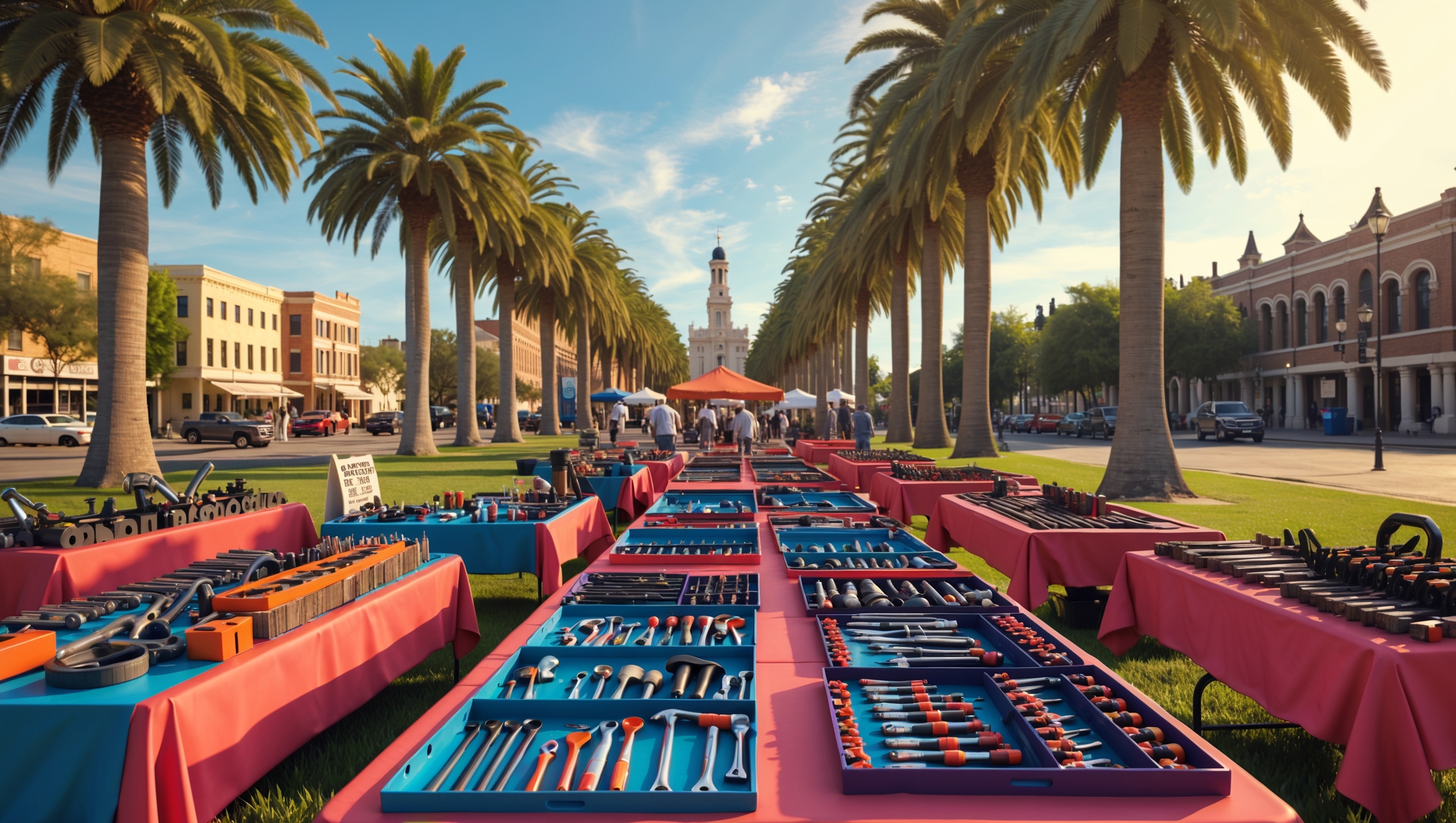
Avoiding Costly Mistakes: Budgeting for St. Petersburg Community Tool Swap Events

Introduction: Why Smart Budgeting Matters for St. Pete’s Community Tool Swaps
Community tool swap events are gaining popularity across St. Petersburg, Florida. These grassroots gatherings not only help residents save money and reduce waste, but also foster valuable connections among neighbors. However, many first-time organizers underestimate the costs and logistics involved, leading to stress, overspending, or even event cancellations.
Smart budgeting is the foundation of a successful tool swap. It helps you forecast expenses, avoid hidden costs, and stretch your resources—so your event can thrive and become a recurring highlight in the St. Pete community calendar. In this comprehensive guide, we’ll walk you through the unique budgeting considerations for local tool swap events, highlight beginner mistakes to avoid, and provide actionable advice tailored for St. Petersburg’s resources and regulations. Whether you’re starting from scratch or planning to scale up, these insights will help you deliver a memorable, efficient event without breaking the bank.
Understanding the True Costs of a Community Tool Swap
Essential Budget Categories
Even small tool swaps require a careful financial plan. Before seeking sponsors or collecting donations, map out these core budget categories:
- Venue Rental: Even public parks and recreation centers may charge a permit or rental fee. St. Petersburg’s Parks & Recreation Department usually requires an application and security deposit for group gatherings.
- Permits & Insurance: Depending on event size and location, you may need a city permit and event liability insurance. Costs can range from $20 for a small permit to $150+ for insurance, especially if tools are being used onsite.
- Tables, Chairs & Canopies: Renting or borrowing sturdy tables and chairs is essential for displaying tools. Canopy tents are highly recommended for shade—budget $25–$100 per canopy if renting locally.
- Marketing & Outreach: Printing flyers, social media ads, and signage can add up. Local print shops often offer nonprofit discounts—ask about community rates in St. Pete.
- Supplies & Safety Gear: Gloves, hand sanitizer, first aid kits, and labels for tool identification are important for safety and organization.
- Refreshments: Even simple water stations or snacks help create a welcoming atmosphere. Partner with local businesses for donations.
- Transportation & Storage: If you’re collecting tools in advance or providing loaner carts, factor in truck rental, gas, or storage unit fees.
- Waste Disposal: Plan for trash bags, recycling bins, and possible hauling fees for unclaimed or unusable tools.
Hidden Costs Organizers Often Overlook
Some expenses catch even experienced planners off guard:
- Last-minute Supplies: Markers, tape, extra signage, or replacement parts for broken tables.
- Rain Contingency: Refundable deposits for alternate indoor venues or additional canopies.
- Volunteer Amenities: Water bottles, snacks, or small thank-you gifts add up but help retain helpers for future events.
- Digital Tools: Paid event management apps, online registration platforms, or credit card processing fees if collecting donations onsite.
Beginner Mistakes to Avoid in Budgeting and Planning
Underestimating Attendance—or Overestimating Support
Many organizers use social media RSVPs as their primary attendance estimate. However, in St. Pete’s active community, actual turnout can swing widely depending on weather, local events, and even traffic. Over-catering can waste resources, but underestimating can leave guests without seating or refreshments. Always plan for a 20–30% swing in either direction and confirm RSVP numbers a week before the event.
Not Accounting for Permit Lead Times and Fees
St. Petersburg’s permitting process for public spaces can take 2–4 weeks. If you miss the deadline or submit incorrect paperwork, you may face rush fees or need to switch venues last minute—often at a higher price. Always check current requirements on the St. Pete Parks & Recreation website and build a buffer into your timeline and budget.
Overlooking Safety and Accessibility Costs
It’s easy to forget expenses related to site accessibility: ADA-compliant paths, extra signage, and accessible restrooms. St. Pete ordinances require accessible public events, so budget for any needed accommodations, such as portable ramps or additional seating.
Failing to Secure In-Kind Donations Early
Local businesses are often willing to donate supplies, refreshments, or raffle prizes—but only if asked at least a month in advance. Last-minute requests are rarely successful. Assign a volunteer specifically to manage local outreach and follow up promptly.
Assuming Volunteers Don’t Need Support
Volunteers are a lifeline for community events, but they require orientation, supplies, and sometimes transportation. Failing to budget for volunteer support can lead to burnout and poor event execution.
How to Build a Realistic Budget for Your St. Pete Tool Swap
Step 1: Map Your Event Scope and Goals
Define your expected attendance, event duration, and target outcomes (e.g., number of tools exchanged, new member sign-ups). This clarity will guide every budget decision.
Step 2: List Every Possible Expense
- Venue and permits
- Tables, chairs, canopies
- Marketing materials (digital and print)
- Event supplies (labels, markers, sanitizers, signage)
- Volunteer support (snacks, shirts, transportation)
- Refreshments for attendees
- Waste disposal and clean-up
- Insurance (if required)
- Contingency fund (10–15% of total budget)
Step 3: Research Local Costs and Discounts
Contact local vendors and community centers for quotes. Ask about nonprofit rates, bulk discounts, and package deals. For example, the Green Bench Monthly sometimes offers discounted ad space for community events. The St. Pete Library system may offer free table loans for neighborhood events.
Step 4: Identify Opportunities for In-Kind Donations
Many local businesses and organizations are willing to donate goods or services, reducing your out-of-pocket costs. Common in-kind donations include:
- Food and beverages from local cafes
- Table and chair rentals from churches or schools
- Printing from local print shops
- Safety supplies from hardware stores
In exchange, offer recognition on event materials and local press releases.
Step 5: Build a Contingency Fund
No matter how well you plan, emergencies happen. Budget at least 10% of your total projected costs for last-minute needs or unexpected price increases.
Sample Budget Breakdown: Small St. Pete Tool Swap
- Venue rental/permit: $60
- Tables, chairs, canopies: $120
- Marketing: $50
- Supplies & safety: $35
- Refreshments: $40
- Volunteer support: $25
- Waste disposal: $20
- Insurance: $75
- Contingency (10%): $43
- Total: $468
Local Funding Sources and Partnerships
Mini-Grants and Community Funds
St. Petersburg’s Neighborhood Partnership Grants and the Neighborhood Partnership Grant Program support events that build community engagement. Awards typically range from $250 to $5,000. Application deadlines are quarterly, so plan ahead.
Nonprofit Collaborations
Partnering with established nonprofits can open doors to shared resources, fiscal sponsorship, and insurance coverage. Groups like Keep Pinellas Beautiful or local tool libraries may co-host or provide logistical support for first-time organizers.
Business Sponsorships
Local hardware stores, realtors, and coffee shops are often eager to sponsor in exchange for marketing exposure. Prepare a one-page sponsorship packet outlining your event’s impact and expected reach, and offer creative benefits such as logo placement on signage or a dedicated sponsor table.
Practical Tips for Cost Control and Maximizing Value
Go Digital Where Possible
Instead of costly printed flyers, leverage St. Pete’s active online communities—like neighborhood Facebook groups, Nextdoor, and the Interfaith Leaders of St. Pete mailing list—for promotion. Google Forms can handle tool pre-registration and volunteer sign-ups for free.
Borrow, Don’t Buy
Check with libraries, schools, and faith-based organizations for table and chair loans. The St. Pete Tool Library may lend items or promote your event to their members. Don’t be shy about asking!
Bundle Events for Shared Costs
Combine your tool swap with another neighborhood event, like a recycling drive or community picnic. This spreads out costs for permits, rentals, and marketing while attracting a larger crowd.
Enlist Reliable Volunteers Early
Recruit volunteers at least a month in advance, and assign clear roles (set-up, check-in, safety, clean-up). This helps avoid last-minute staffing expenses and ensures smooth operations.
Post-Event: Tracking Expenses and Planning for Next Time
Keep Detailed Records
After the event, compile a list of actual expenses versus your original budget. Note any unexpected costs and areas of overspending or savings. This documentation will be invaluable for future events and for reporting to sponsors or grant providers.
Gather Feedback
Survey volunteers and attendees to identify what worked well and what could be improved, especially regarding logistics and comfort. Use this input to refine your budget and planning process for next time.
Share Your Lessons with the Community
Post a summary of your event and budgeting insights on local forums and community news sites. Transparency builds trust and helps other organizers avoid the same pitfalls. Consider submitting a recap to the St. Pete Catalyst or your neighborhood association newsletter.
Conclusion: Building Sustainable, Cost-Savvy Community Traditions
Organizing a community tool swap in St. Petersburg is about more than just trading hammers and drills—it’s an investment in neighborly trust, skill-sharing, and environmental stewardship. By approaching budgeting proactively and avoiding common pitfalls, you can ensure your event is both welcoming and financially sustainable.
Remember: thorough research, early outreach, and a realistic understanding of costs are your best tools for success. Tap into St. Pete’s vibrant network of community organizations, volunteers, and business partners to stretch your resources as far as possible. Document every expense, seek in-kind support, and don’t be afraid to ask for help early on.
Every successful event strengthens the fabric of the city and inspires others to get involved. With careful planning and transparent budgeting, your tool swap can become a beloved tradition that brings St. Petersburg neighbors together year after year—while keeping costs in check and delivering maximum value for everyone involved. Start small, stay organized, and watch your community grow stronger, one shared tool at a time.
If our tool swap ends up growing in size each year, what budgeting adjustments should we be prepared for, especially regarding tables, canopies, and insurance? It would be helpful to know how expenses typically scale as these events expand.
As your tool swap grows, expect costs for tables and canopies to rise in line with the number of attendees and items. You may need to rent additional equipment or opt for larger tents. Insurance premiums often increase with participant numbers and event size, since the risk is higher. It’s wise to review these expenses yearly and get updated quotes from suppliers and insurers as you expand.
You mentioned that St. Petersburg’s Parks & Recreation Department often requires an application and security deposit for group gatherings, even in public parks. Could you clarify what the typical security deposit amount is and if it’s refundable after the event?
The typical security deposit for group gatherings in St. Petersburg public parks is usually around $100, though this can vary depending on the size and nature of your event. The deposit is generally refundable as long as all park rules are followed and no damage is reported after your event. It’s a good idea to check directly with Parks & Recreation for the exact amount and any specific conditions for your event.
After reading your breakdown of renting tables, canopies, and chairs, I’m wondering if there are any local organizations or city programs in St. Petersburg that lend out event equipment to community groups for free or at a discount. Have you come across any reliable options?
Yes, in St. Petersburg, several local organizations offer event equipment lending. The city’s Parks and Recreation Department sometimes provides chairs, tables, and canopies for community events, especially if they’re open to the public. Neighboring community centers and some neighborhood associations also have lending programs or partnerships with local nonprofits. It’s a good idea to reach out to these groups early, as availability can vary and reservations are often required.
If we wanted to organize a tool swap for the first time, how far in advance should we apply for permits and insurance to avoid any last-minute issues or extra charges in St. Petersburg?
For a first-time tool swap in St. Petersburg, it’s wise to start the permit application process at least 60 days before your event date. Insurance providers also recommend securing coverage at least a month in advance. This buffer helps you avoid rush fees and gives time to address unexpected requests from local authorities or insurers.
I’m curious about how organizers usually handle the permit and liability insurance process for these tool swap events in St. Pete. Is it something individuals can do themselves, or do you recommend partnering with local organizations for support?
Organizers often find it easier to work with local nonprofits or neighborhood associations when handling permits and liability insurance. These groups are familiar with city requirements and can help navigate paperwork or costs. While individuals can apply on their own, partnering with an established organization usually streamlines the process and adds credibility to your event. If you’re new to organizing, teaming up with experienced partners is strongly recommended.
When it comes to event liability insurance, especially if tools are being used onsite, are there specific types of coverage you recommend for first-time organizers in St. Pete? I’m curious if there are common pitfalls or misunderstandings to watch out for during the insurance application process.
For first-time organizers in St. Pete, look for general liability insurance that specifically covers bodily injury and property damage at events where tools are used onsite. Make sure the policy doesn’t exclude tool usage or volunteer activities. Double-check if the venue requires to be listed as an additional insured. Common pitfalls include underestimating attendee numbers or not disclosing all event activities, which could invalidate coverage. Always clarify these details when applying.
Could you clarify if event liability insurance is always required for smaller tool swap gatherings, especially if tools are only being dropped off and picked up and not actually used onsite? I’m trying to figure out if I can skip that expense for our first event.
Event liability insurance isn’t always mandatory for smaller tool swap events, especially if tools aren’t being used onsite and it’s strictly a drop-off and pick-up setup. However, requirements can vary based on the venue and local regulations. It’s important to check with your chosen location and the city or county first. Some venues may require coverage regardless of activity, while others may not. Skipping insurance can save money, but be sure you aren’t overlooking any rules that could expose you to liability.
Can you share some realistic examples of hidden costs that first-time tool swap organizers in St. Petersburg might not think to include in their initial budget? I’m worried about surprise expenses derailing an event.
Absolutely, some hidden costs often overlooked include permits or event insurance, which can be required even for small community events. Other possible expenses are transportation for moving large tools, last-minute cleaning services, signage or printed materials, and supplies like tables, chairs, or tents if the venue doesn’t provide them. It’s also wise to budget for snacks or refreshments for volunteers and a small contingency fund for unexpected needs.
For budgeting purposes, do you recommend renting tables and canopies from local vendors, or have organizers found it more cost-effective to borrow these items from community members? I’m weighing options to keep expenses low without risking quality or safety.
Organizers have often found that borrowing tables and canopies from community members is a great way to keep costs down. However, it’s really important to inspect everything for sturdiness and safety before the event. If you can’t source enough reliable equipment, consider renting just the items you can’t borrow. This hybrid approach tends to balance budget concerns with quality and safety.
If we’re aiming to keep costs as low as possible for a first-time event, which core budget category do you recommend cutting back on or approaching creatively without risking the quality or safety of the tool swap?
For a first-time tool swap, you can usually save on venue costs by partnering with local community centers, parks, or libraries that might offer space for free or at a discount. Also, consider creative promotion strategies, like using social media and community boards instead of paid advertising. Just be sure not to cut corners on safety supplies or insurance, as those are essential for a secure event.
Regarding tables, chairs, and canopies, have you found it more cost-effective to rent from local vendors or to borrow from community groups in St. Petersburg? Are there any hidden fees or damage deposits with local rental companies that organizers should watch out for?
Borrowing tables, chairs, and canopies from community groups in St. Petersburg has often proven more cost-effective than renting from local vendors, especially for smaller events. However, availability can be limited, so plan ahead. With local rental companies, organizers should be aware of possible hidden fees such as delivery charges, cleaning fees, or minimum rental periods. Most companies also require a refundable damage deposit, so it’s important to clarify all terms upfront.
You mentioned needing event liability insurance, especially if people are using tools onsite. Are there any specific local insurance providers in St. Petersburg that cater to small, short-term events like this, or does the city have any recommended options?
For small, short-term events in St. Petersburg, local insurance agencies such as Brown & Brown, Bouchard Insurance, and Wallace Welch & Willingham often provide event liability policies suitable for community gatherings. The City of St. Petersburg sometimes requires proof of insurance for public space rentals, but they don’t offer city-sponsored insurance. It’s a good idea to reach out to these providers, explain your event details, and compare quotes to find the best fit.
If we’re hoping to host recurring tool swaps throughout the year, do you recommend budgeting for permits and insurance each time, or is there a way to streamline the approval and payment process with the city to save on costs long-term?
For recurring tool swap events, it’s worth discussing with the city whether an annual or multi-event permit and insurance arrangement is possible. Some municipalities offer annual event permits or umbrella insurance coverage, which can streamline paperwork and reduce costs. Reach out to your local permitting office and insurance provider to explore these options so you don’t have to start from scratch each time.
If this is my first time organizing a community tool swap, is there a recommended minimum budget to aim for to cover all the basics you listed, like the permit, insurance, and outreach materials? I want to avoid underestimating upfront costs.
For a first-time tool swap, it’s wise to set aside at least $400 to $600 to cover essentials like permits (which can range from $50–$150), event insurance (often $100–$200), basic outreach materials, and some supplies. If you anticipate a larger turnout or want to include refreshments or rental items, consider increasing the budget. Remember to check with your local municipality for exact permit and insurance requirements, as costs can vary by location.
If we want our tool swap to grow into a recurring event, what budgeting adjustments would you recommend for scaling up from a small pilot swap to something bigger in the St. Petersburg area?
To scale your tool swap into a recurring, larger event, consider increasing your budget for venue rental, marketing outreach, and volunteer support. You might need more tables, signage, and refreshments as attendance grows. Also, allocate funds for liability insurance and secure storage for leftover tools. Planning sponsorships or partnerships with local businesses can help offset costs as you expand.
If someone wanted to start a really small tool swap just in their neighborhood, would it still be necessary to budget for permits and insurance, or are there exceptions for smaller gatherings in St. Pete?
For smaller, neighborhood tool swaps in St. Pete, you might not need permits or insurance if you’re hosting on private property and keeping the event informal. However, if you’re using public spaces or advertising widely, it’s wise to check city guidelines, as some permits may still apply. Always double-check with local authorities to be sure—requirements can vary depending on size and location.
Could you elaborate on any cost-saving tips for venues? Are there lesser-known public spaces or community partners in St. Pete that tend to be more affordable or even free for hosting these kinds of swaps?
Absolutely, venue costs can make a big difference. In St. Pete, local libraries and neighborhood rec centers often have free reservation options for community events. Some parks offer covered areas at little to no charge if you’re a non-profit. Partnering with local churches or small businesses willing to sponsor space can also lead to free or very low-cost venues. Always ask about community rates or discounts for educational or eco-friendly events.
If our tool swap grows from a small block gathering to something bigger, what are the first extra expenses we should expect besides just scaling up tables and chairs? Does the city require additional permits or higher insurance coverage for larger events?
As your tool swap expands, you may need to budget for things like event permits, liability insurance, security, and possibly portable restrooms. St. Petersburg typically requires event permits and higher insurance coverage for gatherings that exceed a certain size or are held in public spaces. It’s wise to contact the city’s special events department early to confirm specific requirements based on your expected attendance and location.
The article mentions budgeting for tables, chairs, and canopies, but do you have any advice on borrowing these from community organizations in St. Petersburg instead of renting? Any local groups in particular that might be open to lending supplies for events like this?
Borrowing tables, chairs, and canopies from local organizations is a smart way to cut costs. In St. Petersburg, you might reach out to neighborhood associations, community centers, churches, or local scout troops, as they often have event supplies and are supportive of community events. It’s helpful to contact them early and explain your tool swap’s community focus to increase your chances of borrowing items.
You mentioned budgeting up to $100 per canopy if renting locally—are there any tips for finding affordable rentals or organizations in St. Petersburg that might lend tables and canopies for community events?
To save on rental costs, try reaching out to local community centers, churches, or neighborhood associations, as they sometimes lend tables and canopies for free or a low fee. Some St. Petersburg parks or city departments may also have event supplies available for community groups. Additionally, ask past event organizers or local nonprofits if they have used affordable suppliers or can share resources.
You mentioned canopy rentals ranging from $25 to $100 locally. Have organizers found it more cost-effective to purchase their own canopies if they plan to host recurring events, or is renting still the better option in the long run?
Organizers who plan to host multiple tool swap events often find that buying their own canopies becomes more cost-effective after just a few uses. While the upfront cost is higher, owning canopies saves money over time and also offers more flexibility with sizing and branding. Renting is usually best for one-time or infrequent events, but ownership pays off for recurring gatherings.
After mapping out all the expenses you listed, what are some common hidden costs that tend to surprise first-time organizers in St. Pete, and do you have recommendations on how to plan for those so we do not go over budget?
First-time organizers in St. Pete are often surprised by costs like permits, insurance, last-minute equipment rentals, and unexpected venue fees. There can also be small but cumulative expenses for supplies like signage, refreshments, or volunteer appreciation. To avoid going over budget, add a 10-15% contingency buffer to your total costs, and ask past organizers about any expenses they encountered but didn’t anticipate. Keep detailed records so you can adjust for future events.
What would you recommend as the most effective way to estimate attendance for a first-time tool swap in St. Petersburg? I’m trying to figure out how many tables and canopies to budget for and don’t want to rent too much or too little.
For a first-time tool swap, consider starting with a simple online RSVP system, such as a free event registration platform or a quick survey. Promote the event locally—through social media, community centers, and neighborhood groups—to gauge interest. Reviewing attendance at similar local events or reaching out to organizers for numbers can also be helpful. Plan for 10–20% over your RSVP count to allow for walk-ins, and adjust your rental quantities accordingly.
You mentioned insurance might cost around $150 if people are using tools on site. Is there a specific kind of event insurance recommended for these community swaps, or any tips for keeping that expense down in St. Petersburg?
For tool swap events where participants use tools on site, general liability event insurance is usually recommended. Look for policies that specifically cover accidents or injuries during community events. To keep costs down in St. Petersburg, compare quotes from several insurers, consider working with local nonprofits who may already have coverage, or check if your venue offers insurance as part of their rental. Limiting the types of tools allowed or requiring waivers can also help reduce premiums.
You mention budgeting $25–$100 per canopy if renting locally. Have you found any cost-effective options for borrowing canopies from community organizations or partner groups to help lower this expense?
Yes, borrowing canopies from local community groups or partner organizations has been a helpful way to reduce event costs. Many neighborhood associations, churches, and even local libraries sometimes have canopies available for lending to community projects. It helps to reach out early, explain your event’s purpose, and offer recognition or a small donation as a thank you. This approach has saved us rental fees in past events.
Do you have any tips for estimating the number of tables and chairs needed when you are unsure how many people will attend the tool swap? I want to make sure I don’t overspend on rentals but still have enough for everyone.
Estimating tables and chairs can be tricky without RSVPs. Start by looking at attendance numbers from similar past events in your area, if possible. For a tool swap, consider how many people will be bringing items to display versus just browsing. Reserve extra seating and tables for about 20–30% more than your best guess to allow for walk-ins. Ask attendees to pre-register if you can, which helps make a more accurate estimate and minimizes overspending.
The guide says renting canopies and tables can add up quickly. Has anyone found it more cost-effective to buy these items for repeated events, or is borrowing from local organizations usually a better bet for smaller budgets in St. Petersburg?
For groups hosting tool swap events regularly in St. Petersburg, buying canopies and tables can save money over time, especially if you store and maintain them well. However, for smaller budgets or occasional events, borrowing from local nonprofits, churches, or community centers is often more practical. Many organizers mention that partnerships with these organizations allow them to access equipment at little or no cost, which really helps keep expenses down.
You mentioned securing permits and possibly insurance for community tool swaps in St. Petersburg. Does the city offer any special rates or assistance for neighborhood events, or are there ways to reduce these upfront costs for first-time organizers?
St. Petersburg does offer some support for neighborhood events. The city’s Neighborhood Affairs division sometimes waives or reduces permit fees for community-driven activities, especially if you’re partnering with a recognized neighborhood association. Additionally, first-time organizers can apply for small grants or use city resources like public parks, which may lower costs. Contact the city’s events office early—they can advise on available discounts and guide you through the process.
Could you clarify what happens if weather is bad and you’ve already rented canopies or reserved a venue? Are those costs usually refundable, or should I add a buffer in the budget for cancellations?
If bad weather forces a cancellation after you’ve rented canopies or reserved a venue, refunds will depend on the individual policies of the vendors or venues you booked with. Often, deposits or payments are non-refundable or only partially refundable. It’s a good idea to check contract terms before booking. For budgeting, adding a buffer to cover non-refundable expenses or rescheduling fees is a smart precaution.
For someone organizing a tool swap for the first time in St. Petersburg, how much lead time does the city usually need to process permits and insurance, especially during peak months? I want to avoid last-minute surprises with paperwork delays.
For first-time tool swap organizers in St. Petersburg, it’s wise to allow at least 4 to 6 weeks for the city to process permits and insurance, especially during busy months like spring and fall. Some months may be even busier, so submitting requests as early as possible gives you a buffer in case additional paperwork is needed or there are questions from city officials.
As a parent with limited free time, I’m curious how much advance notice is typically needed to secure a public park venue and get the required permits in St. Petersburg. Is there a recommended timeline to avoid last-minute hassles while budgeting for a tool swap?
For St. Petersburg, it’s best to start the park reservation and permitting process at least 2 to 3 months in advance. This gives you time to secure your preferred date, complete paperwork, and handle any unexpected requirements. Factoring this timeline into your planning helps avoid last-minute fees or schedule conflicts, making budgeting smoother for your tool swap event.
I noticed the article mentions permit and insurance costs ranging quite a bit. Is there a way to keep insurance affordable for a small tool swap if we’re not planning to use tools onsite, or are the higher fees still required in St. Pete?
If your tool swap event doesn’t involve using tools onsite, you may qualify for lower insurance rates since the risk is reduced. When applying for permits in St. Pete, clearly state that your event is for tool exchange only, not tool usage. This transparency can help you avoid higher insurance fees typically required for hands-on activities. It’s always good to discuss your specific event details with the city or your insurance provider to confirm the most affordable options.
For a first-time organizer, what are some beginner mistakes you see most often when budgeting for a tool swap in St. Petersburg? Is there anything people tend to overlook that could cause unexpected expenses or problems on the day of the event?
One common beginner mistake is underestimating costs like venue rental, insurance, and permits. People often forget about smaller expenses such as signage, tables, chairs, and refreshments. Another issue is not budgeting for last-minute needs, like extra volunteers or supplies if turnout exceeds expectations. Also, remember to plan for waste disposal and cleanup costs, which can easily be overlooked but are essential to a smooth event.
You mention that canopies can cost between $25–$100 if renting locally. Have you found it more cost-effective for groups to buy reusable canopies if they plan to host multiple swaps each year, or does renting still make more sense for most community organizers?
For groups hosting several tool swap events each year, buying reusable canopies often turns out to be more cost-effective in the long run. The initial investment pays off after a few uses, especially if the canopies are well cared for and stored properly. However, if storage or transportation is an issue, or if events are infrequent, renting might still be more practical for some organizers.
What should organizers prioritize if the budget is really tight—like, is it more important to secure extra canopies for shade or to spend more on marketing to attract participants? Curious what has worked best in previous St. Petersburg events.
When budgets are especially tight, past St. Petersburg tool swap organizers have found it most effective to focus on basic comfort and logistics first—like providing enough canopies for shade—since a positive on-site experience encourages word-of-mouth and return visits. Simple, low-cost marketing (such as social media posts and flyers in community spaces) can still attract a solid turnout, but ensuring people are comfortable at the event often makes the biggest impact overall.
If a tool swap event grows in size from a small neighborhood gathering to a city-wide event, which budget category tends to increase the most, and are there any St. Petersburg-specific grants or sponsorships that organizers should look into at that stage?
When a tool swap grows to a city-wide event, the largest budget increases are usually in venue costs, permits, and marketing, since you’ll need a bigger space, more outreach, and possibly insurance. For St. Petersburg, organizers should consider applying for city arts and community engagement grants, and reach out to local businesses or neighborhood associations for sponsorship—they often support events that benefit the community.
You mention that renting canopies can cost between $25 and $100 locally. Are there any community organizations or businesses in St. Pete that might lend these items at a lower cost to help keep expenses down for first-time tool swap hosts?
Yes, several local organizations in St. Petersburg support community events and may lend canopies at little to no cost. Try reaching out to neighborhood associations, local churches, or the St. Pete Greenhouse. Some hardware stores or garden centers may also loan equipment for community gatherings if you ask in advance. It’s worth checking with your local library, too, as some offer tools and event supplies as part of their lending programs.
After mapping out all the main budget categories, how far in advance do you recommend organizers start the permitting and insurance process to avoid last-minute surprises or potential event cancellations?
It’s best to start the permitting and insurance process at least 2 to 3 months before your event. This gives you time to handle paperwork, respond to any follow-up questions from local authorities, and shop around for the right insurance. Some permits can take longer depending on the city, so earlier is always safer to avoid unexpected delays.
For first-time organizers working with a tight budget, is it more practical to rent tables and canopies or to reach out to community partners for borrowed equipment? I’m curious about which approach tends to result in fewer unexpected costs or logistical headaches based on your experience.
Reaching out to community partners for borrowed equipment is usually the better option for first-time organizers on a tight budget. It not only cuts down on rental fees but also builds relationships that can lead to more support in the future. Just be sure to confirm pickup and return details in advance to avoid last-minute issues. Borrowing tends to have fewer unexpected costs, as long as communication is clear.
After you’ve mapped out your initial budget and categories, what’s the recommended approach if a bigger expense pops up unexpectedly during planning? Do most tool swap organizers set aside a contingency fund, or is it common to adjust the event scope?
If an unexpected expense comes up during planning, most experienced tool swap organizers recommend having a contingency fund—typically about 5-10% of the total budget—to cover surprises. If that isn’t possible, the next best approach is to reassess your event plans and adjust the scope, such as scaling back on non-essential features or finding alternative, lower-cost solutions.
If a tool swap event ends up with unexpected weather and more people using the provided canopies than planned, how have you handled last-minute rental adjustments? Did it cause any budget issues, or are there local vendors you recommend for flexibility?
When unexpected weather has brought more people under the canopies than expected, we’ve contacted local rental vendors right away to see if they can provide extra tents or extend rentals. This sometimes means a small increase in costs, but we try to keep a contingency budget for surprises. We’ve found St. Pete Party Rentals to be flexible and responsive when last-minute changes are needed.
If I want to keep costs down, are there local organizations or city programs in St. Pete that sometimes offer free or discounted venue rentals or permits for community events like tool swaps?
Yes, in St. Petersburg there are several options to help keep venue costs low for community events like tool swaps. The city occasionally offers free or discounted rentals for public spaces and parks, especially for nonprofit or neighborhood groups. Local neighborhood associations and community centers may also have low-cost or free space available. It’s a good idea to reach out directly to the city’s Parks and Recreation Department and local community organizations to learn about current programs or waivers for community events.
I like the breakdown of core expenses, but what about last-minute costs, like extra tables or weather-related supplies? For organizers in St. Petersburg, what’s a realistic buffer to add for unexpected expenses based on your experience?
It’s smart to plan for last-minute costs. For St. Petersburg tool swap events, a realistic buffer is usually about 10–20% of your total budget. This covers things like extra tables, tents in case of sudden rain, or additional signage. Keeping a small emergency fund ensures you can handle surprises without stress.
I noticed you mentioned that even public parks in St. Pete often require a permit and security deposit for a tool swap. From your experience, how far in advance should organizers apply for these permits to avoid last-minute issues, and are there any common delays to watch out for?
Organizers should apply for park permits at least 6 to 8 weeks before the event to ensure enough processing time and avoid last-minute stress. Common delays include incomplete paperwork, waiting for approval during busy seasons, and additional requirements like insurance. It’s wise to check the city’s calendar for conflicting events and to follow up regularly with the permitting office to keep things on track.
This guide talks a lot about budgeting for physical needs like canopies and tables, but what about unexpected expenses during the event itself? Can you share some examples of hidden costs that often surprise new organizers?
Unexpected expenses can definitely catch organizers off guard. Some common hidden costs include last-minute permit fees, extra trash disposal or cleaning services, purchasing insurance if a venue requires it, or renting additional equipment due to unexpected turnout. You might also face costs for on-site signage, emergency supplies, or even refreshments for volunteers if the event runs longer than planned.
You mention budgeting for tables and canopies, but is it ever worth buying some of these items if I plan to host multiple tool swaps, or is renting always more cost-effective for beginners?
If you plan to host several tool swap events over the next few years, purchasing tables and canopies can save you money in the long run, especially if you have storage space and will use them regularly. For beginners hosting just one or two events, renting is usually more cost-effective since you avoid upfront costs and maintenance. Consider your long-term plans and storage options before deciding.
The article mentions that St. Petersburg’s Parks & Recreation Department usually requires an application and security deposit for venue rental. Do you know how far in advance organizers should apply to ensure they get their preferred date, and are these deposits refundable if the event gets canceled?
Organizers are encouraged to submit their application to the Parks & Recreation Department at least two to three months before their preferred event date, as some venues can book up quickly. Security deposits are typically refundable if you cancel, provided you meet the department’s cancellation policy, which often requires advance notice. It’s always best to confirm the exact terms directly with the department.
Can you share more detail about what marketing and outreach strategies are most effective for keeping costs low? I want to get the word out for our event but I’m worried about overspending on printing and advertising.
Focusing on digital marketing is usually the most cost-effective way to promote your event. Use free social media platforms to create event pages and share updates. Reach out to local community groups, neighborhood associations, and online forums for additional word-of-mouth. Email newsletters and press releases to local media can also help spread the word without extra costs. For print, limit flyers to key locations like libraries or community centers to minimize expenses.
I’m a bit worried about unexpected expenses derailing our event. Can you share examples of hidden costs you see beginners overlook most frequently when planning these tool swaps in your experience?
Some hidden costs beginners often miss at tool swap events include permit fees for using public spaces, liability insurance, last-minute equipment rentals, and extra supplies like signage or cleaning materials. Also, consider costs for refreshments, volunteer thank-yous, or waste disposal. It helps to build a contingency fund into your budget—about 10-15% extra—for these surprises.
When figuring out the budget for a St. Pete tool swap, how far in advance do you recommend contacting the Parks & Recreation Department for permits and rentals? I’m wondering if last-minute applications make things more expensive or harder to organize.
It’s best to reach out to the Parks & Recreation Department at least two to three months before your planned event date. Early contact gives you more choice with venues, enough time to handle paperwork, and the ability to budget more effectively. Applying last minute can limit your options, increase costs, and make the organizing process more stressful, so planning ahead is highly recommended.
You mention that event liability insurance might cost $150 or more. Is this required for every tool swap, even smaller ones? Are there any affordable insurance providers in St. Petersburg that specifically work with community groups like ours?
Liability insurance requirements often depend on the venue or city regulations, so very small or informal swaps held on private property might not need it—but public locations or partnerships with organizations usually require coverage. For affordable options in St. Petersburg, consider reaching out to local brokers who specialize in nonprofit or community group insurance, as they may have group rates or event-specific policies tailored to your needs.
I see that renting canopies can add up quickly. Have you found it more economical to rent them locally or to purchase a few for recurring tool swap events over time?
Renting canopies locally is convenient for one-time or infrequent events, but the costs do add up if you host swaps regularly. If you expect to hold several events each year, purchasing a few durable canopies usually becomes more economical in the long run. Plus, owning your own canopies gives you more flexibility and control over setup.
If unexpected costs like extra permit fees or last-minute insurance come up, what are some effective ways to adjust the tool swap budget without cutting back on essentials like outreach or venue quality?
If unexpected costs arise, consider options like seeking small sponsorships from local businesses, introducing a modest suggested donation at the event, or reducing spending on non-critical items such as decorations or printed materials. You can also check if volunteers can provide needed services in-kind, like setup or cleanup, to free up funds. This way, you preserve your outreach and venue quality while meeting new expenses.
I noticed tables, chairs, and canopies can really add up. Have you found it more budget-friendly to rent these locally or to ask attendees to bring their own? What works best for first-time organizers in terms of logistics and cost savings?
For first-time organizers, asking attendees to bring their own tables, chairs, and canopies can save a lot on costs and simplify logistics, especially for smaller events. Most people are happy to help out, and you can cover gaps by renting a few essentials locally if needed. Renting everything upfront is usually more expensive and requires transport planning, so a mix of both approaches works well for most tool swap events.
I’m thinking about organizing a small tool swap in my neighborhood, but I’m not sure how to estimate insurance costs when I have no idea how many people will show up. Are there any tips for calculating insurance or minimum coverage requirements for events in St. Petersburg?
Estimating insurance costs for a community tool swap can be tricky without an exact headcount, but you can start by checking with local insurance agents who handle event liability policies in St. Petersburg. They often offer coverage tiers based on estimated attendance and event type. The city sometimes sets minimum coverage requirements for public events, so contacting St. Petersburg’s parks or permitting office can help clarify those rules. It’s usually wise to slightly overestimate your expected turnout to avoid being underinsured.
The article talks about budgeting for tables, chairs, and canopies. Have you found it more cost-effective to rent these from local vendors or to borrow from community partners, like churches or schools? Any pitfalls I should watch out for with either approach?
Borrowing tables, chairs, and canopies from community partners like churches or schools usually saves money, but you should confirm the items are available and in good condition ahead of time. Renting from local vendors costs more but often includes delivery, setup, and reliable equipment. A common pitfall with borrowing is last-minute schedule changes or missing items, so always have a backup plan just in case.
If our group wants to scale up the event in future years, what are some common budgeting mistakes people make as their tool swap grows, and how can we plan ahead financially to avoid them?
As tool swap events expand, groups often underestimate costs like venue size, insurance, promotional needs, and logistics for larger crowds. Another common slip is not having a clear plan for managing surplus or damaged tools. To avoid these pitfalls, create a detailed budget with line items for growth-related expenses, get quotes early, set aside a contingency fund, and review past event finances to spot under- or overspending trends.
If the event ends up running over budget, what are some realistic last-minute options to cover unplanned expenses other than dipping into personal savings? Is it common for St. Pete organizers to seek sponsorships or donations last minute?
If you find yourself over budget, some realistic last-minute options include reaching out to local businesses for small sponsorships, requesting in-kind donations (like supplies or refreshments), or setting up a donation box at the event. In St. Pete, it’s not unusual for organizers to make last-minute donation appeals or seek small-scale sponsorships to fill budget gaps, especially from community-minded businesses or neighbors.
Once you’ve set your basic budget and planned out expenses like permits and canopies, what’s the best way to handle last-minute changes or extra equipment needs? Do you recommend building a buffer into the budget, or is it better to rely on donations for those unexpected costs?
Building a buffer into your budget is the most reliable approach for handling last-minute changes or extra equipment needs. A contingency fund—usually about 10-15% of your overall budget—helps cover unforeseen expenses without scrambling for last-minute donations. While donations are always welcome, they can be unpredictable, so having a built-in buffer keeps your event running smoothly.
You mentioned budgeting $25–$100 per canopy for rentals locally. Would it be more cost-effective to buy a few canopies for repeated use if I’m planning to host annual tool swaps, or do rental fees make more sense for smaller events?
If you plan to host annual or frequent tool swap events, purchasing canopies could save you money over time compared to renting, especially if you care for and store them properly. Rentals might be more practical for smaller or one-off events since they spare you the hassle of transport, setup, and storage. Consider the number of events, available storage space, and your budget before deciding.
Can you provide more detail on what’s typically required for the city permit application with St. Petersburg’s Parks & Recreation Department? For example, how far in advance should we apply, and are there any restrictions on which tools can be swapped or used onsite?
When applying for a city permit through St. Petersburg’s Parks & Recreation Department, you’ll typically need to submit details about your event, including the expected number of attendees, location, date, and your event plan. It’s best to apply at least 4–6 weeks in advance to allow for processing. The city may have some restrictions, especially for power tools or hazardous equipment, so it’s important to list all items you plan to swap or use. Staff will review your list and let you know if any tools are prohibited onsite.
For parents with little free time, what are some realistic ways to keep marketing and outreach costs down for a tool swap event, especially if we’re also hoping to get a good turnout from the neighborhood?
One effective approach is to partner with local schools or parent groups to help spread the word through newsletters or social media, which is usually free. You can also create simple flyers and ask local businesses to display them. Encourage word-of-mouth by asking participating families to invite neighbors. These methods keep costs low and can reach a broad local audience without requiring much extra time.
You mentioned budgeting $25–$100 per canopy for rentals. Have you found it more cost-effective to buy and reuse canopies for recurring events, or is renting still the better option for a small group just starting out in St. Petersburg?
For small groups just starting out, renting canopies is usually more practical since upfront costs are lower and you avoid storage and maintenance. However, if you plan to host multiple events each year and have a place to store the canopies, buying can become cost-effective after two to three uses. It depends on your event frequency and available resources.
When planning the budget, how far in advance should we secure venues and permits in St. Petersburg to avoid last-minute pricing surges or availability issues? Are there popular dates or seasons when costs tend to be higher for community events like tool swaps?
To avoid last-minute pricing surges and ensure venue availability in St. Petersburg, it’s best to secure your venues and permits at least 4 to 6 months in advance. Spring and early fall are especially popular for community events due to favorable weather, so prices and competition can be higher during these periods. Booking early gives you more options and can help lock in better rates.
For families that need to keep spending low, is it usually better to rent canopies and tables locally as you suggest, or are there community groups willing to lend these items for free to new tool swap organizers in St. Pete?
For families looking to save money, reaching out to local community groups, neighborhood associations, or churches in St. Petersburg is a good first step. Many of these organizations are happy to lend canopies, tables, and chairs for free to support community events like tool swaps. Renting is a reliable backup, but exploring lending opportunities often helps new organizers keep costs as low as possible.
When budgeting for permits and insurance, how do you usually estimate costs if you’re not sure how many people will show up? Does St. Petersburg provide any guidance or flexibility if the turnout ends up being higher than expected?
When estimating costs for permits and insurance, it’s common to budget based on an upper estimate of expected attendance to avoid surprises. The City of St. Petersburg can provide guidance on permit and insurance requirements; they may also allow adjustments if your actual turnout exceeds your initial estimate. It’s a good idea to communicate your best guess and stay in touch with city officials so you can update your permit or coverage if needed.
If the goal is to turn a tool swap into a recurring community event, what budgeting tips would you suggest for making sure the first event doesn’t go over budget while still meeting all the city’s venue and permit requirements?
Start by listing all fixed costs such as venue rental, permits, and insurance, making sure to get quotes or city guidance in advance. Reserve part of your budget for unexpected expenses. Look for ways to reduce costs, like partnering with local organizations for supplies or volunteers. Track every expense in a simple spreadsheet so you can clearly see where funds go, making it easier to adjust for future events.
If I end up borrowing tables and canopies instead of renting them, are there any common issues or hidden costs I should watch out for? I want to make sure I’m not cutting corners that could lead to problems during the event.
Borrowing tables and canopies can save money, but there are a few things to watch for. Check the condition beforehand to avoid last-minute surprises like missing parts or damage. Confirm who’s responsible for setup, breakdown, and any repairs if something gets broken. Also, make sure borrowed items are the right size and quantity for your event. Sometimes, you’ll need to arrange transport, which could add costs or logistical hassles.
If I’m planning a really small tool swap, like just a dozen neighbors in a local park, do I still need to budget for things like permits and canopies, or are there ways to keep it super simple and low-cost for first-timers?
For a small gathering with just a dozen neighbors, you can definitely keep things simple and low-cost. In many local parks, informal meetups of this size often don’t require permits, but it’s good to double-check local rules. You can skip renting canopies by asking participants to bring folding tables or blankets to display tools. Keeping refreshments and signage minimal will also help manage costs.
The article mentions budgeting for canopies and tables. Do you recommend partnering with local businesses to borrow these, or is it generally more reliable to rent from a vendor in St. Pete?
Partnering with local businesses can be a great way to save money and build community relationships, especially if you know businesses willing to lend canopies and tables. However, if you need guaranteed availability and specific equipment, renting from a vendor in St. Pete is usually more reliable. Consider your event size and timeline—if flexibility or backup options are important, vendors might be the safer route.
I noticed you mentioned liability insurance can go up to $150, especially if tools are being used onsite. Do you have any recommendations for affordable insurance providers in St. Pete, or tips on how to keep this cost down for smaller-scale events?
For smaller community tool swap events in St. Pete, you might want to look into local insurance agents who specialize in event or nonprofit coverage, as they may offer one-day or short-term policies at lower rates. Sometimes, partnering with established community centers or local nonprofits can let you share existing coverage. Also, limiting the types of tools used onsite and requiring waivers can sometimes help reduce premium costs.
As a parent juggling a lot, I’m worried about underestimating hidden costs, especially for things like tables, chairs, and marketing. Do you have any tips for families on a tight budget to cut down on these expenses while still hosting a successful tool swap?
To keep costs low, consider borrowing tables and chairs from your community center, local school, or neighbors instead of renting. For marketing, use free channels like social media, community bulletin boards, and school newsletters. You can also collaborate with other families to share responsibilities and resources, making the event more affordable and manageable.
The budgeting section highlights venue, permits, and equipment costs, but does not mention potential ways to reduce expenses for first-time organizers. Are there local programs, businesses, or city resources in St. Pete that sometimes offer discounts or free rentals for community events like tool swaps?
Yes, in St. Petersburg, there are some helpful local resources for community event organizers. Neighborhood associations and community centers occasionally offer free or discounted space for events like tool swaps. The city sometimes provides grants or waives permit fees for nonprofit or neighborhood-driven activities. Local businesses, especially hardware stores, may also sponsor or lend equipment at reduced rates if your event supports the community. It’s a good idea to reach out directly to these organizations and explain your event’s goals.
The article mentions that liability insurance can cost $150 or more, especially if tools are used onsite. Are there specific types of insurance or providers in St. Petersburg that are more cost-effective for small groups hosting tool swaps?
For small groups hosting tool swaps in St. Petersburg, it’s worth looking into event-specific general liability insurance, which can be more affordable than a year-round policy. Some local nonprofits, like the Suncoast Credit Union or the St. Petersburg Area Chamber of Commerce, may offer group rates or recommend insurers familiar with community events. Always compare quotes from multiple providers and explain your event’s size and nature, as this can sometimes qualify you for reduced premiums.
Do you have recommendations for affordable marketing and outreach options specific to St. Pete, like local bulletin boards or groups, that have worked well for attracting participants without blowing the budget?
Yes, several affordable options in St. Pete have proven effective for community events. Posting flyers on community center bulletin boards, local cafes, and libraries can attract neighborhood interest. Sharing in St. Pete-specific Facebook groups, Nextdoor, and free local event calendars can also reach a broad audience. Additionally, connecting with neighborhood associations or local nonprofits to help spread the word often brings in participants without extra cost.
Could you clarify if the city of St. Petersburg offers any discounts or waivers for permit or venue rental fees if the tool swap is organized by a nonprofit or neighborhood association?
The city of St. Petersburg does sometimes offer discounts or waivers on permit and venue rental fees for nonprofits and neighborhood associations, especially for community-focused events like tool swaps. It’s best to contact the city’s Parks and Recreation Department or special events office directly to discuss your organization and event details, as eligibility and requirements can vary.
I’m curious about the permitting process with the St. Petersburg Parks & Recreation Department. How far in advance should organizers start this process, and are there any hidden fees that typically catch first-timers off guard?
Organizers should begin the permitting process with the St. Petersburg Parks & Recreation Department at least 60 days before their event, as approvals can take several weeks. First-timers are sometimes surprised by fees for things like extra trash collection, security, or special equipment rentals. It’s a good idea to ask for a full breakdown of all potential charges when you start planning to avoid unexpected costs.
If I want to keep my event as low-cost as possible, is it better to rent tables and canopies or try to borrow them from neighbors? Have past organizers in St. Petersburg found that borrowing equipment works out, or does it cause issues with reliability?
Borrowing tables and canopies from neighbors is definitely one of the most cost-effective strategies, and many past organizers in St. Petersburg have done this successfully. However, it’s important to confirm availability well in advance and have backup options, since last-minute cancellations or forgotten equipment can happen. Renting may cost more but offers more reliability and less stress on the day of the event.
Once the main budget categories like tables, canopies, and marketing are accounted for, what are some unexpected expenses that organizers commonly overlook when planning a tool swap in St. Pete? I want to be as prepared as possible before setting a final budget.
Some often-overlooked expenses include permits or insurance fees required by the city, last-minute supplies like extra signage or cleaning materials, transportation costs for moving tools and equipment, and small hospitality items such as water or snacks for volunteers. You might also run into unexpected repair costs for borrowed equipment or have to budget for waste removal if there’s leftover debris. Factoring in a small contingency fund can help cover these surprises.
If an event is rained out after paying for permits, insurance, and deposits, is there usually any way to get those fees refunded or rescheduled in St. Petersburg? I’d love some advice on how to handle this when budgeting for an outdoor tool swap.
For St. Petersburg, permit and insurance fees are often non-refundable, but some venues or services may allow you to reschedule at no extra cost if weather makes the event impossible. It’s wise to ask city offices or your venue about their specific refund or rescheduling policies before booking. When budgeting, consider setting aside a contingency fund to cover any non-recoverable costs in case of a rainout.
If an event ends up costing more than expected due to unforeseen fees, what’s the best way to handle that without canceling? Are there tips for adjusting the budget or getting additional support when something like a surprise venue fee pops up?
If you run into unexpected fees like a surprise venue charge, consider adjusting your budget by reducing non-essential expenses or reallocating funds from less critical areas. You can also reach out to community sponsors, ask participants for small, voluntary donations, or organize a quick fundraiser to cover the gap. Communicating transparently with your group about the situation often leads to creative support and solutions.
I’m a bit confused about the insurance part mentioned here. If my tool swap is going to be small, like under 20 people, do I always need to get event liability insurance in St. Petersburg, or are there exceptions for very small gatherings?
For small tool swap events with under 20 people in St. Petersburg, you may not always be legally required to get event liability insurance, especially if the gathering is private and held at your own home. However, if the event is in a public space or promoted to the wider community, some venues or city regulations might still require insurance. It’s a good idea to check with the location owner or local authorities for any specific requirements.
After reading about all the hidden expenses like deposits and permits, what’s a realistic total budget range for a first-time tool swap event in St. Petersburg? Also, how far in advance should I start planning the budget to avoid last-minute surprises?
For a first-time tool swap event in St. Petersburg, a realistic total budget typically ranges from $400 to $1,000, depending on venue fees, permits, insurance, and refreshments. It’s best to start planning and budgeting at least three to four months in advance. This gives you enough time to research costs, apply for necessary permits, and set aside a contingency fund for unexpected expenses.
I saw that marketing and outreach are budget categories to consider. What are some low-cost or free ways to get the word out about a community tool swap in St. Petersburg that have worked for others, aside from printing flyers?
Many groups in St. Petersburg have found success using local Facebook groups, neighborhood apps like Nextdoor, and community bulletin boards at libraries or cafes to promote tool swap events. Partnering with local nonprofits to share the event in their newsletters is another effective, no-cost way to reach more people. Word of mouth—asking volunteers and participants to invite friends—can also help spread the word without stretching the budget.
How far in advance should I start budgeting for things like city permits and equipment rentals? If I wanted to host a small tool swap in early fall, when would you suggest starting the planning process to avoid last-minute expenses?
For a small tool swap in early fall, it’s wise to begin budgeting and planning at least 3 to 4 months ahead. This gives you enough time to research city permit requirements, compare equipment rental prices, and secure any bookings at lower rates. Starting early also helps you avoid rush fees and last-minute complications that can drive up costs.
I’m curious about how other organizers handle fluctuating rental costs for tables and canopies, especially if local suppliers are booked up or prices jump closer to the event date. Are there strategies to lock in lower rates or find reliable rentals in St. Pete?
Many organizers in St. Petersburg recommend booking tables and canopies as early as possible to secure better rates and availability. Some form agreements with local suppliers or community centers well in advance, and consider renting from outside the immediate area if local demand spikes. Partnering with other events can sometimes lead to group discounts. Also, keep a list of multiple rental companies so you have backup options if prices rise or your preferred supplier is booked.
My biggest concern is handling hidden costs—could you give more examples of unexpected expenses besides permits and insurance that first-time organizers in St. Pete should watch out for?
Absolutely, hidden costs can sneak up on organizers. Besides permits and insurance, consider expenses like portable restrooms if facilities aren’t nearby, signage for directing attendees, cleaning supplies or post-event cleanup services, unexpected rental fees for tables or tents, and last-minute equipment repairs or replacements. Also, budget for refreshments for volunteers and any required security or traffic control. It’s smart to build a small buffer into your budget for these types of surprises.
Could you expand on how organizers typically estimate the insurance costs for St. Pete tool swaps, especially if they expect a higher number of attendees using tools on site? I’m trying to get a clear picture of what affects the insurance price in these scenarios.
Organizers usually estimate insurance costs based on the expected number of attendees, the types of tools being used, and whether attendees will use tools on site. Higher attendance and on-site tool use often increase liability risks, which raises premiums. Insurers may also consider the event duration, safety procedures, and past claim history. Getting quotes from multiple providers and providing detailed event information helps organizers get accurate estimates.
For a first-time organizer with a limited budget, would you suggest renting canopies and tables, or does it make sense to try borrowing them from local partners? Have you seen any hidden costs pop up with either approach?
Borrowing canopies and tables from local partners is usually the most budget-friendly choice, especially for a first-time event. It helps save on rental fees. However, make sure to clarify who handles transport, setup, and any damages, as these can lead to unexpected costs. Renting is simpler but pricier. If you borrow, be sure to have clear agreements in writing to avoid misunderstandings.
If a tool swap is being planned last minute, what’s the minimum amount of time you recommend budgeting for things like permits and marketing? It sounds like underestimating these could really impact the event’s success.
For a last-minute tool swap, it’s wise to allow at least 2 to 3 weeks for permits, as some city departments may need that much notice. For marketing, try to budget at least 1 to 2 weeks to get the word out effectively on social media and through local groups. Rushing either process can limit turnout and risk compliance issues.
If our tool swap grows in size over time, should we expect significantly higher insurance costs, or are there ways to keep liability expenses manageable as participation increases in St. Pete?
As your tool swap grows, insurance costs can increase due to higher perceived risk with more participants. However, you can keep liability expenses manageable by implementing clear safety guidelines, requiring participant waivers, limiting high-risk tool types, and working with local insurers to tailor your coverage. Regularly reviewing and updating your event safety plan can also help control costs as your event expands.
I never realized the Parks & Recreation Department might require a security deposit for these tool swaps. For small gatherings under 20 people, do you know if the deposit is still required, or are there exceptions for neighborhood-led events?
For small gatherings with fewer than 20 people, the Parks & Recreation Department sometimes offers flexibility on security deposits, especially for neighborhood-led events. However, this can depend on the event location and type of equipment or space requested. It’s best to contact your local Parks & Recreation office directly to explain your event details—they may be able to waive or reduce the deposit for smaller, community-focused tool swaps.
You mention canopy rentals costing $25 to $100 each. If my budget is really tight, do you have tips for borrowing these from local organizations or finding affordable options for first-time event hosts in St. Petersburg?
If you’re on a tight budget, try reaching out to local neighborhood associations, schools, churches, or community centers—many are happy to lend canopies for community events. Also, post a request in local social media groups or on Nextdoor to see if residents can lend one for free or at a low cost. Some local libraries or tool libraries may even have canopies available for borrowing.
If my neighborhood is considering hosting a recurring tool swap, do costs like permits and venue fees tend to decrease after the first event, or should we expect to pay the same each time?
For recurring tool swap events, some costs like permits or venue fees may decrease if you build a good relationship with local authorities or venues, or negotiate a long-term arrangement. However, many neighborhoods find that these fees often stay about the same unless you receive a discount for multiple bookings or qualify for special community rates. It’s wise to check with your local permitting office and venues to see if discounts are available for recurring events.
Could you shed some light on how far in advance organizers should start budgeting for permit and insurance requirements in St. Petersburg? I’m wondering if certain times of year make these steps more complicated or expensive for a tool swap.
Organizers should ideally start budgeting for permits and insurance at least three to four months before the planned tool swap. This gives enough time to account for application processing, possible delays, and getting competitive insurance quotes. Costs and processing times may increase during spring and fall, as those are peak event seasons in St. Petersburg. Planning ahead during these busy periods helps avoid last-minute complications and unexpected expenses.
How far in advance should we start working on permits and applications with the St. Petersburg Parks & Recreation Department to avoid last-minute surprises with venue rental or city requirements?
To avoid last-minute issues, it’s best to start the permitting and application process with the St. Petersburg Parks & Recreation Department at least 3 to 4 months before your event. This gives you time to handle paperwork, address any city requirements, and secure your preferred venue date. Early planning also helps if additional documentation or adjustments are needed.
If we’re just starting with a small neighborhood tool swap and trying to minimize expenses, is it usually cheaper to rent tables and canopies or try to borrow them from local community groups? Any tips on negotiating prices or finding free resources in St. Petersburg?
Borrowing tables and canopies from local community groups is usually the most cost-effective option. Contact neighborhood associations, churches, or schools—they often have equipment to lend for free or at a low cost. When renting, mention your event’s community focus to negotiate discounts. Also, check with the city’s recreation department or local libraries, as they sometimes have resources available for public events.
Can you give more detail about what kind of event insurance is typically required for tool swaps in St. Pete? I’m not sure if basic liability is sufficient, especially if people will be testing or using tools onsite.
For tool swap events in St. Petersburg, organizers generally need general liability insurance to cover accidents or injuries. However, because participants may test or use tools onsite, you should consider event insurance that includes coverage for bodily injury and property damage specifically related to tool usage. Some venues or local ordinances may require additional riders or certificates of insurance. It’s wise to check with your venue and a local insurance broker to ensure you have the right coverage for active tool demonstrations.
The article mentions both permit fees and liability insurance, which can add up quickly. Are there any examples of local organizations or sponsors in St. Petersburg that help offset these specific costs for community events?
Yes, in St. Petersburg, some neighborhood associations and local foundations, like the St. Petersburg Foundation or the Foundation for a Healthy St. Petersburg, have supported community events by helping cover expenses such as permits and insurance. It’s also common for local businesses to sponsor events in exchange for recognition at the event. Reaching out to these groups early in your planning process can be helpful.
Your article mentions possible permit and insurance costs—do you have any tips for how smaller neighborhood groups can minimize these expenses or find local grants to help offset them in St. Pete?
Smaller neighborhood groups can often reduce permit and insurance costs by partnering with established local organizations or hosting events at public spaces that may already carry necessary coverage. It’s also a good idea to check with the St. Petersburg Neighborhood Partnership Program and local community foundations, as they sometimes offer small grants or funding for neighborhood events. Reaching out to your city council representative could also help identify potential city-supported resources.
Can you share any tips for keeping costs low on tables, chairs, or canopies? I’m trying to stick to a tight budget and wasn’t sure if borrowing from local organizations or renting is usually more affordable in your experience.
Borrowing from local organizations or community centers is often the most budget-friendly option, especially if you have connections or can offer a small donation in return. Renting can work if borrowing isn’t possible, but compare prices at multiple rental companies and ask about discounts for nonprofit or community events. Sometimes, local businesses or churches are willing to loan folding tables and chairs for free or at a reduced cost if you mention your event’s community purpose.
Once the event is over, what are some effective ways organizers in St. Petersburg can track and evaluate their actual expenses versus their original budget? I’m trying to figure out how to refine the process for future tool swaps.
After the event, organizers can gather all receipts and invoices to record actual expenses in a spreadsheet or budgeting software. Comparing these line by line with the original budget reveals overages or savings. Categorizing costs, noting reasons for differences, and meeting with volunteers for feedback helps identify unexpected expenses or cost-saving opportunities. Keeping clear records streamlines adjustments for future tool swaps and supports more accurate budgeting next time.
When budgeting for venue rental and permits, did you run into any unexpected fees from the city, like deposits or requirements for security? I’d love more info on hidden costs that might catch first-time organizers off guard.
We did encounter a few unexpected costs when budgeting for the event. The city required a refundable security deposit for the venue, and there were additional permit fees based on event size and duration. Also, we had to budget for mandatory security personnel during the event, which wasn’t clear in the initial paperwork. I recommend contacting the city’s permitting office directly to clarify all possible fees before finalizing your budget.
How much time should we set aside to get permits and insurance sorted before the event? I didn’t realize even small swaps could need paperwork and liability coverage, so I want to make sure I plan ahead.
It’s smart to plan ahead for permits and insurance, as requirements can vary depending on your event’s size and location. For St. Petersburg, it’s a good idea to set aside at least 4 to 6 weeks before your event to handle all paperwork. This gives you time for city review, any follow-up questions, and to secure insurance coverage without last-minute stress.
I’m planning my first tool swap in St. Pete and didn’t realize there might be permit or insurance fees. Is there a way to estimate what my specific event will need, or someone at Parks & Recreation I can talk with before setting my budget?
You’re right to consider permit and insurance costs, as they can vary based on your event size and location. For St. Petersburg, it’s best to contact the city’s Parks & Recreation Department directly. They can review your event details and let you know exactly what permits or insurance, if any, are required. Reach out early so you can get accurate information and plan your budget accordingly.
If most of our tools will be borrowed from neighbors rather than bought or rented, should we budget differently when it comes to tables and canopies, or are there common logistics we might be overlooking in our planning?
If you’re borrowing tools from neighbors, your main budget focus will shift to event logistics like tables, canopies, signage, and any equipment needed for organizing and displaying the tools. Don’t overlook costs for things like name tags, table coverings, extension cords, or volunteer supplies. Also, remember to budget for any permits or insurance that might be required for hosting a public event. Reviewing your checklist for these logistical details can help avoid surprises.
I’m organizing my first tool swap and the rental fees for tables and canopies are adding up. Do you have any tips for finding free or low-cost equipment in St. Pete, or is it common to borrow from local organizations?
In St. Pete, it’s quite common for community groups or local nonprofits to lend tables and canopies for neighborhood events. Try reaching out to local churches, schools, or your city parks department—they sometimes have event supplies available for free or a small deposit. Also, consider asking participants if anyone can bring folding tables or pop-up tents to help keep costs down.
The article mentions that St. Pete’s Parks & Recreation Department usually requires an application and a security deposit for using public spaces. Do you know roughly how far in advance organizers need to submit these applications to secure a venue for a tool swap?
Organizers should plan to submit their application to St. Pete’s Parks & Recreation Department at least 4 to 6 weeks before the desired event date. This allows enough time for processing, review, and any follow-up steps like paying the security deposit. It’s a good idea to check with the department for exact deadlines, as timing may vary depending on the location and event size.
I noticed the article mentions city permits and insurance costs. Are there specific requirements in St. Petersburg for tool swap events when it comes to liability coverage, especially if tools are being used onsite, or does it depend just on expected attendance?
In St. Petersburg, liability insurance requirements for tool swap events depend on both the nature of the activities and expected attendance. If tools are being used onsite, the city may require specific liability coverage to protect against accidents or injuries. For larger gatherings or when equipment is actively used, the requirements can be stricter. It’s best to contact the city’s Special Events Office for the most up-to-date guidance based on your event’s details.
The article says event liability insurance could cost over $150 if tools are being used onsite. Are there any local organizations or resources in St. Pete that help first-time organizers find affordable insurance options?
Yes, in St. Petersburg, several local organizations can help first-time event organizers with affordable insurance options. You might start by contacting the St. Petersburg Chamber of Commerce or Neighborhood Associations, as they often have resources or preferred providers for event insurance. Additionally, reaching out to local nonprofits that host similar events could provide recommendations based on their experience with insurance vendors in the area.
The article notes that renting canopies locally can cost between $25 and $100 each. Have you found it more cost-effective to borrow canopies from community members instead, or are there local organizations in St. Pete that might lend them at a lower cost for neighborhood events?
Borrowing canopies from community members has definitely helped lower costs for several events, especially when neighbors are willing to lend their own. Additionally, some neighborhood associations and local nonprofits in St. Pete have been open to lending canopies for free or at a minimal fee if you reach out in advance. Coordinating early with these groups or organizing a community borrowing list tends to be the most budget-friendly approach.
When budgeting for canopy rentals, do you recommend renting locally in St. Petersburg, or have you found that borrowing from community members works better? I’m curious how this affects both the overall costs and the logistics for first-time organizers.
Renting canopies locally in St. Petersburg is often more reliable for first-time organizers, as rental companies handle delivery, setup, and takedown, simplifying logistics. However, borrowing from community members can significantly lower costs if you have access to enough sturdy canopies and volunteers willing to help with setup. For your first event, you might consider a mix—borrow what you can, and rent any extras needed, to keep expenses manageable without adding unnecessary stress.
You outlined a few core budget categories for organizing a tool swap, including tables, canopies, and insurance. Are there any creative ways you’ve seen organizers in St. Pete save money on these items, like sharing resources with other local events or partnering with businesses?
Organizers in St. Pete often collaborate with neighborhood associations or local markets to share tables and canopies, which helps lower rental costs. Some have arranged sponsorships with hardware stores or equipment rental companies, who provide supplies in exchange for promotion at the event. Borrowing from community centers or partnering with nearby farmers’ markets are also popular, cost-effective approaches for securing essentials without overspending.
For the St. Petersburg tool swaps, how flexible is the city’s Parks & Recreation permit process if the event grows in size or needs to change venues last minute? I’m worried about potential extra costs or delays if turnout is higher than expected.
The city’s Parks & Recreation permit process generally requires you to specify expected attendance and location details up front. If your event grows or needs a last-minute venue change, you should contact the department as soon as possible. They may need to re-evaluate your permit, which can involve extra paperwork or fees, especially for larger crowds. Flexibility is possible, but quick communication helps minimize delays and unexpected costs.
When first-time organizers underestimate costs, what are the most common unexpected expenses that throw their budget off? Are there specific hidden fees in the permit or rental process in St. Pete that we should watch out for?
First-time organizers often overlook expenses like insurance, security deposits, and setup/cleanup fees, which can quickly add up. In St. Petersburg, permitting can come with hidden costs such as administrative processing charges and additional fees for using public spaces or needing extra city services like waste management. Also, some venues require refundable deposits or charge extra for utilities. Reviewing all permit and rental agreement details in advance is a smart way to avoid surprises.
When budgeting for venue rental at public parks in St. Pete, have organizers found any strategies to reduce or waive the application or security deposit fees with the Parks & Recreation Department?
Organizers have sometimes reduced or waived application and security deposit fees by partnering with local nonprofits or neighborhood associations, as these groups may qualify for discounted rates through the Parks & Recreation Department. Hosting events at less popular times or weekdays can also lower costs. It’s also helpful to communicate your event’s community benefit when applying, as the department may offer flexibility for initiatives that align with their mission.
Do you have any advice on estimating attendance for a first-time tool swap in St. Petersburg? I worry about overspending on tables and canopies if fewer people show up than expected.
For a first-time tool swap, try reaching out to local community groups, social media followers, and neighborhood associations to gauge interest. You can set up a simple RSVP or poll online to estimate attendance. Plan for a modest turnout—perhaps 20-30% of those who express interest may actually attend. Renting a few extra tables or canopies is safer than overcommitting; you can always scale up next time if turnout is higher.
I’m curious about the event liability insurance part—how do organizers usually decide if they need it, especially for smaller tool swaps? Also, are there affordable options specifically recommended for community events in St. Petersburg?
Organizers typically assess the need for event liability insurance by considering the size of the event, the venue’s requirements, and the types of tools being exchanged. Even for smaller tool swaps, insurance is wise if there’s any risk of injury or property damage. In St. Petersburg, local agents or organizations like Nonprofits Insurance Alliance or Event Helper often offer affordable coverage tailored to community events. It’s a good idea to compare a few quotes and check with the venue, as some may require proof of insurance before allowing the event.
Could you share more about the permit and insurance process in St. Pete? I’m curious what the timeline looks like for getting approval, especially if we’re planning a swap on short notice.
In St. Petersburg, securing permits for a community tool swap typically involves applying through the city’s Special Events office. Approval can take 2–4 weeks, though it may be faster for smaller gatherings. Insurance is usually required and can be arranged through most event insurance providers; this process often takes a few days. For last-minute events, reach out to the city directly—they may be able to expedite the process depending on the event’s size and location.
I noticed you suggested budgeting for canopies and chairs, but as a busy parent, I wonder if there are local organizations or city programs in St. Petersburg that might loan out these items for free or at a reduced rate to community groups?
Yes, in St. Petersburg, groups often work with local libraries, neighborhood associations, and recreation centers, which sometimes loan canopies, chairs, or tables for community events. It’s also worth checking with the city’s Parks and Recreation Department, as they sometimes support neighborhood gatherings with equipment. Reaching out early is important since supplies can be limited and may require advance booking.
You mention that permits and insurance in St. Petersburg can vary quite a bit. For a tool swap with around 30 people at a city park, what has the typical approval timeframe and cost been in your experience?
For a tool swap with about 30 people at a St. Petersburg city park, permit approval generally takes about 2 to 4 weeks, so it’s good to apply well in advance. The permit fee has typically ranged from $50 to $125, depending on the park and the event scope. Insurance requirements usually add another $75 to $150 for a one-day policy. Costs can vary, so it’s wise to check with the city’s Parks and Recreation office for the most current details.
Could you clarify what type of liability insurance is generally recommended for St. Pete’s tool swap events, and whether there are local providers that offer short-term policies specifically for small community gatherings like these?
For St. Petersburg tool swap events, general liability insurance is typically recommended to cover potential injuries or property damage during the event. Many local insurance providers offer short-term event liability policies tailored for small community gatherings. You can inquire with agencies that specialize in event insurance in the Tampa Bay area, as they often provide flexible, single-day or weekend coverage suitable for tool swaps.
I noticed the article mentions event liability insurance costing $150 or more, especially if tools are being used on site. For a smaller swap with under 30 people, is insurance still necessary or are there more affordable options specific to St. Petersburg events?
For smaller tool swap events in St. Petersburg with fewer than 30 people, you might not be legally required to have event liability insurance, but it’s still recommended for peace of mind. You can look into options like one-day event insurance, which sometimes costs less for small gatherings. Also, some local community centers or parks may offer coverage as part of their rental fees, so it’s worth asking the venue about existing insurance or recommended providers.
I noticed the article mentions both permits and insurance for St. Pete tool swaps. Is there a way to estimate these costs more accurately before finalizing a venue, or do you have to apply first to get specific numbers from the city?
You can usually get a ballpark estimate for permits and insurance by contacting the relevant city departments or checking their websites for fee schedules. Many cities, including St. Pete, list typical permit fees and requirements online. For insurance, local providers will often give quick quotes based on the event type and size. However, exact costs are only confirmed after submitting a formal application.
After reading about the permit and deposit requirements from the Parks & Recreation Department, how far in advance should I start the application process to avoid any last-minute hurdles? Any experiences on typical turnaround times would be helpful.
It’s wise to start your permit application at least 6 to 8 weeks before your planned event date. The Parks & Recreation Department typically processes event permits in about 3 to 4 weeks, but during busy seasons or if extra documents are needed, it can take longer. Starting early gives you plenty of time to address any unexpected requests or delays.
Based on your guide, what would you say are the biggest unexpected costs for beginner organizers in St. Petersburg? I’m worried about missing something important when planning my budget for our first tool swap.
One of the most common unexpected costs for new organizers is liability insurance, which can be required by venues or the city. Renting tables, chairs, or tents also adds up quickly, especially if you don’t have access to free resources. Don’t forget permits, advertising expenses, and last-minute supply needs like name tags or signage. Setting aside a small contingency fund can help cover anything that pops up last minute.
You talked about budgeting for tables, chairs, and canopies. Have you found it more cost-effective for organizers to rent these items locally or try to borrow them from community members or partner organizations in St. Pete?
Organizers in St. Petersburg have generally found it more cost-effective to borrow tables, chairs, and canopies from community members or partner organizations whenever possible. This not only helps stretch the event budget but also strengthens community ties. Renting locally is a good backup, but borrowing often eliminates or significantly reduces costs for these essential items.
If we manage to secure a free venue, what other hidden or unexpected costs should we watch out for when budgeting for a tool swap? I am especially curious about any city fees or last-minute expenses that often catch organizers by surprise.
Even with a free venue, it’s smart to budget for city permits or insurance, which are often required for public events. Unexpected expenses can include things like last-minute signage, extra tables or chairs, trash disposal, or cleaning fees. If food or drinks are served, you might need health department permits. It’s also wise to set aside a small contingency fund for any unplanned needs on the event day.
If someone wants to expand from a small neighborhood swap to a larger citywide event, what are the most common budgeting mistakes you’ve seen in that transition, and how far in advance should organizers start applying for permits and insurance to avoid last-minute issues?
Some common budgeting mistakes during the transition to a citywide tool swap include underestimating venue costs, overlooking expenses for marketing and outreach, and failing to budget for staff or volunteers. Organizers often also forget to factor in insurance and permit fees, which can be higher for larger events. It’s wise to start applying for permits and insurance at least three to six months in advance to avoid last-minute complications and ensure your event runs smoothly.
Can you clarify whether the St. Petersburg Parks & Recreation Department security deposit is refundable if there are no issues after the event? I’m trying to figure out how much of that money will actually go towards our final expenses.
The St. Petersburg Parks & Recreation Department security deposit is refundable, provided there are no damages or issues following your event. If everything checks out after the event, you’ll get the deposit back, so it will not count toward your final expenses. Be sure to follow all guidelines to ensure a full refund.
If we plan to host the tool swap at a city park, would you recommend renting canopies and tables, or is it more common to borrow them from community partners? I’m trying to decide which option is more cost-effective for our event budget.
Borrowing canopies and tables from local community partners or organizations is often the more cost-effective option, especially for budget-conscious events. Many groups are willing to lend equipment for community-focused activities. However, if you can’t secure enough items through borrowing, consider renting only what you need as a supplement. Start by reaching out to local nonprofits, schools, or neighborhood associations to see what resources are available to borrow first.
Our neighborhood is interested in hosting a small tool swap, but we’re worried about the costs of permits and insurance mentioned in the article. Are there any local grants or low-cost options for first-time organizers in St. Petersburg?
St. Petersburg has a few support options for community events like tool swaps. You can look into Neighborhood Partnership Grants offered by the city, which help cover event expenses. Also, some local nonprofits or neighborhood associations may offer sponsorship or access to low-cost insurance. It’s a good idea to contact the city’s Neighborhood Services office—they often provide guidance for first-time organizers, including cost-saving tips and possible fee waivers.
If I want to host a small tool swap on campus for less than 30 people, would I still need to go through the full permit and insurance process in St. Petersburg, or are there scaled-down requirements for student-run or very small events?
For a small campus tool swap with fewer than 30 participants, you may not need the full permit and insurance process that larger public events require in St. Petersburg. Requirements can be less strict for student-led or private gatherings, especially if held in campus facilities. However, it’s important to check with both your campus administration and the city’s event office to confirm if any permits, insurance, or approvals are specifically required for your situation.
How far in advance do you recommend starting the budgeting and permit application process for a tool swap in St. Pete, especially considering the city’s requirements for parks and insurance?
For a tool swap event in St. Pete, it’s best to start budgeting and the permit application process at least three to four months in advance. The city often requires detailed event plans, proof of insurance, and sometimes additional reviews for park spaces, which can take several weeks. Starting early helps you avoid last-minute issues and gives plenty of time to secure any necessary insurance and address city requirements.
How do organizers usually handle getting permits and insurance for tool swaps in St. Pete? Is there a recommended timeline for applying, especially since costs can add up quickly if you wait until the last minute?
Organizers in St. Pete typically start by contacting the city’s special events office to check if a permit is needed for their tool swap location. For insurance, they usually reach out to local providers for short-term event coverage. It’s best to start both processes at least 6–8 weeks before the event to avoid rush fees and ensure all paperwork is in order. Early planning helps prevent unexpected costs and last-minute stress.
After accounting for tables, canopies, and insurance, what budget tips do you have for marketing that actually reaches people in the St. Petersburg area without overspending? I want to make sure the outreach is effective but stays low-cost.
For effective yet low-cost marketing in St. Petersburg, consider partnering with local community groups and neighborhood associations to help spread the word. Utilize free online platforms like local Facebook groups, Nextdoor, and community event calendars. Printing flyers and posting them at libraries, coffee shops, and hardware stores can also boost outreach without much expense. Asking volunteers and participants to share the event with their networks can further increase reach at no additional cost.
For groups hoping to make their tool swap a recurring event, do you suggest any strategies for scaling the budget over time? Specifically, how might costs change if the event grows from a dozen neighbors to a larger community gathering?
As your tool swap grows, it’s important to review your budget regularly. Costs may increase for venue rental, insurance, promotional materials, and refreshments as attendance rises. Consider seeking sponsorships or community grants to help offset expenses. You might also introduce small participation fees or donations. Keeping detailed records from each event will help you forecast future needs and adjust your budget as the group expands.
I’m trying to estimate the total out-of-pocket cost for a small neighborhood tool swap here in St. Pete, and I’m a bit confused about insurance. If we’re only swapping hand tools and not using them onsite, is liability insurance still necessary, or does the city permit cover enough?
If your tool swap event is limited to exchanging hand tools and doesn’t involve using them onsite, the city’s event permit may provide some liability coverage, but requirements can vary. It’s best to check directly with the St. Petersburg permitting office to confirm if additional liability insurance is required for your specific event setup. Some venues or city departments may still require proof of insurance even for simple swaps, so clarifying early can help you budget accurately.
When budgeting for tables, chairs, and canopies, is it generally more cost-effective to rent them from local vendors or try to borrow from community partners? I’m trying to keep costs down for a small-scale neighborhood swap.
For a small-scale neighborhood swap, borrowing tables, chairs, and canopies from community partners is usually the most cost-effective option. Many local organizations, churches, or schools are often willing to lend these items for free or at a very low cost. Renting from vendors can add up quickly, especially with delivery fees and minimum rental requirements. Start by reaching out to community groups or nearby event spaces to see what they can offer.
The article mentions budgeting for liability insurance, especially when tools are being used onsite. For a small event of about 20-30 people, is insurance strongly recommended, or have you seen local organizers manage without it and just stick to waivers?
For a small event with 20-30 participants, liability insurance is still highly recommended, even if participants sign waivers. While some local organizers may rely only on waivers, these are not always legally robust, especially if an accident happens. Insurance provides essential protection for both organizers and attendees, covering potential medical or legal costs. It’s best to factor insurance into your event budget for peace of mind.
The excerpt mentions that some venues require both permits and liability insurance. Are there any recommendations or tools for first-time organizers to accurately predict these costs up front, or any local agencies that can help clarify permit requirements for St. Pete events?
For first-time organizers in St. Petersburg, it’s helpful to contact the city’s Parks and Recreation Department or the Special Events Office. They can clarify exactly what permits or insurance you’ll need for your event and provide cost estimates. To predict costs more accurately, try creating a checklist of potential expenses and getting quotes from local insurance providers early in your planning process.
The cost of renting tables, chairs, and canopies seems to add up fast. Do most people find it cheaper to borrow these from neighbors or local groups, or is renting usually more reliable for first-time organizers?
Borrowing tables, chairs, and canopies from neighbors or local organizations is often more affordable, especially for first-time organizers trying to minimize expenses. Many community groups are happy to lend items for local events. However, renting can be more reliable if you need specific quantities, matching items, or setup and breakdown support. Weigh your needs, event size, and available resources to decide the best fit for your situation.
Our local rec center charges a pretty steep fee for rentals. Have you found that outdoor spaces like parks are generally more affordable for tool swaps in St. Petersburg, or do the extra permit and deposit costs add up just as much?
Outdoor spaces like parks can initially seem more affordable for tool swaps compared to rec centers, but it really depends on the park’s permitting fees and deposit requirements. In St. Petersburg, some parks offer lower hourly rates, but you should factor in costs for permits, insurance, and necessary amenities (like tables or canopies). Sometimes, these extra expenses can bring the total close to or even above rec center fees, so it’s best to get a detailed quote from both options before deciding.
I noticed the article mentions that the Parks & Recreation Department in St. Petersburg usually requires a security deposit for venue rental. Do you have any tips on how far in advance these deposits need to be paid, and if it’s possible to get them refunded after the event?
For most St. Petersburg Parks & Recreation venues, security deposits are generally due when you sign the rental agreement, which is often several weeks before your event date. It’s a good idea to inquire early, as timelines can vary by venue. Typically, deposits are refundable after your event if there’s no damage or rule violations, but always check the specific venue’s policy to confirm the process and timeline for refunds.
If my event budget ends up tighter than expected, which of the categories you list—venue, insurance, or marketing—would be best to prioritize, and which ones might have low-cost alternatives I could consider?
If your budget is tight, prioritizing venue costs is usually most important since you need a suitable, accessible location to host the event. Insurance is essential for liability, but you might explore community centers or municipal spaces that include coverage. Marketing can often be done on a budget by using social media, local bulletin boards, or partnerships with local organizations instead of paid ads. Focus spending on what ensures a safe, legally compliant event, and seek creative, low-cost ways to spread the word.
Could you share more details on the application process for public park permits in St. Petersburg, especially any common pitfalls first-time organizers face with deposits or scheduling?
To apply for a public park permit in St. Petersburg, you’ll need to submit your application to the city’s Parks and Recreation Department, usually several weeks in advance. A common pitfall is underestimating how far in advance reservations are required, especially for popular dates. First-time organizers sometimes overlook deposit deadlines or fail to provide complete information, which can delay approval. Double-check permit requirements, submit all documents promptly, and confirm your deposit and any insurance needs to avoid processing issues.
For first-time organizers, what are the most commonly overlooked expenses during the planning phase? I’d like to avoid my event going over budget or getting canceled, so any advice on hidden costs specific to St. Pete tool swaps would be helpful.
For St. Pete tool swap events, first-time organizers often overlook costs like venue insurance, city permits, sanitation (portable restrooms or trash disposal), and last-minute equipment rentals. Also, plan for unexpected weather by budgeting for tents or indoor backup space. Promotion costs and small supplies—like name tags, signage, or refreshments—add up, too. Double-check city requirements, since compliance issues can be a hidden expense in St. Petersburg.
If we want to keep the event small and informal, is there a way to avoid some of the venue or permit fees mentioned, or are these requirements enforced even for neighborhood-level tool swaps?
For small, informal neighborhood tool swaps, you may be able to avoid certain venue and permit fees, especially if you host the event on private property like someone’s yard or driveway. However, public spaces typically require permits, even for small gatherings. It’s always a good idea to check with your local city or homeowners association to confirm the specific requirements for your area before planning.
Could you share more about typical insurance providers or policies recommended for tool swap events in St. Pete? I’m not sure where to start with finding liability coverage, and I’m curious if there are specific requirements unique to St. Petersburg compared to other cities.
For tool swap events in St. Petersburg, it’s common to look into general liability insurance, which covers injuries or property damage. Local agents like those with State Farm, Allstate, or independent brokers can help tailor a policy. St. Pete may require proof of coverage if you use public spaces, so check with the city’s Parks and Recreation Department. Requirements are similar to other cities, but always confirm with local authorities, since rules can change.
I’m thinking about hosting a small tool swap in my neighborhood park, but I had no idea permits and insurance could cost over $150. Have you found any ways to get those fees reduced or covered by local organizations in St. Petersburg?
Many local neighborhood associations or community groups in St. Petersburg may be able to help with permits or provide insurance coverage for small events. Try reaching out to your neighborhood association or local nonprofits—they sometimes sponsor or formally host events, which can reduce your costs. Some city parks also have special rates for registered neighborhood events, so check with the parks department to see if you qualify.
Can you clarify what kinds of permits are typically required for a small tool swap in one of St. Petersburg’s public parks? I’m worried about missing a step and being hit with last-minute fees or compliance issues.
For a small tool swap in one of St. Petersburg’s public parks, you’ll usually need a special event permit from the city’s Parks and Recreation Department. Depending on your event size and amenities (like tents or amplified sound), additional permits or insurance may be required. It’s best to contact the department early to confirm requirements and avoid unexpected costs or compliance issues.
You mention that St. Petersburg’s Parks & Recreation Department often requires an application and security deposit for using public spaces. Can you clarify what the typical application process looks like and how far in advance organizers should start securing permits for a tool swap?
For St. Petersburg tool swaps in public spaces, organizers usually need to submit a permit application to the Parks & Recreation Department. This process often includes specifying the event details, expected attendance, and paying a refundable security deposit. It’s best to start the application at least 2–3 months ahead of your desired event date, as approval times can vary and some locations book up fast.
For first-time organizers, do you have tips on estimating the number of tables, chairs, and canopies needed? I want to avoid overspending but ensure there’s enough equipment for participants to display and browse tools comfortably.
When estimating tables, chairs, and canopies, start by deciding how many participants are expected to bring tools. Plan for roughly one table per 3–4 tool contributors. Chairs should match the number of volunteers plus a few extra for rest spots. For canopies, estimate one for every 3–4 tables, depending on weather and space. If possible, survey your participants in advance to fine-tune your counts and avoid renting more than necessary.
How would you recommend balancing the cost between renting tables, chairs, and canopies versus trying to borrow them from community members? Is one approach better for first-time organizers on a tight budget?
For first-time organizers with a limited budget, borrowing tables, chairs, and canopies from community members is usually the best option. It significantly reduces up-front costs and fosters community involvement. Renting can be more reliable if you need specific quantities or if the event is large, but for smaller or first-time events, reaching out to your community is often more affordable and effective.
Do you have any advice on how to estimate attendance for the first tool swap? I’m trying to figure out how many tables and canopies I’ll actually need to budget for, but I have no idea how big these events usually get in St. Petersburg.
Estimating attendance for a first-time tool swap can be tricky, but you can use a few strategies. Look at similar local events to get a ballpark figure—community swaps or farmers markets might offer some clues. Also, consider promoting an RSVP or pre-registration online, even if attendance is free, to gauge interest. For a first event, planning for 30–50 attendees is usually safe, with 3–5 tables and 2–3 canopies. As interest grows in future events, you can scale up.
If a tool swap organizer wants to scale up their event next year, what budgeting mistakes do you most commonly see, and how can they effectively anticipate hidden expenses like increased insurance premiums or additional permit requirements?
When organizers scale up tool swap events, they often underestimate costs tied to higher attendance, such as increased insurance premiums or expanded permit fees. These expenses can catch you off guard. To anticipate them, contact your insurer and local authorities early for updated quotes and requirements based on projected attendance. Also, set aside a contingency fund—typically 10–15% of your total budget—to cover surprises like extra security, equipment rentals, or emergency services.
I’m new to organizing events like this, and I didn’t realize insurance could cost $150 or more just for a tool swap. Is this type of insurance something you absolutely need if you’re only expecting a small group, or are there ways to keep that cost down?
Insurance is strongly recommended for any public event, even small tool swaps, because it helps protect you from liability in case of accidents. Some venues might require it, too. To reduce costs, consider partnering with a local nonprofit or community group that already has insurance, or check if your venue’s coverage extends to your event. Comparing quotes from different providers can also help you find the best rate.
Can you expand on how far in advance organizers should start applying for permits and booking venues with the St. Petersburg Parks & Recreation Department to avoid last-minute fees or availability issues? I’m curious about what timeline works best based on your experience.
Based on experience with St. Petersburg community events, it’s best to begin the permit application and venue booking process at least three to six months in advance. This gives you enough time to secure your preferred date, handle any unexpected paperwork, and avoid rush fees or scheduling conflicts—especially during peak seasons when city spaces fill up quickly.
I noticed permits and insurance can add up fast. Are there any city-specific discounts or community grants available to help offset these costs for small tool swap events in St. Petersburg?
Yes, St. Petersburg occasionally offers community event grants and fee waivers for neighborhood-based gatherings like tool swaps. It’s a good idea to check with the city’s Neighborhood Relations Department or local community development offices, as they sometimes provide small grants or discounts on permits and insurance for non-profit or resident-driven events. Reaching out directly with your event details can help you find the most current options.
When planning the tool swap, did you find it easier or more cost-effective to rent tables and canopies locally, or are there good community resources in St. Petersburg to borrow from? I’m trying to figure out the best way to reduce upfront expenses.
We found that borrowing from community resources in St. Petersburg can really help cut down on costs. Several local neighborhood associations and libraries have lending programs for tables and canopies. However, availability can be limited during busy event seasons, so it’s a good idea to reach out early. Renting is a reliable backup, but borrowing usually saves more money if you can coordinate ahead of time.
When budgeting for tables, chairs, and canopies, is it usually better to rent from local businesses, or do most organizers borrow from community centers and neighbors? I’m wondering which option tends to be the most cost-effective for first-time tool swaps.
For first-time tool swap events, borrowing tables, chairs, and canopies from community centers or neighbors is usually the most cost-effective approach. Many organizers find that local centers or partner organizations are willing to lend equipment, which helps keep costs down. Renting from local businesses can be reliable but tends to cost more. Start by reaching out to community resources, then fill any gaps with rentals if needed.
The article mentions that public parks in St. Petersburg may require both a permit and a security deposit for tool swaps. Have you found that there are any more affordable or free venues in the area that work well for these types of events?
Yes, some community centers, church halls, and local libraries in St. Petersburg have offered space for tool swap events, sometimes at reduced rates or even for free, especially if the event aligns with their community mission. It can be worthwhile to contact neighborhood associations as well, as they may have access to common areas or clubhouses at little to no cost.
If our tool swap ends up being smaller than expected, do we still need to get event liability insurance in St. Petersburg, or are there certain attendee thresholds or types of tools that make insurance mandatory?
Even if your tool swap is smaller than expected, event liability insurance is still recommended. St. Petersburg does not have a specific attendee threshold that makes insurance mandatory, but requirements can vary depending on the type of venue or if you use public property. Some locations may require insurance regardless of event size. It’s a good idea to check with your venue and local regulations to be sure.
What are some effective but low-cost marketing strategies you’ve seen work well specifically for St. Petersburg tool swaps? I want to get the word out without spending a lot on flyers and online ads, especially for a first event.
For St. Petersburg tool swaps, word-of-mouth and partnerships with local organizations or community centers have been surprisingly effective. Posting in neighborhood Facebook groups, Nextdoor, and local Reddit threads helps reach nearby residents for free. Chalk art or hand-made yard signs in busy areas draw attention without the cost of printed flyers. Also, asking local hardware stores or libraries to display a simple event poster can boost visibility at minimal or no cost.
You mentioned that even public parks in St. Pete might require a permit and security deposit. Are there any lesser-known venues or options in the city that tend to be more affordable or flexible for tool swap events, especially for college students organizing on a tight budget?
Some affordable and flexible options in St. Petersburg include college campus common areas, community centers, and church halls, which often have lower fees or may even waive them for student groups. Also, check with local libraries—they sometimes offer meeting spaces for free. Reaching out to smaller neighborhood associations can uncover lesser-known venues open to supporting community events at little or no cost.
The article lists marketing and outreach as a budget item, but I’m not sure how much is typical for printing flyers or getting the word out in St. Petersburg. Can you give a general range or advice on inexpensive ways to publicize a tool swap event?
For printing flyers in St. Petersburg, costs usually range from $30 to $80 per 100-200 flyers at local print shops, depending on color and paper quality. To keep expenses low, consider free options like posting on community Facebook groups, sharing in neighborhood newsletters, and asking local businesses or libraries to display your flyers. Word of mouth and online event listings are also effective and budget-friendly.
I noticed you mentioned permit applications and deposits for public parks. How far in advance should I start the process with the Parks & Recreation Department to make sure everything is squared away before the event date?
To ensure everything goes smoothly, it’s best to start the permit application process with the Parks & Recreation Department at least 2 to 3 months before your planned event date. This allows enough time for reviews, processing, and any additional paperwork or deposits they may require. Some parks may have busy schedules, so the earlier you apply, the better your chances of securing your preferred date.
Is there a suggested minimum lead time for budgeting and securing venues for a community tool swap in St. Petersburg? I’m worried about deposits and permit timelines if I try to pull something together on short notice.
For St. Petersburg community tool swaps, it’s wise to start budgeting and securing a venue at least 2–3 months in advance. This gives you time to compare venue options, handle deposits, and address any permit requirements the city might have. Some spaces may book up quickly, and permits can take several weeks to process, so the more lead time you have, the smoother the process will be.
I noticed insurance costs can add up quickly if tools are being used onsite—are there specific local insurance providers or policy tips you’d suggest for keeping this affordable for smaller swap events?
Insurance is definitely an important consideration for tool swap events. For smaller gatherings in St. Petersburg, look into local providers who offer event-specific liability coverage, like small business insurers or those specializing in community events. Sometimes, community centers or venues have umbrella insurance that can extend to your event for a lower fee. Also, consider short-term general liability policies and always compare quotes from at least three providers to find the best rates.
The article mentions liability insurance as a possible hidden cost, especially if tools are being used on site. How do I figure out if my tool swap actually needs it, or if there’s a cheaper way to cover that risk for a simple event?
To determine if you need liability insurance, check with your venue—they may already have coverage or require you to get some. For small, simple swaps where tools aren’t used on site, insurance might not be essential, but if people will be testing or using tools there, coverage is a good idea. Some community centers offer event insurance at a lower cost, or you can look into one-day event policies as a budget-friendly option.
I’m trying to budget for canopies and tables as suggested, but am wondering if there are affordable local options for borrowing instead of renting. Are there specific St. Pete organizations or community centers that typically lend out these items to event organizers?
You might want to check with St. Petersburg libraries, neighborhood associations, or recreation centers, as they sometimes have event supplies like tables and canopies available for borrowing. The St. Pete Greenhouse and local churches may also lend equipment for community events. It’s a good idea to call ahead, as availability can vary, and some places may require advance reservations or a small deposit.
I noticed you mentioned that St. Petersburg’s Parks & Recreation Department requires an application and security deposit for venues. Do you have any examples of typical turnaround times for permit approval, or tips for expediting the process if someone is on a tight timeline?
Permit approval times with the Parks & Recreation Department in St. Petersburg usually range from one to three weeks, depending on the venue and event size. If you’re on a tight timeline, submitting a complete application with all required documents can help speed things up. It’s also helpful to call the department directly to explain your urgency—they may be able to prioritize your request or flag any missing information early on.
If you’re working with a very limited budget for your first tool swap, are there strategies you’d recommend to minimize venue and equipment rental costs without sacrificing the event’s safety or comfort for participants?
To keep costs low, consider hosting the tool swap at a community center, local park pavilion, or even a volunteer’s backyard—these options are often free or very affordable. Reach out to local organizations or libraries, as they sometimes offer event space at no charge for community events. For equipment, borrow tables and chairs from members, or ask participants to bring their own. Just make sure the space is weather-appropriate and accessible, and use clear signage to maintain safety and flow.
If insurance is required for onsite tool use, are there particular providers or types of event liability coverage that St. Petersburg organizers have found to be both affordable and sufficient for these kinds of events?
Event organizers in St. Petersburg often choose general liability insurance specifically tailored for community events. Local agents familiar with nonprofit or community group needs can usually suggest affordable policies. Some organizers have found that providers specializing in event insurance, like those offering short-term coverage, tend to be both cost-effective and suitable for tool swap activities. It’s helpful to compare quotes and coverage details, and some city departments may recommend trusted providers or minimum required coverage levels.
You mention event liability insurance being a significant cost, especially if tools are used onsite. Are there specific requirements or recommended providers in St. Pete that first-timers should look into to avoid last-minute surprises?
In St. Petersburg, many venues require at least $1 million in general liability coverage for events involving tool usage. It’s important to check the venue’s contract for any extra requirements, like naming them as an additional insured. Local insurance brokers familiar with community events—such as those specializing in nonprofits or small gatherings—are a good starting point. Begin the insurance process early to compare options and ensure all paperwork is ready before your event.
Does the article have any tips on sourcing canopies and tables at a lower cost, maybe through local sponsors or borrowing from city programs? Renting enough shade for Florida heat eats up a big part of the budget for outdoor swaps.
Yes, the article does suggest looking into local sponsorship and city programs to help offset costs for canopies and tables. It mentions reaching out to local businesses, community organizations, and even city parks departments to ask about borrowing or renting equipment at reduced rates. Establishing these partnerships can free up funds in your budget and help ensure you have enough shade and seating for everyone.
You mentioned that even small events might need city permits and insurance. For a first-timer, what’s the process like to find out exactly what’s required in St. Pete, and are there any hidden fees that could catch me off guard as I budget?
To find out what’s required, contact the City of St. Petersburg’s Special Events office—they can clarify permit needs for your specific event type and location. Be sure to ask about all associated fees, including application, security, sanitation, and insurance costs. Sometimes, additional costs like park rentals or waste removal can add up, so get a full breakdown upfront to avoid surprises in your budget.
If we decide to borrow tables and canopies instead of renting them, are there common issues with reliability or setup that we should consider for budgeting extra time or backup options?
Borrowing tables and canopies can save money, but it does come with some risks. Items may be older, missing parts, or not as sturdy as rented ones. You might need extra time for setup in case you run into issues like missing pieces or unclear assembly instructions. It’s smart to budget extra time for troubleshooting and to have a backup plan, such as access to a few spare tables or a local rental company just in case.
I noticed you mentioned that insurance costs can go over $150 depending on the size of the event and the tools used onsite. For a tool swap expecting fewer than 30 participants, would basic liability coverage usually be necessary, and are there affordable providers you recommend for small gatherings in St. Pete?
For a tool swap with fewer than 30 participants, basic liability coverage is still a good idea, especially if participants are borrowing or testing tools. Many venues may require proof of insurance. For small gatherings in St. Pete, you might look into local insurance brokers who offer event-specific policies or check with national companies that provide short-term event coverage, which can sometimes start under $100. Comparing a few quotes will help you find the best option for your needs.
I noticed you mentioned permits and event liability insurance might be required for tool swaps in St. Petersburg. How far in advance should I apply for these, and are there any local resources that can help first-time organizers with the paperwork?
For permits and liability insurance, it’s best to start the application process at least 6 to 8 weeks before your event. This allows enough time for any approvals or follow-up questions. In St. Petersburg, you can reach out to the city’s Special Events Office for guidance, and local community centers often have staff familiar with these requirements who can help first-time organizers with the paperwork.
If event costs end up higher than anticipated—like unexpected permit fees or last-minute equipment rentals—what are some practical steps organizers can take to avoid canceling the swap or going over budget?
If costs spike unexpectedly, organizers can consider a few practical actions: seek small donations from attendees, ask local businesses for last-minute sponsorships, or adjust the event scale (like reducing hours or amenities). You might also negotiate payment terms with vendors or look for volunteers to offset labor expenses. These steps can help cover new costs and keep the event on track without exceeding the budget.
Could you clarify what level of insurance is typically required if tools are actually being used onsite during the swap? I’m not sure if basic event insurance is enough or if there are extra requirements in St. Pete.
When tools are being used onsite at a swap event in St. Petersburg, you generally need more than just basic event insurance. Liability coverage that specifically includes tool usage and participant injuries is usually required. It’s smart to check with local authorities or your insurance provider, as St. Pete may require special permits or additional coverage for events involving tool operation on the premises.
For smaller gatherings, is there a way to minimize costs on tables, chairs, and canopies aside from renting? I’m wondering if local community centers or libraries might loan supplies, or if you’ve seen any creative solutions that help with the budget.
For smaller gatherings, reaching out to local community centers, libraries, or even places of worship is a good idea—they often have tables and chairs they’re willing to loan out for community events. Another approach is to post in neighborhood groups or social media to see if nearby residents can lend folding tables or canopies. Collaborating with other local organizations and pooling resources can also help keep costs down.
If I’m looking to keep costs down, do you have any tips on finding venues in St. Petersburg that might offer discounted or free space for community events like these tool swaps?
To help keep your event costs low, consider reaching out to local libraries, community centers, and public parks in St. Petersburg, as they sometimes offer free or low-cost space for community-focused events. Neighborhood associations and nonprofits might also be open to hosting at little to no charge, especially if your tool swap has a clear community benefit. It can be helpful to contact these venues well in advance and explain your event’s purpose.
You mentioned insurance can run $150 or more for events where tools are used onsite. Have you found affordable insurance providers in St. Petersburg, or are there ways to reduce liability expenses for smaller neighborhood swaps?
For small neighborhood tool swaps, you might be able to reduce liability expenses by hosting the event at a community center or park that already has insurance coverage for public activities. Some local organizations, like neighborhood associations, may allow you to partner under their existing policy. For affordable event insurance in St. Petersburg, try checking with local independent insurance agents who specialize in event or community group coverage—they can sometimes tailor policies for short-term, small-scale gatherings.
If I’m planning my first tool swap in a city park, how far in advance should I start the permit application process with the Parks & Recreation Department to avoid last-minute issues and unexpected fees?
To stay on the safe side, it’s best to start your permit application process at least 8 to 12 weeks before your planned event date. This gives you enough time to handle any paperwork, allow for reviews or corrections, and avoid rush fees. Some parks may have different lead times, so check directly with your local department as soon as you set a tentative date.
I’m planning my first tool swap in St. Pete and am a bit confused about the range of permit and insurance costs mentioned. Can you clarify how to figure out if I need both for a small event, and what impacts the final price?
For a small tool swap in St. Petersburg, whether you need permits or insurance depends on your venue and expected attendance. If you’re using a public space or city property, you’ll likely need a permit and possibly event insurance. Private venues sometimes have their own rules. Costs can vary based on event size, location, and coverage level. Contacting the city’s permitting office and discussing your specific plans is the best way to get accurate requirements and pricing.
I am trying to keep costs low, so are there any tips for borrowing tables, chairs, or canopies from local organizations or libraries in St. Petersburg instead of renting? If so, how do you typically coordinate that or who should I reach out to?
Yes, many community centers, local churches, and some libraries in St. Petersburg have tables, chairs, or canopies available for community events. Start by calling your nearest public library or neighborhood recreation center and ask about their lending policies. The city’s Parks and Recreation Department is also a good contact. Be prepared to share details about your event and complete any necessary forms in advance to reserve the items.
If we’re organizing a tool swap at a local recreation center, is it usually cheaper or easier to rent tables and canopies from the venue itself, or would it make more sense to source them from outside vendors in St. Petersburg?
In many cases, renting tables and canopies directly from the recreation center can be more convenient and sometimes more cost-effective, since the venue may offer discounted rates or package deals for on-site equipment. However, it’s wise to compare prices and availability with local rental vendors in St. Petersburg. Some outside vendors might offer better rates or more variety, especially if you need larger quantities or specific types of equipment.
When budgeting for tables and canopies, is it usually better to rent from local suppliers or try to borrow from participants? I’m concerned about quality and availability if I rely on borrowing, but renting adds to our costs.
Both renting and borrowing have their trade-offs. Renting from local suppliers usually guarantees consistent quality and availability, but it does increase your expenses. Borrowing from participants can save money, but you may end up with mismatched or limited tables and canopies. If quality and uniformity are important, consider renting for essential items and supplementing with borrowed ones if you need additional coverage. It can help to ask participants early about what they can provide so you can make an informed decision.
The article mentions budgeting for items like canopies and tables, but is it possible to borrow these from the city or local organizations instead of renting? If so, how far in advance should I reach out to secure such items for a tool swap?
Yes, you can often borrow canopies and tables from the city or local organizations for events like a tool swap. It’s a good idea to contact your local parks department, community centers, or neighborhood associations to ask about availability. Reaching out at least 4 to 6 weeks in advance is recommended, as these items are frequently in demand, especially during community event seasons.
What are some strategies for covering the upfront costs like venue deposits and insurance if you do not have sponsors lined up yet? Are there local grant programs or city resources in St. Pete you recommend reaching out to?
To cover upfront costs like venue deposits and insurance, many organizers in St. Pete look into small grants from the city’s Neighborhood Partnership program or local community foundations. Crowdfunding within your neighborhood or charging a small participation fee can help as well. You might also ask local businesses for in-kind donations, like free use of space or insurance sponsorship, even if they can’t offer cash.
For someone planning their very first tool swap in St. Pete, how far in advance should I start working on the budget and applying for permits with the Parks & Recreation Department? I want to make sure I don’t overlook any key deadlines or requirements mentioned in the article.
To set yourself up for success, begin working on your budget and reaching out to the Parks & Recreation Department at least 3 to 4 months before your desired tool swap date. This gives you time to gather cost estimates, apply for permits, address any questions from officials, and adjust plans as needed based on permit requirements or feedback. Early planning helps avoid last-minute surprises and ensures you have all approvals in place.
If I want to host a small neighborhood tool swap in a St. Pete public park, do you have advice on how to keep permit and insurance costs at the lower end of your estimate? Are there any local organizations that help first-timers navigate city requirements?
To keep permit and insurance costs lower, consider hosting your tool swap in a smaller city park and limit the event to a modest number of participants. City requirements can vary, so reach out directly to St. Pete Parks and Recreation for guidance on fees. For extra help, the St. Petersburg Neighborhood Associations and the Greenhouse (a city business resource center) often support community event organizers and can help you navigate permits and insurance as a first-timer.
For St. Petersburg tool swaps, how far in advance do you typically need to submit permit applications to the city to avoid last-minute fees or complications? I’m especially curious about timing around busy seasons when venues might be booked up.
For St. Petersburg tool swap events, it’s best to submit your permit application at least 60 days in advance, especially during busy seasons like spring or early fall when venues fill up quickly. This gives the city enough time to review your application, address any questions, and helps you avoid rush fees or last-minute complications. Booking your venue early also puts you ahead of potential scheduling conflicts.
Our local group is trying to decide between renting a pavilion at a public park versus hosting a swap in a church parking lot. Based on your experience, which option tends to have fewer hidden fees or budget surprises when organizing a tool swap in St. Petersburg?
In St. Petersburg, hosting your tool swap in a church parking lot usually has fewer hidden fees than renting a public park pavilion. Churches often charge a flat donation or minimal fee, and parking lots rarely require permits or extra insurance. Public parks, on the other hand, may involve rental fees, permits, insurance requirements, and sometimes restrictions on sales or amplified sound. Always check with the church about their policies, but generally, budget surprises are less common than with city-run venues.
I’m wondering how much lead time is typically needed to secure a permit and any required insurance from St. Petersburg for a community tool swap. Does the application process take weeks, or is it something that can be handled closer to the event date?
For community tool swap events in St. Petersburg, it’s best to allow at least 4 to 6 weeks to secure permits and any necessary insurance. The city may require time to process your application, review event details, and coordinate with relevant departments. Applying well in advance will help you avoid last-minute issues and ensure everything is approved before your event date.
I noticed you highlight marketing as a budget category. Could you share some examples of effective, low-cost marketing strategies used by past tool swap organizers in St. Pete that actually resulted in good turnout?
Past St. Pete tool swap organizers have had success with a few low-cost marketing approaches. Posting event details in local Facebook groups and on neighborhood apps like Nextdoor brought in a lot of participants. Printing simple flyers and asking local hardware stores or community centers to display them also helped spread the word. Partnering with local organizations to co-promote the event through their newsletters or email lists was another effective, low-expense tactic that boosted turnout.
When budgeting for insurance, you wrote that costs can go over $150 if tools are being used onsite. Are there specific types of tools or activities that make the insurance more expensive, and how do organizers typically decide what coverage is necessary?
Insurance costs tend to rise if power tools, heavy equipment, or anything with higher injury risk—like saws or ladders—are being used onsite. Organizers usually review what types of tools will be available or demonstrated, estimate the number of participants, and check with insurance providers about risks. They then choose coverage based on these factors to ensure everyone is protected.
If we’re trying to keep costs low for our first tool swap, is it more budget-friendly to borrow tables, chairs, and canopies from local groups, or should we focus on smaller-scale rentals? Any specific local resources you’d recommend for borrowing these items in St. Pete?
Borrowing tables, chairs, and canopies from local groups is usually more affordable than renting, especially if you’re just starting out. In St. Pete, community centers, neighborhood associations, and local churches are good places to ask—many are open to supporting community events. You might also reach out to local schools or the library system, as they sometimes have equipment available for community use. It’s a good idea to contact them early to check availability.
When applying for permits with the Parks & Recreation Department in St. Pete, how far in advance should I get started? I’m worried about missing a deadline or running into last-minute fees that could throw off my budget.
It’s best to start the permit application process with St. Pete’s Parks & Recreation Department at least 60 days before your event. This allows plenty of time for their review, any necessary revisions, and avoiding rush fees. Starting early also helps you budget accurately, since last-minute applications can sometimes incur extra charges.
I’m planning my first tool swap in St. Pete and I’m surprised by the potential insurance costs you mentioned. How do I figure out exactly what kind of liability coverage is required, and is event insurance typically a one-time thing or does it cover multiple events if I want to host again?
To determine the liability coverage you’ll need, contact local venues or the city’s permitting office, as they often specify insurance requirements for community events. Most event insurance policies are single-use, covering one event only, but some providers offer annual policies if you plan to host multiple swaps. It’s worth discussing your plans with an insurance agent, so you only pay for what you really need.
When planning for event insurance that covers the use of tools onsite, what level of coverage is typically needed to satisfy city regulations in St. Pete? Have you seen any common mistakes people make when estimating this cost?
For tool swap events in St. Petersburg, city regulations often require at least $1 million in general liability insurance, especially if tools will be used onsite. Be sure to check if the city also needs to be listed as an additional insured on the policy. A common mistake is underestimating the premium by not including tool usage risks or failing to factor in the number of participants, which can increase costs. It’s wise to get a detailed quote early from insurers familiar with community events.
If we want our tool swap to become an annual event, what budget categories tend to fluctuate the most from year to year based on your experience in St. Pete? I want to avoid surprises in future planning.
Vendor and venue costs can fluctuate the most from year to year, especially if you need a larger space as your tool swap grows. Insurance premiums and promotional expenses can also vary, depending on attendance and outreach methods. Additionally, volunteer recruitment and supplies may change with the scale of the event. Tracking these categories closely will help you avoid unexpected expenses in future planning.
I noticed you mentioned that St. Petersburg’s Parks & Recreation Department usually requires an application and security deposit for gatherings. Do you have any tips for minimizing these costs or navigating the permit process for a small, first-time tool swap?
For small, first-time tool swaps, consider hosting your event in a public park area that doesn’t require a full facility reservation—some parks allow informal gatherings at no cost. When you apply, mention the expected low turnout and community benefit, as departments sometimes reduce fees or waive deposits for grassroots events. Reach out to Parks & Recreation staff directly; they can guide you to the most budget-friendly options and help clarify any permit requirements.
When budgeting for marketing and outreach, do you have any recommendations for affordable yet effective methods that have worked well for past St. Pete tool swap events? I’m trying to avoid overspending on flyers or ads.
Social media has been very effective for past tool swap events, especially using local Facebook groups, Nextdoor, and community event pages. Connecting with neighborhood associations to include your event in their newsletters also helps spread the word for free. Volunteers often distribute information at local farmers markets or libraries, which minimizes costs compared to printed flyers or paid ads.
Could you explain more about hidden costs first-time tool swap organizers might miss? I’m concerned it’s easy to overlook things besides venue and insurance when you’re juggling family and work schedules.
Absolutely, hidden costs can catch organizers off guard. Commonly overlooked expenses include event signage, promotional materials, extra tables or chairs, waste disposal, and cleaning supplies. You might also need to budget for refreshments, volunteer appreciation, and last-minute supplies like labels or tape. If you need help, consider delegating tasks or asking local businesses for donations to offset some of these unexpected costs.
When budgeting for tables, chairs, and canopies, is it usually better to rent from a local company or try to borrow from neighbors and community centers? I’m not sure how to judge which route will save more money and hassle.
Borrowing from neighbors or local community centers can often save the most money if they have what you need and are willing to lend. However, it can take extra coordination and there’s no guarantee everything will match or be in good condition. Renting from a company usually costs more but is straightforward and reliable, with delivery and setup often included. Consider the size of your event, reliability of borrowed items, and how much time you have to coordinate before deciding.
I noticed you mentioned that event insurance might cost $150 or more, especially if tools are being used onsite. Do you have recommendations for affordable insurance providers in the St. Petersburg area, or tips on how to keep those costs manageable for a small, first-time swap?
For small, first-time swaps in St. Petersburg, consider reaching out to local insurance agents who specialize in event insurance—they may offer short-term coverage tailored to your needs. Sometimes, community centers or venues have existing policies that cover basic events if you host your swap there. Also, bundling your event with another local group’s insurance or asking for non-profit rates can help keep costs down.
Could you share some examples of how organizers in St. Petersburg have handled last-minute unexpected expenses, like weather issues or extra supply needs? I am planning a swap but worried about hidden costs popping up.
Organizers in St. Petersburg have faced last-minute costs like renting tents when rain was forecast or buying extra labeling supplies for unexpectedly large turnouts. Many keep a small contingency fund, around 10-15% of the budget, for surprises. Some have also coordinated with local businesses for quick sponsorship or in-kind donations when needs arise. Planning for flexible expenses and having backup contacts really helps minimize stress.
Can you explain more about the process for getting a permit from St. Petersburg’s Parks & Recreation Department? Is it possible to reserve a public park spot as a first-timer, and how far in advance should I apply to avoid issues?
You can absolutely apply for a park permit as a first-timer. The process usually involves submitting a permit application form to St. Petersburg’s Parks & Recreation Department, specifying your event details and preferred location. It’s a good idea to apply at least 60 days before your event, as spots can book quickly and processing may take several weeks. Be prepared with information about your event size, activities, and any special equipment or needs.
The budget guidance for canopies ranges quite a bit, and weather can be unpredictable here in St. Pete. Would it make more sense in the long run to invest in purchasing a couple of canopies, or do most small organizers just stick with rentals?
Many small organizers in St. Petersburg initially opt for rentals to avoid upfront costs and storage issues, especially if their events aren’t frequent. However, if you plan to host multiple tool swaps each year, purchasing one or two durable canopies can save money over time and ensure you’re always prepared for sudden weather changes. Consider your event frequency and storage capacity before deciding.
For budgeting purposes, how far in advance should I start applying for permits and securing things like tables, chairs, or canopies? I’m worried about costs going up if I wait too long or if things book up quickly in St. Pete.
In St. Petersburg, it’s wise to start the permitting process and reserve items like tables, chairs, and canopies at least 3 to 4 months before your event. This helps you lock in lower prices and ensures availability, as rental costs often rise closer to event dates and popular weekends book up quickly. Early planning gives you more options and helps you avoid last-minute fees or shortages.
I noticed you mentioned that St. Petersburg’s Parks & Recreation Department usually requires both an application and a security deposit for venues. Do you have any insight into how far in advance I should apply to secure a spot, especially for first-time organizers?
For first-time organizers, it’s best to apply at least 2 to 3 months in advance to secure a venue through St. Petersburg’s Parks & Recreation Department. This allows enough time for their review process, handling any required paperwork, and submitting your security deposit. Popular dates and spaces can fill up quickly, so earlier is always better to avoid scheduling conflicts.
You mention that St. Petersburg Parks & Recreation usually requires an application and security deposit for group gatherings. How far in advance should I submit these permits to make sure I don’t accidentally delay my event planning?
It’s best to submit your application and security deposit to St. Petersburg Parks & Recreation at least 4 to 6 weeks before your planned event date. This allows enough time for processing, approvals, and any follow-up questions from the department. Submitting early will help ensure your event stays on schedule.
If our neighborhood tool swap ends up smaller than expected, are there budget adjustments or categories we should prioritize to make sure the event still runs smoothly without wasting money?
If your tool swap event is smaller than planned, it’s wise to scale back on expenses like refreshments, promotional materials, or rental equipment. Focus your budget on essentials such as venue costs (if any), basic supplies, and safety items. You can also opt for digital promotions instead of printed flyers and encourage attendees to bring their own materials. Adjusting these categories helps ensure you don’t overspend while still running a successful, well-organized event.
Has anyone tried partnering with local businesses to cover some of these costs, like canopies or marketing materials? I’m curious if sponsorships usually help enough with the budget, or if it’s better to focus on donations from community members.
Partnering with local businesses for sponsorships can definitely help offset costs like canopies and marketing materials. Many events have seen success with this, as businesses often appreciate the community exposure. However, it’s a good idea to balance sponsorships with community donations, since local support can also boost engagement and attendance. The best results usually come from combining both approaches.
When estimating the costs for tables, chairs, and canopies, is it usually better to rent from local vendors or borrow from neighborhood organizations in St. Petersburg? I’m wondering which option tends to be more budget-friendly while still ensuring reliability for outdoor swaps.
Borrowing tables, chairs, and canopies from neighborhood organizations in St. Petersburg can definitely save money, especially if your budget is tight. However, local vendors offer more reliability in terms of quantity, quality, and delivery, which can be important for outdoor events. If you can confirm early that local organizations have what you need and can reserve it for your date, borrowing is usually more budget-friendly. Otherwise, renting may be worth the extra cost for peace of mind.
In terms of budgeting, what’s a realistic timeline for securing permits and insurance with the city, and how far in advance should organizers start the planning process to avoid last-minute expenses?
For St. Petersburg tool swap events, it’s wise to start planning at least three to four months in advance. Securing permits and insurance can take several weeks, especially if there are extra requirements or a backlog at the city office. Aim to submit permit and insurance applications at least two months before your event to avoid rush fees and last-minute costs.
If we’re trying to keep costs down, are there any tips for getting tables, chairs, and canopies donated or borrowed instead of renting them for $25–$100 each? Would local community centers or businesses usually help with that?
Reaching out to local community centers, libraries, schools, and faith organizations is a smart move—they often have tables, chairs, and canopies for loan, especially for community events. Many local businesses are also willing to sponsor or lend items in exchange for recognition. Try contacting them early, explaining your event’s benefits, and offering to acknowledge their support in event materials or signage.
For organizers trying to stick to a smaller budget, are there any recommended ways to offset or reduce venue and equipment rental costs in St. Pete, like partnering with local businesses or using public spaces with lower fees?
Yes, organizers in St. Pete can definitely cut costs by reaching out to local businesses for sponsorships, which might include free or discounted venue space or equipment. Another budget-friendly option is to use city parks or community centers, as they often have lower rental fees or may even offer free use for non-profit events. Always check with local government offices for any required permits or fee waivers for community-focused gatherings.
You mentioned budget ranges for renting canopies and paying for permits or insurance. Are there any tips for keeping those costs down, like partnering with a local business for in-kind donations or borrowing equipment from city resources?
Partnering with local businesses is a great way to secure in-kind donations like canopies or refreshments, and many are happy to help in exchange for recognition at your event. Also, check with St. Petersburg’s Parks and Recreation department or neighborhood associations—they may lend canopies or recommend discounts. Nonprofit groups sometimes qualify for reduced permit fees, so mention your event’s community focus when applying.
I’m curious about the budgeting for tables, chairs, and canopy rentals in St. Petersburg. Are there any local community organizations or city programs that offer discounts or free rentals to groups hosting tool swap events, or is it usually up to organizers to cover those costs out of pocket?
In St. Petersburg, some local community centers and neighborhood associations occasionally offer tables, chairs, or canopies either at discounted rates or free for community-focused events like tool swaps. It’s worth reaching out to your local recreation centers or the city’s Parks and Recreation Department to inquire about available support. However, in many cases, organizers do end up covering these rental costs themselves, so it’s good to plan accordingly.
Could you expand on what kind of insurance is typically needed for a tool swap in St. Petersburg and if there are any local providers you’d recommend? I’m worried about this cost getting out of hand, especially if we end up needing more than basic liability coverage.
For a tool swap in St. Petersburg, general liability insurance is the most common requirement, covering injuries or property damage during the event. Depending on the venue or city regulations, you might also need event insurance or additional coverage if power tools are involved. Local providers like Bouchard Insurance and Wallace Welch & Willingham are familiar with community events and can help you compare quotes. Be sure to ask about the minimum coverage needed and any options to keep costs manageable, such as single-day event policies.
I noticed you highlighted the importance of budgeting for marketing and outreach. For first-time organizers on a tight budget in St. Petersburg, what low-cost or free strategies have you actually seen work best to get good turnout at these tool swaps?
For first-time organizers with limited funds, partnering with local libraries, community centers, and neighborhood associations has worked really well because they often help spread the word through their own networks. Posting in local Facebook groups, Nextdoor, and community bulletin boards is also effective and free. Flyers in high-traffic areas like cafes or laundromats can help too. Volunteers often share posts with friends, which really boosts turnout.
For the permit and insurance costs you mentioned, do you have any suggestions for local organizations or city programs in St. Pete that might offer discounts or support for first-time community tool swap organizers?
You might want to check with St. Petersburg’s Neighborhood Partnership Program, as they occasionally offer small grants or support for community-driven events. Also, some local community centers or neighborhood associations may have group insurance or could help sponsor permit fees. Reaching out to the city’s Parks and Recreation Department could connect you to resources or discounts for first-time organizers, especially if your event benefits local neighborhoods.
For smaller tool swaps where borrowing tables and canopies is possible, do you have tips on minimizing other hidden costs that first-timers in St. Pete might overlook, like cleaning fees or last-minute supply purchases?
When organizing a small tool swap, it helps to make a checklist early for overlooked items like trash bags, cleaning supplies, and reusable signage. Ask your venue about possible cleaning fees or extra charges up front. Reach out to past organizers for recommendations, and consider asking attendees to bring their own bags or boxes to cut costs on supplies. Planning a few days in advance for things like tape, markers, and extension cords can also prevent last-minute runs to the store.
When applying for a park or rec center space in St. Petersburg, how far in advance do you need to submit your application to avoid last-minute surprises? It sounds like securing the venue could be a big factor in the overall event timeline.
You should aim to submit your application for a park or rec center space in St. Petersburg at least 60 to 90 days before your event. This timeframe helps ensure availability and gives city staff enough time to process your request. Some popular venues may require even more notice, so checking with the specific facility as early as possible is a smart move.
For organizers just starting out, what’s a realistic minimum total budget for a small tool swap in a city park? I’m trying to figure out if it’s possible to stay under $300 when factoring in permits, tables, and some basic outreach.
For a small tool swap in a city park, a budget under $300 is tight but possible. Key expenses typically include a park permit ($50–$150 depending on the city), table rentals ($10–$20 per table), and basic outreach like flyers or social media ads ($30–$50). If you can borrow tables and focus on free online promotion, you should be able to stay within your budget. Just be sure to confirm permit fees with your local parks department upfront.
The article notes that canopy rentals can range from $25 to $100 each. In your experience, is it more practical to buy a few canopies outright if I’m planning to run multiple events a year, or should I stick to renting for flexibility?
If you plan to host several tool swap events each year, buying canopies is usually more cost-effective over time. A decent-quality canopy typically pays for itself after three or four uses compared to renting. However, consider storage space, transport logistics, and maintenance. If you have limited space or expect event needs to vary, renting offers more flexibility.
I noticed you mentioned venue rental fees and city permits. If we use a public park in St. Petersburg, do you know how far in advance we need to apply for permits, and what the turnaround time usually is?
For hosting an event in a St. Petersburg public park, it’s best to apply for permits at least 30 to 60 days in advance. The city typically processes park permit applications within 2 to 4 weeks, but timing can vary based on the park and the size of your event. Reaching out to the city’s Parks and Recreation Department early will help clarify the exact timeline for your specific situation.
I noticed you mentioned city permits and liability insurance—can you clarify if St. Petersburg requires insurance for smaller gatherings, or is it only necessary above a certain attendance or if power tools are used onsite?
In St. Petersburg, liability insurance requirements can vary depending on the size and type of your event. For smaller gatherings, insurance might not always be mandatory, but if you’re expecting a larger crowd or planning to use power tools onsite, the city often does require it. It’s best to check with the city’s event permitting office to confirm based on your specific event details.
Could you give more details on how much of the budget should be set aside for tables and canopies if I’m expecting around 30 people? I’m trying to figure out if renting locally or borrowing from neighbors is more cost-effective.
For a group of 30 people, you’ll usually need about 3-4 tables and 2-3 canopies, depending on the space you want. Renting tables typically costs $10-$15 each, and canopies range from $25-$40 each per day. So, budgeting around $90-$150 for rentals is reasonable. Borrowing from neighbors can cut these costs dramatically, sometimes to zero, so it’s worth asking around before committing to rentals.
You brought up the importance of event liability insurance, especially if people use tools onsite. Does the cost or requirement for insurance change if the swap is just for tool exchange and not actual tool use during the event?
If your tool swap event only involves exchanging tools without anyone using them onsite, you may be able to secure a less expensive insurance policy or sometimes avoid certain liability requirements altogether. Most insurers assess risk based on potential onsite tool use. However, it’s important to check with your venue or local regulations, as some may still require general event insurance regardless of onsite tool use.
I’m curious about liability insurance for tool swaps in St. Pete. For smaller neighborhood groups, is it common for organizers to purchase a full event policy, or are there lower-cost options specifically for short, low-risk gatherings?
For small, neighborhood tool swap events in St. Petersburg, many organizers look for lower-cost insurance options rather than purchasing a full event policy, especially for short, low-risk gatherings. Some groups opt for one-day liability coverage or work with local organizations that already carry general liability insurance. It’s also common to have participants sign waivers. Checking with a local insurance agent about event-specific policies for small groups can help you find the most affordable and appropriate coverage.
For organizers who are just starting out, could you give a rough estimate of the minimum upfront budget they should expect for a small neighborhood tool swap in St. Pete, including permits and basic equipment?
For a small neighborhood tool swap in St. Pete, you’ll want to budget around $200 to $400 upfront. This should cover a basic event permit (usually $50 to $100), tables and signage ($75 to $150), and minimal promotion materials ($50 to $100). If you’re using a public park, check with the city for any additional fees or insurance requirements. Prices can vary, but this range should get you started comfortably.
If we’re trying to keep costs as low as possible, do you recommend borrowing tables and canopies from neighborhood groups or is it better to rent from local businesses? Are there any hidden fees or logistical issues with either approach that first-time organizers should know about?
Borrowing tables and canopies from neighborhood groups can be a great way to minimize expenses, as long as you coordinate pick-up and drop-off times and check the condition of the equipment beforehand. Renting from businesses offers reliability but can come with delivery fees, deposits, and minimum rental periods. Make sure to confirm any transportation needs and liability if items are damaged, whichever option you choose.
You mention that insurance can be $150 or more if tools are used onsite. Is there a way to reduce these costs, like by partnering with an existing nonprofit, or are there any city-specific insurance programs that make this more affordable?
Partnering with an existing nonprofit can definitely help lower insurance costs, as they may already have coverage that extends to your event. You can also check with the city of St. Petersburg—sometimes cities offer affordable insurance programs or group rates for community events. It’s worth reaching out to both local nonprofits and the city’s event permitting office to discuss options and requirements.
Given that St. Petersburg’s Parks & Recreation Department requires an application and security deposit for venues, do you have any recommendations for lower-cost or alternative spaces that first-time organizers often overlook when budgeting for a tool swap?
First-time organizers sometimes overlook options like partnering with local schools, churches, or community centers, which may offer free or low-cost spaces for community events. Public libraries and neighborhood associations are also worth contacting, as they sometimes have meeting rooms available. Reaching out to local businesses with unused space, especially on weekends, can be another budget-friendly solution.