
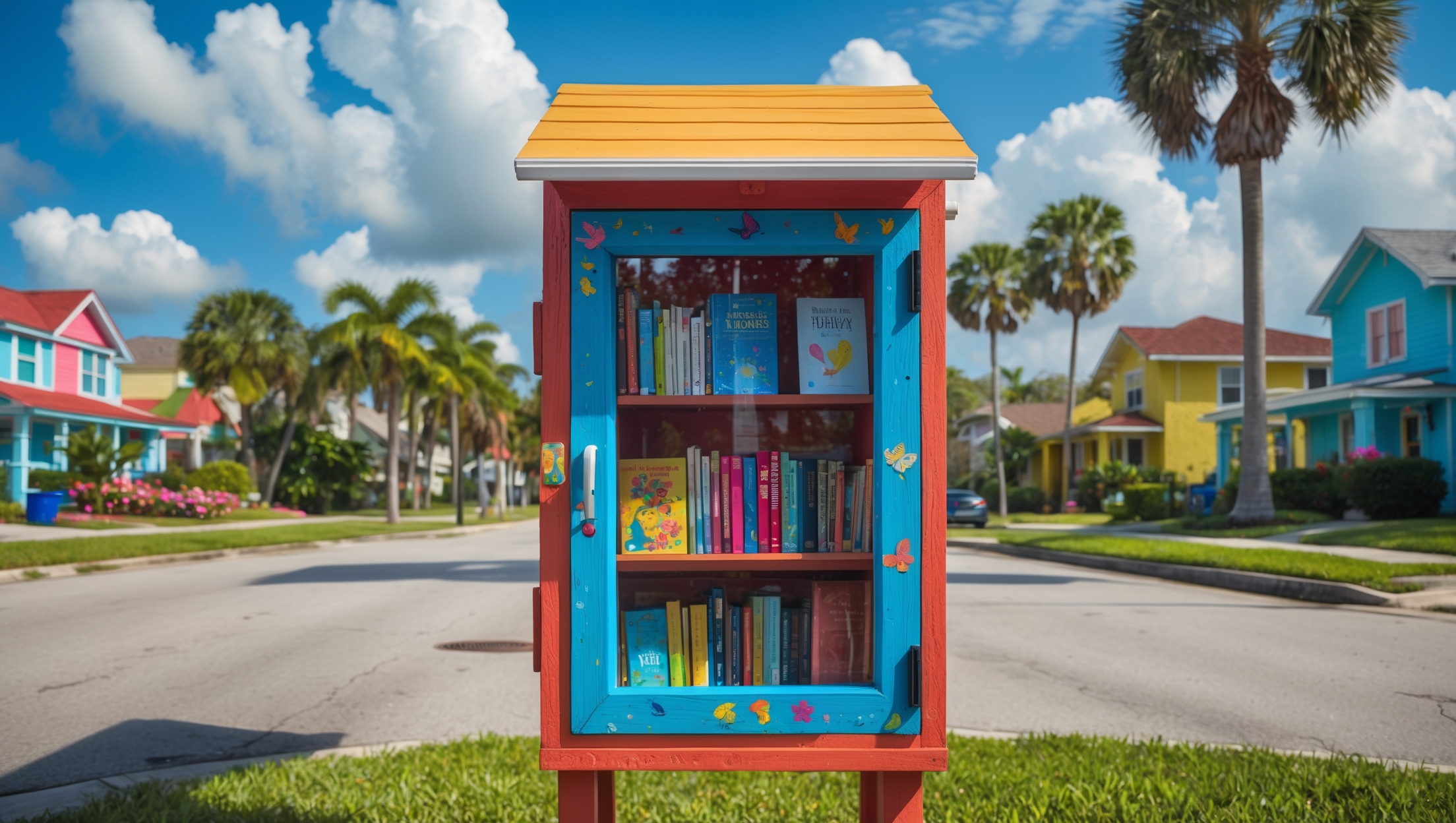
Step-by-Step Setup Tutorial: Launching a Community Free Little Library in St. Petersburg, FL

Introduction: The Power of Little Free Libraries in St. Petersburg
St. Petersburg, FL has long been celebrated for its creative spirit and commitment to community-driven initiatives. Among the city’s most beloved grassroots projects are Little Free Libraries—charming, weatherproof book-sharing boxes that invite neighbors to “take a book, leave a book.” These miniature libraries do more than circulate stories; they foster neighborhood connections, encourage literacy, and brighten streets with personality. If you’re considering launching a Little Free Library (LFL) in your St. Pete neighborhood, you’re about to embark on a rewarding journey that brings people, ideas, and resources together.
However, creating a successful Little Free Library is about more than just building a box and filling it with books. St. Petersburg’s unique climate, municipal regulations, and vibrant community culture all play a role in the planning, construction, and ongoing stewardship of your project. This comprehensive local guide will walk you through every step—site selection, design, compliance, weatherproofing, engaging neighbors, and sustaining your library for years to come. Whether you’re a DIY enthusiast or a passionate reader with limited woodworking experience, you’ll find practical advice tailored to St. Petersburg’s neighborhoods and resources.
Step 1: Laying the Groundwork – Planning Your Little Free Library
Setting Your Goals
First, clarify why you want to install a Little Free Library. Are you aiming to promote literacy among children, create a book exchange for all ages, or celebrate a particular genre (such as local authors or Florida history)? Your goals will inform your design, book selection, and outreach efforts.
- Audience: Will your library cater to kids, adults, or everyone?
- Special themes: Consider focusing on diverse voices, environmental topics, or St. Pete’s creative arts scene.
- Long-term vision: Will you maintain it solo or recruit neighborhood stewards?
Finding the Right Location
Location is key to visibility and accessibility. In St. Petersburg, popular spots include:
- Front yards facing sidewalks in walkable neighborhoods (with the homeowner’s permission)
- Community gardens or parks (with city or HOA approval)
- Outside local businesses, cafes, or community centers
Choose a spot with good foot traffic, clear sight lines, and safe access. Avoid locations near busy roads without a sidewalk, or where standing water collects after rain.
Step 2: Navigating Local Regulations & Permissions
Understanding St. Petersburg’s Policies
While Little Free Libraries are celebrated, they still need to comply with local codes:
- Residential installations: You generally don’t need a permit for a small library on private property, but HOAs may have restrictions. Always check with your association or landlord.
- Public spaces or right-of-way: Installing on city property, in a park, or near sidewalks may require approval from St. Petersburg Parks & Recreation or the city’s planning department. Email [email protected] for guidance.
- Historic districts: If your neighborhood has historic status (e.g., Old Northeast, Kenwood), additional design review or permission may be needed.
Tips for a Smooth Approval Process
- Prepare a simple sketch or photo of your planned library and its location.
- Be ready to explain the community benefit and your plan for upkeep.
- Offer to address concerns about safety, accessibility, or aesthetic fit.
Step 3: Designing Your Library – Materials, Size, and Style
Weatherproofing for the St. Pete Climate
St. Petersburg’s subtropical weather means your LFL must withstand high humidity, intense sun, and heavy rain. Choose materials and finishes with care:
- Build with rot-resistant wood (cedar, cypress, or marine-grade plywood) or upcycle a sturdy, waterproof container (like an old mailbox or mini fridge).
- Seal all surfaces with exterior-grade paint, polyurethane, or marine varnish. Pay special attention to edges and joints.
- Waterproof roof: Add asphalt shingles, a metal cap, or a sloped design to prevent leaks.
- Elevate the library on a post or pedestal at least 24″ above ground to avoid flooding.
Design Ideas and Inspiration
St. Pete’s Little Free Libraries often reflect the city’s quirky, artistic vibe. Consider:
- Bright, bold paint colors
- Found-object decorations (shells, mosaics, bottle caps)
- Murals featuring local wildlife or landmarks (the Pier, Sunshine Skyway, pelicans)
- Solar-powered lights for nighttime visibility
Keep the design inviting but functional: a clear door (Plexiglas or acrylic) lets people preview the books inside, and a child-friendly height (42–48″) ensures accessibility.
Essential Tools and Materials Checklist
- Measuring tape, pencil, and level
- Saw (hand saw or circular saw)
- Drill and outdoor screws
- Exterior-grade wood glue
- Weatherproof paint or sealant
- Plexiglas/acrylic sheet for door
- Door hinges and latch (magnetic or secure catch)
- Post digger or shovel (for installation)
- Concrete mix or gravel (to anchor the post)
Step 4: Building Your Little Free Library – Step-by-Step
1. Constructing the Box
- Cut panels for the front, back, sides, top, and bottom. Standard dimensions: 16″ wide x 18″ high x 12″ deep (adjust as needed).
- Assemble the box with wood glue and screws. Ensure all seams are tight to keep out moisture.
- Add interior shelves if desired, but leave enough space for tall books.
2. Installing the Roof
- Use a sloped or gabled design to shed rainwater.
- Cover with shingles, metal flashing, or waterproof membrane.
- Extend roof edges an inch or two beyond the box walls for extra protection.
3. Adding the Door
- Attach a Plexiglas/acrylic door with weatherproof hinges.
- Add a secure latch or magnetic catch to keep the door closed in windy weather.
- Optional: Add a small vent or drain hole in the bottom for airflow and drainage.
4. Finishing Touches
- Sand all surfaces and edges smooth; round corners for safety.
- Paint or decorate with exterior-grade paints. Let dry completely.
- Apply two or more coats of clear weatherproof sealant.
5. Installing the Post
- Dig a hole at least 18–24″ deep.
- Set a treated 4×4 post in concrete or packed gravel for stability.
- Let concrete cure fully before mounting the library.
- Bolt or screw the library box securely to the post.
Step 5: Registering Your Library & Spreading the Word
Official Registration
Registering with the Little Free Library organization connects your library to a global map and provides an official charter sign, starter kit, and access to the LFL community. Registration is optional but recommended for visibility and support.
Filling Your Library
- Start with a mix of genres and age ranges. Reach out to friends, neighbors, and local bookstores for donations.
- Include Florida authors, environmental titles, and books about St. Petersburg’s history for local flavor.
- Remove books with mold, damage, or inappropriate content.
Promoting in the Community
- Announce your launch on neighborhood social media groups (Nextdoor, Facebook, Reddit r/StPetersburgFL).
- Partner with local schools, daycares, and senior centers to encourage visits.
- Host a ribbon-cutting, book swap, or storytime to kick things off.
- Connect with other St. Pete stewards for tips and book exchanges.
Step 6: Maintenance & Sustainability – Best Practices for St. Pete
Regular Upkeep Tasks
- Weekly: Check for water leaks, mold, or insect intrusion. Wipe down shelves and door.
- Monthly: Rotate stock, remove damaged books, and restock with donations or your own finds.
- After storms: Inspect for damage, standing water, or windblown debris. Reseal as needed.
Weatherproofing Tips for Florida’s Climate
- Reapply exterior sealant annually—especially before summer storms.
- Keep an eye out for termite or ant activity; treat wood and ground as needed.
- Prune nearby plants to prevent mildew and keep box visible.
Keeping the Community Engaged
- Leave a notebook inside for visitors to suggest titles or leave notes.
- Celebrate milestones—100th book, anniversary, or themed reading months.
- Recruit co-stewards or rotate responsibilities to prevent burnout.
Step 7: Troubleshooting and Common Challenges
Vandalism and Theft
While rare, vandalism can occur. Strategies include:
- Install in a well-lit, visible location
- Use tamper-resistant hardware and strong hinges
- Engage neighbors as watchful allies
- Report serious issues to local authorities or neighborhood watch
Weather Damage
- Regularly inspect for leaks, warping, or peeling paint
- Upgrade roofing or door materials if problems persist
- Consider temporary closure during hurricanes
Book Shortages
- Partner with local thrift stores, schools, and libraries for donations
- Host seasonal book drives
- Network with other Little Free Library stewards in the area for swaps
St. Petersburg Resources and Support
- City of St. Petersburg Neighborhood Services: stpete.org/neighborhoods
- Friends of the Library: Many Pinellas libraries support LFLs with donations and advice.
- Local hardware stores: Home Depot, Lowe’s, and local shops often offer scrap wood or discounts for community projects.
- St. Pete Makers: Connect for building help, creative design, and group builds (stpetemakers.org).
Conclusion: Building Community, One Book at a Time
Launching a Little Free Library in St. Petersburg, FL is a uniquely rewarding way to nurture literacy, foster neighborhood pride, and encourage unexpected connections. The process requires thoughtful planning—balancing creativity with weatherproofing, community engagement with practical maintenance—but the payoff is immense. Your library will become a neighborhood hub, sparking conversations, inspiring young readers, and serving as a testament to St. Pete’s spirit of shared resources and mutual support.
Remember, the most successful Little Free Libraries are those that reflect the character and needs of their community. Invite neighbors to brainstorm, paint, or donate books. Stay flexible and open to feedback as your project evolves. Don’t be discouraged by occasional setbacks; every challenge is an opportunity to strengthen local ties and refine your stewardship.
As more Little Free Libraries dot the streets of St. Petersburg, each one adds a layer of vibrancy, literacy, and shared joy to the cityscape. By following this step-by-step guide, you’ll be well equipped to build, launch, and sustain a library that makes a lasting difference—one book, one neighbor, one idea at a time.
When you talk about sustaining the library, what are some practical ways to keep it stocked with books over time? Are there local organizations or events in St. Petersburg that help supply books or support Little Free Library stewards?
To keep your Little Free Library stocked, you can encourage neighbors to donate books, host seasonal book drives, or partner with local schools and businesses. In St. Petersburg, the main library branches and some independent bookstores sometimes sponsor community book swaps or donations. You might also reach out to local literacy groups or check community events calendars, as many local festivals and organizations are happy to support Little Free Library stewards with book donations.
I noticed you mentioned St. Petersburg’s climate as a challenge. What specific materials or construction tips would you recommend to make a Little Free Library last through the Florida humidity and sudden storms?
For St. Petersburg’s humid, storm-prone climate, use weather-resistant materials like marine-grade plywood or composite wood, and opt for exterior paints or sealants rated for heavy moisture. A sloped, overhanging roof will help keep rain out, and adding vents near the top can reduce humidity inside. Stainless steel or galvanized hardware will resist rust, and a raised base or concrete pad keeps the box above standing water.
If I don’t have woodworking skills, what are some realistic options for getting a Little Free Library built and installed? Are there local services or community groups in St. Petersburg that can lend a hand with the setup?
You definitely don’t need woodworking skills to set up a Little Free Library. Many participants order pre-made library kits online, which just need basic assembly. In St. Petersburg, you might also reach out to local woodworking clubs, high school shop classes, or community organizations—sometimes even neighborhood associations or local libraries—who may be willing to help build or install your library. Posting on local social media groups can connect you with volunteers as well.
I’m interested in recruiting neighborhood stewards to help with ongoing maintenance. Does the article suggest any successful strategies for engaging neighbors or forming a small volunteer group for a new Little Free Library in St. Petersburg?
The article does touch on engaging neighbors by recommending you hold a small launch event or open house, which helps introduce the Little Free Library and invites people to get involved. It also suggests reaching out personally to neighbors and posting about volunteer opportunities on local community boards. Forming a steward group is encouraged, especially by identifying a few nearby residents willing to periodically check and restock the library.
How much, on average, should I budget for supplies and ongoing maintenance if I’m planning to set up and sustain a Little Free Library myself here in St. Petersburg? I want to make sure I’m prepared for both the startup and long-term costs.
For St. Petersburg, you should plan to budget around $250 to $500 for the initial setup. This covers materials for building or buying a weatherproof library box, posts, paint, hardware, signage, and your initial book supply. For ongoing maintenance, expect to spend about $50 to $100 per year on repairs, paint touch-ups, replacing damaged books, and restocking. Costs can vary depending on your design and how much you rely on donations, but this range gives you a solid starting point.
Could you provide more detail about the city regulations or permits needed to install a Little Free Library in St. Pete? I want to make sure I get all the approvals before starting the project.
In St. Petersburg, you’ll need to check your property’s zoning and obtain approval if your library will be on public land or a sidewalk. The city sometimes requires a permit for structures in public spaces, so it’s wise to contact the Zoning or Neighborhood Services Department directly. Also, consult your Homeowners Association if you have one. Typically, Little Free Libraries on private property don’t need permits, but confirming with the city ensures you’re fully compliant.
Do you have any tips for weatherproofing the library boxes specifically for St. Pete’s humid and rainy climate? I’ve heard that the salt air near the coast can also be tough on certain materials, so I’m curious what has worked best for long-term durability.
For St. Pete’s humid, rainy, and salty coastal air, marine-grade plywood or high-quality composite materials hold up best. Use exterior paint or marine varnish for extra moisture and UV protection. Stainless steel or galvanized hardware resists rust. Seal all edges and seams with waterproof caulk, and consider installing a sloped roof with a drip edge to keep water out. Regularly check for leaks or mold to maintain durability.
You mention municipal regulations—are there any specific permits or neighborhood approvals needed in St. Petersburg before installing a Little Free Library in my front yard, or is it usually pretty straightforward?
In St. Petersburg, placing a Little Free Library in your front yard is generally straightforward, but there are a few things to check. The city typically doesn’t require a permit for small, decorative structures like these on private property, but some homeowners associations or neighborhood groups may have their own rules or approval processes. It’s a good idea to contact your neighborhood association and review any applicable city codes just to be safe.
You talked about deciding on a theme or focus for the library, like Florida history or local authors. Do themed libraries tend to attract more participation from neighbors, or is it better to keep the selection broad for the whole community?
Themed libraries can spark extra interest, especially if the theme connects with your neighborhood’s identity or interests, like local history or authors. However, a broader selection tends to appeal to more people and encourages ongoing participation from all age groups. If you’re unsure, you could start with a broad mix and gradually introduce themed sections to see what your community responds to best.
If I want to focus my Little Free Library on local authors or Florida history books, do you have tips on how to source those specific kinds of books, or ways to encourage neighbors to donate them?
Focusing your Little Free Library on local authors or Florida history is a wonderful idea. To source these books, try reaching out to local bookstores and libraries, as they often have extra copies or can suggest sources. You might also contact Florida-based authors or historical societies—they sometimes donate books for community projects. To encourage neighbors to donate, add a note to your library explaining your theme and inviting contributions. Hosting a themed book drive or sharing your focus in neighborhood newsletters can also help spread the word.
If I want my Little Free Library to focus on local authors or Florida history, do you have suggestions for sourcing those kinds of books and keeping the selection fresh? Also, are there examples of themed libraries in St. Petersburg?
You can connect with local bookstores, libraries, and authors’ groups in St. Petersburg to source books by local writers or about Florida history. Consider reaching out to community centers and hosting book drives with a Florida theme. To keep your selection fresh, rotate books regularly and invite neighbors to contribute titles related to your theme. St. Petersburg does have a few themed Little Free Libraries; some focus on children’s books or specific genres, so a Florida-themed library would be a unique addition!
I have a young child and want the library to appeal to families as well as adults. Any tips for balancing book selection or design to make it welcoming for all ages, or suggestions for incorporating local themes like Florida history without making it feel too narrow?
To make your library welcoming for both families and adults, try including a mix of picture books, early readers, and chapter books alongside novels and nonfiction for adults. Shelve or label areas for kids and grown-ups to help browsing. For local themes like Florida history, blend these in with broad topics—add books about local wildlife, famous Floridians, nature guides, and fun Florida stories for kids. Bright, inviting designs and a few family-friendly decorations, like local art or shells, can make everyone feel welcome without being too focused on one subject.
The article mentions considering St. Petersburg’s unique climate for weatherproofing the library. Could you share some specific materials or paint types that hold up best against the humidity and rain here?
For St. Petersburg’s humid and rainy climate, exterior-grade plywood or cedar is a good choice for building the library box, as both resist moisture and rot. When it comes to paint, use a high-quality exterior acrylic latex paint, which stands up well to humidity and UV exposure. For added protection, seal all edges and seams with waterproof caulk and finish with a marine-grade spar urethane or varnish to help prevent water damage.
Since St. Pete has such a humid and rainy climate, what are some weatherproofing materials or design tips you recommend to make sure the books and the structure itself last as long as possible?
For St. Pete’s humid and rainy weather, use treated or rot-resistant wood like cedar or composite materials for the library structure. Apply exterior-grade waterproof sealant or high-quality marine paint for extra protection. Consider adding a sloped, overhanging roof made of metal or shingles to direct rainwater away. Install weather stripping around the door and use plexiglass windows to prevent leaks while allowing visibility inside. Elevate the library a few inches off the ground to avoid standing water.
When it comes to choosing a theme for the library, such as local authors or environmental topics, have you seen certain themes work better at engaging neighbors or attracting more book donations in St. Pete?
In St. Petersburg, libraries with themes tied to local interests, like showcasing books by Florida authors or focusing on coastal and environmental topics, often draw more attention and participation. Neighbors tend to get excited about themes reflecting their community or environment. Seasonal or rotating themes, such as ‘beach reads’ in the summer, can also encourage ongoing engagement and fresh donations.
I’m interested in setting up a Little Free Library in my St. Pete neighborhood, but I’m not sure how to handle city permits or comply with local regulations. Could you share more specifics about what’s required by the city for building and installing one of these in St. Petersburg?
In St. Petersburg, it’s important to first check with the city’s zoning department, as requirements can vary by neighborhood. Generally, you may need written permission from your homeowner’s association (if applicable) and to ensure your Little Free Library doesn’t block sidewalks or sightlines. The city doesn’t require a special permit for small, residential book sharing boxes, but it’s a good idea to contact the city’s Codes Compliance department for any updates or specific neighborhood rules before installing your library.
I love the idea of focusing the library on local authors or Florida history as suggested. For those who’ve tried a themed approach, did you find it was harder to keep a good variety of books in stock, or did neighbors catch on and help maintain the theme?
Focusing your Little Library on local authors or Florida history is a great way to engage the community. Others who’ve tried themed libraries found that initially, it could be a bit challenging to keep a wide variety, but once neighbors understood the theme, they often contributed relevant books. Clear signage and a note explaining the theme can help encourage donations that match your focus.
You mentioned weatherproofing as an important step due to the St. Pete climate. Are there any specific local materials or design features you’d recommend to help the library stand up to heat, humidity, and storms?
For St. Pete’s climate, consider using pressure-treated wood or marine-grade plywood for durability against moisture. Adding a sloped, shingled roof helps shed rain, and weather stripping on doors keeps out humidity. Stainless steel or galvanized hardware resists rust. Elevating the library a few inches off the ground on concrete blocks is also helpful for flood-prone areas. These features will go a long way toward protecting your library from local weather challenges.
The article talks about weatherproofing, which makes sense given Florida’s climate. Are there specific materials or design features you recommend to help LFLs in St. Pete withstand heavy rain and humidity long term?
For St. Pete’s wet and humid conditions, marine-grade plywood or pressure-treated wood works well for the structure, and exterior paint or sealant helps protect surfaces. A sloped roof with a significant overhang keeps rain out, and using weatherproof door seals or rubber gaskets around the door prevents water intrusion. Make sure the library is elevated a few inches off the ground to avoid flooding issues.
The article mentioned weatherproofing as a key part of setting up a Little Free Library in St. Petersburg’s climate. What materials or design features have you found to hold up best against the city’s humidity and summer storms?
In St. Petersburg’s humid and stormy climate, using treated or rot-resistant woods like cedar or marine-grade plywood for the library box makes a big difference. Adding multiple coats of exterior paint or marine varnish helps seal out moisture. Sloped or overhanging roofs, heavy-duty weather stripping around the door, and raised bases keep rain out and prevent ground moisture issues. Stainless steel hinges and hardware also resist rust well.
If I’m interested in theming my Little Free Library around local authors or Florida history, do you have suggestions on how to source those books or connect with local writers in St. Pete for partnerships?
Focusing your Little Free Library on local authors or Florida history is a wonderful idea. You can contact independent bookstores in St. Pete, such as Tombolo Books, which often feature local writers and may have connections for partnerships. The St. Petersburg Library System also hosts local author events where you could network. Additionally, reaching out to local history museums or the St. Petersburg Historical Society might yield book donations or collaborative opportunities.
I’m interested in how to weatherproof a Little Free Library for St. Pete’s humidity and occasional storms. Do you have specific material recommendations or maintenance tips that work especially well for the local climate?
For St. Pete’s humid and stormy conditions, consider building your Little Free Library with weather-resistant woods like cedar or marine-grade plywood. Use exterior-grade paint or marine varnish to seal all surfaces, especially edges and joints. Install a sloped roof with asphalt shingles and add weather stripping around the door to keep moisture out. Regularly check for leaks, repaint or reseal annually, and keep the library elevated off the ground to avoid water damage.
I’m interested in focusing my Little Free Library on local authors and Florida history as suggested. Does the article discuss any partnerships with local bookstores or libraries that could help curate a selection fitting those themes?
The article highlights the idea of curating a collection centered on local authors and Florida history but does not specifically mention any partnerships with local bookstores or libraries for sourcing those materials. If you’re interested in building that type of collection, consider reaching out to independent bookstores, the St. Petersburg public library system, or local historical societies to explore potential collaborations and book donations.
I’m curious about the municipal regulations in St. Petersburg mentioned in the guide. Are there specific permits or zoning rules to be aware of before installing a Little Free Library on private property or a sidewalk?
In St. Petersburg, if you’re placing a Little Free Library on private property, you usually don’t need a permit, but it’s important to ensure it doesn’t block sidewalks or public right-of-way. For installations on a sidewalk or city property, you may need city approval or a right-of-way permit. It’s always a good idea to confirm with the city’s zoning or permitting office before you build to avoid any issues.
You mentioned considering municipal regulations as part of the setup process in St. Pete. What are some of the specific city rules or permits I should be aware of before installing a Little Free Library in my front yard?
In St. Petersburg, you’ll want to check local zoning codes about structures in front yards, as some neighborhoods have rules about setbacks or visibility for traffic. While Little Free Libraries typically don’t need a full permit, it’s wise to contact the city’s zoning or permitting office to verify. Also, if you’re part of a homeowners association, they may have additional guidelines to follow.
I’m curious about how to comply with St. Petersburg’s municipal regulations when setting up a Little Free Library. Are there specific permits or location restrictions I should be aware of before choosing a spot in my neighborhood?
In St. Petersburg, Little Free Libraries usually don’t require a formal permit if they’re installed on private property with the owner’s consent. However, you must avoid placing them on public right-of-way areas like sidewalks or near roadways, as that may require special permission. Before installing, it’s a good idea to check with the local zoning or neighborhood association to confirm any additional guidelines for your specific location.
For someone who isn’t very handy with woodworking, are there recommended places in St. Pete to get a pre-made Little Free Library kit, or groups that might help with the construction and setup process?
If you’re not comfortable with woodworking, you have a few good options in St. Pete. Many local hardware stores and some craft shops carry pre-made Little Free Library kits. You might also check with community organizations like local libraries or neighborhood associations, as they sometimes host build days or know volunteers willing to help with construction and installation.
Could you share some examples of how you involved your neighbors during the planning and setup stages? I want to make sure my project feels welcoming and well-supported, but I’m not sure what kind of outreach or events work best in St. Pete.
During planning, we invited neighbors for a casual brainstorming session over coffee to gather ideas and gauge interest. We also posted flyers in common areas and shared updates on local social media groups to reach more people. For setup, we organized a weekend building day, encouraging families to help paint and decorate the library. These activities not only built excitement but also made everyone feel included and invested in the project’s success.
How long does the whole process usually take in St. Pete, from planning and getting permits to actually installing the library and stocking it with books? Wondering what kind of timeline I should expect if I start from scratch.
From start to finish, the process in St. Pete usually takes 1 to 3 months. This includes time for planning, applying for and receiving permits (which can vary depending on city workload), building or acquiring the library structure, and setting it up. Stocking with books is typically quick, especially if you gather donations in advance.
When it comes to municipal regulations in St. Petersburg, did you encounter any tricky permit requirements or city rules about where you can place a Little Free Library on your property or in public areas? I want to make sure I get started on the right foot.
In St. Petersburg, Little Free Libraries on private property generally don’t require a special permit if they follow local zoning and setback rules—usually meaning they’re set back from sidewalks and not blocking views. Libraries in public areas, such as parks or near sidewalks, may require approval from the city or permission from the relevant department. It’s always a good idea to contact the city’s zoning office first to confirm placement rules for your specific location.
I don’t have much woodworking experience and am debating whether to try building the box myself or look for a prefab Little Free Library kit. Is one option much easier or more cost-effective for a beginner in St. Pete?
For beginners in St. Pete, a prefab Little Free Library kit is often much easier and quicker, especially if you don’t have woodworking experience or tools. Kits are designed for simple assembly and come with instructions, but they usually cost more than building from scratch. If you want to save money and enjoy a DIY project, some local libraries or community groups might offer build workshops or plans. Consider your comfort level, available time, and budget when deciding.
The article mentions weatherproofing, which is definitely a must here in Florida. Are there specific materials or designs you recommend that hold up well against the humidity and storms in St. Pete?
For St. Pete’s humid and stormy climate, marine-grade plywood or pressure-treated wood with exterior paint and sealant works well for building your library. Metal roofing resists rust and keeps out rain better than shingles. Consider raising the structure off the ground and adding rubber seals to the door. Ventilation holes (covered with mesh) help prevent mold from humidity.
If I want to create a themed library focused on local authors, as mentioned in the planning step, do you have advice on how to source those kinds of books or connect with Florida writers for donations?
To build a themed library focused on local authors, start by reaching out to area bookstores and public libraries—they often have suggestions and may host books by Florida writers. You can also contact local writing groups or Florida-based author organizations to request donations or partnerships. Attending book fairs and literary events in St. Petersburg is another great way to connect with writers who might be interested in contributing to your little library.
If I don’t have much experience with woodworking, are there specific resources or local groups in St. Pete that help beginners build or install Little Free Libraries?
Absolutely, you don’t need advanced woodworking skills to start! In St. Pete, local makerspaces like the St. Pete Makers often welcome beginners and offer workshops or advice. Some neighborhood associations and libraries occasionally host group build days. You can also ask at local hardware stores; they sometimes know of volunteers or community members willing to help with building or installation.
I noticed the guide mentions municipal regulations—can you clarify if there are specific permits or approvals needed in St. Pete before installing a Little Free Library on my front lawn, or is it usually straightforward?
In St. Petersburg, installing a Little Free Library on your front lawn is typically straightforward if it’s on private property and doesn’t obstruct sidewalks or city right-of-way. However, the city may have specific zoning regulations, so it’s a good idea to contact the city’s zoning department or neighborhood association just to confirm you won’t need a special permit or approval.
You mention weatherproofing, which is definitely important here in Florida. Do you recommend any particular materials or designs that hold up best against the humidity and heavy storms we get in St. Petersburg?
For Florida’s humid and storm-prone climate, marine-grade plywood or pressure-treated lumber works well for the structure. Seal all wood thoroughly with an exterior-grade weatherproof sealant. Consider adding a sloped metal or composite roof to let rain run off, and install rubber gaskets around the door to keep moisture out. Raised legs or a concrete base can help prevent water damage from heavy rains.
I’m curious about the city regulations you mentioned for Little Free Libraries in St. Pete. Did you have to get any specific permits, or is there guidance on where exactly you can place the library on your property versus city property?
In St. Petersburg, you typically don’t need a formal permit to install a Little Free Library on your own property, but it’s important to make sure the structure doesn’t extend onto city easements or sidewalks. The article suggests placing the library well within your property line. For city property or public spaces, you would need to contact the city’s zoning or permitting office for approval and specific placement guidelines.
When it comes to following municipal regulations in St. Petersburg, is there a particular department or office I should contact first, and about how long does it typically take to get approval for installing a Little Free Library on public property?
You’ll want to start by contacting the St. Petersburg Public Works Department, as they typically oversee installations on public property, including Little Free Libraries. Approval times can vary, but most applicants report the process takes anywhere from 2 to 6 weeks, depending on the location and current workload. It’s a good idea to reach out early to discuss your proposed spot and gather any specific requirements.
I’m curious about the municipal regulations you mentioned for building a Little Free Library in St. Petersburg. Are there permits required, or guidelines about where these boxes can be placed in public spaces or on private property?
In St. Petersburg, if you’re placing a Little Free Library on your private property, you usually won’t need a permit, but it’s important to make sure it doesn’t block sidewalks or violate homeowners’ association rules. For installations on public property like parks or sidewalks, the city typically requires permission from the local government or parks department. It’s a good idea to check with the city’s zoning or permitting office for the latest guidelines and to get written approval if you’re using public land.
The article mentions weatherproofing, which is definitely important with our Florida storms. Are there any particular materials or designs you’ve found hold up best over time here in St. Pete?
In St. Pete’s climate, libraries built with marine-grade plywood, treated lumber, or composite materials tend to hold up much better against humidity and rain. A sloped metal or shingled roof helps shed water, and adding weatherstripping to doors keeps out moisture. Raised bases—like concrete blocks or bricks—are also effective for preventing water damage from ground flooding.
I’d like to involve my kids in building and maintaining our Little Free Library. Are there any local resources or community groups in St. Pete that support families with this kind of project?
In St. Petersburg, there are several ways to get your kids involved. Many local libraries and neighborhood associations, like Keep St. Pete Lit and the St. Pete Library System, occasionally host workshops or events focused on literacy and community projects. You might also connect with existing Little Free Library stewards in town, as some organize group builds or maintenance days. Checking with your child’s school or local youth groups could also lead to helpful contacts and resources for family-friendly involvement.
In terms of ongoing upkeep, what are some realistic ways a first-time DIYer can recruit neighborhood stewards or get community members involved in maintaining and stocking the library long-term?
To involve neighbors in maintaining and stocking your Little Library, try hosting a casual launch event and inviting nearby residents to participate. Place a note inside the library inviting volunteers to sign up as stewards. You can also share updates in local social media groups or neighborhood apps and reach out to schools, businesses, or community centers for partnership. Rotating monthly caretakers often works well, keeping people engaged without overwhelming anyone.
How did you handle weatherproofing your Little Free Library for St. Pete’s humid and stormy climate? I’m worried about how quickly wood and books might get damaged outdoors, especially during the rainy season.
Weatherproofing was a big priority for us! We used exterior-grade paint and a quality sealant on all wood surfaces, including the inside, to resist moisture. The roof has an overhang and is covered with waterproof shingles. We also added weatherstripping around the door to keep rain out. For extra protection, we use a raised base to prevent water from splashing up. Regular checks during the rainy season help catch any issues early.
I’d love to get my kids involved in this project, but I have almost no woodworking experience. Does the article suggest any local resources or people who can help with building or installing the library?
The article mentions that local hardware stores and some community organizations in St. Petersburg offer workshops or assistance with small building projects like Little Free Libraries. It suggests reaching out to neighborhood associations or local carpenters, as they sometimes volunteer to help families with construction and installation. Getting your kids involved by decorating or helping with book selection is also encouraged.
If I want to focus my little library on children’s books to encourage neighborhood kids to read, do you have suggestions for keeping the selection fresh and appropriate as time goes by? Any tips on getting families involved in maintaining it?
Focusing your library on children’s books is a wonderful idea! To keep the selection fresh, try rotating books regularly and encourage families to donate gently used titles. You might set up themed weeks, like animal stories or adventure books, to spark interest. For ongoing upkeep, invite families to help with restocking or organizing, and consider creating a sign-up sheet for volunteers. Hosting occasional storytimes or reading challenges can also make everyone feel involved and invested.
When it comes to following municipal regulations in St. Petersburg, did you run into any challenges with city permits or homeowners’ association rules? I want to make sure I’m compliant before building anything in my front yard.
Navigating St. Petersburg’s municipal regulations was straightforward for this project. The city doesn’t require a permit for most Little Free Libraries, but it’s important to check your exact address for any specific zoning rules. If you’re part of a homeowners’ association, review their guidelines or reach out directly, since HOA rules can be stricter than city codes. Taking these steps should help you stay fully compliant before installing your library.
I noticed you mentioned the importance of weatherproofing due to St. Petersburg’s climate. Could you share some specific tips or recommended materials that hold up best to the humidity and storms in this area?
For St. Petersburg’s humid, storm-prone climate, use exterior-grade plywood or marine-grade wood for the library structure, as they’re more resistant to moisture and warping. Paint all surfaces with high-quality exterior paint and seal seams with waterproof caulk. Use stainless steel or galvanized hardware to prevent rust. Consider a sloped metal or shingle roof, and install weather stripping on doors to keep out rain and humidity.
If I want to focus my Little Free Library on a special theme, like local authors or Florida history, do you have suggestions for sourcing these books affordably or partnering with community groups in St. Petersburg?
Focusing your Little Free Library on local authors or Florida history is a great idea! You can reach out to local bookstores, the St. Petersburg Library System, or area historical societies—they often have extra books or can suggest donation sources. Connecting with local author groups or cultural organizations may lead to book donations or collaborative events. Also, try posting requests in neighborhood social media groups or at community centers to gather donations from residents.
I’m curious how folks in St. Petersburg deal with the humidity and summer storms when building or maintaining their Little Free Libraries. Are there particular materials or construction tips you recommend for making sure the library stays weatherproof year-round?
Humidity and summer storms are definitely big considerations in St. Petersburg. Builders here often use weather-resistant materials like treated wood, marine-grade plywood, or even recycled plastic boards. Sealing all joints with exterior caulk and using high-quality outdoor paint or varnish helps protect against moisture. Many also add roof overhangs or shingles, and install a raised base to keep the structure off wet ground. Regular maintenance—like resealing and checking for leaks—goes a long way in keeping your Little Free Library weatherproof all year.
I noticed the article mentioned recruiting neighborhood stewards to help maintain the library long-term. How do most people find reliable volunteers for this, especially if you’re new in your neighborhood? Is there a way to involve local schools or organizations?
Many people start by posting in local online groups, such as neighborhood Facebook pages or apps like Nextdoor, to find interested volunteers. Introducing yourself at neighborhood meetings or community events also helps build connections. To involve schools or organizations, reaching out to teachers, youth groups, or local clubs can be very effective—many are open to community service projects and might even help organize volunteer schedules.
If I want my Little Free Library to focus on local authors or environmental topics, do you have advice on how to source those kinds of books in St. Pete or tips for engaging neighbors with a specific theme over time?
To focus your Little Free Library on local authors or environmental topics, try reaching out to St. Pete independent bookstores and local author groups—they often have events or surplus books to share. You can also contact local environmental organizations or libraries for donations. To keep neighbors engaged, create themed weeks, host book swaps, or invite local authors to join meet-ups. Sharing updates on neighborhood social media groups can also help spark ongoing interest.
I’m new to woodworking and curious how involved the construction process is for someone with limited experience. Are there local resources or workshops in St. Pete you’d suggest for beginner DIYers?
Building a Little Free Library is a manageable project for beginners, especially if you use simple designs or pre-made kits. In St. Petersburg, you might want to check out local resources like the St. Pete Makerspace or the Home Depot workshops, which often offer beginner woodworking classes. Community centers and some local libraries also host DIY sessions where you can get hands-on help and advice.
I’m new to woodworking and a little nervous about building something that can handle St. Petersburg’s heat, humidity, and hurricanes. Are there specific materials or construction tips in the article that help make the library really weatherproof for this climate?
The article suggests using pressure-treated lumber or marine-grade plywood for the main structure because they resist rot and moisture. It also recommends using exterior paint or a marine varnish for extra protection, and making sure all seams are sealed with waterproof caulk. For the roof, a sloped design with asphalt shingles or metal panels helps shed rainwater. Anchoring the library securely is also important to withstand strong winds.
I’m curious about sustaining the library long term. What strategies have you seen work best in St. Pete neighborhoods for recruiting neighborhood stewards or encouraging ongoing community engagement with the library?
In St. Pete, the most successful Free Little Libraries often have a few dedicated neighborhood stewards who regularly check on the library, tidy it up, and restock books. Owners often recruit stewards through neighborhood Facebook groups or at local events. Hosting occasional book swaps, storytimes, or community clean-up days around the library also helps keep people interested and involved over the long term.
I’m planning to start a Little Free Library in St. Pete and wondered if there are any specific city permits or HOA guidelines I should check before installing one in my front yard. Did you run into any municipal red tape or was it pretty straightforward?
Setting up a Little Free Library in St. Pete is usually pretty straightforward, but it’s a good idea to double-check with your neighborhood’s HOA if you have one, as some have rules about outdoor structures. The city itself generally doesn’t require permits for these small book boxes on private property, but confirming with the city’s zoning or code enforcement office provides extra peace of mind.
I’m interested in the long-term maintenance aspect you touched on. About how much time per week should I expect to spend restocking and caring for the library once it’s up and running, especially if I’m managing it on my own?
You can expect to spend about 1 to 2 hours per week maintaining and restocking your Little Free Library if you’re managing it solo. This includes checking for damage, tidying up, and making sure the book selection stays fresh. During busy periods or if your library is in a high-traffic area, you might need to check in more often, but most stewards find that a weekly visit is enough.
I’m a total beginner when it comes to woodworking, but I’d love to set up a Free Little Library focused on children’s books in my neighborhood. Are there recommended designs that are easy to build but sturdy enough for our rainy weather here in St. Pete?
Absolutely, for beginners, simple box-style libraries with a sloped or overhanging roof work well and keep books dry in our wet climate. Use weather-resistant materials like exterior plywood, treated lumber, and a good outdoor paint or sealant. There are basic plans available that use just a few power tools, making them perfect for first-timers. Adding a plexiglass door helps protect the books from rain while letting people see inside.
Does St. Petersburg require any specific permits or permissions from the city before setting up a Little Free Library on your property or in a public space, and if so, how complicated is that process?
For St. Petersburg, if you want to install a Little Free Library on your own property, you typically don’t need a city permit, but you should check your neighborhood association or HOA rules just in case. For public spaces, you do need city approval—usually through the Parks and Recreation Department. The process involves submitting an application and sometimes outlining your maintenance plan, but it isn’t very complicated. Be prepared for a short review period.
If I want to set up a Little Free Library with a specific theme, like local Florida authors, do you have tips on sourcing those kinds of books or involving the community in book donations for a themed library?
Focusing your Little Free Library on Florida authors is a wonderful idea! You might start by reaching out to local bookstores, libraries, and authors for book donations. Posting on neighborhood social media groups can also help attract community interest, especially if you explain your theme. Hosting a kickoff event or partnering with local schools and writing groups can encourage people to donate themed books and help spread the word.
For St. Pete’s climate, do you have any specific recommendations for materials or finishes to prevent weather damage to the library, especially with our humidity and hurricane season?
For St. Pete’s humid and storm-prone climate, use weather-resistant materials like marine-grade plywood or composite lumber for your library structure. Finish all wood surfaces with exterior-grade paint or sealant, and consider a sloped, metal or shingled roof for added protection. Elevate the library slightly off the ground and use rust-resistant hardware to further guard against moisture and hurricane conditions.
The article mentions St. Petersburg’s unique climate as a factor to consider when weatherproofing a Little Free Library. Are there specific materials or construction techniques you recommend for withstanding the Florida humidity and storms?
For St. Petersburg’s humid climate and frequent storms, marine-grade plywood or pressure-treated wood is a great choice, as it resists moisture and rot. Use exterior-grade paints or sealants for extra protection. Weatherproof roofing materials like metal or asphalt shingles help prevent leaks. Make sure all seams are well caulked, and consider raising the library off the ground on sturdy posts to avoid flood damage.
The guide talks about considering special themes like local authors or creative arts. If I’m focusing on kids’ literacy, are there particular genres or book types that tend to be most popular in St. Pete’s neighborhoods?
In St. Pete’s neighborhoods, picture books, beginner reader series, graphic novels, and books featuring diverse characters are especially popular among kids. Storybooks about local wildlife, beach life, and Florida adventures resonate well too. Including bilingual books and titles that reflect the community’s diversity also helps attract families and encourages repeat visits to your Little Library.
You touched on municipal regulations in St. Pete for setting up a Little Free Library. Are there any particular city permits or neighborhood association approvals that first-time stewards should be aware of before installing their library box?
In St. Petersburg, you generally don’t need a city permit to install a Little Free Library on private property, as long as it doesn’t block sidewalks or rights-of-way. However, it’s important to check with your neighborhood association or HOA, since some have their own guidelines or approval processes. If you’re planning to place the library on public land or a city easement, contacting the city’s zoning or permitting office beforehand is a good idea.
You mentioned sustaining the library for years to come. What strategies have worked best for keeping neighbors engaged and making sure the book supply stays fresh in a diverse community like St. Pete?
Keeping neighbors engaged over time often involves organizing regular events, like themed book swaps or story hours, and inviting community members to help with maintenance. Posting updates and book requests on local social media or neighborhood apps helps keep everyone involved. To ensure a fresh book supply, we’ve had success reaching out to schools, local businesses, and libraries for occasional donations, and encouraging people to take a book only if they can leave one when possible.
I noticed the article mentions taking St. Petersburg’s climate into account when setting up the Little Free Library. Could you share specific tips for choosing weatherproof materials that hold up well in Florida’s humidity and summer storms?
For Florida’s humidity and storms, it’s best to use weather-resistant woods like cedar or marine-grade plywood, sealed with high-quality exterior paint or marine varnish. Metal hardware should be stainless steel to avoid rust. Adding a sloped, shingled roof and raised base will help water run off and prevent ground moisture damage. Consider installing weatherstripping around the door to keep out rain.
I’m curious about recommended materials or treatments that best handle St. Pete’s humidity and storms when weatherproofing your Little Free Library. Are there particular products or designs local builders prefer to keep books dry year-round?
For St. Pete’s humid and stormy climate, builders often recommend using marine-grade plywood or pressure-treated lumber for the library’s structure. Exterior paints or sealants, especially those rated for marine or deck use, work well to protect against moisture. Adding a sloped roof with asphalt shingles and weather stripping around the door helps keep rain out. Some locals also install small vents for airflow, which reduces mold inside the box.
The guide suggests considering special themes, like highlighting local authors or Florida history. Have you seen examples of Little Free Libraries in St. Petersburg that focus on a specific theme, and do themed libraries attract more community engagement than general ones?
Yes, there are a few Little Free Libraries in St. Petersburg that highlight themes like local art, Florida wildlife, or children’s books. Themed libraries often draw extra attention, especially from those interested in the topic, and residents sometimes donate relevant books to support the theme. While general libraries remain very popular, themed ones can spark more conversations and create a stronger sense of community around shared interests.
Could you share more about what kind of municipal regulations apply in St. Pete? Are there any city permits or specific homeowner association rules I should be aware of before installing a Little Free Library box in my front yard?
In St. Petersburg, you generally do not need a city permit to install a Little Free Library in your front yard, but your project must comply with local zoning rules. The box should not obstruct sidewalks or utilities and must be on your property, not public right-of-way. If you live in an area governed by a homeowner association, check their guidelines first, as some HOAs have restrictions on outdoor structures. It’s a good idea to contact your neighborhood association or the city’s zoning department for specifics.
I’m interested in installing a Little Free Library with a special theme, maybe focusing on Florida history as you suggested. Are there any tips for sourcing themed books or partnering with local authors in St. Pete?
Sourcing themed books about Florida history can be fun and rewarding. Check out local bookstores, thrift shops, and the St. Petersburg public library’s used book sales for relevant titles. You might also reach out directly to local authors, many of whom are happy to donate or recommend books for community projects. Consider contacting local historical societies or museums—they often have connections to authors and may have materials to contribute.
You mentioned weatherproofing the box is especially important in St. Pete’s climate. For someone without much woodworking experience, are there specific materials or local resources you recommend to handle the humidity and sudden storms here?
For St. Pete’s humid and stormy weather, I suggest using marine-grade plywood or composite materials for the library box, as they resist moisture better. You can also apply a good exterior paint or a marine varnish for extra protection. If you’d rather not build from scratch, local hardware stores often carry pre-made weatherproof cabinets or kits. Some community groups or makerspaces in the area might also help with assembly or advice.
I’m curious about how St. Petersburg’s climate affects the materials used for constructing these libraries. Are there specific weatherproofing techniques or materials that work best given the local humidity and storms?
St. Petersburg’s humid, storm-prone climate means it’s important to use durable, weather-resistant materials for your Little Library. Pressure-treated wood, marine-grade plywood, or composite materials hold up well. Waterproof paint or sealants help further protect from moisture. Tight-fitting doors, roof overhangs, and elevated bases prevent water intrusion during heavy rains. Stainless steel or galvanized hardware also resists rust in the salty, humid air.
I’m not very handy with woodworking and would be relying on DIY kits or premade boxes. Does the guide suggest any weatherproofing strategies specifically suited for St. Pete’s climate to protect the books through the humid summer months?
The guide does mention weatherproofing tips, especially considering St. Pete’s humid summers and frequent rain. It suggests using durable materials like marine-grade plywood and sealing all edges and seams with waterproof caulk. Applying several coats of exterior paint or a marine varnish is also recommended to protect the box from moisture. Even with a premade kit, adding these weatherproofing steps will help keep your books safe and dry.
If my main goal is to get neighbors involved as co-stewards, do you have tips for how to recruit and organize a small group in St. Pete? Are there any local groups or online platforms that make this part easier?
To recruit co-stewards in St. Pete, try reaching out through established neighborhood associations, local Facebook groups, or Nextdoor, where many residents connect over community projects. Hosting an informal meet-up or info session near your Little Library can spark interest. You might also contact local community centers or libraries, which sometimes have volunteer networks or can suggest active groups. Clear communication about the commitment and benefits will help organize your team effectively.
I’m curious about the weatherproofing aspect mentioned for St. Pete’s climate. Are there particular materials or treatments you recommend for the library structure to withstand the humidity and sudden storms, or any lessons learned from libraries that didn’t hold up well over time?
For St. Pete’s humid, storm-prone climate, using pressure-treated wood or marine-grade plywood works well, as they resist rot and warping. Adding several coats of exterior paint or marine varnish protects further. Galvanized or stainless steel hardware resists rust. Seal all seams and roof edges with outdoor caulk. Some past Little Libraries didn’t last because untreated wood or regular nails were used—they suffered from swelling, leaks, or rust. A sloped roof with shingles and an overhanging lip also helps keep rain out.
I’m a college student on a tight budget but love the idea of promoting diverse voices through a themed library. What low-cost options or community resources are available in St. Pete to help kickstart book donations?
You can start by reaching out to the St. Petersburg public library system, which sometimes has surplus books or donation programs. Local thrift stores and used bookstores may also offer discounts for community projects. Try connecting with campus clubs, professors, and local nonprofits—they might host a book drive or contribute gently used books. Social media groups focused on St. Pete neighborhoods are great places to request donations as well.
When planning your library, how much time did you actually spend working with city regulations or getting neighborhood approvals? I’d love to know what kind of red tape might come up in St. Petersburg.
Navigating city regulations in St. Petersburg took about two to three weeks. The main requirements included checking with the city for any zoning restrictions and reaching out to the neighborhood association for their input. While there wasn’t extensive red tape, I did need written approval from my HOA and to confirm with the city that our library location was allowed. It’s a good idea to start by calling your local zoning office and talking to your neighborhood group.
If I want to focus my Little Free Library on local authors or Florida history, do you have any suggestions for sourcing books or collaborating with local organizations in St. Pete to keep the collection fresh and relevant?
Focusing your Little Free Library on local authors or Florida history is a great idea for connecting with your community! You can reach out to local bookstores, the St. Petersburg Library System, historical societies, and independent publishers to request book donations or partnerships. Attending local author events and contacting writers’ groups may also help you source relevant books. Regularly swapping titles with other Little Free Library stewards in the area is another way to keep your collection updated and engaging.
When you mention compliance with municipal regulations in St. Petersburg, are there any particular permits or city rules I should be aware of before installing a Little Free Library in my yard or on a sidewalk?
Yes, in St. Petersburg you may need to check with the city’s zoning and permitting departments before installing a Little Free Library, especially if it will be placed on public property or near a sidewalk. If you install it in your own yard, rules are usually more relaxed, but it’s still wise to review local ordinances or contact the city to confirm if a permit is required. Homeowner association guidelines may also apply in some neighborhoods.
Since the article highlights both thematic libraries and general book exchanges, do you have any advice on which option tends to engage more neighbors in St. Pete? I want to make sure I choose something that really brings the community together.
Both thematic libraries and general book exchanges can attract interest, but in St. Pete, general book exchanges tend to engage a broader range of neighbors. They encourage participation from different age groups and interests, helping foster a welcoming, inclusive atmosphere. However, if your neighborhood has a strong shared interest—like gardening, kids’ books, or local history—a themed library can spark deeper connections. You might even start with a general library and introduce themed weeks to see what the community responds to most.
If I want to get my neighbors involved in maintaining the LFL, what are some effective ways to recruit and organize a group of stewards, especially in a community where people may not know each other well yet?
To involve neighbors in maintaining your Little Free Library, try hosting a small launch event or book swap which lets people meet and learn about the project. You could also post flyers or notes in local gathering spots, and create a group chat or email list for interested neighbors. Assigning rotating steward roles or monthly tasks helps everyone feel involved without overwhelming anyone.
I noticed the article mentions local municipal regulations. Could you clarify what permits or permissions are actually required to set up a Little Free Library in a residential front yard in St. Pete?
In St. Petersburg, you usually don’t need a formal permit to place a Little Free Library in your residential front yard as long as it’s on your private property and doesn’t block sidewalks or utilities. However, it’s a good idea to check with your Homeowners Association, if you have one, and consider notifying city code enforcement to confirm you’re in compliance with local guidelines.
I’m planning to set up a Little Free Library in my neighborhood near a park, but I’m not sure how to check or comply with St. Pete’s municipal regulations. Where should I start, and are there any common pitfalls I should look out for?
To start, contact the City of St. Petersburg’s zoning or permitting department to ask about regulations for installing structures on public or park land. You may need written approval, especially if it’s city-owned property. Common pitfalls include placing your library too close to sidewalks or blocking visibility, and not checking for utility lines underground. It’s also wise to talk to your neighborhood association if you have one—they may have advice or requirements too.
I’m curious about the municipal regulations mentioned—do I need special permits to install a Little Free Library on my front lawn in St. Petersburg, or are there particular city rules I should be aware of?
In St. Petersburg, placing a Little Free Library on your front lawn usually doesn’t require a special permit if it’s entirely on private property. However, you should make sure the library doesn’t block sidewalks, driveways, or utilities, and it should follow any homeowners association (HOA) guidelines if applicable. For anything installed near the street or public right-of-way, contacting the city’s zoning department for clarification is a good idea.
For someone without woodworking experience, what are the best options in St. Pete for sourcing a pre-built Little Free Library structure, and are there local groups that assist with installation or maintenance?
If you’re not comfortable building your own, you can buy pre-built Little Free Library kits online, and some local hardware or garden stores in St. Pete occasionally carry them as well. For installation help, check with St. Pete’s neighborhood associations or the local Little Free Library Facebook groups—members sometimes volunteer with setup and ongoing care. Suncoast Makers and some community centers also offer assistance or workshops for new library stewards.
For someone with only basic woodworking skills, do you suggest buying a pre-made library box or building from scratch, considering St. Pete’s climate? I’d love some insight into costs and maintenance differences in the long run.
Given your basic woodworking skills and St. Pete’s humid, rainy climate, buying a pre-made library box might be a better choice. Pre-made boxes are usually weatherproofed and durable, leading to lower long-term maintenance and fewer repairs. Building from scratch can be cheaper upfront, but you’ll need good materials and weatherproofing, or you risk warping and rot. Maintenance tends to be higher with DIY builds unless you invest extra time sealing and reinforcing. Pre-made boxes typically cost more initially but can save effort and repair costs over time.
The article mentions that compliance with municipal regulations is important for launching a Little Free Library in St. Petersburg. Could you clarify what specific permits or permissions are required from the city before installing a library on my property or a public spot?
In St. Petersburg, if you’re installing a Little Free Library on your private property, you generally do not need a permit, but it should not obstruct sidewalks or violate homeowners’ association rules. For public locations, like parks or sidewalks, you must get permission from the city’s Parks and Recreation Department or Public Works, which may involve submitting a formal request and site plan. It’s wise to contact your local zoning office to confirm requirements for your specific situation.
Could you share more tips on how to engage neighbors and recruit them as stewards, especially in areas where people may not interact much? What has worked well in St. Pete’s communities to build ongoing support?
In St. Pete, starting with small, friendly gestures—like personal notes, flyers at local spots, and casual meet-and-greets near the library—has helped spark interest. Hosting a low-key launch event or a book swap also encourages neighbors to chat and connect. Consistently sharing positive updates and thanking supporters keeps momentum going. Highlighting the fun and low-commitment nature of being a steward can help recruit volunteers, even in less connected neighborhoods.
I’m curious about the weatherproofing part mentioned in the article. Are there certain materials or designs that work best for withstanding the humidity and storms in St. Petersburg, or do most people just use standard outdoor paints and sealants?
For St. Petersburg’s humid and stormy conditions, it’s best to use durable materials like marine-grade plywood or treated lumber for your Little Library. Many builders also recommend metal or shingle roofing. Standard outdoor paints and sealants are a good starting point, but consider using waterproof or marine sealants for extra protection. Elevating the library a few inches off the ground also helps prevent water damage during heavy rains.
To keep the library well-stocked and maintained over time, do you have any tips on recruiting neighborhood stewards or partnering with local organizations? I’d love to hear what’s worked for others in the St. Petersburg community.
In St. Petersburg, many successful Little Libraries rely on neighborhood stewards—often enthusiastic residents or families—who take turns checking and restocking the collection. You might try hosting a launch event to connect with interested neighbors, posting on local social media groups, or reaching out to nearby schools and community centers to find volunteers. Forming partnerships with local businesses, bookstores, or nonprofits can also help with regular book donations and occasional upkeep.
Based on St. Pete’s climate challenges mentioned in the article, what are your top recommendations for weatherproofing materials or designs that have proven durable in the area’s humidity and storms?
In St. Pete’s humid and storm-prone climate, marine-grade plywood and pressure-treated lumber hold up well for building the library structure. Use waterproof exterior paint or polyurethane to seal all wooden surfaces. Installing a sloped metal or composite roof helps shed rain quickly, and adding weatherstripping to door openings will keep moisture out. Stainless steel or galvanized hardware resists rust, ensuring the structure stays sturdy through storms.
I’m interested in installing a Little Free Library in my neighborhood, but I’m concerned about municipal regulations. Are there specific city permits or zoning rules in St. Pete that I should be aware of when planning the site and design?
In St. Petersburg, it’s important to check with the city’s zoning and permitting departments before installing a Little Free Library. While some neighborhoods allow these easily, others may have rules regarding placement, size, or even design. You should contact the City’s zoning office or your homeowners association to confirm local requirements and see if you need a permit. It’s also a good idea to avoid blocking sidewalks or utilities.
I’m a bit confused about the municipal regulations part mentioned here. What specific permits or approvals do I need from the city before setting up a Little Free Library in my front yard in St. Petersburg?
In St. Petersburg, you may need to obtain a permit or approval from the city, especially if your Little Free Library will be in the public right-of-way, such as near the sidewalk. Typically, installations on private property set back from the street might not require permits, but it’s best to check with the St. Petersburg Zoning Department. They can clarify local ordinances and whether you need to submit a simple application or drawing for approval.
How does the city handle permits or regulations for installing a Little Free Library in your front yard, especially if you live in a neighborhood with an HOA? Is it different from putting one up on public property?
If you’re installing a Little Free Library in your front yard, the city usually doesn’t require a formal permit, but it’s smart to check local zoning codes and your HOA rules first, since some associations have restrictions on structures. Installing on public property is different—you’d need city approval and possibly a permit, since that land is regulated. Always double-check with your HOA and city planning office to avoid issues.
I’m interested in starting a library with a focus on local authors, as suggested in the planning section. Do you have any tips for sourcing books from St. Petersburg writers, or ideas for connecting with local literary groups to help stock the library?
Focusing your library on local authors is a wonderful idea. To source books, try reaching out directly to St. Petersburg writers through social media or their personal websites. You can also contact local bookstores and ask if they partner with area authors or host signings. Connecting with groups like the local writers’ guild, book clubs, or the public library’s events calendar may help you find enthusiastic contributors and recommendations.
I noticed the article mentions weatherproofing for St. Petersburg’s unique climate. What materials or construction tips would you recommend to ensure the library holds up during the very rainy or humid seasons here?
For St. Petersburg’s rainy and humid weather, use exterior-grade plywood or pressure-treated lumber for the library box. Seal all surfaces with waterproof paint or marine varnish, and add weather stripping to the door to keep moisture out. A sloped roof with an overhang helps shed rain, and elevating the structure a few inches off the ground will prevent water damage from puddles. Stainless steel or galvanized hardware resists rust in humid conditions.
The article talks about setting goals and themes for your library. If I want to focus on kids’ books and maybe local authors, do you suggest sourcing donations in advance or starting small and expanding as neighbors get involved? How did your book collection evolve at the beginning?
Focusing on kids’ books and local authors is a wonderful idea. It’s perfectly fine to start small, especially if you have a handful of books to begin with. As neighbors see what you’re building, many are inspired to contribute, and your collection will naturally grow. In our experience, starting with a small, themed selection and sharing your goals with the community encouraged others to donate books over time, including some great local finds.
I noticed you mentioned the importance of weatherproofing for St. Pete’s climate. Are there specific materials or coatings you recommend that hold up best against the humidity and heavy rain here?
For St. Pete’s humid and rainy climate, marine-grade plywood or cedar are sturdy wood choices because they resist moisture and rot. For coatings, exterior paint or spar urethane works well for sealing wood, while marine varnish adds extra protection. If you prefer a lower-maintenance option, consider using weather-resistant plastics or metal with a rust-resistant powder coating. Be sure to seal all seams and joints with waterproof caulk to keep moisture out.
You talk about tailoring the design to St. Petersburg’s unique climate. Could you share more details on which weatherproofing materials tend to last longest here, given our humidity and summer storms?
For St. Petersburg’s humid, storm-prone climate, marine-grade plywood or pressure-treated wood works well for the library’s structure. Seal everything thoroughly with exterior-grade paint or a waterproof sealant. Polycarbonate or acrylic windows are more durable than glass. For roofing, consider metal or heavy-duty asphalt shingles to prevent leaks. Also, add weather stripping around doors to keep out moisture.
The article mentions weatherproofing as a key consideration for St. Pete’s climate. Are there specific materials or construction tips you recommend to prevent mold or damage from humidity and storms here?
For St. Pete’s humid and stormy climate, pressure-treated wood or marine-grade plywood resists rot and mold well. Use exterior-grade paint or sealant for extra protection. Installing a sloped roof with shingles and adding weather stripping around the door can help keep moisture out. Make sure your library is raised slightly off the ground to prevent water from pooling at the base.
If I want my library to celebrate local authors or Florida history, do you have suggestions for sourcing those kinds of books initially without a big upfront budget?
To gather books celebrating local authors or Florida history on a tight budget, consider reaching out to local libraries for discards, contacting area authors or historical societies for possible donations, and visiting thrift stores or library sales. You could also post requests in neighborhood social media groups—many people are happy to donate gently used books to a community project like yours.
For someone with limited woodworking experience but a lot of enthusiasm, what would be the most beginner-friendly way to get a Little Free Library started in St. Pete? Would you suggest buying a premade kit or collaborating with a local maker?
If you’re new to woodworking, starting with a premade Little Free Library kit is usually the easiest and quickest option, since it comes with all the parts and instructions you need. However, if you love the idea of personalizing your library, consider reaching out to a local maker or community workshop in St. Pete—many are happy to help with building or customizing a design. Either way, you’ll be able to get your library up and running without stress.
I noticed you mention weatherproofing as an important step in St. Pete’s climate. Are there particular materials or design features you recommend to protect the library from Florida’s humidity and storms?
For St. Pete’s humid and storm-prone climate, I recommend using pressure-treated wood or marine-grade plywood for the structure, as both resist moisture well. Adding weatherproof paint or sealant provides extra protection. A sloped, overhanging roof made of metal or asphalt shingles helps shed rainwater, while raised legs keep the library off the damp ground. Finally, be sure any windows or doors close tightly to keep moisture and pests out.
I’m interested in focusing my Little Free Library on local authors or Florida history as suggested in the article. Do you have any tips on sourcing books that fit this theme, especially through community partners or regional organizations?
Focusing your Little Free Library on local authors or Florida history is a wonderful idea! You might reach out to St. Petersburg’s local bookstores, independent authors, and public libraries to see if they have extra or donated copies. Regional historical societies and Florida-based book clubs often have resources or recommendations. Schools and universities may also have surplus books or can suggest reading lists centered around Florida’s history and culture.
I’m interested in getting our neighborhood kids involved with the Little Free Library, but I’m not sure how to make it appealing to them without excluding adults. Do you have tips on balancing book selection and design so it attracts all ages in St. Pete?
To appeal to both kids and adults, consider dividing the library into sections by age group, such as shelves for children’s, young adult, and general fiction or nonfiction. Use colorful, inviting decorations on the outside, but keep the overall design simple and welcoming for everyone. Rotate book selections regularly, asking neighbors for donations and preferences. Community art days or themed story swaps can also help engage all ages in St. Pete.
Since the article mentions both municipal regulations and St. Petersburg’s unique climate, could you elaborate on any specific city permits or weatherproofing materials that are essential for building a Little Free Library here?
For St. Petersburg, you’ll likely need to check with the city’s zoning or permitting office before installing a Little Free Library, especially if it’s near a sidewalk or right-of-way. As for weatherproofing, use pressure-treated wood, exterior paint or sealant, and a sloped roof with quality shingles or metal to withstand humidity and heavy rain. A raised foundation can also help prevent flooding damage.
For someone without much woodworking experience, do you recommend building a library from scratch or finding a premade one? I want something sturdy that fits St. Petersburg’s unique style but am not sure where to start.
If you don’t have much woodworking experience and want a sturdy, attractive library, starting with a premade kit or a refurbished cabinet is a great option. Many premade libraries can be customized with paint or local art to reflect St. Petersburg’s vibrant style. This way, you can ensure durability while still giving your library a unique, local touch.
You mentioned that municipal regulations in St. Petersburg come into play. Is there a permitting process or any city rules I should be aware of before installing a Little Free Library in my front yard?
Yes, in St. Petersburg you should check city guidelines before installing a Little Free Library. While permits aren’t always required, the city does have rules about placement—such as staying out of public rights-of-way and ensuring the structure doesn’t block sidewalks or driveways. It’s also a good idea to notify your neighborhood association. Contact the city’s zoning or permitting department to confirm any requirements for your specific address.
When you talk about recruiting neighborhood stewards for long-term upkeep, how do you suggest finding committed volunteers, and about how much time does it usually take to maintain a library each week?
To find committed stewards, try reaching out through local neighborhood groups, schools, or social media. Hosting a kickoff event can also help interested residents connect. For ongoing maintenance, most stewards spend 30 to 60 minutes per week, which includes checking for damages, tidying up, and restocking books. Rotating responsibilities among several volunteers can help keep things manageable and fun.
I’m curious, given St. Petersburg’s weather, what are the best materials or designs for making sure the Little Free Library stays waterproof and doesn’t overheat inside? Any recommendations based on local experiences?
For St. Petersburg’s humid, rainy, and sunny climate, sturdy materials like marine-grade plywood, pressure-treated wood, or weather-resistant plastics work well. Use exterior paints or sealants to protect wood. Sloped or overhanging roofs help shed water, and door gaskets or magnetic closures keep moisture out. Adding vents high and low on the sides improves airflow, helping prevent overheating inside. Local builders often recommend light-colored exteriors to reflect sunlight and placing your library in partial shade where possible.
You talk about maintaining the library solo or with a team of neighborhood stewards. What are some effective ways to recruit or organize volunteers for ongoing restocking and upkeep, especially if I’m new to the area?
To recruit volunteers in a new community, try introducing yourself on local social media groups or neighborhood apps and sharing your library project. Attend community events, mention the library, and invite interested people to help. Posting a simple sign on the library asking for volunteers or leaving a contact sheet inside can also attract helpers. Setting up a group chat or email list keeps everyone organized and informed.
You talked about weatherproofing being important for St. Pete’s climate. Are there particular materials or design features that hold up best in Florida’s humidity and rainstorms? I want something DIY-friendly but also durable.
For Florida’s humid and rainy climate, consider using marine-grade plywood or composite materials for your library box—they resist warping and rot better than standard wood. Use exterior paints or sealants designed for high moisture, and add a sloped roof with overhangs so water runs off easily. Weatherstripping around the door also helps keep out rain. These options are DIY-friendly and will help your library last longer in St. Pete’s weather.
I noticed you mentioned that St. Petersburg’s climate should be considered when building a Little Free Library. Are there particular materials or construction tips you would recommend to make the library more resilient to Florida’s humidity and storms?
Absolutely, Florida’s humidity and storms can be tough on outdoor structures. For durability, use pressure-treated wood or marine-grade plywood, and seal all surfaces with exterior paint or waterproof sealant. A sloped, metal or asphalt-shingled roof will help shed rainwater. Make sure the door closes tightly to keep out moisture, and elevate the library slightly off the ground to prevent water damage. Stainless steel or galvanized hardware will resist rust, too.
You talked about weatherproofing being important due to St. Pete’s unique climate. Are there particular materials or design features that have held up best against the Florida heat and humidity, or any mistakes to avoid when building the box?
For St. Pete’s climate, marine-grade plywood and composite materials like PVC or polycarbonate tend to hold up best against heat and humidity. Make sure all seams are sealed with waterproof caulk and use exterior-grade paints or stains. A sloped, overhanging roof and elevated base help prevent water intrusion. Avoid untreated wood and metal hinges that can rust quickly—stainless steel or coated hardware is more durable for Florida weather.
For someone who isn’t very handy but wants to set up a Little Free Library in their neighborhood, does the guide recommend any local resources or organizations in St. Pete that can help with building or installation?
The article suggests that if you aren’t handy, you can reach out to local St. Petersburg organizations like community centers, neighborhood associations, and even local carpentry groups that sometimes offer help building or installing Little Free Libraries. It also mentions that some residents have found success partnering with high school shop classes or scout troops for assistance.
If I wanted to focus my Little Free Library on a particular theme, like local authors or environmental topics, what are some effective ways to source or curate books in those categories for a neighborhood in St. Pete?
Focusing your Little Free Library on a theme is a wonderful idea. For local authors, you could visit independent bookstores in St. Pete, reach out to local writing groups, or attend author events to request book donations. For environmental topics, try contacting local environmental organizations, checking with used bookstores, or hosting a book drive with that specific theme. Sharing your theme with neighbors and on social media can also encourage targeted donations.
For someone with limited woodworking experience hoping to launch a themed library focused on local authors, would you recommend building from scratch or using a pre-made kit? Are there local resources in St. Pete that can help with either option?
If you have limited woodworking experience, starting with a pre-made kit might be easier, especially if you want to focus on the theme and curation. However, some people enjoy personalizing their library from scratch with help. In St. Pete, check with local makerspaces like the St. Pete Makers or woodworking classes at Morean Arts Center—they often offer guidance or even workshops. For themed decoration, local craft stores or art studios can also be helpful.
I’m curious about how you handled weatherproofing the library boxes in St. Pete, especially with the humidity and storms here. Did you need to use specific materials or coatings, and have you had any issues with mold or water damage over time?
In St. Pete’s humid and storm-prone climate, we built the library boxes from exterior-grade plywood and used marine-grade paint to seal all surfaces. We also added weather stripping around the door and a sloped roof with shingles for runoff. So far, this combination has prevented water intrusion and mold issues. It’s helpful to check the box regularly for moisture and reapply sealant every year or so to maintain protection.
If I want to focus my Little Free Library on a special theme like local Florida history, how do you suggest I find or collect enough relevant books to start out, and are there local resources for getting donations?
Focusing your Little Free Library on Florida history is a fantastic idea. To gather books, you can reach out to local used bookstores, historical societies, and libraries for donations or surplus books. Community centers, schools, and local authors might also be willing to contribute. Posting your theme on neighborhood social media or bulletin boards can attract interest and donations from residents who share your passion.
How did you get your neighborhood involved in maintaining and stocking the library after you launched it? I’m a little worried about managing everything myself in the long run.
After launching our Little Library, we reached out to neighbors through flyers, a neighborhood Facebook group, and word of mouth. We asked for volunteers to help check on the library and encouraged everyone to contribute books when they could. Over time, a few neighbors became regular helpers, and we set up a simple rotation for restocking and tidying up. Sharing your needs and accepting help really makes it manageable!
As a parent, I’m wondering about the best way to weatherproof a Little Free Library here in St. Pete given how rainy and humid it gets. Are there specific materials or design tips you’d recommend for keeping books dry all year?
To keep your Little Free Library weatherproof in St. Pete’s rainy, humid climate, use exterior-grade plywood or cedar for the structure, as they resist moisture well. Add a sloped, overhanging roof with shingles or metal to keep rain out. Seal all edges and joints with waterproof caulk, and use weatherproof paint or sealant on the exterior. Consider installing a magnetic or gasket-sealed door to prevent water from getting inside and raise the library a few inches off the ground to avoid puddles.
If someone wants to focus their library on a special theme like local authors or environmental topics, what’s the best way to source a diverse range of relevant books for the initial launch? Are there community groups or resources you’d suggest reaching out to?
To gather a diverse range of themed books, start by contacting local independent bookstores, which often support community projects and may offer donations or discounts. Reach out to St. Petersburg’s public library system and local author groups—they might contribute relevant titles. Environmental organizations and book clubs can also be great sources for specialized topics. Posting requests in neighborhood social media groups and community centers can help connect you with people who want to donate books that fit your theme.
When it comes to municipal regulations in St. Pete, are there any particular permits or neighborhood association approvals needed before installing a library on your property or in a public space?
For installing a Little Free Library on your private property in St. Petersburg, you generally don’t need a city permit, but it’s always wise to check with your neighborhood association for any specific rules or guidelines. If you want to place a library in a public space or park, you do need approval from the city’s Parks and Recreation Department, and sometimes a permit is required. Always verify with both the city and your homeowners’ group before starting.
The article mentions weatherproofing as an important consideration for St. Pete’s climate. Do you have any recommendations for materials or design features that hold up especially well with heat, humidity, and hurricanes?
For St. Pete’s hot, humid, and storm-prone climate, I recommend using pressure-treated wood or marine-grade plywood, both of which resist moisture and warping. Metal roofing helps repel rain, and acrylic or polycarbonate windows are more durable than glass. Elevate the structure slightly off the ground and add ventilation to prevent mold. For hurricane protection, consider strong ground anchors and a latch to secure the door during storms.
I’m curious about the municipal regulations you mentioned. Before I start building, should I check with my HOA or the city first, and are there any permitting costs or paperwork I need to expect in St. Pete?
It’s a good idea to check with both your HOA and the city before starting. Your HOA may have its own guidelines, and St. Petersburg usually requires a simple registration for free little libraries, but not a full permit. There typically aren’t significant costs, but you may need to fill out basic paperwork with the city to ensure your library is recognized and compliant with local placement rules.
The article mentions engaging neighbors and sustaining the library over time. Do you have suggestions for creative outreach strategies that work well in St. Petersburg’s diverse neighborhoods?
One approach that works well in St. Petersburg’s diverse neighborhoods is partnering with local artists to host mural painting days at the library site. You could also organize bilingual story hours or book swaps to include more communities. Participating in neighborhood festivals or collaborating with local schools and businesses can help spread the word and keep interest high throughout the year.
I’m interested in weatherproofing since Florida has a tough climate. Do you have recommendations for materials or finishes that work best for the St. Petersburg area, especially considering rain and humidity?
For Florida’s humid and rainy climate, consider using pressure-treated wood or marine-grade plywood for your Little Library, as they’re more resistant to moisture and rot. Exterior-grade paints or marine varnish provide solid waterproofing. Make sure all seams are caulked, use rust-resistant hardware, and add a sloped roof with shingles or metal to shed water. Ventilation openings help reduce interior moisture buildup.
Could you clarify if there are any specific municipal permits or regulations unique to St. Petersburg that I should be aware of before installing a Little Free Library on my property? I want to be sure everything is by the book from the start.
In St. Petersburg, you generally don’t need a special permit to install a Little Free Library on your private property, as long as it doesn’t obstruct sidewalks or public rights-of-way. However, it’s important to check your neighborhood association rules or HOA guidelines, as they may have their own requirements. For added peace of mind, you can contact the city’s zoning or building department to confirm you’re in full compliance before setting up your library.
I noticed the guide suggests thinking about weatherproofing due to St. Pete’s climate. Are there recommended materials or construction tips that hold up best in the city’s frequent rain and humidity?
For St. Petersburg’s rainy and humid climate, using exterior-grade plywood or marine plywood is a smart choice, as these resist swelling and rot. Seal all wood surfaces with exterior paint or varnish, and use rust-resistant hardware like stainless steel screws. Sloped or overhanging roofs help water run off, and weatherstripping around the door adds extra protection against moisture.
I’m new to woodworking and noticed you mention weatherproofing as important in St. Petersburg’s climate. Can you recommend beginner-friendly materials or finishes that hold up well against the humidity and summer storms here?
For St. Petersburg’s humid and stormy climate, pressure-treated lumber or cedar are great beginner-friendly choices—they naturally resist rot and pests. For finishes, look for exterior-grade latex paint or a marine spar urethane, both of which are easy to apply and protect well against moisture. Be sure to seal all seams with outdoor caulk and reapply finishes annually for the best long-term results.
The article mentions considering municipal regulations in St. Petersburg. Could you elaborate on whether any permits or approvals are needed from the city before installing a Little Free Library on private or public property?
In St. Petersburg, placing a Little Free Library on private property usually doesn’t require a permit, but it’s still a good idea to check for any homeowners’ association rules or deed restrictions. For public property like parks or sidewalks, you do need approval from the city, often through the Parks and Recreation Department or a similar body. Contact the city’s permitting office to confirm requirements before installation.
How did you decide where exactly to place your Little Free Library? Did you talk with neighbors or the city about location, and did that affect foot traffic or community engagement once it was set up?
We chose the spot for our Little Free Library by looking for a location that’s highly visible and easy for people walking by to access. We did talk with neighbors to get their input and make sure everyone was on board. We also checked city guidelines to avoid any zoning issues. Involving neighbors definitely increased community engagement—more people noticed the library and started using it right away!
About the city’s municipal regulations—are there particular permits needed for installing a Little Free Library in your front yard here in St. Pete, or is it pretty straightforward as long as it’s on private property?
In St. Petersburg, if you’re placing a Little Free Library on your own front yard (private property), the city generally does not require a permit, as long as your library box doesn’t obstruct sidewalks or city easements. It’s still a good idea to check with your HOA if you have one, and call the city’s zoning department if you’re unsure about your specific location.
You talked about recruiting neighborhood stewards for long-term maintenance. What are some effective ways to get neighbors involved and committed, especially if you don’t know many people in the area yet?
Start by introducing yourself to neighbors and sharing your excitement about the Little Library project. Distribute flyers or host a small meet-and-greet near the library site to spark interest. Social media groups or local apps like Nextdoor can help you reach more people. Be clear about what the steward role involves and make it flexible—some may help stock books, others can check in weekly. Recognizing volunteers’ efforts and keeping communication open will also help people feel valued and stay engaged long term.
I’m interested in focusing my Little Free Library on local authors and Florida history, as the article suggests. Are there specific resources in St. Pete for finding or sourcing these kinds of books to keep my collection fresh?
Absolutely, St. Pete offers some great resources for sourcing local authors and Florida history books. Try visiting local independent bookstores and used bookshops, many of which feature local authors and regional topics. The St. Petersburg Library System often hosts book sales and has staff recommendations for local reads. You might also connect with local authors through writing groups or events hosted by the Morean Arts Center or local colleges. Don’t forget to reach out to the St. Petersburg Museum of History for curated selections or recommendations.
You mentioned considering different audiences and themes. If I want my little library to focus on Florida history and local authors, do you have suggestions for sourcing books or connecting with local writers’ groups in St. Petersburg?
Focusing your little library on Florida history and local authors is a wonderful idea. Try reaching out to local independent bookstores, historical societies, or the St. Petersburg Library System for donations or suggestions. Many local writers’ groups, such as those that meet at community centers or through the library, may be interested in contributing or collaborating. You might also contact local authors directly through social media or area book fairs, as many love sharing their work with the community.
In St. Pete’s weather, how do you make sure the books in your Little Free Library stay dry during our rainy season? Any local tips for keeping things weatherproof without spending a ton of money or time on upkeep?
Keeping your Little Free Library weatherproof in St. Pete’s rainy season is definitely important. Many locals recommend using a waterproof outdoor storage box as the base structure and adding weatherstripping around the door. Sloping the roof helps water run off, and a small overhang can protect the doorway. Also, periodic checks for leaks and clearing debris from the roof can really help with upkeep without much extra time or cost.
I love the idea of starting a Little Free Library in my neighborhood, but I’m not very handy with building projects. Does your guide suggest any local resources or services in St. Pete that can help with constructing or installing the weatherproof box?
Absolutely, the guide mentions several options for those who aren’t into DIY. It suggests reaching out to local woodworking clubs, makerspaces, or community groups in St. Pete that sometimes help with building or installing Little Free Libraries. Some local hardware stores may also know contractors familiar with these projects. If you’d prefer something ready-made, there are local artists and carpenters who offer custom boxes and installation for a fee.
I see you mention St. Pete’s unique climate as a factor in planning the Little Free Library. Do you have any specific recommendations for materials or weatherproofing methods that work best in Florida’s heat and humidity?
For Florida’s climate, it’s best to use weather-resistant materials like marine-grade plywood, cedar, or composite lumber for the library’s structure. Seal all wood surfaces with exterior-grade paint or a waterproof sealant to protect against humidity and rain. Consider adding a sloped roof with shingles or metal to help water run off, and install door seals or magnetic closures to keep moisture out. Good ventilation inside the box can also help prevent mold.
With St. Pete’s unique weather, especially humidity and storms, do you have any specific tips or material recommendations for weatherproofing a Little Free Library so books stay dry year-round?
For St. Pete’s humid and stormy weather, consider using marine-grade plywood or weather-resistant composite materials for your Little Free Library box. Apply several coats of exterior paint and seal all seams with waterproof caulk. Install quality weatherstripping around the door and use a sloped roof with an overhang to help rainwater run off. Adding ventilation holes under roof eaves can also prevent mold by reducing moisture buildup inside.
For those of us with limited woodworking experience, are there recommendations in the guide for affordable pre-made kits or local resources in St. Pete where we could get help constructing or installing the box?
Yes, the guide suggests looking into pre-made Little Free Library kits, which are a great option if you have limited woodworking skills. It also mentions local hardware stores in St. Pete that may offer basic assembly services or advice. Additionally, the guide recommends reaching out to neighborhood groups or maker spaces for volunteers who can help with building and installation.
Is there a ballpark budget I should expect for building and maintaining a Little Free Library here, including costs for materials, books, and any registration fees? I’m trying to figure out whether this is affordable to do solo or if I’ll need to get neighbors to chip in.
You can expect to spend roughly $250 to $500 to get your Little Free Library up and running in St. Petersburg. This includes about $100–$300 for building materials (or buying a pre-made box), $40 for official registration, and $50–$150 for an initial stock of books. Ongoing costs are mostly just replacing worn-out books or making small repairs, so many people find it manageable alone, but sharing costs with neighbors can definitely help.
I’m interested in setting up a Little Free Library in St. Petersburg, but I’m concerned about how the city’s unique weather might affect the books and structure over time. Could you provide more detailed recommendations for weatherproofing specifically for our hot, humid, and storm-prone climate?
For St. Petersburg’s hot, humid, and stormy climate, consider using durable, rot-resistant materials like marine-grade plywood or composite wood for your library’s structure. Seal all wood surfaces with a high-quality exterior varnish or paint and add weather stripping around the door to keep moisture out. A sloped or overhanging roof helps divert rain, and elevated legs or a concrete base can prevent flood damage. Regularly check for leaks and reapply sealant as needed to protect your books year-round.
You mentioned weatherproofing as an important step for St. Petersburg’s climate. Could you give some specific tips or materials that work best here, especially during the rainy summer months?
For St. Petersburg’s rainy and humid summers, consider using exterior-grade plywood or cedar for the library box, as they resist moisture and warping. Seal all wood with a high-quality, marine-grade exterior paint or weatherproof wood sealant. Install shingles or a metal sheet on the roof for extra rain protection, and add weather stripping around the door to keep out moisture. Raising the library a few inches off the ground also helps prevent water damage.
Could you elaborate on the best ways to engage neighbors early on in the process, particularly for those of us who are new to organizing community projects in St. Petersburg?
To engage neighbors from the start, introduce yourself and share your idea in person or through neighborhood groups. Hand out flyers at local events or community centers explaining the benefits of a Free Little Library. Invite neighbors to a casual planning meeting or book donation drive, and ask for their input. Getting a few people involved early helps build momentum and makes everyone feel invested.
You talked about local municipal regulations—did you run into any specific permitting or setback requirements from the city of St. Petersburg when installing your LFL, or is it generally pretty straightforward to set up on your own property?
In our experience setting up a Little Free Library in St. Petersburg, placing it on your own property was fairly straightforward and did not require a permit. However, we did check with the city’s zoning department first to confirm there were no specific setback or height restrictions. As long as the library is on private property and doesn’t block sidewalks or sightlines, you shouldn’t run into issues.
The article mentions municipal regulations—can you share any tips or experiences about the permitting process or city guidelines in St. Pete? I’d like to avoid missteps before building and installing my own library.
When setting up a Little Free Library in St. Petersburg, it’s important to check with the city’s zoning and permitting office. Typically, the library needs to be placed on your own property, set back from sidewalks, and not block visibility for drivers. Some neighborhoods or HOAs have additional rules, so contacting them first helps. Document your structure’s dimensions and location before applying for any permits, and keep a record of all communications. This preparation can save you time and prevent compliance issues.
I’m interested in building a weatherproof library, given St. Petersburg’s climate. Are there particular materials or construction tips you recommend to keep books safe from humidity and heavy rain, or examples of designs that have worked well locally?
For St. Petersburg’s humid and rainy climate, pressure-treated wood with exterior-grade paint or marine-grade plywood works well for weatherproofing a Little Library. Add a sloped, overhanging roof using metal or asphalt shingles to direct rain away. Consider door seals, strong latches, and ventilation holes near the top for airflow to reduce humidity inside. Locals often use plexiglass windows for visibility and durability. Elevating the library off the ground with sturdy posts helps prevent water damage.
Do you have any tips on weatherproofing the library box specifically for St. Petersburg’s climate? I’m concerned about keeping books dry during the rainy season and making sure the materials I use can stand up to the heat and humidity.
For St. Petersburg’s rainy, humid climate, weatherproofing is essential. Use marine-grade plywood or composite materials for the box, and seal all joints with exterior caulk. Apply a few coats of outdoor paint or polyurethane for extra protection. Install a sloped roof with shingles or metal to shed rainwater, and add weatherstripping around the door. Elevate the library on bricks or pavers to prevent flooding. Ventilate with small covered vents to reduce humidity inside.
I’m wondering if the article covers how to protect the books from St. Pete’s humidity and sudden rainstorms. Does your guide suggest certain materials or construction approaches to keep the books dry in our climate?
Yes, the article addresses the challenges of St. Pete’s humid and rainy weather. It recommends using weatherproof materials like sealed wood, metal, or heavy-duty plastic for the library structure. The guide also suggests installing a sloped roof, tight-sealing doors, and possibly weather stripping to keep moisture out. These approaches help ensure your library’s books stay dry and in good condition year-round.
You mention picking a theme or audience for the Little Free Library, like focusing on local authors or kids’ books. Have you seen certain themes work better than others for keeping community members engaged here in St. Pete?
In St. Pete, themes that celebrate local culture and interests tend to draw more engagement. Libraries focused on local authors, Florida history, or beach and nature books often see steady visitors. Kids’ book themes also stay popular, especially in family-friendly neighborhoods. Rotating themes every few months can help keep things fresh and attract different groups from the community.
The article suggests choosing between running the Little Free Library solo or recruiting neighborhood stewards. What are the main challenges you’ve seen with each approach, and are there any tips for maintaining community involvement over the long term?
Operating solo can sometimes lead to burnout, since all maintenance and restocking falls on one person. With a team of stewards, coordination and communication can be tricky, especially around shared responsibilities. To keep community involvement strong, try regular check-ins, group clean-up days, and a shared calendar for tasks. Recognizing volunteers and sharing updates about the library’s impact also helps sustain enthusiasm over time.
Does the article cover what ongoing maintenance looks like, especially dealing with weather damage or vandalism in the area? I want to be realistic about the time and budget required to keep a free library running smoothly in St. Pete.
The article touches on ongoing maintenance, mentioning the need for regular check-ins to restock books and keep the library tidy. It briefly notes that weatherproofing is important because of St. Pete’s climate, suggesting using durable materials and adding protective coatings. However, it doesn’t go into detail about handling vandalism or provide specific time and budget estimates. You may want to plan for occasional repairs and factor in some extra funds for weather- or vandalism-related fixes.
For someone with limited woodworking experience, are there local resources or organizations in St. Pete that offer pre-built boxes or building workshops specifically for Little Free Libraries?
Yes, in St. Petersburg, you can find local resources to help. The St. Pete Makerspace and some neighborhood associations occasionally offer workshops for building Little Free Libraries, where guidance and tools are provided. Additionally, local carpenters and some hardware stores may sell pre-built boxes or kits. Connecting with your local library or community center can also point you toward upcoming building events or resources.
In your experience, what materials or construction tips work best for weatherproofing Little Free Libraries against St. Petersburg’s humidity and frequent summer storms? I’d love to avoid maintenance headaches down the line.
For St. Petersburg’s humid and stormy weather, it’s best to use marine-grade plywood or composite materials, since these resist swelling and rot. Seal every exposed edge with quality exterior primer and paint or a waterproof sealant. A sloped, overhanging metal or asphalt-shingled roof helps shed water. Also, install door seals and a raised base to keep out ground moisture. Stainless steel hardware will prevent rust.
Do you have any advice on how to involve other neighborhood parents or local schools in maintaining the Little Free Library? I’m worried about keeping it stocked and tidy since my schedule is already pretty packed.
Involving neighborhood parents or local schools can really help share the workload. You might try creating a rotating schedule with a few nearby families, or ask a teacher or librarian if a class would like to help as a service project. Posting a signup sheet at the library itself can encourage volunteers. Communication through a group chat or social media can help coordinate restocking and tidying shifts.
If I wanted to involve my kids in both building and running the library, are there particular aspects of design or neighborhood outreach in St. Pete that are especially kid-friendly or educational?
Involving your kids can be both fun and meaningful! For building, let them help paint or decorate the library box, or assist with simple tasks like sorting books. For outreach, kids might enjoy making flyers, hosting a storytime event, or helping stock the shelves. St. Pete neighborhoods often love creative, colorful designs and family-friendly gatherings, so encouraging your kids’ artistic ideas and having them join in community events can make the experience educational and memorable.
Since you emphasized the importance of weatherproofing for St. Pete’s climate, what materials or design tweaks have you found work best for handling Florida’s humidity and sudden storms? Any advice for keeping the books dry over the summer?
For Florida’s humidity and sudden storms, pressure-treated or marine-grade plywood stands up well, and adding several coats of exterior paint or sealant helps keep moisture out. A sloped roof with a decent overhang and tight-sealing doors are essential. Weatherstripping around openings and elevating the library a few inches off the ground can prevent water from seeping in. Ventilation holes near the top allow airflow without letting rain in, which helps reduce mustiness over the summer.
I’m new to woodworking and was wondering what weatherproofing methods work best for Little Free Libraries in St. Petersburg’s humid and rainy climate. Are there any particular materials or finishes you recommend that hold up well over time here?
For St. Petersburg’s humid and rainy climate, pressure-treated lumber or exterior-grade plywood are great choices for building your Little Free Library. Use exterior paints or marine-grade varnish for finishing, and apply several coats to all surfaces, including edges and undersides. Adding a metal or asphalt shingle roof also helps. Regularly inspect and reapply sealants to keep everything protected year-round.
Since you mentioned St. Pete’s unique weather, do you have recommendations on the best materials or weatherproofing techniques for building a Little Free Library that can handle the humidity and occasional storms here?
For St. Pete’s humid and storm-prone climate, using weather-resistant materials like marine-grade plywood, composite wood, or cedar works well. Be sure to apply a high-quality exterior paint or marine varnish for added protection. Seal all seams with waterproof caulk and use rust-proof hardware. Adding an overhanging roof and elevating the library off the ground will also help keep moisture out.
I’m new to building things, so I’m a little nervous about the weatherproofing part. Do you recommend any specific materials or coatings that hold up really well in St. Pete’s humid and rainy conditions? How important is venting or drainage in the design?
For St. Pete’s humid and rainy climate, marine-grade plywood or cedar is a solid choice for building your library box. Applying several coats of exterior paint or a clear marine varnish will add extra protection. Venting is important to prevent mold and mustiness—small vents near the top can help air circulate. Drainage holes in the floor of the library are also key to allow any water to escape.
If I don’t have much experience with woodworking, do you recommend building my own library box or are there local places in St. Pete where I can buy or commission a ready-made weatherproof one?
If woodworking isn’t your strength, you have some great options in St. Pete. There are local carpenters and artists who can build or customize a weatherproof library box for you. Some local garden supply stores and community markets may also sell ready-made boxes. This way, you get a sturdy, weather-resistant library box without needing to build it yourself.
For someone with limited woodworking experience, do you suggest building the library from scratch or buying a premade box? Was one option noticeably more affordable or durable in your experience for the St. Pete area?
If you have limited woodworking experience, buying a premade box is usually the easier and more reliable option. In St. Pete’s climate, premade boxes are often weather-treated and quite durable, saving you both time and possible frustration. Building from scratch can be more affordable if you have tools and materials already, but unless you’re comfortable with the work, a premade box is generally the better choice for lasting results.
When it comes to recruiting neighborhood stewards to help maintain the library in the long term, do you have suggestions for effective ways to involve neighbors or set up a volunteer schedule in a St. Petersburg community?
To involve neighbors as stewards, start by sharing your project at local meetings, neighborhood Facebook groups, and community centers. Invite interested residents to a casual info session at the library. For scheduling, try a shared online calendar or group chat where volunteers can sign up for weekly or monthly check-ins. Rotating stewardship helps prevent burnout and builds community connections.
If you want to involve other neighborhood stewards in maintaining the Little Free Library, do you have any tips on recruiting and organizing volunteers in a St. Pete community?
To involve neighborhood stewards in St. Pete, start by reaching out at local events, community centers, and nearby schools to find interested volunteers. Use neighborhood social media groups or apps like Nextdoor to post about your library project and invite participation. Once you have a few people, organize a simple meeting to set up a schedule, assign tasks like restocking books or checking the library, and keep communication open through a group chat or email list.
I’m wondering about how to handle the city’s specific municipal regulations when building a Little Free Library in St. Petersburg. Are there particular permits, zoning restrictions, or neighborhood association rules that I should look out for during the planning stage?
In St. Petersburg, it’s important to check both city regulations and your neighborhood association’s guidelines before installing a Little Free Library. You may need to obtain a permit, especially if placing the library on public property or near a sidewalk. It’s wise to contact the city’s zoning office to confirm placement rules and setback requirements, and also review your HOA or neighborhood association’s rules on structures or signage. This will help you avoid any issues and ensure your library is compliant from the start.
In St. Pete’s humid and rainy climate, what are some specific materials or construction tips you recommend for making sure the Little Free Library stays weatherproof and keeps books from getting damp or moldy over time?
To keep your Little Free Library weatherproof in St. Pete’s humid, rainy climate, use exterior-grade plywood or pressure-treated lumber for the structure and marine varnish or exterior paint for sealing. Install weather stripping around the door, a sloped roof with shingles, and an overhanging eave to shed rain. Adding ventilation holes near the top (but sheltered from rain) helps prevent mold by letting moisture escape.
Could you elaborate on any specific city ordinances or permit requirements unique to St. Petersburg that someone should be aware of before installing a Little Free Library on their property?
In St. Petersburg, you typically don’t need a permit to install a Little Free Library on your private property, as long as it isn’t placed on public land or obstructing sidewalks. However, the city does recommend checking with your neighborhood association or HOA for any unique local rules. If you plan to install your library near a street or public sidewalk, it’s wise to double-check with the city’s zoning office to ensure compliance with setback and visibility regulations.
Our neighborhood has a lot of rain and humidity. What are some weatherproofing tips or materials that work best for St. Pete’s climate to keep books dry and the structure sturdy long-term?
For St. Pete’s wet and humid climate, use exterior-grade plywood or marine plywood for the library’s structure, and apply several coats of outdoor sealant or polyurethane for added moisture protection. A sloped, shingled or metal roof helps rain run off. Add weather stripping around the door to keep moisture out and consider placing the library on a raised platform to prevent ground water damage. Regularly check for leaks and reseal as needed to keep everything dry and sturdy.
Given St. Petersburg’s humid and rainy climate, what specific weatherproofing techniques or materials do you recommend for making sure the library and books stay in good condition year-round?
In St. Petersburg’s humid and rainy climate, using exterior-grade plywood or composite materials for the library box helps prevent warping and rot. Apply multiple coats of marine-grade paint or polyurethane sealant to all surfaces, including seams and joints. Install a sloped, overhanging roof with shingles or metal sheeting to direct water away. Weatherstripping around the door and raised legs to keep the box off damp ground are also effective at protecting both the library structure and the books inside.
I’d love to get my neighbors involved in restocking books and upkeep, but I’m not sure where to start with recruiting community stewards. Are there local groups or online forums in St. Pete that are especially good for connecting with others who might want to help?
To recruit community stewards in St. Pete, consider posting in local Facebook groups like St. Petersburg Community or St. Pete Book Lovers. Nextdoor is also a great platform for connecting with neighbors who live nearby. You might also reach out to neighborhood associations or local library branches—they often know people interested in literacy projects and may help spread the word.
Since St. Petersburg has such a humid, rainy climate, what materials or design tips would you recommend for making sure the Little Free Library stays weatherproof over time? Have you found certain styles hold up better against the Florida weather?
In St. Petersburg’s humid and rainy environment, using weather-resistant materials like marine-grade plywood, cedar, or composite plastics can really help your Little Free Library last. Sloped or overhanging roofs prevent water from pooling, and a raised foundation keeps the box off damp ground. Adding exterior paint or a marine sealant adds extra protection. Designs with tightly sealed doors and window gaskets also hold up well against heavy rain and humidity.
I’m a parent thinking about installing a Little Free Library in our neighborhood, but I’m worried about keeping the books protected from St. Pete’s rain and humidity. Do you have tips for weatherproofing the box or materials that hold up best in this climate?
For St. Pete’s humid, rainy climate, consider building your Little Free Library from weather-resistant materials like marine-grade plywood or composite wood. Use exterior paint or sealant for extra protection, and install a sloped roof with an overhang to keep water out. Adding weatherstripping to the door and elevating the box a few inches off the ground will also help prevent moisture from getting in and damaging the books.
You touched on sustaining the library over time. What strategies or tools have proven effective for keeping the book collection fresh and engaging, especially if I’m planning to maintain the Little Free Library on my own?
Rotating books regularly is key—consider setting aside a small collection to swap in every few weeks so the selection changes. You can also engage neighbors by inviting book donations or organizing occasional book drives. Keeping a guestbook in the library encourages visitors to suggest titles or genres they’d like to see, helping you tailor the collection and keep it engaging for everyone.
Could you share more details on the process for checking municipal regulations in St. Pete? Were there any permits or zoning issues you had to watch out for before installing your Little Free Library?
In St. Petersburg, it’s important to first contact the city’s zoning or planning department. For our Little Free Library, we checked local codes by calling the City Hall and browsing their website. Generally, if your library is placed on private property and doesn’t obstruct sidewalks or right-of-way, no special permit is needed. However, if you live in a neighborhood with a homeowners association, double-check their specific guidelines as well.
If someone has very limited woodworking skills, what are some practical alternatives for designing or sourcing a Little Free Library box that still fits with the creative vibe of St. Petersburg?
If woodworking isn’t your strength, you can repurpose items like old cabinets, sturdy plastic storage bins, or even vintage mailboxes to create a unique Little Free Library. Many local artists or makers in St. Petersburg also offer custom-built boxes, so you could commission a design that matches the city’s creative spirit. Decorating a pre-made box with paint, mosaics, or vinyl decals is another way to personalize your library without heavy carpentry.
If I want to focus my Little Free Library on a special theme, like celebrating local authors or Florida history, where would you suggest sourcing books for that kind of collection? Are there local organizations or bookstores in St. Pete that typically support new LFL projects?
For themed collections like local authors or Florida history, consider reaching out to St. Petersburg bookstores such as Tombolo Books or Wilson’s Book World, as they often support community projects. The St. Petersburg Library System and local historical societies can also be wonderful partners. You might also connect with area author groups or the Florida Writers Association for donations or recommendations.
I’m wondering about local regulations or permits in St. Petersburg. Were there any unexpected steps in getting city approval, or tips for navigating municipal rules when setting up a Little Free Library here?
In St. Petersburg, you generally don’t need a formal permit for a Little Free Library on private property, but there are some key things to check. Make sure your library stays on your own property and doesn’t block sidewalks or utilities. Some neighborhoods have homeowner association rules, so it’s wise to consult them if applicable. The city may have guidelines about height and placement, so calling the zoning department with your specific address can help avoid surprises. Keeping good communication with neighbors and local officials makes the process smoother.
I noticed you mentioned municipal regulations in St. Petersburg. Are there particular permits or rules I need to be aware of before choosing a location or starting construction on a Little Free Library?
Yes, in St. Petersburg, you should review city regulations before installing a Little Free Library. The city often requires that libraries on private property comply with zoning and setback rules. If you plan to place it in a public space or near sidewalks, you may need a permit or city approval. It’s best to contact the city’s zoning or permitting office to confirm current requirements before proceeding.
I noticed the guide mentions both municipal regulations and unique climate challenges in St. Pete. Could you clarify if there are any specific local permits or weatherproofing materials you recommend for Little Free Libraries here?
In St. Petersburg, you usually don’t need a specific city permit for installing a Little Free Library on private property, but it’s wise to check with your HOA or neighborhood association just in case. For weatherproofing, marine-grade plywood and exterior paints work well against the local humidity and storms. Adding a sloped roof, sealant on all seams, and rust-resistant hardware can help your library withstand the Florida climate.
I noticed the article mentions weatherproofing as an important step due to the local climate. What specific materials or design features work best for withstanding St. Petersburg’s humidity and frequent storms?
For St. Petersburg’s humid and storm-prone climate, it’s smart to use exterior-grade plywood or marine plywood for the structure. Seal all wood with outdoor paint or marine varnish, and consider using weatherproof caulk at joints. A sloped, shingled or metal roof helps with water runoff. Install a tight-closing door with a rubber gasket to keep moisture out, and make sure your library is raised a few inches off the ground to avoid water damage from flooding.
If I want to focus my Little Free Library on local authors or Florida history, do you have suggestions for where I can source those kinds of books affordably or for free in the St. Petersburg area?
You can try connecting with local independent bookstores, libraries, or historical societies in St. Petersburg—they sometimes donate or sell used books at low prices. The Friends of the Library sales and local thrift shops often have Florida-focused books. Also, reach out to local authors or book clubs, as they may be willing to donate extra copies or recommend sources for affordable books with a local focus.
The article mentions considering whether to maintain the library solo or recruit neighborhood stewards. Is there an approach you recommend for reaching out to neighbors and organizing a support team in St. Pete?
A great way to start is by posting flyers or notes in nearby coffee shops, local parks, or community boards introducing your Little Library idea and inviting neighbors to get involved. You can also use neighborhood social platforms like Nextdoor or local Facebook groups to share your plan and ask for volunteers. Hosting a small launch event or gathering at the library location is another helpful way to meet interested people and form a support team.
When it comes to following city regulations in St. Petersburg, is there a permit process or specific neighborhood rules I should check before installing a Little Free Library on my property?
Yes, before installing a Little Free Library in St. Petersburg, it’s important to check both city regulations and neighborhood guidelines. The city doesn’t always require a formal permit for a Little Free Library on private property, but some neighborhoods or homeowners associations may have their own rules about structures in front yards or near sidewalks. It’s a good idea to contact your local city zoning office and your neighborhood association to confirm any requirements or restrictions before you begin.
When deciding on the location for a Little Free Library in St. Pete, are there specific municipal regulations or zoning issues to be aware of? I’m not sure if I need permission from the city or my HOA before installing one in my front yard.
In St. Petersburg, it’s a good idea to check with both your homeowners association (if you have one) and the city before setting up a Little Free Library in your yard. Some HOAs have rules about structures or signage, even if they’re small. The city doesn’t have specific ordinances for Little Free Libraries, but basic zoning and setback rules still apply, so contacting the city’s zoning office can clarify any requirements. Getting permission in writing from your HOA and confirming local city guidelines will help you avoid any issues down the road.
I noticed you mention compliance with municipal regulations. Can you elaborate on what permits or permissions might be required in St. Petersburg before setting up a Little Free Library on my property or in a public area?
In St. Petersburg, if you’re placing a Little Free Library on your private property, you generally don’t need a permit, but it’s wise to check your HOA rules if applicable. For public spaces or sidewalks, you’ll need permission from the city—typically through the Parks and Recreation Department or the city’s permitting office. This may involve submitting a site plan and following specific placement guidelines to ensure safety and accessibility.
I’m curious about weatherproofing, given St. Petersburg’s rain and humidity. Are there particular materials or construction techniques you recommend for protecting books and keeping the library in good shape year-round?
In St. Petersburg’s humid, rainy climate, using weather-resistant materials is key. Pressure-treated wood or marine plywood, sealed with exterior-grade paint or varnish, helps protect the structure. Adding a sloped roof with shingles or metal sheeting directs water away, and installing rubber weatherstripping around the door keeps moisture out. Consider elevating the library off the ground and providing ventilation holes near the top to reduce humidity inside.
When it comes to choosing a theme, you suggested focusing on things like local authors or Florida history. Are there any neighborhood-supported genres or themes in St. Pete that tend to attract more participation from residents?
In St. Pete, themes that often get strong neighborhood support include local art and artists, environmental topics like coastal wildlife, and diverse children’s literature. Many residents also rally around genres that celebrate the city’s multicultural heritage or focus on beach and marine life. Choosing a theme that highlights St. Pete’s unique identity—like murals, music, or community history—tends to encourage more engagement and book donations.
I’m curious about the process for meeting municipal regulations in St. Pete. Are there any common challenges people encounter with city permitting or neighborhood association rules when installing a Little Free Library, and how early should that be addressed in the planning phase?
Addressing municipal regulations and neighborhood association rules early is important, ideally before choosing your library’s location. In St. Pete, common challenges include setback requirements, visibility concerns, and HOA guidelines that may restrict outdoor structures. Some neighborhoods require pre-approval or permits, while others do not. It’s best to contact both the city’s zoning office and your neighborhood association at the start of your planning to avoid surprises and ensure a smooth installation.
As a busy parent with limited time, how much ongoing effort is actually needed to maintain one of these libraries? Is it realistic to manage it solo, or do most people end up needing to recruit neighborhood helpers?
Maintaining a free little library doesn’t require a huge time commitment, but regular upkeep is important—think of it as checking in once or twice a week to tidy, restock, and keep things inviting. Many people do manage solo, especially at first, but having help from neighbors or family can make things easier and more sustainable long-term, especially during busy periods.
Could you share any budgeting tips for folks with limited woodworking experience who still want to launch a Little Free Library here? Is it better to buy a pre-made kit or try to build one from scratch with local resources?
If you’re new to woodworking and on a budget, buying a pre-made kit can save time and reduce frustration, even if the upfront cost is higher. However, building from scratch with donated or reclaimed materials—like old cabinets or surplus plywood—can be much cheaper if you can access tools or get help from someone handy. Many local hardware stores or maker spaces also offer free or low-cost workshops that could help you get started.
I’m interested in launching a Little Free Library in St. Petersburg and was wondering if there are any specific city permits or permissions required before installing one on my property or in a public space. Could you clarify what steps are needed to stay compliant with local regulations?
If you’re installing a Little Free Library on your own property in St. Petersburg, you generally do not need a permit, but it’s always smart to check with your neighborhood association or HOA for any guidelines. For public spaces, you’ll need to contact the city’s Parks and Recreation Department or Public Works for permission, as city approval is typically required. Document your plans and location, and be prepared to submit them if asked. This helps ensure your library is fully compliant with local regulations.
If I’m not very handy with woodworking, are there local resources or community groups in St. Petersburg that assist with building or installing Little Free Libraries, or do most people end up buying pre-made kits?
In St. Petersburg, some community groups and local handyman services can help with building or installing Little Free Libraries if you’re not comfortable with woodworking. Many people also choose to purchase pre-made kits, which can simplify the process. You might reach out to neighborhood associations or local makerspaces—they sometimes organize group builds or can recommend volunteers willing to assist.
Could you explain a bit more about what’s involved with municipal regulations in St. Pete? Do I need to get a permit, or are there certain locations where you’re not allowed to install a Little Free Library?
In St. Petersburg, you usually don’t need a permit for a Little Free Library if it’s placed on your own property, but it’s important to follow city codes—such as keeping it out of the public right-of-way and not blocking sidewalks. If you’re considering a public park or other city-owned space, you’ll need city approval or a permit. It’s best to check with the city’s zoning department to clarify any location-specific restrictions.
If I want to focus my library on a special theme like local authors or Florida history, do you have suggestions for sourcing those specific types of books without going over budget?
Focusing your library on local authors or Florida history is a wonderful idea. Try reaching out to local authors, historical societies, and libraries—they often have extra copies or may donate books. Used bookstores, thrift shops, and library book sales can also be great sources. You can also ask community members for donations or host a themed book drive to collect relevant titles at little to no cost.
For someone in St. Petersburg who isn’t very handy with tools, does the guide suggest any local resources or organizations that can help with the building and weatherproofing stages of a Little Free Library?
Yes, the guide mentions that if you’re not comfortable with tools, you can reach out to local makerspaces or woodworking clubs in St. Petersburg for help with building your Little Free Library. It also suggests contacting neighborhood associations, which sometimes connect volunteers for community projects like this. For weatherproofing, some local hardware stores may offer workshops or advice on protective finishes suitable for Florida’s climate.
I am interested in the weatherproofing aspect you mentioned, since St. Petersburg gets heavy rains and humidity. What materials or finishes work best for making sure the library box lasts through Florida’s climate?
For St. Petersburg’s wet and humid climate, using exterior-grade plywood or cedar is a smart choice, as they resist rot. Seal the wood with a high-quality marine varnish or exterior polyurethane to keep moisture out. Adding weatherstripping around the door and a sloped, overhanging roof also helps prevent leaks. Consider using rust-resistant hardware and regularly checking for signs of wear to prolong your library’s life.
I’m curious about St. Pete’s weather—are there specific materials or weatherproofing techniques you recommend for the library box to handle Florida rain and humidity? I want our books to stay protected year-round without constant upkeep.
For St. Pete’s rainy, humid climate, opt for marine-grade plywood or composite materials for the library box. Seal all wood with exterior paint or a waterproof sealant, and use weatherstripping on the door to keep moisture out. Installing a sloped roof with shingles or metal sheeting helps shed rain. Adding small ventilation holes under the eaves can also prevent condensation without letting in rain. These steps should keep your books dry and reduce the need for frequent maintenance.
I live in a part of St. Pete that gets quite a bit of summer rain and sometimes flooding. Does the article cover any specific weatherproofing tips or materials that work best for these conditions, or should I look for certain designs to avoid water damage?
The article does mention the importance of weatherproofing but doesn’t go into specific materials or detailed design tips for heavy rain and flooding. For your area, consider using marine-grade plywood or composite materials, and make sure the roof is sloped and sealed well. Elevating the library on sturdy posts can also help protect it from floodwater. Choosing a design with overhanging eaves and tight-sealing doors will keep moisture out.
In St. Pete’s climate, what are the most effective materials or design features you recommend for weatherproofing a Little Free Library so that books stay safe during the rainy season?
For St. Pete’s humid and rainy climate, use exterior-grade plywood or composite materials for the library box, and seal all wood with marine varnish or exterior paint. Add a sloped, shingled or metal roof to let water run off, and install weather stripping around the door. Raised legs or a base will keep it off wet ground, and a magnetic or latch closure helps keep the door tightly shut during storms.
In St. Pete’s humid and rainy climate, are there specific weatherproofing materials or design tips you recommend to prevent books and the library box itself from getting damaged over time?
To protect your library in St. Pete’s wet climate, use weather-resistant wood like cedar, or marine plywood sealed with outdoor paint or polyurethane. Make sure the roof has an overhang and use shingles or metal sheeting for extra waterproofing. Add door seals and a raised base to keep moisture out. Consider installing small vents for air flow to prevent mold but ensure rain can’t get in.
If I want to focus my Little Free Library on a special theme, like local authors or Florida history, do you have suggestions for sourcing those specific kinds of books in St. Petersburg?
Focusing your Little Free Library on themes like local authors or Florida history is a great idea! You can start by reaching out to local bookstores, independent authors, and the St. Petersburg Public Library—they often have book sales or may be willing to donate. Also, consider connecting with local historical societies and attending book fairs or author events in the area, where you might find books to fit your theme.
Could you elaborate on how to weatherproof the Little Free Library for St. Pete’s climate? I’m concerned about humidity and afternoon storms damaging the books and the box itself.
To weatherproof your Little Free Library for St. Pete’s humid, storm-prone climate, use exterior-grade wood treated with a marine sealant or waterproof paint. Add a sloped, overhanging roof with shingles to direct rain away, and install tight-sealing doors with weather stripping. Consider elevating the library a few inches off the ground on sturdy posts to prevent water intrusion. Regularly check for leaks or damage, and keep a moisture absorber inside to help protect the books.
I’m new to woodworking and a bit nervous about the impact of Florida’s weather on these outdoor libraries. Could you go into more detail about specific materials or finishes that hold up best in St. Pete’s humidity and storms?
For St. Pete’s humid and stormy weather, use pressure-treated lumber or naturally weather-resistant woods like cedar or cypress for the library’s structure. Apply an exterior-grade primer and at least two coats of marine or spar urethane varnish to protect against moisture. Stainless steel or galvanized hardware resists rust best. Also, install your library on a raised base to keep water from pooling at the bottom.
I noticed you mention St. Petersburg’s unique climate as a factor in building a Little Free Library. What are some specific weatherproofing materials or construction tips you recommend for Florida’s humidity and storms?
For Florida’s humid and stormy weather, consider using pressure-treated wood or marine-grade plywood for the main structure, as they resist rot and warping. Seal all wood surfaces with high-quality exterior paint or sealant. Use rustproof hardware like stainless steel screws and hinges, and install a weatherproof roof with a slight overhang to keep rain out. Add ventilation holes near the top to prevent moisture buildup inside.
I see there’s an emphasis on complying with municipal regulations. Are there particular city permits, zoning rules, or homeowners’ association guidelines in St. Pete that someone should check before installing an LFL on their property?
Yes, before installing a Little Free Library in St. Petersburg, it’s wise to check a few things. The city may have zoning or setback requirements, especially if your property is close to sidewalks or roads. Some neighborhoods have homeowners’ associations with their own guidelines about exterior structures. While you generally don’t need a permit for a small book-sharing box, it’s best to call your local zoning office and, if applicable, your HOA to confirm you’re in compliance.
You mentioned weatherproofing since St. Pete has a unique climate; do you have any recommendations for affordable materials or protective finishes that hold up best to Florida’s humidity and storms?
For Florida’s humid and stormy climate, I recommend using exterior-grade plywood or pressure-treated wood for the library structure. Marine varnish or spar urethane are excellent protective finishes—they’re designed to withstand moisture and UV rays. For extra durability, consider using weatherproof outdoor paint and adding rubber weather stripping around the door. These options are affordable and have proven to last well in St. Pete’s conditions.
When it comes to getting permission or following city regulations in St. Petersburg, what are the main steps or potential hurdles according to the guide? I want to make sure I start mine the right way from the planning stage.
According to the guide, the main steps for getting permission in St. Petersburg are: first, check with your Homeowners Association or landlord for approval if applicable. Then, contact the city’s zoning department to confirm your planned location meets any local requirements. A potential hurdle is ensuring your library doesn’t block sidewalks or utilities. The guide recommends documenting your location and plans, so you’re prepared if city officials have questions.
You mentioned weatherproofing as an important step for Little Free Libraries in St. Pete’s climate. Do you have recommendations on specific materials or designs that hold up best against Florida’s humidity and sudden storms?
For St. Pete’s humid and stormy weather, marine-grade plywood or cedar wood are excellent choices since they resist moisture and pests well. Be sure to use exterior-grade paints or sealants to protect all surfaces, especially seams and edges. Adding a sloped, overhanging roof and elevating the library off the ground with sturdy legs helps prevent water damage. Consider using stainless steel or galvanized hardware to reduce rust.
If I’m hoping to focus my library on local authors or Florida history like the article suggests, are there recommended places in St. Pete to source those types of books, especially if I’m on a budget?
You can find books by local authors or about Florida history at several affordable spots in St. Pete. Check out Friends of the Library sales at your local library branches, thrift stores like Goodwill or Salvation Army, and used bookstores such as Haslam’s Book Store. Many local authors also donate or sell books at farmers markets and community events, so keep an eye out for those opportunities too.
I noticed you mentioned municipal regulations as a factor in setting up a Little Free Library in St. Petersburg. Are there specific permits or approvals needed from the city before installing one in your front yard, or is it usually a simple process?
In St. Petersburg, installing a Little Free Library on your private property, like your front yard, typically does not require a formal permit. However, it’s a good idea to check with your homeowners association if you have one, and make sure the library doesn’t obstruct sidewalks or rights-of-way. For public property installations, city approval is required. Contacting the city’s zoning or neighborhood services can clarify any specific requirements for your address.
I’m interested in starting a Little Free Library focused on local authors, but not sure how to get the community involved from the beginning. What are some ways you suggest engaging neighbors early in the planning process?
To engage your neighbors early, start by hosting a casual meet-up or coffee hour to share your idea and invite input. You could also create a simple flyer or post on local social media groups to get feedback and find interested volunteers. Asking neighbors to suggest or donate works by local authors gives them a stake in the project right from the start.
I’m interested in setting up a Little Free Library here in St. Pete, but I’m curious about any city-specific regulations or permits that might be required before installing one on my property. Did you run into any local legal requirements during your setup process?
In my experience setting up a Little Free Library in St. Petersburg, you generally do not need special permits if placing it on your private property, as long as it does not obstruct sidewalks or rights-of-way. However, it’s a good idea to check with your neighborhood association or HOA, as some have their own guidelines. The city itself does not have specific ordinances about Little Free Libraries, but confirming with the zoning department can provide extra peace of mind.
I’m excited about the idea of starting a Little Free Library in my neighborhood, but I’m not very experienced with woodworking. Are there any local resources or workshops in St. Pete you would recommend for beginners to help with building or installing the library box?
If you’re new to woodworking, St. Petersburg has several resources that can help. The St. Pete Makerspace offers beginner workshops and access to tools, and some local hardware stores like Lowe’s and Home Depot occasionally host free woodworking classes. You might also check with local community centers or the public library for DIY events or connections to experienced volunteers who enjoy helping with Little Free Library projects.
I’m interested in starting a Little Free Library in my neighborhood, but I’m concerned about how the Florida weather might affect the books. Does the tutorial cover specific tips for weatherproofing the library and keeping books safe during storms and high humidity?
Yes, the tutorial does address weatherproofing your Little Free Library, with specific tips such as using waterproof paint or sealant on the structure, installing a covered roof with overhangs, and adding weather stripping to the door to keep out rain and humidity. It also suggests placing the library in a shaded spot to reduce sun damage, and checking the condition of books regularly, especially after storms.
For someone with only basic DIY skills, how complicated is the construction part of the Little Free Library, and are there any local organizations in St. Pete that can help with building or installation?
The construction part is quite manageable if you have basic DIY skills, especially if you use a library kit or simple plans from the Little Free Library organization. For extra help, local groups like St. Pete Makers or Habitat for Humanity often support community projects and might assist with building or installation. You could also check with neighborhood associations or local hardware stores, as they sometimes offer workshops or volunteer help.
You mentioned weatherproofing as a key consideration for St. Pete’s climate. Do you have any specific materials or building techniques you recommend to handle the humidity and frequent storms, especially for someone who’s not experienced in woodworking?
For St. Pete’s humid and stormy conditions, consider using marine-grade plywood or composite materials for the library box, as they resist moisture well. Apply a good exterior primer and waterproof paint or sealant. Roofing materials like asphalt shingles or metal sheets help keep rain out. Weatherstripping around the door provides extra protection. Many hardware stores offer pre-cut kits or can cut materials for you, which is helpful if you’re new to woodworking.
I’m curious about the municipal regulations mentioned for St. Petersburg—are there any specific permits or city guidelines I should be aware of before putting up a Little Free Library on my property?
In St. Petersburg, you generally do not need a city permit to install a Little Free Library on your private property, as long as it does not obstruct sidewalks or rights-of-way. However, it’s important to check with your neighborhood association or HOA for any additional guidelines. The city encourages you to place the library so it is safe and accessible, and to avoid attaching it to utility poles or public property.
I noticed the article mentions compliance with municipal regulations in St. Pete. Are there specific permits or approvals needed from the city before installing a Little Free Library on your property, or is it enough just to build and set it up?
In St. Petersburg, you generally do not need a city permit if you’re installing a Little Free Library on your own private property, as long as it doesn’t obstruct sidewalks or violate local zoning rules. However, if your library is close to public right-of-way or in a neighborhood with a homeowners association, you may need additional approval. It’s a good idea to double-check with the city or your HOA just to be sure.
You talked about weatherproofing the library for St. Pete’s unique climate. Are there certain materials or construction techniques that hold up best against the Florida humidity and rain, especially if I’m not an experienced DIYer?
For Florida’s humidity and rain, using pressure-treated wood or marine-grade plywood is a good idea—they resist rot and warping. Galvanized or stainless steel hinges and screws won’t rust easily. A sloped, shingled roof helps shed water, and exterior paint or sealant adds protection. If you’re new to DIY, consider using pre-made waterproof storage boxes or kits designed for outdoor use to simplify construction.
If I don’t have woodworking experience, are there recommended local resources or groups in St. Pete that can help with building or maintaining a Little Free Library?
Absolutely, you don’t need woodworking experience to set up a Little Free Library in St. Pete. Local resources like the St. Pete Makerspace often welcome community projects and may help with construction or advice. Some neighborhood associations and community centers also organize build days or have volunteers who assist with woodworking. Reaching out to these groups is a great way to get hands-on help and connect with others supporting literacy in your area.
If I want to create a theme focused on local authors or Florida history, do you have tips for reaching out to local writers or groups in St. Pete to help stock the initial collection?
To connect with local authors or groups in St. Pete, consider reaching out to independent bookstores, the St. Petersburg Library System, and local writing organizations. Attend author events, book fairs, or literary festivals to meet writers directly. You can also post calls for donations in community Facebook groups or neighborhood forums, explaining your theme and inviting contributions from local creatives.
For someone with pretty limited woodworking experience, are there any local resources or workshops in St. Pete you’d recommend before getting started with building the library itself? I want to make sure I pick up any helpful tips specific to the area’s climate.
You’re on the right track by looking for local support! In St. Pete, the St. Petersburg Library System occasionally offers DIY workshops, and the local Habitat for Humanity often has volunteers willing to give advice. Also, Woodcrafters of Pinellas hosts beginner woodworking sessions. Speaking with staff at local hardware stores like Ace or Home Depot can also be helpful for tips on weatherproofing for Florida’s humid, rainy climate.
I love the idea of tailoring the library to our community, but I’m wondering how much time and upfront budget is typically needed to get started, including both materials and initial book stock, for a basic setup here in St. Pete?
For a basic Free Little Library in St. Pete, you can usually get started with around $100–$350 upfront. This covers materials for a simple weatherproof box, a post, and paint. For initial book stock, many people rely on donated books from neighbors, friends, or local used bookstores, so costs there can be minimal or even free. The setup process typically takes a weekend or two, depending on your experience with simple DIY projects.
When considering weatherproofing for St. Petersburg’s unique climate, do you recommend any particular materials or design features to protect books from Florida’s humidity and rainstorms long term?
For St. Petersburg’s humid and rainy climate, I recommend building your library with marine-grade plywood or pressure-treated wood, both of which resist moisture. Use exterior paint or sealant for extra protection. Include a sloped roof with shingles or metal sheeting to help water run off, and install weather stripping around the door to keep moisture out. Adding small ventilation holes near the top can reduce condensation and help prevent mold.
Could you share more about recruiting neighborhood stewards for ongoing maintenance? Was it easy to find people willing to help, and do you have any tips for keeping them engaged over the long term?
Finding stewards was easier when we reached out personally to neighbors who were already enthusiastic about the project—many people love the idea of supporting a community library. Hosting a kickoff event and sharing regular updates helped attract volunteers. To keep stewards engaged, we recommend rotating responsibilities, celebrating milestones, and maintaining open communication, like a group chat or occasional meet-ups. Recognizing their efforts, even with small gestures, goes a long way.
If someone wants to focus their Little Free Library on a specific theme, like celebrating Florida history or local authors, do you have advice on where to source relevant books or how to keep that theme sustainable over time?
Focusing your Little Free Library on a theme like Florida history or local authors is a wonderful idea. Try reaching out to local bookstores and libraries for book donations, or connect with Florida-based authors and publishers who may offer copies. You can also ask community members to contribute relevant titles. To keep the theme going, regularly check your collection, rotate books, and host themed events or book swaps to encourage ongoing participation.
You mention weatherproofing the library as important due to St. Pete’s climate. Do you have specific recommendations for materials or design features that have worked well to protect books from heavy rain and humidity here?
For St. Pete’s humid and rainy weather, consider using marine-grade plywood or composite materials for the library structure, as they hold up well against moisture. A sloped, overhanging roof helps water run off, and weather stripping around the door can keep out rain. Make sure to elevate the base a few inches off the ground to prevent flooding. Adding vents near the top allows airflow, reducing humidity inside.
Could you share some insights on how to weatherproof a Little Free Library specifically for St. Petersburg’s humid and storm-prone climate? I’m curious about recommended materials or design features that local builders have found most effective.
For St. Petersburg’s humid, stormy climate, pressure-treated wood or marine-grade plywood is popular to resist rot and warping. Many locals add exterior-grade paint and clear sealant for extra moisture protection. A sloped or overhanging roof made from metal or asphalt shingles helps shed rain, and weather stripping around the door keeps out humidity. Raising the library on sturdy legs and including ventilation holes under the roof can prevent mildew and water damage.
I’m interested in attracting both kids and adults to my Little Free Library, as mentioned in the planning section. Do you have any tips for book selection or design features that have worked well in St. Pete neighborhoods with mixed-age audiences?
To appeal to both kids and adults, try stocking a range of genres—picture books, early readers, and popular fiction for kids, plus mysteries, classics, and bestsellers for adults. In St. Pete, libraries with bright, inviting paint, clear labeling for age sections, and a bench nearby tend to draw diverse visitors. Rotating themed displays or including puzzles and magazines can keep all ages engaged.
When it comes to complying with municipal regulations in St. Petersburg, are there any particular permits or neighborhood rules to be aware of before installing a Little Free Library in your front yard?
In St. Petersburg, you generally don’t need a special permit for a Little Free Library on your own property, but it’s wise to check with your neighborhood association or HOA for any specific rules. The library should not block sidewalks or sightlines for traffic. For peace of mind, you can contact the city’s zoning office to confirm you’re following local guidelines.
I’d love to set up a Little Free Library focused on diverse voices in my neighborhood, but I’m worried about Florida’s rain and humidity. Are there specific weatherproofing materials or designs that work best here?
For Florida’s climate, choose a Little Free Library design with a sloped roof and deep overhang to shed rain. Use exterior-grade plywood or marine-grade lumber, and seal all seams with waterproof caulking. A high-quality exterior paint or marine varnish will protect the wood from humidity. Install weatherstripping around the door to keep out moisture, and consider raising the structure on posts to avoid ground water damage.
How do you figure out the best location for your Little Free Library in St. Pete? Are there city regulations about where you can put it, like setbacks from sidewalks or requirements for HOA neighborhoods?
When choosing a spot in St. Pete, look for a visible, accessible area with lots of foot traffic, like near sidewalks or parks. For city rules, libraries placed on private property usually need to be set back far enough not to block sidewalks or road views. If you live in an HOA neighborhood, check their guidelines too—they might have rules about appearance or placement. It’s a good idea to contact the city’s zoning or permitting office to confirm any specific requirements before you install your library.
I’m curious about the weatherproofing step you mentioned for St. Petersburg’s climate. Are there particular materials or techniques you recommend to help the Little Free Library withstand Florida’s humidity and heavy rains over time?
For St. Petersburg’s humid and rainy climate, using exterior-grade plywood or cedar is a good choice, as both resist moisture and rot. Be sure to seal all wood surfaces with a high-quality outdoor paint or marine-grade varnish. Add weather stripping to the door edges and install a sloped roof with an overhang to help shed rainwater. Using stainless steel or galvanized hardware will also help prevent rust.
I’m a bit concerned about choosing the best spot for my library given the rainy climate in St. Pete. What are your top recommendations for site selection and weatherproofing, especially when it comes to keeping the books dry and safe during the summer storms?
For choosing your spot, look for locations with natural shelter, like under large trees or building overhangs, but avoid places prone to pooling water. Position the library so the door doesn’t face the direction storms usually come from, often west or southwest in St. Pete. For weatherproofing, use a sealed, raised base and quality exterior paint or weatherproof sealant. Make sure the door shuts tightly and consider adding weather stripping to keep moisture out during heavy rain.
Could you give some advice on weatherproofing materials that work best for our humid Florida climate, especially with all the rain we get in St. Pete? I’m concerned about keeping the books safe year-round.
For St. Pete’s humidity and frequent rain, choose marine-grade plywood or pressure-treated wood for your library’s structure, and seal it with exterior waterproof paint or polyurethane. Consider a sloped, overhanging metal or asphalt shingle roof for extra rain protection. Weatherstripping around the door helps keep out moisture, and a raised base prevents ground water from seeping in. Regularly check for leaks or mildew inside to ensure your books stay dry all year.
For maintaining the library long-term, do you have suggestions for recruiting neighborhood stewards or sharing responsibilities, especially in areas where community participation fluctuates throughout the year?
To ensure consistent maintenance, consider creating a rotating schedule among several neighbors so no one person is responsible all year. You can recruit stewards by reaching out at local events, online neighborhood groups, or by leaving a note inside the library inviting volunteers. Seasonal residents might be willing to help during their time in town, so flexibility is key. Regular communication and occasional meet-ups can also help keep everyone engaged.
Your guide touches on engaging neighbors for ongoing stewardship. Do you have suggestions for how to recruit and coordinate a small team of stewards in a way that keeps everyone motivated over time?
To recruit stewards, start by reaching out personally to neighbors who show interest, either in person or through neighborhood groups. Hold a casual kickoff meeting to explain the purpose and time commitment. Create a simple schedule so everyone knows their role—rotating tasks helps prevent burnout. Stay motivated by celebrating milestones together and sharing feedback from library users. Periodic check-ins or group chats can also help keep everyone connected and engaged.
I noticed you mentioned weatherproofing because of St. Petersburg’s climate. Are there specific materials or finishes you recommend that will hold up best in the humidity and occasional storms here? I’m a beginner and want my library to last as long as possible outdoors.
For St. Petersburg’s humidity and storms, pressure-treated wood or marine-grade plywood are good choices for building your library. Seal all surfaces with a high-quality exterior paint or marine varnish for extra protection. Adding silicone caulk around joints and weatherstripping on the door can keep moisture out. Consider a sloped roof with asphalt shingles or metal sheeting to shed rain efficiently. These steps will help your library last outdoors.
When considering themes like local authors or the creative arts scene, how do you recommend sourcing and curating those specific kinds of books for the initial launch of a Little Free Library in St. Pete?
To feature local authors or the creative arts, start by reaching out to independent bookstores, local writers’ groups, and St. Petersburg’s arts organizations—they may donate or recommend books. Visit art galleries or community events and ask artists or writers for book suggestions. Social media groups dedicated to St. Pete’s creative community can also be great sources for recommendations and support when curating your library’s first collection.
For someone with limited woodworking skills, do you recommend buying a pre-made weatherproof box or trying a DIY build using local resources? What worked best for your St. Pete neighborhood?
In St. Pete, many people have found that buying a pre-made weatherproof box can save time and reduce frustration, especially if woodworking isn’t your strength. These boxes are sturdy and ready to install. However, some neighborhoods have teamed up with local makers or high school shop classes for custom builds, which adds a community touch. If DIY feels daunting, a pre-made box is a reliable choice.
If I want to focus my Little Free Library on children’s books to promote literacy in our area, what’s the best way to keep it consistently stocked and engage families so they feel comfortable taking and leaving books?
To keep your Little Free Library stocked with children’s books, consider partnering with local schools, libraries, or parent groups for regular donations. Hosting occasional book drives or storytime events encourages families to visit and contribute. Clear signage inviting families to both take and donate books helps create a welcoming, reciprocal atmosphere. You might also reach out to teachers or local bookstores for surplus books or ongoing support.
Assuming I have limited woodworking experience, are there any local resources or groups in St. Petersburg that can help with the construction or installation part? I’d love to connect with others who have done this before.
If you’re looking for local help in St. Petersburg, consider reaching out to community groups like neighborhood associations, the St. Petersburg Library System, or makerspaces such as St. Pete Makers. These groups often host workshops or have members experienced in projects like this. You might also find support through local hardware stores or by posting on neighborhood forums to connect with others who have built Little Free Libraries.
You mention weatherproofing the library for St. Petersburg’s climate. What are the most effective materials or construction techniques to prevent mold or water damage given how humid it gets here during the summer?
For St. Petersburg’s humid climate, use pressure-treated wood or marine-grade plywood for the structure, as they resist moisture better. Exterior-grade paint or a waterproof sealant adds extra protection. Make sure the roof overhangs and is slanted to shed water, and install tight weatherstripping around the door. Adding small, screened ventilation holes can help prevent mold by improving airflow inside the library.
I’d love to know more about maintaining a Little Free Library year-round in St. Pete’s humidity and storms. Are there any specific materials or designs you’d recommend to make the library especially weatherproof and long-lasting in this climate?
For St. Pete’s humid, stormy weather, use marine-grade plywood or composite materials for the library box, as they resist warping and rot. Exterior-grade paints and sealants add an extra protective layer. Consider a sloped metal or shingled roof for better water runoff, and elevate the base slightly to prevent water damage. Stainless steel hardware will also hold up better to salty air and moisture.
If I want to focus my Little Free Library on children’s books and encourage neighborhood kids to participate, are there any specific outreach strategies or design elements that work particularly well in St. Petersburg?
For a kids-focused Little Free Library in St. Petersburg, decorating the library with bright colors, local art, or characters from popular children’s books can attract young readers. Hosting storytime events or book swap days at local parks or during neighborhood gatherings works well here. Reaching out to nearby schools and youth organizations to spread the word and inviting kids to help decorate or stock the library can also boost participation.
For someone who isn’t handy with tools, do you have advice on where to find pre-built Little Free Libraries locally or organizations in St. Pete that can help with construction or installation?
If you’re not comfortable building your own Little Free Library, you can look for pre-built libraries at local garden centers, craft fairs, or even some independent bookstores in St. Pete. Some local woodworking groups or makerspaces may also offer help with construction. Additionally, you could contact neighborhood associations or community groups—many have members willing to assist with installation or may know of volunteers who build libraries for others.
I’m new to woodworking, so I’m a little nervous about making the box itself. Does the guide include suggestions for simple designs or recommend any local St. Pete groups or workshops where beginners can get help building their first Little Free Library?
The guide includes a couple of straightforward Little Free Library designs that are beginner-friendly, with tips on the basic tools and materials you’ll need. It also mentions a few local resources in St. Pete, like community woodworking workshops and maker spaces, where newcomers can get hands-on help or even collaborate with others on their first project. Don’t hesitate to connect with these local groups—they’re welcoming to beginners!
I’m interested in creating a Little Free Library in St. Pete focused on local authors. Do you have suggestions for reaching out to local writers or bookstores for donations, and what’s worked best for promoting themed libraries?
Connecting with local writers is a fantastic idea. Try contacting St. Pete-based writing groups, independent bookstores, or local publishers—they often welcome chances to feature community authors. Posting in neighborhood online forums and collaborating with local literary events can also help gather donations. To promote your themed library, highlight featured authors in social media posts and consider hosting a launch event to attract attention and celebrate local talent.
With the city’s humid climate and frequent storms, what materials or design features do you recommend for weatherproofing the library to ensure books stay dry and the structure itself lasts over time?
For St. Petersburg’s humid and storm-prone climate, use pressure-treated lumber or marine-grade plywood for the library structure, and apply waterproof sealant or exterior paint. A sloped, overhanging roof made of metal or asphalt shingles helps shed rainwater. Install weatherstripping around the door to block moisture, and raise the library off the ground on sturdy posts or pavers to prevent water damage and rot.
I’m curious about weatherproofing—what specific materials or design features have you found work best for withstanding St. Petersburg’s humidity and summer storms? Are there local suppliers you recommend for building durable Little Free Libraries in this climate?
For St. Petersburg’s humid and stormy climate, pressure-treated wood or marine-grade plywood holds up well, and a sloped metal or asphalt shingle roof helps shed rain. Exterior-grade paints or sealants add protection. Consider raised platforms to avoid ground moisture and weatherstripping on doors. Local stores like Home Depot, Lowe’s, and Pinellas Lumber often carry these materials, and some area woodworking shops may even offer pre-cut kits designed for Florida’s weather.
I’m interested in starting a library with a focus on local authors, as you suggested. What are some effective ways to initially stock it with Florida or St. Pete writers, and how do you encourage community donations for that theme?
To stock your library with books by Florida or St. Pete authors, try reaching out to local independent bookstores, libraries, and the authors themselves—many are happy to donate a few copies for community exposure. Attend local book fairs or writing groups to connect directly with writers. To encourage themed donations, add clear signs or a note on your library explaining your focus and inviting neighbors to contribute relevant books. Social media posts highlighting your theme can also help attract the right donations.
If I want my Little Free Library to focus on a particular theme, like Florida history or local authors, do you have tips for sourcing books in those categories, or ways to involve local writers and organizations in the project?
Specializing your Little Free Library is a great idea! To source themed books, try reaching out to local bookstores, libraries, and historical societies, as they often have surplus or donated titles. You can also contact Florida-based authors or writing groups to see if they’re interested in donating books or hosting readings. Social media and neighborhood bulletin boards are great places to invite community members to contribute relevant books or get involved in themed events.
For someone with limited woodworking experience, do you recommend building the box from scratch or using a pre-made kit? I’m concerned about balancing costs and durability, especially with the unique climate challenges in St. Petersburg.
If you have limited woodworking experience, a pre-made kit can be a smart choice. Kits are designed for easy assembly and often use weather-resistant materials, which is important with St. Petersburg’s humidity and storms. While building from scratch might save on costs, it could take more time and may not hold up as well without the right materials or tools. Kits provide a good balance between durability and ease for beginners.