
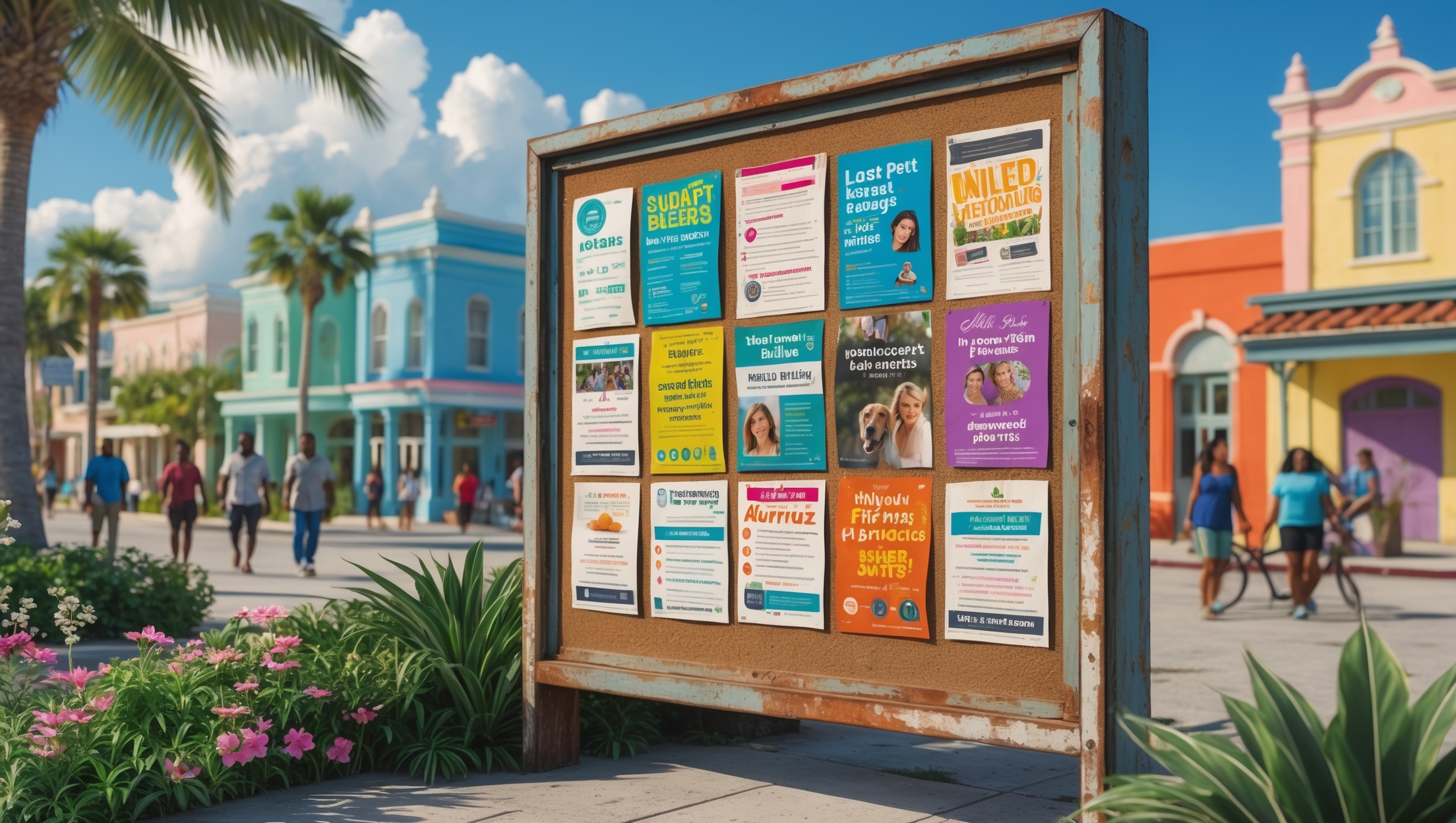
Step-by-Step Guide to Launching a Community Bulletin Board Network in St. Petersburg, FL

Introduction: Connecting St. Petersburg, One Bulletin Board at a Time
In an era dominated by digital notifications and rapid-fire social feeds, the humble community bulletin board remains one of the most accessible, inclusive, and hyper-local tools for connecting neighbors. Across St. Petersburg, FL, these boards—whether nestled in a pocket park, perched outside a co-op, or standing at a bustling intersection—offer a tangible space for sharing resources, promoting local projects, and amplifying community voices. Yet, despite their simplicity, launching and sustaining a network of community bulletin boards comes with a unique set of considerations: from selecting strategic locations and durable materials to navigating city permits, organizing volunteers, and ensuring ongoing relevance. This comprehensive, step-by-step guide is designed for St. Pete residents and neighborhood leaders looking to create or expand a community-driven bulletin board network. Whether you’re aiming to foster neighborhood connections, promote local initiatives, or provide an analog lifeline for residents without reliable internet, you’ll find practical, locally grounded advice to build a project that truly lasts—and makes a difference in your corner of the Sunshine City.
Why Bulletin Boards Still Matter in St. Petersburg
Bridging the Digital Divide
While St. Petersburg boasts a vibrant online community, not everyone is digitally connected. Bulletin boards provide vital access to information for seniors, low-income residents, and those less digitally fluent. They offer equitable visibility for grassroots events and services that might get lost online.
Fostering Hyperlocal Connections
From block parties to mutual aid requests, local job postings to lost pet notices, bulletin boards channel neighborhood energy into real-world interactions. Their physical presence invites spontaneous engagement and strengthens a sense of place.
Supporting Local Projects and Small Businesses
For new initiatives, startups, and artists, community boards offer free or low-cost exposure. They help level the playing field in a city where word-of-mouth still travels fast—and where local pride runs deep.
Step 1: Planning Your Bulletin Board Network
Defining Purpose and Scope
- Single Board or Network? Decide whether you’re installing a standalone board or aiming for a multi-site network. Networks require more coordination but have broader impact.
- Audience: Identify your primary users—residents, students, tourists, or a mix. This shapes location and content strategy.
- Core Goals: Clarify whether your focus is community events, resource sharing, local news, or support for specific groups (e.g., artists, small businesses).
Forming a Planning Team
Recruit a core team of 3–6 people with diverse skills: local organizers, handy volunteers, and a liaison for city or property contacts. Diversity in age, background, and neighborhood ties ensures broader buy-in and more effective outreach.
Step 2: Choosing Locations Strategically
Public vs. Private Spaces
- Public Land: Parks, community centers, bus stops, and libraries. These require city approval but offer high visibility.
- Private Property: Co-ops, cafes, churches, apartment complexes. Easier to arrange but may limit access or content.
Key Criteria for Site Selection
- Foot Traffic: Prioritize areas with consistent pedestrian flow—think Central Avenue, Grand Central District, or local farmers’ markets.
- Accessibility: Ensure boards are ADA-compliant, mounted at reachable heights, and have clear paths for mobility devices.
- Weather Protection: Opt for locations sheltered from direct sun, wind, and rain, or plan to include weatherproofing features.
- Visibility: Boards should be obvious but not obstructive—avoid blocking sightlines at intersections or entrances.
- Safety: Well-lit, well-traveled sites deter vandalism and support regular maintenance.
Mapping and Securing Locations
Use a shared digital map (e.g., Google My Maps) to plot candidate sites. For public land, contact the City of St. Petersburg’s Parks & Recreation Department or relevant council district. For private sites, approach owners with a one-page info sheet outlining benefits and responsibilities.
Step 3: Design and Materials Selection
Bulletin Board Styles
- Freestanding Boards: Great for parks and large public areas; require secure anchoring and city approval.
- Wall-Mounted Boards: Ideal for building exteriors, bus shelters, or fences; often easier to install.
- Weatherproof Cabinets: Enclosed boards with lockable doors protect materials from rain and wind—important for St. Pete’s subtropical climate.
Recommended Materials for St. Pete’s Climate
- Frame: Galvanized steel, powder-coated aluminum, or pressure-treated wood resist rust, rot, and termites.
- Posting Surface: Corkboard, rubberized surfaces, or marine-grade composite panels stand up to humidity and sun.
- Cover: UV-resistant plexiglass or polycarbonate shields materials from fading and rain.
- Hardware: Stainless steel screws/hinges to prevent corrosion.
Accessibility and Safety Considerations
- Height: Mount lower edges 36–48 inches above ground for wheelchair access.
- Edges: Round all corners and avoid protruding fasteners.
- Surface: Use non-glare, shatterproof covers for easy reading and safety.
Step 4: Budgeting and Funding Your Project
Estimated Cost Breakdown (per board)
- Materials (frame, surface, cover): $250–$500
- Installation hardware: $50–$100
- Permits/fees: $0–$200 (varies by site)
- Signage/branding: $30–$80
- Contingency fund (repairs/vandalism): $50–$100
- Total per board: $350–$980
Funding Sources
- Neighborhood Association Grants: Many St. Pete neighborhoods offer microgrants for community improvements.
- City Mini-Grants: The City of St. Petersburg and the Office of Sustainability regularly fund grassroots projects.
- Local Businesses: Ask nearby businesses to sponsor a board in exchange for logo placement or recognition.
- Community Fundraisers: Host a launch event, raffle, or crowdfunding campaign to engage residents and raise funds.
Budgeting Tips
- Compare costs from local hardware stores and specialty suppliers.
- Seek in-kind donations (e.g., leftover materials, skilled labor).
- Plan for annual maintenance and repair costs in your initial budget.
Step 5: Navigating Permits and Compliance in St. Petersburg
Understanding Local Regulations
- Contact the City’s Neighborhood Affairs Division for guidance on public property installations.
- Review city ordinances regarding signage and public structures. Height, setback, and materials may be regulated.
- For historic districts or special zoning (e.g., Kenwood), consult the Historic Preservation Division.
Typical Permit Process
- Submit a simple project plan with location, dimensions, and design sketches.
- Include a maintenance plan and proof of liability insurance if required.
- Allow 4–8 weeks for city review and approval.
- For private property, secure written permission from the owner or property manager.
Insurance Essentials
- For city-owned sites, small general liability coverage may be required. Check with your insurer or a local broker for community project rates.
- For private sites, clarify who is responsible for injury, damage, or vandalism—consider a simple MOU with the property owner.
Step 6: Building and Installing Your Boards
Preparation and Team Roles
- Assign a lead installer (preferably with carpentry or handyman experience).
- Organize volunteers for transport, site prep, and clean-up.
- Schedule installation for clear weather, and notify neighbors in advance.
Installation Steps
- Site Prep: Clear debris, check for underground utilities if digging.
- Frame Assembly: Pre-drill and assemble frame components off-site if possible.
- Mounting: For freestanding boards, dig post holes 18–24 inches deep; use concrete for stability. For wall-mounted boards, use heavy-duty anchors suitable for the wall type.
- Surface and Cover: Attach posting surface and protective cover securely.
- Signage: Add a header (e.g., “Community News & Resources”) and posting guidelines.
- Final Check: Inspect for stability, sharp edges, and visibility. Test accessibility.
Celebrating Your Launch
Invite neighbors, local officials, and project sponsors for a ribbon-cutting or casual gathering. Take photos for social media and future grant applications.
Step 7: Creating Posting Guidelines and Content Strategy
Drafting Clear Guidelines
- Specify allowed content (events, local services, lost/found, neighborhood alerts).
- Prohibit offensive, discriminatory, or commercial advertising not related to the community.
- Set a maximum posting size (e.g., 8.5×11 inches) and a 2–4 week limit for event notices.
- Include contact info for questions or to report issues.
Content Curation and Engagement
- Assign a volunteer or rotating “board steward” to check for outdated or inappropriate content weekly.
- Encourage local groups, artists, and small businesses to contribute content.
- Highlight city resources, free events, emergency alerts, and neighborhood news.
- Use QR codes linking to online resources for those who want more info.
Example Posting Policy
“This board is for neighborhood news, events, and resource sharing. All posts must include a date and contact info. Please limit flyers to one per event. Outdated or inappropriate material will be removed.”
Step 8: Maintenance Best Practices
Establishing a Maintenance Routine
- Weekly checks for outdated, damaged, or inappropriate postings.
- Monthly cleaning of the surface and cover with mild soap and water.
- Quarterly inspection of frame and hardware for rust, wear, or vandalism.
- Immediate repairs for any safety hazards or damage.
Organizing a Stewardship Program
- Recruit 2–3 local residents per board for ongoing care.
- Offer small incentives (gift cards, recognition at events) to stewards.
- Maintain a shared Google Sheet or physical log for tracking maintenance.
Handling Vandalism and Weather Damage
- Keep spare posting surfaces, covers, and cleaning supplies on hand.
- Report serious vandalism to the City or property owner immediately.
- Consider adding security lighting or surveillance if problems recur.
Seasonal Tips for St. Pete
- Before hurricane season (June–November), check anchors and covers for stability.
- After major storms, inspect boards promptly for damage or water intrusion.
- Apply UV-protective spray to plastic covers twice a year to prevent yellowing.
Step 9: Sustaining Engagement and Measuring Impact
Promoting Your Bulletin Boards
- Share photos and stories on neighborhood Facebook groups, Nextdoor, and local newsletters.
- Invite local artists to design seasonal headers or frame art, making boards visually appealing.
- Host periodic “refresh days”—events where neighbors update postings and clean the boards together.
Tracking Usage and Feedback
- Count and log the number of new postings weekly or monthly.
- Collect stories of successful connections—jobs found, lost pets reunited, events attended.
- Invite feedback through a dedicated email or suggestion box.
Expanding and Evolving
- Survey community members annually to assess needs and interest in new locations or features (e.g., digital companion boards).
- Apply for additional grants to expand your network based on documented impact.
Conclusion: Building a Lasting Legacy in St. Petersburg
Launching a community bulletin board network in St. Petersburg is more than a weekend project—it’s a living investment in neighborhood resilience, local voice, and genuine connection. In a city celebrated for its murals, music, and markets, these boards offer a democratic canvas for everyone to share, learn, and participate. By following the steps in this guide, you ensure that your boards aren’t just well-built, but also well-loved and well-used. You’ll bridge gaps—between neighbors who’ve never met, between online and offline worlds, and between people and the resources they need. You’ll amplify the work of local artists, small businesses, and grassroots organizers, while offering a platform for everyday stories and urgent needs alike. Most importantly, you’ll set an example for what’s possible when residents come together to shape their own information landscape—one flyer, one event, one idea at a time. St. Petersburg’s spirit is built on collaboration and creativity. With thoughtful planning, community stewardship, and a dash of local flair, your bulletin board network can become a cherished asset that endures for years to come. Ready to start posting?
For residents who don’t have a lot of experience navigating city permits in St. Pete, could you give more detail on what the typical approval process looks like for setting up a bulletin board? Are there any common hurdles or unexpected fees to watch out for?
Setting up a bulletin board in St. Petersburg usually requires submitting an application to the city’s permitting office, detailing the location and design of the board. A review process follows to ensure compliance with local codes and zoning. Common hurdles include meeting setback requirements and neighborhood association approvals. Unexpected fees can sometimes arise from required inspections or public notice postings, so it’s wise to ask the permitting office for a full fee breakdown up front and clarify if extra approvals are needed for your chosen site.
I’m curious about the city permits you mentioned—what kind of permits are actually required for installing a community bulletin board in St. Pete, and how long does that approval process usually take? Is it different for public parks versus private businesses?
For installing a community bulletin board in St. Petersburg, you’ll generally need a permit from the city’s Building or Zoning Department, especially for public spaces or parks. The process can take anywhere from a couple of weeks to a few months, depending on the location and specifics of your project. For private businesses, the process is usually simpler and faster, often just requiring the property owner’s approval and possibly minor city paperwork. Public parks, on the other hand, involve more review and stricter guidelines.
I’m curious about how to keep community bulletin boards updated and relevant over time, especially in neighborhoods with fewer active volunteers. Are there proven strategies for encouraging ongoing contributions and preventing the boards from becoming outdated or cluttered?
To keep bulletin boards fresh and relevant, consider rotating featured topics monthly and inviting local businesses or organizations to contribute. You can assign board ‘stewards’—even if they only check in once a month—to tidy up and remove outdated items. Offering small incentives, like community recognition, often helps sustain engagement. Posting clear guidelines and using a simple submission process make it easier for people to contribute regularly, even in neighborhoods with fewer volunteers.
I’m really interested in starting a bulletin board in my neighborhood, but I’m not sure how to pick the best spot so people actually see and use it. Could you share any tips or criteria for choosing a location in St. Pete that will get good foot traffic?
When choosing a spot for your bulletin board in St. Pete, look for areas with plenty of daily foot traffic, like near coffee shops, libraries, grocery stores, or community centers. Parks with playgrounds or entrances to popular walking trails also work well. Make sure the spot is visible, easily accessible, and get any necessary permission from property owners or the city before installing. Observing where neighbors naturally gather can help you pick the most effective location.
I am curious about which materials you recommend for building durable bulletin boards that can withstand Florida’s humidity and rain. Have you noticed certain materials holding up better than others in St. Pete’s climate?
For St. Petersburg’s humid and rainy climate, weather-resistant materials like marine-grade plywood, powder-coated aluminum, and polycarbonate panels have proven to last longer outdoors. Combining stainless steel hardware with UV-protected acrylic glass for the display area also helps prevent rust and fading. Many local organizers find marine-grade plywood with a durable sealant holds up particularly well over time against moisture and sun exposure.
I noticed you talked about using durable materials for the boards. Do you recommend any specific materials that can hold up well in the Florida climate, especially with all the humidity and storms we get here?
For Florida’s humid and storm-prone climate, I recommend using marine-grade plywood sealed with weatherproof coatings, aluminum or stainless steel frames, and polycarbonate or acrylic covers for the display area. These materials resist warping, rust, and UV damage, making them durable options for outdoor boards in St. Petersburg.
I’m interested in launching a bulletin board in my St. Pete neighborhood, but I’m unsure where to start with city permits. Could you explain what kind of permit is needed, and how long approval usually takes?
For setting up a community bulletin board in St. Petersburg, you’ll generally need a permit from the City’s zoning or permitting department, especially if you plan to install it in a public space or right-of-way. The type of permit required is usually a signage or encroachment permit. Approval times can vary but often take between two to four weeks, depending on the location and complexity. It’s a good idea to contact the city permitting office directly for guidance on your specific neighborhood.
How difficult is it to keep these community bulletin boards relevant and up-to-date, especially in neighborhoods where there may not be a lot of volunteers available to manage them?
Keeping community bulletin boards relevant and up-to-date can be challenging without enough volunteers, as regular updates and maintenance are key to their success. In neighborhoods with fewer volunteers, you might try rotating responsibilities among interested residents, collaborating with local businesses to post updates, or using digital tools to streamline submissions. Even minimal but consistent effort—like monthly checks—can help keep the boards useful.
Once the bulletin boards are installed, what strategies do you suggest for keeping the content current and relevant? Are volunteer teams typically responsible for regular updates, or have you seen successful models that involve local businesses or organizations in this process?
After installation, keeping content fresh is key to success. Many communities rely on volunteer teams to post updates and remove outdated notices on a regular schedule. However, involving local businesses or organizations can also work well. Some successful networks assign update responsibilities to local partners, who post their news or events in exchange for increased visibility. A mix of both approaches often yields the best results, ensuring content stays both current and community-focused.
What do you recommend for keeping the information on these boards up-to-date and relevant if there aren’t enough regular volunteers in the neighborhood to maintain them frequently?
If you have limited volunteers, try partnering with local businesses, schools, or community centers to share the responsibility of updating the boards. You could also encourage residents to submit updates by email or text, and assign a rotation schedule so the workload is spread out. Digital supplements, like a community Facebook group, can help cover gaps between physical updates.
I’d love to help set up a bulletin board in our neighborhood, but I’m not sure how to navigate the city permit process in St. Petersburg. Can you share any tips on what paperwork or permissions are usually required to install one in a public space?
To install a bulletin board in a public space in St. Petersburg, you’ll usually need to apply for a permit through the city’s Parks and Recreation Department or Public Works. Be prepared to submit a site plan, a design for the board, and possibly proof of neighborhood association support. It’s helpful to call or visit the relevant city department to get the most current requirements and forms before starting your application.
I’m curious about the city permit process mentioned here. Do you have any advice or tips on how to navigate the permitting requirements in St. Petersburg? Are there specific city departments or officials that tend to be more responsive when it comes to neighborhood projects like bulletin boards?
Navigating the permitting process in St. Petersburg usually starts with the City’s Building and Permitting department. It helps to contact their staff directly and clearly explain your community project. For neighborhood-focused initiatives like bulletin boards, reaching out to the Neighborhood Affairs office can also be beneficial since they often support community improvements. Be prepared with your project details and stay persistent—city staff are generally helpful, but following up regularly can speed things along.