
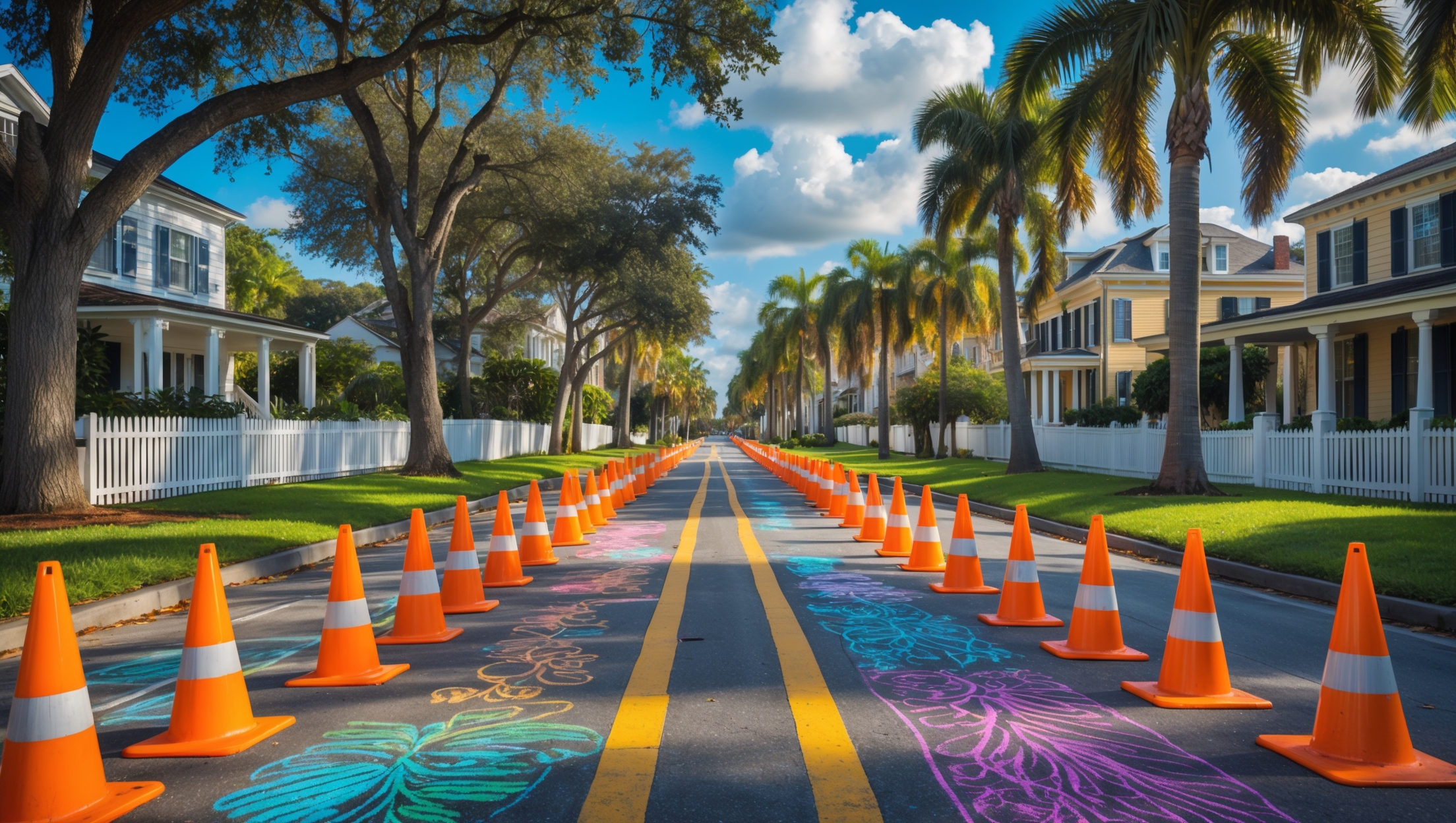
Seasonal Safety Checklist for St. Petersburg’s Community Play Streets

Introduction: Why Seasonal Safety Matters for St. Petersburg’s Community Play Streets
St. Petersburg, FL is renowned for its vibrant neighborhoods, engaged residents, and creative approaches to reclaiming public space. In recent years, community Play Streets—temporary street closures that invite children and families to play, bike, and interact safely—have become a cherished fixture across the city. But keeping these spaces safe and welcoming year-round is no small feat. From summer storms to pollen season, every time of year brings unique challenges and opportunities for organizers and volunteers. A thorough, locally-informed safety checklist is essential for preventing incidents, ensuring compliance, and fostering trust among neighbors and city officials alike. In this guide, we share an actionable, season-by-season safety checklist designed specifically for St. Petersburg’s climate, regulations, and community needs. Whether you’re a first-time Play Street organizer or a seasoned volunteer, you’ll find practical tips, local resources, and expert insights to keep your street events safe, lively, and inclusive throughout every season.
Understanding St. Petersburg’s Unique Play Street Landscape
Climate Considerations
St. Petersburg’s subtropical climate features long, humid summers, frequent thunderstorms, and mild, dry winters. This weather impacts everything from surface temperatures to event scheduling. Local organizers must be prepared for rapid changes and know how to adapt safety plans accordingly.
Regulatory Context
The City of St. Petersburg encourages community-led street closures but requires adherence to safety protocols, including permitting, traffic control plans, and clear communication with local authorities. Understanding the specific requirements for Play Streets—different from block parties or parades—is crucial for staying compliant and insured.
Community Engagement
Inclusive planning is at the heart of successful Play Streets. Local culture, neighborhood demographics, and stakeholder buy-in all influence how safety measures are perceived and upheld. Tailoring your checklist to reflect local voices ensures everyone feels welcome and invested in the event’s success.
Spring Safety Checklist: Welcoming Warmer Days
-
Inspect and Clean the Street Surface
- Remove winter debris (fallen branches, leftover sand, or salt if used).
- Check for potholes or uneven pavement that could cause trips or falls.
- Report hazards to the City’s Public Works Department (use the SeeClickFix St. Pete app).
-
Pollen and Allergen Readiness
- Sweep sidewalks and gutters to reduce pollen build-up.
- Have allergy information signs and basic first aid (antihistamines, water).
-
Review Permits and Traffic Plans
- Confirm permit validity and street closure times with the city.
- Re-check barricades, signage, and detour routes for spring events.
-
Check Equipment and Supplies
- Inspect cones, barricades, and signage for winter damage or fading.
- Restock first aid kits and water coolers.
-
Engage Neighbors Early
- Distribute flyers or digital notices about dates, times, and safety rules.
- Recruit spring volunteers, especially for set-up and clean-up shifts.
Summer Safety Checklist: Heat, Storms, and High Energy
-
Monitor Weather Closely
- Install a reliable weather app (e.g., NOAA Weather Radar Live) on site-leads’ phones.
- Designate an emergency shelter location in case of thunderstorms or extreme heat.
- Have a cancellation plan for severe weather; communicate it clearly to all participants.
-
Sun and Heat Safety
- Set up shaded play areas with pop-up tents or tarps (check wind anchoring).
- Encourage hats, sunscreen, and frequent hydration; provide free water stations.
- Place cooling towels or misting fans in high-traffic areas.
- Monitor for heat exhaustion: educate volunteers on symptoms (dizziness, nausea, rapid pulse).
-
Surface Temperature Checks
- Use an infrared thermometer to monitor pavement temperature (avoid if above 130°F).
- Encourage shoes at all times to prevent burns.
-
Storm Preparation
- Keep all electrical cords and battery-powered devices off wet pavement.
- Have a clear protocol for lightning: evacuate the street at first thunder or lightning sighting (30-30 Rule).
-
Traffic Management
- Double-check barricade placement—summer brings more tourists and unfamiliar drivers.
- Assign volunteers in high-visibility vests at closure points.
Fall Safety Checklist: Hurricane Season and Shorter Days
-
Review Hurricane Protocols
- Check the National Hurricane Center forecast before scheduling fall events.
- Secure all temporary structures with hurricane-rated tie-downs during late summer and fall.
- Have a detailed contact list for rapid communication with city officials and volunteers.
-
Adjust for Earlier Sunsets
- Plan for adequate daylight; avoid evening events as visibility drops.
- If dusk events are necessary, install temporary LED lighting and reflective signage.
-
Leaf and Debris Safety
- Check for slippery leaves, acorns, or seed pods on pavement.
- Organize a pre-event street sweep (partner with Keep Pinellas Beautiful for supplies).
-
Allergen Awareness
- Update allergy signage for fall pollens (ragweed, grass).
- Stock up on dust masks for sensitive volunteers.
-
Refresher Volunteer Training
- Review safety procedures, including evacuation and first aid, with all volunteers.
- Share lessons learned from summer events to improve fall safety.
Winter Safety Checklist: Mild Weather, New Challenges
-
Monitor for Wet or Slippery Conditions
- Check for morning dew or post-rain slick spots on pavement—especially before 10am events.
- Use anti-slip mats or temporary grip tape in play zones.
-
Prepare for Cold Snaps
- Encourage layers and provide blankets at rest stations on unusually chilly days (below 55°F).
- Have hand warmers available for volunteers, especially at early morning events.
-
Equipment Maintenance
- Inspect all outdoor equipment (games, tents, barricades) for winter wear and tear.
- Lubricate moving parts and check for rust from seasonal humidity changes.
-
Visibility and Lighting
- Test battery-powered lights or lanterns for pre-sunset events.
- Place reflective cones and tape on barricades for better visibility in lower winter light.
-
Inclusive Planning
- Consider accessibility for all ages and abilities—mobility aids may need extra traction on damp surfaces.
- Communicate clearly about event times to avoid confusion during daylight saving changes.
Year-Round Essentials for Every St. Pete Play Street
-
First Aid Preparedness
- Keep a well-stocked first aid kit on site, including bandages, antiseptics, allergy meds, and ice packs.
- Train at least two volunteers in basic CPR and first aid (American Red Cross offers local courses).
-
Communication Tools
- Have walkie-talkies or a group messaging app for volunteers (like GroupMe or Slack).
- Post emergency contact numbers at entry/exit points.
-
Public Health Guidelines
- Monitor city updates for any recommended health protocols (e.g., COVID-19, flu season).
- Provide hand sanitizer and encourage handwashing before snacks or communal games.
-
Accessibility Measures
- Ensure accessible routes for wheelchairs, strollers, and service animals.
- Use large-print or Braille signage where possible for visually impaired attendees.
-
Incident Documentation
- Log any accidents or near-misses and report them to the city if needed.
- Review logs quarterly to identify recurring issues and update safety protocols.
Local Resources and Partners for Safer Play Streets
- City of St. Petersburg Neighborhood Relations: For permits, street closure kits, and event support.
- St. Pete Fire Rescue: Free fire safety inspections and first aid training sign-ups.
- Keep Pinellas Beautiful: Supplies for litter pick-up and street cleaning events.
- Local Hardware Stores: Discounts for community groups purchasing safety equipment.
- St. Petersburg Police Department: Guidance on traffic management, volunteer safety vests, and neighborhood watch collaboration.
- American Red Cross Tampa Bay: CPR and first aid course schedules.
Conclusion: Building a Culture of Safety and Joy on St. Pete’s Streets
St. Petersburg’s Play Streets are more than simple street closures—they are living laboratories of community, health, and creativity. By following a detailed, seasonally-tailored safety checklist, organizers can create spaces that are not only fun but reliably safe for everyone involved. The unique weather patterns, regulatory landscape, and vibrant local culture of St. Pete demand a proactive, well-communicated approach to safety. From checking pavement temperatures in July to prepping for hurricane season in September, your diligence makes all the difference. Keep the lines of communication open with neighbors, city officials, and volunteers, and always be willing to adapt your checklist as you learn from each event. Remember: safety is not a one-time task, but a year-round commitment to your community’s well-being. With the right preparation, local partnerships, and a spirit of inclusion, St. Petersburg’s Play Streets can continue to be safe, joyful, and welcoming havens for generations to come. Let’s keep our streets open, our kids playing, and our neighborhoods thriving—one safe season at a time.
This is my first time organizing a Play Street, and I’m curious about how often I should check the weather during an event in St. Petersburg’s summer since the storms can pop up so fast. Are there recommended apps or alert systems local organizers typically use?
During St. Petersburg’s summer, weather can change quickly, so it’s smart to check updates every 30 minutes while your Play Street is active. Many local organizers rely on apps like AccuWeather or The Weather Channel for real-time alerts. You can also sign up for Pinellas County’s Alert Pinellas system for severe weather warnings. Having notifications enabled will help you stay ahead of sudden storms and keep everyone safe.
For organizers who are new to the permitting process in St. Petersburg, can you elaborate on the main differences between Play Streets and other types of street events, like block parties? I’d like to know what specific requirements to prepare for in advance.
Play Streets in St. Petersburg focus on providing safe, temporary spaces for children to play, often requiring additional safety measures such as traffic barriers, signage, and adult supervision plans. Unlike block parties, which may center on food and entertainment, Play Streets generally emphasize physical activity and may require coordination with local agencies for equipment or programming. Be sure to prepare detailed safety plans and consider applying for permits earlier, as these events sometimes have more specific guidelines regarding activities and supervision.
You talked about how the weather in St. Petersburg can change quickly, especially during summer storms. What are some tips for organizers to adapt their safety checklist if an event suddenly faces unexpected weather, like a thunderstorm?
If sudden weather changes like thunderstorms occur, organizers should have a plan to pause or cancel activities quickly. Make sure everyone knows where the nearest indoor shelters are. Monitor weather alerts on your phone and communicate updates to all participants. It’s also smart to have rain gear and first aid supplies on hand, and to set up easily movable equipment so areas can be cleared rapidly if needed.
I noticed the article mentions compliance with permitting and traffic control plans specifically for Play Streets, which are apparently different from block parties. Is there a quick rundown of the main regulatory differences we should look out for as organizers?
Yes, there are some key regulatory differences. Play Streets usually require specific permits that focus on child safety and may involve stricter traffic control measures, such as temporary street closures and signage, compared to regular block parties. Play Streets often need detailed traffic management plans and coordination with city departments, while block parties might only require basic notifications and fewer safety measures. Always check with the city for up-to-date requirements.
I noticed you mentioned the importance of following city regulations that are different from those for block parties or parades. Can you clarify what some of those unique Play Street safety protocols are, particularly regarding traffic control or permits?
Absolutely! For Play Streets in St. Petersburg, you’ll need a specific Play Street permit, which is simpler than those for parades or block parties. Key safety protocols include using city-approved barricades at entry points, clear signage to notify drivers, and having trained volunteers monitor access and emergency routes. Unlike parades, Play Streets typically don’t require police escorts but must allow emergency vehicle access at all times. Always check with the city for the latest requirements.
Could you share more about how volunteers are usually trained to handle both compliance and unexpected climate issues, especially during high pollen counts or sudden storms? Is there a standard checklist template locals usually use?
Volunteers typically receive hands-on training sessions that cover safety procedures, compliance with local regulations, and protocols for weather-related issues like high pollen or sudden storms. They learn how to monitor weather updates, communicate with participants, and implement contingency plans. Most local groups use a standard checklist that includes tasks like checking weather forecasts, setting up shaded rest areas, and having first-aid supplies ready. This checklist is often adapted based on seasonal risks and community needs.
When planning for seasonal changes like high pollen levels or heat, what are some affordable ways to keep kids comfortable and safe without spending a lot on extra supplies?
To help kids stay comfortable during high pollen or heat without big expenses, try scheduling play times for early mornings or later in the day when it’s cooler and pollen counts are lower. Encourage kids to wear hats and light, long-sleeved clothing for sun and pollen protection. Set up shaded rest areas using tarps or bedsheets tied between trees, and provide plenty of water breaks with reusable bottles. These simple steps can keep costs down while still keeping everyone safe.
You mentioned that the safety protocols for Play Streets are different from block parties or parades. Could you explain what the main differences are when it comes to permits or traffic control requirements for these events?
Play Streets usually have a more streamlined permit process compared to block parties or parades, since they’re short-term street closures designed just for safe play. Traffic control tends to be simpler too, often requiring just basic signage and barriers rather than full police supervision or rerouted traffic plans. Block parties and parades often need more detailed permits, crowd control measures, and sometimes professional traffic management.
I noticed the article mentions different requirements for Play Streets compared to block parties or parades. Can you clarify which safety and permitting steps are unique to Play Streets specifically in St. Petersburg?
Play Streets in St. Petersburg have specific requirements that set them apart from block parties or parades. For Play Streets, streets are closed to traffic for the exclusive use of children and families for play, and organizers must provide clear signage, safety barriers, and adult supervision at all access points. The permitting process also often requires proof of insurance and a detailed safety plan tailored to children’s activities, which may not be mandatory for block parties or parades.
As a small business owner nearby, I’m wondering if there are any local resources you suggest for sourcing equipment or volunteers for Play Streets, especially during the busy or unpredictable weather months. Any tips on building those connections would be really helpful.
Local neighborhood associations and the St. Petersburg Parks and Recreation Department are great starting points for finding equipment loans or volunteer support, especially during peak or challenging weather seasons. You might also connect with nearby schools or youth organizations, as they often have volunteers interested in community events. Attending city council meetings or networking through local business groups can help you build lasting partnerships and stay informed about upcoming Play Streets activities.
Are there any local resources or contacts you’d suggest reaching out to for first-time Play Street organizers who aren’t sure how to meet the city’s compliance and safety requirements throughout the year?
For first-time Play Street organizers in St. Petersburg, it’s useful to connect directly with the city’s Neighborhood Relations Department, since they can offer guidance on compliance and applications. The St. Petersburg Police Department can also advise on street closure permits and safety protocols. Additionally, your local neighborhood association often has experience with similar events and can be an ongoing resource throughout the year.
Is there any advice in the checklist for dealing with allergy seasons, like high pollen counts, especially since there are so many families with kids who might be sensitive? Are there local resources for monitoring air quality before scheduling a Play Street?
Yes, the checklist does mention being mindful of allergy seasons and suggests checking pollen levels before planning outdoor events. It recommends organizing Play Streets during times when pollen counts are lower to help families with sensitive children. For monitoring air quality and pollen counts locally, the checklist suggests using local news updates or weather apps, which often provide real-time information tailored to St. Petersburg.
How do organizers typically handle surface temperature concerns during the hottest summer months, especially with kids playing on asphalt or concrete streets? Are there local resources or supplies recommended in the checklist to help prevent heat-related issues?
Organizers often monitor surface temperatures and may adjust event hours to mornings or late afternoons when it’s cooler. The checklist recommends providing shaded areas, using water play features, and encouraging frequent hydration. Local resources like tents, portable shade structures, and misting fans are also suggested to keep play areas comfortable and reduce the risk of heat-related issues for kids.
The article mentions that Play Streets require different regulations than block parties or parades. Could you clarify what the main permitting or insurance differences are for organizers, especially when planning events for different seasons?
Play Streets in St. Petersburg often have simpler permitting compared to block parties or parades, mainly because they’re focused on temporary play and don’t always involve street closures for large crowds or vehicles. Insurance requirements for Play Streets may be less stringent, but organizers still need general liability coverage. In different seasons, you might need to account for weather-related guidelines or additional safety measures, but the permitting process itself usually stays consistent—just tailored to the event’s scale and activities.
For neighborhoods organizing their first Play Street during pollen season, are there recommendations for minimizing allergy risks for kids who want to participate, or tips on what supplies volunteers should have on hand?
To help kids with allergies enjoy Play Streets during pollen season, consider scheduling your event during times when pollen counts are lower, such as late afternoon. Volunteers should have tissues, hand wipes, and plenty of water available, and keep a basic first aid kit with antihistamines if permitted. Encourage families to dress kids in hats and sunglasses to reduce exposure, and set up shaded areas where children can take breaks from outdoor allergens.
You mention that the city requires specific permits and traffic control plans for Play Streets. How far in advance should I start the permitting process if I want to organize a Play Street for my neighborhood this fall?
For organizing a Play Street this fall, it’s best to start the permitting process at least 6 to 8 weeks before your planned event date. This allows enough time for submitting your application, developing a traffic control plan, and addressing any city feedback or requirements. Starting early also gives you time to make any adjustments if needed.
For Play Street events during the humid summer months in St. Petersburg, what strategies do you recommend to ensure volunteers and kids stay cool and hydrated, especially during those sudden afternoon thunderstorms?
To keep everyone cool and hydrated during hot, humid months, set up shaded rest areas with tents or canopies and have plenty of water stations available. Encourage frequent hydration and schedule breaks, especially during peak heat. For thunderstorms, have a clear plan to pause activities and move everyone to safe indoor locations if lightning or heavy rain occurs. Watch weather updates closely and communicate any changes quickly to all participants.
Can you give some examples of how Play Street organizers have adapted safety plans for sudden thunderstorms or intense heat in St. Petersburg’s unpredictable summer weather? I’m curious what practical steps have worked well in the past.
Organizers in St. Petersburg have taken several practical steps to adapt safety plans for summer weather. For thunderstorms, they set up clear evacuation routes and designate nearby indoor shelters, such as community centers or schools, so families know where to go if a storm hits suddenly. To handle intense heat, they provide shaded rest areas, set up misting stations, schedule events for cooler morning or evening hours, and ensure water is always available. These steps have helped keep events safe and enjoyable, even with unpredictable weather.
I see that permits and compliance differ for Play Streets compared to block parties. Is there a guide or resource specifically for parents to understand what kind of insurance or paperwork we’re responsible for if we decide to host a Play Street event?
You’re right, the requirements for Play Streets can be different from block parties. While the article highlights seasonal safety, your best bet for specific guidance is to check with the City of St. Petersburg’s Neighborhood Services or Parks and Recreation Department. They can provide parents with clear instructions on permits, insurance, and any necessary forms for hosting a Play Street event. They often have event checklists or a coordinator who can walk you through each step.
Do you have any advice on keeping Play Street events inclusive for families with allergies, especially during pollen season? I am worried about making sure everyone feels safe and comfortable.
To make Play Street events more inclusive for families with allergies, consider providing a designated low-pollen area or indoor rest space. Clearly label any snacks being served and ask participants to avoid bringing common allergens. Share pollen forecasts with families ahead of time and offer masks or tissues for those sensitive to pollen. Open communication about allergies during planning will help everyone feel safe and included.
I’m planning a Play Street event for the first time and want to make sure I’m staying compliant and insured. Are there local resources or contacts you recommend for help with permits and understanding the specific city regulations?
For Play Street events in St. Petersburg, it’s best to contact the city’s Parks and Recreation Department—they handle permits and can clarify regulations specific to community play events. You can also reach out to the local Neighborhood Affairs office for guidance on insurance requirements and any neighborhood-specific rules. Both departments are familiar with the process and can walk you through what you’ll need to stay compliant.
I noticed you mentioned that Play Streets have different requirements than block parties or parades. Could you give some examples of what makes the permitting or compliance process unique for Play Streets in St. Petersburg?
Play Streets in St. Petersburg have unique requirements compared to block parties or parades. For example, Play Streets often require designated safe areas for children to play, specific signage indicating temporary street closures for play, and compliance with supervision ratios. The permitting process may also focus more on child safety measures, while block parties and parades tend to emphasize crowd control and traffic management. These distinctions help ensure Play Streets are safe and accessible for families.
Does your checklist include any guidance on how to keep Play Streets accessible for families with respiratory concerns during pollen season? We have several kids in the neighborhood with allergies, so I am wondering how others manage this challenge in St. Pete’s climate.
Our checklist does highlight strategies for managing pollen and supporting families with respiratory concerns. It suggests scheduling Play Streets during times when pollen counts are typically lower, providing shaded rest areas, and encouraging families to bring necessary allergy or asthma medications. We also recommend communication with participating families in advance so special accommodations can be made if needed. This helps everyone enjoy the event more comfortably, even during peak pollen season.
If a group of volunteers wants to start their own Play Street in a neighborhood that hasn’t done one before, what are the first three steps they should take to ensure they’re meeting both city safety rules and creating an inclusive event?
To get started with a new Play Street, first, contact your city’s recreation or public works department to learn the specific safety rules and permitting process for your neighborhood. Next, gather input from neighbors to ensure the event is welcoming and accessible for everyone, including those with disabilities. Finally, organize a planning meeting with your volunteer group to assign roles for traffic control, supervision, and event setup, making sure all safety checks are addressed.
Could you clarify how permitting and traffic control for Play Streets differ from regular block parties in St. Pete? I want to make sure our small business is compliant if we sponsor a Play Street event in our area.
Permitting for Play Streets in St. Petersburg often requires more detailed planning than for regular block parties, particularly around traffic control. Play Streets may need specific barricades, signage, and coordination with city departments to ensure safe and temporary street closures for children’s activities. Block parties tend to have simpler requirements, mainly focused on resident consent and notification. If your business is sponsoring a Play Street event, check with the city for the latest event permit forms and traffic management guidelines to ensure full compliance.
For groups organizing a Play Street for the first time, do you have insights or a sample schedule for the permitting and traffic control planning process in St. Petersburg? I’m wondering how far in advance we should start each step to ensure compliance.
For first-time organizers, it’s recommended to start planning at least 8–12 weeks ahead. Begin by contacting the city for permit requirements as early as possible—ideally 2–3 months before your event. Allow several weeks for permit approval, and coordinate with local law enforcement or public works about traffic control needs about 4–6 weeks prior. This timeline helps ensure all approvals and logistics are in place for a safe Play Street.
As a small business owner near one of the Play Street locations, I am curious about how the permitting process for these events differs from that of a standard block party or parade. Could you clarify what specific requirements or documents are unique for Play Streets in St. Petersburg?
For Play Streets in St. Petersburg, the permitting process usually focuses on child safety, temporary street closures, and clear emergency access routes. Unlike standard block parties or parades, Play Streets often require detailed site maps, proof of liability insurance, volunteer supervision plans, and sometimes coordination with local law enforcement. These steps help ensure the event is safe for kids and minimally disruptive to nearby businesses and residents.
How does the permitting process for Play Streets in St. Pete differ from organizing a block party, and are there any common mistakes new organizers make when trying to stay compliant with city regulations?
The permitting process for Play Streets in St. Pete usually involves submitting an application to the city specifically for street closures aimed at children’s play and community activities, while block party permits often focus more on social gatherings and may have different requirements for noise or alcohol. New organizers sometimes overlook key steps like notifying all affected residents or securing proper insurance. Double-check the city’s guidelines and timelines to avoid missing required documentation or deadlines.
With pollen season and air quality concerns being part of the local climate, are there particular recommendations on how to make Play Streets more accessible for kids with asthma or allergies during those times of year?
To help kids with asthma or allergies enjoy Play Streets safely during pollen season, try scheduling events when pollen counts are lower, such as late afternoon. Set up shaded rest areas and encourage kids to take breaks indoors if needed. Providing access to water and reminding families to bring any necessary medications, like inhalers, can also make play more accessible and comfortable for everyone.
When planning Play Streets during pollen season in St. Petersburg, do organizers take any special precautions to support kids with allergies? Are there local guidelines or recommended best practices for managing air quality risks during these times?
Organizers in St. Petersburg often monitor local pollen forecasts and may adjust Play Street activities during peak pollen times, like scheduling events later in the day or encouraging indoor rest breaks. While there aren’t formal citywide guidelines specific to pollen, best practices include having a first aid kit on hand, notifying parents ahead of time, and providing shaded areas where possible. It’s also common to communicate air quality updates so families can make informed decisions.
I’m curious how local organizers deal with unexpected weather changes during St. Petersburg’s thunderstorm-prone summer months. Are there suggested backup plans, or is it best to reschedule Play Street events in those cases?
Local organizers are encouraged to monitor weather forecasts closely, especially during the summer when thunderstorms are common. The checklist suggests having clear backup plans, such as indoor locations or temporary shelters nearby. If severe weather is expected or occurs suddenly, rescheduling the Play Street event is often the safest option. Communication with participants about any changes is also emphasized to ensure everyone’s safety.
Since St. Pete’s climate can be pretty unpredictable, are there budget-friendly materials or equipment you recommend for keeping kids and volunteers safe from heat and sudden rain, especially if we’re working with limited funds?
For St. Pete’s unpredictable weather, consider investing in large, portable shade canopies or pop-up tents, which are affordable and reusable. Bulk packs of reusable water bottles and coolers with ice help everyone stay hydrated. For sudden rain, keep lightweight ponchos or rain jackets on hand—these are inexpensive when bought in bulk. Also, encourage volunteers to bring hats and sunscreen from home, reducing the need for extra purchases.
the focus on community engagement and compliance, but I’m struggling to understand the key differences between Play Street permits and those needed for block parties. Could you clarify what extra steps or documentation are required for Play Streets in St. Petersburg?
Play Street permits in St. Petersburg do have some extra requirements compared to regular block party permits. For Play Streets, organizers often need to submit a detailed site plan showing the play area, provide a schedule of activities, outline safety measures, and secure additional liability insurance. There’s typically also a focus on neighborhood outreach—such as collecting signatures or proof of resident support—which might not be as strict for standard block parties.
Considering the local need for compliance and insurance, do organizers generally handle liability coverage themselves for each event, or does the city provide any resources or guidance on affordable insurance options for Play Streets?
Organizers of Play Streets in St. Petersburg are typically responsible for securing liability coverage for each event. However, the city often provides guidance and resources to help organizers find affordable insurance options. It’s a good idea to reach out to the city’s Parks and Recreation Department for details on recommended providers or any available support programs.
I’d love to hear more about how the safety checklist addresses people with allergies, especially during heavy pollen season. Are there specific tips or resources for making Play Streets more comfortable for kids and families who might be sensitive in springtime?
The safety checklist highlights the importance of monitoring local pollen forecasts and scheduling Play Streets on days with lower pollen counts when possible. It also suggests providing shaded areas and encouraging participants to bring allergy medications if needed. Organizers are advised to have tissues and hand wipes available and to communicate with families ahead of time about potential allergens, so everyone can prepare accordingly.
The article touches on the importance of getting the right permits and understanding regulations. Do you have advice on how early organizers should start the permitting process before an event, and what common hurdles might come up in St. Petersburg?
It’s wise to start the permitting process at least 2–3 months before your planned event. This gives you enough time to gather required documents, work through city reviews, and address any issues. Common hurdles in St. Petersburg include coordinating with multiple departments, ensuring proper insurance coverage, and meeting safety guidelines. Early communication with the city’s events office can help clarify requirements and prevent last-minute surprises.
I noticed the article mentions that Play Streets have different permitting and compliance requirements than block parties. Can you explain what makes the process or safety protocols unique for Play Streets, and where a first-timer can go for guidance on filling out the paperwork?
Play Streets often need more detailed safety plans than block parties because they prioritize child-friendly activities and traffic management. This can mean stricter requirements for barriers, signage, and volunteer supervision. For guidance, the city’s Parks and Recreation or Community Engagement office usually helps first-timers understand and complete Play Street permit applications. They can walk you through the forms, explain necessary documents, and clarify compliance steps specific to Play Streets.
I’m curious how the permitting and compliance process for Play Streets in St. Pete differs from block parties or parades. Are there specific steps or documents organizers need to keep in mind to avoid any issues with local authorities?
For Play Streets in St. Pete, organizers generally need to follow a specific permitting process with the city, which is more focused on temporary closures for children’s play rather than entertainment or large gatherings like block parties or parades. You’ll typically need to submit a Play Street application, provide a site plan, and confirm neighbor support. Unlike parades, less emphasis is placed on crowd or traffic control, but organizers should still coordinate with local police and public works to ensure compliance and safety.
For seasons with high pollen levels or air quality concerns, does the checklist suggest any particular resources or strategies to help families with allergies participate safely in Play Street events?
The checklist does recommend monitoring local air quality and pollen forecasts, and suggests scheduling Play Street events during times when levels are lower. It also encourages families to bring allergy medications, and for organizers to provide shaded areas and access to water. While it doesn’t list specific resources, it highlights the importance of communicating updates about air quality and making accommodations for those with allergies.
Since pollen season can be a real issue here, what precautions would you suggest for families with allergies who still want to participate? Are there best practices or local resources you recommend to make these events more inclusive in the spring?
For families with allergies, attending Play Streets during pollen season can be manageable with some planning. Try visiting during times when pollen levels are lower, such as after rain or late afternoon. Wearing sunglasses and hats can help shield eyes and hair, and having allergy medications on hand is wise. Wiping hands and faces after outdoor activities helps, too. The City of St. Petersburg occasionally releases local pollen forecasts, so checking those before heading out can be helpful. If your child’s allergies are severe, discussing concerns with event organizers beforehand can lead to additional accommodations, like creating shaded or indoor rest zones.
As someone who’s helped organize Play Streets before, I’m curious how St. Petersburg handles quick weather shifts, especially those summer storms you mentioned. What specific steps should organizers take if severe weather rolls in unexpectedly during an event?
If severe weather, like a sudden summer storm, arrives during a Play Streets event in St. Petersburg, organizers are advised to have a clear emergency plan in place. This includes monitoring local weather alerts, designating safe indoor shelters nearby, communicating evacuation procedures to staff and attendees, and having emergency contact numbers handy. If severe weather approaches, quickly pause activities, guide everyone to shelter, and wait for official clearance before resuming or ending the event.
Our neighborhood Play Street is scheduled during hurricane season, and I worry about how quickly weather can change here in St. Pete. Do you have tips on communicating weather-related cancellations or sudden safety adjustments to all participants and volunteers in real time?
To keep everyone informed in real time, set up a group text, messaging app, or email chain specifically for Play Street participants and volunteers. Designate a few people to monitor weather alerts and send updates immediately if changes are needed. Also, post signs at key entrances letting people know where to check for updates, and encourage everyone to check their messages before heading out during risky weather.
Are there any cost-effective suggestions in your checklist for managing traffic control and communication with local authorities, especially for smaller neighborhood groups with limited budgets?
Absolutely, the checklist encourages using volunteer-based traffic monitors and low-cost signage like cones, chalk markings, or borrowed barriers to manage streets. For communication with local authorities, the guide suggests forming a small liaison team to handle all contacts and using free online tools for coordination. These measures are intended to keep costs down while maintaining safety and clear communication, making them practical for smaller neighborhood groups.
What are some effective ways to include community feedback in the planning process for these Play Streets, especially when it comes to addressing seasonal safety issues like pollen or heat? I’m hoping to make our next event more inclusive and responsive to local concerns.
To gather community feedback effectively, try hosting a mix of in-person forums and online surveys before each event, specifically asking about seasonal concerns like pollen and heat. You can also set up suggestion boxes at previous Play Street events and encourage local parents to join a planning committee. Regularly reviewing this input helps tailor safety measures, such as adding shaded areas or providing allergy alerts, making the event more inclusive and responsive to local needs.
With the frequent thunderstorms during St. Pete’s summers, what are some quick action steps volunteers can take if a storm suddenly rolls in during a Play Street event? Do you recommend any specific shelter options or communication strategies for alerting attendees?
If a thunderstorm approaches during a Play Street event, volunteers should safely and quickly guide everyone to nearby indoor shelters such as community centers, schools, or large public buildings if available. If no indoor shelter is close, encourage attendees to take refuge in cars, avoiding open fields and tall objects. For communication, use a group text alert, a loudspeaker, or even whistles to get attention fast and direct people calmly to safety. Always monitor local weather apps so you can act early if storms are expected.
Could you give some examples of how organizers in St. Petersburg adapt their Play Streets safety checklist during sudden summer thunderstorms? I’m wondering what steps can be taken quickly when weather changes unexpectedly.
When sudden summer thunderstorms hit St. Petersburg, Play Streets organizers quickly pause all outdoor activities and usher children to designated indoor shelters or covered areas. They monitor local weather alerts closely, have tarps and cones on hand to secure equipment, and communicate updates to parents and volunteers immediately. Activities only resume when it’s safe, ensuring everyone is accounted for during the storm.
For new volunteers interested in helping with Play Streets, what kind of training or resources does the city recommend to get familiar with local climate risks and safety compliance during different seasons?
New volunteers are encouraged to attend the city’s Play Streets orientation sessions, which cover local climate risks like heat, storms, and flooding, as well as safety protocols for each season. The city also provides a resource packet with guidelines on weather preparedness, emergency contacts, and recommended safety equipment. You can request these materials from your local Play Streets coordinator before your first event.
I noticed you mentioned that Play Streets have specific permitting and traffic control protocols that are different from block parties. Can you explain what the main differences are, and if there are common mistakes first-time organizers should watch out for?
Play Streets usually require more detailed permitting than block parties, including specific safety plans and coordination with city departments for temporary street closures. Traffic control is stricter, often involving barriers and signage approved by the city. A common mistake first-time organizers make is underestimating the level of documentation and advance notice required. It’s also important not to rely on informal barricades; always use the materials specified by the city to ensure everyone’s safety.
You mention that Play Streets have different permitting and safety requirements compared to block parties or parades. Is there a checklist or example of what specific permits and traffic control measures are needed for Play Streets in St. Pete?
Yes, for Play Streets in St. Petersburg, you’ll typically need a special event permit rather than the standard block party or parade permits. The checklist includes submitting an application to the city, providing a detailed site plan, arranging barricades for street closure, posting proper signage, and ensuring access for emergency vehicles. You may also need proof of insurance. The city’s Events Office can provide a sample checklist tailored to Play Streets if you request one directly.
Could you share more about what specific local resources are available to help small businesses stay compliant with the permitting and safety protocols for Play Streets here in St. Petersburg?
In St. Petersburg, small businesses can connect with the city’s Parks and Recreation Department, which guides Play Streets permitting and offers clear safety requirements. The St. Petersburg Office of Emergency Management is another helpful contact for safety protocols. Local business associations sometimes host workshops about compliance. For hands-on help, the Suncoast Safety Council provides safety training and resources tailored to public events like Play Streets. Reaching out directly to these organizations ensures you get up-to-date, city-specific guidance.
You talked about adapting safety plans quickly due to climate changes, but what kind of on-the-ground support is available for volunteers if sudden weather or other emergencies disrupt a Play Street event?
If a sudden weather change or emergency affects a Play Street event, volunteers can typically rely on support from local community coordinators or event organizers, who are trained to implement emergency procedures. They may provide shelter locations, first aid supplies, and communication tools to keep everyone safe. Volunteers are also encouraged to have a clear point of contact and access to emergency numbers during the event.
The article mentions the importance of adapting safety plans for St. Petersburg’s rapid weather changes, especially summer storms. Do you have any examples of what adjustments organizers have made in the past, or tips for handling last-minute weather disruptions during a Play Street event?
Organizers often set up tents or portable shelters to provide quick cover during summer storms, and they keep weather apps on hand to monitor real-time conditions. For last-minute weather disruptions, they have clear protocols for quickly clearing the area and moving children to nearby indoor spaces if needed. It’s also common to have backup dates scheduled and a communication plan ready to notify families about any changes.
Since St. Pete has such a humid climate, do you have any tips for keeping pavement cool enough for kids during hot months or recommendations for shade options that have worked well for your community events?
In St. Pete’s hot and humid climate, keeping pavement cool is important for kids’ safety. We suggest scheduling play street activities in the early morning or late afternoon to avoid peak heat. Temporary shade structures like pop-up tents, large umbrellas, or even DIY tarps anchored safely can provide relief. Some communities also use portable misting fans or encourage families to bring their own shade. Laying down large mats or artificial turf on the pavement can help prevent burns from hot surfaces, too.
The article mentions compliance with city permitting and traffic control plans for Play Streets, which are different from block parties or parades. Can you elaborate on what some of those key differences are, especially for first-time organizers trying to navigate the regulations?
Play Streets usually focus on creating temporary car-free zones for safe community play, rather than celebrations or processions like block parties or parades. This means the permitting process often emphasizes traffic control, clear signage, and emergency access. Organizers typically need to submit detailed plans for street closures, provide barriers, and coordinate with city staff to ensure residents and emergency vehicles can still access the area if needed, which might not be as strict for block parties.
Could you expand on what specific weather-related adaptations are recommended in the checklist for handling St. Petersburg’s sudden summer thunderstorms during Play Street events?
The checklist suggests setting up tents or portable shelters to provide cover during sudden downpours, designating safe indoor locations nearby in advance, and having a clear communication plan to alert attendees if storms approach. It also recommends checking local weather updates frequently during events and quickly pausing outdoor activities if lightning is detected, ensuring everyone moves to safety until the storm passes.
I’m curious how the organizers handle quick weather changes, especially during those sudden summer thunderstorms we get here. Are there recommended steps or designated shelters for families if a storm hits in the middle of a Play Street event?
Organizers keep a close eye on weather forecasts and use real-time alerts during Play Street events. If a sudden thunderstorm approaches, there are specific steps in place: volunteers quickly guide families toward pre-identified nearby shelters, such as community centers or schools. Announcements are made immediately, and staff help coordinate a safe, orderly move indoors until conditions are safe to resume or the event is postponed.
The checklist references compliance with city permitting and traffic control plans. For someone organizing their first Play Street, what’s the typical timeline and cost involved in securing the necessary permits in St. Petersburg?
For a first-time Play Street organizer in St. Petersburg, you should plan for the permit process to take about 4 to 6 weeks from application to approval. Costs can vary depending on factors like street size and event duration, but permit fees generally range from $50 to $200. It’s important to contact the city’s event permitting office early to confirm up-to-date requirements and get guidance on traffic control plans.
I noticed you mentioned that Play Street regulations are different from those for block parties or parades. Can you explain what some of the main differences are in terms of permits and required safety protocols?
Play Street events typically have simpler permit requirements compared to block parties or parades. For Play Streets, you often just need neighborhood approval and a basic city permit, whereas block parties and parades usually require more detailed applications and sometimes insurance. In terms of safety, Play Streets focus on traffic barriers and adult supervision, while parades and block parties might require police presence, crowd control measures, and emergency access plans.
With St. Petersburg’s unpredictable summer storms, do you have any specific recommendations for how Play Street organizers should handle sudden weather changes while keeping kids and volunteers safe but still having fun?
For St. Petersburg’s quick-changing summer weather, it’s smart for Play Street organizers to designate a weather monitor to keep an eye on forecasts and radar. At the first sign of an approaching storm, have a clear plan to pause activities and move everyone to shelter—like a nearby community building or even cars. Keep a few indoor games or crafts on hand as backup, so kids can keep having fun safely until the weather improves.
I’m new to organizing Play Streets and I’m a little confused about the permitting process—are there any specific safety protocols or documents required by St. Petersburg for temporary street closures that are different from those needed for a block party?
Yes, in St. Petersburg, Play Streets often have different requirements compared to block parties. For Play Streets, you usually need a temporary street closure permit, proof of insurance, and a detailed safety plan outlining barriers, signage, and supervision. The city may also ask for a map of the closure and a plan for emergency access. Block parties tend to have simpler steps, but Play Streets focus more on child safety and traffic control.
I noticed you mentioned adapting safety plans for summer storms and pollen season. Do you have recommendations for affordable equipment or vendors that can help small businesses prepare for those weather-related challenges on Play Streets?
For summer storms, consider investing in portable canopies or tents with sturdy anchoring—many local event rental companies in St. Petersburg offer affordable daily or weekend rates. For pollen season, box fans and inexpensive air purifiers can help, and bulk disposable masks are widely available at wholesale retailers. Local hardware stores often have seasonal promotions on these items, so checking with them can save costs for small businesses.
My child has pretty serious pollen allergies, especially in the spring. Does the safety checklist include any protocols for air quality or allergy management during high pollen times, or tips for keeping allergy-prone kids safe while still enjoying the Play Streets events?
The safety checklist highlights general health and safety, but it doesn’t include specific protocols for air quality or pollen allergies. For allergy-prone children, consider checking local pollen forecasts before attending, ensure they take any prescribed allergy medication, and bring items like hats or sunglasses to reduce pollen contact. You might also ask event organizers if there are designated low-exposure zones or shaded areas available.
Could you clarify if there are different permitting or safety requirements for Play Streets compared to block parties, especially when it comes to traffic control plans in St. Petersburg?
Play Streets in St. Petersburg often have different permitting and safety requirements than block parties, mainly because Play Streets are focused on creating safe, temporary play areas for children. While both require city permits, Play Streets usually need a more detailed traffic control plan, including specific barricade placement and adult supervision at access points. Block parties might have simpler requirements, but both must coordinate with city officials to ensure proper street closure and emergency access.
The article highlights that weather in St. Pete can change rapidly, especially during summer storms. What strategies do organizers typically use to manage unexpected weather at Play Streets, and is there a recommended emergency protocol or contact for severe events?
Organizers usually monitor local weather forecasts closely and have a plan in place to pause or end activities if storms approach. They often set up clear communication channels with volunteers and participants, like group texts or on-site announcements, to spread urgent updates. For severe weather, the recommended protocol is to move everyone to designated safe indoor locations and to call local emergency services if needed. Organizers typically post an emergency contact number on event materials so everyone knows whom to reach in case of urgent situations.
I’m thinking about organizing a Play Street for the first time in St. Pete, and I’m a bit confused about the permitting process mentioned in the article. Are there any specific documents or traffic control items I should prepare in advance to stay compliant?
To organize a Play Street in St. Pete, you’ll typically need to complete a city event permit application. Prepare a site map showing the street closure area, get neighbor consent signatures, and outline your traffic control plan. Common traffic items include barricades and signage to alert vehicles of the closure. Having these documents and items ready will help you stay compliant throughout the process.
I’m curious about the differences in permitting and safety protocols for Play Streets compared to other types of street closures like block parties in St. Pete. Are there extra steps or requirements we should be aware of if we’re planning a Play Street for the first time?
Play Streets in St. Petersburg generally require more detailed safety planning than a typical block party. Besides the standard permit application, organizers must submit a site plan, outline traffic control measures, and ensure adequate adult supervision. You’ll also need to provide barriers and signs clearly marking the play area. Unlike block parties, Play Streets may need proof of liability insurance and sometimes coordination with local agencies, so it’s wise to check with the city for the latest requirements before you start planning.
As a small business owner interested in supporting a Play Street, I’m curious about the specific permitting and insurance requirements you referenced. Is there a checklist or resource that breaks down the regulatory steps for businesses who want to get involved?
Businesses looking to support a Play Street in St. Petersburg typically need to review local permitting procedures, which may include submitting an application, providing details about your involvement, and proof of insurance. While the article references these requirements, the city’s Neighborhood Affairs office can often provide a detailed checklist. I recommend contacting them directly to request their current guidelines, which outline each regulatory step for businesses, including insurance minimums, vendor permits, and event-day responsibilities.
Could you clarify how permitting for Play Streets differs from block parties in terms of insurance requirements and event setup, especially when planning activities during St. Pete’s rainy months?
Permitting for Play Streets in St. Petersburg typically requires specific liability insurance that covers organized activities and ensures child safety, whereas block party permits may have lighter requirements, especially if the event is informal. For Play Streets, you’ll also need to outline plans for supervised play and potentially provide weather contingency measures. During the rainy months, Play Street permits might require more detailed setup plans for shelter, quick cleanup, and wet weather safety, while block parties can sometimes be more flexible.
I noticed the article mentions that the permitting and safety requirements for Play Streets are different from block parties or parades. Can you clarify what the main differences are, and how far in advance parents or volunteers should start the permitting process for a seasonal event?
Play Streets in St. Petersburg usually have simpler permitting and safety requirements compared to block parties or parades, since they’re focused on temporary play and often don’t involve road closures for vehicles for long periods or large crowds. For Play Streets, the city typically asks for shorter notice—starting the permit process at least 4 to 6 weeks in advance is recommended. Larger events like parades may need much more time, additional insurance, and coordination with police or city services.
With pollen season and the humid summers in mind, do your safety checklists advise on ways to accommodate kids who have allergies or asthma? I’d love to know what steps organizers can take to make Play Streets safer for children with these health concerns.
Our safety checklists do address ways to support children with allergies and asthma during Play Streets. Organizers are encouraged to monitor pollen forecasts, schedule activities during lower pollen hours, and provide shaded rest areas. We also suggest having water available, encouraging families to bring prescribed medications, and training volunteers to recognize and respond to signs of allergic or asthma reactions. These steps help create a safer environment for all participants.
The article notes that Play Streets have different regulations than block parties or parades. Could you clarify what the main permitting differences are, and whether there are specific insurance requirements for Play Streets in St. Petersburg?
Play Streets in St. Petersburg usually have a simpler permitting process compared to block parties and parades. While block parties and parades often require more extensive applications, traffic management plans, and higher insurance coverage, Play Streets are designed to be more accessible, typically needing just a basic permit from the city. For insurance, Play Streets may still require general liability coverage, but the limits and documentation are often less demanding than for larger events. It’s always best to check with the city’s event office for the most current requirements.
How do Play Street organizers in St. Petersburg typically handle sudden summer thunderstorms, especially when they happen during an event? Is there a recommended protocol for evacuating everyone safely or for communicating with local authorities in these situations?
Play Street organizers in St. Petersburg usually monitor weather forecasts closely and have a plan in place for summer thunderstorms. If a storm is approaching during an event, they quickly pause activities, guide everyone to pre-identified safe indoor locations nearby, and ensure children are accounted for. Organizers communicate with local authorities as needed, often using phone or radio, and follow any official weather warnings. Safety and rapid, calm evacuation are top priorities.
The article mentions the need for special permits and compliance for Play Streets compared to block parties. Can you clarify what the main differences are in the permit process or requirements, and if there are any city resources to help guide first-time organizers?
Play Streets usually require more detailed permits than block parties because they involve closing streets for children’s play and may include specific safety and accessibility measures. The city often asks for safety plans, proof of insurance, and coordination with emergency services for Play Streets. St. Petersburg’s city departments provide guidance, application forms, and checklists to help first-time organizers navigate the process, so reaching out to them directly is a good way to get personalized support.
The article talks about adapting events for different seasons. Do you have advice for budget-friendly ways to keep Play Streets safe during high pollen periods, especially for kids with allergies?
During high pollen periods, you can help keep Play Streets safe for kids with allergies by scheduling events later in the day when pollen counts are typically lower and encouraging families to bring allergy medications if needed. Try to set up play areas away from heavy vegetation and provide shaded spots where kids can take breaks. Simple measures like offering wet wipes for face and hands, and posting signs about high pollen alerts can also be very effective without adding much expense.
My neighborhood has a lot of kids with pollen allergies. Do you have any practical tips for keeping Play Streets safe and comfortable for kids during the spring pollen season in St. Petersburg?
To help kids with pollen allergies enjoy Play Streets in spring, try to schedule activities later in the day when pollen counts are usually lower. Encourage families to dress kids in sunglasses and hats to reduce pollen contact, and have plenty of tissues and hand wipes available. It’s also helpful to create a few shaded or indoor rest areas where kids can take breaks from outdoor exposure. Regularly sweeping paved surfaces can minimize pollen build-up in play areas.
With St. Petersburg’s unpredictable summer thunderstorms, do you have any tips for last-minute event cancellations or relocating activities if bad weather hits during a Play Street event?
If a summer thunderstorm rolls in unexpectedly, it’s wise to have a backup indoor space nearby or a designated shelter area for everyone’s safety. Communicate any changes quickly to parents and volunteers, using text alerts or social media if possible. Keep a weather app handy to monitor changing conditions and make early decisions on postponing or relocating before the storm arrives.
For new volunteers helping organize Play Streets in St. Petersburg, are there local resources or contacts listed in the checklist that can guide us through the regulatory and planning process for each season?
Yes, the checklist includes contact information for local city departments and community organizations that support Play Streets in St. Petersburg. These resources can help new volunteers navigate required permits, safety guidelines, and seasonal event planning. You’ll also find suggestions for reaching out to neighborhood liaisons and public safety officials so you can get direct guidance throughout the process.
Could you give some examples of the unique safety challenges that might come up during St. Petersburg’s summer thunderstorms at Play Street events? I’m wondering what specific precautions the checklist suggests for really sudden weather changes.
During St. Petersburg’s summer thunderstorms, Play Streets can face sudden lightning, heavy rain, and even strong winds. These conditions can create hazards like slippery surfaces and falling branches. The checklist recommends monitoring weather alerts closely, having an evacuation plan ready, and designating safe indoor shelters nearby. It also advises organizers to pause or cancel activities at the first sign of thunder or lightning to keep everyone safe.
The article mentions practical tips for every season. Do you have any advice for including neighbors with allergies during pollen season, especially in terms of communication or event setup to ensure everyone feels welcome and safe?
Including neighbors with allergies is important during pollen season. Consider sending out event invitations in advance that ask attendees to share any allergy concerns. Set up a designated low-pollen area, such as a tent or indoor space, and provide tissues or allergy-friendly snacks. Let everyone know about these accommodations in your communications so those with allergies feel considered and safe attending.
Could you clarify if the safety checklist you provide covers recommendations for sudden summer thunderstorms, especially regarding how to evacuate families quickly if lightning is detected during a Play Street event?
Yes, the safety checklist includes precautions for severe summer weather, including thunderstorms. It recommends monitoring local weather alerts and having a clear plan in place for quick evacuation if lightning is detected nearby. The checklist suggests identifying safe indoor shelters in advance and communicating evacuation routes to all families and volunteers before the event starts to ensure everyone can move to safety quickly.
What kind of adaptations do you recommend if a Play Street event gets hit with one of those sudden summer thunderstorms the article talks about? Are there quick procedures for organizers to keep everyone safe without stopping the fun altogether?
If a sudden summer thunderstorm hits during a Play Street event, it’s best to have a quick evacuation plan ready. Guide everyone to nearby shelters, like community centers or tents, until the storm passes. Portable games or activities that can be moved indoors help keep the fun going. Always keep a weather app handy for real-time updates and designate volunteers to help direct families quickly and calmly when weather changes.
I’m interested in helping to organize a Play Street this summer, but with our city’s frequent afternoon thunderstorms, what are some practical tips for monitoring weather and making quick safety calls during events?
To keep everyone safe during unpredictable weather, designate someone on your team to monitor real-time weather updates using a reliable weather app. Have a clear communication plan so volunteers know how to alert everyone if storms approach. Set up a nearby indoor space as a backup, and be ready to pause or end activities quickly if thunder or lightning is detected. Having a written protocol ensures everyone knows what to do if the weather takes a turn.
With the rapid weather changes you mentioned in St. Petersburg’s climate, what’s the best way Play Street organizers can monitor for incoming summer storms in real time and communicate sudden cancellations to families already at the event?
Play Street organizers can use real-time weather apps or local alert services to monitor for sudden storms. Setting up a group text or messaging app for registered families ensures quick updates if a storm approaches. At the event, having a designated staff member check weather alerts every 15–30 minutes and using a loudspeaker or visible signage for immediate communication can help everyone stay informed and safe.
With St. Petersburg’s summers being so hot and humid, what are some effective ways Play Street organizers have dealt with heat and sudden storms to keep kids safe and comfortable, especially if events are already set up outdoors?
Play Street organizers in St. Petersburg often use pop-up tents, shade structures, and misting fans to keep kids cool during summer events. They make sure plenty of cold water is available and schedule activities for earlier in the morning or later in the evening when temperatures are lower. For sudden storms, they monitor weather alerts closely and have clear plans to quickly move kids and equipment indoors or under sturdy shelters if needed.
With St. Petersburg’s unpredictable summer storms, what’s the best way for volunteers to quickly secure play equipment and keep everyone informed if weather turns bad during a Play Street event?
For sudden summer storms, it’s smart to assign a few volunteers the task of monitoring weather apps and keeping two-way radios or phones handy. When a storm is approaching, volunteers should quickly move lightweight play equipment to a safe indoor location or stack it in a sheltered spot, then guide everyone to a designated safe area. Have a clear communication plan, like a whistle signal or group text, so all attendees know when it’s time to take cover.
The article mentions that the city requires Play Street organizers to follow specific protocols that are different from block parties or parades. Could you provide some examples of these unique requirements and how they impact the planning process for Play Streets?
Play Streets in St. Petersburg have unique requirements to prioritize child safety and active play. For example, organizers must use specific types of barricades designed for temporary street closures and ensure trained adult volunteers are stationed at all entry points throughout the event. Unlike block parties, Play Streets restrict vehicle access more strictly and require a greater focus on providing open, supervised play spaces. These protocols mean organizers spend more time coordinating safety measures and volunteer staffing during the planning process.
What are some effective ways to get more residents involved in the Play Street planning process, especially in neighborhoods where engagement has been low in the past? Are there local resources or strategies that have worked well for boosting participation?
To boost resident involvement in Play Street planning, try hosting informal meet-and-greets or pop-up events to introduce the idea and gather feedback in a relaxed setting. Partnering with local schools, churches, and community centers can help reach more people. Flyers, social media, and neighborhood apps work well to spread the word. Offering small incentives or refreshments at planning meetings may also encourage participation. In St. Petersburg, collaborations with community organizations have proven effective for increasing engagement in similar initiatives.
We’re a small business wanting to sponsor a Play Street, but budget is a concern. Are there affordable local resources or city programs that provide traffic control materials or help with permitting fees for community groups just starting out?
Absolutely, St. Petersburg offers support to community groups and small businesses interested in Play Streets. The city often provides basic traffic control materials like cones and signage for approved events, and some neighborhoods can qualify for reduced or waived permitting fees. Reach out to the city’s Neighborhood Affairs or Parks and Recreation departments—they can guide you through available resources and any current support programs to help keep costs manageable.
For a first-time organizer in St. Pete, how do you recommend staying on top of the city’s specific permitting and traffic control rules for Play Streets? Are there any common mistakes that beginners should watch out for during the application process?
To stay on top of St. Petersburg’s Play Streets permitting and traffic rules, connect early with the city’s Neighborhood Affairs Department. Carefully review the official Play Streets guidelines and ask questions if anything’s unclear. Double-check your application for missing documents or signatures—these are common beginner mistakes. Also, allow extra time for city review, since last-minute applications can cause delays.
Can you provide more specifics on how the safety checklist accounts for the sudden summer thunderstorms in St. Petersburg? For example, are there recommendations for temporary shelters or clear evacuation procedures during Play Street events?
The safety checklist includes monitoring local weather updates and having a designated person responsible for weather alerts during Play Street events. If thunderstorms are forecasted, organizers are encouraged to set up temporary shelters like tents or use nearby community buildings for quick shelter. The checklist also outlines clear evacuation procedures: event staff should direct participants to safe indoor locations, and events should pause or end if lightning is detected within a certain radius.
The article mentions adapting safety plans for events due to St. Petersburg’s unpredictable summer weather. Do you have any examples of how past organizers have successfully handled sudden thunderstorms or heat waves during Play Streets?
Past Play Streets organizers in St. Petersburg have dealt with sudden thunderstorms by setting up nearby indoor spaces, like community centers, as backup locations so activities could quickly move inside. For heat waves, they’ve arranged additional shaded tents, provided water stations, and sometimes shifted event times to earlier in the morning or later in the evening to avoid peak heat. These measures have helped keep the events safe and enjoyable, even when the weather changes suddenly.
With the city requiring traffic control plans and specific permits for Play Streets, how much lead time should organizers plan for when applying? Are there any typical holdups in the approval process that first-time organizers in St. Pete should anticipate?
Organizers should plan for at least 4–6 weeks of lead time before their desired Play Street date when applying for permits and submitting traffic control plans. Typical holdups can include incomplete documentation, delays in coordinating with city departments, or last-minute revisions requested by officials. It’s helpful to check requirements early, gather all necessary materials, and communicate promptly with city staff to minimize delays.
For volunteers who are new to leading Play Streets, what resources or training do you recommend to help them understand the local climate challenges, especially during pollen season and hurricane threats?
For new Play Streets volunteers, connecting with local organizations like the city’s Parks and Recreation Department can provide valuable training on seasonal weather and air quality challenges. It’s helpful to review city-issued guides on hurricane preparedness and pollen alerts. Joining orientation sessions for volunteers often includes tips on monitoring forecasts, using weather apps, and understanding safe activity guidelines during high pollen counts or storm warnings.
Could you clarify the difference between Play Street permitting requirements and those for a typical block party in St. Petersburg? I want to make sure I don’t miss any important steps if I want to get involved in organizing one.
Certainly! Play Street permits in St. Petersburg are designed specifically for temporary closures that allow children to play safely, and they often have fewer requirements than traditional block party permits. For Play Streets, you typically need permission from the city and notification of residents, but may not need as many detailed plans for food, entertainment, or amplified music. Block parties usually require more extensive permits, insurance, and possibly coordination with public safety departments if you plan additional activities. Always check with the local permitting office to confirm the latest steps before organizing your event.
For those of us with kids who have allergies, do you have suggestions for making Play Streets safer during pollen season? Is there guidance on scheduling events around peak allergy times in St. Pete?
Absolutely—families with allergies can take some extra steps for safer Play Streets experiences. Consider scheduling events outside of peak pollen times, which in St. Pete are usually early mornings and windy days in spring. Hosting activities later in the afternoon can help, as pollen counts tend to be lower. Also, check local pollen forecasts when planning. Providing shaded rest areas and encouraging kids to wash hands and faces after play can reduce pollen exposure.
I love the idea of a season-by-season checklist, but I’m wondering if there are city resources or contacts that help organizers stay compliant year-round, especially if someone is new to this and getting permits for the first time.
The City of St. Petersburg usually has a dedicated department, like Parks and Recreation or Neighborhood Affairs, that helps with play street permits and compliance. For first-time organizers, it’s helpful to reach out directly to these offices—they can guide you through permit applications, safety requirements, and seasonal adjustments. You might also find city-hosted workshops or online resources designed for new event organizers.
I’m curious about how Play Street organizers in St. Petersburg handle last-minute summer thunderstorms, especially given how quickly storms can pop up here. Do you have any specific tips or backup protocols for communicating weather cancellations or moving activities indoors?
Play Street organizers in St. Petersburg keep a close watch on local weather updates, especially during the summer when thunderstorms can appear suddenly. If a storm is expected, they usually notify participants as early as possible through texts, emails, or social media. Some Play Streets have arrangements with nearby community centers or schools to move activities indoors if space is available, but this varies by location. It’s always a good idea to check your messages before heading out to an event.
I’m wondering if there are specific city-approved resources or contacts for help with things like traffic control or emergency planning for Play Streets, especially for those organizing their first event. Where should new volunteers start with the permitting process?
For first-time Play Streets organizers, the city usually provides guidance through the St. Petersburg Parks and Recreation Department. They can connect you with approved traffic control services and emergency planning contacts. To start the permitting process, reach out to the department directly—they offer checklists and application forms, plus advice tailored to your event’s needs. New volunteers are also encouraged to attend city workshops or orientation sessions for extra support.
Is there a budget range you recommend for small businesses or neighborhood groups looking to cover the basic safety requirements listed in your seasonal checklist, like traffic control and weather gear? I want to plan ahead to make sure all bases are covered without overspending.
A typical budget for basic safety measures for a Play Street event usually ranges from $200 to $800, depending on the size and needs. This covers traffic cones or barriers, signage, reflective vests, and basic weather gear like tents or ponchos. To save costs, consider borrowing some items from local organizations or coordinating with city services. Remember to set aside a small contingency fund for unexpected needs.
How does the permitting process for Play Streets in St. Petersburg differ from similar requirements for block parties or parades, and are there any common pitfalls organizers should watch out for to stay compliant?
The permitting process for Play Streets in St. Petersburg typically focuses on pedestrian safety and temporary street closures, with requirements like advance notice to residents and coordination with city departments. Unlike parades or block parties, Play Streets often prioritize activities for children and may have simpler traffic control needs. Common pitfalls include missing application deadlines, incomplete documentation, or failing to notify neighbors properly. Double-check all city guidelines and communicate closely with officials to avoid last-minute issues.
Involving the community sounds important for inclusive planning, but what tips do you have for getting neighbors engaged when some are hesitant about closing the street or worried about disruptions? Have you found any effective approaches to address those concerns in St. Pete’s neighborhoods?
Addressing concerns about street closures starts with early, open communication. In St. Pete’s neighborhoods, hosting informal meet-and-greets or info sessions on the block has helped. Listening to residents’ worries and showing how the event benefits everyone—like improved safety and fun activities—often eases hesitations. Offering volunteer roles and flexible event times can also help neighbors feel they’re part of the process, not just affected by it.
For a small neighborhood with limited volunteers and budget, what are some practical ways to stay compliant with St. Pete’s Play Street safety rules without spending a lot on equipment or professional services?
You can stay compliant by using simple DIY solutions like homemade signs, cones made from everyday objects, and chalk to mark boundaries. Enlist neighbors to take short shifts monitoring play, and use reflective vests or bright clothing for visibility. Borrow folding tables or chairs for check-in areas and coordinate with local organizations for free or low-cost safety materials. Keeping communication clear among volunteers ensures everyone knows their role without needing extra spending.
I noticed the checklist takes into account seasonal weather challenges, especially thunderstorms in the summer. Are there any specific local resources or apps you recommend for monitoring weather updates during events?
For keeping track of weather during events in St. Petersburg, you might find the NOAA Weather Radio and the National Weather Service’s local alerts particularly reliable. Many locals also use weather apps like AccuWeather or the MyRadar app for real-time updates and severe weather notifications. These tools can help you stay informed and make timely decisions if thunderstorms approach.
For organizers new to the area, are there local resources or city contacts mentioned in the guide who can help navigate community engagement and regulatory steps throughout each season?
Yes, the article highlights local resources specifically for St. Petersburg organizers. It mentions the city’s Neighborhood Relations Department as a primary point of contact for community engagement. For regulatory steps, the guide references the St. Petersburg Parks and Recreation Department. Reaching out to these departments will help you navigate permit requirements, seasonal safety considerations, and community outreach effectively.
Could you provide more specifics about how the safety checklist addresses sudden summer thunderstorms? For example, are there recommendations for on-the-spot event postponement or evacuation plans that organizers should have in place?
The safety checklist does cover preparations for sudden summer thunderstorms. It recommends organizers monitor local weather alerts throughout the event and have a clear procedure for postponement if storms are forecasted. Organizers are encouraged to identify safe indoor locations nearby where participants can quickly take shelter and to communicate evacuation routes and meeting points to all volunteers and attendees before the event begins.
I noticed the article mentions specific safety protocols for Play Streets that are different from those for block parties or parades. Can you elaborate on what some of those unique safety requirements are in St. Petersburg?
Play Streets in St. Petersburg have unique safety protocols because they’re designed specifically for children’s play, not large gatherings or moving parades. Some of the distinct requirements include using barricades to block traffic, having adult volunteers monitor entry points, and placing clear signage about temporary street closure. Additionally, emergency access routes must be maintained, and all play equipment should be inspected for safety before use. These steps focus on creating a secure, child-friendly environment compared to the broader crowd control measures used for block parties or parades.
When it comes to community engagement, do you have any tips for making Play Street events truly inclusive, especially for neighborhoods with language diversity or varying access to resources? I’d love examples of what’s worked well locally.
For truly inclusive Play Street events, partnering with local cultural groups helps bridge language gaps—providing event flyers in multiple languages and having bilingual volunteers on hand makes everyone feel welcome. In some neighborhoods, offering free transportation or lending sports equipment has increased participation from families with fewer resources. Simple activities, like community art walls where kids can draw or write in their native languages, have also fostered belonging. Listening sessions before events, where residents share preferences or concerns, ensure planning meets real community needs.
When it comes to community engagement, do you have recommendations for making Play Street events more inclusive for neighbors with mobility challenges or allergies, especially during peak pollen season? I’d love ideas for practical accommodations.
Absolutely, making Play Street events inclusive is important. For neighbors with mobility challenges, consider smooth, accessible walkways, seating areas, and accessible restrooms. For those with allergies during peak pollen season, offer shaded or indoor rest areas, schedule activities when pollen counts are lower, and provide information on local air quality. Communicate accommodations in advance so everyone can plan accordingly.
You mentioned that Play Streets have different safety requirements compared to block parties or parades in St. Petersburg. Can you clarify what the key differences are in the permitting and compliance process for organizing a Play Street event?
Play Streets in St. Petersburg are generally designed for temporary, low-traffic closures focused on play and community gathering, so their permitting process is more streamlined than that for block parties or parades. Unlike parades, Play Streets usually don’t require extensive traffic management plans or police escorts. For Play Streets, organizers typically need to submit a simple application, notify affected residents, and provide basic safety measures like barriers and signage. Block parties and especially parades often need additional permits, insurance, and coordination with city services.
I’m curious about the differences in required permits or protocols for Play Streets compared to regular block parties in St. Petersburg. Can you explain what makes the Play Street permitting process unique or if there are any common pitfalls organizers run into?
Play Streets in St. Petersburg often require additional permits or approvals beyond those for regular block parties, since they’re focused on children’s safety and public activity. You may need to coordinate with city departments for traffic control, obtain insurance, and meet safety guidelines specific to play spaces. A common pitfall is missing early consultations with these departments or underestimating the time for permit processing, so it’s wise to start planning well in advance.
How do Play Street organizers in St. Petersburg handle those sudden summer thunderstorms mentioned in the article? Are there recommended protocols for quickly shutting down events or keeping kids safe when the weather changes unexpectedly?
Play Street organizers in St. Petersburg closely monitor weather conditions, especially during summer when storms can pop up fast. If thunderstorms are approaching, they have a plan to pause or end activities quickly. Organizers guide kids and families to safe indoor locations or sheltered areas nearby and postpone outdoor play until the weather is clear. Everyone is encouraged to follow instructions right away to ensure safety.
If I’m organizing my first Play Street and need to come up with a traffic control plan, are there locally recommended resources or budget-friendly options for signage and barriers that still meet the city’s requirements?
For organizing your first Play Street in St. Petersburg, the city often recommends using temporary traffic control kits, such as cones and signs, which can be rented from local event supply companies at reasonable rates. Check with the city’s Neighborhood Transportation department—they sometimes provide approved signage templates or may even lend basic barriers. Make sure your plan matches city guidelines, especially for road closures and visibility.
I’m interested in making our Play Street more inclusive for families affected by pollen allergies, especially in spring. Are there any local resources or best practices you suggest for minimizing allergy risks during events?
To help families with pollen allergies, consider scheduling Play Street events during times when pollen counts are typically lower, like late afternoon. Offering shaded rest areas and encouraging families to bring allergy-friendly snacks can also help. Local pharmacies and the Pinellas County Health Department often provide up-to-date pollen forecasts and advice. You might also reach out to local allergy specialists for tips or even guest educational booths during your events.
As a new Play Street organizer in St. Pete, how do you recommend preparing for sudden summer thunderstorms so we can keep kids safe and still make the most of the event? Should I have a backup indoor location, or is temporary shelter usually enough?
In St. Pete, summer thunderstorms can develop quickly, so having a solid plan is important. While temporary shelters like tents can offer some protection, it’s safest to arrange a nearby indoor backup location where kids and staff can move quickly if needed. Also, monitor local weather alerts and clearly communicate your safety plan to families before the event so everyone knows what to do if storms approach.
For families like mine with kids who have asthma or allergies, are there specific recommendations in your seasonal checklist for dealing with pollen season during Play Streets events in St. Petersburg?
Yes, the checklist suggests checking pollen forecasts before attending Play Streets events and encouraging children to play during times when pollen counts are lowest, usually later in the day. It also recommends bringing any necessary allergy or asthma medications, such as inhalers, and considering hats or sunglasses to protect eyes and hair from pollen. Wiping down hands and faces after outdoor play can also help reduce symptoms.
I noticed the piece talks about needing permits and traffic control plans. For someone setting up their very first Play Street, what’s the typical timeline to get all the city permissions and what’s the biggest hurdle first-timers usually face while navigating these regulations?
For your first Play Street in St. Petersburg, the permission process often takes about 4 to 6 weeks, depending on city workload and your paperwork completeness. The biggest hurdle for newcomers is usually creating a compliant traffic control plan, as it requires details on street closures and safety measures. It’s helpful to contact the city’s neighborhood services early on and ask if they have templates or staff guidance for first-time organizers.
You mentioned including local culture in planning. What strategies do organizers use to make sure Play Streets are welcoming for all neighbors, especially in diverse areas of St. Pete?
Organizers often collaborate with neighborhood groups and local leaders to understand the community’s traditions, languages, and preferences. They may include music, food vendors, and activities that reflect the cultural backgrounds of residents. Multilingual signs and outreach, plus inviting local artists or performers, help make everyone feel included. Regular feedback is also gathered to improve future events and ensure Play Streets are welcoming for all.
As a parent, I’m concerned about how quickly Florida storms can roll in. Does your checklist suggest any specific signal or protocol for organizers to follow if severe weather suddenly threatens a Play Street event?
Yes, the checklist recommends that organizers assign a designated weather monitor who keeps an eye on local weather alerts throughout the event. If severe weather, such as thunderstorms or heavy rain, is detected approaching, the protocol is to immediately pause the event and guide everyone to safe indoor locations nearby until the threat passes. Quick communication, like using a whistle or loudspeaker, is suggested to alert participants efficiently.
Have you found any particular strategies that work well to handle sudden thunderstorms during summer Play Streets, and are there recommended ways for organizers to communicate weather-related changes quickly to families and volunteers?
For sudden thunderstorms, having a clear emergency plan is key. Many organizers use weather apps or local alerts to monitor conditions and pause activities at the first sign of danger. To notify families and volunteers quickly, group text messages or mass email lists are effective, and some use social media updates as well. Posting updates at a designated meeting spot can also help if people are already on site.
Are there budget-friendly strategies for small neighborhood groups to put together a comprehensive seasonal safety checklist that still covers all the unique climate challenges, like pollen season or rapid weather changes, in St. Pete?
Absolutely, small neighborhood groups can create an effective, budget-friendly safety checklist by involving local residents who know the area’s climate quirks. Consider forming a small committee to gather input on seasonal issues, like pollen and sudden storms. Use free online templates or adapt city-issued guidelines, then customize them with neighbor feedback. Collaborate with local experts or community centers for tips, and review the checklist each season to keep it relevant without extra costs.
As a local business that often participates in Play Streets, I’m wondering if the safety checklist includes specific guidance for vendors during sudden summer thunderstorms, since that’s a pretty common challenge here in St. Pete. Are there recommended protocols or points of contact for vendors in those cases?
The safety checklist does address summer thunderstorms, recognizing how unpredictable they can be in St. Pete. Vendors are advised to secure tents and equipment, monitor weather updates closely, and have a clear evacuation plan. There’s also a designated event safety coordinator for each Play Street—vendors should check in before the event for specific instructions and emergency contact details. This helps everyone respond quickly if a storm approaches.
I noticed you highlight the importance of complying with local regulations that are specific to Play Streets, not just block parties or parades. What are some common mistakes first-time organizers make with permits or traffic control plans in St. Petersburg?
First-time organizers in St. Petersburg often assume a block party or parade permit covers Play Streets, but Play Streets have distinct requirements. Common mistakes include not submitting a detailed traffic control plan showing all barriers and detours, forgetting to notify affected residents, and missing deadlines for application submissions. Also, sometimes organizers don’t coordinate with city agencies for signage or safety measures, which can delay approval or event setup.
Since St. Petersburg’s thunderstorms can set in quickly, are there suggestions in the checklist for rapid communication with volunteers, businesses, or residents when the weather turns? I’d love more detail on how organizers can ensure everyone is informed and safe with little advance notice.
The checklist highlights the importance of having a rapid notification system in place. Organizers are encouraged to use group text alerts, messaging apps, or even a designated signal (like a whistle or air horn) to quickly reach everyone on-site. For nearby businesses and residents, pre-arranged email or phone trees work well. Assigning a dedicated volunteer to monitor weather updates and communicate instructions ensures swift action and keeps everyone informed during sudden thunderstorms.
Could you give some examples of what specific items are included in your seasonal safety checklist for Play Streets during the summer, especially considering the frequent thunderstorms in St. Petersburg?
Our summer safety checklist for Play Streets in St. Petersburg includes items like checking weather forecasts regularly, having a plan to pause activities if thunderstorms approach, securing tents or loose equipment, ensuring all electrical setups are weatherproof, providing shaded rest areas and plenty of drinking water, and training volunteers on lightning safety protocols. We also recommend clear communication with families about what to do if severe weather develops during play events.
With St. Pete’s long humid summers and frequent storms, what strategies have you found most effective for keeping both equipment and people safe during quick weather changes? I’m weighing whether to invest in portable shelter or just plan for quick evacuation.
In St. Pete’s unpredictable weather, having a clear evacuation plan is essential, but investing in portable shelter like pop-up tents or canopies provides valuable flexibility. These shelters protect against sudden downpours and intense sun, letting activity continue safely when conditions permit. Combine shelters with a reliable weather monitoring system and clear communication to quickly move people and store equipment if storms intensify. This balanced approach helps keep everyone safer and minimizes equipment damage.
You mentioned that St. Petersburg regulations for Play Streets differ from those for block parties and parades. Are there particular safety requirements unique to Play Streets that organizers often overlook?
Yes, Play Streets in St. Petersburg have some unique safety requirements compared to block parties or parades. Organizers often overlook the need for clear, movable barriers at both ends of the street to prevent vehicle access. Additionally, there must be designated adult supervisors stationed at all entry points during the event, and a clear plan for emergency vehicle access. These steps help ensure a safe play environment specific to Play Streets.
I noticed you touched on the need for community engagement when planning Play Streets. What are some effective ways to make sure neighbors from different backgrounds feel included, especially in neighborhoods that might not have participated in these events before?
To help neighbors from various backgrounds feel included, try reaching out through multiple channels—flyers in different languages, social media groups, local community centers, and even door-to-door invitations. Host informal planning meetings at accessible locations and times, and ask for volunteers from different cultural or age groups. Including activities that reflect diverse interests and cultures can also help everyone feel welcome.
For smaller businesses looking to sponsor or participate in Play Streets, are there specific safety responsibilities or insurance requirements we should be aware of that are different from what’s needed for other local events like block parties?
Smaller businesses interested in sponsoring or joining Play Streets should know that while general safety guidelines are similar to block parties—like ensuring your space is hazard-free and supervising activities—Play Streets may have extra requirements. You might need to show proof of liability insurance, and some activities could require additional waivers or city permits. It’s a good idea to check with event organizers for a full list of requirements tailored for Play Streets.
I’m curious about the permitting process for Play Streets in St. Petersburg. Are there any specific steps or documents required that make it different from organizing a traditional block party? How far in advance should organizers apply?
Organizing a Play Street in St. Petersburg does involve a slightly different permitting process compared to a traditional block party. You’ll need to apply for a special Play Streets permit, which often requires a site plan, proof of neighborhood support, and details about safety measures. It’s best to apply at least 4-6 weeks in advance to allow time for review and any adjustments needed. Double-check with the city for any updated forms or requirements.
I noticed the article mentions compliance with city permitting and insurance for Play Streets, which sounds different from typical block parties. Are there any major regulatory differences in requirements that organizers should be aware of, especially if they are used to planning other types of street events?
Yes, Play Streets events in St. Petersburg often require more specific permits and liability insurance compared to regular block parties. This is mainly because they involve temporarily closing streets for children’s play, which can raise additional safety and supervision concerns. Organizers should check for any additional city guidelines, such as traffic management plans, background checks for volunteers, or insurance minimums, which may not be required for standard block parties.
Inclusive planning sounds key for these events. Do you have any tips or resources for engaging neighbors who might have concerns about safety or street closures, especially in communities that haven’t hosted a Play Street before?
Getting neighbors involved early can make a big difference, especially if they’re unsure about Play Streets. Consider hosting a community meeting or informal coffee chat to listen to their concerns directly. Share clear details about safety measures and how temporary street closures will be managed. Involve local leaders or advocates who support the idea, and invite neighbors to help plan activities so they feel ownership. Providing opportunities for feedback throughout the process can also build trust and address worries as they come up.
Our neighborhood is interested in organizing a Play Street, but the regulatory requirements sound a bit different from block parties. Could you clarify what permits or traffic control measures are unique to Play Streets in St. Petersburg?
In St. Petersburg, Play Streets often require a special event permit, separate from typical block party permits. You’ll need to coordinate with the city to arrange approved traffic control devices, like barricades and signage, to safely close off the street for children’s play. Additionally, an approved traffic control plan is usually needed, and you may need to notify nearby residents and emergency services in advance. It’s a good idea to consult the city’s special events office for specific Play Street requirements in your area.
For seasonal hazards like high pollen counts or extreme heat, have you seen any strategies that are particularly effective for keeping Play Streets accessible to kids with allergies or sensitivities? I’m curious if there are recommended supplies or setup adjustments for these situations.
For high pollen days, having shaded rest areas and encouraging kids to wear hats or sunglasses can help. Some organizers provide disposable masks to limit pollen exposure. For extreme heat, portable shade structures, misting fans, and extra water stations keep kids cool. It’s also helpful to set up events early in the morning or later in the evening when pollen and heat are lower. Keeping a small supply of allergy-friendly snacks and first aid supplies on hand is a good precaution, too.
Regarding the section about regulatory requirements, what are some of the most common mistakes organizers make when applying for Play Street permits in St. Petersburg, and how can these be avoided?
Some common mistakes organizers make include submitting incomplete permit applications, missing required documents like proof of insurance, or not allowing enough time for city review. To avoid these issues, double-check the application form, gather all supporting materials before submission, and apply well in advance of your planned event. Consulting with the permitting office early on can also help clarify any specific requirements.
What are some effective ways to communicate last-minute schedule changes or cancellations to neighbors and volunteers, especially during the unpredictable summer weather? Are there local tools or systems that have worked well for St. Petersburg organizers?
During unpredictable summer weather, organizers in St. Petersburg often use neighborhood social media groups, group text messaging apps like GroupMe, and email lists to quickly share updates. Posting signs at key locations on the play street can also help. For larger events, some teams use automated phone call services or local community alert systems. Consistent channels and redundancy—like combining text alerts and social posts—make sure everyone gets the message in time.
For volunteers who are new to managing Play Streets, what are some practical tips for fostering inclusive planning, especially when it comes to engaging residents with different needs or backgrounds in the neighborhood?
To foster inclusive planning, start by reaching out to residents in various ways, like flyers in multiple languages and community meetings at accessible times. Encourage feedback on activities, and invite local leaders from different groups to participate in planning. Make sure to provide options that fit a range of ages and abilities, and create a welcoming space where everyone feels their input is valued.
Are there any local resources or city contacts suggested for new Play Street volunteers who might need help understanding seasonal safety risks unique to St. Petersburg’s climate, like high heat or pollen?
Yes, the article suggests reaching out to the City of St. Petersburg’s Parks and Recreation Department, which can provide advice tailored to local climate concerns like heat or pollen. New volunteers can also consult Pinellas County’s Health Department for updates on heat advisories and air quality reports. Both resources can offer guidance specific to St. Petersburg’s seasonal risks.
Could you clarify whether the seasonal safety checklist covers recommendations for extreme heat or air quality during summer months in St. Petersburg, especially given the area’s frequent thunderstorms and high humidity?
Yes, the checklist includes recommendations specifically for extreme heat and air quality during the summer months. It highlights measures like scheduling play street activities during cooler parts of the day, ensuring shaded areas and hydration stations, monitoring local air quality alerts, and having a plan for sudden thunderstorms or high humidity. These precautions aim to keep everyone safe and comfortable throughout the season.
In terms of permitting for Play Streets, are there differences in the process or requirements if an event is being held during the summer storm season versus the drier winter months? I’m curious how organizers manage last-minute weather disruptions while staying compliant with city protocols.
Permit requirements for Play Streets generally remain the same year-round, regardless of the season. However, during the summer storm season, organizers are strongly encouraged to submit contingency plans for severe weather, such as outlining procedures for event postponement or cancelation. The city expects organizers to monitor weather conditions closely and follow any emergency advisories, ensuring safety while staying compliant. If a weather disruption occurs, notifying the permitting office as soon as possible and rescheduling or canceling according to city guidelines is important.
The article mentions adapting safety plans for sudden summer storms. Are there recommended shelters or protocols Play Street organizers use when a thunderstorm rolls in unexpectedly during an event?
When a sudden thunderstorm occurs during a Play Street event, organizers typically pause activities immediately and direct everyone to nearby indoor locations, like community centers, schools, or public buildings chosen ahead of time. It’s recommended to monitor weather alerts and communicate evacuation plans clearly to participants at the start of the event, ensuring everyone knows where to go and how organizers will signal a weather-related evacuation.
What advice do you have for Play Street organizers trying to engage neighbors from diverse backgrounds while making sure everyone understands the safety plan? Have you seen any strategies that work particularly well in St. Pete’s more multilingual or multicultural neighborhoods?
To involve neighbors from diverse backgrounds, it’s effective to provide safety information in multiple languages commonly spoken in the area. Using visual aids like diagrams or color-coded maps can also help everyone understand the safety plan, regardless of language. In St. Pete, successful organizers often partner with local community leaders or cultural groups to help communicate safety rules and encourage participation, making the event more welcoming and inclusive.
As a local business owner, I’m curious how the safety checklist addresses sudden weather changes, especially those quick summer storms we get here. Are there recommendations for shelters or communication plans if an event has to pause unexpectedly?
The safety checklist recognizes the risk of sudden summer storms in St. Petersburg and suggests having a designated shelter area, such as nearby community centers or covered structures, where participants can quickly take cover. It also recommends setting up a clear communication plan—like using text alerts or a group messaging app—to notify everyone if the event needs to pause or evacuate due to weather changes.
When it comes to community engagement, do you have recommendations for making sure all nearby businesses and residents are part of the planning process, especially during busy tourist seasons here in St. Pete?
To include businesses and residents in planning, consider hosting community meetings at convenient times and sending out invitations well in advance. Use flyers, emails, and social media to reach a wider audience. During tourist seasons, coordinate with local business associations and neighborhood groups to address their concerns and schedules. Creating a planning committee with representatives from all stakeholder groups ensures everyone has a voice throughout the process.
Are there local resources or city contacts you recommend for small business owners who want to support Play Streets, especially when it comes to things like traffic control equipment or liability insurance? Budget and access are big factors for us.
For small business owners wanting to support Play Streets, the St. Petersburg Office of Transportation and Parking Services is a helpful city contact, especially for traffic control equipment. For liability insurance, reaching out to local insurance brokers familiar with community events can yield tailored options—sometimes the city or local neighborhood associations also offer guidance or partnerships that reduce costs. Consider connecting with the St. Pete Greenhouse for business resources and advice as well.
The article mentions adhering to specific Play Street regulations that are different from block parties. Could you clarify what the biggest regulatory differences are, particularly regarding traffic control and permits, so our business knows what to expect when Play Streets are nearby?
Play Streets typically require more stringent traffic control measures than block parties. Streets are fully closed to vehicles during Play Street events, often with official barricades and city-approved signage, while block parties may allow for partial closures. Permits for Play Streets may involve coordination with the city’s transportation or parks department, and sometimes require insurance or specific safety plans. Businesses nearby should plan for more extensive vehicle restrictions and possibly longer event durations than with block parties.
Do you have any recommendations for rapid communication tools that organizers can use when a sudden summer storm rolls in and a Play Street event needs to be paused or cleared quickly? I’m wondering what has worked best for St. Petersburg neighborhoods.
For rapid communication during sudden weather changes, many St. Petersburg Play Street organizers have found group text messaging apps like GroupMe or WhatsApp to be very effective. These tools allow organizers to quickly notify all volunteers and participants. Some neighborhoods also use community alert systems, such as phone trees or local Facebook groups, to spread urgent messages fast. It helps to agree on your primary communication tool before the event and make sure everyone knows how to use it.
The article mentions specific permits and traffic control plans required for Play Streets. Could you clarify whether these requirements are more or less strict than those for other types of local events, like block parties? I want to be sure I’m following the right steps for a family event I’m planning.
Play Streets typically require more detailed permits and traffic control plans than standard block parties, mainly because they involve closing streets for extended periods and ensuring child safety. You’ll likely need to submit a formal application, provide a traffic management plan, and coordinate with local authorities. Block parties may have simpler requirements, but always check with the city to confirm the specifics for your event type, as processes can vary.
Do you have any advice on how to involve neighbors who might be worried about street closures or extra noise, especially since community engagement seems so important in your checklist?
A good approach is to invite neighbors to planning meetings and encourage their input on timing and activities. Offering opportunities for them to volunteer or help with organizing can also foster a sense of inclusion. Sharing clear information about the safety benefits and providing advance notice about closures helps address concerns and builds trust within the community.
The article mentions adapting safety plans for St. Pete’s fast-changing weather, especially with those summer thunderstorms. Do you have tips for setting up quick shelter options or communicating last-minute weather changes to families during an event?
For shelter, pop-up tents or portable canopies are great for quick coverage, but make sure they’re securely anchored in case of wind. Scout nearby community centers, schools, or large covered porches in advance as backup shelters. To communicate last-minute weather changes, use group text alerts, a dedicated event app, or signage at entry points. Having a designated person monitor weather updates and coordinate announcements will also help keep families informed and safe.
You talked about keeping Play Streets inclusive, especially with the city’s diverse neighborhoods. Are there recommended ways to involve neighbors who might have concerns about noise, parking, or safety, particularly during different seasons when outdoor activity levels change?
Involving neighbors early on is key. You can organize community meetings or send out flyers explaining the Play Streets plan and safety measures. Ask for feedback about preferred times and possible concerns, especially about noise or parking. Adjust activity hours based on the season—shorter winter hours, for example—to minimize disruptions. Offering volunteer roles or inviting neighbors to help plan events can also build support and address any worries directly.
Could you give some examples of how Play Street organizers in St. Petersburg have adapted their safety plans during unexpected summer thunderstorms or sudden changes in weather? I’m especially interested in what rapid response steps are included in your checklist.
Play Street organizers in St. Petersburg have adapted their safety plans by monitoring local weather alerts closely and having clear evacuation procedures. When thunderstorms or sudden weather changes occur, organizers quickly relocate children and volunteers to nearby indoor shelters, pause all outdoor activities, and use a contact list to notify parents. The checklist includes steps like designating safe indoor locations ahead of time, assigning specific adults to lead groups, and keeping weather emergency kits on hand.
I’m curious about the differences between the safety protocols for Play Streets compared to block parties or parades. Could you share what unique regulations or insurance coverage Play Street organizers need to be aware of in St. Petersburg?
Play Streets in St. Petersburg require a distinct set of safety protocols compared to block parties or parades. Organizers must ensure supervised closures specifically for children’s activities, with barriers and adult monitors. Insurance coverage is usually required and must name the city as an additional insured party. Unlike parades, Play Streets don’t permit moving vehicles and have stricter rules on equipment and supervision. It’s important to coordinate with city officials to meet these specific guidelines.
In terms of complying with St. Pete’s permitting and safety protocols for Play Streets, what are the most common challenges organizers face in getting approvals compared to other types of street events like block parties, and are there any local resources or contacts you recommend to help with the paperwork?
Organizers for Play Streets often encounter extra scrutiny around child safety measures, such as detailed traffic control plans and providing proper adult supervision, which can make approval more complex than typical block parties. Gathering all the necessary safety documentation and ensuring proper insurance can also be challenging. The City of St. Petersburg’s Neighborhood Affairs division is a helpful resource, and their staff can guide you through the application and review process, making the paperwork and safety requirements clearer.
How strict are the city’s safety protocols around things like traffic control barriers for Play Streets compared to regular block parties in St. Petersburg? Are there best practices for staying compliant while keeping the setup practical for small neighborhood organizers?
St. Petersburg’s Play Streets require more formal safety protocols than regular block parties, especially for traffic control. The city expects sturdy, approved barriers to fully block off streets, and clear signage for drivers. For smaller organizers, using city-provided or rented barriers and coordinating with city staff ahead of time helps keep things compliant. Always follow the city’s guidance on placement and supervision to ensure safety without making the setup too complicated.
The article mentions that Play Streets have different requirements from block parties or parades. Can you clarify what the main regulatory differences are and if there’s an expedited permitting process for businesses wanting to participate or provide services during these events?
Play Streets in St. Petersburg are typically less formal than block parties or parades and often require fewer permits, especially since they are focused on children’s play and community activities rather than large gatherings or commercial events. Block parties and parades usually need more detailed permits, insurance, and sometimes security arrangements. For businesses wanting to participate in Play Streets, there isn’t a special expedited permitting process, but small-scale participation like providing refreshments or entertainment may be allowed with coordination through the event organizer and city staff. Always check with the city’s event office for the most current guidelines.
Could you elaborate on how the seasonal safety checklist addresses the sudden summer thunderstorms mentioned? Are there specific recommendations for shelter or event postponement when storms develop quickly during Play Streets?
The checklist covers sudden summer thunderstorms by recommending that Play Streets organizers monitor local weather updates frequently during events. At the first sign of a storm, activities should be paused and everyone guided to pre-identified safe indoor locations like nearby community centers or schools. The checklist also advises having a clear communication plan to notify participants if an event needs to be postponed or cancelled due to unexpected severe weather.
With pollen and allergy season being a big concern for my kids, does the seasonal checklist include tips for minimizing allergy risks during outdoor Play Street events? I’d love to know if there are resources or practices specifically aimed at supporting kids with allergies.
Yes, the seasonal safety checklist highlights ways to reduce allergy risks during Play Street events. It suggests checking pollen forecasts before planning outdoor play, encouraging handwashing after outdoor activities, and providing a designated allergy-safe zone if possible. The checklist also recommends having allergy medications and emergency contacts on hand. While it doesn’t list specific community resources, these practices are included to help support kids with allergies during the season.
Could you clarify what the main differences are between the safety requirements for Play Streets and those for traditional block parties in St. Petersburg? I want to make sure we’re following the correct protocols during the permitting process.
The main differences are that Play Streets have stricter safety measures focused on child safety, such as mandatory street barricades, adult supervision, and limits on vehicle traffic during the event. Traditional block parties might allow more flexibility with traffic flow and may not require the same level of supervision or physical barriers. For permits, always refer to the specific guidelines for your event type and ensure all required safety equipment and supervision levels are met.
The excerpt talks about the unique permitting needs for Play Streets compared to block parties or parades. Could you clarify what the main differences are in the application process or safety requirements, especially for first-time organizers?
Absolutely. Play Streets typically require a separate permit focused on child safety, which may include submitting a detailed safety plan, providing adult supervision ratios, and using specific signage or barriers. Unlike block parties or parades, Play Streets often need coordination with local agencies to ensure traffic is diverted and emergency access remains clear. First-time organizers should be prepared for a more thorough review of their safety measures and might need to attend a city orientation session.
Can you provide more details about what distinguishes the permitting process for Play Streets from other events like block parties or parades in St. Petersburg? Are there specific requirements organizers often overlook when it comes to compliance?
The permitting process for Play Streets in St. Petersburg is unique because it prioritizes child safety and play-focused activities, which may require different street closure times and access rules compared to block parties or parades. Organizers sometimes overlook requirements like submitting detailed site maps, ensuring access for emergency vehicles, and providing proper supervision ratios. It’s also important to coordinate with local residents and businesses about the temporary street closure to avoid any disruptions.
The checklist sounds really thorough. Are there any local resources or contacts recommended specifically for dealing with pollen season challenges, especially for kids with allergies during spring Play Street events?
For managing pollen season during Play Street events, local resources include pediatricians and school nurses who can provide guidance for allergy-prone children. The St. Petersburg Parks and Recreation Department may also offer tips or recommendations tailored for outdoor activities. It’s a good idea to connect with local asthma or allergy support groups, as they often share real-time pollen alerts and practical advice. Consider informing event volunteers about allergy protocols, and ensure quick access to medications like inhalers or antihistamines during spring events.
Could you share some examples of how local organizers in St. Pete handle sudden weather changes, like those afternoon thunderstorms in the summer? I’m wondering what tips are most useful for keeping everyone safe when the weather turns quickly.
Local organizers in St. Pete often set up clear communication plans with volunteers and parents, using group texts or apps to alert everyone if a storm is approaching. They monitor weather apps closely and establish designated indoor shelters nearby. Activities are planned to be easily paused or moved. Many organizers also keep emergency kits on hand, and regularly review evacuation routes to make sure everyone knows where to go if heavy rain or lightning starts quickly.
I noticed you mention adapting safety plans for different seasons in St. Petersburg. Can you share some budget-friendly tips for making sure Play Streets stay safe during both the hot, humid summer and the cooler winter months?
For summer, set up shaded rest areas using pop-up tents or large umbrellas, and encourage kids to wear hats and drink plenty of water. Budget-friendly water stations can be made with reused coolers. In cooler winter months, remind families to dress in layers and keep an extra box of gloves or scarves on hand for those who need them. Always check walkways for slippery spots after rain or frost, and use sand or kitty litter to improve traction if needed.
For Play Streets happening during St. Pete’s peak summer thunderstorm season, are there recommended protocols for sheltering participants quickly if a storm rolls in, especially since some neighborhoods have few large indoor spaces nearby?
For Play Streets during summer storms, organizers should monitor weather apps closely and have a clear communication plan with volunteers and participants. If indoor spaces are limited, designate nearby covered areas like carports, garages, or sturdy tents as temporary shelters. Always pause activities at the first sign of thunder or lightning, and encourage families to head home or to the safest nearby location until conditions improve.
Our business often participates in community events, so I’m interested in understanding how Play Street safety requirements differ from block parties, as mentioned in the article. Are there extra steps I should plan for regarding permits or insurance coverage?
Play Streets generally have stricter safety measures compared to typical block parties. According to the article, Play Streets often require more detailed traffic control plans, designated adult supervisors, and sometimes additional barriers. You might also need a specific Play Street permit, not just a standard event permit. Insurance coverage requirements can be higher, especially if activities or equipment like inflatables are involved. It’s best to check with St. Petersburg’s event office for the exact documents and coverage needed.
Could you clarify what the main differences are between the permitting process for Play Streets and for block parties or parades in St. Petersburg? I want to make sure I’m following the right steps if I help organize one in my neighborhood.
The permitting process for Play Streets in St. Petersburg is generally simpler than for block parties or parades. Play Streets permits are designed specifically for temporary street closures focused on safe play and recreation, often with fewer requirements and a faster approval timeline. Block parties and parades typically require more detailed applications, insurance, and sometimes coordination with more city departments. It’s important to state clearly which type of event you’re planning when applying to ensure you meet the correct requirements.
Could you provide more details on how organizers can adapt event schedules or set up shaded areas to address the challenges of sudden thunderstorms and high heat during the summer? I’m interested in tips specific to our local climate.
In St. Petersburg’s hot, storm-prone summers, it’s wise to monitor hourly weather forecasts and plan flexible event start times or rain dates. Set up large tents, portable shade canopies, or use nearby tree cover to provide relief from the sun. Consider misting stations and ensure water is always accessible. For thunderstorms, have a clear evacuation plan directing everyone to nearby indoor shelters and pause activities at the first sign of lightning. Schedule more physically active games for early morning or early evening when temperatures are lower.
What are the best ways for small businesses to get involved or support Play Streets while staying within local safety and regulatory guidelines mentioned in the article? Are there certain roles or sponsorship options recommended for businesses new to these events?
Small businesses can support Play Streets by providing supplies, sponsoring activities, or volunteering staff for event setup and supervision. It’s important to coordinate with organizers to ensure all involvement aligns with local safety and regulatory guidelines, such as background checks for volunteers and proper permits for food or product distribution. For businesses new to these events, starting as a sponsor or offering in-kind donations like snacks, water, or equipment is a great way to participate safely and visibly.
The checklist talks about following city permitting and safety protocols. Do you know if there’s a specific process or point of contact in St. Petersburg for Play Street permits, and how far in advance organizers should apply to make sure everything’s approved in time?
In St. Petersburg, organizers of Play Streets typically need to apply for a special event permit through the city’s Parks and Recreation Department. It’s recommended to start the application process at least 30 days in advance, as permits may require review by multiple departments. For the most accurate instructions and timelines, you can contact the Parks and Recreation Special Events Office directly, as they handle these requests and can guide you through the steps.
As someone who organizes Play Streets in St. Pete, I’m curious about handling those unexpected summer thunderstorms. Do you have specific tips for quickly sheltering kids and volunteers if a storm rolls in mid-event?
For sudden summer storms, it’s smart to identify nearby indoor shelters—like community centers, schools, or churches—before your event starts. Inform all volunteers of these locations and have a quick communication plan, such as a group text or whistle signal, to guide everyone there quickly. Also, keep a basic weather app handy to monitor conditions and give yourself extra time to act if a storm is approaching.
I noticed you touched on rapid weather changes and humidity. Are there specific local resources or city contacts listed in your guide that can help small business owners like me prepare for these unpredictable conditions when participating in Play Street events?
In the article, we mention contacting the City of St. Petersburg’s Parks and Recreation Department for timely weather updates and safety guidance—they’re the primary resource for Play Street event organizers and participants. For small business owners, the guide also suggests checking with the city’s Office of Emergency Management for preparedness tips tailored to local weather patterns. Both departments are valuable contacts for staying informed and making safety decisions during rapid weather changes.
Could you clarify how the safety requirements for Play Streets differ from those for block parties or parades in St. Pete? I want to make sure I’m not missing any unique permitting or insurance steps specific to Play Streets.
Play Streets in St. Pete have a few key differences. While block parties and parades often require more extensive permits and insurance, Play Streets are designed to be simpler for neighborhoods. Typically, Play Streets still need a permit, but the insurance requirements are often lighter or handled by the city. Unlike parades, you don’t need road closure plans for large crowds or marching routes—just basic traffic control and safety measures for play. Always check with the city’s neighborhood services to confirm you have the latest requirements.
I’m curious about the permitting process for Play Streets compared to block parties or parades in St. Petersburg. Are there specific safety requirements or traffic control measures that tend to catch first-time organizers by surprise?
The permitting process for Play Streets in St. Petersburg is generally more community-focused and flexible than for parades or large block parties, but you’ll still need city approval. A common surprise for first-time organizers is the strict need for clear traffic barriers and certified volunteers to manage street access. Safety vests, proper signage, and a plan for emergency vehicle access are often required, even for small events.
What local resources or partners does the city recommend for ensuring compliance with traffic control plans during Play Street events? I’m wondering if volunteers typically handle this, or if certain responsibilities need to be outsourced for safety reasons.
For Play Street events in St. Petersburg, the city usually suggests working with local law enforcement and public works departments to ensure your traffic control plan meets safety requirements. While volunteers can help with basic tasks like setting up cones and signs, overseeing street closures and managing traffic flow often requires coordination with trained city staff or approved traffic control companies. It’s best to consult the city’s special events office to clarify which duties can be managed by volunteers and which should be handled by professionals.
The article mentions adapting safety plans for different seasons, but I am curious if there are budget-friendly ways to address both summer heat risks and winter concerns without needing to buy completely separate supplies for each season.
You can definitely use some versatile items to handle both summer and winter needs. For example, pop-up tents provide shade in summer and wind protection in winter. Reusable water coolers work for both hot and cold drinks. Layered clothing, like lightweight jackets, can be used year-round. Also, using multi-purpose signage for safety reminders saves money instead of buying new materials each season.
I noticed you mentioned frequent thunderstorms during the summer. How do organizers typically decide when to postpone or cancel a Play Street event due to weather, and is there a protocol for quickly communicating last-minute changes to families in the neighborhood?
Organizers usually monitor weather forecasts closely, especially during the summer when thunderstorms are common. If severe weather is expected, they may postpone or cancel the event as a precaution. There’s often a protocol in place, such as sending text alerts, emails, or posting updates on community boards and social media to notify families of last-minute changes as quickly as possible.
I’m curious about the traffic control plans mentioned. Can you explain what kinds of barriers or signage are typically acceptable for Play Streets in St. Petersburg, especially if we’re working with a small volunteer team and limited budget?
For Play Streets in St. Petersburg, acceptable traffic control usually includes lightweight barricades like traffic cones, folding barricades, or water-filled barriers at street entrances. Signs should be clear, using simple messages such as ‘Street Closed for Play’ and ‘No Thru Traffic.’ Many neighborhoods use homemade or printed signs attached to cones or barricades. Your volunteer team can set these up before the event and remove them afterward, keeping things safe and budget-friendly.
I’m curious about the traffic control plans you mentioned. Are there budget-friendly options for first-timers, or does the city provide any resources to help get those set up for Play Streets events?
For first-time Play Streets event organizers, there are definitely budget-friendly traffic control options. Simple items like cones, barricades, and signage can be rented at low cost, and the city often provides basic traffic control resources or guidance for community events. It’s a good idea to contact your local city office—they may have supplies available or can recommend approved affordable vendors to help you get started.
When unexpected weather hits, like a sudden thunderstorm during a Play Street event, what are some recommended immediate steps organizers should take to keep everyone safe and protect the equipment on site?
If a sudden thunderstorm occurs during a Play Street event, organizers should quickly guide everyone to a safe indoor location or shelter, away from open fields and metal structures. Immediately pause all activities and ensure children are accounted for. For equipment, unplug any electronics, cover them with waterproof tarps if possible, and secure loose items to prevent them from being blown away. Wait until officials confirm it’s safe before resuming activities.
I’m wondering about budget planning for these Play Streets—are there particular safety items or equipment that tend to be more expensive or harder to obtain, especially during certain seasons in St. Petersburg?
Some safety items for Play Streets, like traffic barriers and first aid kits, can be pricier, especially when demand is high during busy spring and summer months. Shade structures, portable cooling stations, and hydration supplies also tend to cost more or face shortages in hot seasons. It’s a good idea to plan early and coordinate with local suppliers or city departments to secure these essentials ahead of time.
Could you elaborate on what specific safety protocols or equipment are recommended when dealing with St. Petersburg’s frequent summer thunderstorms during Play Streets? I’m particularly interested in precautions for outdoor play when storms roll in unexpectedly.
When thunderstorms are forecast or occur unexpectedly during Play Streets, outdoor activities should be paused immediately. Have a clear protocol for monitoring weather updates and designate safe indoor shelters nearby for rapid evacuation. Ensure staff have whistles or radios to signal everyone quickly, and post visible signs outlining emergency procedures. Avoid using metal equipment and keep first aid kits and flashlights handy. Always wait at least 30 minutes after the last thunderclap before resuming outdoor play.
I noticed you mention adapting the safety checklist for seasonal changes, especially with frequent thunderstorms in our summers. What are your best tips for communicating rapid weather plans to parents and volunteers on event day?
Clear, timely communication is key during unpredictable weather. It’s best to have a group text or messaging app set up for all parents and volunteers so you can quickly notify everyone of delays, relocations, or cancellations. Post clear signage at the site and assign a point person to relay updates in person. Always remind everyone to check their phones regularly on event days for real-time alerts.
Since pollen season can be a big issue in this area, what steps do you recommend for making Play Streets comfortable for kids and families with allergies or respiratory concerns? Are there specific best practices that have worked in St. Pete?
To help kids and families with allergies during pollen season, Play Streets in St. Pete often provide shaded areas and encourage indoor breaks when pollen counts are high. It’s also helpful to notify families about expected pollen levels ahead of time so they can prepare, and to schedule events later in the day when pollen is usually lower. Having handwashing stations and encouraging regular washing of hands and faces can also reduce pollen exposure.
I’m curious if you have tips on keeping Play Street events truly inclusive for all neighbors given St. Pete’s diverse communities. Are there examples of engagement strategies that have worked especially well, particularly around event planning and communication?
To make Play Street events genuinely inclusive, it’s important to involve neighbors early in the planning process. Partnering with local community leaders and organizations helps ensure diverse voices are heard. Successful strategies include multilingual flyers, holding planning meetings at various times and locations, and offering activities that reflect different cultures. Also, creating feedback opportunities after each event lets you adjust future plans to better meet everyone’s needs.
As a small business owner located near a local Play Street, I’m curious about how often organizers should update or review their safety checklist to account for changing weather patterns or regulatory updates in St. Petersburg throughout the year.
Organizers should review and update their safety checklist at least each season—typically four times a year—to address changing weather patterns specific to St. Petersburg. Additionally, it’s wise to reassess the checklist whenever there are notices of new city regulations or significant local events. This helps ensure the Play Street remains safe and compliant all year round.
With all the pollen and humidity during spring and summer, do you have recommendations for families with kids who have allergies or asthma? I’m just curious how the checklist addresses those seasonal health concerns.
The checklist does highlight ways to support children with allergies or asthma, especially during high pollen and humidity months. It suggests checking daily air quality and pollen forecasts, encouraging kids to play outdoors during lower pollen times (usually after rain or later in the day), and having quick access to medications like inhalers. Wiping down playground equipment and making sure kids wash their hands and faces after playing can also help reduce exposure to allergens.
I noticed you mentioned specific safety protocols for Play Streets that differ from block parties. Could you clarify what some of those differences are, especially regarding permits or insurance needs? I want to make sure I’m following the right steps.
Absolutely! Play Streets in St. Petersburg often require a special event permit and may need additional insurance coverage, since they involve closing streets for safe, supervised play. In contrast, block parties sometimes have simpler permit requirements and might not always need event insurance, depending on their scale. For Play Streets, you’ll usually need to outline safety plans and provide proof of liability insurance when applying. Double-check with the city for the most current specifics to ensure full compliance.
Could you clarify how often the safety checklist should be reviewed or updated to reflect new city regulations or weather-related risks throughout the year in St. Petersburg?
The safety checklist should be reviewed and updated at least every season to address changing weather conditions and any new city regulations. Additionally, it’s a good idea to revisit the checklist after significant weather events or when local authorities issue new safety guidelines. This helps keep play streets safe and compliant year-round.
I’m curious about the permitting process you mentioned—are there any special considerations or tips for first-time organizers in St. Pete who might be dealing with city regulations for the first time when planning a Play Street?
If you’re organizing a Play Street in St. Pete for the first time, it’s helpful to start by contacting the city’s events or transportation department early. They’ll guide you through the required permits, neighborhood notifications, and any insurance needs. Be sure to allow plenty of lead time for processing, and double-check if there are specific requirements for street closures or accessible routes. Gathering community support in advance can also smooth the approval process.
For neighborhoods with a lot of pollen allergies, do your seasonal checklists include any recommendations for how to keep Play Street events comfortable and safe for kids with respiratory issues during peak pollen times?
Yes, the checklist does address concerns like pollen allergies. For neighborhoods with high pollen levels, it’s suggested to schedule Play Street events when pollen counts are lower, such as later in the day or after a recent rain. We also recommend having shaded rest areas, encouraging the use of masks for sensitive children, and keeping any inhalers or allergy medications easily accessible. Communication with parents about allergy risks is also advised.
The article highlights the importance of inclusive planning and adapting to St. Pete’s unique climate. Are there any local resources or city contacts recommended for parents or volunteers who are new to organizing these Play Streets, especially when it comes to meeting safety protocols?
Yes, for those new to organizing Play Streets in St. Petersburg, the city’s Parks and Recreation Department is a helpful starting point. They can provide guidance on permits, safety requirements, and local protocols. Additionally, the St. Petersburg Police Department often offers support regarding street closures and safety measures. Reaching out to neighborhood associations can also connect you with experienced volunteers and local tips.
I’m organizing a Play Street for the first time this summer, and I’m a bit worried about the sudden thunderstorms you mentioned. Are there specific guidelines or shelter options recommended by the city for when a storm rolls in during an event?
Sudden summer thunderstorms are common, so it’s wise to plan ahead. The city recommends having a clear evacuation plan and identifying nearby indoor shelters, such as community centers, schools, or partner businesses, before your event begins. Make sure all volunteers know the plan and communicate it to participants at the start of your Play Street. If no nearby shelter is available, advise people to return to their cars until the storm passes.
Does the seasonal safety checklist suggest any specific strategies for handling those sudden summer thunderstorms mentioned in the article? I’m wondering how organizers can quickly communicate changes to families if a storm rolls in during a Play Street event.
The checklist recommends that organizers closely monitor weather forecasts and have a contingency plan in place for summer thunderstorms. It suggests using group texts, social media updates, or a designated phone tree to quickly notify families if a sudden storm requires changes or event cancellation. Having a clear communication method ready ensures everyone stays informed and safe during unpredictable weather.
As someone who’s helped organize Play Streets during the rainy season, I’m curious—do you have tips on quickly adapting safety plans if thunderstorms pop up last minute? Are there local resources you recommend for getting real-time weather updates?
If thunderstorms are approaching, it’s important to have a clear protocol: designate safe indoor locations nearby, set up an efficient way to notify families (like a group text or alert app), and assign roles for quick action. For real-time weather updates in St. Petersburg, local news apps and the National Weather Service app are reliable, and the Pinellas County Emergency Management site is also useful for alerts and guidance tailored to the area.
For new organizers, is there a checklist or resource that clearly outlines which local authorities need to be contacted and what permits are necessary before planning a Play Street, or is this information scattered across different departments?
For new organizers, the process can seem a bit fragmented, as information about required contacts and permits is often split among different city departments like public works, parks and recreation, and local law enforcement. However, the article suggests creating a master checklist that compiles all necessary steps and contacts. Connecting with your city’s events office or community engagement coordinator is a good way to get started—they can usually provide or direct you to an up-to-date, comprehensive resource.
For organizers on a tight budget, what are some affordable ways to handle traffic control and safety barriers that still meet St. Petersburg’s requirements? Are there local groups or city programs that can help with equipment or volunteers?
For organizers working with limited funds, you can often borrow traffic cones, barricades, or signage from the St. Petersburg Parks and Recreation Department or neighborhood associations. Some local civic groups and neighborhood watch teams may also have equipment or volunteers available. It’s a good idea to contact the city’s Play Streets coordinator directly—they can connect you with approved resources and sometimes arrange for loaned materials to help meet safety requirements.
I’m new to organizing Play Streets and am a bit unsure about how to handle those sudden summer thunderstorms you mentioned. How do most organizers decide when to cancel or postpone an event for weather? Are there local alert systems or best practices you recommend for St. Pete?
In St. Pete, many Play Streets organizers monitor local weather apps and the National Weather Service for real-time updates. If a thunderstorm watch or warning is issued, it’s common practice to postpone or cancel for safety. You can also sign up for Pinellas County’s Alert Pinellas system for local notifications. Always prioritize safety—if lightning is seen or thunder heard, clear the area and wait at least 30 minutes after the last thunder before resuming activities.
As someone helping to coordinate events in neighborhoods with lots of pollen allergies, I’d love to know what practical tips or local resources you’d recommend for addressing seasonal allergies during spring Play Streets. Are there low-cost solutions that have worked well in your experience?
To help manage pollen allergies during spring Play Streets, try scheduling events after heavy rain, as this can lower pollen levels. Offer shaded rest areas and encourage participants to wear sunglasses and hats. Setting up hand-washing stations can help reduce pollen exposure. Local pharmacies sometimes provide sample packs of allergy medications, and local health departments may offer educational materials and tips. These are all low-cost approaches that can make a real difference for sensitive attendees.
For newcomers interested in organizing a Play Street, are there particular season-specific safety concerns in St. Petersburg, like managing heat or pollen, that require additional budget or volunteer support compared to other times of year?
Yes, in St. Petersburg, heat and pollen are significant concerns, especially in spring and summer. You may need to budget for tents or shaded areas, extra water stations, and cooling supplies. It helps to have additional volunteers on hand to monitor children for signs of heat exhaustion and to manage hydration. Providing allergy-friendly zones or informing families about high pollen days can also improve safety.
I’m new to organizing Play Streets, and the part about rapid weather changes in St. Petersburg makes me a bit nervous. Can you give more details on what kind of weather-related safety gear or supplies I should have on hand, especially in the summer months?
In St. Petersburg’s summer, it’s smart to have sunblock, wide-brim hats, and plenty of water for hydration. Portable shade canopies or tents help during sudden sun or heat spikes. Keep ponchos or rain jackets available for unexpected rain. A basic first aid kit and ice packs are also useful in the heat. Monitoring weather apps in real time can help you adjust quickly if storms roll in.
You mentioned that Play Streets in St. Pete have different permitting and safety requirements than block parties or parades. What are some of the key differences organizers should know up front to avoid accidentally missing a regulatory step?
Play Streets in St. Pete are treated differently from traditional block parties or parades mainly because they focus on providing safe play areas for children and families. Organizers should know that Play Streets may require traffic control plans, liability insurance, and coordination with city departments for street closures, which can differ from block party rules. Unlike parades, Play Streets usually don’t need detailed event procession plans, but ensuring clear emergency access and supervision is crucial. Checking with local authorities early helps avoid missing any specific permits or safety requirements.
I noticed you talked about local resources and adapting safety plans for each season. Do you have examples of affordable or easy-to-find equipment that volunteers should have on hand for spring or fall events, especially if we’re on a tight budget?
For spring or fall events, consider essentials like traffic cones or collapsible barriers to mark off play areas—these can often be borrowed from local organizations or purchased affordably. Reflective vests help volunteers stand out, and first-aid kits are a must. For changing weather, keep lightweight tarps or pop-up tents handy for shelter, and stock extra water or snacks. Many items can be sourced secondhand or rented to save costs.
With St. Petersburg’s frequent summer thunderstorms, do you have recommendations for quick-response plans or shelter options during Play Street events if the weather suddenly turns dangerous?
Absolutely, it’s important to be prepared for sudden weather changes. We recommend designating a nearby indoor location, such as a community center, library, or school, as a shelter for Play Street events. Have a clear communication plan in place so organizers can quickly alert attendees when severe weather is approaching. Also, assign volunteers to guide everyone safely indoors and keep a weather app on hand for real-time updates.
Could you clarify what specific safety measures are recommended for dealing with the frequent summer thunderstorms in St. Petersburg, especially when events have already started and organizers need to act quickly?
When summer thunderstorms threaten during a Play Streets event, organizers should monitor weather updates closely and have a clear evacuation plan. At the first sign of thunder or lightning, immediately pause activities and guide everyone to a safe indoor location or vehicles. Ensure all staff and volunteers know the shelter locations in advance, and communicate with participants calmly but urgently. Avoid using open fields, tall trees, or metal structures for shelter.
You mention that Play Street organizers need to comply with specific city regulations that are different from block parties or parades. Could you clarify what the main differences are for getting permits or meeting safety requirements when planning a Play Street event in St. Petersburg?
Play Street organizers in St. Petersburg usually face different requirements than those planning block parties or parades. For Play Streets, permits often focus on temporarily closing streets for children’s play, with strict rules about traffic control, supervision, and emergency access. Unlike parades or block parties, Play Streets may not allow amplified music or food vendors, and must provide clear signage and barriers. Organizers should work closely with the city to ensure all safety and permit requirements specific to Play Streets are met.
For first-time organizers in St. Petersburg, does the city provide any templates or examples of the required traffic control plans for Play Streets, or are we expected to create these entirely on our own based on general guidelines?
St. Petersburg does provide some guidance for traffic control plans when organizing Play Streets. The city typically offers sample templates or examples to help first-time organizers understand what’s required. You won’t need to create a plan entirely from scratch—just adapt the provided resources to your specific location and event details. It’s always a good idea to contact the city’s event permitting office directly to request the latest templates and ensure your plan meets all local requirements.
For neighborhoods with a lot of seasonal pollen issues, are there recommended ways to communicate health and safety concerns to families before a Play Street event? I’d like to know if there are sample announcements or checklists for this situation.
For neighborhoods with high pollen levels, it’s a good idea to notify families in advance about potential allergy triggers during Play Street events. You can send out announcements via email, texts, or flyers a few days before the event. Include reminders for families to bring necessary allergy medications, masks, or other protective measures. While the article doesn’t have sample announcements or checklists specifically for pollen, you can adapt general health and safety checklists to add these points.