
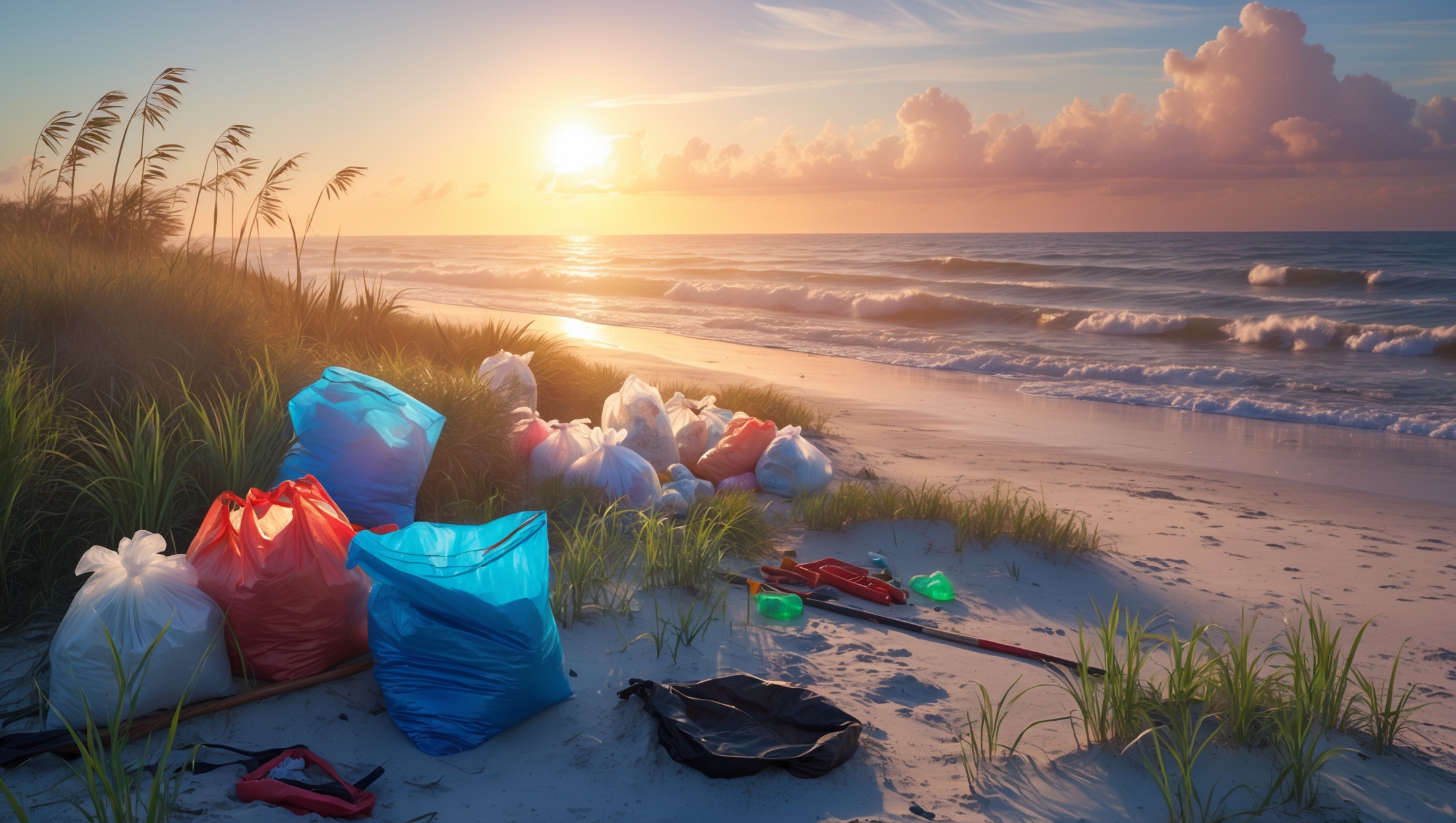
Seasonal Safety Checklist for St. Petersburg Community Beach Cleanups: Local Hazards, Prep & Pro Tips

Community beach cleanups have become a staple of civic engagement in St. Petersburg, FL, uniting residents around the shared goal of preserving our world-class coastline. But while the mission is inspiring, organizing these events—especially across different seasons—brings unique safety challenges. From unpredictable summer storms to winter water hazards, understanding how local conditions shift over the year is crucial for every organizer and volunteer. This guide delivers a comprehensive, season-specific safety checklist for St. Pete’s beaches, backed by practical expertise and local insights. Whether you’re planning your first event or refining a well-oiled cleanup operation, you’ll find actionable steps to maximize impact while keeping your crew safe and motivated.
Why Seasonal Safety Matters for St. Pete Beach Cleanups
St. Petersburg’s subtropical climate, Gulf tides, and diverse wildlife make its beaches both beautiful and uniquely challenging. Seasonal changes affect everything from heat stress risk and water quality to wildlife encounters and storm activity. Ignoring these shifts can put volunteers at unnecessary risk or even lead to compliance issues with local authorities. By tailoring your safety planning to the time of year, you protect your participants, enhance event efficiency, and support the long-term health of our beloved coastlines.
Spring: Awakening Wildlife and Unpredictable Weather
Key Hazards
- Allergy spikes due to pollen and blooming plants
- Increased wildlife activity (nesting birds, sea turtles)
- Sudden thunderstorms and wind gusts
- Early heat waves
Safety Prep & Pro Tips
- Wildlife Awareness: Mark off areas with active bird or turtle nests. Train volunteers to recognize and avoid disturbing nests. Coordinate with local wildlife organizations for updates.
- Storm-Ready Protocol: Monitor local radar and set a clear lightning protocol (Florida law recommends seeking shelter at first thunder). Identify safe shelters in advance.
- Allergy Management: Stock non-drowsy antihistamines in first aid kits. Ask volunteers about severe allergies in advance. Encourage long sleeves and sunglasses to minimize pollen exposure.
- Hydration Stations: Set up multiple water refill points. Encourage reusable bottles to cut down on single-use plastic.
- Sun Safety: Provide shade tents and high-SPF, reef-safe sunscreen. Schedule events in the morning to avoid midday heat.
Summer: Heat, Storms, and High Traffic
Key Hazards
- Extreme heat and humidity
- Frequent afternoon thunderstorms
- High UV index
- Increased beachgoer crowds and watercraft traffic
- Jellyfish and stingray activity
Safety Prep & Pro Tips
- Heat Illness Prevention: Set up shaded rest areas. Institute mandatory water breaks every 30 minutes. Train team leads to spot signs of heat exhaustion.
- Thunderstorm Monitoring: Use NOAA weather radio or apps with local alerts. Designate a weather spotter for larger events.
- Volunteer Rotation: Split teams into shorter shifts, especially for children and older adults.
- Jellyfish/Stingray First Aid: Stock vinegar and hot packs for stings. Instruct volunteers to shuffle feet in shallow water to avoid stepping on stingrays.
- Crowd Safety: Post visible event signage. Assign safety marshals to monitor interactions with beachgoers and ensure tools are not left unattended.
- Protective Gear: Encourage wide-brimmed hats, UPF clothing, and polarized sunglasses. Consider providing rash guards for water-based cleanup.
Fall: Storm Debris and Changing Tides
Key Hazards
- Post-hurricane or tropical storm debris (sharp objects, hazardous waste)
- Unpredictable tidal surges
- Cooler mornings, fluctuating water temperatures
- Migration of birds and marine life
Safety Prep & Pro Tips
- Debris Assessment: Walk the cleanup zone 24 hours in advance to spot hazards like glass, metal, or chemical containers. Notify city authorities of any hazardous waste for proper removal.
- Tool Protocols: Equip volunteers with puncture-resistant gloves and long-handled grabbers. Provide heavy-duty trash bags suitable for wet or sharp debris.
- Tide Tracking: Consult tide charts and avoid scheduling events during peak high tides. Mark safe zones on the sand with flags or cones.
- Layered Clothing: Advise volunteers to dress in layers for variable temperatures.
- Wildlife Caution: Educate teams about migratory species and safe viewing distances. Avoid cleanup in sensitive nesting or resting areas.
Winter: Cold Snaps, Water Hazards, and Fewer Crowds
Key Hazards
- Sudden cold fronts
- Slippery algae on rocks and walkways
- Lower water temperatures (risk of hypothermia if wading)
- Reduced lifeguard presence
- Early sunsets and diminished daylight
Safety Prep & Pro Tips
- Cold Weather Gear: Recommend waterproof boots, windbreakers, and thermal layers. Supply hand warmers for early morning volunteers.
- Slip Prevention: Mark algae-prone areas with cones. Encourage volunteers to avoid rocks and jetties when wet or slippery.
- Sunset Planning: Schedule events to end at least 30 minutes before sunset. Provide portable lighting for evening breakdown if necessary.
- Buddy System: Require volunteers to work in pairs, especially if venturing near the water.
- Emergency Contacts: Ensure all leads have current emergency numbers for local marine patrol and lifeguards on call.
Universal Safety Essentials for Every Season
- First Aid: Stock kits with bandages, wound wash, burn cream, antiseptic, antihistamines, and instant ice/heat packs.
- Communication: Use walkie-talkies or a group messaging app. Assign a central check-in point for all volunteers.
- Waivers and Insurance: Secure signed liability waivers. Consult with local government or non-profit partners about event insurance requirements.
- Tool Safety: Train all volunteers on proper use of grabbers, rakes, and bags. Inspect all equipment before the event.
- Waste Segregation: Use separate bins for recyclables, landfill trash, and hazardous items (batteries, needles, sharp metal). Label bins clearly and educate teams at check-in.
- Accessibility: Provide accessible cleanup zones and adaptive tools for volunteers with disabilities. Ensure clear walkways and accessible restrooms.
Local Partnerships and City Regulations
Working with the City of St. Petersburg
Before your event, contact St. Petersburg’s Parks & Recreation Department for current beach use policies, especially regarding protected areas and post-storm cleanup regulations. The city often provides trash bags, gloves, and disposal pickup for registered events. Review city guidelines for proper disposal of hazardous debris and check if a permit is needed for groups over a certain size.
Collaborating with Environmental Groups
Partnering with organizations like Keep Pinellas Beautiful, Tampa Bay Watch, or local Audubon chapters can provide valuable training sessions, educational materials, and additional safety support. These groups often offer insurance coverage for volunteers under their umbrella and can connect you with wildlife experts for on-the-ground advice.
Post-Event Safety and Reporting
- Debriefing: Hold a short wrap-up to review any incidents, collect feedback, and ensure all tools are accounted for.
- Incident Reporting: Document and report any injuries, hazardous finds, or wildlife encounters to the city and partner organizations.
- Sanitation: Provide hand sanitizing stations and encourage thorough hand washing after handling debris, especially before eating.
- Follow-Up: Share results with volunteers (e.g., total pounds of trash collected, unique finds) and thank them for their commitment to a safer St. Pete coastline.
Conclusion: Building a Safer, Stronger Cleanup Community in St. Pete
St. Petersburg’s beaches are a shared treasure, and community cleanups help safeguard their beauty and biodiversity for generations to come. But true stewardship means putting safety at the heart of every event, adapting your approach as the seasons—and their hazards—change. By following this practical, locally-tailored checklist, you protect your volunteers and set a standard for other groups to follow. Remember: safety is not a one-time task, but a living process shaped by feedback, experience, and a genuine commitment to the community.
As you plan your next event, draw on the knowledge of local partners and always stay attuned to the unique rhythms of St. Pete’s coastline. Whether you’re organizing a small neighborhood effort or a citywide campaign, your careful preparation ensures each cleanup is as safe and effective as it is inspiring. With every season, your group will grow stronger, more skilled, and ever more connected to the land—and people—you serve. Here’s to cleaner, safer beaches and a more resilient St. Petersburg for all.
Regarding storm protocols, have you found any particular local shelters near the beaches that work well for quickly getting large groups to safety, especially when storms roll in without much warning? How do you communicate evacuation plans to volunteers in the middle of an event?
For sudden storms, the St. Pete Beach Community Center and the Gulf Beaches Public Library are both reliable nearby shelters that can handle larger groups. During events, we always brief volunteers on evacuation locations during the initial orientation and use a group text alert system to quickly notify everyone of any urgent changes. Clear signage and designated leaders also help direct volunteers safely if evacuation becomes necessary.
I noticed you mention marking off areas with active bird or turtle nests during spring cleanups. Do you have any tips on how to clearly identify these nests, especially for new volunteers who might not be familiar with what to look for?
When marking off bird or turtle nests, look for posted signs, stakes, or rope barriers set up by local wildlife groups—these often indicate protected nesting areas. Turtle nests are usually small mounds or depressions in the sand, sometimes with tracks leading to them. Bird nests may be on the ground and look like a scrape or shallow cup in the sand. New volunteers should avoid disturbing any marked or unusual sandy areas and ask local wildlife staff if uncertain.
The checklist talks about having a storm-ready protocol and identifying safe shelters ahead of time. For beaches in St. Pete, are there usually public shelters nearby, or do organizers need to arrange portable shelters for volunteers in case of sudden thunderstorms?
Most St. Petersburg beaches do not have designated public storm shelters right on the beach itself. Some nearby public buildings or pavilions may offer limited protection, but they aren’t always suitable for severe storms. For group safety during cleanups, it’s a good idea for organizers to identify the nearest sturdy shelters in advance and consider having portable shelters or tents on hand, especially for sudden weather changes.
About the allergy spikes you mentioned in spring—do you have any tips for volunteers who are sensitive to pollen or other allergens? Are there specific times of day when beach cleanups are less likely to trigger allergy issues in St. Pete?
For volunteers sensitive to pollen or allergens, wearing a mask and sunglasses can help minimize exposure during cleanups. Early morning is usually best, as pollen counts tend to rise by mid-morning and peak in the afternoon. After rain, pollen is often lower too. It’s also a good idea to check daily pollen forecasts for St. Pete and choose days with lower levels if possible.
You mentioned both allergy spikes and early heat waves as spring hazards. Is there guidance on how to prioritize or balance preparation for these different health risks, especially when recruiting and briefing new volunteers ahead of an event?
When preparing volunteers, it’s helpful to address both allergy and heat risks together. Start with a quick safety briefing covering signs of allergic reactions and heat-related illness. Provide tips like bringing water, wearing hats and sunscreen, and taking allergy medications if needed. Encourage volunteers to inform leaders about any known allergies. Make sure shade breaks and hydration points are planned, and assign team leads to watch for symptoms in participants. This balanced approach helps ensure everyone stays safe during the event.
The guide talks about marking off areas with active bird or turtle nests. How do organizers typically know where these nesting sites are in advance, and is coordination with wildlife organizations required before the event can happen?
Organizers usually find out about active bird and turtle nests by coordinating with local wildlife organizations, park rangers, or municipal authorities. These groups often have up-to-date maps or can help mark off sensitive areas. Coordination is strongly recommended, as it helps protect wildlife and ensures your cleanup follows local regulations and conservation guidelines.
I noticed that spring cleanups have to consider both early heat waves and allergy spikes. Are there recommended ways to minimize these health risks for volunteers, like providing certain types of gear or refreshments, or is it mostly about timing the event early in the day?
You’re right that spring brings unique challenges like sudden heat and high pollen. To help volunteers, organizers often provide sunscreen, wide-brimmed hats, and allergy-friendly masks. Offering plenty of water and scheduling cleanups early in the morning can also make a big difference. It’s a good idea to have shade stations available and to encourage volunteers to bring any personal allergy medications if needed.
I noticed the article mentions pollen allergies and early heat waves as spring hazards. Are there specific first aid supplies or preparation steps you recommend for handling these issues during a cleanup, especially if some volunteers have known sensitivities?
For volunteers with pollen allergies, it’s wise to bring antihistamines, saline eye drops, and plenty of tissues. Encourage wearing sunglasses and hats to reduce pollen exposure. For early heat waves, pack extra water, electrolyte drinks, sunscreen, and instant cold packs. Remind everyone to take breaks in the shade and watch for signs of heat exhaustion. Reviewing medical needs before the event and having a basic first aid kit on hand will help keep everyone safe and comfortable.
Curious about the lightning protocol you mentioned for sudden storms—do most local organizers use text alerts, radios, or another system to get everyone to shelter quickly? We’re trying to upgrade our procedures but don’t want to go overboard with costs.
Most local beach cleanup organizers in St. Petersburg rely on group text alerts or messaging apps for fast communication during sudden storms, since they’re affordable and easy to use. Some larger events supplement this with handheld radios, but that’s less common for smaller groups. Whichever method you choose, make sure everyone knows the alert system in advance and has a clear shelter location identified.