
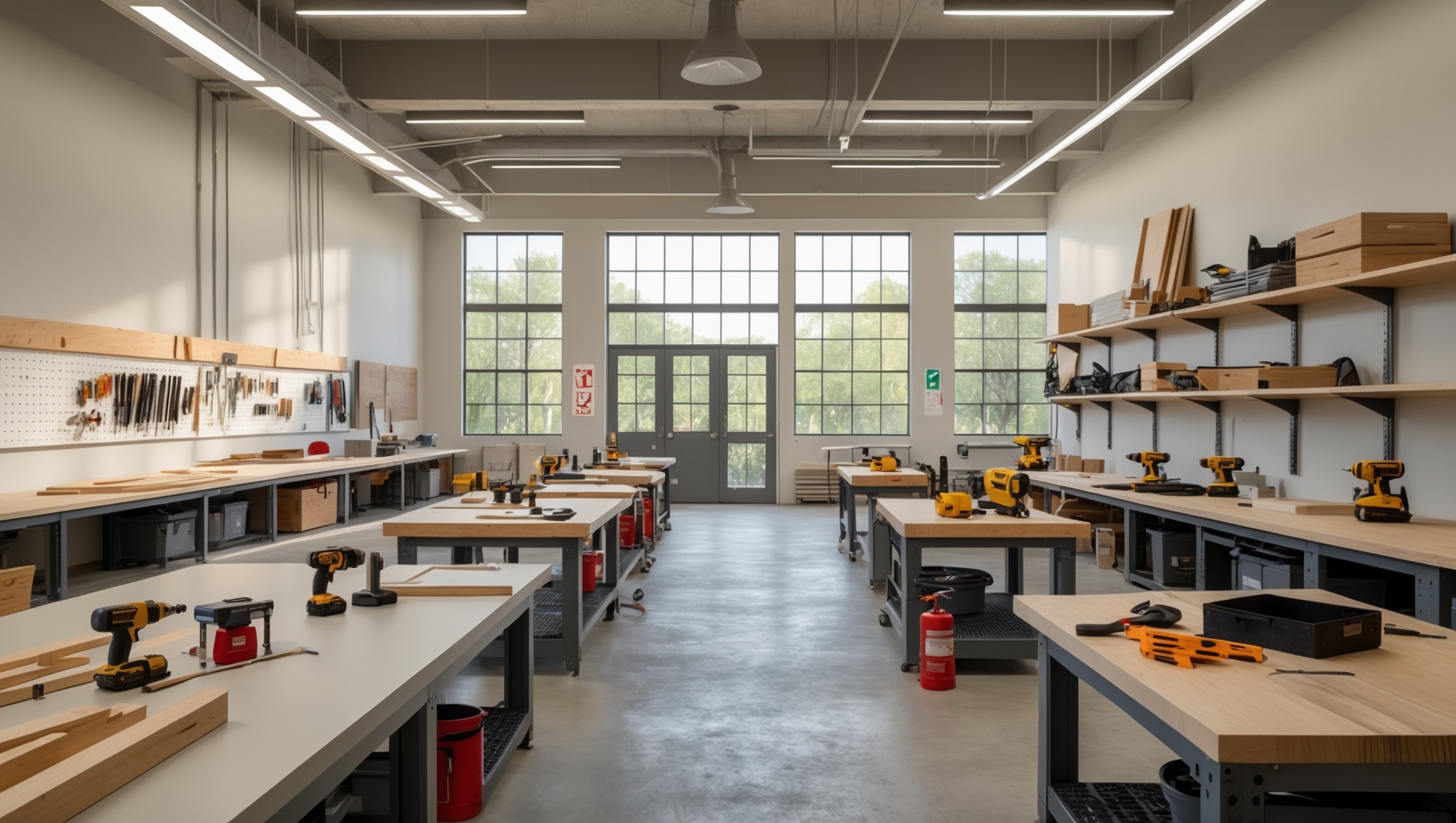
Safety Essentials for St. Petersburg Community Makerspaces: Local Hazards, Prevention & Emergency Planning

St. Petersburg’s community makerspaces are bustling hubs of creativity, learning, and collaboration. These vibrant spaces allow residents to experiment with woodworking, 3D printing, electronics, textiles, and more—but with this hands-on activity comes a unique set of safety challenges. Whether you’re launching a new makerspace, managing a mature facility, or volunteering in one of downtown St. Pete’s established creative labs, understanding and implementing robust safety essentials is non-negotiable. From the unique hazards posed by Florida’s humid climate to the intricacies of emergency planning in a coastal city, St. Petersburg’s makerspaces face specific risks that require proactive, community-driven solutions. This comprehensive guide explores the core safety practices every local makerspace should adopt, equipping you with practical checklists, prevention strategies, and real-world insights tailored for our city’s creative ecosystem. Let’s build a safer, more resilient makerspace community—together.
Understanding Makerspace Risks in St. Petersburg
Common Hazards in Makerspaces
Every makerspace is unique, but the hazards often fall into predictable categories. In St. Petersburg, the most frequent risks include:
- Tool and Equipment Injuries: Saws, drills, soldering irons, and laser cutters can cause cuts, burns, and punctures.
- Electrical Hazards: Improper wiring, overloaded circuits, and damaged cords pose fire and shock risks.
- Chemical Exposure: Paints, adhesives, solvents, and 3D printing resins can irritate skin, eyes, and lungs.
- Fire: Accumulated dust, flammable materials, and careless tool use can spark fires, particularly in older buildings.
- Trip and Fall Hazards: Cluttered workspaces, extension cords, and misplaced tools can lead to accidents.
- Weather-Related Risks: St. Pete’s hurricane season brings flooding and power outages that can impact safety protocols.
Local Factors That Increase Risk
- Humidity and Corrosion: The Gulf Coast’s moist air accelerates rust on tools, which can cause malfunctions or injuries if not addressed.
- Older Buildings: Many makerspaces occupy historic or repurposed structures, which may have outdated wiring or limited ventilation.
- High Turnover of Volunteers: Frequent staff changes may lead to lapses in enforcing safety protocols and training.
- Shared Spaces: Makerspaces often double as event venues, increasing foot traffic and the likelihood of unfamiliar people using equipment.
Building a Culture of Safety: Prevention Strategies
Comprehensive Safety Orientation
Every makerspace participant—whether a member, volunteer, or guest—should complete a tailored safety orientation before using any equipment. This orientation should include:
- Tour of the facility, highlighting emergency exits, first aid stations, and fire extinguishers.
- Demonstrations of tool safety, including mandatory personal protective equipment (PPE) for each station.
- Chemical handling procedures and location of Material Safety Data Sheets (MSDS).
- Instruction on reporting hazards or accidents.
Clear Signage and Visual Cues
Well-placed signage is crucial. Use durable, weather-resistant labels to indicate:
- Tool restrictions (e.g., “Authorized Users Only”)
- PPE requirements (e.g., “Safety Glasses Required”)
- Emergency shutoff switches and fire extinguisher locations
- Chemical storage and disposal procedures
Tool Maintenance and Inspection Protocols
Establish a strict schedule for inspecting, cleaning, and maintaining tools. Use a digital checklist or logbook to track:
- Daily checks for high-use equipment (e.g., 3D printers, saws)
- Weekly inspections for hand tools and PPE
- Monthly deep cleaning and calibration for specialized machinery
- Immediate tagging and removal of malfunctioning tools
In humid St. Pete, prioritize rust prevention by storing tools in dry cabinets with silica gel, and applying anti-corrosion sprays regularly.
Dedicated PPE Stations
Stock multiple PPE stations throughout your makerspace, including:
- Safety glasses and face shields
- Hearing protection
- Respirators and dust masks (especially near woodworking/painting areas)
- Cut-resistant gloves
- First aid kits with burn care supplies
Encourage a “PPE-first” mindset by making these items accessible and requiring their use for all tool operations.
Emergency Planning: Tailoring Protocols for St. Petersburg
Hurricane Preparedness
Every St. Pete makerspace should have a hurricane plan. Essential steps include:
- Identifying flood-prone zones within your facility
- Elevating valuable tools and electronics above projected flood levels
- Securing windows and doors with storm shutters
- Backing up digital records and storing them offsite
- Communicating closure and reopening plans to members via email, social media, and physical signage
Fire Safety Procedures
Implement best practices for both prevention and response:
- Install smoke detectors in every workshop area and test monthly
- Provide clearly marked, accessible fire extinguishers (ABC-rated)
- Train all staff and regular members in extinguisher use and evacuation routes
- Designate a fire marshal (rotating or permanent) to oversee drills every quarter
Medical Emergencies
Develop a protocol for injuries, allergic reactions, or chemical exposure:
- Post emergency contacts and local urgent care addresses in every main room
- Ensure at least one person with basic first aid/CPR certification is present during open hours
- Stock eyewash stations and burn kits near high-risk equipment
- Maintain an incident report log for all injuries, no matter how minor
Power Outage and Evacuation Plans
Given St. Pete’s frequent summer storms, plan for sudden power loss:
- Install emergency lighting along exit routes
- Provide battery-powered radios or phones for updates
- Label manual overrides for powered doors or equipment
- Clearly mark assembly points outside the building
Creating Effective Safety Checklists and Logs
Daily Opening and Closing Checklist
Develop a standardized list for staff or volunteers to complete at the start and end of each day, covering:
- Inspection of exits, fire extinguishers, and first aid kits
- Verification of tool storage and cleanliness of workspaces
- Testing emergency lighting and signage visibility
- Securing hazardous materials in locked cabinets
Incident and Near-Miss Reporting
Encourage a non-punitive approach to reporting accidents and close calls. Use a simple digital form or paper log that captures:
- Date, time, and location of incident
- Description of what happened
- Immediate actions taken
- Suggestions for preventing recurrence
Review these reports monthly to identify trends and update policies.
Annual Safety Audit
Schedule a thorough, community-led audit each year. Involve members in:
- Walking through the space with a fresh eye for hazards
- Testing emergency systems and updating contact lists
- Reviewing training materials for accuracy and clarity
- Soliciting anonymous feedback on safety culture and communication
Engaging Your Makerspace Community in Safety
Peer-Led Training Sessions
Leverage the expertise within your community by encouraging experienced members to lead short, practical training sessions on:
- Safe use of new or advanced equipment
- Best practices for storage and cleanup
- Emergency drills and real-world scenarios
Feedback Loops and Suggestion Boxes
Install a physical or digital suggestion box for members to flag safety concerns anonymously. Review and respond to suggestions publicly to build trust and accountability.
Celebrating Safety Successes
Recognize individuals or teams that demonstrate a commitment to safety—whether through quick thinking in an emergency or consistent use of PPE. Small rewards or public acknowledgements reinforce positive behavior and foster a culture where safety is valued.
Special Considerations for St. Petersburg’s Makerspace Landscape
Adapting to Shared and Multi-Use Spaces
Many St. Pete makerspaces share their facilities with schools, art collectives, or public events. To maintain safety:
- Clearly delineate hazardous areas with floor markings
- Lock or disable potentially dangerous tools during non-makerspace hours
- Post temporary signage during public events outlining restricted access zones
- Assign a safety liaison for event days to supervise and answer questions
Managing Local Climate and Environmental Factors
Address unique environmental challenges in St. Petersburg:
- Install dehumidifiers to protect tools from rust and electronics from corrosion
- Use hurricane-rated windows or shutters in vulnerable areas
- Regularly inspect for mold or mildew, especially after storms
- Maintain a stockpile of sandbags for flood-prone entryways
Partnering with Local Emergency Services
Strengthen ties with fire departments and emergency medical providers:
- Invite local firefighters for annual walkthroughs and fire safety assessments
- Request free or low-cost CPR/first aid workshops from community paramedics
- Share your emergency plans with local authorities to streamline response in a crisis
Conclusion: Sustaining a Safe and Creative Makerspace Community
Safety is not a one-time checklist but a living, evolving aspect of every thriving makerspace. In St. Petersburg, where creativity flourishes against a backdrop of unique climate and community dynamics, prioritizing safety ensures that innovation is never compromised by preventable accidents or unanticipated emergencies. By embracing proactive tool maintenance, tailored training, clear emergency protocols, and open communication, makerspaces can safeguard both their members and their mission. Engage your community in every step—from daily inspections to annual audits—and adapt your policies as your space grows and changes.
Remember: a culture of safety empowers everyone to pursue bold ideas with confidence. By taking these steps, you’re not just protecting your tools and your space—you’re investing in the sustainability and success of St. Petersburg’s entire creative ecosystem. Let’s continue to build, learn, and connect—secure in the knowledge that safety is at the heart of our shared vision.