
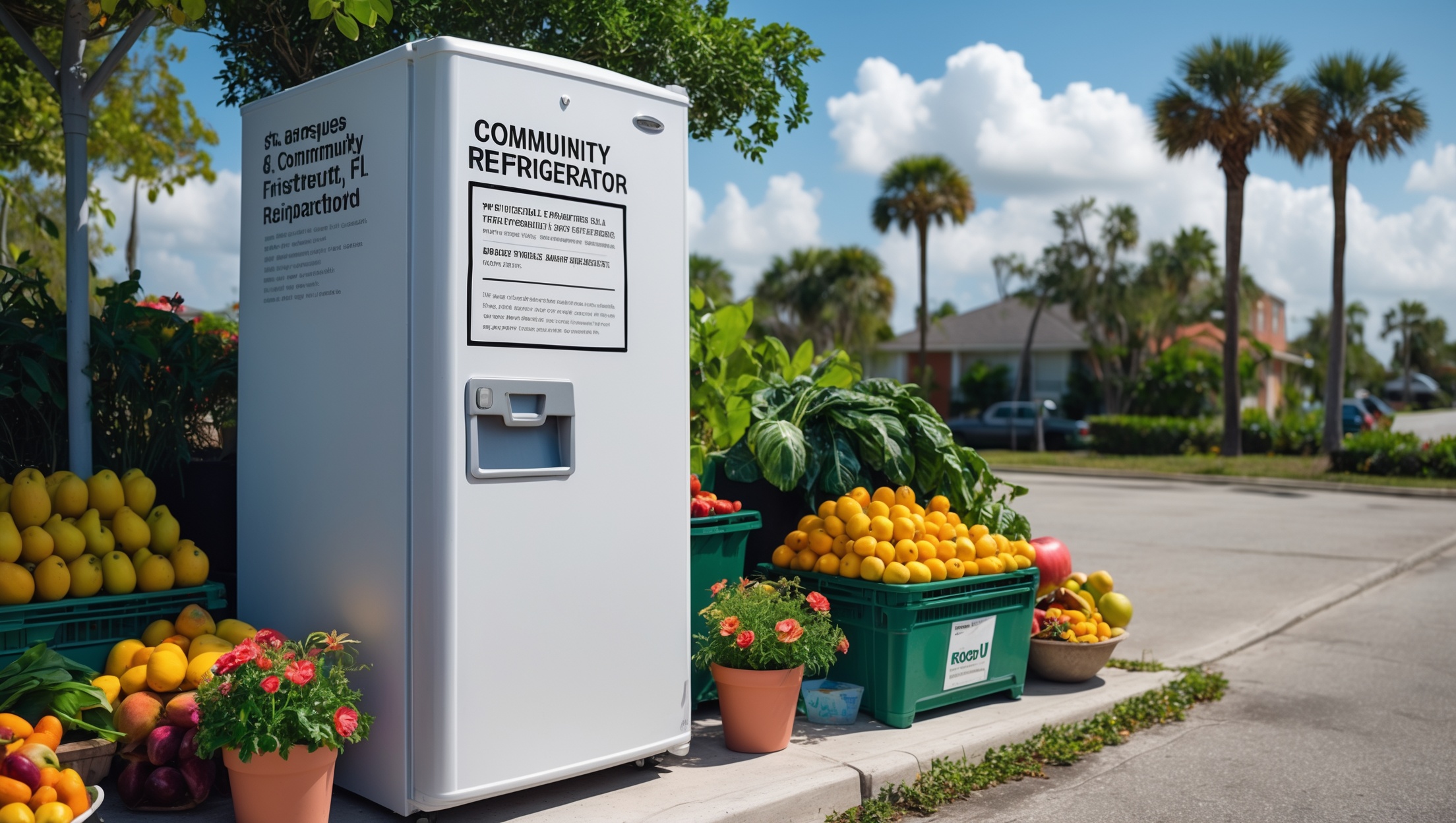
Maintenance Best Practices for St. Petersburg’s Community Fridge Projects: Keeping Food Safe and Volunteers Motivated

Community fridges are fast becoming a vital resource in St. Petersburg, FL, bridging gaps in food access and fostering neighborhood solidarity. However, their success hinges not only on enthusiasm and donations, but on rigorous, ongoing maintenance. If you’re involved with a St. Pete community fridge—or considering launching one—understanding best practices for maintenance will help you preserve food safety, prevent burnout among volunteers, and ensure your project remains a trusted community asset. This guide offers actionable steps, local insights, and proven strategies to keep your community fridge clean, safe, and sustainable for the long haul.
Understanding the Unique Challenges of Community Fridges in St. Petersburg
Climate and Environmental Factors
St. Petersburg’s humid subtropical climate presents unique challenges for outdoor refrigerators. High temperatures and humidity can accelerate food spoilage, while sudden storms or power outages threaten the reliability of cooling equipment. It’s vital to account for these local environmental variables in your maintenance plan.
Food Safety Regulations
While community fridges are grassroots projects, they must still adhere to local food safety laws and health codes. Regular maintenance isn’t just about cleanliness—it’s about ensuring compliance and protecting public health.
Volunteer Sustainability
Many community fridge projects in St. Pete begin with a burst of volunteer energy, only to struggle with burnout after a few months. Maintenance routines that are realistic, well-organized, and supported by clear communication can make all the difference in keeping volunteers engaged and motivated.
Daily Maintenance Checklist: Non-Negotiables
- Temperature Monitoring: Check and log the fridge/freezer temperature at least twice daily. Ensure it consistently stays below 40°F (4°C) for refrigerators and 0°F (-18°C) for freezers.
- Food Inspection: Remove any expired, spoiled, or leaking items. Discard foods showing signs of mold, off-odors, or unusual textures.
- Cleanliness Sweep: Wipe all surfaces (shelves, drawers, door handles) with a food-safe sanitizer. Mop up spills immediately to prevent slips and contamination.
- Inventory Assessment: Note items running low and those in overabundance. Rotate stock with older items up front to ensure first-in, first-out (FIFO) usage.
- Exterior Inspection: Check for litter, graffiti, or signs of vandalism around the fridge. Address issues promptly to maintain community trust.
Weekly and Monthly Maintenance Routines
Deep Cleaning Protocol
Once a week, schedule a deep cleaning session. Fully empty the fridge (temporarily storing items in coolers if needed), wash all removable parts with hot, soapy water, and sanitize internal surfaces. Clean door gaskets to ensure a proper seal and inspect for mold or mildew in moisture-prone corners.
Appliance Health Checks
- Vacuum condenser coils behind or beneath the fridge to prevent overheating.
- Test door seals for airtightness—a dollar bill should not slide easily when the door is closed.
- Listen for unusual noises from the compressor or fans, which may signal impending failure.
Local Compliance Review
Review any new local ordinances, codes, or city guidance relevant to food-sharing projects. Schedule a monthly check-in with your local health department liaison if possible, to stay informed and preempt potential issues.
Managing Food Safety: St. Pete-Specific Tips
Acceptable Donations
- Allowed: Commercially packaged, unopened foods; whole, uncut fruits and vegetables; baked goods from licensed bakeries.
- Not Allowed: Home-cooked meals, unsealed leftovers, raw meats or fish, dairy from unverified sources, or anything past its expiration date.
Safe Storage Practices
Use clear labeling on shelves: “Ready to Eat,” “Produce,” “Drinks Only,” etc. Encourage donors to label items with the date of donation. Place absorbent mats under produce bins to catch excess moisture and reduce slip hazards.
Rapid Response to Power Outages
In storm-prone St. Pete, power outages can threaten food safety. Post clearly visible instructions for volunteers: if a fridge loses power for more than four hours, all perishable items must be discarded. Keep a supply of ice packs or dry ice on hand during hurricane season as an emergency backup.
Volunteer Management for Sustainable Fridge Projects
Creating a Rotating Schedule
Reliance on a single volunteer or a small core group is the fastest route to burnout. Use digital tools like SignUpGenius or Google Sheets to create a rotating schedule, ensuring that maintenance duties are shared equitably. Aim for at least two daily check-ins, with backups in place for weekends and holidays.
Role Specialization
- Daily Checkers: Handle quick inspections and cleaning.
- Deep Clean Crew: Tackle weekly sanitation tasks.
- Inventory Leads: Track popular items and help coordinate restocking efforts with local partners.
- Outreach Coordinators: Communicate with donors, local businesses, and neighborhood groups to keep the fridge well-supplied.
Volunteer Onboarding and Training
Provide every new volunteer with a written maintenance guide, food safety handouts, and a walk-through of the fridge location. Host monthly refresher sessions covering seasonal hazards (e.g., hurricane preparedness, heat waves) and updates on best practices or city policies.
Retention and Recognition
Celebrate milestones and recognize volunteers’ contributions. Small gestures—thank-you notes, social media shout-outs, or local business discounts—go a long way in building a sustainable volunteer culture.
Building Community Accountability
Clear Signage and Communication
Post easy-to-read instructions on what can and cannot be donated, safe storage guidelines, and a phone number or email for reporting issues. QR codes linking to a live maintenance log or volunteer sign-up form can streamline communication and empower neighbors to participate.
Involving Local Partners
- Collaborate with nearby grocers, cafes, and farmers’ markets for regular surplus donations.
- Engage local schools or youth groups in fridge maintenance as part of service learning curricula.
- Partner with St. Pete’s neighborhood associations for long-term stewardship and advocacy.
Seasonal Maintenance Considerations in St. Petersburg
Summer: Heat and Humidity
- Increase frequency of temperature checks, as fridges may work harder in extreme heat.
- Monitor for condensation buildup and promptly wipe down surfaces to prevent mold.
- Remind donors to avoid perishable dairy, eggs, or meats during peak heat.
Hurricane Season: Storm Preparedness
- Pre-position coolers and ice in case of extended outages.
- Develop a communication protocol for volunteers to quickly clear perishables if storms threaten.
- Secure the fridge against wind and water damage—bolting to a stable structure and using waterproof covers if needed.
Winter: Cooler Temperatures
- Monitor for potential freezing of sensitive produce if a cold snap hits (rare but possible in St. Pete).
- Take advantage of lower ambient temperatures to increase donation of items like root vegetables and hardy greens.
Preventing and Responding to Common Maintenance Issues
Mold and Odors
- Clean up spills immediately and use baking soda boxes inside the fridge to absorb odors.
- If mold appears, immediately remove affected items and clean surfaces with a vinegar-based solution before sanitizing.
Pest Control
- Keep the area around the fridge free of food debris.
- Install weather stripping at the base of outdoor fridges to deter ants or roaches.
- Check regularly for gnaw marks or droppings and partner with local pest control services if needed.
Refrigerator Malfunctions
- Maintain a list of trusted local appliance repair technicians.
- Keep basic repair tools (screwdrivers, pliers, replacement bulbs) on-site in a locked box.
- Budget for a small reserve fund to cover emergency repairs or replacement costs.
Tracking and Measuring Impact
Maintenance Logbooks
Maintain a physical or digital logbook documenting temperature readings, cleaning routines, and any incidents or repairs. This not only ensures accountability, but can also be vital documentation in the event of a health inspection or grant application.
Community Feedback
Encourage users and volunteers to leave feedback via a suggestion box or online form. Regularly review suggestions and adjust maintenance protocols as needed to better serve local needs.
Reporting Outcomes
Share impact metrics—such as pounds of food distributed, number of volunteer hours, or stories of community benefit—on social media and with partners. This transparency builds trust and encourages ongoing support.
Conclusion: Sustaining Your St. Pete Community Fridge for the Long Haul
Community fridges are more than just appliances—they’re a testament to St. Petersburg’s spirit of mutual aid and resilience. But their success is never guaranteed. A well-maintained fridge, kept clean, safe, and inviting through diligent daily and weekly routines, is far more likely to stand the test of time and truly serve its neighborhood. By prioritizing food safety, sharing maintenance duties among a dedicated volunteer base, and adapting to local climate and regulatory challenges, your community fridge can thrive through every season.
Remember, maintenance is not just a chore—it’s a form of stewardship that honors both the people who donate and those who rely on this resource. Regular deep cleans, organized logs, and responsive troubleshooting keep the fridge operational and trustworthy. Transparent communication, clear signage, and ongoing community involvement transform the fridge from a simple food-sharing hub into a beacon of local cooperation. St. Petersburg’s unique climate and culture require vigilance, creativity, and teamwork, but with the right practices in place, your community fridge can continue nourishing neighbors and inspiring civic pride for years to come.
Whether you’re a new organizer or a seasoned steward, use these best practices as your roadmap. With care and commitment, St. Pete’s community fridges can remain a safe, sustainable, and celebrated asset—one cool shelf at a time.
What strategies have worked best for keeping volunteers motivated over the long term? The article mentions burnout being common after a few months, so I’d love to hear about systems or incentives that help maintain consistent engagement.
The article highlights that rotating volunteer shifts, celebrating milestones together, and offering regular feedback are effective ways to keep motivation high. Recognizing individual contributions, providing occasional small perks like snacks or public shout-outs, and holding group check-ins also help volunteers feel valued and connected. These systems foster a sense of community and prevent burnout by ensuring everyone shares the workload and feels appreciated.
As someone who helps out at our local community fridge, I’m wondering how often we should be checking temperatures during really hot St. Pete weeks. Is twice daily enough, or should we do more frequent checks when there’s a heatwave?
During especially hot weeks in St. Petersburg, checking the fridge temperature more than twice daily is a good idea. When there’s a heatwave, aim for at least three to four checks per day—morning, midday, late afternoon, and evening if possible. This helps catch any issues early and keeps the food safe for everyone relying on the fridge.
You mentioned the importance of logging fridge temperatures at least twice daily, especially with St. Pete’s climate. Do you recommend any specific thermometers or monitoring systems that work well outdoors and can alert volunteers if the temperature goes out of range?
For outdoor community fridges in St. Petersburg’s climate, wireless digital thermometers with remote monitoring are a solid choice. Look for models that are weather-resistant and can send alerts via phone or email if the temperature moves out of the safe range—brands like SensorPush and Temp Stick are popular. These systems allow volunteers to track fridge temperatures in real time without being onsite, making quick response easier.
When it comes to logging fridge temperatures twice daily as you mentioned, do you recommend using paper logs, a digital system, or something else? I’m also wondering how projects handle access if not everyone on the team has a key to the fridge.
Both paper logs and digital systems have their advantages. Paper logs are simple and accessible for all volunteers, while digital logs (like shared spreadsheets) make tracking and sharing easier. Choose what fits your team’s comfort level and reliability. For fridge access, some projects use a lockbox with a shared code or place the fridge in a public space that doesn’t need a key. Consistent communication about procedures is important to avoid access issues.