
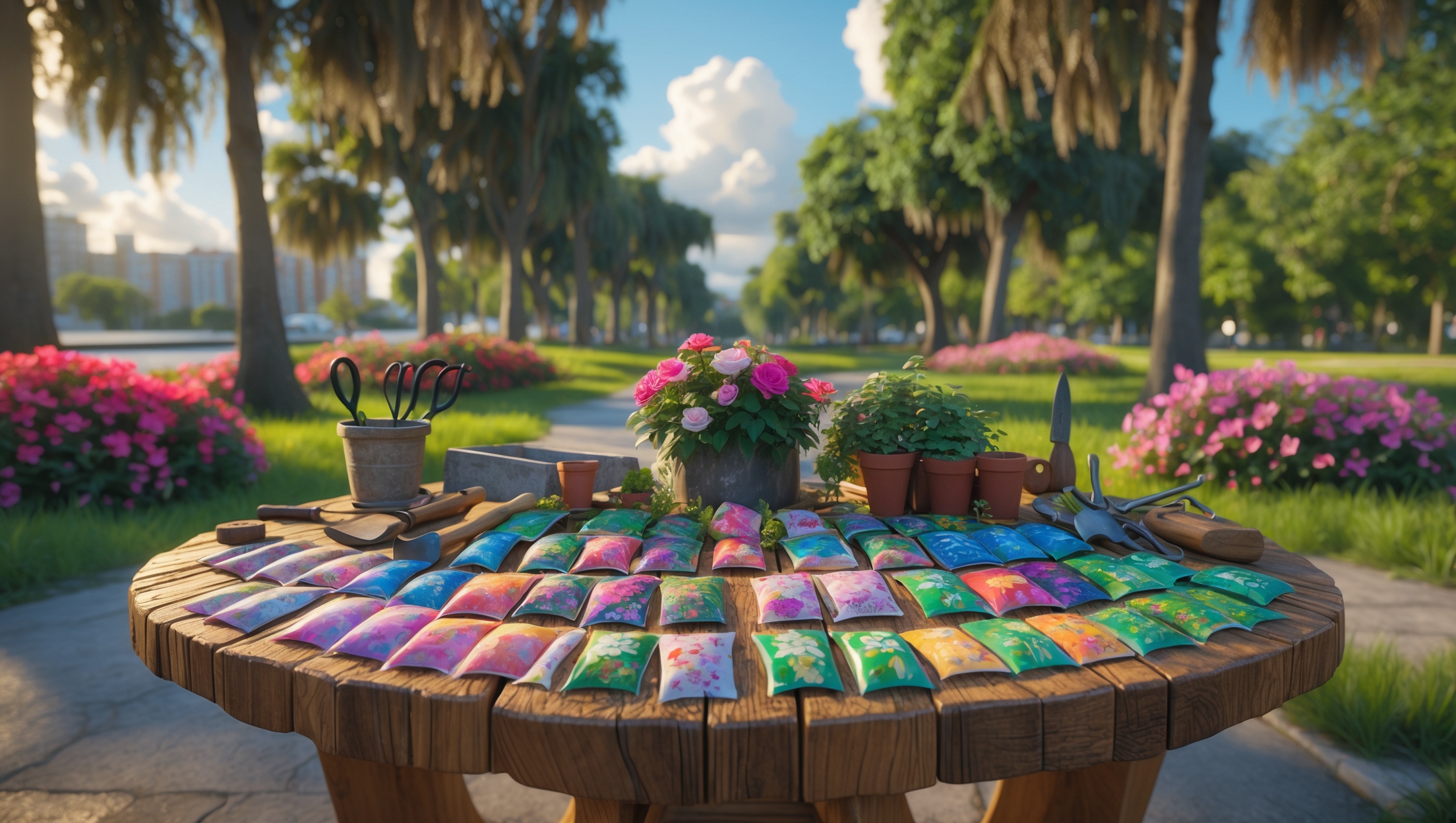
Common Myths About Starting a Community Seed Swap in St. Petersburg, FL: Local Insights and Best Practices

Introduction: Why Community Seed Swaps Matter in St. Petersburg, FL
Community seed swaps are flourishing throughout St. Petersburg, FL—bringing together gardeners, urban farmers, and eco-conscious residents to exchange seeds, share local knowledge, and strengthen neighborhood connections. With St. Pete’s unique subtropical climate, diverse population, and abundant green spaces, these grassroots initiatives promise not only to expand access to locally adapted plant varieties but also to foster a culture of sustainability and food security. Yet, despite the growing interest, several misconceptions persist about what it takes to start and sustain a successful seed swap in our city. These myths can discourage well-meaning organizers or lead to avoidable mistakes that hinder long-term success.
In this guide, we’ll debunk the most common myths about launching a seed swap in St. Petersburg, FL. Drawing on local insights, success stories, and expert advice, we’ll provide practical recommendations for organizers—whether you’re a first-timer or looking to expand an existing seed-sharing network. From legal considerations and best practices to budgeting, community engagement, and sustainability, you’ll find actionable tips tailored to the realities of St. Pete’s neighborhoods. Let’s set the record straight and help your seed swap take root and thrive.
Myth #1: You Need a Big Budget and Formal Sponsorship
Reality: Grassroots Efforts Can Start Small and Scale Up
One of the most persistent myths is that a community seed swap requires significant startup funds or backing from large organizations. In St. Petersburg, some of the most vibrant swaps began as informal gatherings in backyards or at local parks, with minimal resources and donated seeds. Here’s how you can start on a shoestring:
- Leverage Free Venues: Public parks, church halls, or community centers often provide free or low-cost space for local initiatives. Check with the St. Petersburg Parks & Recreation Department for available options.
- Seed Sourcing: Ask for seed donations from participants, local gardeners, or nearby nurseries. Many will happily share surplus seeds, especially if you explain your community goals.
- Promotion: Use free online platforms—like Facebook groups, Nextdoor, or community bulletin boards—to spread the word.
- Materials: Basic supplies such as envelopes, markers, and tables can often be borrowed or donated by participants or local businesses.
As your swap grows, you can explore grants and partnerships, but don’t let lack of funding stop you from getting started.
Myth #2: Seed Swaps Are Only for Experienced Gardeners
Reality: All Skill Levels Are Welcome and Encouraged
Some believe that seed swaps cater exclusively to master gardeners or horticulture experts. In reality, the most successful swaps in St. Pete attract a mix of beginners, hobbyists, and seasoned growers. Here’s why inclusivity is key:
- Learning Opportunities: Newcomers bring fresh perspectives and questions, prompting valuable discussions and shared learning.
- Community Building: Seed swaps thrive when everyone feels welcome, regardless of gardening experience. This diversity creates a supportive network and fosters mentorship.
- Accessible Education: Provide simple guides, seed-starting tips, or quick demonstrations during your event. Local organizations like the UF/IFAS Extension Pinellas County often offer free resources tailored to beginners.
Promote your swap as a welcoming space for all—no green thumb required.
Myth #3: You Must Have Only Heirloom or Organic Seeds
Reality: Diversity and Transparency Matter Most
While heirloom and organic seeds are popular buzzwords, insisting on them exclusively can limit participation and reduce the diversity of your swap. Here’s a more practical approach for St. Pete:
- Encourage Variety: Allow open-pollinated, hybrid, and even some commercially purchased seeds, as long as they’re non-GMO and legally obtained.
- Label Clearly: Ask swappers to label seeds with as much information as possible—origin, variety, year harvested, growing tips, and whether they’re organic or treated.
- Educate About Suitability: Share info on which varieties thrive in our subtropical climate. Local gardeners often have unique cultivars that perform well in St. Pete’s sandy soils and humid summers.
The goal is to expand access and build resilience—not to set unnecessary barriers.
Myth #4: Seed Swaps Are Legally Risky or Require Permits
Reality: Most Local Seed Exchanges Are Simple and Lawful
Concerns about legal issues can discourage organizers. In Florida, non-commercial seed exchanges among individuals are generally permitted without special licenses or permits. However, there are a few best practices to stay compliant:
- No Commercial Sales: Keep your swap strictly non-commercial. Exchanging seeds for free or on a donation basis does not usually trigger regulatory oversight.
- Stay Informed: Avoid swapping noxious weeds or invasive species. The Florida Department of Agriculture and Consumer Services provides lists of restricted plants.
- Transparency: Make it clear to participants that seeds are exchanged “as-is,” without guarantees of purity or germination.
- Venue Rules: If using a public space, check with the city for any gathering restrictions, especially if your event exceeds 50 participants or involves amplified sound/food sales.
For most neighborhood swaps, legal risks are minimal. When in doubt, consult local officials or the UF/IFAS Extension office.
Myth #5: Seed Swaps Can’t Make a Real Impact
Reality: Even Small Swaps Spark Big Changes
It’s easy to underestimate the ripple effects of a seed swap. In St. Petersburg, even modest events have:
- Strengthened Food Security: Swaps empower residents to grow food at home, increasing access to fresh produce in food deserts.
- Preserved Local Biodiversity: Sharing seeds adapted to St. Pete’s microclimates helps preserve rare or regionally valuable varieties.
- Fostered Community Pride: Regular swaps create traditions and connections, building social capital and neighborhood resilience.
- Supported Education: Many local schools and youth organizations incorporate seed swaps into STEM and environmental education programs.
Track your impact by surveying participants, documenting success stories, and collaborating with local organizations to amplify your reach.
Myth #6: Organizing a Swap Is Too Time-Consuming
Reality: Planning Can Be Streamlined with Local Partnerships
While organizing any event takes effort, you can streamline the process by tapping into St. Pete’s network of garden clubs, libraries, and community groups. Here’s how:
- Delegate Tasks: Form a small planning committee—assign roles for promotion, setup, education, and cleanup.
- Recurring Events: Start with a quarterly or twice-yearly swap, then scale up as momentum builds.
- Partner Up: Collaborate with established organizations—like Keep St. Pete Local or local community gardens—to share responsibilities and resources.
- Use Templates: Prepare reusable checklists, sign-in sheets, and promotional materials for future events.
With community support and a little organization, running a swap becomes easier each time.
Myth #7: Seed Swaps Are Just About Exchanging Seeds
Reality: They’re Hubs for Knowledge, Resources, and Community Action
The best swaps in St. Petersburg go far beyond seeds—they’re dynamic hubs for learning and collaboration:
- Workshops: Offer mini-sessions on seed starting, composting, or pollinator gardening, led by local experts.
- Resource Tables: Share flyers about upcoming garden events, local plant sales, or volunteer opportunities.
- Tool Libraries: Partner with local tool lending libraries or repair cafés to offer garden tool borrowing or sharpening services.
- Community Initiatives: Use the swap to rally support for larger projects, such as installing a community garden or advocating for green spaces.
Think of your swap as a springboard for broader community-driven action in St. Pete.
Best Practices for Launching a Successful Seed Swap in St. Petersburg, FL
1. Start with a Clear Vision
Know your goals. Are you focused on food crops, pollinator plants, or rare natives? Tailor your event accordingly.
2. Build Inclusive Partnerships
Connect with local schools, garden clubs, libraries, and nonprofits to broaden your reach and support base.
3. Prioritize Accessibility
Choose venues near public transit, offer events at different times, and provide resources in English and Spanish to reflect St. Pete’s diversity.
4. Educate and Inspire
Offer take-home guides, quick workshops, or hands-on demos relevant to our local growing conditions.
5. Keep It Fun and Low-Stress
Encourage a relaxed, social atmosphere. Consider offering door prizes, snacks, or a seed-themed art activity for kids.
6. Gather Feedback and Adapt
Ask participants for input after each swap. Use their feedback to improve logistics, timing, and offerings for future events.
Case Study: The Crescent Lake Community Seed Swap
Background
The Crescent Lake neighborhood in central St. Pete launched its seed swap in 2021 with just a dozen neighbors and a picnic table at the park. Within two years, the swap grew to attract over 80 participants, local nurseries, and even guest speakers from the UF/IFAS Extension.
Success Factors
- Consistent Promotion: Organizers posted monthly updates on neighborhood social media and at the local library.
- Partnerships: Collaborated with the Crescent Lake Garden Club and a local hardware store that donated seed envelopes and starter trays.
- Education: Hosted a seed-saving workshop at each event, increasing knowledge and participation.
- Inclusivity: Made the event kid-friendly and accessible to newcomers, resulting in a vibrant, diverse crowd.
Lessons Learned
- Start Small: You don’t need a huge launch—growth is organic when participants have a positive experience.
- Be Adaptable: After participant feedback, organizers shifted the event to Saturday mornings and added Spanish-language materials.
Essential Tools and Supplies: St. Pete Seed Swap Edition
Keep things simple, but having a few basic items on hand makes your event run smoothly:
- Seed Envelopes or Small Bags: For participants to take home seeds. Local businesses may donate extras.
- Permanent Markers and Labels: For accurate seed packet info.
- Tables and Chairs: Borrow from community centers or neighbors if needed.
- Sign-in Sheet: Track attendance and collect contact info for future announcements.
- Educational Handouts: Seed starting guides, planting calendars (Pinellas County-specific), and info on local gardening resources.
- Hand Sanitizer and Trash Bags: Especially important for public events.
Optional extras: poster boards for announcements, plant identification books, or a display of locally adapted seed varieties.
Budget Breakdown: What to Expect
Most St. Pete seed swaps operate on $0–$150 per event. Here’s a sample budget:
- Venue: $0 (public park or partner location)
- Seed Envelopes & Labels: $20–$40
- Printing (flyers, guides): $10–$30
- Refreshments: $20–$50 (optional, can be donated)
- Supplies (markers, signage): $10–$20
Keep costs low by seeking donations, reusing materials, and encouraging participants to bring their own supplies.
Safety and Accessibility Checklist
- Ensure venue has accessible paths and restrooms.
- Provide seating and some shade (umbrellas or tents) for summer events.
- Check for hazards like ant mounds or uneven ground at outdoor sites.
- Have basic first aid supplies on hand.
- Clearly label any seeds that are edible vs. ornamental/toxic.
- Communicate safety guidelines for COVID-19 or other health concerns as needed.
Conclusion: Growing Community, One Seed at a Time
Community seed swaps are more than just a trend—they’re a powerful tool for building resilient neighborhoods, fostering local biodiversity, and empowering St. Petersburg residents to take control of their food and green spaces. By dispelling common myths and embracing practical, inclusive approaches, you can launch a seed swap that thrives on grassroots energy and local wisdom. Whether your group is a handful of neighbors or a citywide network, every seed exchange plants the possibility for collective growth, knowledge, and joy.
Remember: You don’t need a big budget, formal sponsorship, or expert status to get started. Start small, stay flexible, and draw on St. Pete’s vibrant community spirit. Focus on transparency, education, and accessibility—these are the roots of a sustainable seed swap. Collaborate with local partners, adapt to feedback, and celebrate each milestone, no matter how humble.
As your swap grows, so will your impact. More gardens will bloom, knowledge will spread, and new friendships will take root. In time, your initiative could inspire other neighborhoods throughout St. Petersburg, making our city greener, healthier, and more connected—one seed at a time.
Ready to get started? Gather your neighbors, dust off those seed packets, and sow the first seeds of a new St. Pete tradition. The future is in your hands.
I noticed you mentioned public parks and community centers as venue options for hosting a seed swap in St. Pete. Have you found any particular locations more supportive or accessible for beginners, or are there permit requirements to keep in mind for these kinds of gatherings?
In St. Pete, community centers like Enoch Davis and Sunshine Center have been notably beginner-friendly, providing helpful staff and easy setup. Public parks can also work well, but they usually require a permit from the city’s Parks and Recreation Department, especially for larger groups. For smaller gatherings, some community rooms may waive formal requirements, but it’s always a good idea to contact the venue in advance to confirm any rules or fees.
I’m curious about the legal side mentioned in the article. Are there specific local regulations or permits in St. Pete that organizers should watch out for when setting up a seed swap in a public park or community center?
In St. Petersburg, seed swaps are generally legal as long as seeds aren’t sold and are shared among individuals. However, if you’re planning an event in a public park or community center, you’ll likely need a permit from the city for gathering, especially if it involves tables or a large group. It’s also smart to confirm that the seeds exchanged are not invasive species regulated by Florida law.
I’m curious about the legal considerations mentioned in the article. Are there specific city regulations or permits required to host a seed swap in a St. Petersburg public park, or is it usually pretty straightforward if you keep things small?
For small, informal seed swaps in St. Petersburg public parks, things are generally straightforward and you usually don’t need special permits. However, if you expect a larger crowd, plan to reserve specific park areas, or want to advertise widely, you should check with the city’s Parks and Recreation Department about possible permits or space reservations. Keeping your event low-key and not selling anything helps simplify the process.
I’m a local business owner interested in supporting community projects like these seed swaps. Could you clarify if there are any legal or zoning concerns to consider when hosting a swap at a commercial property in St. Pete?
Hosting a seed swap at a commercial property in St. Petersburg generally doesn’t violate major zoning laws, especially if it’s a one-time or occasional community event. However, it’s a good idea to check with the city’s zoning department to confirm your specific use is allowed and to see if any temporary permits are needed. Also, make sure your property’s insurance covers public events, and consider any HOA or landlord restrictions if applicable.
I’m curious about how you handle the exchange of seeds that may not be locally adapted. Are there guidelines or best practices to ensure that only seeds suitable for St. Petersburg’s subtropical climate are shared at these events?
At our seed swap events, we encourage participants to bring seeds from plants that have thrived in St. Petersburg’s subtropical conditions. We share a list of recommended plant varieties and ask donors to label seeds with plant type and growing history. Volunteers are present to help attendees choose seeds that are more likely to do well locally, and we offer educational materials about what grows best in our climate.
The guide talks about starting small with minimal resources, even in backyards. If you don’t know a lot of local gardeners yet, what are some good ways to spread the word in St. Pete and get enough people involved for a successful swap?
You can start by posting about your seed swap on local St. Pete gardening Facebook groups, neighborhood apps like Nextdoor, or community bulletin boards at libraries and coffee shops. Reaching out to local gardening clubs or farmers’ markets is also helpful, as they may help spread the word. Even inviting a few friends or neighbors can build momentum—many people enjoy the chance to trade seeds and learn more about gardening.
When it comes to sourcing locally adapted seeds for a new swap, do you find success reaching out to established gardening groups or is it better to start with what individuals in your neighborhood already have on hand? Which approach helped St. Pete organizers build momentum faster?
St. Pete organizers found that reaching out to established gardening groups provided a strong initial boost, since these groups often have members with locally adapted seeds and experience with swaps. However, combining this with neighborhood contributions helped build community engagement and broaden the variety of seeds available. Starting with gardening groups helped them gain momentum quickly, while involving neighbors kept the swap vibrant and welcoming.
Since the guide talks about leveraging free spaces and donated seeds, what practical tips do you have for a college student in St. Pete to keep costs low while still making the event accessible and engaging for a diverse group of participants?
As a college student in St. Pete, you can keep costs low by partnering with campus organizations or local libraries to use their meeting rooms for free. Reach out to seed companies, gardening clubs, and community gardens for seed donations or collaboration. To engage a diverse crowd, offer flexible swap rules—like a ‘take what you need, give what you can’ model—and include activities such as short talks or games about gardening basics to make the event welcoming for all experience levels.
You highlighted that some swaps started as simple backyard gatherings with minimal resources. For someone with limited funds, what are some practical ways to source enough seeds and attract participants for the first event without relying on formal sponsors?
Starting small is absolutely fine. You can begin by reaching out to friends, neighbors, or local gardening groups to see if anyone has extra seeds to share. Many gardeners have leftover seeds from previous seasons. Posting on neighborhood forums or social media groups can help attract participants. Consider asking a local library or community center if they’ll let you use a space for free. Keep it informal and focus on building connections; as word spreads, you’ll likely see more interest and contributions.
I’m interested in the budgeting aspect—how much did typical St. Petersburg seed swaps actually spend in their first year, and what were the main unexpected costs that popped up for organizers?
Most St. Petersburg seed swaps spent between $100 and $300 in their first year, depending on size and venue. Main expenses included space rental (if not free), tables, signage, and basic supplies. Unexpected costs often involved last-minute printing needs, liability insurance for certain venues, and extra refreshments for higher-than-expected turnout. Setting aside a small contingency fund can help organizers handle surprises smoothly.
I’m curious about the legal considerations you reference for organizing seed swaps in St. Pete. Are there any specific rules around exchanging seeds in public parks or community centers that newcomers should be aware of before hosting an event?
When planning a seed swap in St. Pete, it’s important to check with the city or the management of public parks and community centers about their event policies. Some venues require permits for group gatherings or prohibit the distribution of certain plant materials. While informal exchanges are generally allowed, always confirm with the location first and be aware that selling seeds usually involves more regulations than swapping them for free.
You mention using public parks and community centers as venues for seed swaps in St. Pete. Are there specific city regulations or permits required for hosting these types of gatherings in public spaces?
Yes, hosting a seed swap in St. Petersburg public parks or community centers usually requires a permit from the city, especially if you’re expecting more than a small gathering or plan to use tables, tents, or amplified sound. It’s a good idea to contact the St. Petersburg Parks and Recreation Department to check on specific requirements, availability, and any associated fees. Community centers may also have their own reservation process and guidelines, so reach out to them directly for detailed information.
I’m interested in starting a small seed swap in my neighborhood, but I’m unsure about the legal side. Could you elaborate on any local regulations or permits needed specifically in St. Petersburg for holding seed swaps in public parks or community centers?
In St. Petersburg, small community seed swaps typically don’t require special permits if they’re informal and don’t involve selling seeds. However, if you plan to use a public park or community center, you’ll need to contact the St. Petersburg Parks and Recreation Department or the facility manager to reserve space and confirm any specific requirements. Some locations may require a rental agreement or proof of insurance, especially for larger gatherings.
If I want to help expand an existing neighborhood seed swap, what are the most effective steps I can take to engage more families with young children and make the event appealing to busy parents like myself?
To engage more families with young children, consider adding kid-friendly activities like seed art stations, story time about plants, or simple gardening workshops. Offer flexible event hours or a weekend option to accommodate busy parents. Creating a relaxed, welcoming space with snacks, hands-on demos, and clearly labeled seed stations can make participation easy and enjoyable for everyone. Inviting local schools or parent groups to partner or spread the word can also boost attendance.
I’m curious about the legal considerations mentioned in the article. Are there specific local regulations or permits needed when organizing a seed swap in public parks or community centers in St. Petersburg?
The article explains that while there are no specific citywide regulations targeting seed swaps in St. Petersburg, you’ll still need to follow general rules for public events. If you’re organizing a swap in a public park or community center, you may need to obtain a permit from the city, especially if you expect a large group or plan to set up tables and tents. It’s also important to get approval from the venue’s management. Checking with the city’s Parks and Recreation Department is a good first step.
If you’re just starting out and planning a seed swap in one of St. Pete’s public parks, how far in advance do you need to reach out to the Parks & Recreation Department for permission or scheduling? Is there usually a long wait time for community events like this?
For hosting a seed swap in a St. Pete public park, it’s best to contact the Parks & Recreation Department at least 4 to 6 weeks in advance. This allows enough time for permit processing and scheduling, as community event slots can fill up quickly, especially during peak seasons. While smaller gatherings may have shorter wait times, it’s always safer to plan ahead to secure your preferred date.
I’m curious about the legal considerations mentioned in the article. Are there any specific local regulations in St. Petersburg around exchanging seeds that organizers should be aware of before starting a swap?
The article notes that, in St. Petersburg, there are currently no specific local laws prohibiting non-commercial seed sharing among individuals for personal use. However, organizers should make sure seeds are not genetically modified or treated with chemicals, as these can be regulated. It’s also wise to check Florida state guidelines, since some noxious or invasive plant species are restricted statewide.
I was intrigued by the point about starting with minimal resources and donated seeds. What are some effective ways locals have sourced their initial batch of seeds or encouraged donations within St. Petersburg’s gardening community?
Locals in St. Petersburg often begin by reaching out to friends, neighbors, and local gardening clubs to request surplus seeds. Social media groups and community bulletin boards are also popular places to ask for donations. Some organizers have built relationships with nearby nurseries or farmers’ markets, where vendors might be willing to contribute leftover or unsold seeds. Hosting a small kickoff event or announcing the swap at local events can also inspire gardeners to bring seed donations.
You mentioned using public parks or community centers as free or low-cost venues for seed swaps in St. Petersburg. Do you know if there are any specific rules or permits needed from the city before organizing something in a local park?
Yes, organizing a seed swap in a St. Petersburg public park usually requires permission from the city. You’ll typically need to reserve the space through the Parks and Recreation Department, and there may be a permit fee depending on the size of your gathering. It’s a good idea to contact the department directly to confirm availability, any insurance requirements, and whether your event qualifies as a public or private gathering. This will help ensure everything runs smoothly and follows local regulations.
For someone with a very small budget, how do you recommend handling supplies and materials needed for the first event? Is it possible to run a successful swap without spending much out of pocket, and what essentials should be prioritized?
You can absolutely run a successful seed swap on a small budget. Focus on essentials like basic sign-in sheets, envelopes or small bags for seeds, and clear labeling materials. Ask participants to bring extra containers, and consider holding the event in a free public space like a park or library. Many attendees are happy to contribute supplies if you mention the need in advance. Prioritizing community contributions and keeping things simple helps keep costs low.
If I want to start a seed swap on a really limited budget, how do organizers usually handle basic supplies like envelopes or labeling materials? Are there creative ways people in St. Pete have sourced these without spending much?
Many St. Pete organizers keep costs low by reusing envelopes from junk mail or collecting extras from friends and neighbors. Some groups ask local businesses, like garden centers or office supply shops, to donate leftover materials. For labeling, people often cut up cereal boxes or other clean packaging for makeshift tags. Community members are usually happy to pitch in supplies if you ask around!
As a parent with limited free time and not much gardening experience, are there tips for involving kids in a seed swap to make it more family-friendly here in St. Pete? I’m wondering how to keep them engaged and also make the event manageable for busy schedules.
Absolutely, a seed swap can be a great family activity even for beginners. Try setting up simple stations where kids can decorate seed envelopes or help sort seeds by color or size, making it fun and hands-on. You might also look for swaps held at parks or community centers with play areas, so kids can take breaks. Shorter, drop-in style events work well for busy families and help keep things relaxed.
I’m curious about the legal considerations mentioned in the article. Are there any city or state regulations around exchanging seeds in St. Pete, especially for rare or non-native varieties? How do organizers make sure everything stays compliant?
The article notes that in St. Petersburg, casual seed swaps between individuals are generally allowed, but organizers should be mindful of certain rules. Rare and non-native seeds may be subject to Florida Department of Agriculture regulations, especially if a species is invasive or protected. Organizers typically check state and city lists for restricted plants, avoid seeds with import restrictions, and provide information about each seed’s origin to participants, helping everyone stay within legal guidelines.
If you begin a seed swap with just a few people and minimal resources, how long does it typically take to build enough momentum for it to become a recurring or larger community event in St. Petersburg?
Building momentum for a seed swap in St. Petersburg usually takes a few months to a year, depending on promotion and community interest. Starting small is common—many groups begin with a handful of participants and grow as word spreads. Regularly scheduled meetups, partnering with local gardens or libraries, and sharing updates on social media can help turn the event into a recurring, larger community gathering within your first year.
If you start a seed swap with very little money like the article suggests, what are some creative ways to get enough seed donations at the beginning? Are there particular groups or businesses in St. Petersburg that are usually open to supporting these swaps?
To gather seed donations on a tight budget in St. Petersburg, try reaching out to local gardening clubs, community gardens, and urban agriculture groups—they are often enthusiastic supporters. Public libraries and neighborhood associations may also help spread the word or host donation drives. Some independent garden centers and nurseries might be willing to donate seeds or allow collection bins. Posting in local online gardening forums and social media groups can connect you with backyard gardeners who have extra seeds to share.
For those starting super small, how do you recommend finding a reliable source of donated seeds early on, especially if you don’t have connections with local nurseries or established gardeners yet?
If you’re just getting started and don’t have local connections yet, try reaching out to regional seed libraries or community gardening groups online, as they often have extra seeds to share. Social media groups focused on gardening in your area can also be a good place to post requests. You might also ask friends, neighbors, or coworkers if they have seeds to spare—many people have leftover packets from previous seasons.
The article mentions that successful seed swaps in St. Petersburg often start as informal gatherings in backyards or public parks. Are there any specific permitting or insurance requirements organizers should be aware of when using public spaces in the city?
When hosting a seed swap in a public park in St. Petersburg, you usually need to reserve the space through the city’s Parks and Recreation Department. This often involves submitting a permit application, especially for larger gatherings. Liability insurance may also be required, depending on the size and nature of your event. It’s best to check directly with the city to understand specific guidelines for your chosen location.
I’m curious about the legal considerations mentioned for organizing a seed swap in St. Pete. Are there any city or state regulations around exchanging seeds that I need to be aware of before hosting an event?
In St. Petersburg and across Florida, the main legal considerations for seed swaps involve not selling seeds—exchanging seeds among individuals is generally allowed as long as it’s not a commercial transaction. You don’t need permits for small, private swaps, but if your event is large or public, it’s wise to check with city officials about venue rules and ensure you’re not violating any local ordinances. Also, avoid sharing seeds labeled as ‘not for distribution’ or restricted species.
You mentioned that some successful seed swaps in St. Pete started as informal gatherings with donated seeds. What are some tips for attracting initial seed donations if you don’t already have a gardening network?
To attract initial seed donations without a network, try reaching out to local garden centers, plant nurseries, and community gardens—they often have surplus seeds or are willing to help grassroots efforts. Posting in neighborhood groups or bulletin boards can also connect you with gardeners. Offering to recognize donors at your event or online can encourage more contributions, too.
The article mentions that some successful seed swaps began as informal gatherings with minimal resources. Are there any recommended low-cost strategies for spreading the word and attracting participants when you’re just starting out and don’t have access to sponsorships?
You can spread the word about your seed swap using free or low-cost methods like creating a simple flyer to post at local libraries, community centers, or coffee shops. Word of mouth is effective—ask friends and neighbors to invite others. Posting in local online groups or neighborhood social media pages can also help attract participants without spending money.
I run a small urban gardening business here in St. Pete, and I’m curious about the legal side the article mentions. Are there any specific permits or regulations in St. Petersburg that we need to be aware of when hosting a seed swap in a public park?
In St. Petersburg, if you plan to host a seed swap in a public park, you’ll likely need to get a special event permit from the city, especially if you expect a crowd or want to set up tables. Also, commercial sales can have different requirements, so make sure your event is focused on swapping rather than selling. It’s a good idea to contact the Parks and Recreation Department to clarify their current guidelines and any insurance needs before scheduling your swap.
I’m curious about the legal considerations mentioned briefly—are there any specific local regulations or permits in St. Petersburg that new organizers should be aware of when hosting a seed swap, especially in public spaces like parks?
Yes, if you plan to host a seed swap in public spaces like parks in St. Petersburg, you’ll likely need a permit from the city’s Parks and Recreation Department. There may also be rules about setting up tables, signage, and handling money if you’re collecting donations. It’s a good idea to contact the department in advance to clarify requirements and ensure your event follows all local guidelines.
You mentioned some events started really informally and scaled up later. If we start small without formal sponsorship or a big budget, how do you recommend getting the word out to attract more diverse participants in St. Petersburg?
Starting small is a great approach. To spread the word in St. Petersburg, connect with local gardening clubs, libraries, and neighborhood groups—they’re often happy to share community event details. Post flyers at farmers markets and community centers, and use local Facebook groups or Nextdoor to reach nearby residents. Word of mouth is powerful, especially if you invite friends to bring someone new. Highlighting inclusivity and welcoming beginners can also help attract a diverse crowd.
For someone with no formal sponsorship or big budget, what have you found to be the biggest challenge when scaling up a seed swap beyond just a few friends, and how do you keep the momentum going over time?
One of the biggest challenges is finding a reliable venue that doesn’t strain your budget. Many start out using local parks or community centers with free meeting space. To keep momentum, regular communication helps—try a simple newsletter or group chat to keep participants engaged and remind them about swap dates. Also, encourage everyone to bring a friend, which helps grow the group naturally without much extra effort or cost.
I’m interested in organizing a seed swap in my St. Pete neighborhood but am concerned about legal issues. The article mentions legal considerations—are there specific city regulations or permits I should be aware of before gathering people to exchange seeds in a public park?
You’re right to think about legal aspects. In St. Petersburg, hosting a seed swap in a public park generally requires a permit for organized gatherings, especially if you expect a large group or plan to set up tables. The city doesn’t have specific regulations against seed exchanges, but it’s important to check with the Parks and Recreation Department about permit requirements and any rules for public events to ensure everything runs smoothly.
Could you share more about any legal considerations specific to organizing seed swaps in St. Pete? For example, are there county or state regulations about what kinds of seeds can be exchanged, or any permits usually required for events in public parks?
In St. Petersburg, it’s important to ensure that seeds exchanged are not invasive or restricted by Florida law. Generally, non-commercial seed swaps between individuals are allowed, but avoid sharing seeds of noxious weeds or certain regulated species. If you’re hosting a swap in a public park, you may need a city event permit and should check with the Parks and Recreation Department about requirements like insurance or space reservations.
You mention that some of the most successful seed swaps in St. Pete started with minimal resources in parks or backyards. If I wanted to host my first event in a public park, what’s a realistic timeline for getting city approval and spreading the word locally?
For hosting a seed swap in a St. Pete public park, you should allow at least 4–6 weeks for city approval, as permit processing can take some time depending on the park and event size. While your permit is in review, you can start spreading the word through neighborhood groups, social media, and local gardening clubs to build interest and ensure a good turnout.
For someone hoping to scale up a backyard seed swap to a larger community venue, what budgeting tips or surprises should we be prepared for, especially when it comes to working with local parks or community centers here in St. Petersburg?
When scaling up to a community venue in St. Petersburg, be prepared for potential rental fees from parks or centers, which can vary widely. Some venues may also require liability insurance or deposits. Budget for tables, chairs, signage, and possibly permits for public events. Unexpected costs often include cleaning fees, security, and promotion materials. It helps to ask venues about hidden charges and see if local organizations can sponsor or donate needed supplies to offset costs.
I noticed you recommend leveraging free venues and donated seeds to keep costs low. What are some effective ways to encourage local businesses or residents to contribute seeds or other resources without a formal sponsorship?
To encourage contributions without formal sponsorship, try reaching out personally to local gardeners, garden centers, or hardware stores, explaining your community goals and how their support benefits everyone. Hosting informal meet-ups, recognizing donors at your event, or offering small thank-yous can be motivating. Social media shoutouts or posting a ‘thank you’ board during the swap are also simple ways to show appreciation and encourage more community involvement.
I’m interested in starting a seed swap in my St. Petersburg neighborhood, but I’m not sure how to approach the legal side of things. Does the city require any permits or approvals if we use a public park or community center as a venue?
If you plan to host your seed swap in a public park or community center in St. Petersburg, you’ll likely need to get a permit from the city, especially if you expect a larger group or want to reserve a space. It’s best to contact the city’s Parks and Recreation Department or the specific community center you’re considering—they can explain the exact requirements and guide you through the application process.
You mention starting small with minimal resources, but I’m wondering what types of seeds tend to be most successfully exchanged in St. Pete’s subtropical climate. Do you have advice for first-time organizers on which varieties locals are usually looking for?
In St. Pete’s subtropical climate, vegetable seeds like okra, peppers, eggplant, southern peas, and cherry tomatoes are especially popular because they thrive here. Many locals also look for herbs such as basil and mint, and heat-tolerant flowers like zinnias and marigolds. For your first swap, try to offer these varieties and encourage participants to bring seeds adapted to our warm, humid conditions for the best results.
If I want to start a seed swap in my neighborhood but only have a small group of interested parents and limited time, what are some realistic first steps for organizing it in St. Pete without a lot of bureaucracy or expense?
You can start small by hosting a casual seed swap at a local park or even in someone’s backyard. Ask each participant to bring seeds to share, along with basic information about the plants. Keep things simple: label seeds, set up a table, and encourage friendly exchanges. Consider starting with seasonal meetups and inviting others through neighborhood groups or social media to grow interest gradually. There’s no need for permits or formalities if it’s a small gathering.
I’m interested in starting a seed swap here in St. Pete but don’t have much of a budget. Can you share more on how organizers are able to cover costs for supplies like envelopes or signage when there’s no formal sponsorship involved?
Many organizers keep costs low by asking participants to bring their own small envelopes, jars, or bags for seeds. Some reuse materials like junk mail envelopes or small food containers. For signage, homemade signs on recycled cardboard or printed flyers are common, and local libraries or community centers sometimes let you post notices for free. You may also find volunteers willing to donate a few basic supplies, or local businesses might contribute materials rather than cash sponsorships.
If we start a seed swap on a tight budget as you suggest, about how much time and effort should we expect to spend each month, from organizing to running the event? I am trying to see if it’s manageable alongside my other business commitments.
You can expect to spend around 4–8 hours per month organizing and running a small, budget-friendly seed swap. This includes tasks like promoting the event, coordinating with participants, setting up the venue, and managing communications. As your swap grows, the time commitment might increase, but starting small keeps it manageable alongside other business responsibilities.
I noticed the article mentions that some seed swaps started as informal backyard gatherings with donated seeds. For a small business interested in supporting these events, what are some practical ways we could contribute without needing a large budget or formal partnership?
Supporting seed swaps can be simple and impactful, even on a small budget. You could offer to provide basic supplies like envelopes or labels for seed packaging, help promote events through your business’s social media, or volunteer to help at gatherings. Donating a small space for meet-ups or workshops is also valuable if you have it available. Every bit of support helps these community events grow.
You mention that some swaps in St. Pete began as informal gatherings with minimal resources. Could you share any tips on getting the word out and building attendance when you’re just starting out and don’t have a formal sponsor?
Absolutely! When starting out without a sponsor, word-of-mouth is powerful—start by telling friends, neighbors, and local gardeners. Share details in local Facebook groups, community bulletin boards, and at farmers’ markets. Simple flyers in libraries or coffee shops also help. Invite attendees to bring a friend to each swap, and consider a set schedule to build routine and reliability as your group grows.
As a parent who’s busy with work and kids, I really want to get involved in starting a seed swap but worry about the time commitment. About how many hours a month does it typically take to organize a small, informal swap like those described in St. Pete?
For a small, informal seed swap in St. Pete, most organizers spend about 4 to 6 hours a month on planning, communicating, gathering seeds, and hosting the event. If you share tasks with a few others, the time commitment for each person can be even less. Many parents find it manageable, especially if everyone brings a bit to the table.
Our shop has some extra seeds we’d like to donate, but we’re a bit tight on budget for organizing. Could you share more detail on what types of expenses are truly unavoidable for a first-time seed swap here?
For a first-time seed swap, unavoidable expenses are usually minimal. You’ll likely need some basic supplies like envelopes or containers for seeds, simple signage, and perhaps a few tables and chairs if the venue doesn’t provide them. If you host at a local library, community center, or park, the space could be free or low-cost. Focus on essentials: seed sorting materials and a way to label them clearly. Most other aspects can be kept simple or managed with volunteer help.
In the article, you mention that some seed swaps in St. Pete started as informal gatherings in parks or backyards. Are there any specific permissions or city regulations I should be aware of if I want to host a small swap in a public park for the first time?
If you’re planning to host a small seed swap in a public park in St. Petersburg, it’s important to check with the city’s Parks and Recreation Department first. Even for informal gatherings, you may need a permit depending on the size of your group, use of tables, or if you’ll be setting up displays. It’s best to contact the department directly to discuss your plans and ensure you’re following any guidelines or regulations they have for events in public spaces.
The article talks about starting seed swaps even with minimal resources by using free venues or donated seeds. What are some practical ways to find local partners or volunteers to help with setup and outreach when you’re just starting out and don’t have a big network?
Begin by reaching out to local gardening clubs, neighborhood associations, or community centers, as they often welcome collaboration and may help spread the word. Ask at local libraries or farmers markets if they know of interested volunteers. Social media groups dedicated to gardening or local neighborhoods are another good place to post for support. Even putting up flyers in community spaces or talking to staff at independent garden stores can help attract both volunteers and partners.
I’d love to teach my kids about gardening, but I’m not sure if just swapping seeds would work for people who have limited gardening experience. Does your guide offer advice on including workshops or educational activities to help families get started?
Yes, the guide covers more than just seed swapping. It suggests organizing beginner-friendly workshops and hands-on activities that can help families, especially those new to gardening. You’ll find tips for hosting educational sessions, inviting local experts, and creating interactive events that welcome children and parents alike. This way, everyone can learn the basics and feel confident starting their own gardens.
I’m completely new to organizing something like this—could you give more details on what kinds of legal considerations I should look into for hosting a seed swap in a St. Pete park? Are there any permits or city rules I might miss as a first-timer?
When planning a seed swap in a St. Petersburg park, check with the St. Pete Parks and Recreation Department about required permits for group events, even if the gathering is informal. Rules may cover group size, sales (if any), and food. Also, make sure you’re not distributing any invasive or prohibited plant species. It’s a good idea to contact the city directly to clarify current requirements and avoid last-minute surprises.
I’m curious about the types of seeds that work best for swaps in St. Petersburg’s subtropical climate. Are there local favorites or varieties that tend to be more popular or successful among participants?
In St. Petersburg’s subtropical climate, seeds for vegetables like okra, eggplant, peppers, sweet potatoes, and tropical beans are popular at swaps. Herbs such as basil and rosemary also do well. Many participants like to trade native wildflower and butterfly garden seeds too. Varieties that handle heat and humidity, or have a proven track record in local gardens, tend to be most successful at these events.
For someone interested in expanding an existing seed-sharing network, what are the best practices for maintaining long-term engagement with participants in St. Pete’s diverse neighborhoods?
To keep your seed-sharing network active in St. Pete’s diverse neighborhoods, regularly host events in different areas and invite local gardeners to share their experiences. Keep communication going through newsletters or social media, highlight success stories from participants, and offer seasonal workshops that appeal to various interests. Rotating leadership roles and encouraging neighborhood ambassadors can also help keep everyone involved and invested long-term.
The article mentions that some of the most vibrant seed swaps in St. Petersburg started with minimal resources and donated seeds. Could you elaborate on strategies for sourcing a diverse range of seeds when just starting out, especially if donations are limited at first?
When donations are limited, you can start by reaching out to local gardeners, community gardens, and urban farms to ask if they have small seed quantities to spare. Consider partnering with local nurseries or attending plant sales to trade or purchase inexpensive seed packets. Hosting a pre-swap event where participants can bring seeds or even small plants is another way to build your collection. Starting with a few staple crops and inviting attendees to bring what they can will help grow your swap over time.
The excerpt talks about starting small with informal gatherings and donated seeds. Are there best practices for ensuring that the seeds being swapped are well-suited to St. Pete’s subtropical climate, or do people sometimes end up with seeds that don’t thrive locally?
It’s a good idea to encourage swappers to label seeds with their variety and where they were grown. Remind participants to bring seeds from plants that have done well in St. Pete’s subtropical climate, like heat-tolerant vegetables and native flowers. Some organizers even set up a table for local favorites or provide a list of recommended crops, which helps everyone get seeds that are more likely to thrive here.
Could you share some examples of how community engagement was built for successful seed swaps here in St. Pete? I’d like to know what worked best for getting the word out and attracting participants beyond just the gardening crowd.
Successful seed swaps in St. Pete used a mix of strategies to engage the wider community. Organizers partnered with local libraries, schools, and neighborhood associations to reach non-gardeners. They hosted fun workshops, included family-friendly activities, and advertised at farmers’ markets and community centers. Storytelling—like sharing success stories from past participants—also helped spark interest from people who were new to gardening.
The article mentions that you don’t need a big budget or formal sponsorship to start a seed swap in St. Petersburg, but what are some practical ways to source a diverse range of seeds when just beginning with very limited resources or connections?
One practical way is to start by saving seeds from your own garden or asking friends and neighbors to contribute any extra seeds they may have. You can also reach out to local gardening clubs or visit community gardens, where people are often willing to share or trade seeds. Some libraries in St. Petersburg have seed-sharing programs, and local farmers markets might offer free or inexpensive seeds from small growers. Even starting with just a few varieties can help build diversity over time as more people join your swap.
For someone who’s totally new to organizing, what’s the most common mistake first-time seed swap hosts in St. Petersburg make, and how can I avoid it when planning my first event?
One of the most common mistakes new seed swap hosts in St. Petersburg make is not planning for clear organization at the event—things like labeling seed stations or establishing simple swap guidelines. To avoid confusion, set up labeled tables for different types of seeds and provide clear instructions on how to swap. This helps everyone feel comfortable and keeps the event running smoothly.
If a group of neighbors and I want to hold our first backyard seed swap, what’s a realistic timeline for planning it from start to finish, including gathering seeds and spreading the word locally?
Planning a backyard seed swap usually takes about 4 to 6 weeks. Give yourselves 1-2 weeks to gather seeds and supplies, then another 2 weeks to invite neighbors, share flyers, and post on local social media. Use the final week to confirm RSVPs and set up any logistics like tables or signage. This timeline helps everyone prepare and ensures a smooth event.
Could you clarify what legal considerations I should look out for if I host a seed swap in a public park in St. Petersburg? Are there specific local permits or regulations I need to be aware of before inviting neighbors?
If you’re planning a seed swap in a public park in St. Petersburg, you’ll likely need a permit for your gathering, especially if it’s open to the public or involves setting up tables or tents. Check with the St. Petersburg Parks and Recreation Department for their event application process. Also, make sure seeds shared aren’t invasive or restricted species in Florida, as local regulations may prohibit their distribution.
Do you have suggestions for encouraging participation from residents who may not already be involved in gardening, particularly given the diverse neighborhoods in St. Petersburg mentioned in the article?
To engage residents who aren’t already gardeners, consider hosting introductory workshops or fun events like seed art or cooking demonstrations using local produce. Partner with schools, community centers, and neighborhood associations to reach a broader audience. Highlight the cultural diversity of St. Petersburg by inviting participants to share seeds and stories from their own backgrounds, making the swap welcoming and relevant to everyone.
As a parent with a tight schedule, I’m curious how much ongoing time commitment is typically needed to keep a seed swap going here in St. Pete. Can you share examples of how organizers balance family or work responsibilities with running these events?
In St. Pete, many seed swap organizers manage their events with limited time by hosting swaps monthly or quarterly instead of more frequently. Some coordinate with local libraries or community centers, which helps share the workload. Parents often involve their children in organizing tasks or delegate certain responsibilities to volunteers. This flexible approach allows them to balance family or work while still fostering a vibrant community seed swap.
The article says a lot of successful seed swaps in St. Petersburg started out as backyard gatherings. For someone who works full-time and has young kids, how much planning does that actually take, and can families with limited free time realistically participate or organize one?
Organizing a backyard seed swap can be as simple or elaborate as you want. Many families keep it casual—just a few friends and neighbors, some snacks, and a table for seeds. With limited time, start small: invite people you know, pick a weekend afternoon, and let everyone bring what they can. Kids can help sort or decorate, making it a fun family activity. It doesn’t have to take more than a couple hours of prep.
The article mentions using public parks or community centers for free or low-cost venues. Are there any legal or permit issues I should watch out for when hosting a seed swap event in one of these spaces in St. Petersburg?
Yes, if you’re hosting a seed swap in a public park or community center in St. Petersburg, you may need to secure a permit, especially for larger gatherings or if you’ll be setting up tables or tents. It’s best to contact the St. Petersburg Parks and Recreation Department to ask about event requirements, fees, and any specific rules regarding food or plant exchanges. Always confirm details in advance to avoid any surprises.
If we use a public park as a venue in St. Pete, are there specific rules or permits we need to be aware of that could complicate organizing the seed swap? How did the informal gatherings mentioned in the article handle that part?
If you want to host a seed swap in a St. Petersburg public park, you’ll likely need to check with the city’s Parks & Recreation Department about permits, especially for larger or advertised gatherings. The article mentions that many informal seed swaps kept things small and low-key, often just using picnic areas without formal reservations. For bigger events, it’s best to confirm policies on group size, signage, and setup to avoid any surprises.
Could you clarify if there are any specific rules or permits required by St. Petersburg Parks & Recreation when using a public park for a seed swap? I’d hate to plan one and run into trouble with the city at the last minute.
To host a seed swap in a St. Petersburg public park, you typically need to secure a permit from Parks & Recreation, especially if your event is open to the public or involves setting up tables. It’s best to contact their office directly to confirm the requirements and any specific rules about gatherings, signage, or selling items, as regulations may vary by park and group size.
You mention that a big budget isn’t necessary, but what are some creative ways people in St. Petersburg have sourced seeds and materials for free or cheap as they get started? I’m just trying to figure out what resources I might realistically need at the beginning.
Many people in St. Petersburg begin by saving seeds from their own gardens or swapping with neighbors. Some connect with local gardening clubs, community gardens, or farmers who often have surplus seeds to share. Libraries occasionally host seed exchanges or may have a seed lending program. For materials like envelopes and containers, asking at local businesses or reusing household items is common. This way, you can gather what you need with very little expense.
I’m curious about the budgeting aspect—since you say a big budget isn’t necessary, about how much should someone expect to spend to host their first seed swap in St. Pete, and what are the essential costs to plan for?
You can host a seed swap in St. Pete with a budget as low as $50 to $150, depending on your plans. The main costs are usually venue rental (which can be free if you use a public park or library), basic supplies like tables, signs, seed envelopes or packets, and some promotional materials. If you keep things simple and ask attendees to bring seeds and materials, you can keep expenses minimal.
You mentioned using public parks, church halls, or community centers as low-cost venues for seed swaps. Are there any specific legal or permitting requirements in St. Petersburg that organizers should be aware of before hosting an event at one of these locations?
In St. Petersburg, organizing an event in a public park usually requires a permit from the city, especially if you’ll have a large group or plan to set up tables. For church halls and community centers, you’ll need permission from the venue management and may need to provide proof of insurance. It’s a good idea to contact the city’s Parks and Recreation Department or the specific venue well in advance to clarify their requirements and secure any necessary permits.
I’m curious how organizers in St. Pete typically get enough seed variety for their first swap when starting on a shoestring budget. Are there local sources or groups you recommend reaching out to for donations?
Organizers in St. Pete often connect with local gardening clubs, community gardens, and neighborhood associations to gather seed donations for their first swap. Reaching out to Master Gardener groups or local nurseries can also be helpful, as they might have surplus seeds or be willing to support community initiatives. Public libraries sometimes run seed libraries and may offer guidance or starter seeds, so they’re worth contacting too.
You mention some swaps started with just minimal resources and donated seeds. How did those early organizers source their first seeds, and what would you recommend for someone who doesn’t know many local gardeners yet?
Early organizers often reached out to local gardening clubs, community gardens, and even posted requests in neighborhood social media groups to gather donated seeds. If you don’t know many local gardeners yet, try contacting local libraries, garden centers, or plant nurseries to see if they’d be willing to donate seed packets or allow you to post a request. Attending local farmer’s markets can also help you connect with experienced gardeners willing to contribute a few starter seeds.
If we start a seed swap with just a few friends and donated seeds in a backyard, how can we gradually expand it without needing a lot of money? What were some small-scale outreach or community-building strategies that worked well in St. Pete?
Starting small in a backyard is a great approach. In St. Pete, word of mouth and inviting neighbors worked well to grow attendance. Using local bulletin boards, social media groups, and partnering with nearby community gardens or libraries helped spread the word without spending much. Some groups created simple flyers or organized mini-workshops on seed saving to attract new participants. Consistency, like hosting swaps every few months, also helped build a loyal community.
I am interested in starting a small seed swap in my neighborhood but am unsure about potential legal considerations in St. Pete. Could you share what local ordinances or permits, if any, organizers should be aware of before hosting a gathering in a public park?
In St. Petersburg, hosting a seed swap in a public park generally requires a permit if you expect a sizable group or will use park facilities like tables or shelters. It’s important to contact the city’s Parks and Recreation Department to confirm whether your specific event needs a permit. Also, avoid selling seeds at the swap, as commercial activity in public parks may have additional restrictions. Keeping the event small and non-commercial will help simplify the process.
Could you clarify if there are any specific legal or permitting requirements in St. Petersburg for hosting a seed swap in a public park or community center? I’m worried about running into red tape when trying to organize a small event.
In St. Petersburg, hosting a seed swap in a public park or community center usually requires a permit from the city, even for small gatherings. Requirements can vary depending on the location and the size of your event. It’s best to contact the St. Petersburg Parks and Recreation Department to ask about specific permitting procedures, fees, and guidelines for your chosen venue. This will help you avoid any unexpected issues and ensure your event runs smoothly.
I noticed you mentioned legal considerations for hosting a seed swap in St. Petersburg. Could you elaborate on the main rules or permits someone should look out for when planning a small gathering in a public space or community center?
When hosting a seed swap in St. Petersburg, it’s important to check if you need a permit for gatherings in public parks or spaces—usually required for groups larger than a certain size or if you’re using tables and tents. For community centers, contact the facility in advance to confirm their policies on events. Also, Florida has regulations about distributing seeds, so be sure you’re swapping only untreated, non-commercial seeds and not selling anything to stay within legal limits.
I’m curious about your recommended strategies for first-time organizers to keep a seed swap sustainable beyond the initial event, especially in a city like St. Pete with such a transient population. How do you keep people engaged year-round?
To keep a seed swap sustainable in a transient city like St. Pete, focus on building a core group of local volunteers and regulars who can help with planning and outreach. Host small, seasonal gatherings or educational workshops throughout the year, not just one big event. Stay connected via a social media group or email list to share growing tips and announce events. Collaborate with local community gardens, libraries, or schools to keep interest alive and involve new residents as they arrive.
I’m curious about using public parks or community centers as free venues for a seed swap. Are there any permits or city guidelines I should be aware of before choosing a location in St. Petersburg, or is it usually pretty straightforward?
When hosting a seed swap in public parks or community centers in St. Petersburg, you typically need to check with the city for any required permits, especially if your event is open to the public or involves setting up tables and signs. Community centers often have their own reservation policies. It’s best to contact the Parks and Recreation Department to discuss your plans and ensure you comply with any guidelines or paperwork needed for your chosen venue.
The article mentions starting a seed swap with donated seeds and minimal resources. In your experience, what’s the best way to source enough seed varieties at the beginning if you don’t have an established gardening network yet?
If you’re just starting out without an established gardening network, you can reach out to local nurseries, garden clubs, and community gardens to request seed donations. Publicize your seed swap idea on neighborhood social media groups, libraries, and farmers markets—many people have extra seeds at home and are happy to share. Starting with a small collection is fine; variety grows quickly once others get involved.
Your point about not needing a big budget is encouraging, but how do successful organizers in St. Petersburg handle situations when there aren’t enough seed donations to go around, especially during the first few swaps?
Organizers in St. Petersburg often start small, relying on their own seed collections or pooling with a few friends to ensure there’s a starter supply. If donations run low, they sometimes set limits on how many packets each person can take or encourage participants to bring something to swap, even if it’s not seeds—like gardening advice or small tools. Some groups also reach out to local nurseries or gardening clubs for extra seed contributions in the early stages.
You mentioned that some local seed swaps began with only donated seeds and free venues like parks or church halls. Are there particular legal or city regulations I need to check with before hosting a small swap in a St. Pete public park with kids?
If you want to host a seed swap in a St. Pete public park, especially with kids, it’s important to contact the St. Petersburg Parks and Recreation Department first. They can let you know if you need a permit or reservation for your gathering. Also, check if there are rules about food handling or commercial activity, even for free events. Keeping the group small and non-commercial generally makes things easier, but always confirm specifics with city staff before finalizing plans.
I saw you mentioned legal considerations—are there any specific local or state rules in Florida about exchanging seeds I should be aware of before planning a swap in my neighborhood?
In Florida, you generally can exchange seeds among individuals for non-commercial purposes without strict regulations. However, selling or distributing large quantities of seeds could require compliance with state seed laws. For neighborhood swaps, avoid mislabeling seeds and steer clear of noxious or invasive species, as these are regulated. It’s a good idea to check with your local extension office for up-to-date, area-specific guidance before hosting your swap.
As a small business owner interested in hosting a community seed swap in St. Pete, I’m wondering what the main legal considerations would be for using a public park as a venue. Are there specific permits or permissions required from the city, or is it generally pretty straightforward?
Using a public park in St. Petersburg for a community seed swap does require some planning. You’ll likely need a permit from the city, especially if you expect a crowd or want to set up tables and tents. It’s best to contact the city’s Parks and Recreation Department early to learn about their event application process, any fees, and guidelines for public gatherings. This helps ensure your event is compliant and runs smoothly.
If I decide to keep things really simple at first and use a free venue like a church hall, what are the biggest challenges I should plan for in terms of organizing the event and letting people know about it?
Using a free venue like a church hall is a smart way to start small. The main challenges to expect are coordinating logistics—such as setting up tables, labeling seeds clearly, and managing foot traffic—and spreading the word effectively. Since you’re keeping costs low, focus on promoting through local social media groups, community boards, and word of mouth. Also, consider having a simple sign-up or reminder system so you can estimate attendance.
The article mentions that some of the most successful seed swaps in St. Petersburg started in backyards or local parks with minimal resources. Are there any specific legal or permitting requirements organizers should be aware of when using public spaces for these events?
When hosting a seed swap in a public space like a park in St. Petersburg, organizers usually need to check with the city’s Parks and Recreation Department about permits. Smaller gatherings may not need one, but larger events or those with tables and tents often do. It’s also important to review any rules about commercial activity or amplified sound. Contacting the city in advance ensures your event complies with local regulations.
I’m new to gardening in St. Pete and was wondering, when organizing a seed swap with just a few friends in a public park, are there any specific legal requirements or permits I should know about? Or is it usually fine as long as it stays informal and small?
For a small, informal seed swap with just a few friends in a public park, you usually don’t need any special permits, especially if you’re not setting up tables or advertising to the general public. However, some parks in St. Pete may have rules about gatherings, so it’s a good idea to check with the city’s parks department to confirm. Keeping your group small and low-key should help avoid any issues.
As a parent with a packed schedule, I worry about the time commitment. Are there specific tasks you recommend prioritizing when starting a seed swap so it doesn’t become overwhelming for one or two organizers?
Focusing on a few key tasks can really help manage your time. Start with finding an accessible location and setting a simple date for your swap. Delegate tasks like promoting the event and gathering seeds to other volunteers. Keeping the format informal and having clear guidelines for participants will also make things run smoothly without requiring a lot of ongoing effort.
What strategies have you seen work best in St. Pete for keeping participants engaged and swapping seeds season after season, particularly when some groups might not have access to formal sponsorship or outside funding?
In St. Pete, keeping seed swaps active without formal funding often relies on building a sense of community and ownership. Organizers have seen success by hosting regular, themed swap events, encouraging participants to share gardening stories, and rotating meeting locations. Small activities like seed-starting demos or garden tours also help keep things fresh. Many groups use social media or simple email lists for ongoing communication, sharing success stories and upcoming swap dates to keep everyone involved and excited.
I’m curious about the best way to collect and store locally adapted seeds for our swap, considering the humidity in St. Petersburg. Do you have any specific tips for ensuring seed viability in our subtropical climate?
Humidity in St. Petersburg can definitely impact seed storage. For best results, make sure seeds are fully dried before storing them. Use airtight containers like glass jars with silica gel packets to reduce moisture. Keep them in a cool, dark place—some people even use a refrigerator. Label each batch with collection dates. These steps will help maintain seed viability until your swap.
You mention starting a seed swap without much of a budget or formal backing. What are some practical ways to handle unexpected costs that might pop up, like purchasing supplies or promotional materials?
One practical approach is to ask participants to bring basic supplies, like envelopes or small containers, to share. For promotional materials, consider free options such as social media, community bulletin boards, or local library flyers. You can also reach out to local garden clubs or businesses to see if they’d be willing to donate supplies or sponsor small expenses for your event.
You talk about using public parks or community centers as free venues. Can you share any tips on getting approval from the St. Petersburg Parks & Recreation Department or what kind of insurance, if any, is typically required for small events like this?
To host a seed swap at a St. Petersburg public park or community center, start by contacting the Parks & Recreation Department to check availability and submit an event application. For small, informal gatherings, insurance is often not required, but larger events or those open to the public may need liability coverage. Always clarify your expected attendance and activities, as requirements can vary. It helps to plan ahead, as approvals can take several weeks.
If you start a seed swap informally in your backyard or a small venue, what are some effective ways to expand outreach and build a broader community around it in the St. Pete area?
To grow your seed swap community in St. Pete, consider creating a social media group focused on local gardening, and sharing updates in local forums or neighborhood apps. Partnering with community gardens, local libraries, and plant nurseries can help spread the word. Hosting regular events and inviting speakers or local gardening experts can also attract more participants and establish your seed swap as a community hub.
I’m curious about the legal considerations mentioned—are there any specific city or state regulations around sharing seeds in St. Petersburg that organizers should keep in mind, especially if they want to swap seeds from non-traditional or backyard sources?
In St. Petersburg, sharing seeds for non-commercial purposes is generally allowed, but organizers should be aware of Florida’s noxious weed and invasive species regulations. Avoid swapping seeds from restricted or invasive plants. Clear labeling is helpful, especially for backyard or non-traditional sources, and it’s wise to remind participants that seeds are shared for personal use only, not resale. Always check the latest local guidelines to stay compliant.
You mention using public parks or community centers as free or inexpensive venues. Do I need to get any kind of permit from the St. Petersburg Parks & Recreation Department for a casual seed swap, or are there certain rules I should know about for hosting something like this in a park?
For a casual seed swap in a St. Petersburg public park, you may need a permit, especially if your group is large or if you’ll be setting up tables or displays. Smaller, informal gatherings usually require less paperwork, but it’s best to check with the Parks & Recreation Department ahead of time. They can clarify current rules about group size, setup, and whether any fees apply for your chosen park.
The article mentions that some seed swaps started as informal gatherings with minimal resources. Could you share examples of low-cost or creative ways people have sourced seeds and materials when just starting out in St. Pete?
Absolutely! In St. Pete, some beginners have sourced seeds by asking friends, neighbors, or local gardeners to contribute extras from their own gardens. Others have traded leftover seeds after planting, or collected seeds from community gardens. For materials, things like old envelopes, recycled jars, or even handmade paper packets are often used to package seeds, keeping costs low and encouraging creativity.
The article mentions that minimal resources and donated seeds are enough to begin, but how do you encourage people in the community to actually bring seeds to swap, especially if they’re beginners and may not have much to offer at first?
One effective way to encourage participation, especially from beginners, is to start with a ‘no obligation to bring seeds’ policy. Let newcomers take seeds even if they don’t have any to offer yet. You can also provide small starter packets or share seeds from donations at the first few events. Over time, as participants grow their own plants, they’ll have seeds to contribute. Creating a welcoming environment and sharing growing tips can motivate people to come back and get involved.
The article touches on legal considerations for organizing seed swaps. Can you clarify if there are any particular Florida or Pinellas County rules around seed sharing, especially when it comes to rare or heirloom varieties?
In Florida, non-commercial seed sharing among individuals, like in a community seed swap, is generally allowed and not heavily regulated. For rare or heirloom varieties, there are no specific state or Pinellas County restrictions as long as you’re not selling seeds or making health claims. Just be sure that seeds are clearly labeled with their variety and origin to avoid confusion.
For someone completely new to this, how long does it usually take to go from the idea stage to actually holding a successful seed swap in St. Pete? Are there any common obstacles in the early weeks that first-time organizers should be prepared for?
For beginners, planning and hosting a seed swap in St. Pete typically takes about 2 to 3 months. Early obstacles can include finding a suitable venue, gathering enough seed donations, and spreading the word to attract participants. Many new organizers find it helpful to start by connecting with local gardening groups or community centers to build support and get advice.
You mentioned some seed swaps got started with just backyard gatherings and donated seeds. What are some creative ways to encourage people to bring seeds if I don’t have a big network yet?
To encourage participation even without a large network, try hosting a themed seed swap, like a pollinator-friendly garden day or a vegetable variety exchange. Offer small incentives, such as labeled envelopes or starter pots, for anyone who brings seeds. You can also collaborate with local gardening clubs or libraries to help spread the word and invite their members.
The article talks about starting small and scaling up, but how long does it typically take for a new seed swap group in St. Pete to become self-sustaining? I’d love to hear about the usual timeline based on local experiences.
Based on local experiences in St. Pete, most new seed swap groups take about 6 to 12 months to become self-sustaining. This timeline depends on factors like consistent participation, community outreach, and regular swaps. Many organizers notice more stable attendance and reliable seed exchanges after hosting three or four events, often within the first year.
You mention that seed swaps in St. Petersburg can start in backyards or parks with minimal funds. If we go the public park route, how far in advance should we start planning and what permits, if any, have past organizers needed?
For public park seed swaps in St. Petersburg, it’s a good idea to start planning at least 1-2 months ahead. This gives you time to secure a date and organize logistics. Most parks require a permit for gatherings, especially if you expect a crowd or want to set up tables or tents. Contact the St. Petersburg Parks and Recreation Department early to confirm what’s needed for your specific event size and location.
The article talks about adapting to St. Pete’s unique climate. Are there any best practices for making sure the seeds exchanged are actually suited to our subtropical conditions, especially when people might bring seeds from outside the area?
To ensure seeds swapped are suitable for St. Pete’s subtropical climate, encourage participants to label seeds with their origin and growing history. Favor locally harvested or regionally proven varieties. You might set up an info board listing ideal crops for our area or invite local gardeners to share advice. Remind swappers that some seeds from cooler or drier climates may not thrive here, so double-checking adaptability is always smart.
If starting with minimal resources, what are some effective ways to encourage community members to donate seeds and keep the exchange going beyond the first event?
With minimal resources, you can boost seed donations by reaching out to local gardeners, community groups, and schools, and inviting them to contribute extra seeds. Sharing stories of successful swaps on social media and at local events helps build excitement. Setting up a simple drop-off box at a library or community center keeps the exchange going after your first event. Recognizing regular donors and sharing updates about the swap’s impact encourages ongoing participation.
The article mentions starting with minimal resources and leveraging free venues like local parks or church halls. Have you found any particular venue in St. Pete that is especially welcoming or easy to work with for first-time swap organizers?
Yes, in St. Pete, Boyd Hill Nature Preserve and some of the city’s smaller neighborhood parks are often accommodating and affordable options for community events like seed swaps. Additionally, many local churches, such as those with active community outreach programs, tend to be welcoming and supportive of first-time organizers. It helps to contact their administration early and clearly outline your event’s purpose and needs.
The article points out that some swaps started in backyards or parks with minimal resources. What kind of challenges did those organizers face with getting permission to use public spaces or managing crowds as the swaps grew?
Organizers who started in parks or backyards often ran into challenges like needing permits for public spaces and having to coordinate with local authorities about safety and cleanup. As events grew, managing crowds became tricky, with issues like parking, restroom access, and keeping the event organized. Many found that early communication with city officials and setting clear guidelines for attendees helped overcome these challenges.
For someone starting a truly grassroots swap with donated seeds and using public parks, what have you found to be the most effective strategies for engaging neighbors and getting people to actually show up, especially at first?
Personal invitations work wonders—try reaching out directly to neighbors, either in person or through local social media groups. Posting clear flyers at community hubs like libraries and cafes also helps. Hosting your swap alongside other neighborhood events, like farmers markets or festivals, can boost turnout. Finally, offer small incentives, like free seed packets or gardening tips, to encourage first-time visitors.
The article talks about myths around needing a big budget but also mentions budgeting as a key part of organizing. What kinds of unexpected costs have other St. Petersburg seed swaps run into, and do you have tips for keeping those costs down as a first-timer?
Some unexpected costs that local seed swaps have encountered include venue rental fees, insurance requirements, printing flyers, and last-minute supply purchases like tables or name tags. To keep costs down, try partnering with community centers or libraries for free space, seek donations from local businesses, and use digital promotion instead of printed materials. Also, consider sharing resources with other local gardening groups, and ask volunteers to bring supplies when possible.
I noticed you mentioned many swaps kick off in parks or church halls with donated seeds. Have you found there are challenges getting enough locally adapted seed varieties at first, or do people usually have plenty to share even in smaller neighborhoods?
It’s pretty common for new swaps to have a limited supply of locally adapted seeds at the beginning, especially in smaller neighborhoods. Many participants start with extra seeds from commercial packets or saved from their own gardens, but these aren’t always specialized to local conditions. Over time, as more gardeners save and share seeds, the pool of locally adapted varieties tends to grow. Encouraging participants to save seeds from successful local plants helps build up this diversity.
I noticed the article mentions that some of the most vibrant swaps started with donated seeds and minimal resources. As a parent juggling a busy schedule, what’s the easiest way to gather enough seed donations before hosting a first event in St. Petersburg?
One of the simplest ways to collect seed donations is by reaching out to local gardening clubs, community gardens, and even neighbors—many gardeners are happy to share extra seeds. You can also ask local nurseries and hardware stores if they have surplus or expired seed packets they’d be willing to donate. Posting a quick note on neighborhood social media groups can also draw support with minimal effort.
With St. Pete’s unique subtropical climate, do you have recommendations for which seeds are most successful to swap at these events, especially for families who are new to gardening and want quick results?
For families new to gardening in St. Pete’s subtropical climate, it’s great to look for fast-growing, adaptable seeds like bush beans, okra, cherry tomatoes, peppers, and leafy greens such as collards and Swiss chard. Sunflowers and zinnias are good options for flowers. These tend to germinate quickly and do well in our warm, humid environment, making them rewarding choices for beginners.
If I’m interested in starting a seed swap in St. Petersburg, what kinds of legal considerations should I be aware of when using public parks or community centers as venues? Are there specific permits or insurance needed for small, informal gatherings?
When hosting a seed swap in public parks or community centers in St. Petersburg, you’ll usually need to get a permit from the city’s Parks and Recreation Department, even for small gatherings. Check if the venue requires liability insurance; some public spaces do, especially if you expect more than a handful of attendees. It’s a good idea to contact the specific park or center for their policies, as requirements can vary by location and group size.
As a parent with a hectic schedule, I’m interested in supporting local seed swaps but wonder about time commitment. How much effort does it typically take to organize one of these small, informal gatherings in St. Pete to start with?
Organizing a small, informal seed swap in St. Pete usually doesn’t require a huge time investment. You can start with just a couple of hours for planning—choosing a date, spreading the word among friends or neighbors, and gathering seeds to share. On the day of the swap, expect an hour or two for setup, the event itself, and clean-up. Many people keep things simple by hosting in a park or backyard, making it a relaxed and manageable commitment.
I’d love to know more about engaging the diverse population you referenced. What are some effective ways to ensure representation from different neighborhoods and backgrounds in a St. Pete seed swap?
To involve a broader range of participants in your seed swap, try partnering with local organizations, community centers, and neighborhood associations across St. Pete. Offer materials in multiple languages and reach out to cultural groups. Hosting the swap in a public, accessible location—like a library or park—also helps. Consider inviting community leaders or gardeners from different backgrounds to co-host or share seeds, ensuring everyone feels welcome and represented.
For businesses interested in contributing to local seed swaps, are there any specific legal considerations or permits required for donating seeds or hosting events in public spaces around St. Petersburg?
Businesses donating seeds in St. Petersburg should make sure that seeds are properly labeled and not restricted or invasive species. For hosting events in public spaces, you’ll typically need a permit from the city, especially for larger gatherings or if you plan to set up tables and displays. It’s wise to check with the city’s Parks and Recreation Department to confirm requirements before planning your event.
You mentioned starting a swap with minimal resources in backyards or public parks. Could you share more specifics on how people found and secured free venues in St. Petersburg? Did you run into any challenges with city or county permissions?
Many people in St. Petersburg began by hosting seed swaps in their own backyards or collaborating with neighbors who had suitable outdoor space. For public parks, some organizers simply reached out to the city’s Parks and Recreation Department, which sometimes approved small, informal gatherings without a fee—especially if the event was open to the community. Challenges did come up, especially around getting permits for larger groups or posting flyers, so it helped to start small and communicate clearly with city staff about the event’s purpose and expected turnout.
The article mentions leveraging free or low-cost venues like public parks or church halls in St. Pete, but are there any specific permits or insurance requirements organizers should be aware of when using these spaces for a seed swap?
When hosting a seed swap in public parks in St. Petersburg, you typically need a special event permit from the city, especially if your event is open to the public or will have more than a small group. Church halls may require permission from the administration and sometimes proof of liability insurance. It’s best to check with the City of St. Petersburg Parks and Recreation Department or the specific church to clarify their requirements before planning your event.
Does the subtropical climate in St. Petersburg change what types of seeds people are likely to bring or look for at swaps? I’m new to gardening in Florida and wonder if certain seeds are way more popular or successful here.
Yes, the subtropical climate in St. Petersburg definitely affects which seeds are popular and successful at local swaps. People often bring and look for heat-tolerant, humidity-loving varieties like okra, eggplant, sweet potatoes, tropical beans, and southern greens. Many also swap warm-weather herbs and fruits, while cool-season crops are less common. Focusing on seeds that thrive in long, warm seasons will give you better results here.
I’m curious about getting the word out for a brand new seed swap in St. Petersburg. You mention informal gatherings in parks and backyards, but do you have tips on attracting enough people the first time around without a big organization behind it?
To attract people to your first seed swap, try tapping into existing local networks like gardening clubs, neighborhood Facebook groups, or community bulletin boards. You could also ask local plant shops, libraries, or cafes to let you post flyers. Word of mouth goes a long way, so invite friends and encourage them to bring someone along. Offering a small incentive, like free seedlings, can also help spark interest.
In the section about starting on a shoestring budget, you mention leveraging public parks and community centers for free or low-cost venues. Are there any specific challenges or permitting requirements unique to St. Petersburg that first-time organizers should be aware of when using these spaces?
In St. Petersburg, using public parks or community centers often requires a permit, especially for gatherings involving more than a few people or if you plan to set up tables and displays. It’s important to check with the Parks and Recreation Department about required permits and any restrictions on distributing goods, including seeds. Some venues may also have rules about hours, cleanup, or insurance, so contacting the facility well in advance is a smart move.
Can you clarify if there are any legal restrictions or permits required for hosting a seed swap in a city park or community center in St. Petersburg? I want to make sure I follow local guidelines before organizing one in my neighborhood.
In St. Petersburg, you generally don’t need special permits just to swap seeds among community members, as long as you’re not selling them. However, using a city park or community center usually requires a reservation or permit from the Parks and Recreation Department, especially if you expect a larger group. It’s also a good idea to check with the venue about any additional rules. Contacting the city directly will ensure you’re fully compliant before your event.
Could you share more about any legal considerations unique to St. Petersburg when hosting a seed swap in public spaces like parks or community centers? Are there permits or special permissions that small groups should be aware of before organizing an event?
In St. Petersburg, hosting a seed swap in public parks or community centers usually requires obtaining a permit from the city, especially if you expect more than a handful of participants or plan to advertise the event. It’s wise to check with the St. Petersburg Parks and Recreation Department about their requirements, as some venues have specific rules regarding gatherings and the distribution of plant material. Always confirm if you need special permissions or insurance, and be sure to follow any local regulations on invasive species.
You mention that some successful seed swaps started with very little money or sponsorship. In your experience, what’s a realistic minimum budget to get something off the ground in St. Petersburg, and which expenses should I absolutely plan for from the start?
A realistic minimum budget to start a seed swap in St. Petersburg can be as low as $50–$100, especially if you use free community spaces like parks or libraries. The main expenses to plan for are basic supplies such as tables, signs, envelopes or containers for seeds, and possibly some printed materials for instructions. If you want to offer refreshments or promotional flyers, budget a little extra, but many first-time swaps keep it simple and rely on volunteers.
With public parks and community centers as suggested low-cost venues, do organizers need any special permits or permissions from the city, or are there specific guidelines we should know before hosting a swap in a St. Pete neighborhood?
If you’re planning to host a seed swap in a public park or community center in St. Petersburg, you’ll typically need to apply for a special event permit from the city, especially if the gathering is open to the public or involves setting up tables. Each venue may also have its own rules around hours, allowed activities, and maximum attendance, so it’s a good idea to contact the Parks and Recreation Department or the specific community center for detailed guidelines before making plans.
Our neighborhood has a small community garden, but we have no formal sponsors. Can you share more examples or tips on how groups in St. Petersburg managed to keep costs low when starting their first seed swap?
Many St. Petersburg groups started their first seed swaps by keeping things simple and using free or donated community spaces, like libraries or parks. Some organized potluck-style events, where everyone brought seeds and supplies to share, and used homemade labels and recycled containers. Volunteers often pitched in for setup and cleanup instead of hiring help. Spreading the word through neighborhood groups or social media also helped cut down on advertising costs.
Given St. Pete’s unique subtropical climate, is there a good way to make sure the seeds being swapped are adapted for our specific growing conditions? How do organizers keep out seeds that might not thrive here?
Organizers usually encourage participants to bring seeds from plants that have been successfully grown in St. Pete’s local climate. They often provide information or guidelines on which varieties do best in our subtropical conditions, sometimes even labeling seeds with local growing tips. Some swaps have volunteers or experienced gardeners on hand to help screen and identify seeds that might not thrive here, helping keep selections region-appropriate.
You mentioned that some swaps started as informal backyard events before scaling up. How did organizers handle communication and outreach in the early stages to make sure people actually showed up and brought seeds to exchange?
In the early days, organizers mainly relied on personal networks—inviting friends, neighbors, and fellow gardeners they knew personally. Word spread quickly through word of mouth, group texts, and local social media groups. Some also posted on neighborhood bulletin boards or community centers. Reminders were sent before the event, and organizers made sure to clearly explain the idea: bring seeds to share and take some home.
You mentioned leveraging public parks and community centers in St. Petersburg for low-cost venues. Have organizers run into any permitting or legal hurdles using these spaces, or is it usually a straightforward process to host a seed swap?
Organizers have found that using public parks and community centers in St. Petersburg is usually a straightforward process, but some basic permitting is often required. For parks, you’ll typically need to reserve the space through the city and may need a special event permit if you expect a large crowd. Community centers may have their own application process. It’s best to contact the facility in advance to confirm requirements and avoid surprises.
For those of us interested in expanding a small backyard seed swap into a bigger community event, what challenges have you seen in scaling up, particularly with getting more diverse varieties suited for St. Pete’s subtropical climate?
Scaling up a seed swap often brings challenges like finding enough growers who already save diverse, subtropical-adapted seeds. Many participants may bring common varieties, so intentional outreach to local gardeners and small farms is essential. You might also need to educate newcomers about the importance of saving seeds from heat- and humidity-tolerant crops. Partnering with local gardening groups or community gardens can help broaden both the seed variety and the pool of contributors.
You mention that many successful seed swaps began as informal backyard gatherings. If I want to eventually scale up from a small group to a larger neighborhood event, what are some best practices for managing that transition and keeping the swap sustainable long-term?
To smoothly grow from a small backyard swap to a larger neighborhood event, start by building a core team of volunteers to share the workload. Gradually expand your communication through neighborhood groups or social media. As participation grows, choose a larger, accessible venue and set clear guidelines for seed labeling and swapping. Maintaining friendly, inclusive vibes and encouraging returning participants helps keep the swap sustainable over time.
I’m curious about the legal considerations you brought up. Are there specific city rules or permits in St. Petersburg that I need to watch out for if I host a seed swap in a public park or community center?
If you host a seed swap in a St. Petersburg public park or community center, you’ll typically need a permit for any organized public event, especially if you expect more than a handful of people. The city may also require you to follow specific rules regarding food plants and event signage. It’s best to check with the Parks and Recreation Department and the venue itself for up-to-date requirements before finalizing your plans.
I noticed the article mentions using public parks or community centers as venues for seed swaps. Do you have any tips for navigating city permits or rules in St. Petersburg, especially for someone just starting out with a small group?
For small seed swaps in St. Petersburg, start by contacting the city’s Parks and Recreation Department or the community center manager. Let them know your group’s size and purpose. Small, informal gatherings often just need space reservations, not full permits, but rules can vary by location. Always check about allowed activities and cleanup requirements, and ask if there are free or low-cost options for community gardening events.
If a seed swap starts out small and informal, how do organizers usually handle an increase in participation over time? Are there any tips for managing rapid growth without losing the community feel?
When a seed swap grows quickly, organizers often form small planning teams to share responsibilities. They might set up sign-in tables to help with flow and communication, and use name tags or group activities to keep things friendly. Rotating volunteer roles and keeping communication open with attendees helps maintain a welcoming, community vibe even as the group expands.
If you begin a seed swap with just a few people in a backyard, what are some effective ways to grow community engagement over time without a formal sponsor?
Starting small is a great approach. To build engagement, consider hosting regular swap events and encourage attendees to invite friends or neighbors. Create a simple email list or group chat to share updates and remind people about upcoming swaps. Partner with local gardeners, schools, or libraries for occasional joint events. Sharing photos and stories from your swaps on neighborhood social media groups can also attract new members naturally.
If you don’t have a big backyard or access to a community center, are there any tips for finding free or affordable places to host a seed swap in St. Pete? I’m not part of any garden clubs yet so I’m starting from scratch.
You can definitely organize a seed swap even without a big backyard or club connections. Try reaching out to local libraries, coffee shops, or bookstores—many support community activities and may let you use their space for free or a small fee. Parks with picnic shelters or local farmers markets are also good options. Just be upfront about your plans and start small—many venues are happy to host grassroots events.
Our neighborhood has quite a mix of people from different backgrounds. Do you have suggestions for how to make sure a seed swap is welcoming and inclusive for everyone, especially folks who might not already be into gardening?
To make your seed swap more inclusive, try offering beginner-friendly resources like seed starting guides or quick demos. Encourage participants to bring seeds that reflect their cultural backgrounds, and label them with info about their origins or uses. Hosting the event in a neutral, accessible space and providing materials in multiple languages can help everyone feel welcome, even if they’re new to gardening.
If a group of friends and I wanted to start a really small seed swap in our neighborhood, how much time should we plan for the first event, from organizing to actually running it? Does it usually take weeks of prep, or can it come together quickly with just a few people?
A small neighborhood seed swap can definitely come together quickly, especially with a small group of friends. Many first-time organizers find that one to two weeks of preparation is enough if you keep things simple—just set a date, spread the word among your group, and gather seeds and basic materials. The actual event can run for just an hour or two, depending on turnout. The key is to keep it low-pressure and focus on sharing.
How much time does it usually take to organize an informal seed swap in a community center or park, from planning to event day? I’m trying to gauge if this is manageable for someone working full-time.
Organizing an informal seed swap can be quite manageable, even with a full-time job. Typically, planning and coordination take 3-4 weeks, dedicating a few hours each week. Tasks include securing a venue, spreading the word, gathering supplies, and setting up on event day. If you keep it simple and enlist a few volunteers, it’s very doable without feeling overwhelmed.
I’m interested in starting a seed swap in my St. Pete neighborhood, but I’m worried about potential legal issues you mentioned. Are there any specific city regulations or permits required when hosting a swap in a public park or community center?
In St. Petersburg, small, non-commercial seed swaps generally do not require special permits if held at a private home. However, if you plan to use a public park or community center, you typically need to reserve the space through the city’s Parks and Recreation Department, which may involve a permit or rental fee. It’s a good idea to check with the venue directly to confirm requirements and ensure you follow any local rules about gatherings and food or plant sharing.
Since our climate in St. Pete is pretty unique, are there any legal issues or local restrictions around exchanging certain types of seeds at community swaps? I want to make sure we’re following all the rules before we organize something.
In St. Petersburg and across Florida, there are a few important legal considerations for seed swaps. Certain seeds, especially invasive species or regulated agricultural crops, may be restricted by state law. It’s a good idea to avoid sharing seeds of any invasive plants and to check the Florida Department of Agriculture’s guidelines. Most community swaps stick to home garden vegetables, herbs, and flowers to stay within the rules. If you want to be extra cautious, you can contact your local extension office for current regulations.
You mention that using free venues like church halls or parks can help lower costs. If I want to expand a seed swap beyond one neighborhood, what are the best ways to coordinate and maintain engagement across multiple locations in St. Pete?
To expand your seed swap across multiple St. Pete neighborhoods, try creating a core organizing team with representatives from each location. Set up a shared calendar and regular communication, such as a social media group or email list. Rotate event locations and promote them together, so participants stay informed and excited. Consistent updates, shared resources, and celebrating successes from each neighborhood will help maintain engagement and coordination.
For someone totally new to organizing, how much time does it usually take to get a small backyard seed swap up and running in St. Petersburg, from initial planning to the day of the event?
For a first-time organizer in St. Petersburg, planning a small backyard seed swap usually takes about 3 to 6 weeks. The timeline covers choosing a date, inviting participants, gathering seed donations, setting up a simple layout, and spreading the word locally. With a small group, you can move faster, but giving yourself at least a month allows for better organization and outreach.
If you’re just starting out with a small group and donated seeds, how did you handle things like labeling and tracking seed varieties to avoid mix-ups, especially given the diverse plant types that thrive in our subtropical climate?
When starting out with a small group and donated seeds, organizers typically use simple systems like labeling each packet with the plant type, variety, and collection date. Color-coded stickers or separate bins for major plant categories (vegetables, herbs, flowers) help avoid confusion. For subtropical varieties, grouping seeds based on seasonal planting times is also helpful. Keeping a basic spreadsheet or logbook with donor info, seed origins, and quantities provides extra tracking without too much hassle.
The article talks about working with minimal resources and donated seeds. What are some tips for encouraging people in the community to donate seeds, especially if you don’t already have a big gardening group to start with?
You can start by reaching out to local gardeners, plant nurseries, and community centers, explaining your initiative and its benefits. Social media posts or flyers at farmers markets and libraries can catch the interest of casual gardeners. Let people know that even small contributions are valuable, and consider organizing a fun kickoff event or offering a small incentive, like free gardening tips, to encourage participation.
If a seed swap starts out small and informal, what have you seen as effective ways to grow participation and maintain momentum in St. Pete’s diverse neighborhoods over time?
Building momentum often comes from word-of-mouth and partnerships. In St. Pete, organizers have seen success by inviting neighbors to bring friends, collaborating with local gardens or libraries, and sharing stories on neighborhood social media groups. Offering themed swaps—like focusing on pollinator plants or veggies popular in different cultures—can help engage a wider range of participants. Regular, predictable events and celebrating small successes also keep the energy going.
I’m curious about challenges related to sustainability and long-term engagement—do most St. Petersburg seed swaps encounter issues keeping people involved year after year, and how do they typically address any drop-off in participation?
Many St. Petersburg seed swaps do face challenges with keeping people engaged over the long term. Participation can drop after the initial excitement fades. To address this, organizers often build a sense of community through regular events, educational workshops, and by highlighting local success stories. Some groups also partner with schools or community gardens to keep interest alive and encourage ongoing involvement.
You mention starting small with minimal resources—do you have any tips for sourcing quality seeds for the first event if most participants are just getting started and don’t have much to contribute initially?
Absolutely, for a first event, consider reaching out to local gardening clubs, community gardens, or extension offices—they often have seed donations or advice. Seed companies sometimes offer free or discounted samples for community events. You could also ask local gardeners if they have extra seeds to share, even if participants can’t contribute much yet. Starting with a small variety is fine; focus on seeds that do well locally to boost success and engagement.
The article says St. Petersburg’s unique climate makes seed swaps especially useful. How do organizers make sure the seeds being traded are actually suited for our local subtropical conditions, especially when participants might bring seeds from outside the area?
Organizers typically ask participants to label seeds with their origin and any growing notes. Many seed swaps in St. Petersburg also encourage local gardeners to share seeds from plants that have already thrived in the area. Some events even have experienced volunteers or local experts on-site to help identify and recommend seeds that are best suited for our subtropical climate, helping ensure that traded seeds will perform well here.
The article mentions informal gatherings and using church halls or parks—would you say it’s easier to get support from community centers or religious organizations in St. Petersburg for these kinds of events? What’s the best way to reach out to them?
Both community centers and religious organizations in St. Petersburg can be supportive, but religious organizations often have a tradition of hosting community events and may be more flexible with space. To reach out, try calling or visiting in person to explain your seed swap idea, highlight its community benefits, and ask about available dates and any policies. Personal connections or a letter outlining your event can also help start the conversation.
I noticed you mention that some successful seed swaps in St. Pete started as informal gatherings with minimal resources. Could you share more about what kinds of small-scale activities worked best in the early stages, and how those groups managed seed donations at first?
In the early days, many St. Pete seed swaps began with just a few neighbors or gardeners meeting at parks, backyards, or community centers. They often started by each bringing extra seeds from their own gardens. To manage donations, they used simple containers or envelopes labeled with the seed type and planting info, and kept a sign-in sheet to track contributions. This informal approach made it easy for anyone to join and allowed the seed pool to grow organically over time.
I like the idea of starting a seed swap with minimal resources, but I’m not sure how to get people to contribute seeds for the first event. Did you come across any successful ways locals encourage participation and seed donations when they’re just getting started?
Locals often kick off their first seed swaps by reaching out to gardening clubs, community gardens, and local plant enthusiasts, inviting them to share extra seeds. Some host a small giveaway or raffle to encourage early contributions. Others simply start with what they have, making it clear that any seeds—no matter the amount—are welcome. Personal invitations and sharing the event on social media have also worked well to boost participation and donations.
My neighborhood group is interested in starting a seed swap, but we’re worried about not having enough locally adapted seeds at first. Any tips for sourcing region-specific varieties in St. Pete when community networks are still small?
Starting small is perfectly normal. To find region-specific seeds in St. Pete, consider reaching out to local farmers’ markets, plant nurseries, or gardening clubs—they often have locally adapted varieties or can connect you with growers. You might also attend local gardening workshops or contact UF/IFAS Extension for advice. As your swap grows, encourage members to save seeds from their best-performing plants to gradually build your collection of locally adapted seeds.
You mention that many successful swaps started in backyards—how did those groups handle labeling and tracking the origin of seeds to make sure they were suitable for St. Pete’s subtropical climate?
Backyard seed swap groups often used simple but effective labeling methods. Members would write details like plant variety, harvest date, and original growing location directly on envelopes or small bags. Some groups added notes on how well the seeds performed in St. Pete’s subtropical climate, helping others choose seeds well-suited for local conditions. This informal tracking made it easier for everyone to share seeds that thrived locally.
The article mentions starting with minimal resources and using free venues like parks or church halls. Were there any unexpected costs or challenges in the early stages that new organizers should keep in mind?
Yes, even with free venues, some unexpected costs and challenges can pop up. Securing permits for public parks may involve small fees, and you might need to provide your own tables, chairs, or signage. Some venues require liability insurance or event waivers. Also, coordinating schedules with venue managers and ensuring enough volunteers can be trickier than expected. Planning ahead for these details can save last-minute stress.
The article talks about starting small without much money, but do you have any tips for getting enough seed donations at the beginning? I’m not sure how to encourage neighbors to bring seeds if they don’t have much to share yet.
To build up your initial seed supply, you might reach out to local gardening clubs, community gardens, or even small nurseries—they often have extra seeds or might be willing to donate. Hosting a seed swap as a free event and offering starter packets yourself can encourage participation, even if folks don’t have seeds to trade yet. You could also invite people to bring garden stories or plant cuttings to get everyone involved.
I’m curious about the legal considerations briefly mentioned here. Are there any specific local regulations or permits in St. Petersburg that organizers need to be aware of when holding a seed swap in public parks or community centers?
In St. Petersburg, seed swaps are generally allowed, but organizers should check with the specific park or community center for any permitting requirements, especially if the event will be large or involve sales. Some public spaces may require a special event permit, and you’ll need to follow basic health and safety rules. It’s always a good idea to contact the venue or the city’s Parks and Recreation Department ahead of time to confirm any necessary paperwork.
With such a diverse population in St. Petersburg, how do organizers ensure that the seed varieties being swapped are truly adapted to our local climate and meet the needs of different community groups?
Organizers often encourage participants to bring seeds saved from plants that have thrived in St. Petersburg’s unique climate. They work with local gardeners, farmers, and cultural groups to include varieties meaningful to different communities. Educational materials and expert guidance are also provided at swaps, helping people choose seeds that are both locally adapted and culturally relevant.
If someone wants to scale up from a small backyard swap to a larger community event, what are some practical first steps for expanding outreach and finding volunteers without formal sponsorship, as discussed in the article?
To grow your seed swap into a larger community event, the article suggests starting by reaching out to local gardening clubs, neighborhood associations, and community centers to help spread the word. Use social media groups and local bulletin boards for free publicity. For volunteers, tap into your existing participants and ask friends, neighbors, or local gardening enthusiasts if they’d be interested in helping out. Keeping communication clear and roles simple makes it easier to attract helpers without formal sponsorship.
For neighborhoods with limited green space in St. Petersburg, have you found certain venues or community partners to be more receptive or effective for hosting seed swaps compared to others?
In neighborhoods with limited green space, libraries, community centers, and local coffee shops have been particularly receptive and effective as seed swap venues in St. Petersburg. Libraries often have meeting rooms and are supportive of community initiatives. Some churches and neighborhood associations also welcome these events. Connecting with local gardening clubs or environmental groups can help secure space and boost participation.
Reading about leveraging free public spaces in St. Petersburg, I’m wondering how early you need to secure a venue and if there are any local guidelines for using parks for events like this? Does the Parks & Recreation Department require any special permits or paperwork?
For seed swap events in St. Petersburg, it’s best to contact the Parks & Recreation Department at least a couple of months in advance to secure your preferred date and location. Permits are typically required for public park gatherings, especially if you’ll have tables or expect a crowd. The department can guide you through the necessary paperwork and any specific guidelines for community events in parks.
If starting with minimal resources, how do organizers typically collect enough seed varieties in the first place? Does the article suggest any strategies for gathering a good seed mix without relying on formal sponsorship or a big initial investment?
The article suggests several practical ways to gather a diverse seed mix without needing much money or formal sponsorship. Organizers often start by reaching out to friends, local gardeners, and community groups to collect small seed donations. Swapping seeds from personal collections and encouraging attendees to bring even partial seed packets can quickly build variety. The article also recommends connecting with local gardening clubs or community gardens, as they are usually willing to share extra seeds.
When starting a seed swap on a small scale without a big budget, how can organizers successfully encourage enough diversity in seeds? Are there strategies that work well in St. Pete’s neighborhoods to get a good mix for local growing conditions?
To encourage seed diversity on a small budget, reach out directly to local gardeners, community gardens, and neighborhood associations—many are happy to contribute seeds, especially if you explain the goal. In St. Pete, inviting experienced local growers to share region-adapted varieties and posting in local social media groups works well. Highlighting the benefits of resilient, locally suited seeds often inspires people to participate and bring unique seeds from their own gardens.
I’m wondering how people go about engaging neighbors who aren’t already into gardening. Do you have any practical tips or examples from local swaps in St. Petersburg for attracting new participants who might be hesitant at first?
To attract neighbors who aren’t already gardeners, some St. Petersburg swaps have hosted fun, low-pressure events like seed-themed potlucks or beginner-friendly demonstrations. Offering free starter kits, sharing simple success stories, and inviting local schools or community groups can make things more welcoming. Often, just having a casual, drop-in atmosphere helps hesitant people feel comfortable joining and learning without any pressure to commit.
For someone trying to organize a seed swap with almost no budget, what are your top tips for getting the word out and encouraging community engagement, especially in a city as diverse as St. Pete?
To spread the word on a tight budget, tap into local community centers, libraries, and farmers markets to ask if you can post flyers or make announcements. Use social media groups focused on gardening or local neighborhoods in St. Pete to invite participants. Encourage attendees to bring a friend and share the event. Partnering with local organizations can also help attract a broader, more diverse crowd and boost engagement.
When it comes to starting a seed swap on a very limited budget, did the article discuss any creative ways to source initial seed donations beyond just asking friends or local gardeners?
The article did mention a few creative approaches for sourcing initial seed donations on a tight budget. Besides reaching out to friends and local gardeners, it suggested contacting local nurseries, community gardens, and even small farms, as they might have excess seeds to contribute. It also recommended using social media groups focused on gardening to request seed donations from a broader audience. These methods can help gather a wider variety of seeds without significant costs.
If a small neighborhood swap wants to eventually scale up, how long does it typically take to grow from a backyard event to something larger in a St. Pete community? Any tips on keeping up momentum and community engagement as things expand?
Scaling up a neighborhood seed swap in St. Pete often takes one to three years, depending on community interest and how much outreach you do. To keep momentum, regular communication through social media or local newsletters is key, along with hosting seasonal events and inviting guest speakers. Encourage attendees to bring friends and celebrate small milestones to keep people engaged and invested in the growth of your event.
I’m curious about starting a small seed swap in my neighborhood, but I’m worried about finding the right space. The article mentions using parks and community centers—does anyone know if there are specific rules or permits required for these venues in St. Petersburg?
In St. Petersburg, using public parks for events like a seed swap typically requires a permit from the city’s Parks and Recreation Department, especially if you expect a group or want to reserve a specific space. Community centers often have rental policies and may require advance booking and a fee. It’s a good idea to contact the venue directly to ask about their requirements and available dates.
The article notes that some myths discourage would-be organizers. What are some common challenges people actually face once the seed swap is underway, especially when it comes to keeping neighbors involved and making sure everyone follows the guidelines on exchanging seeds?
Once a seed swap is underway, organizers often find that keeping neighbors engaged can be a challenge as initial enthusiasm sometimes fades. It helps to schedule regular swap dates and send friendly reminders. Another common issue is ensuring everyone follows the seed exchange guidelines, such as labeling seeds correctly or only sharing non-invasive species. Clear, simple instructions and visible signs at the event can make it easier for everyone to participate responsibly.
When it comes to expanding an existing seed swap in St. Pete, what are some budget-friendly ways to boost participation and community engagement without needing to secure formal sponsorships as the article suggests?
To boost participation in your St. Pete seed swap without formal sponsorships, try collaborating with local libraries or community gardens to host pop-up events, which often provide space for free. Use social media and neighborhood groups to spread the word, and invite local gardening enthusiasts to give short talks or demos. You can also organize a seed-saving workshop or arrange a potluck to make the event more social and welcoming.
I’m curious about the legal considerations mentioned for organizing a seed swap in St. Pete. Are there any specific city regulations or permits required when hosting these events in public parks or community centers?
When hosting a seed swap in St. Petersburg public parks, you’ll need to coordinate with the city’s Parks and Recreation Department. They often require a permit for organized gatherings, especially if you expect more than a small group. For community centers, check with the facility manager about their specific event policies. There aren’t special seed swap regulations, but following standard event guidelines and getting approval for your chosen location is important.
I’m interested in starting a seed swap here in St. Pete but am concerned about the legal side. Does the article address any city or state regulations organizers should watch for, especially when exchanging seeds that might not be sold commercially?
The article does touch on legal considerations for starting a seed swap in St. Petersburg. It highlights that while most small, community swaps are informal and rarely face strict regulation, it’s wise to check for any local or state rules, especially regarding the exchange of seeds not labeled for commercial sale. The article suggests reaching out to the Florida Department of Agriculture if you have specific concerns or plan to host larger, public events.
I like the point about starting a seed swap on a tiny budget. Could you give some real-life examples of how residents in St. Pete have sourced donated seeds or materials, especially when just starting out without sponsors?
Residents in St. Pete often reach out to local gardening clubs, community gardens, and even neighborhood social media groups to request seed donations. Some host informal seed drives at farmers markets or libraries, where people drop off extra seeds or old gardening supplies. Others ask friends, family, or neighbors to share leftover seeds from their own gardens. These grassroots methods help keep costs low and build a sense of community from the very beginning.
I’d love to help my neighborhood start a seed swap, but I’m worried about things like legal considerations or city permits. Can you clarify if there are any specific regulations we need to be aware of for informal gatherings in St. Pete parks?
For small, informal seed swap gatherings in St. Petersburg parks, you generally don’t need special permits, as long as your group remains under 25 people and doesn’t set up tables or equipment. However, using tables, tents, or expecting a larger crowd usually requires a city permit. It’s a good idea to check park rules beforehand and avoid selling seeds, as commercial activities can have different requirements.
I see a lot about starting small and scaling up, but how long does it usually take for a new seed swap to build enough traction and regular participation to really be sustainable in St. Pete neighborhoods?
In St. Pete neighborhoods, it typically takes about 6 months to a year for a new seed swap to gain steady traction and attract regular participants. Consistent promotion, choosing accessible locations, and partnering with local groups can help speed up the process. Persistence is key, as word-of-mouth and community trust usually build over several events.
If I wanted to begin a small seed swap with just a few neighbors, how much time should I expect to spend planning the first event, and what’s the minimum budget you’ve seen work successfully in St. Pete?
For a small seed swap with just a few neighbors, you can usually plan the event in about 2 to 3 hours spread over a week or two—this covers organizing, inviting people, and setting up. Many successful small swaps in St. Pete have worked with a budget as low as $10 to $20, mainly for simple refreshments or basic supplies like envelopes or labels.
If someone wants to scale up from a small backyard seed swap to a larger community event, what are the best practices for budgeting and securing ongoing support without relying on formal sponsorships, as described in your article?
To scale up a seed swap without formal sponsorships, the article suggests pooling resources by inviting small donations from participants, sharing costs for essentials like tables and signage, and partnering with local libraries or community gardens for free or low-cost venues. Building a team of volunteers and maintaining transparency about expenses helps ensure ongoing support. Regular communication and gratitude toward contributors go a long way in sustaining momentum as the event grows.
If a group doesn’t have access to church halls or local parks, what are some alternative venues you’ve seen work for small-scale seed swaps in St. Petersburg? Are people ever successful hosting swaps in apartment complexes or online?
Absolutely, seed swaps have happened in a variety of creative spaces around St. Petersburg. Apartment complex common rooms, condo clubhouses, and even private backyards or driveways have worked well for small gatherings. Some groups partner with local cafés or community centers that allow free events. Online swaps, especially through neighborhood social media groups, are growing in popularity too, letting people arrange porch drop-offs or mail exchanges. These options can be very successful with some organization and clear communication.
The article mentions that some successful swaps started as informal gatherings. Is there a good way to get the word out to neighbors and local gardeners in St. Pete if you’re just starting without a big network?
Absolutely, starting with a small group is common. To spread the word without a large network, try posting flyers at local community gardens, libraries, and cafes. You can also let people know through neighborhood social media groups or apps like Nextdoor. Reaching out to local gardening clubs or farmers markets can help, too, as they often have members interested in seed swaps.
You mention that some swaps started as informal gatherings with minimal resources. For someone with a really tight schedule and budget, what’s the bare minimum I’d need to get a backyard swap going for the first time?
To get started with a backyard seed swap on a tight schedule and budget, you really just need a few basics: a small space (like your backyard), a table or blanket to display seeds, some labeled envelopes or containers, and 3-5 neighbors or friends willing to participate. Set a simple date and time, let people know what to bring, and keep it casual. No need for fancy materials or a big group—just a shared interest in seeds.
If I’m starting a seed swap in a neighborhood without a lot of green space, like downtown, are there creative alternatives to public parks or community centers that have worked for others in St. Petersburg?
Absolutely, downtown neighborhoods have found success using alternative spaces for seed swaps. Some groups partner with local cafes, breweries, or bookstores willing to host pop-up events. Apartment lobbies, rooftop gardens, and even parking lots have also worked well, especially when coordinated with building management. Collaborating with local businesses or schools can help you reach a wider audience and create a welcoming atmosphere, even without traditional green spaces.
Could you clarify if there are any legal issues or city permits required for hosting a seed swap in public parks in St. Petersburg, or is it generally allowed as long as you keep it small and informal?
In St. Petersburg, small and informal seed swaps held in public parks typically do not require special permits, especially if you’re not selling anything and the gathering remains low-key. However, for larger events or if you plan to set up tables and displays, the city may require a permit. It’s always a good idea to check with St. Petersburg Parks and Recreation to confirm specific guidelines for your chosen park and event size.
The article talks about starting out small with informal gatherings. If you want to grow your seed swap into something bigger eventually, what are the best ways to engage more of the St. Pete community without losing the grassroots feel?
To grow your seed swap while keeping its grassroots vibe, focus on personal connections and collaboration. Invite local gardeners, schools, and community groups to join, but keep events inclusive and friendly. Use local bulletin boards, neighborhood newsletters, and word of mouth rather than just social media. Encourage attendees to bring friends and share their own stories or seeds, which helps keep the community spirit alive as it grows.
I’m really curious about the legal considerations you hinted at for organizing a seed swap in St. Petersburg. Are there specific local rules or regulations about swapping seeds, and how do people make sure they’re following them?
In St. Petersburg, you generally don’t need a special permit to organize a seed swap, but it’s important to ensure the seeds are not invasive species and comply with Florida’s agricultural regulations. Always label seeds clearly, avoid sharing patented or GMO seeds, and check local guidelines for events in public spaces. Many organizers also contact the county extension office for up-to-date advice and to make sure they’re following all relevant rules.
If I want to start a small seed swap in my neighborhood, how much time should I expect to spend planning before the first event? I’m curious about what the timeline usually looks like for first-time organizers in St. Petersburg.
For a first-time seed swap in St. Petersburg, most organizers spend about 4 to 6 weeks preparing. This allows time to choose a location, spread the word, gather seeds, and coordinate volunteers if you need them. The initial planning usually involves a few hours each week, with the workload picking up a bit as the event date approaches. Keeping things simple and reaching out to neighbors early helps make the process smoother.
The article mentions that successful seed swaps in St. Pete often started with minimal resources and informal gatherings. How did those early organizers handle things like labeling and tracking seed varieties to avoid confusion, particularly when dealing with less common or local plants?
Early organizers typically used simple labels like paper envelopes or small bags with handwritten notes that included the plant name, variety, and any special growing information. For less common or local plants, they sometimes added origin details or brief descriptions to help swappers know what to expect. Lists or notebooks at the swap tables were also used to keep track and answer any questions about unusual varieties.
Your point on starting small without a big budget makes it seem much more achievable! If most participants are just backyard gardeners and not ‘expert growers,’ what are some simple ways to make sure the seeds we exchange are actually adapted to St. Pete’s subtropical climate?
Focusing on locally saved seeds is a great way to ensure they’re adapted to St. Pete’s climate. Encourage participants to label their seeds with where and when they were grown. You might also ask gardeners to share their experiences growing certain varieties—what thrived, what struggled. Including a short list of tried-and-true local favorites, like Seminole pumpkin or okra, can help guide newcomers toward climate-suited choices.
If I want to start a seed swap in St. Pete but don’t have a lot of gardening experience myself, how do I find local experts or knowledgeable gardeners who might help with advice or seed contributions?
You don’t need to be an expert to start a seed swap. To connect with knowledgeable gardeners in St. Pete, try reaching out to local gardening clubs, community gardens, or the Pinellas County Extension Office. Attending their meetings or events is a great way to meet experienced people who are usually happy to share advice and seeds. Social media groups focused on local gardening can also help you make connections.
You mentioned that some seed swaps started out small using donated seeds. Are there tips for encouraging folks to contribute seeds or for finding initial seed donations so it doesn’t all fall on one organizer?
Getting others to contribute seeds can really help build community spirit and take the pressure off one organizer. Try reaching out to local gardeners, gardening clubs, and community gardens—they’re often willing to share extra seeds. You might also set up a ‘seed donation box’ at a local library or farmers market where people can drop off seeds. Highlighting the benefits of sharing, like diversifying everyone’s gardens, can also motivate people to participate.
I’m curious about legal considerations mentioned for organizing a seed swap in St. Petersburg. Are there any specific city permits or regulations I should be aware of if I want to host one at a public park, especially if it starts to attract a crowd?
If you plan to host a seed swap in a public park in St. Petersburg and expect a sizable crowd, you’ll likely need a city event permit. The city requires permits for organized gatherings in parks, especially if there are tables, tents, or amplified sound. It’s also a good idea to check with the Parks and Recreation Department for any specific regulations about distributing plant material. Planning ahead ensures your event runs smoothly and complies with local rules.
The guide highlights local climate and neighborhood realities in St. Pete. Are there recommended plant varieties or types of seeds that tend to do particularly well at swaps here, given the subtropical environment?
St. Petersburg’s subtropical climate is ideal for warm-season vegetables and herbs. At local seed swaps, you’ll often see success with tomatoes, peppers, okra, eggplant, southern peas, and sweet potatoes. Herbs like basil, oregano, and rosemary also do well. For flowers, marigolds and zinnias are reliable choices. Always look for heat-tolerant and disease-resistant varieties to get the best results in our area.
I noticed the article recommends checking with Parks & Recreation or community centers for free or low-cost venues. Are there any particular challenges or city regulations unique to St. Pete that organizers should be aware of when choosing a location for their initial seed swap?
Organizers in St. Pete should be aware that public parks and city facilities often require advance permits for group gatherings, even for informal events like seed swaps. There might also be restrictions on selling or exchanging goods in certain venues. It’s important to contact the specific location for their policies, inquire about any insurance requirements, and confirm whether signage or tables are allowed on the premises.
You mention that many seed swaps begin with minimal resources. Can you give more detail on what a realistic starting budget might look like for a small group, and what the biggest initial expenses usually are?
A small community seed swap can often start with a budget of $50 to $150. The main initial expenses are usually venue rental (which can sometimes be free at local libraries or parks), basic supplies like tables, labels, and envelopes for seeds, and some printed signs or flyers. Many groups also encourage participants to bring their own seeds and materials, which helps keep costs low.
My concern is sustainability over the long term—once the initial enthusiasm fades, what are some proven ways to keep community engagement high for a grassroots seed swap here in St. Pete?
To keep engagement strong long-term, consider organizing regular events like seasonal swaps or gardening workshops to maintain momentum. Forming partnerships with local schools, community gardens, or libraries can help attract new participants. Rotating leadership roles and encouraging volunteers to take ownership also spreads responsibility and keeps energy high. Sharing success stories and progress updates on social media or newsletters can remind everyone of their impact, helping to sustain interest over time.
I’m new to organizing events like this, and I’m wondering about using public parks in St. Pete for a seed swap. Are there specific permits or city rules I should know about before planning something informal in one of these spaces?
For informal gatherings in St. Pete parks, you often need a permit if you expect a larger group, want to reserve a space, or plan to set up tables or tents. Smaller, casual meetups may not need one, but it’s always smart to check with the St. Petersburg Parks and Recreation Department. There might also be rules about commercial activity or selling items, so clarify your plans with them before moving forward.
I’m curious about budgeting for supplies when you’re starting with almost no funds. Besides donated seeds, are there other typical expenses I should anticipate for a grassroots swap, and what are some realistic ways to keep costs low in St. Petersburg?
Besides donated seeds, you might need supplies like envelopes or small bags for packaging, signs, tables, and basic display materials. You could also face minor costs for printing flyers or creating labels. To keep expenses low in St. Petersburg, consider borrowing tables from local libraries or community centers, asking local gardeners for supply donations, and using digital promotion instead of printed materials. Hosting the swap in a public park or community space can also help avoid venue fees.
The article mentions that many seed swaps start small with minimal resources. For someone trying to organize their first event, what are some practical ways to encourage participation from people who might not already have seeds to contribute?
To encourage participation from those without seeds, consider providing a starter seed stash for newcomers, which you can gather through donations from local gardeners or seed companies. Let people know they’re welcome to attend even if they just want to learn or take seeds home. You can also organize a mini-workshop or invite a local gardener to share tips, making it more than just a swap and helping first-timers feel included.
I’m new to organizing community events and was wondering, when looking for a free or low-cost venue in St. Pete, do you need any kind of permit or permission from the city to hold a seed swap at a public park?
If you want to hold a seed swap in a public park in St. Petersburg, you’ll usually need to reserve space through the city, and a permit may be required, especially if you expect a large group or plan to set up tables. It’s a good idea to contact St. Pete’s Parks and Recreation Department early to discuss your plans and get the right permissions for your event.
You mention it’s possible to start a seed swap with minimal funds and community resources. Can you share any tips on how to gather enough seed varieties for the first swap, especially if my own garden is still pretty small?
You can start by reaching out to neighbors, local gardening clubs, or community gardens and asking if they’d like to contribute seeds. Many gardeners have extra seeds from past seasons they’re happy to share. You can also ask for small donations or organize a seed collection drive at a local library or farmers market. Even with just a few people, you’ll be surprised at how quickly a variety of seeds can be gathered.
The article mentions using public parks or church halls as free venues for seed swaps. Have local organizers encountered any legal hurdles or permit requirements when hosting events in these spaces, and if so, what advice would you give for navigating them in St. Petersburg?
Local organizers have sometimes needed permits for public park events, especially if expecting a larger crowd or using tables and tents. Smaller gatherings in church halls often require only the venue’s permission. It’s a good idea to contact the St. Petersburg Parks and Recreation Department early, explain your event details, and ask about any specific requirements. For churches, speak with administrators about their rules. Planning ahead and clarifying expectations helps avoid last-minute issues.
You talk about leveraging free venues like parks and community centers to keep costs low. From your experience, which spaces tend to be easiest for getting approval or attracting participants in St. Pete neighborhoods?
In St. Pete, public parks are often the easiest spaces to secure approval for a seed swap, especially smaller neighborhood parks. They usually require a simple permit from the city and attract lots of foot traffic, which helps draw participants. Community centers are also a good option, though they may have more formal booking processes and sometimes charge small fees.
If I wanted to organize my first seed swap with almost no budget, what are some practical tips for sourcing seeds and materials locally—especially for someone new to the St. Petersburg gardening community?
You can start by connecting with local gardeners through community gardens, farmers markets, and neighborhood social groups; many are happy to share seeds or advice. Check with local libraries or garden clubs for leftover seeds from past events. Reuse small containers like spice jars or envelopes for packaging. For tables and signage, ask friends or local organizations if you can borrow supplies. People in the St. Petersburg gardening community are often supportive of newcomers, so don’t hesitate to reach out and let them know you’re organizing a swap.
I noticed the article mentions leveraging public parks or community centers for hosting seed swaps in St. Petersburg. Are there specific city rules or permits needed for organizing these gatherings in public spaces, especially if you start small and informal?
If you plan to host a seed swap in a public park or community center in St. Petersburg, even small or informal gatherings may still need approval. The city generally requires permits for organized events in public spaces, especially if you expect a group, set up tables, or distribute materials. It’s best to check with the city’s Parks and Recreation Department for specific requirements and to ensure you’re following any local guidelines.
You mentioned starting with minimal resources and using free venues like parks or community centers. How do organizers usually handle liability or insurance for these grassroots events, especially if they don’t have formal sponsorship?
Organizers of grassroots seed swaps often keep things simple by hosting informal gatherings where each participant is responsible for their own actions. For extra peace of mind, some choose public parks that don’t require special permits for small groups. If a venue asks for insurance, organizers sometimes partner with a local nonprofit, gardening club, or library that already has coverage. Checking with the city or venue ahead of time helps clarify any requirements.
The article mentions using public parks or church halls as venues. Are there any city-specific guidelines or permits required for holding a seed swap in these spaces, especially if I want to keep it informal and low cost?
For St. Petersburg, even casual gatherings in public parks usually require a permit, especially if you expect more than a handful of people or use tables and signage. For church halls, you’ll need permission from the organization managing the space. Informal, small-scale swaps are sometimes allowed without permits, but it’s always wise to check with the city’s parks department and the venue manager in advance to avoid surprises.
I’m wondering how you handle leftover or unclaimed seeds at the end of a swap, especially in smaller backyard events with limited participation. Are there any recommended ways to store or redistribute those seeds in St. Petersburg’s climate?
For leftover or unclaimed seeds after a swap, many organizers in St. Petersburg store them in airtight containers in a cool, dry place to maintain viability, given our humidity. You can label and save them for future swaps, share with local community gardens, or offer them to neighbors. If you’re concerned about storage, small paper envelopes inside a sealed jar with silica gel packets work well here to prevent moisture damage.
I’m curious about the legal considerations mentioned for organizing a seed swap in St. Petersburg. Are there any specific permits or city rules I should know about if I want to host an event in a public park or community center?
If you plan to host a seed swap in a public park or community center in St. Petersburg, you’ll likely need a permit from the city, especially for gatherings that are open to the public. Reach out to the Parks and Recreation Department to check facility availability and permit requirements. If you’ll be exchanging seeds for money or goods, additional rules might apply. Always clarify these details with the city before promoting your event.