
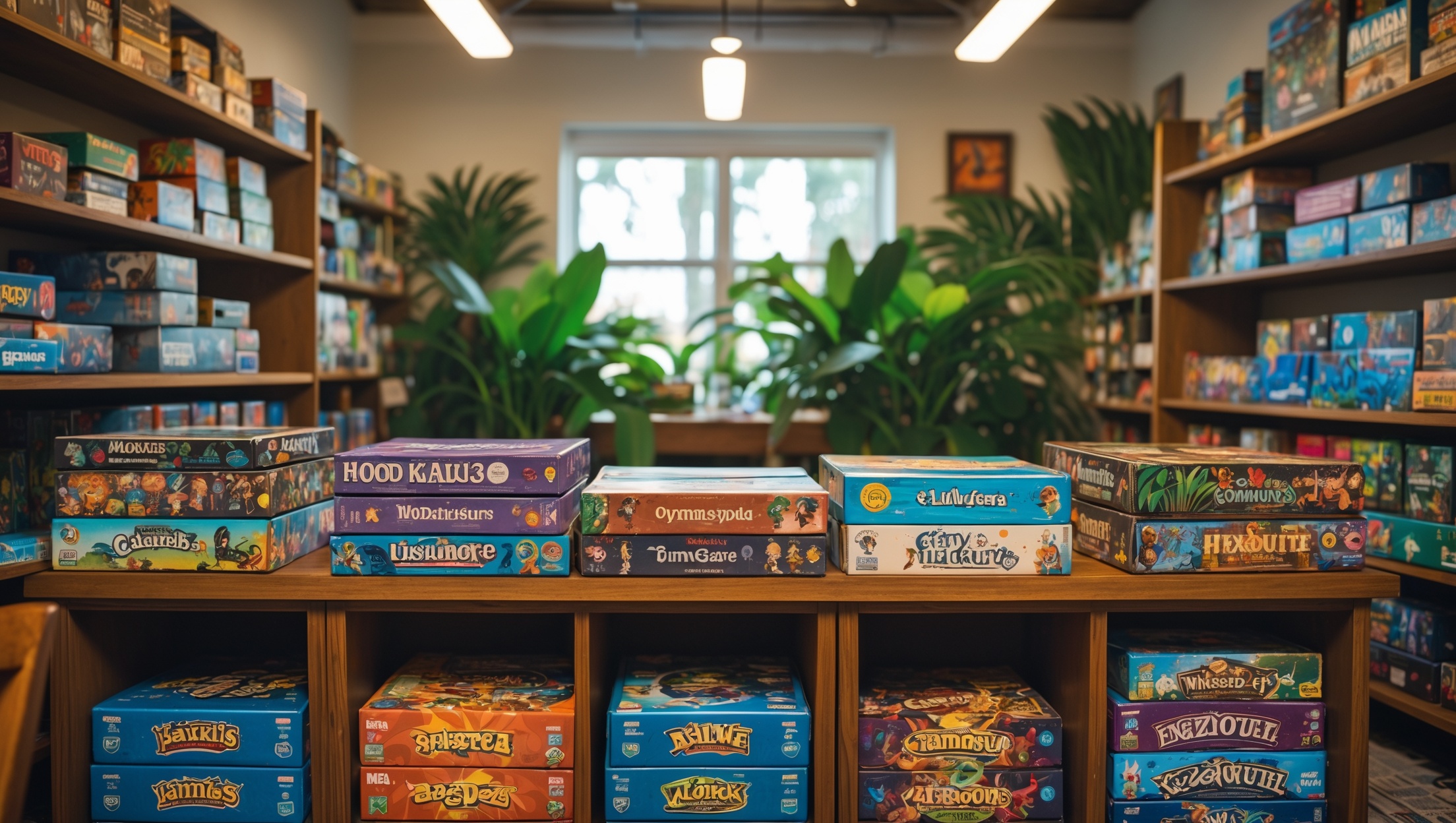
Step-by-Step Setup and Maintenance of St. Pete’s Community Lending Libraries for Board Games

Introduction: The Power of Community Board Game Lending Libraries in St. Petersburg
St. Petersburg, FL, is renowned for its vibrant neighborhoods, creative spirit, and a growing culture of shared resources. Among the city’s most engaging community-driven initiatives is the board game lending library—a resource that brings people together, sparks intergenerational connections, and cultivates a sense of belonging through play. Whether housed in a local recreation center, library, or neighborhood association hub, these lending libraries offer more than just entertainment. They foster mental agility, encourage social interaction, and provide accessible fun for all ages.
But launching and maintaining a community board game lending library in St. Pete requires more than a love for Catan or Ticket to Ride. From securing a welcoming space to navigating city regulations, budgeting, cataloging, and ensuring game longevity, organizers must address several critical factors unique to our city. This comprehensive guide delivers a step-by-step roadmap, complete with practical local insights, budgeting strategies, compliance tips, and best practices for long-term sustainability. Whether you’re a passionate gamer, a community leader, or a first-time volunteer, you’ll find actionable advice to make your project a lasting success in the Sunshine City.
Why Board Game Lending Libraries Matter in St. Petersburg
Building Social Bonds
St. Pete’s neighborhoods are mosaics of diverse backgrounds and interests. Board games are natural icebreakers, helping new residents connect with longtime locals, families bond across generations, and neighbors discover common ground. Organizing regular board game nights or open play sessions can spark ongoing friendships and strengthen community ties.
Accessible Entertainment for All
Not everyone can afford the latest board games, which often retail for $30–$60 each. By pooling resources and offering lending services, your library ensures everyone—regardless of income—can enjoy high-quality games. This model also encourages responsible consumption and reduces environmental waste.
Educational and Cognitive Benefits
Board games support critical thinking, strategic planning, literacy, and numeracy skills. Many teachers and caregivers in St. Pete tap into local board game libraries for classroom enrichment or after-school activities, giving your project impact far beyond simple entertainment.
Planning Your Community Board Game Lending Library
Choosing the Right Location
St. Petersburg boasts a variety of potential venues. Consider:
- Public Libraries: Many branches are open to partnerships and have dedicated community activity spaces. Coordinate with the St. Petersburg Library System for guidelines and booking procedures.
- Recreation Centers: With extended hours and family-friendly atmospheres, these are ideal for regular lending hours and game nights.
- Neighborhood Associations or HOA Clubhouses: These spaces offer easy access for residents and may be available at low or no cost.
- Faith-Based or Community Organizations: Many offer unused space during weekdays.
When selecting a location, prioritize accessibility (ADA compliance), parking, and public transportation links. Confirm facility policies on storage, food and drink, and after-hours access.
Assembling Your Team
Recruit a small, dedicated team of volunteers to share the workload:
- Coordinator: Oversees operations, scheduling, and partnerships.
- Cataloguer: Manages inventory, tracks game checkouts, and processes donations.
- Community Liaison: Handles outreach, marketing, and event planning.
- Maintenance Lead: Inspects, cleans, and repairs games.
Consider tapping local gamer groups, teachers, librarians, or retirees with flexible schedules. Host an open house or info session to attract new volunteers.
Budgeting and Cost Breakdown: What to Expect in St. Petersburg
Start-Up Costs
- Initial Game Collection: $300–$1,000 for 20–40 games (mix of classics, family, and strategy titles).
- Shelving and Storage: $150–$400 for sturdy shelves, bins, and lockable cabinets (check local thrift stores or online marketplaces).
- Cataloging Supplies: $50–$100 for inventory tags, barcodes, and tracking software subscriptions (or use free open-source options).
- Marketing Materials: $100–$200 for flyers, posters, and online ads targeting St. Pete neighborhoods.
- Signage: $50–$100 for indoor/outdoor signs, sandwich boards, or shelf labels.
Total estimated launch cost: $650–$1,800, depending on donations and existing resources.
Ongoing Expenses
- Game Replacement/Repair: $100–$250 per year.
- Consumables: $50–$100 per year for cleaning supplies, baggies, and card sleeves.
- Event Hosting: $50–$150 per event for snacks, prizes, and venue fees (often waived for nonprofits).
- Software or Subscription Fees: $0–$60 per year for advanced tracking systems.
Keep costs low by soliciting game donations from local game stores, libraries, or families. Many St. Pete retailers are eager to support community projects—offer public recognition or co-hosted events in return.
Building and Managing Your Game Collection
Game Selection Tips
Curate a diverse collection to appeal to all ages and interests:
- Classics: Monopoly, Scrabble, Uno, Clue
- Modern Favorites: Ticket to Ride, Catan, Carcassonne, Codenames
- Quick-Play/Party Games: Sushi Go!, Exploding Kittens, Dixit
- Strategy and Cooperative Games: Pandemic, Forbidden Island, Azul
- Children’s Games: Outfoxed!, Zingo, Hoot Owl Hoot
Solicit suggestions from your community and rotate games seasonally to keep things fresh.
Cataloging and Tracking
Implement a simple yet robust tracking system:
- Assign a unique code or barcode to each game.
- Use free tools like Google Sheets or open-source library software (e.g., Koha, Libib).
- Track game condition, missing pieces, and borrower information.
- Set clear checkout periods (typically 7–14 days) and renewal policies.
Post clear borrowing guidelines at your location and online. Consider fines or “replacement pledges” for lost or damaged items, but keep policies friendly and flexible—your goal is accessibility, not revenue.
Compliance and Permitting: Navigating Local Rules
Understanding St. Pete Regulations
St. Petersburg is community-minded, but it’s crucial to check for:
- Facility Use Agreements: Most public venues require a formal application outlining your activities, hours, and insurance (if applicable).
- Liability Waivers: Especially important if minors participate or if events include food/beverage.
- Nonprofit Status: Registering as a 501(c)(3) or partnering with an existing nonprofit can unlock grant funding, discounted venue rates, and legal protections.
- Special Event Permits: Required for large gatherings, outdoor events, or use of city parks. Check the City of St. Petersburg’s event permitting portal for details.
Consult with city staff or a local attorney for tailored advice. Don’t let paperwork stall your project—most requirements are straightforward, and city officials are supportive of neighborhood initiatives.
Insurance Considerations
While board game lending is low risk, liability insurance is smart for events or large collections. Many venues require a certificate of insurance. Local agents can recommend affordable policies tailored to nonprofits or community groups.
Marketing Strategies That Work in St. Pete
Connecting with Your Audience
Successful board game lending libraries thrive on community engagement. Use these proven local tactics:
- Partner with Local Businesses: Collaborate with game cafés, bookstores, or coffee shops for cross-promotion and special events. In St. Pete, businesses often sponsor game nights or contribute prizes.
- Social Media: Create dedicated pages on Facebook, Instagram, and Nextdoor. Post photos of new games, upcoming events, and user testimonials. Leverage local hashtags like #StPeteGames or #SunshineCityFun.
- Community Calendars: Submit events to the St. Petersburg city calendar, neighborhood association newsletters, and local media outlets.
- Pop-Up Events: Host regular pop-up lending sessions at local farmers markets, festivals, or block parties to attract new users and volunteers.
- Word of Mouth: Encourage users to share experiences with friends and family. Offer small incentives, like a free raffle entry, for referrals.
Inclusive Programming
Offer themed game nights (family, strategy, kids, classics) or tournaments to appeal to different audiences. Partner with local schools, senior centers, or after-school programs for targeted outreach.
Maintenance and Sustainability: Keeping Your Library Thriving
Routine Care and Repair
- Inspect games upon return for missing or damaged pieces.
- Keep replacement parts (dice, cards, tokens) on hand—many publishers will send spares for free if you reach out.
- Use resealable bags to organize components and prevent loss.
- Clean games regularly with gentle wipes; avoid moisture-sensitive items.
- Rotate popular games to minimize wear and tear.
Document maintenance issues in your tracking system. Encourage borrowers to report problems promptly—consider a small “thank you” for honesty and care.
Volunteer Engagement
A thriving lending library depends on committed volunteers. Recognize their contributions with public shout-outs, appreciation events, or small perks (first pick of new games, gift cards from local partners). Hold quarterly team meetings to review operations and brainstorm improvements.
Fundraising and Donations
Keep your collection fresh and your budget healthy through:
- Donation Drives: Organize seasonal campaigns—many families are happy to donate gently-used games.
- Grant Applications: Local arts and community foundations often fund resource-sharing projects.
- Fundraiser Events: Host a board game marathon, trivia night, or silent auction with donated prizes.
Always thank donors publicly (with permission) and offer receipts for tax purposes if your group is registered as a nonprofit.
Case Study: The Crescent Heights Game Exchange
In 2022, a group of neighbors in Crescent Heights launched a board game lending library from a local church’s community room. Starting with just 15 donated games and a $500 micro-grant from a neighborhood partnership program, the group grew to over 120 members and a rotating collection of 50+ games by year’s end. Their keys to success:
- Biweekly open play nights with themed tournaments
- Strategic partnerships with local board game cafes, who provided new releases in exchange for promotion
- Clear, friendly lending policies and a “no blame” approach to lost or damaged pieces
- A digital catalog integrated with the neighborhood’s online forum
- Annual fundraising game-a-thon that doubled as a community mixer
The project inspired similar initiatives citywide, demonstrating the ripple effect of a well-run community resource.
Common Myths Debunked
- “Games Will All Go Missing or Get Destroyed.” With clear lending policies, community buy-in, and simple tracking, loss rates are minimal. Most borrowers treat shared games with care and respect.
- “Only Hardcore Gamers Will Use It.” Family games, party games, and classics appeal to a broad audience. Board game lending libraries are welcoming to all skill levels and ages.
- “It’s Too Expensive to Maintain.” With donations, local sponsorships, and modest fundraising, most libraries operate on a shoestring budget.
- “Permits and Insurance Are a Nightmare.” For small-scale, non-commercial lending libraries, local compliance is manageable, especially when partnering with established venues.
Conclusion: Building Lasting Connections Through Play in St. Petersburg
Launching a community board game lending library in St. Petersburg is more than a fun project—it’s an investment in the city’s social fabric. By providing a welcoming, accessible space for residents to gather, share, and play, you’re fostering connection, creativity, and lifelong learning. The practical steps outlined above—careful planning, smart budgeting, compliance with local rules, proactive maintenance, and effective marketing—will help your board game library not only survive, but thrive.
Remember, the most successful lending libraries are those that evolve with their communities. Regularly solicit feedback, keep programming fresh, and adapt policies to meet changing needs. Celebrate milestones, recognize volunteers, and stay visible through partnerships with local businesses and organizations. St. Petersburg’s reputation as a creative, connected city is built on grassroots initiatives like yours—ones that empower neighbors, welcome newcomers, and turn shared interests into lasting friendships.
Whether you start with a handful of games or a robust collection, your board game lending library can become a cherished neighborhood institution. The rewards—joy, laughter, learning, and community—are well worth every minute invested. So gather your team, roll the dice, and start building your own slice of St. Pete’s community magic today.
I really like the idea of making board games accessible for everyone, but I’m not sure how to build the initial collection on a small budget. Do you have suggestions for sourcing games affordably, like through local donations or partnerships? What worked best for you?
Starting a collection on a small budget is definitely possible. We had the most success by reaching out to the local community for donations—posting in neighborhood groups and asking board game enthusiasts to contribute gently used games. Partnering with local game stores also helped, as some offered discounts or donated demo copies. Hosting a board game drive event can bring in more donations and raise awareness at the same time.
You mention budgeting strategies for starting a community board game library in St. Pete. Could you share some examples of actual startup costs and ongoing expenses, especially regarding purchasing games and maintaining them over time?
For startup costs, you’ll typically spend $500–$1,000 for an initial collection of 20–40 board games, depending on the mix of classics and newer titles. Shelving, signage, and basic supplies might add another $200–$400. Ongoing expenses often include replacing lost or damaged pieces ($10–$50 per game annually on average), cleaning supplies, volunteer stipends if offered, and occasional game updates to keep the library fresh, usually requiring a small monthly or quarterly budget.
I’m curious about how you navigate city regulations when choosing a space for the lending library. Are there particular ordinances or permits in St. Petersburg that first-time organizers should watch out for?
When setting up a board game lending library in St. Petersburg, pay attention to zoning laws for your chosen space, especially if it’s not already a public venue like a library or community center. You may need a special use permit if you’re operating out of a non-traditional location. Also, be aware of any occupancy limits, signage restrictions, and fire safety regulations. It’s wise to check with the city’s Planning and Development Services department early in your planning process.