
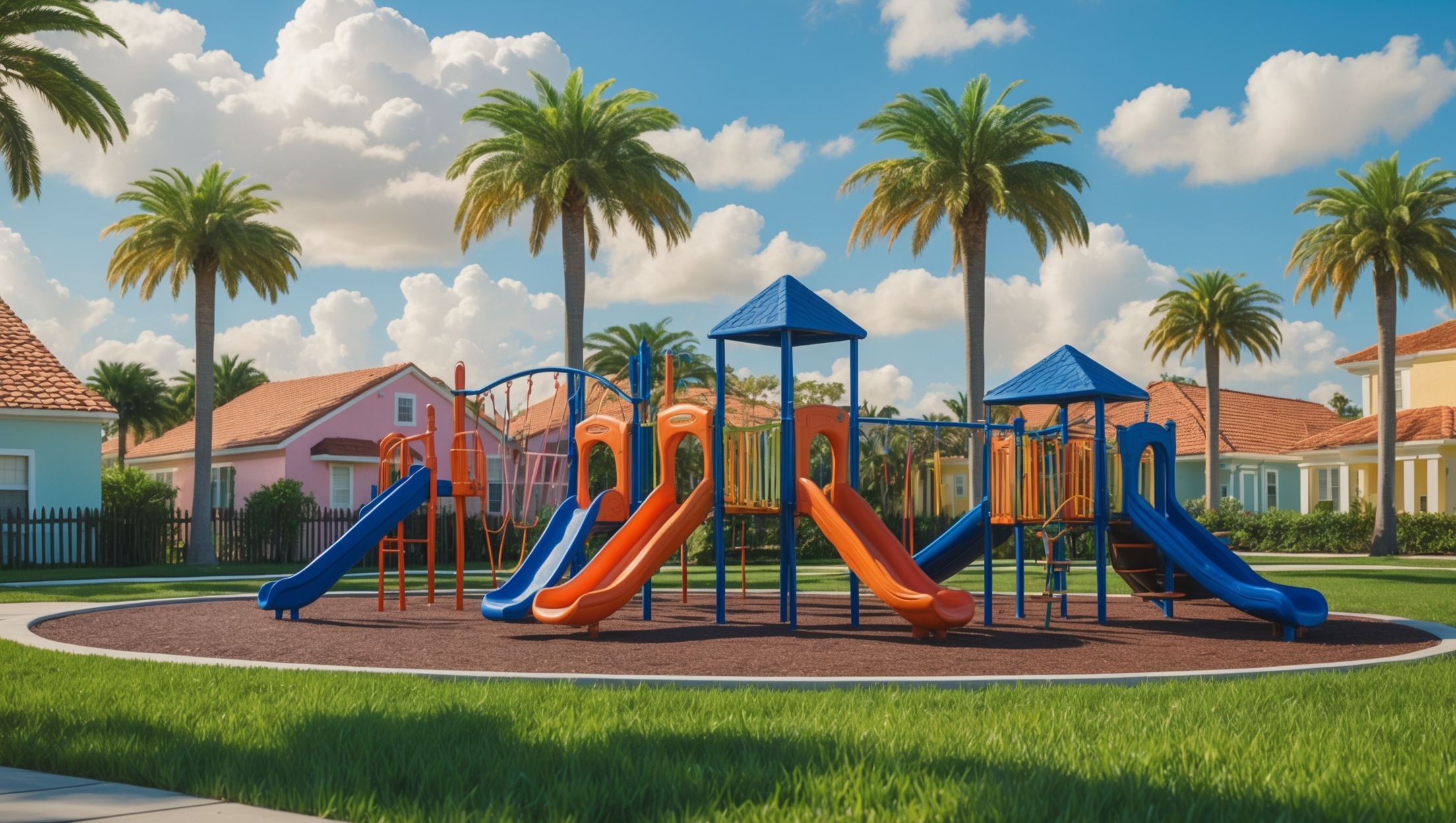
Budgeting and Funding Strategies for St. Pete Community Playgrounds: Local Insights for Lasting Impact

Introduction: Why Community Playgrounds Matter in St. Pete
St. Petersburg, FL, is a city known for its vibrant neighborhoods and a strong sense of community. Local playgrounds are more than just a collection of swings and slides—they’re essential gathering places that foster childhood development, encourage healthy lifestyles, and strengthen neighborhood bonds. Yet, launching or revitalizing a community playground requires more than enthusiasm and a patch of land. The real challenge lies in budgeting, securing funding, and navigating local realities to make sure your playground is safe, accessible, and sustainable for years to come. In this guide, we’ll break down the real-world costs of building a playground in St. Pete, explore creative funding strategies, and highlight local resources to help you turn your playground vision into a lasting community asset.
Understanding the Real Costs of a St. Pete Community Playground
Factors That Shape Your Budget
Every playground project is unique, but several core factors affect your budget:
- Site Preparation: Clearing land, grading, and surfacing are often underestimated costs. St. Pete’s sandy soil and hurricane risk may require additional drainage or anchoring.
- Equipment: Slides, swings, climbing structures, and accessible features. Costs vary based on quality, materials (metal, plastic, wood), and inclusivity.
- Safety Surfacing: Mulch, poured-in-place rubber, or synthetic turf. Each has different upfront and maintenance costs. Local conditions (heat, rain) impact your choices.
- Fencing & Lighting: Essential for security and evening use. City codes may require specific fencing heights or lighting standards.
- Installation: Labor, equipment rental, and possible volunteer coordination. Professional installation is often required for liability reasons.
- Permits & Inspections: City of St. Petersburg permits, safety inspections, and possible impact fees.
- Accessibility Features: ADA-compliant ramps, pathways, and inclusive play elements—critical for public spaces.
- Landscaping & Amenities: Benches, shade structures, water fountains, and signage.
- Ongoing Maintenance: Mulch replenishment, equipment checks, landscaping, and cleaning.
Sample Budget Breakdown (2024)
- Site Preparation: $7,000 – $15,000
- Play Equipment: $25,000 – $100,000+
- Safety Surfacing: $5,000 – $40,000
- Fencing & Lighting: $8,000 – $20,000
- Installation Labor: $10,000 – $30,000
- Permits & Inspections: $1,500 – $5,000
- Accessibility Features: $6,000 – $25,000
- Landscaping & Amenities: $7,500 – $20,000
- Contingency (10–15%): $7,000 – $20,000
Total Estimated Cost: $77,000 – $275,000+
These figures reflect typical community playgrounds in St. Pete and include both DIY and contractor-led projects. Costs can be reduced with in-kind donations, volunteer labor, and phased construction.
Creative Funding Sources for St. Petersburg Playgrounds
Local Grants and City Support
- City of St. Petersburg Neighborhood Grants: The city offers Neighborhood Partnership Grants, which can fund playground equipment, landscaping, and accessibility improvements. Application cycles and award amounts vary; check the city’s official website for deadlines.
- Pinellas Community Foundation: Offers grants for projects that benefit youth, community wellness, and public spaces. Review eligibility and consider partnering with a local nonprofit for greater impact.
- St. Petersburg Parks & Recreation: Occasionally supports neighborhood-driven playground projects, especially those promoting inclusivity or environmental sustainability.
State and National Grants
- KaBOOM! Grants: National nonprofit KaBOOM! partners with communities to fund and build playgrounds. Their grants often require a community build day and matching funds, but provide significant equipment discounts and planning support.
- Florida Department of Environmental Protection (DEP) Grants: DEP’s Land and Water Conservation Fund supports public recreation projects, including playgrounds. Applications are competitive, so strong community backing is key.
- Local Businesses & Corporate Partners: Many St. Pete businesses offer sponsorships or in-kind donations (materials, labor, landscaping). Approach local banks, realtors, or health organizations with a clear pitch and recognition plan.
Fundraising and Community Engagement
- Crowdfunding Campaigns: Platforms like GoFundMe or ioby (which specializes in neighborhood projects) allow you to reach local supporters. Share stories, visuals, and progress updates to build momentum.
- Community Events: Host a block party, fun run, or silent auction with proceeds going toward the playground fund. Partner with local musicians, food trucks, or artists for added appeal.
- Adopt-a-Bench or Brick Programs: Offer donors the chance to sponsor a bench or purchase an engraved brick for the playground entrance. Recognition builds community pride and repeat giving.
In-Kind and Volunteer Contributions
- Skilled Volunteers: Seek help from local contractors, landscapers, and handypeople. Their time can offset significant labor costs—be sure to recognize contributors publicly.
- Material Donations: Reach out to hardware stores, nurseries, and fencing companies for surplus materials or discounts. Many businesses are eager to support visible, family-friendly projects.
- Partnerships with Local Schools: Involve students and parent groups in fundraising, planning, and build days. Schools often have access to additional grant opportunities.
Building a Realistic Timeline and Phased Approach
Setting Milestones
Establishing a timeline keeps your project organized and funders engaged. Consider these phases:
- Phase 1: Community Needs Assessment & Site Selection (1–2 months)
- Phase 2: Budgeting, Fundraising & Design (3–6 months)
- Phase 3: Permitting & Procurement (1–2 months)
- Phase 4: Site Prep & Installation (1–2 months)
- Phase 5: Inspection, Grand Opening & Ongoing Maintenance (1 month, then ongoing)
If funds are limited, consider a phased build: start with swings and slides, then add climbing features, landscaping, and amenities as additional funding becomes available.
Local Tips for Stretching Your Playground Budget
Leverage Local Knowledge
- Consult St. Pete Parks & Recreation Early: Their team can advise on site selection, city requirements, and possible technical support.
- Engage Neighborhood Associations: Local associations may have existing funds, volunteers, or political capital to help fast-track your project.
- Shop Local Vendors: Local playground suppliers may offer discounts or faster service than national chains. Always request community project pricing.
Prioritize Safety and Accessibility
- Invest in Durable Equipment: Cheaper equipment may save money upfront but can cost more in repairs and replacements over time—especially with Florida’s intense sun and storms.
- Choose Low-Maintenance Surfacing: Engineered wood fiber is affordable but needs frequent topping up; rubber surfacing is pricier but lasts longer and is ADA-compliant.
- Plan for Shade: St. Pete’s climate makes shade structures a must. Consider both natural (trees) and artificial options, and budget for their installation and upkeep.
Get Creative with Amenities
- Repurpose Materials: Use upcycled tires for climbing, or reclaimed wood for benches. Ensure materials meet safety standards.
- Public Art Partnerships: Collaborate with local artists for murals or sculptures that double as play features, making your playground uniquely St. Pete.
- Community Murals: Paint a wall or fence with neighborhood kids—funded through a small arts grant or donations.
Ensuring Long-Term Success: Maintenance and Sustainability
Budgeting for the Long Haul
Don’t let your playground fall into disrepair after the ribbon-cutting. Include these in your financial plan:
- Annual Maintenance Fund: Set aside 5–10% of your initial construction budget each year for repairs, surfacing replenishment, paint, and landscaping.
- Volunteer Maintenance Days: Organize quarterly or biannual clean-up and inspection events, involving neighborhood families and local businesses.
- Partnerships for Upkeep: Work with local businesses or service clubs (like Rotary or Kiwanis) to sponsor ongoing maintenance or provide volunteer teams.
Risk Management and Insurance
- Obtain Proper Insurance: Work with the City or a local insurance broker to ensure your playground is covered for liability. Requirements may differ for public vs. private land.
- Plan for Weather Events: St. Pete’s storm season can damage equipment or landscaping. Choose wind- and rust-resistant materials, and budget for emergency repairs.
Case Study: The Azalea Park Playground Revamp
In 2022, the Azalea neighborhood in St. Pete successfully revitalized their aging playground by mixing city grants, local fundraising, and corporate sponsorships. The project started with a neighborhood survey to identify priorities—accessibility, shade, and modern play features topped the list. Over eight months, the team:
- Secured $25,000 from the City’s Neighborhood Partnership Grant program
- Raised $18,000 via a GoFundMe campaign, with local businesses matching contributions
- Received in-kind donations: mulch from a local landscaping company, benches from a woodworking club, and installation labor from a union contractor
- Partnered with a local artist for a mural, funded by a $2,500 Pinellas Community Foundation grant
- Organized quarterly volunteer clean-up days, ensuring the playground remains safe and inviting
The result: a vibrant, accessible playground that’s become a community hub—and a model for other neighborhoods in St. Pete.
Conclusion: Building a Legacy, One Playground at a Time
Launching a community playground in St. Petersburg is an ambitious, rewarding project. Success depends on careful budgeting, creative funding, and strong local partnerships. By understanding the true costs, tapping into city and state grants, and engaging your neighbors at every stage, you’ll create a playground that’s not only beautiful but also sustainable and safe for generations of kids. Remember to plan for ongoing maintenance, involve a wide variety of supporters, and embrace the unique character of your neighborhood—every playground tells a story, and yours can become a lasting testament to what St. Pete residents can achieve together. Whether you’re just starting to brainstorm or ready to break ground, these strategies will help you build a space that brings joy, health, and connection to your community for years to come.
I’m curious about how frequent hurricanes and heavy rain in St. Pete impact the long-term maintenance costs for playgrounds. Do certain safety surfacing materials or equipment types hold up better in these conditions, or does the weather make upkeep much more expensive over time?
Frequent hurricanes and heavy rain in St. Pete definitely increase long-term maintenance costs for playgrounds. Materials that are water-resistant, like poured-in-place rubber surfacing and stainless steel or coated metal equipment, tend to hold up better in these conditions compared to wood or loose-fill surfaces like mulch. Choosing durable, weather-resistant options upfront can help lower upkeep costs, but overall, the harsh weather does make long-term maintenance more expensive.
We are a small business interested in supporting a neighborhood playground project. Are there recommendations for collaborating with the city on permits and inspections, especially around meeting ADA-compliance and local safety standards?
Collaborating with the city is a great way to ensure your playground project meets all required standards. It’s best to connect early with the local Parks and Recreation Department; they can guide you through permit applications, inspection schedules, and relevant safety codes. For ADA compliance, request the city’s accessibility guidelines and consider working with a certified playground inspector. Regular communication with officials will help address any issues quickly and keep the project on track.
For a small neighborhood group with limited funds, what are some realistic first steps to take before approaching the city for permits and inspections? Would starting with site preparation or community fundraising usually make more sense in St. Pete based on your experience?
For small neighborhood groups in St. Pete, it’s often best to start with community fundraising and outreach before site preparation. Building local support can help you gather resources and demonstrate commitment when approaching the city. Once you have some funds and interest, you can organize volunteer clean-ups or planning sessions, which shows the city you’re organized and invested when you’re ready to discuss permits and inspections.
We’re trying to budget for a new playground in our neighborhood, but with St. Pete’s frequent rain and heat, is there a surfacing material that holds up better long term without driving up maintenance costs?
For St. Pete’s rainy and hot conditions, poured-in-place rubber surfacing is a popular choice. It’s durable, drains well after storms, and stands up to heat better than many alternatives. While the initial cost can be higher, it typically requires less maintenance over time than wood mulch or sand, helping reduce long-term expenses. If budget is tight, engineered wood fiber is another option, but it does need more frequent top-ups and can get muddy.
I’m interested in the different safety surfacing options like poured-in-place rubber versus mulch, especially considering St. Pete’s rainy and hot climate. Have you found one surfacing material to be more cost-effective over time for maintenance and durability?
Poured-in-place rubber is generally more durable and low-maintenance in St. Pete’s hot and rainy weather compared to mulch. While the upfront cost is higher, rubber surfacing tends to last longer, drains well, and doesn’t require frequent topping off like mulch does. Mulch is less expensive initially but may break down faster, scatter, or shift after storms, leading to more maintenance costs over time. For long-term value and safety, many local projects favor poured-in-place rubber.