
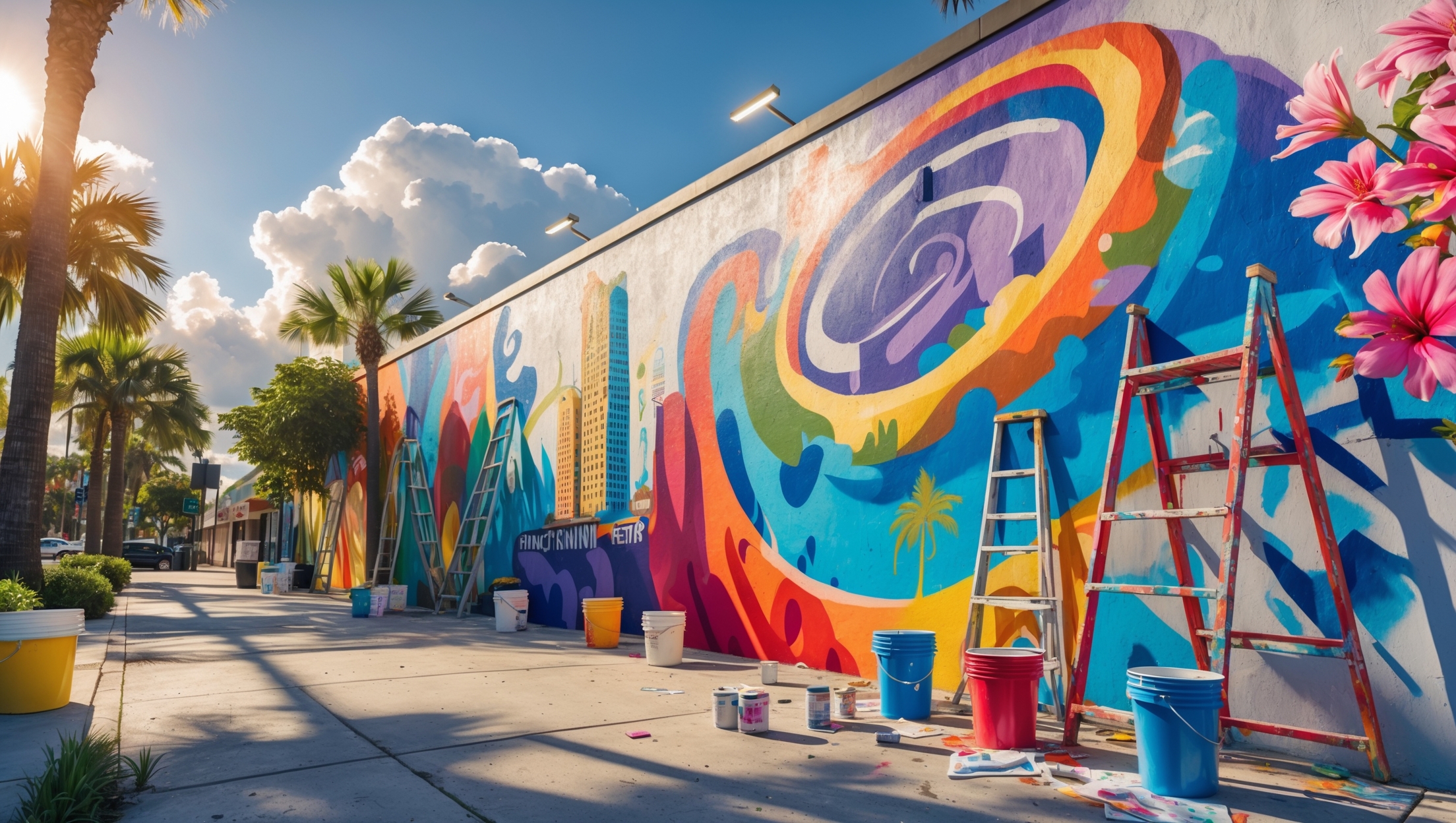
Essential Tools & Techniques for Launching a St. Petersburg Community Mural Walk

Introduction: Connecting St. Pete Through Artful Streets
St. Petersburg, FL, has become a national destination for stunning public art, with murals transforming blank walls into vibrant storytelling canvases. Community-driven mural walks are more than art installations—they’re catalysts for local engagement, economic revitalization, and creative collaboration. A well-executed mural walk links neighborhoods, celebrates the city’s unique identity, and invites residents and visitors to explore St. Pete on foot. But behind every dazzling mural walk is a toolkit of specialized equipment, careful planning, and proven techniques that ensure each project reaches its full potential.
This in-depth guide goes beyond inspiration, offering a field-tested overview of the tools, materials, and expert approaches essential for anyone organizing a community mural walk in St. Petersburg. From selecting safe, durable paints to assembling portable scaffolding, we’ll break down the specifics that keep your project running smoothly—on budget, on schedule, and with the community at its heart. Whether you’re an organizer, a local artist, or a neighborhood leader, you’ll find actionable insights here to help transform your streetscape into a living gallery that bridges people, projects, and ideas across St. Pete.
Project Planning: Defining Your Mural Walk’s Scope
Mapping Your Route & Selecting Walls
Before you pick up a paintbrush, you need a clear roadmap. Start by identifying neighborhoods that will benefit most—historically underserved areas, business corridors seeking revitalization, or districts already known for their creative energy. Walk the area, noting blank walls, building conditions, and sightlines. Use a digital map (like Google My Maps) to plot potential mural sites and walking routes. Consider:
- Visibility: High foot traffic, transit routes, and intersections amplify impact.
- Safety: Well-lit, pedestrian-friendly locations minimize risk and attract more visitors.
- Wall Condition: Smooth, structurally sound surfaces reduce prep work and improve mural longevity.
Securing Permissions & Community Buy-In
Engage property owners early. Present your vision, address concerns, and offer sample agreements. Involve neighborhood associations and local businesses. Host feedback sessions or pop-up events to refine the mural themes and build local enthusiasm. Document all permissions and agreements for future reference.
Essential Tools & Equipment for a Seamless Mural Walk Project
Surface Preparation Gear
Proper prep is the foundation of every lasting mural. Invest in:
- Pressure Washer: Removes dirt, mildew, and loose paint. Look for models with adjustable PSI for delicate surfaces.
- Wire Brushes & Scrapers: For scraping flaking paint and smoothing rough patches.
- Patching Compound & Trowels: Use masonry filler for cracks or holes; a set of trowels aids in even application.
- Drop Cloths & Masking Tape: Protect sidewalks, landscaping, and adjacent surfaces from paint splatter.
- Protective Gear: Gloves, safety goggles, and N95 respirators for dust and debris.
Painting & Application Tools
Quality tools speed up the process and enhance results. Equip your team with:
- Brushes: A range of synthetic bristle brushes (1″ to 6″) for detail and broad strokes.
- Rollers & Extension Poles: For covering large wall areas quickly. Use high-nap rollers for rough stucco, low-nap for smooth concrete.
- Paint Sprayers: Speeds up base coats and large color fields, but requires careful masking and ventilation.
- Palettes, Buckets, & Trays: Durable, easy-to-clean containers for mixing and transporting paints.
- Chalk, Grease Pencils, or Projectors: For transferring sketches or grid lines to the wall.
Access Equipment & Safety Essentials
Many mural walls require working at height. Safety and access are non-negotiable:
- Step Ladders & Extension Ladders: Choose sturdy, commercial-grade ladders rated for outdoor use.
- Scaffolding: Portable aluminum scaffolds with lockable casters are ideal for larger projects. Include safety rails and toe boards.
- Personal Protective Equipment (PPE): Hard hats, non-slip shoes, and harnesses for work above 8 feet.
- Traffic Cones & Barricade Tape: Mark off work zones, especially near roads or sidewalks.
- First Aid Kit: Stock with wound care, burn ointment, and eye-wash for paint splashes.
Paints, Primers & Sealants: Choosing the Right Materials for St. Pete’s Climate
St. Petersburg’s humid, sun-soaked environment demands durable products:
- Acrylic Exterior Mural Paint: Brands like Nova Color or Golden Mural Paint are UV-resistant and flexible, reducing fading and cracking.
- High-Quality Masonry Primer: Ensures paint adhesion and extends mural lifespan. Use a stain-blocking variety for older walls.
- Anti-Graffiti Sealant: A sacrificial or permanent clear coat makes future cleaning easier. Water-based options are safer for artists and the environment.
- Color Reference Swatches: Standardize colors across multiple artists or walls for cohesive results.
Utility Tools & Miscellaneous Supplies
- Portable Generators & Extension Cords: For powering projectors, sprayers, or lights if outlets are unavailable.
- Solar-Powered Work Lights: Useful for early morning or evening work sessions.
- Water Buckets & Rags: For cleaning brushes and accidental spills.
- Weatherproof Storage Bins: Secure paint and tools overnight or during rain.
- Reusable Water Bottles & Shade Tents: Keep volunteers hydrated and cool during long days in the sun.
Techniques for a Professional-Quality Mural Walk
Surface Assessment & Wall Prep
Start with a thorough inspection. Photograph each wall and note problem areas. Schedule repairs for any major structural issues—mural paint won’t adhere to failing masonry. Clean all surfaces 24–48 hours before priming to allow for drying time. Mask off windows, trim, and landscaping to prevent accidental paint marks.
Design Transfer: From Sketch to Wall
Accuracy in design transfer ensures each mural matches the artist’s vision. Options include:
- Grid Method: Draw a grid over the sketch and replicate it, square by square, on the wall with chalk or light pencil.
- Projector Method: Use a digital projector at dusk or under a tent to trace outlines directly onto the surface.
- Freehand: For experienced muralists, direct sketching or painting is possible, but increases risk of errors.
Layering, Detailing, and Finishing
- Base Coat: Apply primer, then block in large background areas with rollers or sprayers.
- Detail Work: Use fine brushes and high-contrast colors for line work, shading, and highlights.
- Edge Clean-Up: After main painting, touch up borders with a steady hand and smaller brushes.
- Sealing: Wait 24–48 hours after final paint to apply anti-graffiti sealant. Use a clean roller or sprayer, following manufacturer instructions for best results.
Organizing the Team: Roles, Training, and Workflow
Key Roles for Community Mural Walks
- Project Coordinator: Oversees logistics, scheduling, and communications with property owners and volunteers.
- Lead Artist(s): Guides the design process, coordinates color palettes, and mentors less experienced painters.
- Surface Prep Crew: Handles all cleaning, patching, and masking—often volunteers with guidance from professionals.
- Painting Team: Divided by wall or section, includes skilled artists and trained community members.
- Safety Officer: Monitors proper use of ladders, scaffolds, and PPE; keeps first aid supplies on site.
- Documentation & Outreach: Photographs progress, manages social media, and connects with press or local news outlets.
Training & Volunteer Management
Host an orientation session before work begins. Cover tool safety, proper painting technique, and wall prep basics. Offer hands-on practice—especially for equipment like ladders and sprayers. Provide written guides and checklists on site for easy reference.
Workflow Tips for Multi-Wall Projects
- Stagger prep and painting crews to maximize efficiency.
- Assign clear start and finish dates for each wall, with buffer time for weather delays.
- Track supply usage and re-order materials proactively.
- Build in time for community walkthroughs to gather feedback and celebrate progress.
Budget Breakdown: Tools, Supplies, and Local Resources
Cost Categories
- Surface Prep: $200–$500 per wall (pressure washer rental, patching supplies, drop cloths, PPE).
- Paints & Primers: $300–$800 per mural (high-quality acrylics, primer, sealant).
- Tools & Equipment: $500–$2,000 (ladders, scaffolding, rollers, brushes, sprayers).
- Access & Safety Gear: $200–$600 (PPE, barricades, first aid, lighting).
- Miscellaneous: $100–$300 (storage bins, water bottles, cleaning supplies).
Costs can be reduced through partnerships with local hardware stores, paint suppliers, and art nonprofits. Seek donations or in-kind sponsorship for paint, equipment rentals, or refreshments for volunteers.
Local St. Pete Resources
- Arts Alliance: Offers mini-grants and connects artists to public art opportunities.
- Community Tool Libraries: Rent or borrow ladders, pressure washers, and basic painting gear.
- Neighborhood Associations: May have funds, volunteers, or contacts with property owners.
- Local Paint Shops: Some provide discounts for community projects—always ask.
Maintenance & Longevity: Protecting Your Mural Walk Investment
Routine Inspection Checklist
- Inspect walls quarterly for water damage, peeling, or graffiti.
- Reapply anti-graffiti sealant every 2–3 years, or as needed after cleanings.
- Touch up faded or chipped areas promptly to prevent further deterioration.
- Keep a digital archive of original designs and color codes for easy restoration.
Graffiti & Damage Response
If graffiti occurs, act quickly. Clean with a soft brush and mild solvent; re-coat with sealant if necessary. For major vandalism or weather damage, coordinate with the original artist or a local restorer to match style and color as closely as possible.
Community Stewardship
Encourage local “mural guardians”—businesses or residents nearby who help report damage and coordinate minor cleanups. Involve schools or youth groups in periodic maintenance days to foster long-term pride and care for the artwork.
Showcasing Your Mural Walk: Digital Tools & Outreach
Interactive Maps & QR Codes
Create a digital map of your mural walk using platforms like Google My Maps or StoryMapJS. Place QR codes at each mural that link to artist bios, process videos, or neighborhood history. This adds educational value and encourages visitors to share their experiences online.
Social Media & Local Press
- Post progress updates, time-lapse videos, and before/after shots on Instagram and Facebook.
- Tag local art organizations, city accounts, and neighborhood groups to amplify your reach.
- Invite local news outlets for launch events or milestone unveilings.
Hosting Walking Tours & Community Events
Organize guided mural walks with artists or local historians. Schedule launch celebrations, pop-up art classes, or scavenger hunts to keep interest high and draw new visitors to the area. Collaborate with nearby cafes or shops to offer discounts for mural walkers, further benefiting the local economy.
Conclusion: Building Lasting Impact Through Artful Collaboration
Launching a community mural walk in St. Petersburg is a powerful way to unite neighborhoods, spotlight local artists, and tell the city’s evolving story. With the right tools and techniques—careful planning, quality equipment, and a focus on community engagement—your mural walk can become a source of pride and inspiration for years to come. Each brushstroke connects people and place, sparking new projects and strengthening the city’s creative fabric. The process is demanding, but the rewards are visible on every block: increased foot traffic, new friendships, and a richer public realm.
As you embark on your mural walk journey, remember that success lies in the details. Invest in durable, climate-suited materials, prioritize safety and training, and build strong partnerships with local stakeholders. Don’t overlook ongoing maintenance and digital outreach—these ensure your murals stay vibrant and accessible to all. Above all, keep the community at the center, inviting input, participation, and stewardship at every stage. In doing so, you’ll not only brighten St. Pete’s walls but also help shape a city that values creativity, connection, and shared stories.
For more local resources, tool sharing, or mural walk inspiration, connect with St. Petersburg’s thriving network of artists and neighborhood leaders. Your next great community project could be just a paintbrush away.
The article talks about balancing budget and community involvement when planning a mural walk. What are some realistic budgeting tips for small neighborhood groups that want to start a project like this but have limited funds?
For small neighborhood groups, consider partnering with local businesses for sponsorships or in-kind donations like paint or refreshments. Look for grants from local arts councils or community organizations. Use volunteers as much as possible, and seek out emerging artists who may be willing to participate for lower fees or exposure. Plan a smaller-scale mural walk to start, focusing on just a few walls to keep costs manageable while building community interest.
When you’re selecting paints for outdoor murals in St. Pete’s climate, are there particular brands or types you’ve found that balance durability and budget well? I’m curious if humidity or salt air has influenced your choices.
In St. Pete’s humid, coastal climate, choosing the right paint is definitely important. Acrylic latex paints, especially those labeled for exterior use, tend to handle both humidity and salt air well. Brands like Behr and Sherwin-Williams offer exterior mural paints that are durable but still budget-friendly. It also helps to use a UV-protective sealer to preserve the mural’s colors and prevent peeling.
What kind of budgeting tips do you have for assembling portable scaffolding and other equipment? I want to keep costs down without compromising on safety for artists and volunteers.
To keep costs down while ensuring safety, consider renting portable scaffolding instead of buying, as this can be much more affordable for short-term projects. Reach out to local construction companies or equipment rental businesses and ask about nonprofit or community rates. Always check that scaffolding is certified and in good condition. For other equipment, see if local hardware stores will sponsor or lend items in exchange for recognition in your mural walk materials.
When mapping out the mural walk route, what strategies do you suggest for working with property owners who might be hesitant to have their walls used? Have you faced any challenges with permissions and how were those handled?
When working with property owners who are hesitant, start by sharing examples of successful mural walks and highlighting benefits to their property and the community. Listen to their concerns, address issues like graffiti prevention and maintenance, and offer clear agreements. In the article, obtaining permissions did present challenges, but clear communication and involving property owners in the planning process helped build trust and secure approvals. Offering to feature them in promotional materials can also be a good incentive.
I’m curious, when you’re scouting potential mural sites in different neighborhoods, how do you balance visibility and safety with making sure the project includes underrepresented areas that might not have high foot traffic yet?
When selecting mural sites, it’s important to balance visibility and safety while ensuring inclusion. We often work closely with local community leaders to identify underrepresented areas that could benefit from more public art. Even if these spots have lower foot traffic, we prioritize their stories and make sure the murals are accessible and well-lit. Sometimes, we hold special events or guided walks to draw attention and visitors to these neighborhoods, helping boost both visibility and community pride.
When mapping out the mural walk, did you find it more effective to prioritize walls in highest-traffic areas, or is it sometimes better to include hidden gems in less popular neighborhoods to get people exploring new spots?
Both approaches have their benefits. Prioritizing murals in high-traffic areas helps attract more visitors and creates immediate visibility for the walk. However, including hidden gems in quieter neighborhoods can encourage people to explore beyond the usual spots, making the experience more unique and engaging. In the article, we suggest finding a balance—starting with a core route through popular areas, then adding select murals in less-traveled neighborhoods to diversify the walk and highlight the wider community.
For organizers working within a tight budget, what are some cost-saving tips when it comes to sourcing durable paints and portable scaffolding? Are there local partnerships or resources in St. Pete you’d recommend tapping into for these materials?
For budget-conscious organizers, consider reaching out to local hardware stores and paint suppliers in St. Pete for sponsorships or bulk discounts on durable paints. Many businesses are open to supporting community art projects. For portable scaffolding, check with local construction companies or equipment rental businesses—they sometimes loan or rent out equipment at reduced rates for community initiatives. Also, local arts organizations may have materials to share or advice on reliable resources.
When it comes to keeping the project on budget, what are your tips for estimating costs, especially with equipment like portable scaffolding and professional paints? Are there local resources or partnerships that help cushion expenses for first-time organizers?
To estimate costs, start by listing all necessary materials and equipment, such as scaffolding, paints, brushes, and safety gear, and then get quotes from local suppliers. Reach out to St. Petersburg hardware stores or paint shops, as they sometimes offer discounts for community projects. Local arts organizations and city arts councils may also provide grants or loan equipment to first-time organizers. Partnering with these groups can really help stretch your budget.
For organizers balancing tight budgets, what are some creative ways you’ve seen to source materials, recruit artists, or even fund scaffolding and equipment for a community mural walk? Are there local partnerships or grant programs in St. Petersburg that can help?
Organizers in St. Petersburg often partner with local businesses for donations of paint and supplies or arrange equipment loans in exchange for recognition during the event. Many have success working with local art schools and colleges to recruit artists or volunteers. For funding, the St. Petersburg Arts Alliance and the Creative Pinellas grant programs are strong options, and some teams have used crowdfunding or small business sponsorships to cover costs like scaffolding.
Once you’ve mapped out your mural walk route and selected the walls, what are the most effective next steps to get local artists and neighborhood groups involved in planning and painting? Any tips on facilitating that collaboration?
After choosing your route and walls, reach out directly to local artists and community groups through social media, art organizations, and neighborhood meetings. Host an initial planning session where everyone can share ideas and set shared goals. Clearly define roles, timelines, and expectations. Encourage open communication, and consider forming small committees for tasks like design, fundraising, and event coordination to keep everyone engaged and collaborative throughout the process.
When mapping out mural walk routes in St. Pete, how do you handle getting permissions from property owners, especially if you’re targeting blank walls in business corridors or historically underserved neighborhoods? Any tips for speeding up that part of the planning process?
When targeting blank walls, start by identifying property owners through public records or local business associations. Prepare a clear proposal that outlines the benefits of the mural walk for their property and the community. Personal visits and building relationships can help speed up approvals. In underserved neighborhoods, partnering with neighborhood groups or local nonprofits often builds trust and streamlines the permission process.
I noticed portable scaffolding was mentioned as essential equipment. For a community project with a tight budget, are there any reliable places in St. Pete to rent scaffolding, or tips for ensuring it’s set up safely by volunteers?
In St. Pete, local equipment rental companies like Sunbelt Rentals and Home Depot often offer affordable scaffolding rentals suitable for short-term projects. When setting up scaffolding with volunteers, always follow the manufacturer’s instructions, ensure all parts are securely locked, and place the structure on level ground. It’s also smart to have an experienced person oversee assembly and require everyone to use safety gear like helmets and non-slip shoes.
I’m curious about how you handle getting permissions from building owners when mapping out potential mural locations. Is there a typical process or paperwork involved in St. Pete, or does it vary by neighborhood?
Getting permissions from building owners in St. Pete typically involves reaching out directly to the property owner or manager to discuss your mural idea and get their approval. Most owners will want to see your proposed design and details about the project. While there isn’t a single citywide form, each neighborhood or building may have its own requirements, so expect some variation. It’s a good idea to prepare a simple agreement outlining responsibilities, maintenance, and duration to make the process smooth for everyone involved.
When mapping out the route and choosing walls, how do you approach getting permissions from building owners, especially in busy areas or business corridors that might be hesitant? Any tips for first-timers navigating that part?
When approaching building owners for mural permissions, it helps to come prepared with a clear proposal, including examples of previous murals, the potential benefits for their property, and details about maintenance and liability. In busy business areas, emphasize how murals can attract foot traffic and enhance the neighborhood’s image. Be patient and open to their concerns, and consider starting with owners who are already involved in community activities, as they’re often more receptive. Building trust and showing respect for their property goes a long way for first-timers.
When selecting walls for murals, how do organizers typically work out permissions with building owners in St. Petersburg? Is there a standard agreement or city process, or does it all depend on each individual property?
Organizers usually approach each building owner individually to discuss mural ideas and get written permission. There’s no single city-wide agreement or set process; most arrangements are unique to each property. Often, organizers draft a simple contract covering things like artwork approval, duration, and maintenance. It’s also common to check with the city for any permitting requirements, especially for larger or public-facing projects.
Do you have any tips for estimating the budget necessary for paints and materials that are both durable and safe, especially considering Florida’s humid, rainy climate?
When estimating your budget for paints and materials, focus on high-quality exterior acrylic paints designed for humid and rainy climates, as these resist fading and mildew. Factor in costs for weatherproof sealants and anti-graffiti coatings. Always check that materials are non-toxic and meet safety standards. It helps to get quotes from local suppliers and overestimate by 10–15% to cover any unexpected expenses.