
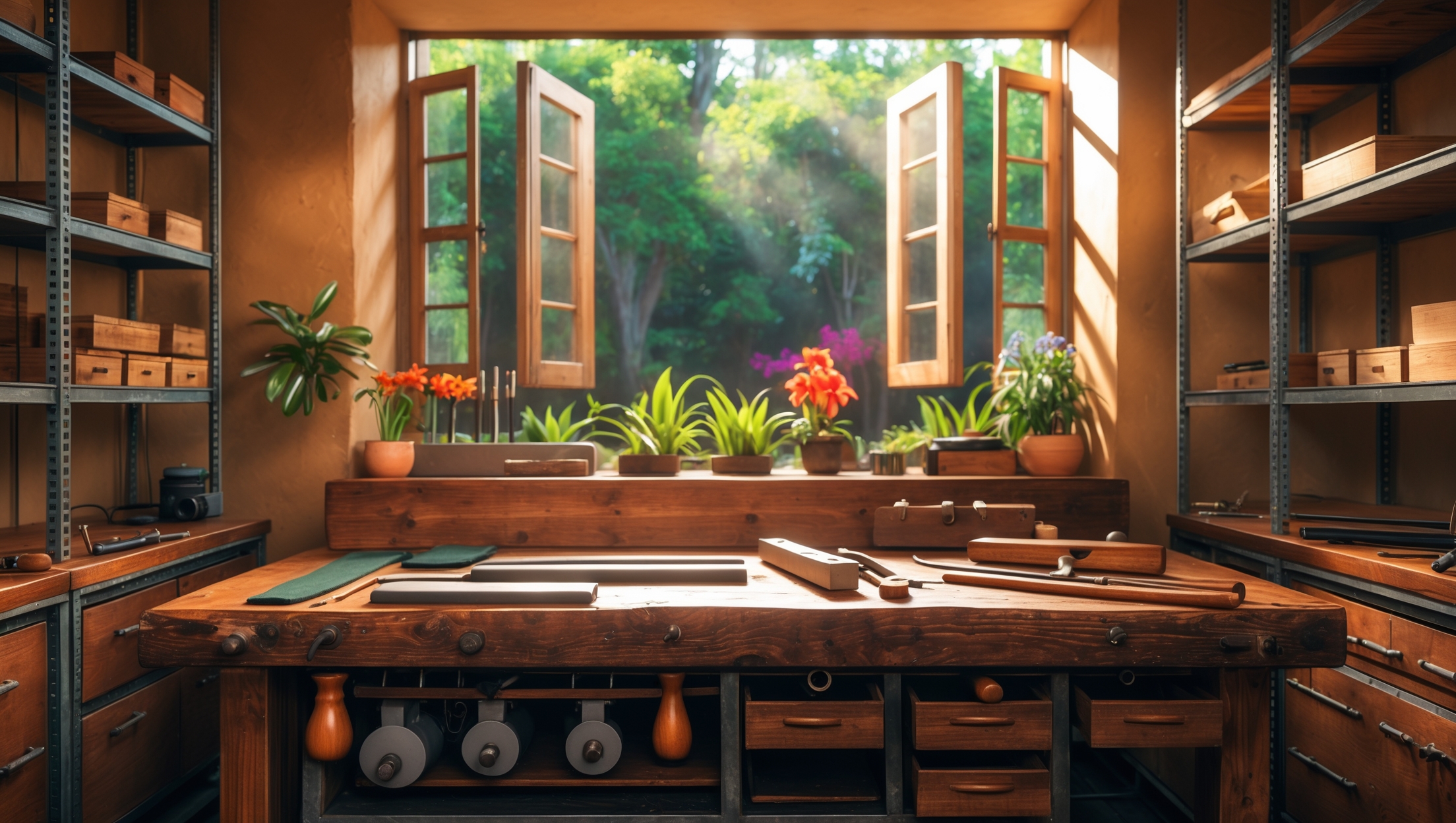
Step-by-Step Guide to Setting Up a Community Tool Sharpening Station in St. Petersburg, FL

Introduction: Why a Community Tool Sharpening Station Matters in St. Petersburg
St. Petersburg, FL, is home to a thriving network of gardens, workshops, and creative spaces, all relying on sharp, well-maintained tools. From community gardens pruning seasonally to local woodshops crafting sustainable furniture, sharp tools are essential for efficiency, safety, and project success. Yet, tool sharpening is often overlooked, both as a skill and as a communal resource. Blunt tools make tasks harder, increase the risk of accidents, and lead to unnecessary tool replacements. Establishing a community tool sharpening station not only extends tool lifespans but also empowers St. Pete’s residents with practical skills and fosters a spirit of collaboration.
This comprehensive guide will walk you through every step to establish a successful tool sharpening station in St. Petersburg. We’ll explore the budgeting process, sourcing equipment, navigating local regulations, designing safe workflows, and building community engagement. Whether you’re part of a neighborhood association, a garden group, or simply a concerned citizen, you’ll find actionable advice for launching a resource that serves your neighbors—and your city—as a whole.
Understanding the Need: Why Sharpening Stations Are a Community Asset
Reducing Waste and Tool Replacement
Blunt or poorly maintained tools are often discarded prematurely. By providing a space where tools can be regularly sharpened, you help keep tools functional for years longer, reducing costs and environmental impact.
Boosting Safety and Productivity
Sharp tools are safer and more efficient. Dull blades require more force and are more likely to slip, causing injuries. Community sharpening stations ensure everyone, from novice gardeners to experienced carpenters, can work more safely and effectively.
Fostering Skill-Sharing and Empowerment
Sharpening is a practical skill that many people in St. Pete may not have learned. Hosting workshops and hands-on sessions at your station encourages neighbors to become more self-reliant and confident in their abilities.
Planning Your Tool Sharpening Station
Assessing Community Interest and Needs
- Survey local groups (gardening clubs, makerspaces, neighborhood associations) to gauge interest.
- Identify the most common tools used in your community—pruning shears, shovels, chisels, kitchen knives, etc.
- Determine whether your station will be mobile (pop-up at events) or fixed (permanent location).
Choosing a Suitable Location
- Accessible: Ensure ADA compliance and public transit accessibility.
- Ventilation and Lighting: Sharpening generates dust and requires good visibility.
- Power Source: Some sharpening tools are electric; ensure adequate outlets.
- Protection from the Elements: Even if outdoors, provide shade or cover.
Building Partnerships
- Connect with local hardware stores or tool retailers for donations or discounts.
- Seek support from neighborhood associations and the City of St. Petersburg’s Community Services Department.
- Involve local experts—retired tradespeople, gardening instructors, or woodworking clubs.
Budgeting: Cost Breakdown for a Sharpening Station in St. Pete
Initial Setup Costs
- Workbench/Table: $150–$350 (sturdy, with clamp options)
- Sharpening Stones (whetstones, oilstones): $60–$200 for a set covering coarse to fine grits
- Sharpening Jigs and Guides: $20–$100
- Electric Sharpeners (bench grinders, belt sharpeners): $100–$400
- Safety Gear (gloves, goggles, dust masks): $50–$120
- Lighting (task lamps, if needed): $30–$80
- Storage (tool racks, bins): $40–$120
- Signage and Instructional Materials: $25–$75
Recurring and Maintenance Costs
- Replacement Stones/Belts: $40–$100 per year
- Consumables (oil, cleaning supplies): $25–$60/year
- Insurance and Permits (if required): $100–$400/year
Funding Strategies
- Apply for small grants from the City of St. Petersburg or local foundations.
- Host a kickoff event or crowdfunding campaign.
- Offer memberships or pay-what-you-can sharpening sessions.
Essential Tools and Equipment: What You’ll Need
Sharpening Tools
- Whetstones (various grits): For fine edge tools like knives and chisels.
- Diamond Stones: For fast, even sharpening.
- Oilstones: Ideal for certain woodworking tools.
- Bench Grinder: For lawnmower blades, axes, and larger tools.
- Belt Sander or Sharpening Belt System: For rapid material removal.
- Sharpening Jigs: Help maintain consistent angles for chisels, plane irons, etc.
Safety Equipment
- Protective gloves and goggles for all participants.
- Dust masks or small respirators, especially when using grinders.
- First aid kit on-site.
Workspace Essentials
- Sturdy workbenches with clamps for holding tools securely.
- Bright, adjustable task lighting.
- Non-slip mats or surfaces.
- Easy-to-clean floors or mats to catch filings and swarf.
Instructional Materials
- Printed guides with illustrations for different tool types.
- Clear signage for safety rules, tool drop-off/pick-up, and workflow.
Compliance and Permitting in St. Petersburg
Do You Need a Permit?
Generally, minor tool sharpening stations operated by nonprofits or community groups don’t require a special business permit, but check with the City of St. Petersburg’s Development Services Department for site-specific requirements. If you plan to operate as a business or charge fees, additional permits or inspections may apply.
Insurance Considerations
Even with careful supervision, sharpening tools carries some risk. Consider general liability insurance—especially if your station is hosted at a community center or public space. The City of St. Pete Risk Management Division can provide guidance on coverage types and local providers.
Safety and Accessibility Regulations
- Ensure all workspaces are accessible per ADA guidelines.
- Post clear safety signage and provide PPE (personal protective equipment).
- Train all volunteers in safe use of sharpening equipment.
Step-by-Step: Launching Your Tool Sharpening Station
1. Assemble a Core Team
- Recruit at least 2-3 people with experience in tool maintenance, plus volunteers for setup, outreach, and event support.
- Assign roles: equipment manager, safety lead, outreach coordinator, etc.
2. Secure Your Location
- Negotiate with local community centers, churches, schools, or garden clubs for hosting.
- Draft a simple agreement outlining responsibilities, hours, and insurance coverage.
3. Source Equipment and Supplies
- Reach out to local hardware stores (e.g., Pinellas Hardware, Home Depot).
- Look for tool donations from residents and businesses.
- Purchase or build workbenches, racks, and storage bins.
4. Set Up the Workspace
- Arrange benches for safe workflow (incoming, sharpening, outgoing).
- Install good lighting and ventilation if indoors.
- Set up signage and instructions in both English and Spanish if possible.
5. Develop Operating Procedures
- Draft a tool intake form: item, owner, condition, requested sharpening type.
- Set up a scheduling system for busy days or events.
- Establish clear cleaning and maintenance routines for all equipment.
6. Plan Your Launch Event
- Promote through neighborhood newsletters, local Facebook groups, and flyers at libraries and hardware stores.
- Offer free or sliding scale sharpening during the grand opening.
- Include live demos and short workshops—invite local experts!
7. Gather Feedback and Refine
- Ask users for suggestions (anonymous comment box or online survey).
- Adjust hours, services, or pricing based on feedback.
- Report back to community partners and supporters on progress and impact.
Maintenance Best Practices for Your Sharpening Station
Daily and Weekly Tasks
- Wipe down all sharpening surfaces and tools after each session.
- Inspect stones and grinders for wear; replace as needed.
- Empty dust collectors and clean floors to prevent debris buildup.
- Check and restock PPE supplies.
Monthly and Seasonal Tasks
- Deep clean all work areas and storage bins.
- Lubricate moving parts on grinders and jigs.
- Sharpen and maintain your own sharpening tools (yes, even they need it!).
- Review safety procedures and host a brief refresher for volunteers.
- Schedule a quarterly equipment audit and community feedback session.
Safety Checklist for Community Sharpening Operations
- All users must wear gloves and goggles when sharpening.
- Keep a clearly marked first aid kit within arm’s reach of the workbench.
- Post a list of emergency contacts and nearest urgent care locations.
- Only trained volunteers should operate power sharpeners; supervise all use.
- Ensure electrical cords are safely routed and do not pose tripping hazards.
- Store all chemicals (oils, lubricants) out of reach of children.
- Enforce a strict “no distractions” policy around active sharpening zones.
- Clean up spills and metal filings immediately to prevent slips or contamination.
Building Community Engagement and Ongoing Participation
Outreach Strategies
- Partner with local gardens, tool libraries, and makerspaces for cross-promotion.
- Offer periodic skills workshops—”Sharpen Your Kitchen Knives,” “Maintaining Garden Shears,” etc.
- Encourage neighbors to donate old or unused tools for practice or giveaway.
- Share success stories and before/after tool photos on social media.
Tracking Impact
- Keep simple metrics: number of tools sharpened, volunteer hours, repeat users.
- Solicit testimonials from users—these help with future funding and outreach.
- Report your results at neighborhood meetings or in local press.
Local Resources and Support in St. Petersburg
- Pinellas County Extension Office: Offers community garden support and potential volunteer connections.
- St. Petersburg Public Library System: Bulletin boards and event spaces for promotion.
- St. Pete Makers: A local makerspace with possible partnership opportunities.
- Sunshine Repair Café: Connect with similar projects for advice and shared events.
- City of St. Petersburg Community Services: Grants, insurance guidance, and compliance info.
Conclusion: Sharpening Skills, Strengthening Community
Launching a community tool sharpening station in St. Petersburg is about much more than keeping blades keen. It’s a catalyst for conversation, skill-sharing, and sustainable living. By offering neighbors a space to revive their tools, you empower them to care for gardens, build projects, and repair their homes with confidence. As you move through the steps—from planning and budgeting to hosting your first event—you’ll discover untapped talents in your community and inspire others to join in.
Remember, success isn’t measured only by the number of sharp tools, but by the connections forged and the knowledge passed on. Encourage regular feedback to keep improving, and don’t hesitate to adapt your services as neighborhood needs evolve. With careful planning, practical safety measures, and a welcoming spirit, your sharpening station can become a beloved fixture in St. Pete’s community landscape.
So gather your team, roll up your sleeves, and start honing more than just blades—you’ll be sharpening your community’s potential for years to come.
If our neighborhood already has a small tool library, would it make sense to combine the sharpening station with it, or are there benefits to keeping them separate? I’m trying to figure out the best structure for community engagement.
Combining the sharpening station with your existing tool library can make things more convenient for users, since they can borrow tools and get them sharpened in one place. It can also help with volunteer staffing and promotion. However, some neighborhoods prefer keeping them separate to allow different groups to manage each resource or to accommodate space limitations. Consider your community’s needs, available space, and volunteer capacity to decide which structure would encourage the most participation.
Our neighborhood association is considering this idea, but we’re unsure about what local regulations or permits might apply. Can you elaborate on the specific permits or health and safety guidelines we’d need to follow in St. Petersburg for a station like this?
In St. Petersburg, you’ll likely need to check with the city’s zoning department to ensure your location allows for a tool sharpening station, especially if it’s in a public or shared space. You may need a temporary use permit or a special event permit, depending on the setup. For health and safety, follow local fire codes, ensure safe tool handling procedures, and provide clear signage. It’s best to contact the city’s Neighborhood Affairs office or permitting department for guidance tailored to your exact location and plans.
I’m curious about the safety workflows you mentioned. Could you give an example of how you might organize the tools and set up the workspace to minimize accidents, especially if a lot of people are using the station at once?
To keep the workspace safe with multiple users, separate sharpening areas for each tool type—knives, lawn equipment, etc.—and clearly label stations. Store sharp tools in designated bins or racks with handles facing out. Set up a clear traffic flow so people move in one direction, reducing crowding. Provide safety gear at each station and post instructions and reminders about proper technique and tool handling to minimize accidents.
Once the station is set up, what ongoing maintenance or volunteer commitment does it typically require to keep the service running smoothly and the equipment in good condition?
Ongoing maintenance usually involves regular cleaning of the station, checking that all sharpening tools are in safe working order, and replenishing supplies like lubricant or sharpening stones. Volunteers typically sign up for weekly or biweekly shifts to handle these tasks and monitor equipment usage. It’s also helpful to keep a simple log for repairs or replacements and to organize occasional group clean-up days to keep everything in top shape.
I’m curious about the budgeting process you mentioned for setting up the tool sharpening station. What are the biggest expenses to expect upfront, and are there any cost-saving tips for sourcing quality equipment in St. Petersburg?
The biggest upfront expenses for a community tool sharpening station usually include sharpening machines, sturdy workbenches, safety equipment, and insurance. You might also need to budget for signage and storage. For cost savings, consider reaching out to local hardware stores or equipment suppliers in St. Petersburg to ask about refurbished tools or potential sponsorships. Sometimes, community members or local businesses may be willing to donate equipment or funds to support neighborhood projects.
I’m interested in starting a tool sharpening station in our neighborhood, but I’m not sure how to handle budgeting for the necessary equipment. Do you have recommendations on where to source affordable sharpening tools, or tips on fundraising in St. Pete?
For affordable sharpening tools, consider checking local hardware stores, online marketplaces like Craigslist or Facebook Marketplace, and community swap groups for used equipment. You might also reach out to local tradespeople who may be upgrading their tools and willing to donate or sell at a discount. For fundraising, neighborhood yard sales, community bake sales, or partnering with local businesses for sponsorship can work well in St. Pete. Posting about your project on neighborhood social networks can help rally support and attract donations.
I run a small garden co-op in St. Pete and we’re interested in setting up a sharpening station, but I’m unsure how to determine the right equipment quantities for our size. Is there a recommended ratio of sharpening tools to users you suggest?
For a small garden co-op, a common starting point is one sharpening tool (like a file or sharpening stone) for every 5 to 10 users. This helps prevent long waits while staying budget-friendly. If your group uses tools heavily or during the same hours, consider a lower ratio. You can always start small and add more as you see how much use the station gets.
After getting the station up and running, what strategies have other groups used to keep community engagement high and encourage people to come back for workshops or regular sharpening, especially after the initial excitement fades?
To keep community engagement high after launch, many groups schedule regular workshops and themed sharpening days, such as seasonal maintenance or skill-building sessions. Offering loyalty punch cards, recognizing frequent participants, and inviting local experts for demos can also help. Some stations use newsletters, social media updates, or friendly competitions to remind people about upcoming events and foster a sense of ongoing community involvement.
Could you clarify how local regulations in St. Petersburg might affect setting up a public station like this? I’m concerned about safety codes or permit requirements if we wanted to set something up at our community garden.
Local regulations in St. Petersburg do play a role in setting up a community tool sharpening station. You’ll likely need to check with the city’s zoning office to confirm if this type of activity is allowed on your site. Safety codes may require proper signage, secure storage, and possibly barriers to restrict access when unattended. Depending on the size and equipment used, you may need a permit, especially if electricity is involved. Contact the city’s permitting department or your local neighborhood association for clear guidance.
Do you have any advice on navigating city regulations or permits when setting up a tool sharpening station? I want to make sure we’re compliant but I’m not sure where to start with the local authorities in St. Pete.
Connecting with the city’s zoning and business licensing department is a great first step. They can clarify if your location allows for a community tool station and outline any required permits, such as for signage or small business activity. It’s also wise to check with local neighborhood associations, as they may have their own guidelines. Keep records of all correspondence for future reference.
Could you elaborate a bit more on how to navigate local regulations in St. Petersburg when setting up a tool sharpening station? I’m part of a garden club, and we want to be sure we’re covering all the legal bases before moving forward.
Navigating local regulations in St. Petersburg involves a few key steps. First, check with the city’s zoning department to ensure your chosen location allows for this type of activity. Next, you may need a business license or special use permit, especially if money is exchanged. It’s also good to consult with the city’s environmental services to handle waste properly. Reaching out to the local Chamber of Commerce or city hall can help clarify any other specific requirements for community projects.
The article mentions navigating local regulations when setting up the station. Were there any specific rules or permits in St. Pete that were challenging, and how did you address those? I want to avoid surprises during the setup process.
In St. Petersburg, one key challenge was ensuring the tool sharpening station complied with zoning and public safety regulations. We needed a temporary use permit for the communal space and had to coordinate with the city’s Neighborhood Affairs office. Fire safety and noise ordinances were also reviewed to make sure the operation wouldn’t disturb neighbors. I recommend checking with the city’s permitting office early and keeping records of all communications to avoid unexpected holdups.
I’m part of a community garden and worried about budgeting. About how much should we expect to spend on essential sharpening equipment if we’re starting small, and do you suggest buying new or looking for used tools?
For a small setup, you can expect to spend around $75 to $150 on essential sharpening equipment, such as a quality sharpening stone, a file, and a honing guide. If you’re open to buying used tools, you might be able to stay on the lower end of that range or even save more. Used equipment in good condition can work well, especially for a community garden just getting started.
Could you provide more detail on how to navigate local regulations when setting up a tool sharpening station in St. Petersburg? Are there any permits or safety guidelines specific to this area that organizers should be aware of?
When setting up a tool sharpening station in St. Petersburg, start by checking with the city’s Business Tax Division to determine if a business tax receipt or permit is needed, even for nonprofit or community projects. Consult the city’s zoning department to confirm that your chosen location allows this type of use. For safety, follow OSHA guidelines for handling sharpening equipment and verify if any local fire or building codes apply—especially if you’ll have on-site machinery. It’s wise to contact the local fire marshal and public works for guidance tailored to your setup.
When you mention budgeting for a community sharpening station in St. Petersburg, what are some realistic cost estimates for basic equipment and initial setup? Are there any local grants or organizations that typically help fund these types of projects?
For a basic tool sharpening station, expect initial costs of $300 to $700 for equipment like grinders, sharpening stones, safety gear, and a sturdy workbench. Additional expenses may include signage and basic storage. In St. Petersburg, you might explore local community foundations, neighborhood associations, or the city’s small grants programs, which occasionally support grassroots projects. Reaching out to local hardware stores or tool libraries for donations or partnership opportunities can also help offset some costs.
I’m curious about the budgeting process for setting up a tool sharpening station like you mentioned. What kind of costs should a small neighborhood group expect for the basic equipment and supplies, and are there any grants or local resources in St. Pete that could help with funding?
For a basic tool sharpening station, budget around $300–$600 for essentials like sharpening stones, files, a bench grinder, safety gear, and a sturdy workbench. Consumables such as oil and cleaning supplies are ongoing, but not too costly. St. Pete has small neighborhood grants through the city’s Neighborhood Partnership program, and some local hardware stores or tool libraries may also offer support or discounts to community groups.
How do local regulations in St. Petersburg typically affect a small operation like this? Are there specific permits or liability issues that someone organizing a sharpening station for their neighborhood should be aware of before getting started?
In St. Petersburg, local regulations can affect community projects like a tool sharpening station. It’s important to check if your city requires a permit to operate a community service, especially if you’re setting up in a public space. You should also consider liability insurance in case of accidents or injuries. Reaching out to the city’s permitting department and reviewing any homeowner association rules is a good place to start before launching your project.
If someone is starting a tool sharpening station within a neighborhood association, what potential city regulations or permits should they be aware of in St. Petersburg? Any advice on navigating local red tape during the initial setup phase?
When setting up a tool sharpening station within a neighborhood association in St. Petersburg, it’s important to check zoning regulations, noise ordinances, and any business licensing requirements—even if the operation is nonprofit. You may need a Home Occupation Permit or permission from your HOA. Reach out to the city’s zoning office early to clarify regulations. Document your plans in detail and be ready to adjust based on city feedback. Connecting with similar local initiatives can also provide valuable insights on navigating the permitting process smoothly.
The guide mentions navigating local regulations in St. Pete for setting up the station. Could you elaborate on what specific permits or safety inspections might be required, especially if we’re organizing this through a neighborhood association?
For a community tool sharpening station in St. Pete, you’ll likely need to check with the city’s zoning department first, especially if you plan to use public or association-managed property. Permits may be required for temporary structures, electrical setups, or public gatherings. Safety inspections could be necessary for equipment, especially if using power tools. It’s also a good idea to contact your neighborhood association—they may have their own guidelines or insurance requirements before approving public activities like this.
For community groups that might be worried about liability, what steps would you suggest to ensure safe workflows and minimize the risk of accidents at the tool sharpening station?
To help minimize liability and ensure safety, it’s important to provide clear safety guidelines and signage at the station, require proper training or supervision for anyone using sharpening equipment, and supply protective gear like gloves and goggles. Keeping detailed records of users and signing liability waivers can also help. Regular maintenance checks and keeping equipment in good condition are crucial as well.
What strategies do you recommend for getting neighborhood associations or garden groups actively involved in managing and promoting the sharpening station after launch, especially if participation drops off over time?
To keep neighborhood associations and garden groups engaged, try rotating responsibility for station upkeep each month to spread the workload. Organize periodic community sharpening events or workshops to renew interest and participation. You might also establish a simple recognition program for volunteers or groups who contribute the most. Regular updates on the station’s impact and success can help everyone feel invested. Open communication channels for feedback or new ideas will also encourage ongoing involvement.
We’ve had issues in our neighborhood with tool maintenance being overlooked until something breaks. Based on your guide, how often should we schedule sharpening sessions to keep things efficient, and do you see more interest in drop-in hours or organized group events?
Based on the guide, setting up monthly sharpening sessions is a good starting point for keeping tools in good condition and preventing last-minute repairs. Many communities see strong participation with organized group events, as they build camaraderie and accountability, but drop-in hours can work well if your neighbors have varied schedules. You might try alternating both formats to see which gets the best turnout.
For ongoing maintenance, what recommendations do you have for recruiting and training volunteers, especially to ensure safety and consistent quality for users unfamiliar with tool sharpening?
Recruit volunteers by reaching out to local hardware stores, community centers, and gardening clubs—these often have people interested in tools. For training, provide hands-on demonstrations and clear written safety guidelines. Pair new volunteers with experienced ones during their initial shifts. Regularly review safety practices together and encourage open communication about any issues. This approach helps maintain high safety standards and consistent quality, even for those new to sharpening.
The guide mentions navigating local regulations when establishing a sharpening station. What specific permits or city guidelines should I be aware of in St. Pete before we get started, especially if we want to host public workshops?
For St. Petersburg, you’ll likely need a temporary use permit or special event permit if you’re hosting public workshops, especially on city property. Check with the St. Pete Zoning Department for rules about signage, outdoor equipment, and operating hours. If you’re sharpening tools for others, a business tax receipt might also be required. It’s a good idea to contact the city’s permits office to confirm requirements for your exact location and activities.
How often should community members bring their tools to the station for sharpening to keep them in good condition? Also, is there a recommended procedure for managing a steady flow of users during the busy seasons like spring and fall?
Bringing tools in for sharpening at least once each season is usually enough for most hand tools, but if a tool is used heavily, it might need attention more often. During busy times like spring and fall, consider using a sign-up sheet or an online booking system to schedule time slots. This helps prevent long waits and keeps the process running smoothly for everyone.
I’m interested in setting up a tool sharpening station for my community garden group. How long did it take others in St. Petersburg to go from planning to launch, and were there any unexpected delays during the setup process?
Based on the experiences shared in the article, most groups in St. Petersburg took about two to three months from the initial planning phase to launching their tool sharpening station. Some teams faced unexpected delays, like waiting for city permits or organizing volunteer schedules, which sometimes added a few extra weeks. Planning ahead for equipment delivery and volunteer availability helped keep the process smoother.
Do you have any advice on how to estimate the initial budget for setting up a sharpening station, especially when it comes to sourcing quality sharpening equipment in St. Pete? I want to make sure we’re not underestimating the costs before pitching this to my neighborhood association.
To estimate your budget, start by listing all the essential items: sharpening stones or wheels, grinders, safety gear, sturdy work tables, signage, and storage. Research local hardware stores and specialty tool shops in St. Petersburg to compare prices, and consider secondhand options for savings. Don’t forget to include costs for insurance, permits, and ongoing maintenance. Reaching out to local makerspaces or woodworking clubs might also give you ballpark equipment costs and supplier recommendations.
I’m interested in starting something like this in my neighborhood. When it comes to sourcing equipment for a tool sharpening station, do you recommend buying new or used, and are there any local suppliers in St. Pete you suggest checking out?
Both new and used equipment can work well for a tool sharpening station. Buying used can save money, especially for items like benches, vises, or grinders, as long as they’re in good condition. In St. Pete, check out local hardware stores, tool rental shops, and community markets. Consider visiting Habitat for Humanity ReStores or checking online classifieds for affordable used options.
Do you have any recommendations for affordable yet durable sharpening equipment that works well for both garden and woodworking tools? I want to make sure our initial budget stretches far enough to cover all the basics.
For a budget-friendly yet reliable setup, consider a combination of a dual-grit bench sharpening stone, a file set, and a basic honing guide. Brands like Norton and Smith’s offer solid sharpening stones that work for both garden and woodworking tools. For files, Bahco and Nicholson are well-regarded and affordable. This mix should handle most sharpening needs without breaking the bank.
Our workshop already does occasional tool maintenance, but we’ve never hosted a formal skills class. Does the article have suggestions for recruiting knowledgeable volunteers to teach sharpening workshops, or ideas on how to structure them for beginners?
The article does suggest reaching out to local tool enthusiasts, hardware store staff, or retired tradespeople to recruit knowledgeable volunteers for teaching sharpening workshops. For structuring classes, it recommends starting with tool safety and basic sharpening techniques, using hands-on demonstrations, and keeping group sizes small so beginners get plenty of attention. You might also consider offering a Q&A session at the end to address individual questions.
Could you give some examples of the types of tools most commonly brought to these stations in St. Petersburg? I’m curious whether it’s mostly gardening tools, woodworking stuff, or a mix of everything.
At sharpening stations in St. Petersburg, people most often bring gardening tools like pruners, shears, loppers, and lawn mower blades. However, it’s definitely a mix—kitchen knives and woodworking tools such as chisels and hand planes are also common. Some stations even see the occasional pair of scissors or sewing tools, depending on the community’s needs.
Can you give more details about the budgeting process for a small neighborhood group? I’m curious about the main expenses involved in sourcing sharpening gear and whether there are ways to keep costs down for a first-time setup.
For a small neighborhood group, budgeting usually starts by listing the essential gear: sharpening stones, files, oil, safety gloves, and a sturdy workbench. Main expenses will be the quality of the sharpening tools and protective equipment. To keep costs down, consider buying used equipment, pooling funds with neighbors, or seeking donations from hardware stores. Hosting a tool drive or borrowing items for your launch event are also great low-cost options for a first-time setup.
For local regulations in St. Petersburg, did you have to get any special permits or insurance before setting up the sharpening station, or is it generally allowed as a neighborhood initiative?
For our community tool sharpening station in St. Petersburg, we did not need a special permit since it operates as a small, volunteer-run neighborhood initiative on private property. However, it’s a good idea to check with your homeowner’s association or local code enforcement just in case, especially if you’re planning to host public events or operate in a public space. Basic liability insurance is optional but can offer peace of mind.
How did you handle getting permission or meeting local regulations for operating a tool sharpening station in your neighborhood? I want to make sure I don’t run into issues with city codes or insurance requirements here in St. Pete.
To make sure we complied with local regulations in St. Pete, we first contacted the city’s zoning department to confirm our location was suitable for a community tool station. We also checked with our homeowners association and secured liability insurance. I recommend reaching out to the city to clarify any required permits or safety standards, and consider documenting your safety practices for peace of mind.
I’m curious about how you recommend handling liability or safety training for volunteers who will be running the sharpening station, especially since the article mentions designing safe workflows. Are there best practices or required certifications in St. Pete?
For volunteers running the station, it’s wise to provide a safety orientation covering equipment use, safe handling, and emergency procedures. While St. Pete doesn’t mandate specific certifications for volunteers in these roles, maintaining clear safety protocols and having volunteers sign liability waivers are best practices. You might also look into basic tool safety workshops offered locally or online to give your team extra confidence.
Could you share more details about what kinds of safety measures should be in place at a community tool sharpening station, especially for people who are new to sharpening tools?
At a community tool sharpening station, safety is very important, especially for beginners. Make sure there are clear, simple instructions and demonstrations on proper sharpening techniques. Provide personal protective equipment like safety glasses and cut-resistant gloves. All sharpening tools should have guards where possible, and first aid supplies should be easily accessible. Supervision by someone experienced is helpful, as is posting visible safety guidelines around the station to remind everyone about safe handling and maintenance.
I noticed you mentioned workshops for teaching sharpening skills. Do you recommend partnering with local hardware stores or tool suppliers for these classes, or is it better to rely on volunteers from the community?
Both approaches have their benefits. Partnering with local hardware stores or tool suppliers can bring in professional expertise, equipment, and possibly sponsorships for the workshops. On the other hand, relying on community volunteers can foster a sense of ownership and community spirit. Many successful stations use a mix of both, inviting experts for certain sessions while encouraging local enthusiasts to share their skills at other times.
Once the sharpening station is up and running, do you have recommendations for keeping community members engaged and encouraging people to actually learn the sharpening skills, rather than just dropping off their tools for someone else to do it?
One way to keep community members engaged is to host regular sharpening workshops where people can learn and practice hands-on. You could organize skill-sharing sessions led by experienced volunteers or local experts. Offering incentives, like a ‘sharpen your own tool’ discount or recognition for participants who help others, can also motivate involvement. Posting success stories and progress updates at the station can inspire more people to learn, rather than just drop off tools.
When setting up a tool sharpening station in St. Pete, how did you navigate local regulations around public liability or insurance, especially if the station is hosted in a community garden or public workshop?
To address public liability and insurance, we consulted with the city’s Parks and Recreation Department and checked with the community garden’s management. Most public spaces required us to carry general liability insurance and follow their safety guidelines. Some locations offered coverage under their existing policy if we registered the event and provided safety plans. It’s important to contact the space owner or city office early to confirm requirements and get any necessary permits.
Could you give a ballpark budget for setting up a small community sharpening spot, maybe just for a garden group? I’m trying to figure out upfront costs versus potential savings from reducing tool replacements.
For a small community sharpening station focused on garden tools, you can expect to spend between $150 and $400 up front, depending on the quality and quantity of equipment. This usually covers a bench grinder or sharpening stone, safety gear, and basic tool maintenance supplies. Over time, keeping tools sharp can extend their life significantly, so you’ll likely see savings within a year or two compared to frequently replacing dull tools.
I’m interested in the idea of building community engagement that you discuss. What have you found to be the most effective ways to encourage people to participate in both using and volunteering at the sharpening station, especially at the beginning?
At the start, the most effective ways to boost participation were word-of-mouth through local neighborhood groups and hosting small kickoff events at the station. Personal invitations worked well, too. Having clear signage, friendly volunteers on site during the first few weeks, and sharing before-and-after tool photos on social media also encouraged both tool users and new volunteers to get involved.
What recommendations do you have for building ongoing community engagement after the initial launch, especially when it comes to keeping volunteers motivated and making sure users follow safe workflows at the station?
To keep community engagement strong, consider organizing regular events like monthly sharpening workshops or tool care classes, which give both volunteers and users reasons to return. Recognize volunteers publicly and offer small perks or thank-yous. For safety, post clear step-by-step guides at each station, do brief orientations for new users, and encourage a buddy system. Regular feedback sessions are also helpful to address concerns and keep everyone motivated and involved.
The article mentions hands-on workshops for skill sharing. Could you share some ideas on how to structure these workshops so that both beginners and those with experience can benefit and stay safe while using the equipment?
To make workshops valuable for all skill levels, consider starting with a safety briefing and equipment demonstration for everyone. Then, divide participants into small groups based on experience—beginners can focus on basic sharpening techniques, while experienced users tackle advanced methods or help mentor others. Always have a knowledgeable supervisor present, provide clear instructions, and ensure protective gear (like goggles and gloves) is available to keep everyone safe.
After establishing the station, how do you keep people engaged and ensure the tools stay properly maintained between workshops? Any tips for ongoing community involvement or organizing regular maintenance schedules would be really useful.
To keep people engaged, consider creating a rotating volunteer schedule so different community members take turns maintaining the tools. Regularly host casual tool care meet-ups or mini-workshops to bring people together and reinforce good maintenance habits. You might also set up a simple logbook at the station for users to report tool condition or suggest improvements, helping everyone feel involved and responsible.
If our group has never hosted skill-share workshops before, do you have suggestions for getting experienced volunteers to teach sharpening techniques, or are there local organizations in St. Pete already offering this kind of support?
You might reach out to local maker spaces, hardware stores, or woodworking clubs in St. Petersburg, as they often have members skilled in sharpening tools who may be interested in volunteering. The St. Pete Makers or local extension offices could also be good contacts. Try posting in community forums or social media groups to find experienced volunteers willing to run a workshop or demonstration.
When sourcing equipment for the sharpening station, did you find it better to buy new sharpening tools or seek donations from local businesses and residents? I’m trying to figure out what’s more cost-effective and realistic for a small neighborhood group.
For our station, we found that a mix of both approaches worked best. Donations from local businesses and residents provided a lot of the basic tools and helped build community interest. For specialized or higher-quality sharpening equipment, purchasing new items was necessary to ensure safety and reliability. Starting with donations is more cost-effective, and you can fill in gaps as needed with new purchases.
I’m curious about any local regulations or zoning considerations in St. Petersburg that might affect setting up a community tool sharpening station. Were there any city permits or safety codes you had to deal with before opening the space?
Setting up the tool sharpening station did involve checking with the City of St. Petersburg about zoning regulations. The main considerations were ensuring the location was zoned for community or light industrial use, and meeting safety codes regarding electrical equipment and ventilation. A basic business permit was required, along with a fire safety inspection. I’d recommend contacting the city’s zoning and building departments to confirm your specific site’s requirements.
You mention navigating local regulations for setting up a tool sharpening station. Can you elaborate on what specific rules or permits were needed in St. Pete and how complex that process was?
In St. Petersburg, setting up a community tool sharpening station required checking local zoning codes to ensure this type of workshop was allowed in our chosen location. We had to apply for a business tax receipt and get approval from the city’s zoning department. Fire safety regulations meant ensuring proper ventilation and safe storage for flammable materials. The process involved filling out several forms and two visits to city offices, but city staff were helpful and the steps were clear once we contacted the proper departments.
Do you have any advice on promoting community engagement after the station is up and running? I’d love ideas about hosting classes or events to teach beginners, since you mentioned skill-sharing is a big part of the project.
Hosting regular workshops is a fantastic way to build engagement. You could organize monthly tool sharpening demos, invite local experts to teach skills, or set up beginner-friendly sessions where people can bring their own tools. Consider open house events, themed repair days, or partnerships with local garden clubs and hardware stores to reach a wider audience. Encouraging participants to share their own tips can make the station feel welcoming and collaborative.
Do you have advice on sourcing affordable sharpening equipment specifically for smaller neighborhood groups that might not have much funding to start up? It would be helpful to know if there are local vendors in St. Petersburg who support these community efforts.
For smaller neighborhood groups on a tight budget, consider reaching out to local hardware stores and tool shops in St. Petersburg—some may offer discounts or even donate older sharpening equipment to community projects. It’s also worth checking with local makerspaces, repair cafes, or community centers, as they sometimes have surplus tools or might collaborate. Don’t forget to explore local online classifieds and social media groups where residents often share or sell used equipment at reduced prices.
I’m wondering about the local regulations mentioned in the guide. Are there any specific permits or safety requirements unique to St. Petersburg that we would need to be aware of when setting up something like this in a shared community space?
The guide highlights that in St. Petersburg, you may need a temporary use permit if your sharpening station is in a shared public space. The city may also require safety signage and adherence to fire codes, especially if electric sharpeners are in use. It’s wise to check with the local Parks and Recreation Department for any specific requirements based on your chosen location and the tools you’ll be using.
As a first-timer, I’m wondering what the best way is to source sharpening equipment on a tight budget. Are there particular brands or types of sharpeners you recommend for beginners, or even options to borrow or rent equipment locally in St. Pete?
For beginners on a budget, check local thrift stores, hardware stores’ clearance sections, or neighborhood buy-nothing groups for basic sharpening tools. Brands like Smith’s and Lansky make affordable, user-friendly sharpeners. You might also ask at local libraries, community centers, or makerspaces—some in St. Pete lend tools or host skill-sharing events where you could borrow equipment before investing in your own.
Once the station is set up, how do you recommend handling safety and training for residents who are completely new to tool sharpening? Are there liability concerns or best practices for ensuring everyone stays safe during workshops?
For residents new to tool sharpening, it’s best to offer regular safety workshops with clear demonstrations and supervised practice. Post visible safety guidelines at the station and provide protective gear like gloves and goggles. Have participants sign waivers to address liability, and consider insurance coverage. Limiting access to trained users and ensuring all tools are in good condition help maintain a safe environment.
Once the sharpening station is up and running, how do you recommend organizing workshops for people who have never sharpened tools before? I want to make sure everyone feels comfortable trying it out, even if they’re total beginners.
To help beginners feel comfortable, start with small group workshops where you walk through each sharpening step in detail. Provide all necessary tools and safety equipment, and consider having a few experienced volunteers on hand for one-on-one help. Hands-on demonstrations followed by supervised practice can build confidence. Also, encourage questions and create a welcoming, judgment-free environment so everyone feels supported.
For community groups that have never organized skill-sharing workshops before, what are some effective ways to encourage people to participate and overcome any hesitation about using sharpening tools for the first time?
To help newcomers feel comfortable, start by offering short, hands-on demos led by friendly volunteers. Highlight safety tips and provide basic instructions before letting people try the tools. Pair beginners with more experienced members, and emphasize that mistakes are part of learning. Creating a relaxed, supportive environment—perhaps with refreshments or a social element—can also ease nerves and encourage participation.
After getting the station up and running, what’s the best way to encourage ongoing community engagement and participation? Have you found that specific workshop topics or outreach efforts get the most interest in St. Petersburg?
To keep community engagement strong, organizing regular hands-on workshops—like basic tool maintenance or creative upcycling—often attracts interest in St. Petersburg. Promoting events through local social media groups and neighborhood associations helps, too. Inviting local experts or hosting themed repair days can boost participation. Asking for community input on future topics also keeps people invested and coming back.
Do you have any recommendations for sourcing affordable sharpening equipment locally in St. Pete, or is it better to order online? I’m trying to figure out the most cost-effective way to get started for my neighborhood group.
For affordable sharpening equipment in St. Pete, consider checking local hardware stores, pawn shops, and community tool libraries—they sometimes sell or donate gently used sharpeners. You might also find deals at flea markets or by connecting with local Facebook groups. If you need very specific tools or want to compare prices, ordering online could give you more options, but local sources can save on shipping and let you inspect items before buying.
I’m curious how you handle sharpening for a wide range of tool types, like both garden tools and woodworking equipment. Are there particular workflows or safety considerations to keep in mind when the station is open to the public?
When accommodating various tool types, it helps to organize separate stations or times for different tools—garden versus woodworking. Each type may require specific sharpening techniques and equipment. For safety, clear signage, tool-specific instructions, protective gear like gloves and goggles, and supervised sessions are important. Regularly inspect the equipment and provide guidance for beginners to minimize accidents and ensure tools are sharpened correctly.
I’m interested in setting this up in my neighborhood, but I’m not sure what equipment is essential for a basic sharpening station. Could you provide a list of must-have tools to get started, especially for people working mostly with gardening tools?
To set up a basic sharpening station for gardening tools, you’ll want to have a sturdy workbench, a vise to hold tools securely, a set of sharpening files (flat and round), a whetstone or sharpening stone, a wire brush for cleaning, safety gloves, and eye protection. Optional but useful items include a bench grinder and oil for maintaining the sharpening tools. This setup should cover most common gardening tools like pruners, shovels, and shears.
For community groups here that might not have a lot of experience with sharpening, what kind of hands-on workshops would you suggest starting with? Did you find there was more demand for basic tool care skills or more in-depth sharpening techniques?
For groups new to sharpening, starting with basic tool care workshops is usually the best approach. Cover topics like cleaning, rust prevention, and safe storage first. As people gain confidence, you can introduce hands-on sessions for simple sharpening techniques using common tools like hand pruners or kitchen knives. From our experience, there’s greater initial interest in basic care and maintenance, with demand for advanced sharpening skills growing as members get more comfortable.
Could you elaborate on how you suggest organizing skill-sharing workshops at the station? I’m wondering whether volunteer-led demonstrations or partnering with local businesses proved more effective for building community engagement.
Organizing skill-sharing workshops works well with a mix of volunteer-led demonstrations and partnerships. Volunteer-led demonstrations typically encourage more relaxed, peer-to-peer learning and foster a sense of ownership among community members. However, partnering with local businesses can bring in specialized expertise and extra resources, which often attracts new participants. For the strongest community engagement, try alternating between the two or even combining them, with local professionals mentoring volunteers during events.
If our garden group wants to encourage more participation in maintaining tools, what are your tips for organizing skill-sharing workshops, especially for folks who have never sharpened tools before?
Organizing skill-sharing workshops can be really rewarding. Start by inviting someone experienced in tool sharpening—maybe a local hardware store worker or handyman—to lead a basic demonstration. Keep the first session hands-on and focused on simple tools like pruners or trowels. Provide all necessary safety gear and easy-to-follow instructions. Encourage attendees to practice and ask questions, and consider providing printed guides they can take home. Afterward, schedule regular follow-up workshops so newcomers can build confidence over time.
I’m curious about the budgeting process—what are the biggest expenses when starting a community sharpening station, and do you have any suggestions for fundraising or grant options that have worked for others in St. Pete?
The biggest expenses typically include purchasing sharpening equipment, safety gear, workbenches, and signage. Renting or retrofitting a space can also be significant. For funding, many groups in St. Pete have had success with local neighborhood grants, small business partnerships, and crowdfunding platforms. Hosting a launch event or tool drive can also help raise both funds and awareness in the community.
I’m interested in the budgeting process you mention for setting up a community sharpening station in St. Petersburg. Are there any specific local grants or city programs that can help cover the initial costs for equipment and materials?
The article mentions budgeting, and in St. Petersburg, you might want to look into the city’s Neighborhood Partnership Grants or the Community Redevelopment Area (CRA) programs, which sometimes fund community improvement projects like tool stations. Also, consider reaching out to local neighborhood associations and the St. Petersburg Greenhouse for guidance—they often have up-to-date info on small grants or city support for grassroots initiatives.
I’m curious about how often the average community should schedule maintenance or sharpening sessions to keep tools in good shape. Do you recommend regular drop-in hours, or is it better to host set workshops every month?
For most community tool stations, holding sharpening or maintenance sessions once a month is a good starting point. Set workshops each month tend to work well since they create a routine and encourage participation. However, offering additional drop-in hours can help accommodate people with busy schedules. A mix of both can keep tools in top shape and make the station accessible for everyone.
If we’ve never set up a community resource like this before, what are the most common challenges during the first few months, especially when it comes to maintaining both safety and community engagement?
When setting up a community tool sharpening station for the first time, a few common challenges include ensuring proper safety training for volunteers, maintaining equipment in good condition, and keeping users engaged. It’s important to have clear safety guidelines, provide demonstrations or printed instructions, and regularly inspect tools. For community engagement, organizing regular events or sharpening days, and encouraging feedback, helps build ongoing interest and keeps participation high.
Once the station is set up, what are your tips for keeping the community engaged over time and making sure people keep coming back to use and maintain the station instead of losing interest after the launch?
Keeping the community engaged starts with regular communication and events. Host monthly sharpening demonstrations or tool care workshops to maintain interest. Create a simple sign-up board so users can volunteer for routine maintenance or cleaning. Share success stories or before-and-after tool photos to encourage participation. Make sure to seek feedback, adjust the setup as needed, and publicly thank active members to foster a sense of ownership.
If someone in our neighborhood association wanted to start this but had limited experience with tool sharpening, are there any local resources or workshops in St. Pete you’d recommend to help us build those skills before launching the station?
Absolutely, there are helpful resources in St. Pete for beginners. The St. Petersburg Library System often hosts DIY and skill-building workshops, including basic tool care. Also, check with local hardware stores like Harbor Freight or Ace Hardware, as they sometimes offer in-store demonstrations. For more hands-on practice, the St. Pete Makerspace is a great place to learn and connect with experienced members who can offer guidance on sharpening techniques.
You mention budgeting as one of the steps—do you have any ballpark figures or tips on keeping costs down for startup equipment and ongoing maintenance, especially for smaller neighborhood groups with limited funds?
For a small neighborhood tool sharpening station, you can often get started with around $300–$500. Basic equipment like a bench grinder and sharpening stones can be found secondhand or donated. Ongoing costs mainly involve replacing abrasives and lubricants, which should stay under $50 per year. To save money, ask for community donations, check local classifieds, or partner with hardware stores for discounts.
I’m curious about the budgeting process mentioned in the guide. Could you share a rough estimate of the upfront costs for equipment and materials, especially if we’re just starting in a small neighborhood group?
For a small neighborhood tool sharpening station, you can expect upfront costs to range from $200 to $500. This covers basic sharpening tools like whetstones, files, a bench grinder, safety gear, cleaning supplies, and a sturdy workbench or table. If you can source some equipment through donations or secondhand, your initial costs could be even lower.
If I wanted to start one of these stations in my neighborhood, how much time should I expect to spend setting everything up—from getting approval to actually opening? I’m trying to figure out if this is feasible to launch before gardening season picks up.
Setting up a community tool sharpening station typically takes about 6 to 8 weeks from initial idea to opening. This includes time for getting neighborhood or city approval, gathering supplies, recruiting volunteers, and promoting the launch. If you begin soon, you should be able to have everything ready before gardening season starts, especially if you can get quick responses from local organizations or homeowners associations.
I’d like to know more about the budgeting process mentioned in the guide. Are there any rough estimates for the initial costs to set up a basic sharpening station in St. Petersburg, especially for small neighborhood groups?
The guide suggests starting with a modest budget for a basic sharpening station. For small neighborhood groups in St. Petersburg, you can expect initial costs to range from $200 to $500. This includes basic sharpening equipment, safety gear, and signage. If you opt for used or donated tools, your costs can be even lower. It’s also a good idea to set aside a small amount for ongoing maintenance and replacement parts.
I’m curious about what the article suggests for making sure everyone uses the sharpening equipment safely, especially if people have never done it before. Are there recommendations for supervision during workshops or for preventing accidents at the station?
The article recommends having experienced volunteers or staff supervise the sharpening station, especially during workshops and busy hours. It also suggests posting clear safety instructions and guidelines at the station. First-time users are encouraged to attend an introductory safety session or demonstration before using the equipment, helping to prevent accidents and ensure everyone understands proper tool handling.
How would you recommend sourcing affordable sharpening equipment for a group with a tight budget? Are there local organizations or programs in St. Petersburg that might offer support or donations for something like this?
For groups on a tight budget, sourcing gently used sharpening equipment from local thrift stores, pawn shops, and online marketplaces like Craigslist can help keep costs down. In St. Petersburg, consider reaching out to local hardware stores, community centers, or organizations such as Pinellas Community Foundation or the local Makerspace, as they may have programs, grants, or donation opportunities to support community projects. It’s also worth contacting neighborhood associations, as they sometimes help fund community initiatives.
Can you share more about what kind of local regulations you had to navigate when setting up a sharpening station in St. Petersburg? I’m wondering if there were any city permits or safety codes you had to consider for the equipment and public access.
We had to look into a few local regulations for our sharpening station. The city required us to get a basic business permit since the station is open to the public, even though it isn’t a for-profit venture. We also checked with St. Petersburg’s zoning office to confirm outdoor tool sharpening was allowed at our chosen location. For safety, the city wanted us to post clear instructions and warnings about equipment use, and we made sure our setup followed fire and electrical codes. It’s a good idea to call the city’s permitting office for guidance tailored to your exact site and plans.
I like the idea of fostering skill-sharing through workshops. Realistically, how much of the initial budget should go toward setting up a safe teaching area versus just buying sharpening equipment? What did you find most important to invest in at the beginning?
When setting up the station, allocating your budget wisely is key. We found that dedicating roughly 30-40% to creating a safe, well-lit, ventilated teaching area was essential, especially for workshops and demonstrations. The remaining budget can cover sharpening equipment. Safety measures—like sturdy worktables, protective gear, and clear signage—were our most important initial investments, as they foster both learning and confidence in participants.
You mention budgeting and sourcing equipment for the station. Could you elaborate on what kind of initial investment and ongoing costs are typical, and whether there are any local grants or funding sources available in St. Petersburg for this type of project?
Setting up a community tool sharpening station usually requires an initial investment of $1,000–$3,000 for equipment like grinders, sharpeners, safety gear, and storage. Ongoing costs include replacement parts, consumables, and occasional repairs, averaging $200–$500 annually. In St. Petersburg, you might explore local neighborhood associations, the St. Petersburg Foundation, or city small grant programs, as they sometimes support community improvement projects. Partnering with local hardware stores or businesses for donations or sponsorships is also a good option.
I’m curious about the equipment sourcing process you mentioned. Are there recommended vendors or resources in the St. Petersburg area for finding reliable sharpening tools and supplies, especially for groups working with tight budgets?
For groups on a budget in St. Petersburg, consider checking local hardware stores, tool supply outlets, and community-focused businesses—many will offer discounts for nonprofits or community projects. Surplus stores and Habitat for Humanity ReStores can be great sources for gently used equipment. Also, contacting local trade schools or vocational programs may yield donated or discounted tools. It’s worth reaching out to these resources directly to explain your project and ask about possible deals.
For someone who’s never sharpened tools before, does the guide suggest offering any initial training or supervision at the sharpening station, especially to help avoid accidental damage to expensive tools or injuries?
Yes, the guide does suggest providing initial training or supervision for newcomers. It recommends having an experienced volunteer or staff member available to demonstrate proper sharpening techniques and safety practices. This way, first-timers can watch, ask questions, and practice under guidance, which helps prevent tool damage and reduces the chance of injuries.
I noticed you referenced local regulations in the guide. Are there any specific permits or city rules in St. Pete that someone should be aware of before starting a community tool sharpening station, particularly if they’re setting it up in a public space?
Yes, in St. Petersburg, setting up anything in a public space typically requires a permit from the city. You would need to check with the Parks and Recreation Department if you plan to use park land, and the city’s Permitting and Construction Services for other public areas. Additionally, there may be safety and liability guidelines to follow, so contacting the appropriate city office before getting started is important.
How much should a neighborhood group expect to budget upfront for a basic tool sharpening station, including equipment and any required permits in St. Pete?
For a basic tool sharpening station in St. Pete, most neighborhood groups should budget around $500 to $1,000 upfront. This covers basic sharpening equipment like grinders and stones, a sturdy workbench, safety gear, and signage. City permits may not be required for small, volunteer-led projects, but it’s wise to check with local code enforcement. If you plan to operate in a public location or host regular events, set aside an extra $50–$150 for possible permits or insurance.
Can you give some more detail on how to estimate the initial budget for equipment and supplies? I want to make sure our group doesn’t miss any hidden costs when setting up a station for our neighborhood association.
To estimate the initial budget, start by listing all essential equipment such as sharpening stones, grinders, safety gear, benches, and storage units. Factor in consumables like oils, cleaning supplies, and replacement parts. Don’t forget hidden costs: insurance, signage, tool racks, lighting, and any permit fees. It helps to get price quotes from multiple local stores or online suppliers and add a 10–15% buffer for unexpected expenses.
When sourcing equipment for the community sharpening station, are there particular brands or types of sharpeners you recommend for a group setting? I’m curious about balancing durability, ease of use, and budget for new organizers in St. Petersburg.
For a group setting, look for bench-top electric sharpeners or manual whetstone systems that can handle frequent use. Brands like Work Sharp and Tormek are known for durability and ease of use, though Tormek tends to be pricier. For tighter budgets, consider Lansky or Smith’s manual kits. Prioritize models with clear safety features and simple instructions so all community members feel comfortable using them.
Can you give some guidance on the budgeting process mentioned in the guide? I’d like to start small—what are the essential equipment costs I should plan for when launching a sharpening station for just a handful of local gardeners?
To start small, focus your budget on the essentials: a sturdy workbench or table, a few sharpening stones of varying grits, basic safety gear like gloves and goggles, and a secure storage cabinet. For a handful of gardeners, you might spend around $100–$200 on these basics. As your group grows, you can add specialized tools or electric sharpeners as needed.
The article mentions navigating local regulations. Can you give some examples of what specific permits or safety standards might come up when setting up a station in St. Petersburg?
When setting up a community tool sharpening station in St. Petersburg, you might need a business tax receipt, even if it’s a nonprofit effort. Fire and safety codes may require proper ventilation if you’re using grinders or power tools, and electrical work might need inspection. Also, be aware of noise ordinances and zoning rules for your chosen location. It’s a good idea to check with the city’s permitting office to confirm the exact requirements for your situation.
Do you have any recommendations for affordable yet reliable sharpening equipment that works well for both garden tools and woodworking tools? I want to make sure we choose options that will last but also fit a community group’s budget in St. Petersburg.
For a community tool sharpening station, I recommend a combination of a quality bench grinder with adjustable tool rests and a set of diamond or ceramic sharpening stones. Brands like Wen and Ryobi offer affordable bench grinders that hold up well. For stones, DMT and Smith’s are reliable yet budget-friendly. These options work for both garden and woodworking tools and are durable enough for frequent community use.
What kind of budgeting considerations did you run into when setting up your station? I’d like to estimate the startup costs for my own neighborhood, so any details about unexpected expenses or ways to cut costs would be helpful.
We found that the biggest upfront expenses were for high-quality sharpening equipment, safety gear, and a secure storage cabinet. Some unexpected costs included liability insurance and signage for safety instructions. To save money, we sourced some tools secondhand and asked local businesses for donations or discounts. Hosting a small fundraising event also helped cover startup costs, so that might be worth considering in your planning.
I’m curious about the safety aspect you mentioned—are there specific local regulations in St. Petersburg regarding tool sharpening stations, or common safety certifications we should look into before setting one up?
In St. Petersburg, you’ll want to check with the local building department and fire marshal for any specific regulations about operating community tool sharpening stations, especially regarding electrical equipment and public safety standards. While there may not be tool-sharpening-specific regulations, general requirements like OSHA safety guidelines, proper ventilation, and equipment certifications (such as UL listings) are important to follow. It’s also a good idea to review your liability insurance options before opening the station to the community.
Could you share any specific budgeting tips or sample expenses for getting a tool sharpening station off the ground in St. Petersburg? I’m particularly interested in how to estimate start-up costs for equipment and supplies in our local context.
Absolutely! When budgeting for a tool sharpening station in St. Petersburg, consider core expenses like a quality bench grinder (around $100–$200), sharpening stones ($30–$80 each), safety gear ($50–$100), and a sturdy workbench ($150–$250). Factor in local permit fees, insurance, and basic signage too. Check local hardware stores for deals or possible donations, and don’t forget recurring supply costs like replacement wheels and lubricants.
If we wanted to run hands-on sharpening workshops for the community, what would be the best way to attract people who don’t have any prior experience with tools or sharpening?
To attract beginners, focus on making your workshops fun and approachable. Use simple language in your promotions—like “No experience needed!” Offer hands-on demonstrations and provide all necessary materials so people don’t need to bring anything. Highlight how useful sharpening skills are for everyday tools, and consider partnering with local community centers or libraries to reach a wider, non-technical audience.
When setting up the sharpening station, did you encounter any specific local regulations or permits unique to St. Petersburg? I’m curious if there’s anything special we should look out for compared to other cities.
Yes, in St. Petersburg we found that setting up a community tool sharpening station required attention to a few local details. Specifically, we needed a temporary use permit from the city if the station operated in a public park or on city property. Noise regulations also applied, so we scheduled sharpening activities during approved hours and used quieter equipment when possible. It’s a good idea to check with the city’s Neighborhood Services Department to verify current requirements, as they can vary from those in other cities.
If a neighborhood association wants to get this started, how much ongoing maintenance or volunteer involvement does it typically take to keep the station running smoothly? It would help to know what level of commitment is realistic before we move forward.
A well-run tool sharpening station usually needs at least a few volunteers who can commit to regular check-ins—perhaps once a week—for cleaning, organizing, and restocking supplies. You’ll also want one or two people trained to handle the sharpening equipment safely. Overall, expect a steady but manageable commitment: about 2-4 hours per week, depending on usage. Occasional group workdays for deep cleaning or repairs can help share the load.
I’m interested in starting a small sharpening station for my local community garden in St. Pete, but I’m not sure what kind of equipment would be best for beginners. Are there certain types of sharpeners or safety gear you recommend for those just learning the skill?
For beginners, handheld sharpening tools like flat files or basic sharpening stones are easy to use and cost-effective. A simple clamp-on vise helps hold tools steady while sharpening. For safety, provide sturdy gloves and safety glasses to protect hands and eyes from metal filings. Clear signage with basic instructions and safe handling guidelines is also very helpful for those new to sharpening.
I’m interested in setting up a tool sharpening station in my neighborhood in St. Pete, but I’m not sure what kind of equipment is absolutely essential to get started on a tight budget. Could you share what the minimum setup might look like for beginners?
For a beginner-friendly, budget-conscious tool sharpening station, you’ll need just a few essentials: a good quality bench grinder, a basic set of sharpening stones (coarse and fine grit), protective gloves and safety goggles, a sturdy workbench, and some clamps to hold tools securely. This setup will handle most common gardening and hand tools. As your station grows, you can add more specialized equipment, but these basics are enough to get started.
How do you handle regulations or permits for setting up something like this in a public space, especially in St. Pete? Is there a city department that should be contacted first, or is it different if you do it through a neighborhood association?
For public spaces in St. Petersburg, you’ll typically need to contact the city’s Parks and Recreation Department first, as they oversee public land use and events. If your sharpening station is organized through a neighborhood association, you may have more flexibility, especially if it’s placed on private or association-owned property. However, for anything in city parks or other public areas, always check with the city to see if permits or special permissions are required before setting up.
You mentioned navigating local regulations in St. Petersburg when setting up the sharpening station. Are there specific permits or insurance requirements that organizers should be aware of before getting started?
Yes, organizers should check with the City of St. Petersburg for any permits related to setting up a community tool station, especially if it’s in a public space. You may need a temporary use permit or a special event permit, depending on the location and scale. It’s also wise to carry liability insurance to protect volunteers and participants in case of accidents during sharpening activities.
You mention working with local regulations for the station. Could you clarify what permits or approvals were required in St. Petersburg, and if there were any challenges with zoning or liability insurance?
For the tool sharpening station in St. Petersburg, we needed a permit for temporary use of public space from the city, as well as approval from the local neighborhood association. Zoning challenges were minimal since we set up in a community center, but liability insurance was required—typically a general liability policy naming the city as additional insured. It’s best to consult with the city’s permitting office early to address any unique site considerations.
Do you have suggestions for sourcing reliable sharpening equipment locally in St. Petersburg, especially for organizations with a limited budget? I’m trying to figure out the best balance between affordability and long-term durability for tools that will be used by a lot of different people.
For budget-friendly yet durable sharpening equipment in St. Petersburg, consider checking out local hardware stores like Ace Hardware or independent tool shops, as they sometimes offer discounts for organizations. Thrift stores and estate sales can also turn up lightly used, high-quality gear. If you’re open to used equipment, try contacting local landscaping companies or tool rental businesses, as they occasionally upgrade their inventory and may sell older sharpeners at a good price.
I noticed you mentioned workshops to help residents learn sharpening. Do you have any suggestions for recruiting skilled volunteers or trainers in the area who can lead these sessions, or maybe ways to partner with local woodshops or garden clubs to get the word out?
To find skilled volunteers or trainers, try reaching out to local woodworking clubs, community colleges, or hardware stores—many have members or staff with sharpening experience. You can also contact garden clubs or neighborhood associations to share your plans and ask them to promote the workshops. Hosting a demo at a local farmers market or community event is another way to connect with interested people and potential instructors.
Do you have any advice on navigating local regulations or permits that might apply when setting up a community tool sharpening station in St. Pete? I want to make sure our group stays compliant from the start.
It’s smart to check with St. Petersburg’s city permitting office before starting your project. Regulations may vary if your sharpening station is on public land or private property. You’ll want to ask about noise ordinances, zoning, and possible business licenses. Reaching out to your local neighborhood association or community development office can also help clarify which permits apply. Document every approval you receive to keep your group protected.
I’m curious about the safety regulations mentioned—are there specific local ordinances or requirements in St. Petersburg we need to be aware of before setting up a public sharpening station? How did you approach getting permits or insurance, if needed?
Yes, St. Petersburg has some local regulations to consider. You should check with the city’s permitting office about requirements for operating a public sharpening station, especially regarding electrical safety, signage, and public liability. We contacted the city directly to confirm we weren’t violating any zoning rules and consulted a local insurance agent to secure general liability coverage. It’s best to document your setup plans and ask the city for guidance before proceeding.
What’s your advice for getting a neighborhood group engaged if most people have never sharpened tools before? Are hands-on workshops enough, or would you recommend other strategies for building interest and skill-sharing?
Hands-on workshops are a great start because they let people learn by doing, which can boost confidence. To build even more engagement, consider pairing workshops with informal tool-sharing events, friendly competitions, or having experienced volunteers offer quick demos. Sharing before-and-after photos or personal stories about tool care can also spark curiosity. Combining social activities with educational elements usually helps create both skill-sharing and lasting interest.
If a group is interested in getting this off the ground, what kind of timeline should we expect from initial planning to actually opening the sharpening station to the community? Are there any common hurdles that tend to slow down the process in St. Petersburg?
For most groups in St. Petersburg, the process from initial planning to opening a community tool sharpening station usually takes about 2 to 4 months. Factors that can slow things down include securing a suitable location, getting permits if needed, and gathering enough volunteers and equipment. Coordination with local organizations and managing insurance or liability concerns can also extend the timeline. Starting with a detailed plan and clear roles helps keep things on track.
I’m curious about the budgeting process you mentioned. What are some ballpark figures for setting up a basic tool sharpening station in St. Petersburg, including equipment and supplies? Are there any local resources or grants that can help offset these costs?
For a basic community tool sharpening station in St. Petersburg, initial costs generally range from $500 to $1,500. This covers sharpening equipment like grinders and whetstones, safety gear, and setup materials. You might also need a sturdy workbench and signage. Local resources such as the St. Petersburg Greenhouse or Suncoast Credit Union sometimes offer small community grants. It’s also worth checking with local hardware stores for possible donations or discounts.
For those interested in running workshops at the station, do you have advice on designing hands-on sessions for participants with no prior sharpening experience? I’d love to know what’s worked to keep things both safe and engaging.
When designing hands-on sharpening workshops for beginners, start with a brief safety demonstration—showing proper tool handling and using protective gear. Break the process into simple steps, letting everyone practice each one before moving on. Use clear visuals or demo stations, and keep group sizes small for personal attention. Encourage questions and let participants take turns under supervision so they build confidence while staying safe. Interactive activities, like comparing a dull versus a sharp tool, keep sessions engaging and reinforce learning.
The article mentions navigating local regulations when setting up the station. Could you clarify what specific city permits or safety requirements might apply in St. Petersburg, and where to find guidance on meeting them?
In St. Petersburg, you’ll likely need a Temporary Use Permit or similar approval if your sharpening station is placed on public property or operates as a stand-alone setup. Safety requirements could include maintaining clear walkways, proper signage, and safe handling procedures for sharp tools. The city’s Building and Permitting Department can provide guidance, and speaking directly with them will help clarify the exact permits or inspections needed for your location and setup.
The guide talks about fostering skill-sharing through workshops—do you have suggestions for finding someone locally to lead the first few sessions? I’m not sure if I’d have enough experience myself to teach others at the start.
Absolutely, inviting a local expert can really help get things started. You might reach out to hardware stores, tool rental shops, or community colleges to see if staff or instructors are interested in leading a session. Local woodworking or maker clubs are also great places to find experienced volunteers. Posting on neighborhood forums or social media groups can attract hobbyists who’d be happy to share their skills.
Could you share a bit more about the budgeting process mentioned in the guide? I am curious about approximate start-up costs for equipment and supplies, and whether there are specific grant opportunities or local resources in St. Petersburg that could help offset those expenses.
The guide suggests creating a basic budget by listing expected costs such as sharpening equipment (like grinders and files), safety gear, signage, and storage. For a small start-up, initial costs might range from $500 to $1,500 depending on the quality and number of items you purchase. Local resources in St. Petersburg to help offset costs include city neighborhood grants, the Foundation for a Healthy St. Petersburg, and local hardware store sponsorships. Checking with community organizations and the city council can lead to additional funding opportunities.
For someone setting up a tool sharpening station in St. Petersburg, what are the main local regulations or permits to be aware of before opening to the public? I want to make sure we cover the legal side from the start.
Before opening a tool sharpening station to the public in St. Petersburg, you’ll need to check for a local business tax receipt, zoning compliance for your location, and possibly a Certificate of Occupancy. Depending on your setup, you might also need permits related to waste disposal and fire safety, since sharpening can generate sparks and debris. Contact the city’s zoning and business licensing departments for specific requirements and any recent updates.
Can you share more details about what kinds of sharpening equipment work best for Florida’s humid climate? I’m wondering if there are certain brands or types of stones and grinders that resist rust and corrosion better for a community setup.
For Florida’s humid climate, it’s wise to choose sharpening stones made from synthetic materials like diamond or ceramic, as these resist rust and don’t require oil. When it comes to grinders, look for stainless steel or aluminum-bodied models, since these metals are less prone to corrosion. Brands like DMT (diamond stones) and Tormek (grinders with stainless components) are often praised for their durability in damp environments. Also, storing all equipment in a well-ventilated, dry area will help extend their lifespan.
When it comes to budgeting for this project, how much should a small community group realistically expect to spend upfront, and are there any hidden costs for maintenance or regulatory compliance in St. Petersburg?
For a small community group, upfront costs typically range from $500 to $1,500, depending on the number and quality of sharpening tools, storage, and safety gear you choose. Be sure to budget for ongoing expenses like replacement parts, tool maintenance supplies, and possible liability insurance. In St. Petersburg, you’ll also want to check for any local permits or safety regulations, which could add minor fees or compliance costs. Factoring in these elements helps avoid unexpected expenses down the line.
I’m curious about the best ways to recruit volunteers or instructors for sharpening workshops in a city like St. Pete. Do you recommend partnering with local businesses, or have you found greater success through community outreach events?
In St. Pete, both approaches can be effective, but they serve different purposes. Partnering with local hardware stores or tool shops often brings experienced instructors and can add credibility. Community outreach events, like farmers markets or neighborhood fairs, are great for attracting enthusiastic volunteers and spreading the word. For best results, try a mix: collaborate with businesses for expertise and host outreach events to build community interest and volunteer engagement.
If we plan to involve local volunteers who don’t have much experience with sharpening tools, what specific training or workshop formats would you recommend? Are there any common mistakes beginners in St. Petersburg tend to make that we should prepare for?
Hands-on workshops led by experienced sharpeners work best for beginners, as they allow volunteers to see and try techniques on real tools. Start with basic safety, tool identification, and simple sharpening methods using files and whetstones. In St. Petersburg, beginners often rush the process or use the wrong angle, leading to uneven edges. Make sure to cover proper angle control, gentle pressure, and routine maintenance. Shadowing experienced volunteers during events can also help build confidence.
I’m curious about the budgeting process you mentioned. Could you provide some ballpark figures for the initial setup costs, including equipment and materials, that someone in St. Petersburg should expect when starting a community tool sharpening station?
For setting up a basic community tool sharpening station in St. Petersburg, you can expect initial costs to range from $500 to $1,500. This typically covers a quality bench grinder ($100–$300), sharpening stones and files ($100–$200), safety gear ($50–$100), workbenches ($100–$300), signage, storage, and some miscellaneous supplies. Costs can vary depending on equipment brands and whether you can source some items through donations.
For a neighborhood association with a limited budget, do you have tips on the most essential pieces of sharpening equipment to invest in first? Is it possible to start small and expand the station later?
Absolutely, starting small is very doable. For a limited budget, begin with a good quality bench grinder, a set of sharpening stones, and some basic safety gear like gloves and goggles. These cover the most common sharpening needs for tools like shears, pruners, and knives. As your station grows, you can invest in specialized jigs or electric sharpeners and offer more services.
What are some effective ways to encourage people who have never sharpened tools before to participate in the workshops? Are there any strategies or events that have worked well to build community interest and confidence in this skill?
Inviting beginners to hands-on demonstrations is very effective—people feel more comfortable when they can watch and ask questions with no pressure. You might also hold themed events like ‘Sharpen and Socialize’ or offer beginner-only sessions. Highlighting before-and-after results, sharing success stories, and providing all materials helps build confidence. Offering small prizes or certificates can make learning more fun and rewarding.
The article mentions navigating local regulations when setting up the sharpening station. Could you clarify which permits or guidelines are most relevant for handling and operating sharpening tools in public community spaces in St. Petersburg?
In St. Petersburg, key considerations for a community sharpening station include obtaining a Temporary Use Permit from the city, especially if the station is set up outdoors or in a public park. You should also review local safety codes for public tool use, ensure compliance with noise ordinances, and possibly carry liability insurance. Contacting the city’s Parks and Recreation Department or the Permitting Division can help clarify your specific requirements.
I’m interested in setting up a sharpening station for our neighborhood garden group, but I’m not sure what kind of budget we should plan for. Could you share more details on the typical costs for equipment and any ongoing maintenance in St. Petersburg?
For a basic community sharpening station in St. Petersburg, you can expect initial equipment costs to range from $250 to $600, including a quality bench grinder, sharpening stones, safety gear, and a sturdy workbench. Ongoing maintenance, such as replacing grinding wheels and oiling equipment, usually runs about $50 to $100 per year. Factoring in consumables and occasional tool replacements will help keep your station running smoothly.
I’m curious about how others have built community engagement around their sharpening stations. Are there specific strategies or types of workshops you’ve seen work best for getting people interested in both learning sharpening skills and participating in the upkeep of the station?
One effective way to build engagement is by hosting hands-on sharpening workshops where participants can bring their own tools. Inviting local experts or craftspeople as guest instructors tends to draw interest. Other groups have organized regular ‘maintenance meetups’ where community members gather to clean, repair, and socialize. Partnering with garden clubs or local makerspaces has also helped broaden participation and foster a sense of shared ownership.
I’m interested in starting something like this in my neighborhood, but I’m wondering, what kind of initial budget did you need for equipment and supplies when setting up your sharpening station in St. Pete? Were there any unexpected costs you ran into during the process?
For our St. Pete sharpening station, the initial budget for basic sharpening tools, safety gear, signage, and a sturdy work table was around $400–$600. Unexpected costs included extra storage containers and replacing worn-out wheels sooner than planned. It helps to set aside a small contingency fund for repairs or additional supplies that come up as the station gets used more often.
I am curious how much budgeting is typically required for sourcing sharpening equipment and maintenance supplies for a community station like the one described. Are there any cost-saving tips or local grant opportunities you suggest looking into?
Budgeting for a community tool sharpening station usually ranges from $300 to $800 initially, depending on the quality and number of sharpening tools and supplies you choose. For ongoing maintenance, plan for $50–$150 annually. Cost-saving options include seeking tool donations, buying supplies in bulk, or partnering with local hardware stores for discounts. It’s also worth checking with local neighborhood associations or city small grants programs, as they sometimes offer funding for community improvement projects.
I’m curious about the types of sharpening equipment you recommend for a group that’s working with a tight budget. Are there basic starter tools that still do a reliable job, or should we invest in more professional-grade machines from the start?
For a group on a tight budget, starting with basic hand tools like whetstones, sharpening files, and honing guides is a good option. These are affordable, reliable, and ideal for most common gardening and workshop tools. Professional-grade electric machines are more expensive and can be added later if demand grows. Focus on quality manual tools first—they’ll serve your community well without breaking the bank.
I am curious if the guide covers how to estimate the initial budgeting specifically for sharpening equipment versus safety gear. Is there a recommended starting budget for a small group in St. Petersburg?
The guide outlines key expenses for both sharpening equipment and safety gear but does not give a detailed breakdown between the two. It does suggest starting with a modest budget of around $400–$600 for a small group in St. Petersburg. Most of this would go toward essential sharpening tools, with about a quarter set aside for safety gear like gloves and goggles.
For someone who has never sharpened tools before, how beginner-friendly is the workflow and equipment you suggest? Would regular workshops be enough for most people to get comfortable with the process, or would you recommend having trained volunteers on hand?
The guide is designed to be beginner-friendly, with straightforward instructions and basic equipment that are safe to use with a little guidance. While regular workshops will help most people gain confidence, having trained volunteers available, especially during open hours, can make the experience smoother and provide reassurance for first-timers. A combination of both is ideal to support everyone.
Could you share some tips on how to make the budgeting process for a tool sharpening station less overwhelming, especially for small groups or neighborhoods that haven’t organized something like this before?
To simplify budgeting for a tool sharpening station, start by listing all essential items—sharpeners, safety gear, signage, and maintenance supplies. Get price estimates from local stores or online to set realistic expectations. Involve group members by dividing research and cost-checking tasks. Consider starting small, focusing on just the basics, and look for donations or community grants to offset initial costs. Using a simple spreadsheet makes it easier to track expenses and contributions.
When it comes to navigating local regulations in St. Petersburg, what are some common challenges people run into when launching a tool sharpening station? Are there any permits or safety requirements that often surprise organizers?
Organizers in St. Petersburg often encounter challenges with zoning laws, which can restrict where a tool sharpening station can operate—especially if it’s in a residential area. Many are surprised to learn they may need a business license even for a community-focused project. Safety requirements, like proper ventilation and fire safety measures, also catch people off guard, so it’s important to check with the city’s permitting office before setting up.
If someone is interested in teaching sharpening skills but doesn’t have much experience themselves, are there recommended training resources or local organizations in St. Pete that can help prepare volunteers to host workshops?
If you’re looking to build your sharpening skills before teaching others, consider reaching out to local hardware stores, maker spaces like St. Pete Makers, or gardening clubs, as they sometimes host tool care workshops or know of skilled members. You might also find helpful tutorials online and through community education programs at St. Petersburg College or local libraries, which often offer hands-on classes and resources for volunteers.
Regarding local regulations, were there any unexpected zoning or safety requirements you had to deal with before opening the station? Any advice for navigating city permits or approvals in St. Petersburg would be really helpful for those of us just starting out.
We did run into some extra steps with local zoning and safety inspections. The city required our station to meet specific fire safety standards and be located in an area zoned for community use. My advice is to contact the St. Petersburg zoning office early, be ready to submit a detailed site plan, and ask about fire marshal inspections. Being proactive and keeping good records really helps smooth the permit process.
After you establish the sharpening station, what strategies have you found most successful for maintaining community engagement and making sure people keep coming back to use and support the space?
One of the most effective ways to keep people engaged is to host regular workshops and demonstration days, where community members can learn new sharpening techniques or tool care tips. Encouraging users to volunteer for maintenance shifts or skill-sharing sessions helps build ownership. Also, keeping an updated calendar of events and recognizing frequent participants—like featuring their stories or tools—helps foster a sense of belonging and encourages ongoing involvement.
I’m interested in starting something similar with my neighborhood association, but I’m not sure how to get people involved at first. What kind of outreach or workshops helped you build engagement and keep community members coming back?
To build initial engagement, we started by hosting a simple sharpening demonstration at a local park and invited neighbors through flyers, social media, and word of mouth. Offering hands-on workshops where people could bring their own tools to sharpen together really helped break the ice. Regularly scheduled events and opportunities for volunteers to learn sharpening skills kept people coming back and fostered a sense of ownership.
I saw that you mention skill-sharing workshops as part of the station’s benefits. Could you give some examples of what kinds of hands-on workshops might be most popular or effective for getting people involved in St. Pete?
Some popular hands-on workshops for a tool sharpening station in St. Pete could include introductory sessions on sharpening kitchen knives, lawn mower blades, or pruning shears. You might also offer classes on maintaining power tools, basic bicycle repair, or even upcycling old tools. Workshops that pair tool care with sustainability topics—like how to extend the life of gardening tools—often draw strong community interest and encourage ongoing involvement.
As someone involved with a neighborhood garden group, I wonder how you suggest maintaining a safe and efficient workflow at the station during busy times. Do you have tips for scheduling or organizing community workshops so everyone gets practical sharpening experience?
To keep things running smoothly during busy periods, consider setting up a sign-up sheet for time slots so participants can plan ahead and avoid crowding. For workshops, grouping people by skill level or tool type can help everyone get focused hands-on experience. You might also assign volunteer facilitators to oversee safety and provide one-on-one guidance as needed.
When it comes to sourcing sharpening equipment for the station, do you have any recommendations for balancing affordability and quality? I’m not sure if basic hand files would be enough, or if we should invest in electric grinders for heavier use.
For most community stations, a mix of quality hand files and a reliable bench-top electric grinder strikes a good balance. Hand files are affordable and perfect for lighter sharpening tasks, while a basic electric grinder can handle tougher jobs and higher volumes. Consider starting with files and adding a grinder if you notice increased demand or need to sharpen larger tools. Investing in mid-range equipment usually offers better longevity and performance without breaking the budget.
I am curious about the budgeting process mentioned in your guide. Can you provide a ballpark estimate for the initial setup costs in St. Petersburg and tips for keeping expenses manageable for small neighborhood groups?
For a basic community tool sharpening station in St. Petersburg, initial setup costs usually range from $300 to $800. This covers sharpening equipment, safety gear, signage, and a basic storage solution. To keep costs manageable, consider sourcing used equipment, asking for community donations, and partnering with local businesses for discounts or sponsorships. Sharing costs among neighbors or holding a small fundraiser can also help reduce the financial burden.
Could you share more on navigating local regulations in St. Petersburg for something like this? Do you need any special permits or insurance to set up a tool sharpening station accessible to the public?
Setting up a public tool sharpening station in St. Petersburg usually requires checking with the city’s zoning and code compliance office. You may need a special use permit, especially if it’s outdoors or open to the public. Liability insurance is generally recommended to protect the organizers in case of accidents. It’s wise to consult the city’s business licensing division and your insurance provider before setting up, so you meet all regulations and safety requirements.
After getting the station up and running, what are your tips for building ongoing community engagement? Have you seen any effective strategies for getting people to participate in skill-sharing workshops?
Hosting regular themed events, like seasonal sharpening days or specialty tool demonstrations, can help maintain interest and draw in new faces. Encouraging volunteers to share their own skills, or inviting local experts for mini-workshops, often sparks participation. It also helps to spotlight participant stories on a community board or in newsletters, making people feel valued and inspiring others to join. Providing refreshments or small incentives can boost turnout as well.
I am curious about the budgeting process you mention. What are some realistic cost estimates for sourcing equipment for a sharpening station, and are there any grant opportunities or community partnerships available in St. Pete to help with funding?
Setting up a community tool sharpening station usually involves costs for items like sharpening stones, grinders, safety equipment, tables, storage, and signage. Realistically, initial equipment costs can range from $500 to $2,000 depending on quality and scale. In St. Pete, you might explore grants from local organizations like the St. Petersburg Foundation or the Suncoast Credit Union, and partnerships with neighborhood associations or tool libraries. Reaching out to local hardware stores for donations or sponsorships is also a good option.
After getting the sharpening station up and running, what are some ways you’ve seen groups in St. Pete successfully keep community members engaged and coming back for workshops or maintenance help over the long term?
Several groups in St. Pete keep engagement high by hosting regular themed workshops, offering tool care tips, and inviting local experts for demonstrations. They also rotate volunteer roles, encourage members to bring friends, and use newsletters or social media to announce upcoming events. Recognizing active participants and sharing community success stories helps maintain involvement and excitement.
I’m curious about the local regulations you mentioned. Are there any specific permits or safety requirements in St. Petersburg that might surprise people when setting up a tool sharpening station?
One detail that sometimes surprises people is that St. Petersburg may require a business tax receipt (even for community-focused stations), and you might need zoning approval if your sharpening station is in a public or shared space. Safety-wise, local ordinances often mandate proper ventilation for grinding equipment, as well as fire extinguishers nearby. It’s always smart to check with the city’s zoning and permitting office to make sure you’re fully compliant before opening.
The article mentions navigating local regulations—are there specific permits or safety requirements unique to St. Petersburg that I should look out for before setting this up in my neighborhood?
In St. Petersburg, you’ll want to check with the city’s zoning and neighborhood services departments before setting up a tool sharpening station. You may need a temporary use permit, and you should comply with noise and safety ordinances, especially if using powered equipment. It’s also a good idea to review insurance liability and ensure you meet any requirements for public gatherings if the station is open to the community.
What are some practical ways to keep participants engaged after the initial workshops and setup? I’m thinking about how to maintain interest and ensure the sharpening station remains a vital resource in the community over time.
Keeping participants engaged long-term can be achieved by organizing regular skill-sharing sessions, rotating tool demonstrations, and themed sharpening events. You might also create a volunteer schedule, set up a feedback board for suggestions, and recognize frequent users or volunteers. Sharing success stories and updates through community newsletters or social media can help maintain visibility and remind people of the station’s ongoing value.
You mentioned navigating local regulations in St. Petersburg for setting up a sharpening station. Do you have advice on what specific permits or approvals are usually needed, especially if the station is planned for a public park versus private property?
If you’re setting up a sharpening station in a public park in St. Petersburg, you’ll typically need approval from the city’s Parks and Recreation Department, and you may need a special event or facility use permit. For private property, the process is usually simpler, but you should still check local zoning rules and possibly obtain a business license if the station is open to the public. It’s a good idea to contact the city’s permitting office directly to confirm current requirements for your specific location.
Once a community station is up and running, how often should tools actually be sharpened? Do you have suggested guidelines or a schedule for various types of tools, like gardening shears versus woodworking chisels?
The sharpening frequency really depends on how much use each tool gets. For high-use items like gardening shears, every 1–2 months is typical, while woodworking chisels might only need sharpening every 3–6 months. It’s a good idea to inspect tools regularly and sharpen as soon as they start to dull. Setting a monthly inspection and sharpening day for all tools can help keep everything in top shape.
I’m curious about budgeting—do you have any tips on getting donations for sharpening equipment, or is it better to apply for small local grants to cover startup costs? Would love to hear what actually worked in St. Petersburg.
In St. Petersburg, combining both approaches worked well. Local organizations started by reaching out to neighborhood associations and hardware stores for equipment donations, which built community involvement early on. At the same time, they applied for small local grants, especially from environmental and neighborhood improvement groups, to cover costs for items that weren’t donated. Balancing donations and grants kept expenses lower and strengthened community support.
I’m interested in the budgeting process you mentioned. Could you give a ballpark estimate of how much it cost to get your tool sharpening station up and running, especially in terms of initial equipment and any permits required in St. Petersburg?
The initial setup for our tool sharpening station in St. Petersburg cost around $1,000 to $1,500. This covered essential equipment like grinders, sharpening stones, safety gear, and a sturdy workbench. We also budgeted about $100 for basic signage and materials. As for permits, we consulted with the city and found that if the station is run as a free community service and not as a business, no special permits were required, but it’s always wise to double-check local regulations.
I noticed you mentioned workshops to teach people sharpening skills. Do you have suggestions for how often these workshops should be held to keep community engagement strong without overwhelming volunteers?
Holding workshops once a month is a good balance to maintain community interest while giving your volunteers time to prepare and recharge. You might also consider quarterly workshops for specialized tools or advanced skills. Checking in with your volunteers regularly and getting feedback from participants can help you adjust the schedule as needed.
I’m curious about the budgeting section mentioned in the guide. Did you find any specific local suppliers in St. Petersburg that offer discounts for community projects when sourcing sharpening equipment, or should I expect to pay full retail prices?
The guide mentions reaching out to local hardware stores and tool suppliers in St. Petersburg, as some do offer discounts or donations for community initiatives. While it doesn’t list specific suppliers, it suggests contacting places like Ace Hardware, Harbor Freight, or local independent shops, explaining your project, and asking about nonprofit or bulk rates. Many community projects have had success with direct outreach, so you likely won’t have to pay full retail if you negotiate.
For community groups in St. Petersburg that are just getting started, can you provide more detail about the initial budgeting process? Specifically, are there recommended sources for affordable sharpening equipment that you’ve seen work well in other local projects?
When budgeting for a new tool sharpening station, start by making a list of the essential equipment, like bench grinders, sharpening stones, safety gear, and a sturdy workbench. For affordable options, many local groups have found success sourcing gently used equipment from St. Petersburg area thrift stores, Habitat for Humanity ReStores, and local online marketplaces. Also, consider reaching out to hardware store managers for possible discounts or donations for community projects. Allocating some funds for initial supplies and small repairs is a good idea, too.
You mentioned budgeting for setting up the station. Can you give a ballpark figure for initial costs, including basic equipment and safety supplies, based on your experience in St. Petersburg?
Based on our experience in St. Petersburg, you can expect to spend around $500 to $1,000 for the initial setup. This includes sharpening tools, a sturdy workbench, safety goggles and gloves, basic signage, and storage for equipment. The total cost can vary depending on the quality of tools and whether you need to purchase items new or can source some secondhand or through donations.
How do you handle the safety aspect when people are learning to use sharpening equipment for the first time? Do you require any kind of training or supervision to prevent accidents, especially during workshops?
Safety is a top priority at the community tool sharpening station. Anyone new to the equipment is required to attend a brief safety training session before using any tools. During workshops, our staff or experienced volunteers closely supervise participants, demonstrating proper techniques and ensuring everyone follows safety guidelines. We also provide protective gear like gloves and safety glasses to help prevent accidents.
Do you have recommendations for how to get the word out and engage people who might not already be part of garden groups or workshops? I’d love to see how this could reach folks in different parts of St. Pete who might benefit but wouldn’t hear about it otherwise.
To reach people outside of existing garden groups, try posting flyers at local libraries, community centers, and hardware stores. Partnering with schools, neighborhood associations, and local businesses can help spread the word. You might also consider hosting mini pop-up demos at farmers markets or local events to attract wider interest and connect with new faces across St. Pete.
I’m curious about any local regulations you encountered when setting up the sharpening station. Were there any city permits or insurance requirements specific to St. Petersburg that organizers should be aware of?
When setting up the sharpening station in St. Petersburg, we found that organizers should check with the city’s Business Tax Division to see if a local business license is needed, even for community projects. If you operate on public land or in a park, a Parks and Recreation permit may be required. While there isn’t a city mandate for insurance, it’s strongly recommended to have liability coverage to protect volunteers and participants.
I’m hoping to help set up a sharpening station for our garden club here in St. Pete. Could you provide more specifics about the types of sharpening equipment you recommend, especially for folks who are new to tool maintenance?
For beginners, I suggest including a bench-mounted sharpening stone, handheld diamond files, and a basic honing guide in your setup. A simple electric bench grinder can also be handy but should be used with care. Start with medium and fine grit stones for most garden tools. Be sure to have gloves, safety goggles, and a sturdy workbench for safety and comfort. Clear instructions or demonstrations will really help new users get confident.
When setting up safety workflows as mentioned in the guide, are there specific local regulations in St. Petersburg that groups need to watch out for, particularly regarding liability or public workshop events?
Yes, in St. Petersburg, groups organizing community tool sharpening stations or public workshops should pay attention to local liability regulations. It’s important to check city ordinances about public gatherings, ensure you have appropriate liability waivers for participants, and consider obtaining insurance for your event. You may also need a permit, especially if using public spaces. Contact the city’s Parks and Recreation Department or local officials for specific requirements to stay compliant.
I noticed you mentioned navigating local regulations in St. Petersburg. Are there any specific city guidelines or permits needed to operate a tool sharpening station, especially if it’s run by volunteers?
Yes, St. Petersburg does have some local guidelines to consider. If your tool sharpening station is on public property or in a city park, you’ll likely need a special event permit or facility use agreement. For private property, zoning rules may apply, especially if it’s open to the public. Volunteer-run stations should also check with the city about safety requirements and possible liability waivers. It’s best to contact the city’s Neighborhood Affairs or Parks and Recreation Department to confirm exactly what’s needed for your setup.
How much should we budget for setting up a basic yet effective tool sharpening station here in St. Pete, and are there any local organizations that provide funding or equipment donations for initiatives like this?
For a basic but effective sharpening station, you should budget around $400 to $700. This covers quality sharpening tools, safety gear, work tables, and basic signage. Prices may vary depending on the brands and quantities you choose. As for local support, consider reaching out to St. Pete Makers, the St. Petersburg Sustainability Council, or local hardware stores. These groups sometimes offer grants, small donations, or equipment for community-driven projects. Local neighborhood associations may also have micro-grants for grassroots initiatives.
When budgeting for a community tool sharpening station, what are some realistic cost estimates for initial setup, and are there any grant opportunities or partnerships in St. Petersburg that could help offset expenses?
For a community tool sharpening station, initial setup costs typically range from $500 to $2,000, depending on the quality of equipment and materials you choose. This includes grinders, safety gear, signage, and basic tools. In St. Petersburg, you might look into local neighborhood associations, the Foundation for a Healthy St. Petersburg, or city mini-grant programs, which sometimes support community projects like this. Partnering with local hardware stores or makerspaces could also help with donations or discounts.
For budgeting the equipment, what would you estimate is a reasonable starting cost to set up a basic but effective sharpening station for a small neighborhood group? Are there any pieces of equipment you think could be safely skipped at first?
For a small neighborhood group, you can expect to spend between $200 and $400 on essential equipment. This covers a quality bench grinder, a couple of sharpening stones, safety gear like goggles and gloves, and a basic workbench. You can safely skip specialty jigs or advanced dust collection systems at the start, as these can be added later if the station becomes more popular or your needs grow.
About the budgeting process mentioned—what did your initial cost estimate look like for both tools and supplies, and were there any unexpected expenses once things got started?
Our initial budget covered basic sharpening tools, safety gear, signage, and storage, totaling around $600. We estimated about $350 for tools and $250 for supplies and setup materials. Once we started, unexpected expenses included a small fire extinguisher for safety compliance and extra signage requested by our location host, which added roughly $80 to our costs. Factoring in some padding for surprises is definitely wise.
I’m curious about how you approached budgeting for the tool sharpening station. Did you find any equipment or supplies were particularly expensive or hard to source for a community project like this in St. Pete?
Budgeting for the tool sharpening station started with listing essential equipment like grinders, sharpening stones, safety gear, and sturdy work tables. The electric grinders and high-quality sharpening stones made up the bulk of the expense. Some items, like specialized jigs and dust collection systems, were pricier and less available locally, so we had to order them online. We also found that sourcing durable, affordable safety gear required a bit of research among different suppliers in St. Pete.
I am interested in setting up something like this in my neighborhood, but I’m curious about the typical costs involved, especially for sourcing sharpening equipment. Can you share a ballpark budget or examples of what other St. Pete groups have spent?
Setting up a community tool sharpening station usually costs between $250 and $800, depending on the quality and quantity of equipment. Most St. Pete groups have spent around $400 to $600 for basics like a bench grinder, sharpening stones, safety gear, and signage. If you want higher-end or specialized tools, your budget may need to be a bit higher. Don’t forget to factor in ongoing costs for replacement parts and consumables.
Can you share any suggestions for how to engage local residents who have never sharpened tools before, especially to make workshops less intimidating for absolute beginners?
To help beginners feel comfortable, consider offering introductory workshops specifically labeled as ‘no experience needed’. Start with a simple demonstration and provide hands-on guidance using basic tools. Encourage group activities, so participants can learn together. Also, invite experienced volunteers to assist and answer questions, and provide written or visual step-by-step guides that participants can take home.
In terms of budgeting, do you provide any recommendations for sourcing affordable sharpening equipment locally in St. Petersburg, or tips for community groups trying to minimize initial setup costs?
For affordable sharpening equipment in St. Petersburg, consider checking local hardware stores, pawn shops, or estate sales for used items. Community groups can also reach out to local tool libraries, makerspaces, or neighborhood associations to borrow or share equipment. Asking for donations from residents and publicizing your needs on community boards or social media can also help minimize setup costs.
The article mentioned budgeting for equipment, but I’m wondering about ongoing costs like replacement sharpening stones or maintenance supplies. How much should a group expect to spend annually to keep the station running smoothly?
For ongoing costs, a group should typically budget $100 to $300 per year for replacement sharpening stones, oil, cleaning supplies, and general maintenance. The exact amount depends on usage and the types of tools being sharpened, but setting aside a small fund for unexpected repairs or extra supplies is also a good idea.
I’m interested in starting a tool sharpening station for our neighborhood garden but am not sure how to determine what equipment is essential versus optional. Does the guide detail which sharpening tools are must-haves for getting started on a small budget?
The guide does include a section on essential equipment for a basic tool sharpening station, particularly for those working with a modest budget. It outlines the must-have tools like a bench grinder, sharpening stones, and safety gear, while mentioning optional upgrades such as specialized jigs and electric sharpeners. This should help you prioritize your initial purchases for your neighborhood garden project.
I’m curious about the budgeting part—are there affordable equipment options that still work well for beginners, or do most groups end up investing in professional sharpening machines right away?
You don’t have to start with expensive professional machines. Many groups begin with affordable options like basic whetstones, manual sharpeners, and simple jigs, which work well for beginners and small teams. These tools can handle most community needs, and you can always upgrade to professional machines later as your group grows or fundraising allows.
I’m interested in setting up a sharpening station with my neighborhood garden group, but I’m curious how much ongoing maintenance is typically needed to keep the equipment safe and effective. Are there specific tools or machines that you recommend for beginners who aren’t familiar with sharpening?
Ongoing maintenance for a community sharpening station is manageable if you set up a simple routine. Regularly clean and inspect equipment, tighten bolts, and replace worn parts as needed—usually once a month is sufficient. For beginners, I recommend using manual sharpening stones, honing guides, or a basic tabletop sharpening system rather than powered machines. These are safer and easier to use while still producing great results for garden tools.
If we wanted to run skill-sharing workshops as you suggest, what time commitment should we expect for a basic session, and do you recommend any particular structure or curriculum for first-timers learning to sharpen hand tools?
For a basic skill-sharing workshop on sharpening hand tools, plan for about 1.5 to 2 hours. This gives enough time for an intro, a demonstration, hands-on practice, and Q&A. Start with tool safety, then cover sharpening theory, demonstrate on a common tool (like a chisel), and guide participants through practicing on their own tools with supervision. Keep the curriculum simple and focus on core concepts to avoid overwhelming beginners.
What kind of community engagement strategies have worked best for getting residents in St. Petersburg involved with tool sharpening workshops, especially for those who might be new to using or maintaining garden tools?
In St. Petersburg, hands-on demonstrations and free introductory workshops have been especially effective for engaging residents, including beginners. Offering drop-in hours where people can bring their own tools and get personalized help works well too. Collaborating with local gardening clubs and neighborhood associations helps spread the word, and some groups have hosted tool swap days or potluck events alongside sharpening sessions to make them more welcoming for newcomers.
You mention navigating local regulations in St. Petersburg. Are there specific permits or safety standards that we should be aware of when starting a sharpening station, especially if it will be open to the public?
Yes, in St. Petersburg, you’ll likely need a business license or temporary use permit if your sharpening station is open to the public. You should also comply with local fire and safety codes, such as having proper ventilation and fire extinguishers if power tools are used. For public access, ensure your setup follows ADA accessibility guidelines. It’s best to contact the city’s zoning and permitting office to confirm specific requirements for your chosen location.
How do you recommend organizing safe workflows for people who are brand new to sharpening tools? Did you find hands-on workshops work better, or do written guides and signage suffice for most community members?
Hands-on workshops are usually the most effective way to introduce newcomers to tool sharpening safely. People learn best when they can watch demonstrations and ask questions in real time. While written guides and clear signage are helpful for ongoing reference, starting with an interactive session ensures everyone understands best practices and safety. Combining both approaches—workshops for newcomers and posted guides for reminders—creates a safer and more accessible environment.
I’m interested in setting this up at my neighborhood garden in St. Pete, but wondering how you handle local regulations or liability issues if someone gets hurt while using the sharpening station. Do you need special permits or insurance?
Handling local regulations and liability is important. For St. Petersburg, you’ll want to check with the city’s Parks and Recreation Department to see if any permits are needed, especially if your garden is on public land. It’s also a good idea to contact your neighborhood association or a local insurance agent about liability coverage, as some community gardens carry their own policies. Posting clear safety guidelines and providing basic training can help reduce risk, too.
The article mentions workshops to teach sharpening skills. Who typically leads those sessions, and do you need to have certified trainers, or can skilled volunteers run them? I’d like to know how accessible this is for small neighborhood groups.
Workshops are often led by skilled community volunteers who have experience with tool sharpening, rather than requiring certified trainers. This approach keeps things accessible and affordable for neighborhood groups. As long as your volunteers are knowledgeable and safety-conscious, they can run effective sessions. Some groups may invite local professionals for special workshops, but it’s not a requirement.
For someone who has never sharpened tools before, how do you recommend structuring the first skill-sharing workshop? Are there basic tools and safety steps that beginners should focus on during the initial training session?
For your first skill-sharing workshop, start with a short safety overview, covering basics like wearing gloves, using protective eyewear, and keeping tools stable. Focus the session on simple hand tools such as pruners, shears, and kitchen knives, since these are easiest for beginners. Demonstrate the sharpening process step-by-step, then let participants try with guidance. Keep things hands-on, encourage questions, and emphasize the importance of regular tool maintenance.
The article mentions budgeting and sourcing equipment for the sharpening station, but I’m wondering what the biggest ongoing expenses have been after the initial setup. Have you found any local organizations or businesses willing to help with supplies or funding to keep things running smoothly?
After the initial setup, the largest ongoing expenses have been replacing sharpening wheels, maintaining cleaning supplies, and restocking safety gear like gloves and goggles. Some local hardware stores and community organizations have generously donated supplies or offered discounts. It’s definitely worth reaching out to neighborhood associations and local businesses, as they may be interested in supporting a community-focused initiative like this.
You mentioned navigating local regulations during the setup process. Were there any specific permits or zoning issues you ran into with the city of St. Petersburg, and how did you resolve them?
We did encounter some zoning questions since the sharpening station involved communal equipment and regular foot traffic. The city required us to confirm the station was permissible in our chosen location. We consulted with the zoning department and found that as long as the station didn’t operate as a commercial business and complied with safety guidelines, it was allowed. No special permit was needed, but it’s always wise to double-check current requirements before setting up.
The article talks about building community engagement through workshops. What are some effective ways to encourage residents with no prior sharpening experience to participate in these skill-sharing sessions?
To encourage residents with no sharpening experience to join workshops, consider offering beginner-friendly sessions with clear demonstrations and hands-on practice. Highlight the social aspect by promoting these as fun, relaxed gatherings. You might also invite local enthusiasts to share their stories or offer tips, which can create a welcoming environment. Providing all necessary materials and emphasizing that no prior experience is needed can help lower barriers to participation.
If a neighborhood group wants to start small, do you have recommendations for which types of tools to focus on first, or is it better to offer sharpening for all common tools from the beginning?
Starting small is usually more manageable for a new group. Focusing on high-demand tools like garden shears, pruners, kitchen knives, and lawn mower blades makes setup easier and helps you learn what your community needs most. As interest grows, you can gradually add sharpening for other tools based on feedback and demand.
Once the community sharpening station is up and running, what are some effective ways to keep people engaged and ensure the tools are properly maintained between scheduled sharpening sessions?
To keep people engaged, consider organizing monthly skill-sharing events or friendly sharpening competitions. You can set up a sign-up sheet for tool check-outs and returns, encouraging accountability. Posting a simple maintenance checklist and assigning rotating ‘tool stewards’ each week can help ensure tools are cleaned and stored correctly between sharpening sessions. Regularly sharing updates or tips via a group chat or bulletin board also helps keep everyone involved.
I’m wondering how you handle the budgeting part for a community tool sharpening station, especially when starting from scratch. Are there any grants or local funding sources in St. Pete that you recommend reaching out to first?
When starting from scratch, it helps to list out all the essentials—like sharpening equipment, safety gear, storage, and basic supplies—to estimate your initial costs. In St. Pete, consider reaching out to the St. Petersburg Foundation, the Suncoast Credit Union Foundation, and local neighborhood associations for small grants or sponsorships. Also, the city sometimes offers mini-grants for community improvement projects, so checking their official site or contacting their community engagement office is a good idea.
After the station is set up, what are some proven methods you’ve seen in St. Pete for keeping community members engaged and regularly participating in workshops or maintenance sessions?
In St. Pete, successful stations often keep community members engaged by scheduling regular themed workshops, rotating the focus each month (like garden tools one month, kitchen knives the next). Many also use social media groups and neighborhood newsletters to announce events, share photos, and highlight volunteers. Offering small incentives, like free sharpening for workshop attendees, and recognizing frequent participants at community meetings can also help maintain interest and involvement.
For sourcing equipment in the St. Petersburg area, do you recommend purchasing new sharpening tools or is it practical to refurbish used ones? Are there specific local shops or sources you’ve found especially reliable?
Both buying new and refurbishing used sharpening tools can work well, depending on your budget and needs. Many community projects successfully refurbish used items, which can save money and support sustainability. In St. Petersburg, local shops like Ace Hardware and Harbor Freight are reliable for new tools. For used equipment, check out local thrift stores, flea markets, and online classifieds. Some community members have also had good luck with estate sales. Just be sure to inspect used tools closely for quality before buying.
Once the station is up and running, what are some effective ways to keep community engagement high? For example, are there specific workshops or events you’ve seen work well in St. Pete to teach sharpening skills and encourage regular participation?
Hosting monthly sharpening workshops is a great way to keep people involved—many in St. Pete enjoy hands-on demonstrations for common tools like garden shears or kitchen knives. You could also organize tool swap days or invite local experts for Q&A sessions. Community challenges, such as a ‘dullest tool makeover,’ can spark friendly competition and keep participation lively over time.
For someone with zero experience in tool sharpening, what kind of workshops or hands-on training would you recommend to start building those skills before helping out at a community station?
If you’re just starting out with tool sharpening, look for beginner workshops at local hardware stores, community centers, or makerspaces. Many offer hands-on classes focused on basic sharpening techniques for common tools like scissors, knives, and garden tools. You might also find classes through adult education programs. These sessions usually provide tools to practice with and guided instruction, which will help you build confidence before volunteering at the community station.
Our neighborhood garden club is interested, but we’re unsure about any local regulations or permits needed for a communal tool station in St. Pete. Did the guide mention which city departments or codes to check with before setting up?
The guide recommends checking with the City of St. Petersburg’s Parks and Recreation Department if you’re placing the tool station in a public park, and suggests reviewing local zoning codes if it’s on private property. It doesn’t list specific codes but advises contacting the city’s zoning or permitting office directly to ensure compliance with any relevant ordinances or requirements.
You mention hosting workshops for skill-sharing. In your experience, what’s the best way to promote these events and ensure good turnout from both garden groups and neighborhood associations?
To promote workshops and get good turnout, it’s effective to partner with local garden clubs and neighborhood associations directly. Ask them to share event details in their newsletters and social media. Posting flyers in community centers, libraries, and local businesses helps too. Word of mouth works well, so encourage previous attendees to invite friends. Sending personalized invitations to group leaders can also boost participation.
For those new to tool maintenance, do you recommend starting with group workshops at the station, or should individuals learn sharpening techniques on their own first? What methods have you found most effective for skill-sharing in St. Pete’s community settings?
For beginners, participating in group workshops at the station is a great way to get hands-on guidance and ask questions in real time. In St. Pete’s community settings, skills tend to spread most effectively when people learn together, share tips, and practice alongside each other. Workshops also help build connections, making it easier to continue learning or ask for help later. Starting in a group setting is usually more encouraging and effective than learning alone.
Could you provide more detail on budgeting for the station? I’m trying to figure out the initial costs for equipment versus ongoing expenses—what are some realistic numbers for a small group just starting out in this area?
For a small community group in St. Petersburg, initial costs usually include equipment like a bench grinder ($70–$150), sharpening stones ($40–$100), safety gear ($30–$60), and a sturdy workbench ($100–$200), totaling around $250–$500. Ongoing expenses are lower—budget $10–$20 per month for replacement stones, lubricants, and safety supplies. Factor in a bit more for occasional equipment repairs. This should give you a solid starting estimate.
Do you have any suggestions on how to budget for the initial setup of a tool sharpening station, especially if we have limited funds or need to apply for local grants in St. Pete?
To budget for your tool sharpening station, start by listing essential items like sharpening tools, safety gear, a workbench, and signage. Prioritize used or donated equipment to cut costs. Research local community grants through the city or neighborhood associations, and prepare a simple budget proposal showing how funds will be used. Partnering with local hardware stores or repair shops may also help with discounts or sponsorships.
For those of us looking to encourage participation, what are some effective ways you’ve seen community members get engaged with the sharpening station, especially when it comes to hosting workshops for beginners who have never sharpened tools before?
Inviting local experts to lead hands-on demonstrations has been very effective, especially if you promote sessions as beginner-friendly. Offering a ‘bring your own tool’ workshop helps participants see immediate results with their own equipment. Some communities also hold themed sharpening days or friendly competitions to keep things fun. Providing refreshments or small incentives for attendees can boost turnout and engagement.
Our garden group is interested in collaborating on a tool sharpening station but we are new to this type of project. Once we secure a location, what should our first steps be in designing safe and efficient workflows for residents to use the space?
Once you have a location, start by mapping out separate zones for sharpening, cleaning, waiting, and storage to keep traffic flowing smoothly. Consider clear signage for each area, and develop a simple check-in/check-out process for tools. Ensure there are safety instructions posted, provide protective gear, and set up well-lit, clutter-free workstations. Regularly scheduled group orientations can help new users learn the correct and safe use of the equipment.
I’m curious about the budgeting process mentioned in the article. What would you estimate as the minimum startup cost for a basic community sharpening station, especially if we want to keep it accessible for a small garden group?
For a small garden group aiming for a basic setup, you could start with a budget of around $150 to $250. This covers basic sharpening tools (like files and oilstones), protective gloves, a lockable storage box, signage, and some initial supplies. If you already have some tools or can get donations, costs can go even lower. It’s a good idea to plan for a small reserve for occasional replacement or maintenance.
Would you recommend that the station offer training sessions for beginners, or should people be expected to know how to sharpen their own tools when they come in? Wondering how you balance safety and accessibility for people with different skill levels.
Offering training sessions for beginners is a great way to make the station more accessible and promote safe use of the equipment. You could schedule regular introductory workshops and provide clear safety guidelines on-site. For ongoing access, consider requiring first-time users to complete basic training, while allowing experienced users to self-serve. This approach helps balance safety and inclusivity.
Our neighborhood garden group is interested in setting up a tool sharpening station, but we’re worried about local regulations. Can you clarify what permits or insurance we might need in St. Pete, especially if volunteers will be helping out?
In St. Petersburg, you may need a special event or temporary use permit if your sharpening station is set up in a public space. If it’s on private property, permits are usually not required, but it’s best to check with the city’s zoning department. For insurance, consider general liability coverage to protect volunteers and participants. You can also ask your group’s existing insurer about adding coverage for this specific activity.
I’m curious about the process for navigating local regulations in St. Pete—are there any specific permits or zoning considerations that organizers should be aware of when establishing a sharpening station in a shared space like a community garden?
When setting up a sharpening station in a shared space like a community garden in St. Pete, it’s important to check with the city’s zoning department for any use restrictions or required permits. You may need a temporary use permit or written approval from the property owner. For activities involving power tools, additional safety or operational guidelines might apply. Contacting the city’s permitting office directly will help clarify the exact requirements for your specific location and intended use.
After getting the station set up, what ongoing maintenance or supervision would you suggest to ensure the safety and longevity of both the tools and the sharpening equipment, especially in a busy community setting?
It’s important to create a regular maintenance schedule for both the tools and sharpening equipment. Assign volunteers or staff to inspect everything weekly, checking for damage, dull blades, and proper storage. Keep the area clean and provide clear usage guidelines. Supervision during busy hours helps prevent misuse, while a sign-in/sign-out sheet for tools encourages accountability. Periodically replace worn-out parts and provide basic safety training for users to promote safe and long-lasting operations.
When it comes to community engagement, do you have any advice on how to get neighborhood associations or garden groups in St. Pete excited and involved in the project, especially in the early stages before the station is fully set up?
To spark early interest, start by reaching out directly to neighborhood associations and garden groups with a short presentation or demo about the benefits of a tool sharpening station. Invite their members to planning meetings or brainstorming sessions so they feel invested from the start. You might also offer them a chance to help with the design or initial setup, or organize a kickoff event where they can socialize and see tools being sharpened firsthand.
You touched on equipment sourcing—are there local places in St. Petersburg where you recommend getting affordable sharpening tools, or do most people order them online for a new station? Any brands or models that work best for community use?
For affordable sharpening tools in St. Petersburg, try checking local hardware stores like Harbor Freight or Ace Hardware, as they sometimes offer good deals on basic sharpeners and grinding wheels. Some community groups have also had luck with used equipment from thrift stores or tool swaps. For brands, look at Work Sharp for electric sharpeners and Smith’s for manual stones—both are durable and user-friendly for community setups. Many still prefer online ordering for selection and price, but local sourcing can be cost-effective if you shop around.
Do you have any suggestions for getting neighborhood associations or local garden groups engaged in the early stages? I’d like to know if there are particular outreach methods that work well for building community support around a sharpening station.
To build early support, start by reaching out to neighborhood associations and garden groups through direct email introductions or by attending their regular meetings to present your idea. Offering to co-host a tool-sharpening demo or maintenance workshop can spark interest. Flyers at community centers, social media posts in local groups, and personal invitations to key members are also effective. Make it easy for them to get involved by sharing a simple sign-up sheet or volunteer roles.
For communities in St. Petersburg that may not have much experience with tool maintenance, do you have any tips for organizing effective skill-sharing workshops? Should the station always have a trained volunteer on hand, or is self-service encouraged?
Organizing skill-sharing workshops can start simple—invite local gardeners or handymen to demonstrate basic sharpening techniques and encourage participants to try hands-on practice. Printed guides and visual aids at the station help too. While having a trained volunteer on hand is ideal at first, self-service can work well once users are comfortable and clear instructions are available. A mix of both approaches often works best for community stations.
You mentioned that setting up the station involves budgeting and sourcing equipment. What are the most essential tools or materials needed to get started, and do you have any advice on keeping the initial costs low for a small neighborhood group?
To get started, focus on the basics: a sturdy workbench, a couple of quality sharpening stones (coarse and fine grit), a honing guide, a bench vise, and some safety gear like gloves and eye protection. For cost savings, consider asking neighbors to donate unused tools, shopping at local thrift stores, or checking community swap groups. Prioritize only what you need at first, and expand as interest grows.
If several community groups want to collaborate on one sharpening station, do you have tips on managing shared schedules and making sure everyone gets fair access to equipment without things getting disorganized?
To keep things organized when multiple groups share a sharpening station, consider setting up a shared online calendar or scheduling app where each group can book time slots in advance. Assign a rotating coordinator from each group to oversee the schedule for a month. Also, create clear usage guidelines and a simple sign-in sheet at the station itself to track equipment use, helping ensure everyone gets a fair turn and nothing goes missing.
Could you share more about how to source sharpening equipment on a budget in St. Petersburg? For example, are there local organizations or businesses that might be open to donating or lending sharpening tools for a community station?
In St. Petersburg, there are a few ways to find sharpening equipment affordably. Try reaching out to local hardware stores, tool libraries, or community centers—they sometimes donate or lend equipment for community initiatives. Makerspaces and vocational schools can also be supportive, often having surplus or older tools to share. Posting requests on neighborhood forums or community Facebook groups may connect you with residents willing to donate or loan equipment, too.
When it comes to sourcing sharpening equipment on a budget for a community project like this, what options did you find worked best for balancing cost and durability? Did you rely more on donations, grants, or direct purchases?
For sourcing sharpening equipment affordably, a mix of strategies proved most effective. We started by reaching out to local hardware stores and community members for donations, which provided some basic supplies. For essential, durable equipment, pooling small grants and community fundraising allowed us to purchase a few high-quality items. This balanced initial costs with long-term reliability, ensuring we had tools that would last with regular community use.
Can you explain more about the budgeting process mentioned in the guide? I’m trying to figure out what kind of initial investment is needed and if there are any common funding sources for something like a sharpening station in St. Pete.
The guide suggests starting with a detailed list of essential items like sharpening tools, safety gear, storage, and signage. For a basic setup, expect an initial investment of $300 to $700, depending on the quality and quantity of supplies. Common funding sources in St. Pete include neighborhood association grants, local business sponsorships, crowdfunding, and community fundraising events. Be sure to budget for ongoing costs like replacement parts and maintenance, too.
After establishing the sharpening station, how do you recommend encouraging ongoing community engagement? For example, have you found regular workshops or scheduled tool maintenance days to be more effective in keeping people participating?
Organizing regular workshops has proven highly effective for ongoing engagement, as they offer hands-on learning and a social environment. Scheduled tool maintenance days also help, especially when they’re promoted as community events. You might consider alternating between these options or even combining them—workshops for skill-building and maintenance days for collaborative upkeep. Keeping activities varied and open to all skill levels helps maintain interest and participation over time.
I’m interested in setting up a station for our neighborhood garden group. The article mentions navigating local regulations—did you run into specific city permitting or zoning issues when establishing a sharpening station in St. Pete?
When we set up the sharpening station in St. Pete, we did encounter some requirements. Specifically, we needed to confirm with the city’s zoning office that the location was approved for community use. We also checked if a temporary use permit was needed, especially since the station involved tools and occasional gatherings. It’s a good idea to contact the city’s Neighborhood Affairs or Zoning Department early to clarify these points for your group.
You mentioned navigating local regulations when setting up a sharpening station in St. Petersburg. Could you give examples of what kinds of permits or approvals might be needed, especially if it’s located in a public park or community center?
If your sharpening station is in a public park or community center in St. Petersburg, you’ll likely need a permit from the city’s Parks and Recreation Department. You may also need to get approval for temporary structures or electrical hookups, and check if liability insurance is required. For events or regular gatherings, a special event permit or reservation might be necessary, so contacting both the parks department and local zoning office is a good starting point.
I’m interested in the part about building community engagement. Have you found that workshops are more effective for getting people involved, or do casual drop-in hours tend to work better? Would love to know what’s been successful in St. Pete.
In St. Pete, we’ve noticed that both workshops and casual drop-in hours attract different groups of people. Workshops are great for focused learning and skill-building, often bringing in those eager to deepen their knowledge. However, drop-in hours seem to lower the barrier for newcomers, encouraging more spontaneous visits and casual involvement. A mix of both has been most effective for building community engagement here.
For groups that might want to host hands-on sharpening workshops, how do you recommend balancing safety for beginners with giving everyone a chance to really participate in the process? Are there specific workflows or safety protocols that have worked well in your experience?
When hosting hands-on sharpening workshops, it’s helpful to start with a safety briefing and clear demonstrations before letting participants try sharpening themselves. Assign a knowledgeable supervisor to oversee each station and limit the number of people using tools at once. Use protective gear like gloves and safety glasses, and provide written safety guidelines. Encourage beginners to practice on less valuable tools first, so they get comfortable before moving on to sharper edges.
Can you share more about the process of handling local regulations or permits when setting up a shared sharpening station in St. Pete? I want to make sure we cover all legal requirements before starting something similar in our neighborhood.
When setting up a community tool sharpening station in St. Petersburg, you’ll need to check with the city’s zoning and code enforcement offices to see if your location is zoned for this kind of activity. You may also need a temporary use permit, especially if operating on public or shared property. It’s smart to contact your local neighborhood association and the city’s business tax division to confirm if a business license or insurance is required for community-based projects.
How do you handle local regulations when setting up a community sharpening space? Are there any specific permits or safety requirements that need to be met for equipment and workshops in St. Pete?
When setting up a community sharpening station in St. Petersburg, you’ll want to check with the City’s zoning and business licensing departments to confirm your location is approved for this type of activity. You may need a business license or special permit, especially if hosting public workshops. Safety regulations often require proper ventilation, safe storage for sharpening equipment, and clear signage. It’s also important to follow local fire codes and consider liability insurance. Connecting with the city’s Small Business Development Center can help clarify specific requirements.
When it comes to navigating local regulations in St. Pete, are there any specific permits or safety requirements I should be aware of before opening the sharpening station to the community?
In St. Petersburg, you’ll likely need a basic business license or permit, even for a community tool station. If you’ll be operating in a public space, check with the city about facility use permits. Safety requirements may include proper signage, safe handling instructions for sharpeners, and possibly liability waivers for users. It’s also wise to consult the local zoning office to ensure compliance with all neighborhood regulations.
In terms of budgeting for the initial setup, are there any specific local grants or city resources in St. Petersburg that groups have successfully used to cover equipment and workshop costs for a tool sharpening station?
Yes, several community groups in St. Petersburg have successfully applied for grants through the St. Pete Neighborhood Partnership Grants and the Greenhouse (the city’s small business and nonprofit resource center). These programs often support neighborhood improvement projects, including tool libraries and workshops. It’s also worth reaching out to local businesses or hardware stores for sponsorship or in-kind donations to help with equipment costs.
I’m interested in the budgeting section you mentioned—could you provide some rough cost estimates or a sample breakdown for starting a small yet effective sharpening station? Curious about both the startup expenses and any recurring costs involved.
For a small sharpening station, expect initial costs like basic sharpening tools ($200–$400), safety gear ($50–$100), a sturdy workbench ($100–$200), signage ($50), and storage bins ($40). Total startup could be $400–$800. Recurring costs include replacement abrasives and stones ($10–$30/month), cleaning supplies ($10/month), and possibly insurance or a small rental fee if you use shared space. Adjust these numbers based on your community’s needs and available resources.
I’m interested in how you navigated local regulations for setting up a communal workspace like this in St. Petersburg. Were there any specific permits or safety guidelines you found particularly challenging or important to address?
Navigating local regulations was definitely a key part of the setup process. We had to obtain a zoning permit for community use and ensure our location met public safety requirements, like proper signage and accessible exits. The most important challenge was complying with safety guidelines for handling sharpening equipment, including mandatory training sessions and clear tool usage instructions. Working closely with city officials helped clarify these requirements early on.
After establishing the sharpening station, how do you recommend we keep residents engaged and make sure the station stays active? I’m curious about what types of workshops or events have worked well in other neighborhoods.
To keep residents engaged, consider hosting regular tool sharpening demos, basic maintenance workshops, and seasonal tool care events. Community repair days where neighbors bring their own tools can also boost participation. Some neighborhoods have found success with themed events, like gardening tool tune-ups before spring planting or hosting guest experts for specialty sharpening tips. Regular communication and highlighting resident stories or successes helps keep interest alive.
For communities just getting started, how do you recommend balancing safety protocols with encouraging residents to learn sharpening skills through hands-on workshops, especially for those with no prior experience?
To balance safety and hands-on learning, start by offering beginner workshops with supervision from experienced volunteers or professionals. Use clear demonstrations before allowing participants to try, and provide safety gear like gloves and goggles. Establish simple, well-posted safety rules, and limit class sizes to ensure close guidance. This approach helps residents build confidence and skills while staying safe.
Do you have any suggestions for navigating local regulations in St. Pete when setting up a community tool station, particularly regarding liability or safety requirements for public workshops?
When setting up a community tool station in St. Pete, it’s important to check with the city’s zoning and permitting departments to ensure your location is compliant. For liability and safety, consider getting general liability insurance and require users to sign waivers before using any equipment. Also, follow OSHA guidelines for workshop safety and provide clear safety instructions onsite. Consulting with a local attorney or nonprofit advisor can help address any specific legal requirements.
When it comes to budgeting for a tool sharpening station, are there any typical cost ranges or unexpected expenses we should plan for during setup and ongoing maintenance?
When budgeting for a community tool sharpening station, typical startup costs can range from $500 to $2,000, depending on the quality and variety of equipment you choose. Ongoing expenses include replacement parts, sharpening stones, oil, and safety gear. Unexpected costs might involve repairs, increased electricity usage, or replacing worn-out tools. Allocating a small contingency fund is a smart move to handle any surprises.
When it comes to sourcing sharpening equipment for the station, do you recommend purchasing new tools or looking for donated or refurbished ones? I am weighing cost versus reliability for our neighborhood project.
Balancing cost and reliability is important for a community project. New sharpening equipment usually offers warranties and consistent performance, but it can be expensive. Donated or refurbished tools are more budget-friendly and sustainable, though they may need careful inspection for quality and safety. Consider starting with donated or refurbished items, and supplementing with new tools for high-use or critical tasks. This approach keeps initial costs down while ensuring reliable operation where it matters most.
After setting up the sharpening station, what are some effective ways to get people in the community involved in both using the station and participating in skill-sharing workshops? Have you seen any particular outreach methods work well?
Inviting local groups, schools, and neighborhood associations to demonstrations or open house events can draw attention to the sharpening station. Posting flyers in community centers and libraries works well, as does sharing updates and workshop schedules on neighborhood social media pages. Collaborating with local hardware stores or gardening clubs for co-hosted events can also boost participation and foster a sense of ownership among community members.
For budgeting purposes, could you give an estimate of the initial costs involved in launching a tool sharpening station, especially for smaller neighborhood groups that might be working with limited funds?
For smaller neighborhood groups, the initial costs for a tool sharpening station can range from $300 to $800. This includes basic sharpening equipment (like a whetstone, file set, and a bench grinder), a sturdy workbench, safety gear, signage, and basic supplies. You might lower costs by sourcing donated tools or asking for community contributions. Keep in mind that ongoing expenses are minimal once you have the initial setup.
You mentioned workshops and hands-on demonstrations as a way to foster skill-sharing. Do you have any tips for attracting volunteers or participants, especially if most people in the neighborhood are completely new to sharpening tools?
Start by making your workshops really approachable—advertise them as beginner-friendly and emphasize that no experience is needed. Try offering incentives like refreshments or small door prizes. Partnering with local groups, schools, or community centers can help spread the word. Personal invitations or flyers often work better than emails in neighborhoods. During events, encourage people to bring a friend, and consider offering short, informal drop-in sessions before hosting full workshops.
Could you elaborate more on the budgeting process you recommend? I’m curious if there are typical upfront or recurring costs people in St. Petersburg should be aware of, especially for equipment maintenance or replacement over time.
For budgeting, it’s wise to separate costs into upfront and ongoing expenses. Upfront costs include equipment purchases (sharpeners, storage, safety gear) and setting up a safe workspace. Recurring costs are mainly for maintenance, occasional replacement of worn tools, and consumables like lubricants or cleaning supplies. In St. Petersburg, factoring in humidity-related wear is important, so budget a bit extra for rust prevention and periodic inspections to keep everything in top shape.
If someone has never sharpened garden or woodworking tools before, does your guide include recommendations for beginner-friendly workshops or trainers in the St. Pete area?
The guide does mention some beginner-friendly resources, including local workshops and trainers in St. Pete who can help you get started with sharpening tools. It also provides tips on where to find introductory classes and community events tailored for newcomers, making it easier for first-timers to learn the basics safely and confidently.
I’m curious about insurance or liability—since sharpening tools can be risky, are there specific safety guidelines or waivers you recommend for volunteers or participants at these stations in St. Petersburg?
Safety and liability are important considerations for community tool sharpening stations. It’s a good idea to post clear safety guidelines at the station, require all participants to wear protective gear, and conduct a brief safety orientation. Asking volunteers and users to sign a simple waiver acknowledging the risks can help reduce liability. You might also want to check with your local government or a legal advisor about recommended waiver language and any insurance options available in St. Petersburg.
I’m interested in setting up something similar in my neighborhood. Can you share any advice on how to navigate potential local regulations or permitting requirements specifically in St. Petersburg when starting a sharpening station?
When setting up a community tool sharpening station in St. Petersburg, it’s best to contact the city’s Neighborhood Affairs or Code Compliance departments first. They can clarify zoning, noise, or signage regulations that might apply. If your station will be on public property or open to the public, you may need a special event permit or business license, even if it’s non-profit. Always check with your local homeowners association as well, since they may have additional rules.
How did you handle training volunteers in tool sharpening techniques for the station? I’m wondering if there are any local resources or experts in St. Pete you partnered with, or did you develop your own workshop curriculum from scratch?
We partnered with a few local experts, including members from the St. Pete Makerspace and some experienced gardeners from local community gardens, to host initial training sessions for our volunteers. After learning from their demonstrations, we created our own workshop curriculum tailored to the tools most commonly used in our area. If you’re interested, reaching out to these groups could be a great starting point for hands-on guidance.
When it comes to sourcing sharpening equipment for the station in St. Pete, do you recommend focusing on electric grinders or manual sharpening stones for community use? I’m curious about the best balance between cost, safety, and ease of teaching newcomers.
For most community tool sharpening stations, manual sharpening stones are a great starting point. They’re affordable, easier to maintain, and safer for beginners compared to electric grinders, which require more training and present more safety risks. Teaching newcomers with manual stones also helps them learn proper sharpening techniques before moving on to electric options if needed.
How often do tools typically need to be sharpened to stay safe and effective, and do you suggest creating a booking system or walk-in hours to manage demand at the sharpening station?
Most tools used regularly, like gardening shears or chisels, should be sharpened every few months to keep them safe and effective, but heavily used items may need more frequent attention. For managing demand, a simple booking system can help avoid crowds and long waits, especially at busy times. However, walk-in hours can be useful for flexibility. A mix of both—scheduled slots and open periods—often works best for community stations.
Our neighborhood garden group is interested in starting a tool sharpening station, but none of us have much experience with sharpening. Do you recommend bringing in an expert for the first workshops, or are there beginner-friendly resources or local partners you suggest?
It’s a great idea to bring in an experienced sharpener for your first workshop—they can demonstrate techniques and answer questions, which helps build everyone’s confidence. If that’s not possible, many local hardware stores or community centers in St. Petersburg sometimes offer basic tool care classes. You might also reach out to the Pinellas County Extension Office, as they often have resources or know local partners who can help beginners get started.
Could you provide more information about what kind of equipment is needed for a basic tool sharpening station in St. Petersburg and approximate costs for getting started? I want to make sure it is accessible for a small neighborhood group.
For a basic tool sharpening station, you’ll need a bench grinder (about $60–$120), sharpening stones ($20–$40), a file set ($15–$30), safety gear like gloves and goggles ($20–$40), and a sturdy workbench ($80–$150). Altogether, expect initial costs to range from $200 to $350. Consider looking for gently used equipment or donations to keep it even more affordable for your group.
You mentioned navigating local regulations when setting up a tool sharpening station in St. Pete. What kind of permits or approvals are usually needed for something like this, and are there specific city contacts you recommend reaching out to?
For a community tool sharpening station in St. Petersburg, you’ll likely need a business tax receipt, a zoning approval, and may also require a fire safety inspection depending on your equipment. It’s a good idea to contact the City of St. Petersburg’s Business Tax Division and the Zoning Department. They can guide you on required permits and ensure your location is compliant with city ordinances.
For budgeting the equipment mentioned in your guide, do you have any local recommendations in St. Petersburg for affordable sharpening tools, or is it better to source them online for a startup station?
For affordable sharpening tools in St. Petersburg, try local hardware stores like Ace or Home Depot for basics, and check out used tool shops or community markets for deals. Sometimes local woodworking clubs also sell or trade equipment. However, for specialized sharpening tools or bulk pricing, online retailers might offer better variety and prices. Comparing both options could help you balance convenience and cost for your startup station.
When setting up a community tool sharpening station in St. Pete, how do you determine which types of tools to prioritize for sharpening equipment, given the variety of gardens, woodshops, and creative spaces in the area?
To decide which tools to prioritize, start by surveying local gardens, woodshops, and creative spaces to find out which tools are most commonly used. Focus first on essentials like pruners, loppers, shovels, chisels, and basic knives. You can also ask community members directly or check with local organizations to spot high-demand items. This ensures your station serves the widest range of users from the start.
Once the sharpening station is set up, what are the best ways to keep the community engaged and make sure the station doesn’t just sit unused after a few months? Any ideas for ongoing workshops or events?
To keep the sharpening station active, consider hosting monthly tool care workshops or themed sharpening days, where people can bring specific items like garden tools or kitchen knives. Invite local experts for demonstrations or organize tool swap events. You might also create a volunteer schedule so community members can help run the station and spread the word. Regular social media updates and friendly competitions, like ‘Sharpest Tools of the Month,’ can boost ongoing interest.