
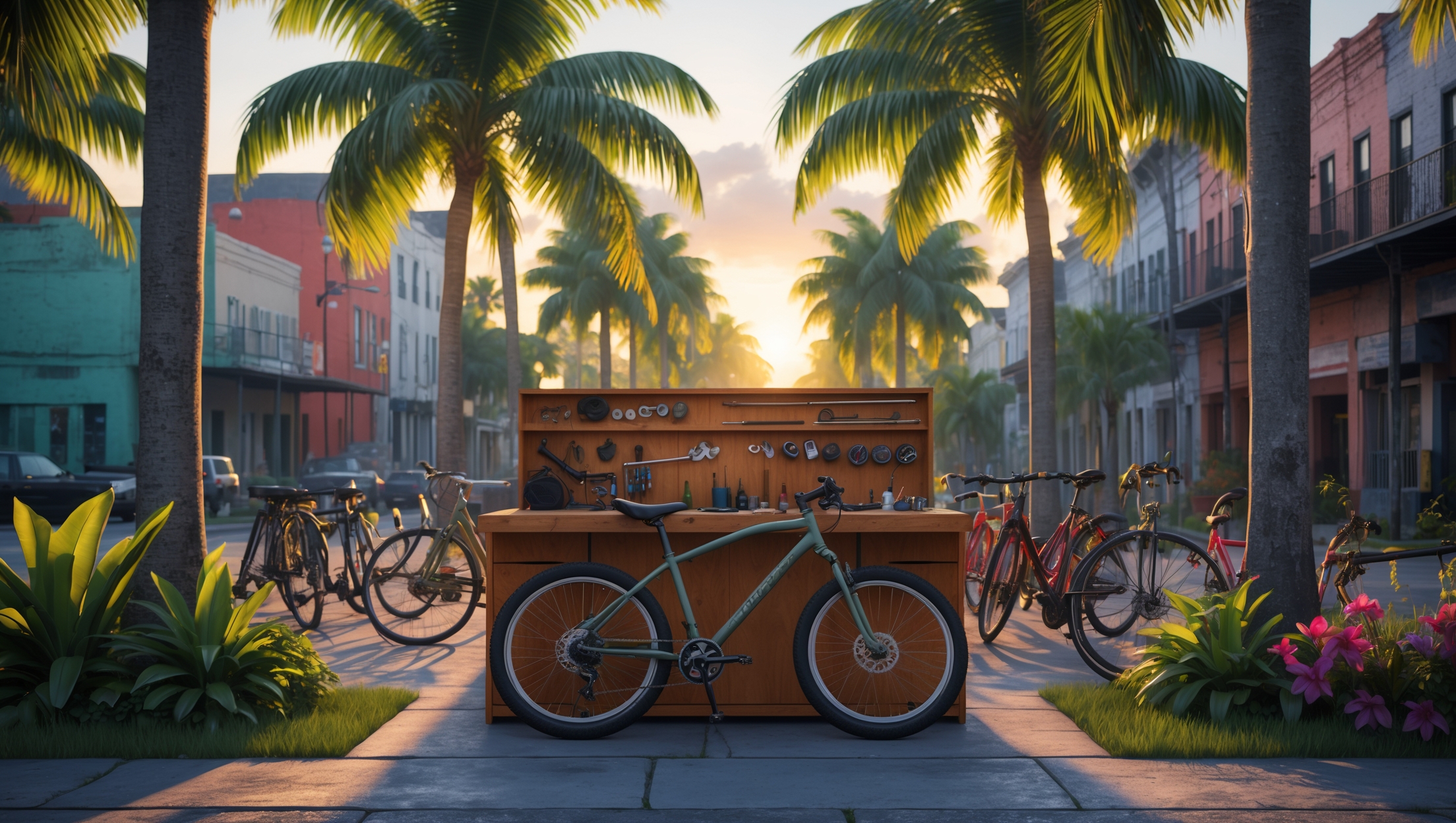
Tools & Tech for Community Bike Repair Stations in St. Petersburg, FL: A Practical Setup and Maintenance Guide

St. Petersburg, FL, is known for its vibrant neighborhoods, active cycling community, and dedication to sustainable transportation. Community-driven bike repair stations have become essential resources, empowering residents to maintain their bikes, fostering connections, and encouraging eco-friendly commuting. However, launching and maintaining a successful community bike repair hub involves more than just setting up a few tools. It requires thoughtful planning, specialized equipment, regular maintenance, and a keen understanding of local needs. In this guide, we’ll walk you through the practical steps and best practices for establishing and sustaining a community bike repair station in St. Pete. Whether you’re a neighborhood organizer, a cycling advocate, or a local nonprofit, you’ll find actionable advice on choosing the right tools and technology, creating a maintenance plan, and ensuring your station serves the community for years to come.
Why Community Bike Repair Stations Matter in St. Petersburg
St. Pete’s flat terrain and network of bike lanes make it an ideal city for cycling. Yet, many residents lack access to affordable bike repair services or the necessary tools to perform basic maintenance. Community bike repair stations help bridge this gap by:
- Reducing transportation barriers for low-income residents
- Promoting environmental sustainability by encouraging cycling
- Building community through volunteer-led workshops and events
- Linking local projects, people, and ideas for a more connected city
Planning Your Bike Repair Station: Key Considerations
Location and Accessibility
Choose a spot that’s visible, safe, and accessible to cyclists of all ages and abilities. Ideal locations include parks, community centers, libraries, and transit hubs. Ensure the site is well-lit and within easy reach of popular bike routes.
Stakeholder Engagement
Engage neighbors, local cycling groups, nonprofits, and city officials early in the planning process. Gather input on location, features, and desired services. Collaboration ensures long-term support and increases the project’s impact.
Funding and Partnerships
Identify funding sources such as local grants, business sponsorships, crowdfunding, and in-kind donations. Partner with local bike shops or advocacy organizations for tool donations, expertise, or volunteer support.
Essential Tools for a Community Bike Repair Station
Investing in the right mix of tools is crucial. A well-equipped station should cover basic repairs and routine maintenance, supporting both novice and experienced cyclists. Here’s a breakdown of must-have tools and equipment:
- Bike Stand: A sturdy, weather-resistant stand for lifting bikes off the ground, facilitating repairs and adjustments.
- Multi-Tool Set: Includes hex keys (Allen wrenches), screwdrivers, and Torx wrenches for various components.
- Tire Levers: For removing and replacing tires without damaging rims.
- Hand Pump or Floor Pump: With a gauge and compatibility for Presta and Schrader valves.
- Chain Tool: For repairing and replacing bike chains.
- Puncture Repair Kits: Patch kits, spare tubes, and tubeless repair plugs.
- Adjustable Wrench: For nuts, bolts, and pedals.
- Cone Wrenches: For hub and headset adjustments.
- Cable Cutters: For brake and gear cables.
- Lubricants and Cleaners: Chain lube, degreaser, and bike-specific cleaning solutions.
- Brushes and Rags: For cleaning drivetrain and frame.
- Spoke Wrenches: For wheel truing.
- Torque Wrench: Ensures precise tightening of components to manufacturer specifications.
Optional, But Useful Additions
- Work Table or Bench: For organizing tools and parts.
- Lockable Storage: Secures tools when not in use.
- Basic Lighting: Solar-powered or battery-operated lights for nighttime visibility.
- First Aid Kit: For minor injuries during repairs.
Integrating Technology: Smart Solutions for Modern Stations
Incorporating technology can elevate your bike repair station’s functionality and accessibility. Consider these tech-forward additions:
- QR Code Guides: Post QR codes linking to video tutorials and repair manuals. This empowers users to learn and DIY.
- Self-Service Kiosks: Digital screens or tablets with repair instructions, maps of local bike routes, and safety tips.
- Online Booking for Volunteer Mechanics: Use scheduling apps to coordinate volunteer shifts or book one-on-one help.
- Wi-Fi Hotspot: Offers internet access for users to look up repair information or connect with local cycling resources.
- Solar Charging Stations: For powering devices or e-bikes, adding value for modern cyclists.
Step-by-Step: Setting Up Your Community Bike Repair Station
1. Secure Permissions and Insurance
Work with property owners and the city to obtain necessary permits or agreements. Consult with an insurance professional to determine coverage for liability and equipment.
2. Source Tools and Materials
Purchase new tools or seek donations from local bike shops, hardware stores, and residents. Prioritize durability and weather resistance.
3. Build or Install Infrastructure
- Install a bike stand securely anchored to the ground.
- Set up lockable cabinets or tool boards for organization and security.
- Provide clear signage in English and Spanish, explaining how to use the station and encouraging respectful use.
4. Integrate Technology
- Print and laminate QR codes linking to online repair resources.
- Mount a weatherproof tablet or kiosk if budget allows.
- Set up a solar-powered Wi-Fi hotspot if feasible.
5. Launch and Promote
- Host a launch event with free tune-ups or workshops.
- Share on social media, neighborhood apps, and at local cycling events.
- Partner with local schools, businesses, and community groups to raise awareness.
Maintenance Best Practices for Sustainability
Well-maintained stations are more likely to be respected and used by the community. Develop a regular maintenance routine that covers:
- Weekly Inspections: Check for missing or damaged tools, graffiti, and cleanliness.
- Monthly Deep Cleans: Wipe down all equipment, remove debris, and lubricate moving parts on stands or pumps.
- Restock Supplies: Ensure patch kits, lubricants, and tubes are available.
- Tool Replacement: Track tool wear and replace items as needed.
- Security Checks: Test locks, cameras (if installed), and lighting systems.
- Feedback Loop: Place a suggestion box or set up an online feedback form to gather user input on tool needs and issues.
Common Pitfalls and How to Avoid Them
- Underestimating Tool Loss: Use tethered tools or RFID tags to deter theft. Encourage community ownership through signage and programming.
- Overcomplicating the Setup: Focus on essential tools first. Add advanced tech features only as your station proves successful and sustainable.
- Neglecting Diversity in Instruction: Offer multilingual resources and accessible guides for all ages and abilities.
- Failing to Build Partnerships: Collaborate with local bike shops, city departments, and advocacy groups for ongoing support.
- Ignoring Weatherproofing: Choose rust-resistant tools and shelter equipment from rain and sun.
Promoting Engagement: Programming and Community Building
Workshops and Events
Host regular repair workshops, maintenance clinics, and group rides. These events not only teach skills but also foster a sense of community and shared ownership.
Volunteer Opportunities
Recruit and train volunteer mechanics from local cycling clubs, schools, or neighborhood associations. Recognize their contributions with certificates, social media shout-outs, or small incentives.
Partnerships with Local Businesses
Encourage sponsorships or tool donations from nearby bike shops or sporting goods stores. Offer co-branded signage or event partnerships as recognition.
Measuring Success: Metrics and Community Feedback
Track usage and impact to guide future improvements. Useful metrics include:
- Number of bikes serviced per month
- Attendance at workshops and events
- Volunteer hours contributed
- User satisfaction surveys
- Reduction in abandoned or poorly maintained bikes in the neighborhood
Regularly share these successes with stakeholders, funders, and the wider community to build momentum and support.
Conclusion: Building Lasting Impact Through Community Collaboration
Launching a community bike repair station in St. Petersburg, FL, is more than a project—it’s an investment in equitable mobility, sustainability, and grassroots connection. By thoughtfully selecting tools, integrating accessible technology, and prioritizing maintenance, your station can become a trusted hub for cyclists of all backgrounds. Remember, the most successful stations are those grounded in community input and collaboration. Engage local partners, welcome feedback, and adapt your offerings as neighborhood needs evolve. With consistent care and engagement, your bike repair station will not only keep wheels turning but also inspire new projects, partnerships, and possibilities throughout St. Pete. Let’s keep building a city where everyone can ride—and thrive—together.
Could you share some examples of the specialized equipment that would be best for a community bike repair station in St. Pete, especially considering the local climate and the types of bikes people typically use there?
For St. Petersburg’s humid, coastal climate, stainless steel tools and rust-resistant work stands are ideal for durability. Include tire levers, chain tools, adjustable wrenches, a sturdy floor pump with a gauge, and a multi-tool that fits both road and cruiser bikes. Mounting a weatherproof toolbox can help protect your gear. Given the popularity of beach cruisers and hybrids locally, stock patch kits and wrenches suited for wider tires and coaster brakes.
How do you keep the stations accessible and safe, especially when they’re located outdoors in public parks or near transit hubs? What security measures have local organizers found effective in St. Pete?
To keep bike repair stations accessible and safe outdoors, local organizers in St. Pete use sturdy, tamper-resistant mounting systems and select well-lit, visible locations to deter misuse. Regular maintenance checks are scheduled to quickly repair any damage or replace missing tools. Security measures like using theft-resistant hardware and posting signage about surveillance or community monitoring have also proven effective in reducing vandalism and theft.
I’m wondering what specific tools are recommended for a community repair station that will be accessible to kids and families, not just experienced cyclists. Are there particular brands or types of equipment that hold up best in public outdoor settings here in St. Pete’s climate?
For a kid- and family-friendly community bike repair station, it’s best to include basic tools like tire levers, a multi-tool with hex wrenches, screwdrivers, and a durable floor pump. Brands like Park Tool and Pedro’s are known for their tough, weather-resistant products that do well outdoors. Stainless steel tools and vandal-resistant tool tethering also hold up best in St. Pete’s humid, coastal climate. Avoid tools with lots of small parts or fragile plastic components.
You mention picking well-lit, accessible spots like parks and transit hubs for the stations. In your experience, how do you handle security to prevent theft or vandalism of the tools, especially in high-traffic or overnight locations?
To enhance security at community bike repair stations, we recommend using tamper-resistant hardware to attach tools with heavy-duty cables or retractable reels. Installing surveillance cameras or placing stations near existing security lighting can deter vandalism. Partnering with local organizations for regular checks and encouraging community ownership also helps. In higher-risk areas, consider locking up tools overnight or using tool stations designed to close and lock after hours.
I’m interested in working with my local library to set up a repair station in St. Pete. Does the guide cover any tips for convincing stakeholders, or examples of successful community partnerships in the area?
The guide highlights the importance of community partnerships but focuses mainly on practical setup and maintenance. While it doesn’t offer step-by-step tips for convincing stakeholders, it does mention successful collaborations with local businesses and organizations in St. Petersburg, including libraries. You’ll find examples that could help you demonstrate the benefits of a repair station to your library’s decision-makers.
How do you keep tools from going missing or getting damaged at a public bike repair station, especially in high-traffic areas like parks or libraries around St. Pete?
To prevent tools from going missing or getting damaged, many public bike repair stations use theft-resistant tool tethers or heavy-duty cables to secure tools to the station. Durable, weatherproof materials help reduce wear and tear. Regular maintenance checks are important—staff or volunteers can inspect stations and replace or repair any missing or broken tools. Some sites also use brightly colored tools to make them more visible, discouraging theft.
As someone who runs a small local bike shop, I’m interested in what you recommend for the minimum set of tools that should be available at a community bike repair station, especially to serve both beginner and more experienced cyclists in St. Pete.
For a community bike repair station in St. Pete, it’s smart to cover basic needs while keeping things durable. At minimum, include a quality floor pump (with gauge), tire levers, patch kit, multi-tool (with Allen keys, screwdriver heads, and Torx), adjustable wrench, and chain tool. If you can, add a pedal wrench and a spoke wrench. These essentials help both beginners with flats or loose bolts, and experienced riders with quick tune-ups.
The article mentions choosing visible and accessible locations for repair stations, like parks or community centers. Have you found that certain types of sites attract more regular use or are easier to maintain long-term in St. Petersburg?
Yes, locations like popular parks, busy trails, and near transit stops tend to attract the most regular use in St. Petersburg. These areas often have steady foot and bike traffic, which increases visibility and encourages more people to use the repair stations. Community centers are also good, but stations in parks and along major bike routes usually see higher usage due to convenience. Maintenance is often easier at sites with on-site staff or regular city oversight.
I’m curious about how you get local stakeholders, like city officials and cycling groups, involved early on. Are there particular outreach strategies or events that have worked well in St. Pete?
In St. Pete, early involvement often starts with inviting stakeholders to hands-on workshops or demonstration events at proposed station sites. Hosting roundtable discussions with city officials, local bike shops, and cycling advocacy groups has also helped. Collaboration thrives when groups see their input shaping the project, so regular project updates and open forums have been effective for keeping everyone engaged and invested.
The article mentions the importance of choosing a visible and accessible location for the bike repair station. Can you share any insights or recommendations on securing permissions or partnerships with public spaces like parks or transit hubs in St. Petersburg?
When planning to place a bike repair station in public areas like parks or transit hubs in St. Petersburg, it’s essential to contact the relevant city departments—usually Parks and Recreation or the local transit authority. Prepare a clear proposal outlining the benefits, maintenance plans, and potential partners. It helps to collaborate with local cycling groups or businesses that can support your application. Engaging with neighborhood associations can also build community backing and streamline the approval process.
What kind of challenges have you run into with vandalism or theft at these community repair stations, and are there particular security measures you’d recommend based on experiences in St. Petersburg?
Vandalism and theft have unfortunately been issues at some community bike repair stations in St. Petersburg. The most common problems include stolen tools and tampering with mounted equipment. Based on local experience, using theft-resistant mounting hardware, anchoring tools with heavy-duty, short cables, and installing the stations in well-lit, high-traffic areas greatly reduces incidents. Some sites also benefit from nearby security cameras or regular community oversight.
I’m curious about the specific tools you recommend stocking for a community bike repair station in St. Pete. Are there any unique needs based on the local cycling landscape that might not be obvious to someone setting up their first station?
For a St. Petersburg bike repair station, you’ll want standard tools like tire levers, multi-size hex wrenches, screwdrivers, a pedal wrench, and a quality floor pump. Given the area’s coastal climate, rust-resistant tools and chain lube are especially important. Including a spoke wrench and patch kits is helpful, as beach sand and humidity can increase wear and punctures. Consider posting simple instructions for common fixes to support all skill levels.
What should we budget for the initial setup of a basic community bike repair station in St. Pete? I’m curious if there are cost-effective options, or if it’s better to invest in more durable technology from the start.
For a basic community bike repair station in St. Pete, initial setup costs usually range from $1,000 to $2,500. Cost-effective options include basic repair stands, essential tools, and a simple pump. However, investing a bit more in commercial-grade stands and weather-resistant tools can reduce long-term maintenance costs and ensure the station lasts longer. If your budget allows, more durable equipment is often the better choice for public use.
The article mentions involving city officials and nonprofits in the planning process. Can you share any practical tips for successfully engaging these stakeholders and making sure their input is incorporated into the setup of a community repair station?
To engage city officials and nonprofits effectively, schedule an initial meeting to present your goals and listen to their priorities. Invite them to site visits to discuss location and accessibility. Create a shared planning document for transparent input and updates. Follow up regularly, address their concerns, and acknowledge their contributions during the setup phase to keep everyone invested and ensure their ideas are reflected in the finished station.
How do you suggest we budget for both initial setup and ongoing maintenance of a bike repair station? Are there any common hidden costs we should plan for based on your experience in St. Pete?
For budgeting, start by listing all essential tools, stands, and materials for the initial setup—expect a range of $1,000 to $2,500, depending on quality. For ongoing maintenance, set aside annual funds for tool replacements, cleaning supplies, and occasional repairs—typically $200 to $400 per year. Hidden costs often include vandalism repairs, weatherproofing replacements, and insurance. In St. Pete, salt air can increase rusting, so budget a bit extra for stainless hardware and protective coatings.
You mentioned the importance of stakeholder engagement. Could you elaborate on effective ways to involve city officials and local cycling groups during the planning stages to ensure long-term community buy-in?
Engaging city officials early can include inviting them to planning meetings, presenting data on community needs, and discussing how bike stations support city goals. For local cycling groups, involve them in design choices and ask for feedback on proposed locations. Hosting joint workshops or public forums helps build collaboration and ensures everyone’s input is considered, increasing the likelihood of long-term support.
I noticed you mentioned the importance of engaging local cycling groups and nonprofits in the planning process. What’s the best way to recruit reliable volunteers for ongoing maintenance and workshops?
Connecting directly with local cycling groups and nonprofits is a great way to find dedicated volunteers. Host informational meet-ups or attend their regular events to introduce your project and its goals. Offer clear roles and responsibilities so volunteers know what’s expected. Provide training sessions and recognize their efforts to keep motivation high. Keeping communication open and flexible can help build a reliable team for ongoing maintenance and workshops.
I noticed the guide mentions choosing the right tools and tech for the repair station. Are there specific tool brands or types you recommend for outdoor public use in St. Pete’s climate, especially considering humidity and salt air?
For outdoor public bike repair stations in St. Petersburg’s humid, salty climate, it’s best to choose stainless steel or coated tools to prevent rust. Brands like Park Tool and Pedro’s offer weather-resistant options designed for public settings. Select tools with corrosion-resistant finishes and sturdy tethering systems, as these hold up better in coastal environments and are less likely to degrade or be lost.
For someone planning a new community bike repair station, how do you decide which tools and tech are must-haves versus nice-to-haves, especially when working with a limited budget and space?
To prioritize tools and tech for a new community bike repair station, start by listing the most common repairs local cyclists need—usually tire inflation, basic wrenching, and brake or gear adjustments. Focus on sturdy, multi-use tools like tire levers, Allen wrenches, screwdrivers, and a pump. Nice-to-haves such as specialty tools or digital tech can be added later as space and budget allow. Surveying local riders or volunteers can also help refine your must-have list.
For anyone setting up a station in St. Pete, what are some specialized tools you’d recommend beyond the basic multi-tool and floor pump, especially considering the beach climate and potential for rust?
For St. Pete’s beach climate, it’s smart to add stainless steel or rust-resistant Allen wrenches, tire levers, and chain tools to your station. A torque wrench with corrosion-resistant parts is useful too. Also consider a set of spoke wrenches and a sturdy pedal wrench, both made from materials that withstand salt air. Keeping a can of marine-grade lubricant on hand helps protect moving parts from the coastal humidity.
If a station is set up near a library or a park, what are some practical strategies for keeping the tools secure but still accessible, especially in busy public spaces where theft might be a concern?
To balance security and accessibility, consider using retractable tool cables or tamper-resistant locking systems that keep tools attached to the station while allowing enough movement for repairs. Install the station in a well-lit, visible area to deter theft. Regularly inspect the tools and coordinate with local staff or volunteers for routine checks. Clear signage encouraging responsible use can also help foster community respect for the equipment.
For groups just starting out on a tight budget, do you recommend launching with a limited set of essential tools, or is it better to wait until there’s funding for a more complete setup? What are the absolute must-haves to start serving the community effectively?
Launching with a small set of essential tools is often the best approach for new groups with tight budgets. This allows you to start serving the community right away and build support over time. The absolute must-haves include tire levers, a basic set of wrenches and Allen keys, a sturdy floor pump, and a chain tool. These basics will cover most common repairs and help you get started without waiting for full funding.
Have you found any particular tool brands or types hold up better to heavy use in St. Pete’s humidity and rain? I’m helping run a repair station here, and some of our basic tools rust or disappear pretty quickly.
For St. Pete’s humid and rainy climate, stainless steel tools generally last longer and resist rust better than standard steel. Brands like Park Tool and Pedro’s offer durable, purpose-built tools for outdoor stations. Coated or rubber-handled tools also help with grip and longevity. Regularly applying a light oil or protectant can slow down corrosion. For theft prevention, consider tethering the most-used tools with coated cables and using lockable enclosures.
As someone interested in starting a repair station near a local library, how often would you recommend scheduling maintenance checks, and what are the most common issues you see with the tools or setup over time?
For a bike repair station near a busy spot like a library, monthly maintenance checks are a good starting point. Common issues over time include missing or vandalized tools, worn-out pump heads, and loose mounting hardware. Regularly check that all tools are securely attached and functional, and inspect the pump for air leaks or damage. Adjust the frequency of checks based on usage and any recurring problems you notice.
For someone setting up a bike repair station in a neighborhood park in St. Pete, what are the must-have tools that tend to get the most use, and are there any you found unnecessary after some trial and error with your own setup?
For a neighborhood park station, the essentials are tire levers, a quality floor pump, hex wrenches (especially 4, 5, and 6mm), screwdrivers, and a chain tool. These get used most often. Pedal wrenches and spoke wrenches are handy, but less frequently needed. In our experience, cone wrenches and specialty bottom bracket tools saw very little use and can usually be skipped for a public setup.
The article mentions engaging neighbors and local groups during the planning process. Could you give some examples of effective ways to bring these stakeholders together and keep everyone motivated to help maintain the repair station over time?
Organizing a kickoff event, like a community bike tune-up day, is a great way to bring neighbors and local groups together at the start. Setting up a shared online group or chat for updates and maintenance reminders helps keep everyone informed. Rotating volunteers for monthly check-ins and recognizing their efforts publicly can maintain motivation. You might also partner with local bike shops for occasional workshops or supplies, which keeps the community involved and invested.
For neighborhoods in St. Petersburg with higher bike theft rates, what security measures would you recommend to keep the tools and equipment at these community bike repair stations safe from vandalism or theft?
For areas with higher bike theft rates, consider installing heavy-duty, tamper-resistant tool cabinets that can be locked after hours. Use security bolts or anchors to secure equipment to the ground or station frame. Surveillance cameras and bright lighting can deter theft and vandalism. Posting clear signage about community monitoring can also help, as well as scheduling regular volunteer check-ins to keep an eye on the station.
I’m curious about maintenance—do you recommend a certain schedule for checking and replacing tools at these community bike stations? Have you found that tools tend to go missing or get damaged quickly in public locations?
Based on experience with public bike stations, it’s best to inspect tools and equipment at least once a week. In high-traffic areas, more frequent checks—every few days—can help spot missing or damaged tools quickly. Unfortunately, tools in public stations do tend to go missing or get damaged faster, so using tamper-resistant fasteners and mounting tools on cables can help reduce loss. Keeping a log of inspections also makes it easier to track issues and plan replacements.
If we want to start a repair station at our neighborhood park, what do you recommend as a reasonable budget for setting up the initial tools and equipment? Are there community funding sources or city grants that others in St. Pete have successfully used?
For a basic community bike repair station, budgeting $1,000 to $2,000 is usually sufficient to cover a quality tool set, sturdy bike stand, and a durable pump. Some groups in St. Petersburg have successfully applied for city mini-grants or partnered with local bike shops and neighborhood associations for funding. You might also look into local foundations or small business sponsorships to help cover costs.
Could you share any tips on getting buy-in from neighborhood groups or nonprofits for starting one of these community bike repair hubs? I imagine getting stakeholders involved early is important but what’s the best way to approach them?
Engaging neighborhood groups or nonprofits works best when you focus on shared community benefits, like health and sustainability. Reach out with clear info on how a repair hub helps residents, and invite them to help plan or host workshops. Personal meetings or presentations can build trust, while asking for their input early on shows you value their role. Offering volunteer opportunities or co-branding the project can also strengthen their investment.
I’m curious about the process of getting city officials on board for a new bike repair site. Are there any common hurdles with permits or local regulations in St. Petersburg that I should prepare for?
When proposing a new bike repair station in St. Petersburg, you’ll typically need to coordinate with the city’s Parks and Recreation or Transportation departments. Common hurdles include securing the right permits, adhering to land use or zoning policies, and ensuring compliance with safety standards. It’s wise to prepare a clear proposal, anticipate questions about maintenance and funding, and be ready to adjust your plans based on site-specific regulations.
How would you suggest budgeting for both the initial setup and ongoing maintenance? I’m wondering what costs typically surprise new organizers of community bike repair stations.
When budgeting, plan for both up-front purchases—like quality tools, a sturdy stand, signage, and a weatherproof toolbox—and ongoing needs such as replacing lost or worn tools, cleaning supplies, and occasional repairs. Many new organizers are surprised by the cost of replacing frequently used items like tire levers and pumps, as well as ongoing vandalism or theft. It’s smart to set aside an annual maintenance fund and track all expenses to adjust your budget over time.
You talk about involving city officials and local nonprofits in the planning process. What are some specific ways or strategies to get their support, especially if you’re a student or resident without established connections?
Start by attending city council or neighborhood meetings where you can introduce your idea directly. Reach out to relevant departments—like parks or transportation—by email with a clear proposal. For nonprofits, search for local organizations focused on biking or community development and ask if you can present your plan or volunteer to help with their events. Offering to organize a small pilot project or gathering signatures from community members can also help demonstrate support and catch their interest.
Do you have recommendations for specific weather-resistant tools or enclosures that stand up well to Florida’s humidity and rain? We’ve had some issues with rust and corrosion on our current repair station in St. Pete.
For Florida’s humid and rainy climate, choosing tools made from stainless steel or coated with rust-resistant finishes is essential. Brands like Park Tool and Pedro’s offer weather-resistant options. For enclosures, consider powder-coated steel or marine-grade stainless steel cabinets—both hold up well against corrosion. Adding rubber gaskets or weather seals to enclosures can further protect tools from moisture and salt air.
If we’re working with a limited budget, which essential tools or features should be prioritized when setting up a community bike repair station in St. Petersburg to make the biggest impact?
To make the most impact on a limited budget, prioritize tools that address the most common bike repairs. Essential items include tire levers, a quality floor pump with a gauge, multi-tools with Allen wrenches, screwdrivers, and adjustable wrenches. A sturdy bike stand or mount is also very helpful. Focus on durable, weather-resistant tools and secure mounting features to ensure longevity and reduce maintenance costs.
What ongoing maintenance tasks do you find are most commonly overlooked in community bike repair hubs, and how often should stations in St. Pete schedule inspections to keep everything in safe working order?
One commonly overlooked task is checking the condition and calibration of air pumps—they often lose efficiency or leak air over time. Lubricating moving parts on tools and tightening any loose station bolts are also frequently missed. For St. Petersburg, scheduling thorough inspections every month helps catch issues early, but a quick weekly visual check is also helpful to ensure safety and tool availability.
If we have a limited budget, which features or tech upgrades for a bike repair station should we prioritize first in St. Petersburg? Would adding digital kiosks or advanced tools make a big difference, or should we focus mainly on the basics to start?
With a limited budget, it’s best to focus on essential tools and sturdy, weather-resistant repair stands first. Prioritize items like basic wrenches, tire levers, pumps, and screwdrivers since these meet the most common repair needs. Advanced tools and digital kiosks are helpful but not necessary at the start. Once your station is regularly used and additional funding is available, you can consider upgrades.
In the article, you mention engaging stakeholders early on. Could you share specific strategies or examples for getting local cycling groups and city officials involved in the planning process to ensure long-term success?
To involve local cycling groups, you can host open forums or workshops to gather their input on locations and needed tools. Invite city officials to these meetings and share data on bike usage to highlight community benefits. Forming a joint advisory committee with representatives from both groups helps maintain ongoing communication and shared responsibility, promoting long-term success of the repair stations.
When it comes to maintenance schedules for these community repair stations, do you have tips on how often stations in busy areas like parks or transit hubs need a checkup, and who usually handles that in St. Pete?
For high-traffic spots like parks or transit hubs in St. Petersburg, it’s best to check community bike repair stations at least once a week. This helps catch tool wear, graffiti, or missing parts quickly. Typically, city maintenance crews or local bike advocacy groups handle these inspections. Some cities also partner with volunteers, so reaching out to local organizations for support is a good idea.
Could you elaborate on how neighborhood organizers might work with city officials to secure permits or funding for a repair station located near busier transit hubs in St. Petersburg?
Neighborhood organizers can start by reaching out to the city’s transportation or public works departments to discuss the need and benefits of a repair station. It helps to present data or testimonials showing local demand. Organizers should inquire about existing grant programs or city budgets that support cycling infrastructure. Attending city council meetings, partnering with local businesses, and submitting formal proposals can also increase visibility and support for securing permits and funding near busy transit hubs.
For community bike repair stations in St. Pete, what are some tips for keeping tools secure and available for everyone to use, especially in high-traffic areas like parks or transit hubs?
To keep tools both secure and accessible in busy spots, consider using heavy-duty, tamper-resistant tool holders attached with security hardware, and select tools with short, coated cables to prevent removal. Install stations in well-lit, visible areas to deter theft, and check on them regularly for maintenance. Posting clear usage guidelines and contact info can also encourage shared responsibility among users.
For neighborhoods with mostly older bikes or unique needs, are there different sets of essential tools or technology you would recommend compared to stations in more modern or high-traffic areas?
For neighborhoods with older bikes or unique requirements, it’s wise to include tools like cone wrenches for older hubs, a wider range of spanner sizes, cotter pin tools, and adjustable wrenches. Vintage bikes may also require tire levers suitable for steel rims and possibly a chain tool compatible with thicker chains. For technology, less reliance on digital repair stands and more on sturdy, basic equipment may be preferable to suit the bikes commonly found in those areas.
As a parent who sometimes relies on my kids biking to school, I’m wondering what basic tools you recommend should be included at these community repair stations so that even younger kids or teens can safely use them on their own.
For younger kids and teens, it’s best to have essential, easy-to-use tools at community repair stations. These include a tire pump with a clear gauge, simple tire levers, a multi-tool with Allen keys and screwdrivers, and a basic wrench. Make sure all tools are securely attached and instructions are posted. This way, kids can safely handle common fixes like pumping tires or adjusting seats and handlebars.
I noticed the article mentions regular maintenance for the repair stations. How often do you suggest doing maintenance checks, and what are some typical issues that come up with public bike repair tools in St. Pete’s climate?
In St. Petersburg’s climate, it’s ideal to perform maintenance checks on public bike repair stations every 1 to 2 months. Typical issues you might encounter include rust on tools due to humidity, worn or missing tool attachments, and air pump malfunctions from sand, moisture, or frequent use. Regularly inspecting for loose bolts, lubricating moving parts, and replacing damaged items will help keep everything in good working order.
About choosing locations for these stations, is there a way to find out which parks or transit hubs in St. Petersburg get the most bike traffic? I want to make sure our efforts reach people who need them most.
To identify high-traffic areas for bike repair stations, you can request bike usage data from the city’s transportation or parks department, as they sometimes track counts at popular trails and hubs. Local cycling advocacy groups may also have insights or data on common routes. Observing busy spots during commute times and surveying cyclists directly at parks and transit hubs can help you pinpoint the best locations for maximum impact.
I’m curious about funding options—are there cost-effective ways to set up a quality repair station in a public park, and do you know if there are local grants or city programs in St. Pete that could help cover startup expenses?
Yes, setting up a quality repair station can be cost-effective if you choose durable but basic tools and consider DIY installation. In St. Petersburg, the city sometimes offers grants or partners with local organizations for bike-friendly projects. Check with the St. Pete Parks and Recreation Department and local cycling groups for potential funding or sponsorships. Tampa Bay area nonprofits may also have small grants targeted at community health and mobility initiatives.
If we only have a small budget to set up a station in our neighborhood park, which specialized tools would you consider absolutely essential for basic repairs, and are there any affordable yet durable brands you suggest for heavy community use?
For a basic but effective community bike repair station on a tight budget, focus on essentials like tire levers, a sturdy floor pump with a gauge, hex/Allen wrenches, screwdrivers, and adjustable wrenches. If you have room, include a chain tool and patch kit. In terms of affordable yet durable brands, consider Park Tool’s more basic lines, Pedro’s, or Feedback Sports; these brands are known for their community-use durability without breaking the bank.
You mention choosing visible and accessible locations like transit hubs or libraries for these bike repair stations. Have you found that certain types of locations see more use than others in St. Petersburg, or does it depend more on neighborhood engagement?
Usage does tend to be higher in locations with steady foot and bike traffic, like near transit hubs, popular parks, and along well-used bike routes. However, neighborhood engagement also plays a key role—stations in areas with active cycling communities or local advocacy groups often see more consistent use and better care, regardless of the exact location. It’s a balance of visibility and local involvement.
If a community bike repair station starts to see heavy use, what are some practical steps to keep tools secure and ensure reliable upkeep, especially if the site is in a busy park or near a transit hub?
To keep tools secure at a busy repair station, consider using tamper-resistant cables or retractable tool lanyards to attach tools firmly to the station. Regular inspections—ideally weekly—can help spot missing or damaged items quickly. Appointing a local volunteer or partner group to oversee maintenance and restocking can ensure upkeep stays reliable. Posting clear usage guidelines on the station also helps encourage responsible use by the community.
When planning the location, you mention parks and transit hubs as ideal spots. Did you encounter any challenges with getting approval or support from local officials for placing stations in public spaces, and how did you address those?
Securing approval to place bike repair stations in public spaces like parks and transit hubs often involves working closely with city officials and departments such as Parks & Recreation or Transportation. Some challenges included navigating differing priorities, addressing liability concerns, and meeting design requirements. Building support was easier by presenting clear benefits, sharing community feedback, and offering to manage maintenance. Early communication and flexibility with site selection helped move the process forward.
When engaging stakeholders like local nonprofits and city officials, what strategies have you found effective for getting funding or donations for startup costs? Did you run into any unexpected expenses while setting up your own station in St. Petersburg?
Involving local nonprofits and city officials early on is key. Hosting informational sessions and showing the community benefit often encourages support. Personal meetings or presentations can make a big difference for funding requests. For donations, targeted outreach to bike shops and local businesses worked well. As for expenses, we underestimated costs for weather-resistant signage and theft-resistant hardware, so it’s wise to budget extra for unforeseen needs.
If we’re organizing a bike repair hub at a local park, how do you suggest balancing the need for durable, specialized tools with keeping costs manageable for a small nonprofit budget? Are there must-have tools you’d prioritize if funds are limited?
For a small nonprofit, it’s important to focus on versatile, high-use tools first. Invest in durable tire levers, quality hex/Allen wrenches, screwdrivers, a sturdy bike pump, and chain tools. These cover most basic repairs. For less frequent needs, consider accepting gently used tools or asking local shops for donations. Prioritize durability in these essentials to minimize replacement costs, and gradually expand your toolset as funding allows.
You mention the importance of regular maintenance for keeping these stations running smoothly. What maintenance schedule has proven most realistic for volunteer-led setups in busy neighborhoods, and how do you keep volunteers engaged over time?
For volunteer-led bike repair stations in busy neighborhoods, a realistic maintenance schedule is weekly checks, with a thorough inspection and cleaning once a month. Assigning volunteers specific roles or shifts helps distribute tasks fairly. To keep volunteers engaged over time, try rotating responsibilities, recognizing contributions at group meetings, and organizing occasional social events or group rides to strengthen community bonds.
For a community bike repair station in St. Pete, what would you say are the most essential specialized tools that should be included right from the start, especially considering many residents might be newer to bike maintenance?
For a community bike repair station in St. Petersburg serving beginners, you’ll want to include easy-to-use but essential specialized tools. Definitely have tire levers, a quality floor pump with a gauge, multi-tools with Allen and Torx wrenches, a chain tool, and screwdrivers. Also, consider an adjustable wrench and spoke wrench for basic wheel truing. These cover most everyday repairs and help newer riders feel confident tackling common issues.
For someone setting up a community bike repair station in a public park in St. Pete, what are some durable tool brands or mounting options that hold up to Florida’s humidity and frequent use? Have you found certain tools or setups need replacing more often due to weather exposure?
For Florida’s humid, salty climate and public park settings, stainless steel tools from brands like Park Tool and Pedro’s tend to last longest. Wall- or post-mounted tool stations with securely tethered tools—such as those by Dero or Bike Fixation—are popular for durability and theft resistance. Allen wrenches and tire levers often need replacing sooner due to rust or heavy use, so consider having spares and using rust-resistant coatings where possible.
The article mentions volunteer-led workshops as part of community engagement. What has worked well for recruiting and retaining volunteers in St. Petersburg, and are there any recommended ways to train those who may not have much prior bike maintenance experience?
In St. Petersburg, recruiting volunteers has worked best through partnerships with local cycling clubs, social media outreach, and tabling at community events. Retention improves when volunteers feel appreciated and have learning opportunities. For training, hands-on sessions led by experienced mechanics, shadowing during actual repair sessions, and using simple step-by-step guides are effective, especially for those new to bike maintenance. Regular workshops also help build skills and confidence over time.
You mentioned keeping the repair station accessible and visible—do you have advice on how to minimize issues like vandalism or theft of tools, especially in busier public locations like parks or libraries in St. Pete?
To reduce vandalism and theft at busy locations, consider using heavy-duty, tamper-resistant tool tethers and mounting all tools with security fasteners. Place the repair station in well-lit, high-traffic areas near security cameras if possible. Posting clear signage about community use and surveillance can also deter misuse. Regularly inspect the station and quickly repair or replace any damaged or missing tools to keep it functional and discourage further vandalism.
I’m curious about the regular maintenance part—what kind of upkeep do these bike repair stations usually need, and how often should volunteers or staff expect to be onsite to keep everything running smoothly in a busy city like St. Pete?
Regular maintenance for community bike repair stations usually involves checking tool security, tightening or replacing worn tools, cleaning work surfaces, and ensuring the pump is working properly. In a busy area like St. Pete, it’s best to inspect stations every 1–2 weeks to address wear and vandalism. Volunteers or staff should also restock consumables if provided and report any major repairs needed.
For community bike repair stations in St. Petersburg, are there specific tools or technologies you’ve found to be absolutely essential from the start, and are there any that can be added later as the station grows?
For community bike repair stations in St. Petersburg, starting out with essentials like tire levers, a quality floor pump with a gauge, multi-tools, adjustable wrenches, and screwdrivers is crucial. These cover most quick fixes. As the station grows, consider adding a work stand, chain tools, replacement tubes, and even basic diagnostic devices. Prioritizing theft-resistant, durable tools at first helps ensure longevity and reliability.
For a community bike repair station in St. Pete, which specific tools and equipment have you found to be the most durable given the Florida humidity and occasional storms? Are there brands or materials that hold up better in outdoor public locations?
Stainless steel tools and coated steel cables tend to hold up best in St. Pete’s humid, stormy conditions. Brands like Park Tool and Dero are popular for outdoor bike stations because their equipment is powder-coated and built to resist rust. For essentials like wrenches, tire levers, and air pumps, look for weather-resistant models and avoid items with exposed untreated metal. Regular maintenance is still important, but choosing tools designed for outdoor public use will minimize weather-related wear.
I noticed you mentioned choosing high-traffic locations like parks or transit hubs for the station. Were there any unique challenges in securing those spots in St. Petersburg, or any tips on working with the city to get approval?
Securing high-traffic locations in St. Petersburg did come with challenges, mainly around city permits and coordinating with multiple departments like Parks & Recreation and Transportation. It’s helpful to prepare a clear proposal outlining your project’s benefits, and to reach out to neighborhood associations for support. Early, open communication with city officials and flexibility regarding site adjustments also make the approval process smoother.
For someone looking to set up a new community bike station in St. Petersburg on a limited budget, do you have recommendations on which essential tools and technologies should be prioritized first, and which can be added later as funding allows?
When starting out on a tight budget, focus first on essential hand tools like tire levers, a set of Allen wrenches, screwdrivers, a quality floor pump, and basic wrenches. A sturdy bike stand and patch kits are also highly useful. As funding becomes available, you can add more specialized tools such as chain breakers, pedal wrenches, and advanced diagnostics equipment. Prioritizing durable, multipurpose tools will help serve the most common repairs and maintenance needs in your community.
As a parent with kids who ride their bikes to school in St. Pete, I’m concerned about safety and accessibility. Can you recommend any specific types of kid-friendly tools or security features to include in a community bike repair station near a school or park?
Including kid-friendly tools like smaller-sized tire levers, adjustable wrenches with soft grips, and easy-to-use air pumps can make the repair station more accessible for children. For security, consider adding tamper-proof fastenings for the tools, good lighting, and visible instructions for basic repairs. Bright signage and lower tool heights also help make the station safer and easier for kids to use.
You mentioned involving local cycling groups and city officials early in the planning process. What’s the best way to actually get those stakeholders engaged and committed, especially if you’re just starting out and don’t have prior connections?
Start by reaching out to local cycling groups via social media or by attending one of their rides or meetings—you’ll often find they’re enthusiastic about collaboration. For city officials, try calling or emailing the city’s public works or parks department to introduce your idea and ask for guidance. Hosting a small community meeting or info session can help draw both groups together. Personal invitations and clear communication about your goals make engagement much easier, even if you’re new to the scene.
I’m curious how often the tools and equipment at these community bike repair stations need to be replaced or maintained. Does the guide recommend a specific schedule for checking or servicing the tools to keep everything safe and functional?
The guide suggests that regular maintenance is key for keeping the tools and equipment both safe and functional. It recommends inspecting and servicing the tools at least once a month, but also points out that high-traffic stations may need more frequent checks. The guide also advises replacing any damaged or missing tools immediately to ensure reliability for all users.
Do you have any recommendations for durable, weather-resistant tool brands or models that work well in the Florida climate, especially with all the humidity and salt air in St. Pete? Our last set of public tools rusted out pretty quickly.
For Florida’s humid, salty environment, stainless steel tools are your best bet since they resist corrosion much better than standard steel. Brands like Park Tool (especially their stainless or coated options) and Pedro’s offer weather-resistant tools that hold up well outdoors. Look for tools with rubberized or plastic handles, as these further protect against rust. Regularly applying a thin coat of lubricant can also prolong their life in public repair stations.
I’m curious how the ongoing maintenance for these public bike repair stations is typically organized. Do most communities in St. Pete rely on volunteers, or is there support from local organizations to keep tools stocked and everything in working order?
In St. Petersburg, ongoing maintenance for public bike repair stations is usually a collaborative effort. Some stations are looked after by local cycling groups or volunteers who check on and restock tools. Others receive support from community organizations or city departments, which may handle more routine inspections and repairs. The article highlights that a mix of both approaches helps keep the stations in good shape and ensures they’re accessible to everyone.
For a small neighborhood looking to start a community bike repair hub in St. Petersburg, what is the approximate budget needed for initial setup, and are there any local grants or resources that can help cover equipment costs?
For a basic community bike repair hub in St. Petersburg, initial setup costs typically range from $1,000 to $2,500. This covers essential tools, a sturdy repair stand, basic spare parts, and weather-resistant storage. You might find support through local bike advocacy groups, city neighborhood grants, or small business development initiatives. The St. Petersburg Bicycle Co-op and the city’s Neighborhood Partnership Grant Program have previously helped similar projects, so reaching out to them is a good place to start.
You mentioned the importance of choosing locations that are well-lit and near popular bike routes. Are there any local regulations or permissions I should know about when setting up a community station in a public park in St. Pete?
Yes, setting up a community bike repair station in a public park in St. Petersburg requires approval from the city’s Parks and Recreation Department. You’ll likely need to submit a proposal detailing your plans, location, and station features. It’s important to check for any permit requirements or park rules about installing permanent structures. Reaching out to the department directly will help clarify current regulations and ensure your project meets all guidelines.
I’m curious about maintenance plans for the repair stations—who usually takes responsibility for checking equipment and restocking supplies? Do you recommend organizing regular volunteer shifts, or are there more sustainable long-term strategies for keeping everything running smoothly in St. Pete?
In St. Pete, maintenance of community bike repair stations is often a joint effort between local cycling groups, city staff, and sometimes nearby businesses. While volunteer shifts can work well initially, a more sustainable approach is to partner with established organizations or city departments for routine checks and restocking. Setting up a clear maintenance schedule and assigning responsibility—either through city contracts or formal community partnerships—helps ensure long-term reliability.
For someone on a tight budget, are there lower-cost options for setting up a repair station that still meet the needs of most cyclists in St. Pete? What tools or tech would you say are absolutely necessary versus nice to have?
Absolutely, you can build a budget-friendly bike repair station by focusing on essentials. Necessary tools include a quality floor pump, tire levers, patch kit, adjustable wrench, hex key set, and screwdrivers. A sturdy bike stand is helpful but not essential; you can improvise with hooks or sturdy racks. Nice-to-have extras might be a chain tool, spoke wrench, and specialized lubricants, but you can add those later as funds allow. This setup should cover most common repairs for cyclists in St. Pete.
I’m interested in starting a community bike repair hub but worried about ongoing maintenance and costs. Does the article offer any practical advice for developing a sustainable maintenance plan, especially with a limited budget?
Yes, the article provides several tips for managing maintenance and costs on a tight budget. It suggests building partnerships with local bike shops for tool donations, organizing volunteer-driven maintenance days, and keeping a logbook to track repairs and needed supplies. The guide also recommends choosing durable, weather-resistant tools and prioritizing essential items to minimize expenses. These strategies are meant to help you maintain your hub sustainably over time.
Our group has a very limited budget but wants to set up a basic repair hub near a busy bike route. What are the essential tools and tech that you would prioritize for the initial setup, and are there any affordable options that still meet community needs?
For a basic repair hub on a budget, focus on essentials like tire levers, patch kits, a floor pump, multi-tools with common hex sizes, screwdrivers, and adjustable wrenches. A sturdy bike stand is helpful, but you can improvise with hooks or racks. Basic tech like QR code posters for repair guides can be made for free. Consider used tools or community donations to keep costs low while covering most repair needs.
When budgeting for a new bike repair hub in neighborhoods with limited resources, how do you balance affordability and durability when selecting tools and tech, especially for outdoor locations that might be exposed to the weather year-round?
Balancing affordability and durability starts with prioritizing essential, weather-resistant tools and fixtures. Choose stainless steel or powder-coated stands and hardware, as they hold up well outdoors. For tools, pick hardened steel options with rust-proof coatings, even if they’re basic models. Consider locking tool systems to prevent theft. Focus your budget on high-use items—like pumps and multi-tools—making sure they can withstand constant use and exposure. Regular maintenance and protective covers for stations also help extend lifespan and reduce long-term costs.
Do you have suggestions for what types of tools and equipment work best for stations that need to be durable and low-maintenance, especially given the humidity and weather in St. Petersburg?
For St. Petersburg’s humid and sometimes rainy climate, stainless steel or powder-coated tools resist rust and corrosion best. Choose tamper-resistant, outdoor-grade tools like tire levers, Allen keys, screwdrivers, and wrenches with security cables to prevent loss or theft. Heavy-duty air pumps with weather-proof covers also last longer. Periodically check all fasteners and lubricate moving parts to maintain durability with minimal upkeep.
How do you balance keeping your bike repair station accessible to all while also preventing theft or vandalism of tools and equipment, especially in more public or high-traffic locations?
Keeping bike repair stations both accessible and secure can be challenging. One effective approach is to use heavy-duty, tamper-resistant mounting systems for tools, attaching them with short cables or chains so they’re available but difficult to steal. Installing the station in a well-lit, visible area can also deter vandalism. Regularly checking the station for missing or damaged items helps maintain reliability while discouraging misuse.
The article suggests placing stations near parks or transit hubs. How do you handle security for the tools and equipment so they don’t go missing, especially in busy or open public areas?
To reduce theft or loss, most community bike repair stations use tamper-resistant hardware to secure tools to the station with heavy-duty cables or chains. The tools are often attached with short, flexible cables so they can be used but not easily removed. Some stations also use vandal-resistant fasteners and durable materials. Choosing locations with good lighting and visibility can also help discourage theft.
I’m interested in setting up a repair station near a transit hub as suggested. Are there any particular safety or lighting recommendations you’d prioritize based on your experience with St. Petersburg’s locations?
For a repair station near a busy transit hub, good lighting is crucial—opt for bright, weather-resistant LED fixtures that cover all work areas to ensure safety at night. Installing the station in a visible spot helps deter vandalism. Choose durable, tamper-resistant tools and regularly check for wear or damage. If possible, add reflective markings or signage to boost visibility for both cyclists and pedestrians.
Our neighborhood is considering setting one of these up but we have a pretty tight budget. Which tools and pieces of equipment are absolutely essential to start with, and what could we add later as we get more funding?
To get started on a budget, focus on the essentials: a sturdy bike pump (preferably with a gauge), a set of basic hex wrenches (Allen keys), screwdrivers, tire levers, and an adjustable wrench. These cover most common repairs and adjustments. As you secure more funding, consider adding specialty tools like chain tools, spoke wrenches, and a bike stand for easier maintenance. Prioritizing durability in the core tools will help them last longer in a public setting.
Once the repair station is up and running, what are some effective ways to keep up with regular maintenance and make sure the tools remain in good working condition over time?
To keep your bike repair station running smoothly, set up a regular inspection schedule—weekly or biweekly checks work well. Assign someone to wipe down and check tools for rust or damage, tighten loose bolts, and replace worn parts as needed. Posting a contact number or QR code for users to report any issues also helps you stay on top of maintenance needs.
I’m interested in starting a community bike repair station but have a limited budget. Are there any suggestions on which specialized tools are essential from the beginning, and which ones can be added later as the project grows?
For a community bike repair station on a limited budget, it’s best to start with essentials like tire levers, a quality floor pump, basic hex wrenches, screwdrivers, and a chain tool. These cover most common repairs. As your project grows, you can add more specialized tools such as a torque wrench, bottom bracket tools, and spoke wrenches. Focusing on the basics first ensures you can help with the majority of issues riders will face.
As someone thinking about setting up a station in a busy neighborhood park, what regular maintenance tasks should we expect to handle throughout the year to keep the tools and equipment in good shape for public use?
For a community bike repair station in a busy park, expect to regularly inspect all tools for damage or wear, tighten any loose fixtures, clean tools and the station itself, and replace missing or heavily worn items. You’ll also want to check air pumps for proper function and refill any necessary supplies. It’s helpful to schedule monthly inspections, with more frequent checks during peak cycling seasons.
Once a station is set up, how often do you recommend performing maintenance checks on the tools and space, and do you have any tips for encouraging consistent volunteer engagement over time?
For optimal performance, it’s best to inspect tools and the station space at least once a week, especially in busy areas. Routine checks help spot worn or missing tools early. To keep volunteers engaged, try scheduling regular meetups, recognizing individual contributions, and offering training sessions so volunteers feel skilled and valued. Rotating roles can also keep things interesting and prevent burnout.
For neighborhoods that don’t have many active cycling groups, what are some effective ways to engage local residents and city officials when starting a bike repair station project?
To get neighborhoods involved where cycling groups are limited, consider hosting a community meeting or bike safety workshop to introduce the idea and gather feedback. Invite city officials and local leaders to attend and discuss the benefits, like improved mobility and health. You can also survey residents to understand their needs, and team up with schools or local businesses for support. These steps help build community buy-in and gain official backing for the bike repair station project.
I noticed the article mentioned involving local stakeholders early in the planning process. Can you suggest effective ways to connect with cycling groups or nonprofits in St. Petersburg, especially for someone new to community organization who wants to get a repair station off the ground?
To connect with cycling groups or nonprofits in St. Petersburg, try attending local bike events or group rides, as these are great networking opportunities. You can also reach out directly to established organizations such as St. Pete Bike Co-op or local chapters of national cycling nonprofits. Social media platforms and community boards often have active groups where you can introduce your project and seek advice or support. Volunteering at local events is another effective way to build relationships and learn more about ongoing initiatives.
For a community bike repair station in St. Pete, what specialized tools have you found are most essential for frequent repairs, especially considering Florida’s humid and coastal climate? Are there any tools or materials that tend to rust quickly or require more upkeep?
For St. Pete’s humid and salty conditions, stainless steel tools are essential—especially for frequently used items like Allen wrenches, chain tools, and screwdrivers. Cable and housing cutters, spoke wrenches, and tire levers are also must-haves. Standard steel tools and lubricants can rust quickly, so choose rust-resistant materials and keep a regular cleaning routine. It also helps to store tools in weatherproof cabinets to reduce corrosion and maintenance needs.
Could you share more details on how often the tools and equipment at these community bike repair stations should be inspected or replaced to ensure safety, especially considering St. Pete’s humid climate?
In St. Pete’s humid climate, it’s important to inspect community bike repair station tools at least once a month. Look for signs of rust, wear, or damage, as humidity can speed up corrosion. Clean and lubricate moving parts regularly to prevent stiffness. Replace any broken or worn tools immediately to ensure user safety and keep the stations reliable for everyone.
In terms of regular maintenance for the repair stations, what kind of schedule works best for keeping the tools and technology in good condition? Is this usually handled by volunteers or do you recommend hiring someone?
A monthly maintenance schedule usually works well for community bike repair stations. This includes inspecting tools for damage, checking that air pumps work, and replacing any worn or missing items. Many stations rely on dedicated volunteers for routine checks, but hiring a local technician can ensure consistency and quicker repairs, especially for busier locations. The best approach depends on your station’s usage and available resources.
When choosing a location, you mention parks, libraries, and transit hubs. Are there any challenges with getting permits or permissions from the city to install a repair station in these public spaces, and if so, what’s the typical approval process like in St. Pete?
Installing a bike repair station in public spaces like parks, libraries, or transit hubs in St. Petersburg usually requires permission from the city or the relevant facility manager. The typical process involves submitting a proposal to the city’s Parks and Recreation Department or the property’s managing authority. You may need to provide details about the installation, maintenance plans, and possible community benefits. It’s common to encounter some administrative steps, but city officials are generally supportive if your project supports public access and safety.
I noticed you mention engaging city officials and nonprofits early in the planning process. Can you share some tips or examples on the most effective way to get local government buy-in for a new community bike repair hub?
Building local government support often starts with showing how the project aligns with city goals, like health, mobility, or sustainability. Prepare a clear proposal highlighting community benefits, potential partnerships, and budget needs. Organize a meeting with relevant city departments and bring data or testimonials from similar successful projects. Inviting officials to visit existing bike repair hubs in nearby areas can also help them visualize the benefits firsthand.
You mention that location selection is key for community bike repair stations. Have you found any particular spots in St. Pete, like near transit hubs versus parks, to be more effective in attracting regular users, or does it depend on the neighborhood’s cycling habits?
In St. Pete, placement near major transit hubs like bus or trolley stops tends to draw more consistent use, especially from commuters and daily riders. Parks also see good activity, particularly on weekends or during local events, but the frequency can vary. Ultimately, effectiveness does depend on the neighborhood’s cycling culture—areas with active bike lanes or high cyclist traffic usually get the most regular users.
The article mentions working with stakeholders like nonprofits and city officials during the planning process. Can you share examples of how these groups typically divide ongoing maintenance responsibilities for the repair stations in St. Pete?
In St. Petersburg, nonprofits often handle stocking parts and organizing volunteer days for repairs, while city officials usually take care of major structural upkeep like fixing mounts or replacing tools that are vandalized. Sometimes, local bike clubs help monitor the stations and report issues. The division is usually agreed on in advance, so each group knows whether they’re covering routine maintenance, supplies, or larger repairs.
You mention engaging local nonprofits and city officials early in the planning process. Do you have suggestions for budget-friendly ways to fund the initial purchase of specialized bike tools and secure mounting equipment for stations in St. Petersburg?
Absolutely. Consider reaching out to local bike shops for donations or discounts on tools and mounting equipment—they often support community projects. Applying for small grants from local foundations or the city itself can help cover costs. Hosting community fundraisers, like bike repair workshops or group rides, is another effective way to raise funds and build support. Neighborhood associations or local businesses may also be willing to sponsor a station in exchange for recognition.
For anyone operating on a tight budget, what would you recommend as the minimum essential setup for a community bike repair station that still covers the basic needs of most cyclists in St. Petersburg?
For a cost-effective yet functional setup, focus on a sturdy bike stand, a reliable floor pump with a gauge, and basic hand tools like tire levers, a multi-tool, adjustable wrench, patch kit, and a set of screwdrivers. These essentials will handle most flat tires, minor adjustments, and simple repairs that cyclists commonly need in St. Petersburg.
You mention that regular maintenance is key for keeping these stations functional. On average, how frequently do these community repair hubs in St. Pete need servicing, and what kind of maintenance issues come up the most often?
In St. Petersburg, most community bike repair stations benefit from a maintenance check every 2 to 4 weeks, depending on usage and weather conditions. The most common issues are missing or damaged tools, air pumps failing or losing pressure, and loose hardware on stands. Regular checks help keep everything secure, tools complete, and pumps in working order for users.
You mention stakeholder engagement with local cycling groups and nonprofits in the planning process. Do you have any advice for coordinating funding or sharing ongoing costs between different partners, especially if budgets are tight?
Pooling small contributions from multiple stakeholders can make a big difference when budgets are tight. Consider setting up a shared fund with transparent accounting and regular updates for all partners. You might also rotate responsibilities for maintenance or supplies, or offer recognition to groups that contribute. Joint grant applications or community fundraising events can further ease the burden on individual partners.
I’m interested in the ongoing maintenance aspect you brought up. Could you elaborate on best practices or recommended schedules for checking and servicing the tools and equipment at these community repair stations to make sure they stay reliable?
Regular maintenance is key to keeping community bike repair stations effective. It’s best to check the stations at least once a week for missing or damaged tools, general cleanliness, and to ensure pumps are working properly. Every month, do a more thorough inspection: tighten loose hardware, lubricate moving parts, and replace any worn or vandalized items. Keeping a simple log can help track maintenance and spot recurring issues early.
I’m interested in starting a bike repair station at my college campus in St. Pete, but I’m not sure how to figure out which tools are most essential for beginners versus more advanced cyclists. Does the guide offer specific tool recommendations based on the typical needs you see in St. Pete neighborhoods?
Yes, the guide gives specific tool recommendations tailored to the common repair needs seen around St. Pete. It breaks down which basic tools are most helpful for beginners, like tire levers, multi-tools, and pumps, and also lists more advanced tools for experienced cyclists, such as chain breakers and pedal wrenches. This way, you can start with the essentials and expand as your campus repair station grows.
We’re considering adding a bike repair station outside our neighborhood center in St. Pete. Could you share more about which specific tools and technologies work best for high-humidity environments, since Florida’s weather can be tough on equipment?
For high-humidity environments like St. Petersburg, it’s best to choose stainless steel or powder-coated steel tools, as they resist rust and corrosion. Look for repair station brands that offer weatherproof or tamper-resistant tool tethers, and opt for sealed bearing pumps to prevent moisture damage. Regularly inspect and lubricate tools to keep them working smoothly. Avoid soft metals or untreated steel, which can degrade quickly outdoors in Florida’s climate.
For someone trying to choose a location for a new community bike repair station in St. Pete, what factors would you prioritize most—visibility, lighting, or proximity to bike lanes? Have you noticed one of these making more of a difference based on your experience?
Based on experience highlighted in the article, proximity to bike lanes tends to make the biggest difference. Stations near popular bike routes see much higher usage. Visibility is also important, as a well-placed, easily seen station encourages more cyclists to stop and use it. Lighting is valuable for safety and after-dark access, but if you have to prioritize, start with bike lane proximity, then visibility, and finally lighting improvements.
For those of us working with limited budgets, are there affordable tool options you recommend that still hold up well for community use? Any tips for sourcing donations or support from local cycling groups or businesses?
There are several budget-friendly tools that offer good durability, such as Park Tool’s basic line, Pedro’s, or even some of the better-rated options from big box stores. For sourcing donations, local bike shops often have surplus or gently used tools and parts they’re willing to donate. Reach out to cycling clubs as well—they sometimes sponsor repair stations or organize tool drives. Hosting a community event can also attract support and raise awareness for your project.
For areas in St. Pete that are a little more isolated or don’t have much foot traffic, do you have suggestions for making sure a community bike repair station stays secure and accessible without discouraging use? Curious how others have tackled this, especially at parks or near libraries.
In lower-traffic spots, it’s smart to use tamper-resistant hardware and secure the station to a concrete pad to prevent theft or vandalism. Some communities add lighting or install stations near security cameras for extra safety. Posting clear signage about the station’s purpose and encouraging library or park staff to keep an eye on the area can help, too. Balancing visibility and accessibility without locking up tools is key to encouraging use.
From a budget perspective, what have you found to be the most cost-effective ways to source tools and technology for these repair hubs without compromising on durability or safety?
Sourcing high-quality used tools from local bike shops, community events, or online marketplaces has proven cost-effective while maintaining durability and safety. Bulk purchasing basic hand tools directly from manufacturers can also offer discounts. For technology like pumps or repair stands, investing in commercial-grade options pays off long-term, even if the initial cost is higher. Collaborating with local businesses for donations or sponsorships can further stretch your budget.
I noticed you mention the importance of choosing specialized equipment—are there specific tools or tech setups that have worked best for local conditions in St. Petersburg, especially considering the humid climate? I’m trying to figure out what will last longest outdoors.
In St. Petersburg’s humid climate, stainless steel tools and rust-resistant fasteners are especially durable choices. For tech setups, weatherproof QR-code signs for digital guides hold up well. Look for outdoor-rated pumps and tool stands with sealed bearings or coatings to prevent corrosion. Regularly applying lubricant to moving parts and checking for early rust spots can also help your equipment last much longer.
I’m interested in setting up a bike repair hub at my college in St. Pete, but I’m worried about keeping tools secure and the station well-maintained over time. Do you have advice on budgeting for ongoing maintenance and preventing tool loss or vandalism?
It’s smart to plan for security and upkeep from the start. Choose tamper-resistant, securely mounted tools—many public bike stations use tools attached with thick cables or retractable mechanisms. For budgeting, set aside funds annually for replacing lost or worn tools and for routine checks. Involve campus security and student volunteers to monitor the area. Good lighting and clear signage can also help deter theft and misuse.
For a neighborhood group looking to set up a station near a local library, what kind of budget should we anticipate for the initial toolkit and technology? Are there any grants or funding resources you’d suggest for St. Pete organizations?
For a basic but reliable community bike repair station, budget around $1,500–$3,000 for a durable bike stand, quality tools, and a basic air pump. If you want advanced features like integrated tech (QR codes, digital repair guides), costs can rise to $4,000 or more. For funding, look into grants from the City of St. Petersburg, local bike advocacy groups, and regional health foundations. Also, some national organizations and local businesses may sponsor community cycling initiatives.
For a neighborhood organizer working with a limited budget, which specialized tools or pieces of equipment should be prioritized to make the bike repair station most useful for the community? Are there any cost-effective options that still offer durability?
To get the most value, focus on core tools like tire levers, a quality floor pump with a pressure gauge, a set of Allen wrenches, screwdrivers, and adjustable wrenches. Prioritize durable yet affordable brands, such as Park Tool’s entry-level range or Pedro’s. Multi-tools can also be a budget-friendly way to cover multiple functions. For heavy-use items like pumps, investing a bit more upfront for a commercial-grade model can reduce replacements over time.
Could you share a ballpark budget for getting a basic repair station up and running in St. Pete, including both tools and any tech you suggest? I’d like to know what kind of fundraising goals we’d need to set for our neighborhood.
For a basic community bike repair station in St. Pete, you should budget around $1,500 to $2,500. This covers essential tools, a sturdy bike stand, quality air pump, a weather-resistant toolbox, and a basic tech setup like a QR code info sign or a simple repair kiosk tablet. Factor in a bit more for signage and initial maintenance supplies. Setting a fundraising goal near the higher end gives you room for any unexpected needs.
I’m interested in helping set up a station in my neighborhood, but I’m concerned about ongoing costs for maintaining the tools and replacing parts. Do you have any ballpark annual budget estimates for keeping a small station running in St. Pete?
For a small community bike repair station in St. Pete, typical annual upkeep costs range from $200 to $500. This covers replacing basic tools, patch kits, lubricants, and some signage. If you want more robust or vandal-resistant equipment, costs might be higher. Partnering with local bike shops or applying for small grants can help offset expenses and keep your station well-stocked year-round.
For a community bike repair station in a public park in St. Pete, what tools and equipment hold up best against humidity and frequent use? Are there brands or materials you’d recommend to minimize rust or weather damage?
For St. Pete’s humid climate and heavy public use, tools made from stainless steel or those with a rust-resistant coating hold up best. Brands like Park Tool and Topeak make durable public repair station tools specifically designed for outdoor environments. Look for equipment with tamper-resistant fastenings and weatherproof materials, and avoid standard steel, which rusts quickly. Regular cleaning and occasional lubrication also help extend tool life in coastal settings.
I’m curious about what kinds of specialized equipment are actually essential versus just nice to have when setting up a community bike repair station in St. Pete. Are there particular tools or tech you’d recommend prioritizing for the local cycling needs here?
For a community bike repair station in St. Pete, the essentials are quality tire levers, a sturdy pump with Presta and Schrader compatibility, metric Allen keys, adjustable wrenches, and a basic multi-tool. Prioritize rust-resistant tools due to the humid climate. Optional but helpful items include a chain checker, spoke wrench, and a work stand. Tech like QR code guides for common fixes can also be useful for visitors.
For a nonprofit on a tight budget, do you have advice on prioritizing which tools or pieces of equipment to invest in first, versus what can be added later as the station grows?
For a nonprofit working with a limited budget, it’s best to start with essential tools that cover the most common repairs. Prioritize investing in quality tire levers, a sturdy floor pump, basic hex wrenches, screwdrivers, and a chain tool. These will address flat tires, seat adjustments, and simple fixes. As your station grows, you can gradually add specialty tools like cone wrenches, cable cutters, and a dedicated repair stand.
I’m curious, since St. Pete has several unique neighborhoods, did you find certain locations—like libraries versus parks—led to better station usage or less vandalism? We’re trying to pick a site that’s both accessible and resilient.
Based on our experience and community feedback, stations located near libraries and community centers in St. Petersburg tended to see higher usage and less vandalism. These spots benefit from regular foot traffic and a sense of community oversight. Parks were also popular, but some quieter park areas experienced occasional vandalism. Choosing a well-lit, visible location near established gathering places can help balance accessibility and durability for your station.
For locations like parks or libraries that aren’t staffed around the clock, how do these bike repair stations address potential issues like theft or vandalism? Are there security features or maintenance strategies that have worked especially well in St. Pete?
To reduce theft and vandalism at unstaffed locations, St. Pete’s bike repair stations often use tamper-resistant hardware, heavy-duty mounting, and tools attached with thick, short cables. Some stations are installed near security cameras or in well-lit, visible areas to deter misuse. Maintenance crews regularly check the stations for missing or damaged parts, and some locations encourage local volunteers or staff to keep an eye on the equipment.
I’m interested in starting a bike repair station near my student housing, but I’m not sure how often the tools and equipment need to be replaced or serviced. Do you have suggestions for maintenance schedules based on usage or climate in St. Pete?
For St. Petersburg’s humid and salty climate, inspect your bike repair station’s tools and equipment monthly for rust or wear, especially if they’re outdoors. Lubricate moving parts and replace any damaged tools right away. Heavily used stations may need tool replacements every 6–12 months, while less frequent use might only require annual servicing. Regular checks and cleaning will help everything last longer and work reliably for students.
I noticed you mention choosing a well-lit and accessible location for the bike repair station. Are there any specific security measures recommended to prevent theft or vandalism of tools in these public spaces?
Yes, securing tools at public bike repair stations is important. Common measures include using tamper-resistant bolts to fasten tools to the station, installing security cameras nearby if possible, and choosing heavy-duty cables or chains to attach tools. Placing the station in a well-trafficked, visible area also helps deter theft and vandalism. Regularly checking the station for missing or damaged tools can catch issues early.
Could you share more about how often the tools and equipment at these stations need maintenance or replacement? I’m curious about common issues you’ve seen with durability and what a realistic maintenance schedule looks like for a busy neighborhood spot.
At busy community bike repair stations, tools and equipment usually need to be checked weekly for wear, damage, or missing parts. Common issues are worn-out tire levers, missing Allen keys, or rusted tools, especially due to weather exposure. Pumps might lose pressure or have broken gauges. A realistic maintenance schedule is weekly inspections with a deeper review and replacement of parts every three to six months, depending on how heavily the station is used.
What types of tools or repair equipment do you find get used most often at community bike stations in St. Petersburg? I want to make sure we prioritize the essentials when setting up a station in our neighborhood.
At community bike stations in St. Petersburg, the most commonly used tools are tire levers, bike pumps (preferably with both Presta and Schrader compatibility), multi-tools with Allen and Torx wrenches, screwdrivers, and chain tools. Basic lubricants and patch kits for flat repairs also see frequent use. Prioritizing these essentials will cover most on-the-spot fixes for local cyclists.
I’m working with a local nonprofit and we’re trying to set up a repair hub on a limited budget. Are there creative ways you’ve sourced funding or donations for specialized tools beyond the basics? What’s worked best in St. Pete?
In St. Pete, several groups have found success reaching out to local bike shops, which sometimes donate gently used tools or offer discounts for community projects. Hosting tool drives or repair workshops can also attract donations from residents. Some organizations have applied for small local grants or partnered with area businesses for sponsorships. Sharing your story and clear needs with the community often brings surprising support, especially through social media and neighborhood associations.
I’m curious about costs—do you have any practical tips for setting up a station on a tight budget, maybe through local partnerships or by repurposing existing materials in St. Petersburg?
Setting up a bike repair station on a tight budget is definitely possible in St. Petersburg. Try reaching out to local bike shops or community organizations—they sometimes donate used tools or stands. You could also repurpose sturdy metal shelving or outdoor furniture frames as stands. Neighborhood cleanups or city surplus sales are another great way to find low-cost materials. Partnerships with local businesses can help with sponsorship or discounts, too.
You talk about creating a maintenance plan for the community bike stations. What are some effective ways volunteers in St. Petersburg have organized tool restocking or routine cleaning schedules, especially with limited budgets and varying volunteer availability?
Volunteers in St. Petersburg have found success with shared online calendars or group messaging apps to schedule routine cleaning and tool restocking. Assigning rotating responsibilities—such as a ‘volunteer of the week’—helps distribute tasks fairly. For budgeting, they track supplies closely and seek local partnerships or donations for restocking. Posting a simple sign-up sheet at each station can also help engage more volunteers and keep everyone informed about upcoming needs.
How did you go about getting city officials and local nonprofits on board with your bike repair station project? Were there any unexpected challenges when trying to secure buy-in from different stakeholders in St. Petersburg?
We started by presenting the benefits of community bike repair stations, emphasizing health, accessibility, and neighborhood engagement. Early meetings with city officials and nonprofits helped us tailor our pitch to their interests. One challenge was addressing concerns about ongoing maintenance responsibilities—some stakeholders worried about who would handle repairs over time. Open communication and clear agreements on duties helped us move forward together.
How do you budget for regular maintenance of these stations? Are there affordable options for keeping tools secure and in good condition, especially in high-traffic or outdoor areas like parks and transit hubs?
When budgeting for regular maintenance, set aside funds for replacing commonly used or vandalized tools and for periodic checks—quarterly inspections work well for high-traffic spots. For security and durability, invest in tamper-resistant tool fasteners and weatherproof housings, which aren’t expensive but offer good protection. Some stations use strong retractable cables to secure tools, and regular supervision by staff or volunteers helps keep everything in good shape and deters misuse.
You mention regular maintenance for the bike repair stations—how often should maintenance checks be scheduled, and who is typically responsible for carrying them out in a community setting like a park or library?
Maintenance checks for community bike repair stations are typically scheduled every 1 to 3 months, depending on usage and local conditions. In places like parks or libraries, responsibility often falls to the facility’s staff, local bike advocacy groups, or volunteers arranged through city partnerships. Some communities also assign oversight to the parks and recreation department. Regular inspections help keep tools functional and ensure the station remains safe and accessible for everyone.
In your experience, what are the must-have tools that hold up well in St. Pete’s humid climate, and which ones tend to rust or break down quickly at outdoor stations?
Stainless steel tools, like Allen wrenches and screwdrivers, hold up best in St. Pete’s humidity since they resist rust. Coated steel tire levers and sturdy cable cutters also fare well. Standard carbon steel wrenches and pliers tend to corrode quickly, especially if exposed to rain. It helps to look for rust-resistant finishes and store tools in weatherproof housings when possible to extend their life outdoors.
When choosing a location, you mention parks, libraries, and transit hubs. Are there any drawbacks to setting up a repair station at a high-traffic spot versus a quieter neighborhood area?
Setting up a bike repair station in a high-traffic spot, like near transit hubs, usually means greater visibility and more people benefiting from the service. However, these locations can also see more wear and tear on equipment, increased risk of vandalism, and may require more frequent maintenance. In contrast, quieter neighborhood areas might have less usage but often face fewer security issues and maintenance demands. Consider your target users and your capacity for upkeep when deciding.
For neighborhoods with limited budgets, are there any creative ways St. Pete groups have sourced quality tools or funding for building out these bike repair hubs?
Several St. Pete community groups have partnered with local bike shops for tool donations or discounts, and some have organized tool drives or swap events to gather gently used equipment from residents. Applying for small local grants and teaming up with neighborhood associations or businesses for sponsorships have also helped with funding. These collaborative efforts make it possible to set up repair stations even with tight budgets.
Our neighborhood group is interested in launching a community bike repair hub, but we have limited funds. In your experience, what are the most essential tools and tech upgrades to prioritize if we’re on a tight budget, and what can we add later as resources grow?
For a budget-friendly start, focus on basic hand tools: tire levers, patch kits, a floor pump, adjustable wrenches, screwdrivers, hex key sets, and chain lubricant. A sturdy bike stand is also helpful but not essential at first. Tech upgrades like digital air gauges or tool tracking apps can wait until later. As funds allow, consider adding specialty tools (like chain breakers or cassette tools) and signage for maintenance tips. This phased approach keeps things practical and sustainable.