
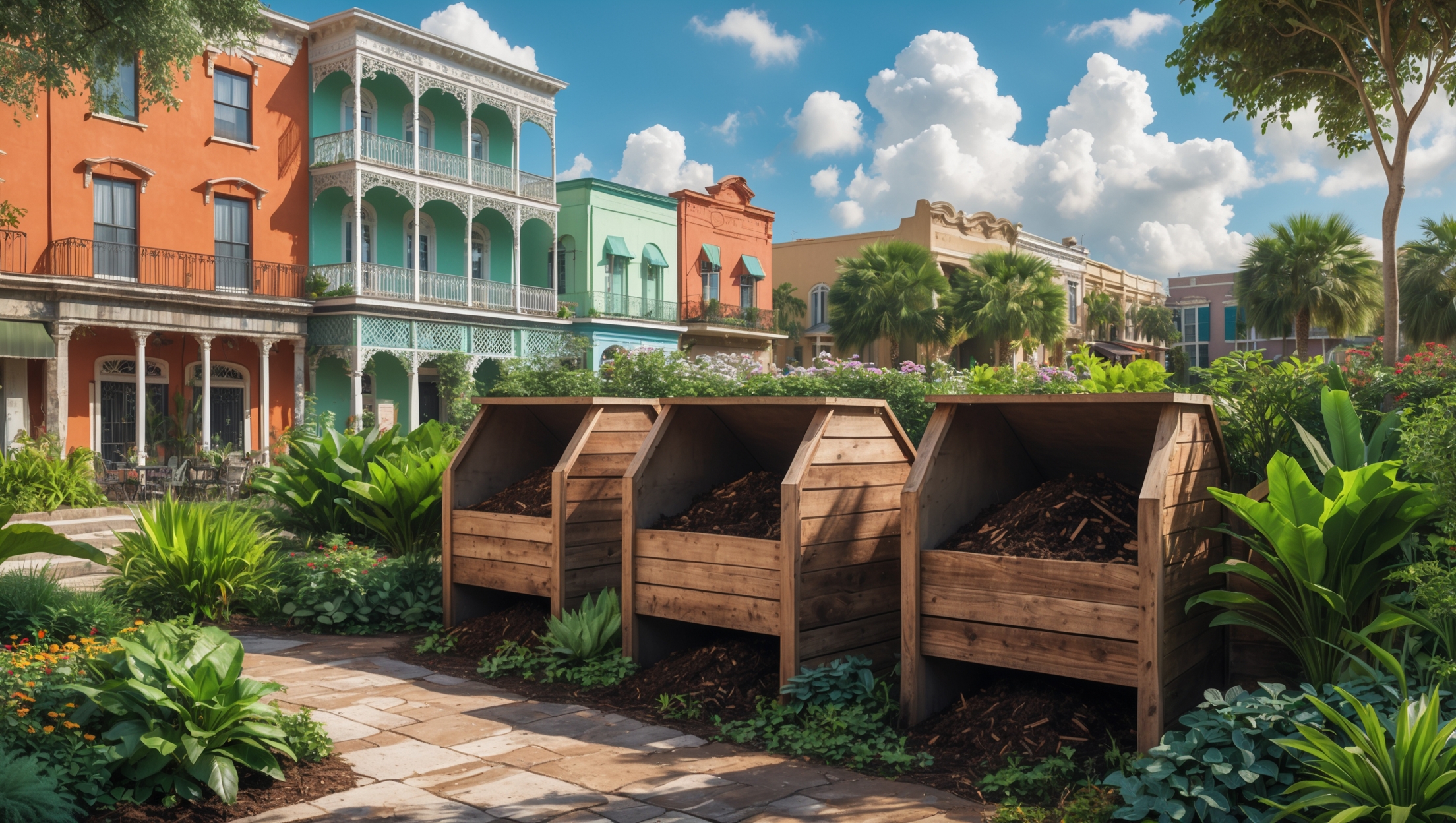
Step-by-Step: Launching a Community Compost Hub in St. Petersburg, FL

Introduction: Why St. Petersburg Needs More Community Compost Hubs
St. Petersburg, FL is a vibrant city known for its creativity, eco-conscious spirit, and passionate community initiatives. As local neighborhoods continue to embrace sustainable living, community compost hubs have emerged as an essential project—turning food scraps into rich soil, reducing landfill waste, and strengthening neighborhood bonds. But starting a community compost hub isn’t as simple as piling up leaves in a corner. It demands thoughtful planning, the right equipment, a workable budget, and ongoing community engagement. In this guide, you’ll discover a clear, step-by-step process to bring a compost hub to life in your St. Pete neighborhood. From site selection and budgeting to maintenance and compliance, we’ll draw on real-world local insights and practical advice. Whether you’re a seasoned green thumb or a first-time project organizer, you’ll find actionable steps and resources to turn your composting vision into a thriving community asset.
Step 1: Assessing Community Interest and Forming a Team
Identifying Neighborhood Champions
Before any shovels hit the soil, gauge your community’s interest. Start by posting on local digital boards (like Nextdoor or Facebook groups), visiting neighborhood association meetings, and chatting with residents at community gardens or farmers markets. Find a core team of 3-7 people passionate about composting, sustainability, or gardening. Diverse skills—such as event planning, gardening, outreach, and budgeting—will set your project up for success.
Conducting a Quick Needs Survey
Use free tools like Google Forms to survey residents. Key questions might include:
- Would you participate in a community compost program?
- How often do you generate food scraps?
- Would you volunteer to help maintain the hub?
- What resources or support would you need?
Summarize the results and share them at your next meeting—this helps align goals and demonstrates genuine demand to potential partners.
Step 2: Choosing the Right Location
Site Selection Criteria
Location is crucial for accessibility and long-term sustainability. Ideal sites include:
- Community gardens
- Parks (with city approval)
- School or church grounds
- Vacant lots with neighborhood buy-in
Key factors to consider:
- Accessibility: Easy for residents to drop off scraps, but not so exposed as to invite dumping.
- Sunlight: Compost works best with partial sun—too much shade slows decomposition, but direct sun can dry out piles.
- Water access: Occasional watering helps maintain the right moisture level.
- Distance from residences: At least 25 feet away to minimize odor concerns.
Getting Permissions
Contact the property owner or city’s Parks and Recreation Department. For city-owned land, submit a proposal outlining your project’s benefits, community support, and maintenance plan. Expect to provide:
- Site plan (sketch or digital map)
- Estimated number of participants
- Maintenance and volunteer schedule
Tip: The St. Pete Sustainability & Resilience Office is an excellent resource for guidance and contacts.
Step 3: Budgeting and Fundraising
Cost Breakdown
Starting a compost hub is cost-effective compared to many community projects. Typical expenses include:
- Compost bins: $100–$500 each, depending on type and size
- Tools (shovels, pitchforks, gloves): $100–$200
- Signage: $50–$150 for weatherproof signs
- Starter materials (browns like straw or wood chips): $50–$100
- Watering cans/hose: $30–$75
- Locking bins (for added security): $50–$150
Estimated total: $400–$1,200 for a small neighborhood site.
Local Fundraising Tips
- Microgrants: Apply for mini-grants from organizations like the St. Petersburg Foundation or local garden clubs.
- Business sponsorships: Ask nearby cafes or markets (especially those committed to sustainability) to sponsor bins in exchange for recognition.
- Community crowdfunding: Platforms like GoFundMe or Givebutter work well for neighborhood-scale projects—share your story and progress updates to keep donors engaged.
- In-kind donations: Request tool or material donations from local hardware stores or landscaping companies.
Step 4: Selecting Tools and Equipment
Choosing Compost Bins
St. Petersburg’s humid subtropical climate influences compost bin selection. Consider:
- Three-bin systems: Great for larger hubs—allow for active, curing, and finished compost processing.
- Tumbling bins: Compact, rodent-resistant, and low maintenance for smaller spaces.
- Wire or pallet bins: DIY-friendly and inexpensive but may require more frequent turning and close monitoring for pests.
Source bins locally when possible to reduce shipping costs and environmental impact. The Pinellas County Solid Waste program sometimes offers discounted bins.
Essential Tools and Materials
- Shovels and pitchforks for turning piles
- Rakes for distributing finished compost
- Gloves for volunteers
- Watering cans or hoses
- Thermometer (optional but helpful for monitoring pile temperature)
- Lock or security chains if theft is a concern
Step 5: Navigating Local Compliance and Best Practices
City and County Guidelines
While St. Petersburg is supportive of community composting, you must follow basic guidelines:
- No meat, dairy, or oils—these attract pests and odors
- Compost piles should not exceed one cubic yard without special permission
- Piles must be turned regularly and kept moist
- Signage must clearly state what is and isn’t accepted
Contact [email protected] or call the City’s Environmental Compliance Division for any updates or specific permitting questions.
Pest and Odor Management
To keep neighbors happy and your project in good standing:
- Balance greens (food scraps) and browns (leaves, straw) to prevent odors
- Cover food scraps with browns immediately
- Turn piles weekly to aerate and speed decomposition
- Consider installing a critter-proof lid or fencing
Step 6: Community Outreach and Education
Building Awareness
Promote your new compost hub through:
- Flyers at local cafes, libraries, and community centers
- Posts in neighborhood digital groups
- Tabling at local events and farmers markets
- Partnering with local schools for garden education programs
Host a launch event to demonstrate how the hub works and answer questions. Provide simple handouts on what can and cannot be composted.
Volunteer Recruitment and Training
Establish a volunteer schedule. Rotate responsibilities such as:
- Unlocking/locking bins
- Turning compost
- Monitoring for contamination
- Harvesting finished compost
- Communicating with participants
Monthly training sessions help keep volunteers engaged and informed about best practices.
Step 7: Maintenance, Troubleshooting, and Scaling Up
Ongoing Hub Maintenance
Consistency is key. Develop a simple checklist for volunteers:
- Check moisture level—add water if too dry, browns if too wet
- Turn piles to incorporate air and distribute heat
- Remove contaminants (plastic, glass, non-compostables)
- Monitor for pest activity and address immediately
- Log activity—many hubs use a shared Google Sheet
Common Issues and Solutions
- Odor: Usually too much green material or not enough air—add browns and turn the pile.
- Pests: Ensure all food is buried, use critter-proof lids, and avoid prohibited items.
- Slow decomposition: Add more greens, increase turning frequency, and monitor moisture.
Sharing Finished Compost
Decide as a group how to distribute the finished product: return it to participants, donate to local gardens, or use it for neighborhood beautification projects.
Step 8: Tracking Impact and Inspiring Replication
Measuring Success
Keep simple metrics to share at community meetings or with grantors:
- Pounds of food waste diverted
- Number of active participants
- Amount of compost produced and distributed
Share success stories and photos on social media or via local newsletters. This not only celebrates your progress but also inspires other neighborhoods to start their own hubs.
Conclusion: Growing Greener Together in St. Pete
Launching a community compost hub in St. Petersburg is more than just a sustainability project—it’s a way to connect neighbors, empower residents, and build a greener city for the future. With careful planning, a supportive team, and ongoing education, your compost hub can thrive for years, turning food waste into a valuable resource and demonstrating the power of grassroots action. Remember, the composting journey is as much about the people as it is about the process; every bucket of scraps dropped off is a vote for a healthier, more connected St. Pete. As your hub grows, don’t hesitate to share your experiences with other organizers, city officials, and local businesses. Your efforts can lay the groundwork for a city-wide network of compost hubs, amplifying environmental impact and strengthening community resilience. Ready to get started? Gather your team, pick a spot, and take the first step—it’s a project that will nourish your neighborhood for years to come.
For the community survey mentioned—how detailed does it need to be, and do you see better engagement by doing it online versus handing out paper copies at farmers markets or neighborhood meetings in St. Pete?
The community survey should be detailed enough to cover key topics like interest in composting, willingness to participate, preferred drop-off locations, and any concerns. However, keep it concise—about 10–15 questions—to encourage completion. In St. Pete, we’ve seen strong engagement both online and through paper surveys at local events. Combining both methods usually gets the most responses because it reaches a wider range of people, especially those who might not be active online.
After surveying your community for interest as suggested, how long did it typically take to gather a reliable core team and start moving forward with the next steps?
After surveying the community, it generally took about four to six weeks to identify a reliable core team. This timeframe included collecting survey responses, reaching out to interested individuals, and holding a couple of initial meetings to clarify roles and expectations. Once the core group was in place, we were able to begin organizing and taking concrete next steps fairly quickly.
As someone with a busy schedule, I’m curious how much time I might need to commit each week if I volunteer to help maintain a compost hub like the one described. Do most teams rotate duties so parents like me can still participate without it being overwhelming?
Most compost hub volunteer teams operate on flexible rotating schedules, which makes it easier for busy people and parents to participate. Typically, you might spend 1–2 hours per week on tasks like turning piles, checking temperature, or helping with drop-offs. Many hubs allow volunteers to trade shifts or pick tasks that fit their availability, so you can stay involved without feeling overwhelmed by the time commitment.
When you mention forming a core team of 3-7 people with diverse skills, do you find it’s more effective to have someone with prior budgeting experience on board, or can that piece be managed by someone new to finances if you use free digital tools for surveys and tracking?
Having someone with budgeting experience on your core team definitely helps, especially as you set up initial plans and manage funds. However, if no one has that background, it’s still possible for a committed team member to handle finances using free digital tools for tracking and surveys. Just be sure they’re comfortable learning as they go, and consider seeking occasional advice from a local expert or online resources to fill any knowledge gaps.
I’m wondering how long it typically takes to get from organizing a team to actually opening the compost site to the public in St. Pete. Can you share a rough timeline based on your experience or local examples?
Based on local examples in St. Petersburg, it usually takes about 3 to 6 months to go from team organization to opening a community compost hub to the public. This timeline includes planning, securing a site, getting permits, setting up infrastructure, and outreach. Some groups move faster if they already have community and city support, while others might need a bit longer depending on funding and location logistics.
Once the core team is formed and a needs survey is done, what’s usually the next critical milestone for a St. Pete neighborhood? Are there city permits or site approvals that typically slow down progress?
After forming your core team and gathering input through a needs survey, the next crucial step is usually securing a location and obtaining the necessary permissions. In St. Petersburg, this often involves getting site approvals and city permits, which can take time. Coordinating with city departments early and having clear documentation will help, since permitting and zoning reviews are commonly what slow down progress at this stage.
How have you found the best way to engage people who aren’t already interested in composting, especially when using platforms like Facebook groups or at farmers markets? I imagine getting initial buy-in can be a challenge in some neighborhoods.
To engage newcomers, we’ve found that simple, hands-on demos at farmers markets work well—letting people see and touch finished compost helps break the ice. On Facebook groups, sharing real stories from neighbors and clear benefits like reduced trash or free soil often sparks curiosity. Starting with small take-home kits or offering beginner workshops can also lower the barrier for those who are unsure or hesitant.
I noticed you recommend doing a needs survey with questions about participation and volunteering. Did you find any specific incentives or outreach approaches that helped increase engagement or survey responses in your neighborhood?
Offering small incentives, like discounts at local farmers markets or reusable tote bags, helped boost survey response rates. Personal outreach, such as attending neighborhood events and chatting with residents, also made a difference. Highlighting how their input would shape the compost hub’s design and operations encouraged more people to participate and volunteer, as they felt their voice truly mattered.
After hosting an initial needs survey and gauging interest, what are the recommended next steps for securing a site, especially in neighborhoods where public spaces are limited or privately owned? Are there common roadblocks in St. Pete to look out for?
Once you’ve confirmed community interest, consider reaching out to local churches, schools, or businesses that might allow use of their property for a compost hub, since public spaces can be scarce. In St. Pete, zoning regulations and HOA restrictions are common roadblocks, so early conversations with the city’s zoning department and neighborhood associations can help avoid surprises and streamline the process.
When you mention site selection, are there any specific rules or zoning issues in St. Pete that we should be aware of before starting a compost hub? I’d like to avoid running into compliance problems.
Yes, site selection in St. Petersburg does come with some specific considerations. Compost hubs must comply with local zoning laws, so it’s important to check whether your proposed site is zoned for waste processing or community gardens. You’ll also need to follow regulations about setbacks from residences, stormwater management, and potential odor control. Contact the city’s Zoning Division early in your planning to confirm your location is suitable and to learn about any required permits or neighborhood notifications.
Could you share more about what type of equipment is considered essential when starting a compost hub in St. Petersburg? I’m curious if there are specific tools or bins that work best for the local climate or for group settings.
When starting a compost hub in St. Petersburg, it’s best to look for bins or tumblers made from sturdy, UV-resistant materials since the Florida sun can be intense. Aeration tools like turning forks or aerator spikes help keep piles healthy. For group settings, consider multiple mid-sized bins or a multi-bin system to handle higher volumes and allow for batch composting. Shovels, gloves, and a sturdy compost thermometer are also very useful.
I see you mention forming a core team of 3-7 people with diverse skills to get started. What roles or expertise ended up being most important in getting your compost hub off the ground in St. Pete, especially during those first few months?
In the first few months, having someone with community organizing experience was key to building partnerships and recruiting volunteers. A person with composting or gardening expertise helped set up the actual system and troubleshoot early issues. Someone comfortable with communications or social media kept people engaged and informed. Basic fundraising or grant-writing skills were also valuable for securing initial supplies. Each of these roles really helped the hub gain momentum in St. Pete.
When you talk about choosing a site for the compost hub in St. Pete, are there specific city regulations or zoning requirements we should watch out for, especially if we’re working with a neighborhood association?
Yes, there are specific city regulations and zoning requirements to consider in St. Petersburg. Compost hubs are typically allowed in certain zoning districts, and the city may require permits or approvals depending on the size and type of operation. If working with a neighborhood association, it’s important to check local zoning codes, consult with city planning or sanitation departments, and ensure compliance with setback rules and nuisance ordinances. Reaching out to city officials early in the process can help clarify what’s needed for your location.
When putting together the needs survey for our area, how detailed should the questions be about what residents will compost? Should I ask about just food scraps or also yard waste, and does that change the kind of composting system we should use?
It’s a good idea to include questions about both food scraps and yard waste in your survey. Knowing what types of materials residents plan to compost helps you choose the right system—some methods handle only food scraps, while others can process larger amounts of yard waste. The more specific your questions are, the better you can match your hub’s design to community needs.
For neighborhoods that don’t have strong existing community groups, what strategies have worked best for generating enough interest and finding committed team members to get a compost project off the ground?
In neighborhoods without strong community groups, starting small often works well. Host informal meetups or composting workshops to attract like-minded residents. Partnering with local schools, churches, or businesses can help spread the word and build trust. Sometimes, door-to-door outreach or flyers in popular spots can spark initial interest. Once a few people are engaged, form a planning team and share responsibilities to keep momentum going.
For the step about surveying residents, did you find that most people were open to volunteering their time to help maintain the compost hub, or was it challenging to get enough ongoing support from the neighborhood?
When we surveyed residents, many showed enthusiasm for the idea and expressed willingness to volunteer. However, while initial interest was high, maintaining consistent, ongoing support did require more effort. Regular reminders, flexible volunteer shifts, and community events helped keep people engaged and involved over time. So, while people were generally open to helping, active coordination was key to sustaining their participation.
When forming that core team of 3-7 people, did you run into any challenges balancing skills like budgeting and outreach? I’m curious if you recommend prioritizing certain roles first, especially if people are new to organizing community projects.
Balancing skills on the core team was definitely a challenge, especially since not everyone had direct experience in budgeting or outreach. We found it helpful to prioritize finding someone comfortable with organization and communication first, since outreach sets the foundation for building momentum. Budgeting skills are important too, but they can be learned or supplemented with outside help as the project grows. Flexibility and willingness to learn were just as valuable as specific expertise.
If our group keeps getting enthusiasm from residents but only a few are willing to help with hub maintenance, do you have strategies for boosting volunteer involvement or rotating duties to avoid burnout?
To encourage more volunteer involvement, try breaking maintenance into small, clearly defined tasks so people can sign up for specific jobs without feeling overwhelmed. Consider creating a rotating schedule or team system so responsibilities are shared. Hosting social events or recognition days can help foster a sense of community and appreciation. Also, highlight the impact of each volunteer’s work to keep motivation high.
In the section about conducting a quick needs survey, which methods ended up being the most effective for actually reaching residents in St. Pete? Did the digital boards like Nextdoor work better than in-person outreach at places like farmers markets?
In St. Petersburg, the article notes that outreach at local farmers markets and community events turned out to be the most effective way to engage residents directly and collect survey responses. While digital platforms like Nextdoor and neighborhood Facebook groups did help raise awareness, face-to-face conversations at public gatherings resulted in more meaningful feedback and higher participation rates.
After forming a core team and conducting the needs survey, what are the typical next steps in securing a site and ensuring compliance with local regulations in St. Pete? Is there a particular city department or process you found helpful?
Once you have a core team and survey results, the next step is to identify potential sites—look at vacant lots, community gardens, or partner with local businesses. Contact the City of St. Petersburg’s Sanitation Department, as they oversee composting initiatives and can clarify local guidelines. The city’s zoning and permitting offices can guide you through site approval and compliance, so arranging meetings with those departments early on is very helpful.
When you’re using tools like Google Forms to survey the neighborhood, what kinds of incentives or follow-up have you found effective for actually getting people to respond? I feel like participation in these surveys can be pretty low unless there’s some real buy-in from the start.
Offering small incentives like gift cards, free compost, or entry into a raffle can increase survey participation. In our experience, pairing the survey with in-person events or community meetings helps too—people respond more when they feel personally invited. Following up with a thank-you note and sharing early results with participants also shows their feedback matters, which encourages future engagement.
When surveying residents about their composting habits, what is considered a strong enough level of community interest to move forward with starting a hub? Is there a target percentage or number of households you recommend?
There isn’t a strict universal percentage, but many successful compost hub projects aim for at least 10–20% of surveyed households expressing definite interest in participating. In neighborhoods with about 200 households, having 20–40 households willing to contribute regularly often indicates enough momentum to proceed. It’s also valuable to gauge enthusiasm for volunteering or helping manage the hub, as strong volunteer interest can help your project thrive.
For the needs survey, did you find there were any particular questions that led to higher resident participation or more actionable feedback? I want to make sure my outreach is as effective as possible from the start.
Yes, asking residents specific questions about their current composting habits and barriers to participating in composting generated the most useful feedback. Questions like ‘What prevents you from composting now?’, ‘Would you use a drop-off location?’, and ‘What resources would help you participate?’ tended to encourage more detailed responses and higher engagement. Keeping the survey short and focused also helped boost participation rates.
When you talk about building a core team of 3-7 people, what are some ways you’ve seen work best for actually finding and keeping volunteers engaged long-term, especially once the initial enthusiasm wears off?
Inviting people through local environmental groups, social media, and neighborhood events is a strong start for finding volunteers. For long-term engagement, it helps to give team members clear roles, offer regular updates on progress, and celebrate small wins together. Occasional social get-togethers and consistent, open communication help keep the group motivated even if initial excitement fades.
Could you share more about what sort of budgeting is needed to get a basic compost hub off the ground in St. Petersburg? As a parent on a tight schedule and budget, I’d like to know upfront what initial costs or equipment might be involved before I take this to our neighborhood group.
To start a basic compost hub in St. Petersburg, you’ll need to budget for items like sturdy compost bins (around $50–$150 each), signage, basic tools (shovels, gloves, pitchforks), and possibly a lock or fencing if you’re concerned about security. Initial setup often falls in the $200–$500 range, depending on scale and material choices. Some groups offset costs by asking for donations or partnering with local organizations. Keeping things small at first can help manage both your time and expenses.
I noticed you suggest forming a core team of 3-7 people with diverse skills. In your experience, which roles tend to be hardest to fill when starting out in St. Pete, and do you have tips for recruiting people with that expertise locally?
In St. Pete, finding volunteers with hands-on composting experience and those comfortable with public outreach or education can be challenging at first. To recruit these skills, try reaching out to local gardening clubs, environmental organizations, or Master Gardener programs. Hosting info sessions at farmers markets or community events also helps attract people passionate about sustainability who may have the experience you need.
I’m a little unsure what kind of budget range I should plan for when starting a small compost hub like this in St. Pete, especially for basic equipment and site prep. Any ballpark figures or common expenses from your experience?
For a small compost hub in St. Pete, you’ll likely need a starting budget of $2,000 to $6,000. Main costs include compost bins or tumblers ($500–$1,500), tools like shovels and rakes ($100–$300), signage and educational materials ($200–$400), and site prep such as fencing or ground cover ($500–$2,000). Also, budget for water access and a small contingency fund for unforeseen needs.
For the initial needs survey mentioned in Step 1, what kinds of participation rates or interest levels should organizers look for to determine if it’s realistic to move forward with a compost hub in a specific St. Pete neighborhood?
For the needs survey, aim for at least 10–15% of households in the target neighborhood to respond, with a significant portion (around 40% or more of respondents) expressing willingness to participate or volunteer. This level of interest typically signals enough community support to make a compost hub viable and sustainable as it launches.
The article mentions conducting a quick needs survey to assess community interest. Did you encounter any challenges getting enough responses, and if so, what strategies helped you boost participation from residents in your neighborhood?
Getting enough responses for the needs survey was a bit challenging at first. To boost participation, we reached out through multiple channels—posting in local social media groups, sharing flyers at community centers, and attending neighborhood meetings. We also made the survey short and easy to complete, which encouraged more residents to share their feedback.
After gathering survey responses and forming a team, what’s usually the biggest hurdle to getting the compost hub off the ground—obtaining permissions, finding a location, or something else? I’m trying to anticipate potential roadblocks.
After forming your team and gathering survey responses, the most common hurdle is usually securing an appropriate location that meets zoning laws and community needs. Permissions and permits can also be challenging, but finding a site that’s accessible, approved, and has community support tends to take the most time and negotiation. Planning for clear communication with local authorities and neighbors can help smooth these steps.
I’m curious about the initial budgeting process. How much funding should our team expect to need upfront, and are there any local grants or city resources available specifically for community compost projects in St. Pete?
For the upfront budget, most community compost hubs in St. Petersburg typically need between $2,500 and $7,000 to cover bins, signage, tools, outreach materials, and initial site prep. The exact amount depends on your hub’s size and equipment choices. The City of St. Petersburg’s Sustainability Department sometimes offers small grants or support for green projects, and Keep Pinellas Beautiful has funding opportunities as well. Reaching out to local neighborhood associations can also help uncover additional resources.
Does the article address how to navigate the permitting or code compliance process specific to St. Pete when setting up a new compost hub? I’ve heard some cities require special approvals for neighborhood composting, so I’m wondering if there are any local hurdles people should watch out for.
The article touches on the importance of checking with local authorities in St. Petersburg for permits and code compliance but doesn’t provide detailed step-by-step guidance for city-specific approvals. It suggests contacting the city’s sanitation or zoning departments early in the planning process to clarify any requirements or restrictions that might apply to neighborhood composting projects.
When talking about equipment for starting the compost hub, are there any must-have tools or containers you recommend for beginners that are affordable but still effective? I am worried about spending too much at the start since our group is just getting formed.
For a new group, you can start with sturdy plastic bins or repurposed trash cans with holes drilled for aeration—they’re affordable and work well. A shovel, pitchfork, and a compost thermometer are also helpful but not expensive. Buckets for collecting food scraps and a simple tarp for covering compost are usually enough to get started without a big investment.
You suggest using surveys to assess interest, but what if the feedback is mixed or neighbors are hesitant about odors or pests? How have other groups in St. Petersburg addressed community concerns before setting up their compost hubs?
When feedback is mixed or there are concerns about odors and pests, groups in St. Petersburg have often hosted info sessions or demonstration days to show how well-managed composting works. They invite neighbors to visit existing hubs, see the setup, and ask questions. Many also highlight odor control measures, signage, and regular maintenance routines to reassure the community. Open dialogue and visible management plans go a long way in building trust and enthusiasm.
You mention assembling a team of 3-7 people with diverse skills. In your experience, what role or expertise was most challenging to find, and how did you fill that gap within your St. Pete community?
For our St. Pete compost hub, finding someone with strong experience in community engagement was the toughest. While we had people skilled in logistics and gardening, it took time to connect with a resident who was passionate about outreach and education. We eventually filled the gap by reaching out through neighborhood associations and local environmental groups, where we found a volunteer who was enthusiastic about bringing people together and spreading the word.
When you mention forming a team of 3-7 people with diverse skills, what have you found works best for keeping everyone engaged and accountable over time, especially if some team members have never done this kind of project before?
Setting up clear roles for each member helps a lot, so everyone knows what they’re responsible for. Regular check-ins—like short weekly meetings or progress updates—keep everyone connected and motivated. If someone is new to community projects, pairing them with a more experienced member for support can help. Celebrating small milestones and sharing successes also boosts engagement and accountability.
For budgeting the necessary equipment and materials, do you have any local recommendations in St. Petersburg for affordable compost bins or tools? I’m curious how much start-up funds most hubs realistically need before they can get up and running sustainably.
For affordable compost bins and tools in St. Petersburg, local options like Wilcox Nursery, Pinellas Community Compost, and Sunken Gardens sometimes offer supplies or can point you to trusted vendors. Many hubs begin with $500–$2,000 for basic bins, tools, signage, and starter materials, depending on size and volunteer support. Checking with local gardening groups or the city’s sustainability office may also uncover donation opportunities or discounts.
When putting together your initial core team for a compost hub, do you have suggestions on balancing gardening experience versus other skills like budgeting or event planning? I’m curious if you found one area to be more crucial during those first few months of organizing in St. Pete.
When forming your initial core team, it helps to have a mix of skills. In the early months in St. Pete, practical gardening and composting experience definitely helped with credibility and the physical set-up. However, having someone skilled in budgeting and another in event planning made coordination, fundraising, and community outreach much smoother. All three areas matter, but if you’re short-handed, prioritize hands-on composting knowledge and basic organizational skills, then add specialists as you grow.
Could you share some insights on budgeting for the hub when just starting out? Are there any local suppliers or strategies you recommend for getting affordable compost bins and tools in St. Petersburg?
When budgeting for a new compost hub, focus first on major costs like bins, tools, signage, and basic infrastructure. In St. Petersburg, you might contact local hardware stores or gardening centers for discounts or donations—sometimes they support community projects. Check with the city’s sustainability office for possible grants or surplus supplies. Also, consider reaching out to local schools or garden clubs, as they sometimes have connections for affordable equipment or may loan what you need to get started.
I see budgeting is mentioned as a key step. For someone with little fundraising experience, are there typical costs to expect when starting out, and how did you keep the initial budget manageable for a small neighborhood group?
Starting a community compost hub can be affordable if you keep things simple. Typical initial costs include bins or tumblers, signage, basic tools, and potentially liability insurance. To keep costs down, our group repurposed materials, asked for donations, and started small before expanding. Partnering with local organizations and applying for small community grants also helped us manage expenses without heavy fundraising experience.
When you mention ongoing maintenance and compliance, what specific city rules or guidelines should we be aware of in St. Petersburg? I want to make sure we don’t run into any issues after we set up the compost site.
For ongoing maintenance and compliance in St. Petersburg, you should be aware of local zoning ordinances that govern composting activities, requirements for odor and pest control, and waste management guidelines. The city may also require a permit if your hub operates on public land or serves multiple households. It’s important to regularly check for updates from the city’s Department of Sanitation and Neighborhood Affairs to ensure your compost site meets all health and safety standards.
How much should we realistically budget for setting up the initial composting equipment in St. Petersburg, and are there any suggested funding sources or grants specific to Florida or local neighborhoods?
For starting a community compost hub in St. Petersburg, you can expect to budget around $2,000 to $5,000 for initial equipment like bins, aerators, signage, and tools. Costs vary depending on the hub size and setup. Consider looking into grants from the Florida Department of Environmental Protection, local city sustainability programs, and neighborhood associations, as these sometimes offer funding for composting and environmental initiatives.
The article mentions using Google Forms to survey residents about compost hub interest. Is there a recommended minimum number of survey responses needed before moving ahead with planning, or a certain response rate that signals strong community support?
There isn’t a strict minimum number of survey responses, but aiming for at least 30–50 responses can help you spot clear trends and gauge genuine interest. More important than the number is seeing enthusiastic feedback and a sizable portion of positive responses relative to your outreach. If you see strong support or recurring requests in the feedback, that’s a good sign to move forward with planning.
I like the idea of starting with a needs survey and forming a core team, but how do you handle it if only a few people show interest at first? Are there strategies to encourage more residents, especially busy families, to get involved early on?
When interest starts small, focus on building momentum by showcasing early successes and making participation easy. Try hosting short, family-friendly events or compost workshops that double as social gatherings. Share clear benefits—like reducing waste or getting free compost for gardens—and use neighborhood social media or school newsletters to reach busy families. Personal invitations or partnering with local groups can also help draw in more participants.
Could you elaborate on any specific budgeting advice for sourcing the right equipment in St. Petersburg? For example, are there local grant opportunities or city resources that teams frequently use to offset startup costs for compost hubs?
In St. Petersburg, many new compost hubs tap into local sustainability grants offered by the city, such as the St. Pete Greenhouse and city microgrants, to help with equipment purchases. Teams often consult with the city’s Department of Sustainability for up-to-date funding options. Additionally, partnering with local environmental nonprofits can provide access to shared tools or advice on finding discounted equipment. Reaching out to local garden supply stores for sponsorships or discounts has also proved successful for some groups.
As a first-time organizer, how did you estimate the initial budget for equipment and materials? I’m not sure what the must-have items are versus things we can add later once the compost hub gets going.
When estimating the initial budget, we focused on essential equipment first—like compost bins, aeration tools, gloves, and collection containers. We made a list of must-haves needed to start basic composting and serve our first group of participants. Extras like signage, educational materials, and specialty tools were added to a wishlist for future funding. Prioritize what’s necessary for safety, functionality, and daily operations, then plan to expand as your hub grows.
When it comes to equipment and budgeting, does the article recommend any low-cost or beginner-friendly options for neighborhoods that may not have much funding set aside? We’d love to start small without a huge upfront investment.
The article suggests starting with basic, budget-friendly equipment like sturdy plastic bins or repurposed wooden pallets for composting, which can often be sourced for free or at low cost. It also emphasizes community resourcefulness—encouraging neighborhoods to ask local businesses or residents for donated materials and to begin with small-scale composting before considering larger investments.
How long does it usually take from the initial community interest survey to actually having a functioning compost site up and running? I’m trying to get a sense of the timeframe for planning a project like this in my neighborhood.
The timeline can vary, but based on the article, it typically takes around 6 to 12 months from the initial community interest survey to launching a fully functioning compost hub. This includes time for organizing, securing a site, getting permits, sourcing materials, and setting up operations. Allow extra time for community outreach and any unexpected delays.
Once you collect survey responses from neighbors, what are some effective ways to keep people engaged and informed before the compost hub is actually up and running? I worry about losing momentum over time if progress is slow.
To keep neighbors engaged while setting up the compost hub, try sending regular email updates with progress reports and milestones. Host casual meetups or virtual Q&A sessions to maintain excitement and answer questions. Share behind-the-scenes photos, community stories, or quick composting tips to build anticipation. Inviting people to help with small tasks or planning decisions can also foster a sense of ownership and keep momentum going.
Could you explain a bit more about the budgeting part when launching a community compost hub? I’m wondering what the biggest expenses are besides equipment, and if there are any local grants or resources specific to St. Pete that you could recommend for new teams.
Beyond equipment, the largest budgeting items usually include site preparation, staff or volunteer stipends, insurance, outreach materials, and transportation costs for food scraps. In St. Petersburg, check with the city’s Sustainability & Resiliency Office—they sometimes offer small grants or technical support. Also, look into the Pinellas Community Foundation and local environmental organizations for funding or partnership opportunities tailored to sustainability projects like compost hubs.
The article mentions using a Google Form to survey neighbors about composting needs. Do you have any tips on getting people to actually fill it out? I worry that people in my building might ignore online surveys unless we reach out in person or offer some kind of incentive.
To boost responses, consider a few approaches: First, mention the survey at building meetings or post flyers in common areas with a QR code for quick access. A personal conversation or door-to-door explanation can make people feel their input matters. Offering a small incentive, like a chance to win a gift card or a treat, often helps increase participation.
I’m interested in forming a team but our neighborhood is pretty small, and I’m not sure we could get 3-7 committed people. Have you seen any hubs succeed with fewer volunteers, or do you have tips for smaller groups starting out?
Absolutely, smaller groups can still launch successful compost hubs. Even with just two dedicated members, you can start small and scale up as interest grows. Focus on clear roles, manageable tasks, and simple processes. Engaging neighbors gradually may help attract more volunteers over time. Starting with fewer people just means adapting the project’s scope to your team’s capacity.
If our neighborhood already has a few residents composting on their own, would it be better to combine efforts into one community hub, or should those with backyard bins just continue individually? Are there benefits or drawbacks to merging these smaller initiatives into a bigger project like the article describes?
Combining individual efforts into a single community compost hub can offer benefits like sharing resources, reducing duplication, and increasing educational opportunities. A hub often accepts more materials, diverts more waste, and makes it easier for newcomers to participate. However, some may prefer the convenience and control of their own bins. Merging efforts works best if everyone is open to shared guidelines and responsibilities. Consider what fits your group’s goals and capacity.
After the initial interest survey and building a team, what’s usually the next step? Do you recommend looking for a location right away, or should we start by connecting with city officials or local organizations first?
After you’ve gathered your team, the next best move is usually to connect with city officials and local organizations before searching for a location. Building these relationships early can help you understand local regulations, get support, and possibly find partners or sponsors. Once you have a sense of what’s feasible and any requirements, you’ll be better prepared to choose a suitable site.
For forming the initial core team of 3-7 people, do you have suggestions for recruiting volunteers from less engaged parts of the neighborhood, especially if some residents aren’t active online or at community gardens?
To reach less engaged residents, try in-person outreach like door-to-door conversations, flyers at local shops, churches, and community centers, or attending neighborhood events. Partner with trusted local leaders to spread the word, and offer informal meet-ups to introduce the compost hub idea. Making volunteering flexible and clearly explaining the benefits can also encourage participation from those who aren’t already involved.
I’m curious about the budgeting part that was mentioned as being important when starting a compost hub. Could you give an example of what a basic budget breakdown might look like for a small neighborhood hub in St. Petersburg?
Absolutely! For a small neighborhood compost hub in St. Petersburg, a simple budget might include bins or tumblers ($300–$600), signage and outreach materials ($100), basic tools like shovels and gloves ($50–$100), starter composting materials ($50), and possibly a permit or insurance ($100–$200). So, a basic setup could be around $600–$1,000 depending on choices and local requirements.
Once you have a small team and survey results, what are the next immediate steps to keep the momentum going before actually setting up the compost area? I worry about losing interest if there are delays between meetings and action.
To keep everyone engaged, consider assigning roles or small research tasks, like scouting possible compost sites, looking into permits, or gathering materials. Organize hands-on activities such as a composting workshop or a site visit. Regular, short check-ins—either in person or online—help maintain momentum and give progress updates while you prepare for the actual setup.
You touched on budgeting for equipment and ongoing maintenance. Can you share a ballpark figure or breakdown of what a basic compost hub setup cost in St. Pete, and any tips for securing funding or reducing upfront expenses for those just starting out?
A basic compost hub setup in St. Pete typically ranges from $2,000 to $5,000. This covers bins, tools, signage, and a basic shelter. Ongoing costs like maintenance and outreach add a few hundred dollars annually. To reduce upfront expenses, consider partnering with local businesses or nonprofits for material donations, applying for small grants offered by the city, or hosting community fundraisers. Starting with smaller, DIY bins can also keep costs low while you build community support.
How do you recommend handling compost hub maintenance if people are interested in the idea but not many are willing to volunteer regularly? Are there any strategies that work well in St. Pete to keep momentum going when community engagement dips?
When regular volunteers are scarce, a few strategies can help maintain your compost hub. In St. Pete, some hubs have succeeded by rotating simple weekly tasks among a small team and offering incentives like free compost or local business discounts to volunteers. You might also partner with schools or organizations for short-term projects, or host monthly events to draw in new helpers and keep the community interested.
I noticed you suggest forming a core team of 3-7 people. What’s worked best for keeping everyone engaged over several months, especially as busy parents? Have you seen any strategies to prevent burnout among volunteers running these compost hubs?
Keeping volunteers engaged, especially busy parents, often comes down to flexibility and clear communication. Rotating responsibilities, setting realistic expectations, and scheduling shorter, family-friendly shifts can help. Some teams have monthly check-ins just to connect and celebrate progress, not just handle tasks. Recognizing even small wins and allowing for breaks when needed helps prevent burnout. Sharing leadership roles so no one feels solely responsible is also key.
The article mentions using Google Forms to survey residents about their composting interest. How did you encourage people to actually fill out the survey and share honest feedback? Were there any challenges in getting enough responses to set clear community goals?
To encourage participation, we promoted the Google Form survey through neighborhood social media groups, local newsletters, and during community events. We emphasized that honest feedback would shape the compost hub to meet real needs, which helped build trust. At first, response rates were slow, but reminders and personal outreach by community champions made a big difference. Gathering enough input took persistence, but diverse collection points ultimately gave us a clearer picture of community goals.
When you conduct the initial needs survey with residents, what’s the best way to encourage honest input, especially from those who might be hesitant or unsure about composting?
To encourage honest input during the initial needs survey, it helps to assure residents that their responses are anonymous and there are no right or wrong answers. Use open-ended questions and include options for people to express concerns or uncertainties. Hosting informal conversations or focus groups can also make people feel more comfortable sharing their true thoughts about composting.
What are the main local compliance or permitting issues to look out for when setting up a community compost hub in St. Petersburg? Are there specific city rules about composting in public spaces or residential neighborhoods?
When setting up a community compost hub in St. Petersburg, you’ll need to follow city and county waste regulations. Public space composting usually requires city approval, and you may need a permit, especially if the site is on municipal land. In residential neighborhoods, check for zoning restrictions and homeowners’ association rules. The city also has guidelines on what materials can be composted to prevent odors and pests, so be sure to review those before starting.
You mentioned budgeting as a key aspect of starting a compost hub. Can you share more about what major costs to expect early on and whether there are local grants available in St. Pete that helped with funding?
Early costs for a compost hub usually include purchasing bins or tumblers, signage, tools like pitchforks and shovels, and possibly securing permits or insurance. You may also need funds for outreach materials and initial site setup. In St. Pete, some local sustainability grants and neighborhood partnership programs have supported similar projects. It’s a good idea to check with the city’s Office of Sustainability and local environmental nonprofits for current grant opportunities.
I’m curious about how you recommend structuring the first few meetings for the core team you mention. Are there specific agendas or roles you suggest starting with to keep things organized as the project gets off the ground in St. Petersburg?
For your first few core team meetings, it’s helpful to start with clear roles like a facilitator, note-taker, and timekeeper. Agendas might include introductions, setting shared goals, discussing community needs, mapping out initial tasks, and deciding on communication methods. Make time for everyone to share their skills and interests, which helps with delegating responsibilities and building trust within the group.
For the initial needs survey mentioned, what response rate have you found is necessary to determine real community interest? In my neighborhood, people don’t always respond to online forms, so I wonder what sample size is realistic before moving forward.
For small neighborhoods, aiming for responses from at least 10–15% of households is usually a reasonable goal to gauge genuine interest. If online surveys get low responses, you might try combining methods—like brief in-person chats, flyers with QR codes, or simple paper surveys—to boost engagement. Even a handful of enthusiastic participants can justify moving forward if their interest is strong and they represent a mix of community perspectives.
In terms of ongoing community engagement, what strategies have you found most successful for keeping volunteers motivated and involved after the initial excitement wears off?
Sustaining volunteer motivation often comes down to regular communication, recognizing contributions, and creating a sense of ownership. We hold monthly check-ins, celebrate milestones, and encourage volunteers to take on leadership roles or suggest new initiatives. Offering workshops, social events, and tangible feedback about the hub’s impact also helps maintain enthusiasm and keeps everyone connected to the project’s mission.
How do you recommend handling situations where there’s not a lot of initial interest from neighbors, even after posting on sites like Nextdoor or talking at local markets? Did you run into any skepticism, and what worked to change minds in St. Pete?
Low initial interest is pretty normal, and yes, some skepticism came up in St. Pete, especially around pests and upkeep. What helped was hosting small, informal meetups and compost demos so people could see the process up close. Sharing success stories from early adopters also slowly built trust. Sometimes, partnering with local schools or community gardens created a ripple effect, drawing in more folks through word of mouth.
After completing the community needs survey and organizing a team, what are the most effective next steps to keep neighbors engaged and motivated before the physical build begins? Any local events or outreach strategies that worked especially well in your experience?
Once you’ve surveyed the community and formed your team, hosting informal meetups or workshops about composting can maintain momentum. Community clean-ups and garden tours are also great for engagement. In St. Pete, tabling at farmer’s markets and collaborating with local schools for compost education programs brought in lots of neighbors. Keeping updates lively on social media and celebrating small milestones helps everyone stay motivated while waiting for the build to start.
When you’re forming the initial core team of 3-7 people, how did you find the right mix of skills? Did you run into any challenges keeping volunteers engaged over time, especially if interest faded after the project got started?
To build a well-rounded core team, we looked for people with varied backgrounds—some had experience in gardening or composting, others brought community organizing or communication skills. Personal passion for sustainability was also important. Keeping volunteers engaged was a challenge; regular meetings, celebrating small wins, and assigning meaningful tasks helped maintain interest. Checking in with team members and being flexible with roles also made a big difference over time.
For the needs survey mentioned in the article, do you have any tips on getting a good response rate from neighbors who might not be active online or at community meetings?
To reach neighbors who aren’t active online or at meetings, consider printing paper surveys and distributing them door-to-door or leaving them at local gathering spots like libraries, churches, or coffee shops. You could also ask trusted community members to help spread the word in person or at neighborhood events. Offering a small incentive, like a raffle entry, sometimes encourages more people to participate.
When forming the initial core team for a compost hub, do you suggest involving someone with experience in local regulations right from the start, or can that piece come later after gauging basic community interest?
Involving someone with experience in local regulations from the very beginning can save a lot of time and prevent setbacks. They can help ensure your plans align with city codes and environmental guidelines, making it easier to move forward once you have community support. However, if you’re just gathering initial interest, you might start small and bring in regulatory expertise once you see there’s real momentum.
Once you’ve collected survey responses and have a core group together, what are the very first steps you’d suggest to get the project moving? Is there a typical timeline for launching a hub after forming the team?
After forming your core group and gathering survey feedback, start by defining your shared goals and choosing a location for the compost hub. Next, outline roles for each team member and develop a clear plan for site setup, materials, and outreach. Many groups spend 1–3 months on planning and permissions before launching, but this can vary based on local approvals and site readiness.
I’m interested in starting a compost hub in my neighborhood, but I’m not sure how to figure out what kind of equipment we’d need to get started. Are there specific tools or bins you recommend for a community compost project in St. Petersburg’s climate?
For St. Petersburg’s warm and humid climate, it’s a good idea to use sturdy, rodent-proof bins with good airflow—look for heavy-duty plastic or metal compost bins with tight-fitting lids. Aeration tools like compost turners or pitchforks make turning easier, and a thermometer helps monitor the pile. You might also want basic shovels and gloves for volunteers. Starting with a few mid-sized bins is a manageable way to begin and expand as participation grows.
When you say the project requires thoughtful budgeting and the right equipment, could you give a ballpark estimate of how much it would cost to set up a basic compost hub in St. Petersburg? I’m trying to figure out what to expect for initial expenses before presenting this idea to my neighborhood group.
A basic community compost hub setup in St. Petersburg typically costs between $2,000 and $5,000. This covers initial expenses like secure compost bins or tumblers, signage, basic tools (shovels, rakes), a starter supply of brown materials, and possibly a lockable storage shed. If you plan to host workshops or need insurance, those could add a few hundred dollars more. The exact total will depend on the scale and chosen equipment, but this range should give your group a realistic starting estimate.
The article mentions using Google Forms to survey neighbors about interest and potential involvement. Did you find that people responded more online or in person, and did you run into any issues getting enough feedback for your planning?
In our experience, most feedback came through the online Google Form, since it was easy to share and fill out. However, we did supplement with in-person conversations at neighborhood events to reach people who aren’t as active online. The main challenge was making sure enough people knew about the survey, so we promoted it both digitally and face-to-face to get a solid response for our planning.
I’m curious about budgeting—what are some realistic startup costs for the equipment and supplies needed for a community compost hub, and are there any local grants or funding resources you suggest looking into for St. Petersburg?
Startup costs for a community compost hub in St. Petersburg typically range from $2,000 to $8,000, depending on scale. This covers compost bins, collection containers, signage, basic tools, and initial marketing. For funding, check with the City of St. Petersburg’s Sustainability & Resilience Division, local environmental nonprofits, and regional mini-grant programs. Tampa Bay Estuary Program’s grants and neighborhood partnership grants have supported similar projects in the area.
How do you handle possible pushback from neighbors worried about odors or pests near a new compost site? Are there any proven strategies—or even city guidelines—for addressing these concerns in St. Pete?
Concerns about odors and pests are common, but with proper management, they can be minimized. In St. Petersburg, best practices include using enclosed bins, regularly turning the compost, and avoiding meat or dairy scraps. The city encourages siting compost hubs away from property lines and provides guidelines on setbacks and maintenance. Hosting informational meetings and sharing these measures with neighbors can also help address worries and build support.
The article mentions surveying the neighborhood before starting. What are some effective ways to reach families who might not be on social media or attend farmers markets, so their needs are also included in the initial assessment?
To reach families who aren’t active on social media or present at farmers markets, consider distributing flyers or surveys through local schools, libraries, and religious centers. You can also collaborate with neighborhood associations or ask local businesses to share information with their customers. Door-to-door conversations or mailers can be effective as well, especially for reaching seniors or those without internet access.
For the step about forming a core team of 3-7 people, do you have any advice on how to delegate responsibilities effectively among team members with varying levels of gardening or composting experience?
When forming your core team, start by discussing each member’s strengths, interests, and experience levels. Assign roles that match their expertise—for example, someone with composting know-how could lead training, while a beginner might handle outreach or logistics. Make sure to pair less experienced members with mentors on the team, and encourage open communication so everyone feels supported and can grow into their roles.
For the needs survey part, do you have suggestions on what to do if only a few neighbors respond? I’m worried that low participation might make it tough to show there’s enough interest to move the project forward.
If you receive only a few responses to your needs survey, consider trying alternative outreach methods like door-to-door conversations, hosting a small informational gathering, or using neighborhood social media groups. Personal contact often boosts participation. You can also share early results with local organizations or community leaders to help build momentum. Even a small group of enthusiastic supporters can demonstrate initial interest and help attract more participants over time.
When putting together a budget for the compost hub, what major expenses should we expect beyond the basics like bins and signage? Did maintenance or city permits end up costing more than you anticipated in St. Petersburg?
Besides bins and signage, you should plan for expenses such as ongoing maintenance (like repairs, cleaning supplies, and pest control), insurance, volunteer training, and educational materials. In St. Petersburg, city permits and compliance costs were higher than expected, especially for waste handling and site inspections. It’s wise to set aside a contingency fund for unexpected fees and to regularly review costs as the hub grows.
You mention using Google Forms to survey community interest—what response rate or level of participation would you consider promising enough to move forward with planning a compost hub in St. Petersburg?
A promising response rate for a community interest survey in St. Petersburg would typically be at least 10-15% of the people you reach out to, or around 50-100 engaged responses if you’re distributing it within a neighborhood or local network. What matters most is seeing both enthusiastic interest and a willingness from people to participate or volunteer. High-quality, committed responses are more important than sheer numbers.
How did you budget for equipment and ongoing maintenance in St. Petersburg, considering the humid climate and local pests? I’m wondering if there were any unexpected costs or items your team wishes they had included from the beginning.
We factored in extra costs for weather-resistant bins, sturdy covers, and pest-proofing measures due to St. Petersburg’s humidity and common pests like rodents. Ongoing maintenance includes regular bin cleaning and occasional replacement of composting tools. Unexpectedly, we needed to invest more in secure storage and odor control supplies. If starting again, we’d budget more for pest deterrents and staff training on best maintenance practices from day one.
I’m wondering how much time a parent might need to realistically commit if they join the core compost team mentioned here. With work and kids’ schedules, is it more of a weekly or monthly involvement, especially in the first few months after starting the hub?
Joining the core compost team typically involves a weekly commitment, especially during the first few months as the hub gets established. Most team members spend about 2-4 hours per week handling tasks like site coordination, volunteer shifts, and outreach. There’s some flexibility, so if your schedule is tight, you can coordinate with other parents to share responsibilities or focus on specific roles that match your availability.
For compliance, are there any particular city ordinances or waste management rules in St. Petersburg that someone should be aware of before launching a compost hub? I want to make sure we don’t run into regulatory issues down the road.
Yes, before launching a compost hub in St. Petersburg, you’ll need to review local ordinances regarding waste processing, zoning, and potential permits required for composting operations. The city may have specific guidelines for handling organic waste and neighborhood regulations to prevent odors or pests. It’s also important to connect with the city’s sanitation department to clarify allowable materials and ensure your site plan aligns with municipal standards. Reaching out to local officials early can help you avoid any surprises later on.
Do you have any recommendations for how to keep the core team motivated and engaged throughout the planning and early maintenance stages? I’ve noticed that people are excited at first but sometimes lose momentum with longer projects like compost hubs.
Keeping the core team motivated can be a challenge with longer projects. Try setting small, achievable milestones and celebrating each success together. Regular check-ins and open communication help everyone stay connected and feel valued. Involving team members in decision-making and giving them ownership over specific tasks can also boost engagement. Lastly, remind the group of the positive impact your compost hub will have on the community to keep enthusiasm high.
You mention using tools like Google Forms to survey neighbors about composting interest. What kinds of incentives or strategies have you seen work best to actually get people to respond to these surveys in St. Pete?
In St. Pete, offering small incentives like entry into a local gift card raffle or free compost bins has helped boost survey responses. Collaborating with neighborhood associations and promoting the survey at local events, farmers markets, or on community social media pages also increases participation. Personalized invitations and reminders, especially from familiar local leaders, tend to encourage more neighbors to engage with the survey.
How do you recommend getting buy-in from residents who might be skeptical about composting or worry about potential odor and pests in the neighborhood? Are there particular talking points or strategies that have worked in St. Pete?
To address skepticism, hosting a neighborhood info session can be really effective. Share data from St. Pete’s existing hubs showing that with proper management, odors and pests are minimal. Highlight benefits like reducing landfill waste and providing free compost for gardens. Invite residents to visit a functioning hub and talk to current participants. Emphasize the hub’s cleanliness, and let people see the process firsthand to build trust and interest.
You mentioned using a quick needs survey with residents. Have there been any surprising survey responses or challenges in actually getting people to fill out the form in your experience?
One interesting thing we found was that some residents were more interested in the educational workshops than actually dropping off compost, which helped us refine our programming. As for getting people to complete the survey, the biggest challenge was participation—many people were interested in the idea but didn’t always follow through. Offering paper versions at community events and simplifying the survey questions made a noticeable difference.
When it comes to finding the right equipment and estimating a workable budget for a new community compost hub, do you have any ballpark figures or recommendations for affordable sources in the St. Petersburg area?
For starting a small compost hub in St. Petersburg, basic equipment like bins, pitchforks, shovels, and thermometers usually costs between $500 and $1,500, depending on size and quality. Local sources like hardware stores, garden centers, and even city surplus sales can offer affordable options. Some community groups also find used equipment through online marketplaces or local environmental organizations. Be sure to budget a little extra for signage and educational materials.
The article mentions ongoing community engagement as important for success. What are some effective ways to keep residents actively involved with the compost hub after the initial excitement has worn off? Any local examples you could share?
To keep residents engaged after the initial launch, consider organizing regular compost workshops, volunteer days, or friendly compost competitions. Hosting monthly meet-ups where participants see how much food waste they’ve diverted can build a sense of ownership. In St. Petersburg, the Pinellas Community Compost program keeps interest high by offering seasonal events and recognition for active participants. Sharing success stories and progress updates also helps maintain involvement over time.
When forming the core team of 3-7 people for a compost hub, do you have any advice on how to balance skill sets, especially if most volunteers are interested in gardening but not event planning or budgeting?
It’s common for core teams to lean toward gardening skills, but having a range of abilities is important for a successful compost hub. Try reaching out to local groups or friends interested in organization, event planning, or finance—even if they’re not passionate about gardening. You can also invite volunteers to take on new roles with some training, or rotate responsibilities so everyone develops a broader skill set over time.
You mentioned needing a workable budget and the right equipment. Could you give some examples of what kind of equipment is essential for a small starter compost hub, and any idea of what the initial costs might look like in St. Pete?
For a small starter compost hub in St. Pete, essential equipment usually includes compost bins or tumblers, pitchforks, shovels, a wheelbarrow, and moisture meters. You’ll also need gloves, collection buckets, and signage. Depending on quality and whether you buy new or used, initial costs can range from $500 to $2,000. Local resources or grants might help offset these costs as well.
Could you share more details about what kind of equipment is typically necessary for a small-scale compost hub in St. Pete, and any local vendors you recommend for sourcing it?
For a small-scale compost hub in St. Pete, you’ll usually need sturdy compost bins or tumblers, pitchforks or shovels, wheelbarrows, thermometers for monitoring pile temperature, and aeration tools. Moisture meters and protective gloves are also helpful. Local vendors like Pinellas Mulch, St. Pete Garden Center, or the Resourceful Collective often carry composting supplies and tools. Some gardening stores also offer discounts for community projects, so it’s worth asking about special rates.
I noticed the article suggests forming a core team of 3-7 people to get started. If you don’t initially find enough volunteers, do you have any tips for building momentum or collaborating with neighborhood associations to recruit more interested residents?
If you’re having trouble finding enough volunteers at first, try reaching out directly to neighborhood associations and asking if you can present your idea at one of their meetings. You might also post on local social media groups, attend community events, or partner with local schools and organizations. Sharing stories of successful compost projects in other cities can inspire interest and help potential volunteers see the benefits of getting involved.
Could you share more about the typical budget range for getting a community compost hub off the ground in St. Pete? I am trying to figure out what costs to expect upfront, especially for equipment and ongoing maintenance.
For a community compost hub in St. Pete, initial startup costs typically range from $2,000 to $8,000. This covers essentials like compost bins or tumblers, signage, tools, and basic site prep. Ongoing maintenance—such as replacing tools, buying carbon materials, and volunteer support—usually runs $500 to $2,000 per year. Factors like site size, bin type, and volunteer involvement can shift these numbers, but these are solid starting points for your planning.
I noticed you suggest forming a core team of 3-7 people for starting out. What if my neighborhood has a lot of interest but not many people willing to help with maintenance—are there ways to scale the hub to accommodate more users with fewer regular volunteers?
If you have lots of community interest but only a few core volunteers, consider starting on a smaller scale with clear guidelines for drop-off and participation. You can use lockable bins, scheduled drop-off hours, or ask users to sign up for small, rotating maintenance tasks. Education and signage can help users follow rules and reduce extra work for your team. As interest grows, some participants may become more willing to help out over time.
You mentioned the importance of ongoing community engagement. Once the initial excitement settles, what strategies have proven successful in St. Pete to keep neighbors actively involved and prevent volunteer burnout for compost hub maintenance?
In St. Pete, rotating volunteer schedules and hosting regular educational workshops have helped maintain long-term interest. Celebrating milestones, like compost collection totals and garden harvests, also keeps people motivated. Additionally, recognizing volunteers publicly and creating small leadership roles spreads out responsibilities, making the workload manageable and reducing burnout.
Once the survey responses are gathered and summarized, what are the key next actions you recommend to keep momentum going before securing a physical site? Especially interested in what works best to maintain engagement in the early stages.
After summarizing survey results, share key findings with respondents and invite them to join a virtual or in-person meeting to discuss next steps. Create a mailing list or group chat to keep everyone informed. Form small committees for tasks like site scouting, outreach, or education. Regularly update the group on progress and celebrate small wins. This keeps people engaged and invested, even before a physical site is secured.
If we start by pulling together a core group of volunteers, how soon should we expect to see real community participation and food scrap collection? Does the article lay out a suggested timeline from first survey to having a working compost site?
The article suggests that after gathering a core group of volunteers and surveying the community, you might expect to see tangible participation and food scrap collection within three to six months. It outlines key steps—community surveying, site selection, outreach, and building infrastructure—but doesn’t provide a rigid timeline. Progress often depends on volunteer availability, city coordination, and outreach success, so the timeframe can vary.
I’m interested in how much ongoing time commitment is realistically needed from volunteers to keep a community compost hub running smoothly in St. Pete. Based on your experience, how did you estimate maintenance hours and make sure enough people were available?
From our experience, running a community compost hub in St. Pete typically requires about 5–8 volunteer hours per week for basic tasks like turning compost, monitoring bins, and managing drop-offs. We estimated these hours by tracking each activity over several weeks. To ensure enough coverage, we built a volunteer schedule with shifts and kept a simple sign-up sheet, encouraging people to commit to regular slots and providing backup options if someone couldn’t make it.
Do you have any advice on setting a realistic budget for starting a compost hub like this? I’m wondering what the biggest initial expenses are and if there were any surprise costs that came up during your setup in St. Pete.
When setting a budget for a compost hub, factor in major costs like bins or tumblers, site preparation, signage, and safety equipment. In St. Pete, one surprise expense was extra insurance coverage required by the city. Also, transportation for hauling compost materials added up quickly. I recommend building in a contingency fund of at least 10–15% to cover unexpected costs during setup.
Regarding the step where you recommend surveying residents, do you have any tips on what response rate would indicate strong enough community interest to move forward? I’m curious about how to interpret less enthusiastic feedback when deciding whether to launch a hub.
A response rate of at least 20-30% from your target neighborhood is a good sign of strong interest. If participation or enthusiasm in the survey is low, consider holding a focus group or follow-up discussions to understand concerns. Sometimes, less enthusiastic feedback reveals barriers you might address, like lack of awareness or confusion about composting. Use that feedback to adjust your outreach before making a final decision.