
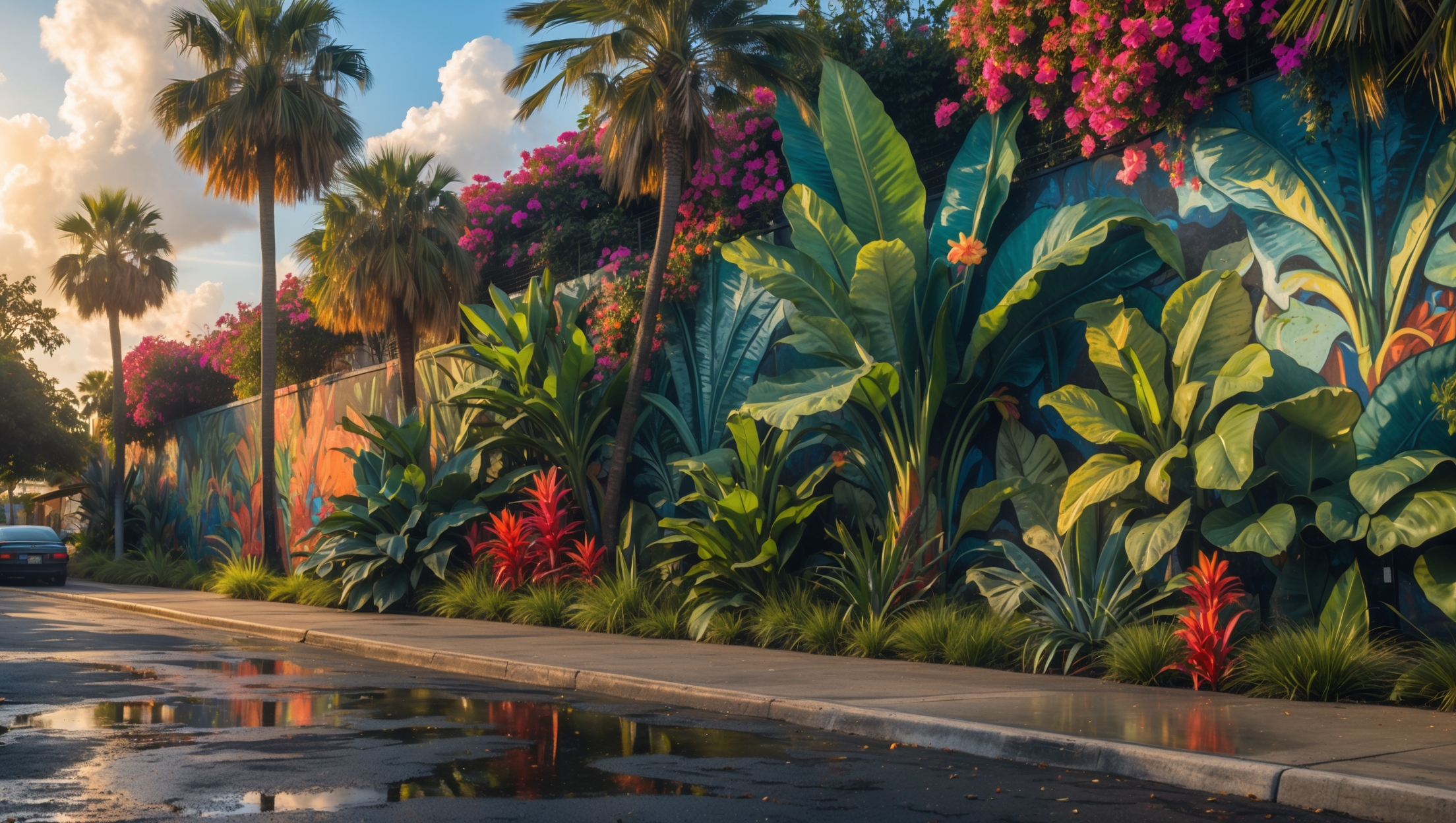
Seasonal Checklist for Maintaining St. Petersburg’s Community Murals

Introduction: The Living Canvas of St. Petersburg
St. Petersburg, Florida, has evolved into a dynamic hub for public art, with community murals coloring nearly every corner. These murals aren’t just beautiful backdrops for selfies—they’re visual stories woven into the city’s identity, celebrating everything from local history to the spirit of neighborhood collaboration. But while creating a mural is a labor of love, keeping these vibrant artworks looking their best is an ongoing community commitment. With Florida’s subtropical climate—think blazing sun, heavy rain, salty breezes, and the ever-present threat of mold and mildew—maintenance is not just recommended, it’s essential.
Whether you’re a mural organizer, volunteer, or local business supporting public art, having a structured, seasonally-aware maintenance plan is crucial. This guide delivers a detailed, actionable checklist tailored to St. Pete’s unique environment. We’ll walk through each season’s challenges, highlight practical tools and supplies, and offer pro tips for keeping murals fresh, safe, and inspiring for years to come. Let’s dive into the rhythms of mural care and ensure St. Petersburg’s walls remain vibrant canvases all year long.
Understanding St. Pete’s Climate: Why Seasonality Matters
Before building a mural maintenance checklist, it’s important to understand the local climate’s impact on outdoor art. St. Pete’s subtropical setting brings:
- Intense Sunlight: UV rays can fade colors and degrade many paints and protective coatings.
- Frequent Rainstorms: Especially in summer, heavy rains can cause water damage or promote mold growth.
- High Humidity: Humidity encourages algae, mold, and mildew on porous surfaces.
- Salt Air: Proximity to the Gulf can lead to salt deposits, which may corrode surfaces and impact some finishes.
- Occasional Strong Winds: Winds can drive debris against murals and erode protective layers.
These factors mean St. Pete murals need more than a once-a-year touch-up. Proactive, seasonal care makes all the difference.
Spring: Refresh and Inspect
Why Spring?
Spring in St. Petersburg is milder, with lower humidity and fewer storms—a perfect window for cleaning and assessment before the summer heat arrives.
Spring Checklist
- Visual Inspection: Walk the mural’s length. Look for peeling, bubbling, fading, hairline cracks, and early signs of mold or mildew.
- Gentle Cleaning: Use a soft-bristle brush or microfiber cloth, warm water, and mild soap. Avoid power washing and harsh cleaners, as they can strip paint or coatings.
- Touch-Up Paint: Match original paint colors for small retouches. Record any paint formula details for consistency.
- Check for Graffiti: If present, use a graffiti remover rated safe for murals. Test on a small area first.
- Inspect Protective Coatings: Ensure anti-graffiti or UV coatings are intact. Note any dull patches or sticky areas where recoating may be needed.
- Document the Condition: Take photos from multiple angles. Maintain a digital log to track changes season by season.
- Plan Community Volunteer Days: Spring’s pleasant weather is ideal for organizing mural care events and raising awareness.
Summer: Sun, Storms, and Rapid Response
Why Summer?
Summer is the toughest season for St. Pete’s murals, with peak UV exposure, high humidity, and almost daily storms. Maintenance shifts to damage prevention and quick fixes.
Summer Checklist
- Quick Weekly Checks: After heavy rain or storms, check for new leaks, runoff stains, or water pooling at the mural’s base.
- Monitor for Mold/Mildew: Look for green, black, or white patches. Remove early with a solution of one part distilled white vinegar to four parts water, applied gently.
- Inspect for Fading: Compare current mural color to spring documentation. If colors are noticeably dull, plan for a UV-protective overcoat when weather permits.
- Clear Debris: Remove leaves, branches, and trash that accumulate near the mural. Debris traps moisture and encourages mildew.
- Check Drainage: Ensure downspouts, gutters, and surrounding landscaping are clear to prevent water from splashing onto the mural wall.
- Emergency Touch-Ups: For storm or vandalism damage, address small sections promptly to prevent larger repairs later.
- Hydration Breaks: If working outside, schedule early morning or late evening maintenance sessions, provide water and shade for volunteers, and monitor for heat stress.
Fall: Prep for the Dry Season
Why Fall?
Autumn in St. Pete brings drier air and fewer storms—a prime time for more extensive repairs and upgrades.
Fall Checklist
- Deep Cleaning: With summer’s humidity waning, thoroughly wash the mural using mild soap and water, gently scrubbing away accumulated grime.
- Reapply Protective Coatings: Fall is the best time to renew anti-UV and anti-graffiti coatings. Follow manufacturer guidelines and ensure walls are completely dry before application.
- Assess for Structural Issues: Check for cracked stucco, loose bricks, or water infiltration behind the mural. Address with professional help if needed.
- Touch-Up Large Areas: If summer storms caused significant paint loss, plan for calm, dry days to repaint sections using original colors and weather-resistant paints.
- Prune Landscaping: Trim back any shrubs or vines encroaching on the mural, as plant growth can damage paint and trap moisture.
- Update Documentation: Add photos and notes to your seasonal log, recording any major repairs or changes to the mural’s appearance.
Winter: Monitor and Plan Ahead
Why Winter?
Winter in St. Petersburg is mild, with less rain and lower humidity. This is the time to monitor for long-term issues and plan for spring projects.
Winter Checklist
- Detailed Inspection: Walk the mural site, checking for slow-developing cracks, chalking (white powdery residue), and any persistent mold spots.
- Minimal Cleaning: If needed, do a light dust-off or spot clean, but avoid unnecessary washing during cooler weather.
- Evaluate Coating Performance: Note how well protective coatings have held up—any areas showing early wear may need attention in spring.
- Review Maintenance Records: Analyze your seasonal log and compare photos to identify trends or recurring issues.
- Plan for Spring: Make a list of supplies, touch-up paints, and volunteer needs for the next maintenance cycle.
Essential Tools and Supplies for Mural Maintenance
- Soft-bristle brushes and microfiber cloths
- Non-abrasive sponges
- Mild, pH-neutral soap or specialized mural cleaner
- Distilled white vinegar (for mildew removal)
- Touch-up paint (matched to original mural colors)
- UV-resistant and anti-graffiti coatings (clear, matte or gloss as appropriate)
- Buckets and spray bottles
- Personal protective equipment (gloves, safety glasses, masks)
- Digital camera or smartphone (for documentation)
- Step ladders or scaffolding (where needed, following safety guidelines)
Community Engagement: Making Maintenance a Shared Effort
Successful mural maintenance in St. Pete relies on community buy-in. Here’s how to foster ongoing support:
- Organize Quarterly Cleanup Events: Invite neighbors, local businesses, and schools to participate in mural care days. Offer refreshments and celebrate progress.
- Appoint Mural Stewards: Assign regular volunteers or local groups to monitor and report on mural conditions throughout the year.
- Share Progress Publicly: Post before-and-after photos, thank volunteers, and highlight the mural’s impact on social media and community boards.
- Educate About Vandalism: Provide information on the cost and impact of graffiti to encourage respect for public art.
- Partner with Local Artists: Involve original muralists in repairs and seasonal touch-ups, keeping the artwork’s integrity intact.
Pro Tips: Addressing Common Mural Maintenance Challenges
- Paint Matching: Always keep a record of paint brands, colors, and finishes used. If a color is discontinued, consult local art supply shops or the muralist for the closest match.
- Coating Selection: Choose coatings tested for Florida’s climate. Some anti-UV and anti-graffiti products degrade faster in heat and humidity; consult with local muralists or product reps.
- Managing Mold: Prevention is key. Ensure proper drainage and airflow near mural walls, and respond quickly to any outbreaks with gentle cleaning solutions.
- Graffiti Removal: Act within 24-48 hours for best results. Never use abrasive pads or harsh solvents unless specifically rated safe for murals.
- Documentation: Consistent photo logs help track fading, damage, and the effectiveness of different maintenance products over time.
Conclusion: Keeping St. Pete’s Murals Alive for Future Generations
St. Petersburg’s community murals are more than paint on concrete—they’re living, breathing examples of civic pride and creative expression. With every brush stroke, local artists and volunteers shape the city’s landscape and invite residents to see their neighborhoods with fresh eyes. But the murals’ vibrancy is only as enduring as the care they receive. By following a detailed seasonal maintenance checklist tailored to St. Pete’s unique weather and environment, you can preserve these public treasures for years to come.
Regular inspections, gentle cleaning, timely touch-ups, and community involvement aren’t just best practices—they’re essential to keeping public art safe from the elements and looking its best. Remember, mural maintenance is a marathon, not a sprint. By embracing each season’s rhythm, you can prevent small issues from becoming costly repairs and foster a sense of ownership among neighbors and visitors alike.
If you’re part of a mural project or simply appreciate the color these artworks bring to St. Petersburg, consider lending a hand during the next community cleanup or sharing this guide with others. The legacy of St. Pete’s murals depends on all of us. With thoughtful care and collaboration, these walls will continue to tell the city’s story—bold, bright, and unbroken—well into the future.
Do you have any suggestions for affordable tools or supplies that local businesses could donate to assist with year-round mural upkeep, given the unique challenges like heavy rain, humidity, and salt air in St. Pete?
Absolutely! Local businesses could donate high-quality exterior acrylic paints, UV-resistant varnishes, and graffiti removal wipes to help murals withstand the weather. Soft-bristle brushes, microfiber cloths for gentle cleaning, and sealants rated for coastal environments are also useful. Even items like buckets, ladders, and protective gloves go a long way. These supplies help tackle issues from moisture, fading, and salt buildup while keeping maintenance costs low.
What’s a realistic budget for a year-round mural maintenance plan, factoring in things like cleaning supplies, paints for touch-ups, and protective finishes in St. Pete’s climate?
A realistic annual budget for maintaining a community mural in St. Petersburg typically ranges from $500 to $2,000 per mural. This covers cleaning supplies (around $100–$300), touch-up paints ($150–$400), and UV-protective finishes or sealants ($250–$1,000). Labor costs can vary, especially if hiring professionals, so it’s wise to account for that separately if needed. St. Pete’s humid and sunny climate means investing in high-quality sealants and regular inspections to prevent weather-related damage.
I’m wondering how often volunteers should check murals for things like mold or salt deposits, since St. Pete’s climate seems pretty harsh year-round. Is there a recommended inspection schedule for each season or should it happen after every big rainstorm?
In St. Petersburg’s humid, salty climate, it’s best to inspect murals at least once each season—so four times a year is a good baseline for regular checks. After major rainstorms or hurricanes, it’s smart to do an extra walkthrough to spot any new mold, salt deposits, or water damage quickly. Regular seasonal checks plus post-storm inspections help catch problems before they get serious.
How much should a small neighborhood expect to budget annually for proper mural maintenance, especially considering the extra challenges from St. Pete’s humidity and sun? Are there any tips for keeping costs down?
For a small neighborhood, annual mural maintenance in St. Pete typically ranges from $300 to $1,000 per mural, depending on size and condition. The harsh sun and humidity mean you’ll need quality UV-protective sealants and occasional touch-ups. To keep costs down, regularly clean murals with gentle methods, organize volunteer maintenance days, and invest in durable, weather-resistant paints from the start.
As a parent with limited free time, I’m wondering if there are quick maintenance tasks my kids and I can help with during a weekend walk around the neighborhood murals, given St. Pete’s intense sun and humidity.
Absolutely, there are several quick ways you and your kids can help care for the murals during your walk. Bring along a soft brush or cloth to gently wipe off dust, pollen, or cobwebs from lower mural sections—this helps preserve the paint. If you spot any new graffiti or damage, snapping a photo and reporting it to the city or mural organizers is also a big help. These small actions can make a real difference, even with limited time.
Could you give some practical tips on how local volunteers or organizers might budget for seasonal supplies and maintenance tools, especially for larger community murals that get a lot of sun and rain exposure throughout the year?
To budget effectively, start by listing all required supplies—like UV-resistant paints, sealants, brushes, cleaning agents, and safety gear—based on the mural’s size and condition. Factor in extra quantities for touch-ups, especially since sun and rain can cause more frequent wear. Compare prices at multiple local suppliers and look for bulk discounts. Consider setting aside a contingency fund for unexpected repairs and see if local businesses or arts grants can sponsor part of the costs.
Could you give some examples of protective coatings that actually hold up well against the intense sunlight and salty air in St. Pete? I’m curious if certain products or brands consistently work better for preventing fading and corrosion over time.
For St. Pete’s harsh sun and salty air, urethane-based coatings like Golden MSA Varnish and UV-stable polyurethane sealers have a good reputation among muralists for durability. Additionally, products such as Sherwin-Williams Anti-Graffiti Coating and Golden Polymer Varnish are commonly used for UV and moisture protection. Many artists also prefer brands like Nova Color for their clear gloss exterior varnishes, which help prevent both fading and corrosion over time.
After following this seasonal checklist, how often do mural organizers typically need to do a full repaint versus just touch-ups in St. Pete’s weather conditions? Knowing the expected timeline would help with planning and budgeting.
In St. Petersburg’s climate, most murals only require touch-ups once or twice a year if you follow the seasonal checklist. Full repaints are less frequent, usually needed every 5 to 7 years, depending on sun exposure and weather events. Planning for annual touch-ups and budgeting for a major repaint every several years is a good approach.
Has anyone figured out how to prevent or quickly spot early signs of paint fading from all the UV exposure in St. Pete? We’ve noticed some areas look dull after just one summer and want to address it sooner next time.
Locals and artists often recommend routine visual inspections, especially at the start and end of each summer, to catch early signs of paint fading. Using a UV-protective varnish when the mural is first finished can make a big difference. Some communities also keep a photo log to compare colors over time, which helps spot fading before it gets too noticeable.
You mentioned heavy rain and high humidity causing mold and mildew. Is there a safe, kid-friendly way to help clean these surfaces, or should families avoid those types of cleanup entirely?
Families can help with light cleaning using gentle, non-toxic solutions like a mixture of mild soap and water, and soft sponges or cloths. Make sure children wear gloves and avoid harsh chemicals or pressure washing, which could damage the mural or cause exposure to irritants. For stubborn mold or mildew, it’s safest to leave that part to professionals to ensure everyone’s safety and preserve the artwork.
I’m curious about the types of protective coatings you recommend for St. Pete’s murals, especially with the intense UV exposure and salty air. Are there specific brands or products that have proven most durable in your experience?
For St. Petersburg’s climate, we suggest using high-quality anti-graffiti coatings with UV blockers and marine-grade clear coats. Products like Golden MSA Varnish with UVLS or Sherwin-Williams Anti-Graffiti Coating have performed well in resisting fading and salt damage. It’s important to choose a coating specifically labeled for exterior murals and reapply as recommended for lasting protection.
We sometimes organize volunteer cleanup days, but strong winds bring a lot of debris against the mural. Are there recommended tools or techniques for safely removing things like sand and dirt from textured mural surfaces?
For textured mural surfaces, soft-bristled brushes and handheld blowers work well to gently remove sand and dirt without damaging the paint. Avoid using pressure washers, as the force can harm the mural. For stubborn debris, a lightly dampened sponge or cloth can help—just be sure to blot rather than scrub. Always test a small area first to ensure the method is safe for the mural’s finish.
Since the article highlights that intense sunlight can fade paint quickly, is there a certain type of protective coating or sealant that works best for retaining color vibrancy in St. Pete’s climate? I’d love to know if there’s a product or method artists here prefer.
Artists in St. Pete often use UV-resistant varnishes or sealants specifically designed for outdoor murals. Products like anti-graffiti coatings and acrylic-based varnishes with UV blockers are popular choices because they help preserve color vibrancy and protect against intense sunlight. Many local muralists prefer applying multiple thin layers of these sealants after the paint has fully dried to ensure long-lasting protection in our sunny, humid climate.
I’m curious about the recommended schedule for checking for mold and mildew, especially during the humid summer months. Is inspection monthly enough, or do St. Pete’s conditions call for more frequent checks?
In St. Petersburg’s humid summers, it’s wise to inspect murals for mold and mildew every two weeks rather than monthly. The high humidity and frequent storms can lead to rapid growth, so more frequent checks help catch problems early. If the weather has been especially rainy, consider inspecting weekly to prevent damage.
I noticed you mentioned the importance of a seasonal approach to maintenance. Can you explain what the main differences are between summer and winter care routines for murals in the St. Petersburg climate?
In St. Petersburg, summer mural care usually focuses on protecting against intense sun, humidity, and occasional heavy rain. This means regular checks for fading, mold, or water damage, and sometimes reapplying UV-protective coatings. In winter, the routine is more about monitoring for wind-driven debris, cooler temperatures, and moisture buildup that could lead to paint cracking or peeling. Each season brings its own challenges, so adjusting cleaning, inspections, and touch-ups accordingly helps keep the murals looking their best year-round.
With the high humidity and frequent rainstorms mentioned, what’s the best way to handle mold or mildew that keeps coming back, especially on murals painted on older, more porous surfaces?
To tackle recurring mold or mildew on older, porous mural surfaces, start by gently cleaning the area with a soft brush and a mild detergent solution, avoiding harsh scrubbing that might damage the paint. Once dry, apply a mural-safe fungicidal wash. When the mural is completely clean and dry, use a high-quality, breathable sealant designed for masonry or murals. Regular inspections and prompt cleaning after storms will help prevent mold from returning.
Since the article mentions both UV damage and salt air as threats to mural longevity, are there specific types of sealants or protective coatings that work best in St. Petersburg’s unique climate? Would a single product address both issues, or would you recommend layering different products?
For St. Petersburg’s climate, look for sealants specifically labeled as UV-resistant and formulated to withstand salt air or marine environments. Some high-quality polyurethane or acrylic coatings provide both UV and salt protection in one product, but for maximum durability, many mural professionals apply an anti-graffiti or marine-grade varnish over a UV-blocking base coat. Layering can enhance protection, but compatibility between products is important, so always check manufacturer recommendations.
With the rainstorms and humidity here in St. Pete, what’s the best type of protective coating to use that actually holds up over time? Have you found certain products work better for preventing mold or color fading?
For St. Pete’s humid and rainy climate, a high-quality, UV-resistant polyurethane or acrylic clear coat works best to protect mural surfaces. Products designed specifically for outdoor murals, like anti-graffiti or marine-grade sealants, tend to prevent color fading and block moisture more effectively. To combat mold, look for coatings with built-in mildewcides. Reapplying the sealant every 1-2 years helps maintain the mural’s vibrancy and durability.
If a mural is already showing signs of mold or mildew because of the humidity, what’s the first step a volunteer with no experience should take? Should we try to clean it ourselves or call in a professional right away to avoid making it worse?
If you notice mold or mildew on a mural, the safest first step is to avoid cleaning it yourself, especially if you have no experience. Using the wrong cleaning methods or products can damage the artwork. It’s best to contact a professional conservator or restoration expert early on—they can assess the situation and recommend the safest approach to preserve the mural.
The article mentions that UV rays and salty air can degrade both paint and protective coatings. Is there a certain type or brand of protective finish that holds up best under these conditions, or should we be reapplying coatings more than once a year?
Marine-grade polyurethane and acrylic sealants are generally recommended for murals in coastal areas like St. Petersburg because they resist both UV damage and salt exposure. Even with high-quality products, annual reapplication is ideal, but in especially sunny or exposed spots, touching up every 6–9 months can help maintain the mural’s vibrancy and protection.
You mentioned strong winds and salt air as challenges in St. Pete. Are there specific protective coatings that work best here, or should we be reapplying them more frequently than in other cities?
In St. Pete, marine-grade protective coatings, especially those designed for UV and salt resistance, tend to last longer against our harsh coastal conditions. Even with these, it’s wise to inspect and reapply coatings more often than in less exposed cities—typically once a year is ideal here, rather than every two or three years elsewhere.
How often should community groups budget for major touch-ups or restoration given the combination of heavy rain, humidity, and salt air? Is it usually a yearly thing, or do some murals require attention more frequently in St. Petersburg’s climate?
In St. Petersburg’s climate, with its heavy rain, high humidity, and salt air, most murals benefit from major touch-ups or restoration every 1 to 2 years. Some murals in highly exposed or busy areas might need attention even more frequently, so it’s wise for community groups to budget annually, but assess each mural’s condition seasonally to stay ahead of weather-related wear.
The article mentions a seasonally-aware maintenance plan for murals. If we only have a limited volunteer crew, which seasonal maintenance tasks are absolutely essential and which can be safely skipped or delayed without risking damage to the mural?
When working with a small volunteer crew, prioritize tasks that directly prevent water damage and mold, like inspecting for cracks and cleaning off debris in the spring and fall. Touching up paint or applying sealant can be delayed if the mural surface is still intact, but keep an eye out after storms for any urgent repairs. Less critical tasks, like landscaping or extensive touch-ups, can usually wait without risking mural damage.
As someone who wants to involve my kids in mural care but doesn’t have much free time, can you suggest any simple, safe tasks that families can help with seasonally to keep these murals looking good without specialized tools?
Absolutely, there are several easy ways families can help maintain murals together. You and your kids could pick up litter around mural sites, gently sweep away leaves or dirt with soft brooms, and check for signs of vandalism to report to organizers. These tasks don’t require special tools and are safe for children with supervision, making them perfect for short, meaningful visits throughout the year.
Do you have any recommendations for eco-friendly cleaning products that work well in St. Pete’s humid, salty climate, but won’t harm the paint or the environment around the murals?
For St. Petersburg’s humid and salty climate, consider using biodegradable soaps like castile soap or gentle, plant-based cleaners labeled as safe for exterior painted surfaces. Avoid harsh chemicals, bleach, or anything abrasive, as they can damage the paint and nearby plants. Soft sponges or microfiber cloths with plenty of fresh water are also effective for gently removing dirt without harming the mural or the environment.
If we notice a mural starting to fade or grow mildew between scheduled maintenance, what’s the best first step for a busy community member to take? Should we contact the artist, the city, or just organize a little cleaning group ourselves?
If you spot fading or mildew on a mural between maintenance visits, the best first step is to contact your local city arts or public works department. They can coordinate with the artist and make sure the right cleaning materials and techniques are used, preventing accidental damage. It’s best not to start cleaning on your own, as some murals need special care.
I’m curious about the types of protective coatings that hold up best against both UV rays and the heavy rainstorms we get in St. Pete. Are there specific brands or products you recommend for DIYers on a budget?
For St. Petersburg’s mix of intense sun and rain, look for clear acrylic or polyurethane sealers designed for outdoor murals. Products labeled as UV-resistant and waterproof work well, such as Krylon UV-Resistant Clear Coating or Rust-Oleum Painter’s Touch 2X Clear. These are available at most hardware stores and are budget-friendly for DIY use. Be sure to follow the instructions for surface prep and application for best results.
You mentioned that salty breezes and high humidity are big factors in St. Pete. Are there specific cleaning products or protective coatings you recommend that hold up best in this kind of environment, especially for a volunteer on a tight budget?
For St. Pete’s salty, humid air, gentle cleaning with mild soap and water is usually best for regular upkeep—avoid harsh chemicals that could damage the paint. For protective coatings, look for water-based acrylic sealers labeled UV-resistant and weatherproof. Brands like Mod Podge Outdoor or Krylon UV-Resistant Clear Spray are affordable and commonly used. Always test a small spot first and apply coatings during dry, mild weather for the best results.
You mentioned that St. Pete’s humidity and salt air can both damage murals, but are there specific types of paints or sealants that hold up better in this environment than others? I’d love to know if there are recommended brands or formulas for these local conditions.
For St. Pete’s humid and salty air, high-quality acrylic paints are usually recommended for murals because they resist fading and moisture damage. As for sealants, look for UV-resistant and marine-grade varnishes, which offer added protection against salt and sun exposure. Brands like Golden, Nova Color, and Liquitex are popular among muralists for paints, and for sealants, products from Golden and MuralShield are frequently used in coastal environments.
If a mural has already started fading from Florida’s intense sun or showing some mildew spots, is it better to do touch-ups right away or wait for a certain season when conditions are less harsh? I’m trying to figure out the best timing for repairs.
It’s best to address fading and mildew on murals as soon as you notice them rather than waiting for a different season. Early repairs help prevent further deterioration. However, plan the work for cooler, drier days—typically in late fall or early spring in St. Petersburg—to avoid the harshest sun and humidity, which can affect paint and cleaning effectiveness.
For local businesses that want to help with mural maintenance but have limited budgets, are there any low-cost tools or strategies you would suggest that still make a noticeable difference against St. Pete’s harsh weather?
Absolutely, even with a small budget, businesses can make a real impact. Soft-bristle brushes and gentle, eco-friendly soaps are affordable for safely cleaning murals. Organizing short, regular wipe-downs prevents dirt buildup from the humidity. You can also provide simple shade, like a portable canopy, during the sunniest hours to reduce fading. Collaborating with neighboring businesses to share resources or organize group maintenance days can stretch your efforts further.
If you’re a community volunteer on a tight budget, which of the maintenance tools or supplies listed are really essential for starting out, and which ones could wait until later seasons or extra funding comes in?
For volunteers starting out on a tight budget, the essentials are soft brushes, buckets, mild soap, and water for gentle cleaning. These basics help remove dirt and prevent early damage. Protective gloves and simple tarps are also helpful. More specialized supplies like anti-graffiti coatings, sealants, or professional-grade cleaning solutions can usually wait until you have more funding or see more advanced maintenance needs.
Does your checklist recommend any particular type of protective coating that stands up well against both intense sunlight and the salty air in St. Pete? I’m interested in what works best long-term, since our climate is so harsh on murals.
The checklist does suggest using a high-quality, UV-resistant polyurethane or acrylic varnish, ideally a marine-grade type. These coatings are formulated to handle both the intense sun and salty air typical in St. Petersburg. For best long-term results, it’s important to reapply the coating every couple of years and check for any early signs of wear or peeling.
The checklist sounds helpful, but what would a realistic annual budget look like for a community group to maintain a medium-sized mural given the seasonal challenges described here? Are there any cost-effective supplies you recommend?
For a medium-sized mural in St. Petersburg, an annual maintenance budget typically ranges from $400 to $900. This covers cleaning supplies, touch-up paints, sealants, brushes, rollers, and occasional protective coatings. To save costs, opt for high-quality exterior acrylic paints and UV-protective sealants, which last longer. Microfiber cloths, soft brushes, and gentle graffiti removers are also effective yet affordable choices. Bulk purchasing and seeking donations from local hardware stores can further stretch your budget.
Can you share recommendations for specific protective coatings that hold up well against both St. Pete’s intense UV rays and salty air? I’m interested in any brands or types that local artists have had long-term success with.
Many local artists in St. Petersburg recommend using anti-graffiti and marine-grade clear coats for murals. Brands like Golden MSA Varnish with UVLS (UV Light Stabilizers) and Sherwin-Williams’ Industrial Marine Coatings have shown good durability against both UV rays and salty air. Look for products labeled as non-yellowing and suitable for exterior coastal environments to ensure the best long-term protection.
Could you elaborate on what practical tools or cleaning solutions are best for removing salt deposits and mildew from mural surfaces without damaging the artwork itself? I want to make sure our team is using the safest possible methods.
For removing salt deposits from mural surfaces, use a soft-bristle brush and gentle, pH-neutral soap mixed with water. Lightly scrub and rinse with clean water, avoiding harsh pressure. For mildew, a diluted mixture of water and white vinegar (about 1:4 ratio) is safe for most painted surfaces. Always test any cleaning solution in a small, inconspicuous spot first, and steer clear of bleach or abrasive tools, as these can damage the mural.
For local businesses wanting to support mural upkeep, do you have any guidance on budgeting for year-round maintenance, especially considering the frequent heavy rains and humidity? How often should professional touch-ups or inspections be scheduled in this climate?
For St. Petersburg’s humid, rainy climate, it’s wise for local businesses to budget for at least two professional mural inspections a year—typically before and after the rainy season. Reserve funds for periodic touch-ups, which may be needed every 12–18 months depending on exposure. Regular cleaning (every few months) and prompt attention to water damage will help prevent bigger repair costs.
I noticed the article emphasizes having a seasonally-aware maintenance plan. Could you give some examples of what tasks or checks should be prioritized in spring versus fall, especially for small businesses sponsoring community walls?
In spring, it’s important to inspect murals for any water damage or mold that may have developed over winter, touch up faded paint, and clean away mildew or dirt. Fall is a good time to seal the mural against moisture, clear debris from nearby gutters or landscaping, and check for cracks or peeling that need repair before colder weather sets in. Small businesses can help by scheduling these checks and ensuring any needed touch-ups are handled promptly.
You mention that heavy Florida rainstorms can encourage mold or mildew growth on murals. If I spot some early signs of mildew, what’s the safest way to clean it off without damaging the artwork? Any specific cleaning tools or mild solutions people use in St. Pete?
If you notice mildew on a mural, try gently cleaning the area with a soft sponge or microfiber cloth and a solution of mild, pH-neutral soap mixed with water. Avoid harsh chemicals, abrasive brushes, or pressure washers, as these can damage the paint. Many in St. Pete use simple dish soap diluted in water for spot treatment. Always test your cleaning method on a small, less visible section first to make sure it doesn’t affect the mural’s colors or surface.
If a mural starts fading because of intense sun exposure, is it possible for a DIYer to do a minor color touch-up or does it always require professional artists? Also, how much should we budget annually for basic upkeep supplies in this climate?
A DIYer can handle minor touch-ups on faded murals if they use the right exterior-grade, UV-resistant paints and follow proper prep and sealing steps. However, for detailed or historic murals, involving a professional is best to maintain the original look. For basic annual upkeep supplies like gentle cleaners, brushes, sealants, and paint for small repairs, you should budget roughly $100 to $300 per mural, depending on its size and condition.
I noticed you mention heavy rain and high humidity increasing the risk of mold and mildew. Are there particular types of paints or sealants that hold up better in these conditions for community murals?
Yes, for St. Petersburg’s humid and rainy climate, acrylic latex paints are a good choice because they’re durable and resist moisture well. For added protection, applying a high-quality, UV-resistant, breathable sealant helps prevent mold and mildew. Look for sealants specifically labeled as anti-microbial or mildew-resistant to further reduce the risk in outdoor mural settings.
Since heavy rains and high humidity in St. Petersburg can encourage mold and mildew, do you recommend any specific cleaning products or techniques that won’t damage the original paint or protective coatings on murals?
To safely clean murals in St. Petersburg’s humid climate, use a soft brush or sponge with a mild, pH-neutral soap diluted in water. Avoid harsh chemicals, abrasive pads, or pressure washers, since they can damage the paint and coatings. Always test your cleaning method on a small, inconspicuous area first to ensure it doesn’t affect the mural’s surface.
The article talks about organizing seasonal maintenance, but I’m on a pretty tight neighborhood budget. Are there any lower-cost supplies or DIY approaches that still work well against the intense weather in St. Pete, especially for smaller murals?
Absolutely—there are budget-friendly ways to care for murals in St. Pete’s challenging climate. For cleaning, use soft brushes and mild dish soap with water, which are gentle and affordable. To protect against moisture and sun, many local groups use clear, UV-resistant acrylic sealers from hardware stores. Also, organizing volunteer days for routine touch-ups and cleaning can keep costs low while building community involvement.
If a mural starts showing signs of damage partway through the season, like mildew or chipped paint, is it better to spot-treat right away or wait until the next full maintenance round? Just trying to understand what’s most effective in Florida’s climate.
In Florida’s humid climate, prompt spot-treating is best. Addressing issues like mildew or chipped paint as soon as they appear prevents further deterioration and keeps the mural looking its best. Waiting until the next scheduled maintenance can allow damage to spread or worsen, making repairs more challenging and costly later on.
How much time or budget should a local business expect to set aside each season for participating in mural maintenance, especially when accounting for things like repainting faded areas or dealing with mold growth?
For a local business, mural maintenance each season typically takes between 5 to 15 hours depending on the mural’s size and condition. Budget-wise, setting aside $100–$500 per season is reasonable. This covers cleaning supplies, minor touch-up paint, and basic mold remediation. Larger murals or those with significant damage might require a higher budget or hiring professional help.
I noticed you mention mold and mildew as ongoing concerns because of the humidity in St. Pete. Is there a particular kind of cleaner or treatment that works best for getting rid of mold on older murals without damaging the paint?
For older murals, it’s best to use a gentle, non-abrasive cleaner specifically designed for painted surfaces. A mixture of mild soap and water, applied with a soft sponge, often works well. Avoid bleach or harsh chemicals, as they can damage the paint. If the mold is stubborn, look for conservation-grade cleaners or consult a professional conservator to ensure the mural’s safety.
What’s the recommended frequency for checking murals for mold and mildew during the most humid months in St. Petersburg? I’m curious if a monthly inspection is enough, or should volunteers be looking even more often in the summer.
During St. Petersburg’s most humid months, it’s best to inspect community murals for mold and mildew every two weeks rather than monthly. The high humidity and frequent rain can quickly lead to growth, so a biweekly check helps catch problems early and prevents more serious damage to the artwork.
I’m curious about the recommended cleaning methods for murals dealing with recurring mold and mildew issues, especially during the humid months. Are there environmentally friendly products that work well without damaging the paint?
For recurring mold and mildew on murals, gentle cleaning with a soft brush and a mild soap solution is typically recommended. Environmentally friendly cleaners like diluted white vinegar or specialized biodegradable mold removers can be effective and safe for most mural paints. Always test a small area first to ensure there’s no paint damage, and avoid high-pressure washing which can strip the artwork.
The checklist talks about tackling challenges from each season. Is there a particular time of year that you find is best for scheduling larger mural repairs, like re-painting or resealing, to avoid weather-related setbacks in St. Pete?
In St. Petersburg, the best time to schedule larger mural repairs like repainting or resealing is typically during late fall or early spring. These periods usually bring milder temperatures, lower humidity, and fewer rainstorms, making it easier for paint and sealants to cure properly. Avoiding the intense summer heat and hurricane season helps minimize weather-related delays for your mural maintenance projects.
Can you share insights into the typical annual maintenance costs for a community mural in St. Petersburg, factoring in supplies, weather-related repairs, and volunteer labor?
Annual maintenance costs for a community mural in St. Petersburg typically range from $500 to $2,000 per mural. This includes supplies like paint, sealants, and cleaning materials, as well as minor weather-related repairs. If most labor is provided by volunteers, costs stay on the lower end; hiring professional artists or cleaners increases the budget. Severe weather or vandalism may push costs higher, so maintaining a small reserve fund is wise.
If a mural starts to develop mildew or algae due to the high humidity here, is it better to scrub it off yourself or should you always call in a professional? I’m worried about making the problem worse with the wrong tools.
If mildew or algae appear on a mural, it’s best to consult a professional, especially if you’re unsure about cleaning methods. Using harsh brushes or strong cleaners can damage the paint or protective coatings. Professionals know how to safely treat murals without causing harm. If you must clean it yourself, use a very soft brush and mild soap, testing a small area first, but professional help is safest.
If I notice salt residue building up on our community mural from the Gulf breeze, what’s the safest way to clean it off without damaging the paint or finish? Are there specific cleaning products or tools that work best in St. Pete’s climate?
To safely remove salt residue from a mural, start by gently wiping the surface with a soft, damp microfiber cloth and fresh water. Avoid harsh scrubbing or using strong cleaners, as these can damage the paint. If needed, use a mild, pH-neutral soap diluted in water. Rinse well and dry with a soft towel. Avoid power washing, abrasive pads, and solvents, as the Gulf climate can make paint more vulnerable to damage.
If a mural starts showing signs of mildew or algae between the scheduled seasonal maintenance, what’s the safest way for volunteers to clean it without damaging the art? Should we use store-bought solutions, or are there simple homemade mixes that are effective and mural-safe?
For mildew or algae on murals, it’s best to use a gentle approach. Start by mixing mild soap (like dish soap) with water and use a soft sponge to gently clean the affected area. Avoid harsh scrubbing or abrasive brushes. Store-bought cleaners can sometimes contain chemicals that damage the paint, so stick with simple, homemade soap-and-water solutions. Always test your cleaning mixture on a small, less visible area first to ensure it doesn’t affect the artwork.
I run a small cafe near a mural and want to get my staff involved in upkeep. Can you suggest some simple maintenance tasks we could handle ourselves between the larger seasonal cleanings mentioned in the article?
Absolutely, your staff can help by doing some light, regular upkeep. This includes gently sweeping away cobwebs and dust from the mural’s surface with soft brooms, checking for and cleaning off any small graffiti or marks using mild soap and water, and picking up litter nearby. Just make sure not to use abrasive tools or harsh chemicals, as these could damage the mural’s paint.
The excerpt talks about regular maintenance due to Florida’s intense sun and humidity. How often should volunteers plan to inspect or touch up murals each year to actually stay ahead of issues like mold or fading, based on your checklist?
According to our checklist, volunteers should inspect the murals at least every three months. This allows you to spot early signs of mold, peeling, or fading caused by the intense sun and humidity. Minor touch-ups or cleaning can be scheduled after each inspection, while larger restoration work is typically needed once a year, depending on the mural’s condition.
The article talks about seasonal checklists for mural maintenance. How often do organizers typically schedule inspections or touch-ups, especially during the rainy summer months? I’d love to know what a realistic timeline looks like for a volunteer group trying to stay on top of it.
Organizers usually aim for monthly inspections during the rainy summer months since the weather can cause quicker wear and tear on murals. Touch-ups are often scheduled at least twice during the summer, or as soon as any damage is noticed. For volunteer groups, a practical approach would be to check murals at the start and end of each month, and after any heavy storms, to keep them looking their best.
I have a mural on the side of my café and have noticed a lot of salt buildup during the summer months. The article mentions salt air as a challenge—do you have any specific tips for removing salt deposits without damaging the paint?
To safely remove salt deposits from your mural, use a soft, damp cloth or sponge with clean water. Gently wipe the surface—avoid scrubbing, as this could damage the paint. If salt buildup is stubborn, try using a mild, pH-neutral soap diluted in water. Rinse thoroughly and allow the mural to air dry. Always test a small, inconspicuous area first to make sure there’s no adverse reaction.
You mention that maintenance needs to be more frequent than just annual touch-ups due to St. Pete’s climate. How often do you recommend businesses schedule these seasonal inspections, and are there times of year when certain repairs or touch-ups last longer?
Given St. Pete’s humid and storm-prone climate, it’s wise for businesses to schedule mural inspections at least once every season—so, every three months. Early spring and late fall are ideal times for repairs or touch-ups, as milder temperatures help paint and sealants cure better and last longer compared to the peak summer heat or heavy rains.
If a community mural in St. Petersburg starts showing early signs of fading or mildew before the usual seasonal checkup, is it better to address the problem immediately or wait to integrate repairs into the next full maintenance cycle?
It’s best to address early signs of fading or mildew as soon as they appear, rather than waiting for the next scheduled maintenance. Acting quickly can prevent minor issues from becoming bigger problems, help preserve the artwork, and sometimes reduce the amount of repair needed later on.
For organizers working with limited budgets, do you have any recommendations for essential maintenance tools or supplies that offer the best value in St. Pete’s subtropical conditions? Prioritizing the checklist could be really helpful for small teams trying to keep up year-round.
For small teams on a budget, prioritize gentle cleaning supplies like soft brushes, non-abrasive sponges, and pH-neutral soap to prevent damage. Invest in UV-protective clear coats, as St. Pete’s sun can fade murals quickly. Basic sealant, touch-up paints, and sturdy ladders are valuable too. Start with routine inspections and gentle cleaning, then focus on sealing and touch-up as funds allow to keep murals vibrant year-round.
Your checklist mentions different tools and supplies for each season. Do you have any cost-saving tips for local businesses or organizers trying to maintain multiple murals throughout the year, especially during the rainy summer months?
Pooling resources with other organizations or local businesses can help reduce supply costs, such as by sharing ladders, brushes, and cleaning materials. Buying paint and sealants in bulk, especially before the summer rainy season, often comes with discounts. Consider organizing volunteer maintenance days to cut down on labor expenses, and look into local grants or sponsorships for community art upkeep.
You mention the importance of having a seasonally-aware maintenance plan. How much time and budget should a volunteer group realistically set aside each season to handle basic inspection and upkeep for a standard-sized mural in St. Petersburg?
For a standard-sized mural in St. Petersburg, volunteer groups should plan to spend about 2–3 hours per season on inspection and basic upkeep. Budget-wise, setting aside $50–$100 each season typically covers cleaning supplies, minor touch-up paint, and protective gear. This approach helps catch issues early and keeps maintenance manageable for most groups.
For local businesses wanting to support mural upkeep, do you have guidance on what basic tools or supplies are most cost-effective to donate, especially given the city’s frequent storms and high humidity?
For St. Petersburg’s climate, donating exterior-grade acrylic paints, clear water-resistant sealants, mildew-resistant brushes, and soft sponges would be very helpful. These supplies hold up well against humidity and storms. Basic cleaning kits, like gentle detergents and microfiber cloths, are also useful for washing away salt and debris. Weatherproof caulking and drop cloths can help with minor repairs and protection during touch-ups.
If you notice early signs of mildew or salt deposits on a mural, what’s the safest way for someone new to mural upkeep to address these issues without damaging the art? Are there certain cleaners or methods you’d suggest avoiding?
To safely clean early signs of mildew or salt deposits, use a soft, damp sponge and gentle, pH-neutral soap—never abrasive pads, harsh cleaners, or power washing, as these can harm the mural. Rinse with clean water and blot dry; always test a small, inconspicuous spot before treating larger areas. Avoid bleach, ammonia, or acidic products, as they can discolor or damage the paint.
I noticed the mention of Florida’s intense sun and frequent rain being tough on murals. Are there specific types or brands of protective coatings you recommend that hold up best in St. Pete’s subtropical climate, especially against both UV and humidity?
For St. Pete’s climate, mural conservators often recommend polyurethane or acrylic clear coats labeled for exterior use and high UV protection. Products like Golden MSA Varnish (with UVLS) and Sherwin-Williams Anti-Graffiti Coating are popular choices because they resist both UV light and humidity. Always check for compatibility with the mural’s paint, and apply multiple thin coats for best durability.
If we notice signs of mold or mildew on a mural during the humid summer months, what is the safest way to clean it without damaging the paint? Should we handle it ourselves as volunteers or call in a professional at that stage?
If you notice mold or mildew on a mural, it’s best not to use harsh cleaners or scrub vigorously, as that can damage the paint. Lightly dabbing with a soft cloth and a mild soap solution may help for minor spots, but extensive or persistent growth should be left to professionals. If you’re unsure, it’s safer to consult a mural conservation specialist to protect the artwork.
As a small business owner whose building features a mural, I’m wondering if there are specific types of protective coatings that stand up best to both St. Pete’s salty air and heavy summer rain. Do you have any recommendations or brands you’ve seen used successfully in our local climate?
For murals in St. Pete, it’s best to use a high-quality, UV-resistant acrylic or polyurethane clear coat designed for outdoor use. Many local muralists prefer products like Golden MSA Varnish or Sherwin-Williams Anti-Graffiti Coating, as they offer strong protection against sun, salt, and rain. Make sure the surface is fully dry before application, and reapply every few years for continued protection.
As a local shop owner near a mural, I’m wondering if there are specific cleaning solutions or tools you recommend for dealing with salt deposits from the Gulf air without damaging the paint. Are there products that work best in St. Pete’s climate?
For murals exposed to salt air in St. Petersburg, it’s safest to use soft, non-abrasive brushes and clean water to gently remove salt deposits. Avoid harsh chemicals or pressure washers, as they can damage the paint. If deposits are stubborn, a mild, pH-neutral soap diluted in water can help. Always test on a small, inconspicuous area first. Products designed for conservation or gentle outdoor cleaning usually work best in our humid, salty climate.
I’m new to mural maintenance and I’m wondering how often I should check for mold or mildew during the super humid summer months in St. Pete. Is a monthly inspection enough in that climate, or do you recommend more frequent checks?
In St. Petersburg’s humid summer climate, mold and mildew can develop quickly on murals. While monthly inspections are a good start, checking every two weeks is even better during peak humidity. This way, you can spot and address any issues early before they cause significant damage.
For local businesses interested in supporting mural preservation, do you have suggestions for affordable tools or supplies that make upkeep easier, especially when dealing with things like mold or salt deposits? I’m wondering how manageable the costs are for small shops that want to help out.
Local businesses can definitely help with mural upkeep without breaking the bank. Basic supplies like soft-bristle brushes, gentle non-abrasive cleaners, and spray bottles are usually enough for removing mold or salt deposits. A mild detergent diluted in water is effective, and you’ll want to avoid harsh chemicals. Microfiber cloths work well for gentle wiping. Most of these items are affordable and widely available, making it manageable for small shops to contribute to mural care.
You mention mold and mildew being a big issue due to the humidity in St. Petersburg. Are there specific cleaning products or techniques that work best for safely removing these without damaging the murals’ original paint?
To safely remove mold and mildew from murals, use a mild soap mixed with water or a pH-neutral cleaner—avoid harsh chemicals like bleach, which can damage paint. Soft, non-abrasive brushes or sponges are best for gentle cleaning. Always test your cleaning solution on a small, less-visible area first to ensure it doesn’t affect the mural’s original colors.
I noticed you mentioned high humidity and frequent rainstorms as major issues for mural maintenance. Are there particular times of year when volunteers should avoid doing touch-ups or cleaning to prevent making things worse?
In St. Petersburg, it’s best to avoid mural maintenance during the summer months, especially from June to September. This period usually brings the highest humidity and the most frequent rainstorms, which can interfere with paint drying and even cause mold or water damage. Volunteers should aim for the cooler, drier months—typically late fall through early spring—for touch-ups and cleaning to help preserve the murals.
For volunteers or businesses wanting to help with seasonal mural maintenance, is there an estimated budget or time commitment needed each season, given the challenges from the local climate?
For volunteers, expect to spend about 3–5 hours per mural each season on basic tasks like cleaning, inspecting, and touch-ups. Businesses supporting multiple murals should budget for supplies like gentle cleansers, brushes, and sealants—typically $50–$150 per mural per season. The humid, rainy climate can increase costs and time slightly, especially after storms. Regular check-ins help catch issues early, keeping maintenance manageable.
Can you provide examples of practical tools or supplies that volunteers and small business owners should keep on hand for regular mural upkeep? I want to support our local mural but need advice that works for a small budget.
For affordable and effective mural upkeep, it’s helpful to have soft-bristle brushes, gentle non-abrasive sponges, buckets, mild soap, and plenty of clean water for regular washing. Soft cloths and microfiber towels are great for drying and removing dust. Keep a few paint touch-up kits with similar colors for small fixes, and some painter’s tape for protecting edges. All of these are budget-friendly and commonly available at hardware stores.
You mentioned St. Pete’s intense sunlight and heavy rain as big challenges for mural maintenance. Are there certain types of paints or protective coatings that hold up better in this environment, or is frequent reapplication really the only option?
For St. Pete’s tough climate, high-quality exterior acrylic paints with UV protection are a popular choice, as they’re designed to resist fading and moisture. Adding a clear, anti-graffiti or UV-resistant varnish can further protect the mural. Even with these materials, some touch-ups or reapplication are usually needed over time, but using the right products can definitely extend the mural’s lifespan between maintenance sessions.
You mention that St. Pete’s salt air can corrode surfaces and affect some finishes. Are there specific sealants or protective coatings that work best in these coastal conditions, or is it more about frequent reapplication throughout the year?
In coastal areas like St. Pete, a combination of both choosing the right sealant and regular reapplication is important. Look for high-quality, UV-resistant, marine-grade acrylic or polyurethane sealants, as these are specifically formulated to withstand salt air and humidity. Even with the best products, plan to inspect and reapply the protective coating at least once a year to ensure long-lasting mural protection.
I own a small business nearby and would love to support the mural maintenance efforts, but I’m wondering what the estimated costs are for tools and supplies, especially given all the seasonal challenges in St. Pete. Could you share a ballpark budget or tips for keeping it affordable?
Supporting mural maintenance is a generous idea. For basic seasonal upkeep in St. Pete, budget around $100–$250 for essentials like gentle cleaners, soft brushes, sealants, and touch-up paints. Costs vary with mural size and weather conditions. To save money, consider joining group supply purchases, seeking donations from local art stores, or volunteering your time instead of buying all new materials.
If a small business wants to help maintain a mural near their storefront, are there certain supplies that are most cost-effective for the year-round upkeep, considering the salt air and sun exposure in St. Pete?
For year-round mural upkeep in St. Pete’s climate, focus on supplies like gentle, non-abrasive cleaning brushes, pH-neutral soap for safe washing, and soft cloths. A good, UV-resistant clear acrylic sealer helps protect against sun damage, while marine-grade touch-up paints withstand salt air. These essentials should cover basic maintenance and are cost-effective for most small businesses.
For organizations or volunteers planning mural maintenance, could you share approximate annual costs or budgeting tips, especially considering the frequent touch-ups needed due to St. Pete’s intense sun and rain?
Annual costs for mural maintenance in St. Petersburg typically range from $500 to $2,500 per mural, depending on size and exposure. For budgeting, factor in costs for UV-protective sealants, quality exterior paints, cleaning supplies, and occasional professional touch-ups. Reserve extra funds for unexpected weather damage. It’s wise to schedule inspections every few months to catch issues early and avoid larger repairs later.
As a parent who often walks by these murals with my kids, I wonder if there are simple, safe steps families can help with during the different seasons, especially considering the issues with mold and fading mentioned in the article?
Families can help care for the murals in safe and simple ways, especially with young children. In spring and fall, you can gently remove any loose debris or leaves from the mural base and surrounding area. If you spot any mold, avoid scrubbing the mural itself, but you can report it to the community group managing the mural. Watching for early signs of fading or damage and letting organizers know helps, too. Always supervise kids and avoid using any cleaning products.
For a small business that wants to help with ongoing mural maintenance, is there an estimated yearly budget or cost range for supplies and repairs, given the local weather impacts mentioned here?
For a small business supporting mural maintenance in St. Petersburg, a typical yearly budget for supplies and minor repairs usually ranges from $300 to $1,000. This covers cleaning materials, touch-up paints, sealants, and occasional repairs, accounting for sun, humidity, and storm exposure. Larger restorations or professional conservation may require additional funds, but routine upkeep generally stays within this range.
If I want to support a nearby mural, what is a realistic annual budget for supplies and labor needed to handle issues like mold, fading, and salt buildup? I’d like to plan ahead so I can maintain the mural properly year-round.
For a typical community mural in St. Petersburg, budgeting $500 to $1,500 per year is realistic for basic maintenance supplies like gentle cleaners, brushes, protective coatings, and touch-up paint. If you need to hire professional help for cleaning or repairs, set aside an additional $500 to $1,500 yearly depending on the mural’s size and condition. Scheduling two to three checkups annually helps spread out costs and keeps issues manageable.
If a mural has already started fading due to sun exposure, when is the right time in the year to touch it up or repaint sections so that repairs last as long as possible?
For the best results in St. Petersburg, plan touch-ups or repainting in the late winter or early spring. During these months, humidity is lower, temperatures are milder, and there’s less rain, allowing paint to cure properly and extending the life of your repairs. Be sure to clean the surface and use UV-resistant paints for added durability.
Given St. Pete’s high humidity and salt air, do you recommend any specific protective coatings or sealants that have proven to be particularly durable for outdoor murals here? I’m wondering if certain brands or types outperform others in these conditions.
In St. Pete’s humid, salty air, a high-quality polyurethane or acrylic polyurethane sealant with UV protection works best for outdoor murals. Many local artists have found anti-graffiti coatings and marine-grade products to be especially durable. Golden MSA Varnish (with UVLS) and Sherwin-Williams’ anti-graffiti coatings are popular choices here, as they’re made to handle tough coastal conditions and provide long-lasting protection.
The checklist sounds really useful for ongoing upkeep, but do you have any advice for estimating the yearly maintenance costs for a typical community mural in St. Petersburg, considering the unique climate challenges you outlined?
Estimating yearly maintenance costs for a community mural in St. Petersburg usually involves factoring in supplies (like sealant and paint), labor, and potential repairs caused by sun, humidity, and salt air. On average, you might expect costs to range from $500 to $2,000 per year depending on mural size and location. Including a bit extra in your budget for unexpected weather damage is a smart idea given the local climate.
Since the article talks about intense UV rays causing paint fading, do you have advice on whether repainting with UV-resistant pigments is worth the extra cost up front, or is it more practical to budget for more frequent touch-ups throughout the year?
Investing in UV-resistant pigments is generally worth the extra cost up front, especially in St. Petersburg’s sunny climate. These pigments help maintain mural colors longer and reduce how often you’ll need to touch up the artwork. While the initial expense is higher, you’ll likely save on labor and supplies over time compared to frequent touch-ups. This approach also helps preserve the mural’s original appearance for longer periods.
The article talks about how intense UV rays and salt air in St. Pete can break down mural finishes. Are there specific types or brands of paint or protective coatings that hold up best against both sunlight and salty breezes?
For St. Petersburg’s climate, look for acrylic paints labeled as lightfast and UV-resistant, which are commonly used by professional muralists. Brands like Golden and Nova Color are popular choices for exterior murals. For protective coatings, consider clear polyurethane or acrylic sealers that specify UV protection and resistance to salt spray. Always check that both paint and sealer are rated for outdoor use in coastal environments for the best durability.
You mentioned that salty breezes can corrode mural surfaces. Are there any specific protective products or coatings you recommend that can withstand both the salt air and the summer rainstorms without being too expensive or high-maintenance?
For murals in salty, humid environments like St. Petersburg, a good option is a clear acrylic sealer or a polyurethane varnish formulated for exterior use. Look for products labeled as UV-resistant and weatherproof, since these help guard against both salt air and rain. Water-based options tend to be easier to apply and clean up. Regular reapplication every few years keeps maintenance simple and costs manageable.
How often should seasonal inspections actually be done in St. Petersburg—does the checklist recommend a schedule, or do factors like particularly rainy summers mean we should check murals more frequently?
The checklist suggests conducting seasonal inspections at least four times a year, aligned with the changing seasons. However, in St. Petersburg, unusually rainy or humid weather can accelerate wear on murals. In those cases, it’s wise to add extra inspections after heavy storms or prolonged wet periods to catch potential issues early and keep the murals looking their best.
For local businesses interested in helping with mural upkeep, what would you say is the most important season to get involved? Is it more effective to focus efforts right before summer storms or after the rainy season, based on your checklist?
Based on the checklist, the most impactful time for local businesses to help with mural upkeep is right after the rainy season. This is when murals are most likely to show signs of water damage or mold, and repairs or touch-ups are easiest to complete before weathering worsens. Focusing efforts post-rain ensures lasting results and helps maintain the artwork’s vibrancy.
Given St. Petersburg’s intense sunlight and salty breezes, is there a particular brand or type of protective coating for murals that holds up best to these combined weather challenges, or do you have a list of recommended products local organizers tend to use?
For St. Petersburg’s unique climate, local mural organizers often prefer high-quality UV-resistant varnishes like Golden MSA Varnish or Sherwin-Williams Anti-Graffiti Coating. Both offer strong protection against sunlight and salty air. Some also use Golden Polymer Varnish for exterior murals. It’s important to apply several coats and reapply every 1–2 years for the best results.
If a mural starts showing signs of mold or mildew from St. Pete’s high humidity, is it better to use household cleaners, or are there specific products that won’t damage the paint? I want to help maintain a local mural but don’t want to ruin the artwork.
For murals, it’s best to avoid harsh household cleaners, as they can damage the paint or finish. Instead, use products specifically designed for cleaning outdoor painted surfaces or murals. Typically, a mild non-abrasive soap diluted in water and a soft sponge are safest. Always test a small area first. If the mold is persistent, consult with a mural restoration professional before applying anything stronger.
I’m curious about handling salt deposits specifically—do you have any recommendations for the safest cleaning techniques that won’t accidentally damage the mural’s paint or finish? Has anyone found a particular cleaning product or method that works well in St. Pete’s salty air?
To safely clean salt deposits from murals in St. Pete, it’s best to use a soft brush or microfiber cloth dampened with distilled water—avoid scrubbing hard to prevent paint damage. Gentle rinsing, followed by air drying, helps remove salts without harming the finish. Avoid harsh chemicals or pressure washers, as these can strip paint. Some local artists have found success with mild, pH-neutral soaps if water alone isn’t effective, but always test a small area first.
How often do local mural organizers typically have to address mold or mildew issues in the more humid months? I’m curious if prevention strategies are needed almost year-round or mainly during rainy seasons.
Local mural organizers in St. Petersburg usually see mold and mildew issues peak during the more humid and rainy months, especially from late spring through early fall. That said, some level of prevention—like regular inspections and cleaning—is helpful year-round because Florida’s climate tends to stay fairly moist. During the height of the rainy season, organizers often increase maintenance frequency to keep mold and mildew under control.
As a business owner with a mural on my property, can you recommend any specific protective coatings that hold up well against both the intense Florida sun and the salt air near the Gulf? I’m looking for something that’s proven to last in St. Pete’s climate.
For murals exposed to St. Pete’s sun and salty air, a high-quality, UV-resistant polyurethane or acrylic sealer works well. Brands like Golden MSA Varnish or Sherwin-Williams Anti-Graffiti Coating have been used successfully locally. Make sure the product specifically mentions protection against both UV rays and salt spray, and apply multiple thin coats for best durability. Reapply every couple of years to keep the mural looking fresh.
Our business is considering sponsoring a mural this year, but we’re concerned about the ongoing costs of maintenance, given all the factors you described like humidity and salt air. Do you have any ballpark figures or tips on budgeting for yearly upkeep in St. Pete?
For budgeting mural maintenance in St. Pete, it’s wise to set aside $1–$2 per square foot annually for cleaning, touch-ups, and protective coatings, given the area’s humidity and salt air. Costs can vary depending on the mural’s size, wall material, and artist fees for repairs. Consider scheduling an annual inspection and cleaning to catch small issues early, which helps control costs over time.
As a local business owner, I’m curious about what kind of protective coatings work best for murals exposed to both intense sunlight and salty air in St. Pete. Do you have specific recommendations that balance UV resistance and protection from salt without needing constant reapplication?
For murals in St. Petersburg’s climate, a high-quality polyurethane or acrylic clear coat with UV inhibitors is a solid choice since it offers both sunlight and salt air protection. Products labeled as ‘marine-grade’ are especially resilient. Look for solvent-based options, as they tend to last longer in coastal conditions and usually only need reapplication every 3–5 years. Always ensure the surface is properly prepped for best adhesion and durability.
If we notice some color fading or salt buildup over the summer, is it better to handle small repairs ourselves as a group or wait for a professional? I’m trying to figure out what makes the most sense for our neighborhood mural project budget-wise.
For minor issues like light color fading or small areas of salt buildup, your group can often handle cleaning and simple touch-ups yourselves, which helps stretch your budget. Just use gentle methods—like soft brushes and mild cleaners—to avoid damaging the paint. However, if you spot widespread fading or flaking, or if repairs require repainting larger sections, it’s usually worth consulting a professional to preserve the mural’s quality and longevity.
If a community mural starts showing signs of fading or water damage after a heavy rainstorm, what’s the first step we should take for quick repairs, and is it usually something volunteers can handle themselves or should professionals get involved?
If you notice fading or water damage after a rainstorm, the first step is to document the damage with photos and assess how extensive it is. Light touch-ups like cleaning off dirt or minor paint touch-ups can often be handled by volunteers, especially if you have the right paint and some experience. However, for larger issues like peeling paint, mold, or structural damage, it’s best to consult professionals to ensure the mural is properly restored and protected against future damage.
The article mentions the impact of salty breezes from the Gulf on murals. For murals located closer to the water, are there extra steps or materials recommended to prevent salt damage compared to murals further inland?
Murals closer to the water are more exposed to salt spray, which can speed up fading and paint deterioration. For these locations, it’s recommended to use marine-grade paints and sealants, which offer better protection against salt and moisture. Regular rinsing with fresh water can also help remove salt deposits before they cause damage. Extra inspections and touch-ups may be needed more often than for inland murals.
As a business owner downtown, I sometimes see mold forming on murals near my shop after especially humid weeks. Are there particular cleaning products or preventive coatings that work best for battling mold and mildew in St. Pete’s extreme humidity, without risking damage to the artwork?
For cleaning mold and mildew from murals, opt for a gentle, non-abrasive cleaner like a mild detergent mixed with water, and use soft cloths or sponges. Avoid harsh chemicals, as they can damage the paint. Once clean, consider applying a breathable, UV-resistant anti-graffiti or masonry sealer designed for murals. These coatings help repel moisture and mold but won’t trap humidity. Always test products on a small area first, and when in doubt, reach out to a local mural conservator for guidance.
The article mentions salt air from the Gulf affecting murals—are there any family-friendly cleaning methods that won’t damage the murals or require special equipment if we want to help out over the weekend?
Absolutely, families can help clean murals safely using gentle methods. Soft sponges or microfiber cloths with plain water are usually effective for removing salt and surface dirt. Avoid using harsh chemicals or strong pressure; just lightly wipe the mural. Also, try to work when the wall is cool, such as in the morning, to prevent streaking. Always check with the mural’s caretakers first for specific recommendations.