
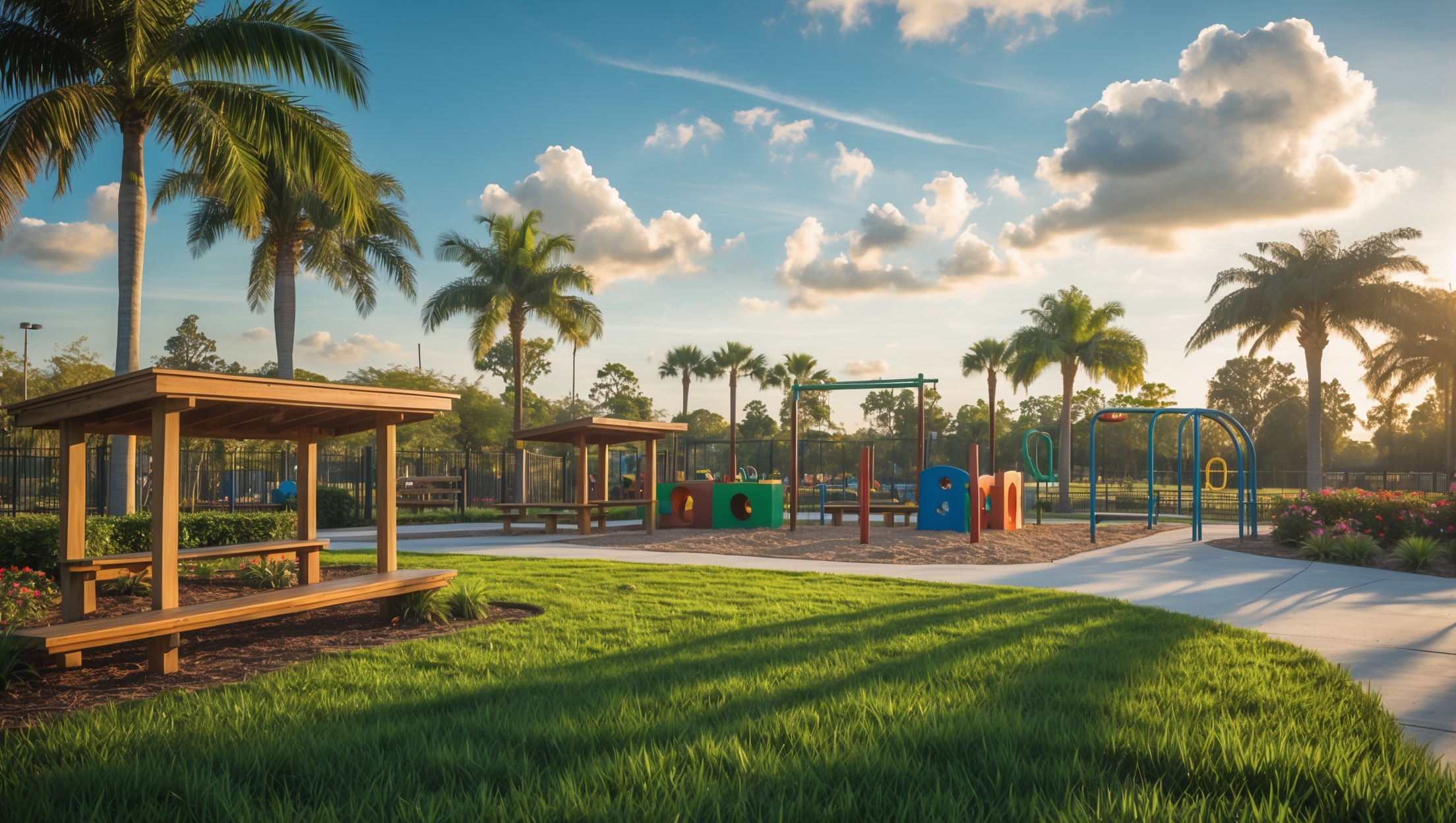
Maintaining Community Dog Parks in St. Petersburg, FL: Best Practices, Budget Tips & Local Resources

Introduction: Why Community Dog Parks Matter in St. Petersburg
St. Petersburg, FL, is known for its vibrant neighborhoods, sunny weather, and a strong sense of community. Among its many shared spaces, community dog parks have become essential gathering spots, fostering connections not only among our four-legged friends but also among residents. These parks offer urban dwellers a safe, dedicated space for their pets to exercise, socialize, and unwind. But beyond the wagging tails and playful barks, maintaining a dog park is a significant community commitment. Well-kept parks reduce health risks, prevent conflicts, and ensure that everyone — human and canine — can enjoy them safely.
Yet, too often, maintenance is treated as an afterthought, leading to worn-down equipment, hygiene issues, and frustrated visitors. With St. Pete’s subtropical climate, unique local regulations, and robust pet-loving population, a one-size-fits-all approach simply won’t do. This guide distills best practices, provides practical budgeting tips, and spotlights local resources to help stewards and volunteers keep community dog parks in St. Petersburg thriving. Whether you’re launching a new park, stepping up to a leadership role, or simply want to support your neighborhood’s green space, read on for actionable advice tailored to the Sunshine City.
Understanding the Unique Needs of St. Pete’s Dog Parks
Climate Considerations
St. Petersburg’s warm, humid climate and frequent summer storms can impact everything from turf health to equipment longevity. Heat and humidity promote rapid grass growth (and wear), while sudden downpours can cause muddy patches and erosion. Regular maintenance schedules must account for these local weather patterns.
High Usage Patterns
With a high percentage of dog owners and an active population, St. Pete’s dog parks see considerable daily foot and paw traffic. This raises the bar for cleanliness and wear-and-tear management compared to less-visited parks.
Local Regulations and Community Expectations
The City of St. Petersburg has clear guidelines regarding animal waste disposal, leash laws outside designated areas, and noise management — all of which impact park upkeep. Community standards are also high, with residents expecting tidy, safe, and well-stocked facilities.
Core Maintenance Best Practices
1. Daily and Weekly Routines
- Waste Management: Empty waste bins daily. Stock bag dispensers and check for litter each morning and evening. Encourage a volunteer “poop patrol” rotation for extra busy days.
- Surface Upkeep: Rake gravel or mulch, fill holes, and repair divots caused by digging. Walk the turf daily to spot hazards.
- Water Stations: Clean bowls and refill water sources at least twice a day, especially during summer months.
- Equipment Check: Inspect agility equipment and benches for damage, splinters, or loose bolts. Address issues immediately to prevent accidents.
2. Monthly and Seasonal Tasks
- Turf Management: Aerate, reseed, and fertilize grassed areas as needed. Consider drought-resistant or shade-tolerant grass species for high-wear zones.
- Pest Control: Schedule monthly checks for fleas, ticks, fire ants, and other pests common to Florida. Use pet-safe, eco-friendly treatments.
- Fence and Gate Inspections: Test latches, check for rust or breaks, and ensure fencing is secure and tall enough to prevent escapes.
- Deep Cleaning: Power-wash hard surfaces, disinfect water stations, and clean signage to maintain a fresh and welcoming environment.
3. Annual Reviews
- Play Equipment Audit: Assess all play structures for safety compliance. Replace worn or outdated features.
- Drainage Assessment: Ensure proper grading and check for areas prone to standing water. Address any erosion or flooding issues before hurricane season.
- Community Feedback Survey: Invite park users to provide feedback on maintenance and amenities. Use this input to prioritize improvements.
Budgeting for Maintenance: A Realistic Breakdown
Estimating Annual Costs
Budgeting ensures your dog park can sustain high standards year-round. Here’s a basic breakdown for a mid-sized community park in St. Petersburg:
- Routine Waste Removal: $1,500–$2,000/year
- Turf Care and Irrigation: $2,000–$3,000/year
- Pest Control: $800–$1,200/year
- Equipment Repairs & Replacements: $1,000–$2,500/year
- Water Utilities: $600–$1,000/year
- Miscellaneous Supplies (bags, cleaning products): $500/year
- Volunteers Appreciation & Community Events: $200–$500/year
Total Estimated Annual Budget: $6,600–$10,200
Funding Sources
- City Grants: St. Pete’s Parks & Recreation Department offers small grants for community-led park enhancements. Check their website for annual deadlines.
- Donations & Sponsorships: Local businesses, veterinarians, and pet shops often sponsor specific features like benches or agility equipment in exchange for recognition.
- Fundraising Events: Host dog washes, photo days, or holiday paw-ty events to raise funds and build community spirit.
- Friends of the Park Groups: Form a nonprofit or volunteer association to manage fundraising, apply for grants, and coordinate maintenance tasks.
Local Resources for Maintenance and Improvements
City Services
- St. Petersburg Parks & Recreation Department – Offers guidance on city compliance, grant opportunities, and volunteer coordination.
- City sanitation services may provide discounted waste removal for registered community parks. Contact the Solid Waste Department for details.
Local Businesses and Nonprofits
- Pet Supply Stores: Many are willing to donate supplies or sponsor park improvements.
- Landscaping Companies: Some offer discounted maintenance packages to community projects, especially if publicly acknowledged.
- Animal Welfare Organizations: Groups like Pet Pal Animal Shelter may partner on educational events or help promote park clean-up days.
Volunteer Networks
- Use platforms like VolunteerMatch or local Facebook groups to recruit and organize maintenance teams.
- Establish a regular volunteer schedule and provide recognition (T-shirts, public thank-yous, or small appreciation events).
Common Mistakes in Dog Park Maintenance — and How to Avoid Them
- Neglecting Drainage: Florida rains can turn parks into mud pits. Prioritize grading and drainage from the start.
- Inadequate Waste Facilities: Too few bins or bag dispensers leads to unsanitary conditions. Over-provide the essentials.
- Overlooking Small Repairs: Loose bolts or splintered benches can cause injuries. Institute a “see something, fix something” culture among volunteers.
- Poor Communication: Failure to post updates or maintenance schedules frustrates users. Use social media and on-site signage to keep everyone informed.
- Ignoring User Feedback: Park-goers often spot issues first. Regularly survey and engage the community for suggestions and concerns.
Seasonal Dog Park Checklist for St. Petersburg
Spring
- Reseed bare patches and fertilize turf.
- Clean and inspect all shade structures.
- Organize a spring cleaning volunteer day.
Summer
- Monitor for heat-related hazards — check water stations daily.
- Increase pest control treatments for fleas, ticks, and fire ants.
- Inspect and repair irrigation systems before the rainy season.
Fall
- Assess erosion or damage from summer storms.
- Plant drought- and shade-tolerant grasses.
- Clean and store seasonal equipment if necessary.
Winter
- Deep clean all surfaces and equipment.
- Review and renew signage as needed.
- Plan and budget for next year’s improvements.
Safety and Hygiene Protocols
Physical Safety
- All equipment should be pet-safe and regularly inspected.
- Fencing must be secure with no gaps or sharp edges.
- Post clear rules regarding aggressive dogs, puppy age minimums, and leash requirements outside the park.
Hygiene
- Dog waste should be removed promptly and bins emptied daily.
- Water bowls and fountains cleaned twice daily to prevent bacteria.
- Consider hand sanitizer dispensers at entrances/exits for user convenience.
Engaging the Community for Sustainable Upkeep
Building a Volunteer Base
Recruit volunteers from dog-owning households, local schools, and civic groups. Assign specific roles such as waste patrol, turf care, equipment inspector, or event organizer. Use digital sign-up sheets and rotate responsibilities to prevent burnout.
Communication Strategies
- Set up a dedicated Facebook or Nextdoor group for park updates and volunteer coordination.
- Post a maintenance calendar on-site so users are aware of upcoming clean-up days or closures.
- Send out quarterly newsletters highlighting maintenance wins, upcoming needs, and ways to get involved.
Community Events
- Host educational workshops on pet safety, responsible dog ownership, or local wildlife awareness.
- Organize “Yappy Hours” with local vendors, pet adoptions, or training demos to keep users engaged and invested in the park’s success.
Adapting to Change: Responding to Growth and Challenges
Managing Increased Usage
If the park becomes more popular, increase the frequency of waste removal, cleaning, and equipment checks. Consider expanding park hours or amenities as resources allow.
Handling Vandalism or Misuse
- Install security lighting and cameras (in compliance with city regulations) to deter vandalism.
- Work with local law enforcement or neighborhood watch programs to address ongoing issues.
- Post clear reporting procedures for users to alert maintenance teams about any problems.
Planning for Future Improvements
- Solicit annual feedback from users and adjust priorities accordingly (e.g., adding new shade structures, water features, or separate areas for small/large dogs).
- Apply for local grants or organize capital campaigns for major upgrades.
- Document all maintenance and improvement projects for transparency and grant reporting.
Conclusion: Keeping St. Pete’s Dog Parks Safe, Clean, and Welcoming
Community dog parks are more than just recreational spaces; they are vital connectors in St. Petersburg’s social fabric. By investing in thoughtful, consistent maintenance, budgeting wisely, and leveraging local resources, you can ensure your neighborhood’s park remains a source of pride and joy for years to come. The most successful parks are those where users feel ownership — where everyone pitches in to keep the space clean, safe, and vibrant.
Remember, maintenance isn’t just about fixing what’s broken; it’s about prevention, planning, and building a sense of community stewardship. From daily waste checks to annual improvement surveys, every effort counts. Tap into St. Pete’s rich landscape of volunteers, pet businesses, and city services. Communicate openly, celebrate successes, and stay flexible in the face of new challenges.
Above all, recognize the value these parks bring — to dogs, their owners, and the broader neighborhood. With the right strategies and community spirit, your dog park can continue to be a safe haven for play, friendship, and connection in the heart of St. Petersburg.
Given St. Petersburg’s humid climate and frequent summer storms, what are the most effective ways to prevent erosion and muddy patches in heavily trafficked dog park areas throughout the year?
To prevent erosion and muddy patches in St. Petersburg’s dog parks, focus on good drainage and hardy ground cover. Install French drains or gravel in high-traffic spots to help water flow away quickly. Use durable grass blends, mulch, or artificial turf in play zones. Regularly aerate soil and add sand or wood chips as needed, especially before the rainy season, to keep areas dry and safe for dogs year-round.
Are there any budget-friendly strategies for tackling the frequent wear and tear mentioned from all the extra usage in St. Pete’s dog parks? I’m helping with a local volunteer group and we want to make the most of limited funds.
Absolutely, there are several cost-effective ways to manage wear and tear in busy dog parks. Organizing regular volunteer workdays helps tackle repairs and maintenance without high labor costs. Using durable, low-maintenance materials for benches or agility features cuts down on long-term expenses. Partnering with local businesses for material donations or discounts can also stretch your budget further. Scheduling rotating rest periods for grassy areas allows the ground to recover naturally.
Could you share more about how local weather in St. Pete, especially summer storms, affects the maintenance budget for community dog parks? Are there specific cost-saving strategies that work well for handling frequent muddy patches and turf issues?
St. Pete’s summer storms often lead to muddy patches and damaged turf in dog parks, which can increase maintenance costs for repairs and reseeding. Some cost-saving strategies include using durable, quick-draining turf blends, adding mulch or gravel in high-traffic areas, and scheduling routine inspections after storms to address small issues before they grow. These approaches help reduce long-term expenses and keep parks safer for dogs and owners.
I’m curious how often the maintenance schedules for dog parks in St. Petersburg need to be adjusted because of the changing weather, especially with the sudden summer storms the article mentioned. Do park stewards typically check conditions daily, or is there a standard routine?
Park stewards in St. Petersburg usually follow a standard maintenance schedule, but it often needs to be adjusted during the summer due to unpredictable storms. After heavy rainfall or strong winds, staff may check the parks more frequently—sometimes daily—to ensure safety and cleanliness. Inspections might include clearing debris, checking drainage, and assessing equipment, especially after severe weather events.
You mention that high usage leads to more wear and tear at St. Petersburg dog parks. Are there particular types of equipment or turf materials that have proven to be more durable in this climate and with so much daily traffic?
Yes, in St. Petersburg’s climate, artificial turf made specifically for dog parks tends to be much more durable than natural grass, especially under heavy use and intense sun. For park equipment, powder-coated steel and heavy-duty recycled plastic resist rust and weather damage better than wood or lighter plastics. These materials also make routine cleaning easier, which helps maintain the park’s appearance and safety.
Since worn-down equipment can become an issue when maintenance is delayed, what are some early warning signs I should look for so minor issues don’t become costly repairs later on?
Watch for signs like loose bolts, rust spots on metal surfaces, cracks or splinters in plastic or wood, wobbly posts, and torn fencing. If you spot peeling paint or missing safety caps, address these quickly. Regularly checking for small puddles or uneven ground around equipment also helps prevent bigger maintenance headaches down the line.
The article highlights that maintenance can become an afterthought, leading to hygiene and equipment problems. Could you share some preventative measures or routine checklists that leadership teams can implement to catch these issues early in particularly busy dog parks?
To help busy dog parks stay in top shape, leadership teams can establish a daily checklist that includes inspecting waste bins, cleaning stations, and water fountains, checking for damaged fencing or equipment, and ensuring cleanliness in high-traffic areas. Weekly deep cleans and monthly assessments of park surfaces and signage also help catch issues early. Assigning specific staff or volunteers to rotate these tasks ensures nothing gets overlooked.
How do volunteers in St. Pete typically organize regular cleaning and repairs, especially during the rainy season when dog parks can get especially muddy and worn down?
Volunteers in St. Pete usually coordinate through neighborhood associations or dedicated dog park groups. They set schedules for clean-up days, often using email lists or social media to organize efforts. During the rainy season, teams focus on tasks like filling muddy areas with fresh mulch or gravel, repairing worn fencing, and clearing debris. Many parks also provide basic tools and cleaning supplies for volunteers to use during these group work sessions.
If a neighborhood group is interested in launching a new dog park, what practical first steps would you recommend for budgeting and connecting with local resources, considering the city’s subtropical weather challenges and heavy park usage?
To start, gather your group’s estimated costs for fencing, shade structures, water stations, and durable surfacing like turf or mulch that holds up in heat and rain. Reach out to the city’s Parks and Recreation Department for guidance and potential grants. Connect with local pet stores, veterinarians, and landscape companies for sponsorships or in-kind donations. Consider seasonal maintenance costs and create a volunteer plan to help with upkeep during peak usage and wet weather.
Could you share more about local regulations that might affect adding small business-sponsored amenities, like benches or shaded areas, to our dog park? I want to help, but I’m unsure where to start with getting approval in St. Petersburg.
In St. Petersburg, adding business-sponsored amenities to public dog parks usually requires approval from the city’s Parks and Recreation Department. You’ll likely need to submit a proposal detailing the amenity, its design, and the sponsor. Permits or agreements may also be required, especially if the sponsorship includes branding. It’s a good idea to contact the Parks and Recreation office directly—they can guide you through specific local guidelines and help streamline the process.
If we’re starting a new dog park project, about how long should we expect it to take from planning through to opening, considering all the climate and usage factors you mentioned for St. Pete?
For a new dog park in St. Petersburg, planning through opening typically takes 6 to 12 months. This timeframe accounts for site selection, permitting, community input, fundraising, and construction, all while factoring in local weather like summer rains and busy usage seasons. Allowing some buffer for unforeseen delays is also wise.
For neighborhoods just starting to organize a community dog park, what local resources or city programs does the article recommend tapping into for guidance and financial support in St. Petersburg?
The article suggests reaching out to the City of St. Petersburg’s Parks and Recreation Department for guidance on planning and maintaining a dog park. It also highlights applying for city grants and neighborhood partnership programs that may provide financial assistance. Additionally, connecting with local nonprofits or pet-focused organizations can offer both support and helpful advice as your neighborhood gets started.
With St. Pete’s climate leading to rapid grass wear and muddy patches after storms, what kind of ground cover or turf maintenance methods have you found work best to keep the park usable without constantly overspending on re-sodding?
In St. Pete’s climate, resilient ground covers like Bermuda or Zoysia grass hold up better to heavy use and heat. For particularly high-traffic or muddy spots, mixing in mulch, decomposed granite, or artificial turf can reduce maintenance and costs. Regular aeration, overseeding, and proper drainage also help keep natural turf healthy longer, minimizing the need for frequent re-sodding.
You brought up local regulations being unique to St. Pete. Could you clarify what specific rules or ordinances people should be aware of when organizing community clean-ups or adding new equipment to a dog park here?
In St. Petersburg, any changes to public dog parks—like installing new equipment or organizing group clean-ups—usually require approval from the city’s Parks and Recreation Department. You’ll need to submit a permit application for events and get written permission before making physical changes. Be aware that only approved, safe equipment can be added, and all activities must follow city safety guidelines and park hours. Check with the department for any updates or neighborhood-specific regulations.
We’re thinking about launching a community dog park in our neighborhood and I’m curious about local regulations you referenced. Are there particular city requirements we need to plan for before we start, or key permits that usually take extra time to secure?
Before launching your community dog park, you’ll want to check St. Petersburg’s zoning rules to ensure your chosen location is approved for this type of use. Typically, you’ll need a site plan reviewed by the city and permits for construction, fencing, and any water features. Approval from the Parks and Recreation Department is often required, and this process can take several weeks, so it’s smart to start early. Also, be prepared to address safety measures, waste disposal, and regular maintenance in your proposal.
I’m new to community upkeep and was wondering, with St. Pete’s sudden downpours mentioned in the article, what are some practical ways to keep the park’s turf from turning to mud, especially on a tight budget?
To help prevent the turf from turning to mud during St. Pete’s downpours, try rotating high-traffic areas with temporary barriers, so grass can recover. Spread inexpensive mulch or wood chips in especially muddy spots, and reseed worn patches with hardy, fast-growing grass. Also, encourage users to stick to designated paths to limit damage. These methods are budget-friendly and effective for maintaining healthy turf.
Could you elaborate on which types of equipment or materials tend to wear out fastest in St. Pete’s humid and storm-prone climate? Are there specific brands or products that have held up better in your experience when exposed to frequent rain and heavy use?
In St. Pete’s climate, metal fixtures like benches, gates, and agility equipment often rust quickly, while wooden elements can warp or rot due to humidity and rainfall. Plastic waste bins and toys may also crack from sun exposure. Stainless steel and powder-coated metals generally last longer, and heavy-duty recycled plastic benches have performed well. While I can’t endorse specific brands, products rated for marine or coastal use tend to withstand both moisture and salt air better than standard options.
When budgeting for maintenance, how do stewards in St. Petersburg typically factor in the costs of repairing damage from frequent summer storms? Are there grant programs or city resources available to help cover unexpected expenses caused by weather events?
Stewards in St. Petersburg usually set aside contingency funds in their annual dog park maintenance budgets to handle storm-related repairs, factoring in the region’s frequent summer storms. The city sometimes offers emergency assistance or small grants for public park repairs, especially after major weather events. Additionally, local neighborhood associations and non-profits may have grant opportunities to help offset unexpected costs from storm damage. It’s important to check with the city’s Parks and Recreation Department for up-to-date options.
We often get heavy rain in the summer here. What tips do you have for preventing soil erosion and keeping muddy patches under control at a busy dog park in St. Petersburg?
To prevent soil erosion and reduce muddy patches, consider installing mulch or pea gravel in high-traffic areas, especially near gates and benches. Planting hardy, deep-rooted grasses can help hold the soil together. Adding rain gardens or slight grading can also direct water away from main play zones. Regular maintenance, like filling holes and reseeding worn spots, goes a long way during the rainy season.
You mention budgeting tips for park stewards and volunteers—are there any local grants or city-funded programs that assist with the ongoing costs of dog park upkeep, or is most of the funding typically raised privately within the community?
St. Petersburg does offer some city-funded support for public dog parks, especially those managed by city departments, but most neighborhood or community-run parks often rely on private fundraising, local business sponsorships, or volunteer-driven events. Occasionally, small local grants may be available—it’s a good idea to check with the city’s Parks and Recreation Department for current opportunities and guidance on applying.
I noticed you mentioned budgeting tips for park upkeep. As someone completely new to this, do you have a ballpark estimate of yearly costs for maintaining a small community dog park in St. Pete, especially considering the high usage rates?
For a small, high-usage community dog park in St. Petersburg, you can expect yearly maintenance costs to range from $2,500 to $7,000. This usually covers mowing, waste removal, cleaning, minor repairs, and sometimes insurance. Costs can vary based on size, amenities, and volunteer involvement, but budgeting on the higher end allows for unexpected repairs or extra cleanings during busy periods.
The article notes that local regulations can influence maintenance approaches. Are there particular city guidelines or policies unique to St. Petersburg that dog park volunteers should be aware of before planning improvements or updates?
Yes, St. Petersburg has some specific policies that dog park volunteers should review. For example, all park improvements need approval from the city’s Parks and Recreation Department, and any structural changes or new installations may require permits. Volunteers must also follow city sanitation and waste disposal rules, as well as leash and vaccination regulations. Before making plans, it’s best to consult with the department directly to ensure compliance with local requirements.
You brought up the issue of equipment wearing out quickly due to Florida’s unique weather and heavy park use. Are there local suppliers or volunteer programs you recommend for sourcing affordable, long-lasting benches or agility gear?
In St. Petersburg, the city’s Parks and Recreation Department often collaborates with local hardware stores and manufacturers for durable benches and agility equipment. Many neighborhood associations organize volunteer days for repairs or fundraising. You might also check with local woodworking clubs or high school shop classes, as they sometimes build and donate sturdy park fixtures. Connecting with these local groups can help source or even build affordable, weather-resistant gear.
With all the unique local regulations in St. Pete, are there specific city resources or grants available to help with funding equipment repairs or new installations in community dog parks? Trying to figure out what’s realistic if a group of parents wants to support their local park.
St. Petersburg offers some support for community park projects through its Neighborhood Partnership Grants, which can sometimes be used for equipment repairs or improvements in public spaces like dog parks. Additionally, the Parks and Recreation Department may have resources or guidance for community groups looking to get involved. It’s a good idea for your group to contact both to discuss your goals and find out about current funding opportunities and application requirements.
The article mentions the importance of maintaining turf health in St. Pete’s humid climate, but I’m not sure what kind of grass or ground cover works best for heavy use and unpredictable rain. Are there affordable options that hold up well year-round?
For St. Petersburg’s humid climate and heavy use, Bermuda grass and Zoysia grass are great choices—they’re both durable, recover quickly from wear, and tolerate frequent rain. Bahia grass is also a budget-friendly, tough option for large areas. For heavy-traffic spots, consider mixing in mulch or decomposed granite around entryways to reduce mud and keep maintenance costs down.
Given St. Pete’s warm, humid climate and the frequent storms, what specific types of turf or ground material have you found work best for minimizing erosion and muddy patches in local dog parks?
In St. Pete’s climate, well-draining materials like decomposed granite, engineered wood chips (like certified playground mulch), and sturdy Bermuda grass tend to hold up best against erosion and mud. Many local parks also use a combination of gravel in high-traffic areas and resilient turf for open play zones. Avoid basic sand or untreated mulch, as they can quickly wash away during storms.
I’m curious how often equipment like agility ramps or benches need to be checked or replaced in St. Pete’s climate with all the humidity and rain. Is there a recommended schedule or signs of wear I should look for, especially if our park gets a lot of use?
In St. Petersburg’s humid and rainy climate, it’s best to inspect equipment like agility ramps and benches at least once a month, or more often if your park is busy. Look for signs like rust, loose fasteners, splintering wood, or slippery surfaces caused by mildew or algae. Replace or repair items if you notice structural instability, cracked parts, or persistent mold, as these can pose safety risks.
You mentioned how St. Pete’s frequent summer storms can cause muddy patches and erosion at dog parks. Do you have advice on drainage solutions or landscaping strategies that work well in our area to keep the park usable year-round?
To manage muddy patches and erosion after summer storms, consider installing French drains or gravel-filled trenches to redirect water away from high-traffic areas. Planting hardy, deep-rooted grasses like Bermuda or Zoysia can help stabilize soil. Adding mulch or wood chips to worn paths also improves drainage and footing. Regularly inspect slopes and regrade as needed to prevent pooling. These landscaping strategies work well in St. Pete’s climate and should help keep the park usable year-round.
The article mentions that St. Pete’s climate can cause rapid grass growth and muddy conditions in dog parks. Are there specific types of turf or ground cover materials you recommend that can withstand both the heat and heavy rain while staying pet-friendly?
For St. Pete’s climate, Bermuda grass and Zoysia are excellent turf choices because they handle heat, heavy rain, and foot traffic well. If you prefer alternatives to grass, decomposed granite, pea gravel, or engineered wood chips are durable, drain well, and remain comfortable for dogs’ paws. Avoid using cocoa mulch, as it can be toxic to pets.
Can you share more about how local volunteers in St. Pete coordinate ongoing maintenance schedules, especially considering the rapid turf wear and unexpected rainstorms mentioned in the article?
Local volunteers in St. Pete often use group chats or online forums to coordinate weekly maintenance tasks, taking weather into account. They check turf conditions after storms and adjust schedules, sometimes swapping mowing for clean-up or reseeding days. Volunteers also rely on a shared calendar to track responsibilities, making it easier to respond quickly to sudden rain or high usage that causes turf wear.
You mentioned high daily traffic and the need for more frequent cleaning in St. Pete’s parks. For someone volunteering with limited budget and time, what are the most essential tasks I should prioritize every week to keep the park safe and inviting?
Focus on picking up dog waste, emptying trash bins, and checking for any dangerous debris like broken glass or sharp objects. These tasks have the biggest impact on safety and cleanliness. If you have extra time, wipe down benches and refill waste bag dispensers. Try to coordinate with other volunteers to share the workload when possible.
Our neighborhood group wants to step up park maintenance, but we’re unsure where to start given the unique local regulations mentioned. Are there specific city contacts or local resources you suggest reaching out to for guidance or possible financial support?
For St. Petersburg, it’s best to start by contacting the Parks and Recreation Department—they oversee dog park regulations and can guide you through maintenance standards and permit requirements. You might also want to connect with local neighborhood associations or the St. Petersburg Parks and Trails Alliance, as they sometimes offer resources or small grants for community-led projects. Don’t hesitate to ask the city about any available volunteer programs or matching fund opportunities, too.
You mention practical budgeting tips for dog park maintenance—what are some cost-effective solutions specifically for dealing with the muddy patches and erosion created by summer storms in St. Petersburg?
To manage muddy patches and erosion from summer storms, consider installing mulch or wood chips in high-traffic areas, as they are affordable and help improve drainage. Adding gravel paths is another cost-effective option for redirecting foot traffic and minimizing wear. Regularly reseeding grass and using erosion control netting can also help stabilize soil without a big expense. Gathering volunteer groups for periodic maintenance can keep costs even lower.
With the humid weather and heavy usage in St. Petersburg parks, have you found any particular materials or layouts stand up better over time? I’d love some guidance on the kinds of fencing, turf, or equipment that local stewards prefer to minimize long-term repair costs.
In St. Petersburg’s humid climate, chain-link fencing with a vinyl coating is popular since it resists rust and holds up well with frequent use. For turf, many stewards prefer engineered pet turf or well-drained natural grass blends, as they reduce muddy patches and are easier to maintain. When it comes to equipment, powder-coated metal benches and agility features last longer than untreated wood or plastic, and they’re easier to clean. Choosing these materials can really help stretch your maintenance budget over time.
If a neighborhood group wants to step up and help maintain an existing dog park, what are the first few actions you recommend they take to organize effectively and tap into local resources mentioned in the article?
To get started, gather interested neighbors and form a small committee to coordinate efforts. Reach out to your local Parks and Recreation Department for guidance and to learn about any volunteer programs or city support. Next, review the article’s list of local resources, like supply donation programs and small grants, and assign committee members to contact them. Setting up regular meetings and clear communication channels will also help keep everyone organized and motivated.
With so many dog owners using the park every day, conflicts about cleanliness and overcrowding seem to pop up often in our area. Are there proven strategies or local resources in St. Pete to help organize volunteers or set up effective park stewardship groups?
Absolutely, organizing a volunteer group can make a big difference. In St. Petersburg, neighborhood associations and the Parks and Recreation Department often support park stewardship groups. Consider starting regular cleanup days, assigning volunteer shifts, and creating clear park guidelines. Posting signs with contact info for your group can encourage more dog owners to get involved. Local pet businesses sometimes sponsor supplies or events, so reaching out to them could also help.
Could you expand a bit on practical budgeting tips for ongoing dog park maintenance? For example, what are some realistic ways to estimate annual costs, and are there common expenses that new park stewards in St. Pete often overlook?
To estimate annual dog park maintenance costs, start by listing recurring needs like waste bags, trash pickup, mowing, and fence repairs. Get local vendor quotes for these services. Commonly overlooked expenses include replacing worn benches or agility equipment, seasonal pest control, and insurance renewals. Also budget for unexpected repairs after storms. Keep a small contingency fund to cover these surprises and review costs annually to adjust as needed.
I’m a first-time volunteer trying to help out at our neighborhood dog park in St. Pete, and I’m wondering what’s the best way to keep the turf healthy with all the heavy use it gets, especially during the rainy season? Are there specific grass types or maintenance routines that are recommended for our local climate?
Keeping turf healthy in a busy St. Pete dog park can be a challenge, especially with our rain. Consider using Bermuda or Zoysia grass, as both are hardy and tolerate heavy foot traffic and Florida’s climate well. Regularly aerate the soil, reseed worn spots, and mow frequently at a higher blade setting. Rotating high-use areas and installing mulch paths can also help reduce turf stress during wet months.
For neighborhoods just starting to plan a community dog park, what would you say are the most critical budget items to prioritize first given the climate and usage patterns unique to St. Petersburg?
For neighborhoods in St. Petersburg, start by prioritizing fencing and secure gates for safety, since parks see high usage. Shade structures or large trees are also essential due to the hot, sunny climate. Durable water stations for both dogs and people help with hydration, and waste stations with bags and bins keep the park clean. These core items should come first in your budget before adding extras like agility equipment or benches.
Could you expand on how budget planning for dog park maintenance should differ in St. Petersburg’s climate versus other regions, especially considering the extra wear from storms and heat you mentioned?
In St. Petersburg, budget planning for dog park maintenance should account for more frequent repairs due to intense sun, humidity, and storm damage compared to milder regions. Allocate extra funds for turf replacement, shade structures, and drainage improvements. Plan for regular checks after storms to address debris and erosion. Investing in durable materials and resilient landscaping up front can reduce long-term costs in this climate.
For neighborhoods wanting to launch a new dog park, what local resources or organizations should they reach out to first in St. Petersburg? I’d love to know what early steps can help set up a new park for long-term success.
For neighborhoods starting a new dog park in St. Petersburg, it’s best to first connect with the St. Petersburg Parks and Recreation Department, as they oversee public park spaces and can guide you on requirements and permits. You might also want to engage with local neighborhood associations and pet advocacy groups, which can offer community support and insight. Early steps include gathering community input, identifying a suitable location, and discussing funding or maintenance plans to ensure the park is sustainable long-term.
The article mentions that a one-size-fits-all approach doesn’t work due to local regulations and climate. What are some common pitfalls you’ve seen when communities try to use generic maintenance plans, and how can these be avoided in St. Pete?
Common pitfalls with generic maintenance plans include using grass types that aren’t suited to St. Pete’s climate, underestimating irrigation needs, and ignoring local pet waste disposal rules. These mistakes often lead to worn-out grounds, higher costs, or even code violations. To avoid them, consult city guidelines, choose drought-tolerant landscaping, and set up a clear waste management system tailored to the area’s requirements.
Do you have any advice on how neighborhood groups can realistically budget for unexpected maintenance issues, like erosion after a heavy storm? I’m wondering what kind of reserve fund or annual budget percentage locals usually set aside in St. Pete.
For neighborhood dog parks in St. Pete, it’s practical to set aside a reserve fund specifically for unexpected issues like erosion. Many local groups aim to allocate 10–20% of their annual maintenance budget for emergencies. This gives a cushion for repairs after storms. Reviewing past incidents and expenses can also help estimate a reasonable reserve amount for your area.
As someone who helps maintain a local dog park in St. Pete, I’m curious how other park stewards budget for extra maintenance during the heavy summer rains mentioned in the article. Do you recommend allocating more funds for turf repair, or are there local resources that can help offset these seasonal challenges?
During heavy summer rains in St. Petersburg, it’s definitely wise to increase your turf repair budget, since wet conditions can lead to muddy patches and faster grass deterioration. However, you can also reach out to local lawn care businesses or city programs—sometimes they offer discounted services or even volunteer efforts to support community spaces. Collaborating with neighborhood associations may also help share costs or organize maintenance days when the weather is rough.
I see you mention local regulations impacting maintenance. Are there city-specific guidelines or permits required for certain upgrades, like new shade structures or water stations, that community volunteers should be aware of before starting a project?
Yes, St. Petersburg has city-specific guidelines for park improvements. Adding structures like shade canopies or new water stations typically requires approval from the Parks and Recreation Department. Volunteers should check if a building permit is needed and follow any design or safety standards set by the city. It’s a good idea to contact the department before starting, so your project meets all requirements and avoids delays.
How do you recommend coordinating volunteer efforts for cleanup and repairs in parks with really high usage? Are there partnerships with local businesses or scheduled maintenance days that have worked well here in St. Pete?
Organizing regular volunteer days, such as monthly or seasonal cleanups, has worked very well in St. Pete, especially when scheduled in advance and publicized through community boards and social media. Partnering with local businesses often helps—many are willing to sponsor events or offer supplies. Establishing a volunteer coordinator or a small committee can streamline communication and ensure tasks are covered, which is vital for parks with heavy use.
What are some effective and affordable ways for small businesses or neighborhood volunteers to get involved with dog park upkeep, especially when balancing limited funds and the frequent heavy rainfall here in St. Pete?
Small businesses and volunteers can help by organizing regular clean-up days and simple maintenance tasks like refilling water stations or repairing fences. To keep costs low, consider pooling resources for bulk purchases of supplies like mulch or gravel, which help with drainage after heavy rain. Seeking donations or sponsorships from local pet stores and hosting joint fundraising events can also stretch your budget while keeping the park in good shape year-round.
With St. Pete’s hot, humid climate and heavy park use, what are some specific maintenance routines or products you’ve found most effective for keeping grass healthy and mud under control in our local dog parks?
In St. Pete’s climate, consistent aeration and overseeding with heat-tolerant grass like Bermuda or Zoysia helps maintain healthy turf. Scheduling morning watering reduces evaporation, and using mulch or gravel in high-traffic, muddy spots can control mess. Installing shade structures and rotating fenced-off areas for grass recovery also make a big difference. For products, pet-safe grass seed blends and enzyme-based odor/mud control sprays have shown good results.
Could you explain more about how the subtropical climate specifically affects the choice of turf or ground cover materials in St. Petersburg’s dog parks? Are there certain surfaces that hold up better against both heat and heavy rainfall?
St. Petersburg’s subtropical climate means dog parks face intense sun, high humidity, and frequent heavy rains. For turf or ground cover, materials like Bermuda grass or zoysia grass tend to resist heat and recover from wear, but require good drainage. Artificial turf is popular because it withstands both heat and rain, though it needs regular cleaning. Mulch can be used, but choose a type that drains well and doesn’t get muddy. Avoid surfaces like simple dirt, as they easily erode and become messy after storms.
Can you share more about specific budgeting tips for maintaining turf and equipment in St. Petersburg’s humid and storm-prone climate? I’m curious how costs might differ between artificial turf and natural grass given the local weather challenges.
In St. Petersburg’s humid and stormy climate, budgeting for turf and equipment means factoring in regular drainage checks, quick repairs after storms, and mold prevention. Artificial turf has higher upfront costs but usually lower ongoing maintenance, as it won’t need mowing or reseeding—just periodic cleaning and infill top-ups. Natural grass is cheaper to install but can be more expensive over time due to frequent mowing, fertilizing, re-sodding after heavy rains, and pest control. Local conditions often result in higher maintenance costs for natural grass compared to artificial turf.
With the high usage patterns you described, how often should trash bins and waste stations realistically be serviced to keep things sanitary, especially during peak summer months? I’d love to hear what’s worked for established parks here.
For busy community dog parks in St. Petersburg, trash bins and waste stations usually need servicing at least once a day during peak summer months, sometimes even twice if usage is exceptionally high. Many established parks have found that daily checks and quick spot cleanups in the evening help prevent overflow and keep the area sanitary. Adjusting the schedule based on observed volume and community feedback has worked well for most parks in the area.
If I wanted to get involved in helping maintain our neighborhood dog park, are there specific local organizations or city resources mentioned in the article that help coordinate volunteers or provide funding support for repairs?
Yes, the article highlights Friends of St. Petersburg Parks & Trails as an organization that often helps support park maintenance and coordinates volunteer efforts. It also mentions the City of St. Petersburg’s Parks and Recreation Department, which manages park upkeep and sometimes offers small grants or supplies for repairs. You can reach out to either group to learn about upcoming volunteer opportunities or available funding support for your neighborhood dog park.
Could you elaborate on what specific types of turf or ground cover tend to hold up best in St. Pete’s hot, rainy climate while still being cost-effective for small parks with high usage?
For St. Pete’s hot and rainy climate, Bermuda grass and Zoysia grass are reliable natural turf options—they handle wear from frequent use and recover quickly. If you’re looking for non-grass ground cover, engineered wood chips or decomposed granite are cost-effective and drain well, reducing muddy areas. Artificial turf can work but tends to get hot and is more expensive upfront, though it’s low-maintenance. Each choice balances durability, maintenance, and budget for small, busy parks.
When planning a budget for a new community dog park in St. Petersburg, what are some unexpected expenses related to the local weather or regulations that first-time organizers should account for?
In St. Petersburg, Florida, it’s smart to budget for storm-related maintenance like drainage improvements or replacing turf and fencing after heavy rains and hurricanes. Also, consider costs for shade structures to protect pets and visitors from strong sun. Local regulations may require specific water runoff management or ADA-compliant features, each bringing extra compliance costs. These factors can be overlooked but make a big difference in your planning.
You mention that St. Pete’s climate causes rapid grass wear and muddy patches in dog parks. Are there particular ground coverings or turf options that have proven more durable or cost-effective for our area, especially after heavy summer storms?
In St. Pete’s climate, especially with heavy summer storms, many parks find success using engineered turf designed for pets, as it drains well and resists wear. Crushed granite or decomposed granite is another cost-effective option that stands up to traffic and rain. Some parks also use mulch or pea gravel in heavy-use areas, though these may need periodic replenishing. Each option balances durability, maintenance, and budget, so local conditions and usage should guide your choice.
Could you elaborate more on the unique local regulations mentioned for St. Petersburg dog parks? I’m wondering if there are any recent updates or common permitting challenges for those looking to start or upgrade a park.
St. Petersburg requires all public dog parks to comply with city zoning laws, include double-gated entries, provide waste disposal stations, and follow leash rules outside designated off-leash areas. Recent updates focus on ADA accessibility and stormwater management. Permitting can be challenging if your proposed site is in a residential area or near environmentally sensitive land, so early consultation with the City Parks and Recreation Department is recommended to streamline the process.
For volunteers stepping up to maintain a park, what are the most effective routines or schedules you’ve found for addressing heavy daily usage, especially when it comes to keeping equipment safe and hygienic during peak seasons?
For busy parks, dividing tasks among volunteers and setting a rotating daily schedule works well. Cleaning and inspecting equipment each morning before crowds arrive helps catch issues early. Wipe down high-touch surfaces daily and do a deeper sanitation weekly. Assign someone to check for hazards, like loose bolts or broken pieces, at least every other day. Clear communication, perhaps via a shared calendar, keeps everyone on track during peak use.
You mentioned practical budgeting tips for maintaining dog parks in the area. Could you elaborate on any specific low-cost solutions or local resources families or neighborhood groups could use to help with regular upkeep without overextending financially?
Absolutely! Neighborhood groups can organize volunteer cleanup days, which cost nothing but time and help keep parks tidy. For supplies like waste bags and trash cans, local businesses or pet stores sometimes offer sponsorships or donations. The city’s parks department may also provide basic maintenance tools or advice if requested. Simple fundraising events like bake sales or pet photo contests can cover small expenses, making ongoing upkeep manageable without straining anyone’s budget.
For someone stepping into a leadership role at a newly established dog park, what are the initial steps you recommend to build a reliable volunteer base, especially considering both maintenance needs and community engagement in a pet-loving city like St. Petersburg?
To build a strong volunteer base, start by connecting with local pet groups and neighborhood associations to spread the word about opportunities. Host a kickoff meeting or social event at the park to introduce your plans and gather interested community members. Be clear about specific roles—like weekly cleanups, event planning, or outreach—so people know how they can help. Use social media and flyers in local pet stores or vet offices to reach more residents. Regularly communicate updates and recognize volunteers to keep everyone engaged.
You mentioned local regulations in St. Petersburg affecting dog park maintenance. For someone new to this, what’s the best way to stay up to date on these rules, or are there specific city departments or organizations I should reach out to for guidance before making improvements?
To stay informed about St. Petersburg’s regulations on dog park maintenance, check the city’s Parks and Recreation Department since they manage public green spaces and set related rules. Also, consider reaching out to your neighborhood association or community group, as they often have updates or guidance specific to local parks. Attending city council meetings or following city announcements online is another good way to keep current on any changes.
I noticed the article talks about budgeting for maintenance but didn’t catch much detail on how local volunteers or neighborhood associations typically split costs or find funding. Are there any city grants or recurring partnerships you’d recommend looking into for smaller communities?
You’re right, the article focused more on general budgeting, but there are helpful options in St. Petersburg for smaller communities. Neighborhood associations often collaborate on fundraising events and may share costs for supplies or repairs. For funding, the city offers Neighborhood Partnership Grants, which can help with park improvements. Local businesses sometimes sponsor cleanup days or donate materials, so reaching out for partnerships can also ease the financial load.
The article mentions how the subtropical climate and heavy storms in St. Pete can affect turf health and create muddy patches. Are there certain types of grass or ground coverings that have worked better in dog parks here for durability and easier maintenance?
Yes, in St. Petersburg’s dog parks, Bermuda grass and zoysia grass are often preferred because they handle heavy use and recover quickly from wear. For high-traffic or shaded areas where grass struggles, parks sometimes use crushed granite, decomposed granite, or mulch for better drainage and durability. These options help minimize mud and keep maintenance manageable, especially after storms.
With the high usage that St. Pete’s dog parks get, how often do you suggest replacing or servicing park equipment to keep it safe? Are there any local suppliers that offer discounts or support for community-run parks?
For heavily used dog parks in St. Petersburg, it’s a good idea to inspect equipment monthly and schedule servicing or minor repairs quarterly. Full replacement of high-wear items like agility equipment is often needed every 2–3 years, depending on wear. Some local suppliers like Playmore Recreational Products and BarkPark by UltraSite occasionally offer discounts or special pricing for community or city projects, so it’s worth reaching out to them directly for possible deals or support.
When you mention budgeting tips for maintaining a dog park in St. Petersburg, do you have any ballpark figures or examples of what a typical yearly maintenance budget looks like here? Just trying to understand what stewards should realistically expect.
For a community dog park in St. Petersburg, a typical yearly maintenance budget often ranges from $5,000 to $15,000, depending on park size and amenities. This usually covers landscaping, waste bag refills, trash pickup, minor repairs, and general upkeep. If you add features like agility equipment or water fountains, those costs can increase. Local stewards usually aim for the lower end if they rely heavily on volunteers and donations.
For someone interested in helping launch a new community dog park, how much time should we expect to spend each week on upkeep tasks due to St. Pete’s heavy usage and climate issues? Are there peak seasons when extra attention is needed?
For a new dog park in St. Petersburg, expect to spend around 5 to 8 hours weekly on general upkeep like waste removal, lawn care, and inspecting equipment. During peak seasons—especially spring and fall when park usage increases and after heavy summer rains—you may need to dedicate up to 10 or more hours per week. Scheduling extra cleanings and checking drainage in the wet months is especially important in this climate.
Our park has really struggled with muddy spots after those sudden summer downpours you mentioned. Are there any specific turf types or drainage solutions that work well in St. Pete’s climate without blowing our small maintenance budget?
In St. Pete’s climate, Bahia and Bermuda grass are great options for dog parks because they’re resilient and handle heavy foot traffic and rain well. For drainage, consider adding a layer of crushed gravel in problem areas or installing simple French drains. Both are budget-friendly and effective at keeping muddy spots under control.
With so much daily traffic at our local park, how often do you recommend inspecting or replacing equipment to keep things safe and pleasant? Are there local providers in St. Petersburg you trust for durable supplies?
With high daily use, I recommend inspecting park equipment at least once a week for safety issues and cleanliness. Minor repairs or fixes can often be handled immediately, but consider a thorough, professional inspection every 6 to 12 months. For durable supplies in St. Petersburg, many park managers have had positive experiences with local companies like Playmore Recreational Products and Parkforms, known for quality service and long-lasting products.
For neighborhoods with particularly high usage, are there any specific cleaning or maintenance routines that have proven successful in St. Petersburg’s climate? I’d like to know how to keep things sanitary without overspending on supplies or staffing.
In St. Petersburg’s climate, neighborhoods with busy dog parks have found success with daily spot-cleaning of high-traffic areas, frequent waste bin emptying, and weekly deep cleans using diluted pet-safe disinfectants. Volunteers often help with routine tasks, reducing staffing costs. Using mulch or pebbles in play zones helps drainage and keeps surfaces cleaner, while community clean-up days can supplement regular maintenance without extra expenses.
If we’re just forming a volunteer group for our local dog park, what are the best low-cost maintenance resources that you recommend, especially given the heavy usage mentioned in St. Petersburg?
For new volunteer groups managing busy dog parks, focus on partnerships with local businesses for donations of supplies like waste bags and cleaning products. Organize regular community clean-up days to spread the workload and connect with local animal shelters or pet stores; they often provide resources or sponsor park improvements. The city’s Parks and Recreation Department is also a good contact for basic support and advice on maintenance, especially for high-use areas.
As someone looking to help out at our local dog park, I’m wondering what are the most budget-friendly ways families can get involved in regular maintenance, especially when it comes to dealing with the fast grass growth and muddy areas after summer storms?
Families can help keep costs low by organizing regular group clean-up days to mow grass, pull weeds, and spread mulch over muddy spots. Collecting grass clippings and sticks after storms is also helpful. You might consider reaching out to local landscaping businesses or garden centers for donated mulch or tools, and encourage families to use sturdy boots and gloves when working. Coordinating simple tasks together really adds up and keeps the park in good shape without a big budget.
When it comes to budgeting for ongoing maintenance, does the guide suggest any strategies to help smaller neighborhoods with fewer resources keep up with regular cleaning and repair costs? I’m curious about funding ideas that have worked locally.
Yes, the article highlights several strategies tailored for smaller neighborhoods with limited budgets. It suggests organizing neighborhood fundraisers, partnering with local businesses for sponsorships, and applying for small community grants available in St. Petersburg. The guide also mentions forming volunteer groups for routine cleaning and minor repairs, which can lower costs and build community involvement. These approaches have proven successful for several local parks.
You mentioned that St. Pete’s climate can cause rapid grass growth and muddy patches in dog parks. Are there specific types of turf or ground covering that work best here to handle both the heat and the high usage by dogs?
In St. Petersburg, Bermuda grass and Zoysia grass are both popular options for dog parks because they tolerate heat, heavy use, and recover quickly from wear. For muddy areas, many parks use decomposed granite, pea gravel, or engineered wood chips as ground coverings. These materials help with drainage and reduce mud, making the park more enjoyable for both dogs and owners.
The article mentions that heat and sudden storms can cause turf and erosion problems. What are some cost-effective ways to fix or prevent these issues without going over budget for a community-maintained park?
To help prevent turf damage and erosion at your community dog park, consider using mulch or wood chips in high-traffic areas since they are affordable and easy to replenish. Planting native grasses, which are drought-resistant and hardy, can also reduce maintenance costs. For sudden storms, installing simple drainage solutions like gravel-filled trenches or French drains can help manage water runoff without a big budget. Regular volunteer-led maintenance days can keep costs even lower.
Since high traffic is an issue you raised, how often should volunteers or city staff be cleaning or inspecting shared park equipment and surfaces to prevent hygiene problems? Is there a general schedule that works best for busy St. Pete parks?
For busy St. Pete dog parks, it’s smart to inspect and clean shared equipment and surfaces at least once daily, especially during peak use. High-touch spots like benches, water stations, and gates may need multiple wipe-downs throughout the day. A detailed weekly deep cleaning, plus daily quick checks, helps maintain good hygiene. Adjust the frequency if there are more visitors, after rain, or during seasonal surges.
If we notice more conflicts or hygiene issues popping up as the park gets busier, what are some realistic strategies to manage those problems without overwhelming our volunteer team?
One effective way to ease the load on your volunteer team is to involve park users more directly. You could post clear guidelines about dog behavior and cleanup, along with friendly reminders around the park. Setting up a rotating schedule for simple tasks, like refilling waste bags or checking trash bins, can also help. Encouraging regular users to act as informal ambassadors often helps reinforce positive behavior without burdening volunteers.
When it comes to budgeting for upkeep, what are some realistic ways volunteers can fundraise locally in St. Pete, especially considering the high traffic and unique climate challenges our dog parks face?
To raise funds locally in St. Pete, volunteers can organize community dog walks, host pet-friendly events like costume contests, or partner with local businesses for sponsorships and donation drives. With our climate, consider selling branded water bowls or shade covers. Engaging with neighborhood associations and applying for small local grants can also bring in steady support for ongoing upkeep.
What are some effective ways volunteers can get involved with regular maintenance, especially during the busy summer season when usage and wear seem to be at their highest in St. Pete?
Volunteers can make a big difference by helping with weekly cleanups, refilling waste stations, monitoring for safety issues, and assisting with minor repairs. During the busy summer season, organizing small teams for regular shifts ensures consistent upkeep. Volunteers might also help with fundraising events or educational campaigns to encourage responsible park use. Connecting with local organizations or city programs can provide extra support and resources.
If a neighborhood is interested in launching a new dog park, what’s the typical upfront cost range for maintenance equipment and initial setup in St. Petersburg? Are there specific city grants or resources available to help cover those expenses?
For a new dog park in St. Petersburg, upfront costs for setup and maintenance equipment typically range from $10,000 to $40,000, depending on park size and features. This includes fencing, benches, waste stations, signage, and basic landscaping tools. The city sometimes offers neighborhood partnership grants, and local organizations may provide additional support. It’s best to contact the St. Petersburg Parks and Recreation Department for current funding opportunities and guidance tailored to your neighborhood’s needs.
You mentioned that high usage can cause extra wear and tear on park equipment in St. Petersburg. Do you have recommendations for affordable, durable equipment brands or materials that have worked well in this climate?
For St. Petersburg’s humid and salty climate, powder-coated steel and recycled plastic tend to be the most durable and affordable materials for dog park equipment. Brands like UltraSite and Dog-On-It-Parks are popular with local parks because their products resist rust and fading. Choosing equipment with UV protection and sealed edges also helps minimize weather damage and maintenance costs.
The article mentions that St. Petersburg’s warm, humid climate leads to rapid turf wear and muddy patches after storms. Are there specific types of grass or ground coverings that local parks have found to withstand these conditions better than others?
Yes, St. Petersburg’s parks often use durable grass types like Bermuda and Zoysia, which handle heavy foot traffic and humidity well. Some parks also use mulch, crushed shell, or artificial turf in high-wear areas to minimize mud and erosion after storms. These options require less maintenance and provide safer footing for both dogs and people in our climate.
Could you elaborate on how the recommended maintenance schedules specifically accommodate St. Petersburg’s frequent summer storms and rapid grass growth? I am curious if there are particular times of year when extra attention is needed or if certain tasks should be prioritized after extreme weather events.
In St. Petersburg, summer storms and fast grass growth mean maintenance schedules are adjusted for the season. Mowing and debris removal are increased during the rainy months, typically from June to September. After heavy storms, extra checks for drainage issues, fallen branches, and erosion are prioritized. Spring and summer require more frequent lawn care, while fall focuses on repairing storm-related wear. This ensures the parks stay safe and usable year-round.
I’m curious what the most cost-effective solutions are for preventing muddy patches and turf erosion caused by sudden downpours, especially considering how frequently St. Petersburg experiences summer storms.
To prevent muddy patches and turf erosion in St. Petersburg’s frequent storms, consider using sturdy ground covers like mulch or gravel in high-traffic areas. Installing proper drainage, such as French drains or gently sloped ground, helps direct water away from play zones. Planting hardier turf varieties and rotating dog access can also minimize wear and allow grass to recover affordably.
If someone wanted to support their local dog park but wasn’t ready to take on a leadership role, what are the most helpful ways to get involved with regular maintenance or fundraising efforts here in St. Pete?
You can make a real difference without a leadership role by volunteering during scheduled clean-up days, helping with tasks like picking up waste, raking, or refilling water stations. Assisting with local fundraising events by setting up, spreading the word, or collecting donations is also valuable. Many parks have social media pages—following them and sharing updates is another easy way to stay involved and support ongoing efforts.
Can you explain how local regulations in St. Petersburg affect the kinds of equipment or amenities that are allowed in community dog parks? I want to make sure we stay compliant as we plan possible improvements for our neighborhood park.
Local regulations in St. Petersburg require that dog park equipment and amenities meet specific safety and accessibility standards. For example, only durable, non-toxic materials are allowed, and features like agility equipment should not present injury risks. Fencing, waste stations, and double-gated entries are often mandatory. Before making improvements, it’s wise to check city ordinances and consult with the Parks and Recreation Department to ensure all additions align with current codes and ADA accessibility requirements.
With the heavy foot and paw traffic you mentioned, what are some warning signs of wear and tear that park volunteers and nearby business owners should look for before bigger problems develop? It would help to know what to catch early to avoid more expensive repairs.
Some early warning signs to watch for include thinning or bare patches in grassy areas, muddy or eroded spots, broken or loose fencing, splintering wood on benches or agility equipment, overflowing waste bins, and puddling water after rain. Catching these issues early makes repairs much easier and prevents them from turning into bigger, costlier problems. Regularly walk through the park and note any changes in high-traffic areas.
The article mentions the need for practical budgeting tips. Could you elaborate a bit on what portion of a typical maintenance budget should be allocated to things like fence repairs versus hygiene supplies, especially in busy neighborhoods?
In busy neighborhoods, it’s common to allocate around 40–50% of the maintenance budget to major infrastructure needs like fence repairs since wear and tear can be frequent. Hygiene supplies and waste management often take up 20–30%, as they need regular replenishment to keep the park clean and inviting. The remainder can cover landscaping, signage, and unforeseen repairs. Adjust these percentages based on park usage and the condition of existing facilities.
As a small business owner looking to sponsor a local dog park, I’d love more detail on practical budgeting tips. Can you share examples of cost-effective maintenance strategies or how to estimate annual upkeep in St. Pete’s climate?
To estimate annual upkeep for a dog park in St. Petersburg’s climate, consider costs like mowing, waste removal, fresh mulch, and occasional repairs. Group volunteer clean-up days can reduce labor expenses. Partnering with local landscapers or suppliers for discounted services, and using drought-tolerant grass can also lower costs. As a ballpark figure, expect annual maintenance to range from $2,000 to $6,000 depending on park size and amenities.
When trying to set up a regular maintenance schedule for a busy dog park, how often do you recommend checking equipment for safety and addressing cleanliness, given the heavy foot and paw traffic in the area?
For a busy dog park, it’s best to check the equipment for safety at least once a week. High-traffic areas can experience wear and tear quickly, so addressing cleanliness—like emptying trash bins, refilling waste bags, and tidying up—should ideally happen daily. This routine helps prevent injuries and keeps the park welcoming for everyone.
If a small neighborhood group is just starting to organize funding for a new dog park in St. Pete, what are some realistic budget tips that take into account the higher wear and tear from heavy use and the subtropical climate?
When budgeting for a new dog park in St. Pete, factor in durable materials that resist rust and moisture, like powder-coated fencing and composite benches. Include room in your budget for frequent turf repairs or artificial turf, which holds up better under heavy use. Consider shade structures to protect dogs and equipment from the sun, and set aside funds for regular debris cleanup and pest control, since the subtropical climate can accelerate wear and attract pests.
Could you share any specific budget-friendly tips for replacing worn-out equipment at our community dog park? I’m new to park volunteering and want to stretch our limited funds as far as possible, especially with the frequent rain and sun weakening materials.
One cost-effective approach is to prioritize repairs over full replacements when possible. For new equipment, consider reaching out to local businesses for sponsorships or gently used donations. Opt for durable, weather-resistant materials like recycled plastic or treated metal to reduce long-term costs. You can also organize community workdays to handle simple repairs and maintenance, which helps save on labor expenses.
Our neighborhood group wants to help maintain our local dog park, but we’re not sure where to start with cost estimates. Does the article break down specific budgeting tips for different tasks, like turf repair versus replacing agility equipment, or is it more of a general overview?
The article offers a general overview of budgeting tips rather than detailed cost breakdowns for specific tasks. It suggests prioritizing maintenance needs and considering factors like turf repair, equipment replacement, and volunteer contributions, but doesn’t list exact estimates for each. For more precise budgeting, you might want to contact local suppliers or city parks staff who could provide cost ranges for particular projects.
With St. Pete’s dog parks facing extra wear and tear because of frequent use and the humid climate, are there specific maintenance strategies or products that really hold up better in these conditions?
For St. Pete’s humid climate and heavy park use, using durable ground covers like engineered wood fiber or crushed stone helps minimize mud and erosion. Regularly rotating turf and reseeding worn spots can keep grass areas healthy. Stainless steel waste bins and benches resist rust better than painted metal. Also, scheduling frequent inspections for mold or mildew, and opting for UV-resistant shade structures can extend the lifespan of park features.
Could you give more details on how frequently maintenance needs to be scheduled in St. Pete’s climate, especially during the rainy season? I’m trying to plan resources and want to avoid problems caused by sudden storms or heat waves.
In St. Petersburg’s climate, especially during the rainy season (June to September), it’s best to schedule dog park maintenance at least twice a week. Heavy rains can cause rapid grass growth, muddy patches, and debris buildup, so more frequent checks may be needed after storms. During heat waves, inspect water stations and shade structures daily to ensure safety and comfort for dogs and visitors.
For a park that’s just getting started, what are some must-have maintenance tools or supplies to budget for, especially considering the frequent storms and high usage? I want to make sure we don’t miss any essentials for our climate.
For a new dog park in St. Petersburg, it’s smart to prioritize durable trash cans, poop bag dispensers, rakes and shovels for quick cleanup, and sturdy benches. Given frequent storms, include water-resistant storage bins, heavy-duty hoses for washing down surfaces, and weatherproof signage. Regularly maintained grass or gravel areas may require a lawn mower or weed trimmer. It’s also wise to budget for fence repairs and replacement mulch or gravel after heavy rains.
You mentioned that St. Pete’s warm, humid climate causes extra wear and can lead to muddy patches in dog parks. Are there specific types of turf or ground cover that hold up best in this environment while being safe for dogs?
In St. Pete’s warm, humid climate, Bermuda grass and Zoysia grass are both excellent natural turf choices—they’re durable, drought-tolerant, and recover well from heavy use. For non-grass options, engineered wood chips and pea gravel drain well and help reduce muddy spots. All of these are generally safe for dogs, but regular upkeep and cleaning are important to maintain a healthy, pet-friendly surface.
When budgeting for a new dog park in St. Petersburg, what are the most important areas to prioritize if funds are tight? Should we focus more on durable equipment, turf management, or regular cleaning given the high foot traffic and weather challenges?
If your budget is limited, prioritize durable equipment first, since it will withstand heavy use and St. Petersburg’s weather, reducing replacement costs. Next, focus on turf management to prevent muddy patches and maintain safe play areas. Regular cleaning is important, but you might be able to rely partly on volunteer efforts or community clean-up days to help with this aspect.
If we want to get more involved as volunteers in maintaining our local dog park, are there specific leadership roles or city programs in St. Pete that support ongoing training or provide materials for small groups like ours?
St. Petersburg offers several ways for volunteers to get involved in dog park maintenance. The Parks & Recreation Department often looks for ‘Park Steward’ volunteers, who can take on leadership roles in organizing upkeep projects. They also provide occasional training sessions and supply materials like trash bags and tools for small groups. Reaching out directly to the department is a great way to learn about current programs and resources available to support your group’s efforts.
Since St. Pete’s dog parks face high daily usage, does the article suggest any budget-friendly strategies for replacing worn-down equipment without sacrificing safety or quality? I’m interested in how local parks manage these recurring expenses.
The article suggests several budget-friendly strategies for replacing worn-down equipment in St. Pete’s busy dog parks. It mentions organizing community fundraisers and partnering with local businesses for sponsorships or donations of materials. Additionally, parks often prioritize repairing existing equipment over full replacement and sometimes rotate equipment to distribute wear evenly. These approaches help manage costs while maintaining safety and quality.
I’m new to helping maintain our local dog park in St. Pete, and I’m curious about what types of equipment tend to hold up best against the city’s humidity and heavy rain. Are there certain materials or brands that you’ve found last longer in this climate?
In St. Pete’s humid and rainy climate, equipment made from powder-coated steel, heavy-duty aluminum, and high-quality recycled plastic tends to last the longest. These materials resist rust, fading, and warping better than untreated wood or low-grade metals. Brands like Dog-ON-It Parks and UltraSite are commonly used in local parks because their products are built for outdoor durability. Regular cleaning and occasional inspections also help extend equipment life.
You mention local regulations for St. Petersburg—could you clarify what rules or permits a volunteer group needs if we want to upgrade equipment or add shade structures to our neighborhood dog park?
For upgrades like new equipment or shade structures in St. Petersburg dog parks, your volunteer group will need approval from the city’s Parks and Recreation Department. Typically, you’ll submit a proposal outlining your plans, materials, and funding sources. Some projects may require a building permit and must comply with safety standards. It’s also important to coordinate with city staff to ensure your improvements align with existing regulations and park guidelines.
Our neighborhood dog park seems to get really muddy after heavy rainstorms, which happens a lot in St. Pete. Are there specific ground cover materials or turf management practices you recommend for handling both heavy use and the subtropical climate?
For dog parks in St. Pete’s rainy, subtropical climate, consider using materials like decomposed granite, crushed stone, or engineered wood chips for high-traffic zones, as they drain better and hold up to heavy use. Artificial turf designed for pets is also effective, especially if installed with a proper drainage base. Regular aeration of natural grass and adding sand to the soil can further improve drainage. Rotating play areas helps the ground recover, too.
You mentioned practical budgeting tips for maintaining dog parks—can you share some examples of the most cost-effective strategies that have worked for existing parks in St. Petersburg? We want to improve ours without overextending our neighborhood funds.
Some of the most cost-effective strategies used in St. Petersburg dog parks include organizing volunteer cleanup days, partnering with local businesses for sponsorship of waste stations or benches, and applying for small community grants. Many parks also save money by using native, drought-tolerant plants that require less maintenance and water. Regular volunteer maintenance and community fundraisers can go a long way in keeping costs down without sacrificing park quality.
Does the guide have any recommendations for specific types of turf or ground cover that hold up best in St. Pete’s humid climate and with heavy use? I’m trying to decide whether to stick with grass or try something more durable for our small neighborhood dog park.
The article suggests that natural grass can struggle in St. Pete’s humid climate and with heavy paw traffic. It recommends considering alternatives like pet-friendly artificial turf or a mix of mulch and pea gravel, which are both durable and resistant to wear. Artificial turf, in particular, drains well and is easy to clean, making it popular in local dog parks. Whichever option you choose, regular maintenance is key to keeping the area safe and pleasant for dogs and owners.
With the high volume of daily visitors and dogs, how often should maintenance like sanitizing equipment and replenishing turf be performed to keep the parks both safe and inviting in St. Pete’s climate?
In St. Pete’s warm, humid climate—with lots of daily visitors—sanitizing equipment is best done at least every other day, or daily in high-traffic parks. Turf should be checked weekly for worn or bare spots and replenished as needed, typically every 3–6 months. Regular schedules help keep parks both safe and pleasant for everyone.
With the humidity and frequent storms in St. Pete, what are some affordable ways to keep the grass in dog parks healthy and avoid constant muddy patches without spending too much on fancy turf solutions?
To keep grass healthy and reduce muddy areas in St. Pete’s humid, storm-prone climate, consider overseeding with resilient grass types like Bermuda or Zoysia and filling bare spots with quick-growing seed mixes. Aerate the soil regularly to improve drainage. Adding mulch or pea gravel in high-traffic zones can also help control mud affordably. Routine mowing and timely watering support grass recovery after storms.
The article mentions unique local regulations in St. Pete. Could you explain what some of those are, especially any that might surprise someone moving here from another state with different dog park rules?
Some unique local regulations in St. Petersburg include leash requirements outside off-leash areas, mandatory dog licensing, and immediate cleanup of pet waste. A surprising difference for newcomers might be the strict enforcement of breed restrictions in certain neighborhoods, as well as specific operating hours for many dog parks. St. Pete also often requires proof of current vaccinations for dogs using public parks, which isn’t always the case in other states.
Could you give more details about budgeting for repairs and new equipment, especially with the heavy daily use you described in St. Pete? I want to make sure we don’t overlook any major expenses when planning for our neighborhood park.
When budgeting for a busy neighborhood dog park, include regular repair costs for fencing, gates, benches, and waste stations, as these tend to wear out quickly. Plan for periodic resurfacing of high-traffic areas, such as entry points. For new equipment, get quotes for durable agility structures and shade features, factoring in installation and maintenance. Don’t forget insurance, water access repairs, and replacing trash cans or bag dispensers. Setting aside a contingency fund helps cover unexpected damage or urgent upgrades.
I noticed the article mentioned that St. Pete’s subtropical climate makes park maintenance especially challenging, like with muddy patches and rapid grass wear. Are there certain types of turf or ground coverings that hold up better in this environment and are still safe for dogs?
Yes, there are several options that work well in St. Pete’s climate and are safe for dogs. Bermuda grass and zoysia grass are popular choices because they’re durable and recover quickly from wear. For particularly muddy or high-traffic spots, engineered wood chips (like dog-safe mulch) or decomposed granite can help reduce mess and provide good drainage. Always avoid cocoa mulch, which is toxic to dogs.
I noticed the article mentioned both high usage and climate challenges at St. Pete’s dog parks. Are there budget-friendly resources or local volunteer programs that families can tap into if our neighborhood park needs repairs or new equipment?
Yes, families can look into local volunteer programs like St. Petersburg’s Adopt-a-Park initiative, where community groups help with maintenance tasks. The city also sometimes offers grant opportunities or matches donations for small projects. Additionally, organizing neighborhood clean-up days or fundraising events can be a cost-effective way to gather resources for repairs or new equipment at your dog park.
Could you elaborate on how St. Petersburg’s climate specifically affects the choice of materials for dog park equipment, and are there any local suppliers you recommend for weather-resistant fixtures?
St. Petersburg’s humid, salty air and frequent storms mean that dog park equipment should be made from rust-resistant materials like powder-coated steel, high-density plastic, or treated wood to withstand corrosion and mold. Galvanized hardware is also a smart choice. Locally, companies such as Southern Recreation or Playmore may offer weather-resistant park fixtures suited to our climate.
Our park volunteers are worried about hygiene issues when parks get super busy. Are there specific strategies mentioned for keeping facilities clean and stocked during peak usage, especially with so many dog owners using them every day in St. Petersburg?
The article suggests several ways to manage cleanliness during busy times. It recommends scheduling extra cleanings during peak hours, ensuring waste stations are fully stocked with bags, and encouraging users to clean up after their pets through clear signage. It also highlights the importance of regular volunteer shifts and collaborating with the city for prompt trash removal when the park is especially busy.
For neighborhoods considering launching a new dog park here, what would you say is the most common maintenance issue that catches volunteers by surprise during the first year, especially with our subtropical climate?
One of the most common maintenance surprises for new dog parks in St. Petersburg is how quickly grass can wear down, especially with frequent use and the subtropical climate encouraging fast growth of weeds and occasional muddy patches. Volunteers often underestimate how much effort regular mowing, reseeding, and weed control will require, especially during rainy months when everything grows rapidly. Planning for regular turf care and mud management early on can really help avoid bigger issues later.
With so many people and dogs using these parks daily, are there any practical steps for managing high-traffic wear and hygiene besides routine cleaning? I’m interested in any preventative measures that might help reduce long-term damage or health issues in busy community parks.
Absolutely, there are several preventative steps you can take beyond routine cleaning. Rotating the use of certain park areas gives grass and grounds time to recover. Installing durable surfaces in high-traffic zones, like gravel or artificial turf, helps prevent muddy, worn spots. Adding more waste stations and hand sanitizing points encourages cleaner habits. Regularly reseeding or aerating grassy areas and placing clear signage about proper park use also support long-term hygiene and park health.
You mention that local regulations in St. Pete can impact how dog parks are maintained. Can you share some examples of unique rules or codes that volunteers should be aware of before planning upgrades or repairs to park facilities?
In St. Petersburg, volunteers should know that any structural changes or new installations in dog parks—like benches, fencing, or agility equipment—often require city approval and must meet specific safety standards. There are also rules regarding the use of certain materials and guidelines about maintaining clear lines of sight for safety. It’s wise to check with the St. Pete Parks & Recreation Department before starting any upgrade or repair projects to ensure compliance with local codes.
If a neighborhood group wants to step up maintenance efforts, what local resources or organizations are best to reach out to first in St. Pete? Are there partnerships with businesses or city programs that actually make a significant difference?
For neighborhood groups in St. Petersburg, the best starting point is the City of St. Pete’s Parks and Recreation Department, as they oversee public dog parks and can guide you on approved maintenance activities or needed permissions. Local pet businesses, like pet stores and groomers, often sponsor park projects or donate supplies. Groups like Keep Pinellas Beautiful also organize volunteer clean-up events and may offer support or tools. Collaborating with these organizations has led to noticeable improvements in many local parks.
Does anyone have experience with how often equipment like benches or agility stations need to be checked or replaced due to the heat and humidity in St. Pete? I’m concerned about budgeting for repairs since our park gets a lot of daily use.
In St. Pete’s climate, it’s common to inspect benches and agility equipment at least monthly, since heat and humidity can speed up wear, especially on metal and wood surfaces. With heavy use, you might find some items need repairs or replacements every 2–3 years. Budgeting for small annual repairs and a rolling fund for bigger replacements every few years is a smart approach.
You mention that St. Petersburg’s climate requires special maintenance routines for dog parks, especially because of storms and heat. What specific turf or park equipment materials work best to handle both the heavy rains and wear from high foot and paw traffic?
For St. Petersburg’s climate, durable synthetic turf is often preferred because it drains well after heavy rain and holds up to frequent use. If you use natural grass, Bermuda grass is a good local option as it tolerates heat and recovers quickly from damage. For park equipment, powder-coated steel or recycled plastic materials resist rust and weather damage, making them ideal for humid and storm-prone conditions.
If someone is hoping to start volunteering at their local dog park, what are the most impactful first steps to take, especially given the unique needs you mentioned for St. Pete’s parks?
To start volunteering at a St. Pete dog park, begin by contacting the local parks department or the park’s friends group to learn about any current volunteer programs. Familiarize yourself with the park’s guidelines and common maintenance challenges, like water station upkeep and sand cleaning. Attending a community meeting or cleanup event is a practical way to meet organizers and understand the park’s specific needs.
With so many people and pets using the parks daily, how often should things like sanitation stations and agility equipment be inspected or replaced? Is there a suggested schedule that balances safety with keeping costs manageable?
Sanitation stations in busy dog parks should ideally be checked and restocked daily, with thorough cleaning at least once a week. Agility equipment benefits from monthly inspections to spot any wear or damage, and should be deep-cleaned and maintained each quarter. Replacement depends on usage and condition, but planning for equipment updates every 2–3 years can help balance safety and budget. Regular logs can also help track needs and prevent overspending.
You mention that St. Pete’s climate can really affect turf health and equipment at dog parks. Are there particular types of grass, ground cover, or materials that hold up best in the humid weather and heavy use, or does it mostly come down to frequent repairs?
In St. Pete’s humid climate, some types of grass like Bermuda and Zoysia hold up better to heavy use and heat. For high-traffic areas, many parks use mulch, decomposed granite, or artificial turf to reduce wear. While choosing the right materials does help, regular maintenance and timely repairs are still essential to keep everything in good shape year-round.
With St. Pete’s climate causing rapid grass growth and frequent muddy spots, do you have any specific recommendations for turf types or maintenance schedules that work best to handle the wear and tear in our dog parks?
For St. Pete’s unique climate, Bermuda and Zoysia grasses are excellent choices—they’re durable and recover quickly from wear. Consider overseeding bare patches with ryegrass in cooler months. Mow regularly (once a week during peak growth), aerate twice a year, and rotate high-traffic play areas if possible. Installing drainage in muddy zones and adding mulch or gravel pathways can also help keep things cleaner during rainy spells.
Do you have any tips for budgeting effectively when unexpected repairs come up due to heavy use or summer storms? I’m curious about strategies for setting aside emergency funds just for dog park upkeep.
Setting up a dedicated emergency fund is a smart move for dog park maintenance. Consider allocating a small percentage of monthly or annual park fees, donations, or event proceeds directly into a separate reserve account. Regularly review park usage and past repair costs to estimate a realistic emergency fund target. It can also help to involve local businesses or sponsors for occasional contributions, especially after heavy storms or peak seasons.
With the heavy usage and St. Pete’s humid climate leading to faster wear and tear, how often should maintenance crews inspect and replace park equipment or turf to keep things both safe and inviting? Are there any locally recommended schedules?
In St. Petersburg’s humid climate and with frequent use, it’s wise for maintenance crews to inspect dog park equipment and turf at least once a week, addressing any hazards immediately. Most local parks also recommend a more thorough inspection and minor repairs monthly, with major equipment or turf replacement every 3 to 5 years depending on condition. Adjustments may be needed based on actual wear, so staying flexible is important.
You mentioned the impact of frequent storms and rapid grass wear in St. Pete’s climate. Are there particular ground cover materials or maintenance techniques that have worked best for durability in local parks?
In St. Pete’s climate, many local parks have successfully used durable ground covers like Bermuda grass, which holds up well against wear and recovers quickly after storms. Where grass struggles, some parks supplement with decomposed granite or mulch in high-traffic zones. Regular aeration, overseeding, and prompt drainage maintenance also help keep surfaces in good condition despite the weather.
I saw the article mentioned both high usage and rapid grass wear due to St. Pete’s weather. Do you have any advice on whether investing in artificial turf is more cost-effective long term than reseeding grass every season?
Artificial turf tends to have a higher upfront cost than reseeding natural grass, but it often saves money over time due to reduced maintenance, less need for repairs, and no mowing or watering. In St. Pete’s climate, where grass wears quickly, turf can handle heavy use and frequent rain better. Many parks find that, after initial installation, artificial turf pays off within several years compared to the recurring costs of reseeding, watering, and repairing natural grass.
The article touches on budgeting tips, but could you provide more detail on the average annual maintenance costs for a typical community dog park in St. Petersburg, especially considering the high daily usage?
In St. Petersburg, the average annual maintenance costs for a community dog park with high daily usage generally range from $15,000 to $30,000. This covers regular cleaning, waste disposal, turf or ground repairs, equipment upkeep, and utilities. Costs can vary depending on park size and amenities, so it’s helpful to plan for higher expenses if the park is especially busy or has specialized features.
With the high usage and wear-and-tear at St. Petersburg dog parks, how often do you suggest conducting equipment safety checks and replacing amenities like benches or shade structures to keep them in good shape on a budget?
For busy dog parks in St. Petersburg, equipment safety checks should be done at least monthly, with spot checks after storms or heavy use. Benches and shade structures often last several years but should be inspected for stability and wear each season. Prioritize repairs over replacements when possible—simple fixes like tightening bolts or repainting can stretch your budget while keeping amenities safe and inviting.
With St. Petersburg dog parks getting so much daily use, how often should volunteers plan to clean or maintain things like water stations and play equipment to keep everything safe and in good shape?
For dog parks in St. Petersburg that see frequent use, it’s a good idea for volunteers to check and clean water stations daily, especially during warmer months. Play equipment should be inspected and wiped down at least once a week, with any safety issues addressed right away. Regular schedules like these help keep everything safe and pleasant for both dogs and their owners.
As a parent who visits the local dog park regularly with my kids and our dog, I’m wondering if there are any specific recommendations for keeping the park clean during those heavy summer rainstorms you mentioned. Are there particular types of ground cover or maintenance routines that work best in St. Pete’s climate?
During heavy summer rainstorms in St. Petersburg, mulch or engineered wood fiber is often recommended for ground cover, as it drains well and helps prevent muddy areas. Regular raking and replenishing keep it effective. For maintenance, scheduling extra cleanups after storms and providing plenty of waste bags and trash bins encourage everyone to help keep the park clean, even during wet weather.
The article mentions budgeting tips for maintenance, but could you give a ballpark figure or example breakdown of typical annual costs involved in keeping a St. Pete dog park clean and well-equipped?
Absolutely! While costs can vary depending on park size and features, a typical annual budget for a community dog park in St. Petersburg might range from $5,000 to $15,000. This would generally cover regular lawn care, waste bag refills, trash collection, minor repairs, and occasional equipment upgrades. For example, lawn maintenance could be about $3,000 per year, waste bags and trash removal around $1,500, and routine repairs and supplies another $1,500–$3,000. Allocating extra funds for unexpected maintenance is always a good idea.
You mentioned that heavy daily use raises the standards for cleanliness. For volunteers managing upkeep, is there a recommended cleaning schedule that works well for busy dog parks in this climate, or is it mainly trial and error?
For busy dog parks in St. Petersburg, a proactive cleaning schedule works best. Most parks benefit from daily waste pickup and trash removal, with a deeper cleaning of surfaces and equipment at least once or twice a week, especially during hot, humid months. Adjustments can be made based on the park’s size and usage, but starting with this routine gives volunteers a solid foundation to maintain cleanliness effectively.
You brought up budgeting tips for park upkeep, but could you provide a rough estimate or examples of what a typical annual maintenance budget looks like for a community dog park in St. Petersburg?
A typical annual maintenance budget for a community dog park in St. Petersburg can range from $5,000 to $15,000. This budget usually covers landscaping, waste management, repairs, equipment replacement, and periodic cleaning. Costs can vary based on the park’s size and amenities, but most local parks fall within this range. Factoring in volunteer efforts or local sponsorships can also help offset some expenses.
The article mentions that St. Pete’s subtropical climate leads to rapid grass growth and muddy patches after storms. Are there specific types of turf or ground cover that hold up best in these conditions for dog parks?
In St. Petersburg’s subtropical climate, Bermuda grass and Zoysia grass are popular choices for dog parks since they tolerate heavy use, recover quickly, and thrive in warmth. Some parks also use durable ground covers like clover or mulched areas for high-traffic zones. Artificial turf designed specifically for pets can be another low-maintenance option, especially in spots prone to getting muddy.
For parents juggling tight budgets, what are some cost-effective ways to help maintain cleanliness at the dog park, especially with the high usage you mentioned? Are there any local programs that help offset upkeep expenses?
Parents can help keep dog parks clean by bringing their own waste bags, organizing occasional clean-up days with other families, and encouraging everyone to pick up after their pets. Bulk-buying supplies with other park users can save money too. In St. Petersburg, some neighborhood associations and the Parks & Recreation Department sometimes provide bags or organize volunteer clean-up events, so connecting with these groups can be a good way to access extra resources or support.
Our neighborhood is considering launching a new dog park, but the local regulations seem pretty complex. Could you elaborate on what permitting or compliance challenges are unique to St. Petersburg, and any local resources that help new parks get up and running?
In St. Petersburg, unique challenges include complying with city zoning ordinances, meeting setback requirements from residential areas, and ensuring ADA accessibility. You’ll also need permits for fencing and possibly stormwater management, depending on park size. The city’s Parks and Recreation Department is a key resource—they can clarify regulations and offer guidance through the application process. Additionally, the Suncoast Animal League and local neighborhood associations often provide advice and support for new community dog parks.
I noticed you mentioned St. Petersburg’s climate causing rapid grass growth and muddy patches in dog parks. Do you have any tips or cost-effective solutions for dealing with erosion and keeping turf healthy through the rainy summer months?
To manage erosion and keep turf healthy during St. Petersburg’s rainy summers, consider rotating play areas to give grass time to recover, using mulch or gravel in high-traffic spots, and planting sturdy grass varieties like Bermuda or Zoysia. Installing simple drainage solutions, like French drains or shallow swales, can help reduce muddy patches without major expense. Regular overseeding and aeration also strengthen turf against damage.
You mentioned that the subtropical climate in St. Pete leads to issues like rapid grass growth and erosion after storms. Are there specific types of turf or ground cover that hold up better in these conditions compared to standard grass? I’d love to know what local parks have found works best.
Yes, local parks in St. Petersburg have found that Bermuda grass and Zoysia grass tend to perform better than standard cool-season grasses. These warm-season varieties are more resilient to heavy use, rapid growth, and recover well after storms. In high-traffic or shady areas, some parks use mulch, decomposed granite, or artificial turf to reduce erosion and maintenance needs. Choosing the right option depends on your park’s specific conditions and usage.
As a small business owner who sometimes sponsors local amenities, I’m curious about the budget tips you referenced. Could you elaborate on the most cost-effective ways to handle frequent repairs or replacements due to high wear and humidity?
To keep costs down for frequent repairs or replacements in St. Petersburg’s humid climate, focus on using durable, weather-resistant materials like powder-coated metals or recycled plastics for benches and agility equipment. Regular maintenance, such as cleaning and applying protective coatings, can extend the life of surfaces. Collaborating with local businesses for bulk discounts or shared maintenance contracts can also help stretch your budget and ensure timely repairs.
As a local business owner who sometimes helps sponsor events at our neighborhood dog park, I was wondering if you could elaborate on budgeting tips specifically for dealing with the rapid grass wear mentioned in St. Pete’s humid climate. Are there cost-effective solutions for keeping the turf in good shape year-round?
Rapid grass wear is a big challenge, especially with heavy use in St. Pete’s humid climate. A few cost-effective strategies include rotating play areas to let grass recover, using durable grass varieties like Bermuda or Zoysia, and patching worn spots with sod instead of re-turfing whole sections. You might also consider working with local landscaping businesses for discounted maintenance in exchange for sponsorship recognition.
If someone wanted to step up to a leadership role at their neighborhood dog park, are there city resources or training opportunities available in St. Petersburg to help them manage maintenance and regulations more effectively?
St. Petersburg offers support for residents interested in leading dog park efforts. You can reach out to the city’s Parks and Recreation Department, which sometimes provides orientation sessions and guidance on park rules, maintenance routines, and organizing volunteers. They may also connect you with experienced leaders from other parks for advice. It’s a good idea to ask about current training or informational meetings when you contact them.
As a volunteer coordinator, I’m interested in your budgeting tips—are there specific cost-saving measures for maintaining turf or equipment in St. Pete’s humid weather that have worked for other parks, especially ones with high traffic?
In St. Pete’s humid climate, some parks have saved money by rotating play areas to allow turf to recover, using drought-tolerant grass varieties, and scheduling early-morning maintenance to avoid heat stress on equipment and workers. For high-traffic areas, regular aeration and topdressing can extend turf life. Many volunteers also recommend applying protective coatings to metal equipment to reduce rust and wear from humidity.
You mentioned budgeting tips for maintaining dog parks in St. Petersburg. Can you share some practical examples of how local neighborhoods have kept costs low while still keeping parks clean and safe for everyone?
Certainly! Many neighborhoods in St. Petersburg have organized volunteer clean-up days, which helps reduce labor costs while fostering community pride. Some groups have partnered with local businesses for sponsorships or in-kind donations, like waste bags or benches. Others use low-cost signage to remind visitors about cleaning up after their pets and holding regular maintenance checks to spot issues early, which prevents expensive repairs later.
You mentioned that St. Pete’s climate leads to rapid grass growth and erosion issues in dog parks. Are there specific types of grass or ground covers that hold up best in this environment, or is artificial turf ever recommended given the humidity and heavy use?
In St. Petersburg’s humid, high-traffic dog parks, Bermuda grass and Zoysia grass tend to hold up best due to their durability and recovery rate. Some parks also use clover or hardy ground covers in shaded areas. Artificial turf can work well and is increasingly popular for its resilience, but it requires proper drainage and regular cleaning to prevent mold or odor issues in our climate.
If a group of neighbors wants to start volunteering to help maintain our local dog park, does the guide recommend any first steps or resources to make sure we follow city rules and actually make a difference?
The guide suggests starting by contacting the St. Petersburg Parks and Recreation Department to understand city regulations, secure necessary permissions, and learn about ongoing volunteer programs. It also recommends organizing your group, designating roles, and coordinating regular clean-up days. For resources, the guide points to local volunteer organizations that offer support and guidance to new groups. This approach helps ensure your efforts comply with city guidelines and have a lasting impact.
I know St. Pete’s weather can be unpredictable, especially with summer storms. What are some practical ways volunteers can protect park turf and equipment from the effects of heavy rain or sudden muddy patches?
Volunteers can help protect turf by placing temporary barriers or cones around soggy areas to prevent foot traffic until they dry out. Adding mulch or gravel to high-traffic paths can reduce mud. For equipment, use waterproof covers or store movable items indoors during storms. Regularly check drainage systems and clear debris to help water flow away from problem spots.
Can you elaborate more on how the unique climate here in St. Pete affects turf choices for dog parks? Are there particular types of grass or ground cover you’ve seen work best for minimizing mud and erosion after our summer storms?
St. Pete’s humid, rainy climate and heavy summer storms can make turf selection tricky for dog parks. Bermuda grass and Zoysia are both great choices—they handle heat, recover from wear, and drain well to reduce mud. Some parks also mix in mulch or decomposed granite in high-traffic areas to help prevent erosion. Regular maintenance like aeration and reseeding is important to keep turf healthy through our wet season.
When dealing with the high usage you described, how often should equipment and park surfaces be checked for safety, and are there suggested schedules or checklists tailored for busy parks like the ones in St. Pete?
For busy dog parks in St. Petersburg, it’s wise to inspect equipment and park surfaces at least once a week, or even more frequently if usage is especially high. Many communities use weekly checklists that cover play structures, fencing, gates, seating, and surface wear. Adjust the frequency based on wear and weather—daily quick checks can catch urgent issues. St. Pete’s Parks and Recreation Department may also offer sample inspection routines tailored for local conditions.
With the humidity and heavy summer rains in St. Pete, are there any specific ground cover materials you’ve found to perform better in dog parks than standard grass or mulch to minimize mud and erosion?
In St. Pete’s humid and rainy climate, engineered wood fiber, pea gravel, and decomposed granite have proven more durable than standard mulch or grass. These materials drain well, reduce mud, and help prevent erosion even with heavy dog traffic. Some parks also use artificial turf designed specifically for dogs, which holds up well in wet conditions and is easy to clean, though it can be more costly upfront.
What strategies do you recommend for minimizing turf damage and erosion due to the frequent summer storms mentioned, especially in heavily used areas of the park?
To minimize turf damage and erosion during summer storms, focus on reinforcing high-traffic areas with materials like mulch, gravel, or artificial turf. Plant sturdy, deep-rooted grasses and consider installing proper drainage to direct water away from paths and play zones. Regularly rotating play areas and closing off worn spots for reseeding or repair can also help keep the park in good shape despite heavy use.
Could you go into more detail about budgeting for park improvements? For someone with limited experience, how should I prioritize spending between things like new equipment, better turf, or extra waste stations given how much our park is used in St. Petersburg?
When prioritizing spending for a busy dog park, start by assessing which upgrades will most improve safety and cleanliness. Extra waste stations are usually a cost-effective way to address high usage and keep the park pleasant. Next, consider turf improvements if you notice worn or muddy areas, since good turf helps with both appearance and durability. New equipment is great, but focus on essentials first before investing in extras. Gathering input from regular park users can also help guide your decisions.
I noticed you mentioned St. Pete’s subtropical climate causing rapid grass wear and muddy areas after storms. Do you have any tips or specific turf types that have held up best against heavy paw traffic and unpredictable weather? We’re struggling to keep grass coverage consistent at our neighborhood park.
For dog parks in St. Pete’s climate, Bermuda and Zoysia grasses tend to be the most resilient under heavy paw traffic and frequent rain. They recover quickly and handle both wear and heat well. Regular overseeding, rotating high-use areas, and using mulch or gravel in problem spots can also help maintain coverage and reduce mud. Installing proper drainage will further protect against muddy patches after storms.
As someone who volunteers occasionally at our local park, I’m curious about what kind of budget-friendly maintenance routines seem to work best for keeping the equipment and grounds in good shape, given the heavy use here in St. Pete.
Regularly inspecting playground equipment and promptly repairing minor issues can prevent bigger, costly fixes down the line. Recruiting volunteers for scheduled clean-ups, mulching high-traffic areas, and organizing group days for painting or minor repairs really helps stretch limited funds. Many parks in St. Pete also work with local businesses for discounted supplies or donations, which keeps maintenance more affordable.
Our neighborhood wants to start a dog park committee, but we’re still learning about St. Pete’s local regulations. What’s the best way to stay updated on rules or policy changes that might affect maintenance or equipment choices over time?
To keep up with local regulations and policy changes in St. Pete, it’s a good idea to regularly check the city’s Parks and Recreation website and sign up for any newsletters or alerts they offer. Attending city council or neighborhood association meetings can also keep your committee informed about updates that could impact dog park maintenance and equipment decisions.
Can you share any specific budgeting tips for small neighborhood groups that are trying to prevent worn-down equipment and hygiene issues in their local dog parks? It sounds like resources can get stretched pretty thin with all the extra maintenance required in St. Pete’s climate.
For small neighborhood groups, consider organizing regular volunteer clean-up days to help with maintenance, which saves on labor costs. Pool resources by partnering with nearby parks or local businesses for bulk purchases of cleaning supplies and replacement parts. Setting up a simple donation box or online fundraiser can help cover ongoing expenses. Prioritize repairs by addressing high-use or high-risk equipment first to maximize your budget’s impact.
When budgeting for dog park upkeep in St. Pete, what are the main ongoing expenses that tend to surprise people, especially given the heavy foot traffic and unique local regulations mentioned in the article?
In St. Pete, some commonly underestimated ongoing expenses include frequent waste station refills and extra trash pickups, since heavy use generates more waste than expected. Turf and surface repairs also add up quickly, especially after rainy periods. Additionally, strict local rules often require regular pest control and more frequent fence inspections, which can catch new volunteers off guard when planning budgets.
Since St. Petersburg’s humidity and frequent storms can really wear down park equipment quickly, do you have any recommendations for specific materials or types of turf that hold up better in this climate?
For St. Petersburg’s humid and storm-prone climate, stainless steel or coated aluminum equipment resists rust and holds up well. For turf, consider synthetic options with UV protection and antimicrobial features—they drain better and handle heavy rain. If you prefer natural grass, Bermuda and Zoysia varieties are especially resilient to heat and humidity and recover well from wear.
I noticed the article mentions that St. Pete’s dog parks experience high usage compared to other cities. Are there any particular strategies or scheduling practices you suggest for managing the extra wear and tear on equipment and landscaping?
To handle the extra wear and tear from high usage, consider rotating access to different park zones so certain areas can recover, and scheduling regular maintenance during low-traffic times. Using durable materials for equipment and reinforcing high-traffic paths with gravel or turf can also help. Posting clear guidelines about proper use and encouraging responsible pet ownership with signage can minimize damage, too.
The article mentions that regular maintenance is often overlooked, leading to issues like worn equipment and hygiene problems. Could you clarify what an ideal maintenance schedule might look like for a community dog park given the city’s unique weather and traffic patterns?
For St. Petersburg, with its humid climate and high park usage, an ideal maintenance schedule would include daily checks for trash and hazards, weekly cleaning of equipment and surfaces, bi-weekly grass mowing, and monthly deep sanitation. After storms or heavy rain, extra inspections for debris and flooding are smart. Adjusting the frequency during peak seasons or after large events keeps the park safe and pleasant for everyone.
If someone is interested in supporting their neighborhood dog park but isn’t sure where to start, are there local organizations or city departments in St. Pete that offer guidance or funding for new volunteers or first-time park stewards?
Absolutely, St. Petersburg has several helpful resources for new volunteers or park stewards. The City’s Parks and Recreation Department is a key contact, as they oversee dog park maintenance and can offer guidance or connect you with existing volunteer programs. You might also reach out to local neighborhood associations, as many have partnerships or ongoing projects supporting dog parks. These organizations can provide advice, information on available funding, and opportunities to get involved.
Our small business helps sponsor events at our neighborhood dog park in St. Pete, but we constantly struggle with maintaining the turf during the rainy season. Do you have specific recommendations for cost-effective ground coverings or grass varieties that hold up better in this subtropical climate?
For St. Pete’s subtropical climate, Bermuda grass and Zoysia grass are both excellent choices—they handle heavy foot traffic and damp conditions well. For high-wear areas, consider mulch or decomposed granite as affordable alternatives. Rotating play zones and overseeding bare patches in early spring can also keep your turf healthier throughout the rainy season. These options can help your dog park remain green and resilient without breaking the budget.
If I wanted to help organize a neighborhood effort to maintain our local dog park in St. Petersburg, where should I start? Are there specific city departments or local organizations mentioned in the guide that offer support or resources for volunteers?
To start organizing a volunteer effort, reach out to St. Petersburg’s Parks and Recreation Department—they oversee city dog parks and can provide guidance or connect you with existing programs. The guide also suggests contacting local groups like Friends of St. Petersburg Parks and community associations, as they often collaborate on park maintenance and may offer tools, advice, or volunteers to support your initiative.
I noticed you emphasized the importance of understanding local regulations for maintaining St. Pete’s dog parks. Can you elaborate on any specific city rules or permit requirements that park stewards should be aware of when planning improvements or events?
St. Petersburg requires permits for any substantial park improvements, such as adding new structures, hosting large events, or making landscaping changes. Park stewards should consult the city’s Parks and Recreation Department to review project plans and obtain necessary approvals. It’s also important to follow leash laws, waste disposal rules, and any guidelines about operating hours. Always check if your activities might impact public safety or utilities, as additional permits may be needed.
Since heavy daily use can wear down these parks quickly, how often should major repairs or upgrades be scheduled in St. Petersburg? Is there a recommended maintenance calendar that accounts for both high traffic and seasonal weather changes?
In St. Petersburg, major repairs or upgrades for community dog parks are usually planned every 2-3 years, but this depends on park usage and specific wear. For high-traffic parks, a detailed maintenance calendar often includes quarterly inspections, seasonal checks before summer and after hurricane season, and annual reviews to assess larger projects. Adjusting schedules based on heavy use and weather patterns is highly recommended to keep the parks in top shape.
After reading about the unique climate challenges and high foot traffic in St. Pete, what are the first steps you’d recommend for volunteers starting a new dog park committee focused on long-term park upkeep? Are there any specific resources or support networks locally that you’ve found helpful?
To start a new dog park committee in St. Pete, gather a small group of committed volunteers and connect with city parks staff to understand local guidelines. Prioritize regular communication, set a clear maintenance schedule, and create channels for community feedback. The city’s Parks and Recreation Department is a great resource, and local groups like Friends of St. Petersburg Parks & Trails often share helpful advice and support for new initiatives.
Since starting a new community dog park seems like a big commitment, can you explain what the first few steps would be here in St. Pete? Are there local organizations or city contacts that can help guide residents through the initial setup and compliance with local regulations?
Starting a community dog park in St. Pete does take some planning, but you’re not alone. First, identify a suitable location and gather community interest to show local support. Next, contact the St. Petersburg Parks and Recreation Department—they can guide you on requirements and the permitting process. Local organizations like St. Petersburg Parks Advocates and neighborhood associations may also offer advice or partnerships. Be sure to check city guidelines to ensure your plans meet all regulations.
As someone who volunteers at our neighborhood dog park in St. Pete, I’m curious how often you recommend scheduling turf maintenance during the rainy season to prevent muddy patches and erosion. Do you find that more frequent upkeep is needed compared to other times of the year?
During the rainy season in St. Pete, it’s definitely a good idea to schedule turf maintenance more frequently—typically every 1 to 2 weeks, depending on how much rain you get and how busy the park is. Heavy rain can quickly lead to muddy spots and erosion, so regular upkeep like reseeding, filling bare patches, and aerating the soil helps keep the turf healthy. Compared to drier times of the year, you’ll likely need to increase the frequency of your maintenance tasks to stay ahead of issues.
As someone considering helping maintain our local dog park, I’m curious how often equipment and turf should be inspected or rotated in St. Pete’s climate. Are there recommended schedules specific to the weather conditions here?
In St. Pete’s warm, humid climate, it’s wise to inspect dog park equipment and turf at least once a week. Check for wear, loose fittings, and damage that can result from sun and rain. For turf, rotating high-traffic areas monthly helps prevent erosion and bare patches. After heavy storms or prolonged rain, do a quick follow-up check for safety and drainage issues.
If our neighborhood wants to start a new dog park, what local resources or city programs are available in St. Pete to help with planning and funding, especially for ongoing maintenance and meeting regulations?
St. Petersburg offers several resources for neighborhoods starting dog parks. The city’s Parks and Recreation Department can guide you through site selection, permits, and compliance with regulations. Neighborhood associations can also apply for grants or request matching funds through the city’s Neighborhood Partnership Programs. For ongoing maintenance, the city may provide support if the park becomes a recognized public facility, or you can organize volunteer groups and fundraising within your community.