
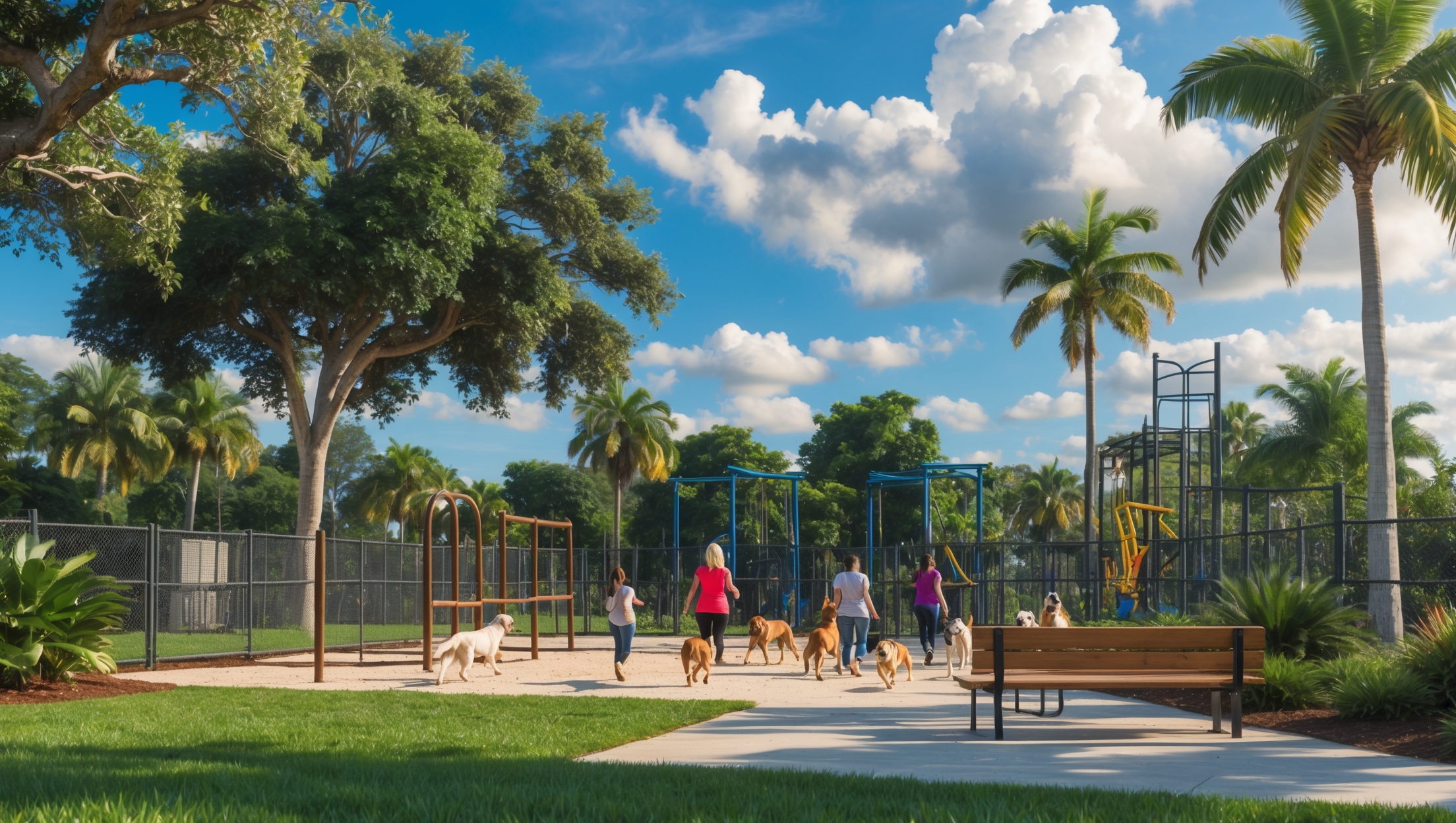
Cost Breakdown & Smart Budgeting for Community Dog Parks in St. Petersburg, FL

Introduction: Why Budgeting Matters for Community Dog Parks in St. Petersburg, FL
St. Petersburg, FL, is renowned for its vibrant neighborhoods, engaged citizens, and love for furry companions. As the city grows, so does the demand for safe, accessible community dog parks. These spaces do more than provide exercise—they foster connections among neighbors, promote responsible pet ownership, and enhance the quality of life for residents and their pets alike. However, launching and sustaining a dog park is far more complex than finding a patch of grass and erecting a fence. One of the most critical aspects—often overlooked until late in the process—is understanding the real costs involved and developing a smart, sustainable budget tailored to St. Petersburg’s unique context.
Whether you’re a neighborhood association, a pet advocacy group, or a group of passionate residents, this comprehensive guide will walk you through every anticipated expense, funding options, and proven budgeting strategies. Learn where the hidden costs lie, how to plan for seasonal and long-term maintenance, and ways to tap into local resources to stretch your dollars further. With practical, St. Pete-specific insights, you’ll be equipped to launch a dog park that’s not just affordable to build, but also simple to sustain for years to come.
Understanding the True Scope: What Makes a Great Community Dog Park?
Before you can budget effectively, it’s essential to define what your ideal community dog park will include. Features, size, and location all dramatically affect costs. Here’s what to consider:
- Location: Public vs. private land, proximity to neighborhoods, parking access.
- Size: Square footage for small, medium, and large dog areas; separate enclosures.
- Infrastructure: Fencing, double-gated entries, seating, shade structures.
- Dog Amenities: Water stations, waste stations, agility equipment, turf quality.
- Human Amenities: Benches, pathways, lighting, signage.
- Safety & Compliance: ADA accessibility, insurance, local permitting.
- Maintenance: Landscaping, repairs, waste removal, pest control.
Each element comes with its own set of costs, and prioritizing based on your community’s needs is the first step toward a realistic, workable budget.
Initial Costs: The Budget Breakdown for St. Petersburg Dog Parks
1. Land Acquisition and Site Preparation
- Land Use: If you’re partnering with the city, land may be leased at nominal cost, but private land will be a significant expense. Expect anywhere from $0 (public partnership) to $5–15 per square foot (private urban lots).
- Site Prep: Clearing, grading, and initial landscaping: $2,000–$8,000 for a half-acre site, depending on existing conditions and soil quality.
- Utilities: Water lines for drinking stations and irrigation, electrical for lighting: $3,000–$10,000 depending on distance to connections and trenching required.
2. Fencing and Gates
- Perimeter Fencing: Commercial-grade chain-link fencing (4–6 ft high): $18–$30 per linear foot. For a standard half-acre park (approx. 600 ft perimeter): $10,800–$18,000.
- Double-Gated Entries: Essential for safety, typically 2–3 per park: $1,500–$3,500 each.
3. Surfacing and Landscaping
- Turf Management: Natural grass (install/repair): $1,000–$5,000. Synthetic turf (low-maintenance, high upfront cost): $25,000–$40,000 for a half-acre.
- Gravel/Mulch Areas: For high-traffic zones: $2,000–$6,000.
- Shade Trees/Structures: Native tree planting: $300–$600 per tree. Shade sails or pavilions: $3,000–$15,000.
4. Amenities and Equipment
- Benches: $400–$1,200 each.
- Dog Waste Stations: $300–$500 each, including signage and initial bags (plan for 3–6 stations).
- Water Fountains: Pet/human combo stations: $2,000–$5,000 each, plus plumbing.
- Agility Equipment: Basic starter set (hoops, ramps, tunnels): $2,500–$7,500.
- Lighting: Solar (minimal wiring): $500–$2,000 per fixture; hardwired: $2,500–$5,000 each.
- Signage: Custom rules, donor plaques, wayfinding: $200–$1,000.
5. Permits, Fees, and Insurance
- Permitting: City of St. Pete park use, construction, and signage permits: $1,500–$4,500 depending on complexity.
- Insurance: Liability coverage: $1,000–$4,000 annually, depending on park size, amenities, and management structure.
6. Project Management and Professional Services
- Design/Engineering: Landscape architect or civil engineer: $2,000–$7,500, especially if drainage or accessibility is complex.
- General Contractor: Oversight and coordination, typically 10–20% of project cost.
Total Initial Cost Range: For a modest, well-equipped half-acre dog park in St. Petersburg, expect $60,000–$120,000. Enhanced features or larger parks can exceed $200,000.
Ongoing Expenses: What to Plan for Year After Year
- Routine Maintenance: Lawn mowing, trash removal, cleaning, and minor repairs: $3,000–$9,000 per year.
- Waste Bags/Supplies: $500–$2,000 annually, depending on usage.
- Equipment Repairs: Benches, agility gear, water stations: $500–$2,500 per year.
- Utilities: Water and electricity, especially for irrigation and lighting: $1,200–$3,000 per year.
- Pest Control: Flea/tick treatments, fire ant management: $300–$800 annually.
- Insurance Renewal: Typically stable, but should be reviewed annually for risks and liability changes.
Long-term, expect to replace turf, fencing, and major equipment every 5–10 years. Building reserves for these capital expenses is smart financial planning.
Budgeting Strategies for St. Petersburg Community Dog Parks
1. Engage Stakeholders Early
Involve local residents, pet owners, neighborhood associations, and city officials from the outset. Their input will clarify priorities and help secure in-kind support, donations, or city partnerships that can offset costs.
2. Develop a Tiered Amenity Plan
List every possible feature, then create “Must Have,” “Nice to Have,” and “Future Additions” tiers. This allows for phased development—start with essentials, then add more as funds permit.
3. Tap Into Local Resources
- City Grants: St. Pete offers neighborhood grant programs, especially for projects with community benefit.
- Corporate Sponsorships: Vet clinics, pet stores, and local businesses may sponsor amenities in exchange for recognition.
- Volunteer Labor: Neighborhood clean-up days, Eagle Scout projects, or local garden clubs can help with landscaping and installations.
- In-Kind Donations: Materials, benches, or professional services from local businesses can be invaluable.
4. Set Up a Transparent Fundraising System
Use platforms like GiveButter, GoFundMe, or dedicated nonprofit fiscal sponsors. Be transparent about how funds will be used, and celebrate milestones publicly to encourage ongoing support.
5. Plan for Sustainability from the Start
- Annual Memberships: Optional for extra amenities or “park patrons,” not for basic access.
- Adopt-a-Bench/Tree: Offer donors a plaque in return for funding a specific amenity.
- Regular Community Events: Host pet-themed events to raise funds and engage users (e.g., dog washes, training demos).
- Reserve Fund: Allocate a portion of annual revenue for future repairs and capital improvements.
Hidden and Unplanned Costs: What St. Pete Dog Park Leaders Wish They Knew
- Stormwater Management: St. Pete’s rainy season can erode turf and flood low-lying parks. Budget for drainage improvements and regular regrading—$1,000–$5,000 every few years.
- Vandalism and Security: While rare, occasional vandalism can mean costly repairs—consider low-cost security cameras or motion-activated lighting.
- Dog Park Etiquette Issues: Extra signage or community education events may be needed to address recurring issues (aggressive dogs, waste pickup).
- ADA Compliance: Upgrading paths or access points for mobility-impaired users may be required by city code.
Case Example: Budget Snapshot of a St. Petersburg Neighborhood Dog Park
Let’s look at a real-world budget for a recently established community dog park in St. Pete’s Crescent Lake neighborhood (costs updated for 2024):
- Land Lease (city partnership): $0
- Site Prep & Utilities: $6,500
- Fencing & Gates: $16,200
- Benches & Shade Structures: $7,800
- Dog Amenities: $5,600
- Permitting & Insurance: $5,200
- Design/Professional Services: $3,300
- Initial Materials/Labor (volunteer supported): $2,700
- Total Initial Outlay: $47,300
- Annual Maintenance Budget: $5,600
This park prioritized essentials and leveraged city support, volunteers, and local sponsorships, keeping costs on the lower end of the spectrum.
Building Your Budget: Step-by-Step Guide
1. List All Projected Expenses
Be comprehensive—include every feature, service, and contingency you can anticipate. Use the cost ranges above as your local baseline, but get multiple quotes for big-ticket items.
2. Identify Funding Sources
- Neighborhood grants
- Business sponsorships
- In-kind donations
- Crowdfunding
- Fundraising events
3. Create a Phased Plan
Start with core amenities, then schedule upgrades or additional features as funding allows. This keeps the project moving and builds community momentum.
4. Build in a Contingency Buffer
Add 10–20% to your total estimated budget to account for unexpected costs or price increases.
5. Plan for Annual Operations
Set aside funds for maintenance, insurance, and periodic repairs. Create a reserve fund for capital improvements and emergencies.
6. Maintain Transparency and Accountability
Share the budget with your stakeholders. Provide regular updates on spending and fundraising progress. Openness builds trust and encourages continued support.
Seasonal & Long-Term Budgeting Considerations
1. Summer Heat & Storms
St. Pete’s summers are hot and humid—extra shade, robust irrigation systems, and pest control are essential recurring costs. Plan for seasonal spikes in water usage and potential storm cleanup.
2. Winter Maintenance
Grass grows slower, but leaf drop and storm debris increase. Budget for seasonal landscaping and possible replanting before spring.
3. Annual Review
Each year, review the park’s usage, costs, and feedback from users. Adjust the budget for inflation, evolving needs, and emerging opportunities.
Conclusion: Creating a Sustainable, Community-Driven Dog Park in St. Petersburg
Launching a community dog park in St. Petersburg, FL, is a rewarding venture that strengthens neighborhoods and improves quality of life for both people and their pets. But without a realistic, transparent budget, even the best ideas can stumble. By understanding the full cost spectrum—from land and infrastructure to ongoing maintenance—you’ll be able to set clear expectations, secure sustainable funding, and minimize unpleasant surprises down the line.
Remember, the most successful St. Pete dog parks are those that balance ambition with practicality. Engage your community early and often, seek local partnerships, and don’t be afraid to start small and grow. Take advantage of city grants, local business sponsorships, and volunteer enthusiasm to multiply your impact. Most importantly, revisit your budget each year as needs and resources evolve—flexibility is key to long-term success.
With careful planning, creative fundraising, and a spirit of collaboration, your community can create a dog park that will be cherished by current and future generations. St. Petersburg’s unique blend of civic pride, love of the outdoors, and pet-friendly culture means your project can become a shining example for neighborhoods citywide. Start with a solid budget, and you’ll be well on your way to unleashing a lasting community asset!
If a neighborhood group wants to get started, what are the first budgeting steps they should focus on before trying to secure funding or land for a new dog park?
To get started, focus first on estimating the main costs: fencing, ground surfacing, water stations, waste stations, benches, and signage. Also, consider ongoing maintenance expenses. Gathering these rough cost estimates will help your group create a basic budget outline, which is essential before approaching potential funders or looking for land. This groundwork will clarify how much funding you’ll need and help guide your next steps.
When looking at maintenance budgets for a community dog park in St. Pete, what are some common hidden costs that tend to surprise new park organizers? I want to make sure we don’t overlook anything in our annual planning.
Some hidden costs new park organizers might miss include regular turf repair from heavy use, unexpected plumbing issues at water stations, frequent waste bag and trash pickup, and pest control for fleas or ticks. You might also face higher insurance premiums or occasional fence repairs after storms. Including a contingency fund in your annual budget will help cover these surprise expenses.
Can you share more details on how often the maintenance costs, like for waste stations and turf upkeep, typically come up throughout the year in St. Pete? I’m trying to figure out how to plan a reliable annual budget for our neighborhood park.
Maintenance for waste stations in St. Pete parks is usually a weekly task, including restocking bags and emptying bins. Turf upkeep, such as mowing and reseeding, is often done biweekly or monthly depending on the season and park usage. For budgeting, plan for weekly waste management and at least monthly turf care, with some extra funds for seasonal needs like heavy summer growth or reseeding in fall.
If our neighborhood group is considering using private land for a dog park, are there any specific hidden costs or regulatory issues in St. Petersburg we should watch out for compared to using public land?
When using private land for a dog park in St. Petersburg, expect additional costs for liability insurance, ongoing maintenance, and possibly fencing requirements. Regulatory issues can include zoning restrictions, permitting, stormwater management, and compliance with local noise or nuisance ordinances. Unlike public land, your group would be fully responsible for securing all necessary permissions and addressing neighbor concerns, so be sure to check with city planning and legal advisors before proceeding.
Once a community has built a dog park following these budgeting tips, what would be the next steps to ensure consistent funding for ongoing maintenance? Are there local examples where specific funding models have really worked out for the long term?
After building a community dog park, maintaining steady funding often relies on a mix of strategies. These can include forming partnerships with local businesses for sponsorships, hosting fundraising events, and encouraging ongoing community donations. In St. Petersburg, some parks have had success with ‘Friends of the Park’ groups that organize events and secure grants. Establishing a dedicated maintenance fund within a neighborhood association is another model that’s worked well locally to ensure long-term upkeep.
I noticed you mentioned ways to tap into local resources and funding options. As a parent with a busy schedule, what are the most effective first steps for a small group of residents to start fundraising for a new dog park here?
For a small group with limited time, start by connecting with your local neighborhood association and see if they can help spread the word or host an initial meeting. Next, set up a simple online fundraiser through a trusted platform and promote it via social media and community email lists. Reaching out to local pet businesses for possible sponsorships or donations can also kickstart your efforts without a big time commitment.
Could you elaborate on what some of the hidden costs are that often come up during the initial and long-term maintenance phases of setting up a new dog park in St. Petersburg? I’m trying to avoid any budget surprises.
Some hidden costs during the setup phase can include permitting fees, unexpected site preparation expenses like soil remediation or tree removal, and accessibility upgrades for ADA compliance. For long-term maintenance, you might encounter higher water bills for irrigation, repairs to fencing or agility equipment due to wear and tear, pest control, and increased waste removal needs. Planning a contingency fund for these surprises can help keep your budget on track.
Could you elaborate on how budgeting for long-term maintenance differs from initial construction costs in St. Petersburg? I’m especially interested in any recurring expenses that tend to be underestimated when planning community dog parks.
Budgeting for long-term maintenance differs from initial construction because operating costs are ongoing and can fluctuate over time. In St. Petersburg, regular expenses include landscaping, waste removal, equipment repairs, and routine safety inspections. These are often underestimated, especially waste bag refills, turf upkeep, and the cost of replacing worn agility equipment. Unlike one-time construction expenses, these recurring costs require consistent funding to keep the park safe and inviting.
What are the main choices for turf or ground cover in St. Pete dog parks, and have you found that one option holds up better in our weather while keeping long-term costs lower?
For St. Petersburg dog parks, the main ground cover options are natural grass, artificial turf, and decomposed granite or mulch. Artificial turf tends to hold up better in our humid, rainy climate and sees less wear from heavy use, though it has a higher upfront cost. Over time, artificial turf usually requires less maintenance and fewer repairs than natural grass, so many parks find it more cost-effective in the long run.
I’m new to this and was wondering, for someone in St. Pete who’s just at the brainstorming stage, what usually ends up being the biggest hidden or unexpected cost when starting a community dog park? Is it more about land prep or ongoing maintenance?
For many first-time organizers in St. Pete, the biggest unexpected cost often comes from ongoing maintenance rather than just the initial land preparation. Things like waste removal, regular landscaping, and fence repairs can add up quickly over time. It’s a good idea to factor in these recurring expenses from the start so your budget stays realistic and sustainable.
You mention hidden costs and seasonal maintenance—could you elaborate on what those tend to be in St. Pete’s climate? I’m concerned about unexpected expenses popping up after we open.
In St. Petersburg’s climate, hidden costs often include damage from heavy rains or hurricanes, which can mean repairs to fences, drainage, or park surfaces. Seasonal maintenance may also involve extra landscaping due to fast-growing grass and weeds in the summer, pest control for insects like mosquitoes, and occasional replenishing of mulch or gravel to address erosion. Budgeting for these variables can help prevent surprises down the line.
I’m curious how the costs and challenges differ if a neighborhood group wants to use private land for a dog park versus partnering with the city for public land. Are there specific benefits or drawbacks to each option in St. Petersburg?
Using private land gives your group more control over park rules and design, but you’ll be responsible for all costs, such as insurance, maintenance, and liability. Partnering with the city on public land can provide funding, liability protection, and ongoing maintenance support, but you may have less say in park management and must follow city guidelines. In St. Petersburg, city partnerships often mean better long-term sustainability, but private parks can be tailored more to your community’s wishes.
The article talks about planning for both seasonal and long-term maintenance. Do you have a ballpark figure or percentage of the total budget that should be set aside for ongoing upkeep after the dog park opens?
For ongoing upkeep after the dog park opens, it’s wise to allocate about 10-15% of the initial construction budget each year for maintenance. This typically covers landscaping, waste removal, repairs, and seasonal needs. The actual amount can vary depending on park size and amenities, but planning in this range helps ensure the park stays clean, safe, and enjoyable for everyone.
For neighborhoods that already have a small green space, how do you recommend deciding if it’s better to invest in upgrading an existing park versus building a new dog park from scratch? I’m interested in what factors usually tip the scale either way.
When deciding between upgrading an existing green space or building a new dog park, consider factors like current space size, safety, location accessibility, and existing amenities. If the green space meets most basic requirements and is well-located, upgrading is usually more cost-effective. However, if major renovations are needed or the location isn’t ideal, building new might be worth the investment. Community input and long-term maintenance costs are also important to weigh.
You mention both public and private land as possible locations. Are there significant cost differences or challenges specific to obtaining and maintaining a dog park on each type of property in St. Pete?
Yes, there are notable differences. Creating a dog park on public land often involves navigating city approval, but the land itself is usually free to use, and sometimes the city helps with maintenance. Private land typically means purchase or lease costs and all upkeep is your responsibility, but there may be fewer bureaucratic hurdles. Maintenance costs can be higher for private parks, while public ones might have more regulations to follow.
I’m curious about the ongoing maintenance costs mentioned for seasonal and long-term budgeting. In your experience, what’s the average yearly maintenance budget for a dog park in St. Pete, and are there any specific expenses locals tend to underestimate?
In St. Petersburg, the average yearly maintenance budget for a community dog park typically ranges from $8,000 to $15,000, depending on park size and amenities. Commonly underestimated expenses include irrigation repairs, waste bag restocks, and periodic turf replacement. Seasonal spikes can also occur due to summer landscaping and pest control needs, which are sometimes overlooked during initial planning.
After identifying the necessary amenities like fencing, water stations, and shade structures, what are the next steps you recommend for groups to create a realistic, phased budget for their dog park project?
Once you’ve listed your key amenities, gather cost estimates from local suppliers or contractors for each item. Next, prioritize the amenities by must-haves versus nice-to-haves, then group them into phases—such as Phase 1 for essentials like fencing and water, and Phase 2 for extras like agility equipment. This way, you can match fundraising and community support to each phase, adjusting your timeline as funds become available.
When planning the size and layout, how do separate enclosures for small and large dogs impact overall infrastructure and upkeep costs? I’m trying to compare if dedicating more space to one group significantly affects funding and future expenses.
Separate enclosures for small and large dogs generally increase infrastructure costs because you’ll need double the fencing, gates, water stations, and entry areas. Maintenance and upkeep also rise slightly, as both zones require regular cleaning and repairs. Dedicating more space to one group can affect costs—larger areas mean higher initial construction and ongoing maintenance expenses, especially for turf, waste management, and equipment. It’s important to balance space based on expected user numbers to optimize funding and long-term expenses.
I noticed you mentioned both public and private land as options for dog park locations. Are there significant differences in permitting fees or long-term costs between the two, particularly within St. Pete city limits?
Yes, there are notable differences. Public land in St. Petersburg generally involves lower permitting fees since the city oversees much of the process and sometimes waives certain costs for community projects. However, approvals can take longer due to city regulations. Private land tends to have higher permitting fees and may require additional zoning or legal steps, which can raise both up-front and long-term costs. Maintenance responsibilities also usually fall entirely on the owner with private land.
What are some practical ways to estimate the size and number of enclosures needed when first planning, especially if our neighborhood has a wide range of dog sizes? I am worried about over- or under-budgeting for fencing and entry gates.
To estimate the right enclosure sizes and numbers, start by surveying local dog owners to gauge how many small, medium, and large dogs will use the park. Plan for at least two separate enclosures: one for small dogs and one for larger breeds. Use recommended area guidelines, such as 1,000–2,500 square feet per enclosure for up to 25 dogs. Overestimating a bit allows for future growth. This approach helps you budget more accurately for both fencing and gates.
Can you share any real-life examples of how maintenance costs for dog parks in St. Petersburg might fluctuate with the seasons? I’m trying to make sure our neighborhood budget covers not just startup expenses but ongoing care, especially with Florida’s weather.
Maintenance costs for dog parks in St. Petersburg can definitely change with the seasons. During summer, higher rainfall can mean more mowing and weed control, as grass and plants grow faster. Hurricane season may require extra cleanup for debris or repairs to fences and equipment. In drier winter months, there might be extra expenses for irrigation. Planning for these seasonal spikes helps ensure your budget covers both routine care and unexpected needs.
The article mentions funding options for building and sustaining a dog park. Could you elaborate on which grants, local partnerships, or city resources are most commonly used in St. Pete, and how businesses like mine might get involved in supporting these parks?
In St. Petersburg, funding for community dog parks often comes from a mix of city budget allocations, local grants, and partnerships with neighborhood associations. Businesses like yours typically get involved through sponsorships, donations of materials or services, and participating in city-led fundraising events. The city occasionally offers matching grants, and local businesses are encouraged to co-sponsor amenities like benches or water stations, often recognized with signage. Connecting with St. Pete’s Parks and Recreation Department is a good starting point to explore partnership opportunities.
For budgeting in St. Pete, how much of the total cost usually ends up going toward ongoing maintenance versus the initial build-out? I’m helping a group estimate long-term expenses and would love to know what’s typical for things like landscaping and replacing worn equipment.
In St. Petersburg, most of the total cost—around 70–80%—is typically spent on the initial build-out, including fencing, surfacing, and amenities. Ongoing maintenance, which includes landscaping, cleaning, and replacing worn equipment, usually accounts for 20–30% of overall expenditures over time. Regular maintenance costs can vary but are important to factor in, especially for high-traffic parks where equipment and turf may need more frequent attention.
The article mentions tapping into local resources to stretch the budget. What kinds of grants or partnerships have St. Pete neighborhoods successfully used in the past, and do you have any tips for approaching potential sponsors?
St. Pete neighborhoods have often secured city mini-grants, as well as funding from local animal welfare groups and businesses like pet stores and vet clinics. For partnerships, many have teamed up with civic associations and local businesses for event sponsorships or in-kind donations. When reaching out to sponsors, be clear about your project’s benefits to the community and offer visible recognition, such as signage or social media shout-outs.
You mentioned funding options for building a dog park. What are some successful local fundraising strategies or grants that groups in St. Petersburg have used to cover hidden or unexpected expenses?
In St. Petersburg, many groups have hosted community events like dog walks, pet fairs, and raffle nights to raise extra funds. Local businesses often sponsor portions of the park in exchange for advertising, and some groups found success with crowdfunding campaigns. For grants, the Pinellas Community Foundation and local pet-oriented nonprofits have helped cover costs that pop up unexpectedly, such as additional fencing or landscaping.
The article mentions both public and private land as options for building a dog park. Are there significant differences in the typical costs or funding options between those two approaches in St. Petersburg?
Yes, there are notable differences. Building on public land in St. Petersburg often means the city covers part of the costs and oversees maintenance, with funding coming from municipal budgets or grants. Private land projects usually rely more on private fundraising, sponsorships, or community associations, and may face higher land acquisition costs. Public parks may have more access to city resources, while private parks offer more flexibility but less public funding.
I’m new to helping with community projects like this, and I’m curious how you figure out the initial budget, especially since you mentioned hidden costs and different features like water stations or shade structures. Is there a ballpark range for an average-sized park in St. Petersburg?
For an average-sized community dog park in St. Petersburg, a basic starting budget usually falls between $50,000 and $150,000. This covers essentials like fencing, ground surfacing, signage, and waste stations. Features such as water stations, shade structures, and agility equipment can add $10,000–$40,000 or more, depending on quality. It’s helpful to list must-haves and nice-to-haves, then get estimates from local contractors to avoid surprises from hidden costs like permits or landscaping.
If a group of residents wants to use public land versus private land for a dog park, what are the biggest budgeting differences or hidden costs they should prepare for in St. Pete?
When using public land in St. Pete, you’ll likely save on land acquisition costs, but should anticipate higher expenses and delays related to permits, city approvals, and ongoing compliance with municipal regulations. With private land, you’ll need to budget for the purchase or lease, plus possible rezoning fees. Public land projects may also involve community input sessions and maintaining public liability insurance as part of city requirements.
I noticed the article mentions both public and private land as options for a dog park location. Are there major differences in ongoing costs or regulatory hurdles between the two in St. Petersburg?
Yes, there are some important differences. Public land typically has lower or no land lease costs, but you may face more regulations, permitting steps, and city oversight. Private land often means higher ongoing lease or purchase costs but can offer more flexibility in design and management. However, private parks may still need to comply with zoning and safety regulations set by the city. Factoring these differences into your budget and planning is essential.
Once a dog park is launched in St. Pete, what are some effective strategies you’ve seen for ensuring long-term sustainability, especially with regard to funding ongoing improvements like new agility equipment or updated shade structures?
To keep a dog park sustainable in the long run, many communities set up ‘Friends of the Dog Park’ groups to organize fundraising events and gather donations. Some cities introduce small membership or usage fees, while others partner with local businesses for sponsorships, like sponsoring agility equipment or shade structures. Applying for grants through pet-focused or community organizations can also help fund updates. Regular community engagement keeps funding efforts strong and ensures the park meets evolving needs.
The article mentions both public and private land options for dog parks. How do the budget requirements typically differ between those two choices in St. Pete, especially when it comes to things like maintenance and infrastructure?
Budget requirements usually differ a lot between public and private land options. Public land parks in St. Pete often benefit from city funding for infrastructure and ongoing maintenance, so upfront and yearly costs can be lower for organizers. Private land parks typically require the group or owner to cover all initial construction, permits, and maintenance, making them more expensive to build and sustain over time.
If we’re a group of residents without access to private land, how do costs usually differ when working with the city to use public land for a new dog park? Is there a typical timeline for getting approval and dealing with permits in St. Pete?
When working with the city to use public land, your group may save on land purchase costs, but you’ll likely still need to budget for site preparation, fencing, amenities, and ongoing maintenance. The city may help with some expenses, but there could be administrative, permitting, and design fees. In St. Petersburg, the approval and permitting process can take anywhere from a few months to over a year, depending on the site and complexity of the project.
Are there any local St. Pete funding sources or grants specifically available for dog park infrastructure, like shade structures or water stations, that neighborhood groups should know about when planning their budget?
Yes, neighborhood groups in St. Pete can look into local options like the St. Petersburg Parks and Recreation grants, the City’s Neighborhood Partnership Grants, and sometimes support from local businesses or pet-related organizations. It’s also worth checking with Pinellas County for small community project funds. Many of these sources can help cover amenities like shade structures and water stations, so be sure to review their current guidelines and application windows.
How often do maintenance costs like turf replacement and upkeep for things like water stations typically come up in St. Pete’s climate? I’m trying to figure out how much we’d need to put aside in our neighborhood’s annual budget after the upfront expenses.
In St. Pete’s humid, sunny climate, artificial turf in dog parks generally needs replacement every 8–10 years, though heavy usage can shorten that. For water stations, routine upkeep—such as cleaning, filter changes, and minor repairs—should be budgeted for at least quarterly, while replacing major components may be necessary every 3–5 years. Setting aside funds annually for both routine and eventual replacement will help your neighborhood stay prepared.
Could you explain more about the hidden costs you mentioned in terms of seasonal or long-term maintenance? For someone who’s never managed a park before, what are the most commonly overlooked budget items that tend to come up in St. Petersburg?
Hidden costs for dog parks in St. Petersburg often crop up with seasonal maintenance like extra landscaping during heavy rain seasons, irrigation repairs, and reseeding grass due to high wear. Long-term, commonly overlooked items include replacing worn benches, maintaining agility equipment, pest control, and updating fencing. Trash removal and dog waste station upkeep can also exceed initial estimates, especially during busy months. Factoring in periodic resurfacing of walking paths and tree trimming is important, too.
When planning for seasonal and long-term maintenance costs, have you found any particular amenities—like shaded structures or turf versus natural grass—that tend to require more frequent repairs or higher upkeep in the St. Pete climate?
In St. Petersburg’s climate, shaded structures often face more frequent repairs due to sun exposure, humidity, and occasional storms, which can wear down fabrics and hardware. Artificial turf generally requires less frequent mowing but needs specialized cleaning and infill maintenance, especially during the rainy season. Natural grass, on the other hand, typically incurs higher ongoing costs for watering, mowing, and reseeding due to heat and heavy use. Factoring in these considerations will help budget more accurately for long-term upkeep.
When considering things like fencing, double-gated entries, and shade structures, which features tend to have the biggest impact on the initial construction budget? Our neighborhood is debating which amenities are essential versus nice to have.
Fencing and double-gated entries tend to have the biggest impact on the initial construction budget, as they are essential for safety and require durable materials and professional installation. Shade structures can also be a significant cost, but they are usually less expensive than extensive fencing. For most communities, prioritizing secure fencing and proper entry gates is essential, while shade structures are a valuable but optional upgrade.
I’m curious how location impacts the cost—do you have any sense of how using public land compares to private land when it comes to permits or infrastructure in St. Petersburg? We have a few site options and want to be realistic about budget differences.
Location definitely plays a role in costs for a dog park. Using public land in St. Petersburg often means lower or waived land acquisition fees, but you may face stricter city permitting and design requirements. Private land usually involves purchase or lease expenses and possibly more flexibility in construction, but permits can be more complex if zoning isn’t already suited for a park. Infrastructure needs like utilities and parking can also vary significantly by site, so it’s smart to evaluate each option with city officials before finalizing your budget.
For neighborhoods with limited space, do you suggest prioritizing certain dog or human amenities over others to keep costs manageable? I’m wondering if leaving out features like agility equipment or shade structures has a big impact on overall community use and satisfaction.
In neighborhoods with limited space and budget, it’s often most effective to prioritize essentials like secure fencing, double-gated entry, waste stations, and a safe play surface. While features like agility equipment and shade structures are nice additions, they aren’t strictly necessary for a functional dog park. Most users value safety, cleanliness, and accessibility above extra amenities, so focusing on those core needs should still keep the community satisfied.
Your breakdown mentions hidden costs and planning for seasonal maintenance. Do you have recommendations for estimating those costs upfront? I worry about budgeting too little and being surprised by bigger expenses during the summer months.
To get a clearer picture of hidden and seasonal maintenance costs, review past invoices from similar parks in your area and consult with local park managers about their peak-season expenses. Factor in higher landscaping, pest control, and irrigation costs for summer. Adding a 10-15% contingency to your estimated budget can also help cover unexpected spikes.
When planning for features like double-gated entries and separate enclosures for different dog sizes, what are the typical cost ranges local groups should expect? It would be helpful to know which amenities tend to represent the largest portion of the initial investment.
For St. Petersburg, double-gated entries typically cost between $3,000 and $7,000 depending on size and materials. Separate enclosures for different dog sizes can add $5,000 to $15,000, especially when extra fencing is needed. Fencing and gates are usually the largest initial expenses, often making up 40–60% of the total startup budget. Other significant costs include site preparation, surfacing, and water stations.
I noticed you talk about both public and private land as possible locations for a dog park. Is there a big difference in initial costs or ongoing expenses when choosing between those two options in St. Pete?
There can be a significant difference in costs between using public or private land for a dog park. Public land typically has lower initial costs since the city owns the property, but there may be more regulations and maintenance by the city. Private land often involves leasing or purchasing costs, plus ongoing expenses like property taxes, insurance, and private maintenance. Factoring in these differences can impact your long-term budget planning.
What are some practical ways St. Pete-based small businesses can contribute or partner with local groups to help fund items like water stations and agility equipment mentioned in the article?
St. Pete small businesses can sponsor specific park features like water stations or agility equipment, with recognition on signage. Hosting fundraising events or donation drives with local dog groups is another hands-on way to help. Businesses might also offer a portion of sales on certain days to support the park. Partnering on grant applications with community organizations can stretch budgets further.
If our neighborhood is trying to decide between using public or private land for a dog park, are there clear cost advantages to one or the other in the context of St. Petersburg? What are some trade-offs we should be aware of when budgeting?
Choosing public land for a dog park in St. Petersburg often means lower upfront costs since the city may cover some expenses like land acquisition and ongoing maintenance. However, using public land could involve more regulations, longer approval times, and less neighborhood control. Private land allows more flexibility and control but usually means higher costs for purchase, insurance, and long-term upkeep. When budgeting, consider not just the initial setup but also who will handle long-term management and maintenance.
For groups trying to choose between public and private land for their dog park, are there significant cost or permitting differences to consider in St. Petersburg? How would those affect the overall budget planning process?
Choosing between public and private land for your dog park in St. Petersburg does impact both costs and permitting. Public land often comes with lower upfront costs, but you may face stricter permitting processes and requirements from the city. Private land usually means higher land acquisition or lease costs, but you might have more control over operations and less red tape. For budget planning, it’s important to factor in these differences, as permitting delays or extra land costs can significantly affect your timeline and total expenses.
For groups trying to stretch their dollars, are there specific local resources or partnerships in St. Pete you’ve seen be most effective for things like benches or shade structures? Wondering if there are city programs or local businesses people usually tap into for those amenities.
In St. Petersburg, many groups have had success working with the city’s Parks and Recreation Department, which sometimes offers grants or in-kind materials for park amenities. Local hardware stores and landscape companies have also donated benches or shade structures in exchange for recognition. Additionally, neighborhood associations and civic groups often pool resources or organize fundraisers specifically for these features, so reaching out to them can help stretch your budget further.
I noticed the article mentions both public and private land as options for location. Are there significant cost differences or funding opportunities between building a dog park on city-owned land versus private property in St. Petersburg?
Building a dog park on city-owned land often comes with lower upfront costs since you avoid land purchase fees, but you may need to navigate city regulations and public approval processes. In contrast, private land can be more expensive due to acquisition costs, but it may offer flexibility in design and operation. Funding opportunities for public land projects can include city grants and community partnerships, while private projects might rely more on private investments or sponsorships.
Once the budgeting is sorted out, what are the first steps groups should take to secure funding or city support for a new dog park project in this area? I’d love to better understand the process from a business perspective.
After budgeting, it’s essential to develop a clear proposal outlining the park’s benefits, estimated costs, and community impact. Next, connect with local city officials or parks departments to present your plan and seek feedback. Organizing community meetings can help build support and demonstrate demand. Many groups also pursue grants, local business sponsorships, or fundraising events to secure initial funding. Building strong community and city partnerships is key for successful approval and financial backing.
I saw you mention hidden costs and seasonal maintenance in the budgeting process. Could you give some examples of expenses that tend to surprise first-time organizers in St. Petersburg when setting up or running a dog park?
First-time organizers in St. Petersburg are often surprised by costs like ongoing irrigation system repairs, pest control for fleas and ticks, and extra landscaping due to heavy rain or drought. There can also be unexpected fees for city permits or waste disposal, along with seasonal expenses for resurfacing muddy areas or replacing worn turf. Planning for these ahead can help keep your budget realistic.
For neighborhoods choosing between public versus private land for a dog park, what are some of the major cost differences in infrastructure or permitting that should be accounted for during the early budgeting phase?
When budgeting for a dog park, using public land often means lower land acquisition costs, but you may face more expenses and delays with permitting and public approvals. With private land, you’ll pay more upfront for the property, but may have more flexibility and control over design and timeline. Infrastructure like water, fencing, and parking can cost more on private land if it lacks utilities or established access, so be sure to assess those site-specific needs early.
If our neighborhood group is just starting to explore building a dog park, what’s the best first step to estimate the total costs for different sizes or layouts? Is there a template or tool tailored for St. Pete projects that you recommend using before approaching the city?
To estimate costs for different dog park sizes or layouts, start by gathering details on your site—such as acreage and desired features. The City of St. Petersburg’s Parks & Recreation Department can provide guidance, but you might find their community project application helpful as an initial framework. Additionally, using simple spreadsheet templates to list costs for fencing, surfacing, amenities, and maintenance can help clarify your budget before formally consulting the city.
When it comes to budgeting for maintenance in St. Pete’s climate, do you have any real-world examples of how much seasonal issues like heavy rain or hurricanes can add to long-term costs for dog parks?
Seasonal challenges like heavy rain and hurricanes in St. Petersburg often increase annual maintenance costs for dog parks by 10–25%. For instance, after major storms, parks may need extra drainage repairs, replacement of mulch or sand, and fence reinforcement. Some parks report spending an additional $2,000–$5,000 per year just to address these weather-related impacts, depending on the park’s size and location.
You mention local resources to stretch the budget further. Can you share some examples of partnerships or programs in St. Pete that have successfully helped reduce upfront or ongoing costs for neighborhood groups building a dog park?
Several community dog parks in St. Pete have benefited from partnerships with local businesses, such as landscaping companies donating mulch or services, and pet stores providing benches or waste stations. Neighborhood associations have also received small grants from the city and collaborated with Keep St. Pete Beautiful for volunteer cleanup days, which help reduce maintenance costs. These partnerships can make a big difference in both initial expenses and ongoing upkeep.
After setting up initial infrastructure like fencing and water stations, what are the biggest hidden costs you’ve seen pop up for dog parks, and how can a small neighborhood group prepare for them when budgeting?
Some of the biggest hidden costs after initial setup include ongoing maintenance like landscaping, waste management, and repairs from wear or weather damage. Liability insurance can also be unexpectedly expensive. To prepare, set aside a contingency fund—usually 10–15% of your total budget—specifically for these recurring or surprise expenses. Regularly review your costs and consider community fundraising or sponsorships to help cover them.
You mention that location decisions, like public versus private land and proximity to neighborhoods, can really impact costs. Do you have any insights on how much of the budget typically goes to securing land, especially if it’s private versus using city-owned spaces in St. Petersburg?
Securing land is often one of the biggest expenses for a new dog park. In St. Petersburg, using city-owned land usually means lower or even negligible costs for the land itself, since the city already owns it. However, if you need to purchase or lease private land, this can account for 30% to 50% or more of your total budget, depending on the location and size. Factoring in these differences is crucial to smart budgeting.
We’re considering helping launch a neighborhood dog park but aren’t sure where to start with funding. Does the guide cover specific local grants or community fundraising ideas that have worked well in St. Petersburg?
The guide highlights both local grant opportunities and community fundraising strategies that have been successful in St. Petersburg. It mentions city and county grants available for park projects, as well as creative fundraising efforts like neighborhood events, sponsorships from local businesses, and crowd-funding campaigns. You’ll find practical tips on combining these approaches to meet your funding goals.
If we’re hoping to launch a dog park with both dog and human amenities—like benches, lighting, and shaded areas—what are some practical ways to prioritize features without going over budget? Are there examples of successful phased approaches in St. Petersburg?
To keep your project on budget, start by focusing on essentials like fencing, water stations, and waste stations. Amenities like benches, lighting, and shaded areas can be added in later phases as funds allow. In St. Petersburg, several parks have successfully taken this phased approach, beginning with basic off-leash areas and gradually adding extras based on community feedback and fundraising success. Engaging the community early can also help prioritize what features matter most.
You mentioned that the choice between public and private land can impact the overall cost of a new dog park here. Do you have any practical examples or ballpark figures specific to St. Pete for how those costs might differ?
Choosing public land for a dog park in St. Pete often reduces upfront costs, since you typically avoid large land acquisition expenses—public land use might only involve permitting and site preparation, possibly $20,000 to $50,000. In contrast, acquiring private land can add anywhere from $100,000 to $500,000 or more, depending on size and location, before any development even begins. These ranges can vary, but public land is usually more budget-friendly for local projects.
The article mentions that amenities like agility equipment, shade structures, and separate enclosures for different dog sizes can really change the budget. Is there a breakdown of which features add the most to both upfront expenses and ongoing maintenance?
Yes, the article highlights that certain features have a significant impact on both initial costs and long-term maintenance. Agility equipment tends to increase upfront expenses due to specialized materials and installation, and it also requires regular inspections for safety. Shade structures have a higher initial cost as well but usually need less frequent upkeep. Separate enclosures for different dog sizes raise both construction and ongoing maintenance costs, since more fencing, gates, and signage are needed. Overall, agility equipment and separate enclosures generally contribute most to both upfront and ongoing expenses.
The article mentions hidden costs and the importance of planning for seasonal and long-term maintenance. Could you give examples of what some of those ongoing maintenance expenses might look like in this area and how often they come up?
Ongoing maintenance expenses for community dog parks in St. Petersburg typically include regular lawn care, such as mowing and reseeding, which may be needed every few weeks, especially during the growing season. Other recurring costs can involve waste bag refills and trash removal, fence repairs after storms, cleaning play equipment, and replenishing mulch or ground cover. Seasonal expenses might include pest control services, irrigation system upkeep, and deep cleaning or repairs after heavy rain or hurricanes. Planning for these ensures the park stays safe and enjoyable year-round.
You mentioned the importance of planning for hidden costs early on. Are there particular surprises that St. Petersburg groups frequently encounter during the initial build or in the first year of operation?
Some common surprises for St. Petersburg groups include unexpected permitting fees, higher landscaping or irrigation costs due to local soil and drainage needs, and more expensive fencing than initially estimated. In the first year, maintenance costs like turf repair, pest control, and waste removal can also be higher than planned, especially if the park becomes very popular quickly.
I noticed the article talks about choosing between public and private land for a dog park. How do the costs and approval processes compare between those two options in St. Petersburg?
Choosing public land for a dog park in St. Petersburg usually involves lower upfront land costs, since the city already owns the property. However, you’ll need to go through city approvals, permits, and sometimes public hearings, which can be lengthy. Private land often comes with higher initial costs for purchasing or leasing, but the approval process can be faster and may allow for more design flexibility. Each option has its own trade-offs in terms of both cost and time required.
For those considering both public and private land options, could you expand on any differences in liability or compliance costs that should be factored into the initial budgeting process for a new community dog park?
When choosing between public and private land for a community dog park, liability and compliance costs can differ significantly. Public land usually involves more city oversight but may offer insurance or share liability. On private land, the park organizer or owner is typically responsible for securing liability insurance and ensuring all local codes and ADA requirements are met, which can increase costs. Permitting fees may also be higher on private property.
I noticed the guide talks about choosing between public and private land for the park location. Are there significant differences in upfront or ongoing costs for these two options in St. Pete, and how would those affect the overall budgeting process?
Yes, there are notable differences. Public land usually has lower upfront costs since the city already owns the property, but you may have to follow strict city regulations and might not have as much control over design or maintenance. Private land typically involves purchase or lease costs, so startup expenses can be higher, but you gain more flexibility. Ongoing costs also differ: maintaining public land may involve city partnerships, while private land requires covering all upkeep expenses directly. These factors can significantly impact your budget planning for the project.
I’m new to this and was wondering, when planning for seasonal and long-term maintenance in St. Petersburg, what are the biggest recurring costs to expect beyond basics like mowing or waste cleanup? Are there types of expenses that tend to surprise first-time organizers?
Beyond routine tasks like mowing and waste removal, common recurring costs include irrigation system repairs, replacing worn-out park furniture or agility equipment, and pest control—especially during rainy seasons. Other expenses that often surprise first-time organizers are insurance premiums, tree trimming after storms, and regular replenishment of mulch or ground cover. Planning a buffer in your budget for these helps avoid unexpected shortfalls.
The article mentions the importance of choosing between public and private land for a dog park. In your experience, how do the permitting and development costs compare between these two options in St. Pete, and is one generally more cost-effective in the long run?
In St. Petersburg, public land often involves lower upfront land costs, but permitting can be more complex and time-consuming due to city regulations and community input. Private land usually has higher acquisition costs, but the permitting process can sometimes move faster. Over the long term, public parks may benefit from city maintenance and funding, making them more cost-effective, while private parks may require ongoing private funding and management.
The article mentions seasonal and long-term maintenance costs for dog parks. Can you provide examples of what kinds of expenses these might include in St. Pete’s climate, and how much organizations should typically set aside each year to cover them?
In St. Petersburg’s humid, subtropical climate, seasonal and long-term maintenance for dog parks often includes lawn mowing, irrigation repairs, pest control, and replacing worn agility equipment due to moisture and sun exposure. Organizations should also budget for cleaning supplies, waste bags, and periodic fencing repairs. Typically, setting aside $5,000 to $15,000 annually is recommended, depending on park size and amenities, to comfortably cover these recurring expenses.
If our neighborhood wants to include agility equipment and shade structures, do you have any rough estimates or tips for prioritizing these features within a limited budget? It seems like some amenities could really drive up costs quickly.
Agility equipment can range from $2,000 to $10,000 or more depending on quality and quantity, while shade structures typically start around $5,000 and can go much higher. If your budget is tight, consider starting with basic agility pieces and portable shade options. Prioritize amenities by surveying your community to see what’s most valued, and look for grants or donations specifically for these features to help stretch your funds.
How do costs or challenges differ between developing a dog park on public land versus private land in St. Pete, especially regarding permits or infrastructure needs like fencing and water stations?
Developing a dog park on public land in St. Petersburg usually involves more permits, public input, and compliance with city standards, but infrastructure like water lines may already exist, reducing some costs. On private land, permits can be simpler but you may have to install all utilities from scratch, which increases expenses for essentials like fencing and water stations. Public land also often has access to city maintenance, whereas private parks bear those costs directly.
If our neighborhood is considering using private land for a community dog park instead of public land, how might that affect funding options and ongoing costs compared to going the public route?
Using private land for your community dog park means you likely won’t have access to city grants or municipal funding typically available for public parks. Instead, you’ll need to rely more on private donations, fundraising, or sponsorships. Ongoing costs like insurance, liability, and maintenance may also be higher, since the city won’t cover them. However, you could have more flexibility in design and rules, and decision-making would be faster.
For neighborhoods with limited access to public land, how do costs compare between setting up a dog park on private versus public property? Are there unique budgeting challenges for each option in St. Pete?
Setting up a dog park on private property in St. Pete often involves higher upfront costs, like leasing or purchasing land, plus insurance and liability coverage. Public land usually has fewer land acquisition costs, but you may face more permitting and public approval hurdles. Private parks can offer more flexibility, but budgeting must account for ongoing rent and maintenance, while public parks might rely more on city funding and grants. Each option brings unique expenses and approval processes to consider.
When planning amenities like water stations and shade structures, do you recommend prioritizing those over extras like agility equipment if the initial budget is tight? Curious what’s been most essential for sustainability in other St. Pete parks.
For tight budgets, it’s usually best to prioritize essentials like water stations and shade structures first. These amenities ensure dogs and their owners stay comfortable and hydrated, which encourages regular use. In St. Pete parks, these basics have proven crucial for ongoing success, while extras like agility equipment can be added later as funds allow.
The article mentions both public and private land options for a dog park. Are there major cost differences or unexpected fees depending on which type of land is used?
Yes, there are some notable cost differences between using public and private land for a dog park. Public land usually avoids purchase or lease fees but may involve more permitting and compliance costs. Private land often requires rent, purchase, or long-term lease payments, plus possible negotiations with the owner. Unexpected fees can include environmental assessments or insurance, which may vary depending on the land type. Factoring these in early can help avoid surprises.
When planning the initial budget, how much should we set aside for unexpected expenses like repairing fencing or replacing damaged agility equipment, and is there a recommended contingency percentage for dog parks in this area?
For dog park projects in St. Petersburg, it’s wise to allocate about 10–15% of your total budget as a contingency fund for unexpected expenses like repairs or equipment replacement. This percentage is commonly used for community park planning in the area and helps ensure you have enough financial flexibility without overextending your initial resources.
How much more does it typically cost to include separate enclosures for small and large dogs in a community dog park, compared to just having a single open space? I’m wondering if the added expense is worth it in St. Petersburg.
Adding separate enclosures for small and large dogs usually increases the cost by about 20–30% compared to a single open space, mainly due to extra fencing, gates, and signage. In St. Petersburg, the increased safety and enjoyment for all dogs often make this added expense worthwhile, especially in busier parks or areas with a mix of dog sizes.
I noticed the article mentions the importance of planning for both seasonal and long-term maintenance costs. Could you provide specific examples of those maintenance expenses in St. Petersburg, and how much they typically add to the annual budget?
In St. Petersburg, seasonal maintenance costs for dog parks often include lawn care, such as mowing and fertilizing, which can run $2,000 to $4,000 annually, and replenishing mulch or gravel at $1,000 to $2,000. Long-term expenses might involve replacing fencing or playground equipment every few years, budgeting around $5,000 to $10,000 annually. Together, these costs usually add between $3,000 and $12,000 per year to the overall budget, depending on park size and amenities.
Given the article mentions both private and public land as location options, does your budgeting advice lean toward one being more affordable or practical to manage over time for a group of local parents and pet owners?
The article highlights that public land is usually more affordable for community groups since the city may cover some ongoing maintenance and initial costs. Private land often means more expenses for purchase, insurance, and upkeep, which can be harder for small groups to sustain. For a group of local parents and pet owners, partnering with the city for a public space is generally more practical and budget-friendly over time.
The article mentions seasonal maintenance and local resource partnerships. What are some smart ways groups in St. Pete have actually saved money using local partners, and how would we get started finding those partnerships?
Community groups in St. Pete have saved money by partnering with local landscaping companies for discounted or donated maintenance, teaming up with neighborhood nurseries for native plants, and collaborating with city departments for bulk purchasing on supplies. To find these partnerships, start by reaching out to local businesses, visiting city offices, attending neighborhood association meetings, and connecting with groups who already manage parks for tips and introductions.
I’m curious how neighborhood groups in St. Pete typically decide between using public land versus private land for a new dog park. Are there major differences in costs or long-term responsibilities for each option?
Neighborhood groups in St. Pete usually weigh both initial and ongoing costs when picking between public and private land. Public land is often less expensive up front since the city may cover some costs, but it may come with more regulations and shared maintenance responsibilities. Private land can give groups more control, but they take on all expenses, including insurance, upkeep, and liability. Long-term, using public land tends to spread responsibilities, while private land puts more on the group.
You mentioned hidden costs and the importance of choosing between public and private land. Could you explain what specific expenses might surprise us during the planning or building phase for a public dog park site in St. Pete?
Absolutely, some unexpected costs for a public dog park in St. Pete can include permit and inspection fees, environmental impact assessments, mandatory accessibility upgrades, and required stormwater management. You may also need to budget for ongoing public maintenance, liability insurance, and community notification processes. These expenses often catch planners off guard, so it’s wise to build a contingency fund into your budget.
The article talks about planning for both seasonal and long-term maintenance. Do you have any suggestions for reliable ways to estimate these costs ahead of time, and are there local resources or city departments that help with maintenance budgeting?
To estimate seasonal and long-term maintenance costs, start by listing all expected tasks—like landscaping, waste removal, fence repairs, and equipment upkeep—then contact local vendors for quotes on each. The St. Petersburg Parks and Recreation Department is a valuable resource; they often provide guidance or connect you with sample budgets and data from other local dog parks to help you create realistic estimates.
In the section about budgeting for hidden costs, could you give more concrete examples of what these unexpected expenses might include for a dog park in St. Pete? I’m trying to figure out what usually gets overlooked when doing the initial cost estimates.
Some hidden costs for a St. Petersburg dog park might include extra maintenance after storms, pest control for fleas or ants, replacing worn-out agility equipment, irrigation repairs, and liability insurance increases. You might also need to budget for unforeseen landscaping issues, additional waste disposal, or tree trimming. These are expenses that often don’t make it into the initial estimates but can add up over time.
I noticed you mention the importance of planning for long-term maintenance and seasonal changes in the budget. Could you give some examples of unexpected maintenance costs that have surprised other community dog parks in St. Petersburg?
Certainly! Some unexpected maintenance costs that have caught other community dog parks off guard in St. Petersburg include sudden repairs to fencing after storms, replacement of turf or sod due to heavy wear, increased waste disposal needs during busy months, and the need for pest control for issues like fire ants or ticks. Planning for these potential surprises in your budget can help keep the park safe and enjoyable all year.