
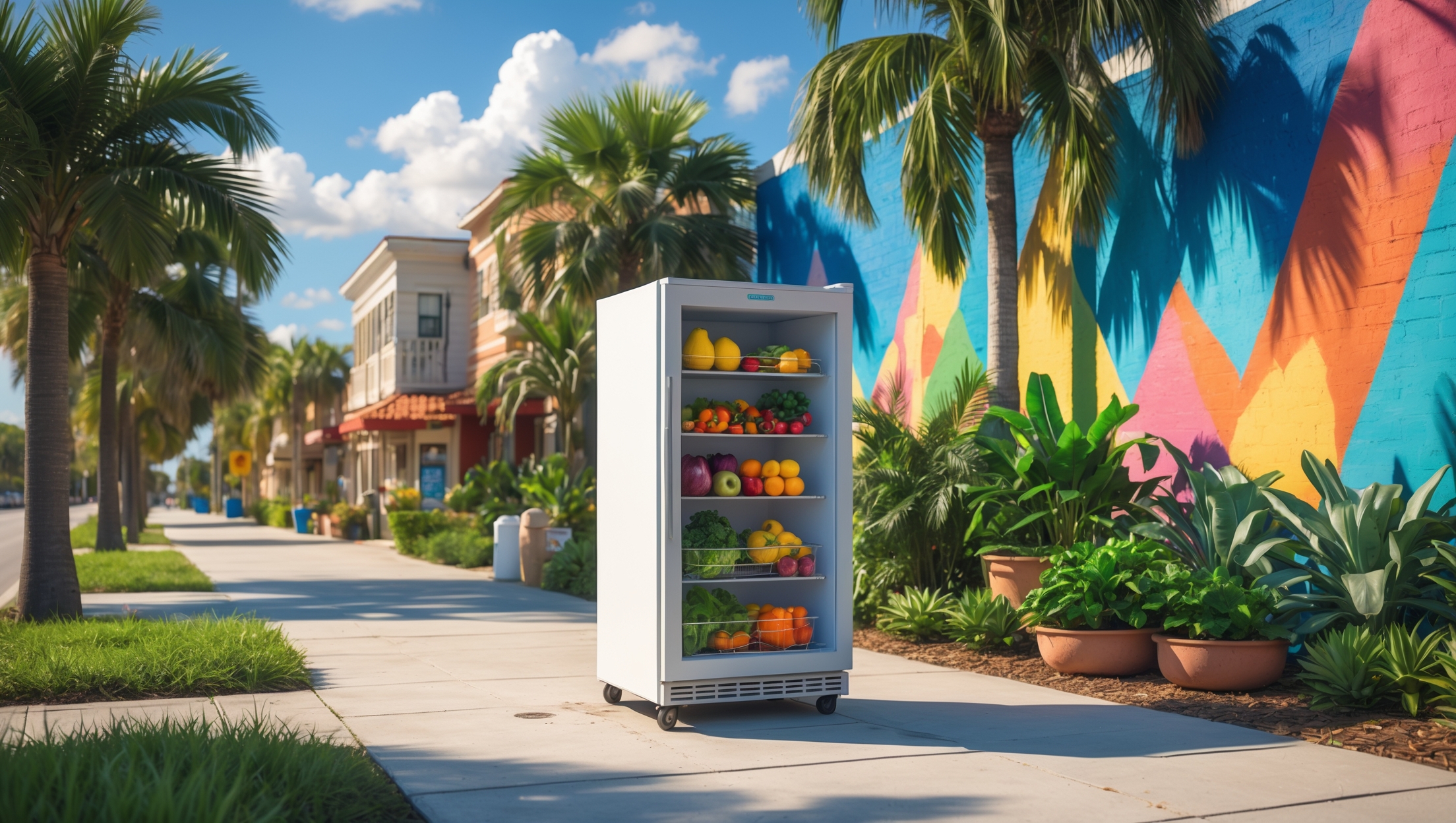
Compliance and Permits for Community Fridge Projects in St. Petersburg, FL: What Organizers Must Know

Introduction: Why Compliance Matters for St. Petersburg’s Community Fridges
St. Petersburg, FL, is known for its creative grassroots solutions to food insecurity. Community fridges—public refrigerators stocked with fresh food for anyone in need—are gaining momentum across neighborhoods from Kenwood to Childs Park. These projects foster mutual aid, reduce food waste, and strengthen community bonds. However, launching a community fridge isn’t as simple as plugging in an appliance and inviting neighbors to contribute. Organizers and volunteers must navigate a complex web of local regulations, public health standards, permits, and liability considerations to ensure their fridge is both legal and sustainable.
Ignoring compliance and permit requirements can lead to fines, forced removal, or even legal action. More importantly, a project that fails to meet health and safety standards can endanger the very community it seeks to help. This comprehensive guide walks you through the essential steps to legal, compliant, and successful community fridge projects in St. Petersburg. Whether you’re planning your first fridge or looking to support an existing effort, you’ll find practical advice, resources, and local contacts to make your initiative a lasting asset for your neighborhood.
Understanding the Legal Landscape for Community Fridges in St. Petersburg
Is It Legal to Operate a Community Fridge?
Community fridges operate in a legal gray area. While there’s no state law in Florida explicitly prohibiting them, several layers of regulation apply, including city ordinances, zoning codes, and food safety rules. St. Petersburg’s city government has shown cautious support for food access initiatives but requires organizers to comply with existing regulations. It’s essential to approach your project transparently and proactively to avoid misunderstandings with city officials or neighboring businesses.
Key Legal Considerations
- Zoning Regulations: Where you place your fridge matters. Residential, commercial, and mixed-use zones have different restrictions for outdoor appliances, signage, and public access.
- Property Owner Permission: Written consent from the property owner is mandatory, whether the fridge is hosted at a church, business, or community center.
- Electrical and Building Codes: The fridge must be safely installed according to local building and electrical codes, including outdoor weatherproofing and GFCI outlets.
- Food Safety and Health Codes: St. Pete falls under the Florida Department of Agriculture and Consumer Services (FDACS) and Pinellas County Health Department guidelines. These agencies set rules for food storage, temperature, and sanitation.
- Liability and Insurance: Even if your fridge is on private property, liability for injury or illness can fall on organizers and hosts. Insurance isn’t always required, but it is highly recommended.
Securing the Right Permits
Step 1: Identify the Appropriate Permit(s)
There’s no one-size-fits-all permit called a “community fridge license.” Instead, you’ll need to secure permits based on your project’s unique attributes. These may include:
- Temporary Use Permit: Required for installations in areas not zoned for permanent structures or appliances.
- Electrical Permit: For any new, modified, or outdoor wiring to power the fridge.
- Sign Permit: If you plan to install signage indicating the fridge’s purpose or rules, especially in commercial zones.
- Food Distribution Permit: Not always required for free food sharing, but check with FDACS and the Pinellas County Health Department for up-to-date requirements.
Step 2: Engage with City of St. Petersburg Departments
Start by contacting the City’s Community Services Department. Explain your project, location, and goals. They can direct you to the correct permitting office and flag potential issues early on. For electrical and building code questions, reach out to the Construction Services & Permitting Department.
Step 3: Submit Applications and Documentation
- Site Plan: A simple map showing the fridge’s proposed location in relation to property lines, streets, and buildings.
- Property Owner Letter: Written consent from the owner or authorized agent.
- Electrical Plans: If new wiring is needed, submit diagrams showing compliance with city codes.
- Sign Mockups: For any exterior signage, include size, placement, and materials.
- Operations Plan: Outline how you’ll monitor food safety, clean the fridge, and handle maintenance.
Step 4: Approval, Inspections, and Fees
After submitting your paperwork, city staff may request revisions or additional details. Be prepared for one or more site visits, especially for electrical safety. Permit fees vary, but budgeting $50–$200 is typical for small, outdoor electrical installations and signage. Some permits may be waived or reduced if your project is sponsored by a nonprofit or religious institution—ask about available fee waivers.
Food Safety: Meeting Health Department Standards
Temperature Control
Fridge temperatures must remain at or below 40°F (4°C) to prevent bacterial growth. Place a visible, accurate thermometer inside the fridge. Volunteers should check and log temperatures daily, especially during St. Pete’s hot summers. Consider adding a backup battery or generator to prevent spoilage during power outages.
Sanitation and Cleaning Protocols
- Establish a cleaning schedule: Wipe down interior shelves and doors with food-safe disinfectant at least twice weekly.
- Remove expired, spoiled, or unidentifiable food daily. Post clear rules prohibiting home-prepared foods, raw meat, and items past their expiration date.
- Provide hand sanitizer or disposable gloves nearby for volunteers and users.
Food Sourcing and Labeling Best Practices
Encourage donations from reputable sources: local grocers, bakeries, urban gardens, and surplus from food pantries. While homegrown produce is generally allowed, avoid accepting home-cooked meals unless prepared in a certified kitchen. Label all packaged foods with the date received and expiration date. Display a sign listing prohibited items (e.g., raw meat, shellfish, opened dairy).
Partnering with Local Health Authorities
Contact the Pinellas County Health Department before launch. They can clarify the latest guidelines and may offer training or free food safety materials. Hosting an initial site visit shows your commitment to community health and can prevent issues down the road.
Choosing a Compliant Location
Ideal Host Sites
- Faith communities (churches, mosques, synagogues)
- Community centers and nonprofits
- Locally-owned businesses with outdoor space
- Urban gardens or farmers markets with electrical access
Sites should have regular foot traffic, be accessible 24/7 or during set hours, and have space for safe pedestrian access. Avoid blocking sidewalks, fire lanes, or emergency exits.
Zoning and Neighborhood Compatibility
Residential neighborhoods may have stricter rules about outdoor appliances and public access. Check the City of St. Petersburg’s zoning maps and consult with neighborhood associations. Engaging nearby residents early builds support and reduces complaints. In commercial zones, be mindful of business hours and parking considerations.
Liability, Insurance, and Risk Management
Understanding Liability Risks
Community fridges carry some risk of foodborne illness or injury (e.g., electrical shock, slipping on spills). Without proper protocols, organizers and hosts could be held liable. Florida’s Good Samaritan Food Donation Act offers some protection, but does not cover gross negligence or willful misconduct.
Insurance Options
- General Liability Insurance: Covers injury or property damage claims. Often available through the host site’s existing policy or via local nonprofits.
- Supplemental Riders: Some insurers offer low-cost add-ons for community outreach projects.
Ask your host site to check with their insurer before installation. Document all safety and cleaning protocols to demonstrate due diligence.
Building Relationships with City Officials and Neighbors
Transparency and Communication
- Notify nearby residents and businesses about the project’s purpose and benefits. Share contact information for feedback or concerns.
- Invite city council members or district representatives to your launch event. Their support can be invaluable if issues arise.
- Provide regular updates on fridge usage, food waste reduction, and community impact to stakeholders and city officials.
Responding to Concerns
Common concerns include increased litter, loitering, or food safety risks. Address these by:
- Installing a trash/recycling bin nearby and emptying it regularly.
- Limiting hours if necessary (e.g., lock the fridge overnight).
- Posting clear rules and emergency contact info on the fridge.
- Promptly addressing infractions or complaints with a volunteer response team.
Case Example: The Sunshine City Fridge at Booker Creek
The Sunshine City Fridge, hosted by a community center near Booker Creek, offers a model of compliance and collaboration. Before launching, organizers met with city officials to review zoning and obtain an electrical permit. They partnered with the Pinellas Health Department for food safety training and secured a small grant to cover insurance costs. After installation, they held a neighborhood open house to introduce the project and answer questions. As a result, the fridge has operated smoothly, with strong community buy-in and no regulatory issues.
Resources and Local Contacts
- City of St. Petersburg Contact Directory
- Pinellas County Health Department
- Florida Department of Agriculture & Consumer Services
- Feeding Tampa Bay
- St. Pete Chamber of Commerce
Conclusion: Empowering Safe, Sustainable Food Sharing in St. Petersburg
Community fridges are a powerful tool for grassroots food justice and mutual aid in St. Petersburg. By sharing surplus food, supporting neighbors in need, and fostering a culture of generosity, these projects can transform blocks and build lasting resilience. However, the path to a thriving community fridge begins with careful attention to compliance, health and safety, and transparent partnerships with city officials and residents.
Before installing your first fridge, invest time in understanding St. Petersburg’s zoning, permitting, and food safety requirements. Proactively engage with city departments and the local health department, and secure written permission from property owners. Build a team of dedicated volunteers to handle daily cleaning, food checks, and community outreach. Don’t overlook the importance of insurance and risk management—a few dollars spent on coverage can save your project from costly setbacks. Finally, communicate openly with neighbors and local leaders to foster trust and address concerns quickly.
By following the steps and best practices outlined in this guide, you’ll not only protect your project from regulatory issues—you’ll also ensure your fridge is a safe, welcoming, and enduring resource for everyone in St. Pete. Compliance may seem daunting, but it’s the foundation for sustainable, positive impact. Get started today, and join the growing network of community-driven solutions making a real difference in the Sunshine City.
What costs should we expect when it comes to getting all the permits and meeting compliance standards for starting a community fridge here? Is it mostly permit fees, or are there other expenses we should plan for?
You’ll need to budget for more than just permit fees. Expect costs for food safety certifications, possible health inspections, and property modifications to meet local code (like electrical or refrigeration upgrades). Permit fees are one part, but supplies, signage, insurance, and ongoing compliance also add up. It’s wise to contact city officials directly for current fee schedules and to get a full picture of the financial requirements.
When it comes to zoning regulations mentioned in the article, do organizers need special approval if the community fridge is placed on private property like a church or small business, or do the same city codes apply as with public spaces?
Organizers do still need to follow city zoning codes when placing a community fridge, even if it’s on private property like a church or small business. The city may require special approval or permits depending on the zoning district and the intended use. It’s important to check with St. Petersburg’s zoning department to confirm allowed uses and any necessary steps before setting up the fridge.
If a group is thinking about setting up their first fridge, what kind of timeframe should they expect from planning through securing all the necessary permits and approvals in St. Petersburg?
From initial planning to obtaining all required permits and approvals in St. Petersburg, groups should generally anticipate a timeframe of about 2 to 3 months. This allows time for site selection, community outreach, preparing documents, and working through the city’s permit process. The exact duration can vary depending on how quickly you gather information, respond to city requests, and address any zoning or health department concerns that arise.
I’m curious how long it typically takes to get the necessary permits and approvals for setting up a community fridge in St. Petersburg. Is this something that can be done in a few weeks, or should we expect a longer process?
The permitting process for a community fridge in St. Petersburg usually takes at least several weeks, but the exact timeline depends on factors like location, property approvals, and health department reviews. If the application is straightforward and all documentation is ready, you might get approvals within a month, but delays can happen. It’s best to plan for at least 4–8 weeks and stay in close contact with the relevant city departments throughout the process.
Could you clarify which food safety rules most often trip up new fridge projects in the area? For example, is it more about temperature logging, labeling donated food, or something else that organizers tend to overlook?
In St. Petersburg, new community fridge projects often run into trouble with food labeling and temperature control. Many organizers forget to clearly label donated food with preparation or expiration dates, which is a common requirement. Consistent temperature logging is also sometimes overlooked, but both are important to show the fridge contents are safe. Setting up a simple log sheet and clear labeling system can help avoid most compliance issues.
If my neighbors and I want to set up a community fridge in our apartment building’s courtyard in St. Petersburg, do zoning laws allow it in residential areas, or would we need a commercial location? The article says zoning is important, but I’m not clear how it applies to multifamily housing.
In St. Petersburg, placing a community fridge in a multifamily residential setting like your apartment courtyard usually requires special consideration. Zoning regulations often limit food distribution activities in residential areas, even in shared spaces. You’ll likely need to check with the city’s zoning or permitting department to see if your courtyard qualifies or if exemptions are possible. Sometimes, only commercial or mixed-use zones are approved, so getting official guidance before setting up the fridge is important.
You mention liability and compliance issues for community fridges—could you explain what kind of insurance or legal protections organizers usually need in St. Petersburg?
Organizers of community fridges in St. Petersburg often look into general liability insurance to protect against accidents or injuries related to the fridge. They may also need property insurance if the fridge is on private land. In addition, it’s wise to have clear written agreements with property owners and volunteers, and to follow local health department guidelines, which can offer some legal protections if strictly observed.
Do you know if any community fridge projects in St. Petersburg have faced fines or shutdowns because of noncompliance? What were the main issues, and how did those teams resolve them, if at all?
According to current information, there haven’t been widely reported cases of community fridge projects in St. Petersburg facing fines or shutdowns due to noncompliance. However, common issues in other cities often relate to zoning violations, lack of permits, food safety concerns, or improper placement on public property. When these challenges arise, teams typically resolve them by working closely with local authorities, relocating fridges, or updating their protocols to meet health and safety standards.
If I want to support an existing fridge in Childs Park rather than set up my own, are there different compliance steps or responsibilities involved for partners or hosts compared to primary organizers?
If you’re supporting an existing fridge in Childs Park as a partner or host, your compliance responsibilities are usually fewer than those of the primary organizer. Typically, you’ll follow guidelines set by the organizer, such as food safety rules and access times. However, if you’re hosting on your property, you might need to check local permissions or agreements with the lead organizers to ensure everything stays compliant.
Does organizing a community fridge in St. Petersburg require ongoing health inspections, or is it more of a one-time compliance check before the fridge can be opened to the public?
Organizing a community fridge in St. Petersburg typically involves both an initial compliance check before you open the fridge to the public and ongoing health inspections after it’s operational. Local authorities may periodically inspect the fridge to ensure food safety standards are maintained. Staying in communication with the city’s health department helps keep your project in compliance over time.
Since ignoring compliance requirements could lead to fines or forced removal, I’m wondering if you have an estimated timeline for how long it generally takes to secure all necessary permits in St. Pete before launching a fridge, especially for first-time organizers?
For first-time organizers in St. Petersburg, the permitting process for a community fridge can typically take anywhere from 3 to 8 weeks. This time frame depends on factors like property zoning approvals, health and safety inspections, and the responsiveness of city departments. Starting early and maintaining good communication with local officials can help avoid unexpected delays.
Could you clarify what types of city permits are actually required before installing a fridge on public versus private property? I want to be sure I’m following all necessary steps before moving forward.
For public property, you’ll need a city permit such as a Right-of-Way Use Permit, and possibly additional permissions from city departments, since public land is regulated more strictly. For private property, you usually need the property owner’s approval and may also require zoning clearance or a minor site plan review, depending on the fridge’s placement and accessibility. Always check with the city’s zoning and permitting departments to confirm specific requirements for your location.
Are there any examples in St. Petersburg where a community fridge had to be removed due to non-compliance? Understanding the most common pitfalls could help new organizers avoid similar issues.
While the article doesn’t mention specific community fridges in St. Petersburg being removed for non-compliance, common issues leading to removal elsewhere have included lacking the proper permits, violating zoning codes, or failing health and safety inspections. Organizers here sometimes face challenges with property owner agreements and regular maintenance. Paying close attention to city regulations and building strong relationships with neighbors and property owners can help prevent these problems.
If volunteers help restock and maintain the fridge, are they personally liable if something goes wrong with the food safety? How do you typically handle liability concerns for everyone involved in the project?
Volunteers are generally not held personally liable if food safety issues arise, as long as they act in good faith and follow project guidelines. To handle liability concerns, most community fridge projects ask volunteers to follow strict food safety protocols and may have participants sign waivers. Some projects also carry general liability insurance to help protect both organizers and volunteers. It’s a good idea to clarify these details with everyone involved before starting.
What are the most common reasons community fridges in St. Petersburg have been forced to shut down by the city? Are there any examples where an initiative successfully appealed or resolved those issues?
Community fridges in St. Petersburg have typically been shut down by the city for reasons like lacking proper permits, violating zoning regulations, or concerns about food safety and sanitation. In a few cases, organizers have worked closely with city officials to address these problems by securing the right permits, improving sanitation standards, or relocating fridges to compliant locations. These efforts have sometimes allowed initiatives to reopen or continue operating legally.
I’m curious about liability—do organizers need to secure any kind of insurance or legal waivers to protect themselves if someone gets sick from food taken from the community fridge?
Organizers of community fridge projects should seriously consider obtaining liability insurance to protect themselves in case someone gets sick from food taken from the fridge. While not always legally required, insurance can help cover legal costs or claims. Additionally, posting clear disclaimers or waivers on the fridge itself, stating that food is taken at one’s own risk, can provide an extra layer of protection. Consulting with a local attorney can help tailor these protections to your specific situation.
The article mentions liability concerns for organizers. What type of insurance or legal protection should we look into if we’re thinking about starting a fridge in the Kenwood area?
When starting a community fridge in Kenwood, consider looking into general liability insurance to protect against accidents or injuries. Some groups also use waivers or partner with established nonprofits for added legal protection. Consulting with a local attorney can help you understand specific risks and ensure you meet all local requirements for insurance and compliance.
You mention the risk of fines or even legal action if a community fridge isn’t compliant. Could you give an example of the specific permits or approvals we’d need before plugging in a fridge, especially for residential vs. commercial locations in St. Petersburg?
In St. Petersburg, you’ll likely need electrical permits for plugging in a community fridge, especially for outdoor installations. For commercial locations, you may also need zoning approval and possibly a food handling permit if distributing prepared foods. Residential locations usually require permission from the property owner or HOA, and you should still check with city code enforcement to ensure outdoor appliances are allowed. Always confirm with the city’s permitting office to be sure you’re meeting all local requirements.
If a community fridge in St. Pete gets reported for a violation, what kind of fines or legal actions are organizers actually facing, and does the city ever offer a warning period to fix issues before enforcing penalties?
If a community fridge is reported for a violation in St. Petersburg, the city typically starts with a warning or notice to correct the issue within a set timeframe. If the problem isn’t addressed, organizers might face fines that can range from a few hundred dollars to higher amounts, depending on the severity and recurrence. Legal action is usually a last resort if violations continue without resolution.
I’m curious about how liability concerns are usually handled for community fridge projects in St. Pete. Is it typical for the host business or property owner to carry additional insurance, or are there specific waivers that organizers need participants to sign?
In St. Petersburg, community fridge projects often address liability by having the host business or property owner review their existing insurance coverage—sometimes adding a rider or extra policy for protection. Organizers may also use waivers for volunteers or contributors, but additional insurance is more common for host locations. It’s important for both organizers and hosts to consult with their insurance providers and possibly legal counsel to ensure everyone is adequately covered.
After reading about the importance of following local regulations, I’m wondering what the typical timeline looks like from applying for necessary permits to actually launching a community fridge in St. Petersburg. Are there any steps that usually cause delays?
In St. Petersburg, after submitting permit applications, the process typically takes a few weeks to a couple of months, depending on the type of permits and approvals needed. Common sources of delays include waiting for health department inspections, resolving zoning or location issues, and gathering required documentation from property owners. Staying in close contact with city officials and preparing all paperwork ahead of time can help keep things moving smoothly.
Can you clarify what the main zoning challenges are for placing a community fridge in residential neighborhoods like Kenwood versus commercial areas in St. Petersburg? Do city officials tend to be more flexible in one type of area over the other?
In St. Petersburg, zoning rules are generally stricter for residential neighborhoods like Kenwood. Residential zones often restrict outdoor appliances and structures, so placing a community fridge there usually requires extra permits and may face pushback from neighbors or city officials concerned about aesthetics and safety. In contrast, commercial areas are more likely to allow community fridges, especially if they’re on business property, since such setups align better with existing use regulations. City officials typically show more flexibility for projects in commercial zones.
I see that zoning regulations are a big factor in where you can place a community fridge. Are there specific neighborhoods or types of properties in St. Petersburg that are generally more supportive or easier to get approval for these projects?
Neighborhoods with active community organizations and areas zoned for mixed-use or commercial purposes tend to be more supportive of community fridge projects in St. Petersburg. Properties like churches, community centers, and local businesses often have more flexibility and experience fewer zoning challenges. Residential-only zones usually have stricter regulations, so focusing on public or semi-public spaces in commercial corridors is typically easier for securing approvals.
Does the city of St. Petersburg require a specific type of zoning approval for outdoor community fridges, or can they be placed anywhere with the property owner’s consent? I’m curious how organizers confirm their location is compliant before setting up.
In St. Petersburg, outdoor community fridges generally need to comply with local zoning regulations, so they can’t just be placed anywhere—even with property owner consent. Organizers should check that the chosen location is zoned for this type of installation, which often means contacting the city’s zoning or permitting office. It’s important to get written confirmation or permits to ensure full compliance before setting up the fridge.
Do you have any advice on handling the liability side of things? I’m concerned about being held responsible if someone gets sick from donated food, especially since the rules for food safety sound pretty strict in St. Petersburg.
Liability is a common concern for community fridge organizers. You might want to look into getting liability insurance specifically for community projects, as this can help protect you if someone claims harm from donated food. Also, be sure to follow all local food safety guidelines and clearly post any required disclaimers. Some organizers have volunteers sign waivers, too. Consulting with a local attorney can provide peace of mind and ensure you’re meeting all legal requirements.
The article mentions the risk of fines and legal action if compliance is overlooked. Are there any examples of community fridges in St. Petersburg actually being shut down or penalized, and how did organizers handle it?
The article does not mention any specific cases of community fridges in St. Petersburg being shut down or penalized so far. However, it emphasizes the importance of compliance because similar projects in other cities have faced penalties when permits or regulations were ignored. Organizers in those cases typically worked with local officials to address violations, update safety measures, and apply for proper permits to reopen or continue operating.
I see the article mentions potential fines and legal action if compliance steps are missed. As a first-time organizer, what are the very first permits or approvals I should look into before anything else, especially regarding zoning in St. Petersburg?
Before setting up your community fridge, your first step should be to check with the St. Petersburg zoning department to ensure your chosen location is zoned for this kind of project. You’ll likely need a permit for placing a structure on public or private property, so contacting the city’s planning or permitting office early can help you identify which specific applications or approvals you’ll need to avoid any fines or legal issues.
If we want to start a community fridge here, how quickly can we expect the permit process to move along? Are there any common hangups that tend to delay approval in St. Pete?
In St. Pete, the timeline for securing permits for a community fridge can vary, but organizers usually see the process take between two to six weeks. Common delays often involve zoning reviews or meeting health department requirements, especially regarding food safety and placement of the fridge. To avoid hangups, double-check your documentation and consult city officials early to clarify any site or compliance questions.
If a group of neighbors wants to support an existing community fridge, what are the ongoing compliance or permit responsibilities for volunteers as opposed to the original organizers?
Volunteers supporting an existing community fridge generally don’t have the same compliance or permit responsibilities as the original organizers. The main legal and permit obligations—such as site permissions, food safety, and health regulations—are usually handled by the organizers. Volunteers should still follow posted guidelines for food handling and fridge cleanliness, but the official permits and ongoing compliance monitoring remain the responsibility of the organizers.
I’m new to this and a bit confused about the food safety rules for community fridges in St. Petersburg. Are there specific local guidelines for what kinds of food are allowed, or is it just following standard health department regulations?
In St. Petersburg, community fridges generally need to follow both state and local health department regulations. This means you should focus on standard food safety rules, like avoiding home-cooked or perishable items prepared outside of licensed kitchens. Some local guidelines may also apply, such as specific signage or regular cleaning requirements. It’s a good idea to check with the city’s health department to confirm if there are any additional rules or permits needed for your fridge location.
Has anyone run into issues with St. Pete’s zoning codes when installing a community fridge in a mixed-use neighborhood? I’m wondering how flexible the city is if the fridge is hosted at a local business versus on residential property.
Several organizers have noted that St. Pete’s zoning requirements can be stricter for residential properties, especially regarding outdoor appliances and foot traffic. Hosting a fridge at a local business in a mixed-use zone often faces fewer hurdles, since businesses are already zoned for public access and commercial use. Still, it’s important to check with city officials beforehand, as flexibility can depend on the specific location and how the fridge is managed.
I’m interested in starting a fridge with my local church in Childs Park. What’s the usual timeframe for getting all the necessary permits and approvals in St. Petersburg? Are there ways to speed up the process, or common delays I should plan for?
In St. Petersburg, the permitting process for a community fridge can take anywhere from a few weeks to a couple of months, depending on location and coordination with local agencies. Delays often happen if documentation is incomplete or if zoning issues arise. To speed things up, have all your paperwork ready, work closely with your church leadership, and connect early with city officials or the health department to clarify requirements.
If a neighborhood group wants to host a community fridge in front of a small business in St. Pete, how do we find out which zoning codes apply and who to speak with at the city level for approval?
To determine the zoning codes for a community fridge in front of a small business in St. Pete, start by checking the St. Petersburg zoning map or contacting the city’s Planning and Development Services department. They can confirm if your location permits this type of installation. Ask for the zoning officer or planner assigned to your neighborhood, and they will guide you on any permits or approvals needed.
The article mentions city ordinances and zoning codes—how difficult is it to actually find a location in St. Pete that meets all these requirements, especially in residential neighborhoods like Kenwood?
Finding a compliant location in St. Petersburg can be a bit challenging, especially in residential neighborhoods like Kenwood. Zoning codes often limit community fridges to commercial or mixed-use zones, and some neighborhoods have strict rules on outdoor structures. You may need to partner with local businesses, churches, or community centers that already meet zoning criteria. Reaching out to the city’s zoning department early on is a good way to clarify what’s possible in your desired area.
You mention the risk of fines or forced removal if health and safety standards aren’t met. What are some common mistakes organizers in St. Petersburg have made in the past, and how can they be avoided?
Some common mistakes include placing fridges in locations without proper landlord or city approval, failing to keep food labeled or within safe temperature ranges, and not cleaning fridges regularly. To avoid these issues, always secure written permission, assign volunteers for daily checks, label all donated items with dates, and use a thermometer to monitor temperatures. Staying in touch with local health officials can also help ensure ongoing compliance.
If we follow all the health and safety standards mentioned, how long does the city approval process typically take, and are there any common hold-ups that first-time organizers should watch out for?
The city approval process for community fridge projects in St. Petersburg usually takes between 4 to 8 weeks, depending on how quickly all required documents are submitted. Common hold-ups include incomplete permit applications, missing site plans, or delays in scheduling inspections. First-time organizers should double-check all paperwork, communicate regularly with city officials, and be prepared to answer questions about food safety and public access to avoid unnecessary delays.
The article says there are layers of permits and liability considerations for these fridges. Can you clarify what kind of insurance or legal waivers organizers usually need to have in place in St. Pete to protect themselves and their volunteers?
In St. Petersburg, organizers of community fridges typically need general liability insurance to protect against accidents or injuries that could happen at the fridge site. It’s also common to have volunteers sign legal waivers acknowledging potential risks and releasing the organizers from certain liabilities. Requirements can vary depending on the fridge location and property owner, so it’s wise to consult with a local attorney or your insurance provider for specific guidance.
You mentioned the importance of compliance and liability. Can you share examples of the public health standards that organizers in St. Pete typically struggle with, or any common pitfalls that can lead to fines or shutdowns?
Organizers in St. Petersburg often run into trouble with food safety standards, like keeping perishable items at safe temperatures or failing to regularly clean the fridge. Another common pitfall is accepting homemade or unlabeled foods, which violates health codes. Not having clear signage with safety guidelines and contact info can also raise issues. These missteps can attract city inspections and potentially result in fines or even a forced shutdown of the project.
If I’m just starting out and want to put a community fridge in my neighborhood in St. Petersburg, how do I figure out which zoning regulations apply to my specific address? Is there a city department I should contact directly to get that information?
To find out which zoning regulations apply to your address in St. Petersburg, you should contact the City of St. Petersburg’s Zoning Division. They can help you determine the zoning classification for your specific location and explain any restrictions or requirements for hosting a community fridge. You can reach them by phone or visit the city’s municipal services center for personalized guidance.
The article says ignoring the permit process can lead to fines or removal. How long does it typically take to get all the necessary permits in St. Petersburg, and are there ways to speed up the process for first-time organizers?
Obtaining all the necessary permits for a community fridge project in St. Petersburg usually takes between four to eight weeks, depending on the complexity of your project and how quickly you provide the required documentation. To speed up the process, first-time organizers should contact the city’s zoning and permitting departments early, prepare complete application materials, and respond promptly to any city requests. Scheduling a pre-application meeting can also help clarify requirements and avoid delays.
I’m interested in starting a fridge in Childs Park but I’m worried about the costs and paperwork. About how long does it usually take to get all the necessary permits, and is there a way for volunteers to share the workload during the process?
For a community fridge in Childs Park, the permitting process usually takes anywhere from a few weeks to a couple of months, depending on the location and responsiveness of the city departments. Costs can vary, but having volunteers helps a lot. You can split tasks like researching requirements, filling out applications, and communicating with officials to make the process smoother and less overwhelming for everyone involved.
I understand zoning regulations are important, but if our neighborhood is primarily residential, are there any exceptions or alternative options for placing a community fridge legally within those areas?
While residential zoning usually restricts non-residential activities like community fridges, there are some alternatives. You might consider partnering with a local place of worship, community center, or another organization in your neighborhood, as these locations sometimes have special zoning allowances. Another option is to apply for a special use permit or seek a zoning variance from the city, which can sometimes allow community-oriented projects in residential zones after official review.
For those looking to set up a fridge in a mixed-use area like Kenwood, are there particular zoning challenges or additional requirements compared to placing a fridge in residential neighborhoods?
Setting up a community fridge in a mixed-use area like Kenwood typically involves more zoning considerations than in purely residential neighborhoods. Mixed-use zones may have stricter rules about public access, signage, and food distribution. You might need approval from both local zoning boards and property owners, and there may be requirements for waste management or accessibility. It’s best to check with the city’s zoning office to clarify the specific steps and permits needed for your chosen location.
If a community fridge organizer follows all local food safety and zoning regulations, are there still liability risks for the property owner? I’m considering offering space near my store but want to understand what protections might be needed.
Even if all regulations are followed, there can still be liability risks for property owners, such as injuries on the premises or unforeseen issues with donated food. Many organizers and hosts address this by using liability waivers, clear signage, or seeking insurance coverage. It’s a good idea to consult an attorney or your insurance agent to discuss what protections would best suit your specific situation.
I’m curious, what is the typical timeframe for getting all the necessary permits and approvals in St. Pete before actually setting up a community fridge? Are there any common delays or issues organizers should be aware of?
The permitting process in St. Petersburg for a community fridge can typically take anywhere from a few weeks to a couple of months, depending on the complexity of your project and how quickly you submit required documents. Common delays include zoning reviews, health department inspections, and securing permissions from property owners. It’s a good idea to allow extra time for back-and-forth with city officials and to address any specific requirements that might come up during the review process.
I saw that there are liability concerns mentioned here. Is there a recommended way for volunteers to protect themselves legally in case someone gets sick from the fridge, or would organizers need specific insurance?
Organizers are generally encouraged to obtain liability insurance to protect both themselves and volunteers in the event of food-related illness or accidents. Volunteers may also want to ensure the project has clear safety and hygiene protocols in place. Some projects have volunteers sign waivers, but insurance is often the most reliable safeguard for everyone involved.
If a neighborhood group in St. Pete wants to host a community fridge on private property but the zoning is residential, are there specific steps or waivers they’d need from the city, or is that usually a dealbreaker?
Hosting a community fridge on residentially zoned private property in St. Pete can be tricky, as city regulations typically restrict food distribution activities in residential areas. However, it isn’t always a dealbreaker. The group should contact the city’s zoning department to inquire about special permits or possible waivers. Sometimes a conditional use permit or a variance is an option, but this process requires an application and sometimes public hearings. Early communication with the city is key.
You mentioned zoning regulations as a key consideration. Are there any specific neighborhoods or types of properties in St. Petersburg where it’s especially difficult or easier to get approval for a community fridge?
In St. Petersburg, areas zoned for residential use can be trickier when it comes to placing community fridges, as local codes tend to be stricter about external structures and public food distribution. Commercially zoned or mixed-use neighborhoods usually offer more flexibility, especially if you partner with a local business. It’s always wise to check with the city’s Zoning Division for property-specific guidance before starting your project.
If my neighborhood group wants to set up a community fridge in Kenwood, how do we figure out if we’re allowed to use a local business’s property, and what kind of permits or landlord permissions do we need before we even start?
To use a local business’s property, your group should start by talking directly with the business owner to get written permission, and if the property is rented, you’ll also need approval from the landlord. Before setting up, check with the city’s zoning department to confirm if fridges are allowed in that area and find out which permits, such as electrical or food storage permits, are required. This helps ensure you meet both legal and property requirements before you begin.
If a community fridge project wants to operate in a mixed-use or residential area of St. Petersburg, how flexible are the local zoning codes? Are there specific zones that make it easier or harder to get approvals?
Zoning in St. Petersburg can be challenging for community fridge projects, especially in residential areas where regulations are more restrictive. Mixed-use zones tend to offer more flexibility, allowing community-oriented amenities like fridges with fewer hurdles. However, you’ll still need to check with the local zoning office about site-specific allowances and may need to apply for special permits or variances depending on the exact location.
The article mentions that zoning regulations are a key consideration for community fridge placement. Are there any specific neighborhoods or commercial zones in St. Petersburg that are more supportive or restrictive when it comes to hosting a community fridge?
St. Petersburg generally favors community initiatives, but the article notes that commercial and mixed-use zones are usually more accommodating for community fridges, especially areas near grocery stores or community centers. Residential neighborhoods may have stricter requirements or restrictions due to local zoning codes, so it’s important to check with city planning officials before selecting a site. If you have a specific neighborhood in mind, contacting the city’s zoning department can provide the most up-to-date guidance.
If the city requires permits for community fridges, about how long does the approval process usually take in St. Petersburg? I’m wondering what kind of timeline to expect if my neighborhood group wants to set one up before the summer.
In St. Petersburg, permit approval timelines can vary depending on the type of permit needed and how complete your application is. Typically, it can take anywhere from two to six weeks for the city to review and approve permits related to new community projects. It’s a good idea to reach out to the relevant city department early and make sure you have all required documentation ready to help the process go smoothly.
Could you explain more about what kinds of zoning regulations typically come into play for community fridges in St. Petersburg? For example, are there certain neighborhoods or property types where it’s easier or harder to get approval?
In St. Petersburg, zoning regulations for community fridges usually depend on the property’s use and location. Fridges placed on residential properties often face stricter rules or may not be allowed, while those on commercial or nonprofit-owned properties typically have an easier path. Downtown and mixed-use zones are generally more flexible, while purely residential neighborhoods may present challenges due to local ordinances and concerns about foot traffic.
For those who may be looking to expand or set up several fridges across multiple neighborhoods, are there any differences in permit requirements between areas like Kenwood and Childs Park within St. Petersburg? If so, what should organizers watch out for?
Permit requirements in St. Petersburg can differ between neighborhoods like Kenwood and Childs Park due to local zoning codes and neighborhood association rules. Organizers should check with the city’s zoning department for each specific location, as some areas may have stricter guidelines on outdoor appliances or require additional approvals. It’s also important to consult with neighborhood associations and review any historical district regulations that could affect fridge placement.
The article talks about potential fines or even legal action if compliance steps are skipped. Do you know what specific city departments in St. Pete are responsible for enforcement, and whether there’s any kind of grace period for new community fridge projects to get up to code?
In St. Petersburg, both the Code Enforcement Department and the Department of Health generally oversee compliance for initiatives like community fridges. Code Enforcement handles zoning and permitting, while the Department of Health addresses food safety standards. There isn’t an official grace period, so new projects should contact these departments before starting to avoid fines or other penalties. It’s helpful to discuss your timeline and get clear guidance from the city early on.
The article refers to the need for public health standards and liability precautions. Could you elaborate on what kind of liability insurance, if any, is recommended or required for volunteer-run community fridge projects in St. Pete?
For volunteer-run community fridge projects in St. Petersburg, it’s highly recommended to carry general liability insurance. This type of insurance helps protect organizers and volunteers if someone is injured or becomes ill due to the fridge. While it may not be legally required, many host sites or partnering organizations might request proof of such coverage before allowing a fridge on their property. Consulting with a local insurance agent familiar with nonprofits or community projects can help determine the best policy for your needs.
If my neighbors and I wanted to start a fridge on private property but invite the public to use it, do we need separate permits compared to putting one in a more public space? Are the liability or health rules different in either case?
If your fridge is on private property but open to the public, you may still need to follow similar health and safety regulations as public installations. Permitting requirements can differ; private property often faces fewer zoning hurdles, but public accessibility means you must check local food safety, liability, and insurance rules. Liability concerns and health codes generally apply in both cases, though private property may offer more control over operations.
If we’re thinking about setting up a fridge at a local church or school, what are the essential first steps to stay compliant before plugging in the fridge and bringing food? Is it better to contact the city first or just start with the host organization?
Begin by working closely with the host organization—either the church or school—and make sure they fully support the project and understand the responsibilities involved. Once you have their approval, reach out to the city’s zoning or permitting office to confirm any regulations or permits required for operating a community fridge at that location. This order helps ensure both legal compliance and smooth cooperation with your host.
The article mentions that ignoring compliance can lead to fines or removal. Is there an estimated cost range for obtaining the necessary permits, and are there any financial resources available for first-time organizers?
Permit costs for community fridge projects in St. Petersburg can vary, but organizers should expect to pay anywhere from $50 to a few hundred dollars depending on the type and location of the fridge. For financial support, first-time organizers sometimes find grants through local nonprofits, neighborhood associations, or city community development programs. It’s also worth reaching out to local businesses or launching small crowdfunding campaigns to help cover these initial costs.
Can you clarify if there are recommended best practices for working with local businesses or building owners to secure a fridge site that meets both zoning regulations and liability considerations in St. Pete?
When approaching local businesses or building owners in St. Pete, it helps to start with a clear proposal outlining the benefits and your plan for maintaining the fridge. Be sure to review city zoning maps to confirm that the site is zoned for food distribution. Discuss insurance coverage and draft a written agreement covering responsibilities, liability, and maintenance. Involving a local attorney or the city’s permitting office early on can streamline the process and ensure you meet all regulations.
Do you have any guidance on how to find out which zoning codes specifically allow or prohibit the installation of a community fridge in different neighborhoods of St. Petersburg? Are there particular zones where it is easier to secure permits?
To identify which zoning codes apply to community fridges in St. Petersburg, start by referencing the city’s zoning map and land development regulations, which outline permitted uses for each zone. Typically, commercial, mixed-use, or institutional zones are more lenient and may offer a smoother permitting process compared to residential areas. It’s also helpful to directly contact the city’s zoning department—they can clarify if your proposed site type is eligible and whether a special permit or variance is needed.
The article mentions potential fines or forced removal if compliance isn’t met. What are some practical steps organizers can take before launch to proactively engage with city officials and avoid these issues upfront?
Before launching a community fridge, organizers should schedule a meeting with relevant city departments, like zoning and health, to discuss their plans and understand local requirements. Submitting detailed site plans, requesting written guidance on needed permits, and maintaining open communication with city officials can help clarify expectations. It’s also wise to keep thorough records of all communications and approvals, so you can show good-faith efforts to comply if any questions arise later.
For groups starting out, what would you estimate as the average timeframe from planning to legal operation, considering all city permits, zoning reviews, and health inspections needed in St. Petersburg?
For most new community fridge projects in St. Petersburg, you can expect the process to take between 2 and 4 months from initial planning to legal operation. This accounts for time spent preparing your proposal, undergoing zoning reviews, submitting for necessary city permits, and passing required health inspections. Some projects may move faster, but delays in paperwork or coordination with officials can extend this estimate.
The article mentions the potential for fines and legal action if permits or health standards are overlooked. Could you clarify what types of liability insurance or waivers organizers typically need to protect themselves and volunteers in St. Petersburg?
Organizers of community fridge projects in St. Petersburg usually seek general liability insurance to cover accidents, injuries, or property damage related to the fridge site. This helps protect both organizers and volunteers. Additionally, it’s common to have volunteers sign waivers acknowledging potential risks and releasing organizers from certain liabilities. Always consult with a legal expert or insurance agent familiar with Florida law to ensure coverage is appropriate and compliant with local regulations.
You mentioned that ignoring compliance can risk fines or forced removal. Do you know if organizers in St. Petersburg have run into these issues before, and what steps did they take to resolve them or get back in compliance?
Yes, some organizers in St. Petersburg have encountered issues with permits or zoning that led to warnings or temporary removal of their community fridges. In those cases, they typically contacted city officials to understand the specific regulations they needed to meet, applied for the required permits, and sometimes relocated the fridge to private property or partnered with local businesses to ensure compliance.
If a group accidentally overlooks a certain compliance step, like getting the right permit for their fridge location, what usually happens? Is there a grace period for fixing issues, or do organizers risk immediate fines or having to shut the project down entirely?
If a group misses an important compliance step, like obtaining a permit, city officials typically notify organizers about the issue first. There’s often an opportunity to address the problem before any major penalties are imposed. Usually, you’ll be given a deadline to correct the oversight. However, if the issue isn’t resolved in time, organizers could face fines or, in some cases, be required to temporarily shut down the fridge until compliance is achieved.
In terms of zoning, are there specific types of properties or neighborhoods in St. Pete where community fridges are more likely to get city approval? I’d love to know if some areas have had an easier time than others setting these up legally.
In St. Petersburg, community fridges tend to have an easier time getting city approval in commercial or mixed-use zones, particularly where businesses or nonprofit organizations are already operating. Residential neighborhoods often face stricter zoning rules and may require special permissions. Areas with existing community or faith-based organizations have also seen more success, since these groups can help navigate local regulations and permits.
After ensuring all permits and compliance steps are in place, what are some recommended ways to communicate with city officials or neighboring businesses to prevent misunderstandings or complaints about a new community fridge?
Once your permits and compliance steps are handled, it’s helpful to schedule a brief meeting or introductory call with city officials and neighboring businesses. Share your goals, explain how the fridge will operate, and provide contact information for follow-up questions. Regular updates, clear signage, and an open invitation for feedback also help foster ongoing communication and address concerns early.
What are some common compliance issues that have caused St. Pete community fridge projects to get fines or be shut down in the past, and how can new organizers avoid running into the same problems?
Some common compliance issues in St. Pete have included operating fridges without the proper permits, not meeting local health and sanitation standards, and placing fridges in locations that violate zoning laws. To avoid these problems, new organizers should secure all required permits from the city, work closely with local health departments to ensure food safety, and confirm that their chosen site complies with local zoning regulations before setting up.
The article mentions zoning regulations, but I’m not sure how to figure out if my block is actually zoned for a public fridge. Is there a way to check this online before I start reaching out to the city?
You can usually check your zoning designation online using the City of St. Petersburg’s official zoning map or property information portal. Look up your address to see which zoning category your block falls under. After identifying your zoning, compare it to the types allowed for community fridges in the article. If you need more clarity, you can call the city’s zoning department for confirmation before moving forward.
You mention the risk of fines and forced removal if rules aren’t followed. Is there a ballpark for how much those fines can be in St. Petersburg, or other consequences people have faced for not getting the right permits?
In St. Petersburg, fines for operating a community fridge without proper permits can vary, but they often start around $250 and can increase with repeated violations. In addition to fines, the city may require immediate removal of the fridge and could possibly revoke future permits. Some organizers have also faced legal action or temporary shutdowns if they didn’t comply with regulations.
The article mentions that failing to comply with permits could lead to fines or legal issues. What are the most common permits organizers need to secure locally, and how long does that process typically take in St. Petersburg?
In St. Petersburg, organizers usually need a zoning permit to ensure the fridge location is allowed, a food handling permit if distributing perishable goods, and sometimes a structure or electrical permit if installing appliances outdoors. The process for approval can take anywhere from a few days to several weeks, depending on the permit type and completeness of your application. Reaching out early to the city’s permitting office helps speed things up.
If our group already has a spot picked out for a fridge near a local business, what’s the best way to approach city officials about the required permits? Are there specific departments we should reach out to first to avoid delays or miscommunication?
To get started, contact the City of St. Petersburg’s Zoning and Permitting Department. They handle site approvals and can tell you if your chosen location is suitable. It’s also wise to loop in the Public Health Department since food safety regulations may apply. Reaching out to these departments early will help ensure you get the correct permits and avoid unnecessary delays.
For organizers just starting out, can you clarify whether the city of St. Petersburg has specific zoning requirements about how close community fridges can be to residential homes or businesses? Are there any neighborhoods with more flexible rules than others?
St. Petersburg does have zoning rules that affect where community fridges can be placed, especially regarding proximity to residential areas and certain businesses. Generally, fridges should not block sidewalks or violate setback requirements. Some commercial and mixed-use zones may offer more flexibility than strictly residential neighborhoods. Before setting up a fridge, it’s best to check with the city’s zoning office for the most current and detailed guidelines for your specific area.
The article mentions that St. Petersburg has a ‘complex web’ of regulations for community fridges, but what are some examples of zoning codes or city ordinances that commonly create obstacles for new fridge locations?
Some common zoning codes and ordinances that can create obstacles for community fridges in St. Petersburg include regulations that limit outdoor food storage, require setbacks from property lines or sidewalks, and restrict accessory structures on residential or commercial lots. Additionally, health codes may require fridges to be easily accessible for inspections and kept away from trash areas. Organizers often need to review neighborhood zoning rules and get approval if the fridge is considered a new structure or business activity.
Is there any guidance on liability insurance or what kind of protection organizers need in case something goes wrong with the food donated? I didn’t realize there could be legal risks involved for volunteers.
Yes, organizers should strongly consider liability insurance for community fridge projects. The article notes that legal risks like food-related illness can exist, even for volunteers. General liability insurance is recommended to help protect organizers and volunteers from potential claims. Many community fridges also post clear food safety guidelines and disclaimers to further reduce risk. It’s wise to consult a local insurance agent and review state food donation laws for extra protection.
What kinds of liability issues should volunteers be aware of when helping maintain a community fridge in St. Petersburg? Is there a recommended way to protect both organizers and helpers legally?
Volunteers should be mindful of potential liability if someone gets sick from food provided or if accidents happen while maintaining the fridge. To help protect both organizers and helpers, it’s recommended to post clear food safety guidelines, keep records of donations, and consider liability waivers for volunteers. Organizers can also look into obtaining general liability insurance, which can offer further legal protection for everyone involved.
Our neighborhood is excited about starting a fridge, but I’m worried about what kind of liability we might face if someone gets sick from food donated. Does the city offer any kind of guidance or insurance recommendations for community fridge organizers?
Liability is a common concern for community fridge projects. The City of St. Petersburg does not currently provide specific insurance or liability coverage for these grassroots efforts. However, the article suggests reaching out to local officials or the city’s Neighborhood Affairs Division to discuss your plans and ask about best practices. It’s also wise to consult with an insurance provider about obtaining general liability coverage and to post clear food safety guidelines at your fridge site.
If a community fridge project unintentionally falls out of compliance with St. Petersburg’s food safety standards, what is the usual process for addressing violations? I’m wondering what kind of penalties or opportunities for correction organizers typically face.
If a community fridge project is found out of compliance with food safety standards in St. Petersburg, officials typically issue a warning or notice of violation first. Organizers are usually given a timeframe to correct the problem. If issues aren’t resolved, fines or a temporary shutdown may follow. However, authorities often prioritize education and support to help organizers get back into compliance before enforcing harsher penalties.
The article mentions zoning regulations as a big factor. Do you know if certain neighborhoods in St. Pete are friendlier to community fridges, or are there particular zones where getting approval is especially difficult?
In St. Petersburg, areas zoned for commercial or mixed-use purposes are generally more supportive of community fridges, since they often already allow for food-related activities and public access. Residential neighborhoods can be trickier, as there may be stricter rules or more concerns from local residents. It’s a good idea to consult with the city’s zoning office to clarify which specific areas have more flexible requirements.
You mentioned potential legal gray areas around food safety. If volunteers are regularly stocking the fridge, are there specific food types we should avoid donating to stay compliant with St. Petersburg’s regulations?
Yes, to minimize legal risks and stay within St. Petersburg’s food safety guidelines, it’s best to avoid homemade foods, perishable items like meat, dairy, eggs, and anything requiring precise temperature control. Stick to sealed, non-perishable goods and pre-packaged items with clear labeling. This reduces liability and helps ensure compliance for your community fridge project.
If a fridge project accidentally falls out of compliance—like missing a permit or failing a health inspection—what’s the typical process for correcting that in St. Pete? Is there a grace period, or would the city shut it down right away?
If a community fridge in St. Pete falls out of compliance, city officials usually notify organizers about the specific issue first. There’s often an opportunity to correct the problem, especially for minor permit or inspection lapses. However, if there’s an immediate health or safety risk, the city might require the fridge to close temporarily until compliance is restored. Communication with relevant city departments is key to resolving issues quickly.
The article mentioned possible fines or legal action if requirements aren’t met. Do you have any examples of issues previous community fridge projects have run into with city officials or health inspectors here in St. Petersburg?
While the article outlines general risks like fines or legal action, there haven’t been any widely reported cases in St. Petersburg where community fridge projects faced serious penalties. However, organizers elsewhere have encountered issues like improper food storage or lack of required permits, which led to citations or temporary shutdowns. Staying in close contact with local health inspectors and following city guidelines can help prevent these kinds of problems here.
I’m curious how strict the zoning codes are in different neighborhoods like Kenwood versus Childs Park. Has anyone run into issues with finding an approved location for a fridge, especially on private versus public property?
Zoning codes can vary quite a bit between neighborhoods like Kenwood and Childs Park. Kenwood tends to have stricter historical and residential zoning, which may make it tougher to place a fridge, especially on public property. In contrast, Childs Park is generally more flexible but still requires checking local ordinances. Many organizers have found it easier to get approval for fridges on private property, such as church grounds or local businesses, rather than public spaces.
You mention the risk of fines or legal action if compliance steps are missed. What are some of the most common mistakes new organizers make in St. Pete when it comes to meeting public health standards or city requirements?
Some of the most common mistakes include placing fridges without the right city permits, failing to coordinate with property owners, not following food safety guidelines (like regular cleaning and labeling), and overlooking required inspections. New organizers sometimes also miss rules about fridge placement, such as blocking sidewalks or violating zoning codes. Careful planning and regular communication with city departments help avoid these pitfalls.
I’m curious if you have any advice on managing liability concerns. Have organizers typically purchased liability insurance, or are there alternative ways to handle potential risks, especially since volunteers and local businesses might be involved?
Organizers often address liability by purchasing general liability insurance, which provides protection if someone is injured or property is damaged. Some community fridge projects also partner with established nonprofits, allowing them to fall under the nonprofit’s existing insurance policy. Additionally, having clear safety guidelines, volunteer waivers, and posted disclaimers can help reduce risk. Many organizers combine these approaches to cover all bases, especially when volunteers and businesses are involved.
If our community group already has approval from the property owner and we’ve checked the local zoning codes, what are the next steps to ensure we’re fully compliant with health and safety standards? Is there a specific city department we should contact for inspections or guidance?
Once you have property owner approval and have reviewed zoning codes, your next step is to contact the St. Petersburg Department of Health. They can guide you on food safety, sanitation, and any required permits or inspections. It’s also wise to check with the city’s Code Compliance Assistance Department to ensure your setup meets all local ordinances. These departments can provide inspections, answer questions, and help you stay compliant.
Liability came up in your article as a concern for community fridges. What kind of insurance or legal protection do you recommend for small groups organizing these projects, especially if we don’t have nonprofit status yet?
For small groups without nonprofit status, it’s wise to consider general liability insurance to cover potential accidents or property damage related to the fridge. You may also want to form an LLC to limit personal liability. Consulting with a local insurance agent or attorney can help you find the best coverage for your situation, even if you’re not a formal nonprofit yet.
If a community fridge in St. Petersburg is located on private property, does the property owner need to apply for any special permits, or is approval just needed from the city? I’m wondering how the zoning regulations come into play in that specific scenario.
When a community fridge is placed on private property in St. Petersburg, the property owner usually needs to get city approval, especially to ensure zoning regulations allow for this type of use. Depending on the location, the city may require a permit or written approval confirming that placing a fridge on the property complies with local zoning and any health or safety codes. It’s a good idea to check with the city’s zoning department before moving forward.
If my neighborhood wants to start a community fridge, is it better to partner with an existing nonprofit or try to get permits as a completely independent group? Which option tends to make the process with city officials smoother here in St. Pete?
Partnering with an existing nonprofit usually makes the permit process smoother in St. Pete. Nonprofits are already familiar with local regulations and often have established relationships with city officials. This can help speed up approval and address compliance issues more easily than starting completely independently, which often involves more paperwork and oversight for new groups.
Does the process for obtaining permits differ if the community fridge is located on public property versus private property, like a church or business? It would be helpful to know if the requirements or approvals change depending on the hosting location.
Yes, the permitting process does differ based on the type of property. For community fridges on public property, you’ll typically need approval from city departments, and there may be stricter regulations or public safety reviews. On private property, like a church or business, you usually work with property owners and may need zoning approval or a conditional use permit, but the process is often simpler. Always confirm requirements with local authorities before proceeding.
I’ve heard that not following the right procedures could lead to fines or even the removal of the fridge. Can you outline what the process would look like to get a fridge project legally approved from start to finish in St. Petersburg?
You’re correct—without proper approvals, a community fridge can face fines or removal. The typical process in St. Petersburg starts with selecting a location and getting written permission from the property owner. Next, you’ll need to check zoning regulations and apply for any necessary city permits, which may include health department inspections. You’ll also want to follow safety and sanitation requirements. Once approved, post clear signage and maintain compliance with all city guidelines to keep your fridge running smoothly.
Could you talk a bit more about the specific permits needed to start a community fridge in St. Pete? Are we looking at just food handling permits, or do we need other kinds too, like electrical or building permits depending on fridge placement?
For a community fridge in St. Petersburg, you’ll likely need more than just food handling permits. Food safety permits are essential since you’re distributing food to the public. If the fridge requires electrical work or is installed outdoors, you may also need electrical or building permits. Placement on public or private property can impact the type of permits, so it’s best to check with the city’s zoning and permitting departments for all applicable requirements.
If someone is looking to support an existing community fridge rather than start a new one, what are the key compliance or liability steps volunteers should be aware of when contributing food or helping maintain the fridge in St. Pete?
When supporting an existing community fridge in St. Pete, volunteers should make sure any food they donate is pre-packaged, labeled, and within its expiration date to meet food safety guidelines. It’s also important to follow posted hygiene practices when stocking or cleaning the fridge, and to respect any rules set by the host site. Liability waivers may be required by some organizers, so check with the fridge coordinator regarding any paperwork or specific procedures before volunteering.
I’m new to organizing projects like this—could you give some examples of what zoning regulations might look like in St. Petersburg? Is there a specific type of property or location that usually gets approved for a community fridge?
In St. Petersburg, zoning regulations often require community fridges to be placed on private property with the owner’s permission, such as at churches, nonprofits, or local businesses. Residential properties are less commonly approved. Locations should have enough space for safe public access and not obstruct sidewalks or traffic. It’s also important to check if the chosen site is zoned for commercial or mixed-use, as these are more likely to allow a community fridge.
If my team wants to start a fridge project in Childs Park, what are the first steps for getting city approval and what paperwork or permits should we expect to complete before placing the fridge?
To start a community fridge in Childs Park, begin by contacting the St. Petersburg Zoning and Permitting office to confirm if your proposed location meets zoning requirements. Expect to submit a site plan and a permit application, along with written permission from the property owner. You may also need to coordinate with the city’s Health Department for food safety guidelines. It’s best to gather all documentation before making any purchases or installations.
If the city decides a community fridge project isn’t compliant, what usually happens first—is there a warning or do they just shut it down right away? I’m worried about getting in trouble while I figure out the permits.
In most cases, the city will issue a warning or notice of noncompliance before taking any action to shut down a community fridge. This gives organizers a chance to address issues or apply for the necessary permits. Immediate shutdowns are rare unless there’s a serious public health or safety concern. Stay in touch with city officials and respond quickly if contacted to avoid bigger problems.
Can you clarify what specific zoning codes in St. Petersburg organizers should check before placing a community fridge? Do certain neighborhoods have stricter rules, or is it mostly uniform across the city?
Organizers should review zoning codes related to outdoor food storage, accessory structures, and signage in St. Petersburg. While the city has general zoning rules, some neighborhoods—especially historic districts or those with residential zoning—may have stricter guidelines or additional requirements. It’s important to consult both city-wide codes and any specific neighborhood or overlay district regulations to ensure full compliance before placing a community fridge.
Could you clarify what types of locations in St. Petersburg are usually approved for community fridges under current zoning rules? For example, are residential areas generally permitted, or is it mostly limited to commercial zones?
In St. Petersburg, community fridges are most commonly approved in commercial zones, such as outside businesses, churches, or community centers with property owner’s consent. Residential areas are generally not permitted under current zoning rules, as the city prefers locations with higher foot traffic and easier oversight. Always check with the local zoning department before selecting a site to ensure compliance.
What are the main recurring compliance tasks I should plan for after setting up a fridge in St. Petersburg? I want to make sure the project stays within legal and health guidelines in the long run.
After your fridge is set up, you’ll need to conduct regular food safety checks to ensure all items are properly stored and labeled. Keep the area clean and sanitized, and schedule routine maintenance for the fridge itself. Monitor for any expired or unsafe food and dispose of it promptly. Stay updated on local health department regulations, as requirements may change, and maintain any required permits or documentation. Keeping clear records of donations and inspections also helps with ongoing compliance.
Can you give more detail on the kind of permits needed for placing a fridge on private property versus public land in St. Petersburg? I’m trying to figure out which would be simpler for a first-time organizer.
Placing a community fridge on private property in St. Petersburg is usually simpler. You typically just need the property owner’s permission and may need to check for basic city codes or HOA restrictions. For public land, you’ll need permits from the city, which involve more paperwork and sometimes public hearings or insurance requirements. For a first-time organizer, private property is generally much easier to navigate.
You mentioned that ignoring compliance can lead to fines or removal. What are some common mistakes first-time organizers make when dealing with health and safety standards for community fridges in St. Petersburg?
Some common mistakes first-time organizers make include placing fridges in locations without proper permits, failing to keep up with regular cleaning and temperature monitoring, and not posting clear guidelines about what food is allowed. Skipping communication with local health departments or not providing proper signage can also cause compliance issues. Being proactive in these areas helps avoid fines and project shutdowns.
Once you’ve made sure to meet all the permit and health code requirements, what kind of ongoing inspections or renewals should organizers plan for in St. Petersburg? I’m trying to get a sense of what the long-term compliance workload really looks like.
After your community fridge is up and running in St. Petersburg, you should expect routine health inspections, often on an annual or semi-annual basis, to ensure ongoing compliance with sanitation and safety standards. Permit renewals may also be required each year, depending on the type of permit you hold. Keeping detailed records of cleaning, maintenance, and food sourcing can help you stay organized between inspections.
Could you clarify what the most common zoning issues are when setting up a community fridge in residential neighborhoods of St. Petersburg? I’d like to get a sense of what might delay approval if we’re working with local volunteers.
When setting up a community fridge in St. Petersburg residential areas, common zoning issues include restrictions on placing large appliances outdoors, limits on structures in front yards, and concerns about increased foot traffic or parking. Some neighborhoods have strict rules against non-residential uses or signage. These factors can delay approvals, so it’s important to consult city zoning maps and speak with local officials early in your planning.
You mention that ignoring compliance can lead to fines or even the removal of the fridge. What are the most common mistakes first-time organizers in St. Pete make when dealing with permits or health standards? Any tips on what to watch out for from the start?
Some common mistakes first-time organizers in St. Pete make include setting up fridges without checking local zoning rules, skipping required health department consultations, and failing to get written permission from property owners. It’s also easy to overlook food storage temperature standards and regular cleaning logs. From the start, contact the city’s permitting office, consult with the health department about food safety, and keep all documentation organized to avoid issues down the road.
How much time should new organizers realistically expect to spend dealing with permits and city approvals before they can successfully launch a community fridge in St. Petersburg?
New organizers in St. Petersburg can usually expect the permitting and city approval process to take anywhere from 4 to 8 weeks. The timeline depends on factors like the specific location, type of fridge setup, and how quickly required documents are submitted. Early outreach to the relevant city departments and clear communication can help avoid delays.
Could you go into more detail about what counts as a suitable location under St. Pete’s zoning regulations? For example, would placing a fridge at a church or community center be easier permit-wise than putting it in a residential front yard?
St. Pete’s zoning rules generally favor placing community fridges at public-serving locations like churches, community centers, or nonprofits. These sites often have appropriate zoning and may streamline the permitting process. Residential front yards, on the other hand, are typically zoned for personal use only, making it more difficult to get approval for a fridge due to stricter regulations and possible neighborhood concerns. It’s best to check with the local zoning office before choosing your site.
If an organizer accidentally overlooks one of these permit requirements and gets cited by the city, is there any kind of grace period or process for correcting issues before the fridge has to be shut down? I want to know what to expect if something goes wrong.
If a community fridge organizer is cited for missing a permit requirement in St. Petersburg, the city typically provides an opportunity to correct the issue before requiring the fridge to be shut down. This is often called a compliance period. During this time, you’ll be expected to address the violation—such as by securing the proper permit or remedying the concern. It’s important to communicate proactively with city officials and act quickly to avoid more serious penalties.
I’m wondering how strict the health and safety standards are for community fridges in St. Petersburg. Are there specific guidelines on what foods can be donated, or does it depend more on the organizer’s judgement?
Health and safety standards for community fridges in St. Petersburg are fairly strict. There are specific guidelines on what foods can be donated—generally, only commercially packaged, unopened, and clearly labeled foods are allowed. Homemade or perishable items (like dairy, meat, or prepared meals) are usually not permitted. Organizers must follow these rules to comply with local regulations, rather than relying solely on personal judgment.
If our community fridge is placed on private property with the owner’s permission, how do zoning or health regulations in St. Petersburg differ from those that would apply to a fridge on public property? Are the permit requirements less stringent in that scenario?
When a community fridge is on private property with the owner’s permission, you may find it easier to meet certain zoning requirements, since you won’t need city approval to use the land. However, health and safety regulations still apply, and you may still need permits for food storage or distribution. Public property fridges usually require more extensive permitting and city reviews. Always check with the local zoning and health departments for your specific location.
You mention that ignoring permit requirements can lead to fines or forced removal. Could you give an estimated budget range or typical costs involved for organizers to secure necessary permits and meet compliance in St. Petersburg?
In St. Petersburg, permit fees for community fridges can vary based on factors like location and the type of fridge setup. Generally, organizers should expect to budget between $100 and $500 for permits, inspections, and basic compliance updates. Keep in mind there might be additional costs if you need to make electrical or structural modifications, so it’s wise to consult directly with the city’s permitting office for a more precise estimate.
You mentioned possible fines or legal action if requirements aren’t met. Do you know what kinds of violations organizers have actually faced in St. Pete so far, or is it mostly just warnings at this point?
So far in St. Petersburg, most community fridge organizers have only received warnings for minor violations, such as lacking proper signage or not following sanitation guidelines. There haven’t been reports of significant fines or legal action yet, but city officials do have the authority to impose them if issues continue or if safety concerns go unaddressed. Staying proactive about compliance can help avoid any escalation.
I’m new to this and a bit overwhelmed by the mention of zoning codes. For St. Petersburg, are there particular neighborhoods or types of properties where it’s easier or harder to get approval for a community fridge?
In St. Petersburg, community fridges are generally easier to set up on private properties like churches, community centers, or businesses with owner approval, especially in areas zoned for mixed-use or commercial activities. Residential neighborhoods may have stricter zoning rules or require additional permissions. It helps to check with the city’s zoning department early on to confirm if your chosen location has any restrictions.
The article mentions liability considerations, which I find a bit intimidating. What are some practical steps local organizers in St. Pete have taken to address liability, like insurance or waivers, and have those been effective in avoiding legal problems?
Local organizers in St. Petersburg often address liability by obtaining general liability insurance to cover incidents like slips or food safety concerns. Some also post clear signage with disclaimers and request participants sign waivers, though waivers can’t cover all risks. These steps have generally helped reduce legal exposure, but consulting a legal expert remains important to ensure protection.
Does St. Petersburg require community fridge organizers to get a specific type of permit, or does it depend on whether the fridge is on public versus private property? I’m wondering how zoning codes or city ordinances actually affect the application process.
In St. Petersburg, whether you need a specific permit for a community fridge depends on its location. Fridges on public property usually require permits and must meet city guidelines, while those on private property may only need owner approval but could still be subject to zoning codes. Zoning and city ordinances influence requirements like signage, accessibility, and food safety, so it’s important to check both the property type and local regulations before setting up your project.
Once you’ve identified a possible location for a community fridge, what’s the typical timeframe for securing all the necessary permits and approvals in St. Petersburg?
Once you’ve chosen a location, the timeframe for securing permits and approvals in St. Petersburg can vary, but it usually takes between 4 to 8 weeks. This period covers submitting your application, city review, and addressing any required changes. Starting early and keeping in touch with city officials can help avoid unnecessary delays.