
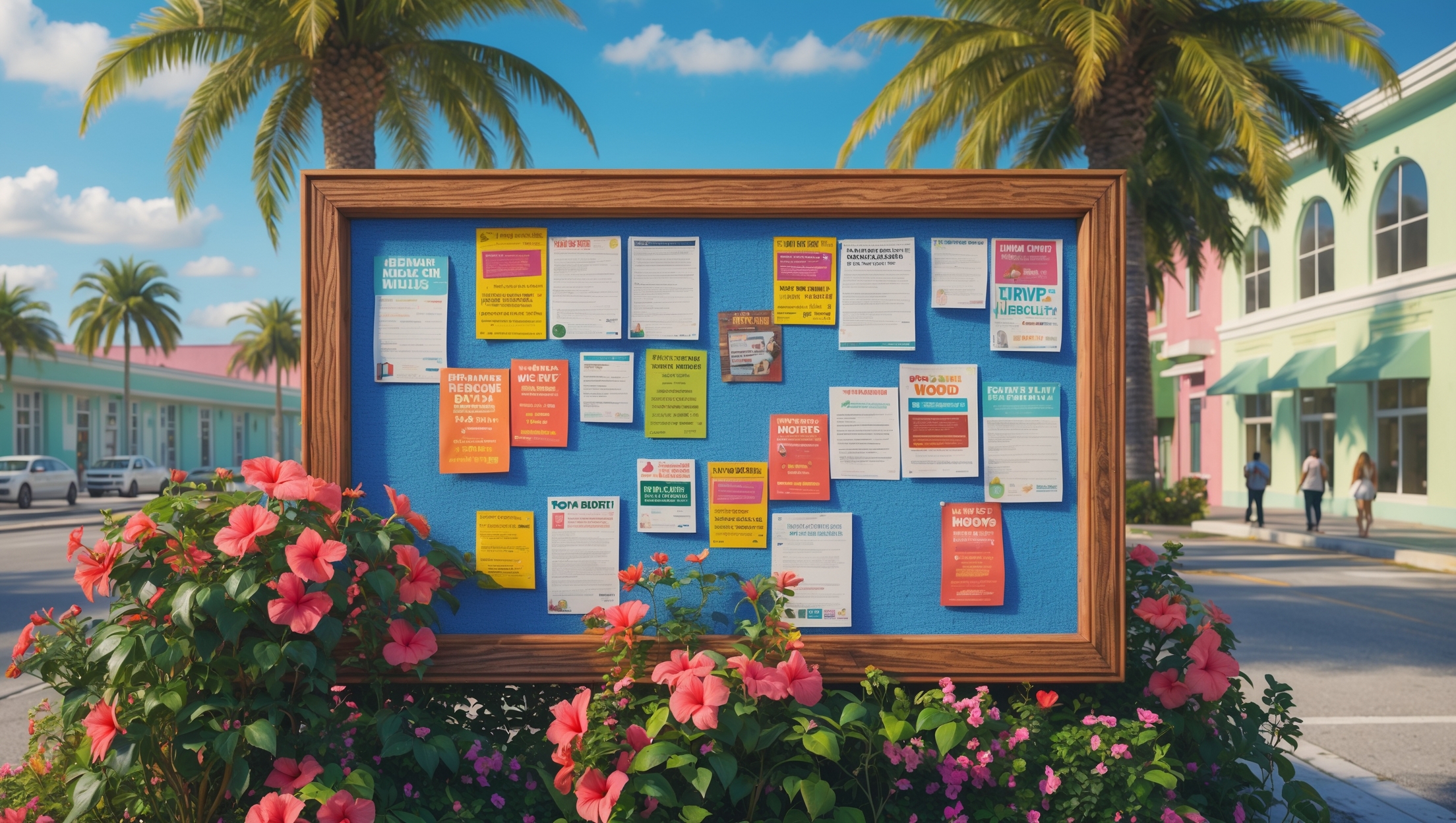
Community Notice Boards in St. Petersburg: Setup, Success Stories, and Common Pitfalls

Introduction: Revitalizing Community Connections in St. Petersburg
In an era where most news travels at the speed of a click, the humble community notice board remains a surprisingly powerful tool for grassroots connection in St. Petersburg, FL. From bustling Central Avenue to the tranquil corridors of Crescent Lake Park, notice boards serve as physical anchors for neighborhood news, local events, small business promotions, and creative projects. They are democratic spaces—anyone can pin a flyer, share an idea, or broadcast a need. But setting up and sustaining a successful notice board isn’t as simple as tacking a corkboard to a wall. It demands thoughtful planning, collaboration, and ongoing care. In this comprehensive guide, we’ll explore the ins and outs of launching a community notice board in St. Pete: the essential steps, practical advice, inspiring local case studies, and the common mistakes that derail even the best intentions. Whether you’re a neighborhood association, a local entrepreneur, or a resident with a vision for stronger connections, this post will equip you with the knowledge to create a notice board that truly serves your community.
Why Notice Boards Matter in St. Petersburg
Filling the Local Information Gap
Despite the city’s vibrant online forums and social media groups, not every St. Petersburg resident is plugged in digitally. Community notice boards bridge this gap—reaching seniors, newcomers, and those who prefer analog communication. They’re a vital channel for hyperlocal information: lost pets, art shows, yard sales, volunteer opportunities, and city updates.
Encouraging Civic Engagement
Notice boards make it easy for people to find and join local initiatives. They inspire action—whether it’s attending a cleanup, supporting a small business, or joining a neighborhood watch group.
Reflecting Neighborhood Identity
Each board is a living portrait of its surroundings. In Old Northeast, you might see historic home tours and garden club meetings. In Grand Central, you’ll spot indie music gigs and pop-up artisan markets. Boards foster a distinct sense of place and pride.
Planning Your Community Notice Board
1. Define Your Purpose and Audience
Clarify what your board will achieve. Is it for neighborhood communication, arts promotion, or small business outreach? The purpose influences location, design, and content policies.
- Neighborhood Board: Lost & found, block parties, safety alerts.
- Arts & Culture Board: Gallery openings, workshops, performance posters.
- Business Board: Job postings, local services, coupons.
2. Select the Right Location
Visibility and accessibility are crucial. Ideal spots in St. Pete include:
- Local parks (with city permission)
- Community centers or libraries
- Popular cafes or markets
- Transit stops
- Neighborhood entrances
Survey foot traffic and lighting. Avoid hidden or isolated spots. For outdoor placements, ensure the area is safe and weather-protected.
3. Engage Stakeholders Early
Reach out to property owners, city officials, and neighborhood associations. Their buy-in is essential for site access, ongoing support, and legitimacy. If your board is on public land, you’ll likely need city approval; on private property (like a café), secure written permission.
Designing a Functional and Attractive Board
1. Choose Durable Materials
- Frame: Weather-resistant wood or powder-coated metal
- Backing: Cork, recycled rubber, or magnetic board
- Cover: Lockable plexiglass for weather/vandal protection (optional but recommended)
Local suppliers like St. Pete Hardware or Pinellas Lumber offer materials suitable for Florida’s humid, salty air.
2. Prioritize Accessibility
- Mount the board at a comfortable height (approx. 48″ from the ground).
- Ensure the path to the board is wheelchair and stroller accessible.
- Use large, clear signage: “Community Notice Board” with posting instructions.
3. Add Personality
Let the board reflect your neighborhood’s character. Use colors or motifs from local art, historic architecture, or nearby gardens. Collaborate with local artists for a mural or decorative border—St. Pete’s creative community is a treasure trove of talent.
Establishing Board Guidelines and Policies
1. Posting Rules
- What content is allowed? (e.g., no political endorsements, no business ads over a certain size)
- Maximum flyer size (e.g., 8.5″x11″)
- How long can items stay posted? (e.g., 2 weeks)
- Prohibited content (hate speech, offensive imagery)
Display rules clearly on the board. Simple, friendly language works best. Example: “Please limit postings to one per event. Remove old flyers. Respect all neighbors.”
2. Moderation and Maintenance
Assign one or more “board stewards” responsible for regular checks (ideally weekly):
- Removing outdated or inappropriate postings
- Wiping down the board and replacing damaged push pins
- Documenting recurring issues (e.g., persistent spam)
Consider a shared online calendar for stewards to track maintenance and report problems.
3. Community Feedback
Invite suggestions for improvement. Place a QR code linking to a feedback form or a contact email on the board itself. Responsive stewards build trust and participation.
Case Studies: St. Pete Notice Boards in Action
Case Study 1: Old Southeast Artist Showcase Board
Installed outside a local coffee shop, this board was developed by Old Southeast’s artist collective. With a rotating mural backdrop and monthly “Feature Artist” flyers, it drew both locals and tourists. The group learned to:
- Update the board weekly to keep content fresh
- Partner with shop owners for supplies and security
- Host quarterly meetups to gather feedback and recruit stewards
Case Study 2: Bartlett Park Neighborhood Board
This grassroots board, located by a playground, focuses on family-friendly events, lost pets, and neighborhood safety. Run by volunteers, it faced early challenges:
- Unauthorized business postings cluttered the space
- Weather damage—solved by adding a plexiglass cover
- Low participation—resolved with a “Post Your Favorite Park Memory” contest
Case Study 3: Grand Central Small Business Board
Mounted in a busy corridor, this board is curated by the local business association. By limiting flyer size and enforcing a two-week posting limit, they keep information relevant. Businesses report increased foot traffic from board exposure, and the association tracks engagement with a QR code survey.
Common Mistakes and How to Avoid Them
1. Neglecting Maintenance
Boards quickly lose credibility when cluttered with outdated or torn flyers. Schedule regular clean-ups, and rotate stewards to prevent burnout. Consider a shared digital calendar for reminders.
2. Poor Location Selection
Boards hidden in alleyways or low-traffic zones will languish unused. Study foot traffic patterns before installation—mornings at coffee shops, afternoons near playgrounds, and weekends at markets are all prime windows in St. Pete.
3. Vague or Overly Strict Rules
Unclear guidelines breed confusion; overly strict policies can suppress participation. Strike a balance: encourage creativity, but keep space fair and welcoming for all.
4. Lack of Community Buy-In
Boards imposed without resident or business input often feel irrelevant. Engage the community from the start—host a design contest, survey neighbors, or invite local artists to contribute.
5. Ignoring Digital Integration
While physical boards are powerful, linking them to online platforms (via QR codes or social media) expands reach and enables real-time updates.
Step-by-Step Setup Tutorial
Step 1: Assemble a Team
Recruit 3–5 passionate neighbors or colleagues. Define roles: project lead, board steward, liaison for permissions, and design coordinator.
Step 2: Secure Permissions
Draft a proposal outlining your board’s purpose, location, maintenance plan, and sample rules. Present it to property owners, HOAs, or city officials. Address liability concerns—offer to carry insurance if required (see city guidelines).
Step 3: Fundraise or Secure Materials
Estimate costs for materials, tools, and maintenance supplies. Seek small grants (e.g., St. Petersburg Neighborhood Partnership), local business sponsorships, or in-kind donations from hardware stores. Crowdsource labor—host a “Build Day.”
Step 4: Build and Install
- Construct the frame and backing using weather-resistant materials
- Paint or decorate the board
- Mount the board securely, ensuring ADA compliance
- Add a protective cover if outdoors
Step 5: Launch and Promote
- Host a ribbon-cutting or launch event
- Invite local press and neighborhood groups
- Encourage first postings—perhaps with a themed contest or free community event
Step 6: Monitor and Evolve
Collect feedback monthly. Tweak rules, design, or location based on usage patterns and suggestions.
Maintenance Best Practices
- Check the board at least once a week
- Remove outdated, damaged, or inappropriate items promptly
- Replenish pins, clips, or magnets as needed
- Clean surfaces to prevent buildup of grime or mold
- Document vandalism or recurring issues for improvement
Long-term success depends on stewardship—consider rotating duties, or convening quarterly volunteer meetups to build camaraderie.
Measuring Impact
- Track the number of postings and turnover rate
- Survey users periodically (QR code feedback forms work well)
- Ask local businesses and groups about event turnout or increased inquiries
Sharing success stories builds momentum and justifies continued investment.
Conclusion: Building Lasting Community Through Notice Boards
While the digital world offers speed and convenience, face-to-face connection remains at the heart of St. Petersburg’s thriving neighborhoods. Community notice boards are more than just a canvas for flyers—they’re living symbols of shared purpose, resilience, and creativity. With careful planning, thoughtful design, and dedicated stewardship, your notice board can become a beloved local hub: the first place neighbors turn for news, inspiration, and collaboration. Avoiding common pitfalls—like neglecting maintenance or failing to engage the community—ensures your board remains fresh, relevant, and respected. As St. Pete continues to grow and diversify, public notice boards offer a tangible way to bridge divides and celebrate what makes each neighborhood unique. Whether you’re reviving a forgotten corner, launching a new project, or simply seeking to amplify local voices, take the leap. The first flyer you hang could spark countless connections—and lasting change in your community.
I love the idea of reaching people who aren’t active online, especially seniors. Are there any tips for making notice boards more accessible to those with vision or mobility issues in St. Pete?
To make notice boards more accessible for seniors and others with vision or mobility challenges, use large, high-contrast fonts and clear simple language in your postings. Place boards at a comfortable height, ideally with open space in front for wheelchair users. Tactile or braille elements can help those with limited vision. Also, ensure the area around the board is well-lit and free of obstacles for easier access.
What kind of budget should a small business expect when establishing and maintaining a community notice board, especially if you want it to look appealing and last outdoors here in Florida?
For a small business in Florida, an outdoor community notice board that’s both attractive and durable will usually require an initial investment of $300 to $800. This covers weather-resistant materials, installation, and basic design. Ongoing annual maintenance—like replacing damaged parts, cleaning, and updating design—might add $50 to $150 per year. Custom features or larger boards can increase costs, so be sure to factor in your specific needs.
I love the idea of connecting with people who aren’t active online. How long does it typically take to see increased foot traffic or engagement with local residents after setting up a notice board in your neighborhood?
After setting up a community notice board, many neighborhoods start noticing increased foot traffic or engagement within about two to four weeks. Factors like location, visibility, and regular updates can influence how quickly people respond. Consistently posting fresh content and encouraging local participation can help build momentum more quickly.
Have you encountered any challenges with boards being vandalized or misused in particular neighborhoods like Old Northeast? If so, what solutions have worked to maintain the boards as positive community spaces?
Yes, vandalism and misuse have occasionally been issues in neighborhoods like Old Northeast. Some effective solutions include regular board checks by volunteers, clear posting guidelines, and using weatherproof materials that are easier to clean. Involving local residents in maintaining the boards also fosters a sense of shared responsibility, which has helped keep them positive and welcoming spaces.
You mentioned that notice boards reflect neighborhood identity, but how do you recommend keeping boards organized and preventing clutter so people’s flyers and announcements don’t get lost or overlap?
To keep notice boards organized and clutter-free, set clear guidelines for flyer size and posting duration, and assign a volunteer or community member to check the board weekly. Dividing the board into sections for different topics, like events or services, also helps people find what they need quickly. Regularly removing outdated notices keeps the board fresh and relevant.
For someone working with a limited budget, what would you say are the most essential materials or features to include when building a community notice board in St. Petersburg?
For a limited budget, focus on weather-resistant backing (like treated plywood or plastic), a clear covering (such as plexiglass) to protect notices, and basic mounting hardware. Include a simple heading so the board stands out, and provide thumbtacks or clips for easy posting. Keeping the setup simple, durable, and easily accessible is key to making your board effective without overspending.
I noticed you talked about bridging the local information gap for those not online. Have you found any creative strategies to encourage diverse residents—like seniors or newcomers—to actually check and contribute to these boards regularly?
One effective strategy has been partnering with local organizations, like senior centers and newcomer support groups, to host regular community events near the boards. This draws attention and makes the boards part of local routines. We’ve also seen success by inviting residents to share personal announcements or cultural stories, giving everyone a reason to check back for new and familiar voices. Visual appeal—using colorful displays or including multilingual sections—helps attract a wider range of residents, too.
I’m curious how you handle getting approval from city officials or property owners before installing a notice board in St. Petersburg. Is there a standard process or any specific permits required that you ran into?
Getting approval in St. Petersburg usually involves contacting the city’s public works or community development department to inquire about specific permits or guidelines. If the notice board is on private property, you’ll need written permission from the property owner. For public spaces, a permit application is often required, and you may need to present details like the board’s location, size, and purpose. It’s a good idea to check with the city’s permitting office to make sure you meet all requirements before installation.
If I wanted to partner with other small businesses in my neighborhood to create a joint notice board, what are some effective ways you’ve seen to handle collaborative management and shared responsibilities?
Collaborative management works best when partners clearly define roles from the start. Some groups use a rotating schedule for posting and maintenance, while others assign set tasks like design, content approval, and board upkeep to specific businesses. Regular check-ins, either monthly meetings or group chats, help resolve issues quickly and keep everyone engaged. A shared document or calendar can also help everyone stay organized and aware of their responsibilities.
We sometimes run into conflicts when people post business ads that crowd out community messages. Are there any successful strategies or rules you’ve seen in St. Pete that help maintain a good balance on public boards?
In St. Pete, some boards successfully maintain balance by setting clear posting guidelines—like designating specific sections or days for business ads, or limiting the number of ads per business. Others use color-coded pins or separate bulletin areas for community messages versus commercial posts. Regular board maintenance by a volunteer or staff member also helps ensure rules are followed and all voices get space.
How do notice boards in high-traffic areas like Central Avenue compare to those in quieter spots like Crescent Lake Park when it comes to fostering community interaction? Are there certain environments where notice boards tend to be more successful?
Notice boards in high-traffic areas like Central Avenue generally attract more attention and contributions, which can lead to busier discussions and faster sharing of local news or events. However, boards in quieter places like Crescent Lake Park often foster more in-depth conversations and a stronger sense of connection among regular visitors. The success of a notice board often depends on both location and how relevant its content is to the local audience.
The article mentions that notice boards help reach people who aren’t digitally connected, like seniors and newcomers. Has there been any discussion about how to keep the content accessible for people who might not speak English as their first language?
Yes, the article touches on the importance of accessibility, and some community groups in St. Petersburg have started to address language barriers. They often include key information in multiple languages, especially Russian and Spanish, depending on the neighborhood’s demographics. Volunteers sometimes help translate important notices as well, which makes the boards more inclusive for non-English speakers.
I’m curious about the maintenance side—how do neighborhoods in St. Petersburg typically manage the ongoing upkeep of these notice boards, especially in areas with lots of foot traffic or exposure to the weather?
Neighborhoods in St. Petersburg usually appoint a volunteer or a small committee to handle the maintenance of community notice boards. In busy or weather-exposed areas, boards are often built with durable, weather-resistant materials and placed under shelters or awnings. Maintenance typically involves regular checks to remove outdated notices, cleaning the board, and making minor repairs if needed. Many communities also set a schedule for updates to keep the boards tidy and relevant.
Could you share some advice on how to involve the neighborhood in the board’s upkeep and content? I’d like to avoid the board becoming neglected but am not sure about the best way to encourage ongoing community participation.
One effective way to keep neighbors involved is to assign rotating volunteers or small teams to manage the board each month. You can also host regular meetups where people contribute ideas or post updates together. Encouraging residents to share announcements, photos, or local news will give them ownership. Make communication easy by providing simple submission guidelines and contact info on the board itself.
How much maintenance does a typical notice board need week to week? I’m considering starting one at my apartment building, but I want to make sure it won’t turn into a big time commitment.
A typical community notice board only needs about 15–30 minutes of upkeep each week. You’d just need to remove outdated or inappropriate posts, tidy up the overall look, and possibly restock supplies like push pins or paper. If you set up some clear guidelines and let residents know how to use the board, the maintenance stays pretty minimal.
You talked about common mistakes that can derail notice board projects. What are some practical ways to avoid those pitfalls, especially for groups with limited time or budget?
To avoid common pitfalls with limited time or budget, focus on a few key strategies: assign clear roles so tasks don’t fall through the cracks, keep messages short and relevant, and use simple, durable materials for the board. Update content regularly, even if it’s just once a month, and encourage community members to contribute and help maintain the board. This keeps things fresh without overwhelming any one person.
If I want to start a notice board in my neighborhood, who should I reach out to first—my HOA, the city, or just start on public property? I’m not sure what the protocol is for getting permission in St. Petersburg.
To start a neighborhood notice board in St. Petersburg, it’s best to first contact your HOA or neighborhood association if you have one, as they often have guidelines or designated spaces for these boards. If you don’t have an HOA, reach out to the city’s Neighborhood Relations Department before installing anything on public property. Installing on public land without permission can lead to removal or fines. This helps ensure you’re following local rules and your board gets proper support.
You talk about ongoing care being crucial for these community boards. What kind of maintenance schedule do you recommend, and who typically takes on that responsibility in St. Pete neighborhoods?
A good maintenance schedule for community boards usually involves weekly spot-checks to remove outdated notices and keep the area tidy, plus a more thorough monthly cleaning. In St. Pete neighborhoods, this responsibility often falls to a designated volunteer or committee within a neighborhood association, though sometimes property managers or local businesses help out. Assigning clear roles and rotating tasks among volunteers can make upkeep much easier.
Have you run into issues with boards being vandalized or covered with inappropriate flyers, and if so, what are some strategies for ongoing maintenance and positive community involvement to prevent these common pitfalls?
Yes, vandalism and inappropriate flyers have occasionally been a challenge. To address this, we recommend regular checks by dedicated volunteers or local groups. Installing clear rules and contact info on the boards helps set expectations. Some communities rotate responsibility or hold monthly clean-up events, which also encourage positive involvement and a sense of shared ownership. Promptly removing inappropriate content also discourages repeat offenses.
The article mentions that notice boards help bridge the local information gap for residents who aren’t active online. Have you seen specific strategies that work best for reaching seniors or newcomers through these boards in St. Petersburg neighborhoods?
Yes, in St. Petersburg, notice boards that use large, clear fonts and simple language tend to attract seniors and newcomers. Highlighting events like local meetups, health clinics, or cultural gatherings is effective. Placing boards in high-traffic spots such as grocery stores, pharmacies, and community centers also increases visibility. Some neighborhoods assign a volunteer to update boards regularly, ensuring information stays fresh and relevant to all residents.
I’m interested in starting a notice board at our apartment complex near Central Avenue, but I’m not sure about the maintenance part. What tips do you have for keeping boards up-to-date and preventing clutter or vandalism?
To keep your notice board current and tidy, assign a regular schedule for checking and updating the content—weekly works well. Clearly post rules about the types and duration of allowed notices to avoid clutter. Provide contact info for submissions or removals. For vandalism, consider placing the board in a well-lit, high-traffic area and using a lockable display case if possible. Regular maintenance and community involvement really help keep things organized.
Does the city of St. Petersburg require any permits or approvals before installing a public notice board in a neighborhood park, or is it up to each neighborhood association to handle permissions on their own?
The city of St. Petersburg generally requires a permit or approval from the Parks and Recreation Department before installing a public notice board in a neighborhood park. Neighborhood associations can initiate the process, but they should coordinate with the city to ensure they follow the official guidelines and receive the necessary permissions before installing any structures on public property.
In the section about common pitfalls, do you have any examples of neighborhoods in St. Petersburg where a notice board didn’t work out? What specific mistakes did they make, and how can I avoid them if I want to set up one in my area?
Yes, the article mentions a neighborhood in the Central District where their notice board struggled because there was no regular maintenance, and old notices piled up, making it hard for new messages to be seen. Another example from the Petrogradsky District involved unclear rules about what could be posted, leading to clutter and confusion. To avoid these issues, make sure someone is responsible for upkeep, set clear posting guidelines, and communicate them to residents.
When planning a board for a busy spot like Central Avenue versus a quieter park, are there recommendations on design, upkeep, or content moderation to fit the different audiences?
For a busy place like Central Avenue, use larger boards with clear sections and durable materials since foot traffic is high. Regular maintenance is crucial, and stricter content moderation helps prevent clutter and inappropriate posts. In a quieter park, smaller, more community-driven boards work well. Upkeep can be less frequent, and moderation can be lighter, focusing on local events or messages that suit a more relaxed pace.
The guide talks about common pitfalls. What’s the fastest way to recover if a community board starts getting cluttered with outdated flyers or advertisements from outside businesses? Are there tips for organizing regular cleanup efforts?
If your community board is getting cluttered with old flyers or outside ads, a quick first step is to designate a regular cleanup day—weekly or biweekly works well. Assign a small team or rotate volunteers to remove outdated or off-topic material. Also, consider posting clear guidelines on the board about what’s allowed, and use labeled sections for different types of notices to keep things organized and make future cleanups easier.
I noticed the article highlights both neighborhood associations and entrepreneurs getting involved. If I’m just an individual resident, what’s the best first step to get permission or support to put up a notice board in my area, especially in public spaces?
As an individual resident, your best first step is to contact your local neighborhood association or community council, since they often oversee or coordinate public space projects. If there’s no association, reach out to your city’s public works or parks department for guidance on permits and approval processes. Gathering support from neighbors can also help strengthen your application.
For neighborhoods with a lot of transient residents, like areas near colleges or seasonal communities, are there strategies to keep notice boards relevant and active throughout the year?
In areas with transient residents, rotating the content frequently and encouraging both short-term and long-term residents to post can help keep notice boards active. Consider designating a board coordinator or team to refresh notices, highlight seasonal events, and remove outdated information. Hosting regular board clean-up days and inviting new residents to contribute announcements can also maintain engagement throughout the year.
I’m part of a small neighborhood group near Crescent Lake Park and we want to start a notice board. Can you give some examples of the common pitfalls you’ve mentioned and how we might avoid them right from the start?
Some common pitfalls include unclear posting guidelines, boards getting cluttered with outdated notices, and vandalism or weather damage. To avoid these, set clear rules about what can be posted and for how long, assign someone to check and refresh the board weekly, and use durable, weather-resistant materials. Starting with these steps can help keep your board effective and inviting for your neighborhood.
If I want to start a notice board for my condo building, should I get formal approval from the HOA first, or just put something up in a common area? Any advice on how to get neighbors involved from the beginning so it doesn’t become neglected?
It’s always best to check with your HOA before setting up a notice board in a shared space, as some buildings have specific rules about common area displays. Once you have approval, consider inviting neighbors to help design and manage the board. You could host a quick meeting or group chat to gather ideas and encourage people to post updates or events themselves. This shared responsibility helps keep the board active and relevant.
How much does it typically cost to set up and keep a decent community notice board going in St. Petersburg, especially if you want it to look nice and be weather-resistant? Are there options for low-budget setups that still work well?
Setting up a high-quality, weather-resistant community notice board in St. Petersburg usually costs between 10,000 and 25,000 rubles, depending on materials and size. For a lower budget, you can use treated plywood with a plastic cover or repurpose an old cabinet, which might cost under 5,000 rubles. Regular maintenance—like cleaning and replacing damaged materials—is also important, but can be managed affordably with some volunteer help.
How much does it typically cost to install and maintain a community notice board in St. Pete, especially for a student group or small neighborhood association with a limited budget?
For a student group or small neighborhood association in St. Pete, installing a basic community notice board usually costs between $150 and $400, depending on materials and size. Maintenance is minimal—typically just occasional cleaning and replacing weathered notices, which might run $20 to $50 a year. You can keep costs down by using volunteer labor and simple, weather-resistant materials like treated wood or metal.
For neighborhoods in St. Pete that already have active social media groups, do you have suggestions on integrating digital updates with physical notice boards to make sure important messages reach people who are offline as well?
To bridge online and offline communication, you can assign a volunteer to regularly check your neighborhood’s social media and post important updates on the physical notice board. Use clear dates so people know when notices were added. You could also set up a simple message box near the board for residents to submit announcements, which can then be shared online by the same volunteer. This way, everyone stays informed, whether they’re online or not.
In terms of ongoing maintenance and preventing vandalism, what common pitfalls have you observed from local boards, and what proactive steps can new organizers take based on lessons learned in St. Pete?
A common pitfall is neglecting regular checks, which can lead to vandalism or outdated posts piling up. In St. Pete, boards without clear ownership or scheduled cleanups often look neglected. To prevent this, assign a dedicated volunteer or team for weekly upkeep, post clear usage guidelines, and use durable materials that are easy to clean. Also, involving nearby businesses or residents helps create a sense of shared responsibility, making vandalism less likely.
I noticed you talked about how notice boards reach people who aren’t active online, like seniors and newcomers. Are there certain neighborhoods in St. Petersburg where notice boards have been especially effective compared to digital groups?
Yes, some neighborhoods in St. Petersburg have seen greater success with physical notice boards than with digital groups. Areas with higher populations of seniors, such as parts of Old Northeast and Shore Acres, have found notice boards especially effective for sharing local news and events. Neighborhoods with many recent immigrants, like those near 49th Street, also benefit, since not everyone is connected to local online groups yet. These boards help bridge the communication gap in those communities.
We have a local park similar to Crescent Lake Park and want to launch a notice board there. About how long does it typically take from planning to installation, and are there any city permitting steps we should expect in St. Petersburg?
From planning to installation, setting up a community notice board in a St. Petersburg park typically takes between 4 to 8 weeks. This includes time for design, community feedback, and city approval. You’ll need to apply for a permit with the Parks and Recreation Department, provide your proposed location and design, and sometimes attend a review meeting. Factoring in permit processing and any required adjustments will help keep your timeline realistic.
The article mentions common pitfalls that derail notice board projects. Could you elaborate on what some of those pitfalls are, and maybe share how local groups have overcome them in St. Petersburg?
Some common pitfalls for community notice boards include lack of maintenance, unclear posting guidelines, and boards becoming cluttered or outdated. In St. Petersburg, local groups have addressed these by assigning dedicated volunteers to routinely update content, creating clear rules for what can be posted, and holding monthly clean-up days. These efforts keep the boards relevant and encourage more community participation.
The article mentioned that notice boards are a valuable resource for people not using social media, especially seniors. Are there any local examples in St. Pete where notice boards have noticeably improved neighborhood communication compared to digital-only options?
Yes, several neighborhoods in St. Petersburg have seen positive results from notice boards. For example, the Old Northeast and Kenwood neighborhoods installed community boards in parks and near local shops. Residents there reported that more seniors and those without internet access learned about local events, meetings, and services. This led to increased participation and a greater sense of inclusion compared to relying only on digital platforms.
The article mentions both neighborhood associations and local entrepreneurs setting up boards—are there different rules or permissions needed depending on who is running it and where it’s located in St. Pete?
Yes, the rules can vary depending on who is setting up the notice board and where it’s located. Neighborhood associations often coordinate with city departments for public installations, following specific guidelines for signage on public property. Local entrepreneurs, especially if placing boards on private property or storefronts, may need landlord approval and must comply with city codes related to signage. Always check with the city’s permitting office to be sure you’re meeting the right requirements for your situation.
As a parent new to St. Pete, how do notice boards help residents who aren’t active online stay in the loop, especially with things like school events or local classes? Do you have tips for making sure important info really reaches the people who need it most?
Notice boards are a great way for residents who prefer offline updates to learn about school events, classes, and neighborhood activities. Parents can check boards at schools, libraries, and community centers regularly for flyers and updates. To help important info reach everyone, use clear, bold headlines, large print, and post in locations with lots of foot traffic. Consider asking schools or groups to let you post reminders or distribute printed calendars for wider reach.
You mentioned that notice boards are especially helpful for seniors and newcomers. Have you come across any examples where a business collaborated with a neighborhood association to tailor board content for these groups in St. Petersburg?
Yes, there have been instances where local businesses in St. Petersburg teamed up with neighborhood associations to make notice boards more relevant for seniors and newcomers. For example, a pharmacy partnered with a nearby association to post health tips and medication reminders specifically for seniors. In another case, a grocery store collaborated to include welcome information, maps, and local service listings for new residents. These tailored efforts have made the boards much more useful for their intended audiences.
If a board starts attracting inappropriate or commercial spam, what steps have local groups found most effective for moderation without discouraging legitimate community posts?
Local groups have found that having clear posting guidelines visible on the board helps set expectations and reduce spam. Designating a small team of volunteers to check the board regularly allows for prompt removal of inappropriate or commercial content. Some boards use designated areas for business ads, keeping the main space for community messages. Open communication about why certain posts are removed helps maintain trust and encourages genuine community participation.
For someone on a tight budget, what are the most affordable materials or DIY methods you’ve seen used successfully for outdoor notice boards in St. Pete’s climate? I’d love suggestions that can withstand the humidity and rain without frequent repairs.
For St. Pete’s humid and rainy climate, many budget-conscious groups use corrugated plastic sheets (like those used for yard signs) mounted on treated wood frames. These hold up well outdoors and resist moisture. Another affordable method is repurposing old window frames, backing them with waterproof boards, and adding a clear acrylic sheet as a cover. Seal edges well with outdoor caulk to prevent water intrusion and try to install in a shaded spot for extra longevity.
What kind of permissions or approvals are usually needed from the city or property owners to set up a public notice board in St. Pete? Is there a typical process or any common hurdles someone starting out should watch for?
To install a public notice board in St. Petersburg, you’ll typically need permission from the property owner if it’s on private land, or a permit from the city for public spaces. The process often involves submitting an application to the city, which reviews factors like location, safety, and aesthetics. Common hurdles include navigating city regulations, zoning restrictions, and sometimes neighborhood association approvals. It’s a good idea to check with the city’s zoning or permitting office to clarify the steps and requirements before starting.
You mention some common mistakes that can derail a community notice board project. Could you give a practical example of what goes wrong most often and how, as a business, I might help keep the board organized and effective?
One of the most frequent mistakes is letting the board become cluttered and outdated, with old flyers or unrelated ads piling up. As a business, you can assign a staff member to check the board regularly, remove expired notices, and ensure the board stays tidy. Providing clear guidelines for posting and designating space for different types of notices also helps keep things organized and useful for everyone.
In your experience, what are some effective strategies for encouraging a diverse group of residents—including those who aren’t active online—to actually contribute content or flyers to these boards? Sometimes it seems like the same people post most of the announcements.
One effective strategy is partnering with local organizations, schools, or places of worship to reach residents who may not use digital platforms. Hosting occasional community events near the boards encourages participation and makes the boards more visible. You could also offer simple templates or materials on-site for people to create flyers easily. Rotating board themes or spotlighting new contributors can also motivate a wider range of residents to get involved.
For someone who wants to create a notice board mainly for local small business promotions, are there any guidelines or best practices to prevent one type of content from overwhelming other kinds of community notices?
To keep your notice board balanced, consider setting clear categories or sections—one specifically for small business promotions and others for events, services, or general community news. You might also set posting limits per business or rotate featured spots weekly. Regularly review and rearrange notices to ensure all types of content remain visible and accessible to the community.
I’d like to hear more about the common mistakes you referenced that can derail the best intentions when launching a community notice board. Can you share the most frequent pitfalls and any strategies specific to St. Pete neighborhoods for avoiding them?
Some frequent pitfalls in launching community notice boards include failing to get buy-in from local residents, not maintaining the board regularly, and allowing outdated or irrelevant information to accumulate. In St. Pete, it’s especially important to assign clear responsibility for upkeep, involve local groups early on, and set guidelines for posting content. Hosting a neighborhood meeting before launching can encourage ownership and keep the board relevant and active.
After reading about different types of events and needs posted on these boards, I wonder if there are any city guidelines or permissions required to set one up in a public space, especially in busy areas like Central Avenue. How complicated is the approval process?
Setting up a community notice board in a public space like Central Avenue usually requires permission from the city. You’ll likely need to contact the Department of Public Works or the relevant city office to submit an application. The approval process often involves specifying your board’s location, design, and maintenance plan. While some paperwork is involved, it’s generally straightforward if you follow city guidelines and address safety and accessibility concerns.
I’m curious what strategies you recommend for keeping community notice boards current and free from outdated or cluttered postings, especially in busy areas like Central Avenue. Are there specific routines or volunteer roles you’ve found effective for managing this ongoing maintenance?
To keep notice boards up-to-date and tidy in busy spots like Central Avenue, assigning dedicated volunteers as ‘board stewards’ works well. These stewards can visit the board on a set schedule—weekly or biweekly—to remove outdated or unauthorized postings. Setting clear posting guidelines directly on the board also helps. Rotating volunteer shifts prevents burnout and ensures consistent oversight.
Could you share some practical tips on how to keep community notice boards from becoming cluttered or outdated? I’m curious what ongoing maintenance routines have worked best for groups in St. Pete.
In St. Pete, groups have found success by assigning a dedicated volunteer to check the board weekly, removing outdated or duplicate notices, and grouping similar announcements together for easier reading. Setting clear posting guidelines, such as using date stamps and limiting flyer sizes, also helps. Some boards use a monthly wipe-down to keep things tidy and up-to-date.
What are some mistakes people make when setting up a notice board in their neighborhood, especially in terms of planning and keeping the board updated over time? How do you recommend avoiding these common pitfalls?
Some common mistakes include placing the notice board in a location that’s hard to access or see, neglecting to assign someone to maintain it regularly, and not setting clear guidelines for what can be posted. To avoid these issues, choose a visible, high-traffic spot, designate a volunteer or small team to oversee updates and cleaning, and post simple rules on the board itself to guide contributors.
I see you mentioned small business promotions on these boards. Do you have advice on designing flyers that really stand out among the usual neighborhood announcements, or examples from other entrepreneurs who have seen good foot traffic as a result?
To help your flyer stand out, use bold colors, clear fonts, and a simple, eye-catching headline. Including a photo or graphic related to your service can make a big difference. Some local bakery owners found success by adding tear-off tabs with a discount code. Another entrepreneur displayed a before-and-after photo for a cleaning service, which drew attention and increased inquiries. Make sure your contact info is large and visible, and keep the message concise.
I run a small coffee shop near Crescent Lake Park and would love to set up a notice board for local events and promotions. Can you share any tips for keeping the board organized and making sure flyers don’t get outdated or out of hand?
Consider setting clear guidelines for flyer size and content, and provide a labeled section for different types of events or promotions. Assign someone to check the board weekly to remove outdated materials and tidy it up. Using colored pins or borders for different categories can help keep things visually organized. A small sign stating the maximum display duration for flyers will encourage regular updates from community members.
I’m wondering if there are any legal or city guidelines in St. Petersburg that need to be followed when putting up a community notice board, especially in public parks or on city property. Are permits involved, or is it mostly up to neighborhood associations?
In St. Petersburg, installing a community notice board on public property like parks usually requires approval from the city and may involve permit applications. The city has guidelines to ensure safety and aesthetics, so it’s not typically left just to neighborhood associations. It’s a good idea to contact the city’s Parks and Recreation Department or the local permitting office before proceeding, as requirements can vary depending on the location and type of board.
Do you have recommendations for low-cost materials or methods to protect outdoor boards from Florida’s humidity and storms? I’d love to keep our board accessible to everyone, but I’m concerned about flyers getting damaged or weathered too quickly.
To protect outdoor boards in Florida, consider using clear acrylic or polycarbonate sheets as weather shields—these are affordable and provide good protection. You can also use weather-resistant cork or foam backing, and install a slight overhang or roof to divert rain. Posting flyers in plastic sleeves or pockets helps keep them accessible while shielding them from humidity and storms.
For someone juggling work and kids, do you have tips for making the setup process less time-consuming, or are there any local resources in St. Petersburg that can help parents get a board started in their neighborhood?
If you’re short on time, consider teaming up with other interested parents or neighbors to share the setup tasks for the community board. You might also reach out to your local neighborhood association or community center in St. Petersburg, as they sometimes offer guidance or even materials for starting notice boards. Some libraries and schools have also supported these projects, so asking around at those places could connect you with helpful local resources.
The article talks about different neighborhoods like Old Northeast having their own unique types of posts on community notice boards. How do boards in busier areas like Central Avenue differ from those in quieter spots such as Crescent Lake Park in terms of what gets posted or community response?
Notice boards in busier areas like Central Avenue usually feature a lot more event flyers, business promotions, and service advertisements, since there’s higher foot traffic and a broader audience. In quieter spots like Crescent Lake Park, boards tend to have more local-focused posts, such as lost-and-found notices, neighborhood updates, or personal messages. Community response in quieter areas is often more personal and neighborly, while busier areas get a wider but less connected range of engagement.
You mentioned that boards are especially helpful for people who aren’t online much, like seniors or newcomers. How do you suggest spreading the word initially so these folks know the board exists, especially if they might not check digital spaces to hear about it?
To reach people who might not be online, try placing flyers or posters in high-traffic local spots like grocery stores, libraries, community centers, and churches. You can also ask local organizations or building managers to mention the notice board in their newsletters or meetings. Word of mouth is powerful too—encourage early users and local leaders to help spread the news directly to neighbors.
Do you have suggestions for how neighborhood associations in St. Petersburg can collaborate to create shared notice boards, or would you recommend each neighborhood set up their own to maintain their unique identity?
Neighborhood associations in St. Petersburg can benefit from both approaches. Creating shared notice boards at key community hubs promotes collaboration, allows for broader event promotion, and can save on costs. However, maintaining individual notice boards in each neighborhood helps preserve unique local identities and tailored announcements. Many associations choose a combination—posting general information on shared boards while keeping neighborhood-specific details on their own. This way, you get the best of both worlds.
I’m curious about the kinds of mistakes people usually make when setting up a notice board, as mentioned in the article. Could you give some concrete examples of what to avoid if we want ours to be actually useful in our neighborhood?
Certainly! Common mistakes include placing the notice board in a low-traffic or hard-to-see location, which limits visibility. Some boards get cluttered because there’s no regular maintenance or system for removing outdated notices. Another issue is not setting clear guidelines for what can be posted, leading to confusion or irrelevant content. Using flimsy materials can also make boards quickly deteriorate in bad weather. Addressing these points will help your notice board stay useful and inviting for your neighborhood.
I love the idea of reaching residents who may not be active online. What kind of initial costs should I expect if I want to collaborate with others to set up a well-maintained community notice board in a public park?
To set up a well-maintained community notice board in a public park, initial costs can range from $200 to $700. This typically includes materials like weather-resistant boards, a lockable case, posts or wall mounts, and basic tools. You may also need a small budget for signage, printing, and permits from local authorities. If you collaborate with others, you can often split these expenses and share responsibilities for ongoing maintenance.
For someone considering launching a community notice board, can you share any budget estimates or affordable materials that have worked well for others in St. Pete? I’d like to understand potential upfront and ongoing costs before starting.
Based on experiences shared in St. Pete, many start-up community boards with a budget between $100 and $300. Key affordable materials include cork board or weatherproof plywood, plexiglass, basic framing, and simple locking mechanisms. Upfront costs mostly cover materials and installation. Ongoing expenses are minimal—just occasional replacements for pins, paper, or minor repairs. Some neighborhoods have also had success sourcing materials through donations or local business sponsorships, which can help offset costs.
For someone wanting to set up a notice board in a public park like Crescent Lake, what are the main steps to get permission from the city or park authorities? Are there any specific rules in St. Pete I should watch out for?
To set up a notice board in a public park like Crescent Lake, you’ll need to contact the St. Petersburg Parks and Recreation Department to request permission. They usually require a formal application detailing your proposal, including the board’s design and location. Be aware that city rules often prohibit commercial advertising, require regular maintenance, and may restrict the board’s size and materials. It’s important to get written approval before installation to avoid any issues.
You mentioned that notice boards help reach residents who aren’t active online. Have you found any particular locations in St. Petersburg—like parks or busy streets—that work best for making sure a broad mix of people actually see and use the board?
Yes, we’ve noticed that placing notice boards in high-traffic areas significantly increases their visibility and usage. Locations near public transport stops, outside popular grocery stores, and at entrances to large parks tend to reach a diverse mix of residents, including those who may not use the internet regularly. Community centers and libraries are also effective spots as they naturally draw people from various backgrounds.
Do you have any suggestions for ensuring that a community notice board remains up-to-date without becoming cluttered or filled with outdated information, especially in busy areas like Central Avenue?
To keep a community notice board current and tidy in busy spots like Central Avenue, appoint a volunteer or rotate responsibility among community members for weekly checks. Use a clear date-stamping system, and set a visible policy stating how long notices may stay up, such as two weeks. Also, provide a small recycling bin nearby for easy removal of expired or duplicate posts. This helps ensure only fresh and relevant information stays visible.
I love the idea of these boards reaching people who aren’t always online, but are there any recommendations for making sure things posted in different languages are accessible to everyone in the neighborhood? We have a pretty diverse mix here in Crescent Lake.
To make your notice boards more accessible in a diverse neighborhood like Crescent Lake, it helps to post important information in the main languages spoken locally. You can invite community members to help with translations or use simple language and visuals when possible. Some boards also use color codes or symbols for universal topics like events or safety. This way, everyone feels included even if they speak different languages.
You mention that setting up a successful notice board requires collaboration and ongoing care, not just installing a corkboard. Could you give more specifics about what kind of planning or partnerships are most important in St. Pete neighborhoods?
In St. Pete neighborhoods, it helps to involve local associations, nearby businesses, and active residents from the start. Meet to decide on guidelines for posting, choose a visible and well-trafficked location, and assign volunteers to keep the board updated and tidy. Working with a neighborhood group or business can provide ongoing support and help spread the word about the board’s purpose, making it a reliable resource for everyone.
Could you share more about the ongoing care required to keep a community notice board relevant and tidy in St. Petersburg? Are there recommended schedules or volunteer systems that have worked well in the local case studies you mentioned?
Ongoing care for community notice boards in St. Petersburg usually involves regular checks—weekly or biweekly—to remove outdated or inappropriate postings and ensure the board stays organized. Local case studies show that assigning a small team of volunteers or rotating residents helps maintain consistency. Some neighborhoods use a simple schedule where each volunteer is responsible for a specific week or month, making upkeep manageable and shared among several people.
When it comes to setting up a community notice board, what are some of the most common mistakes people make in St. Pete, and how can those be avoided? I’m interested in any examples from the case studies mentioned.
Some common mistakes in St. Pete include placing boards in low-traffic areas, failing to maintain them regularly, and not setting clear posting guidelines. For example, one group in the article set up a board near a little-used intersection and saw little engagement. Another let outdated flyers pile up, which discouraged new posts. To avoid these pitfalls, choose a visible, high-traffic spot, assign someone to keep the board tidy, and post clear rules so everyone knows what’s allowed.
If I wanted to set up a new notice board in my neighborhood, what kind of permissions would I need from the city or local businesses? Is there a typical approval process in St. Petersburg for public installations like this?
To set up a new notice board in St. Petersburg, you’ll usually need permission from the city’s Department of Neighborhood Affairs if the board will be on public property. This often involves submitting an application detailing the location, purpose, and design of the board. If you’re planning to place it on private property, like outside a local business, you’ll need the property owner’s written consent. It’s also a good idea to check for any neighborhood association guidelines that may apply.
For someone wanting to establish a new notice board on public property like a park or sidewalk, what are the necessary steps or permits required in St. Petersburg? Is there a typical timeline to get official approval from the city?
To set up a notice board on public property in St. Petersburg, you’ll need to apply for a permit through the city’s Parks and Recreation Department or Public Works, depending on the exact location. This usually involves submitting a proposal with your intended site, board design, and purpose. The approval process can take anywhere from 2 to 8 weeks, as it often requires review from various city departments to ensure compliance with safety and aesthetic standards.
Can you share examples of how small businesses in St. Pete have effectively used these community boards to promote their services or events? I’d love to know what types of flyers or content tend to get the most response from residents.
Small businesses in St. Pete have seen great results by using community boards for event promotions, special offers, and workshops. Eye-catching flyers with clear calls to action, such as coupons, upcoming class details, or invitations to grand openings, tend to attract the most attention. Bright visuals, concise messaging, and tear-off contact slips also help boost engagement from residents.
Do you have recommendations on how to keep community notice boards updated and free from outdated or overcrowded flyers, especially in high-traffic areas like Central Avenue? I’m curious about effective maintenance routines or tools others have used in St. Pete.
Regular maintenance is key for busy areas like Central Avenue. Many communities assign a volunteer or staff member to check boards weekly, removing outdated or damaged flyers. Some neighborhoods use clear posting guidelines limiting flyer size and duration, and post a calendar for scheduled clean-ups. Lockable display cases are also common to prevent overcrowding and unauthorized postings.
For neighborhoods in St. Pete where a lot of people already use social media, do you have any tips on getting residents to actually check and use physical notice boards too? I’m wondering how to make ours relevant so people don’t just walk past.
To make your notice board stand out in a social media-savvy neighborhood, try featuring unique content people can’t find online—like hyperlocal events, personal stories, or hand-drawn maps. Change visuals often to catch the eye, and consider adding interactive elements, such as a community question of the week. Involve residents by inviting them to post their own notices or artwork, making the board feel like a true neighborhood hub.
The article mentions some common mistakes that can derail even well-intentioned notice boards. Could you share examples of the most frequent pitfalls you’ve seen and tips for keeping boards relevant and well-maintained over time?
One of the most frequent pitfalls is letting old or irrelevant notices accumulate, which can make the board look neglected and discourage new contributions. Another common issue is lack of clear guidelines, leading to clutter or off-topic postings. To keep boards relevant, assign someone to check and update the board regularly, set posting rules, and encourage community feedback. Rotating themes or highlighting local events can also help keep interest high and content fresh.