
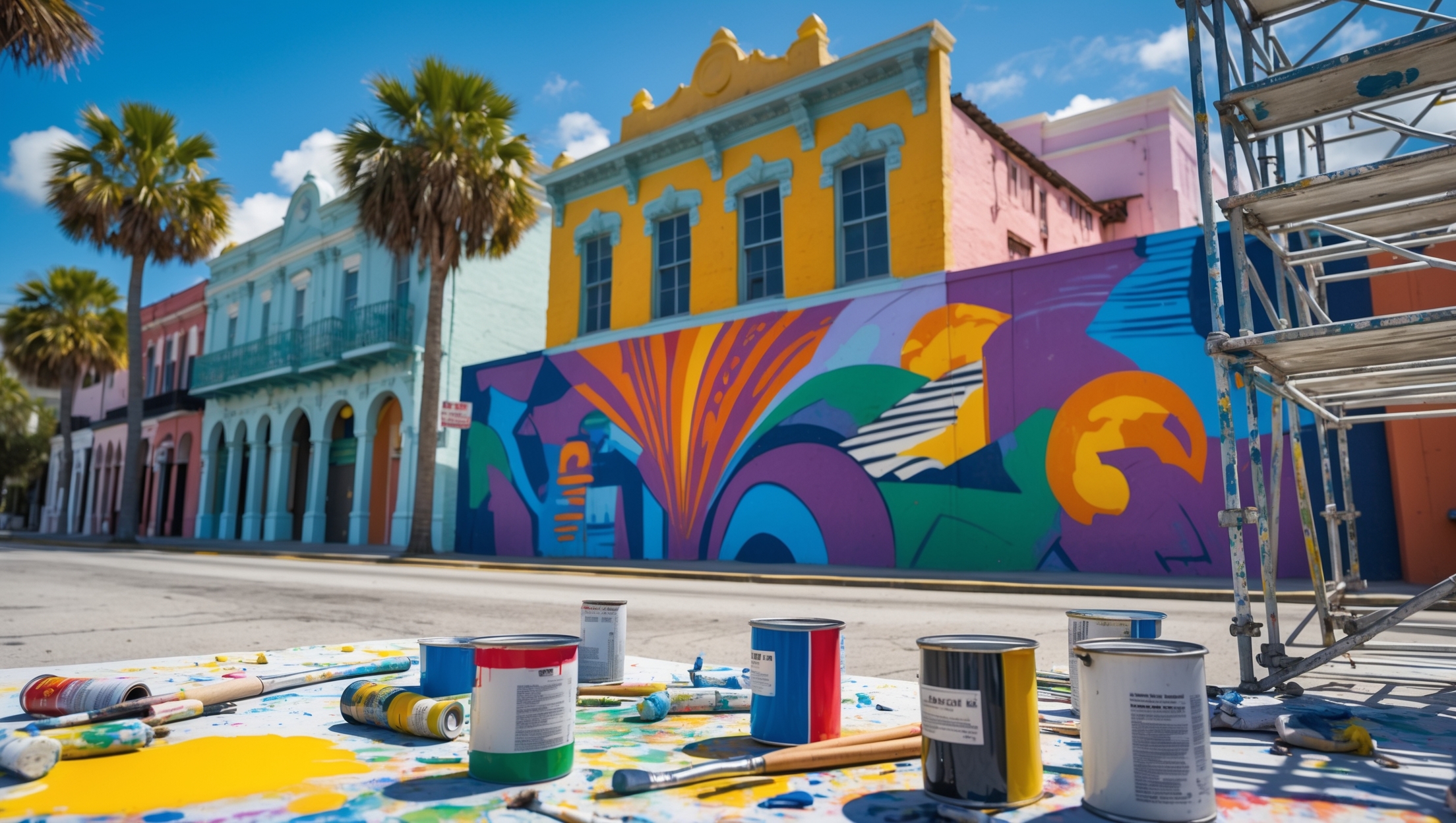
Budgeting for St. Petersburg Community Murals: Real Costs, Fundraising Tips & Local Resources

Introduction: Why Budgeting Matters for Community Murals in St. Petersburg
St. Petersburg, FL, is renowned for its colorful murals, dynamic public art, and a thriving sense of community pride. Over the past decade, murals have transformed blank walls into storytelling canvases, connecting neighborhoods and sparking citywide conversations. But behind every eye-catching mural is a team of dedicated organizers who have carefully balanced creativity and community impact with the realities of budgeting and resource management.
For many first-time organizers, the budgeting process can seem daunting. What will the project truly cost? Which expenses are often overlooked? How do you tap into local resources and fundraising options unique to St. Pete? This guide is designed to demystify the financial side of community mural projects. Whether you represent a neighborhood association, a nonprofit, or a group of passionate residents, understanding the real costs and best practices for funding your mural is essential for success—and sustainability.
We’ll break down every expense category, share practical insights from local projects, and connect you with St. Pete-specific resources to stretch your dollars further. By the end, you’ll have a clear roadmap for planning, funding, and executing a mural project that brings color and connection to your corner of the city—without financial surprises.
Understanding the Cost Structure of a Community Mural
Major Expense Categories
Community murals are more than paint on walls. A successful project budget includes:
- Artist Fees & Stipends: Compensation for lead artists, assistants, and sometimes community collaborators.
- Materials & Supplies: Exterior-grade paints, primers, brushes, rollers, sprayers, sealants, and specialty tools.
- Equipment Rental: Scaffolding, ladders, lifts, or scaffolding platforms depending on wall height.
- Site Prep & Wall Repair: Power washing, patching cracks, priming, and addressing mold or water damage before painting.
- Permits & Compliance: City permits, insurance, and legal fees if required (especially for public or highly visible locations).
- Community Engagement: Costs for community meetings, workshops, or public feedback events.
- Documentation & Promotion: Photography, videography, and marketing materials to share your progress and impact.
- Contingency Fund: A buffer (typically 10–15%) for unexpected expenses or weather delays.
Typical Cost Ranges in St. Petersburg
- Small Murals (50–150 sq. ft.): $1,500–$4,000
- Medium Murals (150–500 sq. ft.): $4,000–$10,000
- Large Murals (500+ sq. ft.): $10,000–$35,000+
Costs vary by complexity, site condition, and artist experience. St. Pete’s vibrant art scene means competitive rates, but also strong local support and potential for in-kind donations.
Detailed Breakdown: Where the Money Goes
1. Artist Fees & Stipends
A fair stipend is essential for professional results and community goodwill. Rates in St. Pete typically range from $25–$50 per square foot for experienced muralists, with assistants earning $15–$25 per hour. Factor in design time, community meetings, and installation days. For collaborative projects, set aside funds for youth or resident stipends as well.
2. Materials & Supplies
- Exterior Paint: High-quality, UV-resistant paints (e.g., Sherwin-Williams, Behr Marquee, NovaColor) cost $30–$70 per gallon. Estimate 1 gallon per 150–200 sq. ft. per coat, with 2–3 coats needed for strong color.
- Primers & Sealants: $40–$80 per 5-gallon bucket each.
- Brushes & Rollers: $100–$300 total for project-specific needs.
- Specialty Tools: Sprayers ($50–$100/day to rent), tape, drop cloths, buckets, and chalk lines.
3. Equipment Rental
- Scaffolding: $150–$300/week from local rental companies (e.g., Sunbelt Rentals, United Rentals).
- Lifts or Booms: $200–$500/day for higher walls.
- Safety Gear: Hard hats, harnesses, and cones ($100–$250 total).
Always prioritize safety and confirm proper insurance coverage for equipment use.
4. Site Prep & Wall Repair
St. Pete’s humidity means wall prep can’t be skipped. Budget $200–$1,000 for cleaning, patching, and addressing any water damage. Consider partnering with local contractors or hardware stores for discounts or donated services.
5. Permits, Insurance & Compliance
- Permits: Most public murals require a city permit ($100–$400) and property owner approval.
- Insurance: General liability coverage for the project duration ($300–$800). Check with local agencies or the St. Pete Arts Alliance for recommendations.
- Legal Fees: If commissioning contracts or copyright agreements are needed, budget $200–$500.
6. Community Engagement
Workshops, community paint days, or feedback sessions build buy-in. Reserve $200–$800 for refreshments, supplies, and outreach materials. Local businesses may sponsor these events in exchange for recognition.
7. Documentation & Promotion
Quality documentation supports future fundraising and media coverage. Professional photography or videography can cost $200–$600. Social media promotion may require a small ad budget ($50–$150).
8. Contingency Fund
Add at least 10–15% to your total budget for weather delays, extra supplies, or unexpected repairs. In St. Pete, summer storms can quickly impact project timelines.
Smart Budgeting Strategies: Lessons from Local Projects
Leverage In-Kind Donations
Many successful St. Pete mural projects have reduced costs by securing in-kind donations. Local paint stores (such as Ace Hardware or Home Depot), scaffolding companies, and art supply shops may provide materials or discounts in exchange for public acknowledgment. Reach out early, provide a clear project plan, and offer to include donors in press releases and social media posts.
Partner with Local Organizations
Collaborate with neighborhood associations, schools, or nonprofits like the St. Petersburg Arts Alliance. These groups often have existing relationships with the city and can help with permits, volunteer recruitment, and promotion. Some even have small grants available for public art projects.
Volunteer Labor and Skill-Sharing
While professional artists should always be compensated, involving community volunteers for wall prep, painting under supervision, or event support can stretch your budget. Host skill-sharing workshops to train participants and deepen local investment in the project’s success.
Phased Approaches and Stretch Goals
If funding is tight, consider a phased mural, starting with a smaller section and adding to it as more resources become available. This approach keeps momentum alive and helps demonstrate impact to potential funders and sponsors.
Fundraising Tactics That Work in St. Pete
1. Crowdfunding Campaigns
Platforms like GoFundMe, ioby, or Kickstarter work well for community murals. Set a realistic goal, share a detailed budget, and use visuals of the proposed design to build excitement. Offer donor perks—like name recognition on a plaque or invitations to the unveiling event.
2. Local Business Sponsorships
St. Pete’s business community often supports public art as a way to enhance neighborhood vibrancy. Approach restaurants, breweries, or retailers near your mural site. Offer logo placement on project materials, shout-outs at events, or inclusion in press coverage. Be transparent about how sponsorship dollars will be used.
3. Small Grants and Arts Funding
The St. Petersburg Arts Alliance, Creative Pinellas, and the City of St. Petersburg offer grants for public art and community improvement. Application deadlines and criteria vary, so plan ahead and enlist an experienced grant writer if possible. Many past murals have been partially funded through these local sources.
4. Community Events and Merchandise
Host a pre-mural block party or art auction to raise funds and awareness. Sell project-themed merchandise (stickers, tote bags, prints) with proceeds going directly to the mural fund. These events also double as opportunities for community input and feedback.
5. Partnering with Property Owners
Some building owners are willing to contribute financially, especially if the mural will increase foot traffic or visibility. Discuss shared costs or maintenance agreements during initial negotiations.
Sample Budget Template for a Medium-Sized St. Pete Mural
| Category | Estimated Cost |
|---|---|
| Artist Fees (Lead + Assistant) | $5,000 |
| Paints, Primers, Sealants | $1,200 |
| Brushes, Rollers, Tools | $350 |
| Scaffolding Rental (2 weeks) | $500 |
| Site Prep & Wall Repair | $600 |
| Permits & Insurance | $800 |
| Community Engagement | $500 |
| Documentation & Marketing | $400 |
| Contingency (10%) | $935 |
| Total | $10,285 |
Local Resources: Who Can Help in St. Petersburg?
- St. Petersburg Arts Alliance: stpeteartsalliance.org – Grant programs, artist directories, and mural guidance.
- Creative Pinellas: creativepinellas.org – Funding, artist residency info, and public art support.
- City of St. Petersburg – Office of Cultural Affairs: stpete.org – Permit guidance and public art policies.
- Local Hardware & Paint Stores: Many offer nonprofit discounts or in-kind donations for community art projects.
- Neighborhood Associations: Many have small grants or can provide volunteers and promotion.
- Pinellas Community Foundation: pinellascf.org – Community project funding opportunities.
Common Budgeting Pitfalls & How to Avoid Them
- Underestimating Site Prep: St. Pete’s weather and humidity often require more extensive cleaning, mold remediation, or priming than anticipated.
- Skipping Contingency: Without a buffer, unexpected costs (weather delays, equipment breakdowns) can derail your timeline.
- Assuming Free Labor: While volunteers are valuable, relying on unpaid work for critical tasks can lead to burnout and inconsistent quality.
- Neglecting Permits/Insurance: Fines or delays can quickly eat into your budget if you skip this step.
- Poor Documentation: Without quality photos and stories, it’s harder to fund future projects or demonstrate impact to sponsors and the community.
Budget-Friendly Tips from St. Pete Muralists
- Choose South- or East-Facing Walls: These get less direct afternoon sun, reducing fading and maintenance costs over time.
- Bulk Paint Purchases: Pool resources with other mural projects or buy during sales for discounts.
- Community Paint Days: Invite residents to fill in background areas under artist supervision—this builds buy-in and can reduce labor costs.
- Start Small: A successful micro-mural or utility box project can serve as a stepping stone for larger funding opportunities.
Conclusion: Investing in Color—And Community
Bringing a new mural to life in St. Petersburg is about more than a fresh coat of paint. It’s an investment in neighborhood identity, pride, and placemaking—a lasting legacy that can inspire generations. But for all the inspiration murals spark, their success depends on clear-eyed planning and responsible budgeting from day one.
By breaking down expenses, leveraging local resources, and engaging your community at every step, you’ll not only bring a vibrant new mural to your block—you’ll also build the skills, relationships, and credibility needed to fuel future projects. Remember: every dollar you save through smart planning or creative fundraising is a dollar that can be reinvested in the next big idea.
St. Pete’s mural movement is proof that when neighbors, artists, and businesses come together with a shared vision, the results can be both beautiful and sustainable. Start with a solid budget, connect with local partners, and don’t be afraid to ask for help or advice along the way. Your community mural can become a beacon—of color, creativity, and collaboration—for all of St. Petersburg to enjoy.
Ready to get started? Reach out to the resources listed above, draft your budget, and invite your neighbors to join the journey. The wall is your canvas—the story, and the stewardship, are up to you.
Could you share which expenses are most commonly underestimated when budgeting for a community mural in St. Pete? I want to make sure we don’t run into unexpected costs, especially around site prep and equipment rental.
When budgeting for a St. Petersburg community mural, people often underestimate the costs of surface preparation, such as cleaning, priming, and sometimes repairing the wall. Equipment rentals—like lifts or scaffolding—can also add up quickly, especially if your project runs longer than planned. Don’t forget to factor in insurance, permits, and contingency funds for weather delays or last-minute supplies.
You mention artist fees, materials, and equipment rentals as some of the major costs, but I’m wondering how organizers in St. Pete usually estimate wall repair expenses, especially for older buildings. Are there local contractors who typically help with this?
Organizers in St. Pete often start by having the proposed mural wall inspected by a local building contractor or masonry specialist. These experts can assess structural issues, crumbling surfaces, or moisture damage and provide cost estimates for repairs. There are several contractors in the area familiar with mural prep, and many artists or art organizations can recommend trusted professionals who handle repairs for older buildings.
Once you’ve outlined your expense categories and found some local fundraising options, what are the most effective ways to actually pitch your mural project to potential donors or neighborhood associations in St. Pete? Any tips on communicating the impact or sustainability part to get them on board?
When pitching your mural project, tailor your presentation to highlight how the mural will enhance the neighborhood—such as fostering local pride, attracting visitors, or supporting local artists. Use visuals or mock-ups to bring your idea to life. For impact and sustainability, explain your maintenance plan, any community involvement during the project, and how the mural reflects local history or values. Personal stories and clear, concrete benefits help donors and associations see the long-term value of supporting your project.
For first-time groups trying to secure local resources or fundraising in St. Petersburg, what are some effective first steps or local organizations that have been especially receptive to supporting mural projects?
For first-time groups in St. Petersburg, a good first step is reaching out to local arts organizations like the St. Petersburg Arts Alliance, as they often support community mural projects. It’s also helpful to connect with neighborhood associations and local businesses, many of which are open to sponsoring public art. Attending city meetings or workshops can help you network and discover available grants or in-kind support.
You mention site prep and wall repair as a big part of the mural budget. How do organizers usually determine if a wall needs extensive repairs before painting, and are there local experts in St. Pete that help with this, or is it something artists handle themselves?
Organizers typically assess a wall’s condition by checking for cracks, peeling paint, water damage, or structural issues before painting begins. In St. Pete, many mural projects involve local contractors or building experts for a professional evaluation, especially for larger or older walls. Sometimes, experienced mural artists handle minor repairs themselves, but extensive work is usually left to specialists to ensure the mural’s longevity.
Can you provide examples of local St. Pete organizations or businesses that might be open to sponsoring materials or equipment rentals for a community mural? I’m especially interested in unique partnerships that have worked well for other mural projects.
Several local organizations in St. Petersburg have supported community mural projects in creative ways. The St. Petersburg Arts Alliance and Creative Pinellas often collaborate on public art initiatives and may help connect you to resources. Businesses like Sherwin-Williams and Home Depot have occasionally sponsored paint or materials. For equipment rentals, Sunbelt Rentals and local hardware stores have partnered with artists in the past. Unique partnerships have included breweries hosting fundraising events or coffee shops featuring mural progress updates to engage their patrons.
The article touches on wall prep and repair as a budget item. For older buildings in St. Pete, do you recommend working with local contractors or handling repairs in-house to save money?
For older buildings in St. Pete, it’s often best to consult local contractors for wall prep and repairs, especially if there’s structural damage or historic surfaces involved. Professionals can ensure proper cleaning, sealing, and repairs before you start the mural. If your team has experience with minor fixes, you could handle small tasks in-house to save money. For more serious issues, investing in expert help usually protects your mural in the long run.
Are there any common expenses that first-time St. Pete mural organizers typically underestimate or forget to include when creating their initial budget? I want to make sure I’m not missing any hidden costs that might pop up later.
First-time mural organizers in St. Pete often forget to budget for things like wall preparation (cleaning or priming), lift or scaffolding rentals, permits, insurance, and contingency funds for unexpected issues. Protective coatings, extra paint for touch-ups, and documentation costs like photography or videography can also be overlooked. Including these in your budget helps avoid last-minute surprises.
You talked about artist fees and fundraising options. For a group of students interested in starting a mural project, what fundraising strategies would you recommend specifically for people with little experience, and how early should they begin the fundraising process in St. Pete?
For student groups with limited fundraising experience in St. Pete, start with simple strategies like organizing small community events, partnering with local businesses for sponsorships, and using platforms like GoFundMe. Begin fundraising at least three to four months before your planned mural start date. This gives you time to build momentum, apply for local arts grants, and engage your community without feeling rushed.
I’m new to community murals and was surprised to see equipment rental as a major expense. For a smaller project, do you think it’s possible to manage without renting scaffolding or lifts, or is that usually unavoidable for safety reasons in St. Pete?
For smaller mural projects, especially those at ground level, you can often manage with sturdy ladders instead of renting scaffolding or lifts. However, safety should always come first. If your mural extends above a comfortable reach or is on uneven ground, renting proper equipment may still be necessary. In St. Pete, local art organizations might have resources or loaner equipment available, so it’s worth checking with them before committing to a rental.
When it comes to equipment rental like lifts or scaffolding, do you suggest partnering with a specific local contractor or are there city resources available? I’m weighing the cost versus convenience for our group’s first project.
For equipment rentals like lifts or scaffolding, local contractor partnerships can sometimes offer discounted rates, especially if you mention your community project. St. Petersburg occasionally provides support for public art initiatives, but city-owned resources are limited and may require advance application or special approval. Comparing quotes from rental companies versus exploring city arts programs can help you balance cost and convenience. Many mural groups find direct rental more straightforward for a first project.
How far in advance should I begin fundraising for a community mural if I’m hoping to complete it within the year? I’m trying to get a sense of typical timelines based on your experience with local projects.
For a community mural you want finished within a year, it’s wise to start fundraising at least 6 to 9 months in advance. This gives enough time to secure funding, handle permits, and coordinate with artists or the community. Some projects move faster, but allowing extra months helps prevent delays and ensures you can cover unexpected costs.
If a mural team ends up running short on funds late in the project—for example, realizing partway through that more equipment rental time is needed—what are some reliable last-minute fundraising or local support options you’ve seen work in St. Petersburg?
If a mural team needs extra funds near the project’s end, reaching out to local businesses for quick sponsorships or in-kind donations (like equipment time) has helped others in St. Petersburg. Hosting a pop-up art event or community paint day can also raise funds quickly. Social media appeals targeting residents and art supporters have worked, too, especially with clear explanations of the need and progress updates.
You listed equipment rental like scaffolding and lifts as a major cost. Are there any local organizations or programs in St. Petersburg that lend or discount this equipment to community mural projects, or is renting from commercial companies usually the only option?
In St. Petersburg, some local arts organizations and community groups occasionally offer support for mural projects, including help with equipment like scaffolding or lifts. However, most projects still rely on renting from commercial companies. It’s worth reaching out to neighborhood associations, the St. Petersburg Arts Alliance, or local mural collectives to ask if they have connections or recommendations for discounted or shared equipment.
The article mentions artist fees and stipends as a major expense category for community murals in St. Pete. Are there any typical ranges for how much lead artists and assistants are paid here, or does it vary a lot project to project?
Artist fees and stipends for community murals in St. Pete can vary significantly depending on the project’s size, location, and funding. However, lead artists typically earn between $3,000 and $10,000 per mural, while assistants might be paid $15 to $30 per hour or receive a flat rate. These numbers can shift based on experience and complexity, but most projects aim to offer fair compensation within these ranges.
If we’re working with a really tight budget, are there recommended local resources or organizations in St. Pete that help with free or discounted mural supplies? I’d appreciate any tips for stretching the materials budget without sacrificing quality.
In St. Pete, you might want to reach out to local art supply stores, as some offer discounts or may be willing to sponsor community projects. The St. Petersburg Arts Alliance and Creative Clay are known to support mural initiatives and sometimes help connect artists with affordable materials. Also, consider seeking donations from local businesses or organizing a materials drive in the community. Using quality bulk paint and sharing supplies among multiple projects can also help you save money without compromising on the final result.
After breaking down the main expense categories, what are some practical steps for tracking and managing these mural costs throughout the project to avoid budget overruns? Would love firsthand tips on setting up a system that works for community teams.
To keep mural costs on track, start by setting up a shared spreadsheet or budget template that lists all expense categories with estimated and actual costs. Assign one team member to update it weekly. Keep all receipts and invoices, and have regular check-ins to review the budget status. For community teams, use color coding for categories and set up alerts for overspending. This approach helps everyone stay informed and lets you quickly address any budget issues before they grow.
I see that site prep and wall repair are listed as expenses, but do you have any advice on how to estimate those costs in advance, especially for older buildings in St. Pete? I want to avoid any big surprises once we’re underway.
For older buildings in St. Pete, it’s wise to start by arranging an on-site assessment with a contractor who has experience with murals. They can check for things like cracks, peeling paint, structural issues, and moisture damage, which are common in historic walls. Ask for a detailed written estimate that includes cleaning, priming, repairs, and any scaffolding costs. Also, build a contingency line into your budget—around 10–20% extra—since hidden problems sometimes pop up during prep.
You mentioned that site prep and wall repair are major expense categories. Is it common for unexpected issues like mold or structural damage to significantly increase the budget once a project gets started?
Yes, it’s quite common for unexpected issues like mold, water damage, or structural repairs to increase mural project costs after work begins. Site prep often uncovers hidden problems, especially with older buildings. It’s a good idea to set aside a contingency fund—typically 10-20% of your budget—to handle surprises without derailing the project.
You mention connecting with St. Pete-specific resources to stretch your dollars for mural projects. Are there particular local grants or city programs you’ve seen groups successfully use, and do these typically cover artist fees as well as material costs, or just one category?
Several St. Petersburg groups have successfully used the city’s Arts Alliance grants and the St. Pete Arts Endowment, both of which often cover artist fees as well as materials. The City of St. Petersburg’s Office of Cultural Affairs sometimes offers mural-specific opportunities that help with both categories. It’s best to review each grant’s guidelines, as most local programs aim to support the full creative process rather than just supplies.
I’m planning to help organize our first mural in my neighborhood, but I’m not sure how to estimate costs for things like scaffolding or wall repairs if the wall turns out to need a lot of work. Do you have any advice on how to budget for unexpected site prep expenses in St. Petersburg?
When budgeting for a mural in St. Petersburg, it’s wise to set aside a contingency fund—typically about 10-20% of your total project budget—for unexpected site prep expenses like scaffolding or wall repairs. Get quotes from local contractors or equipment rental companies early, and have the wall professionally assessed if possible. This way, you’ll be prepared for surprises and can adjust your fundraising goals accordingly.
For mural projects in St. Pete, have you found certain fundraising strategies to be more effective than others for securing artist fees, especially when involving community collaborators? I’d love to hear about any local grants or partnerships that work well.
In St. Pete, combining local business sponsorships with grassroots crowdfunding has been especially effective for mural projects, particularly when community members are actively involved. The St. Petersburg Arts Alliance offers grants tailored for public art, and partnerships with neighborhood associations or local nonprofits often help secure additional funding. Including community collaborators in planning and events can also attract more support from both funders and residents.
You mention that some expenses are often overlooked when planning a mural budget. Could you elaborate on which specific costs tend to surprise first-time organizers in St. Pete or what hidden fees people should watch out for?
First-time mural organizers in St. Pete are often surprised by costs like wall preparation (cleaning, priming, repairs), insurance for the project, and permit fees from the city. Equipment rentals—such as lifts or scaffolding—can also add up quickly. Don’t forget about hidden expenses like protective coatings for durability, extra paint for touch-ups, and sometimes even parking or security during installation.
You mention tapping into St. Pete-specific fundraising resources—could you give some examples of grants or local organizations that have supported mural projects in the past? I’m wondering how competitive those options usually are.
Some local resources that have supported mural projects in St. Petersburg include the St. Petersburg Arts Alliance, which offers grants like the Individual Artist Grant, and Creative Pinellas, which sometimes funds public art. The City of St. Petersburg’s Office of Cultural Affairs also occasionally has small grants. These options can be competitive since demand is high, so it helps to have a clear proposal and community involvement to strengthen your application.
After breaking down all the expense categories, what are some effective strategies to prioritize spending if our fundraising efforts fall short? Is there a typical order of importance based on what St. Pete projects have done?
If fundraising is limited, St. Pete mural projects often prioritize essentials like artist fees, permits, and basic preparation materials first. These ensure the mural can legally and safely proceed. Next, they focus on quality paints and protective coatings to maximize the artwork’s longevity. Extras like marketing, community events, or documentation are usually scaled back or postponed. Discussing priorities with your artist and team can also reveal creative ways to stretch the budget without sacrificing the mural’s impact.
You talk about budgeting for wall repair and prep, like patching and dealing with mold. How can I figure out if my wall will need a lot of repairs before we start painting, and should I budget for a professional to assess this before I finalize my total mural costs?
To estimate wall repair needs before painting, inspect for visible cracks, peeling paint, moisture spots, or discoloration—these are signs of underlying problems like mold or structural issues. If you notice any of these, budgeting for a professional assessment is wise. An expert can spot hidden damage and give repair recommendations, helping you avoid surprises and plan a more accurate mural budget.
After outlining all the main budget categories, do you have advice on how early we should finalize our fundraising goal before actually starting the mural, especially to avoid any financial surprises mid-project?
It’s best to finalize your fundraising goal as early as possible—ideally, before you begin any part of the mural project, including initial design work or community outreach. This gives you time to adjust your plan if costs change or if fundraising falls short, helping you avoid unexpected financial issues once the project is underway.
As someone trying to plan my first community mural, what are some of the most commonly overlooked expenses besides materials and artist fees? Have St. Petersburg organizers faced any surprises that new groups should watch out for?
Besides materials and artist fees, many first-time mural organizers in St. Petersburg overlook costs like wall preparation (power washing, priming), insurance, permits, and equipment rentals such as scaffolding or lifts. Organizers have also encountered surprise expenses for things like site security, waste disposal, and even restrooms for volunteers. Always budget a contingency fund to cover unexpected needs that might come up during the project.
Could you explain more about which material costs are most often underestimated by first-time mural organizers? I want to avoid any budget surprises if our group decides to move forward with a mural for our community space.
First-time mural organizers often underestimate costs for high-quality exterior paints, primers, and protective sealants, which are crucial for durability in St. Petersburg’s climate. Scaffolding or lift rentals are another common surprise, as well as brushes, rollers, drop cloths, and cleaning supplies. If your mural will be large or high up, safety equipment and insurance can also add to expenses. Careful planning and getting quotes ahead of time will help you build a more accurate budget.
I noticed you mentioned site prep and wall repair as key budget items. Do you have insights on whether it’s usually more cost-effective to handle repairs independently or hire local professionals in St. Petersburg?
For smaller repairs like cleaning or minor patching, handling them independently can save money if you have the right skills and time. However, for larger issues—such as structural cracks or significant water damage—hiring local professionals in St. Petersburg is usually safer and may prevent costly mistakes. Many muralists find a mix works best: do what you can yourself, but bring in pros for complex or crucial repairs to protect your investment.
You mentioned that site prep and wall repair can include things like patching cracks or cleaning off mold. Do these costs typically fall on the artist, the building owner, or the mural organizers, and how should I estimate this part of the budget?
Site prep and wall repair costs are usually negotiated up front and can be handled by the building owner, the mural organizers, or included in the artist’s overall budget, depending on the project. It’s important to clarify responsibility early. For budgeting, get a site assessment and quotes from local contractors for tasks like cleaning, priming, and repairs. Add a little extra for unexpected issues, and make sure your budget proposal clearly lists these estimated costs.
When it comes to fundraising for a community mural, are there specific local grants or St. Petersburg organizations that have been particularly helpful for small neighborhood groups? I am curious about the most reliable resources you’ve seen other projects use.
Several St. Petersburg groups have found success with grants from the St. Petersburg Arts Alliance and the City of St. Petersburg’s Office of Cultural Affairs. The Pinellas Community Foundation has also supported neighborhood mural projects. In addition, neighborhood associations and local businesses sometimes sponsor murals or help with matching funds. Reaching out directly to these organizations can be a great first step for small community groups.
After outlining the main costs and resources, what are the first steps you recommend for a group of students who want to start a mural project in their neighborhood? Should we prioritize finding an artist, securing funding, or getting wall approval first?
For a student group starting a mural project, the best first step is identifying and getting approval for a wall in your neighborhood. Having a confirmed location makes it easier to attract artists, plan your design, and create a clear budget for fundraising. Once you have wall approval, you can reach out to artists and begin seeking funding.
Could you elaborate on which mural project expenses in St. Petersburg are most commonly underestimated or missed by first-time organizers? I want to make sure we don’t overlook any hidden costs during our initial budgeting phase.
First-time mural organizers in St. Petersburg often underestimate or overlook costs like wall preparation (cleaning, priming, repairs), insurance, permits, and lift or scaffolding rental. Additional hidden expenses can include project documentation, weather contingencies, artist travel or accommodation, and supplies for ongoing maintenance. It’s wise to budget a contingency fund for unexpected needs so you’re well prepared.
What is a reasonable timeline to expect from initial budget planning to actually starting the mural, especially when factoring in fundraising efforts and coordinating local resources mentioned in your guide?
A reasonable timeline from budgeting to starting a mural project in St. Petersburg is typically 3 to 6 months. This allows time for thorough budget planning, applying for grants or running fundraising campaigns, and coordinating with local partners or suppliers. The process can move faster if funding is secured quickly and necessary permissions are granted without delay, but it’s wise to plan for a few months to account for all these steps.
You mentioned tapping into St. Pete-specific resources to stretch your mural budget. Could you share examples of local businesses or organizations that have been supportive in donating materials or supplies for past mural projects?
Several local businesses and organizations in St. Petersburg have supported mural projects by donating materials or supplies. For example, Creative Clay and the St. Petersburg Arts Alliance are known for connecting artists with resources. Some neighborhood hardware stores and paint shops, like BLICK Art Materials and Sherwin-Williams, have also contributed discounted or donated paint. Building relationships with these organizations early in your project can really help extend your budget.
After breaking down the main costs, what’s a reasonable timeline to fundraise enough for a neighborhood mural in St. Pete? I’m curious how long it typically takes local groups to gather the necessary funds before starting wall prep and painting.
For most neighborhood murals in St. Petersburg, local groups usually spend about 3 to 6 months fundraising, depending on the project’s size, scope, and the team’s connections. Smaller murals with lower budgets might hit their goal in just a couple of months, while larger projects could take closer to half a year. Planning a clear fundraising strategy and engaging the community early can help speed up the process.
When budgeting for a mural, what percentage of the total should organizers allocate to equipment rental versus materials, especially for projects on taller buildings? I want to avoid underestimating these costs.
For murals on taller buildings, equipment rental—like scaffolding or lifts—can account for 20–30% of your total budget, while materials (paints, brushes, sealants) usually take up about 15–25%. These percentages can shift depending on project size and specific site needs, but allocating at least a quarter of your budget to equipment is wise for tall structures to avoid surprises.
The article mentions tapping into St. Pete-specific fundraising options—are there local grants or city programs you’d recommend for first-time mural organizers who don’t have a nonprofit status?
Yes, St. Petersburg offers options for first-time mural organizers even without nonprofit status. The St. Petersburg Arts Alliance has microgrant programs, and the city sometimes supports public art projects through the Office of Cultural Affairs. You can also look into neighborhood associations or local businesses for sponsorships. Often, partnering with a fiscal sponsor is another way to access funds typically reserved for nonprofits.
The article mentions budgeting for things like scaffolding or lifts based on wall height, but how do I estimate those costs if I don’t know the wall measurements yet? Is there a general range for equipment rental in St. Pete I can use for initial planning?
If you don’t have exact wall measurements yet, you can use an estimated range for equipment rental when planning your budget. In St. Petersburg, basic scaffolding rentals often start around $100–$200 per week, while lift rentals can range from $250–$600 per day depending on height and type. For early planning, it’s helpful to budget on the higher end until you have more specific wall details.
If we’re working with a limited budget, which of the major expense categories do organizers in St. Petersburg usually find the hardest to trim without risking quality or community buy-in?
Organizers in St. Petersburg often find it hardest to trim costs on artist fees and high-quality materials. Cutting corners here can impact the mural’s durability and the artist’s engagement, which in turn affects both the quality of the work and community support. Other expenses like permits or basic supplies may offer some flexibility, but quality and artist compensation are usually protected, even with tight budgets.
When budgeting for the artist fees and stipends, how do organizers in St. Petersburg usually decide on fair compensation, especially if the mural involves both professional artists and volunteers from the community?
Organizers in St. Petersburg often look at the scale of the mural, the experience of the professional artists, and local industry rates to determine fair compensation. Professional artists are usually paid based on time, materials, and expertise, while volunteers from the community might receive smaller stipends, gift cards, or public recognition. Balancing transparency and clear role definitions helps ensure fair treatment for everyone involved.
Could you share more details about how organizers in St. Pete typically estimate artist fees versus expenses like equipment rental, especially for larger walls? I’m trying to understand which costs tend to fluctuate the most in local projects.
In St. Pete, artist fees are usually estimated based on mural size, complexity, and the artist’s experience. For larger walls, equipment rentals—like lifts or scaffolding—often make up a significant and variable portion of the budget, especially since rental costs can change with project duration or contractor availability. Weather delays can also impact equipment costs more than artist fees. So, while both are important, equipment rental tends to fluctuate the most in larger local projects.
You mention tapping into St. Pete-specific resources to help stretch your budget for murals. Could you give examples of local grants or organizations in St. Petersburg that commonly support mural projects?
Certainly! In St. Petersburg, mural projects often receive support from organizations like the St. Petersburg Arts Alliance, which offers grants and project funding. The City of St. Petersburg’s Office of Cultural Affairs also has public art grants and initiatives. Additionally, Creative Pinellas and the Warehouse Arts District Association are valuable resources for funding and connecting with the local arts community.
After getting a handle on all the main cost categories like artist stipends and materials, what would you say is the best next step for someone organizing their very first community mural project in St. Pete?
Once you understand the main costs, the best next step is to connect with local partners. Reach out to neighborhood associations, businesses, and city arts programs to build community support and possibly find sponsors. Begin scouting for mural locations and start the permitting process early, as this can take time. Gathering community input on the mural design is also key for a successful project.
I noticed equipment rental is mentioned as a major expense. Are there any St. Petersburg organizations or businesses known for offering discounts or in-kind support for community art projects?
Several St. Petersburg businesses and organizations occasionally support community art projects with discounts or in-kind equipment rentals. Sunbelt Rentals and United Rentals have been known to partner with local nonprofits on art initiatives. Additionally, the St. Petersburg Arts Alliance often connects muralists with supportive local businesses. It’s a good idea to reach out directly to these companies or ask the Arts Alliance for current contacts or sponsorship opportunities.
When budgeting for equipment rentals like lifts or scaffolding, do you recommend booking for the full estimated project duration from the start, or is it better to reserve in phases to allow for weather or scheduling delays?
It’s usually safer to reserve equipment like lifts or scaffolding for the full estimated project duration upfront. This helps you avoid last-minute unavailability, especially during busy seasons. However, if the rental company has flexible policies and good availability, reserving in phases can help you adjust for weather or unexpected delays. Always discuss extension options and fees with your rental provider before committing.
Could you elaborate on what typical artist fees look like for mural projects in St. Pete? Are there local standards or ranges for lead artists versus assistants that organizers should be budgeting for from the start?
Artist fees for mural projects in St. Pete vary, but lead artists typically charge anywhere from $15 to $30 per square foot, depending on their experience and the project complexity. Assistants often earn $15 to $25 per hour. While there’s no official local standard, many organizers use these ranges as a starting point. It’s wise to confirm artists’ rates early and budget for both lead and assistant roles accordingly.
I noticed you mentioned fundraising options unique to St. Pete. Are there specific local grants or sponsorships that first-time organizers should prioritize, or is crowdfunding usually more effective for mural projects here?
For mural projects in St. Pete, first-time organizers often find local grants through organizations like the St. Petersburg Arts Alliance and the City of St. Petersburg’s Cultural Affairs Division very helpful. These grants are designed to support public art and can provide solid initial funding. Local businesses also sometimes sponsor murals, especially if the project benefits the community. Crowdfunding works well too, but many successful projects combine both grants and community fundraising for the best results.
Could you give an idea of how much organizers in St. Pete typically budget for wall prep and repair before painting? I’ve noticed that some mural projects end up costing more than expected because of hidden issues with the wall surface.
Organizers in St. Pete usually set aside around $500 to $2,000 for wall prep and repair, depending on the wall’s size and condition. Costs can rise if the surface needs extensive cleaning, patching, or priming. It’s wise to have a contingency fund for unexpected repairs, as hidden moisture damage or crumbling stucco can drive up expenses quickly.
You mention St. Pete-specific resources for stretching mural dollars. Can you share examples of local programs or businesses that have supported mural projects, and how you approach them for either donations or discounts?
Several St. Pete organizations have supported mural projects, including the St. Petersburg Arts Alliance, local paint stores like Florida Paints, and neighborhood associations. To approach them, prepare a clear proposal outlining your mural’s community impact, budget, and what you’re requesting—whether that’s paint, supplies, or funding. Personal connections help, so attend local art events or connect through social media. Many businesses appreciate recognition, so offer to highlight their support on your mural or in publicity materials.
You mentioned artist fees and stipends as a major expense category. In your experience, what’s a realistic range for lead artist compensation in St. Pete, and does that typically include assistants’ pay, or should that be budgeted separately?
In St. Pete, lead artist compensation for community murals generally ranges from $2,000 to $10,000, depending on the mural’s size, complexity, and the artist’s experience. This amount typically covers only the lead artist’s fee. If you plan to hire assistants, it’s best to budget for their pay separately to ensure fair compensation for everyone involved.
Our neighborhood association wants to support a mural, but we’re concerned about hidden costs, especially with site prep and wall repairs. Can you share which expenses are most commonly underestimated by first-time organizers in St. Petersburg?
Many first-time organizers in St. Petersburg find that wall preparation and repairs are often more expensive than expected. Cleaning, patching cracks, and priming surfaces can reveal hidden damage or moisture issues that add to costs. Scaffolding or lift rentals for taller walls are also frequently underestimated, along with permit fees and ongoing maintenance. It’s wise to get detailed quotes upfront from muralists and contractors to avoid surprises.
Could you elaborate on any specific fundraising strategies that have been most effective for first-time organizers in St. Petersburg? I’m especially interested in examples where neighborhood associations or small groups managed to stretch their mural budget.
Neighborhood associations and small groups in St. Petersburg have found success with a few specific fundraising strategies. Hosting community art nights or local business sponsorship drives can generate both funds and interest. Some groups have also used crowdfunding platforms combined with social media campaigns to engage wider support. Matching grants from local arts councils have helped stretch budgets further, especially when paired with in-kind donations like paint or volunteer labor from residents.
The guide mentions connecting with St. Pete-specific resources to stretch funding. Are there particular local grants or nonprofits you recommend reaching out to early in the planning process for community murals?
Connecting with local organizations early is a smart move. In St. Petersburg, the St. Petersburg Arts Alliance and Creative Pinellas are both great places to start—they often offer grants or funding opportunities for public art projects. Also, consider reaching out to the City of St. Petersburg’s Office of Cultural Affairs and the SHINE Mural Festival team, as they have established networks and resources to support mural initiatives.
For first-time organizers like myself, what are some common budget overruns you’ve seen when it comes to site prep and wall repair? Are there warning signs or factors to watch for before starting a mural project that could help us avoid unexpected expenses?
One common area where budgets go over is underestimating the cost of fixing damaged or weathered walls. Hidden issues like mold, crumbling stucco, or graffiti removal can add up quickly. Before you start, thoroughly inspect the wall for cracks, moisture, or peeling paint. Getting quotes from local contractors in advance can help you spot potential problems and avoid surprise expenses.
When budgeting for equipment rental like scaffolding or lifts, do you recommend estimating for extra days in case of weather delays, or is it usually possible to stick to schedule in St. Petersburg’s climate?
It’s wise to budget for extra days when renting equipment like scaffolding or lifts. St. Petersburg often experiences sudden rain, especially during summer, which can cause unexpected delays. Adding a buffer of a few days to your rental estimate helps you avoid extra last-minute charges and keeps your project on track even with weather interruptions.
You mention equipment rentals like lifts and scaffolding—are there any local St. Petersburg organizations or resources that offer discounts for community murals? I’m worried about that cost adding up if our wall is higher than expected.
Yes, in St. Petersburg, some local equipment rental companies are willing to offer nonprofit rates or discounts for community mural projects—especially if you mention the mural’s public and artistic value. You can also reach out to the St. Petersburg Arts Alliance and the city’s Office of Cultural Affairs, as they sometimes have partnerships or know of grants that help cover these costs. Connecting with other local muralists may also reveal additional community-friendly rental options.
You mentioned tapping into local fundraising options unique to St. Pete. Could you share some examples of grants or organizations in the area that specifically support community mural projects, and what the application process looks like?
Absolutely, there are several local resources in St. Pete that support community mural projects. The St. Petersburg Arts Alliance offers grants for public art, and the City of St. Petersburg’s Office of Cultural Affairs often provides funding or partnership opportunities. The application process typically involves submitting a proposal with your mural concept, budget, timeline, and community impact statement. Review panels may ask for sketches and details about the artist’s experience. It’s a good idea to prepare these materials in advance and check each organization’s website for deadlines and specific requirements.
Do you have any tips for estimating materials and supply costs accurately, especially when the mural involves unusual surfaces or textured walls like we sometimes find in older St. Pete buildings?
When dealing with unusual or textured surfaces, it’s important to first test a small patch to see how much paint or primer is absorbed. Rougher walls often require more material than smooth ones. Ask local paint suppliers about recommended products for your specific surface; they may also help estimate coverage. Include costs for extra prep—like patching or special primers—and budget a buffer (about 10-15%) for unexpected needs.
You mentioned site prep and wall repair costs, such as fixing cracks and dealing with mold. How should organizers budget for these expenses if they don’t know the wall’s condition ahead of time? Is there a way to get an estimate before starting?
To budget for site prep and wall repair when the wall’s condition is unknown, organizers should build a contingency fund into their budget—typically 10–20% of the total project cost. Before starting, you can ask a local contractor or experienced muralist to inspect the wall and provide a rough estimate. This way, you’ll have a more accurate idea of possible repair costs before committing resources.
Could you share what some of the most commonly overlooked expenses are when budgeting for a mural in St. Pete? I want to make sure we are not missing any hidden costs, especially for things like site prep or equipment rentals.
Some commonly overlooked mural expenses include thorough site preparation (such as cleaning, priming, or repairing the wall), equipment rentals like scaffolding or lifts, insurance for both the artwork and artists, and permits if required by the city. Don’t forget about costs for weather protection materials, proper disposal of waste, and contingency funds for unexpected issues during the project.
I was wondering about site prep and wall repair costs, since you pointed out issues like mold or water damage. Are there any common pitfalls that first-time organizers in St. Pete should watch out for that could cause the prep budget to balloon unexpectedly?
Site prep and wall repair costs can rise quickly if existing damage isn’t fully understood. Common pitfalls include underestimating the extent of mold, water intrusion, or old paint that needs removal. In St. Pete’s humid climate, hidden moisture issues are frequent. It helps to get a professional inspection early and include a contingency line in your budget for unexpected repairs. This way, you’re less likely to face big surprises.
Can you share more about the types of site prep and wall repair issues that tend to drive up costs in St. Petersburg’s climate? I’m curious if factors like humidity or older buildings make a big difference when planning the budget.
Humidity and Florida’s tropical rains can definitely impact mural prep costs in St. Petersburg. Older buildings often have peeling paint, mildew, or even water intrusion, all of which require extra cleaning, priming, and sometimes masonry repair. Surfaces may also need sealing to prevent future moisture damage. These factors mean more time and materials, so it’s wise to include a buffer in your budget for unexpected repairs, especially with historic or coastal walls.
As a parent with little free time, I’m wondering how long the budgeting and fundraising process typically takes before organizers can actually start painting a mural in St. Petersburg. Is there a recommended timeline to help plan around school and family schedules?
The budgeting and fundraising process for a community mural in St. Petersburg usually takes anywhere from 2 to 6 months, depending on project size and funding goals. Many organizers recommend planning on at least 3 months before painting begins, which helps coordinate with family and school schedules. Breaking tasks into smaller steps and involving volunteers can also make the process more manageable for busy parents.
Could you elaborate on which specific expenses in the mural budgeting process are most commonly underestimated by first-time organizers in St. Pete? I’m curious about any real examples where a project ran into unexpected costs.
First-time organizers in St. Pete often underestimate costs for wall preparation, like cleaning, priming, and repairing surfaces, which can be substantial. Insurance and permits are also frequently overlooked. In one local project, unexpected water damage behind the wall led to extra repairs and delayed painting, adding over $1,000 to the budget. Another organizer forgot to budget for scaffolding rental, which turned out to be essential and costly for a tall mural.
What resources are available in St. Pete for organizers who are new to negotiating artist fees and material costs? Are there local organizations or city departments that offer guidance or sample budget templates specific to mural projects?
In St. Petersburg, several local organizations can help mural organizers with budgeting and fee negotiation. The St. Petersburg Arts Alliance is a great resource for guidance and may provide sample budget templates or advice. Additionally, the city’s Office of Cultural Affairs often assists with public art projects and can answer specific questions about costs and contracts. Reaching out to these groups is a good starting point for new organizers.
For those organizing a mural for the first time, what are some of the most common unexpected costs that tend to come up during site prep or equipment rental? I want to avoid surprises when planning the budget.
A few unexpected costs often catch first-time mural organizers off guard. During site prep, you might encounter expenses for wall repairs, priming surfaces, or dealing with old paint removal. For equipment rental, additional days due to weather delays, delivery fees, or required safety gear like harnesses can increase costs. Including a contingency in your budget helps cover these surprises.
When outlining major expense categories, the article mentions artist fees, equipment rental, and materials, but what about insurance or permits? Have you found these to be significant costs in St. Pete, and do you have advice for managing those in the budget?
Insurance and permits can definitely be significant costs for mural projects in St. Petersburg. Depending on the location and scope, you may need liability insurance and city permits, which can add up. It’s wise to research local requirements early, get quotes from insurers, and contact the city’s permitting office. Including a contingency line in your budget helps cover these unpredictable expenses.
You mentioned tapping into St. Pete-specific fundraising resources for mural projects. What are some concrete first steps for a small business owner to get involved in these local fundraising efforts or access available grants?
To get started with local fundraising for your mural, reach out to St. Petersburg’s Arts Alliance and the city’s Office of Cultural Affairs, as they often share information about grants and community art initiatives. Attend local arts networking events or meetings to connect with organizers and other artists. You can also subscribe to local arts newsletters to stay updated on grant opportunities and upcoming calls for projects.
Are there any common budget pitfalls you see first-time organizers in St. Pete run into, especially when it comes to estimating artist fees or dealing with unexpected equipment rental costs? Any advice for building a more accurate contingency fund?
First-time organizers often underestimate both artist fees and equipment rental costs. Artist fees can vary widely based on experience and mural size, so it’s smart to get a few quotes and clarify what’s included. With equipment rentals, last-minute needs or longer-than-expected timelines often drive up costs. For a more accurate contingency fund, consider adding 15–20% to your total budget to cover surprises, and always double-check all estimates with vendors in advance.
If unexpected repairs or wall prep issues come up during a mural project, are there St. Pete-specific resources or grants that can help cover those unplanned expenses, or should we build extra cushion into our initial budget?
It’s best to include a contingency cushion in your initial mural budget to handle unexpected repairs or wall prep issues, as most local grants expect a detailed, upfront budget. However, St. Petersburg Arts Alliance and the City’s Office of Cultural Affairs occasionally offer emergency or supplemental funding, but these are limited and not guaranteed. Planning ahead with extra funds is the safest approach.
The article talks about tapping into local resources and fundraising options unique to St. Petersburg. Could you share examples of specific grants or organizations in the area that have been especially helpful for first-time mural organizers?
Absolutely! In St. Petersburg, first-time mural organizers often find support from organizations like the St. Petersburg Arts Alliance, which offers grants and guidance for public art projects. Creative Pinellas is another helpful resource, as they provide funding and artist opportunities. The City of St. Petersburg’s Office of Cultural Affairs also runs programs that back community murals. These groups not only offer funding but can help with permits and connecting with local artists.
You mentioned tapping into unique fundraising options in St. Pete—are there specific local grant programs or community partnerships that consistently support mural projects, or is fundraising usually pieced together from multiple sources?
In St. Pete, fundraising for mural projects is often a mix of sources. While there are some local grants, such as those from the St. Petersburg Arts Alliance and the City’s Office of Cultural Affairs, most mural organizers combine these with business sponsorships, crowdfunding, and in-kind community support. Building relationships with neighborhood associations and local businesses also helps secure additional funding or resources for your project.
You mention site prep and wall repair as key budget items for murals. Can you share typical cost ranges for things like priming and patching in St. Pete, especially for older buildings that might need mold treatment?
For St. Pete murals, site prep and wall repair costs can vary widely, especially with older buildings. Priming and basic patching may range from $1 to $3 per square foot. If mold treatment is needed, that can add $2 to $6 per square foot, depending on the extent of the damage. It’s a good idea to get a few quotes from local contractors, as prices depend on wall condition and size.
How do you typically structure artist compensation when involving assistants or community collaborators in a mural project? I’m planning a neighborhood mural and want to be fair, but I’m unsure how much of the budget to allocate for stipends versus materials.
When budgeting for a mural with assistants or community collaborators, many projects allocate a percentage of the overall artist compensation for helpers—commonly 10–30% depending on their involvement. Start by setting aside funds for essential materials, then distribute the remaining budget between the lead artist and collaborators. Stipends for assistants should reflect their time and responsibilities, while community volunteers might receive smaller stipends or non-monetary recognition. Clear roles and a transparent pay structure help keep things fair.
Can you give some examples of successful St. Petersburg fundraising approaches for mural projects? I’m curious how local groups usually balance grants, business sponsorships, and community crowdfunding to cover all those expenses you mentioned.
St. Petersburg mural groups often mix several strategies to fund their projects. Some apply for arts or community development grants from local government or foundations. Others approach neighborhood businesses for sponsorships, offering logo placement or publicity in return. Crowdfunding is also popular—organizers host online campaigns and in-person events to get local residents involved. Many successful projects use a combination of these, starting with grants, leveraging business support, and closing any gaps with crowdfunding.
You mentioned site prep like power washing and wall repair—do most mural projects in St. Petersburg end up needing a professional for that, or can volunteers handle it to save money? I’m worried about making sure we budget enough for unexpected repairs.
In St. Petersburg, many mural projects do rely on volunteers for basic site prep like cleanup and minor wall washing to save on costs. However, if the wall has significant damage, tricky surfaces, or old paint that must be removed, hiring a professional is often necessary. It’s smart to budget a little extra for unexpected repairs—maybe 10-20% more for site prep—since surprises can pop up once you start cleaning.
How do you recommend estimating a realistic timeline and budget for site prep and wall repair, especially in older neighborhoods with a lot of weathered walls? I’m worried our project could get stalled by unexpected repairs.
To estimate a realistic timeline and budget for site prep and wall repair, start with a detailed inspection of the wall to identify visible and hidden issues like cracks, water damage, or loose paint. Consult a local contractor familiar with older buildings for accurate assessments and quotes. Build in a contingency fund (usually 10–20%) for unforeseen repairs and add buffer time to your schedule. This proactive approach helps avoid surprises and keeps your project on track.
I saw that you mention budgeting for site preparation and wall repair, like addressing mold or cracks. How do organizers in St. Pete estimate those costs if they don’t know the wall’s condition ahead of time? Are there typical ballpark figures for older buildings here?
Organizers usually start with a visual inspection, but since some issues like mold or hidden cracks aren’t always visible, it’s wise to budget a contingency fund—often 10–20% extra. For older St. Pete buildings, wall repair and prep can range widely, but a ballpark estimate is $3–$10 per square foot, depending on severity. Getting a contractor to assess the site early is the best way to avoid surprises.
I noticed you mentioned materials like exterior-grade paints and sealants. Are there particular brands or types that have worked best in St. Pete’s climate, or any tips for making these supplies last longer with the humidity and sun exposure?
In St. Pete’s humid and sunny climate, artists often recommend high-quality acrylic exterior paints like those from Behr or Sherwin-Williams for durability. For sealants, a UV-resistant clear coat, such as Golden MSA Varnish or an anti-graffiti sealant, helps protect against fading and moisture. To make supplies last longer, apply multiple thin coats, allow proper drying between layers, and reapply sealant regularly—especially before rainy seasons.
You mention tapping into St. Pete-specific fundraising options. Could you share examples of local grants or organizations that have been especially supportive of community mural projects, and what the application process is like for those resources?
St. Petersburg has a few standout local resources for community mural projects. The St. Petersburg Arts Alliance offers grant programs dedicated to public art, and Creative Pinellas sometimes supports mural initiatives as well. Typically, the application requires a project proposal, a budget outline, and sample artwork. Be ready to explain your community impact and include letters of support if possible. These organizations often host info sessions to help artists navigate the process.
Are there any hidden expenses when prepping the wall that people tend to forget about, like dealing with mold or serious repairs, and how can I plan for those without blowing my budget?
Yes, wall prep can reveal hidden expenses like mold removal, repairing water damage, or addressing crumbling surfaces. To avoid budget surprises, set aside a contingency fund—about 10–20% of your total budget. Before starting, inspect the wall thoroughly or consult a professional, so you can catch issues early and plan accordingly. Factoring in these potential costs upfront helps prevent delays and keeps your project on track financially.
After budgeting and fundraising, what’s the best way to actually pay out artists and suppliers in a community-led project? Is there a local resource that can help handle the payments legally and transparently?
Once your funds are ready, it’s important to pay artists and suppliers through clear, traceable methods like checks or electronic transfers rather than cash. In St. Petersburg, some local nonprofit organizations can act as fiscal sponsors—they help manage project funds, handle payments, and ensure everything is legal and transparent. Consider reaching out to organizations that specialize in community arts support or fiscal sponsorship for guidance and assistance.
You mention site prep and wall repair as part of the budget. In your experience with St. Pete murals, how often do unexpected wall damage or repairs end up inflating costs, and what’s the best way to estimate these before starting?
Unexpected wall damage is pretty common when working with older buildings in St. Pete, and it can definitely impact your budget. I’d suggest always including a contingency—about 10-20% extra—for repairs. Before starting, try to schedule a thorough site inspection with someone experienced in mural installations. They can spot hidden issues like water damage, crumbling stucco, or peeling paint, which helps you get a more accurate estimate upfront.
If unexpected wall repairs or equipment rentals end up costing more than estimated, what are the best backup sources of funding or emergency grants available in St. Pete to cover those overruns without stalling the project?
If mural costs unexpectedly go up in St. Pete, you could reach out to local arts organizations like the St. Petersburg Arts Alliance, which sometimes offers emergency grant support. Also, consider small fundraising events or crowdfunding through platforms like GoFundMe. Some neighborhood associations and local businesses may be willing to pitch in for community projects, especially if you explain the situation and the positive impact of a completed mural.
You mention site prep and wall repair as key expenses—how do organizers usually estimate those costs up front, especially if you don’t know what shape the wall is in until you start? Any advice on budgeting for unexpected repairs?
Organizers often start by having a contractor or experienced muralist inspect the wall in person before budgeting, but if that’s not possible, they budget a contingency fund—typically 10-20% of the total project—for surprises like extra cleaning, fixing cracks, or priming. Taking photos to share with professionals for rough estimates can also help. It’s wise to overestimate rather than underestimate since wall conditions can really vary.
I saw that equipment rental like scaffolding and lifts can be a big cost. Have you found any St. Petersburg organizations or businesses that offer discounts or partnerships for community art projects to help reduce these expenses?
Several local businesses in St. Petersburg have occasionally supported community mural projects by offering discounts or in-kind equipment rentals, especially for nonprofits or educational initiatives. While the article mentions exploring partnerships, a good starting point is to contact local rental companies directly and ask about community or nonprofit rates. Also, reaching out to the St. Petersburg Arts Alliance and neighborhood associations can connect you with groups that have arranged such partnerships in the past.
Based on your experience, which expense category tends to catch first-time mural organizers off guard the most—artist fees, site prep, or something else? Any tips on how to avoid those budget surprises when working in St. Petersburg?
Site preparation often surprises first-time mural organizers more than artist fees. Unexpected costs like wall repairs, priming, scaffolding, or permits can add up quickly in St. Petersburg. To avoid surprises, thoroughly inspect the mural site early, consult with local artists about typical hidden expenses, and build an extra 10–15% contingency into your budget for unforeseen needs.
If a neighborhood group doesn’t have enough upfront funds, what are some realistic first steps to take? Are there specific local grants or community fundraising methods in St. Pete that have proven successful for mural projects?
If upfront funds are limited, a neighborhood group can start by organizing small-scale fundraising events like art walks, raffles, or mural tours to engage the community. In St. Pete, groups have found success applying for arts grants from the St. Petersburg Arts Alliance and the City’s Office of Cultural Affairs. Partnering with local businesses for sponsorships or in-kind donations is also a common and effective strategy for mural projects here.
You mention site prep and wall repair as part of the expenses. For a first mural in an older neighborhood, how can I estimate those costs up front? Are there typical issues in St. Pete, like mold or weather damage, I should plan extra for?
Estimating site prep and wall repair costs can vary, especially with older buildings in St. Pete. Common issues here include weathered stucco, cracks, and occasional mold or moisture damage due to Florida’s humidity. It’s wise to budget for cleaning, patching cracks, minor masonry work, and possibly mold remediation. A good approach is to ask a local contractor for a walk-through and written estimate, which will help you avoid surprises and plan your budget more accurately.
If unexpected wall repair issues come up after starting—like mold or structural cracks—how do most St. Pete mural teams handle emergency costs? Is it common to set aside a contingency fund, and what percentage of the budget usually covers those surprises?
Most St. Pete mural teams do plan for unexpected issues like mold or structural repairs by setting aside a contingency fund in their budget. It’s fairly common to allocate about 10% to 20% of the total project cost for emergencies. This helps cover surprises without delaying the project or needing extra fundraising at the last minute.
The article talks about local fundraising options unique to St. Pete. Are there particular grant programs or city partnerships that first-time organizers tend to use most successfully for community murals here?
First-time organizers in St. Petersburg often apply for the St. Petersburg Arts Alliance grants, which specifically support local murals and public art. The City of St. Petersburg’s Office of Cultural Affairs also runs a mini-grant program that can fund community art projects. Additionally, partnerships with local business improvement districts and neighborhood associations have proven successful in securing both funding and permissions for new murals.
In your breakdown of mural budgets, you mention equipment rentals like scaffolding or lifts. For first-time organizers in St. Pete, how much should we expect to set aside for these rentals, and are there any local organizations that offer discounts or donations for community art projects?
For a typical mural project in St. Pete, equipment rentals like scaffolding or lifts usually range from $300 to $800 per week, depending on the size and duration. To help with costs, reach out to local businesses such as Sunbelt Rentals or United Rentals—many have programs supporting community art. Also, the St. Petersburg Arts Alliance and local neighborhood associations sometimes help connect artists with discounted or donated equipment.
I noticed wall prep and repairs can sometimes add unexpected costs. In your experience, how do project budgets typically account for surprises like mold or major wall damage, and are there any tips for getting these jobs done affordably in St. Pete?
Project budgets for murals in St. Petersburg usually include a contingency fund, often around 10–20% of the total budget, to cover surprises like mold or serious wall damage. To keep repair costs affordable, many organizers get multiple quotes from local contractors, ask about nonprofit or community rates, and sometimes partner with local trade schools for discounted labor. Having a detailed initial assessment helps, but a flexible buffer is always wise.
Could you go into more detail about what kinds of site prep and wall repair costs are most common for murals in St. Pete? I’m wondering if issues like mold or water damage usually end up being big parts of the budget.
Common site preparation and wall repair costs for murals in St. Pete often include cleaning, scraping old paint, patching cracks, and priming the surface. Stucco repairs and sealing are also frequent needs. Mold or water damage can occur, especially on older or shaded buildings, and if discovered, addressing them (like mold removal or replacing damaged stucco) can significantly increase costs. These issues aren’t in every project, but when present, they do require a notable portion of the budget.
When considering artist fees and stipends, is there a standard range that is considered fair in St. Petersburg, or does it vary widely? I want to make sure I’m budgeting appropriately but also staying competitive for talented artists.
Artist fees and stipends in St. Petersburg can vary depending on the artist’s experience, mural size, and project complexity. Generally, local muralists are paid anywhere from $15 to $40 per square foot. For flat stipends, amounts often range from $2,000 to $10,000 per project. It’s wise to consult recent projects or reach out to local arts organizations for current benchmarks to ensure your budget remains fair and attractive.
Could you elaborate on what kinds of local fundraising options are unique to the St. Pete area for mural projects? I’m wondering if there are any successful examples of partnerships with local businesses or neighborhood groups that really helped stretch the budget.
In St. Pete, unique fundraising options often include art walks, where artists sell smaller works or offer mural tours with ticket proceeds going toward the project. Local businesses frequently sponsor murals in exchange for recognition, and some neighborhood associations hold community events or crowdfunding campaigns to raise funds. A great example is the collaboration between mural artists and the Central Avenue Council, which paired artists with local cafes and shops, pooling resources to cover supplies and artist stipends.
You mentioned equipment rental for lifts or scaffolding. Are there preferred vendors in St. Pete for these, or any community partnerships that might help lower those costs for first-time organizers?
In St. Pete, many mural organizers use local vendors like Sunbelt Rentals and United Rentals for lifts and scaffolding. It’s also worth reaching out to the St. Petersburg Arts Alliance or the Warehouse Arts District Association, as they sometimes have partnerships or can connect you with artists or businesses willing to offer discounts to first-time mural projects. Building relationships with these organizations can really help with cost-saving options.
When budgeting for equipment rentals like lifts or scaffolding in St. Petersburg, is it more cost-effective to use local rental companies or are there city programs that help cover these expenses for community art projects?
Using local rental companies in St. Petersburg is usually the most straightforward and cost-effective choice for equipment like lifts or scaffolding. However, some city programs or grants occasionally help cover these expenses for community art projects. It’s worth checking with the St. Petersburg Arts Alliance or the city’s Office of Cultural Affairs to see if there are any current funding opportunities or partnerships available for your mural project.
For groups with a smaller budget, are there strategies or resources in St. Petersburg that help reduce material or equipment rental costs without sacrificing the quality or longevity of the mural?
In St. Petersburg, some local art supply stores and hardware outlets offer nonprofit or group discounts, so be sure to ask when purchasing materials. Community centers or schools may have ladders or equipment they can lend out. Also, connecting with other mural groups can lead to shared resources like scaffolding. Sourcing leftover paint from local businesses or muralists can also help cut costs while maintaining quality.
You mentioned equipment rentals like lifts and scaffolding depending on wall height. For organizers who have never managed a mural before, is there a typical cost range for these rentals in St. Petersburg, and do most projects end up needing this equipment, or can some get by with basic ladders?
For murals on taller or multi-story walls, most projects in St. Petersburg do need to rent lifts or scaffolding, especially for safety and efficiency. Rental costs typically range from $200 to $600 per day, depending on the type and duration. However, for smaller murals on single-story buildings, sturdy ladders might be sufficient and more budget-friendly. It’s important to assess the specific wall height and artist comfort before deciding.
I’m curious how local fundraising typically works for these community murals. Are there particular organizations or grant programs in St. Petersburg that are especially supportive of neighborhood mural projects?
Local fundraising for community murals in St. Petersburg often involves a mix of neighborhood associations, local businesses, and crowdfunding efforts. Organizations like the St. Petersburg Arts Alliance and the City of St. Petersburg’s Office of Cultural Affairs frequently support mural projects through grants or matching funds. It’s also common for muralists to collaborate with local nonprofits or apply for city-sponsored public art grants that encourage community involvement.
When budgeting for materials like paints and sealants, do you recommend buying everything upfront or is it better to purchase as the project progresses? I’m worried about overspending or not having enough supplies mid-way through.
It’s usually best to buy the bulk of your materials like paints and sealants upfront, especially core colors and essentials, to lock in pricing and ensure consistency in your mural. However, if your design might change or you’re working with a flexible color palette, you could reserve a portion of your budget for touch-ups or additional supplies as the project progresses. This approach helps avoid overspending and running short midway.
I’m curious how you determine the right amount to set aside for site prep and wall repair before starting a mural, especially since some buildings in St. Pete are older and might have hidden issues. Is there a typical percentage you recommend budgeting for unexpected repairs?
When planning for site prep and wall repair, it’s wise to get an initial assessment from a contractor or experienced muralist, especially with older St. Pete buildings. Many artists recommend setting aside around 10–20% of your total mural budget for unexpected repairs or prep work. This cushion helps cover surprises like water damage, crumbling stucco, or the need for priming. Adjust this percentage based on the building’s age and visible condition.
You mentioned fundraising options unique to St. Pete. Can you give some examples of what those local resources are, and how successful mural organizers have used them to cover overlooked costs like wall repair or equipment rental?
Some local fundraising resources in St. Pete include the St. Petersburg Arts Alliance, which offers grants specifically for public art, and the City of St. Petersburg’s Office of Cultural Affairs, which sometimes provides project funding. Successful organizers have also partnered with neighborhood associations or local businesses for sponsorships, which often cover less-visible costs like wall prep, scaffolding, or equipment rental. Hosting community fundraising events, such as art walks or mural tours, has also been a creative way to raise money for these expenses.
Do you have any advice on tapping into St. Pete-specific fundraising opportunities or grants that are available just for mural projects? I want to make sure I’m not missing out on unique local resources mentioned in the guide.
Absolutely, St. Pete has some unique resources you can explore. Look into grants from the St. Petersburg Arts Alliance and the city’s Office of Cultural Affairs, both of which often support public art and mural projects. The article also highlights local businesses and neighborhood associations as potential partners—they sometimes sponsor murals or run small grant programs. Connecting with these groups directly can help you uncover opportunities that may not be widely advertised.
If we want to tap into local St. Pete fundraising options for our neighborhood mural, what’s the first step you’d recommend? Are there specific grants or organizations that are usually open to supporting community murals, even if it’s our first time organizing one?
To start, connect with local arts organizations like the St. Petersburg Arts Alliance or Creative Pinellas—they often have information on grants and can guide first-timers through the application process. Both groups support public art projects and can let you know about upcoming funding cycles or resources. It’s also helpful to reach out to neighborhood associations and small businesses, as they sometimes co-sponsor or donate to community murals.
I noticed you mentioned site prep and wall repair as a budget category. Have you found that unexpected wall damage or mold issues frequently increase costs in St. Pete’s older neighborhoods? Any advice on ways to keep those expenses predictable?
Unexpected wall damage and mold do come up fairly often, especially with older buildings in St. Pete. To keep costs predictable, it helps to do a thorough inspection with a contractor before finalizing your budget. Build in a contingency fund, typically 10–20% of your total budget, to cover surprises. Also, ask local artists or mural groups about common issues they’ve faced in the neighborhood for a more accurate estimate.
I’m new to organizing a project like this, and I’m curious—are there any hidden costs or city permit fees that tend to surprise first-time mural organizers in St. Pete?
Yes, first-time mural organizers in St. Petersburg are often surprised by certain costs. City permit fees can vary, and you may also need to budget for insurance, lift equipment rentals, and site preparation (like priming or wall repairs). Don’t forget costs related to community meetings or neighborhood notifications, which are sometimes required. It’s smart to contact the city’s permitting office early to get a clear estimate for your specific project.
Once you’ve broken down the expense categories and have a rough budget, what would you recommend as the most effective next step for actually securing funding and community support for a mural project?
Once you’ve outlined your expenses and rough budget, it’s a good idea to create a compelling project proposal or presentation that clearly explains your vision, goals, and financial needs. Use this to approach local businesses, arts organizations, and neighborhood associations for sponsorships or donations. At the same time, consider launching a community fundraising campaign, like a crowdfunding page or local fundraising event, to get both financial support and community buy-in.
Once the initial budget is mapped out and fundraising starts, what’s the best way to handle unexpected costs that pop up during a mural project? Are there local resources or contingency plans you’d suggest for first-time organizers?
When planning your mural budget, it’s wise to set aside a contingency fund—typically 10–20% of the total budget—to cover unexpected expenses like weather delays or material shortages. For local support, reach out to St. Petersburg’s arts councils or neighborhood associations; they can sometimes offer emergency grants or connect you with in-kind resources. Keeping open communication with donors and community partners can also help secure extra support if surprises come up.
You mentioned that artist fees include compensation for assistants and sometimes community collaborators. How do organizers typically determine fair rates for these roles in the St. Pete area, especially if community members have varying skill levels?
Organizers often determine fair rates by consulting local artist organizations, reviewing recent mural project budgets, and considering the specific skills required for each role. For assistants and community collaborators, rates may be tiered based on experience, with more skilled individuals earning higher compensation. Organizers might also use national guidelines from groups like Americans for the Arts, while ensuring their rates reflect the St. Pete area’s cost of living and the project’s budget.
As someone who’s never organized a mural before, I wonder which expenses tend to surprise first-timers the most. Are there any hidden or often overlooked costs you’ve seen come up frequently in St. Pete projects?
One expense that catches many first-timers off guard is the cost of surface preparation, like cleaning, priming, or even repairing the wall before painting begins. Insurance and permits can also be pricier than expected. Additionally, some organizers overlook expenses like scaffolding rental, extra paint for touch-ups, and stipends for artists’ assistants or volunteers.
Do you have any suggestions on how to estimate the cost for site prep and wall repairs, especially for older buildings in St. Pete? I’m not sure how to anticipate things like mold or cracks before we get started.
Assessing site prep and wall repair costs for older buildings can be tricky, especially with hidden issues like mold or cracks. It’s smart to budget for a professional inspection before starting—local contractors or building inspectors can spot underlying problems. Also, add a contingency of about 15–20% to your estimate for unexpected repairs. Gathering quotes from several local contractors who have experience with mural projects in St. Pete can give you a realistic price range.
I noticed wall prep and repairs are a major part of the budget. Are there particular things about St. Pete’s climate or common building conditions that tend to drive these costs up, and any suggestions to prevent surprise expenses during the prep phase?
St. Pete’s humid, coastal climate can accelerate wear and tear on walls, leading to issues like mold, peeling paint, or crumbling stucco that must be addressed before painting. Older buildings often have hidden damage or require extra cleaning and priming. To prevent surprises, always budget for a thorough inspection, ask for detailed wall assessments, and build a contingency fund into your mural budget.
How do most St. Pete mural organizers estimate artist stipends or materials in the early planning stages if they have no prior experience? Does your guide recommend connecting with certain local artists or past project teams to get realistic budget numbers?
Most St. Pete mural organizers who are new to the process often reach out to experienced local artists or mural project teams for advice on typical stipend and material costs. The guide encourages making these connections early, as they can provide real-world budget figures based on recent projects. This approach helps set realistic expectations and prevents underestimating the necessary funds for artists and supplies.
You mention site prep and wall repair as key budget items. Have you ever run into unexpected costs during this stage, like hidden mold or structural issues, and how do you build a buffer into the budget for surprises like that?
Unexpected costs during site prep and wall repair are actually quite common, especially with older buildings. Issues like hidden mold, water damage, or crumbling plaster can pop up once work begins. To handle this, it’s wise to set aside a contingency fund—typically 10–20% of your total budget—for surprises. Getting a thorough inspection before starting can also help spot potential issues early.
I noticed wall prep and repairs are listed as expenses. If we find an exterior wall in rough shape, how much extra time and cost should we plan for that before painting can start? Are there any local programs that help with site preparation in St. Pete?
Wall prep and repairs can add anywhere from a few days to a couple of weeks to your mural timeline, depending on the wall’s condition. Costs typically range from $500 to $3,000 for extensive repairs, including cleaning, patching, and priming. In St. Pete, you might check with local organizations like the St. Petersburg Arts Alliance or city-run mural programs, as they sometimes offer guidance or small grants for prep work. It’s worth reaching out to see if your project qualifies for assistance.
For a group of residents organizing a mural for the first time, is there a recommended order for approaching costs, securing artists, and tapping into local resources? I’m trying to figure out the best place to start.
For first-time organizers, it’s helpful to start by outlining your mural’s vision and potential wall locations. Next, estimate your budget by researching typical costs for materials, supplies, and artist fees. Then, reach out to local artists or artist collectives, as they can provide valuable input on design and costs. Once you have a plan and an artist, look into local grants, community organizations, and fundraising options to secure funding and support.
How do local neighborhood associations in St. Petersburg typically raise funds for murals? Are there city-specific grants or small business sponsorship programs that tend to be more accessible for first-time organizers?
Neighborhood associations in St. Petersburg often fund mural projects through a combination of community fundraising events, local business sponsorships, and small donor campaigns. The city offers grants like the St. Petersburg Arts Alliance’s funding programs, which are designed to support public art and are accessible to first-time organizers. Additionally, some business improvement districts have specific sponsorship programs that encourage local businesses to contribute, making it easier to gather support for new mural initiatives.
Could you share more specific examples of unexpected expenses that St. Pete mural organizers have run into, especially during site prep or wall repair? I’m curious which cost areas tend to catch first-timers off guard.
St. Pete mural organizers often find that prepping older walls can reveal hidden issues like crumbling stucco, water damage, or mold that require more repairs than expected. Lead paint removal can also be a surprise cost, especially on historic buildings. Some first-timers are caught off guard by the need for scaffolding rentals or permits, as well as costs for priming walls and weatherproofing, which are crucial for mural longevity but easy to overlook during initial budgeting.
You listed equipment rental as one of the big expenses for mural projects. Is it more cost-effective to rent lifts and scaffolding from local suppliers, or have artists found ways to borrow or share equipment within the community to help cut costs?
Artists in St. Petersburg often look for creative ways to save on equipment costs. While renting lifts and scaffolding from local suppliers is common, some muralists have managed to borrow or share equipment within the community, especially through local nonprofits, arts organizations, or by partnering with other artists. Coordinating equipment sharing can definitely cut costs, but it does require extra planning and flexibility with scheduling.
I’m a bit confused about equipment rental costs—especially for lifts or scaffolding. For a mural on a two-story wall, is it better to rent equipment locally or try to partner with a business that might lend it? How do costs usually compare?
For a mural on a two-story wall, renting lifts or scaffolding from a local company is straightforward but can get expensive, often several hundred dollars per day or week. Partnering with a local business that owns the equipment—like a construction or painting company—can lower or even eliminate those costs if they’re willing to sponsor or lend it. Many artists save money through partnerships, but it may require more outreach and flexibility with scheduling.
Could you clarify if there are any local St. Petersburg grants or organizations that specifically help fund artist fees or materials for murals? I want to make sure we’re not missing out on resources unique to the area before we start major fundraising efforts.
Yes, St. Petersburg has several local resources that can help with funding mural projects. The St. Petersburg Arts Alliance offers grants that may cover artist fees and materials. Additionally, the city’s Office of Cultural Affairs sometimes provides support for public art initiatives. It’s also worth reaching out to Creative Pinellas and local neighborhood associations, as they occasionally have funding opportunities or can connect you with sponsors.
If a community group already has some donated materials, what are the best local resources or organizations in St. Pete for getting funding specifically for artist stipends? Are there grant programs you recommend starting with for first-time organizers?
If you already have materials, focusing on artist stipends is a smart move. In St. Pete, the St. Petersburg Arts Alliance offers grants that are beginner-friendly, and the Pinellas Community Foundation sometimes supports arts projects. You might also look at Creative Pinellas grant programs. For first-time organizers, these local groups are approachable and often provide guidance on the application process.
Could you go into more detail about which expenses are most frequently underestimated when budgeting for St. Pete murals? I’m worried about surprise costs mid-project and would love to know which categories tend to add up unexpectedly.
When budgeting for St. Pete murals, people often underestimate costs for site preparation (like cleaning and priming walls), scaffolding or lift rentals, and insurance coverage. Artist fees can also run higher than expected, especially if designs become more complex. Don’t forget about permits, contingency funds for weather delays, and the expense of quality protective coatings, which are crucial for durability in Florida’s climate. Planning for these can help avoid unwelcome surprises.
Could you share more about the process of tapping into local St. Pete resources or partnerships for things like equipment rental or site prep? I am curious how other neighborhood groups have managed to keep these costs down.
Neighborhood groups in St. Pete often reach out to local businesses, like hardware stores or paint suppliers, to request discounts or donated materials for mural projects. Some have partnered with community centers or city departments for free or low-cost site prep equipment. It also helps to connect with other art collectives who may have tools to share. Hosting a volunteer workday for site prep is another common way to reduce expenses.
When budgeting for equipment like lifts or scaffolding, are there community resources or local businesses in St. Pete that offer discounts or rentals specifically for mural projects? I want to make sure we’re not overspending on gear.
Yes, in St. Petersburg, several local equipment rental companies are supportive of the arts and sometimes offer discounts or special rates for community mural projects. It’s a good idea to mention your project’s community focus when requesting a quote. Additionally, some local art organizations and neighborhood associations may have partnerships or can recommend affordable sources for lifts and scaffolding, so reaching out to them could help you save on equipment costs.
I’m new to organizing mural projects and I’m not sure how much to set aside for things like equipment rentals in St. Pete. Do prices for lifts and scaffolding vary a lot here, and are there specific rental companies the local organizers usually use?
Equipment rental costs in St. Pete do vary, especially for lifts and scaffolding, depending on size, duration, and the company. It’s common for organizers to get quotes from multiple local providers like Sunbelt Rentals or United Rentals. Reach out early, as some companies offer nonprofit or arts project discounts. Factor in delivery and pickup fees to your budget as well.
I’m starting to plan a mural in my neighborhood, and I’m not sure how to estimate artist fees versus materials costs. Do you have a ballpark ratio or example figures for how much of the total budget typically goes to each category in St. Petersburg?
In St. Petersburg, it’s common for artist fees to account for about 40-60% of the total mural budget, while materials usually make up 20-30%. For example, on a $10,000 project, you might allocate $4,000-$6,000 for the artist and $2,000-$3,000 for paints, sealants, and equipment. The rest often covers permits, insurance, or community events.
After breaking down all the expense categories, what’s a realistic fundraising timeline for a first-time mural project in St. Pete? Are there common delays or hidden costs that could impact how long it takes to get started?
For a first-time mural project in St. Pete, a realistic fundraising timeline is usually 3 to 6 months, depending on your network and fundraising methods. Common delays include waiting for grant approvals, slow donation responses, and getting permits. Hidden costs can pop up, like extra wall prep, insurance, or scaffolding rental, which may extend your timeline. Building in a buffer of a couple of months is wise to handle these surprises.
I’m a bit confused about site prep and wall repair expenses. How do I figure out if a wall needs special treatment for mold or water damage before starting, and is this something I can check myself or do I need to hire a pro?
To check if a wall needs special treatment for mold or water damage, look for visible signs like discoloration, peeling paint, musty odors, or soft spots. Small issues you might spot yourself, but extensive damage or hidden mold is best assessed by a professional. If you’re unsure or see anything concerning, it’s wise to get an expert opinion before budgeting for repairs.
I’m curious about the typical range for artist stipends in St. Petersburg mural projects. Are there suggested rates or averages that local organizers generally follow to stay competitive but fair with compensation?
In St. Petersburg, artist stipends for mural projects usually range from $2,000 to $10,000, depending on the mural’s size, complexity, and location. Many local organizers aim for an average of $5,000 to $7,500 for mid-sized works to ensure fair compensation and attract skilled artists. Rates can vary, so it’s common to review other recent projects or consult with local arts organizations to stay both competitive and equitable.
If local fundraising doesn’t cover everything, are there specific grants or city programs in St. Petersburg that support first-time mural projects, or should I plan to look for private sponsors? I’d love some advice on where to start.
St. Petersburg does offer some city and arts council grants for public art, including mural projects, especially through the St. Petersburg Arts Alliance and certain city cultural affairs programs. These can be competitive, but they do support first-time projects. It’s smart to apply for these while also reaching out to private sponsors, local businesses, or neighborhood associations to help bridge any funding gaps. Starting with the city’s arts office or local arts nonprofits is a good first step for guidance and current opportunities.
You talk about fundraising options that are unique to St. Pete—could you give examples of local grants, sponsors, or community events that have successfully funded murals in the past? I’m curious about what actually works in this city when trying to raise money.
Certainly! In St. Pete, the St. Petersburg Arts Alliance’s Individual Artist Grant and the Mayor’s Neighborhood Mini Grant are popular local funding sources for murals. Sponsors like local breweries and downtown businesses often back mural projects as well. Community events such as SHINE Mural Festival have also raised significant funds through partnerships and public support, proving these approaches work well in the city.
Could you elaborate a bit on what fundraising options in St. Petersburg have worked best for mural projects, especially for groups that don’t have nonprofit status? Are there local resources or grants that are more accessible to residents?
For groups without nonprofit status, crowdfunding platforms like GoFundMe and community fundraising events have been quite effective for mural projects in St. Petersburg. Some artists have also partnered with local businesses for sponsorships or in-kind donations. While many grants require nonprofit status, the St. Petersburg Arts Alliance occasionally offers microgrants that are more accessible to residents, and neighborhood associations sometimes support local mural initiatives as well.
If our neighborhood group wants to commission a mural but we have very little experience with fundraising, does the article offer suggestions that work specifically in St. Pete, or is most of the advice more general?
The article shares a mix of both general fundraising tips and advice tailored to the St. Petersburg area. You’ll find suggestions for connecting with local businesses and organizations, plus information about St. Pete-specific grants and art programs. These local resources can be especially helpful if your group doesn’t have much fundraising experience.
Once we’ve mapped out the cost categories and local resources, what’s the most effective way to kick off fundraising with our neighborhood group? Are there particular St. Pete grants or events first-time organizers should look into?
After mapping out your costs and resources, a great first step is to organize a community meeting to share your mural vision and budget—this builds excitement and potential volunteer support. For local funding, check out the St. Petersburg Arts Alliance’s grant programs and the city’s Neighborhood Partnership Matching Grant, both of which support public art projects. Also, consider launching your campaign around popular events like Second Saturday ArtWalk to reach more supporters.
I’m just starting to plan a mural in my neighborhood, and I’m trying to figure out what kind of costs usually get underestimated. Beyond obvious stuff like paint and equipment, are there hidden or unexpected expenses that first-timers in St. Pete often miss when budgeting?
Some commonly underestimated expenses include surface preparation (like cleaning or repairing the wall), permits or city fees, insurance for both the artwork and artists, scaffolding rentals, and costs for sealing or protecting the finished mural. You might also need to budget for community meetings, refreshments, and documentation like photography. These add up, so it’s good to factor them in early.
Once we’ve outlined our main mural expenses and set a rough budget, what would you recommend as the next step for tapping into St. Pete-specific fundraising or grant opportunities? Are there local networks we should connect with early on to increase our chances of success?
After finalizing your expenses and budget, start by reaching out to local arts organizations like the St. Petersburg Arts Alliance and Creative Pinellas—they often have information on grants and community mural support. Also, connect early with neighborhood associations and local businesses, as they may sponsor or help promote your project. Building relationships with these groups not only improves funding chances but can also help with permitting and community engagement.
How much flexibility should we build into our budget for equipment rentals, especially lifts and scaffolding? Are there any local programs or businesses in St. Petersburg that offer discounts or in-kind support for community mural projects?
It’s wise to add at least a 10–20% buffer in your budget for equipment rentals, as lift and scaffolding rates can change with demand and project timing. In St. Petersburg, some local rental companies have offered discounts or sponsorships for community art—reaching out directly and explaining your project often helps. You might also contact the St. Petersburg Arts Alliance, as they sometimes connect muralists with supportive partners or city programs.
As a parent involved in our neighborhood association, I’m trying to estimate how much we should set aside for equipment rentals like lifts or scaffolding since our wall is pretty tall. Is there an average cost range organizers in St. Pete typically encounter for this part of the budget?
For taller mural projects in St. Pete, equipment rentals like lifts or scaffolding usually range from $300 to $700 per day depending on height and duration. Many organizers plan for at least a week of rental, so the total can reach $2,000 to $4,000. It’s smart to get quotes from local companies and factor in delivery or setup fees as well.
You mention equipment rentals like scaffolding and lifts as a major expense. Are there any local organizations or city programs in St. Pete that offer these at reduced rates or even loan them to community mural projects?
Yes, there are some local options in St. Pete that can help. The St. Petersburg Arts Alliance and Creative Pinellas occasionally support mural projects with equipment or can connect artists to partner organizations willing to loan or rent scaffolding and lifts at reduced rates. It’s also worth reaching out to the city’s Office of Cultural Affairs, as some neighborhood associations or city-run initiatives may have programs to help with equipment needs for community projects.
Could you talk a bit more about tapping into local St. Pete resources for fundraising? Are there any neighborhood associations or city programs that first-timers have found especially supportive for covering major expenses like equipment rentals or artist fees?
Tapping into local resources in St. Pete can make a big difference for mural projects. Many neighborhood associations, like Grand Central District and Deuces Live, have small grants or community funds for public art. The City of St. Petersburg’s Office of Cultural Affairs also runs grant programs and can connect you with funding or in-kind support. First-time organizers often find success by presenting their mural plans at local association meetings or partnering with established nonprofits already active in the arts community.
Could you give some examples of unexpected costs that tend to catch first-time organizers by surprise when budgeting for a mural in St. Petersburg? I want to make sure I account for as much as possible up front.
Many first-time organizers overlook costs like wall preparation, which can include power washing, patching, or priming surfaces. Permit fees, liability insurance, and renting equipment like scaffolding or lifts also add up. Don’t forget about costs for weather protection, extra paint for touch-ups, and providing food or water for artists. It’s smart to pad your budget for these surprises.
After breaking down all the expense categories, what’s the best way to estimate a realistic total budget for a typical medium-sized mural in St. Petersburg? Is there a formula or checklist people here usually use before starting to fundraise?
To estimate a realistic total budget for a medium-sized mural in St. Petersburg, most organizers total up expenses like artist fees, paint, supplies, lift or scaffolding rentals, insurance, permits, and project management costs. A simple checklist helps: list each category, get local quotes, and include a 10–15% contingency buffer. This approach ensures you cover all bases before setting your fundraising goal.
Could you explain more about the fundraising options unique to St. Pete that you mentioned? I’m curious what local grants or community resources have worked best for first-time organizers here.
St. Pete offers some great local fundraising options for mural projects. First-time organizers often find success applying for grants from the St. Petersburg Arts Alliance and the city’s Office of Cultural Affairs. The St. Pete Arts Endowment and neighborhood associations sometimes provide funding or matching grants. Community events like art walks, mural tours, or paint days are also popular locally for raising funds and building support.
As someone planning a mural with our neighborhood group, I’m curious which expenses tend to sneak up on first-time organizers. Are there any hidden or often underestimated costs we should build into our budget to avoid surprises during the project?
Organizers are often surprised by costs like wall preparation (cleaning, priming, repairs), equipment rentals (lifts or scaffolding), and permits. Insurance coverage is another expense that’s easy to overlook but often required. Also, budget for ongoing maintenance, protective coatings, and last-minute supply runs. Allocating a contingency fund of about 10–15% can help cover these unexpected costs and keep your project on track.
You mentioned site prep and wall repair as major budget items. What are some common hidden costs with older brick or stucco surfaces in St. Pete, and how can organizers avoid surprises during the prep phase?
Older brick or stucco surfaces in St. Pete often hide extra costs like efflorescence removal, masonry repointing, patching large cracks, or dealing with moisture damage. Unexpected repairs for loose bricks or crumbling stucco are also common. To avoid budget surprises, organizers should hire a local mural-experienced contractor to do a thorough site inspection before finalizing the mural plan and set aside some contingency funds just in case.
You mention equipment rentals like scaffolding and lifts. For smaller murals on single-story buildings, are there any local organizations that loan or subsidize these items to help keep the budget down?
For smaller murals on single-story buildings, some local arts organizations and neighborhood associations in St. Petersburg, such as the St. Petersburg Arts Alliance, sometimes offer support or connections for equipment rentals. You might also reach out to local community centers or mural collectives—they occasionally have ladders or portable scaffolding available for loan or at reduced rates. It’s worth contacting these groups directly to ask about current resources and partnerships.
When budgeting for artist fees and stipends in St. Pete, do you have any recommendations for determining fair compensation for both lead artists and assistants? Are there local standards or examples that can help us set appropriate rates?
In St. Petersburg, artist compensation varies, but lead mural artists typically receive $20–$40 per square foot, depending on experience and project complexity. Assistants are often paid hourly, usually between $15–$25. Reviewing recent local mural projects or contacting St. Pete Arts Alliance can help you gauge current rates and ensure your budget is competitive and fair for both leads and assistants.
I noticed you mention fundraising options unique to St. Pete. Are there any local grants or city programs specifically for mural projects, and how competitive are they for a first-time organizer?
Yes, St. Petersburg offers local grants and city programs specifically for mural projects. The city’s Arts Alliance and the St. Petersburg Arts Commission periodically provide funding and support to muralists. For first-time organizers, these grants can be competitive since there are many applicants, but having a clear project plan and community involvement can strengthen your application. It’s helpful to reach out directly to these organizations for guidance before applying.
Once you’ve figured out your project’s full budget, what are some effective fundraising strategies specific to St. Petersburg that have worked for first-time mural organizers? I’d love some ideas beyond grants that tap into local support.
In St. Petersburg, first-time mural organizers have had success hosting art-themed fundraising events, like pop-up gallery nights or painting workshops, where attendees contribute toward the mural. Partnering with local businesses for sponsorship or offering to include their logo in the mural or on promotional materials can also be effective. Community crowdfunding, especially through local social media groups or neighborhood associations, helps rally direct support and build excitement around the project.
Once you’ve secured artist fees and materials, what’s the best approach for tapping into St. Pete-specific fundraising resources? Are there particular grants, neighborhood associations, or local businesses that are especially supportive of mural projects here?
After covering artist fees and materials, look into local grants from organizations like the St. Petersburg Arts Alliance, which regularly supports public art initiatives. Many neighborhood associations, such as Historic Kenwood and Grand Central, may also offer microgrants or help promote your project. Additionally, approach local businesses, especially those in the arts districts, as they’re often open to sponsoring murals to enhance their surroundings and community image.
I’m planning my first mural for a neighborhood block in St. Pete and noticed you mentioned site prep like patching cracks and power washing. Are there any common hidden costs with site prep that tend to surprise first-time organizers?
Yes, first-time organizers are often surprised by hidden site prep costs like repairing more extensive wall damage than expected, dealing with mold or water damage, or having to rent special equipment for tall or uneven surfaces. You might also need to dispose of old paint or graffiti, arrange for permits, or cover sidewalk protection. Building in a small contingency fund can help handle these surprises.
When budgeting for equipment like lifts or scaffolding, have you found it more cost-effective to rent locally in St. Petersburg, or are there city programs that help subsidize those kinds of expenses for community mural projects?
Renting lifts or scaffolding locally in St. Petersburg is usually the most straightforward and cost-effective option for most mural projects, as many area rental companies offer short-term rates. While the city does not routinely subsidize equipment rentals, some community grant programs or partnerships with local arts organizations may help offset costs, so it’s worth reaching out to groups like the St. Petersburg Arts Alliance for potential support or guidance.
If you realize halfway through a mural project that you underestimated the cost for wall repair or site prep, what options are there for quickly raising extra funds in St. Pete? Are there local emergency grants or are bake sales and crowdfunding the main fallback?
In St. Pete, if you need extra funds mid-project due to underestimated costs, quick options include reaching out to local art organizations—some, like the St. Petersburg Arts Alliance, occasionally offer small emergency grants or connections to sponsors. However, most muralists rely on quick-turnaround methods like crowdfunding, pop-up art sales, or community events such as bake sales. Local businesses may also be open to in-kind support or sponsorship if you ask directly.
What are some common hidden or unexpected costs that first-time organizers in St. Petersburg should watch out for when planning a mural, especially in older neighborhoods where site prep might be more involved?
First-time organizers in older St. Petersburg neighborhoods often overlook costs like repairing or sealing weathered brick, removing old paint, or treating mold and mildew before painting. You might also encounter unexpected permit fees, scaffolding rental for uneven ground, and higher insurance if the building is historic. It’s smart to budget extra for these site prep needs and check with building owners about any restoration requirements in advance.
Once the budget is planned and local fundraising options are mapped out, what are the first steps you recommend for actually securing the necessary permits and permissions in St. Petersburg?
After finalizing your budget and fundraising plan, start by identifying the location and property owner for your mural. Contact the City of St. Petersburg’s Codes Compliance Assistance Department to learn about specific mural regulations and application requirements. You’ll need written permission from the property owner, a completed mural permit application, and sometimes design mock-ups for city review. It helps to connect early with city staff, as they can guide you through any zoning or historic district considerations.
When it comes to site prep and wall repair, about how long should we expect that phase to take before artists can actually start painting? I’m curious how this typically impacts the overall project timeline.
Site preparation and wall repair for a community mural usually takes anywhere from a few days to two weeks, depending on the wall’s condition and weather. If extensive repairs or cleaning are needed, it can take longer. This phase is crucial because a well-prepared surface ensures the mural lasts. Factor this time into your overall project schedule, as artists should only begin painting once the wall is fully ready and primed.
If the projected cost of wall repair or equipment rental ends up higher than expected halfway through the project, what are some practical fundraising strategies you’ve seen work quickly in the St. Petersburg community?
If unexpected costs arise during your mural project, local artists and organizers in St. Petersburg have successfully used pop-up art sales, social media donation drives, and quick crowdfunding campaigns to raise extra funds. Partnering with neighborhood businesses for sponsorships or hosting a community painting day with a suggested donation can also bring in fast support while building local engagement.
After breaking down expenses and identifying fundraising options, what is a realistic timeline for assembling a full mural budget and securing the necessary funding in St. Petersburg? Are there typically bottlenecks in the process that new organizers should watch out for?
Assembling a complete mural budget and securing funding in St. Petersburg can realistically take two to four months, but this varies based on project size and fundraising approach. Common bottlenecks include delayed grant responses, slow communication with sponsors, and underestimating costs for permits or materials. To stay on track, start early with research, allow buffer time for unexpected delays, and keep potential funders updated throughout the process.
How do you go about finding local grants or community fundraising options specifically in St. Petersburg? Are there particular organizations, city programs, or recurring events that are known to support mural projects?
In St. Petersburg, you can look into the St. Petersburg Arts Alliance, which often supports public art projects through grants and partnerships. The City of St. Petersburg’s Office of Cultural Affairs also occasionally offers funding or guidance for mural initiatives. Keep an eye out for city-sponsored events like Second Saturday ArtWalks, where artists and organizations sometimes raise funds or connect with potential sponsors. Local businesses and neighborhood associations may also be open to collaborating or sponsoring mural projects.
For organizers new to St. Pete, what are some examples of local businesses or city programs that have actually helped offset costs for things like equipment rental or site prep? I’m curious how realistic it is to find these resources compared to just budgeting for everything ourselves.
It’s definitely realistic to find local support in St. Pete. Businesses like Home Depot and Sherwin-Williams have historically donated supplies or given discounts for community art projects. The City of St. Petersburg’s Arts Alliance also offers mini-grants and sometimes connects organizers with sponsors. Many muralists here have successfully teamed up with local scaffolding or lift rental companies for discounted rates, so reaching out directly can really pay off.
The article breaks down the main expense categories for a mural project, but I am wondering how much of the budget typically goes toward site prep and wall repair compared to materials or artist fees. Are there any usual percentages or estimates based on recent St. Petersburg projects?
Based on recent mural projects in St. Petersburg, site preparation and wall repair can take up about 10-20% of the total budget. Materials typically account for 15-25%, while artist fees often represent the largest share at 40-50%. These percentages can vary depending on the condition of the wall and the scale of the mural, but this breakdown gives you a general idea for planning purposes.
For organizers in St. Pete who are totally new to this, are there any expenses you see groups consistently forgetting to include in their mural budget, especially when dealing with older buildings or tricky wall surfaces?
Many organizers overlook costs like wall preparation, especially with older buildings—things like power washing, repairing cracks, or priming rough surfaces can add up quickly. Also, special equipment rentals such as lifts or scaffolding are often needed for high or uneven walls. Don’t forget to budget for permits and liability insurance, which are easy to miss but essential for public art projects in St. Pete.
When budgeting for equipment like scaffolding and lifts, do you find it’s more cost-effective to rent locally or are there community resources that help provide these at a discount for neighborhood mural projects?
Renting scaffolding and lifts locally is usually more cost-effective for most mural projects, especially for short-term use. However, in St. Petersburg, some community organizations and local arts nonprofits occasionally offer discounted access or even lend equipment for neighborhood mural initiatives. It’s a good idea to contact local arts councils or community centers to ask about available resources before budgeting for rentals.
When budgeting for equipment rental like scaffolding and lifts, do you recommend getting insurance for volunteers who help install or paint, or is that typically handled by the organizing group? Curious how that impacts overall project costs.
Insurance for volunteers is a key consideration, especially when working with equipment like scaffolding and lifts. Typically, the organizing group secures liability or accident insurance to protect both the volunteers and the project. Including insurance in your budget will add to overall costs, but it helps prevent unexpected expenses if accidents occur. It’s wise to check with your insurer about the specific coverage needed for mural-related activities.
After estimating artist fees, supplies, and site prep based on your list, is there a typical percentage you’d recommend adding for unexpected expenses, or does that vary a lot depending on the location in St. Pete?
It’s smart to plan for unexpected expenses in your mural budget. A common recommendation is to add a contingency of around 10–15% to your total estimated costs. While this percentage works for most locations in St. Pete, if your project has unusual site conditions or permitting challenges, consider going a bit higher just in case.
I’m curious about budgeting for site prep and wall repair in St. Pete—do you have a ballpark estimate on how much unexpected repairs (like addressing mold or patching cracks) can add to the total mural cost based on past projects?
Based on past mural projects in St. Pete, unexpected site prep and wall repairs—such as fixing cracks, cleaning, or addressing minor mold—can add anywhere from $500 to $2,500 to your mural budget, depending on the wall size and severity of issues. For larger repairs (like extensive water damage), costs could go higher, so it’s wise to set aside a contingency fund of at least 10–20% of your total mural budget to cover surprises.
When budgeting for a mural in St. Pete, how do organizers typically account for unexpected costs like weather delays or last-minute wall repairs? Are there local funds or contingency grants available specifically for these surprises, or is it best to build extra room into your initial budget?
Organizers usually build a contingency line into their initial budget, often around 10-20% of the total cost, to cover unexpected expenses like weather delays or sudden repairs. While some local art grants may allow for unforeseen costs, there aren’t typically dedicated contingency grants just for surprises. Planning ahead with a buffer is the most common and reliable approach in St. Pete.
You mention site prep and wall repair as a key expense, including things like power washing and addressing water damage. In your experience, how often do these issues end up costing more than expected, and are there local contractors in St. Pete you recommend for this kind of prep work?
Site prep and wall repair frequently cost more than people expect, especially if there’s hidden water damage or old paint that needs extra attention. Surprises are pretty common, so it’s wise to budget a buffer of at least 10–20% for these tasks. In St. Pete, artists often work with local contractors experienced in mural projects—look for firms that have handled exterior repairs for public art or historic buildings, as they usually understand the unique requirements.
Can you give an idea of how much equipment rental like scaffolding or lifts typically costs in St. Pete, and if there are any local organizations that offer discounts or loans for community art projects?
In St. Pete, renting scaffolding can range from about $100 to $300 per week, while lifts such as boom or scissor lifts might cost $200 to $500 per day, depending on the size and type. Local organizations like the St. Petersburg Arts Alliance and Creative Clay sometimes offer support, discounts, or help connect artists with equipment loans for community projects. It’s worth reaching out to them directly to discuss your specific needs.
For budgeting artist fees in St. Pete, do you recommend paying a flat rate or hourly? I’m helping organize a neighborhood mural, and I want to be fair to artists but also realistic about our limited fundraising.
For community murals in St. Pete, a flat rate is often best for both transparency and fairness. It lets artists plan their work without worrying about hours, and helps you stick to your budget. You can discuss the expected time and scope together, then agree on a fair flat fee based on those details. This approach also makes fundraising goals clearer for everyone involved.
You mention site prep and wall repair as part of the mural costs. Are there any local organizations in St. Pete that offer volunteers or discounted services for this specific part of the process, or do most projects end up hiring contractors?
Many mural projects in St. Pete do hire contractors for site prep and wall repair, especially when structural work or specific expertise is needed. However, some local nonprofits and neighborhood associations occasionally organize volunteer days to assist with cleaning, priming, or simple repairs. It can help to reach out to groups like the St. Petersburg Arts Alliance or your local neighborhood association to ask about volunteer support or recommendations for affordable contractors.
Is there any advice for first-timers on how to estimate wall prep costs like power washing or repairs, so we don’t get caught off guard? I want to make sure our neighborhood group doesn’t miss any big expenses in the planning phase.
To estimate wall prep costs, start by inspecting the wall for issues like cracks, peeling paint, or mold. Get quotes from local contractors for power washing, patching, and priming—they can often give free estimates after viewing the site. Make sure to budget for unexpected repairs, and ask if any permits are needed, as those can add costs too. Factoring in a 10-15% contingency can help cover surprises.
You touched on site prep and wall repair, which sounds important. How do I estimate those costs if the wall has visible cracks or mold, and are there any local resources in St. Pete that help with this kind of prep work for first-timers?
If the wall has visible cracks or mold, it’s a good idea to get a professional assessment to estimate repair costs. For cracks, minor repairs might cost a few hundred dollars, but structural issues or extensive mold removal could be more. In St. Pete, you can contact local nonprofits like Creative Clay or the St. Petersburg Arts Alliance—they sometimes offer guidance or referrals to trusted contractors experienced with mural prep and may even know about grants for first-timers.
You mentioned that site prep and wall repair are major parts of the mural budget. Do you have suggestions for how to accurately estimate those costs ahead of time, especially if the wall’s condition isn’t fully known at the planning stage?
To estimate site prep and wall repair costs when the wall’s condition is uncertain, consider allocating a contingency fund—typically 10-20% of your total budget—for unexpected issues. Arrange a preliminary site visit with a contractor or experienced muralist to identify visible concerns, but also budget for hidden problems like moisture or crumbling plaster. Getting a rough quote based on similar past projects in your area can also help set realistic expectations.
I’m interested in whether the budgeting tips in this article take into account costs that might pop up unexpectedly, like weather delays or graffiti removal after the mural is finished. Do you have recommendations for creating a contingency fund or estimating these types of surprise expenses?
The article touches on basic budgeting tips, but it’s smart to plan for unexpected costs like weather delays or graffiti removal. A good approach is to set aside a contingency fund—typically 10 to 20 percent of your total mural budget. When estimating, review similar past projects in your community so you can better anticipate the most likely extra expenses and adjust your fund accordingly.
I noticed you mention both artist stipends and compensation for community collaborators. How do project organizers in St. Petersburg typically decide on fair rates for different contributors, and are there any local guidelines or averages to reference during the budgeting phase?
Organizers in St. Petersburg often look at previous mural projects, consult with local arts organizations, and consider grant guidelines to determine fair rates for artists and community collaborators. While there isn’t a strict city-wide standard, averages can range from $500 to several thousand dollars depending on experience and project scope. Many groups also check with the St. Petersburg Arts Alliance for current recommendations and recent budget examples.
I noticed the guide mentions finding fundraising options that are unique to St. Pete. Could you share some examples of local grants or organizations in the area that have been especially helpful for first-time mural organizers?
Certainly! In St. Pete, organizations like the St. Petersburg Arts Alliance and the Pinellas Community Foundation have provided grants specifically for public art and mural projects. Creative Pinellas also offers support for artists, including first-time mural organizers. Additionally, the City of St. Petersburg has public art initiatives and small project grants that can help get new mural ideas off the ground.
If our group is considering a mural for the first time, how far in advance should we start budgeting and fundraising before we hope to start painting? Are there typical timelines you’ve seen work well in St. Pete?
For first-time mural projects in St. Pete, it’s wise to start budgeting and fundraising at least 6 to 12 months before you hope to begin painting. This allows enough time for securing funds, gathering supplies, getting permits, and working with artists. Many local groups have found that starting early helps avoid delays and gives flexibility if extra time is needed for fundraising or approvals.
You talk about tapping into local fundraising options specific to St. Pete. Can you share some examples or stories of what has worked well for first timers? I’m not sure where to start with raising funds beyond the people already involved.
One successful approach for first-time mural projects in St. Pete has been partnering with neighborhood associations, which sometimes provide small grants or help spread the word. Some artists have hosted community paint days with suggested donations, while others reached out to local businesses for sponsorship—offering to include their logo in a mural or mention them at events. These methods have helped expand support beyond immediate circles.
After outlining the main expense categories, what would be the best first step to estimate an overall project budget in St. Petersburg? Are there specific local contacts or calculators you suggest starting with before launching a mural initiative?
Once you’ve outlined your expense categories, gathering quotes from local mural artists and suppliers is the most effective first step for estimating your budget. Reaching out to St. Petersburg Arts Alliance or the City of St. Petersburg’s Office of Cultural Affairs can provide insights on typical costs and potential local grants. They often have resources, contacts, and may even direct you to budgeting templates tailored for community art projects.
The article mentions site prep and wall repair as a key budget category. Based on local projects in St. Petersburg, what are some common unexpected site prep costs that organizers should plan for when budgeting?
Organizers in St. Petersburg often face unexpected costs during site prep, such as removing old paint or graffiti, repairing cracks and water damage, treating for mold or mildew, and dealing with structural issues like loose bricks or unstable surfaces. Sometimes, additional permits or special equipment for high or difficult-to-reach walls are needed. It’s wise to include a contingency fund in your budget to cover these surprises.
If unexpected wall repairs or weather issues pop up during the mural process, does the article suggest how much extra to set aside in the budget as a safety net? I’d love to avoid scrambling if something comes up mid-project.
The article does mention the importance of having a contingency fund for surprises like wall repairs or weather delays, but it doesn’t list a specific dollar amount. It does recommend setting aside an extra 10-20% of your total mural budget as a safety net. This buffer can help you handle unexpected costs without derailing your project.
Do you have any advice on estimating site prep costs, like wall repair or dealing with mold, for older buildings? I worry about surprise expenses popping up after the project is already underway.
Estimating site prep costs for older buildings is definitely important to avoid surprises. Start with a thorough inspection of the wall by a professional to check for damage, moisture, and mold. Ask for itemized quotes for repairs, including cleaning, patching, priming, and mold remediation if needed. Build a 10-20% contingency into your budget for unexpected issues that may arise once work begins. This approach helps keep your project on track financially.
If my neighborhood group wants to stretch our mural dollars, are there specific St. Pete organizations or resources that help with material donations or discounted equipment rentals?
Yes, in St. Petersburg, there are a few organizations and local businesses that support community murals with donated materials or discounts. The St. Petersburg Arts Alliance is a helpful resource and can sometimes connect groups with local paint suppliers or donors. Some hardware stores and art supply shops also offer nonprofit rates. Reaching out to Keep St. Pete Local or neighborhood associations can lead to partnerships or in-kind support for equipment rentals and supplies.
For a mural project that involves repairing an older wall with significant water damage, how much should we realistically budget for site prep and repairs in St. Pete? Are there local contractors or resources you recommend for this part of the process?
For a wall with significant water damage, you should typically budget between $10 and $25 per square foot for site prep and repairs in St. Petersburg, depending on severity and required materials. Costs can vary, so getting several quotes is wise. Local contractors experienced in mural prep include artists’ networks like the SHINE Mural Festival team or contacting the St. Pete Arts Alliance for reputable referrals. They often know restoration experts familiar with historic buildings and mural projects.
Do you have any recommendations for estimating artist fees in St. Petersburg specifically? I’m wondering if there are standard rates that most local muralists expect, or if it really varies by experience and project size.
Artist fees for murals in St. Petersburg do vary, but you can expect most local muralists to charge between $15 and $30 per square foot, depending on their experience and the complexity of the design. More established artists or intricate projects may command higher rates. It’s common practice to discuss your specific vision and budget directly with artists to get a tailored estimate.
When estimating artist fees and stipends for a St. Petersburg mural, does your guide suggest a standard rate range for lead artists versus assistants or community collaborators? I want to make sure we budget fairly, especially if we want to involve local youth or emerging artists.
Our guide does highlight the importance of budgeting separately for lead artists and assistants or community collaborators, but it doesn’t set a strict standard rate. Instead, it suggests researching local mural projects for benchmarks and considering experience levels. For youth or emerging artists, consider stipends or hourly rates that reflect both their contribution and skill development, while ensuring lead artists receive compensation that matches their expertise and responsibility.
I’m curious about the artist fees you mentioned. Are there typical rates for lead artists versus assistants in St. Petersburg mural projects, or does it really vary from project to project?
Artist fees for mural projects in St. Petersburg can vary quite a bit depending on factors like project size, complexity, and experience of the artist. Generally, lead artists tend to earn more, often charging per square foot or a flat project fee, while assistants are usually paid hourly or with a set stipend. There’s no universal rate, but lead artists might receive anywhere from a few thousand to several thousand dollars, and assistants typically get a lower, agreed-upon amount.
I noticed you mention equipment rentals and site prep costs like power washing and repairing cracks. Are there local organizations in St. Pete that sometimes donate these services or offer discounts to community groups, or should we plan to pay full price for everything?
You don’t always have to pay full price for equipment rentals or site prep services in St. Pete. Some local businesses, hardware stores, and community organizations occasionally donate services or offer discounts to community mural projects. It’s worth reaching out to places like local paint supply shops, neighborhood associations, and even city departments to ask about support. Many groups have found success by sharing their project goals and emphasizing the community impact.
Could you clarify what types of wall repairs typically end up being the most expensive, and whether there are any local St. Petersburg companies or nonprofits that help with these site prep costs for mural projects?
The most expensive wall repairs for mural projects usually involve fixing structural damage, addressing water intrusion issues, or replacing large sections of crumbling stucco or brick. Surface prep like cleaning or minor patching tends to cost less. In St. Petersburg, some local nonprofits—such as Creative Pinellas or the St. Petersburg Arts Alliance—occasionally offer grants or partnerships that may help offset these site prep costs, so it’s worth reaching out to them directly to discuss your project.
You mention several local resources unique to St. Pete that can help stretch the mural budget. Can you give examples of specific organizations or grant programs that first-time organizers have successfully used, and any insider tips for approaching them?
Absolutely! In St. Pete, first-time mural organizers have had good experiences with support from the St. Petersburg Arts Alliance, Creative Pinellas, and the City of St. Petersburg’s Office of Cultural Affairs. Each of these offers grants or artist resources. When reaching out, be clear about your community impact, have a solid budget, and highlight how your project aligns with their mission. Personal connections and attending local arts events can also help build relationships before applying.
The article mentions artist fees and community collaborator stipends as major expense categories. Can you give a ballpark range of what organizers in St. Petersburg usually pay for these, and how that might differ between hiring a lead artist versus a full team?
In St. Petersburg, lead artist fees for community murals typically range from $2,000 to $10,000 depending on the mural’s size and complexity. If you hire a full team, costs can increase, sometimes totaling $15,000 or more because you’ll be paying multiple artists, assistants, and collaborators. Community collaborator stipends are often $100 to $500 per person, depending on their level of involvement.
For first-time organizers, what are some of the most commonly overlooked expenses in a mural budget? I want to make sure I don’t miss anything crucial when planning for my neighborhood’s upcoming project.
Some commonly overlooked mural expenses include surface preparation (like cleaning or priming walls), permits and insurance, scaffolding or lift rentals, and proper protective gear for artists. Also, small things like brushes, drop cloths, and touch-up paint for future repairs can add up. Be sure to allocate funds for artist stipends, refreshments during workdays, and community event costs for unveiling the mural.
When planning for materials and supplies, how much extra should we budget in case of unexpected issues like weather delays or discovering additional repairs needed after prepping the wall?
It’s wise to add a contingency of about 10-20% to your materials and supplies budget for unexpected issues. This extra cushion can help cover things like weather delays, price increases, or unplanned wall repairs. Review past mural projects if possible to see if certain surprises are common, and adjust your contingency percentage accordingly.
When budgeting for equipment rental like lifts or scaffolding, what have you found to be average daily or weekly costs in St. Pete? Are there local organizations that might lend equipment to neighborhood mural teams?
For St. Pete, daily rental costs for lifts or scaffolding typically run between $150 and $350, depending on the height and type of equipment. Weekly rates can range from $600 to $1,200. Some local organizations, like the St. Petersburg Arts Alliance or neighborhood associations, occasionally help mural teams by coordinating equipment loans or providing contacts for discounted rentals. It’s worth reaching out directly to these groups or asking other muralists in the area about recent experiences.
Could you elaborate on which specific expenses are most frequently underestimated when budgeting for a mural in St. Petersburg? I’m wondering if there are any local permitting fees or hidden costs that first-time organizers often miss.
One expense often underestimated is the cost of surface preparation—cleaning, priming, and sometimes repairing the wall can add up. First-time organizers also tend to overlook local permitting fees, which vary depending on mural size and location in St. Petersburg. Other hidden costs include insurance, equipment rental (like scaffolding or lifts), and ongoing maintenance after completion. Consulting with local artists or city officials can help ensure your budget covers everything.
After breaking down all the expenses for a community mural, what fundraising strategies have you found to be most effective in St. Pete? Is it better to rely on grants, local business sponsorships, or community crowdfunding—or is a mix usually necessary?
A mix of fundraising strategies tends to work best in St. Pete. Grants can provide substantial funding, but they’re often competitive and may take time. Local business sponsorships bring in cash or materials while building community partnerships. Crowdfunding engages residents and increases local investment in the mural. Combining these approaches usually results in more reliable and diverse support for your project.
If we’re organizing a mural in our neighborhood, is it better to prioritize paying higher artist stipends or investing more in premium materials and wall prep? The article lists both as big expenses, so I’m wondering which typically has a bigger impact on the final result.
Balancing artist compensation and material quality is important, but generally, investing in higher artist stipends tends to have a bigger impact on the final result. Skilled artists can often achieve great outcomes even with standard materials, whereas premium supplies can’t compensate for underpaid, less motivated talent. Still, don’t cut corners on essential wall prep—it helps the mural last. If possible, aim for a reasonable balance, but prioritize fairly paying your artist.
You mention tapping into local funding resources unique to St. Pete for mural projects. Are there any specific local grants or city programs that first-time organizers should look into, and what’s the best way to approach them?
Yes, first-time organizers in St. Petersburg can explore several local options. The St. Petersburg Arts Alliance offers community grants, and the city’s Office of Cultural Affairs sometimes supports public art initiatives. To get started, review their application guidelines online and consider reaching out directly to introduce your project. Personalizing your pitch and demonstrating community impact usually helps your proposal stand out.
After breaking down all these expense categories, how do most first-time organizers in St. Petersburg successfully approach fundraising? Is it more common to rely on small community donations, or do most projects secure larger grants from local arts organizations?
Most first-time mural organizers in St. Petersburg tend to use a mix of both small community donations and grants from local arts organizations. Many start with grassroots fundraising—like hosting events or online campaigns—to build local support and show community interest. This grassroots momentum can strengthen their applications for larger grants from city programs, arts nonprofits, or local businesses, making a combination approach both common and effective.
I noticed site prep and wall repair are listed as an expense, but do you have any advice for estimating those costs upfront in St. Pete, especially if working with older or historic buildings?
Estimating site prep and wall repair costs for older or historic buildings in St. Pete can be tricky. Start by consulting a local contractor experienced with historic properties—they can assess the wall’s condition and provide a ballpark figure. Also, check if the city’s historic preservation office has specific requirements, which might affect costs. It’s smart to budget a contingency of 10-20% above the initial estimate, as surprises often come up during prep on older structures.
When budgeting for equipment like scaffolding or lifts, do you find rental timelines usually match the mural painting schedule, or should organizers build in extra days in case of weather delays or unexpected issues?
Organizers should definitely build in extra days when renting equipment like scaffolding or lifts. Mural projects often face weather delays, unexpected surface prep needs, or other issues that can push the schedule. It’s common to add a buffer of a few days to a week, depending on the season and project size, to avoid extra last-minute rental fees or rushed work.
When budgeting for equipment like scaffolding or lifts, do most mural projects in St. Pete rent from local suppliers, or is it sometimes cheaper to purchase used equipment if you plan to do several murals?
Most mural projects in St. Pete typically rent equipment like scaffolding or lifts from local suppliers, since it keeps upfront costs lower and avoids storage or maintenance issues. However, if you plan to complete several murals over time, it can sometimes be more cost-effective to purchase quality used equipment. The best approach depends on your project frequency and available storage space.
When it comes to budgeting for artist fees and community collaborators, how do organizers in St. Pete typically set fair compensation, especially if the mural involves multiple artists or community members?
Organizers in St. Pete generally research standard mural rates, considering project size and complexity, then consult local artists’ organizations for guidance. When multiple artists or collaborators are involved, the total fee is often divided based on roles and hours contributed. Some projects use written agreements or contracts to outline each person’s responsibilities and payment, ensuring fairness and transparency for everyone involved.
I noticed you mentioned artist fees and stipends in the budgeting section. Can you share what the typical range is for compensating lead artists versus assistants in St. Petersburg community mural projects?
In St. Petersburg, lead artists for community mural projects are typically compensated anywhere from $2,000 to $10,000, depending on the size and complexity of the mural. Assistant artists or helpers usually receive between $500 and $2,500. These figures can vary based on experience, materials involved, and the length of the project, but this range is a good starting point for budgeting.
You mention that site prep can include addressing mold or water damage. Are there particular cost factors or permits we should be aware of in St. Petersburg when it comes to prepping older buildings for murals?
When prepping older buildings in St. Petersburg for murals, addressing mold or water damage can increase costs, especially if repairs are extensive or need professional remediation. You may also need a permit if the work involves significant alteration to the building’s exterior. Costs can vary depending on the building’s age, the extent of repairs, and whether the property is historically protected. It’s wise to consult local code enforcement or the city’s building department early to clarify any permit needs.
If we’re organizing a mural with mostly volunteers, are there still typical costs we shouldn’t skip, like insurance or permits? I’d love to know what can realistically be covered by local donations or in-kind help versus what needs cash up front.
Even with mostly volunteer help, you’ll still need to budget for key expenses like permits, insurance, and possibly lift or scaffolding rental—these usually require cash up front. Supplies like paint or brushes can sometimes be covered through local donations or in-kind support from businesses. It’s smart to check with your city about permit requirements and talk to local organizations that may offer help with insurance or materials.
When estimating the cost for materials and equipment rental, how much of a difference does the wall size or location usually make in St. Pete? I’m worried about unexpected costs popping up for a smaller neighborhood mural project.
Wall size and location can significantly impact your costs, even for smaller projects. Larger walls obviously need more paint and primer, but even a small wall in a high-traffic or hard-to-reach location can raise equipment rental prices—like lifts or scaffolding. Also, prep work for older or textured surfaces may increase material costs. Be sure to factor in site-specific needs by visiting the wall beforehand and getting quotes based on its exact dimensions and conditions.
You mention tapping into local resources unique to St. Pete for fundraising. Could you provide examples of what those might be, and whether local businesses or arts organizations are typically open to partnering or sponsoring mural projects here?
In St. Petersburg, local resources for mural fundraising often include neighborhood associations, city arts grants, and organizations like the St. Petersburg Arts Alliance. Many local businesses, especially those in the arts districts, are open to sponsoring murals or providing in-kind support like supplies or wall space. Reaching out directly and presenting a clear vision tends to be effective, as there’s strong community interest in public art here.
When budgeting for a mural, how much should first-time organizers set aside for site prep and wall repair? Are there typical issues with older buildings in St. Pete that tend to increase these costs unexpectedly?
For first-time organizers, it’s smart to allocate around 10–20% of your mural budget specifically for site preparation and wall repair. With older buildings in St. Pete, you may encounter issues like peeling paint, cracks, efflorescence, or moisture damage, which can drive up costs if not anticipated. It’s a good idea to get the wall professionally assessed beforehand so you can plan for any extra repairs needed.
After accounting for artist fees and wall prep, how much of a contingency fund do you recommend including to cover surprise expenses, like hidden wall damage or weather delays, based on your experience organizing murals in the area?
Based on mural projects in St. Petersburg, it’s wise to set aside a contingency fund of about 10–20% of your total mural budget. This helps cover unexpected costs like hidden wall repairs or weather-related delays. For example, if your core expenses total $10,000, plan for an extra $1,000 to $2,000 in contingency. This buffer keeps your project running smoothly if surprises come up.
In the budgeting breakdown, do you have any recommendations for estimating artist fees specifically for mural projects in St. Petersburg? Are there local guidelines or typical rates that organizers should be aware of to ensure fair compensation?
For mural projects in St. Petersburg, artist fees typically range from $15 to $30 per square foot, depending on experience and project complexity. Some local organizations recommend starting at $20 per square foot as a baseline for fair compensation. Consulting with local arts organizations or recent muralists in the area can provide updated rates and help ensure your budget is competitive and fair.
When you talk about site prep and wall repair, do you have advice on estimating those costs if the wall might have water damage or cracking? I don’t want to get blindsided by unexpected expenses, so what’s the best way to assess these issues before starting?
To avoid surprises with water damage or cracks, it’s wise to have a professional inspect the wall before budgeting. They can spot hidden issues and provide cost estimates for repairs. If you can’t hire an expert, look for signs like peeling paint, efflorescence, or soft spots. Always include a contingency fund of at least 10-20% in your budget to cover unexpected repairs that might come up during site prep.
You mention both artist stipends and community collaborator compensation—can you explain how groups in St. Pete decide on fair pay for collaborators versus lead artists? Are there local guidelines or is it totally up to the organizing group?
In St. Petersburg, there are no strict citywide guidelines for paying lead artists or community collaborators. Most groups set pay based on their project budget, the collaborators’ level of involvement, and input from local arts organizations. Some look to past mural projects for reference rates. It’s common for lead artists to receive higher stipends because of their creative and managerial roles, while collaborators are compensated according to their contribution and time commitment.
How far in advance should a group secure funding and permits before starting the actual work on a community mural in St. Petersburg? I’m trying to get a sense of an average timeline for the planning and fundraising phases.
For a community mural in St. Petersburg, it’s best to start securing funding and permits at least 3 to 6 months before you want to begin painting. The planning phase—including budgeting, fundraising, and paperwork—can take several months, depending on your project’s size and location. Starting early allows time for grant applications, community approvals, and any unexpected delays.
The article mentions that fundraising strategies can be unique to St. Pete. Could you share some specific local resources or grant opportunities that first-time organizers should look into when trying to cover mural expenses?
Absolutely! In St. Petersburg, first-time mural organizers can look into grants from the St. Petersburg Arts Alliance, which regularly supports local public art projects. The City of St. Petersburg’s Office of Cultural Affairs is another key resource, offering both funding and guidance. Connecting with local nonprofits like Creative Pinellas or seeking partnerships with neighborhood associations can also open up additional fundraising opportunities.
The guide mentions site prep and wall repair as a major budget item. Have you found that unexpected repairs, like hidden water damage or mold, are common in St. Pete? If so, how do you recommend building a contingency into the initial budget?
Unexpected repairs, like hidden water damage or mold, do come up fairly often in St. Pete, especially with older or coastal buildings. To prepare, it’s wise to add a contingency of 10–20% of your total project budget specifically for unforeseen repairs. Getting a professional wall inspection before finalizing your budget can also help you anticipate possible issues.
After budgeting for artist fees, equipment, and materials, are there any strategies for stretching a small budget further if the project hits an unexpected expense mid-way? Would local businesses ever sponsor supplies or services?
If your mural project runs into unexpected expenses, consider reaching out to local businesses for sponsorships or in-kind donations—many are happy to support community art by providing supplies or discounts. You could also organize a community fundraising event, or ask volunteers to help with non-technical tasks to reduce labor costs. Adjusting the mural’s scale or timeline can also help keep costs manageable.
For first-time organizers, what is the most commonly overlooked expense when planning a mural in St. Petersburg? I want to make sure our group accounts for everything upfront, especially since unexpected costs can really throw off our fundraising.
One commonly overlooked expense for first-time mural organizers is surface preparation. This can include cleaning, repairing, and priming the wall before painting starts. Sometimes unexpected wall damage or graffiti removal is needed, which adds to costs. It’s smart to inspect the site early and budget for these prep tasks in addition to artist fees, paint, and equipment.
Could you provide more detail on which specific expenses are most commonly underestimated by first-time organizers in St. Petersburg? I am curious if there are any local cost factors, like equipment rental or site prep, that tend to go over budget.
First-time organizers in St. Petersburg often underestimate costs for site preparation, especially wall repairs, cleaning, and priming, which can be higher than expected. Equipment rentals like lifts and scaffolding frequently go over budget due to longer-than-planned rental periods or delivery fees. Permits and insurance are also commonly overlooked or under-budgeted. Local weather can sometimes cause delays, adding to labor and equipment costs as well.
I’m curious about how organizers in St. Petersburg typically source materials and supplies for their murals. Are there specific local suppliers or programs that help reduce costs for community projects?
Organizers in St. Petersburg often partner with local art supply stores and hardware shops, many of which offer discounts or donations for community mural projects. Programs like the St. Petersburg Arts Alliance and local nonprofits sometimes provide grants or connect artists with sponsors. It’s also common for project leaders to reach out to paint manufacturers or recycling centers for surplus materials, which helps reduce costs.
If unexpected repairs or wall prep issues come up after budgeting, what’s the best way to handle those surprise costs? Should we build in a contingency line, and if so, what percentage is typical for St. Petersburg mural projects?
Including a contingency line in your mural budget is definitely recommended to cover unexpected repairs or prep issues. For St. Petersburg mural projects, a typical contingency is between 10% and 20% of your total project budget. This buffer helps manage surprises without derailing your plans. If you encounter larger issues, you might also consider reaching out to sponsors or the community for additional support.
You mention that equipment rental, like scaffolding or lifts, is a key part of the budget. Are there any local organizations or resources in St. Pete that help community groups access these at a reduced rate, or is rental usually a significant portion of the project cost?
In St. Pete, rental costs for scaffolding and lifts can be a notable part of a mural project’s budget. Some local organizations, like the St. Petersburg Arts Alliance, occasionally connect artists with discounted resources or community partners who may offer equipment at reduced rates. It’s also worth reaching out to neighborhood associations or local businesses, as they sometimes sponsor equipment or help arrange better deals for community art projects.
I noticed you mentioned overlooked expenses in mural projects. Are there common pitfalls in budgeting for site prep and wall repair that first-time organizers in St. Petersburg should be especially aware of, given the humid climate and older buildings?
Absolutely, in St. Petersburg the humidity and age of many buildings can catch people off guard. Common pitfalls include underestimating the extent of wall repairs needed—water damage, mold, and crumbling plaster are frequent issues. Also, prepping walls often requires special primers or sealants designed for damp conditions. Make sure to budget extra for moisture mitigation and always get a thorough inspection before you begin.
The article mentions artist fees and stipends as a major budget category. How do organizers in St. Pete typically determine fair compensation for lead artists versus assistants or community contributors, especially for multi-week mural projects?
Organizers in St. Pete usually base lead artist fees on the project’s size, expected hours, their experience, and the mural’s complexity. Lead artists might get a flat rate or per-square-foot payment. Assistants generally receive an hourly wage or a smaller stipend, depending on their role and skill level. For community contributors, compensation is often more modest—sometimes a small stipend, gift card, or even just public recognition, reflecting shorter time commitments or less technical input.
This guide talks about tapping into St. Pete-specific fundraising options. For parents or neighborhood groups with limited grant-writing experience, what are some realistic first steps to start raising money for a small community mural project?
For parents or neighborhood groups new to fundraising, start by organizing a simple meeting to share the mural idea and gather community support. Consider hosting small events like bake sales or yard sales. Approach local businesses for sponsorships or donations—many are eager to support neighborhood projects. You can also use online platforms for crowdfunding, keeping your story and goals clear. Finally, reach out to local arts organizations for advice or partnership opportunities.
Could you share more about the typical timeline for budgeting and securing funds before actually starting the mural? I’m curious how far in advance most St. Pete projects begin their fundraising or planning phases compared to when the painting starts.
Most St. Petersburg community mural projects begin budgeting and fundraising about 3 to 6 months before painting starts. This timeframe allows for securing permits, gathering community support, and applying for grants or sponsorships. Some larger projects may start planning up to a year in advance, especially if significant funding or approvals are needed. Early planning helps ensure all financial and logistical needs are met before any painting begins.
You mentioned site prep and wall repair can be a significant part of the mural cost. Have you seen any creative ways that groups in St. Pete have reduced these expenses—like partnerships with local hardware stores or volunteer labor? If so, how did they organize it?
Yes, some mural groups in St. Pete have worked with local hardware stores for discounted or donated materials, especially when they present their projects as benefiting the community. Others have organized volunteer days, often recruiting neighborhood residents or local art students to help with wall cleaning and priming. Successful groups typically reach out to store managers or community leaders in advance, explain their goals, and coordinate schedules for prep days to maximize participation.
You talk about tapping into local resources and fundraising options unique to St. Pete. Has anyone had luck partnering with local businesses for mural supplies or sponsorships, and how did that impact the overall budget?
Partnering with local businesses in St. Pete for mural supplies or sponsorships has definitely helped several projects reduce costs. Businesses have provided discounts on paint or donated materials, and some have even contributed financially in exchange for a mention in the mural or at the unveiling event. These partnerships often make room in the budget for paying artists or expanding the project, so they’re worth exploring if you reach out with a clear proposal.
When budgeting for equipment rentals like scaffolding or lifts, do most mural projects in St. Petersburg opt to rent from local suppliers, or are there cost advantages to bringing in equipment from outside the city? Any tips on negotiating rates for these rentals?
Most mural projects in St. Petersburg typically rent scaffolding or lifts from local suppliers because it’s more convenient and usually reduces transportation costs. Bringing equipment from outside the city can sometimes result in higher expenses due to delivery fees. When negotiating rates, ask about discounts for longer rental periods, mention if your project is community-based, and consider comparing quotes from several local vendors to get the best deal.
In your breakdown of expenses, you mention equipment rentals like scaffolding and lifts. Are there any local organizations or city programs in St. Pete that help mural projects access these tools at a discount, or is rental usually the organizer’s full responsibility?
Some St. Petersburg arts organizations and local mural initiatives occasionally partner with muralists to help offset equipment rental costs, especially for community-driven projects. However, rental of scaffolding or lifts is most often the responsibility of the organizer. It’s a good idea to reach out to the St. Petersburg Arts Alliance or local neighborhood associations, as they sometimes have connections or can recommend vendors that provide discounts for public art projects.
You mentioned equipment rentals like lifts and scaffolding. Have you found it makes more sense to rent locally, or are there situations where borrowing from community partners is more feasible in St. Pete? I’d love to hear what works from a budget-saving perspective.
In St. Pete, most mural projects find that renting lifts and scaffolding locally is the fastest and most reliable option, especially for larger walls or tight timelines. However, if you have strong relationships with community organizations or local businesses, borrowing equipment can save a lot of money. It really comes down to your network and project schedule—borrowing works well if you can be flexible and coordinate schedules, but rental companies are usually best for guaranteed availability.
You mention equipment rentals like scaffolding or lifts. Have local mural groups in St. Pete found cost-effective ways to share or borrow equipment instead of renting outright? I’d love to avoid unnecessary rental fees if possible.
Yes, some St. Petersburg mural groups collaborate to share or borrow equipment like scaffolding and lifts. They sometimes arrange short-term swaps or pool resources for larger projects. It’s worth connecting with local arts organizations or mural collectives, as they often have systems in place to help artists minimize equipment costs. Reaching out to these groups directly could help you avoid steep rental fees.
Are there any local St. Petersburg programs or organizations that help first-time mural organizers connect with experienced artists or assist with the permitting process? I’m curious about resources beyond just fundraising.
Yes, several local organizations in St. Petersburg can help first-time mural organizers connect with experienced artists and navigate permitting. The St. Petersburg Arts Alliance offers guidance and networking opportunities, while SHINE Mural Festival staff often advise on mural projects. Additionally, the City of St. Petersburg’s Office of Cultural Affairs provides information on permits and public art guidelines. Reaching out to these groups is a good way to get both artistic connections and permitting support.
I’m curious about fundraising options specific to St. Pete that you’ve seen work well for community murals. Are there particular local grants, businesses, or neighborhood groups that are especially supportive for new organizers?
In St. Pete, several local grants and organizations are supportive of community murals. The St. Petersburg Arts Alliance offers microgrants to artists and mural projects. Many neighborhood associations, like the Grand Central District Association, have also helped fund murals. Local businesses, especially in the arts districts, often sponsor murals or donate materials. Reaching out to these groups and attending city neighborhood meetings can connect you with additional support and opportunities.
Are there any specific local requirements or permits in St. Petersburg that tend to impact the timeline or budget for community murals? Knowing about potential hidden costs or delays would be extremely helpful for first-time organizers.
Yes, St. Petersburg requires permits for public murals, typically through the City’s Public Arts office. You’ll need property owner approval and, in some cases, Historic Preservation review if the site is in a historic district. Fees, review periods, and possible design modifications can add costs or delays. It’s wise to factor in several weeks for the permitting process and consider costs for insurance or professional installation, which are sometimes overlooked.
When estimating material costs for a mural in St. Pete, do you find it more effective to buy supplies locally or order in bulk online? Are there any local shops or programs you’d recommend that offer artist discounts on exterior-grade paints and primers?
For murals in St. Pete, many artists prefer buying supplies locally because it lets you see colors and finishes in person and often get advice from knowledgeable staff. Local stores like ArtLofts, Blick Art Materials, and even some independent paint shops sometimes offer artist discounts, especially if you mention you’re working on a community mural. Bulk ordering online can save money for large projects, but shipping costs and potential delays may be a drawback. Checking with local arts organizations can also lead you to grant programs or partnerships that help with material costs.
The article mentions leveraging St. Pete-specific fundraising options. Are there particular local grants or city programs that support first-time mural organizers, or is most funding coming from neighborhood associations and private donors?
St. Petersburg does offer some local support for mural projects. The city’s Office of Cultural Affairs has occasionally provided grants or assistance for public art, and there are mini-grants through the St. Petersburg Arts Alliance that first-time organizers can apply for. However, most mural funding still tends to come from neighborhood associations, local businesses, and private donors, especially for smaller or first-time projects.
You list equipment rental as a major expense, especially lifts or scaffolding for tall walls. Do you have tips for minimizing these costs, or are there community organizations in St. Pete that help with providing equipment for public art projects?
To minimize equipment rental costs, consider reaching out to local hardware stores or construction companies—some may offer discounts or in-kind support for community projects. In St. Pete, arts organizations like the St. Petersburg Arts Alliance and certain neighborhood associations occasionally collaborate with muralists and may help connect you with affordable equipment resources. It’s also worth asking previous mural artists for advice or contacts, as many have established relationships with helpful local partners.
When budgeting for artist fees and stipends, how do you figure out what’s a fair rate to offer, especially if you want to include community collaborators too? I’d love to know what’s typical for St. Pete projects so I can plan realistically.
To determine fair artist fees in St. Pete, consider project size, mural complexity, and the artist’s experience. Typical mural artist rates range from $20 to $50 per square foot, but community projects sometimes offer flat stipends, often $1,000–$5,000. For community collaborators, smaller stipends ($100–$500) or hourly rates are common. It’s helpful to check with local arts organizations for recent examples and make sure your budget reflects each person’s contribution.
When budgeting for a community mural, are there strategies you suggest for accurately estimating artist fees and materials up front, particularly if the mural design or wall surface changes during planning?
To estimate artist fees and materials accurately, start by requesting detailed quotes from artists based on an initial concept, but clarify that adjustments may be needed if the design or wall surface changes. Build in a contingency—typically 10-20% of total costs—to cover unforeseen changes. Have the artist visit the site early, as surface texture and condition can impact both labor and material costs. Update your budget as the design evolves.
You mention equipment rental like scaffolding and lifts as a budget line item. For a relatively small mural on a single-story building, is it common in St. Pete to borrow this equipment from local businesses or nonprofits, or do most groups end up renting from commercial suppliers?
For small murals on single-story buildings in St. Pete, some artists and groups have been able to borrow ladders or small scaffolding from local businesses or nonprofits, especially if they have community connections. However, most projects still rent equipment from commercial suppliers to ensure availability, safety, and proper liability coverage. It’s worth reaching out locally, but be prepared to include rental costs just in case.
The article mentions site prep and wall repair as a key expense category. How should a first-time organizer figure out if a wall needs major repairs or just basic prep before starting, and what’s a typical price range for that in St. Pete?
To determine whether a wall needs major repairs or just basic prep, start by inspecting for cracks, moisture damage, peeling paint, or mold. If you’re unsure, it’s wise to consult a local contractor or muralist for an assessment. In St. Pete, basic prep like cleaning and priming can cost $1–$3 per square foot, while repairs for damaged masonry or stucco might range from $5–$15 per square foot depending on severity.
When it comes to material and supply costs, do you have estimates on the average budget range needed for a medium-sized mural in St. Petersburg, especially considering exterior-grade paints and weatherproofing supplies? I want to avoid underestimating those expenses.
For a medium-sized mural in St. Petersburg, you can expect material and supply costs to range from $1,500 to $3,000. This estimate covers high-quality exterior-grade paints, primers, brushes, rollers, sealants, and weatherproofing materials. Prices can vary based on the wall’s surface and the specific brands you choose, but budgeting toward the higher end helps ensure you won’t run short on essential supplies.
You mentioned connecting with St. Pete-specific resources to stretch our mural dollars. Could you share examples of local businesses or organizations that have supported recent mural projects, either through donations or discounted materials?
Certainly! Some local businesses in St. Petersburg that have supported recent mural projects include Sherwin-Williams and BLICK Art Materials, both known for offering discounts or donating paint and supplies to artists. Additionally, the St. Petersburg Arts Alliance and Creative Pinellas often help connect muralists with funding or in-kind donations from community partners. Reaching out directly to these organizations can be a great first step for your project.