
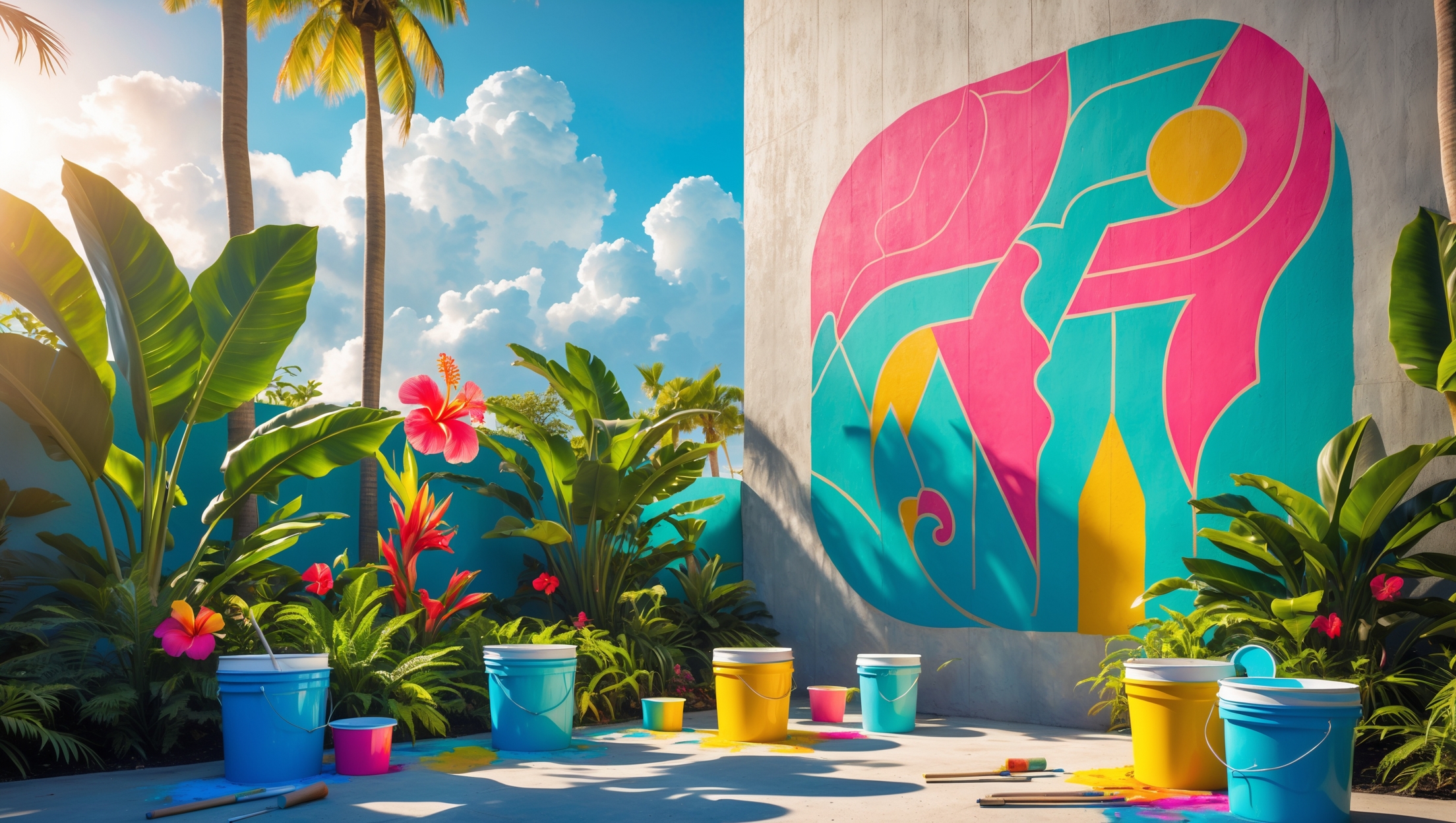
Budget Breakdown: Funding a Community Mural Project in St. Petersburg, FL

Introduction: Why Detailed Budgeting Matters for Community Murals
St. Petersburg, FL, is renowned for its vibrant mural scene, with public art transforming neighborhoods, building community pride, and attracting visitors. But behind every stunning mural is a careful, sometimes complex, process of budgeting and funding. If you’re considering leading a community-driven mural project in St. Pete, understanding the real costs and how to manage them is essential for success. The excitement of rallying neighbors, finding a wall, and dreaming up a design often overshadows the nuts and bolts of funding—but neglecting the budget can stall even the most inspired initiative. In this guide, we’ll break down every cost to expect, from artist fees to insurance and maintenance. You’ll also find tips on working with local suppliers, leveraging city grants, and organizing fundraising drives. Whether you’re a first-time organizer or a seasoned community builder, this guide will help you set realistic expectations, avoid surprise expenses, and turn your vision of a new mural into a lasting neighborhood asset.
Understanding the Core Expenses of a Community Mural
1. Artist Fees and Honorarium
One of the largest line items is compensating the artist or team. While some artists volunteer, most established muralists expect fair payment. In St. Petersburg, rates range from $20 to $35 per square foot—or a flat fee from $2,000 to $10,000—depending on experience, complexity, and wall size. Budget for:
- Initial consultation and design time: Sketches, revisions, and community input sessions.
- Labor: Time spent prepping, painting, and sealing.
2. Materials and Supplies
Quality materials ensure your mural lasts through St. Pete’s sun, humidity, and storms. Core costs include:
- Paint: High-grade exterior acrylics or spray paint. Estimate $200–$800 for a small mural, $1,500+ for larger walls.
- Primers and sealants: Weatherproof primer and UV-protective varnish, $150–$400.
- Brushes, rollers, trays: $50–$200, depending on project size.
- Drop cloths, tape, rags: $50–$100.
Local tip: Several St. Pete hardware stores and art suppliers offer nonprofit or community project discounts—ask before you buy.
3. Wall Preparation and Repairs
Patching cracks, pressure-washing, or priming can add $200–$1,000, especially for older buildings. Factor in:
- Cleaning services or equipment rental (e.g., pressure washers)
- Stucco or masonry patching materials
- Labor if not DIY
4. Equipment Rentals
For tall or expansive surfaces, you may need:
- Scaffolding or ladders: $200–$800/week depending on height and duration
- Lift rental (cherry picker): $300–$500/day
- Safety gear: Harnesses, helmets, cones—$50–$150
Check with local construction firms or city departments for possible in-kind equipment loans.
5. Permits and Compliance Costs
St. Petersburg requires a mural permit for any public-facing artwork. Fees range from $50 to $250, depending on size and whether the wall faces a public right-of-way. Additional compliance costs:
- Historic district review: If the building is in a designated area, expect $100–$300 for paperwork and review time.
- Design approval boards: Some neighborhoods or business districts require approval by an arts committee.
6. Insurance and Liability
Liability coverage protects organizers and artists from accident claims. Consider:
- Event or project insurance: $300–$800 for short-term coverage
- Waivers: If volunteers are helping, draft and collect liability waiver forms (often free, but check with a local nonprofit lawyer)
7. Community Engagement and Events
Community input sessions, reveal parties, or volunteer painting days add tangible value and build local ownership. Budget for:
- Venue rental: Free to $300 if using local halls or outdoor spaces
- Refreshments: $100–$250 per event
- Signage and flyers: $50–$150
8. Documentation and Promotion
Capturing the process and promoting the finished mural extends its impact. Costs include:
- Professional photography or videography: $150–$600
- Social media ads: Optional, $50–$200
9. Contingency Fund
Always reserve 10–15% of your total budget to cover surprises: weather delays, extra supplies, or unexpected repairs.
Sample Budget Table: Small to Mid-Sized St. Pete Mural
Here’s a rough estimate for a 300-square-foot mural on a community center wall:
- Artist fee: $6,000
- Materials: $1,200
- Wall prep: $500
- Equipment rental: $600
- Permits/compliance: $200
- Insurance: $500
- Community events: $300
- Documentation: $400
- Contingency (12%): $1,140
- Total: $10,840
These figures will vary for larger or more complex projects. Always seek updated quotes from local suppliers and artists.
Funding Your Mural: Local Strategies and Resources
City and County Grants
St. Petersburg’s Office of Cultural Affairs regularly offers public art grants for neighborhood beautification. These grants may cover a portion (up to 50%) of eligible expenses. Application deadlines and requirements are posted on the city’s website. Pinellas County also sponsors mini-grants for community improvement—check their Arts Council portal for current opportunities.
Nonprofit Partnerships
Partnering with a local nonprofit can open doors to fiscal sponsorship—allowing you to accept tax-deductible donations and apply for a wider range of grants. Organizations like Creative Clay, Keep St. Pete Local, and neighborhood associations often support mural projects or act as sponsors.
Business Sponsorship and In-Kind Donations
Local businesses may provide cash sponsorship or donate materials (paint, brushes, ladders) in exchange for recognition or a small logo in an approved area of the mural. Approach businesses with a clear sponsorship package and explain community benefits.
Community Fundraising
Online platforms like GoFundMe or GiveButter allow you to rally support from neighbors and friends. Host a mural preview event, art auction, or paint night to boost donations. Be transparent about your budget and how funds will be used.
City Discounts and Volunteer Support
Request discounts from local suppliers, and recruit volunteers for wall prep or event staffing to stretch your budget further. Some city departments may waive permit fees for registered nonprofit initiatives—always ask!
Budgeting for Long-Term Maintenance
Why Maintenance Matters
St. Pete’s sun, rain, and sea salt can fade or damage murals over time. Allocate funds for:
- Annual cleaning: $100–$300
- Touch-up paint: $100–$250 per year
- Re-sealing every 2–3 years: $300–$700
Some city programs or neighborhood groups offer volunteer maintenance days—plan ahead to engage the community in upkeep.
Tips for Stretching Your Budget Without Compromising Quality
- Source locally: Buy materials from St. Pete suppliers to negotiate discounts and minimize delivery fees.
- Engage art students: Local colleges may have students eager for real-world experience—consider stipends rather than full professional rates for assistants.
- Phase your project: If funds are tight, complete the mural in stages as funding allows.
- Apply for multiple micro-grants: Several small grants can add up to major support.
- Document every expense: Track receipts for grant reporting and future planning.
Common Budgeting Mistakes and How to Avoid Them
- Underestimating preparation costs: Old or damaged walls often need more prep than expected. Always inspect and get a professional opinion if possible.
- Ignoring permitting timelines: Permit approvals can take time—build this into your schedule to avoid rush fees.
- Skipping insurance: Even small murals involve risk. Never assume a building owner’s policy will cover your project—always confirm in writing.
- Overlooking maintenance: Plan for future touch-ups to protect your investment.
Conclusion: Building More Than a Mural—Investing in St. Pete’s Community Spirit
Organizing a community mural in St. Petersburg is about more than art—it’s an investment in neighborhood pride, local identity, and lasting connections. While the budgeting process may seem intimidating, a clear cost breakdown and funding plan transform a daunting task into a manageable, rewarding project. By accounting for every major expense—from artist compensation to maintenance—you set your team up for success and minimize the risk of stalled progress or unexpected bills. Remember, St. Pete’s creative culture thrives on collaboration: reach out to local artists, businesses, and nonprofits for support, and don’t hesitate to tap into city resources and grants designed to foster public art. As you plan, keep the community engaged at every stage, from fundraising to the final brushstroke. The result will be more than a beautiful wall; it will be a symbol of what neighbors can achieve together, brightening St. Petersburg’s streets for years to come. With thoughtful budgeting, your mural can inspire, unite, and spark new ideas—leaving a legacy as vibrant as the city itself.
I’m curious about how the funding process works if you want to work with multiple local suppliers for materials. Do most organizers in St. Pete get better deals by partnering with the same supplier for paint and primer, or is it more effective to shop around for each item?
Organizers in St. Petersburg often compare prices and quality from several local suppliers rather than sticking with just one. Shopping around can lead to better deals, especially since some suppliers might offer discounts on certain materials like paint or brushes. However, working with a single supplier may simplify logistics and sometimes comes with bulk discounts. Many teams weigh these factors and choose whichever approach offers the best value for their particular project.
If you want to involve local volunteers for parts of the project, like prepping the wall or fundraising, how do you factor those efforts into your budget or planning? Are there common costs or challenges that come with relying on community labor?
When involving local volunteers, you can often reduce labor costs, but it’s important to budget for things like volunteer training, supplies, refreshments, and sometimes insurance. Planning should account for extra time to coordinate and supervise volunteers, since skill levels may vary. Common challenges include scheduling conflicts and potential variability in work quality, so having a clear plan and backup support can help keep the project on track.
When working with city grants or organizing fundraising drives as mentioned, are there any specific requirements or restrictions around the types of materials or suppliers you can use? I want to make sure our budget planning aligns with funding guidelines.
When using city grants or organizing fundraising drives, it’s common for funders to have guidelines on materials and suppliers. Many city grants require you to use durable, environmentally safe materials, and may prefer or mandate local suppliers. Always review the grant’s terms for approved vendors or materials lists, and keep receipts for all purchases. If in doubt, check with the grant administrator before making commitments.
If unexpected expenses come up mid-project, like needing extra materials or repairs, what are some ways to handle that within a fixed community budget? Should we build in a contingency fund from the start, and if so, how much is reasonable?
Including a contingency fund is a smart approach for any community project. Ideally, set aside 10–20% of your total budget as a buffer for unexpected costs like extra materials or repairs. If you’re already mid-project without a contingency, consider reprioritizing expenses, seeking in-kind donations, or doing small fundraising efforts to cover the gap.
If an organizer has never run a mural project before, what are some common budgeting mistakes or surprise expenses you see people in St. Petersburg run into after the project has started?
Some common budgeting mistakes for first-time organizers in St. Petersburg include underestimating the cost of wall preparation, permits, and insurance. Many are also surprised by expenses like lift or scaffold rentals, additional paint due to unforeseen wall texture issues, and costs for community outreach or event promotion. It’s also easy to overlook contingency funds for weather delays or repairs. Planning for these ahead can prevent stressful overruns.
I’m curious about the process of applying for city grants in St. Petersburg for a mural project. Are there specific requirements or timelines we should be aware of before budgeting for one, and how competitive are these grants typically?
Applying for city grants in St. Petersburg for mural projects usually involves submitting a detailed proposal, including your design, budget, and community impact plan. Requirements can include having a local artist or nonprofit involved, and you may need property owner permission. Application windows often open annually or biannually, so planning ahead is key. Grants can be competitive, with several applicants each cycle, so a strong, community-focused proposal will help your chances.
When budgeting for materials like high-grade exterior paints and sealants to withstand Florida’s weather, are there particular brands or suppliers that artists in St. Pete recommend, or is cost-saving a bigger priority than specific products?
Artists in St. Pete often prioritize durability given the intense sun and humidity, so many recommend brands like Sherwin-Williams and Benjamin Moore for exterior paints, as well as specialized mural coatings such as Golden MSA Varnish. While cost is always a factor, most muralists in the area opt to invest in higher-quality products that last longer outdoors, ultimately saving on maintenance and touch-ups.
If we want to apply for a city grant to help fund a mural here in St. Pete, how far in advance should we start the process, and are there specific requirements we should watch out for that often trip up first-time organizers?
It’s a good idea to start preparing your grant application at least 3-6 months before your desired project start date. This gives you time to gather documents, finalize your project plan, and respond to any questions from the grant committee. Common requirements include a detailed budget, proof of community support, and permissions from property owners. Many first-timers overlook matching fund requirements or miss deadlines, so double-check those details in the grant guidelines.
You listed a wide range for artist compensation per square foot. What factors in St. Petersburg tend to push costs toward the higher end of that range?
In St. Petersburg, artist compensation may be higher when the mural location is very prominent, the design is complex, or if the artist has significant experience and recognition. Additional factors that can raise costs include the need for specialized equipment, tight project timelines, or requirements for premium, weather-resistant materials suited to Florida’s climate.
The article talks about budgeting for both artist fees and community input sessions. How do you usually balance compensating professional artists fairly while also involving local residents in the design process?
Balancing artist compensation with community involvement often means setting aside dedicated funds for both. Artists are offered fair, industry-standard fees for their creative work and project leadership. At the same time, a portion of the budget is earmarked to cover costs for community input sessions, which can include stipends for participants, materials, and refreshments. This approach values both the artists’ expertise and the meaningful contributions of local residents.
If I wanted to involve neighbors in the painting process, does that reduce the overall labor cost, or do I still need to hire professional artists for most steps? I’m trying to find a balance between community involvement and quality.
Involving neighbors in the painting process can help reduce overall labor costs, especially for larger areas or basic tasks like prepping and filling in background colors. However, for design, outlining, and finishing details, it’s usually best to hire professional artists to ensure high quality. Many projects blend both approaches—professionals handle the complex parts while community members participate in accessible sections.
Regarding the artist fees in St. Pete, do most mural projects typically choose the per-square-foot rate or the flat fee, and what are the pros and cons of each option when budgeting?
In St. Petersburg, both per-square-foot rates and flat fees are commonly used, but larger or more complex murals often use the per-square-foot method for accuracy. Per-square-foot pricing helps align payment with the scope and detail of the work, but costs can fluctuate if the design changes. Flat fees make budgeting simpler and provide cost certainty, yet artists may need to buffer for unexpected challenges.
You mention city grants as one way to help fund a mural. Can you elaborate on how competitive those grants are in St. Pete, and whether new organizers have a realistic chance of securing funding through this route?
City grants for murals in St. Petersburg can be competitive, especially since the city has a vibrant arts scene and many groups apply each cycle. However, new organizers do have a realistic chance, particularly if they present a strong project plan, demonstrate community support, and clearly outline the mural’s impact. It helps to attend city workshops or contact the grants office for guidance, as this can improve your application’s chances.
I’m curious about ongoing costs after the mural is finished. You mention maintenance—do you have tips on how often murals in St. Pete usually need touch-ups or resealing, and what that might cost per year?
For outdoor murals in St. Petersburg, it’s typical to plan for a maintenance check every 1 to 2 years. Touch-ups or resealing may be needed depending on sun exposure, weather, and foot traffic. Annual maintenance costs usually range from $250 to $750, covering cleaning, minor paint repairs, and a protective sealant if needed. Setting aside funds for these recurring expenses helps preserve the mural’s appearance over time.
This guide covers a lot of specifics about costs and materials. If someone is organizing their first mural project, what are the most common budgeting mistakes you see that can derail a project, and how can new organizers best avoid them?
One common budgeting mistake is underestimating labor costs, especially for prep work and cleanup. New organizers also often overlook expenses like permits, insurance, and contingency funds for unexpected issues. To avoid these pitfalls, list every step of the project, get multiple vendor quotes, and include a buffer of at least 10-15% for surprises. Careful planning and tracking will help keep your project on track.
I noticed artists’ fees can vary a lot depending on their experience and mural size. For a first-time organizer, is it best to pay per square foot or go with a flat fee, especially when you’re not sure how complex the final design will be?
For first-time organizers, a flat fee is often easier to manage, especially if you’re unsure about the design complexity or if changes might come up along the way. It lets you control your budget up front. Paying per square foot works well with experienced artists and clear designs, but can be tricky if the project scope isn’t firmly set.
Once a mural is finished, how much should organizers set aside each year for maintenance and touch-ups considering the Florida climate? Is there a rule of thumb or percentage of the initial budget that you’ve found works well in St. Pete?
For murals in St. Petersburg’s humid, sunny climate, organizers typically set aside about 5–10% of the original mural budget annually for maintenance and touch-ups. This helps cover cleaning, sealing, and repairs due to weather exposure. Depending on the wall’s location and exposure, you might lean toward the higher end of that range to keep the artwork looking vibrant.
When working out a realistic timeline for a mural project, how long does the fundraising stage typically take, especially if relying on grants and community donations? Are there any common delays organizers should plan for?
The fundraising stage for a community mural project can vary, but it often takes three to six months if you’re relying on grants and community donations. This timeline can be extended by factors like waiting on grant decisions, coordinating community fundraising events, or delays in donor pledges. Organizers should also plan for time to promote the project and gather required paperwork. Building in extra weeks for unexpected delays is a smart idea.
Could you elaborate a bit more on how to estimate the ongoing maintenance costs for a mural in St. Pete’s climate? I’m curious about how often touch-ups or resealing might be needed, and whether that’s something you usually include in the initial fundraising goal.
In St. Pete’s humid, sunny climate, murals typically require resealing every 2–3 years, and touch-ups about as often, depending on sun exposure and weather. It’s smart to include these ongoing maintenance costs in your initial fundraising, usually budgeting 10–20% of the mural’s original cost per year for upkeep. This covers materials, artist time, and possible repairs to keep the mural vibrant and protected.
You mentioned city grants and fundraising drives—are there specific St. Petersburg programs or organizations that tend to support first-time community mural projects, or is the process pretty competitive for new organizers?
In St. Petersburg, first-time mural projects often find support through the city’s Office of Cultural Affairs and the St. Petersburg Arts Alliance, both of which have grant programs for public art. While there can be competition, these organizations encourage new voices and community-driven proposals. Local businesses and neighborhood associations are also good partners for first-timers, as they sometimes sponsor or co-fund projects to enhance public spaces.
When working with local suppliers for paints and sealants, do you have tips for getting discounts or forming partnerships? I’m wondering if there are specific businesses in St. Pete that frequently support community art projects or offer sponsorships.
When reaching out to local suppliers in St. Pete, mention your project’s community impact and see if they offer nonprofit or community discounts—many do! Businesses like BLICK Art Materials and Sherwin-Williams have been supportive of local art initiatives in the past. Consider offering public recognition, like logos on signage or social media thanks, in exchange for sponsorship or discounts. Building lasting relationships and highlighting mutual benefits usually leads to the best partnerships.
I noticed the guide talks about fundraising and city grants for covering costs. Could you share any tips or examples of successful fundraising strategies that have worked for mural projects in St. Pete specifically, especially for first-time organizers?
For first-time organizers in St. Pete, hosting community painting days and art auctions has worked well to raise funds, since they engage local residents and businesses. Partnering with local businesses for sponsorships or in-kind donations, like paint or supplies, is another effective strategy. Many successful projects also use online crowdfunding platforms and promote their campaigns through neighborhood associations and social media to reach a wider audience.
If you’re recommending budgeting up to $10,000 just for artist fees, how do organizers usually handle fundraising for that kind of cost in a neighborhood setting? I’m curious if city grants really cover most of it or if private donations are more common.
Organizers often rely on a mix of city grants and private donations to cover artist fees. City grants can provide significant support, but they rarely cover all costs. Many neighborhoods supplement with local business sponsorships, crowdfunding campaigns, and direct donations from residents. Combining multiple sources helps ensure the full artist fee budget is met without putting too much pressure on any single funding stream.
The article mentions budgeting for maintenance after the mural is completed. How much should we realistically set aside for annual upkeep in St. Petersburg’s climate, and are there any local programs that help with long-term preservation costs?
For St. Petersburg’s humid, sunny climate, it’s wise to budget 5-10% of the original mural cost annually for cleaning, touch-ups, and protective coatings. For example, on a $10,000 mural, plan for $500 to $1,000 each year. The city’s Public Arts Commission and some local arts nonprofits occasionally offer grants or support for maintenance, so reaching out to them could help offset these costs.
If we’re budgeting for a mural in a hurricane-prone area like St. Petersburg, how much extra should we allocate for weatherproofing materials and ongoing maintenance compared to cities with milder climates?
For a mural in a hurricane-prone area like St. Petersburg, it’s wise to budget an additional 15–25% specifically for weatherproofing materials such as UV-resistant sealants, anti-graffiti coatings, and reinforced substrates. Ongoing maintenance costs may also be 10–20% higher annually compared to cities with milder climates, since frequent inspections and touch-ups are usually needed after storms.
Could you give some more specific tips on estimating how much paint and materials I’ll need if I only have a rough sketch and wall measurements right now? I’m a first-timer worried about going over budget.
Start by measuring your wall’s surface area in square feet. Most acrylic mural paints cover about 250–400 square feet per gallon, so divide your total area by the coverage rate to estimate how much paint you’ll need. Add 10–15% extra for touch-ups or mistakes. For materials like brushes and rollers, plan for a few backups since they wear out. Make a list of every color in your sketch, and estimate quantities for each based on how much area they’ll cover. This approach should help you budget more accurately and avoid surprises.
I’m a parent interested in organizing a mural with my kids’ school. For those artist fees you mentioned, do local schools usually get discounts or find artists willing to volunteer, or should we expect to pay the same rates as other community groups in St. Pete?
Local schools in St. Petersburg often have some flexibility when it comes to artist fees. Many artists are open to offering discounted rates for school projects, especially if students are involved, and some may even volunteer their time. It helps to reach out to artists directly, explain your school’s goals, and ask if they’re open to reduced rates or collaboration. Just keep in mind that supplies and other materials usually aren’t discounted, so you’ll want to budget for those separately.
You mentioned city grants as a funding option. How competitive are those grants in St. Pete, and is there a best time of year to apply? I’m weighing whether to start with fundraising drives or go straight for local grants.
City grants for arts projects in St. Pete can be somewhat competitive, especially for larger funding amounts, as there are many applicants. Application cycles typically open once or twice a year, often in the spring or early summer. It’s smart to check the city’s cultural affairs website for exact dates. Many groups combine both grant applications and fundraising drives to increase their chances of success.
Do you have advice on sourcing quality paint and sealant locally in St. Petersburg to both support local businesses and keep material costs within the budget ranges you mentioned?
You can find quality paint and sealant at local stores like hardware shops or dedicated art supply stores in St. Petersburg, many of which support community projects. Consider reaching out to businesses such as local paint stores and asking about discounts for nonprofit or public art initiatives. Comparing prices and seeking recommendations from other mural artists in the area can also help you stay within your budget while supporting local suppliers.
The guide talks about leveraging city grants and organizing fundraising drives. Can you provide more information or examples on the timing of applying for grants versus starting grassroots fundraising? Which approach tends to cover upfront costs faster for a community mural in St. Pete?
For a community mural in St. Pete, grassroots fundraising like events, presales, or crowdfunding can typically cover upfront costs faster since they generate immediate support. City grants often require an application, review, and approval process, which may take several months. Many projects start with grassroots efforts to handle early expenses, then use grant funding for larger or later costs once approved. Applying for grants and fundraising can also happen in parallel to maximize resources.
Could you share more about leveraging city grants for murals in St. Pete? Are there specific programs or deadlines that newcomers should be aware of when planning their fundraising timeline?
St. Petersburg offers several grant opportunities for public art, including murals. The city’s Office of Cultural Affairs typically runs an annual grant cycle, with applications often due in late spring or early summer. Newcomers should look into the St. Petersburg Arts Alliance and city-sponsored Arts Grants, which support community-driven projects. It’s important to check the city website for up-to-date deadlines and eligibility criteria, as they may change year to year.
For someone organizing their first mural, what are some common budgeting mistakes that could delay or even halt the project? I’d like to avoid unexpected expenses as much as possible.
Some common budgeting mistakes in first-time mural projects include underestimating the cost of materials, forgetting to factor in surface preparation or equipment rentals, and not allocating a contingency fund for unexpected expenses like weather delays or wall repairs. Be sure to also budget for permits, insurance, and fair artist compensation. Planning for these in advance can help keep your project on track and prevent costly surprises.
You touched on fundraising and city grants as part of the mural budget. Could you elaborate on typical fundraising timelines and any challenges applicants face in securing St. Pete city grants, especially for groups organizing their first mural?
For first-time mural organizers, fundraising often starts several months before the project begins—sometimes as much as 6 to 9 months in advance. This allows time for events, crowdfunding, and donor outreach. Applying for St. Pete city grants can be challenging, as competition is high and the application process can be detailed. Common hurdles include gathering required documentation, demonstrating community impact, and aligning the project with grant priorities. New groups may benefit from seeking mentorship or partnerships with experienced local organizations.
When budgeting for high-quality paints that will withstand Florida’s humidity and storms, do organizers usually source supplies from local shops or order specialized products online? Have you found one option to be more cost-effective or reliable than the other?
Organizers typically use a mix of both methods. Local shops are convenient and sometimes offer discounts for community projects, plus you can see the paint quality firsthand. However, for certain weather-resistant mural paints, online suppliers may have more specialized options, sometimes at better bulk rates. Reliability often depends on the brand; for cost and immediate availability, local shops are often preferred, but for durability and specific needs, online sources can be worth the investment.
When budgeting for materials like weatherproof primers and UV-protective varnishes, are there particular brands or types recommended for St. Pete’s climate, or is it best to defer to whatever the artist prefers?
St. Pete’s humid, sunny climate means it’s wise to choose high-quality, durable products. Many projects use trusted brands like Golden or Nova Color for primers and varnishes rated for outdoor use and UV resistance. However, since application techniques and preferences vary, it’s usually best to discuss options with the artist—they’ll know what works best with their materials and style while still meeting weather protection needs.
How much time should I realistically budget for the consultation, design, and community feedback sessions before actual painting starts? I want to make sure our timeline fits within the right season for outdoor work.
For a community mural project, it’s wise to allocate about 2 to 4 weeks for initial consultations, 3 to 4 weeks for the design phase, and another 2 to 3 weeks for community feedback sessions. Altogether, budgeting 7 to 11 weeks before painting starts will give you enough time to coordinate with stakeholders and plan around the best weather for outdoor work in St. Petersburg.
I noticed you mentioned city grants as one funding avenue. Are there limitations on what parts of the mural budget these grants can cover (for example, can they be used for artist honorariums as well as materials), or do recipients typically need to supplement with additional fundraising?
City grants often come with specific guidelines on what expenses they can cover. In many cases, they can be used for both artist honorariums and materials, but some grants may restrict funds to certain categories—like supplies only. Recipients typically need to review each grant’s requirements closely and may still need additional fundraising to cover any costs not allowed by the grant.
Does the guide cover how to handle unexpected costs? I’m a little worried about things like wall repairs or weather delays in St. Pete. How much padding should we add to the budget to avoid running short halfway through?
The article does mention preparing for unexpected costs as part of the budgeting process. It recommends adding a contingency—typically about 10-20% of your total project budget—to handle surprises like wall repairs or weather delays, which are common in St. Petersburg. This buffer should help you stay financially secure if issues arise during the mural project.
I’m new to organizing a mural and was surprised by the range for artist fees mentioned here. Does the $20 to $35 per square foot typically include design time and community input sessions, or is that extra? How do you estimate total hours needed for those?
The $20 to $35 per square foot estimate usually covers the artist’s design, preparation, and painting time, but it may not always include extended community input sessions. Some artists factor brief consultations into their base rate, while others charge extra for multiple meetings or workshops. To estimate total hours, ask the artist for a project plan that breaks down time for design, meetings, prep, painting, and touch-ups, then clarify what’s included in their fee.
For organizers on a tight budget, do you have advice on prioritizing which mural expenses are most critical up front, like artist compensation versus high-end materials, so we minimize the risk of running out of funds midway through the project?
When working with a tight budget, it’s essential to prioritize artist compensation and basic, durable materials first. Ensuring artists are paid fairly keeps the creative process strong, and selecting reliable, cost-effective paints and sealants will help the mural last. Optional upgrades like specialty materials, elaborate equipment, or decorative extras can be added later if additional funding becomes available.
I noticed you included insurance and maintenance as part of the mural budget. Can you elaborate on what kind of insurance is usually required for community art projects in St. Pete and roughly how much organizers should set aside for it?
For community mural projects in St. Pete, organizers typically need general liability insurance to cover property damage or injuries during installation. Some projects might also require coverage for vandalism or weather-related damage. The cost can vary, but small to mid-sized mural projects should budget around $500–$1,500 for insurance, depending on mural size, location, and policy limits. It’s a good idea to get quotes from a few local insurers familiar with art installations.
When estimating the artist fees, how do you recommend choosing between paying per square foot versus a flat fee? Is one approach more common or better for smaller community-led mural projects in St. Pete?
For smaller, community-led mural projects in St. Pete, a flat fee is often the preferred option. It helps keep the budget predictable and straightforward, especially when project sizes or designs might change. Paying per square foot is more common with larger, commercial projects where the scope is well-defined. For your project, discussing expectations with the artist and agreeing on a fair flat rate usually works best.
If a neighborhood wants to do a smaller mural but still use weatherproof materials, is there a minimum budget you’d recommend to avoid ending up with a mural that fades or peels quickly in the Florida sun and storms?
For a smaller mural in Florida, it’s wise to budget at least $1,500 to $2,000. This range should cover high-quality, UV-resistant paints, weatherproof sealants, and some basic preparation materials. Skimping below this amount often means compromising on products that protect against sun and rain, which could lead to fading or peeling. Even on a tight budget, prioritize professional-grade exterior mural supplies to ensure your artwork lasts.
If you’re working with a limited budget, would you recommend prioritizing more on high-quality paint and materials or allocating a larger share to artist fees? I’m curious how most organizers in St. Pete find the right balance between these two expenses.
In St. Petersburg, organizers often try to strike a balance, but many prioritize high-quality paint and materials first since durability is key for public murals. However, artists’ fees are also crucial and should not be minimized, as fair compensation supports talent and creativity. If your budget is tight, you might seek in-kind donations or community sponsorships to help cover one of these areas, ensuring quality and fairness for everyone involved.
You mentioned budgeting for high-grade exterior acrylics or spray paint, and the prices seem to vary a lot depending on mural size. Could you give some examples of how supply costs change between a smaller mural and a larger, more complex project in St. Pete’s climate?
Supply costs for murals can vary widely. For a small mural (about 100 square feet), high-quality exterior acrylics and spray paint might total $300–$600. For a large, complex mural (500–1,000 square feet), expect to spend $1,500–$3,000 or more on paint alone, since more surface area and vibrant, UV-resistant colors are needed for St. Pete’s sun and humidity. Bigger projects often require more primers and sealants too, increasing costs further.
I noticed you mentioned city grants and fundraising drives. Are there any specific local grant programs in St. Petersburg that are particularly supportive of new mural projects, or common fundraising approaches that have worked well for organizers?
In St. Petersburg, the St. Petersburg Arts Alliance and the City of St. Petersburg’s Arts Grants Program are two local sources that frequently support mural projects. Organizers often have success with crowdfunding campaigns, partnering with neighborhood associations, or hosting community art events and auctions to raise funds. These approaches not only help financially but also build local awareness and engagement for the project.
I’m curious how organizers typically estimate the total cost upfront, especially since artist fees alone can vary so much based on wall size and complexity. Are there common pitfalls when putting together that initial budget?
Organizers usually start by surveying similar mural projects in their area to get a sense of typical costs, then consult directly with artists for quotes based on wall size, materials, and design complexity. One common pitfall is underestimating costs for things like site prep, permits, or unexpected weather delays. Building in a contingency buffer, often 10-15%, helps manage those surprises and keeps the project on track.
The article mentions leveraging city grants, but are there any local fundraising strategies that have worked well for community mural projects in St. Petersburg, especially when the initial cost estimate is higher than expected?
In St. Petersburg, local fundraising for mural projects often includes hosting art auctions or benefit events featuring local artists, which helps raise both funds and community awareness. Crowdfunding campaigns through platforms popular in the area have also been effective, especially when paired with social media outreach. Partnering with local businesses for sponsorships or offering mural-related merchandise can help cover unexpected costs as well.
When estimating material costs, especially for weatherproofing in Florida’s humidity, did you find that using higher-priced sealants really makes a measurable difference in mural longevity? Or is there a middle-ground product that balances quality and cost for community projects?
Using higher-priced, professional-grade sealants generally does extend a mural’s lifespan, especially in Florida’s humid and rainy climate. They provide better UV and moisture protection. However, there are some mid-range products formulated for exterior use that can offer decent durability without stretching the budget. For community projects, we’ve found that carefully reading product specs and reviews helps strike a reasonable balance between quality and cost.
Can you share any typical strategies or recommendations for estimating the cost of materials if you’re still finalizing the mural’s design and size? I’m wondering how to avoid major budget surprises if the design or wall dimensions change mid-project.
When the mural design or size isn’t finalized, it helps to use a per-square-foot estimate for materials like paint and primer, based on past projects or supplier guidance. Add a contingency, often 10–20%, to cover changes or unexpected needs. Track all prices and quantities in a spreadsheet, and communicate frequently with suppliers to anticipate lead times or bulk discounts as your plans evolve.
Could you share some advice on applying for city grants for mural projects in St. Petersburg? The article mentions leveraging grants, but I’d love to know what the process is actually like and any common challenges first-timers face.
Applying for city grants in St. Petersburg usually starts with identifying relevant opportunities through the city’s Office of Cultural Affairs. You’ll need a detailed project proposal, a clear budget, and community support letters. The process can be competitive, especially for first-timers, and common challenges include gathering all documentation, meeting deadlines, and aligning your mural’s theme with city priorities. Reaching out to past recipients or city staff for guidance can really help.
When setting the artist fees, do you find flat rates or per-square-foot pricing more common for community murals in St. Pete? I’m trying to figure out which method is easier to budget for a first-time project.
In St. Petersburg, both flat rates and per-square-foot pricing are used, but flat rates tend to be more common for community mural projects, especially for first-timers. A flat rate helps you budget more easily, since you’ll know the total cost upfront. Per-square-foot pricing can work if you have precise measurements and want more flexibility, but it can get complicated if the design or wall surface changes.
For a first-time organizer, how early in the planning process should we start looking into city grants and reaching out to local suppliers? I’d like to know how long these steps typically take so I can build a realistic timeline for the project.
It’s smart to start researching city grants and contacting local suppliers right at the beginning, ideally 4–6 months before your planned mural start date. Grant applications often have deadlines several months out and can take time to process, while supplier quotes and availability may fluctuate. Allow extra time for grant proposals and back-and-forth with vendors, so you can secure funding and materials before finalizing your project schedule.
If the initial budget estimate ends up short due to unexpected costs like extra supplies or wall prep, what are some emergency fundraising strategies you’ve seen work well for mural projects in St. Pete?
If a mural project in St. Pete runs into unexpected costs, some effective emergency fundraising strategies include hosting pop-up art sales, organizing benefit events at local businesses, and launching quick crowdfunding campaigns targeting the neighborhood. Partnering with nearby cafes or breweries for donation nights or reaching out to local arts supporters for small sponsorships can also help close funding gaps quickly.
You mention city grants and fundraising drives as possible funding sources. How far in advance should we start the application process for these grants to make sure we have funds lined up before we begin the mural?
For city grants, it’s wise to start researching and preparing your application at least 4 to 6 months before you need the funds, since approval and disbursement can take some time. Fundraising drives can also take several months to plan and execute, so beginning both processes early ensures you’ll have your funding in place before the mural work starts.
When budgeting for artist fees, how should we handle situations where the mural design gets multiple rounds of community input and revision? Does the initial quote typically cover extra design sessions, or should we plan for those as additional expenses?
Artist fee quotes often cover a set number of design revisions, but multiple rounds of community input can exceed that. It’s best to clarify with the artist upfront how many revisions are included in their fee. For extensive community feedback or extra sessions, you should budget additional funds to fairly compensate the artist for their extra time and work.
When budgeting for materials like high-grade paint and UV-protective varnish, is it better to work directly with local art suppliers for discounts, or do most teams buy from national chains? I’m wondering how much you can actually save by shopping locally.
Working directly with local art suppliers can often lead to better discounts, especially if you explain your project’s community focus. Local stores may offer bulk deals or even sponsor part of your supplies. While national chains sometimes have lower sticker prices, local suppliers can be more flexible and supportive. Many mural teams report savings of 10–20% by shopping locally, plus the benefit of building community relationships.
Regarding the artist fees, do most projects in St. Pete end up closer to the per-square-foot rate or the flat fee you listed? I’m curious what approach tends to work best for neighborhood murals that want to keep costs manageable.
Most neighborhood mural projects in St. Petersburg lean toward a flat fee for artist compensation, especially when keeping budgets predictable is important. The per-square-foot rate is sometimes used for larger or more complex murals, but for community-driven or smaller projects, a negotiated flat fee generally works better and helps everyone stay within budget.
I noticed you mentioned budgeting for artist fees and materials, but does the guide cover how to estimate the cost of insurance and any permits required by the city? I’m curious how much those typically add to the overall budget for St. Petersburg projects.
The article briefly mentions insurance and permits as important budget items, but it doesn’t provide detailed estimates or a step-by-step guide for calculating those costs. For St. Petersburg, insurance can range from a few hundred to over a thousand dollars, depending on project size, while permits vary based on mural location and scope—often a few hundred dollars. It’s a good idea to contact the city’s permitting office for exact figures for your specific project.
You mention that artist fees can be either per square foot or a flat rate. For a first-time organizer, is it better to negotiate a flat fee with the artist, or stick to the per-square-foot method to stay on budget?
For first-time organizers, a flat fee can make budgeting much simpler and help avoid surprises, since you’ll know exactly what you’re paying upfront. However, if your mural’s size is flexible or may change during planning, the per-square-foot approach lets you adjust the design to fit your budget. Choose whichever method matches your project’s scope and your comfort level with managing costs.
Once the budget is set and materials are sourced, what are some common unexpected expenses that first-timers like me tend to overlook when organizing our first community mural project in St. Petersburg?
Some unexpected expenses often overlooked include permit fees, insurance coverage, refreshments or snacks for volunteers, extra supplies for touch-ups, and contingency funds for weather-related delays. You might also need to allocate money for equipment rentals, like scaffolding or lifts, and for cleaning up the site afterward. Building a small buffer into your budget can help manage these surprises.
I’m wondering about insurance for a mural project like this—how much should I typically budget for it, and are there affordable options specifically for community-led projects in St. Petersburg?
Insurance costs for a community mural project in St. Petersburg can vary, but you might expect to budget between $300 and $1,000 for general liability insurance, depending on project size and duration. Some local insurers and arts organizations offer policies tailored for community projects at lower rates. It’s a good idea to get quotes from a few providers and ask about nonprofit or community discounts to keep costs manageable.
When budgeting for materials in a humid place like St. Pete, do you recommend allocating extra funds for specialized primers or sealants to protect against weather, or are standard products usually sufficient?
In a humid climate like St. Pete, it’s wise to budget extra for high-quality primers and sealants specifically designed for moisture resistance. Standard products may not provide lasting protection and could lead to peeling or fading over time. Investing in specialized weather-resistant materials upfront can help your mural withstand local conditions and reduce maintenance costs in the long run.
Could you elaborate on how long it usually takes to secure funding and complete all the budgeting steps before painting actually starts? I’m curious if there are common setbacks or delays that new organizers should plan for in the timeline.
Securing funding and completing the budgeting steps for a community mural project can often take anywhere from a few months to half a year, depending on the size of the project and availability of funds. Common setbacks include delays in grant approvals, waiting for sponsorship commitments, and coordinating with stakeholders. New organizers should also anticipate extra time for revisions to the budget and for gathering all necessary permits before painting can begin.
I’m curious how often projects in St. Pete actually go over budget even after careful planning. Are there common unexpected expenses that first-time organizers tend to overlook when estimating things like materials or artist fees?
Projects in St. Pete do sometimes exceed their planned budgets, even with good preparation. First-time organizers often underestimate costs like permit fees, equipment rentals, insurance, and wall preparation. Weather delays can also add to expenses. It’s wise to build a contingency fund—around 10–15% of your total budget—to handle these surprises.
Can you share more detail about budgeting for ongoing maintenance after the mural is finished? I noticed you mentioned maintenance briefly, but I’d love to know how organizers estimate costs for things like touch-ups or graffiti removal in St. Pete’s climate.
Ongoing maintenance costs for murals in St. Petersburg are often estimated by factoring in the local climate—sun, humidity, and rain can cause fading or peeling. Organizers usually budget 10–20% of the initial project cost per year for upkeep. This covers touch-ups, protective coatings, and graffiti removal. Estimates are based on past mural maintenance costs in the area and input from experienced local artists or conservators.
When estimating material costs, how do you account for unexpected expenses like supply shortages or price increases, particularly for paints and sealants that can fluctuate? Do you recommend adding a certain percentage buffer in the initial budget?
It’s smart to anticipate fluctuations in material costs, especially for paints and sealants. A common approach is to include a contingency buffer in your budget—typically adding 10–20% to your estimated material costs. This helps cover unexpected price hikes, shortages, or last-minute supply needs without derailing your project finances.
If the mural ends up needing repairs due to weather damage down the line, do you have advice on how to estimate ongoing maintenance costs or set aside funds for that in the initial budget?
It’s smart to plan for future repairs. A common approach is to allocate 5-10% of your total mural budget specifically for ongoing maintenance and weather-related repairs. Check the types of paints and sealants being used, as higher-quality materials can reduce long-term costs. Consulting with the lead artist or a local conservator can also help you estimate annual upkeep based on climate and wall conditions.
I’m curious about the fundraising strategies. If a group is having trouble getting enough from city grants, what are some effective ways community organizers have filled funding gaps for murals in St. Pete?
When city grants fall short, community organizers in St. Pete have often turned to local businesses for sponsorships, launched crowdfunding campaigns, and hosted fundraising events like art auctions or benefit concerts. Collaborating with neighborhood associations and seeking in-kind donations of materials or services from local suppliers can also help fill budget gaps and build community support for mural projects.
I’m new to organizing something like this, and I’m trying to figure out how to estimate the total project cost before reaching out to an artist. Is it better to budget using the per-square-foot rate or ask artists for a flat fee based on the wall size and details?
Both approaches can work, but starting with a per-square-foot rate is helpful for early budgeting—this gives you a ballpark figure based on wall size. Once you have basic details like dimensions and desired complexity, you can contact artists to provide flat fee quotes that reflect their experience and the specific project. Many artists prefer discussing a flat fee after reviewing the wall and design needs, so using both methods together works well for accurate planning.
I’m curious how accurate those materials cost estimates are if the wall gets a lot of direct sunlight or rain year-round. Would we need to budget extra for more durable paint or additional sealant, or are the ranges you listed usually sufficient for St. Pete weather?
The cost ranges listed in the article generally cover basic weather conditions in St. Pete, but for a wall exposed to heavy sun or frequent rain, it’s wise to budget extra for higher-quality, UV-resistant paints and a weatherproof sealant. This can add about 10–20% to your materials budget, but it will help the mural last longer in St. Pete’s climate.
When budgeting for materials like high-quality exterior paints and sealants, how do you account for unpredictable weather events common in St. Pete? Do project budgets generally include a contingency fund for weather-related delays or damage, and if so, what percentage is typical?
When planning for materials in St. Petersburg, it’s important to build in a contingency fund because of frequent weather unpredictability. Most mural project budgets include a contingency—often between 10% and 20% of the total budget—to cover weather-related delays or potential damage. This helps ensure that unexpected rain or storms don’t derail the timeline or quality of materials used.
When budgeting for artist fees, do most mural projects in St. Pete pay by the square foot or use a flat rate, and are there typical situations where one method is preferred over the other?
Most mural projects in St. Pete tend to use a flat rate for artist fees, especially for larger or more complex works where the effort involved goes beyond the square footage. Paying by the square foot is sometimes used for simpler designs or when there’s a set wall size, but a flat rate is generally preferred for projects needing creative design, consultation, or community engagement components.
You mention budgeting for weatherproof primer and UV-protective varnish due to the local climate. Has there been a situation in St. Petersburg where skipping these steps led to unexpected maintenance costs, or is it really non-negotiable for durability?
Skipping weatherproof primer or UV-protective varnish in St. Petersburg’s climate has definitely led to issues in past projects—murals faded quickly, and some required touch-ups or full repainting much sooner than expected. The high humidity and strong sun make these steps essential for durability, so including them in the budget is considered non-negotiable among local muralists.
I’m curious about the process of applying for city grants to help with mural funding in St. Petersburg. Are there any deadlines or common challenges people should watch out for when seeking municipal support for these projects?
When applying for city grants in St. Petersburg to fund a mural project, it’s important to watch for annual application windows, which often occur in the spring or early summer. Common challenges include detailed paperwork, proving community impact, and budgeting specifics. Make sure to allow enough time to gather support letters and finalize your project proposal. Missing deadlines or incomplete applications are frequent pitfalls, so stay organized and check the city arts commission website for the latest updates and requirements.
I’m curious how often maintenance costs come up after the mural is completed, especially considering St. Petersburg’s climate. Should organizers set aside an ongoing budget for repairs and touch-ups, and if so, how much is typical?
Maintenance costs for outdoor murals in St. Petersburg can arise every 1–3 years, mainly due to sun, rain, and humidity. It’s smart for organizers to set aside an ongoing budget for repairs and touch-ups—typically, reserving about 10–15% of the original project cost annually is a good rule of thumb. This helps cover cleaning, repainting faded areas, and addressing any weather-related damage.
If a group is planning a mural for the first time and doesn’t have access to city grants right away, are there local fundraising methods in St. Pete that have proven effective for covering initial artist and material fees?
Yes, many first-time groups in St. Pete have successfully used local fundraising methods. Popular options include hosting art-themed events or workshops, partnering with neighborhood businesses for sponsorships, and launching crowdfunding campaigns specific to the community. Some groups also organize mural tours or sell limited-edition merchandise featuring the proposed mural design to raise initial funds for artists and materials.
I noticed you mentioned city grants and fundraising drives as funding options. Could you explain which tends to be more reliable or faster for covering upfront costs in a community mural project?
City grants are typically more reliable for securing a substantial portion of upfront costs, but they often involve a lengthy application and approval process. Fundraising drives can generate funds more quickly if there’s strong community support, though the total amount raised can be unpredictable. Many mural projects use a mix of both to balance speed and financial stability.
I see you mention budgeting for artist fees and honorariums, with rates varying a lot. For community groups with a limited budget, are there local grant programs in St. Petersburg specifically aimed at supporting artist compensation, or do most groups end up relying on fundraising?
In St. Petersburg, community groups often pursue a mix of strategies. There are some local grant programs—such as those offered by the St. Petersburg Arts Alliance or the city’s Office of Cultural Affairs—that can help with artist compensation. However, many groups also supplement with fundraising activities, sponsorships, or in-kind donations to fully cover artist fees, especially when grants don’t cover the entire amount.
If you end up needing a more expensive UV-protective varnish due to St. Pete’s harsh sun, do you suggest reducing costs elsewhere in the budget, or is it better to prioritize long-term durability and seek extra fundraising?
For a public mural in St. Petersburg’s intense sunlight, investing in a high-quality UV-protective varnish is important for long-term preservation. It’s usually better to prioritize durability, even if it means seeking extra fundraising or in-kind donations. If cost reductions are necessary, try to cut from less critical areas like promotional materials or non-essential supplies rather than compromising the mural’s longevity.
Could you share more about how to estimate costs for maintenance and upkeep after the mural is completed? I noticed you mentioned sealants and weatherproofing, but I’m curious how much to budget for ongoing touch-ups or repairs in St. Pete’s climate.
Ongoing maintenance costs for murals in St. Petersburg typically include periodic cleaning, touch-ups for fading or chipping paint, and reapplication of protective sealants. In the humid, sunny Florida climate, budgeting 10-15% of your original project cost per year for upkeep is a good rule of thumb. This covers minor repairs, supplies, and possibly hiring an artist for more significant touch-ups every few years.
After budgeting for all the expenses you described, what’s the most effective way to organize a successful fundraising drive in St. Pete? Is it better to focus on local businesses or individual donors, especially for first-time mural organizers?
For first-time mural organizers in St. Pete, it’s best to combine approaches. Start with local businesses—many are eager to support visible community projects and might offer sponsorships, materials, or services. At the same time, engage individual donors through crowdfunding, community events, or art previews. Personal connections and clear communication about your mural’s impact will help build trust and enthusiasm, making your fundraising drive more successful.
If an artist charges by the square foot and another offers a flat rate, is there an advantage to one pricing model over the other when planning for a medium-sized mural?
When planning for a medium-sized mural, a per-square-foot rate provides flexibility if your mural size or design changes, since costs scale directly with area. A flat rate, on the other hand, makes budgeting easier because you know the total cost upfront. If your mural size is set and you want to avoid surprises, a flat rate might be simpler. For variable projects, the per-square-foot model can offer more control.
For first-time organizers, how do you recommend balancing paying established artists their typical rates versus engaging volunteer artists, especially when working with a very limited budget? Are there potential challenges with either approach in terms of project quality or sustainability?
Balancing paid and volunteer artists is often necessary on a tight budget. You might consider commissioning a lead artist at their standard rate to ensure quality and experience, while inviting emerging or volunteer artists to assist and learn. This approach keeps costs manageable and builds community involvement. Be mindful that relying solely on volunteers can impact consistency and long-term project quality, while only hiring professionals may limit community participation and strain your budget.
I noticed you mentioned that most mural artists charge between $20 and $35 per square foot, but some use flat fees instead. For a community group with a limited budget, is it generally better to approach artists with a flat fee offer, or let them propose their own pricing? What’s the most common practice in St. Pete?
In St. Petersburg, it’s common for artists to propose their own pricing, usually based on square footage. However, community groups with limited budgets often benefit from sharing their available budget upfront and asking if the artist can work within it, either as a flat fee or negotiated rate. This open approach helps set clear expectations and can lead to more collaborative and affordable arrangements.
When budgeting for an artist’s fee in St. Pete, how common is it for mural organizers to offer a flat rate versus the per-square-foot model you described, and are there advantages to choosing one over the other in terms of transparency or flexibility?
In St. Pete, both flat rate and per-square-foot payments are used, but the per-square-foot model is especially common for murals since it ties the fee directly to the project’s scale. Flat rates can be simpler to manage, making budgeting straightforward and easier for organizers with a fixed amount. Per-square-foot pricing, on the other hand, offers more transparency for both parties and flexibility if the mural’s size changes during planning.
The article mentions both leveraging city grants and organizing fundraising drives. Could you provide guidance on how these two funding sources typically work together for mural projects? Is there a recommended sequence for applying or launching these efforts?
City grants often serve as the foundational funding for mural projects since they can cover essential costs and add legitimacy. Many groups apply for these grants first. Fundraising drives are then used to fill any gaps, support extras like community workshops, or cover unexpected expenses. Starting with a grant application and then launching fundraising once you know your grant status is a common and effective approach.
When budgeting for a mural in St. Pete, how do you recommend handling unexpected costs, like extra wall prep or weather delays? Have you found a safe percentage to add as a contingency, or does it really depend on the particular wall and neighborhood?
It’s wise to include a contingency fund in your mural budget to handle unexpected expenses like extra wall prep or weather-related delays. A common practice is to allocate 10-20% of your total budget as a contingency, but the exact percentage can depend on the wall’s condition and the neighborhood’s weather patterns. Assess the specific site first to decide if you should lean toward the higher end of that range.
Could you elaborate on how organizers usually approach maintenance budgeting for murals in St. Pete’s climate? I’m curious about what annual costs to anticipate for upkeep given the city’s frequent humidity and storms.
Organizers in St. Petersburg typically set aside 10–20% of the mural’s original cost each year for maintenance, considering the city’s high humidity and frequent storms. This budget covers cleaning, touch-ups, and protective coatings to prevent mold, fading, or water damage. Annual expenses often include hiring local artists or restorers, purchasing weather-resistant sealants, and scheduling at least one major inspection and cleaning per year.
You mentioned artist honorariums and specific rates per square foot—are there local guidelines or best practices in St. Petersburg about minimum payments for artists, especially when involving volunteers in other aspects of the project?
In St. Petersburg, while there isn’t a legally mandated minimum for artist payments, many local arts organizations and the St. Petersburg Arts Alliance recommend fair compensation, often referencing national standards from groups like Americans for the Arts. Artist honorariums are commonly set based on experience, project size, and budget, with rates per square foot ranging widely. Even when volunteers help with logistics or prep work, it’s considered best practice to pay artists fairly for their creative contribution.
For budgeting artist fees, the article mentions a pretty wide range in rates. How do organizers typically choose between a per-square-foot rate and a flat fee? Are there situations where one is better for a small business hoping to sponsor a mural?
Organizers often choose a per-square-foot rate when the mural’s size is the main cost factor and the design is relatively straightforward. Flat fees are more common for projects with complex designs or when artists need to account for prep work, materials, or unique site challenges. For a small business, a flat fee can make budgeting easier and avoid surprises, but if the mural is quite large and simple, a per-square-foot rate might be more cost-effective.
I noticed the guide mentions both paying artists per square foot and as a flat fee. Is there a general rule for which approach works best in St. Pete, especially for first-time organizers with a tight budget?
In St. Pete, first-time organizers on a tight budget often prefer a flat fee for artists. This makes costs more predictable and easier to manage, helping you avoid surprises if the mural grows in size or complexity. Paying per square foot is common for larger or more experienced projects, but a flat fee offers clearer budgeting for newcomers.
If the project goes over budget on materials or weather delays the work, are there contingency tips you recommend to avoid pausing the mural or running out of funds before completion?
To handle budget overruns or weather delays, consider setting aside a small contingency fund—usually 10–15% of your total budget—at the start. You can also seek donations of supplies from local businesses or organize a quick fundraiser if costs rise unexpectedly. Having flexible timelines and communicating regularly with sponsors or volunteers helps keep the project moving even if delays occur.
The article mentions paying artists either by square foot or a flat fee. For a medium-sized wall, what are the pros and cons of each payment structure from a budgeting perspective, especially if the design changes after the project starts?
Paying artists by square foot gives you a clear cost per area, which is helpful if the design or size might change—costs increase or decrease as needed. However, that can make budgeting tricky if the final size isn’t set. A flat fee offers predictable budgeting, but if the design grows more complex after starting, the artist may feel underpaid or you might need to renegotiate. Consider how much flexibility you want in the project scope.
I noticed you talk about working with local suppliers in St. Pete. Have you found that partnering with them leads to significant savings, or is it mostly about building community support? I’m trying to weigh that against ordering materials online for a mural project.
Partnering with local suppliers in St. Pete does offer some savings, especially on delivery costs and quick access to materials, but the biggest benefit has been building strong community connections. Local suppliers are often willing to sponsor or discount materials when they know the project supports the neighborhood. If your main goal is upfront cost savings, online ordering might sometimes be cheaper, but local partnerships can add long-term value beyond just price.
Could you share more about how community organizers in St. Petersburg typically estimate the right amount to set aside for ongoing mural maintenance, especially given the weather challenges mentioned? I’m curious how long-term upkeep is usually factored into the original budget.
Community organizers in St. Petersburg generally assess ongoing mural maintenance by consulting with local artists and contractors familiar with the city’s climate. They often add 10–20% of the initial mural cost to cover yearly touch-ups, cleaning, and weatherproofing. This estimate is included in the original budget to ensure the mural remains vibrant despite humidity, sun, and storms. They also look at past projects to predict how much upkeep will be needed over time.
When budgeting for artist fees in St. Pete, have you found it more cost-effective to pay per square foot or to negotiate a flat rate? I’m curious how organizers decide which method works best given the range mentioned in the article.
Organizers in St. Pete often weigh both per-square-foot rates and flat rates, depending on the project’s complexity and the artist’s experience. For straightforward, large murals, a per-square-foot rate can help estimate costs more precisely. However, for unique designs or highly skilled artists, a flat rate might be easier to negotiate and keeps the budget predictable. It really comes down to the scope and the artist’s preference, but many find a blended approach works well.
Does the estimated $20 to $35 per square foot for artist fees include prep and sealing work, or should we budget extra for those steps separately when planning a mural in St. Pete?
The estimated $20 to $35 per square foot for artist fees typically covers the design and painting of the mural itself. Prep work, such as surface cleaning, priming, and sealing (both before and after painting), is usually not included in that rate. It’s a good idea to budget separately for these steps to ensure your mural project is fully covered.
The cost breakdown for artist fees and materials is really helpful. If an artist decides to volunteer their time to lower costs, are there any guidelines or regulations in St. Pete about minimum compensation or contracts for muralists working on public projects?
In St. Petersburg, there are no citywide laws requiring a minimum payment for artists working on public murals. However, it’s strongly encouraged to have a written agreement, even for volunteer work, outlining expectations and rights. Some grant programs or organizations may have their own compensation standards, so it’s a good idea to check with the specific project’s sponsors or the St. Petersburg Arts Alliance before proceeding.
For budgeting artist fees, do most projects in St. Petersburg lean towards the per square foot rate or a flat fee, and what are the advantages or challenges you’ve seen with each approach, especially when working with newer versus more established muralists?
In St. Petersburg, both per square foot rates and flat fees are used, but per square foot is more common, especially for larger murals. This method offers clearer expectations and scales costs based on project size, which helps newer muralists avoid undercharging. Flat fees, however, can simplify budgeting for clients and appeal to established artists who may work faster or have a strong portfolio. With newer artists, per square foot ensures fair compensation, while flat fees can reward efficiency for seasoned muralists.
You mentioned city grants as one of the funding sources. Can you explain the steps to apply for a mural grant in St. Pete, or how competitive those grants usually are?
City grants for murals in St. Pete usually involve a formal application, which you can find on the city’s official website or through the Arts Alliance. You’ll typically need to submit a project proposal, budget, timeline, and sometimes examples of past work. These grants can be competitive, as many artists and groups apply each year, so presenting a clear plan and community impact can help your chances.
Could you share more about how you estimate and control the costs for maintenance and touch-ups after a mural is finished, especially with St. Pete’s weather? I’m trying to avoid surprises down the line, so any insights on annual upkeep or typical repair expenses would be helpful.
Estimating maintenance costs starts with choosing weather-resistant paints and sealants, which helps reduce future repairs in St. Pete’s humid, sunny climate. For budgeting, plan on annual inspections and light touch-ups, averaging $300–$600 per year for a mid-sized mural. More extensive repairs after storms or fading might run $1,000 or more. Setting aside a small annual reserve, and tracking early signs of damage, can help you keep costs predictable.
When budgeting for materials like paint and sealants, do you recommend prioritizing higher-quality products over saving on costs, especially considering Florida’s weather? How do those choices typically impact maintenance expenses down the line?
In Florida’s humid and sunny climate, it’s wise to invest in higher-quality paints and sealants even if the upfront cost is greater. Quality materials are more durable against UV rays, moisture, and mildew, reducing the risk of fading, peeling, or mold. This usually leads to lower maintenance costs and less frequent touch-ups over time, ultimately saving both money and effort in the long run.
I’m curious about the different funding options you touched on such as city grants and fundraising drives. In your experience, which tends to be more reliable for covering unexpected expenses that come up mid-project?
Based on what we’ve seen, city grants usually provide a solid foundation for your budget but typically won’t cover unexpected, mid-project expenses unless specified. Fundraising drives, on the other hand, can be more flexible. If you need extra funds quickly, community-driven efforts like online campaigns or local events can fill gaps as unexpected costs arise, making them a reliable backup during the project.
If a mural project ends up costing more than anticipated—like if the wall size grows or the design changes—what are some practical steps for securing extra funding in the middle of the process? Is it common to organize additional fundraisers partway through?
When a mural project goes over budget, it’s actually quite common for organizers to host additional fundraisers mid-project, like art auctions or community donation drives. You can also approach local businesses for sponsorships or apply for small emergency grants. Keeping donors and the community updated about why extra funds are needed can help encourage support and continued involvement.
You mention that established muralists in St. Petersburg often charge $20 to $35 per square foot, or a flat fee up to $10,000. What factors usually influence the choice between paying per square foot versus a flat rate, and which method is more common for community-led projects?
The choice between paying per square foot versus a flat rate often depends on the mural’s size, complexity, and the project’s overall budget. Per square foot pricing is common for larger or more detailed murals, where the scope can be clearly measured. Flat rates are sometimes chosen for smaller projects or when there are many variables, making it easier to agree on a total price upfront. For community-led projects, flat fees are often preferred for budgeting simplicity, but both methods are used depending on the artist and project needs.