
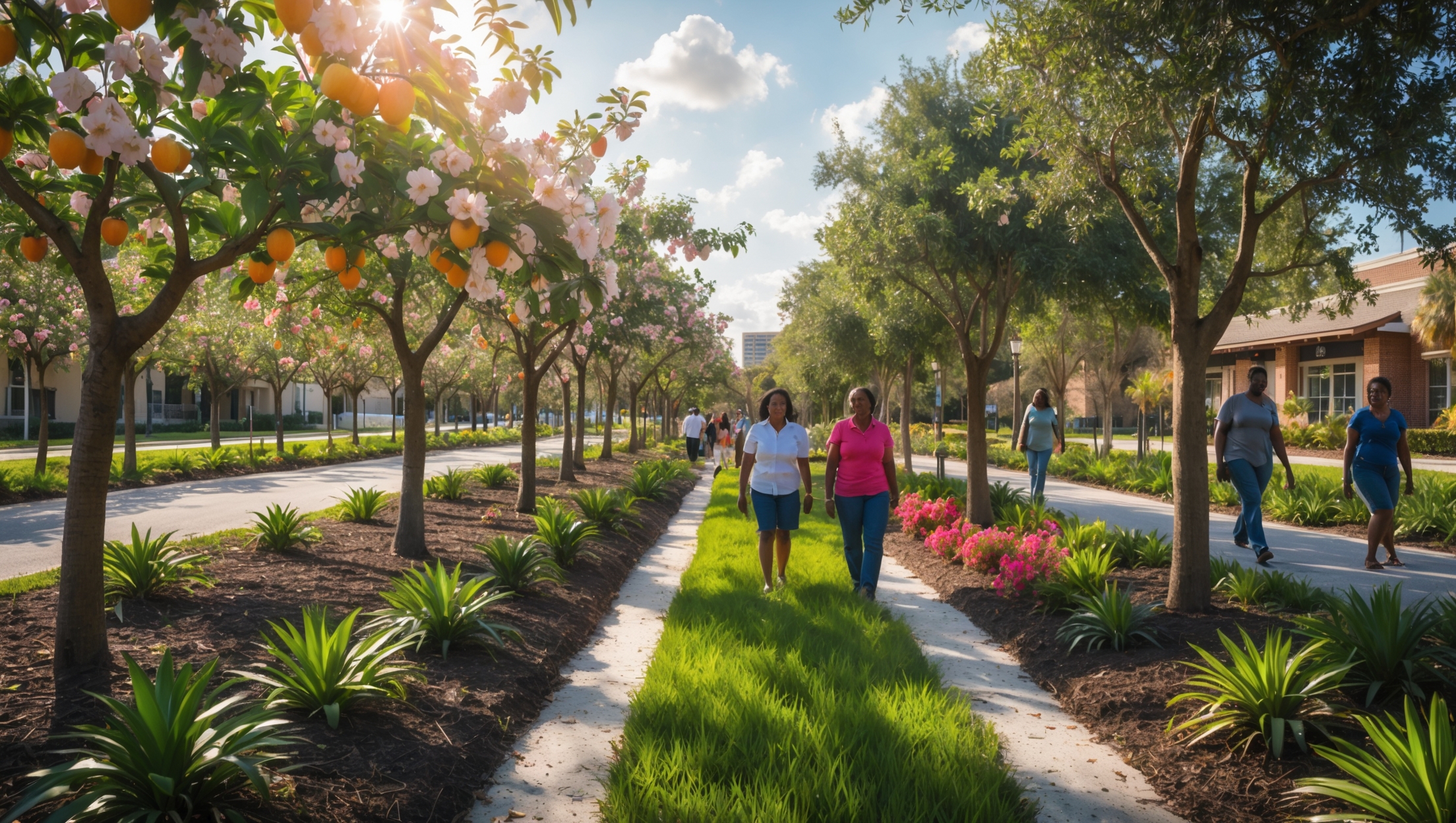
Seasonal Upkeep for St. Pete’s Community Orchards: Local Insights and Actionable Checklists

Introduction: The Importance of Seasonal Care for Community Orchards
St. Petersburg’s community orchards are more than just a source of fresh fruit—they’re living, breathing hubs for neighborhood connection, education, and urban biodiversity. Yet, their success is anything but automatic. Seasonal upkeep is the backbone of a thriving orchard, ensuring healthy trees, bountiful harvests, and welcoming spaces that everyone can enjoy. Whether you’re a seasoned orchard volunteer or just stepping into the world of community fruit trees, understanding the unique climate and local challenges of St. Pete is crucial.
Unlike backyard orchards, community orchards face the added complexities of shared responsibilities, fluctuating volunteer numbers, and the need to appeal to a broad range of users. In St. Petersburg, the subtropical climate brings both opportunities (long growing seasons, diverse fruit options) and challenges (hurricanes, high humidity, and persistent pests). Without a clear, actionable plan for each season, even the most promising orchard can quickly fall behind on maintenance, risking disease outbreaks, poor fruit quality, and dwindling community involvement.
This guide offers detailed, practical checklists for year-round orchard care specifically tailored to St. Pete’s conditions. You’ll find local insights, resource recommendations, and tips for engaging your community to keep your orchard healthy and productive in every season.
Understanding St. Petersburg’s Orchard Climate and Growing Conditions
Subtropical Realities: What to Expect
St. Petersburg’s USDA Plant Hardiness Zone (10a) means mild winters, humid summers, and the ever-present risk of tropical storms. This allows for a broad array of fruit trees—citrus, avocado, mango, loquat, mulberry, fig, and more—but also requires careful attention to timing and disease prevention.
- Heat and Humidity: Promote fungal diseases and rapid weed growth.
- Rainy Season (June-September): Heavy downpours can cause soil erosion, root rot, and nutrient leaching.
- Hurricane Season (June-November): Requires regular storm prep and recovery.
- Dry Winters: Can stress young or shallow-rooted trees.
Understanding these factors helps you plan tasks and choose the right varieties and maintenance schedules.
Spring (March – May): Renewal and Growth
Checklist: Spring Orchard Essentials
- Inspect for Winter Damage: Check for frost-damaged branches, split bark, or wind-broken limbs. Prune as needed.
- Soil Testing: Test soil pH and nutrient levels before the main growth spurt. Contact the UF/IFAS Extension Pinellas County for affordable soil testing kits.
- Mulching: Reapply mulch in a 2–4 inch layer around trees, leaving a gap around the trunk. Use local sources like St. Pete brush sites for wood chips.
- Pest & Disease Monitoring: Watch for aphids, scale, citrus leaf miners, and fungal spots. Use organic controls or contact local master gardeners for advice.
- Fertilization: Apply a balanced, slow-release fertilizer formulated for fruit trees.
- Weed Management: Pull or hoe weeds before they set seed.
- Tree Training: Prune to shape young trees and remove any suckers or water sprouts.
- Irrigation Check: Inspect and repair watering systems before summer heat.
- Community Engagement: Host a spring workday—combine cleanup with a fruit tree care workshop.
Local Tip: Partner with Schools
Spring is the perfect time to invite local schools for educational tours or volunteer days. It’s hands-on science that gets students invested in the orchard’s success.
Summer (June – August): Growth, Harvests, and Storm Prep
Checklist: Summer Orchard Must-Dos
- Monitor Watering: Deeply water trees during dry spells; monitor for waterlogged soil after heavy rains.
- Pest and Disease Vigilance: Increased humidity means more fungal and bacterial threats. Inspect weekly and remove affected fruit/branches promptly.
- Fruit Thinning & Harvest: Thin excess fruit on young trees to prevent limb breakage. Harvest ripe fruit regularly to prevent pest attraction and encourage new growth.
- Weed and Grass Management: Mow or trim under trees to discourage rodents and improve air circulation.
- Storm Readiness:
- Secure loose items (tools, bins, signage).
- Stake or brace young trees.
- Prune away weak or crossing branches.
- Update emergency contacts and insurance info if applicable.
- Check Mulch Depth: Refresh as needed to retain soil moisture and suppress weeds.
- Volunteer Coordination: Schedule harvest “gleaning” events and plan for summer volunteer lulls when people leave town.
Local Resource Highlight: St. Pete Free Clinic Food Bank
Surplus summer fruit? Connect with local food banks like the St. Pete Free Clinic for donation partnerships. They often welcome fresh, locally grown produce.
Fall (September – November): Planting, Pruning, and Hurricane Recovery
Checklist: Fall Orchard Activities
- Post-Storm Inspection: After any major storm, check trees for uprooting, broken branches, and soil erosion. Prioritize safety—don’t attempt major repairs alone.
- Sanitation: Remove fallen fruit, leaves, and debris to prevent disease buildup.
- New Plantings: Early fall is prime time for adding new trees in St. Pete’s mild climate. Choose disease-resistant, locally adapted varieties. Coordinate with Tampa Bay Canopy Coalition or local nurseries.
- Selective Pruning: Remove dead or diseased wood and improve tree structure before winter dormancy.
- Mulch & Compost: Apply compost around trees to feed roots over winter. Join with local compost hubs for organic matter.
- Plan Community Events: Organize a fall harvest festival or tree planting day to celebrate the season and attract new volunteers.
Local Tip: Leverage Hurricane Recovery Grants
Check with the St. Petersburg Neighborhood Partnership Grants for potential funding to replant or repair orchard infrastructure after storms.
Winter (December – February): Rest, Repairs, and Planning
Checklist: Winter Orchard Tasks
- Deep Cleaning: Clear out invasive vines, trash, and any lingering diseased material.
- Tool and Infrastructure Maintenance: Sharpen and oil hand tools, repair fencing, signage, and irrigation lines.
- Mulching: Top up mulch to insulate roots against rare cold snaps.
- Monitor Watering: Water only if winter is unusually dry; overwatering can cause root rot.
- Plan for Next Season: Hold a volunteer meeting to review what worked, set goals, and recruit new leadership if needed.
- Order Supplies: Restock fertilizers, organic sprays, and tools before spring rush. Buy from local suppliers where possible.
- Tree Inventory: Walk the orchard and record the health, yield, and needs of each tree.
- Community Outreach: Share a winter update via neighborhood newsletters or social media to keep interest high.
Local Resource Highlight: Pinellas County Master Gardeners
Tap into the Pinellas County Master Gardeners program for winter workshops, advice, or on-site consultations—perfect for troubleshooting orchard issues or expanding your community’s knowledge base.
Common Challenges and Proactive Solutions
Volunteer Engagement: Keeping the Momentum Year-Round
Even the best-maintained orchard can struggle if community interest wanes. Boost engagement by:
- Rotating leadership roles to prevent burnout.
- Hosting hands-on workshops (grafting, pruning, pest ID).
- Celebrating milestones with small events—first bloom, harvest, or new plantings.
- Using a digital calendar or WhatsApp group to coordinate tasks and share successes.
Pest and Disease Management: Organic Strategies That Work
With St. Pete’s humid climate, expect persistent pressure from scale insects, fungal leaf spots, and fruit flies. Integrated Pest Management (IPM) is key:
- Encourage beneficial insects (ladybugs, lacewings) with pollinator gardens.
- Use horticultural oils and neem sprays as first-line controls.
- Regularly remove fallen fruit and prune for airflow.
- Seek quick advice from local extension agents when outbreaks occur.
Weather Extremes: Planning for the Unexpected
Storms and droughts are facts of life in St. Petersburg. Proactively:
- Create a storm checklist and assign a “storm captain” for each season.
- Use windbreaks (native shrubs, fencing) to protect young trees.
- Install rain barrels to capture water for dry spells.
- Keep emergency supplies (tarps, stakes, extra mulch) on hand.
Orchard Equipment: Tools Every St. Pete Community Orchard Needs
Essentials for Every Season
- Hand pruners and loppers (stainless steel for humidity resistance)
- Long-handled fruit pickers
- Wheelbarrow or sturdy garden cart
- Mulch forks and shovels
- Soil moisture meter
- Heavy-duty hoses and drip irrigation timers
- Protective gloves and sun hats
- First aid kit (for minor cuts and scrapes)
- Weatherproof storage bin for tools
Consider labeling and color-coding tools to reduce loss and confusion, especially in high-traffic orchards.
Local Resources: Support Networks and Where to Get Help
- City of St. Petersburg Urban Agriculture Program
- Tampa Bay Community Gardens
- Pinellas Fruit Growers Facebook Group
- UF/IFAS Extension Pinellas County
- Local nurseries such as Wilcox Nursery & Landscape (for native and fruit trees)
Conclusion: Sustaining St. Pete’s Orchards for the Long Haul
Community orchards are a testament to what neighbors can achieve together: fresh food, green spaces, and living classrooms for all ages. But their success depends on more than good intentions. In St. Petersburg, seasonal maintenance is the secret ingredient that transforms a patch of trees into a vibrant, resilient orchard.
By following the checklists and adapting them to your site’s unique needs, you’ll build an orchard that weathers storms, yields healthy fruit, and attracts new hands each season. Use local partnerships—extension agents, food banks, schools, and garden clubs—to fill knowledge gaps and share the workload. Embrace the rhythm of the seasons: spring for renewal, summer for vigilance and harvest, fall for planting and repair, and winter for planning and rest.
Above all, remember that orcharding is a community effort. Celebrate small wins, openly communicate setbacks, and keep learning together. With consistent, seasonally appropriate care, your orchard will thrive—feeding not just bodies, but also the spirit of St. Pete’s neighborhoods for years to come.
I’m curious about the seasonal checklists mentioned for St. Pete’s orchards. How do you recommend organizing volunteer tasks when the number of helpers changes so much throughout the year, especially during the rainy season?
To handle changing volunteer numbers, start by dividing your seasonal checklist into essential and optional tasks. Prioritize essentials like pruning or weeding. During rainy season when fewer people show up, focus on high-impact tasks and assign them to small teams. Use a signup sheet in advance so you can adjust plans based on expected turnout. Flexibility is key—having a rotating list of ‘rainy day’ indoor activities can also keep volunteers engaged when weather limits outdoor work.
Our orchard volunteers fluctuate a lot between seasons here in St. Pete. Do you have any practical tips for keeping up with critical tasks during months when hands are short, especially with the threat of rapid weed growth and storms you mentioned?
During times with fewer volunteers, focus on prioritizing essential orchard tasks like weed control around young trees and checking for storm damage. Mulch heavily in low-traffic periods to suppress weeds and retain moisture. Assign weekly or biweekly task lists so any available helpers know what’s most urgent. If possible, create a rotating schedule for key chores and consider reaching out to local schools or groups for occasional extra hands during peak needs.
The article mentions fungal diseases being a big issue in the heat and humidity—are there any particular treatments or organic solutions recommended for busy parents who may not have time for complicated regimens?
For busy parents, organic fungicide sprays like neem oil or copper-based solutions can be a simple way to manage fungal diseases. Applying them every few weeks during wet or humid periods is usually enough. Mulching around plants for better air flow and watering in the morning (to let leaves dry) can also help and require minimal effort.
You mentioned needing a clear, actionable plan for each season. How detailed should these seasonal checklists be, and is there a sample template or tool the community orchards in St. Pete commonly use to stay organized?
Seasonal checklists should be detailed enough to cover key tasks like pruning, planting, harvesting, pest control, and tool maintenance, broken down by month or week if possible. Most local community orchards use simple spreadsheet templates or shared online documents so volunteers can easily track progress and updates. If you’d like, we can provide a sample checklist or recommend specific tools commonly used by St. Pete groups.
I noticed you mentioned the challenge of fluctuating volunteer numbers. What are some practical steps to keep community members consistently engaged in the orchard’s upkeep throughout the year?
Keeping community members engaged year-round can be easier with a mix of regular communication, scheduled volunteer days, and special events. Consider setting up a monthly newsletter with orchard updates, recognizing volunteers’ contributions, and creating a rotating schedule so everyone knows when they’re needed. Hosting workshops or harvest celebrations can also boost participation and make involvement more rewarding.
You mentioned that the rainy season in St. Pete runs from June to September and can lead to heavy downpours and increased fungal diseases. What specific preventative measures would you recommend for volunteers to take during this time to protect the fruit trees from these issues?
During the rainy season, volunteers can help reduce fungal disease risks by pruning fruit trees to improve air circulation, removing fallen leaves and fruit promptly, and applying an organic fungicide if needed. It’s also helpful to mulch around the base of trees to prevent soil splash, but avoid letting the mulch touch the trunk. Regularly inspecting trees for early signs of disease allows for quicker intervention and healthier orchards.
You mentioned hurricanes and tropical storms as challenges for St. Petersburg orchards. What are some practical steps families can take before or after a storm to protect fruit trees or help the orchard recover quickly?
Before a storm, families can prune weak or dead branches and secure young trees with stakes to reduce damage from high winds. Remove any loose items nearby that could become projectiles. After a storm, check for broken limbs and prune them cleanly to prevent disease. Clear debris from around the trees and provide extra water if there’s been salt exposure from storm surges. These steps help fruit trees stay healthy and recover faster.
You mentioned the challenges of hurricane season and the risk it poses to community orchards in St. Petersburg. Could you share some specific actions from your seasonal checklist that help prepare the trees and minimize potential storm damage?
To prepare community orchards for hurricane season, our checklist recommends several key actions: prune trees to remove weak or dead branches, stake young or vulnerable trees for extra support, secure or remove loose items that could become projectiles, and clear debris around the orchard to prevent blockages during heavy rains. These steps help reduce the risk of storm damage and keep the orchard healthier overall.
With hurricane season being such a big factor in St. Petersburg, do you have a checklist item or strategy for prepping the orchard before major storms? I’d love to know what’s worked locally to minimize tree damage.
Absolutely, preparing orchards before a major storm is crucial in St. Pete. Locally, growers recommend pruning dead or weak branches, securing young trees with proper staking, clearing debris around the base, and making sure tree canopies are not overly dense to reduce wind resistance. Some also use mulch to help prevent root exposure from heavy rains. These steps have helped minimize damage during past hurricanes.
Could you give more detail on how the seasonal checklists adapt for citrus versus something like mango or fig trees given St. Pete’s climate? I’m trying to figure out if I should be doing different tasks depending on the fruit type.
Absolutely, it’s smart to adapt tasks by fruit type in St. Pete’s climate. Citrus trees generally need regular pruning in late winter, vigilant pest monitoring, and careful watering during dry spring spells. Mangos benefit from pruning after harvest and need extra protection from cold snaps. Figs require less pruning but appreciate mulch for moisture retention. Adjust your fertilizer timing and frequency as well—citrus often responds to split feedings, while figs and mangos do well with a spring boost. Tailoring your checklist to each tree’s needs will help them thrive.
With multiple fruit tree types thriving in St. Pete, does your checklist recommend different seasonal upkeep for citrus versus mango trees? I want to make sure my kids and I are caring for the right trees at the right times.
Yes, the checklist does provide different seasonal care tips for citrus and mango trees. Citrus trees need more attention to pest management and pruning in late winter, while mango trees benefit from specific fertilizing schedules and protection from cold snaps in early spring. By following the orchard’s guide, you and your kids can tailor your care routines to each tree type throughout the year.
I’m wondering how you handle fluctuating volunteer numbers for orchard upkeep, especially when big maintenance tasks come up all at once. Any suggestions for keeping things organized when help is limited?
When volunteer numbers drop, we prioritize tasks by urgency—such as watering and pest control—and postpone less critical work. For big maintenance, we break jobs into smaller, manageable tasks and assign them based on each volunteer’s availability. It also helps to keep a shared calendar so everyone knows what needs doing. Clear communication and realistic goals keep things organized, even with fewer hands.
Are there any affordable resources or local suppliers you suggest for disease prevention products that actually work for the specific heat and humidity challenges we face here in St. Petersburg?
In St. Petersburg’s heat and humidity, reliable disease prevention is key. Local garden centers like Wilcox Nursery and Dolins Garden Center often carry region-appropriate products, including copper fungicides and neem oil, which work well for our climate. You might also check with the Pinellas County Extension Office for their recommended suppliers and affordable community programs. These sources usually have staff familiar with local orchard needs and can guide you to effective, budget-friendly options.
Given the high humidity and frequent hurricanes in our area, are there particular fruit tree varieties you’ve found to be especially resilient for St. Petersburg’s climate? I’m curious which ones might require less maintenance or be less prone to local pests.
In St. Petersburg, fruit trees like mango, loquat, guava, and starfruit are quite resilient to our humidity and can handle storms better than many others. These varieties also tend to attract fewer pests and usually need less maintenance than more sensitive fruits like apples or peaches. Mulberry and fig trees are also good options, as they adapt well to local conditions and are generally low-fuss.
I noticed you mentioned fluctuating volunteer numbers as a challenge. How do local orchards in St. Pete typically organize their upkeep schedules to ensure critical seasonal tasks like hurricane prep and weeding actually get done on time?
Local orchards in St. Pete usually rely on clear, posted calendars and action checklists to coordinate essential upkeep. They often assign specific tasks—like hurricane prep or weeding—to smaller teams or leaders, and use group texts or apps to send reminders. Some orchards also host seasonal workdays tied to big jobs, making sure enough volunteers are committed ahead of time for those critical periods.
I’m really interested in how St. Pete’s unique climate affects pruning times for fruit trees, especially for varieties like mango and loquat. Do you have any tips for the best months to prune in this area to avoid disease or frost damage?
For St. Pete’s subtropical climate, it’s best to prune mango trees after harvest, usually in late summer or early fall, to avoid stimulating new growth before any chance of cooler weather. For loquat trees, prune in late spring right after fruiting. These timings help avoid frost damage and reduce disease risk since cuts heal faster in warmer, drier months. Always use clean tools to prevent spreading disease.
Since St. Petersburg allows such a wide variety of fruit trees, do you have suggestions on which types are best for beginner volunteers to maintain, especially given the risk of fungal diseases during the rainy season?
For beginner volunteers in St. Pete, some of the best fruit trees to maintain are loquats, figs, and mulberries. These varieties tend to be more resilient and require less maintenance, especially during the rainy season when fungal diseases are a concern. They generally resist common local diseases and don’t need frequent spraying. Citrus can be rewarding but does require more vigilance against disease. Starting with these hardy trees lets volunteers gain confidence and experience.
In the article you mention that St. Pete’s climate can cause rapid weed growth and fungal disease, especially during the rainy season. What specific strategies or organic treatments have local orchard volunteers found most effective for managing these problems without using harsh chemicals?
Local orchard volunteers often rely on mulching with organic materials like straw or wood chips to suppress weeds and retain soil moisture. For fungal diseases, they commonly use neem oil or a homemade solution of baking soda and water sprayed on affected plants. Regularly pruning fruit trees and ensuring good air circulation also helps minimize fungal issues without resorting to harsh chemicals.
Since St. Petersburg’s climate supports so many fruit tree types, how do you decide which varieties will handle both the humidity and occasional tropical storms best? Is there a resource for beginners on selecting the most resilient trees for this area?
In St. Petersburg, it’s smart to choose fruit tree varieties that are naturally suited to humid, subtropical conditions and can withstand strong winds. Citrus, guava, and certain avocado types generally perform well. For beginners, local cooperative extension offices and Florida’s Master Gardener programs are excellent sources for guidance on resilient tree varieties, planting advice, and maintenance tips specific to the area.
I’m new to volunteering and wondering how often maintenance tasks like pruning or pest checks need to be done during the rainy season from June to September. Is there a recommended schedule for this climate?
During the rainy season in St. Pete, it’s best to check orchards weekly for pests and fungal issues, as moisture encourages growth. Pruning should be more selective but can be done every 3–4 weeks to remove damaged or overcrowded branches. Regularly inspect for broken limbs after storms and remove fallen fruit promptly to prevent pests. Keeping a simple weekly checklist helps stay on track.
I noticed that St. Pete’s orchards have to deal with hurricanes and heavy rain during the June to September season. How do you suggest volunteers prioritize tasks during the rainy season to prevent disease outbreaks and keep fruit from spoiling?
During the rainy season, focusing on orchard hygiene is key. Volunteers should prioritize removing fallen fruit and debris promptly to limit fungal disease. Regularly check for standing water around trees and improve drainage where needed. Prune branches for better air circulation and inspect fruit for early signs of spoilage. Mulching can help prevent soil splashing onto fruit, which also reduces disease risk. Consistent monitoring and quick action make a big difference during the wet months.
I noticed you mentioned hurricanes and high humidity as challenges for St. Pete’s orchards. If a big storm is coming, what are the most important things volunteers can do to prep and protect the trees in a limited amount of time?
When a big storm is approaching, the most important steps are to secure or remove any loose objects that could become flying debris, stake or tie down young or top-heavy trees, and clear any low-hanging or weak branches that might break. If time permits, check that drainage around the orchard is clear to reduce flooding. After the storm, assess for damage and remove broken limbs promptly to protect tree health.
You mentioned that high humidity and hurricanes are big challenges. What are the top two or three preventative steps you’d recommend for new volunteers who want to help reduce disease outbreaks or storm damage in the orchards?
For new volunteers, focusing on tree health and safety is key. First, regularly prune trees to improve air circulation, which helps prevent fungal diseases common in high humidity. Second, clear fallen fruit and debris to reduce habitats for pests and disease. Third, secure or stake young trees and remove weak branches before hurricane season to minimize storm damage.
Could you share more details on how local orchards in Zone 10a handle irrigation during periods of heavy downpours? I’m wondering about best practices for preventing waterlogging and root rot.
Local orchards in Zone 10a often use raised beds or berms to encourage drainage during heavy rain, helping prevent waterlogging. Many also incorporate organic mulch to improve soil structure and absorb excess moisture. It’s common practice to pause or adjust irrigation systems based on rainfall, and some orchards install moisture sensors to monitor soil saturation. Regularly checking for standing water and ensuring plants aren’t sitting in soggy conditions are key steps to avoid root rot.
I noticed you mentioned the increased risk of fungal diseases during the rainy season in St. Pete’s subtropical climate. Are there any specific organic treatments or preventative practices that work particularly well in local orchards to manage diseases without harming beneficial pollinators?
For managing fungal diseases organically in St. Pete’s orchards, local growers often use neem oil sprays and copper-based fungicides, both applied in early morning or late evening to minimize pollinator exposure. Ensuring good airflow by pruning, removing fallen fruit or leaves, and spacing trees properly also reduces disease spread. Regularly monitoring trees and promptly removing infected plant parts are effective, non-chemical steps that help protect both trees and beneficial insects.
I’m new to helping out at our local orchard and I’m a little overwhelmed by the idea of fungus and rapid weed growth in St. Pete’s climate. Do you have any beginner-level tips or low-cost tools that make it easier to stay ahead of these problems during the summer?
Tackling fungus and weeds in St. Pete’s summer can feel like a lot at first, but starting small really helps. For fungus, water early in the day and try to avoid wetting leaves. Prune overcrowded branches so air can move freely. To manage weeds, a simple hand weeder or hoe works well, and spreading a thick layer of mulch around trees helps suppress new growth. Regular short sessions each week are more effective than waiting until things get out of control.
You mentioned the risk of hurricanes for orchards in St. Petersburg. Can you recommend budget-friendly steps a small volunteer group could take to protect young or newly planted trees if a big storm is on the way?
To protect young or newly planted trees ahead of a hurricane, try staking trees with sturdy wooden stakes and soft ties to prevent uprooting. Add extra mulch around the base to stabilize roots and retain moisture. If possible, gently tie or bundle flexible branches to minimize wind damage. Clearing away any loose debris nearby also helps prevent injury to the trees. Most of these steps require minimal investment and can be managed by a small group.
With hurricane season being such a major risk, what specific steps would you recommend to help community orchards prepare and recover? Does your checklist suggest any preventative pruning or reinforcement strategies for fruit trees?
To help community orchards prepare for hurricane season, the checklist in the article highlights preventative pruning—removing dead or weak branches—to reduce wind damage risk. It also suggests staking younger or top-heavy fruit trees for extra support. After a storm, it’s important to check for broken limbs, trim damaged areas, and ensure trees are standing upright. These steps can help minimize harm and speed up recovery for orchard trees.
Given the rainy season’s impact on both weed growth and potential fungal diseases, what are some cost-effective approaches or tools you recommend for orchard groups with limited budgets to handle these maintenance spikes?
For orchard groups on a tight budget, manual weeding tools like hoes or weed pullers are affordable and effective for small areas. Mulching with grass clippings or cardboard helps suppress weeds and retain soil moisture, cutting down on both weeding and watering needs. For fungal issues, regular pruning for airflow and homemade solutions like diluted baking soda sprays can help manage minor problems without costly chemicals.
With St. Pete’s subtropical climate and frequent summer storms, do you recommend a specific strategy for preventing fungal diseases that won’t require constant reapplication or intensive labor from volunteers?
In St. Pete’s humid, stormy summers, focusing on orchard airflow and plant spacing is key to preventing fungal diseases with minimal upkeep. Prune trees to open their canopies, remove fallen debris regularly, and use mulch to limit soil splash. Opt for disease-resistant tree varieties when possible. These steps are effective, low-labor, and reduce the need for frequent treatments.
As someone new to this, I’m wondering if there are certain fruit trees you would recommend starting with in St. Petersburg’s 10a climate, or if some types are much lower maintenance for beginners managing a community orchard?
For St. Petersburg’s 10a climate, figs, mulberries, and loquats are excellent low-maintenance options, as they tolerate heat and humidity well and aren’t too fussy about soil. Citrus trees like calamondin and Meyer lemon are also beginner-friendly, though they need regular watering. These varieties adapt well locally and require less intensive care, making them ideal for those new to managing a community orchard.
How do you suggest organizing volunteers for seasonal maintenance tasks when participation numbers are unpredictable? Are there particular checklists or tools that help ensure nothing falls through the cracks in busy months like summer?
When volunteer numbers vary, it’s helpful to create a master seasonal checklist with all essential tasks broken down by priority and frequency. Assign tasks in advance where possible, but also keep a flexible sign-up sheet for last-minute volunteers. Use shared online tools like Google Sheets for real-time updates and visibility, so everyone knows what’s been done and what’s left. Regular briefings before each session can also help volunteers focus on top priorities during busy periods.
You highlight the importance of shared responsibilities due to fluctuating volunteer numbers. How do established orchards in St. Pete organize seasonal care tasks so nothing essential gets overlooked during periods with fewer helpers?
Established orchards in St. Pete often use detailed task calendars and rotating assignment charts to keep things running smoothly, even when volunteer numbers dip. Essential activities like watering, pruning, and pest checks get prioritized and clearly assigned. Some orchards also set up reminder systems or group messages, so people can step in to cover gaps, ensuring that no critical tasks are missed during slower volunteer periods.
Our orchard struggles with keeping enough volunteers engaged, especially during the busiest upkeep months with high heat and humidity. Do you have any specific tips for balancing seasonal maintenance with fluctuating volunteer numbers in St. Pete’s climate?
Balancing orchard maintenance with limited volunteers in St. Pete’s hot, humid months is a real challenge. Try breaking tasks into small, manageable shifts to avoid volunteer burnout, and schedule work during cooler early mornings or late afternoons. Consider prioritizing the most essential jobs—like watering and critical pruning—on hot days, and save less urgent tasks for milder weather. Rotating responsibilities and offering refreshments can also help keep morale up and encourage return visits.
With St. Pete’s rainy season and high humidity, how do you recommend prioritizing disease prevention without overspending? Are there locally available organic sprays or low-cost methods you’ve found effective?
Focusing on disease prevention during St. Pete’s wet season is smart. Prioritize good airflow by regular pruning and promptly remove fallen debris to reduce fungal risks. For organic sprays, locally available options like neem oil or copper fungicide work well—both can be found at area garden centers. Also, homemade sprays like baking soda with water offer a low-cost alternative. Apply treatments early in the season and after heavy rains for best results.
The article references detailed seasonal checklists for orchard care. Are there downloadable or printable versions of these checklists available, or perhaps a sample monthly maintenance timeline for new volunteers to follow?
Currently, the detailed seasonal checklists mentioned in the article are included within the article itself and are not available as separate downloadable or printable documents. However, if you need a sample monthly maintenance timeline for new volunteers, we can create one or provide a printable version upon request. Please let us know your preference, and we’ll be happy to help.
Our volunteer numbers go up and down a lot. What are some specific ways you’ve found effective for getting more community members involved in regular orchard maintenance, especially during the peak summer heat?
One approach that’s worked well is organizing shorter, early morning work sessions to avoid the midday heat, and providing plenty of cold drinks and snacks. We’ve also collaborated with local schools and youth groups during summer breaks, making maintenance days into community events with music or small giveaways. Consistent communication through neighborhood social media and group texts helps remind and motivate people to join in, especially if you highlight how everyone’s efforts make a direct impact.
Given the range of fruit tree options suitable for USDA zone 10a, do you have recommendations on which varieties are most resilient to both the high humidity and occasional hurricanes common in St. Petersburg?
For St. Petersburg’s zone 10a climate, some of the most resilient fruit tree varieties are mango (especially ‘Carrie’ and ‘Glenn’), avocado (like ‘Lula’ and ‘Brogdon’), and sapodilla. These varieties handle humidity well and are known to withstand strong winds with proper pruning. Guava and starfruit (carambola) are also good choices for their tolerance to both moisture and stormy conditions. Remember to plant in well-drained soil and maintain regular pruning to improve wind resistance.
You mention disease outbreaks and rapid weed growth due to the heat and humidity. Can you share some specific tips or affordable products that have worked well locally for controlling these issues in a community setting?
For disease outbreaks in our local orchards, copper-based fungicides and neem oil sprays have proven effective and are usually budget-friendly. For rapid weed growth, mulching with wood chips or cardboard helps suppress weeds and retain moisture. Regular hand weeding, especially after rain, is also helpful. Many groups here coordinate volunteer weeding days, which keeps costs low and builds community involvement.
You listed a variety of trees suited to St. Pete’s climate, like mango, avocado, and mulberry. Is there a big difference in the amount of care or resources each type requires, or are there certain trees that are easier for beginner groups to maintain year-round?
Yes, there are some differences in care needs between tree types. For beginners, mulberry trees are generally the easiest—they need minimal pruning and are quite resilient. Mango and avocado trees tend to require more attention, like regular pruning, pest monitoring, and sometimes frost protection. If your group is just starting out, mulberry or similar hardy trees could be a good first choice before adding more demanding varieties.
I’m curious how the community handles disease prevention with so many different people involved in the orchard. Are there specific protocols or tools you recommend for making sure everyone stays consistent, especially given the high humidity and frequent rain in St. Pete?
To manage disease prevention in our community orchards, we use shared cleaning stations for tools and encourage everyone to sanitize equipment before and after use. We also post clear checklists in the orchard outlining steps like removing diseased branches, checking for early signs of fungal issues, and reporting problems to the coordinator. High humidity and rain do make things trickier, so we focus on regular communication and quick responses to any issues spotted.
For someone trying to engage more community members, are there budget-friendly resources or local programs you suggest to help secure tools and materials needed for year-round orchard upkeep in St. Pete?
Absolutely, there are several budget-friendly resources in St. Pete to help you engage more community members and secure orchard supplies. Many local hardware stores offer nonprofit discounts, and the St. Pete Green Thumb Festival often hosts tool swaps. You might also connect with the Pinellas County Extension Office for free workshops and occasional material giveaways. Organizing group volunteer days can attract donations of tools and plants from local businesses looking to support community projects.
With hurricanes and tropical storms being a risk in St. Petersburg, what are some effective strategies for protecting fruit trees before severe weather hits? Is there a step on the seasonal checklist specifically for storm prep?
Protecting fruit trees before storms is definitely important in St. Pete. The article’s seasonal checklist includes steps like pruning weak branches, staking young trees, and removing nearby debris—these are all aimed at minimizing storm damage. For hurricanes, wrapping trunks with burlap and securing loose items nearby can help. It’s wise to inspect trees regularly before hurricane season to address any vulnerabilities early.
The article mentions the challenges of managing orchards with fluctuating volunteer numbers. Are there any suggested strategies or tools that help track seasonal maintenance tasks to make things easier if volunteer availability changes unexpectedly?
The article suggests using digital tools like shared online calendars or task management apps to assign and track seasonal maintenance tasks. This way, if volunteer numbers change, it’s easy to see what still needs to be done and reassign tasks quickly. Keeping a written checklist in the orchard shed is also helpful so anyone coming in can check off completed tasks or see what’s pending.
Given that hurricanes and heavy rains can cause sudden damage to orchards, what would you say are the top three most urgent tasks to address in the immediate aftermath of a tropical storm to avoid long-term problems for the fruit trees?
After a tropical storm, your top priorities should be: first, assess and remove any broken or hanging branches to prevent disease and further damage; second, check the soil drainage around each tree and clear away debris to avoid waterlogging and root rot; third, inspect for exposed roots or tilting trees and gently reset or stabilize them while the ground is still soft. These steps help prevent lasting harm and promote orchard recovery.
As a parent who can only volunteer occasionally, I’m wondering if there are any quick tasks I can do with my kids to help out the community orchard, especially during the busy hurricane and rainy season in St. Pete?
Absolutely, there are several quick ways you and your kids can help during the busy season. You can check for and pick up fallen branches or debris after storms, help clear pathways, or gather any litter that might blow in. Watering newly planted trees or helping to mulch around trees are also easy tasks for children. Your occasional help with these small jobs really makes a difference!
I’m interested in volunteering but am concerned about hurricane season. Do your seasonal checklists include any special preparations for fruit trees when a tropical storm is heading toward St. Petersburg? If so, what should newer volunteers focus on first?
Yes, our seasonal checklists address hurricane readiness for fruit trees. When a tropical storm is approaching, volunteers focus first on securing young or newly planted trees with additional stakes or ties, removing loose debris from around trees, and harvesting any ripe or nearly ripe fruit to minimize loss. Newer volunteers often help by gathering tools, clearing branches, and assisting with these basic but important tasks under the guidance of our coordinators.
I’m curious how you handle fungal disease outbreaks during St. Pete’s most humid months. Are there preventive measures that work well for community orchards, especially when volunteer turnout can be unpredictable?
During St. Pete’s most humid months, we focus on prevention by pruning trees for good airflow, mulching carefully to avoid moisture against trunks, and removing fallen fruit promptly. We also rotate volunteers for regular orchard checks, so issues are caught early even if turnout varies. When needed, we use organic sprays like neem oil, but consistent orchard hygiene is our best defense against fungal outbreaks.
For someone new to working in a community orchard, is there a budget-friendly way to manage rapid weed growth without using chemicals, given how fast everything grows in the heat and humidity? Any local resources for tools or mulch you recommend?
Absolutely, you can manage weeds naturally by using cardboard or layers of newspaper topped with mulch—this smothers weeds and helps retain soil moisture. Local tree services often offer free wood chips, which make excellent mulch. Check with the city’s yard waste facilities or local gardening groups for tool lending programs and possible mulch giveaways—they’re great community resources.
For orchards in St. Pete that experience fluctuating volunteer numbers, how do you recommend dividing up the seasonal maintenance tasks so nothing major slips through the cracks, especially during hurricane season?
To handle fluctuating volunteer numbers, try organizing tasks into clear, prioritized checklists for each season. Assign team leads to oversee critical areas like storm prep, pruning, and harvest. During hurricane season, focus first on securing equipment, checking tree supports, and clearing debris. Use a shared calendar or group chat to track completed and pending tasks, making it easy for any volunteer to jump in and help where needed.
For orchards in St. Pete dealing with rapid weed growth and fungal diseases due to high humidity, are there certain organic treatment methods you recommend, or should we be looking at a mix of chemical and organic options to stay on top of these issues?
In St. Pete’s humid climate, organic methods like mulching with wood chips or straw can help suppress weeds and maintain soil moisture. For fungal diseases, using neem oil or copper-based sprays is effective and organic-approved. Regular pruning and good spacing also improve air flow and reduce disease pressure. Many orchardists in the area manage well with these organic options, but if problems persist, a careful mix with targeted chemical treatments can be considered as a last resort.
The article says community orchards face fluctuating volunteer numbers. Are there low-cost tools or strategies you recommend to help keep up with basic maintenance if there aren’t enough hands on deck some weeks?
To handle weeks with fewer volunteers, consider investing in a few time-saving, low-cost tools like long-handled weeders, mulching sheets to suppress weeds, and rechargeable electric pruners for easier trimming. Prioritize tasks on a rotating checklist, so essential chores like watering and mulching get done first. Scheduling short, task-focused volunteer shifts or even asking neighbors to adopt a tree can also really help spread the workload.
Given St. Pete’s high humidity and the risk of fungal diseases, are there specific organic treatments or preventive measures recommended for community orchard volunteers to use during the rainy season?
During St. Pete’s rainy season, volunteers can help prevent fungal diseases by ensuring good airflow through regular pruning and removing fallen plant debris. Organic treatments like neem oil or copper-based sprays can be applied as a preventive measure, but always follow label instructions and apply during dry periods. Mulching with organic material keeps moisture consistent but avoid piling mulch against tree trunks. Consistently monitoring for signs of disease will also help catch issues early.
Since the subtropical climate brings persistent pest issues, are there specific local resources or integrated pest management strategies you would recommend that don’t require a large budget for a community orchard?
For community orchards in St. Pete’s subtropical climate, you can connect with the Pinellas County Extension Service—they offer free or low-cost advice on local pest management. Consider using integrated pest management (IPM) practices like regular monitoring, encouraging beneficial insects, and using organic remedies such as neem oil or insecticidal soap. Collaborating with local gardening clubs may also provide shared resources and practical tips tailored to our region.
You mentioned that fungal diseases are a big issue because of the heat and humidity here. What are some specific disease prevention steps community orchards in St. Pete should prioritize in the summer, and do you have tips for getting everyone on the same page with those tasks?
In St. Pete’s hot and humid summers, community orchards should focus on pruning trees for better air circulation, removing fallen fruit and debris promptly, and applying organic fungicides as needed. Regular mulch checks to avoid excess moisture near trunks can also help. To keep everyone coordinated, consider a shared checklist with assigned tasks and schedule brief weekly check-ins to review progress and address any concerns together.
I noticed the guide mentions the challenges hurricanes pose for the orchards. Are there particular tree varieties or planting strategies you recommend to minimize storm damage while still maintaining good fruit yields?
To minimize hurricane damage, it’s best to choose wind-resistant fruit trees like mango, avocado, and certain citrus varieties, as these tend to have deeper roots and more flexible branches. Planting trees in staggered rows, rather than straight lines, helps break up wind flow. Pruning regularly to reduce canopy size and removing dead wood also lowers the risk of trees snapping or uprooting during storms.
We’re considering starting a small orchard project in our neighborhood, but I’m concerned about hurricanes. Are there specific trees or planting techniques recommended for withstanding storms in the St. Pete area?
In the St. Pete area, native and hurricane-resistant fruit trees like loquat, guava, and some citrus varieties tend to fare better in storms. Planting trees with strong, deep root systems and spacing them properly can also help. Prune regularly to reduce wind resistance, and stake young trees until established. Avoid shallow-rooted or top-heavy species that are prone to uprooting during hurricanes.
You mentioned that the rainy season in St. Pete runs from June to September and can cause issues with heavy downpours. How often should volunteers check for drainage problems or root rot during that time, and are there quick fixes for pooling water in community orchards?
During the rainy season from June to September, it’s best for volunteers to check for drainage problems and signs of root rot at least once a week, especially after heavy rain. For quick fixes to pooling water, try digging shallow channels to redirect water away from tree bases or use mulch to help absorb excess moisture. Regular monitoring is key to keeping the orchards healthy.
I noticed you mentioned hurricanes and heavy rains as specific challenges in St. Pete’s subtropical orchard climate. Are there certain fruit tree varieties that tend to recover better than others after severe storms, or strategies for quickly assessing damage so volunteers know what to prioritize?
Some fruit trees, like guava, loquat, and certain citrus varieties, are known to bounce back more easily after heavy storms due to their strong root systems and flexible branches. For quick assessment, volunteers can first look for trees with uprooted trunks or major limb breaks, then check for exposed roots and leaf loss. Prioritize stabilizing leaning trees and removing damaged branches to prevent disease spread.
I noticed the article mentioned disease outbreaks as a risk for community orchards in this climate. Can you share more specifics on the most common tree diseases here and which preventive steps are most effective for our area?
In St. Pete’s climate, common orchard diseases include citrus canker, greasy spot, and root rot (Phytophthora). Preventive steps include pruning trees for good airflow, promptly removing fallen fruit and leaves, using copper-based sprays during wet periods, and regularly inspecting for early symptoms. It’s also helpful to select disease-resistant varieties and avoid overhead watering to limit moisture on the foliage.
Since St. Pete’s summers are so humid and rainy, do you have any suggestions for preventing fungal diseases without using a lot of chemicals? I’d love to know if there are any locally proven organic methods that work well.
Absolutely, managing fungal diseases organically in St. Pete’s humid summers is possible. Prune fruit trees to increase airflow and clean up fallen leaves to reduce disease spread. Mulch with pine needles or straw to prevent soil splash. Spraying with diluted neem oil or a homemade baking soda solution after rains can also help; both are widely used by local growers. Just remember to apply early in the morning and monitor regularly for signs of disease.
I noticed that hurricanes are a significant risk for orchards in St. Petersburg. Are there actionable steps or preventative measures listed in your checklists to help minimize tree damage or loss before and after storm events?
Yes, the checklists in the article address hurricane preparedness for orchards in St. Petersburg. They suggest preventive actions such as pruning weak branches, securing young trees with stakes, clearing debris that could become projectiles, and mulching to prevent soil erosion. After a storm, the checklists recommend assessing tree stability, removing broken limbs, and checking for root exposure. These steps help reduce damage and support recovery.
The article mentions that St. Petersburg’s humidity makes fungal diseases more likely. Are there specific organic treatments suited for this climate, or are preventative measures like spacing and pruning usually enough?
In St. Petersburg’s humid climate, preventative steps like proper spacing, pruning for airflow, and removing fallen debris are your first line of defense against fungal diseases. However, if issues persist, organic treatments such as copper-based sprays or neem oil can help, especially when applied early in the season. Always use these treatments according to label instructions and rotate products to prevent resistance.
You mention hurricanes and persistent pests as challenges for St. Pete’s community orchards. Are there specific preventive measures or seasonal tasks that can help protect the trees from both storm damage and pest outbreaks at the same time?
Yes, there are several tasks that help address both hurricane risks and pest problems. Regular pruning keeps trees strong and less likely to lose branches during storms, while also removing damaged or infested limbs that attract pests. Cleaning up fallen fruit and debris helps reduce pest habitats and keeps the orchard tidy, which is important ahead of hurricane season. Applying mulch and ensuring good drainage around trees protects roots during heavy rains and discourages some pests as well.
I’m new to helping out in community orchards here and had a question about hurricane prep. Are there particular steps you’d recommend for protecting young fruit trees in St. Pete right before major storms hit, or do you mostly rely on choosing storm-hardy species?
Protecting young fruit trees before hurricanes is important, especially in St. Pete. Besides choosing storm-hardy species, it’s a good idea to stake young trees securely, prune any weak or crossing branches, and clear away loose items that could become projectiles. Adding mulch can help stabilize the soil, but avoid piling it against the trunk. After storms, check for damage and water the trees if roots were disturbed.
Since the article highlights how important seasonal upkeep is, could you provide more detail on what a typical maintenance schedule looks like for a community orchard throughout the year in St. Pete? I’m trying to figure out how much time commitment is needed if I volunteer.
A typical community orchard in St. Pete requires regular attention, but the workload varies by season. In spring, expect weekly visits for pruning, mulching, and planting. Summer involves frequent watering, weeding, and pest checks, usually every week or two. Fall focuses on harvesting and preparing trees for dormancy, needing attention every other week. Winter is lighter, with monthly checks for pruning or storm damage. Most volunteers commit 2–4 hours per session, with flexibility based on your availability.
We’re planning out responsibilities for the upcoming season at our community orchard. Do you recommend assigning seasonal tasks to individual families or is it more effective to have group work days, considering the fluctuating volunteer numbers you mentioned?
Both approaches have their benefits, but with fluctuating volunteer numbers, group work days can be more effective for tackling big tasks efficiently and building community spirit. You might consider a hybrid model: organize regular group work days for major upkeep, while assigning smaller, ongoing responsibilities to individual families. This way, you maintain flexibility and ensure nothing gets overlooked.
Given the persistent pest issues mentioned, are there any specific low-cost, kid-safe solutions that have worked well for other local orchards in this climate? My kids usually help out, so I’m looking for safe options.
Other local orchards in the St. Pete area have found success with a mix of homemade remedies and natural deterrents that are both low-cost and safe for kids. For example, a spray made from diluted dish soap and water can help manage aphids and soft-bodied insects. Introducing beneficial insects like ladybugs is another safe option. Mulching with cedar chips can deter some pests naturally. Always rinse any produce before eating, but these approaches are gentle enough for kids to help with.
I noticed you mentioned hurricanes as a challenge for orchard maintenance in St. Petersburg. What are some practical steps for securing young fruit trees before a storm, especially with limited time or resources?
To secure young fruit trees before a storm with limited time or resources, focus on these quick actions: Stake each tree firmly with sturdy posts and soft ties, prune any weak or dead branches to reduce wind resistance, and remove debris or objects that could become projectiles. If possible, mound soil around the base for extra stability. After the storm, inspect for damage and support any leaning trees quickly.
You mention heavy downpours and rapid weed growth during the rainy season. Does your seasonal checklist include any cost-effective strategies for keeping weeds in check without a lot of expensive equipment or chemicals?
Yes, the seasonal checklist does highlight several cost-effective ways to manage weeds. Hand-pulling is recommended, especially after rain when the soil is loose. Applying mulch, like wood chips or straw, helps suppress weed growth and retains soil moisture. Regularly checking for new weeds before they seed is also suggested, which reduces long-term effort and cost. These methods avoid the need for expensive tools or chemical herbicides.
You mentioned that St. Pete’s community orchards have to manage fluctuating volunteer numbers. Do you have any suggestions or examples of how local orchards have successfully maintained consistent upkeep during the rainy season when storms and heavy growth can overwhelm a small team?
During the rainy season, some St. Pete community orchards stagger volunteer shifts to ensure coverage, even if individual turnout is low. Others create smaller task lists and prioritize key maintenance jobs like pruning and clearing debris after storms. Some orchards partner with local schools or organizations for scheduled work days, increasing manpower when major upkeep is needed. Clear communication about urgent needs also helps engage volunteers during challenging weather.
I noticed you mentioned hurricanes and tropical storms as a challenge for St. Pete’s orchards. Could you provide examples of specific preventative steps that can be realistically handled by volunteer groups during storm season without specialized equipment?
Volunteer groups can take several practical steps to protect orchards during storm season. These include pruning weak or dead branches to reduce breakage risk, securing young trees with sturdy stakes, clearing debris that could become wind-borne hazards, and checking that mulch is applied properly to minimize soil erosion. All of these tasks can be done with basic hand tools and teamwork, making them very suitable for community volunteers.
For someone new to community orchard volunteering, how much time per week should I realistically expect to commit during the busy seasons, and are there tasks that can be done solo if the volunteer numbers fluctuate?
During the peak seasons like spring and early summer, new volunteers typically spend about 2 to 4 hours a week at the orchard. Some weeks may be busier, especially around planting or harvest time. If volunteer turnout is low, there are plenty of solo tasks you can handle, such as watering, weeding, mulching, and monitoring for pests. You can coordinate with the site lead to find jobs that fit your schedule and comfort level.
If I want to start helping with an orchard in St. Pete but don’t have much gardening experience, what are some beginner-friendly tasks I could focus on during each season? I’m also concerned about costs—are there budget-friendly ways to get tools or supplies for volunteers?
You can definitely help out, even as a beginner! In spring and summer, focus on watering, mulching, and weeding—these are easy and always needed. In fall, try gathering fallen fruit and helping with light pruning under supervision. Winter is great for cleaning tools and organizing supplies. For tools, many orchards have shared equipment, and local groups sometimes donate spare supplies, so you rarely need to buy anything yourself.
With the risk of hurricanes and tropical storms in St. Petersburg, what are some practical steps for safeguarding the orchard infrastructure and trees ahead of storm season? Have you found certain methods to be more reliable or cost-effective for community-managed spaces?
To protect orchard infrastructure and trees before storm season, prune trees to remove weak limbs and reduce wind resistance, secure or store loose tools and equipment, and stake young trees for added support. Community spaces often benefit from using mulch to stabilize soil and prevent erosion. Regular group cleanups before storms are both reliable and cost-effective, as shared labor helps quickly address vulnerabilities across the orchard.
For newer volunteers, could you clarify what the most time-sensitive spring maintenance tasks are in St. Pete’s orchards, especially with our unique climate? I’m trying to help organize our group’s schedule and want to make sure we prioritize correctly before things get too humid.
In St. Pete’s climate, the most time-sensitive spring tasks are pruning fruit trees before new growth, mulching to retain soil moisture, and setting up irrigation early to handle upcoming heat and humidity. It’s also important to check for pests and diseases now, as they can spread quickly once it gets warmer. Scheduling these tasks first will help the orchards thrive before the weather shifts.
Since hurricanes are a real concern for orchards in the area, do you recommend any specific preparations or recovery steps for fruit trees before and after a major storm? Any local resources or examples would be really helpful.
For hurricane prep, prune fruit trees to remove weak branches, stake young trees securely, and clear debris around the base. After a storm, check for broken branches and signs of root disturbance, cut damaged limbs cleanly, and water if the soil is dry. Local groups like St. Petersburg’s Sustainable Urban Agriculture Coalition often share recovery tips and may organize post-storm cleanups in community orchards. Connecting with these groups can provide hands-on help and local advice.
You mention that citrus, avocado, and mango trees thrive in St. Petersburg’s subtropical climate. Are there certain varieties of these trees that are particularly resistant to the area’s high humidity and common pests, or do you recommend specific disease-prevention strategies?
For St. Petersburg, some standout varieties include ‘Meyer’ lemon and ‘Valencia’ orange for citrus, ‘Florida Hass’ for avocado, and ‘Glenn’ or ‘Carrie’ for mango—these tend to be more resilient against local pests and humidity. To further protect your trees, regular pruning for airflow, mulching, and routine inspections for early pest detection are key. Using copper-based sprays during wet seasons can also help prevent fungal diseases common in humid climates.
When it comes to managing rapid weed growth in St. Petersburg’s humid summers, do you recommend specific mulching methods or types of mulch that work best for this climate? I’m trying to keep upkeep costs low and want something practical for a volunteer group to handle.
For St. Pete’s humid summers, wood chips or shredded bark mulch work well—they suppress weeds, retain moisture, and are cost-effective, especially if sourced from local tree services. Apply a 2-4 inch layer, keeping it a couple of inches away from tree trunks. Volunteers can spread mulch easily with rakes and wheelbarrows, making it a practical, budget-friendly solution for community orchards.
With St. Pete’s humid summers and the risk of hurricanes, what are the most common diseases affecting orchard fruit trees here, and which preventative measures have proved most effective over the seasons?
In St. Pete’s humid summers, fruit trees often face fungal diseases like anthracnose, powdery mildew, and root rot. Hurricanes can leave trees stressed, making them more vulnerable. Effective prevention includes regular pruning for airflow, removing fallen debris, applying copper-based fungicides early in the season, and mulching carefully to avoid trunk contact. Monitoring trees after storms and quick removal of damaged branches also helps limit disease spread.
Since community orchards here deal with hurricane threats every year, are there any actionable steps in your seasonal checklist that help prepare the trees or infrastructure before a storm hits? I’m especially interested in ideas that won’t break a small budget.
Absolutely, there are several budget-friendly steps you can take to prepare your orchard for hurricane season. Prune dead or weak branches to reduce wind damage, and make sure young trees are securely staked. Check that your tools and supplies are stored in a safe, dry place. If you have movable infrastructure, such as compost bins or lightweight trellises, anchor or temporarily move them to minimize risk. These practical actions can help protect both your trees and equipment without requiring a big investment.
Our community orchard often struggles to keep weeds under control during the rainy season you described. Do your seasonal checklists include low-cost strategies or recommended materials for managing rapid weed growth in this climate?
Yes, the seasonal checklists in the article include several low-cost strategies for weed control during the rainy season. These include regular mulching with locally available materials like wood chips or straw, hand-pulling weeds after rainfall when the soil is soft, and scheduling group weeding days. The checklists also mention using cardboard or newspaper as a weed barrier around trees and shrubs, which is both effective and budget-friendly.
You highlighted the challenges of fluctuating volunteer numbers in community orchards. Have you found any effective ways to keep community members engaged throughout the year, especially during the hotter, more demanding summer months?
Keeping volunteers engaged during hot summer months can be tough, but we’ve found that organizing shorter, early-morning work sessions makes participation easier. Offering cool drinks and shaded rest spots helps, too. Rotating simple, fun activities and recognizing volunteers’ efforts in newsletters or small gatherings can also boost morale and commitment during the more demanding times.
You mentioned a wide variety of fruit trees growing in St. Petersburg. Are there certain types that tend to require a lot more maintenance or pest control than others in this climate, or is care pretty similar across the board?
Care requirements can vary among fruit tree types in St. Petersburg. Citrus trees, for example, often need more attention due to susceptibility to pests like citrus leaf miners and diseases such as greening. Stone fruits like peaches and plums may also require extra monitoring for fungal issues. In contrast, figs and mulberries are generally lower maintenance here. So, while some care basics apply to all, pest control and maintenance levels definitely differ depending on the tree species.
Your article talks about the risk of hurricanes and heavy rains during the summer months. After a tropical storm, what immediate steps should an orchard team take to assess damage and prevent long-term issues like disease or root rot?
After a tropical storm, the orchard team should first check for standing water to prevent root rot, clearing drains and channels if necessary. Remove broken branches and any fallen fruit to reduce disease risk. Inspect trees for wounds or damaged bark, pruning as needed to encourage healthy recovery. It’s also important to monitor for signs of fungus or pests in the following days, as wet conditions can encourage outbreaks. Taking these steps quickly can help limit long-term damage.
Could you expand on how hurricane preparedness should be incorporated into the seasonal checklist for St. Pete’s orchards? I’m interested in any local strategies for protecting fruit trees from storm damage, especially since the article mentions the unique risks in our area.
To incorporate hurricane preparedness into the seasonal checklist, start by pruning weak or overgrown branches before storm season to reduce breakage. Secure young trees with sturdy stakes and use mulch to help prevent root exposure from heavy rains. Remove any loose objects or debris that could damage trees during strong winds. Local growers also recommend harvesting ripe fruit early to minimize loss and checking support structures after each storm. These steps address common risks in St. Pete’s orchards, where wind and flooding are heightened concerns.
I saw your mention of fungal diseases being an issue with the heat and humidity. Are there particular prevention methods or products you recommend that are effective and still affordable for a small, volunteer-run orchard?
Absolutely, managing fungal diseases on a budget is possible. Regular pruning for better airflow and removing fallen debris helps a lot. Neem oil and copper-based sprays are both effective and relatively affordable for volunteers to use. Apply them early in the season and after heavy rains. Also, try to water at the base of trees, not overhead, to keep leaves dry and reduce the risk of fungus.
You mentioned that fluctuating volunteer numbers can be a challenge for upkeep. Are there any especially effective strategies in St. Pete for maintaining consistent volunteer engagement throughout the different seasons?
In St. Pete, regular volunteer appreciation events, rotating leadership roles, and clear communication about seasonal tasks have helped keep engagement strong year-round. Many orchards also use flexible scheduling, letting volunteers sign up for shifts that fit their availability, especially during busier or hotter months. Sharing progress updates and celebrating orchard milestones also helps foster a sense of community and keeps enthusiasm high across all seasons.
Can you share more about how St. Pete’s orchards manage the risk of hurricanes, especially when it comes to protecting younger or newly planted trees during the storm season?
St. Pete’s orchards take a proactive approach to hurricane season by staking and securely tying younger or newly planted trees to prevent wind damage. They prune trees to remove weak branches and clear debris that could become hazardous in high winds. Mulching around tree bases helps retain moisture if irrigation is disrupted. After storms, they assess for damage quickly to address leaning or uprooted trees and give extra care to help them recover.
The article mentions hurricanes and high humidity as challenges for St. Pete’s community orchards. Are there specific types of fruit trees or varieties that tend to withstand storms and humidity better than others in this region?
Yes, some fruit trees are better suited to St. Pete’s stormy, humid climate. Native and subtropical species like loquat, guava, starfruit (carambola), and certain types of avocado and mango often handle humidity and wind well. Mulberry and persimmon are also good choices. When selecting varieties, look for those with strong root systems and compact growth habits, as these tend to recover faster after storms.
Given St. Pete’s unique challenges like summer humidity and hurricanes, what’s the best way for a volunteer group to coordinate last-minute protection for fruit trees during an unexpected storm, especially if there aren’t enough people available?
For unexpected storms in St. Pete, focus on simple, fast actions. Assign a small core team with access to tarps, stakes, and ties in advance. Keep these supplies in a designated, easy-to-reach spot. If the group is short on volunteers, prioritize protecting young or vulnerable trees first. Share a group text or messaging chain for rapid coordination and updates when bad weather is forecast.
You mentioned persistent pests and disease outbreaks due to high humidity. Have you found any preventative measures or specific organic treatments that work best for fungal issues in St. Pete’s community orchards?
In St. Pete’s humid climate, fungal issues like powdery mildew and leaf spot are common. We’ve had good results using organic neem oil sprays and copper-based fungicides as preventative treatments, applied early in the season. Improving air circulation by pruning densely grown branches and always watering at the base (not overhead) also helps reduce moisture on leaves, making conditions less favorable for fungi.
I see you mention the rainy season from June to September in St. Pete – are there any specific fruit tree varieties that handle those heavy downpours and humidity better than others, or strategies you’ve found for protecting trees during that period?
Certain fruit tree varieties like mango, guava, starfruit (carambola), and some types of avocado are known to tolerate St. Pete’s rainy season and humidity quite well. For added protection, ensure good drainage around the roots, prune to increase airflow, and apply mulch to prevent soil splash. Spacing trees adequately and regularly removing fallen leaves also help reduce fungal issues during those wet months.
Regarding the heavy rains during the June-September period, have you found specific mulching strategies or ground cover plants that effectively reduce soil erosion and help control weeds in St. Pete’s community orchards?
In St. Pete’s community orchards, using a thick layer (about 3-4 inches) of organic mulch like wood chips or pine straw has been effective at reducing soil erosion during the rainy months. For ground cover, sweet potato vine and perennial peanut are popular choices—they establish quickly, suppress weeds, and hold the soil well. Combining these strategies gives both erosion control and weed management benefits.
The article references persistent pests and fungal diseases as challenges due to St. Petersburg’s climate. Are there locally recommended organic treatments or preventative steps that have worked well in community orchard settings here?
Yes, in St. Petersburg, community orchards often use neem oil and insecticidal soaps as organic treatments against pests. For fungal diseases, copper-based fungicides and sulfur sprays have been successful, especially when used preventatively. Regular pruning for airflow, removing fallen fruit, and mulching with clean, local materials also help reduce disease pressure. These methods have proven effective for other local orchard groups.
The checklist sounds really useful, but does it include recommendations for budget-friendly disease prevention, especially for fungal outbreaks? Managing costs is tough, so I’m curious if there are any affordable community-scale solutions you suggest for keeping trees healthy year-round.
The checklist does cover some budget-friendly disease prevention tips, like promoting good airflow by proper pruning and clearing debris to limit fungal growth. It also suggests using homemade or low-cost sprays, such as diluted baking soda solutions, for common fungal issues. For a community-scale approach, organizing group workdays to monitor and address early signs of disease can be very effective and keeps costs down. Let us know if you’d like more ideas tailored to your specific orchard needs.
Since St. Pete’s orchards deal with high humidity and frequent rain, what are some specific steps from your seasonal checklist to prevent fungal diseases, especially for beginners who may not recognize symptoms right away?
To help prevent fungal diseases in St. Pete’s humid climate, our checklist suggests pruning trees for better air flow, removing fallen fruit and leaves, and mulching carefully without piling mulch against trunks. Water in the morning to let leaves dry out during the day. For beginners, inspect leaves weekly for any unusual spots or powdery coatings, and consider using organic fungicidal sprays as a preventative measure during the wettest months.
Since you recommend having clear, seasonal checklists, could you give an example of what immediate steps should be taken after a heavy downpour in the rainy season to prevent disease outbreaks or root problems in the orchard?
After a heavy downpour, start by inspecting the orchard for standing water and clearing any areas where drainage is blocked. Remove damaged or soggy mulch, especially near tree trunks, to prevent root rot. Prune off any broken or waterlogged branches. Monitor for early signs of fungal disease on leaves and fruit, and consider applying a preventative organic fungicide if conditions are consistently wet. Finally, hold off on irrigation until the soil dries out sufficiently.
I noticed the article highlights rapid weed growth because of our climate. If we’re on a tight budget, are there any low-cost or natural weed control methods that work well specifically for St. Petersburg’s humid summers?
For St. Petersburg’s humid summers, mulching with grass clippings, leaves, or cardboard is an effective and budget-friendly way to suppress weeds. Regular hand-pulling after rain, when the soil is soft, also helps. You could also try planting groundcovers like sweet potato vine to shade out weeds naturally. These methods work well here and don’t require expensive materials.
With St. Pete’s long growing season, how do you decide which fruit trees are best suited for a community orchard if you’re trying to balance disease risk, volunteer availability, and climate challenges like hurricanes?
Selecting fruit trees for St. Pete’s community orchards means focusing on varieties that thrive in our subtropical climate, are resistant to common local diseases, and can recover from storm damage. Consider trees like figs, mulberries, and certain citrus, as they’re generally hardy and lower-maintenance. Balance choices with your volunteers’ ability to manage pruning and cleanup, especially during hurricane season, to keep the workload reasonable and the orchard resilient.
For small business owners looking to sponsor orchard upkeep, what are some budget-friendly ways to help manage persistent pests and rapid weed growth in St. Pete’s humid climate? Are there local resources you recommend for supplies or guidance?
Small business owners can support orchard upkeep by funding or donating supplies like mulch, natural pest repellents, and weeding tools, all of which help manage pests and weeds affordably. Engaging staff or volunteers for occasional weeding days is another cost-effective option. For local supplies and advice, check with the St. Pete Eco-Village or the Pinellas County Extension Office—they often offer workshops, guidance, and connections to local vendors familiar with our climate.
The article mentions how St. Pete’s subtropical climate encourages both rapid weed growth and fungal diseases. Are there particular types of mulch or organic treatments recommended for these conditions that won’t break the budget for a small community group?
For St. Pete’s subtropical climate, affordable mulches like pine straw, wood chips, or shredded leaves work well to suppress weeds and retain soil moisture. These mulches are often available free or at low cost from local tree services or municipal compost programs. For organic fungal control, options like neem oil or a homemade baking soda spray are both budget-friendly. Regularly turning mulch and ensuring good air circulation around plants can also help prevent fungal issues.
For orchards in St. Pete’s USDA Zone 10a, do you recommend any specific disease-resistant fruit tree varieties that have performed especially well given the area’s high humidity and heavy summer rains?
For St. Pete’s USDA Zone 10a, consider planting disease-resistant varieties like ‘Southern Highbush’ blueberries, ‘Anna’ or ‘Dorsett Golden’ apples, and ‘Meyer’ lemon. For figs, ‘Celeste’ does well. These have shown strong resilience against humidity-induced diseases and cope well with heavy summer rains. Always ensure good air circulation and choose rootstocks suited for wet soils to boost overall tree health.
Could you clarify how often we should be checking for pests during the rainy season in St. Pete? I’m worried about missing the signs since the growth is so rapid that time of year.
During the rainy season in St. Pete, it’s best to inspect your orchard for pests at least once a week. Rapid plant growth and increased moisture create ideal conditions for pests to spread quickly, so frequent checks help catch issues early. If you notice signs of infestation or unusual leaf damage, consider checking more often until the problem is under control.
You mention fluctuating volunteer numbers as a challenge for St. Pete’s community orchards. Could you share any strategies or scheduling tips that have worked locally to keep volunteer engagement steady during less popular seasons, like the peak of summer heat?
To keep volunteer engagement steady during the summer heat, local orchards often shift work hours to early mornings or late afternoons when it’s cooler. Some organizers offer water stations, shaded rest areas, and shorter volunteer shifts. Rotating small groups on a flexible schedule also helps, letting volunteers choose dates that work best for them. Special themed days or social gatherings can add motivation and camaraderie, even in less popular seasons.
We sometimes struggle to keep enough volunteers engaged during the summer months when maintenance demands are high. Does your guide include tips or checklists tailored to boosting community participation specifically during the rainy season?
Yes, the guide includes a section focused on strategies for increasing volunteer involvement during the rainy summer months. It highlights ways to organize short, weather-friendly work sessions, suggests incentives to keep morale high, and provides a checklist for engaging new volunteers. These tips are designed to help you maintain orchard care even when participation typically drops.
You mention that St. Pete’s humid subtropical climate encourages rapid weed growth and fungal diseases. Are there specific organic treatments or preventative steps that have worked especially well in this environment for community orchards?
Yes, several organic approaches have proven effective for St. Pete’s conditions. Regularly applying composted mulch helps suppress weeds and retain soil moisture. For fungal issues, spraying with organic solutions like neem oil or potassium bicarbonate can reduce disease spread. Pruning for airflow and removing fallen debris also prevents fungal outbreaks. Manual weeding and using ground covers such as clover can further limit weed growth in orchards.
You mentioned that the rainy season in St. Petersburg can bring heavy downpours. What are some specific signs that indicate a community orchard is struggling with too much rain, and what immediate actions can volunteers take to protect young fruit trees during those months?
Signs of too much rain in community orchards include pooling water around tree bases, yellowing or wilting leaves, root rot, and fungal growth on soil or trunks. Volunteers can help by clearing debris from drainage areas, adding mulch in a donut shape around trees (keeping it away from trunks), staking young trees for stability, and gently loosening compacted soil to improve drainage. If flooding persists, consider creating shallow channels to redirect excess water away from tree roots.
You mentioned that fluctuating volunteer numbers are a challenge for community orchards. Do you have any practical tips for organizing seasonal checklists so tasks don’t fall through the cracks when fewer people are available, especially during busy times like hurricane season?
One approach is to break down the seasonal checklist into priority levels—must-do, should-do, and nice-to-do. Assign each task a deadline and suggest estimated time needed. If volunteer numbers drop, focus on the must-do list first. It also helps to keep tasks visible, like on a shared calendar or whiteboard, and encourage volunteers to sign up for specific jobs in advance. Rotating task leaders can help distribute responsibility and ensure nothing gets missed.
Since the climate in St. Pete makes fungal diseases and weeds a big issue, are there any local, budget-friendly ways to manage them that won’t require constant chemical treatments? I want to find something safe if my kids are helping out in the orchard.
Absolutely, there are several safe and affordable ways to manage fungal diseases and weeds in St. Pete’s climate. For weeds, regular mulching with pine straw or wood chips helps suppress growth and is safe for kids. For fungal issues, increase airflow by pruning, water early in the day, and use homemade sprays like diluted baking soda solutions. Hand-weeding together can also keep kids involved without exposure to harsh chemicals.
I noticed you mentioned persistent pests as a challenge in St. Petersburg. Are there any fruit varieties you’ve found to be especially resistant to local pests or diseases that would be good for new community orchards to consider?
Yes, some fruit varieties tend to handle local pests and diseases better in St. Petersburg. Figs, loquats, and mulberries are usually quite resilient here and require less chemical intervention. Persimmons and certain types of guavas also perform well against common pests. When planning new orchards, focusing on these varieties can help reduce maintenance and losses due to pest pressure.
I’m curious about managing the persistent pests mentioned for St. Pete’s orchards. Are there particular natural or low-chemical pest control methods that have worked best in the local climate, especially for families with kids involved in volunteering?
For St. Pete’s orchards, many families prefer using beneficial insects like ladybugs and lacewings to control pests naturally. Regularly mulching, removing fallen fruit, and planting herbs such as basil or mint can also deter unwanted bugs. When needed, horticultural oils and insecticidal soaps (labeled safe for organic use) work well and are generally safe for kids who help out, as long as instructions are followed closely.
I noticed the article talks about fluctuating volunteer numbers in community orchards. Could you share some practical strategies for organizing seasonal upkeep when there are not enough volunteers available, especially right before hurricane season?
When volunteer numbers are low, focus on prioritizing the most critical tasks, such as securing young trees and clearing debris before hurricane season. Consider assigning roles to a small core group, and use tools like shared calendars or group messaging apps to coordinate efforts efficiently. You might also try scheduling shorter, more frequent workdays, or partnering with local organizations and schools for extra hands during urgent times.
How does the checklist suggest managing orchard upkeep during hurricane season, especially when volunteer numbers might be low and storms hit unexpectedly in St. Pete?
The checklist recommends focusing on essential tasks before storms, such as securing loose items, checking tree supports, and pruning weak branches to reduce wind damage. If volunteer numbers are low, prioritize safety-related tasks and set up a communication plan so a small team can quickly respond. After storms, the checklist advises inspecting for damage and clearing debris as soon as it’s safe, even if it means spreading work over several days.
Could you explain how the checklists in the article adapt for hurricane season specifically? I’m curious what extra steps volunteers should take with orchard trees right before a major storm hits St. Pete.
The checklists in the article highlight extra precautions for hurricane season, such as pruning weak or dead branches to prevent breakage, securing recently planted trees with stakes, and removing loose items around the orchard that could become projectiles. Volunteers are encouraged to check all tree supports, tie down irrigation equipment, and clear drainage paths to reduce root flooding. These steps help minimize storm damage and protect both the trees and surrounding property.
I’m interested in how these seasonal checklists address fluctuating volunteer numbers. Are there any strategies or tips in your guide for prioritizing tasks if volunteer availability is lower than expected at certain points in the year?
The article includes tips for adjusting to varying volunteer numbers, such as prioritizing essential tasks like watering and pest checks during busy harvest months. It suggests grouping tasks by urgency and impact, and recommends focusing on activities that directly support orchard health when volunteers are few. The checklists are designed to be flexible, letting coordinators shift non-critical tasks to later dates if needed.
I noticed the article mentions the challenges from hurricanes and high humidity in St. Petersburg. Do you have any specific recommendations for preparing orchard infrastructure or choosing tree varieties that handle these extreme weather conditions better?
To help orchards withstand hurricanes, consider installing strong windbreaks, using flexible staking for young trees, and keeping tree canopies pruned to reduce wind resistance. For high humidity, choose disease-resistant fruit tree varieties like certain types of guava, avocado, or loquat that thrive in St. Pete’s climate. Mulching and good drainage also help prevent root rot and fungal issues during wet periods.
With the persistent pest issues mentioned in the article, what low-cost or organic solutions have you found effective for St. Pete’s climate, and are there any specific products or local resources you would suggest starting with?
For St. Pete’s community orchards, neem oil and insecticidal soap sprays work well in our humid climate for controlling common pests. Hand-picking pests and introducing beneficial insects like ladybugs can also help. The Pinellas County Extension Office often has workshops on organic pest control and can recommend local suppliers for organic products. Starting with these solutions should be both effective and budget-friendly.
I noticed you mention fungal diseases being a big issue with the heat and humidity in our climate. Are there particular tree varieties or preventative treatments you’d suggest that work well in St. Pete’s conditions without breaking the bank?
You’re right, fungal diseases thrive in St. Pete’s humid climate. For fruit trees, varieties like ‘Southern Highbush’ blueberries, ‘Anna’ apples, and ‘Florida Prince’ peaches tend to be more resistant. Preventative treatments like regular pruning for airflow, mulching, and applying copper-based fungicides after rain can help manage disease risk without high costs. Checking trees weekly for early signs of fungal issues also helps you act quickly and avoid bigger problems.
With the long growing season here and all the different fruit tree options, is there a recommended order or priority for pruning and maintenance tasks throughout the year to make things manageable for busy community members?
To keep orchard upkeep manageable, group tasks by season: prune deciduous trees like peaches and apples in late winter before new growth, while citrus is best trimmed after main fruiting in late spring. Focus on weeding, mulching, and checking irrigation early in the growing season, then prioritize pest and disease checks midsummer. Breaking tasks into monthly checklists helps distribute the workload for busy members.
You mentioned that community orchards have to deal with fluctuating volunteer numbers. Are there any strategies or tips for making sure essential upkeep tasks like weeding or pest monitoring get done even when volunteer turnout is low?
One useful approach is to prioritize the most critical tasks and create a simple weekly checklist that highlights them. Assigning specific tasks to regular volunteers—even if there are just a few—can ensure key jobs like weeding and pest monitoring are not overlooked. You might also schedule short, focused work sessions or partner with local schools or groups to help during low-turnout periods. Rotating responsibilities and communicating clear, manageable tasks can keep maintenance consistent even with fewer hands.
I noticed the article highlights persistent pests as a challenge in St. Petersburg’s orchards. Are there specific pest management strategies or products that have proven most effective for this climate without compromising fruit quality?
In St. Petersburg’s subtropical climate, integrated pest management works well—this means regularly monitoring trees, encouraging beneficial insects like ladybugs, and using organic sprays such as neem oil or insecticidal soap when needed. Physical barriers like fine mesh netting can also help. These methods control common pests without harming fruit quality or introducing harsh chemicals.
With St. Pete’s humid summers and long growing season, do you have specific advice for keeping fungal diseases in check, especially if we don’t have a big group of regular volunteers to stay on top of things?
In St. Pete’s humid summers, fungal issues can sneak up quickly, especially if your team is small. Try spacing plants well for airflow, prune regularly to remove crowded or diseased branches, and clear fallen leaves or fruit promptly. Mulch to reduce soil splash, but keep it away from trunks. If you notice any signs of disease, remove and dispose of affected material right away to limit spread.
For smaller community orchards with limited budgets, which seasonal maintenance tasks should be prioritized to prevent long-term issues like declining fruit quality or pest infestations in St. Petersburg’s climate?
For smaller orchards with tight budgets, focus first on timely pruning during late winter to promote healthy growth, regular mulching to retain moisture and deter weeds, and consistent monitoring for pests or disease, especially during spring and summer. Remove fallen fruit and debris to minimize pest habitats, and water deeply but infrequently to support resilience in St. Pete’s hot climate. Prioritizing these basics helps prevent costly problems down the line.
You mentioned timing being really important for pruning and disease prevention in our subtropical climate. For someone who hasn’t pruned fruit trees before, what’s the best month to start in St. Pete, and are there certain tools I should buy first on a tight budget?
In St. Pete, late winter—usually February—is the best time to start pruning most fruit trees, just before new growth begins. For a beginner on a budget, essential tools include sharp bypass hand pruners and a small pruning saw. These cover most basic cuts and are affordable. Always disinfect your tools before and after use to help prevent disease spread.
If the community orchard hasn’t kept up with maintenance for a couple of seasons, what are the first steps you recommend to get it back on track, particularly considering potential issues like increased weed growth and past-due pruning?
Start by assessing the current condition of the orchard, focusing on weed overgrowth and tree health. Prioritize a thorough weeding session to clear space around the trees, which will make other tasks easier and reduce competition for nutrients. Next, address any overdue pruning by removing dead or diseased branches, being careful not to over-prune all at once. Mulch around the trees to suppress new weeds and conserve moisture, and finally, create a simple seasonal checklist to keep maintenance on track going forward.
I noticed the article mentions fluctuating volunteer numbers as a challenge. Do you have any tips or sample schedules for organizing seasonal tasks so they’re manageable even with limited help, especially during busier times like harvest?
Organizing tasks by priority and breaking them into weekly or biweekly checklists can really help when volunteer availability varies. For busy times like harvest, try assigning smaller, specific roles (like picking, sorting, or mulching) to individuals or small groups. Create a rotating schedule, so no one is overwhelmed, and make sure to communicate tasks clearly in advance. Flexibility and clear task lists keep things running smoothly, even with fewer hands.
If a hurricane is approaching, what should volunteers prioritize first to protect the orchard and make sure the trees and equipment are safe? I’m not sure what’s most urgent during storm prep.
When a hurricane is approaching, the top priorities are securing any loose equipment, tools, or materials that could become hazards in high winds. Volunteers should also tie down or stake newly planted or young trees, prune dead or weak branches to prevent breakage, and clear debris that could clog drainage. If possible, cover vulnerable equipment or move it to a sheltered location. Safety always comes first, so please avoid last-minute actions when the storm is too close.
Given St. Pete’s humid summers and the increased risk of fungal diseases you mentioned, are there specific types of mulch or ground cover that work best for preventing these issues in community orchards?
For St. Pete’s humid summers, organic mulch like pine bark or pine needles is a good choice because it allows for better air circulation and drains well, reducing excess moisture that can encourage fungal growth. Avoid using dense mulches like grass clippings or un-aged wood chips, as they tend to hold moisture and can create a breeding ground for fungi. Spread mulch in a thin layer and keep it a few inches away from tree trunks to further lower disease risk.
I noticed you mention both the benefits and challenges of St. Petersburg’s subtropical climate for orchards. Could you elaborate on how to manage persistent pests during the rainy season without relying too heavily on chemical solutions?
Managing pests during the rainy season can be tackled with a combination of strategies. Encourage natural predators like ladybugs and lacewings by planting companion flowers. Regularly check your trees for early signs of pests and remove affected leaves by hand. Use neem oil or insecticidal soap as organic treatments, applying them during dry spells to avoid wash-off. Mulching and proper pruning also help reduce pest-friendly environments.
You mention that tropical storms and hurricanes are a big risk for orchard trees in St. Petersburg. What are some effective ways community volunteers can help prepare the trees for these events, especially when we might not have a big budget or lots of experience?
Community volunteers can help by pruning weak or damaged branches, which reduces the risk of them breaking during high winds. Securing young or newly planted trees with stakes and loose ties also helps prevent uprooting. Clearing debris and loose objects from around the orchard minimizes flying hazards. Organizing a simple checklist and dividing tasks among volunteers makes preparation easier, even with limited resources or experience.
When dealing with hurricanes and storm prep for fruit trees in our area, what are a couple of affordable steps community groups can take ahead of time to minimize damage, especially if we’re on a limited budget?
To prepare fruit trees for storms on a budget, prune any weak or dead branches ahead of hurricane season to reduce wind damage. Stake young or top-heavy trees securely using strong ties and stakes you can reuse each year. Also, clear debris and loose objects nearby to prevent them from becoming hazards. These low-cost steps can make a big difference in protecting your orchard.
You mentioned hurricanes as a challenge for St. Pete orchards. What are some actionable steps community groups can take before storm season to safeguard their fruit trees and infrastructure, especially when volunteer turnout might drop during summer months?
Before hurricane season, community groups can prune trees to remove weak or dead branches, which reduces wind resistance and the risk of breakage. Securing young or newly planted trees with sturdy stakes helps prevent uprooting. Make sure loose tools and materials are stored safely to avoid damage. Assign simple tasks like checking supports or clearing debris to volunteers ahead of peak summer so critical work is done before turnout drops.
Given the risk of hurricanes and heavy rain during the June-September season, what are some proactive steps that community orchards in St. Petersburg can take to protect young fruit trees from storm damage?
To protect young fruit trees from hurricanes and heavy rain, secure them with strong stakes and soft ties to prevent uprooting. Prune away weak or crossing branches to reduce wind resistance. Add mulch to help soil retain moisture and prevent erosion. It’s also wise to clear any debris that could become airborne in strong winds, and consider installing temporary windbreaks like burlap screens or fencing if the orchard is especially exposed.
I’m a bit nervous about hurricane season here in St. Pete. What do you recommend as the most effective way to protect young or newly planted fruit trees from storm damage at the community orchard?
To protect young or newly planted fruit trees during hurricane season, start by staking them securely with flexible ties to prevent uprooting. Prune to remove weak or crossing branches so wind passes through more easily. Mulch around the base to stabilize roots, and if a major storm is coming, consider wrapping the trunks loosely with burlap for extra protection. After the storm, check for damage and provide water if roots were exposed.
You mentioned that St. Pete’s subtropical climate means we have to be especially vigilant about fungal diseases and weed growth. Are there particular organic methods or treatments that have proven effective for managing these issues in community orchards, especially with fluctuating volunteer availability?
Yes, several organic approaches have worked well in St. Pete’s orchards. For fungal diseases, applying neem oil or a baking soda spray during early morning hours helps prevent outbreaks. Mulching with wood chips suppresses weed growth and retains moisture, making maintenance easier when volunteers are limited. Regularly removing fallen fruit and pruning to improve airflow are also effective, reducing both disease and weed issues with minimal ongoing labor.
I see you mention the challenge of hurricanes and high humidity in St. Pete. What are the top preventative steps community orchard groups can take before hurricane season to minimize damage to both trees and infrastructure?
Before hurricane season, community orchard groups should prune trees to remove weak or dead branches, stake young or vulnerable trees for extra support, and clear debris that could become projectiles. Secure or store tools, signs, and any movable infrastructure. It’s also a good idea to check the stability of fences or trellises and make emergency plans for post-storm assessment and clean-up.
Could you clarify how community orchards in St. Pete handle hurricane season, especially in terms of prepping fruit trees and post-storm recovery? Are there particular strategies or checklists that differ from standard orchard care routines?
Community orchards in St. Pete take extra precautions during hurricane season beyond standard care. They secure young or vulnerable trees with staking, prune weak branches to reduce wind damage, and clear debris ahead of storms. After hurricanes, teams inspect for root exposure, remove broken limbs, and check for disease. There’s often a dedicated hurricane prep checklist, including securing tools and assessing irrigation systems, which goes beyond typical seasonal tasks.
I noticed the checklists address local climate challenges like hurricanes and persistent pests. Are there any budget-friendly solutions or city-supported resources for dealing with storm damage and pest control specific to community orchards in St. Petersburg?
For storm damage, the city sometimes offers free mulch from downed trees, which can help restore soil and protect roots after hurricanes. For pest control, St. Petersburg’s Green Thumb Festival often has workshops and free advice on eco-friendly solutions. Also, local extension offices may provide low-cost or free pest management guidance tailored to our area. These resources are budget-friendly and specifically address challenges in community orchards.
When organizing volunteers for seasonal tasks in our community orchard, what have you found works best to keep everyone involved during the hot, humid summer months in St. Pete? Are there specific outreach or scheduling strategies that fit our climate?
To keep volunteers engaged during St. Pete’s hot, humid summers, early morning or late afternoon shifts work well to avoid peak heat. Offer lots of cold water, shaded rest areas, and shorter task rotations. Personal reminders and group texts help with turnout. Also, highlight lighter or indoor tasks when possible and celebrate milestones to boost morale through the season.
Since you mentioned fungal diseases being a big issue in St. Pete’s humidity, are there any specific treatments or organic options that have worked well for local fruit trees? I’d prefer to avoid harsh chemicals if possible.
In St. Pete’s humid climate, many gardeners use neem oil and copper-based sprays as organic treatments against fungal diseases. Ensuring good air circulation by pruning and removing fallen debris also helps prevent problems. Sulfur sprays can be effective for certain fruit trees, but always check the specific needs for your varieties. It’s a good idea to apply treatments early in the season and after rain, following label instructions for safety.
The article mentions a variety of fruit trees suited to St. Petersburg’s climate, like mango, avocado, and fig. How do you determine the best planting and maintenance schedule for such a diverse range of trees, considering the unique timing and pest issues each faces?
To determine the best planting and maintenance schedule for each fruit tree, consider the specific needs of each species. Start by researching their preferred planting months—many subtropicals like mango and avocado do best in late winter or early spring, while figs often tolerate a broader planting window. Monitor local pest patterns, as some issues peak at certain times. Creating a calendar that notes each tree’s critical periods for fertilizing, pruning, and monitoring pests can help you stay organized and responsive to their unique requirements.
How do you suggest organizing volunteer shifts during the busy rainy season in St. Pete, given the unpredictability of storms and fluctuating numbers of helpers? Are there systems or tools that have worked particularly well for local orchards?
During the rainy season, many local orchards have found success with flexible, digital sign-up systems like SignUpGenius or Google Sheets. These let volunteers easily swap or cancel shifts when storms pop up. Setting up group chats or text alerts helps keep everyone updated about weather changes and needed adjustments. Having a backup list of on-call helpers also makes last-minute rescheduling much smoother.
Given St. Pete’s subtropical climate and long growing season, are there particular fruit tree varieties that require less upkeep and still yield reliably? I’m curious about balancing productivity with the reality of sometimes limited resources for regular care.
In St. Pete’s subtropical climate, some fruit tree varieties are well-suited to low-maintenance care while still providing good yields. Consider loquats, mulberries, and figs—they’re resilient, tolerate brief neglect, and are generally pest-resistant. Additionally, citrus trees like calamondin or kumquat often need less attention than larger citrus varieties. Choosing these types can help you enjoy fruit harvests even when you can’t tend to the trees regularly.
We have a pretty small volunteer base at our community orchard in St. Pete, and it’s sometimes hard to keep up with all the seasonal maintenance. Does your guide suggest any specific strategies for organizing tasks or boosting participation, especially during peak times like hurricane season or summer rains?
The guide highlights creating detailed, seasonal checklists to break down big maintenance jobs into smaller, manageable tasks. It also suggests assigning specific roles or rotating task leaders to keep everyone engaged. For peak seasons like hurricane season or heavy summer rains, prioritizing urgent tasks and scheduling group workdays can help boost participation and keep things on track, even with a small volunteer group.
I noticed you mentioned fluctuating volunteer numbers as a challenge in maintaining community orchards. What are some ways groups in St. Petersburg have successfully kept people engaged throughout the year, especially during the slower seasons?
Groups in St. Petersburg have kept volunteers engaged year-round by hosting seasonal workshops, organizing small social gatherings, and rotating tasks to suit different interests. During slower seasons, they offer educational sessions on orchard care, plan fun events like harvest-themed potlucks, and run short volunteer projects to maintain momentum. Recognizing volunteer contributions publicly has also helped sustain enthusiasm.
I’m curious about managing pest pressure in our orchard, especially with the long growing season here. Do you have suggestions for affordable, community-friendly pest monitoring methods that have worked in St. Pete’s orchards?
In St. Pete’s community orchards, volunteers often use simple yellow sticky traps and homemade soap sprays to monitor and control pests affordably. Regularly walking through the orchard to inspect leaves and fruit helps catch issues early. Many groups also keep logbooks or use shared spreadsheets to track pest sightings. These methods are budget-friendly and work well with community involvement.
You mentioned that St. Petersburg’s orchards face a lot of issues with high humidity and pests. What are some budget-friendly methods for beginners to prevent disease outbreaks in these specific conditions? I’m working with limited resources and want to make sure I start off right.
To prevent disease in St. Pete’s humid conditions, focus on good airflow by pruning crowded branches and spacing plants out. Water early in the day so leaves dry quickly. Use mulch like straw or wood chips to limit soil splash and weed growth. Homemade compost tea or diluted neem oil can be affordable treatments against pests and pathogens. Regularly inspect plants so you can spot and remove any troubled leaves or fruit early.
For orchards just getting started in St. Petersburg, what are the most cost-effective resources or tools you would recommend investing in first to address the unique climate factors like high humidity and hurricane risk?
For new orchards in St. Petersburg, focus on investing in sturdy pruning tools, moisture meters to monitor soil, and organic mulch to help with humidity control. Choose disease-resistant, hurricane-tolerant fruit varieties, and consider anchoring supplies like tree stakes and ties for storm security. Shade cloths can also help protect young trees from intense sun and wind during extreme weather.
Could you elaborate on any specific strategies volunteer groups in St. Pete have found effective for managing the rapid weed growth during the humid summer months? I’m curious if there are any locally recommended mulches or ground covers tailored for this climate.
Volunteer groups in St. Pete often use thick layers of pine straw or hardwood mulch, which are readily available and work well against rapid weed growth in our humid summers. Some orchards also plant low-growing ground covers like perennial peanut or sunshine mimosa, as these thrive locally, suppress weeds, and withstand the heat and humidity. Regular mulching and timely hand-weeding remain key strategies during peak growth periods.
I noticed the article mentioned hurricanes and heavy rainfall during the rainy season. What are some budget-friendly solutions for protecting young fruit trees in community orchards from storm damage?
To protect young fruit trees on a budget, consider staking the trees securely with sturdy but inexpensive materials like wooden stakes and soft ties. Mulching around the base helps with drainage and root stability. You can also create simple windbreaks using burlap or recycled fencing to reduce wind impact. Regularly prune any weak branches to minimize damage during storms.
Could you suggest budget-friendly resources or local suppliers for disease prevention supplies, considering the article mentions fungal diseases are a big challenge in St. Pete’s orchards?
For affordable disease prevention, you might check with local agricultural co-ops or garden centers in St. Pete, which sometimes offer discounts to community projects. The Pinellas County Extension office is also a great resource—they often hold workshops or can recommend economical sources for fungicides and organic treatments. Home improvement stores may have sales on supplies like neem oil or copper sprays that help manage fungal issues. Buying in bulk with other orchard volunteers can also help reduce costs.
What are some budget-friendly resources or tools that local orchard groups have found useful for managing weed growth and fungal diseases, especially when volunteer numbers drop off? Any local suppliers recommended in the checklists?
Local orchard groups often rely on mulching with free wood chips from municipal services to suppress weeds, which is both budget-friendly and effective. For fungal diseases, homemade compost teas and diluted neem oil have been popular, low-cost remedies. The article’s checklists mention that many groups source supplies from local garden co-ops and city compost programs, though it doesn’t endorse a specific supplier. Connecting with neighborhood gardening groups can also lead to tool-sharing opportunities.
I’m new to volunteering at the orchard, and I’m curious—how do you handle disease prevention with so many people involved and responsibilities shared? Are there certain tools or products you’ve found most effective in St. Pete’s humid conditions?
Disease prevention at the orchard is very much a team effort. We focus on regular sanitation: volunteers clean tools before and after use, and we use dedicated gloves for each row. For St. Pete’s humidity, copper-based fungicides and neem oil sprays have worked well, but we always stick to organic options. Our coordinators provide quick training at the start of each shift to make sure everyone follows the same hygiene protocols.
You mention persistent pests and the need for disease prevention in our subtropical climate. Are there any recommended low-cost or organic solutions specifically suited for the types of fruit trees commonly grown in St. Pete’s orchards?
For St. Pete’s orchards, a few effective low-cost and organic options include neem oil sprays for common pests, horticultural soap for aphids and mites, and using diatomaceous earth around tree bases to deter ants and beetles. Applying compost tea can boost tree immunity and help resist diseases naturally. Regular mulch and pruning also reduce disease risk by promoting airflow and healthy soil. All these methods work well with citrus, mango, fig, and avocado trees frequently found in the area.
With hurricane season being such a big factor in this area, do you have tips or resources for prepping the orchard before storms and recovering from damage afterwards, especially for young or fragile fruit trees?
Preparing your orchard for hurricanes is crucial, especially for young or delicate trees. Before storms, prune weak branches, secure tree stakes, and remove debris to reduce hazards. Mulching can help prevent soil erosion. After a storm, inspect trees for damage, trim broken limbs cleanly, and re-stake any that have shifted. Water stressed trees and monitor for disease in the weeks afterward. These steps help minimize damage and support recovery.
You mentioned that shared responsibilities and fluctuating volunteer numbers can be a challenge for community orchards in St. Pete. Are there any specific strategies or tools that local groups have found helpful for organizing tasks and scheduling upkeep throughout the year?
Local groups in St. Pete often use shared digital calendars and task management apps, like Google Calendar or Trello, to assign and track orchard tasks. Some orchards set up rotating schedules for volunteers or hold monthly planning meetings to review progress and upcoming needs. Whiteboards or printed checklists at the site also help keep everyone on the same page, especially when volunteer availability varies.
You mentioned that high humidity in St. Pete can lead to persistent pests and fungal issues in community orchards. Are there specific organic or locally recommended treatments that work best for these problems in our climate?
In St. Pete’s humid climate, neem oil and insecticidal soaps are popular organic options for controlling pests while being safe for fruit trees. For fungal issues, a regular application of copper-based fungicides or sulfur sprays works well and is often recommended by local growers. Always apply treatments during cooler parts of the day and after rain, and keep up with pruning to improve airflow, which also helps reduce both pests and fungal diseases.
You mention that St. Pete’s subtropical climate encourages both diverse fruit options and persistent pests. Could you elaborate on which specific pests tend to be the most problematic for community orchards here and the most effective organic control methods you recommend for each season?
In St. Pete’s community orchards, fruit flies, scale insects, and aphids are especially troublesome due to the warm, humid climate. During spring and summer, fruit flies become active—using traps and removing fallen fruit helps control them. Aphids and scale insects thrive year-round; regular applications of horticultural oil or insecticidal soap can reduce their numbers. For all seasons, encouraging beneficial insects like ladybugs and lacewings also provides natural pest control.
You mentioned the orchard climate in St. Pete is Zone 10a with a really long growing season. If we want to start a small fruit tree project in our neighborhood, is fall or spring better for planting new trees? How do the timing and maintenance differ each season?
In St. Pete’s Zone 10a, fall is generally the best time to plant new fruit trees. The milder temperatures and cooler soil allow young roots to establish before the summer heat arrives. Spring planting is possible, but you’ll need to water more often as temperatures rise. Fall-planted trees require regular watering and mulching, while spring-planted trees need extra attention to watering and sun protection as they settle in.
The article mentions rapid weed growth due to heat and humidity. Do you have any tips or preferred methods for organizing weed control among volunteers so it doesn’t get overwhelming during the rainy season?
One effective approach is to divide the orchard into zones and assign small teams to each, rotating responsibilities weekly. Create a shared calendar or checklist so volunteers can see which areas need attention. Holding short, regular group sessions also helps keep tasks manageable. Encourage volunteers to report weed hot spots, so efforts can be focused where they’re most needed during peak growth.
Our orchard deals with persistent fungal diseases during the rainy season. Are there certain local resources or recommended organic treatments you suggest for managing these issues in St. Petersburg’s climate, especially without a large budget?
In St. Petersburg’s humid climate, fungal diseases can be a real challenge. Many local gardeners rely on organic options like copper-based fungicides and neem oil, both available at area garden centers. You might also try homemade remedies, such as baking soda sprays. The Pinellas County Extension office is a great free resource for advice tailored to our region—they often offer workshops and can guide you on low-cost, eco-friendly methods specific to our local conditions.
The article mentions high humidity and fungal risks—can you share which preventative measures or organic treatments have worked best for community orchards in St. Pete without requiring a big volunteer commitment?
For community orchards in St. Pete, simple steps like regularly pruning for airflow and removing fallen fruit can reduce fungal risks without much volunteer time. Many groups also use homemade compost teas or neem oil sprays, which are organic and require only occasional application. Mulching with pine straw or wood chips helps control moisture and suppresses fungal spores, making upkeep manageable for smaller teams.
I’m curious about organizing volunteers for upkeep since the article mentions fluctuating volunteer numbers. Are there any recommended methods for scheduling regular maintenance tasks to make sure the orchards don’t fall behind, especially during the busy rainy season?
Scheduling regular maintenance can be much easier with a rotating volunteer calendar. Assigning weekly or bi-weekly teams ensures coverage, and using simple online tools or group chats helps everyone stay informed. Creating clear task lists for each session also helps volunteers know exactly what to focus on, especially during the rainy season when growth can be rapid. Consistent communication and setting up reminders are key to keeping the orchards maintained even with changing volunteer numbers.
When it comes to dealing with the heavy summer downpours in St. Pete, are there specific mulching or drainage techniques you’d recommend to prevent root rot or waterlogging in community orchards?
To handle St. Pete’s heavy summer downpours, it’s best to use coarse organic mulch like wood chips; this helps retain moisture without smothering roots. Apply a 2-4 inch layer, but keep it a few inches away from trunks. For drainage, elevate beds or plant on gentle mounds, and clear debris from swales or French drains regularly to keep water moving away from root zones.
With hurricanes being a potential risk during the rainy season in St. Petersburg, are there particular preparations or structural improvements you recommend for the orchard or trees themselves to minimize storm damage?
To help orchards withstand hurricanes, prune trees regularly to remove weak branches and reduce wind resistance. Install sturdy tree supports or stakes for young or top-heavy trees. Clear away any debris that could become projectiles. For the orchard overall, consider windbreaks like fencing or hedges, and make sure drainage is good to prevent flooding. These measures can greatly reduce storm damage risk.
I noticed you mentioned that the subtropical climate in St. Petersburg brings a higher risk of fungal diseases. What are some affordable, family-friendly ways to manage these diseases without resorting to heavy chemical use?
You can help prevent fungal diseases in your orchard by focusing on good airflow—regularly prune trees and clear fallen leaves to reduce damp spots where fungi thrive. Water early in the day to let plants dry, and consider using homemade sprays like diluted baking soda solutions. Involving kids in these tasks, like leaf cleanup or mixing natural sprays, makes it a safe, family-friendly activity.
Can you give a rough estimate of how much time volunteers should plan to spend on maintenance during each season in St. Pete? I’m interested in what a realistic weekly or monthly commitment looks like, especially for someone new to orchard care.
For new volunteers in St. Pete, expect to spend about 2–3 hours per week on orchard maintenance during the active growing seasons (spring and summer), when tasks like weeding, watering, and pruning are more frequent. In the fall and winter, maintenance usually drops to 1–2 hours a week or even less, focusing on cleanup and occasional checks. Monthly, that’s roughly 8–12 hours in busier months and 4–8 hours in slower ones.
With St. Petersburg being in USDA Zone 10a and dealing with both heavy rain and high humidity, what specific strategies do you recommend for preventing fungal diseases in citrus and mango trees during the rainy season? Do the checklists include particular fungicides or organic approaches suited to this area?
For St. Petersburg’s citrus and mango trees, the article suggests prioritizing good air circulation by pruning excess growth and removing debris around the base to reduce moisture buildup. It also recommends applying copper-based fungicides just before the rainy season, which is effective and labeled for use in this area. Organic options like neem oil and baking soda sprays are included in the checklists as preventative measures. Remember to use all treatments according to label directions and monitor trees regularly after heavy rain.
For new volunteers like me, is there a suggested checklist or timetable for getting involved throughout the year, especially during those periods of fluctuating volunteer numbers you described?
Absolutely, there is a seasonal checklist designed for new volunteers. In spring and fall when community orchards are busiest, you’ll find tasks like mulching, pruning, and planting. During summer and winter, help is often needed for watering, weeding, and monitoring tree health. We recommend signing up for our monthly email updates, which outline current needs and best times to join. This way, you can plan your involvement around the orchard’s specific seasonal activities.
With St. Petersburg’s long growing seasons and high humidity encouraging persistent pests, are there specific integrated pest management strategies that local orchards have found effective, or is preventive spraying still the main approach?
Local orchards in St. Petersburg are increasingly using integrated pest management (IPM) strategies alongside or instead of routine preventive spraying. These include introducing beneficial insects, regular monitoring for pest outbreaks, using physical barriers like netting, and targeted treatments only when necessary. While some preventive sprays are still used, many growers prefer IPM because it reduces chemical use and supports healthier orchards in the humid climate.
I’m curious about how local orchards manage fluctuating volunteer numbers throughout the year, especially during maintenance-heavy periods like the rainy season. Are there strategies you recommend to keep volunteer engagement consistent across all seasons?
Local orchards often plan ahead by scheduling volunteer events during peak maintenance periods, like the rainy season, and communicate these needs early through newsletters or social media. Some orchards offer flexible volunteer shifts, recognition programs, and educational workshops to keep engagement high. Encouraging a sense of community and showing appreciation helps maintain steady participation, even during less popular times.
For smaller orchards just getting started, what are the most essential seasonal tasks we should prioritize to prevent disease outbreaks, given the challenges of high humidity and storm risk in St. Petersburg?
For small orchards in St. Petersburg, focus on removing fallen leaves and fruit promptly to limit disease, especially after storms. Prune trees during dry weather to improve airflow and reduce humidity-related issues. Regularly inspect for signs of fungal infections and apply organic fungicides as needed. Maintain proper spacing between trees and mulch to prevent soil splash-up. After heavy rains, check drainage to avoid standing water near roots.
Is there advice in your guide on balancing maintenance across fruit trees with different needs, like citrus versus mango, since their pruning and watering schedules might not always line up in St. Pete’s climate?
Yes, the guide addresses how to manage different maintenance needs for fruit trees like citrus and mango. It explains that citrus trees often need more frequent, lighter pruning and consistent watering, while mango trees typically require pruning after fruiting and need less water during dormant periods. The checklists suggest creating a calendar tailored to each tree type, so you can balance their care according to St. Pete’s unique climate patterns.
Could the guide’s seasonal checklists be adapted for a smaller urban orchard with a tighter budget? I’m wondering if there are any tips for prioritizing essential care tasks or finding affordable local resources specific to St. Pete.
Absolutely, the seasonal checklists can work for smaller urban orchards with some adjustments. Focus first on core tasks like watering, pest monitoring, pruning, and mulching. For budget-friendly resources in St. Pete, consider connecting with local gardening clubs or neighborhood associations—many offer free compost, tool swaps, or volunteer days. Also, prioritize tasks based on your orchard’s most pressing needs each season instead of following the entire checklist at once.
The article mentions that hurricanes are a challenge for St. Pete orchards. What are some cost-effective steps first-timers like me can take to prep fruit trees ahead of storm season without spending too much?
To prepare your fruit trees on a budget, start by pruning any weak or damaged branches to reduce breakage during high winds. Secure young trees with sturdy stakes, using soft ties to avoid trunk damage. Clear debris around the base to prevent fungal issues after heavy rain. Mulch can help with water retention and soil stability—use leaves or grass clippings if you want to save money. If you have pots, place them in sheltered spots or group them together for extra protection.
Given how St. Pete’s rainy season can lead to rapid weed growth and increased disease pressure, would the recommended seasonal checklists include guidance on the best environmentally friendly weed and pest control options for subtropical orchards?
Yes, the seasonal checklists highlighted in the article do address eco-friendly weed and pest control, specifically tailored for St. Pete’s subtropical conditions. They suggest methods like mulching to suppress weeds, promoting beneficial insects, and using organic sprays when necessary. The goal is to balance effective management with environmental responsibility throughout the rainy season.
As someone new to helping with our local orchard, I’m curious about how to organize seasonal checklists among a fluctuating group of volunteers. Do you have any strategies for making sure important tasks like disease prevention and weeding don’t get missed when volunteer numbers drop?
A good strategy is to use a clear, shared checklist—either on paper at the orchard or through a simple online tool. Divide tasks by priority and mark dates for time-sensitive jobs like disease checks. Assign a volunteer coordinator each month to review what’s done and what’s left, and encourage volunteers to sign off as they complete tasks. This way, even with changing numbers, everyone knows what’s needed and nothing gets overlooked.
You mention a broad array of fruit trees suitable for St. Pete’s climate. Is there a list of which fruit varieties tend to be the most resilient against local pests and humidity, or could you share some tips for new orchards deciding what to plant first?
Absolutely! In St. Pete’s climate, some of the most resilient fruit varieties include figs, guavas, loquats, and certain citrus like calamondin and kumquat. These types generally handle local pests and humidity better than others. For new orchards, start with these hardy options, and consider adding mulberries or persimmons as well. Always choose disease-resistant cultivars when possible, and plant with good air circulation to help reduce humidity-related issues.
I’m new to Florida and worried about hurricane season. If a big storm is forecasted, what are the most important last-minute steps for protecting fruit trees and reducing damage in a community orchard?
If a hurricane is approaching, prune any weak or damaged branches and clear loose debris from around the trees to reduce wind hazards. Stake young or newly planted trees securely. Harvest any ripe fruit to prevent it from becoming projectiles. Make sure irrigation systems are turned off to avoid flooding. After the storm, check for damage and provide support to any trees that need it.
Could you share more about how community orchards in St. Pete keep up volunteer interest and attendance year-round, especially when maintenance tasks might get repetitive or during off-seasons? I’m looking for ideas to keep our group motivated.
St. Pete’s community orchards keep volunteers engaged by mixing up activities throughout the year—like themed workdays, skill-sharing workshops, and social events. They rotate responsibilities so tasks don’t feel monotonous and highlight the impact of each person’s effort by sharing success stories and progress updates. During off-seasons, they organize educational talks, planning sessions, or outings to other local gardens to maintain interest and build community.
In terms of disease prevention, especially with the risk of fungal outbreaks during the humid and rainy season, what early warning signs should we look for, and what are some actionable steps to take before problems get out of hand?
During humid and rainy periods in St. Pete, watch for early warning signs like discolored or spotted leaves, powdery or fuzzy growth on foliage, and sudden wilting. Take action by pruning affected areas, ensuring proper spacing for air flow, and removing fallen debris around trees. Applying organic fungicides as a preventive measure and regularly inspecting plants can also help prevent fungal outbreaks before they become widespread.
You mentioned fluctuating volunteer numbers as a challenge for community orchards. Have you found any strategies that work well for keeping volunteers engaged throughout the long growing season, particularly during the more labor-intensive summer months?
Keeping volunteers engaged during the busy summer months can be challenging, but several strategies have proven effective. Rotating tasks to prevent burnout, offering flexible shift options, and recognizing volunteer efforts with small events or appreciation days help sustain enthusiasm. Regular communication, like updates on orchard progress and group chats, also keeps people connected and motivated. Structured workdays with clear goals can make volunteering feel more rewarding, especially when combined with learning opportunities about orchard care.
You mentioned fluctuating volunteer numbers as a challenge for maintaining community orchards. How do local groups typically keep volunteers engaged throughout the year, especially during slower months when there isn’t as much visible fruit or activity?
Local orchard groups often keep volunteers engaged during slower months by organizing skill-building workshops, garden planning sessions, and community potlucks. They might also involve volunteers in off-season tasks like pruning, composting, or preparing educational materials. Regular communication, recognizing volunteer contributions, and creating a sense of community help maintain enthusiasm, even when there’s less visible activity in the orchards.
With St. Pete’s long growing seasons and high humidity, what are your top tips for preventing fungal diseases specifically during the rainy months? Are there certain treatments or schedules that have worked well for local orchards?
Managing fungal diseases during St. Pete’s rainy months often starts with pruning trees for good airflow and promptly removing fallen leaves or fruit. Many local orchards spray with copper-based fungicides just before and during extended wet periods, always following label instructions. It’s also helpful to water early in the morning to let foliage dry out and avoid overhead watering when possible. Monitoring weekly and acting quickly at the first sign of disease makes a big difference.
I noticed the article mentions the challenges of hurricanes and high humidity in St. Pete’s orchards. Are there particular fruit tree varieties or rootstocks that you recommend for better resilience against these weather extremes?
Absolutely, choosing resilient varieties and rootstocks can make a big difference in St. Pete’s climate. For hurricane resistance, look for fruit trees with strong, flexible branches like mango, avocado, and certain citrus varieties. Rootstocks such as trifoliate orange for citrus or Florida-grown rootstocks for peaches and plums tend to manage high humidity and occasional flooding better. It’s also helpful to select disease-resistant cultivars and keep trees well-pruned to minimize wind damage.
Since St. Pete’s climate has such a long growing season but also deals with hurricanes and high humidity, how do you decide which months are best for major pruning or planting new fruit trees in these community orchards?
In St. Pete’s climate, major pruning is best done during late winter, typically February, before new growth starts but after the risk of frost has passed. For planting new fruit trees, late winter through early spring is ideal, so roots can establish before the summer heat and hurricane season. Avoid major work during peak hurricane months (June to November) and the hottest part of summer to reduce stress on the trees.
With the subtropical climate in St. Pete and the risk of fungal diseases you described, are there specific types of mulch or ground cover that you recommend to help minimize disease while also controlling weeds in community orchards?
For St. Pete’s subtropical climate, organic mulches like pine bark, wood chips, or shredded leaves work well. These materials allow for good air circulation and moisture retention, which helps reduce fungal growth. Apply a 2-3 inch layer, keeping mulch a few inches away from tree trunks to avoid trapping excess moisture. Avoid using grass clippings or dense ground covers, as they can hold too much moisture and encourage fungal diseases. Regularly check mulch depth and replenish as needed.
For new volunteers just getting started, what are some beginner-friendly tasks during the summer months that balance the challenges of heat and humidity without risking harm to the trees or the volunteers themselves?
For new volunteers in summer, it’s best to focus on lighter tasks like mulching, hand-weeding, checking for pests, and watering early in the morning or later in the evening to avoid peak heat. Avoid heavy pruning or disturbing tree roots during extreme temperatures. Always take breaks, wear sun protection, and stay hydrated to keep everyone safe while supporting the orchard.
I noticed you mention hurricanes and high humidity as unique challenges for community orchards in St. Pete. Do you have recommendations for low-cost ways to protect younger trees from storm damage and prevent fungal diseases during the rainy season?
For young trees, staking them securely with flexible ties and using mulch around the base can help protect against storm winds. To prevent fungal diseases in high humidity, ensure good spacing between trees for airflow, prune away crowded branches, and water early in the day so foliage dries quickly. Homemade solutions like diluted neem oil or baking soda sprays can also help manage fungal issues without high costs.
I noticed the article mentions tropical storms and hurricanes as challenges for orchards in this area. What are some practical, budget-friendly steps that communities can take to prepare their fruit trees for severe weather?
Protecting community orchards from severe weather doesn’t have to be expensive. Simple actions like pruning trees to remove weak branches, staking young or top-heavy trees, and clearing debris from around the orchard can reduce damage. Communities can also mulch around tree bases to prevent soil erosion and use tarps to shield vulnerable plants just before a storm hits. These steps help minimize risk and are relatively low-cost.
Could you provide more details on how to manage fungal diseases during St. Pete’s humid summers? Are there any preventative strategies or specific treatments that work well for the types of fruit trees mentioned in your article?
Managing fungal diseases in St. Pete’s humid summers starts with good air circulation, so prune trees regularly and remove any fallen leaves or fruit. Water early in the day to keep foliage dry overnight. Applying organic fungicides like copper or neem oil before symptoms appear can help, especially on citrus, mango, and fig trees. Avoid overhead watering and space trees properly to reduce humidity around them.
For someone new to managing orchard trees in a subtropical climate like St. Pete’s, how often should we be checking for pests during the rainy season, and is there a cost-effective way to do this without specialized equipment?
During the rainy season in a subtropical climate like St. Pete’s, it’s best to check trees for pests at least once a week since moisture encourages pest activity. For a cost-effective approach, walk through your orchard regularly and visually inspect leaves, branches, and fruit for signs of damage or insects. Using a simple magnifying glass can help spot smaller pests without investing in specialized equipment.
You mention hurricanes and persistent pests as challenges for St. Petersburg’s community orchards. Are there specific offseason tasks or preventive measures you recommend to help orchards recover quickly after a storm or pest outbreak?
Absolutely—offseason preparation is key for resilience. After storms, prune damaged branches, clear debris, and inspect for signs of disease. Apply mulch to protect roots and replenish nutrients. For pest outbreaks, clean up fallen fruit, sanitize tools, and consider dormant oil sprays to reduce overwintering pests. Regular equipment checks and updating emergency plans also help orchards bounce back more quickly.
When there are unpredictable volunteer turnouts, what’s the best way to keep up with weed growth and disease prevention during the summer months? Have any routines or group strategies really worked for your orchard teams in St. Pete?
To handle fluctuating volunteer numbers, our teams rely on rotating task lists and prioritize the most urgent needs like weeding around young trees and checking for disease hotspots first. We also divide the orchard into zones, assigning even small groups to specific areas. Weekly walk-throughs and shared checklists help everyone stay on the same page, so even if turnout is low, key maintenance tasks aren’t missed.
For orchards in St. Pete, how often do you recommend checking for fungal diseases during the rainy season, and are there any specific signs we should look for on citrus or mango trees?
During the rainy season in St. Pete, it’s a good idea to inspect your citrus and mango trees for fungal diseases at least once a week. Look for signs like leaf spots, moldy patches, black or brown lesions, and areas where leaves or fruit are prematurely dropping. Also, check under leaves and around the base of the trees for any unusual discoloration or growths. Early detection helps manage outbreaks before they spread.
Our family sometimes volunteers at the orchard, but we’re never sure when is the best time to get involved. Could you give some examples of what kinds of seasonal tasks are most family-friendly or suitable for kids in St. Petersburg’s orchards?
Some great family-friendly tasks at St. Pete’s orchards vary by season. In spring, kids can help plant seedlings and spread mulch. Summer is perfect for watering and gentle weeding. In fall, children often enjoy harvesting fruits and collecting fallen branches. Winter usually involves pruning small branches and cleaning up paths. Most orchards welcome help any time, but these activities are especially suitable for families with kids.
I’m new to helping out in community orchards and was wondering what your checklist recommends for handling weeds during St. Pete’s hot, humid summers. Are there eco-friendly methods that work especially well in this climate?
During St. Pete’s hot, humid summers, our checklist suggests focusing on mulching as an eco-friendly way to suppress weeds. Applying a thick layer of organic mulch, like wood chips or straw, helps keep weeds down and retains soil moisture. Regular hand-pulling, especially after rain, is effective since the soil is softer. Avoid chemical herbicides, and consider planting ground covers like clover to crowd out weeds naturally.