
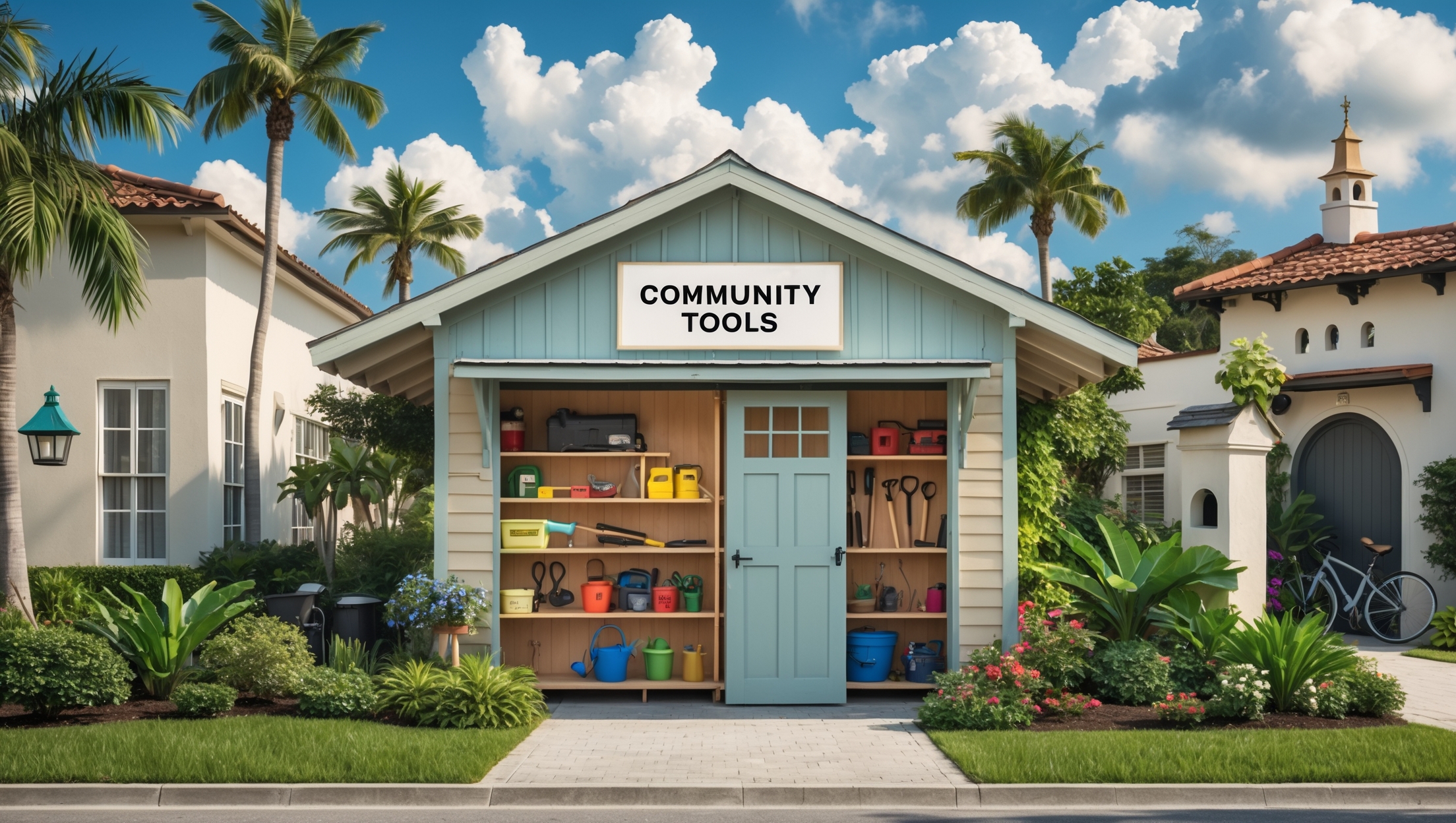
Navigating Compliance and Permits for St. Pete’s Community Tool Sheds: A Practical Roadmap

Introduction: Why Compliance Matters for St. Petersburg’s Community Tool Sheds
Community tool sheds are becoming a cornerstone of St. Petersburg’s neighborhood-driven improvement projects. These shared resources empower residents to tackle local repairs, beautify public spaces, and foster a spirit of collaboration. But before residents can unlock the doors to a new tool shed, there’s a maze of compliance requirements and permitting processes to navigate. Overlooking even one step can result in costly delays, fines, or even forced removal of your project. This guide provides St. Pete organizers with a practical, detailed roadmap to ensure your community tool shed is fully legal, compliant, and sustainable from day one.
We’ll break down the relevant city and county codes, explain the permitting process, outline crucial insurance and safety requirements, and share real-world insights from successful local projects. Whether you’re a neighborhood association, a nonprofit, or an informal resident group, this guide will help you avoid common pitfalls, budget accurately, and set up a tool shed that serves your community for years to come.
Understanding St. Petersburg’s Zoning and Land Use Requirements
Check Your Zoning District
Before designing your tool shed, review your neighborhood’s zoning district. St. Petersburg’s Unified Land Development Code determines what types of structures are allowed in each zone. Community tool sheds are typically considered accessory structures, but the rules vary by location. Start by:
- Using the City’s Zoning Map to determine your property’s classification
- Contacting the City’s Development Services Center for clarification if your site is ambiguous
Key Zoning Considerations
- Setbacks: Most districts require accessory structures to be set back a minimum distance from property lines.
- Size Limits: There may be maximum square footage or height restrictions.
- Use Restrictions: Confirm the shed will not be used for commercial purposes—this is critical for compliance.
- Flood Zones: Many St. Pete neighborhoods are in flood-prone areas, requiring elevated construction or additional approvals.
Mapping Out the Permitting Process
When Is a Permit Required?
In St. Petersburg, most tool sheds require a building permit if they:
- Exceed 100 square feet in area
- Are permanently anchored to the ground
- Include electrical wiring (for lighting or outlets)
Even small, movable sheds may need a zoning review. Always check before you build.
Types of Permits Needed
- Building Permit: For the structure itself; plans may need to be signed by a licensed contractor.
- Electrical Permit: If you’re adding any powered lights or outlets.
- Floodplain Permit: Required if your site is in a designated flood zone.
- Site Plan Review: For larger or permanent structures, especially on public or nonprofit-owned land.
Step-by-Step Permit Application
- Draft a Site Plan: Show the location, dimensions, and distances from property lines and other structures.
- Prepare Construction Drawings: Include floor plans, elevations, and details on building materials and anchoring methods.
- Gather Supporting Documents: Ownership documents, HOA or landowner permissions, and proof of flood zone status if applicable.
- Submit Application: File online or in person at the City’s Development Services Center. Pay the required fees (typically $50–$150 for basic sheds).
- Schedule Inspections: The city will require inspections at key stages—site layout, foundation, framing, and final completion.
Tip: Many groups partner with local licensed contractors, who can streamline the permitting and inspection process.
Budgeting for Compliance: Hidden Costs and Smart Planning
Permit and Inspection Fees
- Building permit fees typically start at $50 for small sheds but can exceed $200 for larger or more complex builds.
- Electrical permits are usually $50–$100, plus the cost of a licensed electrician if required.
- If you’re in a flood zone, factor in elevation or engineering costs, which can run $500–$1,500.
Professional Services
- Architectural or engineering plans (if required): $300–$1,000
- Contractor labor: varies widely; volunteer labor can help reduce costs
Insurance and Legal Costs
- Liability insurance: $250–$600/year for most community projects
- Legal consultation (for nonprofit or public land use): $200–$500 (one-time)
Budgeting Tips
- Request fee waivers or nonprofit discounts from the city
- Partner with local businesses for material or service donations
- Apply for neighborhood grants through the city or local foundations
Insurance Essentials for Community Tool Sheds
Types of Insurance to Consider
- General Liability: Protects your group from claims if someone is injured while using the shed or its tools.
- Property Insurance: Covers damage to or theft of the shed and its contents.
- Volunteer Accident Insurance: Optional, but helpful if you have regular volunteers managing the shed.
Contact local insurance brokers with experience in nonprofit or community projects. Some St. Pete agencies offer policies tailored to grassroots organizations.
Common Compliance Pitfalls—and How to Avoid Them
- Skipping the Permit: Unpermitted sheds can be cited, fined, or ordered removed. Always verify before building.
- Building Too Close to Property Lines: This is a top reason for zoning violations. Double-check all setback requirements.
- Neglecting Floodplain Rules: Failure to elevate or flood-proof your shed can result in penalties or denied insurance claims.
- Ignoring Accessibility: If your shed serves the public, ensure pathways and access points meet ADA guidelines.
- Improper Tool Storage: Code enforcement may inspect for safety—store chemicals, blades, and power tools securely.
Step-by-Step: Ensuring Ongoing Compliance
- Keep Documentation On Hand: Store copies of your permits, inspection reports, and insurance policies in the shed (in a weatherproof folder) and digitally.
- Perform Regular Inspections: Schedule quarterly reviews to check for structural issues, code compliance, and safety hazards.
- Log Tool Usage: Maintain a sign-in/out sheet to track who is using the shed and when—a best practice for liability and maintenance.
- Renew Permits and Insurance: Mark renewal dates on a shared calendar to avoid accidental lapses.
- Stay Informed: Sign up for city newsletters or neighborhood association updates to learn about code changes.
Case Study: The Crescent Heights Community Tool Shed
In 2022, the Crescent Heights Neighborhood Association successfully launched a community tool shed by building a strong compliance foundation. Their process included:
- Hosting a zoning Q&A with a city planner at a neighborhood meeting
- Commissioning a local architect to design a flood-resistant, ADA-accessible shed
- Applying for a building permit with detailed site plans
- Securing a $1,000 grant for permitting, insurance, and materials
- Partnering with a nearby hardware store for discounted tools and supplies
By staying proactive and transparent, the project earned city praise and became a model for other St. Pete neighborhoods.
Local Resources and Support
- St. Petersburg Development Services Center: Offers permitting guidance and in-person consultations.
- Pinellas County Extension: Provides educational resources on sustainable construction and tool safety.
- Neighborhood Grants Program: City-funded mini-grants for community-led projects.
- Community Law Program: Free or reduced-fee legal advice for nonprofits and resident groups.
- St. Pete Tool Library: An established resource for advice and possible tool-sharing partnerships.
Conclusion: Building Legally, Building Stronger Communities
Launching a community tool shed in St. Petersburg is more than just assembling lumber and filling shelves—it’s about building a legally sound, sustainable resource that brings neighbors together for years to come. By prioritizing compliance and understanding the permitting landscape from the outset, your group will avoid costly setbacks, foster trust with local officials, and ensure that your project is truly accessible to all.
From zoning research to insurance policies and regular maintenance, every step plays a role in your shed’s success. Take advantage of the city’s support programs, connect with other neighborhood groups for shared wisdom, and always keep open lines of communication with local officials. The process may seem daunting at first, but with good planning and community collaboration, your tool shed can become a lasting hub of empowerment and connection. Let this guide be your blueprint for creating a safe, compliant, and celebrated community asset in the heart of St. Pete.
If my neighborhood falls into a zoning district that is a little ambiguous, how responsive is the City’s Development Services Center in clarifying if a community tool shed is allowed? Is there anything specific I should prepare before reaching out to them?
The City’s Development Services Center is generally quite helpful when it comes to zoning questions, especially in ambiguous cases. Before you contact them, it’s useful to have your property address, your zoning district information, and a clear description or sketch of your proposed tool shed project. This preparation will help them give you a more accurate and efficient response.
Could you clarify how the process might differ if our community tool shed is on land owned by a nonprofit versus city-owned land? I’m unsure whether different zoning or permitting steps apply depending on who owns the property.
The process does change depending on land ownership. If your tool shed is on nonprofit-owned land, you’ll generally follow standard local zoning and permitting steps, working directly with city departments. If it’s on city-owned land, extra approvals are usually needed—like city council consent and possibly a lease or partnership agreement. The city may also have its own requirements or restrictions beyond zoning, so it’s a good idea to consult both city officials and the nonprofit’s leadership early in planning.
The article talks about insurance and safety requirements, but do you have any ballpark figures for what insurance premiums might look like for these community sheds? This would help a lot with our budgeting process.
Insurance premiums for community tool sheds can vary widely depending on factors like location, size, inventory value, and what activities are hosted. In the St. Pete area, you might expect general liability insurance to range from $400 to $1,200 annually for a small volunteer-run shed. If you have valuable equipment or offer workshops, costs could be higher. It’s best to get quotes from a few insurers to find a plan that fits your needs and budget.
What should we expect in terms of timeline from starting the permit application to getting full approval to build the shed? Are there typical delays or additional steps that tend to catch first-time organizers off guard in St. Pete?
From application to approval, the permit process for tool sheds in St. Pete generally takes 4 to 8 weeks, depending on the shed’s size and complexity. Common surprises include requests for detailed site plans, neighborhood association approvals, and clarifications on zoning or setbacks. Reviews may take longer if your paperwork isn’t complete or if revisions are needed, so double-check all documentation before submitting to help avoid delays.
You mentioned insurance and safety requirements for community tool sheds. Can you clarify what kind of insurance would be needed and roughly how much that might add to the budget each year?
For community tool sheds, general liability insurance is typically needed to cover accidents or injuries that might occur when people borrow or use tools. Some policies also include property coverage for the tools themselves. Costs can vary, but you might budget around $500 to $1,500 annually, depending on factors like location, number of members, and the value of your tool inventory. It’s wise to get quotes from several insurers to find the best fit.
Do you have any ballpark estimates on how much we should budget for permitting fees and compliance costs in St. Petersburg? Our group is working with limited funds and we want to make sure we’re not surprised by hidden costs as we follow this roadmap.
Permitting fees for community tool sheds in St. Petersburg can vary, but you should generally budget around $200 to $700 for basic permits, depending on the shed size and project details. Additional compliance costs, such as inspections or zoning adjustments, could add another $100 to $500. It’s always wise to check with the city’s Building Department for your specific location, as requirements and fees can change.
If our property’s zoning classification is unclear from the city map, how long does it typically take to get clarification from the Development Services Center before we can start our application process?
If your property’s zoning classification isn’t clear, contacting the Development Services Center directly is the best approach. Typically, you can expect a response within a few business days, though it may take up to a week during busy periods. It’s a good idea to have your property address or parcel number ready to speed up the process.
Could you clarify how insurance requirements typically work for a community tool shed run by a small informal resident group? I’m wondering what type of coverage is usually needed and whether the city has any minimum standards for liability.
For a community tool shed managed by an informal resident group, general liability insurance is usually recommended to protect against potential injuries or property damage. The specific coverage amount can vary, but $1 million is a common minimum for community projects. St. Pete may not mandate insurance for informal groups, but if you seek city partnership or use city property, they might require proof of coverage. It’s wise to check directly with the city’s risk management office for any local minimums or additional requirements.
The article mentions possible size and height restrictions for accessory structures. What is the typical turnaround time for getting city approval if our proposed shed is close to the maximum allowed dimensions?
If your proposed shed is close to the maximum allowed size or height, city approval can take a bit longer as the plans might get more scrutiny. Typically, the review process in St. Pete takes 2 to 4 weeks for accessory structures. However, if your application is complete and meets all zoning requirements, you may be on the shorter end of that range. Be sure to include all requested documentation to help avoid delays.
When budgeting for a community tool shed, are there any hidden compliance or permitting costs St. Pete organizers have encountered that tend to surprise first-timers? I want to make sure our group accounts for all potential expenses upfront.
Organizers in St. Pete have noted a few costs that can catch first-timers off guard. Common surprises include fees for zoning variances if your location doesn’t fit standard requirements, unexpected expenses for accessibility upgrades (like ramps), and charges for special fire or electrical inspections. Some groups also find they need to pay for professional site surveys or environmental assessments. Factoring in these possibilities ahead of time will make your budgeting process much smoother.
If our neighborhood group wants to start with a smaller, temporary tool shed and later upgrade to a permanent one, do we have to go through this whole compliance process twice, or is there a streamlined way to transition?
When starting with a temporary shed, you’ll need to follow the compliance and permit process for that initial structure. Later, if you decide to install a permanent shed, you will need to start a new permit application specific to the permanent structure, as requirements often differ. However, some information from your first application may be reused, which could help streamline the second process.
Could you clarify how the maximum square footage limits for accessory structures in St. Petersburg might differ for nonprofit organizations versus informal neighborhood groups looking to set up a community tool shed? Are there scenarios where exceptions to these limits might be granted?
In St. Petersburg, maximum square footage limits for accessory structures generally apply equally, whether the applicant is a nonprofit or an informal group. However, nonprofits might have more flexibility if they partner with the city or operate on city-owned property, which can sometimes allow for exceptions or variances. Any group seeking to exceed standard size limits would need to apply for a variance, and approval depends on demonstrating a unique community need or hardship. It’s important to consult city zoning staff early to discuss your specific situation.
If my neighborhood’s zoning district is kind of on the edge between residential and mixed-use, who has the final say on whether a tool shed is allowed, and can exceptions ever be made for community projects?
The final decision usually rests with the city’s zoning or planning department. They’ll review your neighborhood’s specific zoning map and regulations to determine if a community tool shed is permitted. Exceptions, like variances or special permits, can sometimes be granted for community projects, but you’ll need to submit a formal request and explain the public benefit. It’s best to consult directly with your city’s zoning office for guidance.
What’s the typical timeline for getting zoning clarification and permit approval through the Development Services Center in St. Pete? We want to set realistic expectations for our volunteers.
The typical timeline for zoning clarification and permit approval through St. Pete’s Development Services Center can range from 2 to 6 weeks, depending on the complexity of your project and current workloads. Straightforward cases may take only a couple of weeks, but if additional documentation or reviews are needed, it could take longer. It’s wise to allow some buffer time to ensure your volunteers aren’t left waiting.
Are there examples of setbacks or size limits that have caused issues for tool sheds in certain St. Pete neighborhoods, and how did those groups resolve them?
Yes, some neighborhoods in St. Pete have run into challenges with setback requirements—usually needing sheds to be a certain distance from property lines or other structures. In a few cases, groups had to adjust their plans by moving the shed further onto the property or reducing its size to comply with local codes. Others worked with city officials to get variances or minor exceptions. Checking requirements early and consulting with the permitting office helped many groups avoid bigger problems later on.
I am a bit confused about the insurance and safety requirements mentioned. Could you explain what kind of insurance is typically needed for a community tool shed in St. Pete, and who usually pays for it—the city, the host property owner, or the residents?
For a community tool shed in St. Pete, general liability insurance is commonly required to protect against accidents or property damage. This insurance typically covers injuries to users or damage caused by borrowed tools. Who pays for the insurance can vary: sometimes the host property owner covers it, especially if the shed is on private land, but in other cases, the city or a sponsoring organization might provide coverage. It’s important for organizers to clarify this with all parties involved before opening the tool shed.
For someone totally new to this, how do you actually find out your neighborhood’s zoning district in St. Pete? Is there a specific office or person you should talk to if the online zoning map is confusing or unclear about accessory structures?
If you’re not sure about your zoning district from the online map or need clarification on accessory structures, you can contact the City of St. Petersburg’s Planning and Development Services Department. They have staff who can answer zoning questions and explain local rules. You can visit their office in person, call, or email for direct assistance with your specific property address.
The article mentions setbacks and use restrictions—if we only plan to use the tool shed for community volunteer projects and not for any commercial activities, are there still insurance requirements or special permits we should be aware of?
Even if your tool shed is only for community volunteer projects, you may still need specific permits, such as building or zoning permits, depending on local regulations. Insurance is often recommended to cover liability in case of accidents, even for non-commercial use. It’s a good idea to check with your local permitting office to confirm exact requirements based on your intended use.
I’m trying to figure out the insurance part for a community tool shed project—does the city require a specific type of insurance coverage, or is general liability usually enough? And do you have any tips for estimating those insurance costs before getting too far into planning?
For most community tool shed projects in St. Pete, general liability insurance is typically the main requirement, but the city may ask for specific coverage amounts or additional types depending on your shed’s activities and location. It’s best to consult the city’s permit office to confirm exact requirements. To estimate costs, contact a few local insurance agents with your project details—they can provide rough quotes and help you understand what factors might affect your premium early in your planning process.
Does the permitting process for community tool sheds in St. Pete differ depending on whether you are a nonprofit organization or just an informal group of residents? If so, what specific steps or documentation should each prepare?
Yes, the permitting process does differ. Nonprofit organizations usually need to provide proof of their nonprofit status, organizational documents, and may be eligible for certain permit exemptions or streamlined processes. Informal resident groups will need to designate a responsible party and provide detailed contact information, and they may face additional requirements for liability coverage or community approval. Both should prepare a site plan, safety protocols, and obtain permissions from property owners, but nonprofits often have clearer processes to follow.
Could you clarify what specific types of insurance are recommended or required for community tool sheds under St. Petersburg’s regulations, especially for informal resident groups who might not have nonprofit status? Are there common budget ranges organizers should plan for?
For informal resident groups managing community tool sheds in St. Petersburg, general liability insurance is typically recommended to protect against injury or property damage claims. While not always legally required, some city programs or property owners may make it a condition. Nonprofits often find policies starting around $400–$1,000 per year, but informal groups may see variations depending on coverage and provider. It’s wise to contact local insurers for tailored quotes, as prices can fluctuate based on group size, activities, and location.
I saw there are size and height restrictions for accessory structures. Are there sample budgets or guidelines available that help estimate how much meeting all the permitting, insurance, and safety requirements might add to the overall cost of building a community tool shed?
While the article mainly outlines permit and compliance steps, it doesn’t provide a sample budget. However, many city planning departments offer guideline sheets or cost checklists for accessory structures, which can help you estimate expenses. Costs typically include permit application fees, inspection charges, insurance premiums, and possible upgrades for fire safety or accessibility. Contacting a local contractor or your city’s permitting office can give you more tailored estimates for these requirements.
If our neighborhood group wants to build a tool shed on city-owned land rather than private property, does the permitting process change at all and are there additional steps we should be aware of?
Yes, building a tool shed on city-owned land does change the permitting process. You’ll need written approval or a lease agreement from the city before applying for any permits. City-owned land may also have extra requirements, such as public notification or additional reviews by city departments. Make sure to contact your city’s permitting office early to understand all specific steps and documentation needed for your project.
If the tool shed ends up slightly over the allowed square footage or violates a setback, what steps would organizers need to take to seek a variance, and how long does that process typically take in St. Pete?
If your tool shed exceeds the allowed size or violates setback rules, you’ll need to apply for a zoning variance with the City of St. Petersburg. This involves submitting a detailed application, paying any applicable fees, and presenting your case before the Development Review Commission. The process can take several weeks to a few months, depending on meeting schedules and the complexity of your request. It’s wise to consult with the city’s zoning staff early to ensure your application is thorough and to understand specific timelines.
I have trouble finding clear info on insurance for small community projects like this. Can you explain what kind of insurance is actually required for a St. Pete tool shed, and is it usually affordable for neighborhood groups?
For a St. Pete community tool shed, you typically need general liability insurance to cover accidents or injuries that might happen when people borrow or use the tools. Some groups also choose property insurance to protect the shed and its contents. Costs can vary, but many neighborhood groups find basic liability coverage to be affordable, especially if they shop around or seek nonprofit rates. It’s a good idea to contact local insurance agents for small nonprofits—they can give you specific estimates and help find the right policy for your needs.
I’m wondering how strict St. Pete is about the accessory structure size limits for community tool sheds. If our group needs something a bit larger for all the equipment, is there a variance process, and how long does that typically take?
St. Pete does enforce accessory structure size limits quite closely, especially for community projects. However, there is a variance process if your group needs a larger shed. You’ll need to submit an application justifying the need for extra space, and the city will review it. The process usually takes about 4 to 8 weeks, depending on the complexity and the schedule of public hearings. It’s a good idea to consult with the city’s zoning office early on to make sure your plans meet other requirements as well.
The article mentioned insurance and safety requirements—could you clarify what type of insurance coverage is actually necessary for a small volunteer-run tool shed, and are there any affordable options other groups in St. Pete have used?
For a small, volunteer-run tool shed, you’ll typically need general liability insurance to protect against injuries or property damage involving users or visitors. Some groups in St. Pete have used local nonprofit insurance providers or added coverage through existing umbrella policies to keep costs down. You might also ask your city or local community centers if they offer shared insurance options for grassroots projects.
If our group is just getting started and we’re not sure about our zoning classification, what’s the rough timeline from first contacting the Development Services Center to actually being allowed to break ground on a tool shed? Are there common delays we should anticipate?
Once you reach out to the Development Services Center, expect the process of confirming zoning, obtaining approvals, and securing permits to take anywhere from a few weeks to several months, depending on your group’s preparedness and the complexity of your site. Common delays involve incomplete paperwork, clarification requests, or waiting for public hearings if zoning adjustments are needed. Being thorough with your initial documents and responsive during reviews can help keep things moving smoothly.
If our neighborhood association is considering placing a tool shed near a boundary line to maximize use of our space, how flexible are the city’s setback requirements in St. Petersburg, and are there provisions for variances if we run into issues with property lines?
St. Petersburg generally enforces specific setback requirements for accessory structures like tool sheds, often based on the zoning district. However, if your association finds the setback limits restrictive, you can apply for a variance. This process involves submitting a request to the city’s Board of Adjustment, explaining your unique situation and why the standard setback can’t be met. Approval isn’t guaranteed, but provisions do exist for requesting exceptions under certain conditions.
Could you elaborate on the typical insurance requirements mentioned for community tool sheds? Are there certain types or minimum coverage amounts that most groups in St. Petersburg end up needing?
Community tool sheds in St. Petersburg usually need general liability insurance to protect against accidents or injuries that might occur on-site. Most groups opt for coverage of at least $1 million per occurrence, though requirements can vary depending on the location or property owner. If volunteers are involved, some organizations also consider additional coverage like volunteer accident insurance or property insurance for the tools themselves. It’s best to review local agreements or consult with an insurance agent familiar with nonprofit and community projects.
Could you clarify what types of insurance coverage are typically required for a community tool shed in St. Petersburg? Is general liability enough, or are there specific coverage requirements for nonprofits versus informal resident groups?
For a community tool shed in St. Petersburg, general liability insurance is usually considered essential to protect against accidents or injuries. If your group is a registered nonprofit, you may also need property insurance for tools, and possibly volunteer accident coverage. Informal resident groups might not have formal insurance requirements, but having at least general liability coverage is highly recommended. Always check with your local government or a qualified insurance agent, as requirements can vary depending on your organizational structure.
Could you elaborate on insurance needs for a tool shed run by a group of residents? We want to make sure we’re covered but are not sure what kind of policies or coverage levels are actually required by the city or county.
For a resident-run tool shed, you’ll likely need general liability insurance to cover injuries or property damage involving members or visitors. The city or county may not have strict requirements, but it’s wise to check with local officials for guidance. Also, consider property insurance for the shed and its contents, and if you have volunteers, volunteer accident coverage can be helpful. Speaking directly with an insurance agent familiar with community projects in St. Pete is a good way to make sure all your bases are covered.
Could you clarify whether the city’s setback and size limit requirements for community tool sheds differ between residential and public land? The article mentions using the Zoning Map, but I’m wondering if there are additional nuances depending on property ownership.
Yes, the setback and size limit requirements can differ based on whether a tool shed is placed on residential or public land. On residential lots, you’ll need to follow the zoning regulations specific to that district, which may have stricter size and placement limits. For public or city-owned land, requirements might be more flexible or subject to additional review and approvals. It’s best to consult both the Zoning Map and contact the city’s zoning office for guidance tailored to the specific property type.
If a neighborhood group wants to build a tool shed on public land instead of private property, do the same zoning and permitting requirements apply, or are there different steps we should follow according to the city’s code?
If you want to build a tool shed on public land, the process is different from building on private property. You’ll need approval from the city or relevant public agency that manages the land, and there may be additional requirements beyond standard zoning and permits. It’s best to contact the city’s planning or permitting office early to understand all steps and ensure compliance.
I’m a little confused about the insurance part—what kinds of insurance do community tool sheds in St. Pete typically need, and are there affordable options for small neighborhood groups just starting out?
Community tool sheds in St. Pete usually need general liability insurance to cover potential injuries or property damage during tool use. If volunteers handle tools or run activities, volunteer accident or workers’ compensation coverage can also be important. For small or new groups, some insurers offer nonprofit policies tailored for low budgets, and local umbrella organizations or city programs sometimes help with group policies or discounts. It’s wise to get quotes from a few providers and ask about nonprofit or small group rates.
After checking our zoning on the city’s map, if we find our property classification is unclear, what information should we have on hand before contacting the Development Services Center? I want to be prepared so the process goes smoothly.
Before contacting the Development Services Center, have your property address, parcel number (if available), and a printed or digital copy of your zoning map results. It’s also helpful to note any current or planned uses for your property and, if possible, have photos or a simple site layout. This information will help staff quickly clarify your zoning classification and answer your questions efficiently.
The article mentions potential fines and forced removal if compliance steps are skipped. Can you give an example of a common mistake groups make during the permitting process that ends up causing these issues?
A common mistake groups make is starting construction or placing sheds on site before receiving official permit approval. This can lead to city inspectors issuing fines or requiring the sheds to be taken down until everything is in compliance. It’s important to wait for all permits to be granted before any physical work begins.
I’m curious about budgeting for compliance—are there typical costs or fee ranges associated with permitting, insurance, or meeting setback and size requirements when setting up a community tool shed in St. Pete?
Budgeting for compliance in St. Pete typically involves a few core costs. Permitting fees can range from $50 to $200 depending on the shed size and location. Insurance costs vary but expect around $300 to $600 annually for liability coverage. Ensuring your shed meets local setback and size requirements may mean additional expenses for site planning or surveys, usually a few hundred dollars. It’s wise to check directly with the city permitting office for the most accurate and current figures.
If our neighborhood zoning looks ambiguous about accessory structures, how long does it typically take Development Services to clarify or approve tool shed plans? Are there common issues that tend to hold up the process?
When zoning rules are unclear, the Development Services team usually responds within two to four weeks, though timelines can vary depending on current workloads or the complexity of your case. Delays often happen if site plans lack details, if property lines aren’t clearly marked, or if there are questions about shed placement. Double-checking your submission for completeness can help avoid these common holdups.
I’m still a bit confused about how to check if our planned tool shed location meets the setback and size requirements for accessory structures. Does the city provide any visual guides or do I have to interpret the zoning map and code myself?
The city of St. Pete often provides diagrams or visual guides in their accessory structures handouts, which can help explain setback and size rules. However, you may still need to reference the zoning map and code for your specific address. I recommend contacting the city’s zoning department—they can clarify requirements for your location and may even review your proposed site plan to ensure compliance.
Could you clarify what happens if we accidentally choose the wrong zoning classification using the City’s Zoning Map? Is there an easy way to correct a mistake before we get too far along in the planning process?
If you select the wrong zoning classification initially, you can correct it without too much trouble as long as you catch the error early. Just revisit the City’s Zoning Map, double-check your property address, and update your planning documents with the correct zoning. If you’ve already submitted paperwork, contact the zoning department to explain the mistake—they’re usually able to help you adjust your application before it moves too far along.
If our neighborhood association wants to set up a small community tool shed, but the zoning map for our area isn’t clear about accessory structures, is it enough to contact the Development Services Center for guidance, or should we also get something in writing before moving forward?
It’s a good idea to start by contacting the Development Services Center for clarification, but you should absolutely request written confirmation about what’s allowed for your specific location. Having written documentation can help prevent misunderstandings or issues later, especially if interpretations of the zoning rules ever come into question.
I noticed there’s a requirement to check zoning and land use before designing a tool shed. If our neighborhood’s zoning seems ambiguous or doesn’t clearly mention tool sheds, what’s the best way to get a definitive answer before investing time or money?
If your zoning regulations are unclear about tool sheds, the best approach is to contact your local zoning or planning department directly. Explain your project and ask for written clarification or an official interpretation. This way, you’ll have a clear understanding before starting, and you can avoid costly surprises or adjustments later on.
After checking the zoning map and figuring out the needed permits, how long does the whole approval process usually take in St. Pete? We want to set realistic expectations for when our tool shed could actually open for community use.
Once you’ve identified the right permits and submitted your applications in St. Pete, the approval process typically takes between 4 to 8 weeks. This timeline can vary depending on the complexity of your project and how quickly you provide any requested documents or revisions. Be sure to factor in potential delays for inspections or additional reviews, especially if your location has unique zoning considerations.
The article mentions there could be costly delays or fines if we overlook any compliance steps. Is there a typical upfront budget range we should plan for to cover permits, insurance, and any required modifications before opening a new tool shed?
Upfront costs for permits, insurance, and required modifications can vary depending on your location and the size of the tool shed. However, most groups in St. Pete report budgeting between $1,000 and $3,000 before opening. This usually covers basic permits, liability insurance, and minor site improvements. It’s wise to contact your local permitting office early to get a clearer estimate for your specific project.
If our tool shed location is on a property where the zoning map classification seems ambiguous, what’s the best way to get a quick and definitive answer from the Development Services Center? Have you found them responsive with these kinds of zoning clarifications?
The fastest way to get a clear answer is to contact the Development Services Center directly—either by phone or by visiting in person. In our experience, they are generally responsive to zoning clarification questions, especially if you have your property address and details handy. Bringing a printed copy of the zoning map can also help speed up the discussion.
Do you have any tips for budgeting insurance costs for a community tool shed? The article mentions insurance as a key requirement, but I wasn’t sure what kind of policies or price range organizers should expect.
When budgeting for insurance on a community tool shed, start by looking at general liability insurance, which typically covers accidents or injuries. Depending on your location and shed size, annual premiums can range from $300 to $1,000 or more. Consider if you need property coverage for the tools themselves, as this may add to the cost. It helps to get quotes from several insurers and check if your city has specific requirements. Some local nonprofits or umbrella organizations may offer affordable group policies as well.
If a community group wants to set up a tool shed on a property that borders both residential homes and a public park, are there special setback or use restrictions that would apply, or would standard accessory structure rules cover that scenario?
In this scenario, both standard accessory structure rules and potential special restrictions could apply. Since the property borders residential homes and a public park, you may face additional setback requirements or use restrictions beyond the norm. It’s best to check with St. Pete’s zoning office about specific setback distances for structures near park boundaries, as well as any neighborhood-specific overlays that could affect your plans.
Does the insurance requirement you mentioned mean that our neighborhood association needs a special policy just for the shed, or can we use our existing general liability coverage? I want to avoid any surprises in our budget planning.
You may be able to use your existing general liability coverage, but it’s important to check the specifics of your policy. Some insurers require an endorsement to cover structures like a tool shed, while others might already include it. Contact your insurance provider to confirm whether your current plan covers the shed or if you need to purchase additional coverage. This way, you can plan your budget accurately and avoid unexpected expenses.
If our property’s zoning classification is unclear after using the City’s Zoning Map, what specifics should we prepare before reaching out to the Development Services Center for clarification? Is there a typical turnaround time for getting answers from them?
Before contacting the Development Services Center, gather your property’s address, parcel identification number, and any relevant site details or sketches. If you have screenshots or notes from your zoning map search, include those as well. This information will help staff provide a precise answer. Response times can vary, but you can typically expect to hear back within a few business days.
The article mentions budgeting accurately for compliance steps. What are some typical unexpected costs that organizers in St. Pete have encountered during the actual permitting or inspection phases for tool sheds?
Organizers in St. Pete have sometimes faced unexpected costs such as additional fees for last-minute permit revisions, required upgrades to meet accessibility standards, or hiring licensed professionals for electrical or structural inspections. Some also reported expenses for extra documentation or surveys requested by city officials, and costs to address minor code corrections discovered during inspections that weren’t initially anticipated.
I noticed the article mentions budgeting accurately for compliance and permitting—are there any hidden costs or common expenses that groups tend to overlook when setting up a tool shed in St. Petersburg?
Some common expenses that groups might overlook include costs for site surveys, utility checks, and insurance coverage required by the city. There can also be fees for unexpected permit revisions or inspections, and expenses related to accessibility requirements, like adding ramps or signage. It’s a good idea to set aside a contingency fund to cover these possible hidden costs.
If our community is unsure about our zoning classification and the site seems ambiguous, what is the typical response time from the City’s Development Services Center when seeking clarification, and can this step cause delays in our project timeline?
The City’s Development Services Center usually responds to zoning clarification requests within 5 to 10 business days, though response times can vary depending on current workload. If your site’s classification is unclear, it’s wise to allow extra time in your project schedule, as waiting for official clarification can occasionally cause delays, especially if follow-up questions or reviews are needed.
For budgeting purposes, do you have any ballpark figures on the costs associated with compliance, permits, and meeting safety requirements when starting a new community tool shed in St. Petersburg?
Based on typical experiences in St. Petersburg, initial permitting and compliance costs for a community tool shed can range from $500 to $2,500, depending on location and scope. This may include application fees, safety inspections, basic insurance, and any required upgrades for accessibility or fire safety. It’s wise to contact the city’s permitting office early to get precise estimates for your specific situation.
If our neighborhood association wants to build a community tool shed, how does the permitting process change if the shed is on public land versus private property? Would the setback or size restrictions be different depending on the location?
If your tool shed is on public land, you’ll need city approval and a permit from St. Pete, which may involve additional reviews and stricter requirements. For sheds on private property, the permitting process is generally more straightforward, but you still need to follow local codes. Setback and size restrictions can indeed differ between public and private locations, so it’s important to check with the city’s zoning office for specific rules based on where you plan to build.
The article mentions budgeting accurately for compliance, permits, and potential delays. Are there any rough estimates or examples from past projects in St. Pete about how much these costs ended up being all together? We want to avoid surprises.
While the article doesn’t list exact numbers, similar community tool shed projects in St. Pete have typically budgeted $2,000–$5,000 for permits, inspections, and compliance-related costs. Delays or extra requirements can add $500–$1,000, depending on the complexity. It’s best to set aside a 10–15% contingency fund to cover unexpected expenses and avoid surprises during the process.
You mentioned setbacks and size limits for accessory structures. Can you clarify how flexible the city is on these requirements if a lot is unusually small or irregularly shaped? Are there options for variances, and what does that process look like?
The city does offer some flexibility through a variance process if your lot is unusually small or irregular. You would need to formally apply for a variance, explaining your situation and showing why standard setbacks or size limits are difficult to meet. The application is reviewed by a board, and neighbors may be notified. Approval isn’t guaranteed, but if you provide good reasons and possible alternatives, there’s a chance the requirements can be adjusted.
I noticed you mentioned setbacks and size restrictions for accessory structures. Are there specific guidelines or formulas that St. Pete uses to determine maximum shed size, and do these limits vary by neighborhood or zoning classification?
St. Pete does set maximum shed sizes based on zoning classification, and the requirements can differ by neighborhood. Generally, shed size limits are determined as a percentage of your lot area or by a set square footage, whichever is less. There are also setback requirements from property lines. It’s best to check your property’s zoning district, as specific formulas and limits are detailed in the city’s Land Development Regulations for each zone.
After checking our zoning district and confirming our shed size meets requirements, what are the next steps in the permitting process, and how long does each typically take in St. Petersburg?
Once you’ve confirmed zoning and shed size, the next step is to gather and complete the appropriate permit application from the City of St. Petersburg. Submit your application along with required documents such as site plans and construction details to the city’s Building Department. Permit review usually takes one to two weeks, depending on workload and completeness of your submission. After approval, you can begin construction, followed by inspections as required before final sign-off.
The article mentions budgeting accurately, but are there any hidden fees or unexpected costs related to insurance or compliance that we should watch out for when planning a community tool shed?
When planning a community tool shed, it’s wise to be prepared for extra costs that might not be obvious at first. Insurance premiums can sometimes be higher based on the value of tools, location, or liability coverage requirements. Also, plan for possible permit application fees, safety inspections, and any costs tied to bringing your shed up to code if requirements change. It helps to check with your local authorities and insurance providers early on to avoid surprises.
What kind of insurance coverage is typically required for a community tool shed in St. Pete, and do you have any guidance on how to estimate those costs when budgeting for the project?
For a community tool shed in St. Pete, you’ll typically need general liability insurance to protect against accidents and property damage, and possibly property insurance for the shed and its contents. Some groups also consider volunteer accident coverage. To estimate costs, contact local insurance agents with details on your location, shed size, and expected use. Premiums can range widely, but for budgeting, many groups set aside $500 to $1,500 annually as a starting estimate.
The article mentions setbacks and size limits for accessory structures. If our chosen site barely meets the minimum setback, is there a way to request a variance from the city, or should we stick to strict compliance to avoid permit issues?
If your site only just meets the minimum setback, it’s usually safest to stick to strict compliance to prevent any permit complications. However, if you need a bit more flexibility, you can apply for a variance through the city’s zoning department. This process involves submitting an application and explaining your situation, and approval isn’t guaranteed. Consulting with the city before proceeding can help clarify your best option.
The article mentions potential fines or forced removal if steps are missed—do you have any examples of common mistakes people make during the permitting process that organizers should watch out for in St. Pete?
Some common mistakes organizers make in St. Pete include neglecting to check local zoning restrictions, starting construction before getting written permit approval, and failing to notify adjacent property owners when required. Missing these steps can lead to fines or an order to remove the shed. It’s important to carefully review city guidelines and keep detailed records of all correspondence with permitting officials.
You mentioned budgeting accurately for compliance and permits, but are there any typical costs or unexpected fees that past projects in St. Pete have run into? I’m trying to plan our budget and want to avoid surprises.
Past projects in St. Pete often faced costs beyond just the standard permit fees. For example, there can be charges for site inspections, environmental assessments, or meeting specific zoning requirements. Sometimes, insurance premiums increased unexpectedly or extra documentation was requested. It helps to set aside a contingency fund, usually 10–15% of your projected permitting and compliance budget, to cover these sorts of unforeseen expenses.
If our neighborhood association wants to build a tool shed but the zoning map shows our area is in a mixed-use district, are there any recent examples of permission being approved in similar situations, or specific hurdles we should anticipate with permitting?
Neighborhood associations in mixed-use districts have recently received approval for tool sheds, but the process can take longer than in residential-only zones. The main hurdles usually involve demonstrating community benefit, ensuring proper setbacks, and addressing parking or traffic concerns. It’s common for local planning boards to request additional details about how the shed will be managed and accessed. Being prepared to show clear stewardship and alignment with neighborhood goals will help your case.
Can you provide more details about the insurance requirements for community tool sheds? I want to make sure our group is fully covered before moving forward and I’m not sure what type or amount of coverage is considered sufficient in St. Pete.
For community tool sheds in St. Pete, general liability insurance is usually recommended to protect against injuries or property damage. A common minimum is $1 million in coverage, but requirements may vary depending on location, property owner, or city partner. It’s wise to check with the City of St. Pete’s permitting office and your insurance provider for specific recommendations. They can advise on coverage amounts and any additional policies, like property or volunteer insurance, that might be needed.
Could you clarify the typical timeline for getting all the permits and approvals in St. Pete? If we submit everything correctly the first time, how long does it usually take before we can start building the tool shed?
If all your documents and applications are complete and accurate when you submit them, the permitting and approval process in St. Pete generally takes about 4 to 6 weeks. This timeline includes plan review and any standard inspections. However, it can vary depending on the season and workload, so it’s a good idea to check with the local permitting office for updates specific to your project.
I noticed the article mentions setbacks and size limits for accessory structures. If our lot is irregularly shaped or particularly small, are there any common exceptions or variances that past tool shed projects in St. Pete have successfully applied for?
Yes, in St. Pete, property owners with irregularly shaped or undersized lots have occasionally been able to request variances from standard setback or size requirements for accessory structures like tool sheds. Approval usually depends on demonstrating a unique hardship or practical difficulty due to the lot’s shape or size. It’s important to work closely with the city’s zoning staff to prepare your application and understand the specific criteria they consider.
The article touches on budgeting for compliance, but I’m wondering how much time and money we should realistically set aside just for getting through permitting, insurance, and inspections before we can actually open the shed for community use.
For most community tool sheds in St. Pete, budgeting at least 2 to 3 months for permitting, insurance arrangements, and inspections is reasonable. Costs can vary, but expect permit fees and insurance premiums to total anywhere from $1,000 to $3,000, depending on the size and scope of your shed. Keep in mind that these timelines and costs may increase if you need building modifications or extra documentation.
After checking the zoning map and talking to the Development Services Center, what are the next steps if the property’s classification is still unclear for a tool shed? Is there an appeal or special exemption process in St. Petersburg?
If the property’s classification remains unclear after checking with the zoning map and Development Services Center, you can request a formal zoning interpretation from the city’s Zoning Official. If you disagree with their determination or if the use is not clearly allowed, you may apply for a variance or special exception through the Board of Adjustment. It’s a good idea to gather any supporting documents and be prepared to explain your tool shed’s purpose during this process.
If our neighborhood group is planning to use church property for a community tool shed, who do we contact first about zoning— the city or the church, and does it matter if the property is already zoned for community use?
It’s best to start by talking with the church leadership, since they own the property and may already have information about its zoning status. After that, contact the city’s zoning or planning department to confirm the land use rules, even if the property is zoned for community use. Both steps help avoid misunderstandings and ensure your tool shed project complies with local requirements.
The article mentions insurance and safety requirements for tool sheds. Could you clarify what kind of insurance is typically needed and whether the costs should be covered by the neighborhood association or split among residents?
Typically, community tool sheds need general liability insurance to protect against accidents or damage involving the shed or tools. Sometimes, property insurance is also considered to cover theft or loss. Whether the cost is covered by the neighborhood association or shared among residents depends on your group’s structure and agreement; many associations handle the cost as part of their overall budget, but some communities choose to split it among frequent users. It’s a good idea to discuss and vote on the most fair and sustainable option for your group.
Could you clarify if insurance coverage is typically handled by the organizing group or if the city provides any support for liability? I am concerned about potential risks if tools get damaged or someone is injured using the shed.
Insurance coverage for community tool sheds is usually the responsibility of the organizing group rather than the city. The article notes that groups often secure their own liability insurance to cover risks like tool damage or personal injury. However, some cities may offer guidance or limited support, so it’s a good idea to check with your local government for any available assistance or recommended providers.
The article mentions setbacks and size limits for accessory structures. Is it possible to apply for a variance if a property can’t meet the standard setback requirements, and if so, how difficult is that process in St. Petersburg?
Yes, if your property can’t meet the standard setback requirements for an accessory structure like a tool shed, you can apply for a variance in St. Petersburg. The process involves submitting an application to the city’s Board of Adjustment and presenting your case at a public hearing. Approval isn’t guaranteed, as you must show a genuine hardship and that the variance won’t negatively impact neighbors. The process can be detailed and may require supporting documents, but it is possible.
In terms of setbacks and size limits, what are some common mistakes applicants make that lead to delays or denials? I’m trying to make sure our group doesn’t overlook any crucial requirements before submitting plans.
A few common mistakes include miscalculating the distance the shed must be from property lines (the setback), exceeding the maximum allowed size, or misreading local codes about height and placement. Sometimes applicants use outdated maps or don’t account for utility easements, which can trigger denials. Double-check all measurements, consult the latest zoning maps, and reach out to the permitting office for clarification before submitting your plans.
Could you give a ballpark idea of the insurance costs organizers should budget for when planning a community tool shed in St. Petersburg? Are there affordable options that meet the city’s requirements?
For a community tool shed in St. Petersburg, liability insurance can range from about $400 to $1,200 per year, depending on factors like coverage limits, size, and activities. Many organizers find affordable options through local insurance brokers familiar with nonprofits or small community groups. It’s smart to get several quotes and confirm with the city what minimum coverage you need, as requirements can vary by property and intended use.
If a neighborhood group wants to add a tool shed to a shared green space, but the property is right on a zoning boundary, what would be the first step to figure out if the project is even possible before investing too much time in design and fundraising?
The first step is to check which zoning district the specific area of your green space falls under, since being on a boundary could mean different rules apply. Contact the city’s zoning or planning department with the exact property address to confirm the zoning and ask about any relevant restrictions or requirements for tool sheds. This will give you a clear idea of the project’s feasibility before moving forward.
The article mentions setbacks and size restrictions for tool sheds. Are there any examples of what the usual setback and square footage limits are in residential areas, and how much do those factors impact project costs?
In St. Pete residential areas, setbacks often require sheds to be at least 3 to 5 feet from property lines, and the maximum shed size is commonly around 120 to 200 square feet. These limits can affect costs, since larger structures may need extra permitting or engineered plans, and placing a shed farther from the property line might require grading or longer utility runs. Always check local codes for the most accurate figures before starting your project.
Could you elaborate on budgeting for compliance—are there typical permit fees, or hidden costs like site inspections or extra documentation that tool shed organizers in St. Pete should plan for from the outset?
When budgeting for compliance in St. Pete, it’s important to plan for more than just basic permit fees. Typical costs may include application and permit fees, which can vary depending on the type and size of the tool shed. Be prepared for possible expenses related to site inspections, additional documentation, and sometimes even neighborhood notifications. Factoring in these potential extras from the start will help prevent surprises and ensure your project stays on track.
If we accidentally overlook a setback or use restriction while setting up a tool shed, what are the immediate steps we should take to resolve the issue and avoid costly fines or delays mentioned in the article?
If you realize a setback or use restriction was overlooked, contact your local permitting office right away to explain the situation. It’s important to pause new work on the shed until you receive guidance. They may ask you to submit updated site plans or apply for a variance. Acting quickly and showing willingness to cooperate usually helps minimize potential fines and delays.
You mentioned insurance and safety requirements as part of compliance. How big of an expense should we expect for insurance, and are there recommended providers that work specifically with small community projects like these in St. Petersburg?
Insurance costs for small community tool sheds usually range from $300 to $1,000 per year, depending on coverage limits and the activities involved. General liability insurance is the most common type needed. While rates can vary, some local agents in St. Pete have experience with nonprofits and small community projects—try reaching out to agencies familiar with neighborhood associations or community centers for tailored options. It’s also worth contacting your city or local nonprofit network for recommendations on insurers who understand the unique needs of community tool lending programs.
The article mentions insurance requirements for tool sheds. Could you give some examples of what kind of insurance coverage is typically needed and roughly how much that might cost for a small neighborhood project?
For small neighborhood tool sheds, general liability insurance is most commonly needed. This helps protect against accidents or injuries that might occur when people borrow or use tools. Sometimes property insurance is also recommended to cover theft or damage of tools. Costs can vary, but for a small community project, annual premiums often range from $300 to $800, depending on coverage limits, location, and the value of the tools. It’s a good idea to get quotes from a few insurers to compare options.
For budgeting purposes, can you give an idea of the typical costs and timeframe involved from the start of the permitting process to when a community tool shed can actually open in St. Petersburg?
In St. Petersburg, the cost to permit and open a community tool shed typically ranges from $500 to $2,000, depending on factors such as shed size and location. The permitting process itself usually takes about 1 to 3 months, including time for application review, any necessary adjustments, and final inspections. Be sure to also budget for insurance, site preparation, and any required accessibility features.
If a neighborhood group shares a community tool shed with another nearby association, are there specific insurance or permitting steps you would recommend to handle dual ownership, especially in terms of liability?
When two groups share a community tool shed, it’s important to clarify both insurance and permits. Jointly list both associations on the shed’s insurance policy to ensure everyone is covered for liability. For permits, confirm with your local government whether co-ownership affects application requirements or approvals. A written agreement outlining responsibilities, access, and maintenance can also help avoid confusion and disputes.
The article mentions that size and setback restrictions can vary by zoning district. Are there any common pitfalls or unexpected zoning limitations that others in St. Pete have run into when planning their tool sheds?
Yes, several people in St. Pete have come across common pitfalls with zoning rules for tool sheds. For example, some discover too late that accessory structures can’t be placed in certain easements or that corner lots have stricter setback requirements. Other issues include underestimating height limits or not realizing that sheds over a certain size require a building permit. It’s important to double-check your property’s zoning map and consult the permitting office early to avoid surprises.
I noticed there are restrictions on size and setbacks for accessory structures like tool sheds. Are there any examples of how past projects successfully handled tight property lines or unusually shaped lots in St. Petersburg?
In St. Petersburg, some community tool shed projects with tight property lines or oddly shaped lots have applied for minor variances through the city’s Board of Adjustment. Others have modified shed dimensions or placed structures in less conventional areas of the property to meet setback rules. Early consultation with city planners often helps identify creative solutions tailored to unique lot shapes or restrictions.
The article mentions insurance and safety requirements, but I’m wondering if there are any ballpark figures or tips for budgeting these costs upfront. Are there typical insurance providers that other local projects have used for community tool sheds in St. Pete?
Insurance for community tool sheds can vary, but groups often budget between $500 and $1,500 annually for general liability policies, depending on coverage and shed size. Many local projects have worked with providers like State Farm and Nationwide. It’s wise to get quotes from a few agents who have experience with nonprofits or community spaces, as they can help tailor coverage to your needs. Also, set aside funds for safety supplies like PPE and signage in your initial budget.
You mentioned needing to confirm that the tool shed isn’t used for commercial purposes. How strict is the city about monitoring this, and what happens if someone in the community accidentally uses it for a small business project?
The city is generally focused on ensuring community tool sheds are used for non-commercial, neighborhood projects. While enforcement isn’t usually aggressive, using the shed for business purposes could lead to warnings or the need to clarify the shed’s role. If a resident accidentally uses tools for a small business, it’s best to address it quickly, remind all users of the rules, and document your efforts to keep the shed within compliance.
The article mentions setbacks and size limits based on zoning district, but what happens if our proposed site is on a boundary between two zones or seems unclear on the zoning map? Would the Development Services Center handle this or should we prepare any specific documents ahead of time?
When a property sits on a zoning boundary or the zoning designation seems unclear, the Development Services Center is indeed the best place to clarify your site’s zoning status. It helps to bring a current site plan, property address, and any maps you have. These documents allow staff to review your situation more efficiently and give you precise guidance on setbacks and size limits.
For neighborhood associations just starting out, what are some common pitfalls during the permitting phase that have led to delays or fines, and how far in advance should organizers begin the application process to avoid setbacks?
Neighborhood associations often run into delays or fines by overlooking local zoning rules, missing required documentation, or underestimating the time needed for permit reviews. It’s common to forget insurance requirements or proper site plans. To avoid these setbacks, it’s wise to start the permit application process at least 2–3 months in advance. This allows time for gathering documents, addressing feedback from city officials, and resolving any unexpected issues.
Can you clarify whether neighborhood associations or resident groups need to get different types of insurance for the tool sheds, or if there is a standard policy that typically covers these community projects in St. Petersburg?
Neighborhood associations and resident groups in St. Petersburg usually start by looking into general liability insurance to cover community tool sheds, since this type of policy is commonly accepted by the city. However, the exact insurance requirements can vary depending on the location, shed size, and intended use. It’s best to contact your city’s risk management office or a local insurance provider to confirm if a standard policy will suffice or if your group needs additional or specialized coverage.
The article mentions insurance and safety requirements for a tool shed. About how much should we expect to budget for basic insurance, and are there any city-recommended insurance providers for community projects like this?
For basic liability insurance for a community tool shed, you might budget anywhere from $300 to $700 per year, depending on the size and activities of your project. The city typically does not endorse specific insurance providers, but they may suggest consulting with local agents experienced in community or nonprofit coverage to ensure compliance with all requirements.
Could you clarify whether an informal resident group needs to get the same insurance coverage and permits as a neighborhood association or nonprofit? Trying to figure out if the requirements change depending on who’s organizing the shed.
The requirements can differ based on who is organizing the tool shed. Informal resident groups may not have the same legal standing as neighborhood associations or nonprofits, which can affect permit and insurance needs. However, local authorities often require permits and liability coverage regardless of the group’s status if the shed is on public land or involves shared liability. It’s best to check with St. Pete’s permitting office to see if your group qualifies for any exemptions or streamlined requirements.
When budgeting for a tool shed, besides the permit fees and insurance, are there any surprise compliance-related costs that often catch groups off guard in St. Petersburg?
Yes, groups in St. Petersburg sometimes overlook costs like required safety upgrades (such as ADA-compliant ramps), inspection fees, or expenses for site surveys. You may also need to budget for environmental reviews or changes if the shed location is in a flood zone. Double-check local zoning and any neighborhood association rules, as they can add unexpected costs or requirements.
You mentioned setbacks and maximum square footage for tool sheds, but how strict is the city if we’re just a small group of neighbors sharing tools, not an official association? Do informal groups face different requirements or extra hurdles in St. Pete?
In St. Pete, the city’s rules for sheds, such as setbacks and maximum square footage, apply to all installations regardless of whether they’re used by formal associations or informal groups of neighbors. There isn’t a separate set of requirements for informal groups, so you’ll need to follow the same permitting and compliance standards. However, if your shed is on private residential property and remains under the size requiring a permit, the process may be simpler.
You referenced needing insurance for the tool shed—does that typically get handled by the neighborhood association, or can informal resident groups also get the required coverage? Are there affordable options for smaller groups to meet those insurance requirements?
Insurance for community tool sheds is often managed by the neighborhood association if one is involved, since they usually have legal status to purchase group liability policies. However, informal resident groups can also secure coverage, though it may require forming a simple legal entity. There are insurers who offer affordable group liability policies tailored for small, volunteer-run organizations, so even smaller groups can generally meet the requirements without excessive cost.
Could you clarify whether the city treats tool sheds that are located on public property, like parks or medians, differently from those placed on private lots in terms of zoning and permit requirements?
The city does treat tool sheds differently depending on their location. Tool sheds placed on public property, such as parks or medians, usually require coordination with city departments and may have stricter permitting and oversight due to public access and safety considerations. In contrast, tool sheds on private lots generally follow standard zoning and permit rules for accessory structures. It’s best to check with the city’s zoning and permitting office for specific requirements based on your intended location.
Our neighborhood is interested in setting up a tool shed, but we have a small lot and I’m not sure how setbacks and size limits would affect us. Could you clarify how strict these requirements are, especially for accessory structures in residential zones?
Setback and size requirements for accessory structures like tool sheds in St. Pete are fairly specific. Generally, sheds must be set back at least 5 feet from side and rear property lines, but this can vary by zoning. Size limits also apply—most residential lots allow accessory structures up to a certain percentage of lot coverage or a maximum square footage. Smaller lots sometimes qualify for exceptions, but you’ll need to check with the city’s permitting office for your exact zoning and any possible adjustments.
You mentioned insurance and safety requirements as part of setting up a community tool shed. Could you elaborate on what specific types of insurance are generally needed, and any rough cost estimates for budgeting purposes?
For a community tool shed, general liability insurance is typically needed to cover injuries or property damage. Some operators also consider property insurance for the tools themselves. Costs vary by location and coverage limits, but general liability insurance might range from $400 to $1,000 per year for a small nonprofit setup. It’s wise to contact local insurance agents for quotes tailored to your situation.
Regarding budgeting, are there any often-overlooked permit fees or compliance costs that tend to catch first-time organizers by surprise when setting up a community tool shed in St. Pete?
One area that often surprises first-time organizers is the cost of inspections required for compliance, such as fire or safety checks, which can involve re-inspection fees if changes are needed. Additionally, stormwater management or zoning variances sometimes carry application fees that aren’t immediately obvious in permit paperwork. It’s also wise to budget for signage permits and any updates to accessibility compliance, as these can involve separate costs from the main building permits.
Does the permitting process for a community tool shed in St. Pete typically take weeks or months once all documents are submitted? Any tips for speeding things up and avoiding common delays?
Once you’ve submitted all the required documents, the permitting process for a community tool shed in St. Pete usually takes a few weeks, but it can stretch into months if there are issues or missing information. To help things move faster, double-check that your application is complete, respond quickly to any city requests, and communicate proactively with the permitting office. Consulting with city staff early on can also help you catch potential problems before they cause delays.
Do you know if there are any specific setbacks or accessory structure size limits unique to certain neighborhoods in St. Pete, or do the general zoning rules apply citywide? I’m trying to figure out if we’d need a variance before moving forward with a shed in our area.
Some neighborhoods in St. Pete do have unique overlay districts or historic designations that can introduce stricter setbacks or size limits for accessory structures like sheds. While general zoning rules apply citywide, it’s important to check with the city’s zoning office or review your neighborhood’s specific regulations. If your area has special requirements, you might need to apply for a variance before proceeding.
Could you give more detail on the budgeting aspect? I’d like to know about any unexpected compliance costs or insurance requirements that we should factor in when planning for a community tool shed project.
When budgeting for a community tool shed, it’s wise to set aside extra funds for unexpected compliance costs like fire code upgrades, accessibility improvements, or environmental permits. Insurance is also essential—general liability coverage is usually needed, and some cities require property insurance as well. Costs can vary, so contacting your local permitting office and an insurance agent early on will help you estimate these expenses more accurately for your planning.
Could you clarify what kind of insurance coverage is typically required for community tool sheds in St. Pete, especially if volunteers or non-members will be allowed to borrow equipment? I want to make sure we’re properly protected.
For community tool sheds in St. Pete, you’ll generally need general liability insurance to cover injuries or property damage related to tool use. If volunteers or non-members are borrowing equipment, you should also consider volunteer accident coverage and possibly property insurance for the tools themselves. It’s a good idea to check local regulations and consult an insurance agent to tailor coverage to your shed’s activities and user base.
Our budget is pretty tight, so I’m trying to understand what costs beyond permitting and construction we should expect, like insurance or safety features. Do you have any insights on average costs or tips for keeping these expenses manageable for small nonprofits?
Beyond permitting and construction, you’ll likely need to budget for liability insurance, safety equipment (like first aid kits, fire extinguishers, and signage), and basic security. Insurance for small nonprofit tool sheds can range from $400 to $1,200 annually, depending on coverage. To save costs, seek local business sponsorships, ask for in-kind donations, and check if your umbrella nonprofit policy can extend coverage. Prioritize essential safety features and gradually expand as funds allow.
Could you explain more about the types of insurance that are required for these tool sheds? For example, do you need liability coverage for volunteers using the tools, or just property insurance for the shed itself?
For community tool sheds, both liability and property insurance are important. Property insurance covers the shed and its contents in case of damage or theft. Liability insurance is highly recommended if volunteers or members of the public will be using the tools, as it helps protect your organization in case someone is injured while participating. Check with a local insurance provider for coverage tailored to nonprofit or community organizations.
How long does the entire permitting and compliance process typically take from initial zoning check to approved shed opening? I’m weighing whether we have enough time to launch our project before the next big neighborhood event.
From start to finish, the permitting and compliance process for a community tool shed in St. Pete usually takes about 2 to 4 months. This includes initial zoning checks, permit applications, any neighborhood reviews, and final inspections. Timelines can vary depending on the complexity of your project and how quickly you can provide any required documentation. If your neighborhood event is in the next few months, it’s best to start as soon as possible to stay on track.
If our neighborhood group wants to set up a tool shed on church property rather than residential land, would the zoning and setback requirements still apply the same way? I’m not sure if the rules differ for accessory structures on institutional sites versus homes.
Zoning and setback rules can differ between residential and institutional properties. For church property, the requirements for accessory structures like a tool shed are often unique and may not match those for homes. It’s important to check with the city’s zoning department to find out the exact rules for institutional sites, including any specific setbacks, size limits, or permitting needs that apply.
I noticed you mentioned size and setback requirements for these accessory structures. Have you seen any creative solutions for neighborhoods with really tight lot lines to still get a tool shed approved, or is a variance usually needed in those situations?
In neighborhoods with tight lot lines, some residents have worked with city officials to design smaller sheds or use modular, movable storage units that comply with setback rules. Sometimes, creative placement—like situating the shed close to other existing structures—can help. However, if these options don’t meet code, applying for a variance is often necessary. It really depends on your specific lot dimensions and how flexible local enforcement is.
Could you clarify what counts as ‘commercial purposes’ under the use restrictions mentioned? We want to make sure neighborhood volunteers can organize repair workshops without crossing any lines.
In this context, ‘commercial purposes’ refers to using the tool sheds or their resources for activities intended to make a profit, like running a business, charging for tool rentals, or offering paid repair services. Neighborhood volunteers hosting free repair workshops or community events focused on education and skill-sharing would not be considered commercial use, so your plans should be fine as long as no one is earning money from these activities.
The article mentions insurance and safety requirements—what types of insurance should we expect to budget for, and are there minimum coverage amounts required by the city or county for these community tool sheds?
For community tool sheds in St. Pete, typical insurance needs include general liability insurance to cover accidents or injuries, and property insurance for the tools themselves. The required coverage amounts can vary, but the city often requires at least $1 million in general liability coverage. It’s best to check directly with the city or county permitting office to get the latest minimums, as requirements may change based on the shed’s size or location.
Do you have any real-world examples or ballpark estimates on the cost and typical processing time for obtaining the necessary permits and insurance for a tool shed project in St. Pete? We’re trying to set realistic expectations for our neighborhood budget.
Based on recent community tool shed projects in St. Pete, permit fees often range from $100 to $400, depending on shed size and location. The processing time for permits is typically 2 to 4 weeks if your documents are in order. For insurance, expect rates around $250 to $600 per year for basic liability coverage. These figures should help you set an initial budget and timeline for your project.
How long does it typically take to get through the permitting process for a community tool shed? We want to make sure we set a realistic timeline before announcing our project to residents.
The permitting process for a community tool shed in St. Pete typically takes between 4 to 8 weeks, depending on factors like project complexity, completeness of your application, and the current workload of the permitting office. It’s wise to budget extra time for any unexpected questions or required revisions. Announcing your project with a flexible timeline is a good idea.
The article mentions setbacks and size limits for accessory structures—do you have any tips for maximizing tool storage within St. Pete’s space and height restrictions? For example, are multi-level shelves or mezzanines inside the shed allowed under the code?
Within St. Pete’s shed size and height restrictions, you can definitely use vertical space efficiently. Multi-level shelving and mezzanines inside the shed are generally allowed, as internal arrangements aren’t usually regulated by the code—just be sure they don’t increase the shed’s exterior dimensions or overall height. Focus on tall shelving, wall-mounted racks, and stackable bins to make the most of the space you have.
What happens if a group skips the zoning check and goes straight to construction? Has St. Petersburg enforced any penalties or removals for tool sheds that didn’t comply with initial land use requirements?
If a group skips the zoning check and starts building immediately, they risk facing enforcement actions from the City of St. Petersburg. This could include stop-work orders, fines, or even removal of the shed if it violates land use rules. There have been instances where non-compliant structures were required to be taken down or modified to meet the city’s requirements. It’s always best to secure approvals before construction to avoid these complications.
When budgeting for a new community tool shed, are there any common hidden costs in the compliance or permitting process that organizers in St. Petersburg often underestimate?
Organizers in St. Petersburg sometimes underestimate costs related to zoning reviews, environmental assessments, and required site modifications, such as accessibility upgrades or drainage improvements. Fees for permit applications can also be higher if revisions or resubmissions are needed. Additionally, hiring professionals for drawings or inspections, as required by some permits, can add unexpected expenses. Factoring in a contingency fund for these hidden costs is a good idea.
You mentioned that missing a compliance step can lead to fines or project delays. Can you give any advice on the most commonly overlooked permitting step when setting up one of these tool sheds in St. Petersburg? I’m worried about accidentally missing something important.
One commonly overlooked permitting step is securing proper zoning approval before starting any construction or placing a shed. In St. Petersburg, even small structures like tool sheds often require confirmation that the site meets local zoning rules. Double-check setback requirements and any homeowner association guidelines as well, since these are frequent sources of unexpected delays or compliance issues.
I saw that zoning and setbacks can vary by neighborhood. If our neighborhood’s zoning seems ambiguous on the city map, what’s the usual turnaround time for getting a firm answer from the Development Services Center?
When zoning information isn’t clear, you can contact the Development Services Center directly by phone or email. In most cases, you should expect a response within 2 to 5 business days, though complex questions might take a bit longer. To speed things up, include your property address and any specific details about your planned tool shed.
If our resident group isn’t sure which zoning district our property falls under, is the City’s Zoning Map usually straightforward to use, or are there common pitfalls that people run into when interpreting it?
The City’s Zoning Map is generally user-friendly, but some residents do get tripped up by unclear district boundaries or not knowing their property’s parcel number. Double-check your address details and use the map’s legend to interpret zoning codes. If anything seems confusing, the city’s zoning office can clarify specifics or confirm your zoning designation for you.
Do you have any tips for estimating the budget impact of meeting insurance and safety requirements mentioned in your guide? I am wondering what typical costs community groups should plan for at the early planning stage.
When estimating budget impact for insurance and safety needs, start by contacting local insurance agents for quotes on general liability coverage—these can range from a few hundred to several thousand dollars annually, depending on shed size and activities. For safety, plan for basic equipment like first aid kits, signage, and regular inspections, which might cost a few hundred dollars initially. Always build in a contingency buffer for unexpected requirements as you refine your plans.
I see there are size and setback restrictions for tool sheds. Are there any common design features or layout ideas that help meet these requirements while still making the shed spacious and usable for the community?
Yes, there are several design approaches that can maximize space while meeting size and setback restrictions. Consider a taller shed with vertical storage solutions like shelving and hanging racks to use wall space efficiently. Opt for double doors to improve access and allow larger items in and out. Placing windows higher up lets in light without reducing storage wall space. A simple rectangular footprint is often easiest to fit within setback lines while maximizing usable area inside.
If our neighborhood group is unsure which zoning district we fall under, is it better to contact the City’s Development Services Center first or try to figure it out with the Zoning Map before reaching out? I want to avoid any confusion or back and forth if possible.
If you want to avoid any confusion or unnecessary back and forth, it’s often helpful to check the City’s online Zoning Map first. If your group can easily identify your zoning district using the map, you’ll be better prepared when contacting the Development Services Center. However, if the map seems unclear or you’re not confident in your findings, reaching out to the Development Services Center directly can save time and ensure accuracy.
You mentioned that missing a compliance step could cause major delays. What are some of the most common pitfalls or mistakes groups make during the permitting process for tool sheds in St. Petersburg, and is there a way to avoid them?
Some of the most common mistakes include starting construction before securing permits, incorrectly filling out application forms, and overlooking local zoning rules. Groups also sometimes miss required inspections or don’t communicate changes in design to the city. To avoid these issues, carefully review St. Pete’s permitting requirements, double-check all paperwork, keep open communication with city officials, and don’t rush the process before each approval is received.
I’m a bit confused about the size limits for community tool sheds mentioned in the article. If our neighborhood wants a larger shed for more tools, is there a way to request an exception to the square footage or height restrictions in St. Pete?
If your neighborhood needs a larger tool shed than the standard size limits allow, you can apply for a variance through St. Pete’s zoning or building department. This process lets you formally request an exception to square footage or height restrictions. You’ll likely need to provide justification for the request and possibly notify neighbors. Contact the city’s permitting office for specific instructions and forms to get started.
When setting a budget for a tool shed project, what are the most common compliance-related expenses that organizers overlook? I want to make sure we accurately estimate costs for permits, insurance, and any required safety features.
Organizers often overlook costs like application and inspection fees for permits, not just the permit itself. Insurance policies might require riders for public use or liability, which can increase premiums. Safety features such as ADA-compliant access, fire extinguishers, or tamper-proof locks may be necessary if local codes require them. Also, don’t forget possible costs for background checks or volunteer training if regulations mandate them.
You mentioned insurance requirements—could you give more details on what kind of coverage is usually needed for a non-profit group setting up a tool shed in St. Pete? I’m wondering if this adds a lot to the budget.
Non-profit groups operating a tool shed in St. Pete typically need general liability insurance to cover potential injuries or property damage. The required coverage amount can vary, but $1 million per occurrence is common. Some property insurance might also be needed if you’re insuring tools or equipment. Costs depend on your shed’s size and location but expect several hundred to over a thousand dollars yearly. It’s wise to get quotes from insurers familiar with non-profits to compare options.
If our community group isn’t sure which zoning district our site falls into, how detailed does the City’s Zoning Map get, and would it be better to call Development Services early on to avoid mistakes?
The City’s Zoning Map is quite detailed and covers specific parcels, but sometimes the boundaries or labels can be hard to interpret, especially for community projects. If you’re unsure about your site’s zoning, it’s a smart idea to contact Development Services early. They can confirm your zoning and provide guidance, helping you avoid costly missteps later in the process.
You mentioned setbacks and size restrictions for accessory structures in St. Petersburg. Can you give an example of typical setback distances or square footage limits we should expect when planning a tool shed?
In St. Petersburg, a common setback for an accessory structure like a tool shed is at least 5 feet from the side and rear property lines. For size, sheds are usually limited to a maximum of 150 to 200 square feet, depending on your lot size and zoning. Always confirm specific requirements with the city’s zoning office before starting your project.
We’re a neighborhood association looking to set up a community tool shed, but our property is right on the boundary between two zoning districts. What’s the best way to confirm which district’s requirements apply before we start the permitting process?
Since your property is on the boundary of two zoning districts, the best approach is to contact the St. Pete zoning or planning department directly with your property’s parcel number or address. They can confirm the exact zoning designation for your site and clarify which district’s rules apply, ensuring you follow the correct requirements before you begin the permitting process.
When budgeting for a new community tool shed, should organizers set aside additional funds for possible zoning appeals or unexpected permitting fees, or are those costs generally predictable based on the city’s published guidelines?
It’s wise for organizers to budget extra funds for potential zoning appeals and unforeseen permitting fees. While the city’s published guidelines provide a baseline, some costs—like special variances or appeals—can arise unexpectedly, especially if neighbors raise concerns or site-specific issues come up. Setting aside a contingency fund helps ensure the project stays on track even if additional expenses occur.
After checking our zoning and realizing tool sheds are only allowed as accessory structures, what would the next step be if our site is in an ambiguous zone that isn’t clearly defined on the city’s zoning map?
If your site falls within an ambiguous zoning area on the city’s map, your best next step is to contact the city’s zoning or planning department directly. Ask for a written clarification on your property’s zoning status and permitted uses. This documentation will help you move forward confidently and avoid potential issues during the permitting process.
In terms of budgeting, does the guide include any ballpark figures or tips on estimating the total cost for permitting, compliance, and insurance when setting up a new tool shed? Knowing possible expenses in advance would be really helpful.
The guide does not provide exact cost figures, but it does offer practical tips for estimating your budget. It suggests checking with local permitting offices for fees, reviewing insurance options in advance, and accounting for compliance-related expenses like signage or accessibility upgrades. The emphasis is on planning for variable costs based on your shed’s size and location, so you can request estimates from relevant agencies early in your process.
I saw the article mentions setbacks and square footage limits for tool sheds, but does St. Pete require a separate permit for sheds that are placed on school or church properties, or do those fall under a different set of zoning rules?
For tool sheds placed on school or church properties in St. Pete, the permitting process can be a bit different. While standard residential shed setbacks and size limits still often apply, these properties may have additional zoning requirements or review steps because they are institutional sites. A separate permit is usually required, and the city might require site plan approval or coordination with the planning department. It’s best to check directly with the city’s permitting office to ensure full compliance for these specific properties.
Once we have figured out our zoning and set our budget, how long does the full permitting process usually take from start to finish in St. Petersburg? Are there any common delays to watch out for?
In St. Petersburg, the permitting process for a community tool shed typically takes anywhere from 2 to 8 weeks, depending on the complexity of your project and the time of year. Common delays include incomplete applications, missing documentation, or needing additional zoning reviews. Staying organized and responding quickly to any city requests can help keep things moving smoothly.
If we find out our property’s zoning is ambiguous or unclear about tool sheds, what’s the fastest way to get an official determination from the Development Services Center? I want to avoid starting the permitting process only to get held up by zoning issues.
To get a clear answer before starting any permitting, you should contact the Development Services Center directly and request a Zoning Verification Letter or a formal zoning interpretation. Provide your property address and details about your intended use. This official determination will clarify any ambiguities, helping you avoid delays in the permitting process due to zoning issues.
You mentioned insurance and safety requirements for community tool sheds. Are there ballpark figures for what insurance might cost per year, and is there a specific type of policy St. Pete recommends for these kinds of shared sheds?
Annual insurance costs for community tool sheds can vary, but many groups in similar cities pay between $500 and $2,000 per year, depending on coverage limits and size. The typical policy type is a general liability insurance policy, which covers injuries or damages. While St. Pete doesn’t mandate a specific provider, they do recommend general liability coverage and suggest speaking with local agents who have experience with nonprofits or community programs to ensure proper coverage.
The article talks about setbacks and size limits for sheds, but do these requirements affect how much insurance we’d need or the budget for the whole project? I’m trying to figure out if smaller sheds make the process easier or cheaper.
Setbacks and size limits mainly impact the permitting process, but they can also affect your insurance needs and overall budget. Smaller sheds typically mean lower construction and insurance costs, and may even fall into categories with fewer regulatory requirements. Choosing a smaller shed often simplifies compliance and can make the whole project easier and less expensive to manage.
The article talks about setbacks and size limits for accessory structures. Is there a specific department or contact at the City’s Development Services Center who can help walk me through how to measure setbacks properly for our tool shed site?
Yes, the City’s Development Services Center has staff who can help you with setback measurements for your tool shed. You should reach out to their zoning or permitting desk. They can explain how to measure setbacks based on your property lines and answer questions about size limits or placement. Bringing a site plan or sketch with your property dimensions will help them give you the most accurate guidance.
Our neighborhood is in an area where zoning codes seem a bit ambiguous. What is the best way to approach the Development Services Center for clarification, and are there specific documents we should bring when checking if a tool shed is allowed?
To get clear answers from the Development Services Center, it helps to prepare ahead. Bring a detailed site plan showing your proposed shed location, dimensions, and proximity to property lines. If possible, also gather your parcel information and any neighborhood association guidelines. Prepare your questions in writing and ask for a zoning review or a pre-application meeting—staff can then walk you through the specific requirements for your area.
The article points out that size and setback limits might impact where we put our tool shed. Has anyone run into problems getting zoning approval because their shed was a little too big, and if so, is it possible to request a variance or adjustment in St. Pete?
Yes, some shed owners in St. Pete have discovered their plans exceeded local size or setback limits and needed extra approvals. If your shed doesn’t quite meet requirements, you can request a variance through the city’s zoning department. This process involves submitting an application and explaining your situation. Approval isn’t guaranteed, but if you have a valid reason and neighborhood support, the city may grant an exception.
How long does the permitting process usually take from start to finish for a community tool shed, assuming all zoning and land use requirements are met? We’re trying to estimate a realistic timeline for our project kickoff.
Once all zoning and land use requirements are satisfied, the permitting process for a community tool shed in St. Pete typically takes about 4 to 6 weeks from application to approval. This timeline can vary depending on the complexity of your shed design and the current workload of the permitting office. Be sure to factor in a little extra time for any follow-up questions or minor revisions that might arise during the review.
Could you clarify what kind of insurance is required for community tool sheds in St. Pete? The article mentions insurance but doesn’t specify if it’s just for property or if liability coverage is needed too, especially when a lot of different residents will be borrowing tools.
For community tool sheds in St. Pete, you generally need both property and liability insurance. Property insurance protects the tools and shed itself from damage or theft, while liability coverage is important because it helps cover any accidents or injuries that might occur when residents borrow or use the tools. It’s a good idea to consult a local insurance provider to discuss coverage amounts and make sure all your risks are addressed.
The article mentioned insurance requirements for community tool sheds. Do you know what type of insurance is typically needed and how much it might cost for a nonprofit group in St. Pete? Just trying to get our budget set before we go too far.
For community tool sheds in St. Pete, nonprofits usually need general liability insurance to cover injuries or property damage. Sometimes, property insurance for the tools themselves is also required. Costs can vary widely, but many small nonprofits budget between $400 and $1,200 annually, depending on coverage, location, and group size. It’s a good idea to get quotes from a few insurers familiar with nonprofit operations to nail down a more accurate figure.
If we’re just a small group of neighbors and not an official association or nonprofit, would we still need to go through the full permitting process for a community tool shed, or are there any exceptions for informal groups in St. Petersburg?
In St. Petersburg, even informal groups typically need to follow the same permitting process as more formal organizations when setting up a community tool shed. There aren’t specific exceptions for small, unofficial groups. It’s a good idea to check with the city’s zoning and permitting office, as they can clarify any minor distinctions or possible simplifications for your situation.
If our community group finds that our zoning district has strict size limits for accessory structures, are there any exceptions or special permits available for public-benefit projects like tool sheds?
Yes, in some cases, cities offer special permits or variances for projects that serve a public benefit, like community tool sheds. You’ll need to contact St. Pete’s zoning or planning department to explain your project’s community purpose. They can advise if exceptions are possible and walk you through any required application process for a variance or special use permit.
If a neighborhood group wants to set up a tool shed in a mixed-use residential zone in St. Pete, are there any unique setback or size restrictions we should be aware of compared to sheds in a purely residential area?
In mixed-use residential zones in St. Pete, there can be different setback and size requirements for accessory structures like tool sheds compared to single-family residential areas. Typically, mixed-use zones may allow less restrictive placement, but you’ll need to confirm with the city’s zoning code or planning department. It’s important to check for any neighborhood-specific overlays or HOA rules as well. Reviewing the zoning map and talking with city officials will help ensure your shed meets all necessary regulations.
If a group wants to set up a tool shed but later finds the zoning is ambiguous for their chosen site, what would be the best first step—contacting Development Services directly, or is there a way to request a formal review or exception?
If the zoning for your chosen site is unclear, the best first step is to contact the city’s Development Services Department directly. They can clarify how current zoning applies and advise on next steps. If needed, they can also guide you on formally requesting a zoning interpretation or applying for a variance or exception.
Regarding setbacks and size limits, do temporary or mobile tool sheds face the same zoning restrictions as permanent structures in St. Petersburg, or is there more flexibility for seasonal or pop-up builds?
Temporary or mobile tool sheds in St. Petersburg may have some flexibility compared to permanent structures, but they’re not automatically exempt from zoning restrictions. The city often still enforces setback and size rules, especially if the shed is in place for more than a short period. For seasonal or pop-up builds, you should check with the local zoning office about your specific timeline and setup, as you might qualify for a temporary use permit or reduced restrictions.
For budgeting purposes, do you have any guidance on typical permit fees or additional costs related to insurance and safety for a community tool shed project in St. Pete? An estimate or example from recent projects would be really helpful for planning.
For planning your community tool shed, permit fees in St. Pete usually range from $100 to $300, depending on the size and type of the structure. Insurance (general liability) can cost anywhere from $400 to $900 per year, based on coverage limits. Safety expenses, such as signage and first aid supplies, might add another $100 to $300 initially. If your project includes electrical work or plumbing, factor in extra permits and costs. These figures are drawn from recent local projects and should help you with budgeting.
If our neighborhood association wants to start a tool shed but the zoning map for our area is a little confusing, is there a direct office or person we should contact at the city, or should we just call the Development Services Center listed in the article?
If you’re unsure about your zoning or have questions about setting up a community tool shed, the Development Services Center is the best place to start. Their staff are familiar with local zoning questions and can direct you to the right department or specific contact if needed. Explain your project and location, and they’ll help clarify what’s required.
The article mentions the importance of budgeting accurately for permitting and compliance. Could you provide a rough estimate or example of what the total permitting fees and related costs might look like for a typical community tool shed project in St. Pete?
For a typical community tool shed in St. Pete, permitting fees and related compliance costs often range from $500 to $2,000. This can include application fees, potential zoning reviews, and inspections. However, costs may rise if additional site work or variances are needed. It’s best to check with the City of St. Petersburg’s permitting office for the most current fee schedule and factor in a small buffer for unexpected expenses.
I’m trying to budget for our tool shed project and am not sure what kinds of insurance are required up front. Can you give a ballpark estimate for what basic insurance and permit fees might cost for a typical setup in St. Petersburg?
For a typical community tool shed in St. Petersburg, you’ll likely need general liability insurance, which usually ranges from $400 to $800 per year depending on coverage and provider. Permit fees can vary, but you can expect to pay between $100 and $300 for basic shed or accessory structure permits. Costs can fluctuate based on the shed size and any extra city requirements, so it’s wise to confirm with local permitting offices and a few insurers for more precise numbers.
For a small group like ours that isn’t a formal association, what’s the easiest way to figure out exactly what permits and insurance we need before building a community tool shed in St. Pete? I’m worried about missing a crucial early step and causing delays.
Since your group isn’t a formal association, the simplest approach is to contact the City of St. Petersburg’s Building Department directly. They can clarify which permits and insurance requirements apply to your situation. Prepare a summary of your project and ask specifically about zoning, building permits, and any liability coverage needed. This way, you’ll avoid missing any early steps and keep your project on track.
You mention setbacks and size limits for accessory structures—are there any examples of flexibility or waivers granted by the city for community-oriented projects, or is it generally a strict policy regardless of the shed’s purpose?
The city typically enforces setback and size limits quite consistently, but there can be some flexibility for community-oriented projects. Special use permits or variances may be available if you can show community benefit or unique circumstances. It’s best to discuss your specific project with city planning officials early on, as they can guide you through any possible exceptions or adjustments for your tool shed.
The article mentions setbacks and size limits for accessory structures. How flexible are these requirements if our available space is oddly shaped, and is there an appeals process if we need a variance for a slightly larger shed?
Setback and size requirements are generally set by local zoning codes, but there can be some flexibility if your property has unique constraints. If you need to build a slightly larger shed or can’t meet standard setbacks, you can apply for a variance. This involves submitting a request to the city, explaining your situation, and often attending a hearing. Approval isn’t guaranteed, but the process is designed to consider unusual property layouts.
Could you elaborate on what kind of insurance is typically required for community tool sheds in St. Petersburg, and whether these requirements differ depending on if the shed is on public versus private property?
For community tool sheds in St. Petersburg, general liability insurance is commonly required to cover potential accidents or injuries. If the shed is on public property, the city usually mandates proof of insurance and may require higher coverage limits. On private property, requirements can be more flexible but still often include liability insurance. It’s important to check with local authorities or a qualified insurance agent to confirm specific coverage needed based on your shed’s location.
When budgeting for a new community tool shed in St. Pete, what are the typical permit fees and are there any recurring costs we should factor in, like annual renewals or inspections? It would be helpful to know about any hidden expenses that might not be obvious at the start.
For a new community tool shed in St. Pete, permit fees typically range from $50 to $200, depending on the shed’s size and type. You should also budget for possible inspection fees, which can be around $50 each. There aren’t usually annual renewals for standard sheds, but if your project includes electrical work or is in a designated flood zone, extra permits or inspections may apply. Be sure to check for impact or zoning fees, which can be easy to overlook.
When budgeting for a new community tool shed, are there hidden costs related to insurance or compliance that organizers should watch out for beyond the obvious permitting fees?
Yes, aside from permitting fees, organizers should also account for ongoing liability insurance, which may be required to protect against accidents or damages. Additionally, some local regulations may require periodic safety inspections, ADA compliance upgrades, or environmental assessments, all of which can add to costs. It’s wise to contact local authorities and an insurance agent early in the planning process to get a full picture of these potential expenses.
If our neighborhood group is unsure whether our chosen site is classified as residential or mixed-use, how strict is St. Pete about ambiguous zoning? Is there a way to get an official determination before investing in permits and design?
St. Pete is quite specific about zoning classifications, and ambiguity can lead to delays or permit issues later. Before moving forward, you can request a formal zoning verification letter from the city’s zoning office. This gives you an official determination in writing, so you’ll know your site’s classification before investing time or money in permits and design work.
The article mentions the importance of budgeting accurately for compliance. Can you provide more details about the kinds of permit fees, insurance costs, or other common expenses organizers should plan for when setting up a tool shed in St. Pete?
When organizing a community tool shed in St. Pete, you’ll want to account for several expenses. Permit fees can include zoning or building permits, which vary depending on your shed’s size and location. Insurance costs often cover general liability to protect against accidents or damage. Other common expenses might include safety inspections, security measures, and costs for accessible signage or ADA compliance if required. Setting aside funds for annual renewals or unexpected compliance updates is also a good idea.
Once a group figures out their zoning and checks in with the Development Services Center, what’s usually the next step in the permitting timeline? Is there a typical timeframe from initial inquiry to final approval for a tool shed in St. Pete?
After confirming zoning and consulting with the Development Services Center, the next step is typically submitting your permit application along with any required site plans or documentation. Reviews and potential revisions may follow. The timeframe for approval can vary, but for a straightforward community tool shed, it often takes between 4 to 8 weeks from your initial inquiry to final approval, assuming all documents are complete and there are no major issues.
I noticed the article mentions setbacks and size limits, but is there an average budget estimate for permits and basic compliance costs? I’m trying to figure out how much money we should set aside before we start planning our tool shed.
Permit and compliance costs for tool sheds in St. Pete can vary, but you can generally expect to budget around $100 to $300 for permits, depending on the shed’s size and location. Additional costs for surveys or inspections might bring the total closer to $400 or $500. It’s a good idea to contact the city’s permitting office for the most accurate and current fee schedule before finalizing your budget.
After reviewing the steps about setbacks and land use codes, how long does it typically take to get all approvals and permits finalized for a new tool shed in St. Petersburg? We want to plan our timeline realistically and not miss any deadlines.
In St. Petersburg, the permitting process for a new community tool shed can take anywhere from 4 to 8 weeks if all documentation is in order and there are no complications. This includes time for zoning review, setback verification, and final inspections. Delays can happen if additional information is requested, so it’s wise to build in a buffer and start early to avoid missing any deadlines.
Can you clarify whether there are any differences in the insurance or safety requirements for tool sheds set up by an informal resident group versus those established by a registered nonprofit in St. Petersburg?
Yes, there are differences. Registered nonprofits usually need to follow more formal insurance and safety protocols, often dictated by their bylaws or state regulations, including liability coverage. Informal resident groups, on the other hand, aren’t legally required to carry specific insurance, but they should still consider basic liability protection. The city may also have varying expectations for each group, so it’s wise to check directly with St. Petersburg officials.
You mention setbacks and size limits based on zoning—if our preferred location is right on the property line, would a variance be possible or have other local groups successfully obtained exceptions for similar community tool sheds?
A variance might be possible, but it depends on your local zoning board’s policies. Some local groups have successfully obtained exceptions, but it usually requires demonstrating a clear community benefit and addressing any concerns from neighboring properties. The process typically involves submitting a formal application, providing detailed plans, and sometimes attending a public hearing. Reaching out to your local zoning office can give you specific guidance for St. Pete’s requirements.
When budgeting for a new tool shed, how should organizers estimate the costs associated with permitting, insurance, and any required safety measures? Are there typical fee ranges or common hidden expenses that community groups in St. Pete should watch out for?
When budgeting for a new tool shed in St. Pete, organizers should contact the city’s permitting department for current permit application fees—these often range from $50 to $300 depending on shed size and type. Insurance costs can vary, but community liability coverage typically starts around $300 to $600 per year. For safety, budget for fire extinguishers, first aid kits, and secure storage, which may add $100 to $500. Watch for hidden expenses like site surveys, inspections, or unexpected code compliance requirements, as these can increase overall costs.
The article mentions reaching out to the City’s Development Services Center if a site’s zoning classification is unclear. Can you share what typical questions other groups have asked them, and how long it usually takes to get a response from the city?
Other groups have typically asked the Development Services Center about whether their proposed site is zoned appropriately for a tool shed, what documentation is needed, and if special permits are necessary. Some also ask about parking or accessibility requirements. Response times from the city usually range from a couple of days to a week, but it can vary depending on how complex your inquiry is and current workloads.
I noticed insurance is listed as one of the requirements for setting up a community tool shed. Can you share what kind of insurance coverage is typically needed and how much that usually adds to the overall project budget in St. Pete?
For community tool sheds in St. Pete, general liability insurance is typically required to protect against injuries or property damage that might occur. The coverage amount often ranges from $1 million to $2 million. Budget-wise, this kind of policy usually adds anywhere from $400 to $900 annually, depending on the size and activities of the shed. Checking with local insurance agents is a good way to get tailored quotes.