
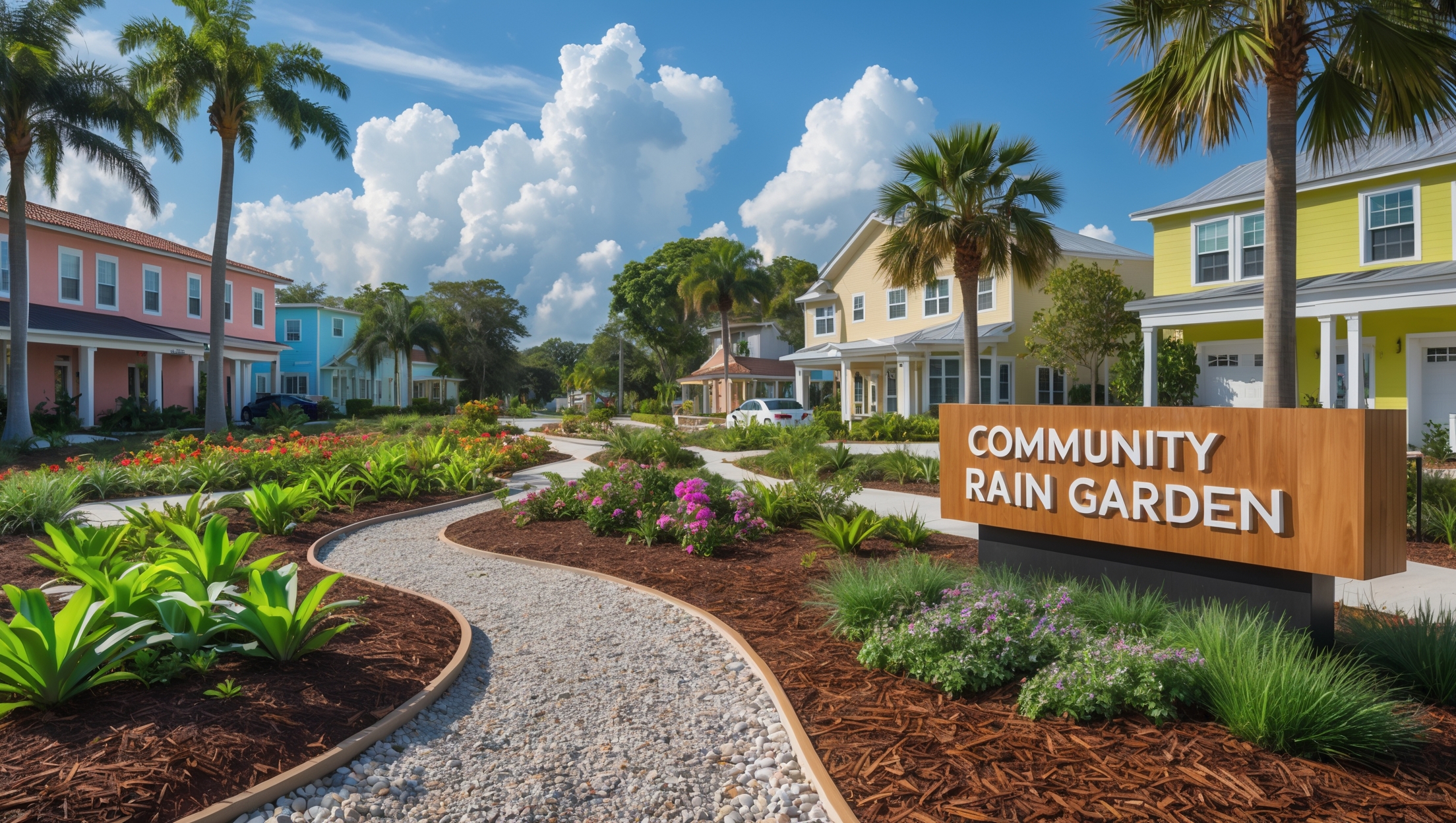
How to Launch a Community Rain Garden in St. Petersburg, FL: Budgeting, Compliance, and Local Resources

Introduction: Why St. Petersburg Needs Community Rain Gardens
St. Petersburg, Florida, is a city shaped by water. With its subtropical climate, frequent rainstorms, and proximity to Tampa Bay, stormwater management is more than a technical challenge—it’s a community responsibility. Enter the rain garden: a simple, cost-effective, and beautiful solution for mitigating runoff, reducing localized flooding, supporting pollinators, and beautifying neighborhoods. Community rain gardens are not just landscaping projects—they’re living classrooms, gathering spaces, and catalysts for environmental stewardship. But starting one requires more than planting a few wildflowers. From budgeting and compliance to tapping into local resources, launching a rain garden that lasts in St. Pete demands careful planning. This guide walks you through the practical steps, local considerations, and inside tips to make your community rain garden a reality—without stumbling into common pitfalls or overspending. Whether you’re a neighborhood leader, nonprofit organizer, or eco-minded resident, you’ll find actionable advice tailored to St. Petersburg’s unique environment and regulations.
Understanding Rain Gardens: Function and Impact
What Is a Rain Garden?
A rain garden is a shallow, planted depression designed to collect and absorb rainwater runoff from impervious surfaces like roofs, driveways, and streets. Unlike a typical garden, rain gardens feature native plants with deep roots, engineered soil layers, and a slight bowl shape to temporarily hold water. This setup allows runoff to soak into the ground, filtering pollutants and reducing the burden on city storm drains.
Why Are Rain Gardens Important in St. Pete?
- Flood Mitigation: St. Petersburg’s flat topography and frequent heavy rains mean even minor storms can cause street flooding. Rain gardens help manage water at the source.
- Water Quality: Runoff often carries fertilizers, oils, and debris into Tampa Bay. Rain gardens act as natural filters, improving the quality of water entering local waterways.
- Community Engagement: These projects are hands-on opportunities for education, volunteerism, and neighborhood beautification.
Planning Your Community Rain Garden Project
Choosing the Right Site
Site selection is critical. Look for locations where runoff naturally collects—at the base of downspouts, near parking lots, or at the end of sloping lawns. Avoid areas with poor drainage, mature tree root systems, or underground utilities. Use the City of St. Petersburg’s GIS maps to check for utilities and property boundaries.
Engaging Your Community
- Organize a meeting or survey to gauge interest and gather volunteers.
- Connect with local schools, gardening clubs, and environmental nonprofits for support and expertise.
- Create a project committee to manage responsibilities.
Setting Clear Goals
Define your rain garden’s purpose: Is it to reduce runoff, create pollinator habitat, educate youth, or all of the above? Setting clear goals informs your design, plant choices, and outreach strategy.
Budget Breakdown: Realistic Costs and Funding Sources
Major Expenses
- Site Preparation: Soil testing, excavation, and grading ($500–$1,500 for a small to medium garden)
- Amended Soil and Mulch: Compost, sand, and mulch for proper drainage ($200–$700)
- Native Plants: Cost varies by size and species; plan for $300–$1,000 for plugs and young plants
- Signage and Educational Materials: Weatherproof signs, brochures, or QR codes ($100–$400)
- Tools and Equipment: Shovels, wheelbarrows, gloves (often borrowed or donated, but budget $100–$300 for essentials)
- Permitting and Compliance Fees: See compliance section below; may range from $0–$250 depending on site
Hidden Costs to Consider
- Watering supplies for plant establishment (hoses, temporary irrigation)
- Trash removal or hauling for sod/soil
- Refresh plantings after major storms or droughts
Funding Sources
- City Mini-Grants: St. Petersburg’s Neighborhood Partnership Grants often fund green infrastructure.
- Nonprofit Partnerships: Groups like Tampa Bay Watch and Keep Pinellas Beautiful provide materials or volunteers.
- Corporate Sponsorships: Local businesses may adopt a rain garden in exchange for recognition.
- Fundraisers: Plant sales, online campaigns, or neighborhood events can cover gaps.
Compliance and Permitting in St. Petersburg
When Is a Permit Required?
Most small rain gardens on private or nonprofit property do not require a formal permit, but those built in city rights-of-way, parks, or public spaces may. If your project alters drainage patterns, affects city-maintained land, or is larger than 500 square feet, consult the City’s Stormwater Management Department.
Steps for Compliance
- Contact the City Early: Even if a permit isn’t required, city staff can offer guidance and may help promote your project.
- Check HOA or Neighborhood Association Rules: Some communities require approval for landscaping changes.
- Document Your Plan: Prepare a simple site map, plant list, and maintenance plan for review.
- Schedule Inspections: If required, arrange for a quick site check before and after installation.
Common Compliance Pitfalls
- Digging too close to underground utilities (always call 8-1-1 before you dig)
- Redirecting runoff onto neighboring properties
- Installing invasive or prohibited plants
Designing for Success: Best Practices for St. Pete’s Climate
Soil and Drainage Considerations
St. Petersburg soils are often sandy and drain quickly, but compaction and construction fill can cause water to pool. Test percolation by digging a hole and filling it with water—if it drains within 24 hours, you’re good. If not, amend with compost and sand.
Choosing the Right Plants
Opt for native species adapted to both wet and dry periods. Local favorites include:
- Golden canna (Canna flaccida)
- Blue flag iris (Iris virginica)
- Sunshine mimosa (Mimosa strigillosa)
- Swamp milkweed (Asclepias incarnata)
- Pickerelweed (Pontederia cordata)
Check with the Pinellas Chapter of the Florida Native Plant Society for plant sales and guidance.
Garden Shape and Size
- Typical depth: 6–8 inches
- Size: 100–300 square feet is manageable for a community project
- Curved, natural shapes look best and maximize surface area
Mulching and Edging
Use pine straw or shredded mulch to suppress weeds and retain moisture. Avoid rock or rubber mulch, which can impede water infiltration or leach chemicals. Define edges with bricks, logs, or native grasses for a tidy look.
Step-by-Step Setup: From Groundbreaking to Planting
- Mark the Site: Use flags or spray paint to outline the shape based on your design.
- Call 8-1-1: Always have underground utilities marked before digging.
- Excavate: Remove turf and soil to the desired depth, shaping gentle slopes toward the center.
- Amend Soil: Mix in compost and sand to improve drainage if needed.
- Install Overflow: Create a shallow trench or spillway to direct excess water safely away.
- Plant: Arrange plants with wetter species in the center and drought-tolerant ones on the edges.
- Mulch: Apply a 2–3 inch layer of organic mulch, keeping it away from plant stems.
- Water: Water thoroughly after planting; continue regular watering for the first 6–8 weeks.
- Install Signage: Add a sign explaining the garden’s purpose, plant list, and how the community can help.
Maintenance Best Practices for Lasting Impact
First-Year Tasks
- Water new plants weekly during dry spells
- Weed regularly to prevent invasives from taking hold
- Monitor for pests or disease (native plants are generally resilient)
- Refresh mulch as needed
Ongoing Stewardship
- Host seasonal workdays to remove trash, replenish mulch, and divide crowded plants
- Replace any plants lost to drought or flooding—record what thrives for future projects
- Update signage or educational materials as the garden matures
Consider a “garden captain” or rotating maintenance schedule to keep the project sustainable.
Tapping Into Local Resources and Networks
City and County Support
- St. Petersburg Sustainability & Resiliency Division: Offers advice and sometimes funding for green initiatives
- Pinellas County Extension: Free classes on native plants and rain garden care
- Neighborhood associations may provide mini-grants or publicity
Nonprofit and Volunteer Networks
- Tampa Bay Watch: Expertise in habitat restoration and potential volunteer pools
- Florida Native Plant Society (Pinellas Chapter): Plant sales, design help, and educational events
- Keep Pinellas Beautiful: Organizes cleanups and may partner on green infrastructure projects
Suppliers and Service Providers
Source plants and mulch from local nurseries specializing in Florida natives. Ask about bulk discounts or donations for community projects. For soil and compost, check with the Pinellas County Solid Waste Facility for affordable options.
Case Study: The Crescent Lake Rain Garden Collective
In 2022, the Crescent Lake neighborhood banded together to transform a low-lying median into a thriving rain garden. With a $2,000 neighborhood grant, volunteers handled design, labor, and outreach. Key lessons included:
- Engaging neighbors early ensured long-term commitment to maintenance.
- Partnering with a local nursery secured plant donations and expert advice.
- Documenting before-and-after photos helped win additional mini-grants for expansion.
The project not only reduced puddling after storms but also became a focal point for community events and nature walks.
Common Myths About Rain Gardens—Debunked
- Myth: Rain gardens attract mosquitoes.
Fact: Properly designed gardens drain within 24–48 hours, well before mosquitoes can breed. - Myth: They’re too expensive for community groups.
Fact: With volunteer labor and local grants, costs can be remarkably low. - Myth: Only experts can build them.
Fact: Anyone can learn the basics, and many local organizations provide free support.
Conclusion: Growing Greener, Together
Building a community rain garden in St. Petersburg is about more than managing stormwater—it’s about cultivating resilience, pride, and connection. As rising seas and frequent storms challenge our city, grassroots green infrastructure becomes both a practical necessity and a symbol of what’s possible when neighbors unite. By following the steps outlined in this guide—careful planning, realistic budgeting, compliance with local rules, and ongoing stewardship—you’ll avoid common pitfalls and create a garden that flourishes year after year. Lean on local expertise, share your successes, and don’t be afraid to start small; even modest rain gardens make a difference for Tampa Bay’s water quality and neighborhood beauty. Most importantly, use your garden as a springboard for education and engagement. Invite school groups, host workshops, and celebrate milestones. Your efforts may inspire the next wave of community projects, each contributing to a greener, more vibrant St. Petersburg. Ready to get your hands dirty? The city—and the bay—are counting on you.
When it comes to compliance, what are the main city or county rules that first-timers should watch out for before breaking ground on a rain garden project in residential areas?
Before starting a rain garden in St. Petersburg, it’s important to check if your project meets local zoning codes and setback requirements, especially distances from property lines and utility easements. You may need to notify local utilities before digging to avoid underground lines. Additionally, ensure your design doesn’t direct water runoff onto neighboring properties, which could violate local flood or drainage ordinances. Homeowner associations may have extra guidelines, so check those too.
If our neighborhood wants to launch a rain garden as a group project, what are the best ways to connect with local resources or environmental organizations in St. Pete that could help us with planning, funding, or even hands-on support?
To connect with local resources in St. Pete, consider reaching out to the city’s Sustainability and Resiliency Division, which often supports community green projects. You can also contact local groups like Tampa Bay Estuary Program, Keep Pinellas Beautiful, or the University of Florida IFAS Extension. They frequently offer workshops, guidance, and sometimes grants or volunteer help for rain garden projects.
The article mentions budgeting and avoiding overspending on community rain gardens. Can you break down the main costs a small business should expect if leading a project like this, especially for materials and required permits in St. Petersburg?
For a small business leading a community rain garden in St. Petersburg, main costs typically include native plants ($300–$600 for a modest-sized garden), soil amendments and mulch ($150–$300), tools and irrigation materials ($100–$250), and signage or educational materials ($50–$200). Required permits are usually for stormwater management or landscaping, with city permit fees ranging from $50–$200. Actual costs can vary, so contacting the city’s water resources or permitting office is a good way to confirm current requirements and fees.
If my neighborhood is close to Tampa Bay and already has some flooding issues, are there specific native plants you recommend for our rain garden that will handle heavy rain and salt exposure better?
For rain gardens near Tampa Bay with occasional flooding and salt exposure, consider native plants like sea oxeye daisy, saltmeadow cordgrass, and marsh muhly. These species are well-suited to both heavy rain and some salt tolerance. You can also include seashore paspalum and buttonwood. These choices will help your garden thrive in your specific conditions while supporting local wildlife.
Could you give more specifics on the types of native plants that work best for a rain garden in St. Petersburg’s climate, especially ones that can handle both heavy rain and drought? I want to make sure our plant choices really thrive here.
For St. Petersburg’s climate, look for Florida native plants like blue flag iris, swamp milkweed, golden canna, and pickerelweed for wetter spots in your rain garden. For areas that dry out between rains, consider muhly grass, beautyberry, coontie, and tickseed. These plants are adapted to handle both periods of flooding and drought, making them excellent choices for a resilient rain garden here.
The article talks about using native plants for rain gardens in our area. Is there a recommended list of native species that work best given our soil and rainfall, or does it depend on the specific neighborhood?
There are several native plant species that generally thrive in St. Petersburg’s climate and soil, such as Blue Flag Iris, Swamp Milkweed, Pickerelweed, and Muhly Grass. However, the ideal choices can vary depending on your neighborhood’s specific soil conditions and sun exposure. It’s a good idea to consult local resources or nurseries for a tailored list based on your location and garden conditions.
Can you elaborate on which native plant species are most effective for rain gardens in St. Petersburg, and whether there are any local nurseries or resources that specialize in these plants?
For rain gardens in St. Petersburg, effective native plant species include pickerelweed, golden canna, swamp milkweed, blue flag iris, and muhly grass. These plants thrive in wet and dry conditions and support local wildlife. Local nurseries like Wilcox Nursery & Landscape and Sweet Bay Nursery specialize in Florida natives and can offer guidance on the best choices for your specific site.
For compliance with St. Petersburg’s local regulations, are there specific permits or city guidelines you need to be aware of before starting a rain garden on public or neighborhood land? I want to make sure we don’t run into any red tape.
Yes, before starting a rain garden on public or neighborhood land in St. Petersburg, you’ll need to check with the city’s Parks and Recreation Department or Neighborhood Affairs Office. A permit or official approval is usually required for projects on public property, and you must follow city landscaping and stormwater guidelines. It’s also important to coordinate with local homeowner or neighborhood associations if the project is on shared land.
As a parent with limited time, I wonder how much ongoing maintenance a rain garden usually takes in our climate. After the initial planting, is there a realistic estimate for how much time volunteers would need to commit each month to keep it functioning and looking nice?
After the initial establishment phase, a rain garden in St. Petersburg typically needs about 2 to 4 hours of volunteer maintenance each month. This includes tasks like weeding, checking for mulch coverage, and occasional trash removal. Some months, especially during the rainy season, might require less time, while dry spells or the first year may need a bit more. Overall, the ongoing commitment is quite manageable for a small team of volunteers.
When budgeting for a community rain garden here, what are some hidden or commonly overlooked costs that neighborhood groups should plan for, especially in terms of permitting or maintenance?
Neighborhood groups often miss costs like permit application fees, required soil testing, and professional site assessments. For maintenance, remember to budget for ongoing mulch replacement, irrigation adjustments, seasonal plant replacements, and trash removal. Also, if public access is involved, liability insurance might be required. Planning for these ahead helps avoid surprises and keeps the rain garden thriving.
I’m interested in starting a rain garden with my neighborhood group but am a bit worried about budgeting. Are there any common unexpected expenses that usually come up during installation or maintenance, based on local experience?
When planning a community rain garden in St. Petersburg, unexpected costs can include soil amendments if your site’s soil isn’t ideal, extra native plants if some don’t survive early on, and irrigation for the establishment period. You might also encounter fees for permits or professional help with site grading. Setting aside a small contingency fund in your budget can help cover these surprises.
I’d love to involve my kids in helping with a rain garden project, but I’m wondering how much ongoing maintenance these gardens typically require. Are they easy to keep up with, or do they turn messy if we get busy with school and activities?
Rain gardens are designed to be relatively low maintenance once established, but they do need some regular care, especially during the first year. Expect to spend time on weeding, watering during dry spells, and occasional mulching. After the plants mature, upkeep is much less, but if left completely unattended they can get weedy or overgrown. Involving your kids in occasional check-ins and simple tasks like weeding or picking up litter can keep things tidy without taking too much time.
I noticed the article mentions that rain gardens in St. Pete need careful planning because of local regulations. Could you clarify what specific city ordinances or permitting requirements we should watch out for before starting a community rain garden project?
In St. Petersburg, you should review the city’s Land Development Regulations, which address stormwater management and landscaping. For community rain gardens, you’ll likely need to obtain a permit if you modify drainage patterns or work near public rights-of-way. Also, be aware of rules regarding plant choices, setbacks from sidewalks and utilities, and potential impact on stormwater systems. It’s recommended to consult the city’s Stormwater, Environmental, and Natural Resources Department early in your planning process to ensure full compliance.
You mentioned that compliance is an important part of launching a rain garden in St. Petersburg. Could you explain what specific permits or approvals are usually needed from the city, and how hard they are to get for a neighborhood group?
In St. Petersburg, setting up a community rain garden typically requires a right-of-way or public property use permit if the garden is installed on city land. You may also need approval from the Stormwater Department to ensure the design meets local standards for drainage and runoff. For most neighborhood groups, the process involves submitting an application with a site plan, which is reviewed for safety and environmental compliance. While not overly difficult, it does take some coordination and can take several weeks for approval.
The article mentions compliance and local regulations for rain gardens in St. Petersburg. Are there any specific city permits or approvals required before breaking ground, or is it mostly about following general guidelines? I want to avoid any surprises from the city.
In St. Petersburg, most residential rain gardens do not require a formal city permit as long as you are not significantly altering drainage patterns or disturbing large areas of land. However, you should always check with the city’s Stormwater or Development Services departments to confirm if your specific location or project scale triggers any special requirements. Also, be sure to follow setback rules and avoid impacting easements or utilities.
What are some common pitfalls people in St. Petersburg run into when choosing native plants for their rain gardens, and are there local nurseries or organizations that can help select appropriate species?
People in St. Petersburg often run into issues like picking plants that aren’t truly adapted to local rain patterns or soil types, or selecting species that need more sun or shade than their garden spot provides. Sometimes, non-native plants are mistaken for natives and don’t thrive as well. For guidance, local organizations like the Pinellas Chapter of the Florida Native Plant Society and area nurseries specializing in Florida natives can help you choose appropriate species for your rain garden conditions.
If our business property has a lot of runoff from the parking lot, are there specific local compliance steps or permits we need to be aware of before installing a rain garden? I’d like to make sure we stay in line with St. Petersburg regulations from the start.
Yes, for business properties in St. Petersburg, you’ll likely need to check local stormwater regulations and possibly obtain permits before installing a rain garden. The city may require you to submit a site plan and demonstrate how the rain garden will manage runoff. It’s a good idea to contact the City of St. Petersburg’s Stormwater Department early in your planning to confirm the specific requirements for commercial properties and ensure your project is fully compliant.
You mentioned compliance and local regulations in St. Petersburg. Are there specific city permits or stormwater codes we need to be aware of before breaking ground, especially if the rain garden is on public land or a right-of-way?
Yes, if you plan to build a rain garden on public land or within a right-of-way in St. Petersburg, you will need to obtain specific city permits. The city’s Stormwater Management Division requires compliance with local stormwater codes, and you may need to submit your garden design for approval. Always contact the city’s Public Works Department early in your planning to ensure you follow all permitting and environmental guidelines.
If a group of neighbors wants to launch a rain garden but only has a small budget and limited gardening experience, are there city organizations or local nonprofits that offer hands-on support or resources to help get started in St. Petersburg?
Yes, St. Petersburg has resources to help new groups get started with rain gardens, even on a small budget. The City’s Greenhouse offers advice and sometimes workshops, while organizations like Tampa Bay Estuary Program and local garden clubs may provide guidance, volunteers, or even starter plants. It’s a good idea to reach out to these groups for practical help and to ask about possible grants or community programs.
You mention avoiding overspending, but what’s a realistic budget range for starting up a small community rain garden here, especially if neighbors are contributing supplies or labor? Are there any local grants or city resources that typical projects use?
For a small community rain garden in St. Petersburg with neighbors pitching in supplies or labor, a realistic budget usually ranges from $300 to $1,000. Costs depend on plant choices and materials. The city sometimes offers stormwater grants or native plant vouchers to support these projects, and local organizations like Tampa Bay Estuary Program may have small grants or guidance. It’s worth checking with the city’s sustainability office to see what’s currently available.
I noticed budgeting is emphasized in your guide. Do you have a breakdown of the most significant costs for installing a rain garden in St. Pete, and are there any local grants or cost-sharing programs that residents or neighborhood groups can apply for?
The biggest expenses for a rain garden in St. Petersburg typically include plant materials, soil amendments, mulch, and sometimes excavation or professional design services. You might also need funds for signage or educational materials if it’s a public space. St. Petersburg’s Sustainability & Resilience Division sometimes offers small grants, and Tampa Bay WaterWise has rebates for certain water-saving projects. Neighborhood associations may also find cost-sharing opportunities through local environmental nonprofits or city community partnership programs.
You mention that rain gardens support pollinators and use native plants. Is there a recommended list of native species best suited for St. Pete’s climate that balances both aesthetics and environmental benefits, or should we consult with local experts first?
There are several native plants that work well in St. Petersburg rain gardens and support pollinators, such as pickerelweed, golden canna, swamp milkweed, and blue flag iris. These offer both beauty and ecological benefits. However, consulting with local experts or nurseries can help you fine-tune your plant selection based on your specific site conditions and garden goals.
If my neighborhood wanted to get kids involved as a teaching opportunity, are there specific local organizations or city programs in St. Petersburg that offer support or educational resources for starting a community rain garden with families?
Yes, St. Petersburg offers several options to help involve kids and families in a community rain garden project. The City’s Water Resources Department often provides educational materials and can sometimes arrange workshops. Keep Pinellas Beautiful and UF/IFAS Extension Pinellas County also offer youth-focused environmental programs and may assist with hands-on activities or guidance tailored for families. Reaching out to these groups can give you access to both support and teaching resources.
I noticed the article talks about budgeting and compliance for a community rain garden in St. Pete. Do you have any tips on estimating the total cost for a small neighborhood project, especially when it comes to soil and native plants?
To estimate costs for a small neighborhood rain garden, start by measuring the area to determine how much soil, compost, and mulch you’ll need—local suppliers can often give price quotes based on square footage. For native plants, reach out to local nurseries or Florida Native Plant Society chapters for recommendations and potential discounts. Don’t forget to factor in costs for tools, signage, and irrigation, if needed. Including a small buffer for unexpected expenses is also a good idea.
I’m curious about compliance steps. Are there specific city permits or approvals needed before breaking ground on a community rain garden here, or does it mostly depend on the size and location?
In St. Petersburg, you generally need to check with the city’s zoning and permits office before starting a community rain garden, especially on public property or larger sites. Approval requirements can depend on both the size and location of your garden. Smaller rain gardens on private land may have fewer restrictions, but it’s always wise to confirm with local authorities about necessary permits or any compliance with stormwater management standards.
I’m interested in helping my neighborhood start a rain garden, but I’m a little confused about how to figure out the right size and location, especially with St. Pete’s flat landscape. Are there local resources or city guidelines to help with planning this part?
St. Petersburg does provide resources to help with rain garden planning, including size and placement. The city’s Stormwater Department offers guidance specific to our flat terrain, and the UF/IFAS Extension office can assist with site assessments. You can also contact the St. Pete Sustainability & Resilience team for advice on city guidelines and recommendations tailored to your property’s drainage patterns.
How do I make sure the rain garden I help build will comply with any local regulations or city guidelines in St. Petersburg, especially since I know stormwater rules can be strict around Tampa Bay?
To ensure your rain garden complies with St. Petersburg’s local regulations, start by contacting the city’s Stormwater Department or Environmental Compliance office. They can provide guidance on permits, setbacks, approved plant lists, and design standards. Reviewing the city’s stormwater management guidelines will also help. Before beginning construction, submit your plans for approval if required, and keep records of all communication to make the process smoother.
Once the rain garden is installed, how much ongoing maintenance should we expect to handle, especially during the heavy rain season? I want to make sure our group is prepared so the garden keeps working as intended.
After installation, ongoing maintenance mainly involves checking for debris, weeding, and ensuring that water flows smoothly, especially after heavy rains. During the rainy season, plan for more frequent inspections—ideally after each major storm—to remove sediment, clear inlets and outlets, and monitor plant health. Most groups spend a few hours each month on these tasks, but heavy rain periods may require weekly attention to keep everything functioning well.
I’m curious about the budgeting aspect you mentioned for starting a rain garden in St. Pete. Are there any specific local grants or city programs that can help offset the initial costs, especially for community-led projects in residential neighborhoods?
Yes, St. Petersburg offers some resources to help with rain garden projects. The city’s Rainwater Rebate Program provides financial incentives for installing rain gardens and other stormwater features on residential properties. Additionally, local organizations like Tampa Bay Estuary Program and Keep Pinellas Beautiful sometimes offer small grants or technical support for community-led green projects. It’s also worth checking with neighborhood associations or the city’s Sustainability Office for upcoming funding opportunities.
The article mentions that budgeting is important when setting up a rain garden here. Do you have examples of typical costs for materials and maintenance in St. Pete, especially if you want to keep it affordable for a small neighborhood group?
For a small neighborhood rain garden in St. Pete, you can expect to spend roughly $2–$4 per square foot for materials like soil, mulch, and plants, especially if you use native species. Essential supplies—such as compost, tools, and signage—might add another $100–$200. Annual maintenance, mainly weeding and mulching, usually costs under $100 if you rely on volunteers. Sourcing plants locally and hosting group workdays are great ways to keep costs low.
Could you provide some ideas on how to create a realistic budget for a rain garden here, especially accounting for unique local factors like soil amendments or native plant sourcing? Is there a ballpark estimate for cost per square foot in St. Petersburg?
To create a realistic rain garden budget in St. Petersburg, consider costs for soil testing and amendments (local sandy soils may need extra compost), native plant selection and sourcing from regional nurseries, mulch, and potential irrigation for establishment. Labor—whether DIY or hired—should also be factored in. For a ballpark, typical rain gardens in St. Pete range from $8 to $18 per square foot, depending on plant choices and site prep needs. Be sure to leave a buffer for unexpected expenses related to site-specific challenges.
I’m curious about the budgeting side—are there any typical costs or hidden expenses people run into when starting a community rain garden in this area?
When budgeting for a community rain garden in St. Petersburg, common costs include soil testing, purchasing native plants, mulch, compost, and any excavation work. Hidden expenses can pop up, such as permitting fees, irrigation for establishment, or replacing plants that don’t survive. Also, tools, signage, and ongoing maintenance are often underestimated. It’s smart to leave a small buffer in your budget for unexpected needs.
I’m curious about the budgeting part: could you provide a ballpark estimate of the total cost for starting a small community rain garden, including both materials and any required permits, in St. Pete?
For a small community rain garden in St. Petersburg, you can expect total costs to range from $1,500 to $3,000. This estimate includes materials like native plants, soil amendments, mulch, and basic tools. Permit fees, if required, are usually modest—often under $200. Keep in mind that volunteer labor can help reduce expenses, and some local grants or city programs may offer additional support.
If we want to involve our neighborhood kids in starting a rain garden as an educational project, are there any specific safety guidelines or city regulations in St. Pete we should be aware of before getting started?
Involving kids in a rain garden project is a wonderful idea! For safety, ensure kids are supervised at all times, use age-appropriate tools, and wear gloves and closed-toe shoes. In St. Petersburg, avoid digging near utility lines; you can call 811 to locate them before starting. Also, if your project is on public or HOA property, check with the city or homeowners’ association for any required permits or approvals. These steps will help keep everyone safe and your project compliant.
Could you clarify what kinds of local compliance or permitting hurdles organizers should expect when planning a rain garden here in St. Petersburg? Are there city or county codes that specifically impact the location or design of community rain gardens?
Organizers in St. Petersburg should expect to coordinate with both city and county offices. While rain gardens typically don’t require formal building permits, you may need to comply with city stormwater management, landscaping, and zoning codes. Check if your location is within a right-of-way, near utilities, or subject to water use restrictions. Contact the city’s Environmental Compliance Division early to confirm if any reviews or site plans are needed for your specific project.
You mentioned needing to follow local compliance and regulations when installing a rain garden in St. Petersburg. Could you explain what permits or approvals are typically required, and if there are any city departments we should talk to before breaking ground?
Before starting a rain garden in St. Petersburg, you’ll typically need to check with the city’s Department of Urban Forestry and Stormwater Management. They can tell you if a permit is required, especially if your project impacts public property, utilities, or stormwater systems. It’s also a good idea to contact the city’s Planning and Zoning Department to confirm compliance with local landscaping ordinances and setback requirements.
You mention rain gardens are living classrooms. Do you have examples of how other neighborhoods in St. Pete have involved local schools or community groups in the ongoing maintenance and education aspects after the initial garden is planted?
Yes, several neighborhoods in St. Pete have teamed up with local schools and community organizations for rain garden projects. For example, Childs Park has partnered with a nearby elementary school, where students participate in seasonal planting days and help monitor plant health. Some gardens host monthly workshops or guided tours led by community groups, focusing on environmental education, water conservation, and hands-on maintenance. Involving these groups keeps the garden thriving and helps the broader community learn about sustainability.
I’m trying to estimate the cost for a small community rain garden in our block. Are there any local grants or city programs that help offset expenses for things like soil amendments or native plants in St. Pete?
St. Petersburg offers some support through the city’s Stormwater Programs and the Neighborhood Partnership Grant, which can help cover costs like soil amendments and native plants. You might also want to check with local organizations such as Tampa Bay Estuary Program and Florida Native Plant Society, as they occasionally have small grants or resources for community projects. It’s a good idea to contact the city’s Sustainability and Resilience Division for current opportunities.
Could you clarify what types of permits or compliance issues a small business might run into when helping install a rain garden in St. Petersburg? I want to get involved with our neighborhood project, but I’m not sure if there are extra steps compared to residential installations.
When a small business helps install a rain garden in St. Petersburg, you may encounter extra compliance requirements compared to a purely residential project. Businesses often need to check for city permits related to landscaping, stormwater management, and sometimes even zoning if the garden affects public areas or rights-of-way. It’s wise to contact the City of St. Petersburg’s Development Services for confirmation, as they can clarify if additional business licenses or environmental reviews are needed for your specific involvement.
Given St. Pete’s frequent heavy rains and flat terrain, do you have suggestions for the best native plant species that can really thrive in those wet conditions without requiring a ton of maintenance from volunteers?
For St. Pete’s wet conditions and low-maintenance needs, consider native species like swamp milkweed, pickerelweed, blue flag iris, and soft rush. These plants thrive in wet soil, handle periodic flooding, and generally need little care once established. Adding native sedges or duck potato can also boost your rain garden’s resilience and provide habitat for local wildlife.
I’m interested in starting a rain garden with my local PTA, but I’m a bit overwhelmed by the compliance part. What city permits or approvals do we need to get before starting, and is there a typical timeframe for that process in St. Petersburg?
For a rain garden in St. Petersburg, you’ll likely need to submit a site plan and get approval from the city’s Urban Forestry and Stormwater divisions. Depending on the property, you may also need a minor permit from the building department. The approval process usually takes two to four weeks, but it’s smart to contact the city’s Neighborhood Team for guidance early on. They can walk you through the exact steps and help avoid delays.
I like the idea of using rain gardens to reduce flooding and help with Tampa Bay runoff, but are there any specific native plant species you recommend for St. Pete that are both kid-friendly and low maintenance?
Absolutely, there are several native plants perfect for rain gardens in St. Petersburg that are both low maintenance and safe for kids. Consider using Blue Flag Iris, Pickerelweed, Muhly Grass, and Sunshine Mimosa. These plants are resilient, thrive in wet conditions, and don’t have thorns or toxic parts, making them ideal for family-friendly gardens.
The part about rain gardens acting as living classrooms is really interesting. If a neighborhood group wants to involve local schools or youth groups in the project, what are some effective ways you’ve seen for integrating educational components into the planning and maintenance?
Involving schools or youth groups works well when you include hands-on activities, like planting days or water testing workshops. You might invite teachers to help design signs explaining plant types or the water cycle. Scheduling regular student-led maintenance days also keeps kids engaged. Some groups partner with local science teachers to build the garden into the curriculum, so students learn and help care for the space throughout the year.
Since rain gardens in St. Pete are supposed to help with localized flooding, how do you determine the right size and location for one in a neighborhood with flat terrain? Are there local guidelines or city staff who can help with site selection?
To determine the right size and location for a rain garden in St. Petersburg, you’ll want to consider the area that drains to the garden and typical rainfall. The City of St. Petersburg often recommends placing rain gardens at least 10 feet from building foundations, in locations where water naturally flows or pools. The city’s stormwater or environmental services staff can offer guidance and may have specific guidelines or maps to help with site selection. Reaching out to them is a great way to start.
You mention native plants with deep roots being essential for rain gardens in St. Pete. Are there specific native species you recommend that can handle both heavy flooding and periods of drought? I’d love to know which local nurseries might carry them.
Yes, some great native plants for St. Petersburg rain gardens include swamp milkweed, blue flag iris, golden canna, and muhly grass. These species are adapted to handle both flooding and drought conditions. For local nurseries, Wilcox Nursery and Twigs & Leaves are known to stock a good selection of Florida natives suitable for rain gardens. Staff at these nurseries can also help you choose the best plants for your site.
You mention that rain gardens use native plants with deep roots. Is there a recommended plant list specifically for St. Petersburg, given the local climate and potential salt exposure from the bay?
Yes, for St. Petersburg’s unique climate and salt exposure, some recommended native plants for rain gardens include Muhly grass, dune sunflower, seaside goldenrod, saltmeadow cordgrass, and buttonwood. These species are tolerant of both wet conditions and occasional salt spray, making them well suited for local rain gardens. You can also consult local nurseries or the UF/IFAS Extension for more suggestions tailored to your site.
If our neighborhood includes several families with young kids, are there tips for choosing native plants that are safe for children and also thrive in St. Pete’s rainy season? I want to make sure the plants support pollinators but aren’t toxic or thorny.
Absolutely, safety and pollinator support can go hand in hand. For child-friendly rain gardens in St. Pete, choose native plants like blue flag iris, swamp milkweed, and goldenrod—these are non-toxic and lack thorns. Avoid plants like oleander or lantana, which can be harmful if touched or ingested. When selecting, always check the Florida Native Plant Society’s resources for toxicity details and aim for a variety that blooms at different times to help pollinators all season.
Could you provide more information on any specific local regulations or permits that need to be considered before starting a community rain garden in St. Petersburg? I’m concerned about compliance since you mentioned the importance of local rules in the article.
In St. Petersburg, you’ll want to check with the City’s Stormwater Department before starting your rain garden. Permits may be needed if you’re altering drainage patterns or working near public rights-of-way. Also, follow local landscaping codes, and if your site is in a regulated area (like near wetlands), contact Pinellas County Environmental Management. It’s a good idea to review city ordinances and reach out to city staff early in your planning process to ensure full compliance.
The article mentions that rain gardens need engineered soil layers and native plants with deep roots. How do you determine the right mix of soil and plant species specific to St. Petersburg’s climate, and are there local resources that can help with this selection process?
To determine the right soil mix and plant species for a St. Petersburg rain garden, start with engineered soil blends of sand, compost, and topsoil to support drainage. Choose native plants like muhly grass, seaside goldenrod, and tickseed for their deep roots and adaptability. Local resources like the University of Florida IFAS Extension, Tampa Bay Estuary Program, and city environmental services can offer tailored guidance and plant lists for your area.
For a neighborhood group new to this, what are the best local resources or organizations in St. Pete that can help with design and plant selection for a rain garden that really addresses both flooding and pollinator support?
For neighborhood groups in St. Petersburg, the Florida Native Plant Society’s Pinellas chapter and UF/IFAS Extension Pinellas County are wonderful starting points. They provide expert advice on plant selection that tackles both flooding and pollinator support. Tampa Bay Watch and St. Petersburg’s Sustainability Department also offer guidance and sometimes workshops on rain garden design tailored to local needs.
You mention budgeting as an important part of launching a rain garden. Can you give some ballpark figures for what a small community project might cost in St. Pete, including both initial setup and ongoing maintenance? I want to pitch this to our neighborhood board with realistic numbers.
For a small community rain garden in St. Pete, you can expect initial setup costs to range from $1,000 to $3,000. This estimate covers plants, soil amendments, mulch, and basic tools. Ongoing annual maintenance—like weeding, mulching, and occasional plant replacements—typically runs between $200 and $500. These numbers can vary based on garden size, plant selection, and volunteer involvement, but they should give your board a realistic starting point.
I’m concerned about maintenance—what does upkeep look like for community rain gardens in St. Petersburg after the initial planting, and is there support for ongoing care from local groups or the city?
After the initial planting, maintenance for community rain gardens in St. Petersburg typically involves regular weeding, occasional mulching, trash removal, and periodic checks to ensure proper water flow. Many local environmental groups offer volunteer support for ongoing upkeep, and some neighborhoods partner with the city’s stormwater or sustainability departments for guidance or occasional assistance. It’s a good idea to coordinate with nearby organizations or city contacts early on for lasting support.
If our neighborhood group wants to coordinate ongoing maintenance for a new rain garden, what are some best practices suggested for keeping it functional during St. Pete’s wet and dry seasons? Any pitfalls to avoid based on local climate challenges?
For ongoing rain garden maintenance in St. Pete, it’s helpful to set up a rotating schedule among volunteers for regular weeding, debris removal, and checking for standing water, especially after heavy rains. During dry spells, prioritize supplemental watering for new plants. Choose native, drought-tolerant species to handle seasonal swings. Avoid over-mulching, as it can cause root rot in our humid climate, and monitor for invasive species that thrive in Florida’s conditions.
I’m thinking about helping my neighborhood set up a rain garden, but I’m worried about keeping costs down. What should we expect to budget for the basic materials and plants, especially if we want to focus on native species in St. Pete?
For a small to medium rain garden in St. Petersburg, you can expect to budget about $3–$6 per square foot for basic materials and native plants. Native species often cost a bit more, so for a 100-square-foot garden, plan for $300–$600. Look for local plant sales, city programs, or environmental nonprofits, as they sometimes offer discounts or grants for community projects using native plants.
The article mentions budgeting to avoid overspending on a rain garden. What are the most expensive elements we should plan for, and are there any local grants or programs that specifically help with those costs in St. Petersburg?
The most expensive elements of a rain garden are usually soil amendments, native plants, and professional landscaping services if you hire help. Irrigation setup and mulch can also add up. In St. Petersburg, you can look into local programs like the Tampa Bay Estuary Program and the city’s Rainwater Rebate Program, which sometimes offer grants or rebates to help with these costs. Checking with local environmental groups can uncover additional funding options.
For compliance, what permits or city approvals should we expect to need before starting a rain garden project, especially if it’ll be on public or shared property? I want to avoid running into regulatory surprises down the line.
If your rain garden will be on public or shared property in St. Petersburg, you’ll likely need approval from the city’s Parks and Recreation Department and possibly the Public Works Department. You may also need a right-of-way use permit if the garden affects sidewalks or utility easements. It’s a good idea to contact your city’s permitting office early to confirm which permits apply and whether you’ll need neighborhood association approval as well.
You mention budgeting and avoiding common pitfalls when starting a rain garden in St. Pete. What are some unexpected costs or compliance issues that first-time organizers often overlook during planning?
Some unexpected costs include soil testing, which can reveal contamination or drainage issues, and fees for permits that might be needed depending on the garden’s size and location. First-time organizers also sometimes miss the requirement to follow local stormwater management guidelines and the need for ongoing maintenance funding. It’s smart to contact city officials early to confirm all compliance requirements and factor in potential costs for professional consultations.
Once a community rain garden is installed, how much ongoing maintenance should we expect throughout the year? Do most neighborhoods in St. Pete handle this with volunteers, or is it more typical to arrange for city or nonprofit support?
Ongoing maintenance for a community rain garden in St. Petersburg usually involves tasks like weeding, mulching, checking for debris, and occasional replanting, especially during the growing season. Expect to dedicate a few hours each month, with extra attention needed after storms. Many neighborhoods rely on volunteers for routine upkeep, but some also coordinate with local nonprofits or city programs for larger maintenance or educational support.
You mention budgeting and avoiding overspending when launching a rain garden here. Can you give some examples of the main costs involved, and are there specific grants or programs in St. Pete that families or neighborhood groups can apply for to help offset those expenses?
Main costs for a community rain garden usually include soil, mulch, plants (preferably native species), tools, and possible site preparation like grading or removing turf. You might also need signage or educational materials. In St. Petersburg, local programs like the Tampa Bay Estuary Program’s Community Mini-Grants and the city’s own Neighborhood Mini Grant are good options to help cover expenses. It’s also worth checking with the Pinellas County UF/IFAS Extension for additional funding opportunities or technical support.
For neighborhoods in St. Pete with particularly poor drainage or repeated street flooding, are there additional rain garden design considerations or compliance steps beyond the basics mentioned here to maximize flood mitigation?
In areas with severe drainage or frequent flooding, you may need to design larger or multiple connected rain gardens to handle higher water volumes. Consider deeper basins, more robust soil amendments, and selecting plants that tolerate both periodic flooding and drought. Coordination with the city’s stormwater department is essential for compliance, as you might need special permits or professional engineering input for effective water management.
You mentioned that rain gardens help filter pollutants before they reach Tampa Bay. Are there any specific city rules or compliance checks we should be aware of regarding what we can and cannot plant in these gardens?
Yes, St. Petersburg has guidelines on what you can plant in rain gardens. The city encourages using native plants that thrive in wet and dry conditions, as they filter pollutants best and support local wildlife. Avoid planting invasive species, as these are restricted. You may also need to follow rules about planting near sidewalks or utilities, so it’s a good idea to consult the city’s Urban Forestry Division or Neighborhood Services for current approved plant lists and any permit requirements.
The article mentions tapping into local resources for starting a rain garden in St. Petersburg. Can you give examples of what kinds of local support or programs are available for first-timers, especially if we’re organizing as a small neighborhood group?
For small neighborhood groups in St. Petersburg, local support can include free or discounted native plants from the Pinellas County Extension, guidance from the Florida Native Plant Society, and workshops offered by the city’s Water Resources Department. You may also find mini-grants for green projects through local environmental nonprofits or city programs aimed at stormwater management. These resources can help with both planning and funding your first rain garden.
If we want to get our neighborhood kids involved in planting and maintaining the rain garden, are there any local St. Peterburg resources or programs mentioned in the article that offer hands-on support or educational materials for younger participants?
Yes, the article mentions that Keep Pinellas Beautiful and the St. Petersburg Parks and Recreation Department can provide hands-on support and educational resources suitable for kids. These organizations often organize workshops and outreach programs that encourage youth involvement and environmental education, making them excellent contacts for engaging younger participants in your rain garden project.
The article mentions budgeting as a key part of starting a rain garden. Can you give an example breakdown of what costs to expect in St. Pete, like plants, soil, and any city permits?
Certainly! For a rain garden in St. Petersburg, typical costs include native plants ($100–$300, depending on size), soil amendments and mulch ($50–$150), and basic tools ($40–$100). If excavation is needed, renting equipment may cost about $75–$150 per day. City permits for rain gardens often aren’t required for small residential projects, but if you modify drainage or impact city property, a permit could range from $30–$75. Always check with local authorities to confirm permit requirements.
You mention budgeting as a key part of launching a community rain garden. Could you share some ballpark numbers or examples of what typical rain garden projects in St. Pete actually cost, especially when using native plants and engineered soil?
Community rain garden costs in St. Petersburg can vary, but for a small to medium project (about 200–400 square feet) using native plants and engineered soil, you might expect a budget between $2,000 and $5,000. This usually covers soil amendments, plants, mulch, and basic site preparation. Costs can be reduced with volunteer labor or donations, while larger or more complex gardens may be pricier.
As a parent trying to get our neighborhood involved, I’m wondering about the maintenance side once a community rain garden is set up. Does the article outline who is typically responsible for upkeep and how often these gardens need attention, especially during the rainy season in St. Pete?
The article explains that maintenance of a community rain garden is usually a shared responsibility among local volunteers, neighborhood groups, or a designated garden committee. It mentions that regular tasks—like weeding, removing debris, and checking for blockages—are especially important during St. Pete’s rainy season and should be done every couple of weeks. Consistent monitoring helps ensure the garden continues to function well and look inviting.
If a neighborhood doesn’t have a lot of green space, are there alternative designs or scaled-down versions of rain gardens that still offer benefits for managing runoff in St. Pete?
Absolutely, even small spaces can support rain gardens or similar solutions in St. Pete. You can use container-based rain gardens, narrow bioswales along driveways, or curb-cut gardens that fit into parkways and sidewalk strips. These scaled-down versions still help absorb runoff and filter pollutants. Using native plants in these designs maximizes stormwater benefits while fitting within limited areas.
I’m interested in the budgeting aspect—can you provide some average cost ranges or unexpected expenses that community groups in St. Petersburg commonly encounter when installing a rain garden from start to finish?
For community rain gardens in St. Petersburg, initial costs typically range from $3 to $8 per square foot, depending on the size, soil amendments, and plant selection. Unexpected expenses can include soil testing, extra compost or mulch, irrigation needs during establishment, and permitting fees if required. Volunteer labor helps reduce costs, but groups sometimes overlook tools, signage, or ongoing maintenance expenses in their budget.
As a small business owner in St. Pete, I’m interested in getting involved with a community rain garden, but I’m not sure how the budgeting process works locally. Could you share some tips or typical costs that small groups should expect to factor in before starting?
For small groups in St. Pete, budgeting for a community rain garden usually involves estimating costs for soil, plants, mulch, tools, signage, and possibly irrigation. Typical small gardens can range from $1,000 to $5,000, depending on size and plant selection. Consider additional funds for permits or professional consultations if required. Many groups offset costs by partnering with local nonprofits, seeking city grants, or organizing fundraising events.
If a neighborhood is dealing with regular street flooding, how can residents determine whether a rain garden would make a significant difference compared to other stormwater solutions? Is there city guidance or someone specific to consult before breaking ground?
For neighborhoods facing frequent street flooding, it’s important to assess site conditions like soil drainage, slope, and existing drainage systems. Rain gardens can help filter and slow runoff, but their effectiveness depends on these factors. The city of St. Petersburg has a Stormwater, Pavement & Traffic Operations department that offers guidance and may send staff for site evaluations. It’s best to consult them before starting, as they can suggest the most suitable solutions and ensure you meet local regulations.
Since rain gardens filter runoff before it reaches Tampa Bay, are there specific local plants or soil amendments recommended in St. Petersburg that work best for pollutant removal? Or does it mostly depend on the neighborhood’s existing conditions?
In St. Petersburg, a mix of native plants like swamp milkweed, blue flag iris, and muhly grass are commonly recommended for rain gardens because they are effective at filtering pollutants and thrive in local conditions. As for soil, adding compost or sand can improve drainage and pollutant removal. However, the best choices may vary a bit depending on your neighborhood’s soil type, sun exposure, and drainage, so some site-specific adjustments are helpful.
I’m curious about how strict the compliance process is for starting a community rain garden in St. Petersburg. Are there specific city permits or regulations you have to follow, and what’s the usual timeline for getting those approvals before you can break ground?
In St. Petersburg, there are specific regulations and permits required for starting a community rain garden. You’ll need to get approval from the city’s Environmental Compliance Division, and may also need a permit if you’re altering stormwater flow or working in public spaces. The review and approval process typically takes several weeks, so it’s a good idea to begin early and have your site plans and project details ready before applying.
I’m curious about the specific compliance steps for launching a community rain garden in St. Pete. Are there certain city permits or approvals needed before breaking ground, especially if it’s being installed on public or shared property?
For launching a community rain garden in St. Petersburg, you will need to coordinate with the city’s Parks and Recreation Department or the Stormwater Division, especially if the rain garden is on public or shared land. Typically, permits or written permission are required before any digging or installation begins. You’ll also need to ensure your plans meet city stormwater management guidelines and check if neighborhood association approval is required. It’s a good idea to contact the city directly for the most current requirements.
For folks new to rain gardens, what are some common mistakes specific to St. Pete’s climate or soil conditions that we should watch out for early on? I’d love to avoid setbacks if possible.
In St. Pete, one big mistake is underestimating how sandy our soil can be—it drains quickly, so you’ll need plants that thrive in well-drained conditions. Avoid planting too deeply and make sure to group species with similar water needs. Also, watch for salt-tolerant varieties if you’re near the coast, and don’t forget to clear invasive species before planting. Doing a soil test before you start helps a lot.
The article says rain gardens help with both runoff and supporting pollinators. Is there a certain list of native plants recommended for St. Pete that works best for these goals? I want to make sure we choose plants that really make a difference.
Absolutely, choosing the right native plants is essential for both managing runoff and supporting pollinators in St. Petersburg. For rain gardens in this area, consider including species like Black-eyed Susan, Pickerelweed, Swamp Milkweed, Blue Flag Iris, and Firebush. These plants are well-adapted to local conditions, attract a range of pollinators, and handle both wet and dry periods. You can also consult local nurseries or the Florida Native Plant Society for more detailed, location-specific recommendations.
The article mentions budgeting for rain gardens. Could you share a ballpark estimate for the cost of installing a small community rain garden, including native plants and soil amendments, specifically for St. Petersburg? I’m trying to get a sense for fundraising.
For a small community rain garden in St. Petersburg, expect to budget between $1,000 and $3,000. This estimate covers native plants, soil amendments, mulch, and basic materials. If you need professional design or heavy labor, costs could rise. Sourcing plants from local nurseries and seeking volunteer help can keep expenses down. Factoring in ongoing maintenance is also a good idea for your fundraising plan.
I’m interested in the recommended native plants for local rain gardens that can really handle the heavy rains and salt exposure typical in St. Pete. Are there any local nurseries or resources that help source these specific plants?
For St. Petersburg rain gardens, tough native options include muhly grass, seaside goldenrod, swamp milkweed, and firebush, all of which tolerate heavy rain and some salt exposure. Local nurseries like Wilcox Nursery & Landscape and Twigs & Leaves specialize in Florida natives and can help you source the right plants. You can also reach out to the Pinellas County Extension for additional guidance and plant lists tailored to our coastal conditions.
You mention using native plants with deep roots for rain gardens—are there specific species you recommend for our local climate that also support pollinators? I want to make sure we plant varieties that thrive in St. Petersburg’s conditions without too much trial and error.
Absolutely, choosing the right native plants makes a big difference for both garden success and pollinator support in St. Petersburg. Some great options include Black-eyed Susan (Rudbeckia hirta), Blue Flag Iris (Iris virginica), Swamp Milkweed (Asclepias incarnata), and Goldenrod (Solidago spp.). These species have deep roots, handle our local rains well, and attract a range of pollinators like bees and butterflies.
I love the idea of rain gardens acting as living classrooms. Are there any local organizations or resources in St. Pete that help connect families or schools with educational opportunities around these gardens? My kids would love to get involved.
Absolutely, St. Petersburg has several organizations that support educational rain garden experiences. The city’s Environmental Compliance Division often works with schools and families on workshops and tours. Tampa Bay Watch and Keep Pinellas Beautiful also offer hands-on programs and volunteer days tailored for kids and classrooms. Reaching out to these groups is a great way to get your family involved and learn more about local rain gardens.
I noticed the article mentions compliance with local regulations. As someone new to this, what are the main permitting challenges or requirements specific to St. Pete that I should be aware of before starting a rain garden project with my neighborhood group?
In St. Petersburg, you’ll want to check if your rain garden project affects public right-of-way, stormwater management, or involves digging near utilities, as these often require permits or city approval. You may also need to submit a site plan for review if your garden impacts drainage patterns. Consulting the city’s Stormwater or Environmental Compliance departments early on can help clarify requirements and streamline the process for your neighborhood group.
If our neighborhood already struggles with runoff and minor flooding, how long does it typically take after installing a rain garden to notice improvements, and are there any signs the design needs to be adjusted?
You’ll often start seeing some improvement in runoff and minor flooding within the first few rain events after your garden is established, especially if you use appropriate plants and soil amendments. However, optimal results typically show within one to two growing seasons. Watch for standing water that doesn’t drain within 24–48 hours after rain, or plants struggling to thrive—these are signs the design may need adjustments like better soil drainage or plant selection.
I’m curious about the budgeting part you mentioned for starting a rain garden in St. Petersburg. What’s a realistic ballpark for costs if a group of neighbors wants to launch one on a medium-sized street corner, and are there any local grants or city funds that parents or neighborhood groups can apply for?
For a medium-sized street corner rain garden in St. Petersburg, you can expect costs to range between $1,500 and $3,000, depending on plant choices, soil amendments, and whether professional help is needed. Neighborhood groups can look into mini-grants from the Tampa Bay Estuary Program and city-sponsored Neighborhood Grant Programs, which often support community environmental projects. Contact the city’s Sustainability and Resiliency division for up-to-date funding information and guidance on applications.
I’m interested in starting a rain garden in my neighborhood, but I’m not sure how to figure out which native plants work best for St. Petersburg’s unique climate. Does the guide include a list of recommended local species or tips on where to source them?
The guide does include helpful information on choosing native plants that thrive in St. Petersburg’s climate. You’ll find a list of recommended local species along with suggestions on where to find them, such as local nurseries and native plant societies. This should make it easier to select plants well-suited for your rain garden project.
I’m interested in starting a rain garden for my neighborhood in St. Pete, but I’m not sure how to estimate the total cost, especially when factoring in things like engineered soil, native plants, and possible permits. Could you break down the budget for a small community project?
For a small community rain garden in St. Pete, expect to budget roughly $8–$12 per square foot. For a 200-square-foot space, that’s about $1,600–$2,400. Major costs include engineered soil ($500–$900), native plants ($300–$600), mulch ($100–$200), and tools or rentals ($100–$300). Permits can range from free to $100 depending on site and city requirements. Ask local nurseries about discounts and check with the city for any available grants or incentives.
Once a community rain garden is up and running, what sort of ongoing maintenance does it typically require in the St. Petersburg climate? I’m curious how much time neighborhood volunteers usually need to commit after the initial installation.
In St. Petersburg’s climate, rain gardens need regular weeding, mulching, and occasional pruning, especially during the growing season. Checking for debris and making sure inlets aren’t blocked after heavy rain is also important. Most neighborhoods find that 1–2 hours per month from a small group of volunteers is enough to keep things in good shape once the garden is established.
You mention these rain gardens act as living classrooms and gathering spaces. What kind of permissions or permits do we need if we want to set one up on a shared neighborhood lot in St. Petersburg, and does the city offer any guidance to avoid compliance issues?
For a shared neighborhood lot in St. Petersburg, you’ll need permission from the property owner or homeowners association first. Then, city permits may be required, especially for changes to drainage or landscaping. The City of St. Petersburg offers guidance through its Environmental Compliance Division and Neighborhood Parks department to help you stay compliant and plan your project correctly. It’s best to contact them early in the process to review your site and plans.
I’m curious about the compliance aspect mentioned for launching a community rain garden in St. Pete. Are there specific city permits or stormwater regulations that small businesses need to know about before starting, and how complicated is the approval process?
Yes, small businesses in St. Petersburg need to be aware of local stormwater regulations when launching a rain garden. Generally, you’ll need to check with the city’s Stormwater, Pavement & Traffic Operations department to see if a permit is required for your project’s size and location. The approval process is straightforward for small, non-commercial gardens, but more complex projects may require engineering reviews. It’s a good idea to consult with city staff early to clarify what’s needed for your specific site.
Our neighborhood has some areas that flood after heavy rain, but I’m worried about compliance with local regulations. Are there any city permits or restrictions we should be aware of before digging, and how can we make sure our project follows all the right rules?
Before starting your rain garden project, it’s important to check with the City of St. Petersburg’s permitting office. Some neighborhoods may have requirements for landscaping changes, especially if your work could affect drainage or utilities. Contact the city’s Stormwater or Environmental Compliance department to discuss your plans and learn about permits or approvals you may need. This way, you’ll be sure your garden meets all local regulations and avoids any future issues.
I noticed you mention engineered soil layers as part of building a rain garden. What kinds of soil amendments or mixes are recommended specifically for St. Pete’s unique conditions? Are there any local suppliers that neighborhoods usually work with?
In St. Petersburg, rain gardens typically benefit from a mix of about 50-60% sand, 20-30% compost, and 20-30% topsoil to support drainage and nutrient needs. The sandy local soils often need organic matter added to boost water retention and plant health. Many neighborhoods source materials from local suppliers like Pinellas Aggregate or local landscape supply centers, which can help tailor mixes to the region’s needs. It’s always good to discuss your project specifics with the supplier to get the best blend for your site.
When it comes to budgeting for a community rain garden here, what have you found to be the biggest unexpected expense? Are there local programs or grants in St. Pete that can help offset costs for things like engineered soil or native plants?
One of the biggest unexpected expenses for community rain gardens is often the cost of engineered soil, since it needs to meet specific drainage requirements. Sourcing native plants can also add up if not purchased in bulk. In St. Pete, there are sometimes mini-grants or support through the Tampa Bay Estuary Program and the city’s Neighborhood Partnership program. Checking with local environmental groups may help uncover additional funding opportunities.
If our neighborhood has mostly clay soil rather than sandy soil, would the recommendations in this guide still apply, or are there adjustments needed to ensure the rain garden works properly in our conditions?
For neighborhoods with clay soil, a few adjustments are needed for your rain garden to function well. Clay drains more slowly than sandy soil, so you may need to dig deeper, amend the soil with compost or sand to improve drainage, and choose water-tolerant native plants. The general process in the guide still applies, but these tweaks will help ensure your rain garden manages water effectively in clay conditions.
You mention that rain gardens in St. Pete need engineered soil layers and native plants. How can a community group figure out what specific soil mix and plant species are best for our neighborhood, and are there local organizations that can help with that?
To decide on the right engineered soil mix and native plants, your group can start by consulting with local experts. The City of St. Petersburg’s Water Resources Department and Pinellas County Extension Office both offer guidance on recommended soil blends and suitable plant species for different neighborhoods. Additionally, local organizations like Florida Native Plant Society’s Pinellas Chapter often provide plant lists and may even visit your site to give tailored advice.
You mention budgeting as a key step—are there any specific local grants or cost-sharing programs available in St. Petersburg that neighborhood groups can apply for to offset the initial expenses of rain garden installation?
Yes, neighborhood groups in St. Petersburg can look into local funding sources like the Tampa Bay Estuary Program’s Bay Mini-Grants and the City of St. Petersburg’s Neighborhood Mini Grant Program. These programs often support community environmental projects, including rain gardens, to help with costs for materials and installation. It’s a good idea to check current application deadlines and eligibility requirements before applying.
Can you explain how to choose the right spot in my neighborhood for a rain garden, especially with the city’s flat landscape and frequent heavy rainstorms? I’m worried about accidentally making flooding worse if we pick the wrong place.
Choosing the right spot is crucial, especially in St. Petersburg’s flat terrain. Look for an area that naturally collects runoff but is at least 10 feet away from buildings and septic systems. Avoid low spots that already flood or hold water after rain, as rain gardens work best when they intercept runoff rather than sit in standing water. Test drainage by digging a hole about a foot deep and filling it with water—if it drains within 24 hours, it’s a good spot. This helps prevent making flooding worse.
If my area is prone to flooding during really heavy rains, how do I determine if a rain garden will be effective, or if there are certain locations or designs that work best for St. Pete’s flat landscape?
For flood-prone areas in St. Pete, effectiveness depends on both placement and design. Rain gardens work best in spots where water naturally drains but doesn’t stay soggy for long periods. Avoid areas with standing water or poor drainage. A shallow, wide garden with sandy, amended soil suits the flat landscape here. You might also consider consulting with the city’s environmental team or UF/IFAS Extension for site-specific advice.
You mention the need to avoid overspending—could you share some realistic budget ranges for a small to mid-sized community rain garden in St. Pete, including any unexpected expenses that organizers often overlook?
For a small to mid-sized community rain garden in St. Petersburg, plan on a budget of $2,000 to $7,000. This covers native plants, soil amendments, mulch, tools, signage, and basic irrigation. Unexpected costs often include permit fees, soil testing, delivery charges, and replacing plants lost to transplant shock or weather. Setting aside about 10-15% of your budget for these surprises is a smart move.
The article highlights compliance as a key step. What are the typical permitting or regulatory hurdles in St. Petersburg for installing a rain garden on public or shared property, and is there a streamlined process for neighborhood groups to get approved?
In St. Petersburg, installing a rain garden on public or shared property usually requires approval from city departments like Parks and Recreation or Public Works. Permitting may involve submitting site plans, ensuring setback compliance, and confirming the project won’t obstruct utilities. Neighborhood groups can benefit from the city’s neighborhood partnership programs, which sometimes offer a more streamlined review process and guidance on requirements. Early communication with city staff helps clarify specific steps and speeds up approval.
The article mentions compliance and local regulations in St. Pete, but I’m a bit lost about which city departments or permits I need to interact with first. Could you clarify the initial steps to stay on the right side of local rules when planning a community rain garden?
To get started with compliance in St. Pete, you’ll first want to contact the City of St. Petersburg’s Stormwater, Pavement & Traffic Operations department. They can advise you on local stormwater regulations and whether you need any specific permits. It’s also helpful to check with the Planning and Development Services department for zoning or land use approvals. Starting with these two departments ensures your project meets city requirements from the beginning.
I noticed you mentioned both budgeting and using local resources. In your experience, are there local organizations or city programs in St. Petersburg that offer grants or free native plants to help offset the startup costs for a neighborhood rain garden?
Yes, St. Petersburg has several helpful options for starting a rain garden. The city’s Water Resources Department sometimes offers grants for neighborhood environmental projects, including rain gardens. Tampa Bay Estuary Program and local groups like Keep Pinellas Beautiful occasionally provide free native plants or support for community gardens. Contacting these organizations can help reduce your upfront costs and connect you with additional guidance or volunteers.
For neighborhoods near Tampa Bay with very sandy soils, do rain gardens require different design considerations or plant choices compared to other parts of St. Petersburg? Any tips for maximizing water absorption and stormwater benefits in these areas?
Yes, sandy soils near Tampa Bay drain very quickly, so rain gardens in these neighborhoods often need special design adjustments. Choose native plants that tolerate both drought and occasional flooding, such as muhly grass and seaside goldenrod. To maximize absorption, add organic compost or mulch to improve soil structure and slow down water flow. Also, consider making the garden basin a bit deeper to hold water longer, giving it more time to soak in.
If I’m organizing a rain garden for my neighborhood in St. Pete, how do I figure out what permits or city compliance steps I actually need to follow? Are there specific local regulations about where these gardens can be placed near streets or driveways?
To determine the permits and compliance steps for a rain garden in St. Petersburg, start by contacting the city’s Planning and Development Services department. They can confirm if your chosen location—especially near streets or driveways—meets setback requirements and doesn’t interfere with utilities or sightlines. You may also need approval from your neighborhood association or HOA, if applicable. City staff can guide you on any specific local regulations and help you avoid common pitfalls.
The article talks about budgeting for a rain garden, but what are some realistic upfront and ongoing costs I should expect, and are there local grants or financial assistance available for neighborhood groups trying to get started?
Upfront costs for a rain garden in St. Petersburg usually range from $500 to $2,500, depending on the size, soil amendments, plants, and any professional help needed. Ongoing costs, like maintenance and mulch, are generally modest—about $50 to $150 per year. The city offers occasional grants and the Tampa Bay Estuary Program has provided funding for neighborhood projects, so it’s worth contacting local environmental or community organizations to check current opportunities.
I’m curious about the compliance aspect you brought up. Are there particular city permits or approval processes in St. Petersburg that groups usually overlook when starting a community rain garden?
Yes, when starting a community rain garden in St. Petersburg, groups sometimes overlook the need for a right-of-way permit if the garden is planned near sidewalks or public land. Additionally, if the rain garden affects stormwater flow or is on city property, you may need approval from the Stormwater Department. It’s also important to check for any landscaping restrictions and to coordinate with neighborhood associations if applicable.
I noticed you mention that rain gardens help with runoff and flooding, but are there particular native plants you recommend for St. Pete’s climate that also support local pollinators? I’d love a short list for our neighborhood group to consider.
Absolutely, choosing native plants is a great way to maximize the benefits of your rain garden. For St. Petersburg, some excellent options that thrive locally and support pollinators include Black-eyed Susan, Coreopsis, Muhly Grass, Sunshine Mimosa, Pickerelweed, and Firebush. These species handle wet conditions well and attract bees, butterflies, and other pollinators. They also require less maintenance once established.
Can you explain more about how rain garden designs need to be adjusted for our flat terrain in St. Pete? I’m worried standing water could be an issue, so what are some ways to make sure the garden drains properly after heavy storms?
In St. Petersburg’s flat terrain, it’s important to ensure your rain garden has a very gentle slope—just enough for water to flow in and out but not so much that it runs off too quickly. To prevent standing water, use a soil mix with plenty of sand and organic matter for fast drainage, and avoid compacting the soil. You can also make the garden slightly shallower (about 6 inches deep) and install an overflow outlet, like a gravel-filled trench, to direct excess water away after storms.
I’m curious about selecting native plants for St. Pete’s climate. Are there recommended species that strike a good balance between water absorption and supporting local pollinators? Any resources to find these locally without going over budget?
For St. Pete’s climate, plants like swamp milkweed, blue flag iris, goldenrod, and muhly grass are excellent choices—they handle water well and attract local pollinators. Local nurseries such as Wilcox Nursery and Florida Native Plants Nursery often carry these species at reasonable prices. Also, reaching out to the Pinellas County Extension Office can connect you with plant lists and occasional native plant sales, helping you stay within budget.
The article mentions budgeting and avoiding overspending when launching a rain garden. Could you give examples of what the biggest expenses usually are and maybe some local grants or programs that can help offset costs for neighborhood groups?
The biggest expenses for a community rain garden are typically soil and mulch, native plants, irrigation setup, and sometimes hiring professionals for design or installation. In St. Petersburg, neighborhood groups can look into programs like the Tampa Bay Estuary Program’s mini-grants and the city’s Neighborhood Partnership Grants, which often support sustainable landscaping projects. You might also want to check with local nurseries or environmental nonprofits for possible plant donations or discounts.
I’m new to rain gardens and live in St. Pete, so I’m curious—how do you figure out exactly how big the rain garden should be? Is there a formula to match the garden size to the amount of roof or driveway runoff, especially with our heavy storms?
To size your rain garden in St. Petersburg, start by measuring the area of the roof or driveway that will drain into it. A common guideline is to make the garden about 10-20% of the drainage area. For example, if 1,000 square feet of roof will drain into the garden, aim for a garden of 100-200 square feet. Because of our heavy storms, you might want to go a bit larger, improve soil absorption, or add an overflow path. Local extension offices can help with specific calculations for your property.
Our neighborhood is close to Tampa Bay and deals with street flooding every rainy season. How long does it typically take to see a noticeable reduction in flooding after installing a rain garden, and are there ways to speed up the process if the flooding is severe?
You’ll usually start seeing some improvement in flooding within the first rainy season after your rain garden is installed, especially if it’s sized and placed correctly. For severe flooding, you can speed up results by using multiple rain gardens throughout the neighborhood, planting fast-growing native species, and making sure gutters and drains direct water into the gardens. Regular maintenance also helps maximize their effectiveness.
For compliance, are there specific city permits or approvals required before starting a rain garden on public or shared spaces in St. Petersburg? Also, does the city offer any guidance or standardized designs to help community groups meet local regulations?
Before starting a rain garden on public or shared spaces in St. Petersburg, you’ll need approval from the city, typically through the Parks and Recreation Department or Public Works, depending on the location. Permits may be required for work that affects drainage or involves digging. The city offers guidelines and may provide sample designs to ensure your project meets local regulations, so it’s a good idea to contact city staff early to get the most up-to-date requirements and available resources.
The article mentions budgeting as a key consideration. Are there any local grants or city programs available in St. Pete that can help offset the initial costs of installing a community rain garden, especially for smaller neighborhoods or nonprofits?
Yes, St. Petersburg offers resources to support rain garden projects. The city’s Stormwater Department often provides guidance and sometimes small grants or cost-share programs for neighborhood or nonprofit-led initiatives. You can also look into the Tampa Bay Estuary Program’s Bay Mini-Grants, which frequently fund community rain gardens. It’s a good idea to contact the city’s Sustainability and Resiliency Department for the latest opportunities and application details.
Can you give a ballpark estimate of the total budget for launching a small community rain garden in St. Pete, including site prep, soil, and native plants? I need a clearer sense of costs before pitching this idea to our HOA.
For a small community rain garden in St. Petersburg, you can expect to budget between $1,500 and $3,000. This estimate covers site preparation, quality soil or compost, native plants, mulch, and basic signage. Costs vary depending on site size and plant selection, but keeping it simple and using volunteer labor can help stay within this range.
I get that native plants are recommended for stormwater management, but how do I know which ones have the deep roots necessary for a successful rain garden in our area? Is there a local nursery or extension office that can provide a recommended plant list for St. Pete specifically?
To identify native plants with the deep roots needed for rain gardens in St. Petersburg, you can contact the University of Florida IFAS Extension office in Pinellas County—they often have region-specific plant lists and advice. Local nurseries specializing in native plants, like Wilcox Nursery, can also recommend options ideal for stormwater management. Asking for plants well-suited to rain gardens will help you get species with the necessary deep root systems.
You mention tapping into local resources to avoid overspending when launching a community rain garden. Are there particular city grants, neighborhood programs, or businesses in St. Petersburg that tend to support these projects or offer discounts on native plants and materials?
Yes, St. Petersburg often has city grants like the Neighborhood Partnership Grant Program, which can assist with community garden projects, including rain gardens. The local UF/IFAS Extension office sometimes runs workshops or provides guidance for free. For plant discounts, check with local nurseries such as Wilcox Nursery or Twigs & Leaves, which occasionally offer special pricing for community or environmental projects. Also, the Tampa Bay Estuary Program sometimes has mini-grants that could help with funding native plants.
When it comes to budgeting for a rain garden here, what should I expect as the biggest expenses? Are there any local grants or city resources you’d recommend looking into to help offset the cost for a small neighborhood project?
The biggest expenses for a rain garden typically include soil amendments, native plants, mulch, and sometimes excavation or professional design help if your site needs grading. For small neighborhood projects in St. Petersburg, check with the city’s Sustainability and Resilience Division for possible grants or rebate programs. Local organizations like Tampa Bay Estuary Program occasionally offer funding or technical support for community green infrastructure projects.
Could you clarify what specific local regulations or permitting requirements might apply when building a rain garden on public versus private land in St. Petersburg? I want to be sure our neighborhood project stays compliant but I’m not sure where to start that conversation with the city.
When building a rain garden on private land in St. Petersburg, you generally need to follow basic city landscaping guidelines, but permits are usually not required unless you’re altering drainage or disturbing large areas. For public land, you’ll need city approval and possibly permits; this involves contacting the Parks and Recreation Department or the Department of Public Works. Reaching out to these departments early will help clarify project-specific requirements and ensure your neighborhood initiative is fully compliant.
The article points out that budgeting is essential for launching a rain garden that lasts. Can you give examples of common hidden costs that people overlook when planning a community rain garden in St. Petersburg?
Some common hidden costs people often overlook include soil testing and potential soil amendment, delivery fees for mulch or compost, irrigation setup or temporary watering during establishment, and replacement plants if some don’t survive the first season. You might also encounter permitting or inspection fees depending on the project’s location. Factoring these into your budget from the start can help avoid surprises.
If our neighborhood group wants to start a rain garden but we have limited experience, what are some common pitfalls or mistakes first-timers in St. Pete should watch out for during planning and installation?
New rain garden projects in St. Pete often run into trouble with poor site selection, like picking areas that stay soggy or have compacted soil. Avoid planting too close to building foundations and watch out for underground utilities before digging. Also, be sure to choose native plants that can handle both wet and dry periods. Skipping city permitting or not planning for regular maintenance are other common mistakes. Taking time to plan with local experts can help you avoid these problems.
You mention budgeting as a key part of launching a rain garden. Based on your experience in St. Petersburg, what are the most underestimated costs that tend to surprise first-time organizers, especially when working with volunteers?
One of the most underestimated costs is providing tools and safety gear for volunteers—items like gloves, shovels, and first-aid kits often add up quickly. Another surprise can be the expense for soil amendments or mulch, which may be needed if the site’s native soil isn’t ideal. Also, don’t forget about water access for the initial plant establishment phase, which sometimes requires renting hoses or tanks.
I’m curious about budgeting for a rain garden on a tight neighborhood grant. Do you have any advice on the most cost-effective native plants or materials for our area, especially those that handle the heavy rainfall and occasional dry spells in St. Petersburg?
For St. Petersburg, some of the most cost-effective native plants include muhly grass, swamp milkweed, and blue flag iris—they thrive in both wet and dry conditions. Consider sourcing plants from local native nurseries, which often offer discounts for community projects. For materials, use recycled mulch and locally available sand or compost to keep costs down. Focus your budget on plants suited to your garden’s specific sun and soil conditions for the best results.
The article mentions the need to consider budgeting to avoid overspending when starting a community rain garden. Could you give a ballpark estimate for upfront costs and any hidden expenses that tend to pop up in St. Pete specifically?
For St. Petersburg, upfront costs for a community rain garden often range from $1,500 to $4,000, depending on size and materials. Budget for soil, plants, mulch, and possibly excavation if drainage needs work. Hidden expenses can include permit fees, soil testing, unexpected grading needs, and irrigation adjustments. It’s also smart to set aside funds for ongoing maintenance and replacement plants, as Florida’s weather can be tough on new gardens.
The article mentions local compliance and regulations unique to St. Petersburg. Are there specific city permits or stormwater management guidelines required before breaking ground on a rain garden in a public or shared neighborhood space?
Yes, if you’re planning to create a rain garden in a public or shared neighborhood space in St. Petersburg, you’ll likely need to obtain permits from the city’s Environmental Services or Stormwater Division. The city has specific stormwater management guidelines to ensure proper drainage and environmental compliance. It’s important to check with the relevant city department before starting, as requirements can include site inspections and adherence to design standards for managing runoff and preserving natural habitats.
I noticed the article touches on budgeting for rain gardens. In your experience, what are the main cost differences between using all native plants versus a mix of native and non-native species in a St. Petersburg community garden?
Using all native plants in a St. Petersburg community rain garden usually brings lower ongoing costs since natives generally need less water, fertilizer, and maintenance once established. Native plants are sometimes more available at local nurseries, making initial costs competitive. However, a mix with non-natives can increase upfront expenses, especially if the non-native species are specialty or ornamental varieties that require extra care or specific soil amendments. Long-term, native-only gardens tend to be more budget-friendly due to their adaptability and reduced resource needs.
Our neighborhood is interested in using rain gardens to help with recurring flooding after heavy storms. Would you recommend starting with individual home gardens or a single larger community garden, considering the impact on flood mitigation and maintenance?
For maximum flood mitigation, a larger community rain garden can collectively absorb more runoff, especially in shared flood-prone areas. However, individual rain gardens at multiple homes can also be effective, particularly if placed strategically throughout the neighborhood. Community gardens often require more coordinated maintenance, while individual gardens let homeowners manage their own spaces. Consider your neighborhood’s engagement level and available resources when deciding which approach works best for you.
You mentioned compliance and local regulations for rain gardens in St. Pete. Are there specific permits I’d need from the city before we start digging, or any homeowner association rules to double-check?
Yes, before starting your rain garden, you should check with St. Petersburg’s city permitting office to see if you need a stormwater or landscaping permit, especially if you plan to modify drainage. If you’re part of a homeowner association, review their rules or contact them directly—many HOAs have guidelines about landscaping changes. These steps help avoid fines or delays in your project.
I’m really interested in the practical steps outlined for maximizing local resources. Are there particular city departments, nonprofit organizations, or grant programs in St. Petersburg you would recommend approaching first when launching a neighborhood rain garden?
To get started in St. Petersburg, you might want to reach out to the city’s Water Resources Department and Parks and Recreation Department, as they often support community sustainability projects. For nonprofit support, Tampa Bay Estuary Program and the Florida Native Plant Society are great options. It’s also a good idea to check with the city’s Neighborhood Partnership Grants Program, which sometimes funds green infrastructure like rain gardens.
Could you explain more about any compliance or permitting requirements specific to St. Pete? For example, are there city ordinances or neighborhood rules I should be aware of before breaking ground on a community rain garden?
In St. Petersburg, installing a community rain garden may require you to follow certain city ordinances, especially those related to landscaping and stormwater management. It’s a good idea to contact the city’s Stormwater, Pavement, and Traffic Operations Department to check for any needed permits. Also, if the garden is on public or HOA-governed property, you’ll need approval from the relevant authority or neighborhood association before starting work. Always review local codes to ensure your project is compliant.
I’m curious about the city’s compliance requirements—are there specific permits or approvals we need to get before digging a rain garden in a public space in St. Petersburg, or is it easier to start these on private property?
For rain gardens in public spaces in St. Petersburg, you’ll need to obtain permits and get approval from relevant city departments, such as Parks or Public Works. The process involves submitting a proposal and meeting city guidelines for design and maintenance. On private property, the process is much simpler—typically, no special permits are required unless you’re making major changes to drainage or water flow. Always check with the city before starting, just to be sure.
You mentioned that rain gardens need to follow specific local regulations in St. Petersburg. Can you clarify what permitting steps or city compliance issues a business owner should be aware of before breaking ground, especially if the garden will be on commercial property?
For commercial properties in St. Petersburg, you’ll typically need to review city codes and potentially obtain a landscape permit before installing a rain garden. Check with the St. Petersburg Planning and Development Services—they may require you to submit a site plan showing drainage changes. Also, ensure your design complies with stormwater management regulations and does not interfere with public utilities. Consulting city staff early can help you avoid delays or compliance issues.
Since St. Pete has frequent heavy rains and strict local regulations, what are some common mistakes groups make when designing rain gardens here, and how can we avoid issues with flooding or runoff that might not meet city standards?
A common mistake is underestimating the intensity of rain events and not sizing rain gardens large enough to handle runoff, leading to overflow or erosion. Groups also sometimes choose plants that can’t tolerate occasional flooding. To avoid these problems, carefully calculate your drainage area, use native plants adapted to wet-dry cycles, and consult the city’s rain garden guidelines. Always check for required setbacks from sidewalks and storm drains to stay compliant.
I’d love to start a rain garden with my neighborhood group, but I’m concerned about ongoing maintenance. Does the article discuss how much time or effort is usually needed after the initial planting, especially during the rainy season in St. Pete?
The article mentions that maintenance is especially important in the first year after planting, focusing on regular weeding, mulching, and making sure the plants establish well. During the rainy season in St. Pete, it notes that you may need to check for debris blocking inlets and ensure water drains properly, but ongoing effort typically decreases over time as native plants become established. Expect to organize occasional group workdays for upkeep, especially after heavy storms.
If my neighborhood already gets some street flooding, are there city regulations or permits we need to watch out for when planning a community rain garden? The article mentions compliance, but I’d appreciate more details on what steps are involved locally.
Yes, St. Petersburg does have specific guidelines for projects like rain gardens, especially in areas prone to flooding. You’ll want to contact the city’s Stormwater, Pavement, and Traffic Operations department to discuss your plans. They can clarify if permits or drainage reviews are needed. It’s also a good idea to check if your location is in a floodplain, as this might require additional steps or approvals before starting construction.
Is there a ballpark estimate for how much a basic community rain garden project might cost to set up in St. Pete, considering things like soil, plants, and any city fees? I’m trying to figure out a budget before I pitch this idea to my neighborhood association.
For a basic community rain garden in St. Petersburg, you can expect setup costs to range from $1,000 to $3,000. This estimate covers soil amendments, native plants, mulch, and basic materials. City fees or permits might add a few hundred dollars, depending on the site and scope. Costs can vary based on garden size and the choices you make for plants and features.
You mentioned tapping into local resources for launching a rain garden. Could you elaborate on what kinds of grants, partnerships, or community programs are available in St. Petersburg for small businesses looking to get involved?
In St. Petersburg, small businesses can explore several avenues for support. The city sometimes offers environmental grants for green infrastructure projects. Look into partnerships with local organizations like the Tampa Bay Estuary Program, which occasionally funds community rain gardens. Neighborhood associations and Keep Pinellas Beautiful also support such initiatives. Additionally, the city’s Sustainability Department may provide technical assistance or guidance to help with planning and compliance.
If a neighborhood group wants to use rain gardens as a way to bring people together, what are some proven ways to keep the community involved after the initial planting, especially to manage maintenance and avoid common pitfalls you referenced?
Keeping the community engaged after planting works best when you organize regular activities like seasonal maintenance days, educational workshops, and social gatherings at the garden. Assigning rotating responsibilities or forming a maintenance committee helps share the workload. Clear communication—like updates via email or a group chat—prevents misunderstandings. Recognizing volunteers’ efforts and celebrating milestones also keeps enthusiasm high and helps prevent issues with neglect or uneven participation.
Your mention of budgeting is helpful, but could you give a rough breakdown of what the main costs are when launching a community rain garden here? For a small business, what unexpected expenses might catch us off guard as we get started?
Main costs for a community rain garden typically include site preparation (such as soil testing and excavation), plants (native species are recommended), mulch, compost, and basic irrigation. For a small business, unexpected expenses might include permit fees, consulting with landscape professionals, liability insurance, or unanticipated drainage work if your site has challenging soil or grading. It’s smart to budget a little extra for maintenance in the first year as plants establish.
For neighborhoods that deal with flooding from multiple driveways and streets, is it more effective to build one larger, centralized rain garden or several smaller ones spread throughout the area? I’d love to hear what’s worked in St. Petersburg.
In St. Petersburg, neighborhoods have found that several smaller rain gardens spread throughout the area typically offer better results. This approach helps capture runoff closer to where it starts and distributes water more evenly, reducing localized flooding from multiple driveways and streets. Smaller gardens are also easier to maintain and get community members involved. Centralized rain gardens work in certain larger spaces, but spreading them out tends to be more effective for residential areas.
The article mentions compliance and local resources. Can you explain a bit more about which city departments or local organizations in St. Petersburg I should contact first before digging? I want to make sure we follow all the right steps from the beginning.
Before starting your rain garden project in St. Petersburg, it’s important to reach out to the city’s Stormwater, Pavement & Traffic Operations Department for guidance on permits, site regulations, and drainage compliance. You may also want to contact the St. Petersburg Sustainability & Resilience Division, as they support community green infrastructure efforts. Local organizations like the Pinellas County Extension or Tampa Bay Estuary Program can provide additional resources and advice tailored to your area.
You mention that budgeting is a big part of starting a rain garden in St. Pete. Do you have any tips on where to find affordable native plants or soil amendments locally, especially for students or small neighborhood groups with limited funds?
For affordable native plants in St. Petersburg, try reaching out to local plant nurseries that specialize in native species—some offer discounts for community projects or students. The Pinellas Chapter of the Florida Native Plant Society sometimes hosts plant sales or giveaways. For soil amendments, check with local composting programs and the city’s yard waste facilities, which may offer free or low-cost compost and mulch to residents and community groups.
I’m interested in starting a community rain garden in my neighborhood, but I’m unsure how to estimate a realistic budget for one in St. Pete. Could you provide more details on major cost factors to expect, especially when it comes to engineered soil and native plants?
When budgeting for a community rain garden in St. Petersburg, key factors include the size of the garden, soil preparation, and plant selection. Engineered soil is a major cost—expect $50–$100 per cubic yard, depending on composition and delivery. Native plants usually range from $3–$8 each. Don’t forget costs for excavation, mulch, and signage. If you involve volunteers or secure donations, some expenses can be reduced.
Could you provide more information on what specific city regulations or permitting processes are involved when establishing a community rain garden in St. Petersburg? I’m particularly interested in anything unique to this area that might be unexpected for first-time organizers.
When setting up a rain garden in St. Petersburg, you’ll need to check local zoning codes, get approval from the city’s Stormwater Department, and possibly secure a landscape or right-of-way permit if the garden affects public property or utilities. Uniquely, St. Petersburg often requires a site plan review and may request proof of native plant use for stormwater projects. It’s also important to coordinate with the Environmental Compliance Division for any potential water runoff impacts.
Can you give a ballpark estimate of the total startup budget needed for a community rain garden in St. Pete, including things like plants, engineered soil, and compliance costs? I’m trying to figure out how much fundraising our club would need to do.
For a community rain garden in St. Pete, you can expect a startup budget in the range of $3,000 to $8,000, depending on the garden size and plant selection. This estimate covers plants, engineered soil, mulch, basic tools, and signage. Compliance and permitting fees can add another $500–$1,500, depending on city requirements. It’s smart to build in a cushion for unexpected costs, so aiming to fundraise around $8,000–$10,000 would be a safe target.
You mention that rain gardens act as gathering spaces and living classrooms. Do you have recommendations for partnering with local schools or community organizations in St. Petersburg to maximize educational impact and ongoing maintenance?
Partnering with local schools can start by contacting science teachers or environmental clubs to arrange field trips or student projects at the rain garden. For broader community involvement, consider reaching out to organizations like neighborhood associations, Scouts, or environmental nonprofits in St. Petersburg. These groups often look for hands-on projects and could assist with both education and regular garden maintenance, creating long-term partnerships.
I am curious about the local compliance part mentioned in the article. Are there any specific city permits or approvals required before we start digging or planting a community rain garden in St. Petersburg, or is it generally okay on private property?
In St. Petersburg, if you’re creating a rain garden on private property, you usually don’t need city permits just for digging or planting. However, it’s always a good idea to check local codes, especially if your project involves altering drainage patterns, large-scale excavation, or is near public easements. For public spaces, city approval is definitely required.
Could you clarify what specific local regulations or compliance issues we should be most aware of before trying to install a rain garden in St. Pete? I want to make sure we follow city guidelines and don’t run into unexpected roadblocks.
Before installing a rain garden in St. Petersburg, pay particular attention to city stormwater management regulations and any requirements about altering the landscape, especially near sidewalks or public right-of-ways. You may need a permit if your project impacts drainage or city property. Also, check for rules on plant types, setbacks from utilities, and homeowner association guidelines if applicable. It’s a good idea to contact the city’s Environmental Compliance Division early to confirm specific requirements for your location.
For those of us wanting to get our neighborhood on board, what are some practical strategies for working with city compliance and permitting requirements in St. Pete? Are there any particular regulations or common pitfalls to watch out for in the early planning stages?
To successfully navigate city compliance in St. Petersburg, start by contacting the City’s Stormwater, Environmental, and Natural Resources Department early in your planning. Make sure your site plan considers local drainage regulations and avoids utility lines. Common pitfalls include overlooking easement restrictions or failing to get written approvals from all affected property owners. Document your design details and be ready to adjust based on city feedback. Early collaboration with city officials can help prevent delays and ensure your rain garden meets all permitting requirements.
You mentioned that rain gardens in St. Petersburg help with both flooding and water quality issues. Are there certain native plants that do a better job of filtering pollutants than others, or is any Florida native species suitable for these gardens?
Certain native plants are especially effective at filtering pollutants in rain gardens because of their deep root systems and ability to absorb excess nutrients. In St. Petersburg, species like swamp milkweed, blue flag iris, and duck potato are excellent choices for water filtration. While many Florida natives are suitable, choosing those adapted to wet conditions and with robust root structures will boost your garden’s ability to clean runoff water.
I live in St. Pete and I’m interested in starting a rain garden for my block, but I’m not sure how to estimate the budget for supplies and plants. Could you give more details or a rough breakdown of costs for a small community rain garden here?
For a small community rain garden in St. Pete (about 100–200 square feet), expect to spend $300–$700 on native plants, $100–$300 on soil amendments and mulch, and around $100–$200 for basic tools and signage. Costs can vary depending on plant size and sourcing, but local nurseries or city programs may offer discounts or free native plants to community projects.
For someone hoping to involve kids and schools in the process, are there local organizations or city programs in St. Petersburg that help with educational aspects or even offer hands-on support for rain garden projects?
Yes, St. Petersburg has several organizations that can help with educational and hands-on support for rain garden projects involving kids and schools. Look into Tampa Bay Watch and the City of St. Petersburg’s Water Resources Department—they often run outreach programs and workshops for schools. Additionally, Keep Pinellas Beautiful may offer resources or volunteer opportunities specifically geared toward youth education and participation.
How much should a neighborhood group realistically budget for setting up a community rain garden in St. Pete, including any necessary permits or compliance costs? I’m wondering what costs people usually overlook when they first plan one.
For a community rain garden in St. Pete, a realistic starting budget is typically $1,500 to $5,000, depending on size, plant choices, and soil amendments. Permits or compliance fees can add $100–$300. Groups often overlook costs like soil testing, irrigation setup, site preparation, mulch, and maintenance tools. Be sure to budget for outreach materials or signage if you want to educate neighbors, and consider volunteer refreshments for work days.
You mentioned that native plants with deep roots are important for rain gardens here—can you recommend specific types that thrive in St. Pete’s climate but are also safe for kids and pets who might play nearby?
Absolutely, some great native options for St. Pete’s rain gardens that are also safe for children and pets include Sunshine Mimosa, Blue Flag Iris, Muhly Grass, and Golden Canna. These plants have deep root systems for filtration, are non-toxic, and handle our local climate well. Avoid using plants like Oleander or certain lilies, as those can be harmful if ingested. Let us know if you’d like a more detailed list or planting tips.
I’m wondering about the compliance part mentioned in the article. Are there specific city permits or local regulations I should watch out for before digging and planting a rain garden in St. Pete, and if so, where do I start with that process?
In St. Petersburg, you’ll want to check with the city’s Stormwater, Pavement, and Traffic Operations department before starting your rain garden. Permits may be needed, especially if digging affects utilities or public property. It’s also wise to call 811 to have underground utilities marked first. Start by contacting the city’s permitting office to clarify any specific requirements for your location.
I love the idea of using a rain garden as a gathering space for our community. Do you have tips for organizing volunteers or getting schools involved in the planning and planting process here in St. Pete?
Involving volunteers and local schools can make your rain garden project more impactful. Reach out to school science clubs or local teachers—they often welcome hands-on projects tied to the environment. For volunteers, try promoting your event through neighborhood associations, social media groups, or local environmental organizations. Hosting a planning meeting or a planting day with clear roles helps keep everyone engaged and makes the process fun and organized.
When budgeting for a new rain garden, what are some of the hidden costs that people might not think about at first in St. Petersburg, like soil amendments or ongoing maintenance, and is there any local funding or grant program available for neighborhoods?
When budgeting for a rain garden in St. Petersburg, don’t forget about costs like soil testing, purchasing compost or specialty soils, mulching, and possible irrigation setup. Ongoing expenses include weeding, replacing plants, and regular maintenance. For funding, St. Petersburg’s Water Resources Department sometimes offers grants or rebates for neighborhood projects, and local environmental nonprofits may have small grants or help with supplies. It’s a good idea to check with city programs and local organizations for the latest opportunities.
Could you share more about the specific compliance requirements or local ordinances that organizers should be especially aware of when installing a rain garden in St. Petersburg? For example, are there common zoning or permitting hurdles that frequently surprise first-time community groups?
When installing a rain garden in St. Petersburg, it’s important to check local ordinances regarding stormwater management and landscaping. Common surprises include setback requirements from property lines, restrictions on altering drainage patterns, and the need for permits if substantial excavation is involved. Some neighborhoods may have HOA landscaping rules as well. It’s wise to consult the city’s zoning department and review the municipal code to ensure compliance before starting your project.
If my neighborhood is right next to Tampa Bay, are there extra compliance steps or special plants we should consider to make sure our rain garden works well for water quality and local wildlife?
Being close to Tampa Bay means your rain garden could play an important role in protecting local water quality and wildlife. You should check for any special city or county stormwater requirements for waterfront properties. For plant selection, consider using salt-tolerant native species and deep-rooted plants that help filter runoff. These choices support local wildlife and improve water quality by trapping pollutants before they reach the bay.
I noticed you mention budgeting as a key step. Do you have any ballpark figures or tips on what initial costs to expect when setting up a rain garden for a small neighborhood block in St. Pete, especially regarding soil preparation and getting the right plants?
For a small neighborhood rain garden in St. Pete, you can expect initial costs to range from $500 to $2,000, depending on the size and plant selection. Soil preparation might cost $200–$500 if you need to improve drainage or add compost. Native plants typically cost $3–$8 each, and you’ll want about one plant per square foot. Consider asking local nurseries about discounts for community projects.
I live in St. Pete and have seen a few neighborhood rain gardens, but some seem to struggle during really heavy rains. Does the article suggest any specific design tweaks or plant choices that work best for our flat topography and those intense downpours?
Yes, the article highlights the importance of choosing deep-rooted native plants that can handle both flooding and dry spells, like swamp milkweed, blue flag iris, and pickerelweed. For St. Petersburg’s flat terrain and heavy rains, it also suggests shaping the garden with gentle slopes and a broad, shallow basin. This helps slow and spread out stormwater, so plants have time to absorb it rather than becoming overwhelmed.
If this would be my first time organizing a community rain garden in St. Pete, what kind of city compliance issues should I be most aware of before we start digging? Are permits usually required for projects like this on public land?
Before starting a community rain garden on public land in St. Petersburg, it’s important to check with the city’s Public Works or Parks Department about permits and site approvals. Permits are often required for digging or making changes to public spaces, and you’ll also need to ensure compliance with local stormwater management and landscaping ordinances. Double-check with the city for any specific guidelines on plant choices or maintenance responsibilities, as these can vary by location.
My neighborhood wants to start a rain garden, but we’re unsure about the best way to choose native plants that can handle both heavy storms and the dry spells we get in the summer. Do you have recommendations for reliable local resources or nurseries that really understand St. Pete’s unique environment?
For selecting native plants suited to St. Petersburg’s climate, Pinellas County Extension is a great local resource; their staff are knowledgeable about plants that thrive in both wet and dry conditions. Also, Wilcox Nursery in Largo specializes in Florida natives and can offer tailored advice for your rain garden. Both can help you identify species like Muhly grass, pickerelweed, and firebush that do well in our area’s weather extremes.
I’m curious about the compliance aspect mentioned—are there specific city permits, approvals, or design guidelines unique to St. Petersburg that we need to know about before breaking ground on a community rain garden?
Yes, in St. Petersburg you’ll need to follow certain guidelines before starting a community rain garden. Typically, you’ll need approval from the city’s Stormwater Division, especially if the garden affects drainage or is on public land. Design guidelines include using native plants and ensuring proper water flow. It’s smart to contact the city’s Environmental Compliance office early to confirm permit requirements and any site-specific rules.
I’m interested in starting a rain garden in our neighborhood, but as a working parent, I’m concerned about the time required for ongoing maintenance. Does the guide cover any strategies for organizing shared responsibilities or partnering with local groups in St. Petersburg to help with upkeep?
Yes, the guide includes suggestions for organizing shared maintenance, such as forming a neighborhood team or rotating upkeep schedules. It also highlights local organizations in St. Petersburg that may offer support or volunteer opportunities. These strategies can help distribute the workload and make maintaining the rain garden more manageable for busy residents like yourself.
For neighborhoods prone to heavy flooding, do you recommend any particular design tweaks or plant selections that work especially well with St. Pete’s flat topography and subtropical storms, compared to what might be suggested in rain garden guides for other regions?
For St. Pete’s flat, flood-prone neighborhoods, deepen the rain garden slightly and create gentle berms to direct water flow. Choose robust, deep-rooted natives like swamp milkweed, blue flag iris, and fakahatchee grass, which thrive in both standing water and dry spells. These plants handle the intense rains and fluctuating moisture much better than some suggestions from guides meant for cooler or sloped regions.
You said rain gardens can be living classrooms and gathering spaces, which sounds awesome. Are there any zoning or permitting rules in St. Pete that might limit where a community rain garden can be placed, especially in residential neighborhoods?
Yes, there are zoning and permitting considerations in St. Petersburg that can affect where you place a community rain garden, especially in residential areas. You’ll need to check with the city’s zoning department to ensure the garden complies with local land use rules, setbacks, and visibility requirements. For community spaces, extra permits may be needed if the garden is on public land or near sidewalks. It’s always a good idea to contact the city’s Planning and Zoning office before starting your project.
This sounds really doable! If a neighborhood group wants to start a rain garden as a shared project, what local resources or organizations in St. Petersburg should we reach out to first for things like native plants or technical guidance?
For starting a community rain garden in St. Petersburg, your group can contact the Tampa Bay Estuary Program for guidance and technical support. The Florida Native Plant Society’s local chapter is also a great resource for native plant recommendations and possible plant sales. Additionally, the City of St. Petersburg’s Stormwater, Pavement & Traffic Operations Department may offer advice or incentives for neighborhood projects. Connecting with local Master Gardener programs can provide further expertise.