
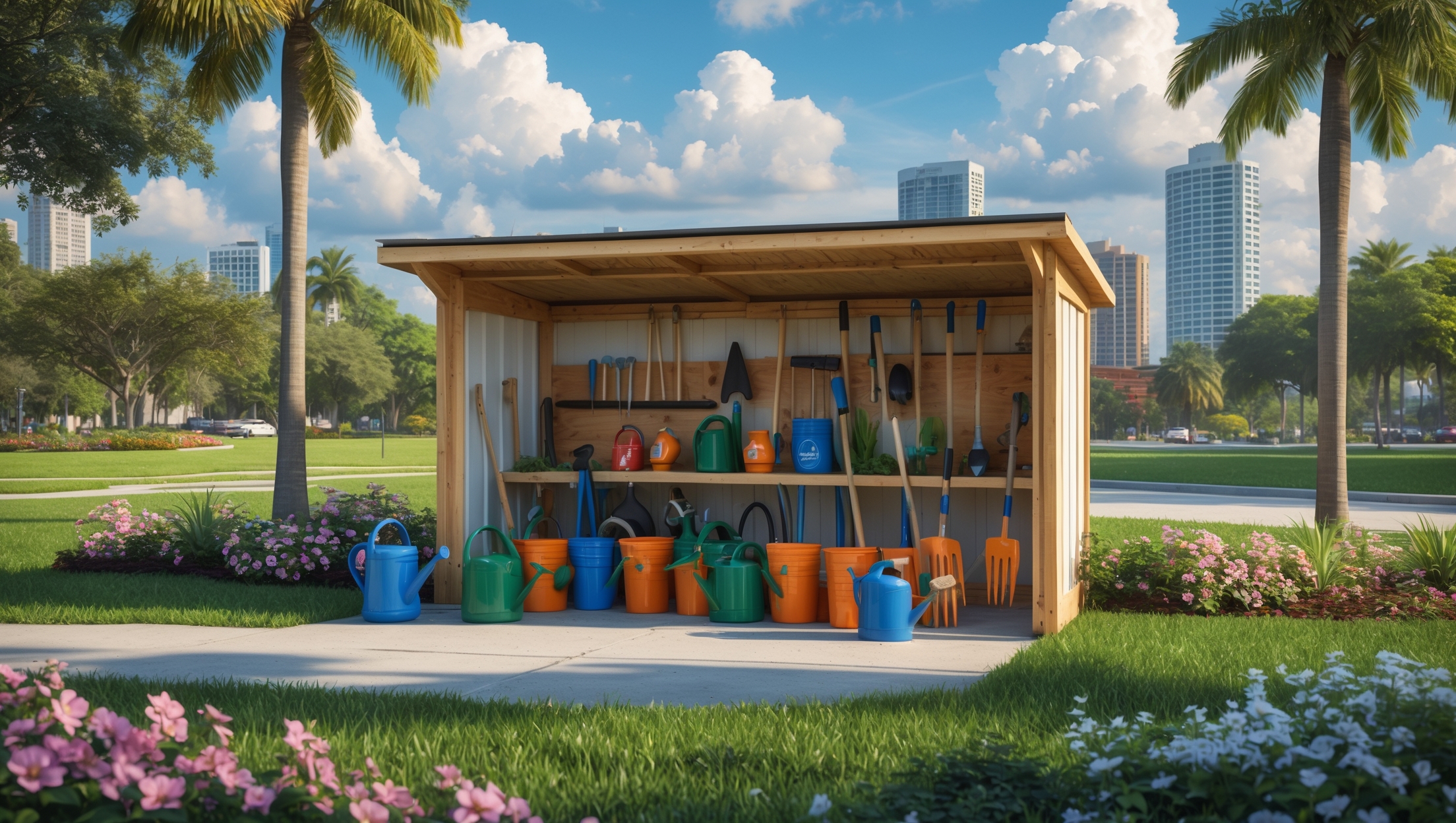
How to Sustain a Community Tool Lending Library in St. Petersburg, FL: Maintenance, Funding & Engagement Strategies

Introduction: Why Sustaining a Community Tool Lending Library Matters in St. Petersburg, FL
Community tool lending libraries have become a powerful force for neighborhood empowerment, environmental stewardship, and resource sharing in St. Petersburg, FL. These libraries provide residents with affordable access to specialized and everyday tools, lowering barriers to DIY projects, community beautification, and local repair initiatives. However, launching a tool library is just the first step—the real challenge lies in sustaining it over the months and years ahead. Without careful planning, ongoing maintenance, proactive funding, and active community involvement, even the most promising projects can lose momentum or become unsustainable.
This comprehensive guide is designed for both new and established tool library organizers seeking proven strategies to ensure their library thrives. We’ll dive deep into practical maintenance routines, creative funding sources, community engagement tactics, and sustainability best practices—tailored specifically for the unique social, economic, and climate conditions of St. Petersburg. Whether you’re part of a grassroots collective, a neighborhood association, or a local nonprofit, you’ll find actionable advice to help your tool lending library remain a vibrant, reliable resource for your community year after year.
Understanding the Unique Needs of St. Petersburg’s Tool Libraries
How Climate and Community Shape Your Strategy
St. Petersburg’s subtropical climate—with humid summers, salt air, and frequent storms—demands particular attention to tool maintenance and storage. Additionally, the city’s diverse neighborhoods, active volunteer base, and strong DIY culture present unique opportunities for engagement and support. Understanding these local factors will shape every aspect of your sustainability plan.
- Weather Impact: High humidity and salt air can accelerate rust and wear on metal tools.
- Seasonal Project Surges: Gardening, hurricane prep, and home repair are seasonal peaks—plan for increased tool demand and event tie-ins.
- Neighborhood Diversity: Different communities may have varying needs and preferred communication channels. Tailor outreach and programming accordingly.
Essential Maintenance Practices for Tool Libraries
Routine Cleaning and Inspection
Regular maintenance is the backbone of a sustainable tool library. Well-maintained tools last longer, perform better, and keep borrowers safe. Establish a routine:
- Weekly Inspection: Set aside time each week for volunteers to inspect returned tools for damage, missing parts, or safety issues.
- Cleaning: Wipe down all tools after use—especially gardening and power tools. Use wire brushes, cloths, and mild degreasers as appropriate.
- Sharpening: Keep blades, shears, and cutting tools sharp. Dull tools are dangerous and frustrating for users.
- Lubrication: Apply oil to moving parts to prevent rust and ensure smooth operation. WD-40 or a silicone spray works well for most hand tools.
Storage Best Practices
Proper storage protects your inventory and saves money on replacements:
- Climate Control: If possible, store tools in a well-ventilated, dry space. Consider using dehumidifiers or silica gel packs to combat moisture.
- Rust Prevention: Hang tools or store them on shelves—avoid direct contact with concrete. Use rust-inhibiting sprays or coatings on metal surfaces.
- Labeling and Tracking: Use a barcoding or sign-out system for accountability. Inventory checks help prevent loss and theft.
Safety Checks and Repairs
Never lend out a tool that hasn’t passed a safety check. Create a simple checklist for volunteers:
- Inspect electrical cords for fraying or damage.
- Test moving parts and switches on power tools.
- Replace worn-out grips or broken handles.
- Remove and retire tools that can’t be safely repaired.
Funding Your Tool Library: Strategies for Sustainable Support
Diversifying Revenue Streams
Relying on a single funding source—such as initial grants or donations—puts your library at risk. Diversify with these approaches:
- Membership Fees: Offer low-cost annual memberships for unlimited borrowing, with discounts for students or low-income residents.
- Pay-Per-Use: Charge a nominal fee for each tool borrowed, or for premium/specialty items.
- Corporate Sponsorships: Partner with local businesses, hardware stores, or tool manufacturers for financial support or in-kind donations.
- Fundraising Events: Host repair clinics, tool sales, or DIY workshops. These build community while raising funds.
- Grants and Public Funding: Apply for local government grants, neighborhood revitalization funds, or environmental initiatives.
In-Kind Donations and Wish Lists
Many community members are happy to donate gently used tools or supplies. Make it easy:
- Publish a regularly updated online wish list (Amazon, Google Sheets, or your website).
- Partner with local hardware stores for donation bins or discount drives.
- Offer public recognition or small perks (e.g., free membership month) for major donors.
Budgeting for Longevity
Plan for recurring expenses and unexpected repairs. A sample annual budget might include:
- Tool replacement and repair fund
- Storage facility rent or maintenance
- Insurance (liability, property, volunteer coverage)
- Marketing and outreach costs
- Administrative supplies and technology (e.g., inventory software)
Engaging the Community: Building a Loyal User Base
Outreach and Partnerships
Strong community ties mean more members, volunteers, and supporters. Strategies include:
- Neighborhood Associations: Attend local meetings, present your library, and invite feedback.
- DIY Workshops: Offer classes on tool use, home repair, or gardening. These events attract new members and boost tool literacy.
- Schools and Youth Groups: Partner on educational projects or tool drives. Youth engagement fosters long-term sustainability.
- Social Media: Maintain active Facebook, Instagram, and Nextdoor profiles. Share stories, tool tips, and event updates.
Volunteer Recruitment and Retention
Volunteers are the heart of any tool library. To recruit and keep them engaged:
- Offer clear role descriptions and flexible shifts.
- Provide training in tool maintenance and customer service.
- Recognize contributions publicly and celebrate milestones.
- Encourage volunteer-led projects or workshops.
Feedback Loops and Continuous Improvement
Regular feedback helps you adapt and stay relevant. Methods include:
- Annual member surveys on tool selection, hours, and services.
- Suggestion boxes (physical or digital).
- Periodic focus groups or open houses.
Sustainability Strategies: Ensuring Long-Term Impact
Environmental Stewardship
Tool libraries reduce waste and promote reuse. To maximize your environmental impact:
- Host repair cafés to fix broken tools, reducing landfill waste.
- Encourage members to return tools clean and in good condition.
- Source eco-friendly cleaning and maintenance products.
Adaptation and Expansion
Stay nimble and responsive to community needs:
- Regularly review and update your tool inventory based on usage data and member requests.
- Consider expanding into specialty tools (e.g., bike repair, woodworking, gardening) as demand grows.
- Explore partnerships with other community resource projects (e.g., seed libraries, bike kitchens).
Measuring Success
Track meaningful metrics to demonstrate your impact and attract support:
- Number of active members and volunteers
- Tool circulation rates
- Community event attendance
- Environmental benefits (e.g., estimated landfill diversion, carbon savings)
- Stories and testimonials from members
Case Study: Thriving Tool Libraries in St. Petersburg
Consider the example of the hypothetical “Sunshine City Tool Share” operating in the Historic Kenwood neighborhood. By building strong partnerships with local hardware stores, offering monthly tool maintenance workshops, and actively involving residents in inventory decisions, they’ve grown their membership by 50% annually. Their annual “Fix-It Fest” not only generates operational funds but also brings neighbors together to learn new skills and repair household items, keeping hundreds of pounds of waste out of local landfills.
Key lessons from successful local projects include:
- Prioritize transparency in finances and decisions to build trust.
- Maintain a flexible approach—adapt hours, tool types, and services as member needs evolve.
- Celebrate successes and learn openly from setbacks.
Common Pitfalls and How to Avoid Them
Neglecting Maintenance
Deferred maintenance leads to tool failures, safety hazards, and member frustration. Schedule regular maintenance and train multiple volunteers to avoid bottlenecks.
Overreliance on a Single Leader or Funder
Build redundancy in leadership and diversify funding sources. Document processes so transitions are smooth and institutional knowledge isn’t lost.
Lack of Community Input
Engage members in decision-making and regularly solicit feedback. The library should reflect community needs, not just organizer preferences.
Conclusion: Building a Lasting Legacy in St. Petersburg
Sustaining a community tool lending library in St. Petersburg is a rewarding challenge that goes far beyond simply keeping tools on shelves. It requires a holistic approach: diligent maintenance, creative and diversified funding, vibrant community engagement, and a commitment to continuous learning and adaptation. By understanding the unique opportunities and demands of St. Pete’s climate, neighborhoods, and DIY spirit, you can craft a library that doesn’t just survive, but thrives.
Every tool shared and every neighbor helped is a testament to the power of grassroots collaboration. Your efforts not only empower individuals to take on their own improvement projects, but also weave a stronger, more resilient community fabric. As your tool library grows, so does your impact—reducing waste, saving money, and fostering the kind of connections that make St. Petersburg shine. Whether you’re just beginning or aiming to take your project to the next level, the strategies in this guide will help you build a legacy that lasts for generations. Keep innovating, keep listening, and keep building—your community is counting on you.
How do St. Petersburg tool lending libraries handle the seasonal surges in demand, such as increased gardening or storm prep projects? Is there a recommended system for managing inventory and reservations during these peak periods?
St. Petersburg tool lending libraries typically anticipate seasonal demand by tracking usage patterns, adjusting inventory, and communicating with members about popular tools. Many libraries use reservation systems—often simple online forms or dedicated inventory management software—to let members check availability and reserve tools in advance. During peak periods, they may set shorter borrowing times or limit the number of high-demand tools per person to ensure fair access. Regular inventory checks and community feedback also help manage surges effectively.
We want to attract more people to our tool library, but our volunteer base is still pretty small. What are some engagement strategies that have worked well in St. Petersburg’s diverse neighborhoods for getting more folks involved or volunteering regularly?
In St. Petersburg, successful engagement strategies have included hosting hands-on workshops or repair cafes where neighbors can learn tool skills or fix items together. Partnering with local schools and community groups has also brought in new volunteers, especially when offering service hours or small incentives. Regular community events, like open houses or themed project days, help people connect and see the library’s value firsthand, which often leads to increased involvement.
I’m just starting to put together a tool library in St. Petersburg and I’m worried about how the humidity and salty air will affect the tools over time. What kind of maintenance schedule or storage solutions would you recommend for our area to keep tools in good shape year-round?
Humidity and salty air can definitely take a toll on tools in St. Petersburg. To combat rust and corrosion, store your tools in a well-ventilated, climate-controlled space if possible. Use moisture-absorbing packets or dehumidifiers in storage areas. Wipe down tools after each use and apply a light coat of oil to metal parts. Set up a monthly inspection to clean, dry, and check for rust, and establish a quarterly deep clean and maintenance day for the entire inventory.
The article highlights the need for careful planning after the initial launch. What would you suggest as the first three action steps for a new group trying to sustain their tool lending library through the critical first year?
To help a new group sustain their tool lending library in the first year, start by establishing a reliable system for tracking tool loans and returns. Next, focus on building strong relationships with local supporters and volunteers who can help with operations and promotion. Finally, create a basic maintenance schedule for tool upkeep and repairs, making sure tools stay in good condition for everyone.
With seasonal surges in gardening and home repair projects, how do you handle spikes in tool demand without letting your inventory get depleted or overused? Is there a lending limit system that’s worked well?
To handle seasonal spikes, we use a combination of lending limits and reservation systems. Members can borrow a set number of tools at once—usually three to five—especially during busy months. We also encourage early reservations for high-demand items and regularly inspect and rotate tools to avoid overuse. These strategies help us keep inventory available and in good condition for everyone.
How do you suggest balancing the need for proactive funding with keeping tool lending accessible to residents who might not be able to pay membership fees? Are there examples of successful alternative funding models in other neighborhoods?
Balancing proactive funding with accessibility can be achieved by offering a sliding scale for membership fees or ‘pay what you can’ models. Many tool libraries supplement their budgets with grants, local business sponsorships, and fundraising events. For example, the Berkeley Tool Library and Toronto Tool Library both use a mix of donations, municipal support, and community partnerships to keep access open while covering costs.
I’m interested in maintenance routines for the tools, especially considering the frequent storms here. How often should tools be checked or serviced, and are there any must-have maintenance supplies for a library operating in this kind of climate?
Given St. Petersburg’s humid and storm-prone climate, it’s best to inspect and clean tools after each return, with a thorough check at least once a month. Look for signs of rust, damage, or wear. Must-have supplies include rust-preventative oil, lubricants, cleaning cloths, wire brushes, and silica gel packs for moisture control. Store tools in a dry, well-ventilated area to further protect them from the elements.
With the high humidity and salt air in St. Petersburg, have you found any specific tool brands or materials that hold up better to rust and corrosion over time? I’m curious if some types are more cost-effective in the long run despite higher upfront costs.
Yes, we’ve noticed that tools made from stainless steel or coated with rust-resistant finishes tend to last much longer in St. Petersburg’s humid, salty environment. Brands that emphasize corrosion resistance, even if they’re a bit pricier, often prove more cost-effective because they need less frequent replacement and maintenance. Tools with rubberized or plastic handles also fare better, reducing degradation from moisture exposure.
If you’re starting a tool library from scratch in one of St. Pete’s more diverse neighborhoods, how long does it typically take to build up a reliable volunteer base and steady community engagement? Are there outreach tactics that tend to work faster?
Building a reliable volunteer base and steady community engagement can take anywhere from six months to a year, depending on your outreach efforts and neighborhood dynamics. Hosting hands-on events, partnering with local community centers, and recruiting neighborhood leaders as ambassadors often speed up the process. Door-to-door introductions, social media groups, and offering early members special perks can also help you connect with residents more quickly.
How do you keep volunteers consistently engaged over the long term, especially during slower seasons or after the initial excitement fades? I’m interested in strategies specific to St. Petersburg’s diverse neighborhoods.
To keep volunteers engaged long-term in St. Petersburg’s diverse neighborhoods, try rotating leadership roles so everyone feels invested, and tailor activities to match neighborhood interests—like hosting gardening workshops in some areas and bike repair clinics in others. Organize seasonal meetups or potlucks for social connection, and recognize volunteers publicly. Stay flexible with volunteer shifts during slower months, and keep communication open with regular updates about how their efforts impact the community.
For libraries that have struggled with rust and corrosion, is there a troubleshooting checklist or process you recommend, specifically for tools frequently loaned during hurricane prep season?
For tools often loaned during hurricane prep season, start with a quick inspection upon return, looking for moisture or signs of rust. Wipe tools dry and apply a light coat of oil to metal parts. Store tools in a dry, ventilated area—consider silica gel packs or dehumidifiers. Schedule a monthly deep clean and rust check, especially during humid months. Label any damaged items for repair before the next loan cycle.
I’m curious about creative funding sources you mentioned. For a small nonprofit starting out, what are some practical ways to secure ongoing financial support beyond initial grant funding?
For a small nonprofit just starting, you can consider a membership model where users pay a small annual or monthly fee to borrow tools. Hosting fundraising events like repair cafes or workshops can also generate income and raise awareness. Partnering with local businesses for sponsorships or in-kind donations is another practical approach. Additionally, recurring crowdfunding campaigns or seeking small, local foundation grants can help sustain ongoing operations.
Do you have any recommendations on affordable funding sources tailored for nonprofit tool libraries in St. Pete, especially for covering unexpected costs like tool replacement after storms or surges in usage during certain seasons?
Local community foundations, such as the Pinellas Community Foundation, often have grant programs aimed at supporting grassroots initiatives like tool libraries. You might also consider approaching neighborhood associations for micro-grants, or organizing seasonal fundraising drives tied to storm preparedness. Some hardware stores in St. Pete may be open to in-kind donations or small sponsorships specifically for tool replacement. Crowdfunding platforms can also be effective for urgent, unexpected expenses.
Our neighborhood association wants to set up a tool lending library, but we’re not sure how to start budgeting for ongoing expenses like repairs or new tool purchases. Is there guidance in the article about typical annual costs or creative local funding ideas specific to St. Pete?
The article offers helpful tips on budgeting for a tool lending library, including suggestions for estimating repair and replacement costs based on expected usage and tool types. While it doesn’t list specific dollar amounts, it highlights local funding ideas for St. Pete, such as partnering with neighborhood grants, seeking sponsorship from local hardware stores, and organizing community fundraisers. These strategies can help cover ongoing expenses and keep your library sustainable.
I’m wondering what tool maintenance routines work best for dealing with all the rust and wear caused by St. Pete’s humidity and salt air. Are there certain products or schedules your team has found especially effective in this climate?
Dealing with rust in St. Pete’s humid, salty air is definitely a challenge. Our team has found that wiping down metal tools after each use and applying a light coat of WD-40 or silicone spray helps prevent corrosion. We also schedule a thorough inspection and cleaning every month, focusing on sharpening, oiling, and storing tools in dry, ventilated areas. Using silica gel packs in storage boxes also cuts down on moisture.
I’m curious about engaging new volunteers, especially since you mentioned the strong DIY culture here. What tactics have proven most effective for attracting and retaining volunteers over time at your tool library?
We’ve found that tapping into St. Petersburg’s DIY spirit works best when we host regular hands-on workshops and open house events. New volunteers often join after seeing the impact firsthand and connecting with current members. Recognizing volunteer contributions, providing training, and giving them a say in tool acquisitions also helps keep people engaged and committed to the tool library over time.
If a neighborhood association is just starting out, how much initial budget and volunteer time should they realistically expect to dedicate to successfully maintain a lending library in this climate?
For a new neighborhood association in St. Petersburg, plan for an initial budget of around $1,500 to $3,000. This covers basic tool inventory, storage, and startup materials. Regarding volunteer time, expect at least 5–10 committed volunteers each contributing 2–4 hours weekly for maintenance, check-outs, and community outreach. These estimates help ensure smooth operations, especially in Florida’s climate where extra care may be needed for tool upkeep due to humidity.
You mention seasonal project surges in St. Petersburg. Do experienced libraries adjust their inventory or staffing for these busy times, and how do they keep things running smoothly without overloading volunteers?
Experienced tool libraries in St. Petersburg often review past lending trends to anticipate busy seasons, such as spring yardwork or hurricane prep. They may temporarily expand inventory to meet specific project needs and adjust volunteer shifts, sometimes bringing in extra help or organizing short-term volunteer drives. Clear communication, advance scheduling, and streamlined check-out processes help keep things manageable and prevent volunteer overload during surges.
You mentioned seasonal project surges, like gardening and storm prep. How do you handle fluctuating demand for specific tools during those busy times, and do you have a reservation system or some other way to ensure fair access?
During busy seasons like gardening or storm prep, we track tool usage patterns to anticipate increased demand. We do have a reservation system that lets members book tools in advance, ensuring fair access. We also set loan time limits for high-demand items and encourage prompt returns, making sure more members can use the tools they need during peak times.
The article talks about creative funding sources to keep tool libraries going. For someone just starting out with a small budget, what would you suggest for quick-win fundraising or partnerships that have worked well in St. Pete?
For quick-win fundraising on a small budget in St. Pete, try hosting a pay-what-you-can tool swap or a community repair event—these attract donations and local interest. Partner with neighborhood associations, small hardware stores, or local businesses for sponsorships or in-kind donations. Many local hardware stores have supported tool libraries by donating used or surplus tools, and small grants from community foundations have also helped new initiatives get off the ground.
With seasonal project surges, like after storms or during gardening season, how does a tool library plan for and manage sudden spikes in demand to make sure there are enough tools and volunteers available?
To handle seasonal surges, tool libraries often track past borrowing trends to anticipate high-demand periods, such as after storms or during gardening season. They may increase inventory temporarily by borrowing or renting extra tools, and organize volunteer drives ahead of peak times to ensure enough staff. Additionally, they sometimes set shorter loan periods or implement waitlists to maximize tool circulation and ensure more members can access what they need during busy stretches.
Could you share more about creative funding sources you’ve seen work for tool libraries in neighborhoods with limited budgets? I’m concerned that relying on traditional grants might not be enough for us to cover ongoing costs here in St. Petersburg.
Absolutely, many tool libraries supplement traditional grants with creative funding strategies. Some ideas include hosting repair workshops with a suggested donation, partnering with local businesses for sponsorships, and organizing neighborhood yard sales or swap events. Crowdfunding campaigns can also generate community support, and offering tiered memberships—where supporters pay a little extra for perks—has worked well in some places. These approaches can help cover ongoing expenses and strengthen community involvement.
What storage solutions work best for protecting metal tools from rust given our local weather? I’m debating between outdoor sheds versus renting indoor space but want to avoid extra costs if possible.
Given St. Petersburg’s humidity, keeping metal tools rust-free takes some planning. Outdoor sheds can work well if you choose one with good ventilation, raised flooring to avoid ground moisture, and seal any leaks. Adding desiccant packs or a small dehumidifier can help further. Organize tools on racks or pegboards to increase air circulation. Indoor storage is ideal but not always budget-friendly, so with a quality shed and some moisture control, you can effectively protect your tools without high extra costs.
You mention seasonal surges in tool demand, like during gardening or hurricane prep. How do you budget for stocking extra tools during those peak times without straining your finances for the rest of the year?
To handle peak demand without stretching your annual budget, plan ahead by analyzing usage from previous years to anticipate which tools see the most demand. Allocate a seasonal reserve fund specifically for these periods and consider borrowing or soliciting tool donations from the community or local businesses. Renting tools short-term or partnering with other organizations can also help fill gaps without making large purchases.
With St. Petersburg’s humidity and salt air causing extra wear on tools, what specific cleaning routines or storage solutions do you recommend to make sure metal tools last longer between uses? I’d love some practical tips for keeping things in good shape.
To help metal tools withstand St. Petersburg’s humidity and salt air, wipe them down with a dry cloth after each use to remove moisture and debris. Apply a light coat of oil or silicone spray to metal surfaces before storing. Store tools indoors in a dry, well-ventilated area, ideally with silica gel packs or a dehumidifier to control moisture. Use closed cabinets or sealed bins for extra protection, and regularly inspect for early signs of rust so you can address issues right away.
Can you give more detail on creative funding sources tailored for local nonprofits in St. Petersburg? I’m curious which funding methods have been most sustainable for tool libraries here, given the unique community support you mentioned.
In St. Petersburg, local nonprofits running tool libraries have found sustained support through neighborhood grants, partnerships with local businesses for sponsorships, and organizing fundraising events such as repair cafes or tool sales. Membership fees offer steady income, but unique approaches like collaborating with community foundations or engaging local artists for themed events have also proven effective. Blending these methods helps diversify funding and builds strong ties with residents and small businesses.
With St. Petersburg’s humid and salty air causing rust on tools, do you have recommendations for specific types of tool storage or maintenance routines that work best in these conditions, especially if the library doesn’t have climate-controlled space?
For St. Petersburg’s humid, salty air, choose plastic or rust-resistant metal storage bins with tight seals, and add silica gel packs or moisture absorbers inside to reduce humidity. After use, wipe tools dry and apply a thin coat of light oil to metal surfaces. Regularly inspect for rust and clean tools with a wire brush if needed. If climate control isn’t possible, elevate storage off the ground and keep spaces well-ventilated to minimize moisture buildup.
Could you expand a bit more on the creative funding sources you mentioned? I’m trying to figure out how libraries in St. Petersburg have successfully covered costs like tool replacements and insurance, especially during slower seasons when donations might be down.
Absolutely! Some St. Petersburg tool libraries have tapped into creative funding by hosting paid workshops or repair clinics, offering tiered memberships with extra perks, and partnering with local businesses for sponsorships or in-kind donations. During slower donation periods, a few have run seasonal fundraising drives or applied for small local grants focused on sustainability or community development. These strategies help cover essential costs like tool replacement and insurance when regular donations aren’t as strong.
I’m curious how often you recommend performing maintenance checks on tools in St. Pete’s humid, salty environment. Do you have a schedule that works well to prevent rust and keep everything in good shape without overwhelming volunteers?
In St. Pete’s humid, salty climate, it’s smart to check tools for rust or damage about once a month. For heavily used items, inspect them biweekly. Creating a rotating schedule where volunteers handle small batches each week works well—it spreads out the workload and ensures everything gets attention without overwhelming anyone.
You mention creative funding sources tailored to St. Petersburg, but can you elaborate on which ones have proven most effective for securing ongoing support? Are there any local grants or partnerships we should look into as a small nonprofit?
In St. Petersburg, ongoing support for tool lending libraries has often come from local community foundations and neighborhood associations. The Pinellas Community Foundation and St. Petersburg Foundation have awarded grants to small nonprofits in the past. Partnering with local hardware stores, such as through in-kind donations or sponsorship arrangements, has also been very effective. Additionally, city mini-grants for neighborhood improvement projects can provide targeted funding, so it’s worth checking those out as well.
How do local tool lending libraries handle seasonal surges, such as increased demand during gardening or hurricane prep times? Are there strategies to ensure the inventory can meet community needs without running out or causing long waitlists?
Local tool lending libraries often anticipate seasonal surges by tracking past borrowing trends and adjusting their inventory ahead of time. They may seek donations or temporarily increase their stock of high-demand tools, like gardening or hurricane prep equipment. Some libraries also set borrowing limits or shorter loan periods during peak times to ensure more members can access essential tools without long waitlists.
With the increase in demand during certain seasons, how do you suggest managing tool inventory and borrowing limits to ensure everyone gets fair access without overwhelming the library’s resources?
To manage high demand during peak seasons, you can implement shorter borrowing periods and set clear limits on the number or type of tools that each member can check out at once. This helps rotate tools among more users. Also, regularly review usage data to identify which tools are most popular and prioritize their maintenance or expansion in the inventory. Communicating these seasonal policies in advance will help set expectations and ensure fair access.
As someone considering involvement, I’d like to know more about the funding sources you recommend. Are there local grants, partnerships, or fundraising tactics that have proven especially reliable for St. Petersburg tool libraries over the long term?
For tool libraries in St. Petersburg, a mix of funding sources tends to work best. Local grants from city programs and community foundations are strong options. Building partnerships with local hardware stores or businesses can provide both financial support and donated tools. Annual membership fees, fundraising events, and donation drives are also reliable for ongoing support. Diversifying income—rather than relying on a single source—helps ensure long-term sustainability.
Our neighborhood association is thinking about starting a tool lending library, but we’re worried about keeping volunteers engaged long-term. What ongoing engagement tactics have been effective in St. Pete, especially after the initial excitement fades?
In St. Petersburg, keeping volunteers engaged long-term often involves regular appreciation events, recognition of contributions, and providing ongoing training or skill-building workshops. Rotating volunteer roles and giving people a say in decision-making also helps maintain interest. Periodic social gatherings and celebrating milestones, like tool library anniversaries, have kept momentum high after the initial launch excitement fades.
For those of us running a tool library mostly with volunteers, what are some practical ways to maintain consistent engagement year-round, especially during times when there aren’t major seasonal projects driving demand?
To keep volunteers engaged all year, try hosting regular workshops or skill-sharing events that encourage participation, even during slower periods. Rotate small leadership roles, so everyone feels involved and valued. Monthly meetups, recognition of contributions, and small community projects unrelated to major seasons—like tool maintenance days or local partnerships—can also give volunteers reasons to stay connected and invested in the library’s mission.
Could you elaborate on strategies for engaging new volunteers from diverse neighborhoods in St. Petersburg? I’m interested in how to reach people who may not already be part of the local DIY community.
To engage new volunteers from diverse neighborhoods, try partnering with local community centers, churches, and neighborhood associations to spread the word. Attend local events and markets to introduce the tool library in person. Offering introductory workshops for beginners and translating materials into multiple languages can help make the library more welcoming to those outside the traditional DIY community. Incentives like volunteer appreciation days or small giveaways can also encourage participation.
What funding strategies have you seen work best for tool lending libraries in neighborhoods with fewer established nonprofits or less access to grants in St. Petersburg?
In neighborhoods with fewer nonprofits and limited grant access, tool lending libraries in St. Petersburg often succeed by building strong membership programs and encouraging small recurring donations from community members. Hosting fundraising events, seeking local business sponsorships, and implementing pay-what-you-can rental fees are also effective. Collaborative partnerships with neighborhood associations or faith groups can provide additional support and resources, even when traditional grant funding is scarce.
I’m concerned about tool maintenance with St. Petersburg’s humid, salty climate. What specific cleaning or storage routines do you recommend to prevent rust, especially for items that get checked out often by neighbors?
In St. Petersburg’s humid, salty conditions, it’s important to wipe down tools after each return, especially metal parts, to remove moisture and salt residue. Store tools in a dry, ventilated area, ideally with dehumidifiers or moisture-absorbing packs. Applying a light coating of oil to metal surfaces can help prevent rust. Regularly inspect tools for early signs of corrosion so you can address issues promptly.
With the seasonal surges you mention, like gardening projects or storm prep, how do you manage tool availability and prevent shortages? Do you set up a reservation system ahead of busier times, or just operate first-come, first-served?
We balance both approaches to handle seasonal surges. During peak times like gardening season or storm prep, we encourage members to reserve high-demand tools in advance using our online reservation system. This helps manage expectations and reduces disappointment. For less popular tools or during slower periods, we still operate on a first-come, first-served basis. We also track usage patterns to adjust inventory and ensure we have enough of the most requested items.
The article mentions that St. Petersburg’s humid summers and salt air can really speed up rust on metal tools. What are some specific maintenance routines or storage solutions you’ve seen work well for protecting tools from this kind of climate?
In St. Petersburg’s climate, regular cleaning and drying of tools after use is essential. Applying a light coating of oil or rust inhibitor to metal surfaces helps prevent rust. Storing tools in a well-ventilated, dry space—ideally with a dehumidifier or silica gel packs—makes a big difference. Some libraries also use sealed plastic bins or wall-mounted racks to keep tools off the ground and away from moist air.
With seasonal surges in tool demand, like gardening or storm prep, how far in advance should a tool library start planning for outreach and inventory expansion to effectively meet those needs without stretching resources too thin?
For seasonal surges, it’s best to start planning your outreach and inventory expansion about 2-3 months in advance. This lead time allows you to assess past demand, secure additional tools through donations or purchases, and coordinate volunteer or staff schedules. Early planning also helps you promote upcoming availability to members, ensuring you’re prepared without overextending your resources.
You mention that St. Pete’s climate and active DIY community require unique engagement tactics. For someone with no experience running community programs, what are the first steps to attract and keep regular volunteers involved with tool maintenance and lending?
To attract and retain regular volunteers, start by reaching out to local DIY groups, neighborhood associations, and community centers—these are places where people already interested in tools might gather. Host an open house or workshop to introduce the tool library and its mission. Make volunteering easy by offering flexible shifts and clear role descriptions. Recognize volunteers’ contributions, offer training, and create a welcoming, social environment so people enjoy returning.
In your experience, what are the best creative funding sources for a small tool library that’s run by a neighborhood association rather than a nonprofit? Are there particular local grants or partnerships that work especially well in St. Petersburg?
For a neighborhood-run tool library in St. Petersburg, partnering with local businesses—like hardware stores or garden centers—can yield sponsorships or in-kind donations. Neighborhood mini-grant programs from the city are also worth exploring, as St. Pete has supported community projects before. Consider collaborating with local artists for fundraising events or DIY workshops, which can both raise funds and build community engagement. Local foundations sometimes support grassroots initiatives, so reaching out to them directly can also be effective.
Could you explain more about how the humid, salty climate in St. Petersburg affects the kinds of tools that are most practical to lend out, or any special maintenance steps you recommend for metal tools?
St. Petersburg’s humid, salty air can cause metal tools to rust and corrode more quickly than in drier areas. It’s practical to focus on lending out tools made from stainless steel or those with rust-resistant coatings. For maintenance, it’s important to wipe tools dry after each use, apply a light oil to metal surfaces regularly, and store them in a dry, ventilated area. Using silica gel packs in storage can help absorb excess moisture too.
Since you mention St. Pete’s humid climate and salt air, what specific tool storage solutions have you found to work best for preventing rust and corrosion over longer periods? Are there affordable materials or products that local tool libraries depend on year after year?
For St. Pete’s humid and salty environment, sealed plastic storage bins and heavy-duty metal cabinets with rubber gaskets work well to keep moisture out. Silica gel packs or desiccant canisters are also placed inside storage units to control humidity. Many tool libraries rely on regular applications of WD-40 or a silicone-based spray to protect metal surfaces. These solutions are affordable, easy to source locally, and have proven effective year after year.
You mentioned creative funding sources for keeping the tool library sustainable. Could you give some examples of which funding methods have worked best specifically for the St. Pete area, especially for groups that don’t have nonprofit status?
In St. Pete, groups without nonprofit status have had good results with community memberships, pay-what-you-can rental fees, and organizing fundraising events like tool sales or repair workshops. Partnering with local businesses for sponsorships or in-kind donations has also been effective. Some groups have used crowdfunding platforms to rally support, and collaborating with neighborhood associations can open up small local grants or pooled resource opportunities.
Since the article notes seasonal surges in gardening and repair projects, how do you recommend organizers prepare their inventory to meet higher demand at certain times of the year? Are there scheduling or reservation systems that have proven effective here?
To handle seasonal surges, it’s wise to track which tools are most requested during peak gardening and repair months. Organizers can increase inventory of those high-demand items before busy periods. Implementing an online reservation system helps members book tools in advance, reducing bottlenecks. Some libraries use simple spreadsheets, but dedicated software like MyTurn or Local Tools can streamline scheduling, track inventory, and send reminders, making it easier to manage high demand efficiently.
I’m curious how established tool libraries in St. Pete handle seasonal surges in demand, especially during peak gardening or hurricane prep times. Do you recommend adjusting inventory or staffing during these periods, and if so, how?
Established tool libraries in St. Pete often anticipate seasonal surges by analyzing past borrowing trends. During peak times like gardening season or hurricane prep, they temporarily increase inventory of high-demand items and may extend operating hours or recruit extra volunteers. Adjusting both inventory and staffing helps meet the community’s needs without overwhelming regular operations.
You mentioned creative funding sources for keeping the tool library thriving. Could you share more details or examples that have worked well in St. Petersburg, especially for smaller groups without nonprofit status?
Absolutely! In St. Petersburg, some small tool libraries have hosted community yard sales, tool repair workshops with entry fees, and seasonal swap meets. Others partner with local businesses for sponsorships, or set up donation jars at events. Crowdfunding platforms are also popular, allowing neighbors to pitch in without nonprofit status. These grassroots efforts can be surprisingly effective for covering operational costs.
How do tool libraries in St. Pete typically keep community engagement high during slower seasons when there aren’t as many gardening or repair projects happening? Are there particular events or outreach strategies that have been successful locally?
Tool libraries in St. Pete often boost engagement during slower seasons by hosting workshops on tool care, DIY repairs, or creative upcycling projects. Some also organize community meetups, swap events, and partnerships with local makerspaces or schools. Outreach through social media and neighborhood newsletters helps keep the community informed and involved even when tool demand is lower.
With the humidity and salt air here in St. Pete, what kind of tool maintenance schedule do you recommend to prevent rust, especially when volunteers get busy during peak seasons?
In St. Pete’s humid, salty air, it’s best to set a routine for tool care, even during busy periods. Aim for a quick wipe-down and inspection after each use, plus a thorough cleaning and oiling every month. Consider assigning rotating maintenance shifts or scheduling group care days before and after peak seasons. Storing tools in a dry, well-ventilated space with silica gel packs or dehumidifiers also helps prevent rust.
The article mentions creative funding sources—could you share examples of what’s worked for other organizations in the area? We’re finding it hard to keep up with recurring costs now that the initial excitement has faded a bit.
Many local tool libraries and similar initiatives have found success through annual membership drives, hosting repair or DIY workshops with suggested donations, and partnering with local hardware stores for sponsorships or in-kind support. Some have also held community yard sales or tool swaps. Applying for small community grants or collaborating with neighborhood associations can provide steady support too. Mixing these approaches can help smooth out funding between big fundraising events.
I’m wondering how often you typically need to organize maintenance days or check-ups on the tools, especially with the seasonal surges in gardening and repair projects mentioned. Do you have a recommended schedule for upkeep to avoid sudden tool shortages?
Organizing monthly maintenance days works well for most tool lending libraries, especially during busy seasons like spring and early fall when demand spikes. A quick weekly check of high-use tools during peak times can help catch issues early. Scheduling a thorough inspection at the end of each major season also helps prevent unexpected shortages and keeps your inventory in good condition.
Our neighborhood tool library has had issues with rust due to the humidity here in St. Pete. Can you share more specific storage or maintenance tips you’ve found effective for preventing rust with all these climate challenges?
Humidity can definitely speed up rusting, but there are a few effective ways to help. Store tools in a well-ventilated area with a dehumidifier or moisture absorbers like silica gel. After each use, wipe tools dry and apply a light coating of oil or a rust inhibitor. Pegboards keep tools off the ground and allow air flow. For items especially prone to rust, consider sealed plastic bins with desiccant packs inside.
When it comes to keeping the community engaged over the long term, what strategies have you seen actually keep people coming back to use and volunteer at the tool library, especially after the excitement of the launch dies down?
Ongoing engagement often depends on a mix of regular communication and fresh programming. Successful tool libraries organize seasonal workshops, host repair or DIY days, and highlight member projects to keep interest high. Personal touches, like recognizing volunteers and inviting feedback, also help people feel valued. Keeping the tool selection updated and responding to member needs keeps regulars coming back and encourages word-of-mouth growth in the community.
With the city’s seasonal surges for certain types of projects, like gardening or storm preparation, how do you handle inventory management so you’re not short on high-demand tools? Do you use reservation systems or limit borrowing during peak times?
To manage inventory during seasonal surges, we track borrowing trends to anticipate demand for tools like gardening supplies or storm prep equipment. We do use a reservation system that lets members book tools in advance during peak periods. Sometimes, we also set shorter borrowing limits for high-demand items to ensure more people have access when they need them most.
You mentioned seasonal surges in gardening and repair projects. How does the tool library handle increased demand during these busy times without running short, especially if there’s limited funding to buy duplicates of popular tools?
During peak seasons, the tool library extends borrowing limits on high-demand items and encourages sharing by shortening loan periods for popular tools. They also rely on community donations and periodic tool drives to boost inventory. If demand outpaces supply, a waiting list system is used, so tools are fairly allocated and everyone gets a turn. Volunteers help with quick turnarounds by cleaning and checking tools between uses.
I’m curious about how tool lending libraries in neighborhoods with fewer active volunteers can keep the momentum going. Are there proven engagement strategies for sustaining interest, especially during slower project seasons?
In neighborhoods with fewer active volunteers, partnering with local organizations or schools can help share responsibilities and bring in new participants. Offering themed workshops or DIY nights during slower seasons keeps people involved even when fewer projects are happening. Regularly highlighting success stories and tool uses in newsletters or social media can also maintain interest and remind the community of the library’s value.
I noticed you mentioned the challenges with tool maintenance in St. Pete’s humid and salty climate. Do you have any recommendations for affordable rust prevention products or storage solutions that have worked well for other tool libraries in this area?
For tool libraries in St. Pete, many find silica gel packs or DampRid effective for controlling humidity in storage areas. For rust prevention, Boeshield T-9 and WD-40 Specialist Corrosion Inhibitor are affordable sprays used by several local groups. Storing tools in sealed plastic bins or weather-tight cabinets off the ground also helps. Regularly wiping down tools and applying a light oil coating can significantly extend their life in our coastal climate.
Our tool library struggles to keep volunteers engaged after the initial excitement wears off. Do you have suggestions for maintaining long-term involvement, particularly in such a diverse and active community as St. Petersburg?
Keeping volunteers engaged long-term can be a challenge, especially in a vibrant city like St. Petersburg. Try rotating volunteer roles to keep things interesting, offering skill-building workshops, and recognizing contributions regularly through shout-outs or small rewards. Hosting social events and inviting feedback on library operations can also foster a sense of ownership and connection. These steps can help volunteers feel valued and invested in your community tool library.
You talk about creative funding sources tailored to St. Petersburg. Could you share examples of successful partnerships or grant programs that have provided consistent support for your tool library over multiple years?
Certainly! Our tool library has benefited from multi-year partnerships with local organizations like the St. Petersburg Foundation and neighborhood associations that provide annual budget support. We’ve also received ongoing grants from the Pinellas Community Foundation, which has helped fund both operations and community workshops. Collaborations with local hardware stores have brought in donated tools and sponsorships that repeat each year, ensuring steady resources for the library.
You mentioned needing creative funding sources to keep a tool lending library running long-term. Could you give some examples of what has actually worked in St. Petersburg for securing steady funding, especially for smaller or newer libraries?
In St. Petersburg, some effective funding sources have included partnering with local hardware stores for sponsorships, hosting annual fundraising events like repair cafes or tool sales, and setting up small membership fees. Grant applications to local foundations and seeking support from neighborhood associations have also helped smaller or newer libraries cover recurring costs. These approaches combine community involvement with practical, ongoing financial support.
I noticed the article mentions creative funding sources for tool libraries. Could you provide some examples specifically suited for a neighborhood with lots of families on a tight budget? I want to help but need to be realistic about costs.
For a neighborhood with many families on a budget, you might consider hosting small fundraising events like garage sales or bake sales, which are low-cost and community-driven. Partnering with local businesses for sponsorships or in-kind donations can also help. Implementing a pay-what-you-can or sliding-scale membership fee makes the library accessible. Seeking mini-grants from local organizations or applying for community enhancement funds are other practical options.
You mention that funding is essential for sustaining a tool lending library, but I’m wondering if local businesses in St. Pete are usually open to sponsoring or donating supplies. Have organizers had success with business partnerships, or do grants work better?
In St. Petersburg, local businesses have shown interest in supporting community tool libraries, often through sponsorships, donations, or in-kind contributions. Organizers have found success by building relationships with hardware stores and small businesses, which can lead to ongoing partnerships. Grants are also helpful, especially for larger needs, but the consistent support from businesses often provides stability and community connection that grants alone might not offer.
You mention that different seasons can create surges in tool demand for things like gardening or storm prep. How do you recommend a tool library manage inventory or set policies during these peak times to ensure fair access for the community?
To handle peak demand, consider setting shorter loan periods for high-demand tools during busy seasons, like gardening supplies in spring or storm prep tools before hurricane season. Implement a reservation system so members can book tools in advance, and set limits on how many high-demand items each person can borrow at once. Regularly communicate these policies so everyone knows what to expect.
You mention that St. Petersburg’s humid climate and salt air can really wear down metal tools faster. Do you have any specific recommendations for affordable maintenance routines or products that tool libraries here could use to extend the life of their tools?
Absolutely, humidity and salt can be tough on tools in St. Petersburg. For affordable maintenance, regularly wipe down metal tools after use and apply a light coat of machine oil or WD-40 to prevent rust. Store tools in a dry, well-ventilated area with silica gel packets to help absorb moisture. For cleaning, inexpensive wire brushes and rags work well. Setting up a simple routine like monthly checks and touch-ups will go a long way in extending the life of your tools.
With St. Pete’s active DIY culture and frequent storms, do you notice seasonal spikes in tool demand? How should organizers plan for these surges—like, is it better to have extra tools on hand or to limit check-out times during busy seasons?
Yes, there are definitely seasonal spikes in tool demand, especially before and after storm season when people are prepping homes or doing repairs. Organizers should plan by tracking which tools are most in demand during these times and consider increasing inventory of those specific items. Shortening check-out periods or setting up a waitlist during peak times can also help ensure more members have access when demand is high.
I noticed you mentioned creative funding sources for keeping a tool lending library going. What are some of the most successful fundraising ideas you’ve seen work in St. Pete, especially for smaller, grassroots groups?
In St. Pete, smaller tool lending libraries often succeed with events like donation-based tool tune-up days, local maker fairs, and community yard sales. Partnering with neighborhood associations for mini-grants, hosting workshops with a suggested donation, and setting up a monthly supporter program also work well. Building relationships with local hardware stores for sponsorship or in-kind donations can provide both funds and materials.
You mention seasonal project surges in the article. How do you handle high demand for certain tools during hurricane prep season or peak gardening months? Do you set limits on borrowing times or have strategies to make sure everyone gets what they need?
During high-demand times like hurricane prep season or the peak of gardening months, we do put some limits in place to ensure fair access. For popular tools, we often shorten loan periods and set quantity limits per household. We also encourage reservations in advance and may create waitlists for the most requested items. This helps us rotate the tools efficiently so more members can get what they need during busy times.
Our tool lending library is struggling to keep metal tools from rusting during the humid summer months here in St. Pete. What specific storage solutions or maintenance routines have you found work best for our local climate?
To prevent rust in our humid St. Pete summers, we keep metal tools in sealed plastic bins with silica gel packs or desiccants to absorb moisture. Regularly wiping tools with a light coat of machine oil or WD-40 also helps. We recommend running a dehumidifier in your storage space if possible, and making sure tools are always dry before putting them away.
You mention high humidity and salt air in St. Pete causing rust on metal tools. What specific maintenance routines or storage solutions have you found effective for keeping tools in good shape between uses, especially during the rainy season?
To help prevent rust on metal tools in St. Pete’s humid, salty environment, regular cleaning and thorough drying after each use are key. Applying a light coat of oil or rust inhibitor to metal surfaces helps protect them. For storage, keeping tools in a well-ventilated, dry area—ideally inside sealed bins with silica gel packs—works well. During the rainy season, using dehumidifiers in storage spaces or even simple moisture absorbers can make a big difference.
The article mentions seasonal surges in tool demand, like for gardening or storm prep. How do you handle those peaks in borrowing, especially if you only have a limited number of popular tools? Do you ever do waitlists or special signouts?
During peak seasons, we closely monitor tool availability and sometimes implement waitlists for highly requested items like garden tools or storm prep gear. We notify members when tools become available and encourage early reservations when possible. For very popular tools, we may also set shorter lending periods to ensure more people can access them during busy times.
I noticed the article mentions that St. Petersburg’s humidity and salt air can accelerate rust on metal tools. What specific maintenance routines or storage solutions do you recommend for keeping tools in good shape, especially during the wettest months?
To protect tools from rust in St. Petersburg’s humid, salty air, it helps to wipe them dry after each use and apply a light coat of oil to metal parts. Store tools indoors in a well-ventilated area with moisture absorbers like silica gel or dehumidifiers. Using plastic bins or sealed cabinets can also shield tools from damp air, especially during the rainy season.
Our neighborhood tool library is dealing with a lot of rust on metal tools, especially during the humid summer months in St. Petersburg. Do you have specific maintenance routines or storage tips that have worked well to combat rust and salt air in this climate?
To reduce rust on your tools, keep them in a dry, ventilated space and use silica gel packs or dehumidifiers in storage areas. Wipe tools down after each use and apply a light coating of oil or silicone spray to metal parts. Regularly inspect for early signs of rust and address them promptly with a wire brush. Storing tools off the ground and in sealed containers also helps protect them from humidity and salt air.
With the article noting seasonal surges in demand, do you have suggestions for managing inventory and volunteer schedules when certain tools are in especially high demand, like during gardening or storm prep times?
During peak seasons like gardening or storm prep, it’s helpful to track which tools are most in demand and set clear borrowing limits or shorter loan periods for those items. You could also use a reservation system so members can book tools in advance. For volunteers, consider creating rotating shifts or recruiting extra help ahead of busy times to handle increased check-outs and returns smoothly.
You mention creative funding sources for sustaining a tool lending library—could you elaborate on what has worked best in St. Petersburg specifically? Are there certain grants, local businesses, or membership models that have been particularly reliable?
In St. Petersburg, a mix of annual membership fees and partnerships with local hardware stores has proven quite effective for ongoing funding. Some tool libraries have also secured small community development grants from city programs and local foundations. Collaborations with local businesses often result in donated tools or sponsorships, while membership dues help cover routine expenses. This combination tends to provide steady, sustainable support.
I’m curious about the funding sources you suggest for keeping a tool lending library financially stable. Is there a certain mix of grants, membership fees, or local sponsorships that tends to work well in St. Pete, or does it really depend on the organization?
The best funding mix for a tool lending library in St. Petersburg usually blends several sources. Membership fees help with steady income, local grants from community foundations can provide substantial support, and sponsorships from area businesses often help with equipment or events. The right balance can depend on your library’s size and mission, but combining these options tends to create the most stable financial base.
Given St. Pete’s humid and salty climate, do you have recommendations for affordable tool storage solutions that protect against rust but are also easy for volunteers to maintain?
For St. Pete’s humid, salty air, plastic or resin storage sheds are a good choice—they’re affordable, resist corrosion, and don’t need much upkeep. Inside, use moisture-absorbing products like silica gel packs or DampRid buckets. Storing tools in sealed plastic bins or on racks off the ground helps, and a light coating of oil on metal surfaces prevents rust. Labeling and organizing tools makes it easier for volunteers to keep everything in order.
When it comes to maintaining tools during seasonal surges, like hurricane prep or gardening season, do you recommend increasing volunteer shifts or limiting tool loan durations? How do most St. Petersburg tool libraries handle the sudden spike in demand?
During high-demand seasons like hurricane prep or gardening, most St. Petersburg tool libraries use a mix of strategies. Many do increase volunteer shifts to handle the extra workload, ensuring tools are checked in, cleaned, and turned over quickly. At the same time, they often shorten loan durations for popular tools, so more members can access what they need. Communication with members about these temporary changes is also important to keep things running smoothly.
What are some strategies to keep volunteers engaged and motivated during the slower seasons, especially after the initial excitement of launching the tool library fades? I am curious about effective engagement tactics tailored to St. Petersburg’s active but diverse neighborhoods.
Keeping volunteers engaged during slower periods can be done by rotating roles, offering skill-building workshops, and hosting small social gatherings. In St. Petersburg’s diverse neighborhoods, try creating neighborhood-specific projects or friendly competitions, like garden makeovers or tool refurbishing days. Regularly recognize volunteer contributions and invite feedback to make everyone feel valued and involved, even when things are less busy.
You mentioned seasonal project surges like gardening or hurricane prep in St. Pete—what are some engagement strategies or events that have helped you handle increased demand and keep the community involved during those peak times?
During peak times like gardening season or hurricane prep, we’ve hosted themed workshops and community workdays that encourage people to borrow tools and learn new skills. We also set up ‘tool drive’ events to expand our inventory before big surges, and send out newsletters highlighting relevant tools and safety tips. These efforts keep everyone informed and engaged while managing increased demand smoothly.
Our neighborhood loves borrowing gardening and repair tools, especially right after storms. Are there proven volunteer strategies to keep tools maintained and ready during these seasonal usage spikes?
To handle post-storm spikes, set up a rotating volunteer schedule focused on tool inspection and quick repairs after each loan period. You can also assign volunteer ‘tool stewards’ for specific tool types or categories, making accountability clearer. Hosting occasional maintenance workshops is another way to engage volunteers and keep tools in good shape. Clear sign-up sheets and reminders help ensure consistent participation during busy times.
I’m interested in community engagement tactics, especially since St. Pete has such a diverse neighborhood base. What strategies have you found most effective for getting regular volunteers involved year-round, not just during project surges or big events?
Building year-round volunteer involvement works best when you create a sense of ownership and community among members. Regular activities like monthly meetups, appreciation events, and small maintenance days keep volunteers connected. Consistent communication through newsletters and group chats helps, too. We also encourage volunteers to share their skills or lead workshops, which fosters ongoing engagement beyond large projects.
How do you recommend protecting metal tools from rust in St. Petersburg’s humid and salty air? Are there specific storage solutions or maintenance routines that have worked well for other local tool libraries?
Protecting metal tools from rust in St. Petersburg’s climate involves a few steps. Many local tool libraries store tools in climate-controlled spaces or use dehumidifiers to reduce moisture. Wiping tools with a light coat of oil after use, storing them off the floor, and using silica gel packs in storage bins can also help. Regular inspections and prompt cleaning after each use are key routines that have proven effective for others in the area.
Since the St. Petersburg climate brings a lot of humidity and salt air, what specific tool storage solutions or maintenance routines have you found most effective to prevent rust and prolong the lifespan of tools in these conditions?
Humidity and salt air can definitely accelerate rust on tools here. We’ve found it effective to store tools in a dry, well-ventilated area using dehumidifiers or silica gel packs. Applying a light coat of machine oil or a rust inhibitor to metal surfaces after cleaning also helps. For added protection, we use sealed plastic bins for smaller tools and regularly inspect everything for early signs of corrosion.
With our neighborhood seeing a lot of seasonal demand for gardening and storm prep, how do you recommend balancing tool availability during busy times so everyone gets a fair chance to borrow what they need?
To ensure fair access during peak gardening and storm prep times, you could set shorter borrowing periods for high-demand tools and limit the number of similar items each household can borrow at once. Consider using an online reservation system with waitlists and clear pickup windows. Remind members to return tools promptly, and if possible, expand your inventory of the most popular items ahead of busy seasons.
The article mentions seasonal project surges, especially for gardening and repair during certain times of the year. How might a tool lending library best manage inventory and volunteer scheduling to handle these fluctuations without stretching resources too thin?
To handle seasonal surges, it’s helpful to track which tools are most in demand during peak times and adjust inventory ahead of those periods. You might set up a reservation system so tools are fairly distributed. For volunteers, create flexible schedules and recruit extra help before busy seasons. Consider targeting volunteer drives to align with anticipated upticks, and communicate clearly about upcoming needs so regular helpers can plan ahead or new volunteers can step in.
I’m curious about maintenance routines for tools in St. Petersburg’s humid and salty climate—are there particular products or storage solutions you’d recommend for preventing rust, especially for volunteers who don’t have much experience with tool care?
In St. Petersburg’s humid and salty air, it’s best to wipe down tools after each use and apply a light coat of oil, like WD-40 or mineral oil, to metal surfaces to prevent rust. Store tools in a dry, well-ventilated space using sealed bins or moisture-absorbing silica gel packs. Volunteers can be shown how to do these simple steps with quick demos or clear signage near the tool area.
For volunteer engagement, what’s proven most effective in keeping people motivated to help with ongoing tool maintenance during the off-season when there aren’t as many big community projects happening?
During the off-season, we’ve found that recognizing volunteers for their efforts, offering skill-building workshops, and creating a fun, social atmosphere are very effective in keeping motivation high. Organizing small maintenance days with refreshments or friendly competitions, and giving volunteers the chance to learn new repair skills, all help maintain engagement even when major projects aren’t underway.
You mentioned that seasonal project surges occur, like during gardening or storm preparation. How does the library manage inventory and make sure there’s enough supply during those peak times? Is there a reservation system or a way to anticipate demand in advance?
To handle peak times like gardening season or storm prep, the library closely tracks inventory trends and relies on advance requests from members. There’s usually a reservation system in place, allowing users to book tools ahead of time. Staff also review past borrowing patterns to anticipate which tools will be in high demand and adjust inventory or maintenance schedules accordingly.
You mention creative funding sources tailored to St. Petersburg’s unique neighborhood vibe. Could you share some real-world examples of local grants or partnerships that have worked well for other tool libraries here?
Several tool libraries in St. Petersburg have successfully partnered with neighborhood associations and local businesses to secure funding. For instance, some have received small grants from the St. Petersburg Foundation and the Community Redevelopment Agency. Others have teamed up with hardware stores, which provided donated tools or sponsorships in exchange for community recognition. Collaborations with local environmental nonprofits have also unlocked shared funding for education and sustainability workshops.
I’m interested in helping out with maintenance at our local tool library, but I’m not sure what kind of ongoing upkeep routines are realistic given limited volunteer time. Could you share what frequency or types of maintenance have worked best in St. Pete’s libraries?
In St. Petersburg, tool libraries often find that simple, regular routines work best. Volunteers typically set aside a couple of hours each week to inspect, clean, and test tools for safety. High-use items like power tools may need quick checks after each return, while less-used hand tools can be inspected monthly. Keeping a maintenance log for each tool also helps track their condition and plan for repairs.
The article mentions creative funding sources, but I’m wondering which ones tend to be the most reliable for sustaining a tool lending library in St. Petersburg over the long term. Are there local grants or partnerships that work especially well?
Local government and community foundation grants are often the most reliable funding sources for long-term sustainability in St. Petersburg. Partnerships with neighborhood associations and home improvement stores have also proven effective, especially for in-kind donations or sponsorships. Some libraries find consistent support through annual membership fees and fundraising events, but grants and local business partnerships tend to provide the most stable, ongoing support.
I noticed you mention creative funding sources for tool libraries in St. Petersburg. Could you give examples of what’s worked well locally for ongoing expenses, especially if a library doesn’t have a big nonprofit backing it?
Absolutely! In St. Petersburg, tool libraries have found success with a mix of membership fees, small usage donations, and local business sponsorships—such as hardware stores donating supplies or funds. Some libraries partner with neighborhood associations for grants or host community repair events that double as fundraisers. Even simple tactics like a ‘sponsor a tool’ program have helped cover ongoing costs without major nonprofit support.
Given the emphasis on maintenance routines, how often should volunteers inspect and service the tool inventory, especially considering the subtropical climate? Is there a suggested schedule or checklist you recommend for keeping everything in good condition?
In a subtropical climate like St. Petersburg’s, it’s wise to inspect and service tools at least once a month, though high-use items might need biweekly checks. A good checklist includes cleaning after each use, checking for rust or corrosion, sharpening blades, lubricating moving parts, and verifying electrical safety. Also, pay extra attention during the humid season to prevent mold and rust buildup.
You mention the challenges St. Petersburg’s humid, salty climate poses for tool maintenance. Could you provide more specifics on effective storage solutions or products that have held up well in these conditions, particularly for metal tools prone to rust?
For St. Petersburg’s humid, salty climate, using sealed plastic bins or waterproof storage cabinets indoors can help protect metal tools from moisture. Silica gel packs inside toolboxes absorb humidity. Applying a light coat of machine oil or a rust inhibitor spray to metal surfaces also works well. Stainless steel shelving is more resistant to corrosion than standard metal racks. Regularly wiping down tools and ensuring airflow in storage areas further helps prevent rust.
With the subtropical climate in St. Petersburg, what specific maintenance routines do you recommend to prevent rust and salt air damage for metal tools? Are there certain storage solutions or products that have worked better than others for your library?
In St. Petersburg’s humid, salty air, we recommend wiping tools dry after each use and applying a light coat of oil to metal surfaces to prevent rust. Storing tools indoors, ideally in a climate-controlled space or sealed containers with silica gel packs, helps keep moisture at bay. We’ve found rust inhibitor sprays and dehumidifiers in our storage area work well. Regularly inspecting and cleaning tools also makes a big difference.
Given St. Petersburg’s subtropical climate and the risk of rust from high humidity and salt air, what specific tool storage methods have proven most effective for minimizing corrosion in a community tool library setting? Are there affordable materials or container options you would recommend for organizers on a tight budget?
In St. Petersburg’s humid, salty environment, organizers have found that storing tools in sealed plastic bins with silica gel packs helps reduce moisture exposure. Affordable shelving made from plastic or wire (instead of wood or metal) also resists rust. Applying a thin layer of oil to metal tools and using PVC pipe racks for garden tools can further minimize corrosion. Regularly inspecting bins for moisture and keeping storage off the ground are effective, budget-friendly measures.
You mention that seasonal project surges are an issue in St. Pete. How do you handle situations where certain tools become really popular during gardening or storm prep seasons? Do you limit how long someone can borrow items, or have a waiting list system?
When certain tools get very popular during seasonal projects like gardening or storm preparation, we do set shorter borrowing periods to ensure more members have access. Additionally, we maintain a waiting list for high-demand items. When you return a tool, the next person on the list gets notified. This helps keep things fair and maximizes availability during busy times.
The article mentions seasonal surges in tool demand, like for gardening or storm prep. What strategies do you recommend for managing inventory and staffing during those high-demand periods without overextending the library’s resources?
To handle seasonal surges, try forecasting demand based on past usage patterns so you can adjust inventory accordingly. Consider setting borrowing limits or shorter loan periods for popular tools during peak times. For staffing, recruiting short-term volunteers or arranging flexible shifts can help cover busy periods without adding permanent costs. Clear communication with members about tool availability also helps manage expectations.
You mention seasonal project surges, like gardening and storm prep. How do you manage the increased demand during those busy times so everyone still has fair access to the most needed tools?
During high-demand seasons, we set shorter borrowing periods for popular tools and limit the number of high-demand items each member can check out at once. We also encourage reservations in advance and maintain a waitlist system. Regular communication lets members know when tools will be returned, helping everyone plan and share fairly.
With the surge in seasonal projects, do you have any advice on how to manage tool inventory during the busiest months? I’m wondering if there are strategies for keeping things organized or making sure popular items are available when our neighborhood really needs them.
During the busiest months, consider implementing an online reservation system so members can check availability and reserve tools in advance. Label shelves clearly and designate spots for high-demand items to streamline returns. Regularly update your inventory and send reminders for overdue tools. You might also increase stock of popular items or set shorter loan periods during peak season to improve circulation.
As a parent who sometimes volunteers, I’m curious how the tool library handles surges in demand during gardening season or after a big storm. Do you have tips for managing tool shortages or waitlists fairly?
During peak times like gardening season or after storms, we prioritize fairness by using a waitlist system for popular tools. When demand is high, we limit loan periods and encourage prompt returns. Volunteers can help by reminding members of due dates and assisting with quick check-ins. If possible, we also try to source extra commonly requested tools through donations or local partnerships to ease shortages.
You talk about creative funding sources for sustaining a tool library. Are there any examples of local grants, partnerships, or fundraising events in St. Petersburg that have worked particularly well for established tool libraries?
In St. Petersburg, successful tool libraries have often partnered with neighborhood associations and local businesses for sponsorships and in-kind donations. The city’s Neighborhood Mini Grant Program has provided funding for community projects, including tool libraries. Additionally, annual fundraising events like repair cafes and tool swap meets have helped raise both awareness and funds, while fostering community engagement.
You mention that St. Petersburg’s humid and salty climate can make tool maintenance challenging. Are there particular types of tools or materials that hold up better in these conditions, or any storage solutions you recommend to prevent rust long term?
In humid and salty environments like St. Petersburg, stainless steel and fiberglass tools generally hold up better than those made of untreated iron or standard steel. For storage, using airtight bins or cabinets with silica gel packs helps control moisture. Regularly applying a thin coat of oil to metal parts can prevent rust as well. Keeping tools off concrete floors and ensuring good ventilation in storage areas will also extend their lifespan.
You mention that community engagement is important for sustainability, especially with St. Pete’s active volunteer base. Do you have examples of successful events or outreach strategies that have kept people involved long-term?
Absolutely, ongoing community events have played a big role. Tool demonstrations and DIY workshops, especially when led by local experts, have been successful at drawing repeat participation. Hosting regular volunteer days for tool cleaning or organizing also helps people feel ownership. Some libraries arrange neighborhood project days, like park cleanups using borrowed tools, which encourages both use and involvement. Keeping communication open with a newsletter or social media updates also keeps people engaged long-term.
With the surge in gardening and home improvement projects during certain seasons, how do you suggest coordinating tool availability and volunteer involvement to handle demand spikes without overwhelming a small library staff?
To manage seasonal demand, consider using a reservation system for in-demand tools so borrowers can plan ahead and avoid disappointment. You might also recruit seasonal volunteers to help during peak times, perhaps by partnering with local gardening clubs or schools. Clear communication about borrowing limits and return times helps keep the flow manageable and ensures tools are available for more people.
I’m curious about the specific types of tool maintenance routines that work best in St. Petersburg’s humid and salty climate. Do you recommend any particular cleaning or storage methods to prevent rust and corrosion with frequent storms?
In St. Petersburg’s humid and salty climate, regular cleaning and drying are key. After each use, wipe tools thoroughly to remove moisture and salt, then apply a light coat of oil to metal surfaces. Store tools indoors in a well-ventilated, dry area—preferably with silica gel packs or a dehumidifier to further reduce moisture. For extra protection, use rust inhibitor sprays and consider plastic bins with tight lids during storm season.
Could you go into more detail about funding? Besides grants and donations, are there any locally successful creative fundraising ideas or partnerships that have worked particularly well for tool libraries in St. Petersburg?
Absolutely! In St. Petersburg, tool libraries have found success with creative partnerships and fundraising approaches beyond grants and donations. For example, some have partnered with local hardware stores for sponsorships or in-kind tool donations. Others have held community repair cafés or DIY workshops, charging a small fee or suggesting donations. Hosting themed fundraising events, like garden tool swaps or maker fairs, has also proved effective, especially when collaborating with neighborhood associations or local businesses.
You mentioned that St. Pete’s neighborhoods have strong DIY cultures and active volunteers. What are some effective strategies for recruiting and keeping volunteers motivated to help with tool library operations year after year?
Recruiting volunteers can be easier when you tap into local DIY groups and neighborhood associations, since these members already have relevant interests. To keep volunteers motivated year after year, consider recognizing their contributions publicly, offering them early access to new tools, and creating occasional social events or workshops just for volunteers. Providing clear roles, regular communication, and chances for skill-building also helps volunteers feel valued and engaged.
With St. Petersburg’s high humidity and salt air causing rust on metal tools, do you have any specific recommendations for low-cost rust prevention products or methods that have worked well for your tool library over time?
To protect our metal tools from rust in St. Petersburg’s climate, we wipe them down after each use and store them in a dry area with silica gel packs to absorb moisture. We’ve found that applying a light coat of mineral oil or WD-40 to metal surfaces is very effective and inexpensive. For hand tools, we also use paste wax, which helps repel moisture. Regular cleaning and quick attention to any signs of rust have helped us extend the life of our tools.
I’m curious about funding—what creative or lesser-known funding sources have proven effective specifically for tool libraries in this area, aside from grants and donations from local businesses? Have you seen any models that work well for ongoing, rather than just initial, support?
In St. Petersburg, some tool libraries have found success with membership subscription models, where members pay a small monthly or annual fee for access. Others partner with local makerspaces to co-host workshops, generating revenue through class fees. Hosting repair cafes or DIY events with a suggested donation has also supported ongoing costs. Additionally, collaborating with neighborhood associations for pooled funding or community benefit grants can provide steady support beyond initial start-up funds.
I noticed you emphasized the importance of creative funding sources. Do you have examples of local partnerships or grant programs in St. Petersburg that have been particularly helpful in covering ongoing operational costs for tool lending libraries?
Absolutely, local collaborations have played a big role in supporting tool lending libraries here. Partnerships with community organizations like the St. Petersburg Foundation and neighborhood associations have provided both funding and volunteer help. Additionally, some libraries have successfully secured grants from the Pinellas Community Foundation and the City of St. Petersburg’s mini-grant programs, which specifically support community improvement projects and operational needs.
Our family loves doing DIY repairs, but sometimes we worry about funding and keeping up with the costs for a tool library membership. Could you break down what creative funding sources have worked best for St. Pete libraries, and whether there are family discounts or sliding scales?
In St. Petersburg, tool libraries often use a mix of funding sources, including local business sponsorships, small community grants, and fundraising events like tool drives. Some also partner with neighborhood associations or offer volunteer-for-membership programs. Many libraries do provide sliding scale fees or family discounts, so it’s worth asking directly—your family’s involvement could even help them qualify you for a reduced rate.
The article mentions different funding sources for tool libraries, but how do you actually secure consistent funding year after year? Is it more common to rely on grants, or do membership fees and donations work better for sustainability in St. Petersburg?
In St. Petersburg, most successful tool libraries use a mix of funding sources to stay sustainable. While grants can provide significant initial support, they aren’t always consistent year after year. Membership fees and regular donations often form the backbone of ongoing funding because they generate steady, predictable income. Combining these with occasional fundraising events and partnerships can help maintain financial stability over time.
The article mentions seasonal surges in tool use for gardening and storm prep. Do you have advice on managing inventory during those busy periods so we don’t run out of high-demand tools, or disappoint members?
To handle seasonal surges in tool demand, try forecasting which tools are popular in advance, like gardening equipment in spring or hurricane prep tools ahead of storm season. Consider setting borrowing limits on high-demand items and creating a reservation system so members can book tools ahead of time. Regularly communicate with members about peak periods and encourage early returns when possible. If your budget allows, temporarily increase stock of the most-requested items during these busy months.
You mention that St. Pete’s humidity and salt air can really speed up rust on metal tools. Have you found any specific maintenance routines or storage solutions that have worked best for keeping tools in good shape long-term in this climate?
Yes, the humidity and salt air in St. Pete can be tough on tools. We’ve found that regularly wiping tools down after use, applying a light coat of machine oil to exposed metal parts, and using silica gel packs in storage areas help prevent rust. Storing tools indoors in a well-ventilated, dry space—ideally on shelves rather than the floor—also makes a big difference. Routine inspections and quick cleanups after each return go a long way in keeping the tools in good condition.
What are some creative funding sources that have been particularly successful for tool libraries in St. Petersburg? Are there local organizations, grants, or partnerships you’d suggest we prioritize to keep things sustainable?
Some tool libraries in St. Petersburg have found success partnering with neighborhood associations and local hardware stores for sponsorships or in-kind donations. Small business partnerships, especially with landscaping and construction companies, can provide both tools and funding. Grants from organizations like the Foundation for a Healthy St. Petersburg and the City’s Office of Sustainability have also been valuable. Hosting community repair events and skill-share workshops, sometimes with a modest participation fee or suggested donation, is another way to engage members and generate funds while building community support.
I noticed you mention that St. Pete’s humid, salty air can accelerate rust on metal tools. Do you have any specific recommendations for low-cost rust prevention or storage methods that have worked well for tool libraries in this climate?
To help prevent rust in St. Pete’s climate, wiping tools with a light coat of mineral oil after each use is affordable and effective. Storing tools in a dry, well-ventilated area with silica gel packs or even charcoal can reduce moisture. Some libraries also use plastic bins with tight lids for extra protection. Regularly checking and cleaning tools makes a big difference too.
With the seasonal project surges you referenced, like gardening in the spring or storm prep before hurricane season, do you recommend adjusting inventory or hours during these times to better serve the community, and if so, how?
Adjusting both inventory and hours during seasonal surges can make a big difference for your community. For example, in spring, stock up on popular gardening tools and consider extending hours on weekends when people tend to work on outdoor projects. Before hurricane season, increase availability of storm prep items like ladders and power tools, and offer flexible pick-up or drop-off times. Monitoring demand each year will help you fine-tune these adjustments.
Since the article mentions seasonal project surges, like gardening or storm prep, how do you keep enough tools available for everyone during those peak times? Do you recommend limiting loan periods or increasing inventory ahead of certain months?
To handle seasonal surges, a mix of strategies usually works best. It’s helpful to track which tools are most in demand during peak times and increase inventory for those items ahead of the season. Limiting loan periods temporarily during busy months also ensures more people can access what they need. Clear communication with members about these changes helps manage expectations.
Do you have suggestions for keeping volunteers engaged during the slower months when there aren’t as many seasonal projects? We often see participation drop off outside of gardening or storm prep times.
During slower months, you might hold skill-building workshops, tool maintenance days, or social events like potlucks to keep volunteers connected and involved. Offering opportunities for volunteers to suggest and lead small projects, such as organizing the library or creating educational content, can also help maintain interest and a sense of ownership even when demand for tool lending is low.
Given St. Petersburg’s subtropical climate and challenges like high humidity and salt air, what specific tool maintenance routines do you recommend to minimize rust and prolong the life of metal tools in a lending library setting?
To protect metal tools in St. Petersburg’s climate, it’s important to clean and dry each tool thoroughly after every use, especially if they’ve been exposed to moisture. Apply a light coat of machine oil or a rust inhibitor to metal surfaces before storage. Store tools in a dry, well-ventilated area, ideally with silica gel packs or dehumidifiers. Regularly inspect for early signs of rust and address them promptly with fine steel wool. These routines will significantly help minimize rust and extend your tools’ lifespan.
You talked about the importance of community engagement for sustaining a tool library. What are some effective ways to recruit and retain volunteers for ongoing tool maintenance and member support, especially during busy seasons?
To recruit and retain volunteers, start by reaching out to local organizations, schools, and neighborhood groups to spread the word about your tool library’s mission. Offer flexible volunteer shifts and recognize contributions through appreciation events or small incentives. Provide clear training and make volunteering social and rewarding by organizing group maintenance days. During busy seasons, communicate upcoming needs in advance and encourage regular volunteers to invite friends to join in.
Since the article talks about seasonal project surges like gardening and hurricane prep, how do you recommend planning inventory or hours to handle those busy periods without overwhelming volunteers or running out of tools?
To prepare for busy seasons like gardening and hurricane prep, start by reviewing usage data from previous years to anticipate which tools are in high demand. Consider setting up a reservation system for those items and recruiting a few extra volunteers just for peak times. You might also temporarily extend your open hours or organize special tool pick-up days to help spread out demand and reduce stress for your regular volunteer team.
Given the seasonal surge in gardening and storm prep projects mentioned in the article, how do you balance tool demand and ensure availability during the busiest months? Is there a reservation system or waitlist that helps manage this?
During peak gardening and storm preparation seasons, we monitor tool checkouts closely to track high-demand items. To help manage availability, we use a reservation system that allows members to book tools in advance. If all units of a tool are checked out, members can join a waitlist and are notified as soon as the tool becomes available. This approach helps ensure fair access during our busiest months.
With all the emphasis on community engagement, how do you recommend keeping volunteers motivated and avoiding burnout, especially during busy project seasons or hurricane prep times in St. Petersburg?
Keeping volunteers motivated is all about appreciation, clear communication, and realistic expectations. Rotate responsibilities so no one is overwhelmed, schedule regular recognition events, and offer small tokens of appreciation. During busy times like hurricane prep, ensure breaks are encouraged and support is available. Also, check in with volunteers about their workload and be flexible about shifts to help prevent burnout.
I noticed the guide talks about proactive funding sources tailored to St. Petersburg’s unique conditions. Could you provide more details or examples of local grants or partnerships that have been particularly effective for tool lending libraries in the area?
Certainly! In St. Petersburg, tool lending libraries have found success partnering with local neighborhood associations and applying for city mini-grants focused on community improvement. Collaborations with organizations like the St. Petersburg Foundation and local hardware stores have also provided funding or in-kind donations. Additionally, some libraries have leveraged support from the city’s sustainability initiatives and teamed up with local businesses for sponsorships or special events.
Could you elaborate on how St. Petersburg’s frequent storms specifically affect the maintenance schedule for outdoor power tools? I’m curious if you recommend certain weather-resistant storage solutions or brands that hold up better in this subtropical climate.
Frequent storms in St. Petersburg lead to higher humidity and exposure to rain, which can cause rust or electrical issues with outdoor power tools. This means tools should be inspected and dried after each use, especially during stormy months, and maintenance like lubrication or cleaning may need to happen more often. Weather-resistant storage is essential—look for heavy-duty, sealed plastic or resin sheds, or metal cabinets with rust-resistant coatings. Brands like Suncast or Keter are often chosen for their durability in humid, coastal climates.
I’m interested in the funding strategies mentioned. What are some creative local funding sources or grant opportunities that have worked well for sustaining St. Pete’s tool libraries, especially for covering recurring maintenance and community engagement costs?
Some creative local funding sources that have worked for St. Pete’s tool libraries include partnerships with neighborhood associations, small business sponsorships (especially from local hardware stores), and community fundraising events like tool drives or repair workshops. For grants, organizations have found success with local arts and community development grants, as well as microgrants from city initiatives focused on sustainability and neighborhood improvement. These sources help offset recurring costs for maintenance and engagement activities.
I noticed the article mentions the challenge of St. Petersburg’s humid and salty air causing rust on tools. Do you have specific recommendations for low-cost maintenance routines or products that work well in this climate to prevent rust and prolong tool life?
To combat rust in St. Petersburg’s humid, salty air, it helps to wipe down tools after each use and store them in a dry, well-ventilated area. Applying a light coat of mineral oil or WD-40 can create a protective barrier on metal surfaces. Silica gel packs or inexpensive dehumidifiers placed in storage areas can further reduce moisture. Regularly inspecting and cleaning tools ensures any rust is caught early and removed with steel wool or a wire brush.
With the city’s active volunteer base, what are some proven ways to keep community engagement high after the initial launch of a tool library? Have you seen success with specific volunteer programs or events that encourage ongoing involvement?
Keeping community engagement strong often involves regular volunteer-led workshops, skill-sharing sessions, and themed repair days, which keep interest fresh and offer hands-on learning. Rotating monthly events, such as Tool Demo Days or neighborhood fix-it clinics, have also worked well. Creating a volunteer ambassador program, where experienced members mentor newcomers or help organize events, consistently fosters a sense of ownership and ongoing involvement.
You mention that St. Petersburg’s humidity and salt air can really speed up tool wear and rust. Do you have recommendations for cost-effective maintenance routines or specific products that have worked well for keeping tools in good condition with our local climate?
For St. Petersburg’s humid and salty air, regular maintenance is key. Wipe down tools after each use to remove moisture, and store them in a dry place with silica gel packs or a dehumidifier. Applying a light coat of machine oil or a silicone spray to metal surfaces helps prevent rust. For hand tools, boiled linseed oil works well on wooden handles. These simple routines and products are affordable and effective for our local conditions.
We live in one of the older St. Pete neighborhoods right by the water, so tools rust really fast here. What are some specific storage tips or maintenance routines you recommend to prevent rust and keep the tools in good shape for the long term?
Living near the water does make rust more of a challenge. Store tools in a dry, well-ventilated shed or container, ideally with a dehumidifier or silica gel packs to control moisture. Wipe tools dry after each use and apply a light coat of oil (like WD-40 or mineral oil) to metal surfaces. Regularly inspect for rust and clean affected areas with a wire brush. Hanging tools rather than leaving them on the ground also helps minimize moisture exposure.
I noticed you mentioned seasonal surges in tool demand, like for gardening or storm prep. How do you manage inventory to meet those spikes without overspending on tools that might only be needed a few months each year?
To handle seasonal surges, we track tool usage patterns and adjust inventory ahead of time. For high-demand periods, we prioritize acquiring versatile tools that serve multiple purposes year-round. We also collaborate with members for tool sharing and sometimes partner with local businesses for temporary tool loans. This way, we meet demand without overspending on items rarely used outside peak seasons.
Our neighborhood association is considering starting a tool lending library, but we’re worried about sustaining funding long-term. What are some creative funding sources specifically suited to St. Pete’s community that you’ve found most successful?
In St. Pete, some of the most successful funding sources for tool libraries include partnerships with local hardware stores, applying for city arts or neighborhood grants, and collaborating with eco-friendly nonprofits. Hosting repair cafes or DIY workshops can also attract small business sponsors. Don’t overlook community crowdfunding and annual membership drives, which have been surprisingly effective in keeping projects sustainable here.
Our neighborhood association wants to start a tool library, but we worry about funding inconsistency. Could you elaborate on some practical fundraising ideas that have worked locally, especially during slow seasons?
To keep funding steady, many local tool libraries host seasonal events like repair workshops or DIY classes with small entry fees. Some partner with local hardware stores for sponsorships or in-kind donations. Membership drives during community events also help bring in funds. Additionally, offering annual memberships or ‘adopt a tool’ campaigns during slower months can encourage ongoing support from neighbors and local businesses.
Our family loves doing neighborhood projects, but I’ve noticed that most tools rust quickly here, especially in the summer. Does the article suggest specific cleaning or storage routines that work best for St. Petersburg’s humidity and salt air?
Yes, the article highlights several routines to help protect tools from St. Petersburg’s humid and salty conditions. It recommends thoroughly drying all tools after use, applying a light coat of oil to metal surfaces to prevent rust, and storing tools in a well-ventilated, enclosed space. The article also suggests using silica gel packs or dehumidifiers in storage areas to control moisture and extending tool life.
You mentioned project surges during certain seasons in St. Pete. How do you manage tool availability and scheduling during peak times, especially when demand might exceed supply? Are there systems or policies that help keep things running smoothly?
During peak project seasons, we use an online reservation system that lets members book tools in advance, helping us track inventory and avoid double-booking. We set clear borrowing time limits and encourage early returns when possible. For especially high-demand tools, we may purchase additional units or set shorter loan periods. Communication is key, so we keep members informed about availability and waitlists to ensure fair access for everyone.
With seasonal project surges, how far in advance should we start preparing for those busy periods? Are there particular engagement strategies that have worked well to recruit more volunteers or coordinate tool returns during peak times?
For seasonal surges, it’s best to start preparing about 4 to 6 weeks in advance. This allows time to inspect and repair tools, organize schedules, and recruit volunteers. Successful engagement strategies include reaching out to local community groups, offering volunteer incentives, and hosting pre-season meetups. For coordinating tool returns, reminder texts and setting up return events help ensure tools come back on time during peak periods.
With St. Pete’s rainy season and frequent storms, what strategies have you found successful for encouraging volunteers to stay engaged with the tool library year-round, especially during slower or more challenging months?
To keep volunteers engaged year-round, especially during the rainy season, we’ve found it helpful to offer flexible, indoor opportunities—like tool maintenance days, skill-sharing workshops, and planning sessions for upcoming events. Recognizing volunteers’ efforts with appreciation events or spotlight features also helps. Regular communication about specific needs and celebrating small wins keeps everyone connected, even when outdoor projects slow down.
With seasonal surges in gardening and storm prep projects, how do you recommend organizing inventory and volunteer scheduling to meet fluctuating demand throughout the year?
To handle seasonal surges, try organizing your inventory by grouping tools according to project type and expected demand. Consider implementing a reservation system for high-demand tools during peak seasons. For volunteer scheduling, use a rotating roster and allow volunteers to sign up for shifts based on their availability. You might also recruit extra volunteers in advance of busy periods to ensure adequate coverage.
You mentioned that St. Petersburg’s humid climate and salt air can really speed up rust on metal tools. Are there specific maintenance routines or storage methods you recommend to make sure tools last longer despite the local weather conditions?
Absolutely. In St. Petersburg’s humid, salty environment, it’s important to clean and thoroughly dry tools after each use, then lightly coat any metal parts with oil (like WD-40 or even mineral oil) to help prevent rust. Store tools indoors whenever possible, ideally in a climate-controlled space, and use silica gel packs or dehumidifiers to keep moisture down. Regularly checking for early signs of rust and addressing them with a wire brush or rust remover will also help extend tool life.
The article mentions surges in tool demand during gardening or repair seasons. How would you suggest handling situations when multiple people want the same popular tool at once? Should we look into a reservation system or just encourage walk-ins?
Implementing a reservation system can help manage high demand more fairly, especially during peak seasons. This allows members to plan their projects and reduces frustration over unavailable tools. However, keeping some tools available for walk-ins can support spontaneous needs. A combination of both methods often works best: reserve a portion of popular tools for bookings and keep the rest available for drop-ins.
Could you share some specific maintenance routines or products that work best for preventing rust on tools in St. Pete’s humid, salty climate? I’m helping out at our neighborhood library, and we’re struggling to keep our metal tools in good shape.
To protect tools from rust in St. Pete’s climate, try wiping them down after each use and applying a thin coat of light machine oil or WD-40. Store tools in a dry, ventilated area—using silica gel packs or a dehumidifier can help with humidity. For heavily used tools, regular inspections and cleaning are key. Galvanized or stainless steel options are also more resistant to rust if you’re replacing or expanding your collection.
With the seasonal surges in gardening and storm prep projects, do you recommend setting up specific policies for tool checkouts or inventory rotation to make sure we meet community demand during peak times?
Setting up specific policies for tool checkouts during peak gardening or storm prep seasons is a smart idea. You might consider limiting the checkout period for high-demand tools, increasing staff or volunteer support, and reserving certain items for group projects. Regular inventory checks and rotating tools based on popularity can also help ensure fair access and meet community needs efficiently.
Can you share more about the specific maintenance routines you recommend for tools in St. Pete’s humid and salty climate? We’ve had trouble keeping rust at bay, especially after the rainy season.
In St. Pete’s humid and salty climate, regular tool maintenance is essential. After each use, dry tools thoroughly and apply a light coat of oil to metal surfaces to prevent rust. Store tools in a dry, well-ventilated space with silica gel packs or dehumidifiers if possible. Periodically inspect for early signs of corrosion and remove any rust with a wire brush. Consider running occasional workshops to teach members proper cleaning and storage techniques.
Given St. Petersburg’s humid and salty climate, can you recommend affordable rust prevention methods or products for metal tools that are easy for volunteers to apply during regular maintenance?
In St. Petersburg’s humid, salty air, regular cleaning and drying of tools are essential. Volunteers can wipe tools with an oily rag using affordable products like 3-in-One oil, mineral oil, or even WD-40. Applying a thin coat after each use helps prevent rust. Storing tools in a dry area and using silica gel packs or charcoal to absorb moisture in storage spaces will also help protect against corrosion.
How often should we schedule maintenance routines for tools given the local climate? Is there a particular checklist or timeline you suggest for keeping things in good shape through the humid summers and storm season?
In St. Petersburg’s humid and storm-prone climate, a monthly maintenance routine is ideal, with extra checks before and after the peak summer and storm seasons. Your checklist should include inspecting for rust, sharpening blades, oiling moving parts, cleaning off any dirt or salt residue, and ensuring electric tools are dry and stored properly. Also, keep an eye on tool handles for signs of mold or cracking, and replace any worn safety gear regularly.
I’m curious about the different funding sources mentioned for sustaining a tool library. Can you share examples that have actually worked well in St. Petersburg or similar cities, especially for newer projects without many community connections yet?
For newer tool libraries in St. Petersburg and similar cities, successful funding often starts with local grants from neighborhood associations or city programs, as these groups like to support community projects. Crowdfunding has also worked well, especially when promoted through social media. Some libraries have partnered with local hardware stores or small businesses for sponsorships or donated supplies. Hosting pay-what-you-can membership drives or tool repair workshops can also generate both funds and community interest, even if initial connections are limited.
How do you suggest preparing a tool lending library’s inventory for the seasonal surges in demand, like during gardening season or before major storms? Are there specific strategies for balancing tool availability and maintenance during these peak times?
To prepare for seasonal surges, it’s helpful to track borrowing trends from previous years to anticipate which tools will be in high demand. Ahead of peak times, schedule extra maintenance checks and ensure you have backup tools for popular items. Consider implementing a reservation system to manage availability and prevent bottlenecks. You might also temporarily adjust borrowing limits for high-demand tools to maximize access for more members during busy periods.
You mention creative funding sources for sustaining a tool lending library. Aside from grants and donations, have you found any local partnerships or recurring events in St. Petersburg that are especially effective for ongoing financial support?
Yes, some tool lending libraries in St. Petersburg have formed partnerships with local hardware stores and garden centers, which offer sponsorships or donate supplies in exchange for community visibility. Additionally, recurring events like monthly repair cafes, skill-sharing workshops, and annual tool swap meets have proven effective for raising funds through small entry fees or suggested donations, while also boosting community involvement.