
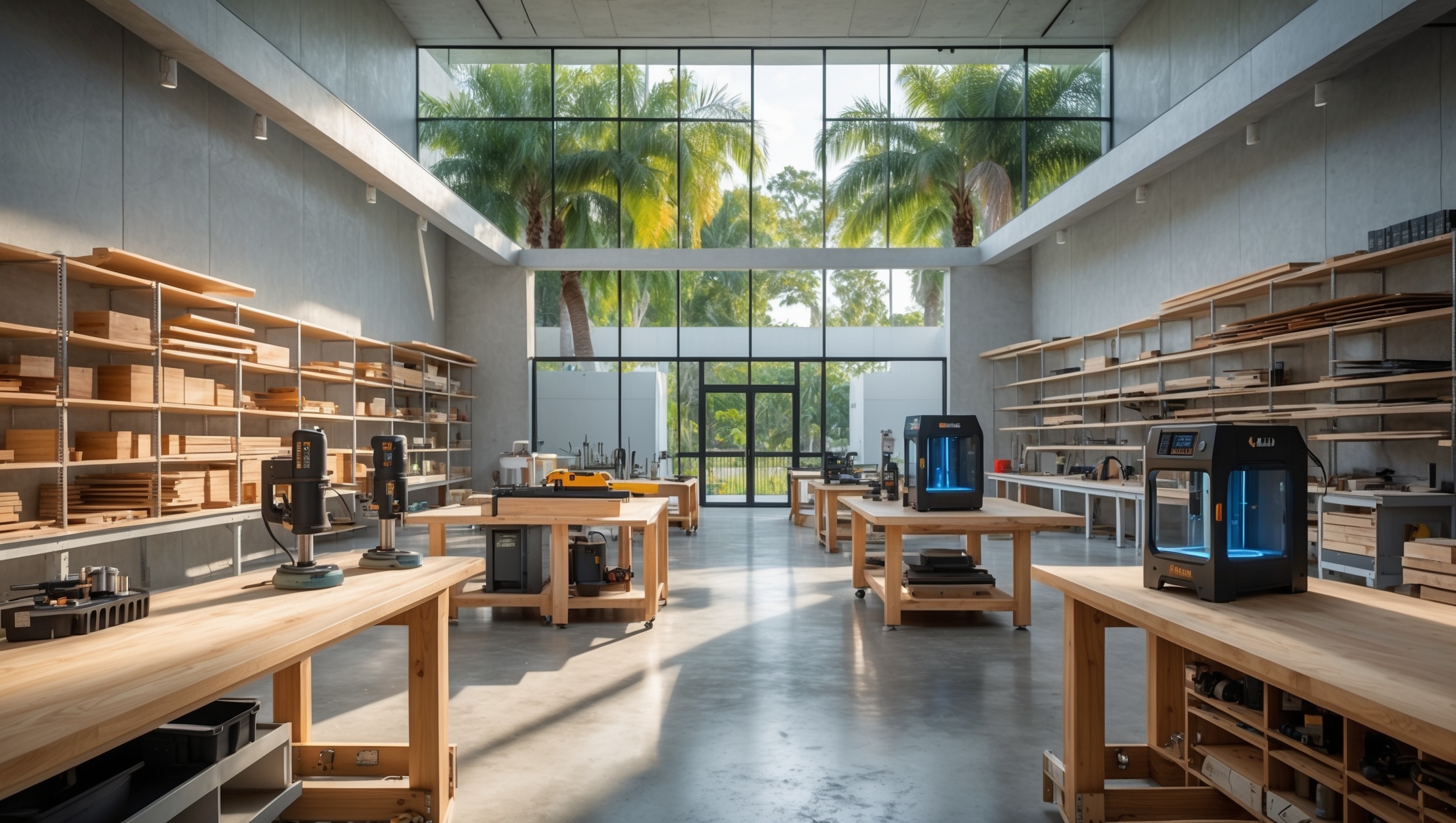
Common Mistakes to Avoid When Launching a Community Makerspace in St. Petersburg, FL

Introduction
St. Petersburg, FL has a thriving culture of innovation, creativity, and community engagement. From mural trails to pop-up markets, the city pulses with grassroots projects that bring residents together. One of the most exciting developments in recent years is the emergence of community makerspaces—shared workshops where individuals can access tools, technology, and expertise to bring their ideas to life. But as inspiring as these projects are, launching a successful makerspace is no small feat. Many well-intentioned initiatives stumble over similar hurdles, especially when balancing vision with practical realities. If you’re planning to start a community makerspace in St. Pete, learning from others’ mistakes can save you time, money, and countless headaches. In this guide, we’ll spotlight the most common pitfalls faced by makerspace founders in the area and provide actionable strategies to avoid them. Whether you’re a first-time organizer or a seasoned project leader, you’ll find practical advice on budgeting, permitting, safety, sustainability, and community partnerships specific to St. Petersburg’s unique landscape. Let’s set your makerspace up for lasting impact and community empowerment.
Budgeting Blunders: Underestimating True Costs
Ignoring Startup vs. Ongoing Expenses
One of the biggest mistakes made by aspiring makerspace organizers is focusing only on upfront costs. It’s easy to tally up the price of 3D printers, woodworking tools, or a year’s rent, but what about insurance renewals, tool maintenance, and utility bills?
- Startup Costs: Lease deposits, basic renovations, tool and furniture purchases, initial marketing, and permitting fees.
- Ongoing Costs: Utilities, insurance, consumable supplies, tool repairs, staff stipends, cleaning, and software subscriptions.
In St. Pete, expect variable electricity rates (especially with air conditioning) and higher insurance premiums due to hurricane risk. Always build a 10-15% contingency into your budget for unplanned expenses.
Overlooking the Power of Partnerships
Trying to shoulder every expense alone is a recipe for burnout. Tap into St. Petersburg’s ecosystem of nonprofits, libraries, schools, and local businesses. Many are eager to share resources, co-host events, or even donate equipment. Don’t hesitate to approach the St. Petersburg Greenhouse or the Morean Center for Clay for advice or collaboration opportunities.
Permitting and Compliance Pitfalls
Misunderstanding Zoning and Building Codes
St. Petersburg has strict zoning codes, especially for spaces that will have public members and potentially hazardous equipment. Don’t assume a retail or office space automatically qualifies as a makerspace venue. You’ll need to:
- Verify allowable uses with the City of St. Petersburg Zoning Division.
- Comply with occupancy limits and ADA accessibility standards.
- Ensure adequate ventilation for areas used for soldering, painting, or laser cutting.
Consult with city officials early and often. A single missed requirement can mean costly renovations or permit delays down the road.
Skipping Fire and Safety Inspections
Makerspaces are full of flammable materials and powered tools. The St. Petersburg Fire Rescue Department requires inspections for any public workshop. Common requirements include:
- Fire extinguishers rated for electrical and chemical fires.
- Clear, well-lit exit routes.
- Safe storage of solvents and compressed gases.
Neglecting these steps can result in shutdowns or, worse, endanger your members.
Tool and Space Planning Mistakes
Buying Too Much, Too Soon
It’s tempting to fill your makerspace with every tool on your wishlist, but this approach drains your budget and complicates operations. Instead, start with a core set of high-demand tools—think basic woodworking implements, 3D printers, and sewing machines—then expand based on actual member requests.
- Survey your target audience before purchasing major equipment.
- Consider leasing or borrowing specialty tools to test demand.
- Prioritize modular furniture and flexible layouts for evolving needs.
Poor Layout and Workflow Design
An efficient makerspace maximizes both safety and collaboration. Common errors include:
- Placing heavy or loud equipment near quiet work areas.
- Failing to provide lockable storage for personal projects or dangerous tools.
- Neglecting clear signage and tool check-out systems.
Visit established spaces like St. Pete Makers or The St. Pete Greenhouse to observe best practices in layout and member flow.
Neglecting Safety Culture and Training
Assuming ‘Common Sense’ Is Enough
Safety isn’t just about posting a few warning signs. Many incidents happen because tools are used incorrectly or safety gear is neglected. Establish mandatory orientations for all new members, covering:
- Proper use of each major tool.
- PPE requirements (eye protection, gloves, ear plugs).
- Emergency procedures (fire, injury, evacuation).
Regularly review and update your safety protocols. Encourage a culture where it’s normal to remind each other about best practices.
Not Planning for Young Makers and Families
Many St. Petersburg residents are families with children. If your space will host youth programs, you’ll need:
- Extra supervision and background checks for volunteers.
- Kid-friendly tools and dedicated safe zones.
- Clear policies for parental attendance and waivers.
Ignoring these details can expose your project to legal and reputational risks.
Lack of Community Engagement and Inclusion
Designing in a Bubble
Some makerspaces fail because they don’t reflect the needs or interests of the surrounding community. Hold listening sessions, host pop-up demos at local events, and partner with neighborhood associations. The more you co-design your programming, the greater your long-term impact.
Overlooking Accessibility and Equity
St. Pete is diverse—racially, economically, and in terms of ability. Common mistakes include:
- Pricing memberships out of reach for lower-income residents.
- Neglecting wheelchair accessibility in layout plans.
- Failing to translate materials for non-English speakers.
Consider a sliding scale fee structure, offer scholarships, and ensure your space is physically and culturally welcoming to all.
Weak Sustainability and Succession Planning
Relying on a Single Fundraising Strategy
Many spaces launch with a successful crowdfunding campaign or a single grant, only to struggle when those funds dry up. Diversify your revenue sources:
- Monthly memberships and day passes.
- Workshops and classes open to the public.
- Corporate sponsorships and tool donations.
- Partnerships with local schools or libraries.
Stay proactive by applying for city mini-grants and tapping into the St. Petersburg Foundation’s community resources.
Not Planning for Leadership Turnover
Grassroots projects often depend on a handful of passionate founders. But burnout happens, and life changes. Build leadership development into your DNA:
- Rotate responsibilities among board members.
- Document processes and key contacts.
- Mentor new volunteers and encourage broad participation in decision-making.
This makes your makerspace resilient and ensures its mission continues beyond any single individual.
Failing to Tell Your Story
Weak Branding and Communication
A makerspace is more than a workshop—it’s a community hub. Yet, many founders underestimate the effort needed to build a recognizable presence. Avoid these mistakes:
- Neglecting visual identity—consistent colors, logos, and signage help members feel ‘at home’ and attract new visitors.
- Skipping regular updates—share wins and lessons learned via newsletters, social media, and local press.
- Not celebrating member projects—spotlight individual creations to motivate others and foster pride.
Check out the St. Pete Arts Alliance’s communication channels for inspiration on keeping your space top-of-mind in the community.
Case Study: Lessons from St. Pete Makers
St. Pete Makers launched in 2014 as a volunteer-driven effort to provide shared workspace and tools for local creators. Early on, they faced many of the pitfalls discussed above—overcommitting on equipment purchases, underestimating insurance costs, and struggling to attract a diverse membership. By listening to member feedback and building partnerships with local schools and businesses, they shifted to a more sustainable model with flexible membership options, a stronger safety culture, and a steady stream of community events. Their success underscores the importance of adaptability and engagement at every stage.
Conclusion
Launching a community makerspace in St. Petersburg, FL is a bold and rewarding endeavor. Yet, even the most passionate organizers can stumble over avoidable mistakes. By carefully budgeting for both startup and ongoing costs, navigating local permitting and compliance requirements, prioritizing safety and accessibility, and fostering active community engagement, you lay the groundwork for a vibrant and lasting space. Don’t go it alone—seek advice from established spaces, city agencies, and fellow organizers. Be open about your challenges as well as your wins; transparency builds trust and attracts support. Invest as much in your relationships as your resources. Finally, remember that a makerspace is more than a collection of tools—it’s a catalyst for creativity, collaboration, and community pride. With thoughtful planning, a commitment to inclusion, and a willingness to learn from others’ missteps, your makerspace can become a cornerstone of St. Petersburg’s dynamic DIY culture. Here’s to building, making, and thriving—together.
You mentioned higher insurance premiums in St. Pete due to hurricane risk. Are there specific types of insurance coverage most makerspaces in the area consider essential, and do you have any tips for keeping those costs manageable?
Most makerspaces in St. Pete typically prioritize property insurance, general liability, and sometimes business interruption coverage due to hurricane risks. To keep premiums manageable, it’s helpful to invest in storm-resistant upgrades, maintain detailed safety protocols, and shop around for insurers experienced with Gulf Coast risks. Higher deductibles and bundling policies may also help reduce your overall insurance costs.
You mention higher insurance premiums in St. Pete due to hurricane risk. Are there specific types of insurance coverage that makerspaces in this area should prioritize, and how much should I budget for that compared to other ongoing expenses?
In St. Pete, makerspaces should prioritize property insurance with hurricane and flood coverage, general liability, and equipment insurance. Business interruption insurance is also wise, given storm risks. Exact premiums depend on size and coverage, but you might budget $4,000 to $10,000 annually—often exceeding costs like internet or utilities. It’s smart to consult an agent familiar with coastal Florida makerspaces for tailored quotes.
Could you elaborate on the permitting process you mentioned for St. Petersburg? Are there any particular permits or city codes that first-time organizers commonly overlook when launching a makerspace here?
In St. Petersburg, organizers often need a Certificate of Occupancy, business tax receipt, and compliance with zoning codes that allow for makerspace activities. Fire marshal inspections are also crucial, especially if you’ll have tools or chemicals. Many first-timers overlook the need for special permits related to manufacturing equipment or workshops, so double-check local codes on ventilation, noise, and safety. It’s wise to consult the city’s Planning and Building Departments early in the process to avoid surprises.
How do you suggest handling tool maintenance and repairs in the long run? Are there local service providers you recommend, or do most makerspaces train volunteers for this?
Many makerspaces find it effective to train volunteers or staff members to handle regular tool maintenance and minor repairs. This approach helps build community skills and keeps costs down. For more specialized or major repairs, some makerspaces do partner with local tool repair shops. In St. Petersburg, it’s common to use a mix of both methods—training a core team for routine upkeep and reaching out to vetted local service providers for complex fixes.
I noticed you mentioned higher insurance premiums in St. Pete because of hurricane risk. Are there specific types of insurance coverage or providers you recommend for makerspaces in this area to help manage those costs?
For makerspaces in St. Petersburg, it’s important to look for insurance policies that combine property, liability, and business interruption coverage, specifically accounting for hurricane and flood risks. Some providers familiar with Florida’s climate include Hiscox, The Hartford, and CNA. It can also help to work with a local insurance broker who understands community spaces and can tailor coverage to your needs while helping you find competitive rates.
When you talk about budgeting for ongoing tool maintenance, do you have recommendations on how frequently to budget for replacing or repairing equipment like 3D printers and woodworking tools? I’m curious what realistic timelines you’ve seen work in St. Pete.
Based on experiences in St. Pete makerspaces, budgeting for annual maintenance and repairs is a good practice, but for heavily used equipment like 3D printers and woodworking tools, you might want to review their condition every 6 months. 3D printers often need minor part replacements or servicing at least once a year, while woodworking tools can last longer but should be inspected quarterly. Setting aside funds specifically for unexpected breakdowns can also help avoid disruptions.
I’m curious about the permitting process you referenced. Are there specific city departments or common pitfalls unique to St. Pete that I should be aware of when trying to get all the necessary approvals to open a makerspace?
When opening a makerspace in St. Petersburg, you’ll need to work with the Building Department for permits and zoning, as well as possibly the Fire Department for safety compliance. A common issue is overlooking zoning restrictions, especially if your location is in a mixed-use area. It’s also easy to underestimate the time needed for inspections and the paperwork involved. Start by checking with the city’s Planning and Zoning office to confirm your site’s allowed uses and don’t hesitate to schedule a pre-application meeting—they can clarify requirements early on.
Could you elaborate a bit more on how to estimate ongoing costs for utilities and insurance in St. Pete, especially given the higher rates mentioned due to hurricane risks and air conditioning? It would be helpful to know how these expenses typically compare to other cities.
In St. Pete, ongoing costs for utilities like electricity can be higher due to the need for constant air conditioning in the hot months. This often means your power bill will be noticeably higher than similar-sized spaces in cooler cities. For insurance, hurricane risk pushes premiums up—expect to pay more than the national average. It’s common for both utilities and insurance in St. Pete to run 15–30% higher compared to inland or northern cities, so budget conservatively and get quotes from local providers early.
You mentioned budgeting for both startup and ongoing costs, with things like insurance being higher due to hurricane risk in St. Pete. How do you recommend estimating those insurance premiums for a first-time makerspace, and are there local providers that understand the unique needs of makerspaces?
To estimate insurance premiums for your makerspace, start by contacting brokers who specialize in commercial and nonprofit insurance in the Tampa Bay area. They can walk you through the coverage you’ll need, like liability and property, and factor in hurricane risks. Request quotes from multiple agents, and ask if they have experience with coworking spaces or nonprofits. Companies with local offices—like Brown & Brown or Bouchard Insurance—often understand regional risks and can tailor coverage to makerspace needs.
What strategies have you found most effective for managing tool maintenance and consumable supply expenses over time? I’m worried about underestimating these ongoing costs after the initial setup phase.
One effective approach is to create a detailed inventory and tracking system for all tools and consumables. Setting aside a specific portion of membership fees for maintenance and supplies helps ensure ongoing funds. Regularly scheduled maintenance checks prevent costly repairs later, and partnering with local businesses for donations or discounts can reduce expenses. Also, encourage members to report issues and suggest bulk purchasing of consumables to lower costs over time.
You mentioned higher insurance premiums in St. Pete because of hurricane risks. Is there a particular type of insurance policy or provider that other makerspaces in the area have found to be reliable and cost-effective?
Many makerspaces in St. Pete opt for a Business Owner’s Policy (BOP) that bundles property and liability coverage, which tends to be more affordable. Providers like Hiscox and The Hartford have been mentioned by local spaces as having experience with Florida’s unique risks. It’s also a good idea to work with an insurance broker who understands hurricane-prone areas to help tailor coverage and find competitive rates.
I noticed the article mentions variable electricity rates and the impact of air conditioning on budgeting. Are there any tips for estimating these utility costs in advance, or ways to keep them under control in a workshop setting?
Estimating utility costs can be tricky, but you can start by checking average commercial electricity rates in your area and reviewing past utility bills from similar local spaces if possible. To control costs, consider installing programmable thermostats, using energy-efficient LED lighting, and encouraging members to power down equipment when not in use. Insulating workshop spaces can also help reduce air conditioning expenses.
As a parent who might want to help set up a community makerspace, I’m curious about the permitting process mentioned here. Are there specific local permits in St. Pete that tend to surprise new organizers or slow down opening, especially compared to other cities?
In St. Pete, many new makerspace organizers are surprised by the need for detailed fire and safety inspections, as well as permits related to zoning and occupancy, especially if heavy equipment or chemicals are involved. The city can be stricter than others about compliance for public spaces, so it’s wise to consult with the local zoning department early and factor in extra time for reviews and possible adjustments.
What are some practical ways to estimate utility costs in advance, especially with Florida’s variable electricity rates and the need for air conditioning? Any tips for keeping these expenses manageable from the start?
To estimate utility costs, start by touring similar-sized makerspaces in your area and ask about their monthly bills. Use Florida’s average electricity rates and calculate projected usage for tools, lighting, and especially air conditioning. For savings, consider energy-efficient appliances, LED lighting, programmable thermostats, and regular maintenance of HVAC units. Also, insulating your space well can make a noticeable difference in cooling costs.
Could you share any tips for estimating realistic ongoing costs for utilities in St. Pete, especially when factoring in seasonal air conditioning? I’m struggling to figure out a monthly budget that won’t leave us short when rates spike.
To estimate ongoing utility costs in St. Pete, start by getting historical data from similar-sized spaces nearby, if possible. Factor in the hottest months—June through September—when AC use peaks. Consider asking your local utility for average usage profiles. Build a buffer of 20–30% above your average monthly estimate to cover rate spikes or heat waves. Also, invest in programmable thermostats and regular HVAC maintenance to help control costs.
I noticed you brought up permitting as a key issue for makerspaces in St. Petersburg. Can you share more about what specific permits are typically needed and how long the approval process usually takes for a community workshop?
For a community makerspace in St. Petersburg, you’ll usually need a business tax receipt, building permits (especially if you’re renovating), and fire safety approval. Depending on your activities, you might also need special permits for things like woodworking or welding. The approval process can take anywhere from a few weeks to several months, depending on the scope of your project and how quickly you address any feedback from city officials.
When it comes to permitting and insurance for a makerspace in St. Petersburg, what are some specific local hurdles or surprises that first-time organizers tend to miss? Are there any city resources you recommend starting with?
First-time organizers in St. Petersburg often underestimate the complexity of zoning and occupancy permits, especially if their makerspace includes equipment like woodworking or welding tools. Fire safety requirements can be more stringent than expected. For insurance, liability coverage needs can vary based on activities offered. It’s helpful to start with the City of St. Petersburg’s Planning and Building departments—they can clarify zoning, fire, and safety codes that specifically apply to makerspaces.
The article highlights the need for both initial and recurring investments. How far in advance should prospective makerspace founders begin their financial planning and permitting process to avoid delays specific to St. Petersburg?
In St. Petersburg, it’s wise to begin your financial planning and permitting process at least 6 to 12 months before your intended opening. City permitting can be time-consuming, and building a solid funding base—especially for recurring expenses—takes longer than many anticipate. Starting early gives you time to address unexpected hurdles and ensures you won’t be rushed by regulatory or funding delays.
I’m a bit confused about how much contingency I should realistically add to my initial budget. Is the suggested 10-15% enough to cover surprises unique to St. Pete, or should I plan for more given Florida’s variable costs?
A 10-15% contingency is a good general starting point, but in St. Petersburg, you might want to lean toward the higher end or even bump it up to 20%. Local factors like hurricane-related building codes, fluctuating insurance, and supply chain issues in Florida can cause unexpected expenses. Consider your specific location and risk factors when finalizing your buffer.
Given the article’s emphasis on budgeting, is there a realistic timeframe for how long it typically takes to reach financial sustainability after launching a community makerspace in St. Petersburg?
Based on the article’s insights about budgeting, most new community makerspaces in St. Petersburg can expect it to take anywhere from 12 to 24 months to reach financial sustainability. This timeframe can vary depending on membership growth, fundraising success, and operational costs, so careful planning and ongoing adjustments to your budget are essential in those first couple of years.
You mentioned higher insurance premiums in St. Pete due to hurricane risk. Can you share more about what types of insurance coverage are most essential for a community makerspace in this area, and how much organizers should realistically budget for them?
For a community makerspace in St. Pete, the most essential insurance types are general liability, property insurance (covering tools, equipment, and the building), and flood insurance due to hurricane risk. You might also consider workers’ compensation if you have staff. Budgeting varies, but you should expect to pay $3,000–$8,000 annually, depending on your location, size, coverage limits, and previous claims history. Speaking with a local broker familiar with hurricane-prone areas can help you get more precise quotes.
If I’m just getting started and my budget is tight, which tools or features would you consider essential for a new makerspace in St. Petersburg, and which ones could wait until later? Any advice on prioritizing purchases would be helpful.
To get your makerspace off the ground on a tight budget, start with versatile, high-use tools like basic hand tools (screwdrivers, hammers, pliers), a soldering station, and a couple of reliable 3D printers. Consider used or donated equipment. Larger machines like laser cutters or CNC routers can be added later. Focus on items that support a broad range of projects and community interests, and ask early members what they’d use most before making big purchases.
With electricity rates and insurance premiums being unpredictable in St. Pete, how do other makerspace founders here ensure long-term financial sustainability? Are there creative ways to partner with local businesses or organizations to offset ongoing costs?
Makerspace founders in St. Pete often address financial challenges by forming partnerships with local businesses and nonprofits—some offer sponsorships, others provide discounted services or shared resources like workshop space. Hosting public classes, collaborating on community events, or offering membership discounts to employees of partner organizations can also help offset operational costs. Grants and city programs dedicated to STEAM initiatives are additional funding sources worth exploring.
Regarding the budgeting mistakes you mentioned, could you share some real-life examples of how makerspaces in St. Pete handled unexpected costs, like hurricane-related insurance hikes or fluctuating utility bills?
Some makerspaces in St. Pete have faced sudden insurance hikes after hurricanes, which led them to adjust by pooling resources with nearby nonprofits to get group insurance rates. Others set up a contingency fund after being surprised by big jumps in utility bills during hot summers. Reviewing contracts annually and building a buffer into the monthly budget helped these spaces handle future surprises more smoothly.
The article talks about the difference between startup and ongoing costs, but I’m not sure how to best plan for tool maintenance and consumable supplies. Do you have any advice on projecting these expenses, or ways to keep them manageable for new spaces?
When projecting tool maintenance expenses, review manufacturer guidelines for routine upkeep and estimate repair costs based on similar spaces’ experiences. For consumable supplies, track expected usage per member and factor in bulk purchasing to save money. Setting aside a small monthly reserve for unexpected tool repairs also helps. Regularly review your actual spending to fine-tune your projections and catch cost trends early.
What’s a realistic timeline from launching the initial idea to opening the doors of a fully operational makerspace in St. Pete, given all the budgeting, permitting, and setup steps you described in the article?
Based on the steps covered in the article—such as budgeting, finding a location, securing permits, and setting up equipment—a realistic timeline for launching a fully operational makerspace in St. Pete is typically 9 to 18 months. The process may be shorter if you have strong community support and prior preparation, but unexpected delays with permitting or fundraising can stretch the timeline closer to a year and a half.
Could you clarify how much of a buffer to set aside for unexpected expenses like tool repairs or higher electric bills, especially during St. Pete’s hot summers? I’m trying to get a realistic monthly estimate so I don’t underestimate ongoing costs.
For a makerspace in St. Pete, it’s smart to set aside a contingency buffer of about 10–15% of your total monthly operating budget. Tool repairs and higher electric bills, especially with heavy AC use in summer, can affect costs more than you expect. For example, if your monthly budget is $4,000, reserving $400 to $600 for surprises is a good guideline. Review and adjust this buffer after your first few months of operation to better match your actual needs.
With the higher insurance premiums in St. Pete due to hurricane risk, do you have any tips for finding more affordable insurance providers or types of coverage that work well for community makerspaces in this specific area?
Insurance costs in St. Pete can be high due to hurricane risk, but you can sometimes lower premiums by bundling different types of coverage, opting for higher deductibles, or choosing policies that focus on liability rather than property damage. It also helps to work with a local insurance broker familiar with nonprofits and makerspaces, as they may know carriers that offer discounts or special rates for community organizations.
Can you share more about how often tools typically need repairs or replacement in a community makerspace? I’m trying to get a realistic sense of ongoing costs beyond just the upfront equipment investment.
In a community makerspace, the frequency of tool repairs or replacements really depends on how much each tool is used and how well they’re maintained. For high-use tools like 3D printers, laser cutters, or power drills, you should expect minor repairs or parts replacements every few months, with full replacements possibly needed every 2-3 years. Consumable items, such as saw blades or printer nozzles, will need replacing much more often. Budgeting for routine maintenance and occasional tool upgrades is important, as ongoing costs can add up to 10-20% of your initial investment each year.
If partners like schools or local businesses are involved in launching the makerspace, does that help with ongoing costs like rent and utilities, or are there hidden challenges in those kinds of collaborations in St. Petersburg?
Involving schools or local businesses as partners can definitely help cover ongoing costs like rent and utilities, as they might provide funding, in-kind support, or shared resources. However, these collaborations can have hidden challenges, such as aligning different organizations’ goals, navigating bureaucracy, or managing expectations about space usage and decision-making. It’s important to have clear agreements in place to ensure the partnership benefits everyone involved.
When it comes to budgeting, do you recommend starting with a smaller-scale makerspace and expanding as funds allow, or is it better to go all-in from the start to attract more members? I’m trying to weigh the risk of overextending versus missing potential growth.
Starting with a smaller-scale makerspace is usually the safer choice, especially if funding is limited. This allows you to test which offerings are most popular and adjust your resources accordingly. Expanding gradually as your membership and funding grow reduces financial risk while still giving you room to adapt. Going all-in upfront can lead to overextending, especially if member interest takes time to build.
What are some effective ways to build strong community partnerships in St. Petersburg specifically? Are there local organizations or recurring events that are especially good for networking when starting a makerspace?
To build strong community partnerships in St. Petersburg, consider reaching out to local groups like the St. Pete Greenhouse, St. Petersburg Innovation District, and the St. Pete Arts Alliance. Attending events such as Localtopia, Second Saturday ArtWalk, or the St. Pete Science Festival can also help you connect with potential collaborators and supporters for your makerspace. These organizations and events are well-known for fostering networking and partnerships in the area.
The article mentions permitting and hurricane-related insurance costs unique to St. Pete—do you have advice on which specific permits and insurance types are usually required for a community makerspace here?
For a community makerspace in St. Petersburg, you’ll typically need a business tax receipt, a zoning permit, and possibly a building permit if you plan renovations. Fire safety permits may also be necessary depending on your equipment. Regarding insurance, general liability and property insurance are essential, and make sure your policy covers hurricane and flood damage due to the area’s risk. Consulting with local city permitting offices and an insurance agent familiar with St. Pete’s regulations is a smart first step.
I noticed your section on budgeting warns about underestimating ongoing expenses like tool maintenance and utility bills, especially with fluctuating electricity rates. Could you suggest some effective ways to forecast these costs more accurately for a new space in the St. Petersburg area?
To forecast ongoing expenses for a new makerspace, start by gathering local utility rate histories from St. Petersburg utility providers to spot seasonal trends. Reach out to similar spaces in the area for ballpark figures on tool maintenance and repairs. Consider creating a detailed inventory of equipment and researching manufacturer recommendations for upkeep. Building a buffer of at least 10–15% above your projected costs can also help account for unexpected rate hikes or repairs.
You mentioned higher insurance premiums in St. Pete because of hurricane risk. Are there specific insurance providers or types of coverage you would recommend for a new makerspace to stay protected but keep costs manageable?
For a new makerspace in St. Pete, it’s smart to look at business property insurance, general liability, and equipment coverage tailored for community spaces. Some providers familiar with coastal risks include The Hartford, CNA, and local Florida agencies experienced with hurricane exposure. Consider bundling policies or raising deductibles to help manage premiums, and always compare quotes from several insurers to find the best fit for your needs.
I noticed you recommend building a 10-15 percent contingency into the budget for unexpected costs. In your experience, what are the most common surprise expenses that pop up after a makerspace opens in St. Petersburg?
Some of the most common surprise expenses after opening a makerspace in St. Petersburg include higher-than-expected utility bills, unexpected equipment repairs, and the need for additional safety features like ventilation or fire extinguishers. There can also be unplanned costs for marketing, permits, or adapting the space to meet city codes once operations begin. Setting aside a contingency helps handle these surprises smoothly.
You mentioned higher insurance premiums in St. Pete due to hurricane risks. Do you have any recommendations for affordable insurance providers or strategies to reduce costs without sacrificing coverage for community makerspaces?
To help manage insurance costs for your makerspace in St. Pete, consider reaching out to local agents who specialize in nonprofit or community organizations, as they often have access to group rates or tailored policies. Comparing quotes from multiple providers is key. Also, implementing strong safety protocols, security systems, and even hosting member safety trainings can sometimes help lower premiums. Some insurers may offer discounts for these risk-reduction measures.
For first-time organizers, what are typical timeframes from starting the planning process to opening the doors, particularly considering permitting and renovation challenges in St. Pete?
For first-time organizers in St. Petersburg, the entire process from initial planning to opening a makerspace typically ranges from 9 months to over a year. Permitting and renovation can account for a significant portion of that time, sometimes taking 4 to 8 months due to local zoning reviews, inspections, and potential delays with older buildings. Building in extra time for unexpected hurdles is highly recommended.
You mention that utility costs can vary a lot in St. Pete, especially because of air conditioning. Do you have suggestions for keeping those electricity expenses manageable year-round, or examples of how other makerspaces in the area have tackled this?
To keep utility costs manageable, especially with heavy air conditioning use, some makerspaces stagger hours to avoid peak afternoon heat or limit high-energy activities during those times. Others install programmable thermostats, add insulation, or use ceiling fans to reduce AC loads. A few have also negotiated off-peak electricity rates with their providers. Regular HVAC maintenance is another simple step that can make a noticeable difference in energy consumption.
You mentioned the importance of budgeting for higher insurance premiums in St. Pete because of hurricane risk. Are there specific types of insurance coverage you recommend for makerspaces in this area, and how did founders in St. Pete typically handle finding affordable policies?
For makerspaces in St. Pete, general liability insurance is essential, and property insurance should specifically cover wind and flood damage due to hurricane risks. Some founders also consider business interruption insurance. Many local founders worked with insurance brokers familiar with coastal Florida to compare options and sometimes bundled policies for better rates. It’s also common to get quotes from several providers to find the best balance between coverage and affordability.
You mentioned higher insurance premiums in St. Pete due to hurricane risk—do you have any tips for accurately estimating insurance costs or recommended providers that understand the unique needs of makerspaces in this area?
Estimating insurance costs for a makerspace in St. Pete can be tricky due to hurricane risk. Start by gathering detailed info about your location, equipment, and activities, then reach out to local insurance brokers familiar with commercial properties and nonprofits. Providers with experience insuring coworking spaces or workshops are often a good fit, as they understand unique risks. Comparing multiple quotes and asking specifically about hurricane-related coverage will give you a clearer estimate.
The article mentions that St. Pete has higher insurance premiums due to hurricane risk. Could you elaborate on what kind of insurance policies are typically needed for a makerspace here, and any tips for keeping those costs manageable?
For a makerspace in St. Pete, you’ll typically need general liability insurance, property insurance for your equipment and space, and possibly professional liability if you offer classes. Due to hurricane risk, property premiums may be higher. To manage costs, consider higher deductibles, installing storm-resistant features, bundling policies, and shopping around with multiple insurers who have experience with makerspaces in hurricane-prone areas.
Could you share more about how makerspaces in St. Petersburg have successfully formed partnerships with local organizations or businesses to offset some of the ongoing costs like tool maintenance or insurance?
Many makerspaces in St. Petersburg have found success by collaborating with local businesses, schools, and nonprofits. For example, some have arranged sponsorships where companies provide equipment or cover tool maintenance in exchange for branding opportunities. Others partner with educational institutions to access shared insurance policies or pool resources for buying supplies. Reaching out directly to local organizations, proposing mutual benefits, and being open to creative arrangements have proven effective for easing ongoing expenses.
If I want to get involved in starting a makerspace here, what’s the typical timeline for securing permits and insurance in St. Petersburg? Are there local hurdles or delays that organizers should plan for?
Securing permits and insurance in St. Petersburg can take anywhere from a few weeks to several months, depending on location and your planned activities. Zoning approvals and fire safety inspections can cause delays, especially if you’re renting an older building. Local officials may require detailed plans, so starting early and maintaining close communication with city departments is helpful. Also, some insurers may need extra documentation for makerspaces, so budget extra time for that process.
Could you elaborate more on how to accurately estimate ongoing expenses unique to St. Pete, especially when it comes to fluctuating electricity rates during the hotter months? Are there any local resources or experts you recommend consulting on this?
To estimate ongoing expenses in St. Pete, review historical electricity bills for similar-sized local spaces, focusing on peaks during summer months. Factor in additional cooling costs for air conditioning, as rates and usage tend to spike from June through September. For tailored advice, consider contacting local utility providers like Duke Energy—they often offer usage projections and energy audits. Connecting with nearby makerspaces or the St. Petersburg Greenhouse can also yield helpful, location-specific cost insights.
I noticed you mentioned insurance premiums are higher in St. Pete because of hurricane risk. Can you share more about what types of coverage are actually required or recommended for a makerspace, and how you navigated finding a cost-effective policy?
For a makerspace in St. Pete, general liability insurance is essential to protect against accidents or injuries. Property insurance is also recommended, especially given the hurricane risk. Some spaces opt for equipment or business interruption coverage too. To find a good policy, I compared quotes from insurers familiar with Florida’s climate, asked for recommendations from similar spaces, and bundled different types of coverage to lower costs. Working with a local insurance broker helped tailor the policy to our needs.
I’m curious about insurance costs—since you mention higher premiums in St. Pete due to hurricane risk, do you have any tips for choosing the right coverage or ways to keep those expenses manageable for a new makerspace?
When selecting insurance for your makerspace, look for policies that specifically cover hurricane-related risks and equipment. Consider raising your deductible to lower premiums, and ask about discounts for installing storm shutters or reinforcing your building. Bundling general liability and property coverage can sometimes save on costs. Consulting with a local insurance agent familiar with makerspaces in hurricane-prone areas is also a smart move.
When you talk about building in a 10-15% contingency, does that usually cover issues like hurricane season disruptions, or should new makerspaces budget separately for extreme weather events?
A 10-15% contingency fund generally covers unexpected costs like minor delays or budget overruns, but in hurricane-prone areas like St. Petersburg, it’s wise to budget separately for extreme weather events. This includes securing insurance, preparing emergency response plans, and possibly setting aside additional funds specifically for weather-related disruptions.
Could you give some real-world examples of how other makerspaces in St. Pete have successfully built community partnerships? I’m especially interested in what’s worked for securing ongoing support rather than just one-time collaborations.
Several St. Petersburg makerspaces have developed strong, ongoing partnerships by involving local schools in regular STEAM workshops, partnering with small businesses for recurring skill-share events, and collaborating with libraries on monthly educational programs. These relationships grow stronger when makerspaces offer value year-round, such as providing equipment access to partners’ members or co-hosting annual showcases, ensuring support isn’t just a one-off but an ongoing exchange.
You mentioned building a 10-15% contingency into the makerspace budget for unexpected expenses. In your experience, what are the most commonly overlooked ongoing costs that end up pushing budgets over the edge in St. Pete specifically?
Some of the most commonly overlooked ongoing costs in St. Pete include higher-than-expected utility bills, facility maintenance (like HVAC or plumbing repairs), insurance rate increases, and recurring permit or inspection fees. Consumable supplies for workshops and replacing worn-out tools can add up quickly, too. It’s wise to revisit estimates for these items regularly as prices can fluctuate and catch new makerspaces off guard.
You talk about the importance of factoring in both startup and ongoing expenses. Could you share an example budget breakdown for a small makerspace in St. Petersburg to illustrate how these costs play out over the first year?
Certainly! For a small makerspace in St. Petersburg, your first-year budget might look like this: Startup costs—rent deposit ($3,000), basic tools/equipment ($7,000), insurance ($1,500), furniture and signage ($1,000), and initial supplies ($1,500). Ongoing monthly expenses could include rent ($1,500), utilities ($300), internet ($100), staff or contracted help ($1,200), consumables ($200), and marketing ($150). For 12 months, that totals roughly $40,000 to $45,000, but exact numbers depend on your space size and staffing choices.
You mentioned community partnerships being important for sustainability. What are some successful examples of partnerships between makerspaces and local St. Pete organizations, and how can new founders approach potential partners in a way that benefits both sides?
In St. Pete, successful makerspace partnerships include collaborations with local schools for STEM programs, art centers for creative workshops, and businesses for sponsorships or equipment donations. To approach potential partners, research their needs and propose mutually beneficial projects—like offering classes for their members or co-hosting events. Emphasize how working together can expand reach and resources for everyone involved.
I noticed you mentioned the importance of budgeting for higher insurance premiums in St. Pete due to hurricane risk. Do you have any ballpark figures or recommendations for insurance providers that cater specifically to small makerspaces in this area?
Insurance premiums for small makerspaces in St. Petersburg can range widely, but many find costs between $1,500 and $4,000 annually, depending on the size and specific activities. Look for providers experienced with creative spaces—Hiscox, The Hartford, and FL-based agencies like Gulfshore Insurance often work with small businesses and may tailor coverage for makerspaces. It’s best to request multiple quotes and be clear about your unique risks and activities.
You highlighted the importance of building a 10-15 percent contingency into the budget. How far in advance do you recommend securing these funds before opening the makerspace, and what are some common surprise expenses founders in St. Pete have faced?
It’s wise to secure your contingency funds at least three to six months before your planned opening. This buffer helps you react quickly to last-minute needs. In St. Pete, common surprise expenses include permitting delays, unexpected electrical upgrades, last-minute insurance requirements, and extra costs for accessibility improvements. Factoring these in ahead of time can save a lot of stress as you get closer to launch.
You mentioned adding a contingency of 10-15 percent for unexpected expenses. What are some of the most common unplanned costs that actually come up after launch, particularly with tool maintenance and utility bills in this area?
Some typical unplanned costs after launching a makerspace in St. Petersburg include higher-than-expected utility bills during the summer due to air conditioning, replacing or repairing tools that break from frequent use, and restocking consumable supplies like saw blades or 3D printer filaments. You might also encounter expenses for updates to safety equipment or unexpected service calls for plumbing or electrical issues in older buildings.
You talked about underestimating ongoing expenses like tool maintenance and utility bills, especially with air conditioning in Florida. How do most St. Pete makerspaces handle unpredictable utility costs, and are there energy-saving strategies that actually work in these shared spaces?
Most St. Pete makerspaces deal with unpredictable utility costs by setting aside a contingency fund in their annual budget and regularly monitoring their usage. For energy savings, some spaces use programmable thermostats, switch to LED lighting, and encourage turning off equipment when not in use. Organizing work around cooler parts of the day and using ceiling fans to supplement air conditioning also helps manage costs effectively.
Regarding permitting, are there unique local regulations or hurdles in St. Petersburg that have caught new makerspace organizers by surprise? If so, what steps should someone take early on to ensure they don’t overlook important compliance issues?
In St. Petersburg, new makerspace organizers are often surprised by specific zoning requirements and fire safety codes, which can be stricter than expected for spaces using certain equipment or materials. To avoid missing important compliance steps, contact the city’s zoning and permitting office early, review their guidelines in detail, and schedule an inspection consultation before signing a lease or starting renovations.
The article mentions higher insurance premiums in St. Pete due to hurricane risk. Could you clarify what types of insurance are typically required for a makerspace in this area and how much organizers should budget for these annually?
For a makerspace in St. Petersburg, you’ll typically need general liability insurance, property insurance (covering equipment and space), and sometimes product liability or professional liability coverage if you offer classes or sell items. Due to hurricane risk, premiums tend to be higher; annual costs can range from $3,000 to $8,000 or more, depending on your space size, coverage levels, and activities offered. Consulting a local insurance agent familiar with makerspaces in Florida is a smart step for more precise budgeting.
You mention that St. Pete has higher insurance costs because of hurricane risk—do you have any tips for estimating or managing those premiums when building the budget for a new makerspace?
Insurance in hurricane-prone areas like St. Pete can indeed be costly. When budgeting, contact several local insurers to get quotes tailored for makerspaces, factoring in building location and structure type. Consider higher deductibles or bundling policies to reduce premiums. Installing storm-resistant features such as reinforced windows or roofs can sometimes qualify you for discounts, so ask insurers about mitigation credits as you plan your space.
As a parent interested in getting my kids involved, I’m concerned about makerspace safety and insurance in St. Pete with the mention of higher hurricane risks. Are there specific local insurance providers or coverage types you’d recommend starting with, especially for spaces that plan to run children’s workshops?
Safety and insurance are definitely important, especially given the hurricane risks in St. Pete. For makerspaces offering children’s workshops, it’s a good idea to look for local insurance agents who specialize in commercial general liability, property coverage, and specific event insurance. Some parents and organizers in the area have found companies like Brown & Brown and USI Insurance Services knowledgeable about makerspaces and hurricane-related concerns. You might also want to check for policies that cover equipment and participant injuries. It’s best to speak with an agent about your unique needs, especially when children are involved.
I see you recommend building in a 10-15% contingency for unexpected costs. In your experience, what are some of the most common surprise expenses that catch new makerspace founders off guard in St. Pete specifically?
Some common surprise expenses in St. Pete makerspace projects include higher-than-expected permitting and inspection fees, last-minute HVAC or electrical upgrades to meet city code, and unexpected costs for insurance or security systems. Many founders are also surprised by extra charges for parking, waste disposal, or accessibility improvements. Budgeting for these can really help avoid stress down the line.
When figuring out startup versus ongoing expenses, how far in advance should I budget for things like tool maintenance and software subscriptions before opening? Is there a timeline or checklist you’d recommend for first-timers in St. Pete?
For tool maintenance and software subscriptions, it’s best to budget for at least 6 to 12 months of ongoing expenses before opening your makerspace. This helps cover unexpected costs and ensures continuity. Create a checklist that includes initial purchases, one-time setup fees, and recurring expenses like rent, utilities, maintenance, and software. Many successful spaces in St. Pete plan finances for the first year to stay prepared and avoid cash flow surprises.
When planning for ongoing costs like tool repairs and utilities, is there a ballpark monthly budget you’d recommend for a mid-sized makerspace in this area? I’d like to avoid underestimating expenses.
For a mid-sized makerspace in St. Petersburg, you can expect ongoing costs like tool repairs, utilities, and consumables to range between $1,500 and $3,000 per month. This estimate depends on your hours of operation, tool variety, and how many members use the space. It’s wise to have a buffer for unexpected repairs or rate increases, so budgeting on the higher end is usually safer.
I’m curious about permitting and regulations specific to St. Petersburg. Are there any local government processes or surprise hurdles that makerspace founders often run into during setup, especially regarding renovations or tool usage?
In St. Petersburg, securing the right permits is essential when setting up a makerspace, especially if renovations involve electrical work or structural changes. Many founders encounter hurdles with zoning approvals and fire safety codes, particularly for spaces with woodworking or metalworking equipment. It’s important to consult the city’s Building and Permitting division early, and be prepared for inspections related to ventilation, noise, and hazardous material storage.
The article mentions higher insurance premiums in St. Petersburg because of hurricane risk. Are there specific types of coverage that community makerspaces should prioritize in this area, or any local providers you recommend?
In St. Petersburg, community makerspaces should prioritize property insurance that covers hurricane and flood damage, as well as general liability coverage for accidents or injuries. Business interruption insurance is also helpful in case a hurricane disrupts operations. While I can’t endorse specific local providers, it’s wise to choose insurers with experience in coastal Florida risks and to compare quotes from both national and local agencies.
I’m curious about the permitting process you mentioned. Does starting a makerspace in St. Pete require any unique permits compared to other Florida cities, or are there local regulations that commonly surprise new founders?
St. Petersburg does have some specific permitting requirements for makerspaces, mainly related to zoning, fire safety, and building codes. One common surprise for new founders is the city’s detailed regulations around workshops with tools or hazardous materials, which may require additional inspections or certifications. It’s smart to check with the local permitting office early, since requirements can vary from other Florida cities and sometimes take extra time to process.
You mentioned insurance premiums are higher in St. Pete because of hurricane risk. Do you have any suggestions on where to find affordable coverage, or what types of policies are essential to prioritize for a new makerspace here?
In St. Pete, it’s important to prioritize general liability, property, and equipment insurance for your makerspace, especially considering hurricane risks. You might want to work with a local broker who understands the area’s unique challenges. Some members have found better rates by comparing quotes from regional mutual insurers or from providers that specialize in nonprofits or creative spaces. Bundling policies can sometimes help reduce premiums as well.
The article mentions higher insurance premiums in St. Petersburg because of hurricane risk. Are there any specific types of insurance coverage you recommend for makerspaces in this area, or tips for keeping those costs manageable?
For a makerspace in St. Petersburg, consider getting property insurance that covers hurricane and flood damage, along with general liability and equipment coverage. To help manage costs, work with an insurance agent familiar with coastal risks, install hurricane-resistant features like reinforced windows, and maintain a thorough inventory of valuable equipment. Some insurers may offer discounts for robust safety and preparedness measures.
How do you recommend building strong community partnerships early in the process? Have you seen any specific organizations or neighborhood groups in St. Petersburg that are especially helpful or collaborative with new makerspaces?
Building strong community partnerships early on works best through open communication and outreach. In St. Petersburg, groups like the St. Pete Greenhouse, Keep St. Pete Local, and the St. Petersburg Arts Alliance have a track record of supporting collaborative projects and new spaces. Attending neighborhood association meetings and inviting local schools or nonprofits for tours can also spark valuable connections and ongoing support for your makerspace.
The article mentions budgeting for both startup and ongoing costs, but I’m wondering how to realistically estimate utility bills in advance, especially with Florida’s unpredictable weather. Are there any tools or guidelines specific to makerspaces in this area that could help with that?
Estimating utility bills for a makerspace in Florida can be tricky due to weather fluctuations. A good approach is to contact local utility providers for average rates based on the size and typical usage of similar spaces. Networking with other local makerspace operators can also give you real-world figures. Some online calculators tailored for commercial spaces allow you to input square footage and equipment types to project costs, which can further refine your budget estimates.
When planning for the ongoing costs like tool repairs and software subscriptions you mentioned, do you recommend locking in long-term contracts up front, or is it better to stay flexible in case member needs change during the year?
It’s usually better to stay flexible, especially during the first year of your makerspace. Member needs and interests might shift as your community grows, so shorter contracts or month-to-month agreements give you more adaptability. Once you have a clearer sense of what tools and software are most popular, you can consider longer-term contracts to save money.
I saw you mentioned higher insurance premiums in St. Pete due to hurricane risk. Do you have any advice on what types of insurance are absolutely necessary for a small makerspace starting out, and any tips for keeping those costs manageable?
For a small makerspace, you’ll need general liability insurance, property insurance for your equipment, and possibly professional liability if you offer classes. Consider business interruption coverage, given the hurricane risk in St. Pete. To keep costs down, shop around with local agents familiar with makerspaces, raise deductibles where feasible, and focus on safety protocols to minimize risks and claims.
The article talks about unique challenges like higher insurance premiums due to hurricane risk in St. Petersburg. Are there specific insurance providers or policy types recommended for makerspaces in this area, or any tips for keeping those costs manageable?
Insurance for makerspaces in St. Petersburg can definitely be tricky due to hurricane exposure. While the article doesn’t name specific providers, it’s wise to look for insurers with experience covering community spaces or nonprofits, such as The Hartford or Travelers. Consider policies like general liability, property coverage, and business interruption. To help manage premiums, increase your deductible, invest in stormproofing, and bundle policies when possible. Consulting a local insurance broker who understands Florida’s unique risks can also be very beneficial.
You mention higher insurance premiums in St. Pete due to hurricane risk. Could you share any strategies for keeping insurance costs manageable while still maintaining adequate coverage for valuable equipment and tools in a community makerspace?
One effective strategy is to invest in robust security systems, such as alarms and surveillance cameras, which can sometimes lower premiums. Keeping a detailed inventory of equipment and regularly maintaining the facility also helps. You might also consider raising your deductible to reduce monthly costs or bundling different types of insurance for a better rate. Working with a local insurance agent familiar with hurricane risks in St. Pete can help tailor your coverage and find possible discounts.
The article mentions higher insurance premiums in St. Pete because of hurricane risk. Could you share some examples of where to find affordable insurance options for a new makerspace, or tips for keeping those costs down?
Local insurance brokers familiar with the St. Pete area can often help you find more affordable coverage by comparing different providers. Consider reaching out to agencies that specialize in nonprofits or small businesses, as they may offer group or tailored policies. To help keep premiums lower, make sure your makerspace is up to code with safety features, maintain thorough documentation of safety protocols, and consider higher deductibles if your budget allows.
For budgeting purposes, how far in advance do most makerspaces in St. Petersburg start planning for things like lease deposits and renovation fees? Is there an ideal timeline for securing funding and permits before opening the doors?
Most makerspaces in St. Petersburg start planning major expenses like lease deposits and renovation fees at least 6 to 12 months before opening. This timeline gives them enough time to secure funding, apply for permits, and address any unexpected delays. Ideally, aim to have funding and permits in place at least 2 to 4 months prior to your intended opening to ensure a smooth launch.
I’m curious about the ongoing expenses you listed, like tool repairs and staff stipends. Do you have any tips for estimating how often major equipment might need maintenance or replacement in a busy community makerspace environment?
Estimating maintenance and replacement needs can be tricky, but tracking usage hours is a good starting point. For heavily used tools like 3D printers or laser cutters, expect quarterly maintenance and plan for possible replacement every 3-5 years. Power tools and hand tools often need small repairs or part replacement annually. It helps to log all issues and regularly survey your staff and members to catch early signs of wear.
I’m trying to estimate ongoing expenses for a small makerspace in St. Pete, and the article mentions higher insurance due to hurricane risk. Can you provide more details on what kind of insurance is essential and any ballpark figures for annual costs in this area?
For a small makerspace in St. Petersburg, you’ll typically need general liability insurance, property insurance, and possibly coverage for specialized equipment. Due to hurricane risk in the area, premiums can be higher. For a modest space, annual costs might range from $2,000 to $6,000 or more, depending on coverage limits, location, and value of your equipment. It’s a good idea to consult a local insurance agent for a tailored quote.
The article emphasizes building a 10-15% contingency into the budget for unexpected costs. In your experience, what were some of the biggest unplanned expenses that came up after launching, and how would you prioritize them if funds are tight?
Some of the biggest unplanned expenses we encountered after launching included unexpected equipment repairs, higher-than-anticipated utility costs, and fees for permits or inspections that weren’t clear upfront. If funds are tight, I would prioritize expenses that keep the makerspace safe and operational, such as urgent equipment repairs and compliance-related costs. Delaying non-essential upgrades or decorative improvements can help maintain your budget.
You mention that insurance premiums in St. Pete can be higher due to hurricane risk. Is there a particular type of insurance policy that most makerspaces use in the area, or should we be looking for something specific to cover our tools and space?
Most makerspaces in St. Pete typically carry a general liability insurance policy to protect against injuries and accidents. Because of hurricane risk, it’s also smart to get property insurance that covers both your building and the specialized tools inside. When you shop for coverage, ask about policies that specifically include wind and flood protection, as those risks are higher in this area.
With St. Pete’s unique challenges like variable electricity rates, how far in advance should you start planning your budget and securing permits before actually launching the makerspace?
For St. Pete, it’s wise to start budgeting and working on permits at least 6 to 12 months before your planned launch. This timeline allows you to account for fluctuating electricity rates in your budget and handle any delays in the permitting process. Early planning also gives you room to adjust for unexpected expenses or utility changes.
I noticed you emphasize the importance of budgeting for ongoing costs like utilities, especially air conditioning in St. Pete’s climate. Are there any practical ways to keep these costs manageable throughout the year, or investments that have paid off for other local makerspaces?
Absolutely—managing air conditioning costs is a big concern in St. Petersburg. Many local makerspaces have found that investing in programmable thermostats and scheduling AC use around peak hours can lower bills. Regular HVAC maintenance is also crucial for efficiency. Some spaces use ceiling fans or portable units to cool specific zones rather than the whole facility. Improving insulation and adding window film to block heat have been worthwhile investments for others, helping keep costs more predictable year-round.
When forming community partnerships specific to St. Petersburg, what are some effective strategies for connecting with local organizations or businesses that can help share costs or resources, particularly for things like tool maintenance and consumable supplies?
To connect with local organizations or businesses in St. Petersburg, start by attending local networking events or maker fairs, which often attract potential partners interested in community projects. Reach out directly to hardware stores, tech companies, or educational institutions—many have community outreach programs or are open to sponsorships. Consider proposing mutually beneficial arrangements, like co-hosted workshops or promotional collaborations, to encourage support for ongoing tool maintenance and supplies.
If I want to make sure our makerspace’s budget accounts for all those ongoing costs you mentioned, what are the top recurring expenses that new organizers in St. Pete tend to overlook after opening?
In St. Petersburg, makerspace organizers often overlook ongoing expenses like equipment maintenance and repairs, utility bills that fluctuate with usage, software subscriptions for design tools, supplies restocking, and insurance premiums. Cleaning services and marketing costs can also add up over time. Factoring these into your budget from the start can help avoid surprises later.
You mention that insurance premiums are higher in St. Pete due to hurricane risk. Are there specific types of insurance policies makerspaces in the area should prioritize, and do you have tips for keeping those costs manageable?
Makerspaces in St. Pete should prioritize property insurance (covering wind and flood damage), general liability, and possibly equipment coverage due to hurricane risk. To manage costs, consider bundling policies, raising deductibles, installing storm-resistant features, and working with a local insurance agent familiar with hurricane-prone businesses. Regularly review your coverage to ensure it’s both comprehensive and cost-effective.
I am interested in the permitting aspect you referenced. What are some unique permitting challenges in St. Petersburg for makerspaces, and are there local agencies or resources that can help streamline this process for new organizers?
In St. Petersburg, makerspaces often face unique permitting challenges related to zoning, fire safety due to equipment like lasers or 3D printers, and compliance with occupancy limits. The City of St. Petersburg’s Planning and Building Departments are key agencies for guidance. Local resources like the St. Pete Greenhouse and the St. Petersburg Area Chamber of Commerce also offer support and can help new organizers navigate permitting requirements more smoothly.
As a parent, I wonder how makerspaces in St. Pete handle safety, especially with kids using equipment. What steps do founders usually take to make sure the space is family-friendly and still meets insurance or legal guidelines?
Makerspaces in St. Pete typically prioritize safety by offering supervised access to equipment, requiring safety orientations or training for all users, and having clear rules posted throughout the space. For children, there are often age restrictions for certain tools and extra adult supervision is required. To meet insurance and legal standards, founders usually maintain liability waivers, keep equipment well-maintained, and ensure that staff or volunteers are trained in first aid. These steps help create a welcoming yet safe environment for families.
When it comes to budgeting for ongoing costs like tool repairs and consumables, what have you found is a realistic percentage of your monthly expenses? I’m trying to set up a community makerspace here and want to avoid underestimating these recurring costs.
From our experience, budgeting about 10-15% of your monthly expenses specifically for tool repairs and consumables is a realistic approach. This range covers wear and tear on equipment as well as materials that need regular replenishment. It’s wise to track these costs for a few months after opening and adjust your budget as you see actual usage patterns.
Could you expand on how hurricane risk specifically affects insurance premiums for makerspaces in St. Petersburg? I’m curious if there are recommended providers or coverage types local founders lean toward to keep costs manageable.
Hurricane risk significantly raises insurance premiums in St. Petersburg because makerspaces often store expensive equipment and materials, making them vulnerable to storm damage. Local founders usually look for policies that include wind and flood coverage, which are sometimes separate from standard property insurance. Many opt for specialized coverage through insurers familiar with Gulf Coast risks. Some founders have found that bundling coverage or joining business associations helps negotiate better rates, though it’s always wise to compare multiple quotes and work with a local agent who understands makerspace needs.
If someone is just getting started with a small makerspace that might later scale up, do you recommend leasing a space right away or trying pop-up or shared spaces first given the variable costs and utility rates you mentioned for St. Pete?
For someone just starting a small makerspace in St. Petersburg, it’s often smarter to begin with pop-up or shared spaces. This keeps your upfront costs low and lets you gauge community interest before committing to a lease, especially given the fluctuating utility rates and rent in the area. Once you have a steady user base and clearer budgeting, scaling into a dedicated space will be much less risky.
The article mentions higher insurance premiums in St. Pete due to hurricane risk. Could you elaborate on what types of insurance are most essential for a new makerspace in this area, and how founders can estimate or manage those costs effectively?
For a makerspace in St. Petersburg, the key insurance types are general liability, property insurance (including wind and flood), and professional liability if you offer classes. Because hurricane risk increases premiums, get quotes from multiple insurers who understand Florida’s unique risks. You can manage costs by choosing higher deductibles, bundling policies, and improving your building’s storm resistance, which sometimes qualifies you for discounts.
When it comes to initial budgeting, do you recommend prioritizing investments in certain equipment or community programs over others to ensure sustainability, especially in the first year of operation?
For the first year, it’s wise to prioritize investments in versatile, high-demand equipment that can support a variety of projects, such as 3D printers or basic woodworking tools. Alongside this, focus on core community programs that encourage engagement and membership growth. This balance helps build a strong foundation and ensures your makerspace remains relevant and financially sustainable as you grow.
The article touches on the importance of budgeting for both startup and ongoing expenses. In your experience, how far in advance should organizers begin budgeting and fundraising before actually opening a community makerspace in St. Petersburg?
Ideally, organizers should start budgeting and fundraising at least 12 to 18 months before opening a community makerspace in St. Petersburg. This timeline allows enough room for accurate cost estimates, securing funding, handling unexpected expenses, and building community support. Early planning also improves your chances of a smooth launch and long-term sustainability.
Could you elaborate more on permitting in St. Petersburg? Is there anything unique about local regulations, especially if I want to include woodworking or electronics in my makerspace, or do the processes pretty much follow standard Florida guidelines?
St. Petersburg does have some unique permitting requirements, especially when it comes to makerspaces with woodworking or electronics labs. For woodworking, you’ll need to address fire safety and dust collection, which may require specific inspections. Electronics work that involves soldering or higher voltages can also trigger extra fire code reviews. While many basics follow Florida guidelines, the city can be stricter about ventilation, noise, and occupancy. It’s a good idea to consult directly with the city’s Building and Fire Departments early in your planning process.
You mention the importance of factoring in variable electricity rates with air conditioning in St. Petersburg. Do you have recommendations for calculating utility budgets or negotiating leases to help manage these fluctuations?
When calculating your utility budget, review past electricity bills for similar businesses in your area to estimate seasonal fluctuations, especially during hot months. For lease negotiations, consider requesting a cap on annual utility increases or a clause where the landlord covers some of the utility costs. Consulting with a local commercial real estate agent can also help ensure your lease terms address these variable expenses.
For community partnerships, what are some effective strategies you’ve seen for collaborating with local businesses or organizations in St. Pete to offset ongoing costs like tool repairs or staff stipends?
Collaborating with local businesses and organizations in St. Pete often works best through mutually beneficial arrangements. For example, some makerspaces host skill workshops led by partner businesses in exchange for sponsorship or donated tools. Others set up tool maintenance days where local hardware stores supply parts at a discount. Staff stipends can sometimes be offset by offering internship programs in partnership with local colleges or by offering businesses visibility at the space in return for their support.
You mentioned higher insurance premiums in St. Pete due to hurricane risks. Could you give some examples of the types of insurance coverage makerspace founders should prioritize and any tips for keeping those costs manageable?
For a makerspace in St. Pete, it’s smart to prioritize general liability, property, and equipment insurance, along with coverage for natural disasters like hurricanes. To keep premiums manageable, consider bundling policies, increasing deductibles, and improving facility safety with hurricane-resistant features. It’s also a good idea to shop around and compare quotes from different insurers who understand the unique risks in the area.
When it comes to budgeting, the article differentiates between startup and ongoing costs. Do you have recommendations on how to accurately predict repairs or consumable supply expenses before you actually open, especially for a space with lots of different equipment?
Predicting repair and consumable supply costs in advance can be tricky, especially for a diverse makerspace. A useful approach is to research the average lifespan and maintenance needs of each piece of equipment you plan to offer. Reach out to other makerspaces for their actual expense data, and consult manufacturers for maintenance schedules and typical consumable usage rates. It’s smart to build in a contingency buffer—budgeting 10-20% extra for unexpected repairs or supply shortages.
When it comes to budgeting for ongoing costs like tool repairs and software subscriptions, have you found any strategies that help keep those expenses predictable, or do they tend to fluctuate a lot in St. Petersburg makerspaces?
Ongoing costs like tool repairs and software subscriptions can fluctuate, but some strategies help stabilize them. Many local makerspaces in St. Petersburg use annual maintenance contracts for high-use equipment, which spreads repair costs more evenly. Others opt for group or nonprofit software licenses to save on subscriptions. Setting aside a fixed percentage of membership fees each month for maintenance can also minimize surprises.
The article talks about both startup and ongoing costs, like insurance renewals and tool maintenance. Are there any unexpected recurring expenses that surprised recent makerspaces in St. Petersburg that others should plan for?
Some makerspaces in St. Petersburg have noted unexpectedly high costs for things like HVAC maintenance, pest control, and waste disposal—especially as member activity grows. Others faced recurring expenses for software subscriptions to manage bookings or member communication. It’s smart to budget for these less obvious costs upfront to avoid surprises later on.
I’m curious about the permitting process you mentioned for starting a makerspace in St. Petersburg. Are there any tricky local regulations or common mistakes people make when trying to get their space approved by the city?
In St. Petersburg, securing permits for a makerspace often involves zoning approval, fire safety compliance, and sometimes special use permits. A common mistake is underestimating the importance of the correct occupancy classification, which can lead to costly delays. Be sure to review local zoning codes carefully and consult with the city’s permitting office early on to clarify any requirements unique to makerspaces.
You mention higher insurance premiums in St. Pete due to hurricane risk. Do you have any suggestions for ways to minimize insurance costs or find policies specifically tailored for makerspaces in this region?
To help reduce insurance costs for a makerspace in St. Pete, consider implementing robust safety protocols, investing in hurricane-proofing (like impact-resistant windows), and maintaining up-to-date equipment documentation. You might also look for insurers who specialize in nonprofits or creative spaces, as they sometimes offer tailored policies. Consulting a local insurance broker familiar with hurricane risks and makerspaces could help you find more affordable, suitable coverage.
The article mentions balancing startup and ongoing expenses for a makerspace, but I’m not sure how to estimate utility costs with Florida’s fluctuating electricity rates. Is there a general monthly range I should expect, particularly if I plan to run several 3D printers and keep the space air conditioned?
Estimating utility costs for a makerspace in Florida does vary, but you can expect a general range of $400 to $1,200 per month depending on space size, air conditioning use, and number of 3D printers. Running multiple 3D printers and keeping the space cool can push costs toward the higher end, especially in summer. Track your equipment’s wattage and consult local providers for current rates to refine your budget.
You talk about budgeting for both startup and ongoing costs, but how far in advance should organizers realistically plan their budgets—does it make sense to project for just the first year, or should it be longer given St. Pete’s unique challenges?
It’s best to plan your budget for at least the first two to three years when launching a makerspace in St. Pete. The city’s unique real estate and permitting landscape can lead to unexpected expenses over time. A multi-year projection helps you anticipate both immediate startup costs and ongoing operational needs, so you can adjust to any local challenges as they arise.
The article mentions partnerships as important for sustainability. What kinds of community partnerships have been most successful for makerspaces in St. Petersburg, and how did they help with ongoing expenses or resources?
In St. Petersburg, successful makerspaces have partnered with local schools, universities, small businesses, and arts organizations. These partnerships often provide shared equipment, funding, or discounted space. For example, collaborating with educational institutions can bring in grant opportunities and student volunteers, while teaming up with businesses may lead to sponsorships or donated materials, all of which help offset ongoing costs and expand available resources.
For first-time organizers, what are some practical ways to avoid underestimating maintenance and recurring expenses for tools and equipment? Are there common items or services that are often overlooked in the budgeting process for makerspaces in this area?
To avoid underestimating maintenance and recurring expenses, start by researching typical lifespans and upkeep needs of tools you plan to offer, and set aside a monthly reserve for repairs and replacements. Commonly overlooked costs in St. Petersburg include consumables (blades, bits, printer filament), HVAC and cleaning services, software license renewals, and insurance premiums. Regularly review your inventory and seek input from other local makerspaces to catch hidden expenses early on.
Your point about budgeting for ongoing expenses like tool repairs and insurance in a hurricane-prone area is really helpful. Can you share any tips or resources specific to St. Pete for estimating these recurring costs more accurately when putting together an initial business plan?
For St. Pete, consider reaching out to local makerspaces or small business groups to ask about real-world maintenance and insurance costs. The St. Petersburg Greenhouse and the St. Pete Makers community may share ballpark figures or vendor contacts. Also, consult insurance agents who specialize in Florida to get quotes tailored to hurricane risks. Including a buffer in your budget can help offset unexpected expenses as rates may change seasonally.
Could you clarify at what stage in the planning process organizers in St. Pete should start applying for permits and budgeting for them? Are there any common oversights around permitting that new founders should watch out for in this city?
Organizers should start researching and applying for permits as soon as they have a potential location in mind, since requirements can vary based on zoning and intended activities. It’s best to include permitting fees in the initial budgeting phase to avoid surprises. In St. Pete, a common oversight is underestimating how long permit approvals can take or not accounting for inspections and compliance updates, which can delay opening. Always check local regulations early and consult city officials if unsure.
Regarding permitting in St. Petersburg, do makerspaces typically face unique zoning challenges, or are there standard permits that most projects should plan for early on?
In St. Petersburg, makerspaces often encounter unique zoning challenges because their activities can blend aspects of commercial, educational, and industrial use. It’s important to check the specific zoning regulations for your intended location early in the planning process. In addition to standard business permits, you should be prepared for possible special use permits or variances, especially if fabrication equipment or classes will be offered on-site.
When budgeting for ongoing expenses, especially with utilities and insurance being unpredictable here due to hurricanes, do you have any advice on estimating these costs more accurately before opening?
To estimate utilities and insurance costs in hurricane-prone areas like St. Petersburg, try contacting other local makerspaces or small businesses for ballpark figures. Utility companies can often provide average bills for your building type, and insurance agents can give detailed quotes for hurricane coverage. Build in a contingency buffer, typically 10-20%, to handle unexpected spikes during storm season.
When it comes to budgeting for utilities, especially with unpredictable electricity rates and heavy air conditioning use, do you suggest any effective strategies or technologies to better estimate or control those costs throughout the year?
To better manage utility costs, installing smart thermostats and energy monitoring systems can help you track real-time usage and set temperature schedules, which is especially helpful during Florida’s hot months. Consider budgeting based on peak summer usage to avoid surprises, and explore utility company programs for predictable billing. Routine maintenance on HVAC systems also improves efficiency and can lower monthly costs.
The article mentions differentiating between startup and ongoing expenses. Could you share any effective strategies for predicting and managing fluctuating utility costs, especially with Florida’s hot summers and air conditioning needs?
Managing utility costs in Florida’s hot summers can be tricky, especially with heavy air conditioning use. One effective strategy is to review utility bills from similar-sized spaces in the area to estimate baseline costs. Investing in programmable thermostats and scheduling regular HVAC maintenance can help control expenses. Consider budgeting a contingency fund for months with higher usage, and monitor your actual monthly usage to adjust future forecasts more accurately.
With tool maintenance and consumable supplies adding up over time, what are some practical strategies for keeping ongoing expenses manageable without sacrificing the quality or safety of the makerspace?
To manage ongoing costs like tool maintenance and consumables, consider scheduling regular volunteer tool checkups to catch issues early, and seek partnerships with local businesses for supply donations or discounts. Bulk purchasing consumables can lower costs, and implementing a small usage fee for certain high-demand tools can help cover expenses. Always prioritize routine safety checks and maintenance, even if it means rotating tool availability.
The article talks about budgeting for both startup and ongoing expenses, but how far out do most new makerspaces realistically need to plan their budgets? Is it common for unexpected costs to pop up during the first year?
Most new makerspaces usually plan their budgets at least 12 to 18 months ahead to ensure they can cover both startup and operational expenses. It’s actually very common for unexpected costs to arise during the first year—things like equipment repairs, higher utility bills, or additional safety measures. Building a financial cushion into your budget for these surprises is a smart move.
The article mentions higher insurance premiums in St. Petersburg due to hurricane risk. Do you have any advice for budgeting or selecting insurance coverage that’s both comprehensive and affordable for a new makerspace in this area?
When budgeting for insurance, get quotes from multiple providers familiar with hurricane risks in St. Petersburg and ask about coverage tailored for makerspaces. Consider higher deductibles to lower premiums, but ensure your coverage still protects against wind and flood damage. Ask if bundling general liability, property, and equipment insurance can save costs. Working with a local insurance broker can help you find affordable, comprehensive policies that meet your makerspace’s unique needs.
You mention that hurricane risk leads to higher insurance premiums for makerspaces in St. Pete. Are there any specific insurance providers or types of coverage that local founders have found to be more affordable or effective for this kind of space?
Local makerspace founders in St. Petersburg often look into specialized business or nonprofit policies that cover property, liability, and equipment, with hurricane and flood riders as needed. Providers like Hiscox, The Hartford, and local agents familiar with Florida risks can sometimes offer tailored packages. Comparing quotes and discussing your unique needs with a broker who understands makerspaces in hurricane-prone areas is a good approach to finding the right coverage at a reasonable rate.
After factoring in utility spikes from air conditioning, what’s a realistic timeline for reaching financial sustainability for a new makerspace in St. Pete? Was there a particular strategy that helped you bridge that gap in the first year?
Factoring in higher summer utility costs, most new makerspaces in St. Pete need at least 12 to 18 months to reach financial sustainability. Offering early-bird memberships and renting out space or equipment for workshops were especially helpful in bridging the initial funding gap. Careful budgeting for seasonal utility spikes is key, so build a financial cushion for those months.
You mention the importance of community partnerships in St. Pete’s makerspace scene. What are some effective ways to approach local businesses or organizations for support, and are there any pitfalls you’ve seen when trying to build those relationships?
When reaching out to local businesses or organizations, start by clearly explaining your makerspace’s mission and how their involvement could benefit both parties—think joint workshops, sponsorships, or shared events. Be specific about what support you’re seeking. One common pitfall is approaching partners with vague requests or without understanding their goals. Take time to research potential partners so your proposal feels thoughtful and mutually beneficial. Also, be sure to follow up and express appreciation for any interest or help they offer.
I noticed you mentioned higher insurance premiums in St. Petersburg because of hurricane risk. Can you share more about what kind of insurance is required for a makerspace here, and any tips for keeping those costs manageable?
For a makerspace in St. Petersburg, you’ll typically need general liability insurance, property insurance, and possibly specific coverage for equipment and events. Because of the hurricane risk, premiums can be higher. To help manage costs, consider working with a local agent who understands hurricane exposures, invest in resilient building features, and shop around for group or association insurance programs tailored to community spaces.
When budgeting for ongoing costs like tool maintenance and consumable supplies, do you have recommendations for accurately estimating these in the first year, especially for a makerspace just starting out in St. Petersburg?
To estimate first-year costs for tool maintenance and consumable supplies, start by listing all tools and equipment your makerspace will offer. Research manufacturer recommendations for upkeep, and reach out to other local makerspaces for insight into their expenses. For consumables, estimate average monthly usage based on projected member activity, then add a buffer for unexpected needs. It’s also wise to set aside a contingency fund, as usage patterns can vary while your community grows.
When it comes to ongoing costs like consumables and tool repairs, how do most St. Pete makerspaces handle budgeting—do they rely on member fees, grants, or city partnerships to keep things sustainable after launch?
Most makerspaces in St. Pete cover ongoing costs like consumables and tool repairs by relying on a mix of member fees and grants. Member dues are typically the backbone for regular expenses, while occasional grants or sponsorships help with larger repairs or new equipment. Some spaces also pursue city partnerships, but these are less common and usually supplement rather than replace member support.
Regarding ongoing expenses like tool maintenance and consumables, do you recommend establishing partnerships with local businesses in St. Petersburg to offset costs, or is it more feasible to rely on member dues and fundraising for sustainability?
Partnering with local businesses is highly recommended to help offset ongoing expenses like tool maintenance and consumables. Many successful makerspaces combine partnerships—such as sponsorships, donations, or discounts from hardware stores—with member dues and periodic fundraising. This mixed approach can ease financial pressure, build community ties, and ensure more reliable resource availability.
Given the variable electricity rates you mentioned, especially with air conditioning in Florida, do you have suggestions on estimating utility costs or energy-saving strategies that have worked for local makerspaces?
Estimating utility costs can start with researching average commercial rates in your area and calculating expected usage for equipment and air conditioning, especially during summer months. Local makerspaces often use smart thermostats, LED lighting, and scheduled HVAC maintenance to reduce energy use. Some also set up usage schedules for heavy machinery and encourage members to power down equipment when not in use. Checking with other nearby makerspaces about their utility bills can give you a helpful benchmark.
For budgeting ongoing expenses like tool repairs and software subscriptions, do you have advice on estimating these costs realistically before launch? I’m wondering if there are typical numbers or ratios successful St. Pete makerspaces use to avoid financial surprises.
Estimating ongoing costs can be challenging, but many St. Pete makerspaces allocate 10-15% of their total annual budget for tool repairs and maintenance. For software subscriptions, list all essentials and research current pricing, adding a 10-20% buffer for unexpected increases. Connecting with local makerspace leaders can also help you benchmark your estimates against real-world numbers.
After accounting for startup and ongoing costs, at what point did you or other local organizers see makerspaces in St. Pete become financially sustainable? Is there a realistic timeline for new founders to break even in this area?
In St. Petersburg, most makerspaces have typically needed 18 to 36 months to reach financial sustainability, depending on their size, membership growth, and funding sources. The break-even point often comes after steady community engagement and securing partnerships or grants. It’s realistic for new founders to plan for at least two years before expecting consistent positive cash flow.
What are some practical ways to estimate repair and maintenance costs for tools in a new makerspace? I’m worried about underestimating ongoing expenses in the first year.
To estimate repair and maintenance costs, start by listing all tools and equipment you plan to purchase. Research manufacturer recommendations for maintenance schedules and parts replacement. Reach out to other makerspaces for real-world averages on annual upkeep. Consider allocating 10–15% of your initial equipment budget for first-year maintenance, adjusting higher for heavily used or specialized tools. Regularly tracking actual expenses from the start will help refine your estimates over time.
The article points out the importance of community partnerships in St. Petersburg’s makerspace landscape. What are some effective ways to establish partnerships with local businesses or organizations, and how do these collaborations typically impact a makerspace’s sustainability?
To build partnerships in St. Petersburg, start by reaching out to local businesses and organizations that share an interest in innovation, education, or creative spaces. Host joint events, offer sponsorship opportunities, or collaborate on community projects. These relationships can provide resources, funding, and increased visibility, which help ensure long-term sustainability for your makerspace by tapping into a broader network of support and engagement.
When it comes to building community partnerships in St. Pete, do you find it’s more effective to team up with schools, local businesses, or other types of organizations to ensure sustainability and engagement over time?
Teaming up with a mix of organizations tends to yield the best results for sustainability and engagement. Schools bring in young participants and fresh ideas, while local businesses can provide resources, sponsorship, and real-world expertise. Partnering with nonprofits and civic groups helps broaden your community reach. Combining efforts from different sectors allows the makerspace to stay dynamic and responsive to community needs in St. Pete.
For someone considering community partnerships in St. Petersburg, what are some practical ways to share operational costs like tool maintenance or utility bills with local organizations?
One practical approach is to form formal agreements with local organizations where costs are split based on usage or member numbers. You could also co-host events or workshops and share revenue or expenses. Another idea is to set up a joint purchasing program for supplies and maintenance, reducing costs for everyone. Regular meetings between partners help keep finances transparent and ensure responsibilities are shared fairly.
I’m curious how much time I should realistically set aside for the permitting process in St. Pete. Are there any common local delays or requirements that often surprise new makerspace founders?
For St. Petersburg, you should expect the permitting process to take anywhere from 2 to 4 months, depending on your space and intended activities. Common surprises include fire safety reviews, ADA compliance checks, and zoning clarifications. Delays often happen if your plans change or if you’re in an older building that needs upgrades. Connecting early with the city’s permitting office can help you anticipate and avoid these issues.
How do successful makerspaces in St. Pete usually build sustainable partnerships with local organizations or businesses, and what are some common mistakes to avoid when trying to form those community connections?
Successful makerspaces in St. Pete often build partnerships by reaching out to local schools, libraries, and tech companies with specific, mutually beneficial goals. They focus on clear communication and shared events or workshops. A common mistake is asking for support without offering value in return, or failing to follow up and nurture the relationship after the initial connection. Be sure to set clear expectations from the start and keep consistent communication to maintain trust.
Could you elaborate on what kind of permitting challenges are unique to St. Pete when setting up a makerspace? I’m particularly interested in how things like hurricane risk or zoning laws might impact the startup process and budget.
In St. Petersburg, zoning laws can be strict about where makerspaces are allowed to operate, often limiting them to specific commercial or industrial zones. Hurricane risk also means buildings must meet local wind-load codes, which can increase renovation costs for insurance and structural upgrades. Permitting might take longer as inspectors check for compliance with these safety and use requirements, so budgeting extra time and money for these processes is important.
How much would you recommend budgeting for tool maintenance and consumable supplies per month? I’m trying to differentiate between one-time purchases and ongoing expenses so I can set realistic membership fees from the start.
For a small to mid-sized makerspace, budgeting $200–$400 per month for tool maintenance and consumables is a reasonable starting point. Maintenance covers repairs, calibration, oil, and replacements, while consumables include things like sandpaper, glue, drill bits, and 3D printer filament. The exact amount depends on member usage, but tracking your first few months’ expenses will help you fine-tune this estimate and keep membership fees realistic.
I’m curious about the specific permitting process in St. Pete you mentioned. Are there any particular city departments or common roadblocks that first-time organizers should know about before budgeting time and money for permits?
In St. Petersburg, permitting for a community makerspace typically involves working with the Building Department and Zoning Division. Common roadblocks include zoning restrictions for particular activities, fire safety regulations, and ADA compliance. It’s wise to schedule a pre-application meeting with the city to clarify requirements and timelines. Factoring in both review time and potential adjustments for code compliance will help avoid unexpected delays or costs.
With St. Pete’s focus on grassroots projects and community partnerships, what strategies seem most successful for building sustainable relationships with local organizations without overcommitting resources or running into conflicting priorities?
Building sustainable relationships in St. Pete works best when makerspaces start with clear communication about their mission and capacity. Focusing on small, mutually beneficial projects helps avoid overcommitting. Regular check-ins with partner organizations and setting realistic timelines can prevent conflicting priorities. It’s also valuable to create partnership agreements outlining shared goals and boundaries so everyone stays aligned without stretching resources too thin.
Could you share more about how to accurately estimate ongoing costs for things like tool repairs and consumable supplies in a St. Petersburg makerspace? Have you seen any creative approaches to managing those recurring expenses?
When estimating ongoing costs, it’s helpful to track actual usage and repairs over a few months, then use that data to project annual expenses. Some makerspaces use member surveys or check-out logs to predict tool wear and supply needs. Creative approaches include setting up a small consumables fee, organizing tool sponsorships with local businesses, or holding periodic fundraising events specifically to cover repairs and restocking supplies.
The article mentions higher insurance premiums due to hurricane risk in St. Petersburg. Are there particular types of insurance coverage that makerspace founders should prioritize, and how should we estimate those costs in advance?
For a makerspace in St. Petersburg, it’s important to prioritize property insurance with strong hurricane and flood coverage, as well as general liability insurance to cover accidents or injuries. You may also want equipment insurance if you have expensive tools. To estimate costs in advance, contact local insurance brokers for quotes and compare policies tailored for high-risk areas. Factor in the value of your assets, location flood zone, and projected member activities to get a more accurate estimate.
In terms of budgeting for ongoing expenses, like tool repairs and air conditioning during the hotter months, how far in advance should founders start tracking these recurring costs, and are there any local resources to help forecast them more accurately?
Founders should ideally start tracking recurring costs like tool repairs and air conditioning at least three to six months before opening. This allows time to gather baseline estimates and adjust the budget as needed. In St. Petersburg, you can reach out to local small business development centers or maker communities for advice on typical expenses. Also, connecting with nearby makerspaces can provide practical insights based on their own operating costs, which will help you make more accurate forecasts.
Since permitting was listed as a key area, could you give more details on what permits are most challenging to secure for a makerspace in St. Petersburg and how long that process usually takes?
For a makerspace in St. Petersburg, the most challenging permits tend to be building permits and fire safety clearances, especially if you’re renovating an older space or planning to handle hazardous materials. Zoning permits can also be tricky since makerspaces often mix commercial and industrial activities. The entire permitting process can take anywhere from a few weeks to several months, depending on your space’s needs and how quickly you meet the documentation requirements.
You talked about budgeting for both startup and ongoing expenses, like utilities and tool maintenance. Do you have any suggestions for estimating the monthly costs for things like electricity and consumable supplies, particularly since I haven’t managed a space like this before?
Estimating monthly costs can be tricky at first. For electricity, consider the number and type of machines you’ll use and check their power ratings; makerspaces often spend $200–$500 or more monthly depending on size and equipment. For consumable supplies, track expected usage rates (like filament, wood, or safety gear), then price these out locally. It’s helpful to ask similar spaces in your area for ballpark figures and to budget a contingency—unexpected expenses are common in the first few months.
When you talk about building a 10-15% contingency into the budget, would that be based just on startup costs, or should it also cover ongoing expenses like utility fluctuations and unexpected tool repairs?
The 10-15% contingency mentioned in the article is primarily intended for startup costs—things like renovations, equipment purchases, and initial supplies. However, it’s a good idea to plan for unexpected operating expenses too. While your main contingency fund covers the launch, consider setting aside a smaller reserve in your ongoing budget for things like utility spikes and unplanned tool repairs. This way, you’re better prepared for both initial and future surprises.
I noticed you mentioned higher insurance premiums due to hurricane risk in St. Pete. Do you have any advice on choosing the right type or amount of insurance for a makerspace in this area, and how that typically impacts the overall budget?
When selecting insurance for a makerspace in St. Pete, consider a comprehensive policy that covers hurricane and flood damage, liability, and equipment loss. It’s wise to consult a local insurance agent familiar with the area’s unique risks. Premiums can be significant and sometimes make up 10–20% of your annual operating budget, so factor that in when setting membership fees or seeking grants.
The article talks about the importance of building a 10-15% contingency into the budget for unexpected expenses. What are some of the most common unexpected costs that St. Pete makerspaces have encountered after opening?
Some of the most common unexpected costs for St. Pete makerspaces include higher-than-anticipated utility bills, repairs for specialized equipment, insurance adjustments, and fees for permits or code compliance updates. Many spaces also face extra costs for security improvements, marketing efforts, and replacing consumable materials more quickly than planned.