
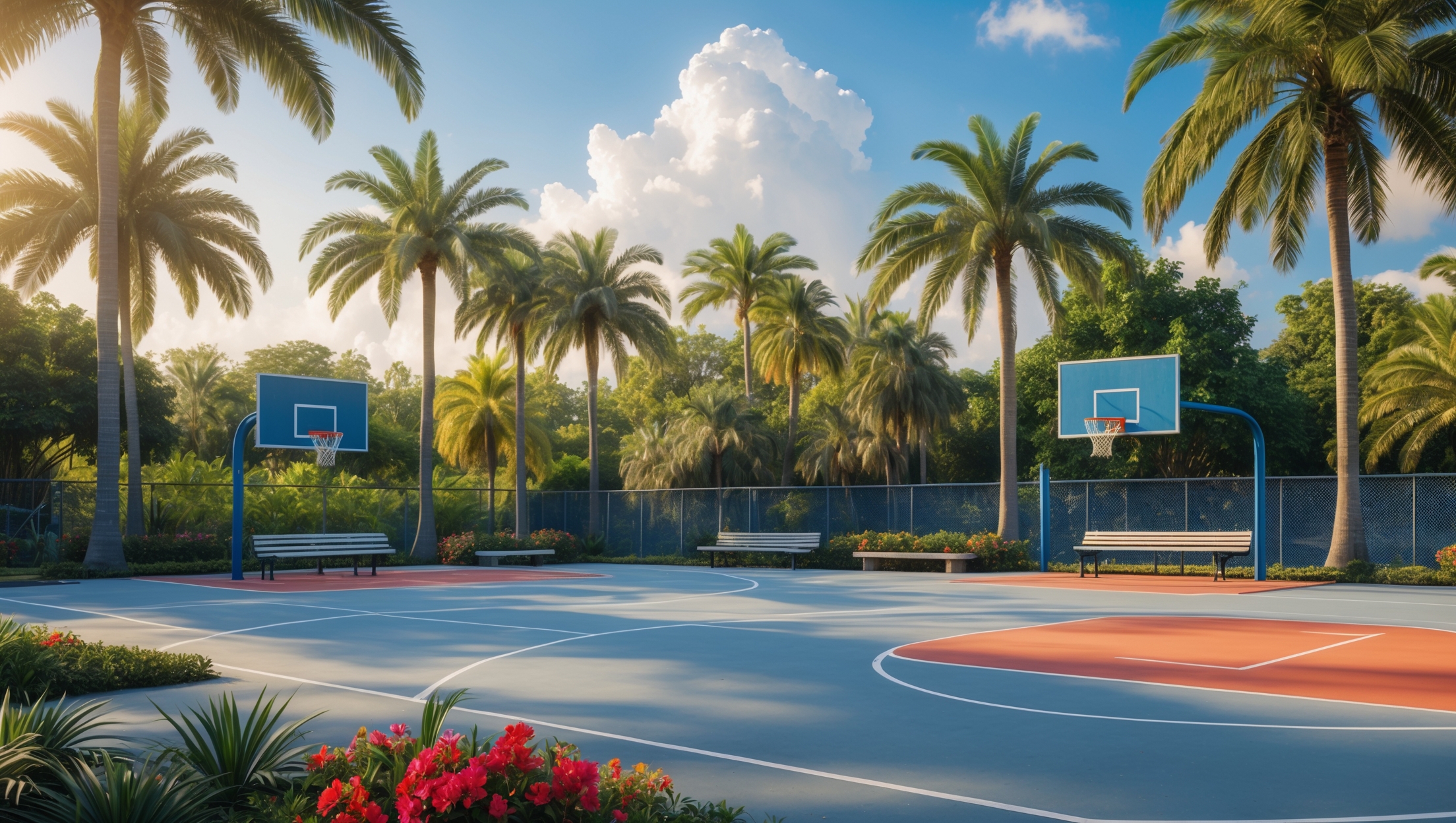
Understanding Permit Pitfalls: Lessons from St. Petersburg’s Community Basketball Courts

Introduction: The Promise and Pitfalls of Community Basketball Courts in St. Petersburg
In St. Petersburg, Florida, community basketball courts do more than offer a place to shoot hoops—they nurture neighborhood connections, provide safe spaces for youth, and anchor local revitalization efforts. However, one of the most significant hurdles that grassroots groups, neighborhood associations, and even seasoned nonprofit organizers face is navigating the city’s permitting process. Permitting missteps can stall or even derail well-intentioned projects, leading to wasted resources and community frustration. Understanding the specifics of local compliance isn’t just bureaucratic: it’s essential for transforming an idea into a lasting public asset.
This post offers clear, actionable guidance on common permitting pitfalls unique to St. Pete’s community basketball courts. Drawing on local case studies and lessons learned, we’ll break down the process from vision to ribbon-cutting, highlight frequently overlooked requirements, and detail practical strategies to keep your project on track. Whether you’re a first-time organizer or a veteran of local projects, use this guide to steer clear of avoidable mistakes and ensure your court becomes a vibrant, permanent part of the neighborhood fabric.
The Permitting Landscape in St. Pete: What Makes It Tricky?
Why Basketball Courts Are a Unique Case
Unlike community gardens or murals, outdoor basketball courts trigger a specific set of municipal reviews in St. Petersburg. Their hardscape construction, lighting requirements, and potential for noise and traffic elevate scrutiny from multiple city departments. Courts are also often sited in parks, schoolyards, or vacant lots—each with distinct zoning and ownership considerations. Understanding these nuances is vital for a smooth permitting journey.
Who Regulates What?
- St. Petersburg Parks & Recreation: Oversees city-owned land usage and design standards for public recreation spaces.
- Building Department: Reviews site plans, drainage, surfacing, and structural safety (including fencing and lighting poles).
- Zoning Division: Verifies allowable use, setback requirements, and neighborhood compatibility.
- Stormwater Management: Ensures court construction won’t negatively impact local drainage or flood risk.
- Neighborhood Associations: May have input or veto power for projects on association-managed property.
Common Permit Pitfalls (and How to Avoid Them)
1. Underestimating Project Scope and Permit Categories
Many organizers mistakenly assume a basketball court is a ‘simple’ improvement, requiring only minor paperwork. In reality, courts often fall under commercial-grade construction. This means you’ll likely need:
- Site Plan Approval: Even for existing open spaces, a new court often counts as a significant alteration.
- Building Permit: Required if you’re installing fixed equipment (e.g., poles, fencing, lighting, or bleachers).
- Electrical Permit: Needed for court lighting or electronic scoreboards.
Pro Tip: Start with a pre-application meeting at the city’s Construction Services & Permitting office. Bring sketches and a project summary to get a clear list of required permits.
2. Missing Zoning Restrictions
Zoning laws regulate not only whether a court is allowed, but also its placement, size, and operating hours. Common mistakes include:
- Locating courts too close to nearby residences, leading to noise complaints and permit denials.
- Overlooking minimum setback requirements from property lines or streets.
- Assuming a court is ‘by right’ on association-owned green space when a zoning variance is actually required.
Solution: Use the City’s online zoning map and consult with the Zoning Division early to confirm allowable uses and restrictions for your site address.
3. Ignoring Stormwater and Environmental Reviews
In low-lying St. Petersburg, new impervious surfaces (like concrete courts) can increase local flooding risks. Projects often stall because organizers don’t account for:
- Drainage impact studies
- On-site stormwater retention requirements
- Tree preservation ordinances
Solution: Engage a local civil engineer familiar with city requirements. Budget for potential retention areas or permeable surfacing to expedite approvals.
4. Incomplete or Inaccurate Permit Applications
Permitting offices routinely reject applications due to missing documents or errors. The most common omissions for basketball courts include:
- Lack of detailed site plans (drawn to scale with all structures and setbacks)
- Missing letters of support from property owners or neighborhood associations
- No proof of liability insurance if required for permitting
Solution: Use the city’s permit checklist and double-check every supporting document. Where possible, meet with a permitting specialist to review your packet before submission.
5. Overlooking Community Notification Requirements
For courts near residential areas, the city may require organizers to notify adjacent property owners and hold a public input meeting. Failing to do so can lead to costly delays or even project shutdowns after construction starts.
Solution: Ask your permitting case manager if notification is required. Prepare a simple flyer and host an information session to proactively address concerns.
6. Not Accounting for ADA Accessibility
Basketball courts—especially those on public land—must comply with the Americans with Disabilities Act (ADA). Missing accessible paths, seating, or parking can result in failed inspections and expensive retrofits.
Solution: Work with a designer or architect experienced in ADA compliance. Include accessible routes in your site plan from day one.
7. Misjudging Project Timeline
Permitting in St. Pete can take from 4 weeks to 6 months, depending on complexity and staff workload. Many projects falter by announcing a grand opening date before permits are in hand.
Solution: Build a 3- to 6-month permitting window into your project timeline. Communicate clearly with stakeholders about potential delays.
Step-by-Step Permit Prep: A Practical Checklist
- Site Selection: Verify land ownership, zoning, and environmental constraints.
- Concept Plan: Sketch the court layout, access paths, and amenities. Note distances from property lines and existing structures.
- Pre-Application Meeting: Meet with city permitting staff. Bring your concept plan and questions about specific site issues.
- Civil/Structural Plans: Hire a licensed engineer or architect for stamped plans. Include drainage and ADA details.
- Community Engagement: Notify neighbors and gather support letters if required. Hold an informational session if in a residential area.
- Permit Application: Compile all required forms, plans, insurance documents, and letters. Submit as a single, organized packet.
- Staff Review: Respond promptly to requests for additional information; schedule site visits as needed.
- Permit Issuance: Wait for final approval before starting any site work. Post permit visibly on site.
Local Case Studies: Lessons from the Court
Case Study 1: Delays from Drainage Oversight
One Midtown neighborhood group spent months fundraising for a new court, only to have their permit delayed after the city identified inadequate stormwater plans. The project’s fix—adding a small bioswale and switching to a permeable surface—cost an extra $7,500 and pushed opening day back by two months. Lesson: Engage a civil engineer early and budget for drainage solutions upfront.
Case Study 2: Zoning Variance Success
At a North Kenwood park, organizers realized the planned court encroached on minimum setbacks. Rather than abandon the project, they worked with the city to obtain a zoning variance. This required a public hearing and neighbor support, but ultimately allowed the court to be built in the desired location. Lesson: Don’t assume setbacks are flexible—plan for possible variances and community input.
Case Study 3: Smooth Sailing with Early Community Buy-In
In Historic Roser Park, a local nonprofit held two public meetings and collected over 100 signatures of support before submitting a permit application. As a result, the permitting office fast-tracked their review, and there were no neighbor objections. Lesson: Early engagement can both speed up permitting and prevent opposition.
Budgeting for Permit Success
Essential Permit-Related Costs
- City permit fees ($500–$2,000 depending on complexity)
- Professional design/engineering fees ($2,000–$8,000)
- Drainage or environmental mitigation ($1,000–$10,000)
- Printing and notification costs ($100–$500)
- Contingency for unanticipated reviews or compliance upgrades (10–15% of total budget)
Pro Tip: Ask the city if your project qualifies for fee waivers or reduced rates for nonprofits or community groups. Some grants will cover permitting and design expenses—factor these into your funding strategy.
Expert Tips for a Smoother Permit Process
- Stay Organized: Keep digital copies of all submissions and correspondence. Track deadlines and review stages in a shared project folder.
- Design for Flexibility: Have an alternate court layout ready in case site constraints or neighbor concerns arise.
- Build Relationships: Get to know your permitting case manager and city council representative. Their insights can help resolve snags quickly.
- Document Everything: Take photos before, during, and after construction. This helps with inspections, grant reporting, and future maintenance planning.
What Happens After Approval? Compliance Doesn’t Stop
Permitting is only the first step. City inspectors will visit the site to ensure compliance with approved plans. Final sign-off may be withheld if:
- ADA features are missing or incorrectly installed
- Drainage systems are incomplete or not functioning
- Lighting or fencing doesn’t match approved specs
Be prepared for a final walkthrough and fix any deficiencies promptly to avoid delays in opening your court.
Conclusion: Building for the Long Game in St. Pete
Permitting a community basketball court in St. Petersburg is a marathon, not a sprint. Yet, the investment in careful planning and compliance pays off in a public asset that brings neighbors together for years to come. By understanding the unique layers of review—from zoning to stormwater to community input—you can anticipate challenges before they become roadblocks. Engage professionals where needed, communicate transparently with stakeholders, and treat city staff as collaborators, not adversaries. Budget realistically, build in extra time, and document every step.
Most importantly, remember that every successful community court is the product of both diligent paperwork and grassroots passion. By learning from past pitfalls and leveraging St. Pete’s robust civic networks, your project can set a positive example for others. In the end, the hoops you jump through today will echo in the laughter and teamwork of tomorrow’s neighborhood players. With the right approach, your court will be more than a slab of concrete—it will be a launchpad for community pride and healthy activity in the Sunshine City.
I’m new to this process, and I was surprised to read that basketball courts face more city scrutiny than gardens or murals. Does this mean the permit application itself is more complicated, or is it mostly about meeting extra reviews after you apply?
The permit application form for basketball courts isn’t necessarily more complicated than for gardens or murals. The main challenge is that basketball courts trigger more in-depth reviews after you apply, such as noise, traffic, and neighborhood impact assessments. So, while filling out the form may be similar, you should be prepared for additional scrutiny and possibly more steps during the approval process.
Could you clarify what the most common permitting missteps are for community basketball courts in St. Petersburg, especially compared to projects like gardens or murals? I want to make sure I don’t miss any lesser-known requirements.
The most common permitting missteps for community basketball courts in St. Petersburg include not consulting zoning regulations early, overlooking stormwater management requirements, and neglecting to coordinate with parks and recreation officials. Unlike gardens or murals, courts often require detailed site plans, attention to accessibility standards, and sometimes environmental impact assessments. Many also miss the need for neighborhood notifications or public input if the project affects shared spaces. Double-check these elements to avoid delays.
If a neighborhood association wants to build a court on a vacant lot, does the city treat that differently compared to a park or school property? Are there important zoning details that we might miss early in the process?
Yes, the city does treat vacant lots differently from park or school property when it comes to building a basketball court. Vacant lots often have stricter zoning rules, and you may need a zoning change or special use permit. Early in the process, check whether the lot is zoned for recreational use, and be sure to review requirements for setbacks, parking, and lighting. Consulting the city’s planning department early can help you avoid common pitfalls.
If a neighborhood association wants to build a court in a vacant lot instead of a city park, does the permitting process change significantly in terms of timeline or city department involvement?
Building a basketball court on a vacant lot rather than in a city park can change the permitting process. The timeline may be longer, especially if the lot is privately owned or zoned differently. Additional departments—like zoning, planning, and sometimes environmental review—may get involved. It’s important to consult with the city’s permitting office early to understand the specific requirements for your chosen site.
You said permitting missteps can lead to wasted resources—do you have any tips on estimating costs and timelines up front, especially for first-time organizers, to avoid budget surprises during the city’s multi-department review process?
Estimating costs and timelines early is key. Start by contacting your city’s permitting office to get a checklist of required permits and typical fees. Ask how long each department takes to review applications. Build in extra time for unexpected delays and extra funds for possible additional requirements, like inspections or modifications. Talking to organizers of previous projects in your area can also give you realistic cost and timing estimates.
Are there any budgetary surprises related to St. Pete’s permitting process for outdoor courts, such as unexpected fees or costs tied to compliance with lighting and noise standards that organizers should plan for early on?
Yes, organizers often encounter unexpected costs in St. Pete’s permitting process for outdoor courts. Common surprises include additional fees for environmental reviews, required upgrades to meet lighting and noise ordinances, and charges for public notices or inspections. It’s wise to budget extra for compliance adjustments, especially if your site is near residential areas or sensitive zones. Early conversations with the permitting office can help clarify these potential expenses.
If a neighborhood association wants to build a court on a vacant lot rather than a city park, does this change the permitting process significantly or introduce extra zoning hurdles in St. Pete?
Building a basketball court on a vacant lot instead of a city park in St. Petersburg does change the permitting process. The lot’s zoning must allow recreational use, and additional steps like site plan approval, neighborhood notification, or even rezoning might be required. It’s wise for the association to consult the city’s zoning department early to clarify requirements and avoid surprises.
What are some examples of ‘frequently overlooked requirements’ you mentioned that have caused delays or problems for groups in St. Pete trying to build community courts? Any practical tips for catching these before submitting a permit application?
Some commonly overlooked requirements include securing detailed site plans, confirming zoning approvals, and ensuring compliance with accessibility standards. Groups have also run into delays by missing utility checks and not providing proper drainage solutions. To avoid these issues, double-check the city’s permit checklist, consult with city staff early, and review recent permit approvals for similar projects. These steps help ensure nothing critical gets missed before you apply.
Could you explain more about what specific zoning issues come into play when building a court on vacant lots versus in existing parks or schoolyards? Are there certain locations that usually make the permitting process easier or faster?
Zoning issues usually depend on how land is classified. Vacant lots might be zoned for residential or commercial use, which can restrict or complicate building community courts. Parks or schoolyards are typically already zoned for recreation, so permits are often easier and quicker to secure there. Overall, locations with existing recreational zoning and public ownership tend to streamline the permitting process.
For organizers unfamiliar with local zoning codes, what resources does St. Petersburg offer to help identify whether a vacant lot is eligible for a court before significant time or funds are invested in plans?
St. Petersburg provides several resources for organizers. The city’s Planning and Zoning Department can help clarify zoning classifications and land use rules for any property. You can schedule a consultation with staff to review a specific lot’s eligibility for recreational uses. Additionally, the city has online zoning maps and a public records request system where you can access property details. Checking these before starting any project helps avoid costly surprises.
If a neighborhood group has already started work on a court without realizing some permits were missing, what steps should they take to rectify the situation and get back in compliance without jeopardizing the project?
If work has begun without the necessary permits, the group should stop construction immediately and contact the local permitting office to explain the situation. They should gather any documentation about the project so far and ask about the specific permits required. Applying for permits retroactively may be possible, but there could be fines or extra inspections. Cooperating fully and showing a willingness to comply will help avoid larger issues or possible shutdown of the project.
It says courts face higher scrutiny due to lighting and noise concerns. How does permitting differ if you only want a basic outdoor court without lights or fences, compared to a fully equipped court? Are there fewer steps for simpler versions?
If you’re building a basic outdoor court without lights or fences, the permitting process is usually simpler. Complex features like lighting and sound systems trigger additional reviews for community impact, noise, and safety. For a simple court, you may just need basic site approval and compliance with zoning, but a fully equipped court often requires more detailed plans, inspections, and community input. Fewer steps and less scrutiny generally apply to simpler court versions.
As a small business considering sponsoring a local court on school property, how different is the permitting process compared to building on city park land? Are there extra steps or approvals involved?
Sponsoring a court on school property often involves additional steps compared to city park land. Besides standard city permits, you’ll likely need approval from the school district or board, and possibly coordination with school administration. There may also be extra requirements for insurance, safety, and community use agreements. Each school district can have its own process, so early communication with the district is important to understand their specific guidelines.
The article mentions that permitting missteps can derail projects, but are there any particular zoning or ownership issues in St. Pete that first-time organizers consistently overlook when planning a basketball court on vacant lots?
In St. Petersburg, first-time organizers often miss checking if the lot is zoned for recreational use—many vacant lots are zoned residential or commercial, which restricts sports facilities. Another common oversight is not confirming who actually owns the land, since some lots are city-owned, while others belong to private individuals or trusts. Both zoning and ownership need to be verified early to avoid costly delays.
For someone organizing their first community court, what are the most frequently overlooked permitting steps specific to St. Pete that could cause unexpected delays—especially compared to something like getting approval for a mural or garden?
In St. Pete, organizing a community basketball court often involves extra permitting steps that people miss compared to murals or gardens. Most commonly, applicants overlook zoning reviews, stormwater management requirements, and accessibility standards for courts. Also, getting approval from Parks and Recreation is often slower than for art or gardening projects. Make sure to check if land use changes or neighborhood notifications are required, as these can add weeks to the process.
If a neighborhood association is trying to put a court on school property, does that trigger a different or extra permitting review compared to doing it on city-owned parks? Would love to know what unique hurdles people have faced in those situations.
Building a court on school property usually involves extra layers of review compared to city parks. Schools are governed by their own district rules and need approval from the school board or district administration, not just city permitting offices. This can mean more paperwork, stricter liability and safety checks, and sometimes public meetings for community feedback. Some groups have faced longer timelines and stricter insurance or maintenance requirements when working with school sites.
I noticed the article mentioned that courts get more scrutiny than community gardens or murals. Would the permitting steps be much different if a group wanted to build a multi-use court that hosts both basketball and a community event space?
If a group wants to build a multi-use court that serves both basketball and community events, the permitting steps could become more complex. The city may require additional reviews for noise, parking, lighting, and public safety since the space serves multiple functions. These factors often trigger extra community input or special permits, especially compared to simpler projects like gardens or murals.
If a neighborhood group runs into unexpected issues with noise or lighting regulations during the process, are there practical strategies or city contacts you recommend to quickly resolve these concerns without derailing the project timeline?
If unexpected noise or lighting issues arise, it’s wise to document the concerns and connect directly with the city’s zoning or permitting office. Many cities, including St. Petersburg, have dedicated staff who can clarify requirements or suggest temporary solutions. Openly communicating with nearby residents can also help address concerns early, preventing delays. Scheduling a meeting with the permitting department can often speed up finding a resolution.
If a neighborhood group is thinking about building a basketball court on a vacant lot rather than city-owned parkland, are the permitting challenges significantly different, especially in terms of zoning and land ownership requirements?
Building a basketball court on a vacant lot does present different challenges compared to city-owned parkland. For a privately owned vacant lot, your group would need permission from the owner and ensure the land is zoned for recreational use. Zoning regulations may restrict what can be built, and you might need a zoning variance. Permits could also involve additional requirements like site plans, neighborhood input, and compliance with local building codes. City land often has established processes, while private lots can involve more negotiation and paperwork.
You mention noise and traffic concerns often bring extra scrutiny from city departments. What practical strategies do you recommend for addressing these issues early in the permitting process so they don’t become stumbling blocks later?
To address noise and traffic concerns early, talk with neighbors and gather their feedback before submitting your permit application. Prepare a plan for managing parking, signage, and hours of operation, and include it with your application. Consulting with a traffic or sound specialist can also help address potential concerns up front, showing city departments you’re being proactive.
You mentioned that courts in parks, schoolyards, and vacant lots all have different zoning and ownership rules. Is there a particular type of location where the permitting process tends to go faster or has fewer hurdles in St. Pete?
In St. Petersburg, basketball courts located in public parks usually have a more streamlined permitting process, since the city manages both the land and the permits. Schoolyards often involve more steps and coordination with the school district, while vacant lots can be unpredictable due to private ownership and varying zoning rules. If speed and simplicity are priorities, city parks are generally the best option.
You talk about how different locations like parks, schoolyards, or vacant lots each have their own zoning and ownership issues. Is it usually easier or faster to get a permit if you partner directly with a school versus trying for a public park site?
Partnering directly with a school can sometimes make the permitting process quicker, especially if the school district is supportive and the court is mainly for student use. Schools often have more control over their property and decision-making. However, public parks may have established procedures for permits, which can also streamline things, though they might involve more public input and regulations. It really depends on the relationships and specific policies in your area, but schools can sometimes offer a more straightforward path.
If a nonprofit group misses a permitting requirement early on, is there a way to fix it without having to start the whole process over? Any tips for catching overlooked steps before they become bigger problems would be really helpful.
If a nonprofit misses a permitting step early in the process, it’s often possible to correct the oversight by contacting the permitting office, explaining the situation, and submitting any missing documents or fees. Usually, you won’t have to start over unless construction has already begun without proper permits. To avoid missing steps, use a detailed checklist, consult with city officials early, and consider assigning a project member to monitor compliance throughout the process.
I’m really interested in starting a project like this, but how much lead time should we expect for the entire permitting process from start to ribbon-cutting? Are there any stages where delays are most likely to happen?
Based on the article, you should plan for at least 6 to 12 months from your initial permit application to the ribbon-cutting, though this can vary depending on your city and project size. Delays are most common during the site review and approval stages, especially if zoning or environmental assessments are needed. Early engagement with local officials and thorough documentation can help keep things moving smoothly.
You mention that basketball courts face extra scrutiny due to lighting and noise concerns. Are there specific design modifications or mitigation measures that St. Petersburg commonly requires to address these issues during the permitting process?
St. Petersburg often requires several design modifications to address lighting and noise concerns for basketball courts. Common measures include installing directional, shielded lighting to minimize light spillover into neighboring properties and using lower-wattage fixtures. For noise, the city may request sound barriers like landscaping berms, fences, or dense vegetation around the court’s perimeter. In some cases, courts are also placed farther from residential areas to reduce the impact.
As a small business owner interested in sponsoring a local court, I’m curious about the permitting steps tied specifically to lighting and noise in residential neighborhoods. Could you clarify what additional reviews or paperwork might be triggered by those concerns in St. Petersburg?
When adding lighting or making changes that could increase noise at a basketball court in a residential area, St. Petersburg typically requires extra permit reviews. For lighting, you may need a photometric study to ensure lights don’t impact nearby homes, along with a separate electrical permit. Noise concerns might trigger a review by the city’s zoning or code compliance departments to check adherence to local noise ordinances. Be prepared for possible neighborhood notification or input as part of these processes.
I’m interested in learning how noise and lighting concerns typically impact the approval process. Have you seen projects denied or slowed down specifically because of these issues, and are there recommended design solutions that help address them early?
Noise and lighting are common concerns in court projects and can definitely slow down or even halt approvals if neighbors worry about late-night play or excessive brightness. Some projects have faced delays while addressing these issues. Solutions that tend to satisfy both communities and officials include installing directional, timed lighting to minimize spillover, and using sound barriers or landscaping to reduce noise impact. Engaging with neighbors early and demonstrating these design choices in your permit application can really help smooth the process.
For someone budgeting a new community basketball court in St. Pete, how much should be set aside for permitting-related costs and potential delays? Are there standard fees or common unexpected expenses organizers ought to be aware of early on?
When budgeting for a new community basketball court in St. Petersburg, it’s wise to allocate at least $2,000 to $5,000 for permitting fees and related costs. However, unexpected expenses like environmental assessments, zoning adjustments, or addressing neighborhood concerns can add several thousand dollars more. Delays can also increase costs, so planning a buffer of 10–20% of your total project budget for permitting and surprises is a prudent move.
If a neighborhood group wants to transform a vacant lot into a basketball court, what’s the first step in figuring out who actually owns the land and which city department we need to work with? The zoning rules seem confusing.
To find out who owns the vacant lot, start by searching your county’s property appraiser or assessor website using the address or parcel number. This will tell you if it’s privately or publicly owned. Next, contact your city’s planning or zoning department—they can explain the zoning for that lot, clarify rules, and direct you to the correct city department for permits or neighborhood projects.
When budgeting for a community basketball court in St. Pete, should organizers expect higher permitting fees or longer approval times compared to other projects like gardens or murals? It sounds like courts have more red tape, but I’m not sure how much that affects the timeline or costs.
You’re correct that building a community basketball court in St. Pete typically comes with more permitting requirements than projects like gardens or murals. Courts often trigger additional safety, zoning, and accessibility reviews, which can increase both approval times and fees. It’s wise to budget extra for these costs and build in a longer timeline for permit approval compared to simpler projects.
You mention that basketball courts get more scrutiny from the city than things like murals or gardens—what are some specific requirements in the permitting process that people usually miss, and is there a checklist to help organizers keep track?
Basketball courts often require more detailed site plans, noise assessments, and safety features than murals or gardens, which organizers sometimes overlook. Commonly missed steps include submitting scaled drawings, confirming proper lighting, checking for ADA accessibility, and notifying nearby residents. While the city doesn’t always provide a dedicated checklist, compiling one based on the application instructions and consulting with the planning department early on can help ensure all bases are covered.
Can you explain what the most commonly overlooked requirement is when trying to get a basketball court approved in St. Petersburg? I want to avoid delays but am not sure which step usually trips people up.
One of the most commonly overlooked requirements when getting a basketball court approved in St. Petersburg is securing proper neighborhood approval or community consent. Many applicants focus on technical permits but forget that local ordinances often require documented support from neighbors or neighborhood associations. Missing this step can delay your application, so be sure to gather signatures or written consent early in the process.
If a group has already used this guide and successfully completed the initial permitting steps, what would you suggest as the most important next step to avoid stalls before the ribbon-cutting phase?
After clearing the initial permitting steps, the next key focus should be maintaining open, regular communication with both city officials and contractors. This keeps everyone aligned on timelines and helps you quickly address any last-minute questions or requirements. Proactively confirm inspection dates, ensure all paperwork is up to date, and have contingency plans for common delays, like weather or material shortages.
As someone involved in our local neighborhood group, I’m wondering which parts of the permitting process are most likely to delay a community basketball court project in St. Pete. Are there particular departments or requirements that tend to trip up first-timers?
When working on a community basketball court in St. Pete, delays often arise with zoning reviews, environmental assessments, and meeting public safety requirements. The zoning department and environmental services are commonly the trickiest for first-timers, especially if the land use or site plans aren’t clear. Make sure to prepare detailed site documentation and engage these departments early to avoid unexpected setbacks.
I’m curious about the different zoning rules mentioned for parks, schoolyards, and vacant lots. How can someone figure out which rules apply before starting a court project, especially if you’re looking at a site that isn’t clearly marked?
To determine which zoning rules apply, first identify who owns the land—parks are usually city-owned, schoolyards belong to the school district, and vacant lots could be private or public. You can look up property records online or contact your city’s planning or zoning department. They can clarify the site’s designation and let you know what permits or approvals are necessary before building a court.
For organizers with limited experience, is there a step-by-step example of how to navigate both the Parks & Recreation and zoning approvals efficiently? I’m curious if any recent projects managed to speed up the process and what key strategies they used.
In recent projects, organizers found it helpful to first contact Parks & Recreation to clarify requirements, then prepare all necessary documents before approaching zoning officials. Scheduling joint meetings with both departments and maintaining clear communication helped avoid delays. Some organizers also found that involving a local advocate or city liaison early in the process streamlined approvals. While no detailed step-by-step example was provided, these strategies have been effective in speeding things up.
I’m curious how the permitting requirements for outdoor basketball courts in St. Pete compare to something like building a community garden. Are there any steps or approvals that catch first-time organizers off guard?
Permitting for outdoor basketball courts in St. Pete is often more involved than for community gardens, mainly due to site plan reviews, safety standards, and noise considerations. Both projects require location approval and possibly neighborhood input, but sports courts usually need more detailed construction documents and sometimes public hearings. Many first-time organizers are surprised by zoning restrictions, stormwater management requirements, and the need for multiple departmental approvals, which can extend timelines.
The article mentions that basketball courts face extra scrutiny compared to community gardens or murals because of things like lighting and noise. Could you explain which of these requirements is most often overlooked during the permitting process in St. Pete and how community groups can prepare for that?
In St. Petersburg, lighting requirements are most often overlooked when permitting basketball courts. Community groups sometimes install lights without considering regulations on brightness, direction, or hours of operation, which can lead to neighborhood complaints. To prepare, review city lighting codes early, choose fixtures that minimize light spill, and communicate your plans with nearby residents to address any concerns before submitting your permit application.
I’m curious how the permitting process differs if the basketball court is going on a schoolyard versus a vacant lot. Does the article cover whether the timelines or city department involvement change based on the location?
The article does mention that the permitting process can vary depending on the location of the basketball court. For schoolyards, the process often involves coordination with school district officials and may require school board approval in addition to city permits. For vacant lots, the process typically goes directly through city departments focused on land use and zoning. Timelines and department involvement can be different, but the article doesn’t provide exact details for each scenario.
The article mentions lighting requirements and noise concerns as factors that can complicate the approval process. Are there recommended strategies or solutions that have helped projects address these concerns early on?
To address lighting requirements early, many successful projects work with local lighting consultants to design systems that minimize light spill and use timers or dimmers to meet community standards. For noise concerns, scheduling court hours and installing sound barriers or landscaping buffers have proven effective. Engaging neighbors and city officials early in the planning process can also help identify and resolve potential issues before they become obstacles.
You noted different rules depending on whether a court is on park land, a schoolyard, or a vacant lot. If I don’t know exactly who owns the lot I want to build on, what’s the quickest way to find out before I start the permit process?
To quickly find out who owns a lot, start by checking your county property appraiser’s website or local tax assessor’s records using the address or parcel number. These databases are usually public and list the owner and property type. Alternatively, you can visit City Hall or the local planning department; staff there can often help clarify ownership and applicable rules.
I’m curious about the zoning piece you mentioned—if my business wanted to sponsor a half-court on a vacant lot near our shop, what should I watch out for with respect to ownership and zoning rules in St. Petersburg?
If you’re considering sponsoring a half-court on a vacant lot, make sure to first confirm who owns the land—whether it’s private, city, or county property. Zoning is key; you’ll need to check if recreational uses are allowed in that zoning district. The city’s zoning map and planning department can clarify permitted uses. Also, be prepared for possible public hearings or neighborhood input, as well as permit applications tied to both zoning and construction.
Could you elaborate on what the most frequently overlooked requirements are in St. Petersburg’s permitting process for basketball courts? Are there specific compliance issues you see repeatedly causing delays for community organizers?
One commonly overlooked requirement in St. Petersburg’s permitting process for basketball courts is proper site surveying, including accurate property boundaries to avoid encroachment. Organizers also often miss stormwater management documentation and neighborhood notification rules. These gaps can delay approval, as can missing construction details like lighting or fencing specs. Reviewing city guidelines in detail before submitting an application can help avoid these pitfalls and speed up the process.
If we’re looking to build a basketball court on a vacant lot instead of a park or schoolyard, what are some zoning issues we might run into in St. Pete, and do those lots typically have different permit requirements?
Building a basketball court on a vacant lot in St. Petersburg can involve unique zoning challenges compared to parks or schoolyards. You may need to check if the lot is zoned for recreational use, as residential or commercial zoning can restrict such developments. Permitting requirements can also differ, often requiring a site plan review and possibly community input. It’s wise to consult the city’s zoning office early to understand the specific requirements for your chosen lot.
Does the permitting process get any easier if you’re building the basketball court on private property rather than in a park or schoolyard, since zoning and ownership considerations seem to complicate things? I’d like to know if location choice simplifies compliance.
Building a basketball court on private property can sometimes make the permitting process simpler, since you generally have more control over the land and fewer government entities involved. However, you’ll still need to comply with local zoning codes, setback requirements, and possibly neighborhood association rules. While it’s often less complicated than public or institutional property, some paperwork and approvals will still be necessary.
The article mentions that basketball courts often face higher scrutiny due to factors like lighting and noise. Could you clarify what specific requirements or reviews related to lighting one should expect during the permitting process in St. Petersburg?
During the permitting process in St. Petersburg, lighting for basketball courts is closely reviewed to ensure it doesn’t create excessive glare or spillover onto neighboring properties. You can expect requirements regarding the height and direction of light fixtures, brightness limits, and sometimes mandatory use of shields or timers. The city may also require a lighting plan showing fixture types and photometric data, all aimed at minimizing light pollution and community disturbance.
What tends to cause the biggest delays during the permitting process—issues with lighting, noise, or something else? It would be really helpful to know which city department usually slows things down the most so we can plan ahead.
In St. Petersburg, the most common causes of permitting delays for community basketball courts are usually related to zoning and neighborhood impact—especially concerns over lighting and noise. However, the department that tends to slow things down most often is the zoning or planning department, since they review compliance with city codes and handle community feedback. It’s smart to budget extra time for their review, and to be proactive about addressing any lighting and noise concerns in your application.
Do these permitting challenges usually add a lot of time or extra costs to community basketball court projects? If so, how far in advance should families and local groups start the process to meet a summer opening goal?
Permitting challenges can definitely add both time and costs to community basketball court projects. Delays often come from zoning reviews, environmental studies, or unexpected compliance issues. To meet a summer opening, it’s wise for families and local groups to start the permitting process at least six to nine months in advance. This buffer helps manage any surprises and keeps construction on schedule.
If a court is planned for a vacant lot instead of a park or schoolyard, does the permitting process differ much in terms of zoning or city department oversight? It would help to know what unique challenges to expect with different types of locations.
Yes, planning a court on a vacant lot can involve different permitting challenges compared to parks or schoolyards. Vacant lots may need rezoning, especially if they’re not already zoned for recreational use. You might also deal with more departments, like planning and neighborhood development, and could face extra reviews for things like parking, drainage, and community impact. Each lot’s prior use and location can affect requirements, so reaching out to the city’s planning department early is a good idea.
If my neighborhood association wants to build a basketball court on a vacant lot and we’re not sure if it’s zoned for recreation, is there a way to find out before we spend money on permits? What would be the first step?
You can check the zoning designation for your vacant lot by contacting your city or county zoning office or visiting their website—many have online maps or records. The first step is to ask for the property’s zoning classification, and then confirm whether recreational facilities like basketball courts are allowed in that zone. This investigation should happen before you invest in any permits or plans.
If a neighborhood association wants to set up a court on a schoolyard versus a public park, are there major differences in the permitting process or zoning rules we should watch out for? Any advice for parents trying to navigate those situations?
Setting up a court on a schoolyard usually involves working closely with the local school district, which may have its own permitting process, liability requirements, and limited public access rules. Public parks, on the other hand, typically fall under city or county parks departments, with more established permitting and zoning procedures. Parents should connect early with the relevant authority, clarify who owns the land, and understand any neighborhood input needed. Always confirm insurance coverage and maintenance responsibilities before moving forward.
How does the permitting process for a basketball court differ if the proposed location is a schoolyard versus a public park or vacant lot? I’m curious about what extra steps or reviews might be involved for each.
When building on a schoolyard, permits often require approval from the school district and possibly the state’s Department of Education, along with community input and safety reviews specific to student use. For public parks, you’ll usually work with the city’s parks department, which may require environmental and public impact assessments. Vacant lots, meanwhile, might involve zoning checks and neighborhood notifications. Each location can trigger extra reviews depending on ownership, intended users, and local rules.
If a neighborhood group wants to convert a vacant lot into a basketball court but doesn’t know who owns the property, what should their first step be in navigating both the ownership question and the city’s specific permitting reviews?
The neighborhood group should start by determining the legal owner of the vacant lot, which they can do by searching the county property appraiser’s online records or visiting the local property records office. Once ownership is confirmed, they’ll need either the owner’s permission or involvement before moving forward. After that, they can contact the city’s permitting office to learn about specific requirements for building a basketball court, including any zoning, safety, or community engagement reviews.
Could you clarify what kinds of zoning issues have most often caused delays for basketball court projects in St. Petersburg? I’m wondering if it’s usually related to who owns the land or if there are other common zoning surprises to watch out for.
In St. Petersburg, delays for basketball court projects have often come from zoning requirements related to land use designations and setbacks from residential areas, not just ownership. Issues like noise regulations, parking, and lighting restrictions can also cause surprises. While land ownership is a factor, ensuring the site is zoned for recreational use and meets local requirements is just as important to avoid unexpected complications.
For someone planning to build a court on school property versus a city park, what are the main differences in zoning or ownership considerations that might impact the timeline or complexity of getting permits in St. Petersburg?
Building on school property usually involves working with the school district and possibly the county, which means navigating their internal approval processes before you even approach city permitting. On the other hand, building in a city park means dealing directly with city departments and often more public review. School projects may face longer internal timelines, while city park projects might involve more community feedback and public hearings. Ownership and oversight differences can significantly affect how fast or complex the permitting becomes.
You mention that lighting and noise are big concerns with permitting basketball courts in St. Petersburg. Are there specific requirements or limits on what kind of lights or court hours we have to follow if we’re building on public park land?
Yes, St. Petersburg typically sets specific rules for lighting and operating hours when building basketball courts on public park land. Lighting usually has to be designed to minimize glare and prevent light spill into neighboring areas, often with cut-off fixtures. Court hours are often restricted, commonly closing by 9 or 10 pm to reduce noise disturbances. Requirements can vary by park, so it’s important to check the city’s Parks and Recreation guidelines and consult with local permitting officials before planning your project.
How long does the permitting process typically take from the initial application to final approval for a new basketball court in St. Petersburg? I’d love to hear about steps I might be able to speed up, especially as a first-time organizer.
The permitting process for a new basketball court in St. Petersburg usually takes several weeks to a few months, depending on factors like project complexity and completeness of your application. To help speed things up, make sure you submit all required documents up front, consult with city officials early to clarify requirements, and respond quickly to any requests for additional information. Staying organized and proactive can really help as a first-time organizer.
Based on your experience, what’s the most commonly overlooked requirement when getting a permit for a basketball court in a city-owned park versus a vacant lot in St. Pete? I’m worried about getting tripped up by a detail only relevant to one type of site.
One commonly overlooked detail is the need for additional city approvals when building in a city-owned park, like getting consent from the parks department and sometimes holding a community review. For vacant lots, people often forget to verify zoning restrictions or obtain neighbor notifications. Each location type has unique requirements, so double-check with city planning and parks before applying.
Could you elaborate on what specific zoning or ownership challenges I might encounter if I try to build a community basketball court on a vacant lot versus using existing park space in St. Petersburg?
If you build on a vacant lot, you may face zoning restrictions, such as whether recreational facilities are allowed in that area, and you’ll need to verify ownership—private, city, or other. Securing permits could be more complex and might involve neighbor approval or rezoning requests. Using existing park space usually bypasses many zoning hurdles, but you’ll need city permissions and may be subject to park use policies, scheduling, and maintenance agreements.
I’m a bit confused about the process if the basketball court is planned for a vacant lot, not a park or schoolyard. Does the permitting differ a lot depending on the site, and is there a checklist somewhere for the zoning steps?
Permit requirements do vary depending on the type of site. For a vacant lot, you’ll likely need to check the zoning designation and whether recreational use is allowed. The article mentions that you may work with zoning officials to determine if a variance or special use permit is needed. While every city is different, your local permitting office can usually provide a checklist outlining the steps for zoning and permits specific to vacant lots. It’s a good idea to contact them early to clarify requirements.
For grassroots groups with limited experience, what are some practical strategies to budget accurately for permitting-related costs and unexpected requirements in St. Pete? I’m wondering if you could share examples of hidden fees or compliance expenses that often surprise first-time organizers.
Budgeting for permitting in St. Pete can be tricky. Start by contacting the city’s permitting office early to get a list of required permits and associated fees. Set aside extra funds for unplanned costs, such as parking requirements, insurance, or inspections. First-time organizers are often surprised by costs for site plans, last-minute code compliance upgrades, and utility connection fees. It helps to speak with others who’ve recently completed similar projects to learn from their experiences.
For projects in St. Pete that want to add lighting to a new basketball court, are there specific departments or extra reviews beyond Parks & Recreation that organizers often overlook? I’m curious about what usually delays approval when lighting is a core feature.
When adding lighting to a new basketball court in St. Pete, organizers should be aware that, beyond Parks & Recreation, approvals from the Building Department and possibly the Zoning or Planning Department are often needed. Lighting can trigger extra reviews related to electrical permits, neighborhood impact, and compliance with dark sky or noise ordinances. Delays often happen due to missed coordination with these departments or incomplete technical plans.
You talk about permitting missteps causing delays or wasted resources. What’s the most common pitfall first-time organizers face when applying, and are there any checklists or local contacts you recommend reaching out to before starting the process?
One of the most common pitfalls for first-time organizers is not understanding all the required permits and approvals, which can lead to delays if critical steps are missed. It really helps to start by contacting your local city permitting office—they can often provide an up-to-date checklist or even walk you through the specific requirements for your project. Also, reaching out to the parks and recreation department can prevent surprises related to land use or scheduling conflicts.
I’m curious how the permitting process for a basketball court would differ if the site is on a schoolyard versus city-owned parkland. Are there major differences in which departments get involved or in the timeline for approval?
When building a basketball court on a schoolyard, the school district’s facilities or operations department usually leads the permitting process, often requiring coordination with education authorities and possibly less public input. In contrast, a court on city-owned parkland typically involves the city’s parks and recreation department, planning or zoning boards, and sometimes public hearings, which can add time. City projects may go through more layers of review and community consultation, making their timelines longer and involving more departments.
If a neighborhood group has already started fundraising and design work, what are the first concrete steps they should take to avoid stalling out on permits given the city’s multi-department review structure?
At this stage, the group should contact the city’s permitting office early to request a pre-application meeting. This helps clarify required documents, timelines, and which departments will review the project. Document all communications and ask for a checklist specific to recreational spaces, so you can prepare complete, coordinated submissions and avoid delays.
Does the article cover typical costs or timeframe for the permitting process in St. Petersburg? As a small business owner, I’m trying to budget for possible community improvements and want to get a realistic idea before we commit resources.
The article focuses on common challenges and lessons learned from the permitting process for community basketball courts, but it does not provide specific figures on costs or timelines for permits in St. Petersburg. To get more accurate budgeting information, it may be helpful to contact the city’s permitting office directly or consult with local professionals who have recent experience with similar projects.
The article mentions that basketball courts face more municipal reviews than things like murals or gardens. Can you explain what some of those extra requirements are, especially when it comes to noise or lighting, and how groups have successfully navigated them?
Basketball courts often face extra scrutiny around issues like noise levels, lighting placement, and hours of use that aren’t as strict for murals or gardens. Cities may require acoustic studies or limit court hours to minimize disturbance. For lighting, there can be rules on brightness or shielding to prevent glare in nearby homes. Groups have worked through these by proposing quiet-use schedules, using low-glare lights, and engaging neighbors early to address their concerns.
If a community basketball court project gets delayed due to missing a zoning requirement, what are the typical consequences, and is there a way to fast-track the review once the issue is fixed?
If a project is delayed because a zoning requirement was missed, the consequences can include additional review fees, project resubmission, and a longer approval timeline. Once the zoning issue is addressed, you can sometimes request expedited review, but it’s not guaranteed—this depends on the local permitting office’s policies and workload. It’s best to communicate directly with officials and provide all corrected documentation to improve your chances for a faster review.
Can you explain more about the zoning issues mentioned for building courts in parks versus schoolyards or vacant lots? I’m wondering if the permitting process is simpler for one of these locations, or if they all have unique and complicated requirements.
Zoning requirements do vary quite a bit depending on the location. Parks often have established recreational zoning, which can streamline the permit process for building courts, but you may still face community input or environmental reviews. Schoolyards usually require coordination with the school district, and the process may involve extra safety or liability considerations. Vacant lots can be the trickiest, as their zoning might not allow recreational use without a formal change, which adds steps and complexity. Each type of site has its own challenges, so it’s not always simpler—just different depending on the location.
If my neighborhood group wants to build a basketball court on a vacant lot that’s not city-owned, which city departments do we need to talk to first? The article mentioned zoning and ownership being tricky, and I want to avoid missing the first step.
Since the lot isn’t city-owned, your first step should be verifying the property’s ownership through the county property appraiser’s office. If ownership checks out, contact your local zoning department to confirm the land is zoned for recreational use or if a variance is needed. It’s also wise to consult the building permits department early on, as they can guide you through any requirements for construction and inspections.
If a neighborhood association is planning to build a basketball court on a vacant lot rather than a park or schoolyard, does the permitting process differ significantly in terms of zoning or required approvals?
Yes, the permitting process can differ notably when building on a vacant lot instead of a park or schoolyard. A vacant lot may have different zoning restrictions, so the association will likely need to confirm the lot is zoned for recreational use or apply for a zoning change or variance. Additional reviews or approvals, such as community hearings or environmental assessments, may also be required. It’s a good idea to consult the city’s planning or zoning office early in the process.
For nonprofit groups working with limited budgets, are there any city resources or expedited processes available to help navigate the complex approvals needed to build a basketball court in a schoolyard?
St. Petersburg does offer some resources to help nonprofits, especially those with limited budgets. The city’s Neighborhood Affairs Department can provide guidance and may connect you with permitting specialists familiar with community projects. While there isn’t always an official expedited process, early engagement with city staff and clear communication about your nonprofit status may open up some flexibility or support. It’s also a good idea to inquire about any fee waivers or technical assistance programs specifically for schoolyard and recreational projects.
Could you elaborate on what some of the ‘frequently overlooked requirements’ are when it comes to lighting and noise for these courts? We want to avoid any missteps that could delay our project, especially as it relates to reviews from multiple city departments.
Some commonly overlooked requirements for lighting include ensuring fixtures are full cut-off to minimize light spill into neighboring properties and meeting specific brightness levels set by the city. For noise, there are often decibel limits during certain hours, and courts may need sound barriers or restricted usage times. It’s important to check if you need separate approvals from both planning and environmental departments, since their standards sometimes differ. Double-checking these details early can help you avoid later delays.
If a grassroots group misses a step or requirement early in the St. Pete permitting process, is there a way to course-correct without having to start over from scratch? Would love some practical advice on troubleshooting mistakes before they spiral.
If a grassroots group realizes they missed a step in St. Pete’s permitting process, it’s usually possible to address the issue without starting over completely. Contact the permitting office as soon as you notice the mistake—they can guide you on how to submit missing documents or make corrections. Keeping detailed records and open communication with officials helps resolve issues quickly before they escalate.
For parents trying to spearhead a neighborhood court, what’s a realistic overall timeline from initial vision to final ribbon-cutting, assuming we follow all the permitting steps mentioned? Are there typical points where projects get stalled?
Assuming all permitting steps are followed and the process moves at a reasonable pace, a realistic timeline from initial concept to ribbon-cutting is often 12 to 18 months. Projects can get stalled during community approval meetings, waiting for city feedback, or if required documentation isn’t complete. Securing funding and responding to any design or safety concerns are also common delay points. Staying organized and proactive with city officials can help keep things on track.
If a neighborhood group runs into a permitting delay or rejection, what are the recommended next steps to get the project moving again without losing momentum or funding? Would you suggest involving city officials directly or are there other avenues to try first?
If your group faces permitting delays or a rejection, start by requesting a clear explanation from the permitting office so you can address specific issues. You might be able to resolve problems by providing missing documents or adjusting your plans. If delays persist, involving city officials can help, especially if your project serves the community. You can also seek help from local advocacy groups or experienced project managers who have navigated similar permit challenges.
Could you share more about what kind of budget or extra costs might pop up unexpectedly because of these multi-department reviews and specific lighting or noise regulations mentioned for St. Pete courts?
When multiple city departments review your permit, you might see extra costs for additional plan revisions, specialized reports, or consultant fees. For lighting or noise regulations, you could incur expenses for upgraded fixtures, sound studies, or noise barriers to meet code requirements. Always budget for contingency—10-20% extra can help cover these surprises, since requirements can change as your application moves through review.
The article mentions that noise and traffic can trigger more scrutiny. Are there tips for addressing those concerns up front in your permit application, or should you wait for the city to raise them during the review?
It’s best to address potential noise and traffic concerns proactively in your permit application. Including details about how you plan to manage noise levels and traffic flow shows the city you understand the impact and are prepared to mitigate issues. This can help speed up the review process and demonstrate good faith to both officials and neighbors.
Can you elaborate on what specific zoning or ownership issues most often catch organizers by surprise when planning courts on vacant lots versus schoolyards in St. Petersburg?
Organizers often find that vacant lots may have unclear or disputed ownership, which complicates getting the right permissions. Zoning can restrict recreational use if the land is zoned for residential or commercial purposes. With schoolyards, the main surprise tends to be strict school district policies or required partnerships, and sometimes older agreements about land use that don’t align with current community needs.
Are there any requirements around lighting or noise that tend to catch people off guard during the permitting process? I’ve heard stories about unexpected delays from these kinds of issues and wonder how they can be anticipated from the start.
Lighting and noise requirements can definitely surprise applicants during the permitting process for community basketball courts. Many cities, including St. Petersburg, have guidelines about when lights can be on and permissible noise levels, especially near residential areas. It helps to check local ordinances early, consider installing timers or shields on lights, and plan for noise mitigation measures if neighbors are close by. Consulting with city officials during the planning stage often prevents unexpected delays later.
When you’re dealing with a vacant lot versus a schoolyard in St. Pete, which zoning or ownership issues are usually the most complicated for getting a basketball court permitted? I’m a bit confused about how to even figure out who I should contact first.
With vacant lots, the biggest challenges are often identifying the private owner and determining the correct zoning, since you need the owner’s approval and the lot may not be zoned for recreational use. Schoolyards are typically owned by the school district, so you’d start by contacting the district’s facilities office. For either case, the city’s zoning or planning department is a good first stop—they can help you find out ownership and zoning details.
After reading about the potential for delays in the permitting phase, I’m wondering what a typical timeline looks like from submitting an application to actually getting approval to break ground on a community basketball court project.
The timeline for getting a permit to build a community basketball court can vary, but typically it ranges from two to six months. This depends on the complexity of your project, how complete your initial application is, and the responsiveness of local agencies. Common steps include submitting plans, addressing any feedback or required changes, and scheduling site inspections before final approval is granted. Delays often happen if additional documentation or neighborhood input is required.
As someone involved in a PTO, I’m curious—how does the permitting process differ if we’re considering a basketball court on school property versus a city park or a vacant lot?
If you’re looking to build on school property, the permitting usually goes through the school district and may have to meet both school board policies and local building codes. For city parks, you’ll need approval from the parks department and possibly the city council, with public input often required. A vacant lot typically involves standard city permitting, zoning checks, and possibly neighborhood notifications. Each location has its own oversight and review process, so timelines and requirements can vary quite a bit.
This makes me wonder—if we miss a step in the city’s permit process, does it just delay the project, or could it mean starting over from scratch? What are some of the most common oversights that actually result in wasted money or having to redo work?
Missing a step in the city’s permit process can sometimes just delay your project while you correct the mistake, but in other cases, especially if unapproved work is started, you might be required to redo parts or even start from scratch. Common oversights include not getting the proper zoning approvals, failing to submit detailed site plans, or skipping required inspections. These errors can lead to extra costs, fines, or having to remove completed work.
If a community group wants to build a basketball court on a vacant lot rather than a public park, what are the main differences in the permit process we should expect in St. Pete? Are there extra steps or unique challenges we might not anticipate?
Building on a vacant lot, rather than a public park, usually brings extra steps. You’ll likely need to address zoning approvals, land use permissions, and possibly site surveys to confirm the lot is suitable for recreation. There may also be more requirements around utilities, drainage, and neighborhood notifications. Unlike public park land, vacant lots can have ownership or title issues, so confirming clear ownership is essential before starting the permit process.
You mentioned overlooked requirements in the permitting process for St. Pete. As a small business collaborating with a nonprofit, what are the most common mistakes you see first-time organizers make, and are there early actions we can take that help avoid those headaches?
First-time organizers often underestimate zoning restrictions and miss necessary public notifications, leading to delays. Early on, review all city permit guidelines and confirm whether your event needs special use or noise permits. Connect with city officials or a permitting consultant to clarify requirements. Document every step and keep communications with your nonprofit partner clear to ensure all responsibilities are covered from the start.
As a parent involved in local youth sports, I’m wondering how long, on average, the permitting process actually takes from start to finish for a community basketball court. Are there any steps that tend to cause unexpected delays?
On average, the permitting process for a community basketball court in St. Petersburg can take anywhere from a few months to over a year, depending on the project’s complexity and local review timelines. Delays often happen during the site assessment phase, environmental reviews, or if documentation is incomplete. Community feedback periods and meeting zoning requirements can also add extra time, so preparing thorough applications and staying proactive can help avoid setbacks.
If a community group hits a snag with multiple city departments reviewing their application, what are the best next steps for troubleshooting or appealing a permitting decision in St. Petersburg? Are there common missteps that tend to cause projects to stall at this stage?
When multiple city departments are involved, it’s essential to clarify which department has the main jurisdiction over your project and communicate directly with their permitting staff. Request a summary of outstanding issues from each department, and document all correspondence. Common missteps include submitting incomplete documentation or not addressing each department’s specific concerns. If you face a denial, you can appeal the decision through the city’s formal appeals process—ask for clear instructions on filing and required timelines. Staying organized and proactive helps prevent unnecessary delays.
The excerpt mentions issues with hardscape construction and heightened scrutiny from multiple city departments. In your experience, which city department tends to cause the most significant delays or confusion for community groups, and how can organizers best prepare for that stage?
In my experience, the permitting process often slows down most at the zoning or planning department stage, since they review land use, site design, and neighborhood impact. Organizers can prepare by gathering thorough site plans, understanding local zoning codes, and consulting city staff early. This proactive approach helps address questions or concerns before submitting your application, reducing confusion and possible delays.
I didn’t realize that basketball courts get more city department reviews compared to things like murals or gardens. Is there a standard timeline for how long the permitting process usually takes for a court in St. Pete, or does it really depend on the location and features like lighting?
The timeline for permitting a basketball court in St. Pete does vary based on the location and the specific features you include, such as lighting or fencing. More complex projects often require reviews from several city departments, which can lengthen the process. There’s no strict standard timeframe, but straightforward projects sometimes take a few months, while those with additional features may take longer.
If our neighborhood group already has approval from Parks & Recreation for a community court, what are the most commonly overlooked requirements after that point that could still cause delays, such as lighting regulations or traffic reviews?
After getting approval from Parks & Recreation, groups often overlook requirements like electrical permits for lighting, compliance with local noise ordinances, and traffic or parking impact assessments. You may also need stormwater management reviews and ADA accessibility checks. It’s a good idea to coordinate with your city’s building department and check if your plans need additional reviews from zoning or public works to avoid unexpected delays.
Could you share more about what typically causes delays in the permitting process for basketball courts in St. Pete? For example, is it zoning issues, noise concerns, or something else that slows projects down the most?
Delays in the permitting process for basketball courts in St. Petersburg often stem from a mix of zoning challenges, community noise concerns, and environmental impact reviews. Zoning can be especially tricky if the planned court is near residential areas or doesn’t meet local land use codes. Noise concerns from neighbors sometimes lead to additional hearings or modifications. Also, requirements for stormwater management and accessibility can add extra steps.
The article mentions that basketball courts in St. Pete often require approval from multiple city departments due to issues like lighting and noise. What are some strategies organizers can use to streamline communication with these departments and avoid conflicting requirements?
Organizers can streamline communication by appointing a single point of contact to liaise with all relevant departments, ensuring consistency in messaging. Setting up joint meetings with representatives from each department helps clarify requirements and address potential conflicts early on. Preparing a comprehensive project plan—including detailed information on lighting, noise mitigation, and event schedules—can also speed up approvals. Keeping thorough records of all communications and decisions further reduces misunderstandings.
I noticed the article talks about how basketball courts are more closely reviewed than community gardens or murals. What are some specific extra requirements the city looks for when it comes to courts, particularly with lighting or noise concerns?
Basketball courts often face more scrutiny because they can attract larger crowds and generate more noise, especially in the evenings. The city usually requires detailed plans about lighting—such as hours of use, fixture types, and shielding to prevent glare for neighbors. For noise, there might be limits on permitted hours for play, sound barrier requirements, or even community feedback sessions before approval. These extra steps aim to balance recreational use with neighborhood peace.
Do you have advice for estimating the overall timeline for getting through the permit stages in St. Pete, especially for groups with limited experience? It would help to know how long it typically takes from submitting our application to the actual ribbon-cutting.
For groups new to the permitting process in St. Pete, it’s realistic to expect a timeline of 6 to 12 months from application submission to project completion. This includes initial reviews, community feedback sessions, revisions, and final inspections. To avoid delays, ensure your application is complete, respond promptly to city requests, and consider meeting with city staff early to clarify requirements.
If a permitting issue does stall our court project mid-way, what practical steps can we take to get back on track quickly and avoid losing resources or support from the community?
If your court project is stalled by a permitting issue, first contact the relevant permitting office to clarify the exact requirements or missing documentation. Gather all necessary paperwork and address any compliance gaps promptly. Keep your community updated to maintain support, and consider forming a small task force to handle communication with officials. Document each step you take, so you can quickly resume work once the permit is approved.
I’m curious about how noise and lighting reviews for new basketball courts work in St. Petersburg. As a parent, I worry about late games disturbing nearby homes. Are there typically restrictions on court hours or lighting, and how hard is it to meet those requirements?
In St. Petersburg, when new basketball courts are proposed, city planners usually require reviews of noise and lighting impacts, especially in residential areas. There are often rules that limit evening court hours, such as requiring lights to be turned off by a certain time, often around 9 or 10 PM. These restrictions are designed to minimize disturbances for nearby homes. Meeting the requirements is generally straightforward as long as developers follow city guidelines for shielding lights and setting reasonable hours of operation.
If our neighborhood group wants to add lighting to an existing outdoor court, does that change the permitting process or trigger extra reviews? I’m concerned about accidentally making things more complicated by upgrading what’s already there.
Adding lighting to an existing court usually does change the permitting process. Upgrades like lighting often require new permits or amendments, and they might trigger extra reviews around safety, electrical work, and sometimes neighborhood impact like light pollution. It’s best to contact your city’s permitting office before starting, so you know exactly what’s needed and can avoid any complications or delays.
If our neighborhood association wants to build a basketball court on a school property instead of city-owned land, does the permitting process differ much? Are there special steps or extra approvals we should know about from your experience?
Building a basketball court on school property typically involves extra steps compared to city-owned land. In addition to standard building permits, you’ll likely need approval from the school district or its facilities board. There may be stricter safety, insurance, and usage requirements. It’s a good idea to consult with both the local permitting office and the school administration early to understand all necessary approvals and any unique guidelines for school property.
How do permitting timelines typically compare between courts built on city park land versus vacant lots in St. Pete? Does ownership have a big impact on how long the process takes?
Permitting timelines can differ quite a bit based on land ownership. Courts built on city park land often take longer because the city has its own review and approval processes, including public input and compliance with park regulations. In contrast, vacant lots—especially privately owned ones—may move faster if zoning is appropriate and there are fewer layers of oversight. So yes, ownership does have a significant impact on the length of the permitting process.
You mentioned that outdoor basketball courts in St. Petersburg require special attention to things like lighting and noise compared to other projects like community gardens. Could you explain what the review process looks like for these issues, and how long it typically takes to get approval?
When planning outdoor basketball courts in St. Petersburg, the review process involves assessing factors like lighting placement to avoid light pollution and evaluating expected noise levels, especially during evening hours. City officials may request detailed plans and may require community feedback or public hearings. This review is more detailed than for quieter projects like gardens. Usually, permit approval for courts can take several months—often between 2 to 6 months—depending on the scope and whether any concerns are raised during public input.
The article mentions that courts are often sited in parks, schoolyards, or vacant lots with distinct zoning and ownership considerations. Are there examples of how the permitting requirements differ between these types of locations, and which typically has the smoothest approval process?
Permitting requirements can vary quite a bit depending on the site. Parks owned by municipalities usually have more formal processes with public input and environmental reviews. Schoolyards may require coordination with school boards and sometimes additional safety reviews. Vacant lots, especially privately owned ones, often need more documentation to prove land rights and can involve rezoning. Generally, public parks tend to offer the smoothest approval process because cities are more familiar with recreational facility permits and often have streamlined procedures in place.
What are some concrete steps local nonprofits can take early on to identify which city departments will need to sign off on their planned court, especially if the site is a vacant lot with unclear ownership?
To identify which city departments need to approve your basketball court project, first check the property records or tax assessor’s website to clarify lot ownership. Then contact your local planning or zoning office—they can guide you to other relevant departments, like parks, public works, or building permits. Early outreach to city hall or a community liaison can also help you map out all required approvals before you invest time and resources.
If a neighborhood group misses a step in the permitting process described here, are there penalties or extra fees involved, or is it more likely to result in project delays? Any tips for budgeting around those potential issues?
Missing a step in the permitting process usually leads to project delays, since corrections or resubmissions are often required before approval. While extra fees or penalties aren’t automatic, you might incur additional costs if you need to redo paperwork or reapply. To budget wisely, set aside a contingency fund—around 10–15% of your project budget—for unexpected expenses and delays, and keep a checklist to track each permitting step closely.
I’m curious about how lighting requirements can affect the permitting process for community basketball courts in St. Petersburg. Have there been cases where a project’s lighting plan caused major delays or forced redesigns?
Lighting requirements can definitely impact the permitting process for community basketball courts in St. Petersburg. Projects sometimes face delays if their lighting plans don’t meet city standards, especially regarding light spillover into nearby residences. There have been instances where courts needed to revise their lighting layouts or use different fixtures to comply, resulting in project redesigns and longer approval times. Working closely with city planners early in the design phase can help avoid these setbacks.
If a project has already been slowed down due to missing a specific zoning detail, are there any recommended ways to streamline the process or appeal a decision in St. Petersburg, or is it best to start the application over?
If your project has been delayed due to a missed zoning detail, you may not need to start the application over. In St. Petersburg, it’s often possible to submit supplementary materials or corrections for review. If a permit was denied, you can also appeal the decision through the city’s Board of Adjustment. Consulting with the city’s zoning office for guidance on your specific issue can help you determine the best path forward and avoid unnecessary delays.
I noticed the article mentioned that outdoor basketball courts face higher scrutiny due to issues like lighting and noise. Are there any early-stage steps or checklists organizers can follow to minimize delays caused by these specific concerns during the permitting process?
Absolutely, organizers can take some key early steps to address lighting and noise concerns. Start by researching local zoning rules on permissible lighting levels and curfews. Consult nearby residents early to address potential complaints. Prepare detailed lighting plans with cutoff times and noise mitigation strategies, such as sound barriers or limiting hours of play. Including these details up front in your permit application can often speed up approval and reduce objections.
I’m curious about the permitting process when it comes to building on different types of land, such as parks, schoolyards, or vacant lots. Are there unique challenges or additional steps for organizers depending on the type of site chosen for a basketball court?
Yes, the permitting process can vary significantly depending on whether the court is planned for a park, schoolyard, or vacant lot. Parks often require coordination with city parks departments and may involve public input. Schoolyards need approval from school boards or districts, and extra safety regulations may apply. Vacant lots could require zoning checks and environmental assessments. Each location has unique rules, so it’s important to check with the relevant local authorities early in the planning stages.
I’m a first-timer hoping to help build a court in our neighborhood, and I’m a bit confused about the ownership side. If the lot is currently vacant but not officially owned by the city, do I need to work with a different department than Parks & Recreation to get started, or should I reach out to them first?
If the vacant lot isn’t officially city-owned, you’ll generally need to identify and contact the actual property owner first—whether that’s a private individual, company, or another government department. Parks & Recreation usually only oversees projects on city-owned land. You could still reach out to Parks & Recreation for guidance on the process, but confirming the lot’s ownership will help you know which department or party you need to work with initially.
You mention that basketball courts in St. Petersburg face more municipal reviews due to factors like lighting and noise. Are there specific design choices or materials that can help minimize permitting challenges related to these concerns?
Yes, there are design choices and materials that can address lighting and noise concerns for basketball courts. For lighting, using downward-facing, shielded fixtures can minimize light spill into surrounding areas. For noise, installing sound-absorbing fencing or barriers and choosing surfaces that dampen ball impact—like certain rubberized sports coatings—can help. Incorporating these elements in your plans may make municipal permitting smoother.
You mention that overlooking certain requirements can lead to wasted resources. Are there common budget surprises or unexpected costs in the permitting process for basketball courts that organizers should anticipate from the start?
Organizers often encounter unexpected costs like permit fees that vary by municipality, fees for required inspections, and costs for updating site plans or meeting accessibility standards. Soil testing, stormwater management, and last-minute changes due to zoning feedback can also add to the budget. Building in a contingency fund and thoroughly reviewing local requirements early can help minimize surprises.
If a neighborhood group wants to avoid major delays, what are the most common permitting mistakes to watch out for early in the process, and is there a typical timeframe from permit application to final approval in St. Pete?
Neighborhood groups should watch for incomplete applications, missing documentation, or not checking zoning requirements early in the permitting process. Not consulting with city officials or failing to communicate with neighbors can also cause delays. In St. Petersburg, the typical timeframe from permit application to final approval is often 4 to 8 weeks, but this can vary based on the project’s complexity and how quickly responses to city requests are provided.
I noticed that the permitting process for basketball courts in St. Pete involves multiple city departments because of things like lighting and noise. Do you have any tips for how to coordinate between all these departments without missing a requirement?
Coordinating with multiple city departments can definitely be a challenge. One helpful approach is to request a pre-application meeting with city staff, where representatives from all relevant departments can explain their requirements up front. Be sure to keep detailed notes and create a checklist of each department’s needs—like lighting approvals, noise restrictions, and zoning reviews. Staying organized and following up with each department as your application moves forward will help ensure nothing gets missed.
I understand that courts placed on schoolyards or vacant lots involve different zoning and ownership issues. If a neighborhood group is planning a court on privately owned vacant land, what are the unique permitting challenges they should prepare for compared to a city park?
When building on privately owned vacant land, your group will likely need written consent from the property owner, and possibly negotiate lease or use agreements. Unlike city parks, where public use is assumed, you’ll face more scrutiny on liability, access, and compliance with zoning regulations. Permitting may also require proof of insurance, parking plans, and neighborhood input. Check local zoning codes to ensure recreational use is allowed and be prepared for extra review from planning boards.
This makes me wonder, for a group wanting to build a court on a vacant lot versus a city park, which zoning or ownership considerations typically end up being the biggest roadblock? Are there any early steps you suggest taking to figure out what kind of property would be simplest to permit?
Building on a vacant lot can be more challenging due to zoning restrictions and unclear ownership, while city parks usually have established uses and policies that may limit new construction. The biggest roadblock is often confirming who owns the land and what zoning applies. Early on, check property records to confirm ownership and contact your local planning or zoning department to ask about permitted uses. This helps prevent surprises before you invest much time or money.
Are there any particular requirements or design standards from St. Petersburg Parks & Recreation that frequently catch first-time organizers off guard when planning a basketball court?
Yes, many first-time organizers are surprised by how detailed the requirements from St. Petersburg Parks & Recreation can be. Common stumbling blocks include specific surface materials, court orientation, drainage requirements, and mandated buffer zones around the court. There are also strict guidelines for lighting, fencing, and ADA accessibility. It’s important to consult with Parks & Recreation early in the planning process to ensure your design meets all their standards before you apply for permits.
If a neighborhood association wants to build a court on a vacant lot instead of park property, does the permitting process change a lot? Are there extra zoning steps or ownership challenges that organizers should prepare for in those cases?
Building a court on a vacant lot instead of public park property can change the process significantly. Organizers will likely need to address zoning requirements—such as whether recreational facilities are allowed in that area—and possibly apply for special exceptions or variances. Ownership issues are also critical; you’ll need clear legal rights to use or develop the land. Expect more detailed site plans and possibly neighbor notifications or public hearings compared to working on city land.
If a neighborhood group is just getting started and wants to avoid wasting time or money, what would you say is the very first step they should take to make sure they’re covering all the critical permitting bases for a new court in St. Pete?
The very first step is to contact the City of St. Petersburg’s Building and Permitting Department directly. They can clarify exactly what permits, approvals, and documentation you’ll need for your specific location and project. This ensures you understand all requirements from the start, helping you avoid missteps and unnecessary expenses down the road.
Are there any tips for avoiding wasted time or money due to common permitting mistakes? For example, is there a checklist or timeline that experienced organizers in St. Pete use to stay on track from the idea phase all the way to ribbon-cutting?
Absolutely, some local organizers in St. Pete recommend creating a detailed checklist that includes checking zoning requirements, submitting permits early, scheduling inspections ahead of time, and keeping copies of all correspondence. Setting a timeline with clear milestones like design approval, permit submission, and contractor selection also helps prevent delays. Regularly communicating with city officials and revisiting your checklist at each phase can save both time and money.
I’m curious about the budgeting side—are there common permitting fees or hidden expenses specific to basketball court projects in St. Petersburg that often catch organizers off guard? Any recommendations on planning for these costs ahead of time?
Basketball court projects in St. Petersburg often face permitting fees such as zoning applications, environmental impact assessments, and inspection charges. Organizers are sometimes surprised by costs for stormwater management, utility connections, and ADA compliance upgrades. It’s wise to consult with local permitting offices early, request a full fee schedule, and budget a contingency (typically 10–15%) for unexpected expenses. Considering all these factors upfront can help avoid budget overruns.
In your experience, what’s the trickiest requirement when it comes to lighting and noise for outdoor courts in St. Pete? Do you have any practical tips for balancing city regulations with what the neighborhood actually wants?
One of the trickiest requirements is making sure the lighting meets city codes for brightness and cutoff times, while also avoiding complaints from neighbors about glare or late-night use. For noise, keeping play hours reasonable and considering sound barriers or landscaping helps. It’s smart to hold a meeting with neighbors early on to discuss concerns, and to share proposed solutions with the city for a smoother approval process.
For a neighborhood association starting their first court project, what practical strategies or checklists would you recommend to proactively handle the different zoning and ownership issues mentioned, particularly when siting a court on schoolyard property?
When planning a court on schoolyard property, start by confirming property ownership and boundaries through official records. Schedule meetings with both school district officials and the local zoning office to clarify requirements and get early feedback. Prepare a checklist: property title verification, zoning compliance, neighbor notifications, obtaining school district approval, and securing all necessary permits. Keep thorough documentation and regular communication with all stakeholders to prevent misunderstandings.
I was surprised to learn that lighting and noise are big concerns in the permitting process. What strategies have worked for addressing these issues upfront to avoid delays or rejections from the city?
Addressing lighting and noise concerns early can make a big difference in the permitting process. Successful strategies include conducting thorough impact studies ahead of time, involving nearby residents in planning discussions, and selecting lighting designs that minimize glare and spillover. For noise, scheduling limitations and sound-dampening measures are often proposed. Presenting these proactive solutions with your permit application can reassure city officials and help avoid common delays.
The article mentions permitting can be more complicated if courts are located in parks or on vacant lots. Can you clarify what kinds of zoning or ownership issues most often catch project leaders by surprise during approval?
Permitting can get tricky because parks and vacant lots often have different zoning rules or special designations. For parks, there might be extra restrictions on new construction, public use requirements, or historic protections. With vacant lots, ownership can sometimes be unclear, or there may be easements and prior land use agreements. Many project leaders are surprised by deed restrictions, unclear titles, or the need for special approvals from multiple city departments.
If a project hits a permitting snag because of zoning issues, is it usually possible to request a variance in St. Pete, or does that tend to lead to significant delays or extra costs for community organizers?
In St. Petersburg, requesting a zoning variance is definitely an option if your project hits a permitting snag due to zoning issues. However, the process can introduce delays and may involve additional costs, such as application fees and potential requirements for public hearings. Community organizers should be prepared for some extra time and resources, but variances are granted in many cases if you can show a valid reason.
What are some common permitting requirements that groups tend to overlook in the early stages, and how much additional time or budget should we realistically plan for in case of unexpected reviews or delays during this process?
Groups often overlook requirements like site surveys, ADA accessibility standards, and neighborhood notifications when applying for permits. It’s also easy to underestimate the need for detailed construction or lighting plans. For unexpected reviews or delays, it’s wise to plan for an extra 2-3 months in your timeline and set aside 10-20% of your budget as a contingency. This cushion helps cover additional fees or adjustments that may be requested during the approval process.
I’m concerned about potential zoning or ownership issues if we wanted to build on a vacant lot. Does the guide cover how to determine which city departments to approach first, or would you suggest hiring outside help to handle compliance?
The guide provides a general overview of which city departments are typically involved in the permitting process, like zoning and planning, but it doesn’t go into detail for every scenario. For a vacant lot, it’s wise to start by contacting your city’s planning or zoning office—they can clarify both ownership and zoning status. If the situation seems complicated or you’re unsure about regulations, consulting a land use attorney or permit specialist can help avoid costly mistakes.
The article mentions that basketball courts face extra scrutiny due to lighting and noise concerns compared to other projects like gardens or murals. What are some practical strategies to address those specific issues up front to avoid delays in city approval?
To address lighting concerns, you can propose using shielded, downward-facing lights and setting limited operating hours to minimize disturbance. For noise, consider installing noise-reducing barriers, using quieter surfaces, or scheduling play times during reasonable hours. Engaging nearby residents early and presenting their feedback to the city can also demonstrate proactive planning and help smooth the approval process.
Could you clarify which specific zoning issues are most likely to delay the permitting process for a basketball court on vacant lots compared to existing parks in St. Petersburg?
The main zoning issues that tend to delay permits for basketball courts on vacant lots in St. Petersburg are related to land use restrictions, parking requirements, and setbacks from property lines. Vacant lots often need a zoning variance or special exception, while parks are already zoned for recreational use, making their permitting process smoother and faster.
Are there particular zoning or noise considerations in St. Petersburg that tend to catch organizers off guard when trying to build a court on a vacant lot versus an existing park? I’d be interested in examples of overlooked details that have caused delays.
Organizers often overlook that vacant lots in St. Petersburg may carry stricter zoning restrictions compared to existing parks, such as limits on recreational use or requirements for additional parking. Noise ordinances can also be stricter near residential areas, with specific hours for permitted activities. Delays have occurred when organizers didn’t realize they needed neighborhood input or failed to secure a conditional use permit, both of which can slow down approvals if not addressed early.
If our neighborhood association is considering building a court on a vacant lot versus a public park, does the permitting process differ significantly in complexity or timeline? Curious if one option tends to have fewer roadblocks based on your experience.
Building on a vacant lot versus a public park can lead to different permitting challenges. Vacant lots often require more due diligence, like zoning reviews and environmental checks, which can add complexity and time. Public parks typically have established recreational zoning, so the process may be more straightforward, but you might need extra approvals from parks departments. Based on experience, public park projects usually face fewer unexpected roadblocks, especially regarding land use permissions.
Since basketball courts need approval from multiple city departments, do you have advice on coordinating between Parks & Recreation and other agencies? Is there usually a lead contact, or does each department handle its own piece separately?
When coordinating permits for basketball courts, it’s common for each city department—like Parks & Recreation, Public Works, and Zoning—to handle their part of the process. However, many cities do assign a primary contact, typically within Parks & Recreation, to help applicants navigate requirements and connect with other agencies. It’s a good idea to start with Parks & Recreation to ask if someone can serve as your point person throughout the approval process.
I’m curious about the timeline—what is the typical wait time for permits to be approved for a community basketball court in St. Pete, especially when dealing with multiple city departments and unique requirements like lighting and noise?
For a community basketball court in St. Petersburg, permit approval times can vary, but typically it takes between 6 to 12 weeks. This timeline can extend if your project involves special considerations like lighting and noise, since reviews by additional city departments may be needed. It’s a good idea to factor in extra time for back-and-forth on revisions or meeting specific requirements.
If a neighborhood group is new to this, which step in the permitting process tends to cause the most unexpected delays for a community basketball court project in St. Petersburg?
For groups new to the process, the most common source of unexpected delays is satisfying all zoning and land use requirements. Often, specific details about location, noise, lighting, and parking must be addressed before approval. These requirements can prompt additional reviews or adjustments to your plans, so it’s helpful to consult with city planning staff early to clarify what’s needed for your chosen site.
What is the typical timeframe for getting all the required permits approved in St. Petersburg for a community basketball court project? Are there any common delays we should plan for during the process?
For a community basketball court project in St. Petersburg, the permit approval process typically takes between 6 to 12 weeks, depending on the project’s scope and complexity. Common delays often involve incomplete documentation, site plan revisions, and additional reviews by zoning or environmental departments. It’s a good idea to budget extra time for these steps and to communicate early with the city’s permitting office to keep things on track.
I’m curious about the typical timeline for getting a basketball court permit in St. Petersburg, especially when dealing with multiple city departments like Parks & Recreation. Is there an average wait time or any tips for speeding things up?
In St. Petersburg, the timeline for securing a basketball court permit can vary, but it often takes anywhere from a few weeks to a couple of months, especially if multiple city departments like Parks & Recreation are involved. To help speed things up, make sure your application is complete, submit any required documents early, and stay in regular contact with department staff. Being proactive about addressing any questions or missing information can also help avoid delays.