
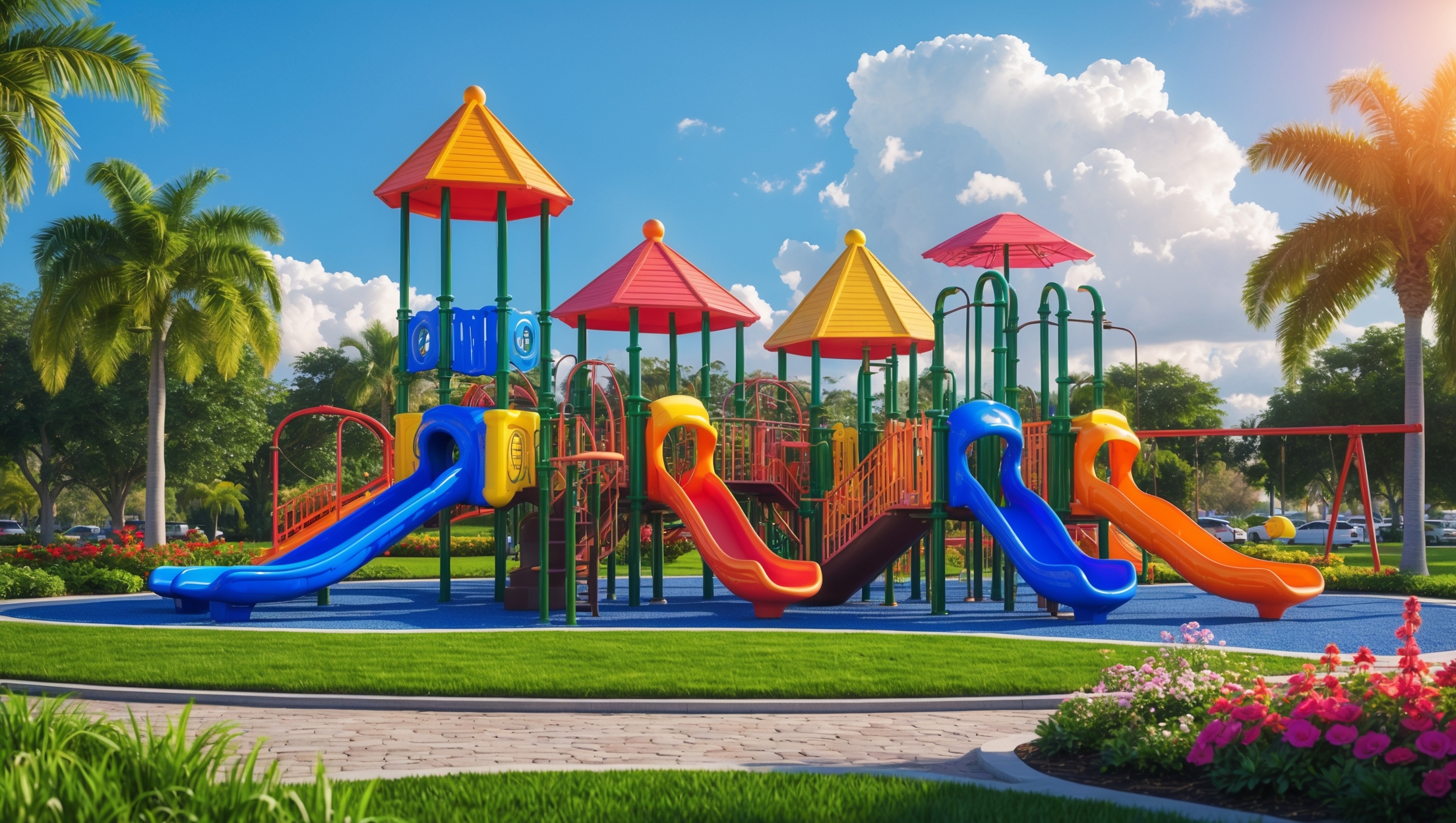
Essential Maintenance for St. Petersburg’s Community Playgrounds: Best Practices & Local Resources

Introduction: Why Playground Maintenance Matters in St. Petersburg
St. Petersburg’s community playgrounds are more than just places for children to climb, swing, and slide—they’re vital gathering spots that bring neighborhoods together, foster creativity, and promote healthy living. With Florida’s humid subtropical climate, these beloved spaces face unique challenges: relentless sun, salt-laden air, summer storms, and high humidity all contribute to wear and tear. Without diligent upkeep, playgrounds can quickly become unsafe or unwelcoming, deterring families and diminishing community spirit. Yet, with a solid maintenance plan, local groups can extend the life of equipment, prevent injuries, and keep these communal hubs vibrant year-round. This guide delivers practical, expert-backed strategies for maintaining St. Pete’s community playgrounds, addressing everything from routine inspections and seasonal tasks to leveraging local resources and navigating city compliance. Whether you’re a volunteer, neighborhood organizer, or city partner, you’ll find actionable advice to ensure your playground remains a safe, inviting oasis for years to come.
Understanding St. Petersburg’s Playground Landscape
Common Playground Types and Materials
Community playgrounds in St. Petersburg range from modest neighborhood pocket parks to elaborate multi-structure spaces in larger city parks. Equipment is typically made from:
- Metal: Slides, swings, and climbing frames often use powder-coated steel or aluminum.
- Plastic: Molded slides, tunnels, and panels for durability and color variety.
- Wood: Occasionally found in older installations, but less common due to Florida’s humidity and termites.
- Surfacing: Engineered wood fiber, rubber mulch, poured-in-place rubber, or sand.
Each material presents distinct maintenance needs—metal can rust, plastics can fade or crack, and surfacing materials can degrade or shift with heavy use and weather.
Unique Environmental Challenges in St. Petersburg
- Salt Air: Accelerates corrosion on metal components, especially near the waterfront.
- Sun Exposure: Causes color fading, surface cracking, and material brittleness.
- Humidity & Rain: Encourages mold, mildew, and rot, particularly on wood and soft surfaces.
- Storms & Hurricanes: Can litter playgrounds with debris, damage structures, and wash away surfacing.
Being proactive about these factors helps reduce costly repairs and extends playground longevity.
Routine Playground Maintenance: What to Do and When
Weekly Inspections and Quick Fixes
- Visual Safety Check: Walk the playground, looking for broken equipment, loose bolts, sharp edges, or signs of vandalism.
- Surface Debris Removal: Pick up litter, fallen branches, and animal waste. Clear sand or mulch from pathways.
- Spot Cleaning: Wipe down high-touch areas with mild soap and water to reduce sticky residue and germs.
- Report Issues: Use a logbook or digital tracker to note concerns for review and repair prioritization.
Monthly Maintenance Tasks
- Hardware Tightening: Check and tighten bolts, nuts, and screws on swings, slides, and climbing frames.
- Surface Leveling: Rake mulch or sand to maintain even depth (minimum 12 inches for fall zones) and cover exposed roots or concrete.
- Rust & Corrosion Control: Inspect metal components for rust; sand and repaint affected areas using rust-inhibiting primer and outdoor paint.
- Drainage Review: Ensure no standing water is present after rain; clear clogged drains or dig shallow trenches to redirect runoff.
- Signage Check: Ensure safety and age-appropriate signage is visible and legible.
Quarterly and Seasonal Tasks
- Thorough Cleaning: Pressure-wash surfaces (avoid high pressure on plastics), clean rubber mats, and scrub play panels.
- UV Protection Treatment: Apply UV protectant spray to plastics to prolong color and flexibility.
- Pest Inspection: Look for ant hills, wasp nests, or evidence of termites, especially on or near wooden elements.
- Storm Prep: Before hurricane season, check for loose equipment, secure benches, and trim overhanging branches.
- Inventory Update: Review equipment for wear and order replacement parts as necessary.
Special Focus: Safety and Accessibility
Maintaining Safety Compliance
Adhering to national and local safety standards is non-negotiable. In St. Petersburg, playgrounds should meet Consumer Product Safety Commission (CPSC) and ASTM F1487 standards. Key safety checks include:
- Fall Zones: Ensure adequate surfacing beneath and around equipment; repair low or compacted areas promptly.
- Entrapment Hazards: No openings between 3.5 and 9 inches in accessible areas; check for gaps in rails, steps, or ladders.
- Protruding Hardware: Remove or cover any bolts or hooks that could snag clothing.
- Trip Hazards: Level out surfacing and remove roots, rocks, or broken pieces.
Ensuring Accessibility
Playgrounds should be welcoming to all. Regularly:
- Inspect Ramps and Paths: Clear debris; repair cracks and ensure slope compliance with ADA guidelines.
- Maintain Accessible Surfaces: Rake or refill engineered wood fiber or rubber to stay level with entry points.
- Check Adaptive Equipment: Ensure swings, transfer platforms, and sensory panels are in good repair.
Common Maintenance Mistakes to Avoid
- Ignoring Small Issues: Minor cracks or loose bolts can escalate into safety hazards if left unaddressed.
- Improper Cleaning: Avoid harsh chemicals or pressure-washing plastics, which can damage surfaces and accelerate wear.
- Neglecting Surfacing: Worn or uneven surfacing leads to more injuries than faulty equipment. Prioritize its upkeep.
- Overlooking Documentation: Failing to log inspections or repairs can expose organizers to liability and slow down response times.
- Using Non-Compatible Parts: Always use manufacturer-approved components for repairs; substitutes may void warranties or compromise safety.
Seasonal Maintenance Guide for St. Petersburg
Spring
- Deep clean after pollen season.
- Inspect for mold/mildew from winter rains.
- Rake and top off surfacing compacted by winter traffic.
- Refresh paint and UV protection before strong summer sun.
Summer
- Monitor surfaces for heat buildup; install shade sails if feasible.
- Check for rapid plant growth—trim shrubs and overhanging branches.
- Tighten fasteners and check for expansion/contraction damage due to temperature swings.
Fall
- Inspect for storm damage after hurricane season.
- Remove fallen leaves and acorns; these can create slippery surfaces or hide hazards.
- Prepare for increased usage as weather cools.
Winter
- Clean up after heavy rains; check drainage and remove standing water.
- Inspect for and treat rust, especially on metal equipment exposed to damp air.
- Plan for off-season repairs or upgrades when usage is lower.
Tools and Supplies: What Every Volunteer Team Needs
- Adjustable wrenches and socket sets for tightening hardware.
- Rubber mallets and rakes for surfacing maintenance.
- Non-toxic cleaning solutions and soft brushes.
- Handheld pressure sprayer (for safe, controlled cleaning).
- Rust-inhibiting primer and outdoor paint (for touch-ups).
- Protective gloves, safety glasses, and closed-toe shoes.
- First-aid kit for minor scrapes or splinters during workdays.
- Inspection logbook or mobile app for tracking maintenance.
Leveraging Local Resources and Support
City of St. Petersburg Parks & Recreation
The City offers guidance, bulk materials (mulch, sand), and sometimes grants for community playgrounds. Contact the Parks Maintenance division for:
- Official inspection checklists
- Approved surfacing suppliers
- Guidelines for equipment upgrades or replacements
Local Nonprofits and Volunteer Groups
Organizations like Keep Pinellas Beautiful and neighborhood associations often sponsor playground workdays and can provide volunteers, tools, and funding for improvements.
Partnering with Local Businesses
Hardware stores, landscaping companies, and playground equipment suppliers may offer discounts, donations, or technical expertise—especially if you highlight community impact in your outreach.
Documentation and Record-Keeping
Maintaining thorough records isn’t just about efficiency—it’s essential for liability protection and securing future funding. Best practices include:
- Logging each inspection and repair date, issue found, and action taken.
- Photographing problem areas before and after repairs.
- Storing manufacturer manuals and warranty information.
- Tracking volunteer hours for grant reporting.
Responding to Incidents and Emergencies
Despite the best efforts, accidents can happen. Preparedness is key:
- Post clear signage with emergency contacts and location information.
- Keep a stocked first-aid kit in an accessible location.
- Report serious injuries or equipment failures to city officials promptly.
- Temporarily close or cordon off unsafe areas until repairs are completed.
- Document all incidents for insurance and review purposes.
Case Example: Revitalizing Crescent Lake Park’s Playground
In 2023, a coalition of Crescent Lake neighbors noticed their beloved playground’s surfacing had become dangerously compacted, and several swing chains showed visible rust. By organizing monthly volunteer workdays, they:
- Partnered with the city to source new mulch and replacement hardware.
- Developed a rotating inspection schedule and trained volunteers using Parks Department checklists.
- Secured a small grant from a local foundation for UV protectant sprays and new signage.
Within six months, injury reports dropped to zero, and the playground saw a 30% increase in family use. Their transparent documentation proved invaluable for future fundraising and city partnerships.
Conclusion: Sustaining Safe, Welcoming Playgrounds for St. Pete’s Future
Playgrounds are community treasures, but their vibrancy and safety hinge on consistent, knowledgeable maintenance. In St. Petersburg, where the elements pose persistent challenges, taking a proactive and organized approach ensures that local children and families always have a safe, joyful place to gather. By establishing regular inspections, addressing small issues quickly, and leveraging city and community resources, even volunteer-led playgrounds can thrive for decades. Remember, maintenance is a team effort—engage neighbors, document your work, and celebrate successes. The reward is visible every day in the laughter and energy of those who use the space. Make your maintenance plan a living document, adapt to seasonal needs, and don’t hesitate to reach out for local support. With dedication and the right practices, St. Pete’s playgrounds will remain dynamic community anchors for generations to come.
If our neighborhood group wants to start a maintenance routine for our local playground, where should we begin when it comes to meeting city compliance standards, and are there local resources or agencies that can help us with inspections or training?
To meet city compliance standards, start by reviewing St. Petersburg’s playground safety guidelines and maintenance requirements, which are typically available through the city’s Parks and Recreation Department. You can also contact them directly for advice, inspection schedules, and details on any training workshops they offer. Local agencies or certified playground safety inspectors in the area can provide training sessions and help with regular inspections to ensure everything meets safety standards.
If a volunteer group wants to organize a seasonal inspection or basic repairs, what local resources or city contacts should we reach out to first, and are there any quick training opportunities available for parents to help out safely?
To get started, your group should contact St. Petersburg’s Parks and Recreation Department, as they oversee local playgrounds and can guide you on permissions and safety standards. They often coordinate community volunteer efforts and may provide basic training or refer you to workshops for safe playground maintenance. Parent volunteers can also access safety guidelines and checklists through the department or ask about upcoming orientation sessions.
As a parent, I’m concerned about how quickly the Florida sun and humidity can damage playground equipment. How often should communities in St. Petersburg do inspections or maintenance on plastic and metal structures to keep them safe and looking nice?
In St. Petersburg’s climate, it’s best to inspect playground equipment—especially plastic and metal structures—at least once a month. The sun and humidity can cause fading, cracks, or rust more quickly than in cooler regions. Regular monthly checks help spot early signs of damage, allowing for prompt cleaning, repairs, or repainting to keep the playground both safe and inviting for children.
I noticed the article mentions different surfacing materials like engineered wood fiber and rubber mulch. In terms of long-term maintenance costs and durability, which surfacing option holds up best in St. Pete’s climate?
In St. Petersburg’s warm, humid, and rainy climate, rubber mulch generally offers better durability and lower long-term maintenance costs compared to engineered wood fiber. Rubber mulch doesn’t decompose, compact, or require frequent topping off like wood fiber does. It also drains well after rain, making it a practical option for local playgrounds aiming for longevity and consistent safety.
With the mix of surfacing materials like engineered wood fiber and rubber mulch noted in the article, is there any advice on which one tends to hold up better in Florida’s high humidity and heavy summer storms? Are there long-term cost differences to consider?
Engineered wood fiber often requires more frequent top-ups and can break down faster in Florida’s humidity and storms, leading to higher ongoing maintenance. Rubber mulch generally holds up better against moisture, resists mold, and maintains its cushioning longer, resulting in fewer replacements over time. While rubber mulch has a higher upfront cost, it usually proves more cost-effective in the long run due to lower maintenance and longer lifespan in Florida’s climate.
We are a small neighborhood group with a tight maintenance budget. Are there local resources or city programs in St. Pete that can help us get affordable materials or services for repairing our rubber mulch and metal equipment?
St. Petersburg offers a Community Support Program through the Parks and Recreation Department that sometimes assists with playground improvements for neighborhood groups. You can also check with local hardware stores for community discounts, and some nonprofits may donate materials or services. Contacting the city’s Neighborhood Relations office is a good starting point to learn about specific assistance and possible mini-grants.
Our neighborhood is thinking about organizing regular playground inspections, but none of us have experience. Are there local resources or organizations that offer training for volunteers on what to look for during these routine checks?
You’re on the right track wanting proper training for playground inspections. In St. Petersburg, the city’s Parks and Recreation Department often provides guidance and may offer training sessions for community volunteers. Additionally, organizations like the National Recreation and Park Association sometimes collaborate locally to educate volunteers on safety standards and inspection checklists. It’s a good idea to contact your local parks department to ask about upcoming sessions or available materials.
Our neighborhood has a mix of older wood components and newer plastic panels on the playground. Given the risk of termites and wood rot in this area, is it more cost-effective to regularly treat the wood or just plan on replacing with plastic over time?
In St. Petersburg’s climate, regular wood treatment can help extend the life of your existing structures, but costs add up, especially if termites or rot are already present. Over time, replacing wood with durable plastic panels often proves more cost-effective and reduces maintenance needs. If your budget allows, a phased transition to plastic components is usually a smart long-term investment.
When considering different surfacing options for playgrounds in St. Pete, like engineered wood fiber versus rubber mulch, is one more resilient to the area’s heavy rains and humidity over time? I’m trying to figure out what lasts longer and requires less frequent upkeep.
In St. Petersburg’s humid and rainy climate, rubber mulch typically outlasts engineered wood fiber. Rubber mulch doesn’t decompose, drainages better, and resists mold and compaction from heavy rains, so it needs less frequent replenishing or raking. Engineered wood fiber can break down faster and may require more maintenance, especially with constant moisture. For longevity and lower upkeep, rubber mulch is usually the better choice here.
For community groups working with a limited budget, what are the most cost-effective maintenance practices you’d recommend for prolonging the life of metal and plastic playground equipment in St. Petersburg’s climate?
For community groups on a tight budget, regular cleaning is key—simply washing equipment with mild soap and water helps prevent buildup that can cause wear. Inspecting for rust on metal parts and applying touch-up paint as soon as rust appears prevents bigger repairs. For plastic, check for cracks and address them early to stop further damage. Lubricate moving parts as needed, and remove debris from surfaces to avoid moisture buildup, which can accelerate deterioration in St. Petersburg’s humid climate.
How often should community volunteers schedule full safety inspections for playgrounds here, especially considering the rapid wear from salt air and storms? Is there a recommended checklist specific to St. Petersburg’s environmental challenges?
In St. Petersburg’s coastal climate, it’s a good idea for community volunteers to carry out full playground safety inspections at least every three months, or more frequently after major storms. The article suggests focusing on issues like corrosion from salt air, loose hardware, damaged surfacing, and mold or mildew. While there isn’t a city-specific checklist, tailoring national standards to include checks for rust, UV fading, and storm debris is recommended for our local conditions.
I’m considering switching our playground surfacing from sand to rubber mulch, but I’m not sure if it holds up better against Florida’s storms and humidity. Could you share any experience or research on how these materials compare over time in St. Petersburg?
Rubber mulch tends to perform better than sand in Florida’s humid and storm-prone climate. Unlike sand, rubber mulch doesn’t compact as easily after rain, drains more quickly, and resists mold and mildew. Over time, sand can be washed away or become a breeding ground for insects, while rubber mulch generally stays in place and requires less frequent replenishment. Many local playgrounds have made this switch for these reasons.
Do you have recommendations on how to spot early signs of rust or plastic fading on playground equipment before it becomes a larger safety issue? I want to help keep our park safe but am not sure what to look for during inspections.
When inspecting for rust, look for any discoloration, flaking, or rough patches on metal surfaces—these can appear as orange or brown spots, especially near bolts, joints, or welds. For plastic fading, check for areas where colors look noticeably lighter, chalky, or brittle compared to the rest of the equipment. Early cracks or a powdery residue when touched are also warning signs. Regularly wiping down and closely observing high-use sections helps catch these issues early.
For a small neighborhood group trying to maintain an older playground with some wood structures, how should we prioritize repairs given the humidity and termite issues? Is it usually better to treat the wood or start budgeting for replacement?
With St. Petersburg’s humidity and termite risks, focus first on inspecting wood for structural damage or rot. Treating wood with quality sealants and termite-resistant products can extend its lifespan if the wood is still sound. However, if you spot extensive damage, start budgeting for replacement with durable, treated materials. Regular inspections help you catch problems early and get the most from existing structures.
How often should routine inspections be done in St. Petersburg playgrounds considering the local climate factors mentioned, like humidity and salt-laden air? Are there specific signs of wear that volunteers should look for more frequently than in other regions?
In St. Petersburg, routine playground inspections should be done at least monthly because the high humidity and salt-laden air can accelerate rust and material fatigue. Volunteers should pay extra attention to metal components for signs of corrosion and weakened joints, as well as plastic parts that may become brittle or faded more quickly. Loose hardware, splintered wood, and slippery surfaces from algae or mold are also important to check more often than in drier climates.
For community groups working with limited budgets, do you have any advice on low-cost ways to address rust on older metal playground equipment, especially considering the salty air here in St. Petersburg? Wondering what’s both effective and realistic for volunteers to tackle.
For groups on a budget, volunteers can remove surface rust from equipment using wire brushes or sandpaper, then wipe the area clean. Afterward, apply a rust-inhibiting primer and a weather-resistant metal paint—these are affordable and help protect against salty air. Make sure work is done on dry days, and check for sharp edges or structural issues as you go. Regular touch-ups can really extend the life of the equipment.
When budgeting for playground upkeep in a small neighborhood park, which materials tend to have the lowest long-term maintenance costs in St. Petersburg’s climate based on your guide?
For St. Petersburg’s humid and rainy climate, the article highlights that recycled plastic and powder-coated metal equipment generally offer the lowest long-term maintenance costs. These materials resist corrosion, fading, and mold better than untreated wood or standard metal, reducing the need for frequent repairs or repainting. Mulch or rubber surfacing for play areas is also recommended for durability and minimal upkeep.
For neighborhoods on a tight budget, what are some cost-effective ways to maintain surfacing materials like rubber mulch or engineered wood fiber in this area? Are there local organizations or city programs that help cover maintenance costs for smaller community playgrounds?
For neighborhoods with limited funds, regular raking and topping off of rubber mulch or engineered wood fiber can help extend their life. Organizing volunteer clean-up days is also helpful. In St. Petersburg, check if the city’s Parks and Recreation Department offers grants or maintenance assistance for small playgrounds, and consider reaching out to local non-profits that support community improvement projects. Neighborhood associations sometimes pool resources to share costs as well.
If a group of parents wants to start a regular maintenance plan for our local playground, what are the first steps we should take and are there any city programs or resources we can use to help with inspections or repairs?
To start a playground maintenance plan, gather a small group of interested parents and schedule regular inspections for litter, equipment safety, and cleanliness. Contact St. Petersburg’s Parks and Recreation Department—they offer guidance, inspection checklists, and sometimes assist with repairs or training. Registering as a volunteer group with the city can also unlock access to tools, materials, and official support for larger projects.
You mention routine inspections and seasonal tasks—could you give some examples of what these inspections should cover specifically for playgrounds exposed to lots of sun and salt air in St. Petersburg?
For playgrounds in St. Petersburg, routine inspections should check for faded, cracked, or brittle plastic surfaces caused by intense sun, and look for rust or corrosion on metal parts due to salty air. Inspect hardware for loosening, check wood for splintering or decay, and ensure all moving parts are lubricated. Pay extra attention to surfacing material, which can degrade faster under these conditions.
Our playground uses engineered wood fiber surfacing, but with Florida’s heavy rains and humidity, we keep having to replace sections. Do you have any specific tips for prolonging its life or recommendations for alternative surfacing that holds up better in St. Pete’s climate?
Engineered wood fiber does tend to break down faster in humid, rainy climates like St. Pete’s. To extend its life, regularly rake and aerate the surface to prevent compaction and encourage drainage, and top up low spots promptly. Installing proper edging and drainage channels can also help. For alternatives, consider poured-in-place rubber or synthetic turf—both require a higher initial investment but typically last much longer and handle Florida’s moisture better.
If a neighborhood volunteer group wants to start implementing some of these best practices, what are the first two or three steps you’d recommend to begin a structured maintenance plan in St. Pete’s climate?
To get started, your group should first perform a thorough inspection of the playground to identify immediate repairs and routine maintenance needs. Next, establish a regular cleaning and inspection schedule, taking into account St. Petersburg’s humid and rainy climate, which can accelerate wear and mold growth. Finally, assign specific tasks to volunteers and keep a simple logbook to track completed maintenance and any issues found.
If our neighborhood playground uses wood and rubber surfacing, how often should we schedule inspections given the storms and humidity here, and are there specific seasonal tasks we should prioritize?
For St. Petersburg’s climate, it’s wise to inspect wood and rubber playground surfaces monthly, especially after major storms. Pay extra attention to signs of rot, warping, or mold in wood, and look for cracks or displacement in rubber. Before and after the rainy season, prioritize deep cleaning, repairs, and ensuring drainage is clear to prevent water damage and slippery surfaces.
I’m looking to help my neighborhood set up a maintenance plan, but we have limited funds. Are there local resources or city programs mentioned in the article that offer financial help or equipment for small volunteer groups doing playground upkeep?
Yes, the article points out that St. Petersburg’s Parks and Recreation Department sometimes provides small grants and lending of basic maintenance equipment to volunteer groups. It’s recommended to contact their Community Partnerships office for current opportunities, as they occasionally run support programs for neighborhoods with limited budgets. Also, local nonprofits sometimes collaborate with the city to offer extra resources or tools for community-led playground projects.
When organizing routine inspections for our neighborhood playground, what common wear or damage should we look for first on metal and plastic equipment given all the salt air and sun exposure? Are there warning signs unique to the St. Pete area?
In St. Pete’s salty, sunny climate, check metal parts first for rust or corrosion, especially at joints, bolts, and welds. On plastic surfaces, look for fading, cracks, or brittleness from UV exposure. Be alert for sharp edges or flaking paint, and make sure fasteners remain tight. It’s also important to watch for surface heat, as sun-exposed equipment can get extremely hot. These issues tend to appear sooner here than in less coastal areas.
With Florida’s humidity and storms causing so much wear and tear, are there particular inspection routines or checklists you recommend for volunteers who might not be maintenance experts but want to keep everything safe between professional visits?
Absolutely, for volunteers, it’s helpful to use a simple checklist during regular walkthroughs. Inspect for loose bolts or hardware, splintered wood, rust, sharp edges, and any broken or missing parts. Check for standing water, slippery surfaces, and clear debris after storms. Also look for signs of mold or algae, especially after humid weather. Reporting any concerns promptly ensures professionals can address issues before they become safety hazards.
With the high humidity and occasional summer storms here in St. Pete, what kind of maintenance schedule would you recommend for older playground equipment that still has a lot of wood parts? Are there specific treatments or inspections we should prioritize?
For older playgrounds with wood components in St. Pete’s humid, storm-prone climate, monthly inspections are ideal—look for rot, splinters, and loose hardware. Clean surfaces regularly and apply a water-repellent wood sealant at least once a year. Prioritize immediate repairs to any damaged or weakened wood. After storms, re-check for new water damage or debris. This routine helps extend the equipment’s lifespan and keeps it safe for children.
What resources or city programs are available specifically for volunteers or local groups looking to stay compliant with playground safety regulations in St. Pete? Is there a checklist or direct point of contact for guidance?
St. Petersburg offers support through its Parks and Recreation Department for groups maintaining playgrounds. They provide safety checklists and can guide you on compliance standards. You can contact the Parks Maintenance Division directly for a current safety checklist and tips. They also have volunteer coordination staff who can answer questions, offer training, and help you stay up to code while organizing community efforts.
Could you clarify how often surfacing materials like rubber mulch or engineered wood fiber should be inspected and replenished in St. Pete, given the heavy rains and sun exposure? We want to make sure our playground stays safe and compliant.
In St. Petersburg’s climate, it’s recommended to inspect playground surfacing materials like rubber mulch or engineered wood fiber at least once a month. Due to heavy rains and intense sun, you may need to replenish these materials two to four times a year to maintain proper depth and safety standards. After major storms, it’s also wise to check for displacement and make prompt adjustments.
For local volunteer groups looking to maintain playgrounds, are there any cost-effective resources or support available from the city to help with repairs, or does most of the budget have to come from fundraising within the neighborhood?
The City of St. Petersburg does offer some support for community playground maintenance. Volunteer groups can apply for small grants or request materials like mulch and paint through the Neighborhood Partnership program. However, for larger repairs or upgrades, neighborhoods often need to fundraise to cover the costs. It’s a good idea to contact the city’s Parks and Recreation Department to find out about current programs and available resources.
I’m curious about how often playgrounds in St. Petersburg should undergo routine inspections, given the harsh climate conditions like humidity and salt air. Is there a recommended frequency or checklist that local groups should follow throughout the year?
Given St. Petersburg’s humid and salty coastal climate, playgrounds should be inspected at least once a month to catch issues caused by corrosion, weathering, or mold. Local groups often use a checklist that covers equipment stability, surface wear, cleanliness, and any signs of rust or structural damage. More detailed inspections are usually done seasonally, especially after severe weather or heavy use.
When it comes to seasonal maintenance tasks, do local volunteer groups get support from the city in terms of funding or resources, or do most neighborhoods have to raise money on their own for repairs and replacement materials?
Local volunteer groups in St. Petersburg often receive some support from the city, especially with resources like mulch, tools, or guidance from Parks and Recreation staff. However, for larger repairs or replacement materials, many neighborhoods do need to organize their own fundraising or seek grants. City support can vary depending on the specific project and available municipal budgets.
For older playgrounds in the city that still use wooden structures, do you have suggestions on special treatments or products that can help protect the wood from humidity and termites, or is replacement usually the more cost-effective route in Florida’s climate?
For older wooden playgrounds, regular sealing with a high-quality, weather-resistant wood sealant helps protect against humidity and pests. Borate-based treatments are also effective against termites and rot. Annual inspections and prompt repairs are important in Florida’s climate. Replacement may be needed if the wood is structurally compromised, but with consistent maintenance, many wooden structures can be preserved safely and cost-effectively.
If a community group wants to upgrade older wood equipment due to termite risk, are there any local resources or city programs that help with funding or discounts on safer replacements?
St. Petersburg’s Parks and Recreation Department occasionally offers grants or partnerships for playground upgrades, especially when safety is a concern. Community groups can also explore local nonprofit organizations focused on children’s play or neighborhood improvement, as they sometimes provide funding or material discounts. It’s a good idea to contact the city’s Parks and Recreation office directly to ask about current programs and resources tailored to equipment upgrades.
I live near a park that uses engineered wood fiber as surfacing, but it seems to wear down quickly. Are there local programs or resources in St. Petersburg that help neighborhoods replenish or upgrade playground surfacing materials?
St. Petersburg’s Parks and Recreation Department manages many public playgrounds and may offer assistance or guidance for surfacing maintenance. You can contact them to report concerns or ask about their playground surfacing replenishment schedule. Some neighborhoods also organize volunteer days or apply for local grants to help upgrade playground materials. Reaching out to your neighborhood association or city council representative can connect you with programs or resources specific to your area.
When planning a maintenance schedule for a community playground, how often should surfacing materials like engineered wood fiber or rubber mulch be replaced or replenished to stay compliant with city safety standards?
Engineered wood fiber typically needs to be replenished at least once a year, but you should check depth regularly to maintain the recommended safety level, usually 9-12 inches. Rubber mulch lasts longer and usually requires replenishment every 3-5 years. Frequent inspections are key, as heavy use or weather can affect how often you need to top up either material to stay within city safety guidelines.
Can you give examples of common issues that pop up after summer storms here and what immediate steps volunteers or organizers should take to make sure the playground is safe before letting kids back on?
After summer storms in St. Petersburg, common playground issues include debris like branches or litter, standing water creating slippery surfaces, loose or damaged equipment, and muddy or eroded ground. Volunteers should first clear all debris, check for water hazards, inspect equipment for looseness or breakage, and make sure walking surfaces are stable. Any damaged equipment should be cordoned off until fixed, and all hazards should be reported and addressed before reopening the playground.
I noticed you mention metal equipment can rust due to the salt-laden air in St. Petersburg. What types of repair products or preventive treatments work best for dealing with rust in this specific climate?
In St. Petersburg’s salty air, using a rust-inhibiting primer and marine-grade paint on metal playground equipment is especially effective. For existing rust, treat it first with a wire brush or sandpaper, then apply a rust converter before painting. Stainless steel parts or applying a protective sealant can also help prevent new rust from forming.
I noticed you mentioned that older playgrounds might still have wooden equipment, even though it’s less common due to humidity and termites. If our neighborhood still has some wooden structures, what are the best ways to prevent damage from the Florida elements without having to do a full replacement right away?
To help wooden playground structures last longer in Florida, regularly inspect for signs of rot, termites, or splintering. Apply a weather-resistant sealant or wood preservative annually to protect against moisture and sun damage. Clear away leaves and debris to keep the wood dry, and trim back plants to limit humidity around the equipment. Promptly repair any minor cracks or loose boards to prevent bigger problems.
You mention that St. Petersburg’s playgrounds use different kinds of surfacing like engineered wood fiber and poured-in-place rubber. Is there a particular type of surfacing that’s proven to last longer or require less maintenance in the Florida climate, especially with the humidity and storms?
Poured-in-place rubber surfacing generally lasts longer and needs less maintenance compared to engineered wood fiber, especially in Florida’s humid and storm-prone environment. Rubber surfaces are less affected by rain, don’t erode or compact as quickly, and are easier to clean. Wood fiber, while cost-effective, can decompose faster with moisture and often needs to be topped up or raked after storms.
If a community group wants to get started on a maintenance plan but isn’t sure about city compliance rules, where’s the best place to find clear guidelines specific to St. Petersburg?
The best place to find clear, city-specific maintenance guidelines is the St. Petersburg Parks and Recreation Department. They can provide official requirements and advice for playground upkeep. You can contact them directly or visit their website for documents on compliance, safety inspections, and approved materials. This will ensure your plan meets all local regulations.
I’m curious if the city offers any local resources or cost-sharing options for neighborhoods wanting to upgrade older wooden play areas since they’re harder to maintain here? We have a few in our area, and termites are always an issue.
St. Petersburg does provide some local resources, such as guidance from the Parks and Recreation Department on playground upgrades and maintenance. In certain cases, neighborhoods can apply for grants or cost-sharing programs, especially if the playground is open to the public. It’s a good idea to contact the city directly to discuss your specific play areas and see if your neighborhood qualifies for assistance with upgrades or termite prevention.
What’s the usual process if we want to organize a volunteer group for routine inspections and repairs at our local playground? Do you have advice on coordinating with city compliance and obtaining necessary resources in St. Pete?
To organize a volunteer group for playground inspections and repairs in St. Petersburg, start by contacting the city’s Parks and Recreation Department. They can guide you on required permissions, safety standards, and any training needed. Be sure to coordinate with them for scheduling and reporting any issues you find. For resources, the city may provide tools or materials, or suggest approved vendors if repairs are beyond volunteer scope. Keeping open communication with city officials helps ensure your group’s efforts meet compliance and make a real difference.
I noticed you mentioned rubber mulch and poured-in-place rubber as surfacing options. In your experience, which of these holds up better to Florida’s heavy summer rains and heat without frequent repairs or replacements?
Poured-in-place rubber generally stands up better to Florida’s intense rain and heat compared to rubber mulch. It forms a seamless, solid surface that resists washing away and doesn’t scatter during storms, while mulch can shift or erode and may need to be topped off more frequently. If long-term durability with less maintenance is your goal, poured-in-place is usually the better investment for our climate.
What are some common signs of early weather-related damage to look out for on plastic slides and metal frames in our local playgrounds? If issues like cracks or rust appear, what are the first steps a neighborhood group should take to address them before they worsen?
On plastic slides, early weather-related damage often shows up as fading, surface cracks, or areas that feel brittle. For metal frames, look for peeling paint, rust spots, or rough patches. If you spot these issues, start by cleaning the affected area and marking it off from play if safety is a concern. Notify your local parks department or property manager promptly and document damage with photos for reference. Early action helps prevent bigger repairs later.
Our neighborhood has a mix of rubber mulch and older wood surfaces in the play area. Does Florida’s humidity make one material noticeably safer or longer lasting than the other for kids?
Florida’s humidity can affect playground surfaces differently. Rubber mulch tends to last longer and resists mold, rot, and compaction better than wood mulch, especially in humid conditions. Wood mulch may break down faster, attract mold or pests, and require more frequent replacement. For safety and durability in St. Petersburg’s climate, rubber mulch generally performs better, but regular checks and maintenance are still important for both materials.
Is there a recommended surfacing material that holds up best against Florida’s intense sun and summer storms, or do you suggest a combination of different types for greater durability?
For Florida’s harsh sun and heavy rains, rubberized poured-in-place surfacing is highly recommended due to its UV resistance and excellent drainage. Some communities also combine this with engineered wood fiber in shaded areas for cost-effectiveness, but rubberized surfacing alone tends to last longer and requires less maintenance in St. Petersburg’s climate.
In the article, you mention that Florida’s humidity and termites make wood less common for playground equipment. For neighborhoods that still have older wooden play structures, what specific maintenance steps do you recommend to keep them safe and lasting longer in St. Pete’s climate?
For older wooden play structures in St. Pete, regular inspections are key. Check for splinters, cracks, and signs of rot or termite damage every few months. Sand rough edges, seal exposed wood annually with a weather-resistant, non-toxic sealant, and promptly replace any damaged boards. Keep the area clear of debris and maintain good drainage to prevent moisture buildup. These steps help extend the lifespan and safety of wood playgrounds in our humid climate.
For neighborhood organizers trying to stretch limited budgets, are there particular maintenance tasks that offer the highest impact when done regularly? It would be helpful to know which upkeep strategies help prevent the biggest safety or repair issues over time.
Focusing on regular inspections and prompt removal of hazards like broken equipment, sharp objects, or trash provides the greatest impact for safety and longevity. Checking for loose bolts, damaged surfaces, and wear on swings or slides helps prevent costly repairs down the line. Consistent cleaning, proper surfacing upkeep, and quick attention to drainage issues also reduce long-term maintenance expenses.
Given St. Petersburg’s humid climate and issues like metal rust and plastic fading, what inspection frequency do you recommend for routine safety checks, especially during the rainy summer months when equipment might deteriorate faster?
In St. Petersburg’s humid and rainy climate, it’s wise to schedule routine playground safety inspections at least once a month during the summer. After any heavy rainfall or severe weather, a quick follow-up check is also recommended to catch early signs of rust, loose fittings, or fading plastics. This proactive approach helps maintain safety and extends the lifespan of your equipment.
How often should neighborhood groups in St. Petersburg be doing routine inspections on playgrounds, considering the unique climate challenges like humidity and salt in the air? Are there certain times of year when problems are more likely to crop up?
Neighborhood groups in St. Petersburg should aim to inspect playgrounds at least once a month due to the area’s high humidity and salty air, which can accelerate wear and corrosion. It’s especially important to check more frequently during and after the rainy season, as extra moisture can reveal or worsen issues like rust, mold, or slippery surfaces. Spring and late summer are key times to be extra vigilant.
Could you elaborate on the recommended frequency for routine inspections given the high humidity and salt-laden air in St. Petersburg? I’m wondering if national guidelines are sufficient or if local conditions call for more frequent checks.
In St. Petersburg, the combination of high humidity and salt in the air can accelerate wear and corrosion on playground equipment. While national guidelines often recommend monthly inspections, local conditions suggest it’s wise to increase frequency—ideally, perform routine inspections every two weeks. This helps catch early signs of rust, mold, or structural issues unique to our climate, ensuring safety and longevity.
If a playground’s wood structures start showing signs of termite damage due to the local climate, what are the recommended first steps for repair, and is there a particular way to treat the area to prevent future infestations?
If you notice termite damage in playground wood structures, start by isolating the affected area and removing any visibly compromised wood. Next, consult a licensed pest control professional to fully assess the infestation and treat the area with approved termiticides. For long-term prevention, use pressure-treated lumber and regularly apply protective wood sealants. Also, keep mulch and soil away from direct contact with the wood to reduce future risk.
For neighborhood groups working with limited budgets, are there local resources or programs in St. Petersburg that can help provide affordable replacement parts or surfacing materials that hold up well in Florida’s climate?
Neighborhood groups in St. Petersburg can reach out to the city’s Parks and Recreation Department, which sometimes offers guidance or surplus materials for playground upkeep. Local nonprofits and community grant programs may also help with funding or supplies. For durable materials suited to Florida’s climate, consider contacting regional suppliers who specialize in weather-resistant playground products, as they sometimes offer discounts for community projects.
I noticed wood is less common due to humidity and termites, but if a community playground still has wooden equipment, what are the best maintenance practices to minimize rot and pest issues in St. Petersburg’s climate?
In St. Petersburg’s humid climate, wooden playground equipment requires extra care. Seal all wood surfaces yearly with a weather-resistant, non-toxic sealant to block moisture. Regularly inspect for cracks, splinters, and signs of termite damage. Promptly replace any damaged or rotting wood. Keep the area around the equipment clear of debris and vegetation to discourage pests. Consider using treated lumber or naturally resistant woods like cedar, which fare better in Florida’s conditions.
I’m curious about the routine inspection schedules mentioned — how often should community volunteers in St. Pete be checking different playground materials like metal or rubber surfacing, given the intense humidity and storms?
In St. Petersburg’s humid and storm-prone climate, it’s recommended that community volunteers inspect metal playground equipment and rubber surfacing at least once a week during the wet season. Look for signs of rust, corrosion, loose bolts on metal, and cracks or wear in rubber surfaces. After any major storm, an additional check is wise to catch immediate damage or hazards. Regular monthly deep inspections will help catch issues before they become serious.
If a community group wants to start a regular inspection schedule for their neighborhood playground, what are some key things to look for during each season, especially considering St. Pete’s heavy summer storms?
For St. Pete’s playgrounds, regular inspections should focus on different issues each season. In summer, after storms, check for standing water, slippery surfaces, and loose mulch. Make sure equipment isn’t damaged by wind or lightning. In fall and winter, clear fallen leaves and debris that could cause hazards, and check metal for rust. Spring is a good time to tighten bolts and repaint if needed. Year-round, watch for vandalism, worn parts, and ensure safety surfacing stays intact.
For those of us organizing community volunteer days, do you have suggestions for affordable local resources or city programs that might help cover the cost of replacing wood surfacing or tackling bigger repairs in older playgrounds?
You might want to reach out to the City of St. Petersburg’s Parks and Recreation Department, as they sometimes offer grants or materials for community-led playground repairs. Also, local hardware stores or lumber yards may provide discounts or donations for volunteer projects. Connecting with neighborhood associations can sometimes uncover small funding opportunities specifically for upgrades like surfacing or structural repairs.
For neighborhood groups working with limited funds, what are some practical steps to prioritize when developing a maintenance plan for older playgrounds, especially those with older wooden structures that are more vulnerable in St. Pete’s environment?
Start by regularly inspecting for splinters, rot, and loose hardware on wooden equipment, as St. Pete’s humidity can accelerate wear. Prioritize repairing unstable or broken parts first to ensure safety. Clean and seal wooden surfaces annually to protect against moisture and sun damage. Assign volunteers to handle basic upkeep like trash removal and surface raking. Consider partnering with local businesses for donations of materials or services to stretch your budget further.
With so many surfacing options like rubber mulch, poured-in-place rubber, and engineered wood fiber, how do maintenance costs and durability stack up over time in the St. Petersburg climate? Are there any local grants or programs that help cover upgrades if a neighborhood wants to improve their playground’s surfacing?
In St. Petersburg’s humid, sunny climate, poured-in-place rubber tends to last the longest but also has the highest upfront and occasional repair costs. Rubber mulch is lower maintenance but may need topping up due to displacement. Engineered wood fiber is the least expensive initially, but requires regular raking and more frequent replacement. The city and Pinellas County sometimes offer grants for playground upgrades—check with the St. Petersburg Parks and Recreation Department for current options and application details.
For volunteers taking care of smaller neighborhood playgrounds, what are the most essential routine checks we should do to stay ahead of issues caused by Florida’s humidity and storms? Is there a simple checklist the city provides, or are we on our own for figuring out what to monitor?
For smaller playgrounds, it’s important to regularly inspect for rust on metal equipment, check for loose bolts, clean up debris, and look out for mold or slippery surfaces caused by humidity. While the city doesn’t always provide a specific checklist, you can contact your local parks department for any available guidelines. Creating your own routine checklist based on common issues—like drainage, safety surfacing, and structural stability—can also be very effective.
Since older playgrounds in St. Petersburg might still have wooden equipment, are there any specific maintenance routines or treatments recommended for protecting wood in Florida’s humid climate, especially against termites or rot?
For wooden playground equipment in Florida’s humid climate, it’s best to regularly inspect for signs of rot, mold, or termite damage. Use weather-resistant sealants or stains specifically designed for exterior wood, applied every 1–2 years. Ensure any damaged or splintered areas are sanded and repaired promptly. For termite prevention, consider using treated wood or applying a borate-based wood preservative. Keeping the wood clean and well-ventilated also helps reduce moisture buildup.
With Florida’s humidity and salt in the air, how often should our neighborhood playground equipment be inspected for rust or signs of wear? I want to make sure we aren’t missing the early warning signs that could lead to unsafe conditions.
In Florida’s humid and salty environment, it’s wise to inspect playground equipment at least once a month for rust, corrosion, and general wear. Pay close attention to metal surfaces, joints, and hardware, as these areas are most vulnerable. After storms or heavy rains, consider doing an extra check. Regular inspections help catch issues early, ensuring the playground remains safe for everyone.
If a neighborhood group wants to access local resources for playground upkeep, are there specific city programs or grants available in St. Pete that support volunteer maintenance efforts, or is most support handled by the parks department?
Neighborhood groups in St. Petersburg can definitely get involved in playground maintenance. The city offers programs like the Adopt-A-Park initiative, which supports volunteer groups in caring for local parks and playgrounds. There are occasional small grants and supply donations for approved community projects, but routine maintenance and repairs are mainly managed by the Parks and Recreation Department. It’s a good idea to contact the department directly to discuss partnership opportunities and any current volunteer support programs.
If a neighborhood group wants to check for safety hazards on older wooden structures, what are the main signs of damage from humidity or termites we should look for? Is there a recommended inspection schedule for wooden playgrounds specifically in this climate?
When checking older wooden playground structures in St. Petersburg, look for soft, spongy, or crumbling wood, blistering or peeling paint, mold or mildew, and small holes or mud tubes which can indicate termites. Loose joints and rusted hardware may also signal moisture damage. Given the humid climate, it’s best to conduct thorough inspections at least quarterly—especially during and after rainy seasons—to catch problems early and ensure safety.
What are some practical steps a neighborhood group should take if they want to partner with the city for playground maintenance? Is there a certain approval process or city department that handles community-led upkeep initiatives in St. Petersburg?
To partner with the city for playground maintenance, your group should first contact the St. Petersburg Parks and Recreation Department—they oversee public playgrounds and community programs. Start by expressing your interest and asking about volunteer or partnership opportunities. Typically, there’s an application or proposal process, which may include background checks, project outlines, and city approval. The Parks department can guide you on requirements, safety standards, and how to coordinate your efforts with official city maintenance schedules.
If a neighborhood group wants to start doing regular inspections, is there a checklist for seasonal tasks specific to St. Petersburg’s weather? Also, do you have advice on affordable resources or city programs that can help volunteers get started?
Yes, you can create a seasonal checklist tailored for St. Petersburg’s climate. In spring and summer, focus on checking for mold or slippery surfaces due to humidity, inspect for rust after rain, and trim overgrown plants. In fall, clear debris and ensure drainage is working before heavy rains. Winter is milder, but still check for storm damage and wear. For affordable resources, reach out to the city’s Parks and Recreation Department—they often offer training sessions, provide suggested checklists, and may supply basic tools or materials for volunteer groups.
Our playground has some older wood structures, and I’m worried about termites and moisture damage. Do you have suggestions for affordable treatments or signs we should look for before things get unsafe?
For older wood playground structures, keep an eye out for soft or crumbling wood, blistered surfaces, or small holes, which can signal termite or moisture issues. Affordable treatments include applying a borate-based wood preservative to deter termites and using water-repellent sealant to protect against moisture. Regular inspections and prompt repairs of damaged areas are important to keep things safe for everyone.
I noticed you mentioned that wood is less common in playgrounds here because of humidity and termites. For communities that still have older wooden structures, what are the most important maintenance steps to prevent rapid deterioration in St. Petersburg’s climate?
For older wooden playground structures in St. Petersburg, it’s important to regularly inspect for signs of rot, splintering, or termite damage. Apply a weatherproof sealant annually to help protect against moisture. Remove any debris around the base to prevent trapped moisture, and promptly replace any damaged boards. Regularly checking for loose fasteners and keeping the structure clean will also extend its lifespan in our humid climate.
Could you explain how often we should inspect the different types of surfacing like rubber mulch versus engineered wood fiber? I want to make sure our small park stays safe year-round, but I’m not sure what kind of schedule makes sense here with the heavy summer storms.
For a small park, both rubber mulch and engineered wood fiber should be inspected at least weekly, especially during and after heavy summer storms. After storms, check for washouts, displacement, or compaction. Engineered wood fiber may need raking and top-offs more often due to its tendency to shift. Rubber mulch generally stays in place better, but still watch for pooling water and debris. Regular checks help keep your playground surfaces safe and compliant.
Our neighborhood park still has older wooden equipment, and I worry about both humidity and termites. Are there updated guidelines or city resources for treating or replacing wood structures in Florida’s climate?
Older wooden playground equipment in Florida does face extra challenges from humidity and pests like termites. The city of St. Petersburg recommends using treated or naturally rot-resistant woods and scheduling regular inspections for signs of decay or insect activity. You can contact the city’s Parks and Recreation Department for current guidelines and to discuss available assistance or recommended contractors for upgrades. They can also share tips on ongoing maintenance or options for replacing aging equipment with more durable materials.
Our neighborhood park has mostly plastic equipment, and I’ve noticed some fading and small cracks starting to show. Are there particular products or methods you’d recommend for repairing and protecting plastic playground features in St. Pete’s intense sun and humidity?
Plastic playground equipment can definitely suffer from St. Pete’s strong sun and humidity. For fading, applying a UV-protectant spray made for outdoor plastics helps restore color and adds a protective layer. For small cracks, use a plastic epoxy or repair kit designed for playground use—clean the area first, then follow the product instructions. Regularly washing the surfaces and applying protectant every few months can extend the life of the equipment.
The article mentions different types of playground surfacing like engineered wood fiber and poured-in-place rubber. Are there particular materials that hold up better against the Florida climate, or does maintenance frequency vary greatly depending on which surface is used?
In Florida’s hot and humid climate, poured-in-place rubber generally holds up better over time compared to engineered wood fiber, as it resists mold, compaction, and washouts from heavy rain. However, it can get hot in direct sun. Engineered wood fiber requires more frequent topping up, raking, and inspection for hazards due to quick decomposition and displacement. So, maintenance needs are higher for wood fiber, while rubber surfaces need less frequent but still regular checks for cracks or wear.
For community volunteers who are new to this, what are the first maintenance steps you suggest for older playgrounds with some wooden structures, especially considering termite risk and the local climate? Any cost-effective resources you could point us to would be helpful.
For older playgrounds with wooden structures, begin by thoroughly inspecting all wood for signs of rot, splinters, or termite damage. Address any loose or damaged boards immediately, sanding rough surfaces and replacing unsafe pieces. Cleaning with mild soap and water helps remove mold and mildew, especially in humid St. Petersburg weather. Applying a sealant designed for outdoor wood can help protect against moisture and pests. For cost-effective resources, consider contacting local hardware stores for community discounts or seeking donated materials from neighborhood businesses and lumber yards.
We’ve noticed the metal parts on our playground get rusty pretty quickly in St. Pete’s climate. Are there any specific coatings or routine treatments that work best for preventing rust with all the salt and humidity here?
Salt and humidity in St. Petersburg definitely speed up rust on playground equipment. For the best protection, look for marine-grade paints or powder coatings specifically designed to withstand coastal conditions. Regularly applying a rust-inhibiting primer before repainting metal parts can also help. It’s a good idea to inspect and touch up any scratches or chips at least twice a year to maintain that protective barrier.
For neighborhoods considering replacing older wooden playground structures, how does the long-term maintenance cost compare between switching to powder-coated steel versus newer types of plastic equipment in this area?
Powder-coated steel playground equipment generally has lower long-term maintenance costs than older wood, as it resists weather and pests, though you’ll need to check for rust and repaint chips. Newer plastics, like high-density polyethylene, are also low-maintenance and won’t rust, fade, or splinter, but can be more expensive upfront. In St. Petersburg’s humid, coastal climate, both options outperform wood, but plastic typically requires the least ongoing maintenance.
If our community group wants to organize routine inspections like you suggest, how often should we check things like surfacing material or look for signs of damage, given the heavy summer storms and humidity downtown?
For playgrounds in downtown St. Petersburg, especially with heavy summer storms and high humidity, it’s best to inspect surfacing material and look for damage every week during the rainy season. After any major storm, do an extra check for erosion, debris, or unsafe conditions. The rest of the year, try to inspect at least once or twice a month to keep everything safe and well-maintained.
For neighborhood groups working with a tight budget, which maintenance tasks should be prioritized to get the most impact in keeping playgrounds safe and welcoming, especially with issues like rust on metal and fading plastic from the sun?
For groups with limited budgets, focus first on addressing safety hazards like rust on metal equipment, since this can weaken structures and cause injuries. Sand down rust and repaint affected areas with weather-resistant paint. For fading plastic, clean surfaces regularly and use UV-protective sprays if possible. Prioritize regular inspections, removing litter, and checking for loose bolts or broken parts. These basic steps help keep playgrounds both safe and inviting.
Could you share more about how often routine inspections should be done given the weather challenges in St. Petersburg, like the frequent storms and salt air? I’m curious if there’s a recommended schedule that balances safety and effort for volunteers.
In St. Petersburg, the combination of storms and salty air means playground equipment can wear out faster. Generally, routine inspections should happen monthly, but after severe weather like heavy storms or hurricanes, a quick inspection is wise. For volunteer-run playgrounds, setting a consistent monthly check, plus post-storm walk-throughs, helps keep things safe without being overwhelming.
When organizing a neighborhood group to help with playground upkeep, what are some practical ways to keep track of routine inspections or seasonal tasks? Are there any local resources or templates for maintenance checklists that you’d recommend?
To keep track of routine inspections and seasonal tasks, consider creating a shared digital calendar or spreadsheet where volunteers can sign up for specific dates and responsibilities. Color-coding tasks by season or urgency makes it easy to organize. For checklist templates, the City of St. Petersburg’s Parks and Recreation Department often provides sample maintenance forms. You can also adapt templates from the National Recreation and Park Association to fit your playground’s needs.
You mentioned that St. Petersburg’s climate can cause metal playground equipment to rust and plastics to crack or fade. Are there specific coatings or materials that handle the sun and humidity better, or is replacement the only long-term solution?
There are definitely coatings and materials designed to better withstand St. Petersburg’s sun and humidity. For metals, look for powder-coated or galvanized finishes, which resist rust much longer than standard paint. For plastics, UV-stabilized plastics are less likely to crack and fade. Applying protective sealants annually can also help. Replacement isn’t always necessary if you use these materials and maintain them regularly.
You talked about different surfacing materials like rubber mulch and engineered wood fiber. For our small park that gets hit hard by summer storms, which surface is easiest and most cost-effective to maintain over time, especially with heavy rainfall and shifting?
For a small park in St. Petersburg that faces heavy summer storms, poured-in-place rubber or rubber tiles are generally easier and more cost-effective to maintain over time compared to loose-fill options like engineered wood fiber or rubber mulch. Rubber surfacing is less likely to wash away or shift after heavy rainfall, and it usually requires less frequent replenishing or leveling, saving on long-term maintenance.
You mention local groups leveraging community resources for upkeep. Could you explain what types of resources are most useful—are there particular city programs, grants, or volunteer opportunities that can help with costs or provide expertise for smaller neighborhoods?
Local neighborhoods in St. Petersburg often benefit from city-run grant programs, such as small-scale improvement grants, which can help offset costs for repairs and upgrades. Volunteer days organized by local parks departments or neighborhood associations are also valuable, as they bring in community members to help with maintenance. In addition, there are city-led workshops where residents can learn playground safety and upkeep skills, which is especially helpful for smaller neighborhoods with limited budgets.
I’m curious how St. Pete neighborhood groups coordinate with the city when it comes to reporting or fixing more serious issues like loose bolts or broken swings. Are there local hotlines or apps, or is it mostly handled through volunteers?
For more serious playground issues like loose bolts or broken swings, St. Pete neighborhood groups usually report them directly to the city’s Parks and Recreation Department. Residents can use the city’s SeeClickFix app or call the municipal hotline to submit maintenance requests. While volunteers help with general upkeep, city staff handle repairs that require specialized skills or tools. This partnership helps keep playgrounds both safe and well-maintained.
Could you clarify what the city’s compliance requirements are for seasonal inspections or repairs? I want to make sure our volunteer group doesn’t overlook anything when working on our playground.
St. Petersburg requires seasonal playground inspections to follow safety standards set by the Consumer Product Safety Commission (CPSC) and ASTM guidelines. This means checking equipment for wear, ensuring surfaces have proper impact absorption, and documenting all repairs or adjustments. It’s important to keep records of your inspections and any maintenance performed. The city also recommends using certified playground safety inspectors to review your work, especially after major repairs or before the busy seasons.
Do you have any cost-effective recommendations for maintaining playground surfacing like engineered wood fiber or rubber mulch in smaller neighborhood parks, especially when dealing with drainage after heavy summer storms?
For smaller parks, regular raking and topping up of engineered wood fiber or rubber mulch helps maintain even coverage and proper drainage. After storms, check for pooling water and redistribute surfacing to low areas. Installing simple French drains or gravel trenches along problem spots can be a low-cost way to improve drainage. Also, scheduling routine inspections after heavy rain will help catch and fix issues early, preventing bigger problems.
I noticed the article mentions that wood is less common in St. Pete playgrounds because of humidity and termites. For playgrounds that do have older wooden structures, what are the best ways to prevent termite damage or rot, and how often should those areas be checked?
For older wooden playground structures, regular inspection and treatment are key. Sealing or painting the wood with weather-resistant finishes helps prevent moisture intrusion and rot. Applying a non-toxic, child-safe termite treatment annually offers protection against pests. All exposed wood should be checked at least every 3 to 6 months for signs of soft spots, splintering, or insect activity to catch issues early.
Given Florida’s high humidity and frequent storms, how often should volunteers or neighborhood groups actually be inspecting playground equipment for rust or damage to ensure the safety of kids?
In Florida’s climate, it’s best to inspect playground equipment for rust or damage at least once every month. High humidity and frequent storms can speed up wear and corrosion, so checking after major storms is also wise. Regular monthly checks can help catch issues early and keep the playground safe for kids.
Could you clarify how often community playgrounds in this area should schedule full routine inspections to stay compliant with city regulations? I want to make sure our small nonprofit is setting realistic expectations and budgeting for any professional help that might be required.
In St. Petersburg, community playgrounds should generally have full routine inspections at least once every year to meet city regulations. However, more frequent checks—such as quarterly or biannual reviews—are recommended for areas with high use. For budgeting, plan for an annual professional inspection, but consider setting aside resources for additional spot checks, especially after severe weather or heavy usage.
I’m part of a neighborhood volunteer group trying to organize routine playground inspections. Does the city offer any training or resources for volunteers to help spot safety issues, or are we expected to figure that out ourselves?
The City of St. Petersburg does offer resources to help volunteers with playground safety. You can contact the Parks and Recreation Department to request guidance or access their safety checklists. Occasionally, they also hold training sessions for community volunteers on how to identify and report hazards. It’s a good idea to reach out to them directly to find out about upcoming opportunities and available materials.
Given the challenges with Florida’s humidity and salt-laden air, do you have any tips for identifying early signs of rust or deterioration on metal playground equipment before it becomes a safety hazard?
Humidity and salty air can accelerate rust on playground equipment. Check for early signs like discoloration, rough or flaking spots on surfaces, and small bubbles under paint, which can indicate rust forming underneath. Pay close attention to joints, bolts, and seams, as moisture often collects there. Running your hand along metal rails can help you feel spots that are starting to roughen. Regular inspections—especially after rainy periods—will help you catch problems before they become serious.
What does a routine inspection actually look like for a St. Petersburg playground? Are there particular things we should be checking more frequently due to the local climate, and does the city offer any resources or checklists to help volunteers?
A routine inspection in St. Petersburg usually covers checking play equipment for loose bolts, rust, cracks, and broken parts, as well as inspecting surfacing for hazards like debris or trip risks. Given our humid, rainy climate, look closely for mold, slippery surfaces, and corrosion on metal parts. The city often provides volunteer support materials—contacting the Parks and Recreation Department can connect you to inspection checklists and maintenance guidance tailored for local conditions.
Given how Florida’s humidity and salty air can damage metal equipment, are there specific types of rust-resistant coatings or maintenance schedules that work best for playgrounds in St. Petersburg?
Florida’s humid and salty conditions do require special attention for playground equipment. Using powder-coated or galvanized steel is highly effective, as both offer strong resistance to rust. For added protection, applying marine-grade epoxy coatings can help shield metal surfaces from corrosion. It’s best to inspect and clean equipment monthly, promptly touch up any scratches, and reapply protective coatings every 1–2 years, depending on wear and manufacturer recommendations.
You talk about several surface materials like rubber mulch, engineered wood fiber, and sand for St. Petersburg playgrounds. How do you decide which surface type is best for both safety and long-term durability in Florida’s weather?
Choosing the best playground surface in Florida involves considering both safety standards and how materials handle local weather. Rubber mulch absorbs impact well and resists mold, making it great for safety and durability. Engineered wood fiber is also safe but may require more frequent upkeep due to humidity. Sand is affordable but can become compacted or harbor debris. Balancing these factors, many opt for rubber mulch or engineered wood fiber, ensuring they meet national safety standards and suit your budget and maintenance capacity.
Could you elaborate on recommended inspection schedules for different playground materials in St. Petersburg, especially given the region’s intense sun and humidity? I’m curious if metal, plastic, and wood structures should be checked at different intervals due to these environmental factors.
Absolutely, inspection schedules can vary based on the material. For metal structures in St. Petersburg’s climate, monthly checks are best to spot rust or heat damage. Plastic components should be inspected every 1–2 months, since sun exposure can cause fading or brittleness. Wooden structures need monthly inspections as well, focusing on moisture damage, splinters, and rot. The intense sun and humidity accelerate wear, so frequent checks help keep playgrounds safe and well-maintained.
When it comes to surfacing materials like engineered wood fiber versus poured-in-place rubber, how do their long-term maintenance needs and costs compare, especially considering the heavy rains and shifting ground we get each summer in St. Petersburg?
Engineered wood fiber generally needs regular raking, topping up, and replacement, especially after heavy rain or shifting ground, which can cause displacement and faster breakdown. Poured-in-place rubber costs more upfront but typically requires less frequent maintenance—mainly surface inspections and occasional patching. However, repairs can be more expensive and may be needed if the ground shifts significantly. In St. Petersburg’s climate, wood fiber often ends up with higher ongoing costs, while rubber offers greater durability but a higher initial investment.
I’m helping out with a neighborhood playground and was wondering—when it comes to surfacing materials like rubber mulch versus engineered wood fiber, which holds up better during Florida’s heavy rains, and is one easier to maintain long-term?
Rubber mulch tends to hold up better in Florida’s heavy rains because it doesn’t absorb water and dries out quickly, so flooding has less impact. Engineered wood fiber can compact or wash away during storms and may need more frequent topping off. In terms of maintenance, rubber mulch generally stays in place and lasts longer, though it may require occasional cleaning for debris.
Given the challenges mentioned with Florida’s humidity and salt-laden air, do you recommend any specific maintenance routines or products for metal playground equipment in St. Petersburg to minimize rusting over time?
To protect metal playground equipment in St. Petersburg, it’s important to regularly wash surfaces with fresh water to remove salt residue. Apply a high-quality rust-inhibiting primer and paint designed for coastal environments at least once a year. Periodically inspect for chips or scratches and touch up immediately. Lubricate moving metal parts with a marine-grade lubricant. These steps will help minimize rust and extend the equipment’s lifespan in Florida’s challenging climate.
After reading about city compliance and local resources, I’m wondering what the first steps are if a neighborhood group wants to organize a DIY fix for minor wear and tear—are there any specific permits or city programs we should look into before starting repairs?
If your neighborhood group wants to tackle minor repairs on a community playground, it’s important to first contact the city’s Parks and Recreation Department. Even for small fixes, you may need a maintenance permit or prior approval to ensure all work meets safety and regulatory standards. The city also offers volunteer programs that provide guidance and sometimes resources for community-led projects, so reaching out can help you get started the right way.
For a neighborhood group considering a volunteer-based maintenance plan, what are some practical first steps in making sure we comply with city regulations while keeping metal and plastic equipment in good shape year-round?
To start, reach out to the St. Petersburg Parks and Recreation Department to learn about city maintenance standards and any required permits for volunteer work. Request official inspection checklists, so your group can follow city-approved routines when cleaning and monitoring playground equipment. Schedule regular inspections for both metal and plastic surfaces, looking for rust, cracks, and loose parts, and use gentle, non-abrasive cleaners suitable for each material. Keep a log of all maintenance activities in case the city needs documentation.
If our neighborhood group wants to prioritize upgrades but has a limited budget, do you suggest focusing first on addressing rust on metal equipment or refreshing faded plastic panels? Which is more urgent for safety in St. Pete’s conditions?
Addressing rust on metal equipment should be your top priority because rust can weaken structural parts and create sharp edges, posing a safety hazard for children. In St. Pete’s humid and salty climate, rust tends to spread quickly. Faded plastic panels usually impact appearance more than safety, so those can be tackled after the metal equipment is secure.
You mention the need for routine inspections and seasonal tasks for playground maintenance. Could you provide an example annual maintenance schedule tailored to St. Pete’s climate, especially considering the salt air and heavy summer storms?
Certainly! For St. Pete’s climate, an example schedule would include monthly checks for rust, corrosion, and loose hardware due to salt air. In spring, inspect for wear from winter weather and lubricate moving parts. Before summer storms, clear drains, secure loose equipment, and trim nearby trees. After major storms, inspect surfaces, check for water damage, and remove debris. In fall, clean any mold or mildew and repaint or treat metal areas prone to rust. This routine addresses the local climate’s specific challenges.
For neighborhood groups doing volunteer maintenance, what are some cost-effective strategies for dealing with rust on metal playground equipment, considering our salty coastal air? Is repainting enough or should we be looking at other preventive approaches?
Repainting is a good start, but in St. Petersburg’s salty air, it’s best to take extra steps. Begin by removing all rust thoroughly with wire brushes or sandpaper. Apply a rust converter to any stubborn spots before priming with a rust-resistant primer. After repainting, use a topcoat designed for marine or coastal environments. Regular inspections and spot-treating new rust will help extend the life of the equipment.
How do local groups typically handle the costs of routine playground inspections and repairs, especially for surfacing materials like poured-in-place rubber or engineered wood fiber? Are there city grants or partnerships available to help manage the budget for smaller neighborhood parks?
Local groups usually cover the costs of routine playground inspections and repairs through a mix of fundraising, volunteers, and budget allocations from homeowner associations or neighborhood groups. For larger expenses like surfacing repairs, some groups seek assistance from city grants or partner with local businesses. St. Petersburg does offer occasional grant opportunities and partnerships that can help smaller parks manage these costs, so it’s worth reaching out to the city’s Parks and Recreation Department for current programs or advice.
When scheduling routine playground inspections, is there an optimal frequency suggested for St. Pete’s unique environment, or should it vary seasonally given the impact of heavy summer storms and humidity?
For St. Petersburg, it’s wise to schedule playground inspections at least monthly due to the region’s high humidity and frequent heavy summer storms. Increased inspections during and after the rainy season can help catch storm-related damage early. Adjusting frequency seasonally—inspecting more often in summer and after severe weather—ensures safety and keeps equipment in good shape.
I’m curious about the ongoing costs involved in maintaining different surfacing materials like engineered wood fiber versus poured-in-place rubber for playgrounds in St. Pete. Are there significant differences in upkeep expenses or long-term performance in this climate?
Engineered wood fiber generally requires more frequent maintenance in St. Pete, such as regular raking, topping up, and checking for decomposition due to humidity and rain. Poured-in-place rubber has a higher initial cost but lower routine upkeep—mostly cleaning and occasional repairs for cracks or fading. Over time, poured rubber can be more cost-effective due to its durability in the local climate, while wood fiber may need more frequent replacement and attention.
If we want to revitalize an older playground with some wooden structures, do you have advice on affordable maintenance or treatments that can help protect the wood from humidity and termites in St. Petersburg?
To protect older wooden playground structures in St. Petersburg’s humid climate, regular sealing with a weatherproof wood sealant is important. Look for products labeled as water-repellent and suitable for outdoor use. For termite prevention, apply a borate-based wood preservative before sealing. Inspect the wood yearly for signs of decay or insect damage, and clean surfaces to remove mold or mildew. Using these affordable treatments can extend the life of your playground structures.
With Florida’s weather being so harsh on playground materials, how often should surfaces like rubber mulch or engineered wood fiber be replaced or refilled to keep things safe? Are there specific signs of wear that we should look out for?
In Florida’s tough climate, playground surfaces like rubber mulch or engineered wood fiber often need to be refilled or replaced every 1 to 3 years, depending on use and weather exposure. Watch for thinning layers, exposed ground, excessive compaction, or large bare patches—these are signs safety might be compromised. Regular checks and topping off as needed will help keep the play area safe and comfortable.
Could you share any advice or local resources for finding affordable replacement parts or surfacing materials? Our PTO is trying to update our playground on a tight budget, and I’m not sure where to start looking in the St. Pete area.
For affordable replacement parts or surfacing materials in St. Petersburg, consider reaching out to local hardware stores, salvage yards, or Habitat for Humanity ReStores—they sometimes carry gently used or surplus materials at lower prices. It’s also worth contacting local playground equipment suppliers, as they may have clearance items or recommend budget-friendly options. Networking with other PTOs or neighborhood associations can help uncover shared resources or bulk purchasing opportunities as well.
Our playground uses engineered wood fiber for surfacing, but after heavy rains it seems to shift and expose hard spots. Are there best practices for maintaining this type of surface in Florida’s conditions, or should we be considering switching to something like poured-in-place rubber for longer-term durability?
Engineered wood fiber does require regular raking and top-off, especially after Florida’s heavy rains, to keep an even, impact-absorbing surface. Compacted or thin areas should be promptly leveled and replenished. If frequent washouts or maintenance are a challenge, poured-in-place rubber is more durable and drains well, though it has a higher upfront cost. Evaluating your maintenance resources and budget can help determine the best fit for your playground.
When dealing with older playgrounds that still have wood elements, what are some practical steps for protecting them from Florida humidity and termites before considering full replacement? Would you recommend sealing or regular treatments, or is it more cost-effective to just start planning for upgrades?
For older playgrounds with wood elements, sealing exposed wood and applying regular treatments with wood preservatives are practical ways to protect against Florida’s humidity and termites. Check for early signs of damage and make spot repairs as needed. While these steps help extend the wood’s life, if you notice extensive rot or pest issues, it may be more cost-effective long-term to start planning for replacement or upgrades.
As someone who has volunteered for playground maintenance days in St. Pete neighborhoods, I’m curious what the article recommends for checking and maintaining metal equipment to combat rust, especially with our salty air. Are there specific coatings or products you’ve found work best over time?
The article highlights that regular inspection for rust on metal playground equipment is crucial, especially in St. Pete’s salty air. It suggests cleaning metal surfaces and promptly sanding off any rust spots. For protection, it recommends using high-quality, marine-grade paints or rust-inhibitive coatings, which are designed to withstand coastal conditions. Products like epoxy-based primers followed by a weather-resistant enamel topcoat tend to offer the best long-term protection in our area.
I’m curious, with the high humidity and salt air here in St. Pete, how often should we be treating or inspecting metal playground equipment for rust? Is there a specific type of coating or paint that works best in our climate?
In St. Pete’s humid, salty environment, it’s smart to inspect metal playground equipment for rust at least every 2 to 3 months. For protection, look for marine-grade, zinc-rich primers and finish with high-quality epoxy or polyurethane coatings. These options resist corrosion much better and help metal last longer despite the tough coastal conditions.
Can you elaborate on the process or requirements for neighborhood groups to stay compliant with city standards when maintaining community playgrounds? Are there specific inspections or documents we need to submit regularly?
To stay compliant with St. Petersburg city standards, neighborhood groups should follow a routine maintenance schedule and document all inspections and repairs. The city typically requires regular safety inspections of playground equipment, and records of these inspections should be kept on file. You may also need to submit periodic reports or maintenance logs to the local Parks and Recreation Department. It’s a good idea to check directly with the department for any specific forms or submission deadlines relevant to your playground.
You mentioned that wooden structures are less common due to termites and humidity issues. For neighborhoods that still have older wooden playgrounds, what’s the most effective way to prevent deterioration and keep them safe until they can be upgraded?
For older wooden playgrounds, regular inspections are key—look for splinters, rot, and loose hardware. Apply a weather-resistant sealant annually to protect against moisture and termites. Promptly repair damaged sections and replace any rotting wood. Keeping the area clear of mulch buildup and debris can also help prevent pest infestations and moisture retention, improving safety until upgrades are possible.
When working with older playgrounds that still use wood components, what are some practical steps local volunteers can take to minimize termite damage and weathering, considering the unique climate challenges outlined in the article?
For older playgrounds with wood components, volunteers can help by regularly inspecting for signs of termites or rot, promptly replacing damaged boards, and applying weather-resistant sealants annually. In St. Petersburg’s humid climate, keeping wood surfaces clean and free of debris helps reduce moisture and pest attraction. Ensuring good drainage around structures also limits wood exposure to damp conditions, further protecting against weathering and insects.
For smaller neighborhood groups with limited budgets, what are the most cost-effective ways to maintain engineered wood fiber or rubber surfacing? Are there local resources or city programs that can help offset these maintenance costs?
For smaller groups on tight budgets, regular raking and debris removal are key for maintaining both engineered wood fiber and rubber surfacing efficiently. Consider organizing volunteer clean-up days to spread out the labor. The City of St. Petersburg sometimes offers neighborhood mini-grants and may provide mulch or surfacing materials at reduced cost, so it’s worth reaching out to the city’s Parks and Recreation Department to inquire about current programs or assistance.
Since St. Petersburg playgrounds often use materials like metal, plastic, and even wood in older structures, what kind of inspection schedule would you recommend for each material type to catch early signs of wear, especially with the humidity and storms here?
For St. Petersburg’s climate, it’s wise to inspect metal playground parts monthly for rust or corrosion, particularly after storms. Plastic components should be checked every 2-3 months for fading, cracks, or sharp edges, as sun and humidity can cause deterioration. For wooden structures, inspect every month for splinters, rot, insect damage, and loose hardware, since wood is especially vulnerable to moisture. After severe weather, a quick overall inspection of all materials is also recommended.
I’m part of a neighborhood group looking to revamp our older wooden playground. Since the article mentions that wood is less common now, do you recommend replacing it entirely due to termites, or are there effective maintenance methods for wooden structures in St. Pete?
Wooden playgrounds can be preserved with regular inspections, sealing, and prompt repairs, but in St. Petersburg’s humid climate, termites and rot are persistent risks. If your current structure is showing significant damage or decay, replacement with more durable materials like metal or composite is often safer and more cost-effective in the long run. However, if the wood is still in good condition, consistent treatment with sealants and addressing any pest issues can extend its life.
For playgrounds in St. Petersburg that still have older wooden structures, are there maintenance techniques or treatments recommended for reducing termite and moisture damage given the high humidity, or is complete replacement usually the only viable long-term solution?
For older wooden playgrounds in St. Petersburg, ongoing maintenance can help prolong their lifespan despite the humidity. Regularly applying sealants or wood preservatives designed for moisture and termite resistance is important, as is inspecting for rot or infestations several times a year. Promptly repairing any damage and ensuring good drainage around the structures also makes a difference. However, over time, even with diligent care, complete replacement with more durable materials may become necessary for safety and long-term cost-effectiveness.
Our neighborhood has an older wooden play structure, which I know isn’t as common anymore. Is it worth trying to preserve it in this climate, or should we be planning to replace it with something more suitable for Florida’s weather?
Wooden play structures can be charming, but Florida’s humid and rainy climate can speed up rot, warping, and insect damage. If your structure is still in good shape, regular sealing, inspections, and repairs can help extend its life. However, if you notice significant deterioration or safety concerns, replacing it with a more weather-resistant material like metal or composite might be a better long-term solution.
What are some specific signs that indicate when playground surfacing materials like rubber mulch or engineered wood fiber need to be replaced rather than just refilled or repaired in St. Pete’s climate?
Signs that playground surfacing materials need full replacement include significant thinning or bare spots where the surface no longer cushions falls, widespread mold or mildew due to St. Pete’s humidity, strong odors, excessive dust or splinters (for wood fiber), or visible rubber breakdown like crumbling or sticky patches. If these issues cover large areas or persist after attempted repairs or refills, it’s usually time for a complete replacement to maintain safety standards.
I noticed you mentioned both rubber and engineered wood fiber as common surfacing materials. Could you elaborate on which one tends to last longer in our climate, and how often each should be replaced or replenished?
In St. Petersburg’s humid and sunny climate, rubber surfacing typically lasts longer than engineered wood fiber. Rubber surfaces can last 8–12 years with proper care, though they may need occasional repairs. Engineered wood fiber usually needs to be replenished every 1–2 years, as it breaks down more quickly due to rain and frequent use. Regular inspections help determine when resurfacing or replenishing is needed.
Our community group has a tight budget for playground upkeep. Which materials tend to be most cost-effective over time here, given the harsh sun and storms? Are there local resources or programs mentioned that help with sourcing durable or replacement parts affordably?
For St. Petersburg’s climate, recycled plastic and powder-coated metal are generally the most cost-effective playground materials, as they resist sun damage, rust, and require less frequent replacement than wood. The article highlights that the city’s Parks and Recreation Department sometimes offers surplus materials, and local nonprofits may assist groups with discounted parts. It’s worth contacting these organizations to explore available programs for affordable maintenance supplies.
I’m curious if you have any tips on selecting between engineered wood fiber and poured-in-place rubber for playground surfacing in this area. Which one tends to hold up better against St. Pete’s heavy summer storms and constant humidity?
Poured-in-place rubber generally holds up better in St. Petersburg’s climate. It resists moisture, drains quickly, and doesn’t decompose or get washed away like engineered wood fiber can during heavy storms. Humidity and rain can cause wood fiber to compact or grow mold over time, while rubber surfacing remains durable and low maintenance. If long-term durability and ease of upkeep are priorities, poured-in-place rubber is the stronger choice for this area.
Are there any local organizations or city programs that help neighborhood groups with the costs or labor involved in maintaining older wood playground structures? Wood seems to require more attention here, and I’d appreciate tips on securing support.
In St. Petersburg, neighborhood groups can often seek assistance from the city’s Parks and Recreation Department, which sometimes partners on community playground projects. There are also local nonprofits and neighborhood associations that organize volunteer days or provide grants for playground upkeep. It’s a good idea to contact your neighborhood association and the city to ask about available programs or funding. Regular communication with these groups can help secure both labor and resources for maintaining older wood playground structures.
Our playground uses rubber mulch surfacing, but after heavy summer storms it tends to wash away and expose bare patches. Are there recommended best practices or products for keeping loose-fill materials like this in place despite Florida’s weather conditions?
Maintaining rubber mulch in Florida’s wet climate can be tricky. Installing proper edging around the play area is crucial—it helps keep the mulch contained during heavy rains. Consider using deep, sturdy borders made of plastic, rubber, or timber. Periodically raking and replenishing the mulch will also help cover bare patches. Some playgrounds also use landscape fabric underneath to improve drainage and minimize washout. Regular inspections after storms ensure you can address any displacement quickly.