
St. Petersburg Community Seed Libraries: Setup, Success Metrics, and Sustainability Strategies

Introduction: Planting the Seeds of Community Connection
Community seed libraries are blossoming across St. Petersburg, FL, uniting neighbors in a shared mission: preserving biodiversity, encouraging urban gardening, and strengthening local food resilience. These grassroots initiatives offer free access to seeds, gardening know-how, and a platform for exchanging ideas, making them a natural fit for St. Pete’s community-driven spirit. But while the concept is simple—take seeds, leave seeds, grow together—the execution requires careful planning. How do you set up a seed library that truly takes root? How can you measure impact beyond the number of seeds distributed? And what strategies ensure your project thrives season after season, rather than sprouting one year only to wither the next? This guide digs deep into launching and sustaining a seed library in St. Petersburg, from selecting the right location and structure to tracking success and fostering long-term community engagement. Whether you’re a local organizer, urban gardener, or advocate for food justice, you’ll find actionable insights tailored to St. Pete’s unique climate, culture, and opportunities.
Understanding Community Seed Libraries: More Than Just Seeds
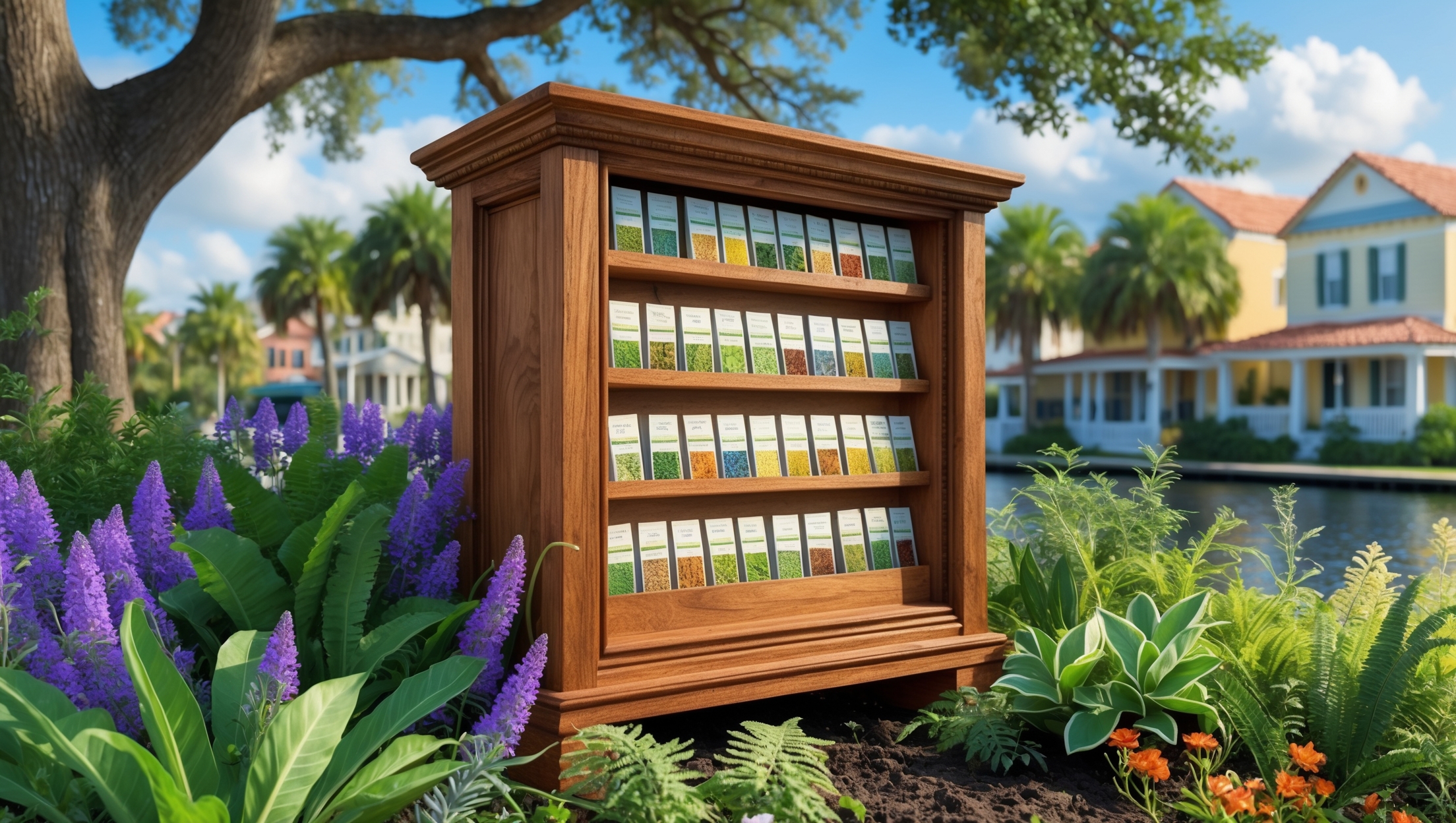
A community seed library is a public or semi-public resource where individuals can borrow, donate, and exchange seeds. Typically housed in a weatherproof box, repurposed bookshelf, or small cabinet (often placed near community centers, libraries, or gardens), seed libraries promote the cultivation of diverse plant varieties and the sharing of gardening knowledge. In St. Petersburg, where urban agriculture is gaining momentum and food insecurity remains a challenge in some neighborhoods, seed libraries are emerging as catalysts for education, empowerment, and environmental stewardship.
- Accessibility: Open to all, often free of charge, and strategically located in high-traffic community spaces.
- Diversity: Aims to preserve local and heirloom plant varieties, vital for Florida’s unique climate.
- Education: Offers workshops, printed guides, and community events on planting, harvesting, and seed saving.
- Reciprocity: Encourages users not just to take seeds but to save seeds from their harvest and return them, supporting sustainability.
Step-by-Step: Setting Up Your Seed Library in St. Petersburg
Choosing the Right Location
Your library’s visibility and accessibility will determine its reach and impact. Consider:
- Partnering with Public Institutions: St. Petersburg public libraries, recreation centers, and local schools often welcome community projects and provide a steady flow of visitors.
- Community Gardens: Ideal for on-site engagement and cross-promotion with active gardeners.
- Neighborhood Hubs: Coffee shops, churches, or apartment complex lobbies can be unconventional but effective locations—just ensure property owners are on board.
Scout for shaded spots to protect seeds from direct Florida sun and areas that are secure yet accessible during daylight hours.
Designing a Weatherproof, Inviting Structure
St. Pete’s humid and storm-prone climate demands a robust setup. Options include:
- Upcycled Cabinets: Repurpose old library card catalogs or wooden mailboxes, sealing them with exterior paint and weatherstripping.
- Custom Builds: Enlist local carpenters or makerspaces for a well-ventilated box with a sloped roof, raised base, and lockable doors.
- Waterproof Labeling: Use laminated or plastic labels for seed packets and library instructions.
Decorate with locally inspired art or community murals to foster neighborhood pride.
Sourcing and Cataloging Seeds
The heart of your library is its seed collection. Focus on:
- Locally Adapted Varieties: Prioritize seeds that thrive in St. Pete’s subtropical climate—think Seminole pumpkin, okra, Southern peas, and native wildflowers.
- Donations: Reach out to local gardeners, farmers’ markets, and regional seed companies. Host seed drives or swaps to jump-start your inventory.
- Easy-to-Save Crops: Beans, peas, sunflowers, and lettuce are ideal for beginners learning seed saving.
Catalog each packet with the plant’s name, variety, origin, date collected, and brief growing instructions. Organize by season (cool vs. warm weather crops) for user convenience.
Setting Guidelines and Clear Instructions
To ensure fair usage and sustainability, post simple, visible guidelines:
- Take only what you need for your garden.
- Label all seed donations with plant name and date.
- Return saved seeds whenever possible.
- Contact info for questions or to report issues.
Launching Your Seed Library: Community Engagement Tactics
Build buzz through:
- Social media announcements in local Facebook groups and Nextdoor posts.
- Flyers at farmers’ markets, nurseries, and neighborhood gathering spots.
- Partnerships with local schools or youth groups for educational projects.
- Kickoff event: Host a seed swap, gardening demo, or short workshop to introduce the concept and recruit volunteers.
Success Metrics: Measuring the Impact of Your Seed Library
Beyond anecdotal feedback, tracking concrete metrics is essential for sustaining support and guiding improvements. Consider these success indicators:
1. Usage and Participation Rates
- Log the number of seed packets borrowed and donated monthly.
- Track unique visitors (use a simple sign-in sheet or QR code check-in, respecting privacy).
2. Seed Return Rate
- Monitor the percentage of distributed seeds that are returned as saved seeds the following season.
- Set realistic goals: A 10–25% return rate is typical for new projects, with potential to increase as community knowledge grows.
3. Crop Diversity
- Count the number of unique plant varieties offered each season.
- Aim for a mix of vegetables, herbs, and native flowers.
4. Outreach and Education
- Document workshops held, attendance figures, and topics covered.
- Collect participant feedback to refine future programming.
5. Community Impact Stories
- Gather testimonials from gardeners who successfully grew crops from your seeds.
- Share stories and photos (with permission) on social media and newsletters to inspire broader participation.
Sustainability Strategies for Long-Term Success
Initial enthusiasm can fade without careful stewardship. Here’s how to nurture your seed library for the long haul:
Building a Volunteer Network
- Recruit a core team to share responsibilities: restocking, organizing events, managing social media, and maintaining the structure.
- Offer regular volunteer appreciation events—garden tours, potlucks, or seed-saving workshops.
Partnering with Local Organizations
- Collaborate with St. Pete’s community gardens, food co-ops, and environmental nonprofits for cross-promotion and resource sharing.
- Seek support from local nurseries or seed companies for periodic seed donations.
Rotating Stock and Preventing Seed Deterioration
- Set a quarterly schedule for removing old or expired seeds (most seeds remain viable for 1–3 years, but humidity can shorten this).
- Store backup stock in airtight containers with silica gel packets, especially during the rainy season.
Adapting to Seasonal and Community Needs
- Adjust your seed offerings before each planting season—early spring and late summer are key times in St. Pete.
- Solicit suggestions from users via surveys or suggestion boxes to keep offerings relevant.
Securing Funding and Resources
- Apply for microgrants from local foundations or city programs dedicated to sustainability or food security.
- Host annual fundraisers: garden plant sales, seed-themed art auctions, or community dinners featuring locally grown produce.
Compliance, Safety, and Best Practices
While seed libraries are low-risk, it’s wise to cover your bases:
- Legal Considerations: Florida has no state laws restricting non-commercial seed sharing among individuals. However, avoid distributing patented or genetically modified seeds.
- Safety: Inspect the library structure regularly for damage, mold, or pests. Keep the area tidy and weed-free.
- Data Privacy: If collecting user information (for workshops or surveys), clearly state how it will be used and stored.
- Signage: Post contact info for reporting issues, and list any rules regarding seed donations (e.g., no invasive species).
Case Example: The Green Thumb Exchange at Bartlett Park
Launched in 2022, The Green Thumb Exchange is a volunteer-run seed library located next to Bartlett Park Community Garden. With partnerships spanning the local master gardener program and a nearby elementary school, the project quickly gained traction. Key lessons from their experience include:
- Hosting monthly “seed sorting parties” built camaraderie and ensured a fresh, well-organized stock.
- Tracking participation through a simple journal helped demonstrate impact to potential funders.
- Collaborative events—such as a “Pollinator Plant Giveaway”—drew in new users and expanded awareness of the library’s mission.
The Green Thumb Exchange now boasts over 40 unique seed varieties and a steady flow of donations and returns, serving as a model for new projects citywide.
Conclusion: Growing Together for a Greener St. Pete
Launching a community seed library in St. Petersburg is about far more than distributing packets of seeds—it’s about cultivating connections, knowledge, and a shared vision for a greener, more resilient city. By focusing on local needs, building strong community partnerships, and tracking meaningful impact metrics, your project can become a cornerstone of neighborhood empowerment. Remember, sustainability isn’t just about keeping the seed box stocked; it’s about fostering a culture of reciprocity, curiosity, and mutual aid. As you embark on this journey, celebrate small wins, adapt to new challenges, and invite fresh voices into the conversation. In the process, you’ll not only help gardens grow—you’ll nurture the roots of community itself. St. Pete’s fertile ground awaits your ideas. Plant them well, and watch the harvest multiply.
If I wanted to launch a small seed library in my neighborhood, what kind of initial investment or supplies should I expect to need? Is it possible to do this on a tight budget, or are there essential costs I should plan for upfront?
You can definitely start a neighborhood seed library on a tight budget. Essential supplies include containers or envelopes for seeds, basic labeling materials, and a small storage box or cabinet to house the collection. You might also want some signage and simple record-keeping supplies. Many seed libraries begin with donated seeds and reused containers, so upfront costs can be minimal if you tap into community resources and ask for contributions.
Our small business has some extra space in front of our shop in St. Petersburg. Do you have advice on how to choose whether to partner with a community center versus starting a small seed cabinet ourselves to attract local gardeners?
Choosing between partnering with a community center and starting your own seed cabinet depends on your goals and available resources. If you want to build community ties and share responsibilities, partnering with a center can offer support and a built-in audience. Setting up your own seed cabinet gives you flexibility and direct engagement with gardeners, which can attract more foot traffic to your business. Consider your capacity for maintenance, how much community involvement you want, and which option aligns better with your business values.
I’m curious about how seed libraries in St. Petersburg are adapting to the challenges of local climate, like high humidity and hurricanes. Are there specific plant varieties or storage methods that work best for this region?
Seed libraries in St. Petersburg focus on distributing heat- and humidity-tolerant plant varieties, such as okra, southern peas, sweet potatoes, and Seminole pumpkins. For storage, seeds are often kept in airtight or moisture-resistant containers, sometimes with silica gel packets to reduce humidity. Libraries also rotate stock frequently to maintain seed viability, especially during hurricane season when power outages can affect climate controls.
As a small business owner, I’m wondering what kind of success metrics work best for tracking impact beyond the number of seeds given out. Are there examples specific to St. Pete where organizers have measured things like new gardeners engaged or improved food access?
Beyond seed distribution counts, organizers in St. Pete have tracked metrics like the number of new gardeners joining local workshops, participation in community planting days, and surveys on increased home-grown produce. Some have partnered with food pantries to monitor how many families report better access to fresh vegetables. Tracking repeat visitors and garden plot creation in neighborhoods can also show broader community impact.
You mention the importance of measuring success beyond just counting the number of seeds distributed. Could you elaborate on what other impact metrics you recommend tracking for long-term sustainability and community engagement?
Besides tracking seeds distributed, consider measuring metrics like the number of active participants, repeat visitors, and local gardens started from library seeds. Surveys can capture knowledge gained, changes in gardening habits, and community connections formed. Collecting stories of successful harvests or seed-sharing events also helps gauge impact. These qualitative and quantitative insights together show how the library supports long-term community engagement and sustainability.
If I wanted to help set up a seed library in collaboration with my storefront, what are some common challenges to maintaining seed quality and stock in Florida’s climate, and are there cost-effective strategies to keep the library running through multiple seasons?
In Florida’s humidity and heat, seed quality can decline quickly. Common challenges include moisture causing seeds to mold, and fluctuating temperatures reducing viability. To help, store seeds in airtight containers with silica gel packets, and keep them in a cool, shaded spot in your storefront. Rotate stock regularly and involve the community in seed donations and swaps to maintain variety and supply without high costs. Detailed labeling and education on proper seed collection also help keep the library sustainable over multiple seasons.
If I wanted to collaborate with a local seed library to host educational workshops at my shop, what steps should I take to get involved and ensure it benefits both my business and the community?
To get involved, start by reaching out to the nearest community seed library coordinator and propose your idea for hosting workshops at your shop. Share your goals and suggest possible workshop topics. Work together to plan sessions that appeal to local gardeners while showcasing your business. Promote events through both your networks, and consider gathering feedback afterwards to track community impact and identify ways to improve future collaborations.
Since some neighborhoods in St. Pete face food insecurity, are there partnerships with local schools or food banks to help get seeds to families who might benefit most? What’s worked to make sure those who really need access actually find out about and use the seed libraries?
Yes, several community seed libraries in St. Petersburg have partnered with local schools and food banks to reach families facing food insecurity. These partners help distribute seed packets directly and share information about the libraries. Outreach has worked best through school newsletters, food pantry events, and community workshops, ensuring families not only get seeds but also learn how to use them effectively.
The article mentions tracking success beyond just counting seeds distributed. Could you share examples of specific metrics or feedback methods used by St. Petersburg seed libraries to measure their impact on food resilience or community education?
St. Petersburg seed libraries use several metrics to assess their impact. They gather feedback from participants about whether seeds were successfully grown and harvested, and ask for stories about how the seeds contributed to home or community gardens. They also track workshop attendance, the number of first-time gardeners supported, and collect surveys on increased knowledge of sustainable gardening. These methods help measure both educational outcomes and improvements in local food resilience.
I’m curious about tracking success beyond just counting the number of seeds shared. What are some specific metrics or methods that St. Petersburg seed libraries have used to measure their impact within the community?
St. Petersburg seed libraries have measured impact by tracking not only seeds distributed, but also participant surveys on gardening outcomes, community event attendance, and the number of returning users. Some libraries follow up with members to see if seeds were successfully grown or shared further, and they may collect stories or photos of harvests. These methods help highlight educational and social benefits alongside seed counts.
I noticed you brought up preserving local and heirloom plant varieties. Is there a process for making sure people actually bring back seeds from the same plants, or is it more of an honor system?
The seed libraries mostly operate on an honor system, encouraging members to save and return seeds from the same plants they borrowed. Some libraries provide guidelines on proper seed saving to help maintain plant variety purity, but there usually isn’t a formal enforcement process. Education efforts and clear instructions are key to helping participants return true-to-type seeds and sustain heirloom varieties.
For someone interested in setting up a seed library in one of St. Petersburg’s neighborhoods that faces food insecurity, what are the first steps you would recommend? Are there challenges unique to these areas when it comes to getting community buy-in or keeping the library stocked?
To start a seed library in a neighborhood facing food insecurity, begin by connecting with local community leaders and organizations—they can help identify interested residents and suitable locations. Next, secure initial seed donations or partnerships with local gardeners. In these areas, building trust and showing the benefits of the library are key challenges. Ongoing education, regular community events, and transparent communication help boost participation and keep the seed library stocked and sustainable.
Has anyone run into issues with people taking seeds but not leaving any in return? The idea of ‘take seeds, leave seeds’ sounds great, but I wonder what strategies have worked in St. Pete to keep the libraries stocked and fair for everyone.
Yes, some seed libraries in St. Petersburg have encountered situations where more seeds are taken than returned. To address this, organizers often clearly post guidelines about taking and leaving seeds, and they regularly host community seed donation drives. Volunteers also help monitor stock levels and periodically restock with seeds purchased or donated by local gardeners and organizations. These strategies help ensure the libraries remain accessible and fair for everyone.
You mention placing seed libraries near community centers, but are there any challenges or requirements when setting one up at a business location like a shop or cafe? I’d love to know about permits or partnerships that might make this easier.
Setting up a seed library at a business like a shop or cafe can be a great way to reach more people, but you may need the property owner’s permission and should discuss expectations for maintenance and restocking. Some local regulations might require permits, particularly if you’re distributing seeds to the public. Forming a partnership with the business can help clarify responsibilities and promote the seed library to customers.
What is a realistic timeline to get a small seed library up and running in St. Petersburg, from first planning stages to opening day? Are there any common setbacks I should anticipate as a first-timer?
You can typically set up a small seed library in St. Petersburg within 2 to 3 months, starting from initial planning to opening day. This includes time for finding a location, gathering seeds, organizing volunteers, and promoting the launch. Common setbacks for first-timers include delays in securing a host site (like a library), sourcing enough initial seeds, and getting community buy-in. Allowing some extra time for logistics and outreach can help you stay on track.
If a neighborhood in St. Petersburg faces more food insecurity, are there particular outreach strategies covered in the guide to make sure seed libraries reach those who might benefit the most?
Yes, the article highlights tailored outreach for neighborhoods with higher food insecurity. It suggests partnering with local food banks, community centers, and schools to distribute information and seeds directly where people gather. The guide also recommends hosting pop-up seed library events at farmers markets and collaborating with local leaders to spread awareness, ensuring the seed library is visible and accessible to those who need it most.
I’m interested in starting a seed library near my campus—what are some strategies mentioned in the article for making sure the project doesn’t fizzle out after the first year, especially in a city like St. Petersburg with its unique climate?
To keep your seed library thriving beyond the first year, the article suggests partnering with local gardening groups and schools, regularly organizing seed swaps and educational workshops, and recruiting volunteers who are passionate about gardening. It also highlights the importance of tracking which seeds are popular and well-suited for St. Petersburg’s climate, so you can stock varieties that succeed locally. Regular community engagement and adapting to seasonal needs help maintain interest and sustainability.
I love the idea of these seed libraries popping up around St. Pete, but as a parent with a busy schedule, how accessible are they after work or on weekends? Are most locations open outside of typical business hours, or is access mostly limited to daytime?
Many of the St. Petersburg seed libraries are located within public libraries or community centers, which often have extended evening and weekend hours. While a few may have more limited daytime access, most are designed to accommodate busy schedules. It’s a good idea to check the specific hours of your nearest location, but you should find options available after work and on weekends.
Could you share more about how seed libraries in St. Petersburg track success beyond just counting how many seeds are given out? Are there specific community engagement or diversity metrics that organizers have found most useful?
Organizers in St. Petersburg often track success by gathering feedback from seed borrowers about their planting experiences and whether the seeds contributed to successful gardens. They also monitor participation in workshops, the return rate of seeds after harvest, and the diversity of people using the library. Some libraries pay special attention to the variety of plant species being circulated, as well as the inclusion of underrepresented community groups, to ensure broader engagement and biodiversity.
The article mentions measuring success beyond just counting the number of seeds distributed. Could you give some practical examples of what other metrics I could track as a first-time seed library organizer to make sure my project is actually making a positive impact?
Absolutely, there are several meaningful metrics you can track beyond seed distribution. Consider monitoring the number of new and returning participants, tracking germination or growing success stories from members, collecting feedback on workshops or education sessions, and observing any increase in local food gardening. You could also survey participants about their gardening confidence before and after joining, or log the number of plant varieties successfully grown and shared back with the library.
I noticed the article mentions measuring impact beyond the number of seeds distributed. What are some effective ways you’ve found to track the success of a community seed library, especially in terms of community engagement or education in St. Pete?
Beyond counting seeds distributed, effective ways to track a seed library’s impact include keeping records of workshop attendance, collecting feedback surveys from participants, and noting repeat visits or volunteers. In St. Pete, some libraries also track the number of new gardeners, partnerships with schools or community gardens, and stories shared about harvests or knowledge gained. These measures help highlight the community engagement and educational reach of the program.
You mentioned choosing the right location and structure for setting up a seed library. What are some challenges you’ve seen with libraries placed in more public versus semi-private spaces, especially with issues like weather or seed quality?
Placing seed libraries in very public spaces, like outdoor parks or community centers, can lead to challenges such as exposure to humidity, rain, or sunlight, which can compromise seed quality. There may also be higher chances of seed mix-ups or loss because more people access them unsupervised. Semi-private locations, like inside libraries or community halls, tend to offer better protection from weather and allow for easier monitoring, but might limit accessibility for some users. Balancing exposure and security is key.
You mention that success metrics should go beyond the number of seeds distributed. Can you give examples of what kinds of data points or feedback have proven most useful for tracking community engagement and long-term impact in St. Pete seed libraries?
Beyond just counting seeds given out, useful data points have included the number of returning borrowers, community workshop attendance, and the diversity of plants grown using library seeds. Collecting feedback on whether borrowers saved seeds and donated them back, as well as stories about neighborhood gardens started from the program, has also given valuable insight into long-term engagement and sustainability in St. Pete.
I’m interested in starting a seed library in my neighborhood and wondered what challenges you faced with maintaining seed diversity, especially preserving local or heirloom varieties over time. Are there specific strategies that worked well for the St. Pete climate?
Maintaining seed diversity, especially with local or heirloom varieties, has been a real focus for us. One challenge is ensuring regular donations and swaps from gardeners who save seeds from their own successful plants. We encourage labeling seeds with variety and harvest notes, and run seasonal seed-saving workshops tailored to St. Pete’s climate. Prioritizing heat- and humidity-tolerant varieties, and building relationships with local growers and gardening clubs, has really helped keep our collection both diverse and suited to the area.
As a parent in St. Pete, I’m interested in starting a neighborhood seed library, but I worry about keeping it stocked with diverse seeds over time. What are some practical tips or strategies for encouraging more people to donate seeds regularly and avoid having the selection dwindle after the initial excitement?
To keep your seed library stocked, try hosting seasonal seed swap events and inviting local gardeners to share their surplus. Highlight the benefits of donating seeds, like supporting community gardens or receiving rare varieties in return. Clear signage at the library encouraging donations, regular updates on what’s needed, and partnering with local schools or gardening clubs can also help maintain a diverse seed supply year-round.
I’m considering setting up a small seed exchange at my garden shop. Based on your experience, is it better to start with a weatherproof outdoor box or work with a local library or community center for an indoor location? What are the pros and cons for each in St. Pete’s climate?
In St. Pete’s warm and humid climate, an indoor location like a library or community center often protects seeds better from moisture and extreme temperatures, which can affect viability. An outdoor weatherproof box offers 24/7 access and visibility, but even the best boxes may struggle with humidity and heat. If you choose outdoors, check the box and seeds regularly. Indoors, sharing responsibilities with staff or volunteers helps with upkeep and community engagement.
The article mentions tracking success beyond just counting how many seeds are distributed. Could you provide examples of other specific metrics or ways to measure the impact of a seed library?
Absolutely! Besides counting distributed seeds, you can track the number of returning participants, diversity of plant species grown, or the percentage of seeds saved and returned by members. Collecting stories or photos of successful gardens, hosting surveys about gardening skills gained, and monitoring community events or workshops attendance are also valuable ways to measure a seed library’s broader impact.
Could you elaborate on how organizers in St. Petersburg determine which seed varieties are best suited for the local climate and community needs? I’m particularly interested in how choices are made between local heirlooms and more popular commercial varieties.
Organizers in St. Petersburg typically consult with local gardeners, extension agents, and historical records to identify seed varieties that thrive in the region’s climate. Decisions often balance community interest with adaptability: local heirlooms are prioritized for preserving heritage and supporting biodiversity, while some popular commercial varieties are included if they demonstrate strong performance locally or meet specific community preferences. Community feedback and trial plantings help refine these selections each season.
I run a small café in St. Pete and would love to incorporate a seed library, but I’m wondering what criteria you recommend for choosing the best location within a business setting, as opposed to a public library or community garden.
In a business setting like a café, it’s best to place the seed library somewhere visible but not intrusive—such as near the entrance, by a community bulletin board, or in a cozy corner where customers can browse while waiting. Choose a spot with good lighting, easy access, and enough space for clear signage and seed-sharing instructions. This encourages engagement while keeping the seed library organized and inviting.
You mention that it’s important to measure success beyond just counting seeds distributed. Could you give some practical examples of metrics or tracking methods that have worked well in St. Petersburg’s seed libraries?
Absolutely, St. Petersburg’s seed libraries have used several practical metrics beyond seed distribution. They track the number of people attending seed-saving workshops, the rate of seed returns or donations, and the diversity of plant varieties shared. Some libraries also gather feedback through short surveys about participants’ gardening successes. Simple sign-in sheets, digital logs, and informal harvest reports help them monitor engagement and positive outcomes.
As a parent wanting to get my kids involved, I’m curious about how safe these seed libraries are for public use. Are there any measures in place to keep the space clean and check for any invasive or potentially harmful plant species mixed in with the seeds?
Seed libraries in St. Petersburg take several steps to ensure safety and cleanliness. Volunteers regularly clean the spaces and monitor the seed inventory. Seeds are usually donated or sourced from trusted local gardeners, and each donation is reviewed to prevent invasive or harmful species from being included. Additionally, educational materials are available to help families recognize suitable seeds, making the environment safe and welcoming for children.
Could you clarify what methods are recommended for tracking success beyond just counting the number of seeds distributed? I want to show community impact for grant applications and would love examples of specific metrics or data points used in St. Pete’s seed libraries.
Beyond counting seeds distributed, consider tracking the number of returning participants, types of seeds most in demand, and the frequency of seed library visits. St. Pete’s seed libraries also collect data on community workshop attendance, the number of gardens started from library seeds, participant testimonials, and photos of grown plants. Surveys about gardening knowledge and food security before and after participation can also highlight impact for grants.
I’m curious about how St. Pete’s unique climate factors into what types of seeds are best for these libraries. Are there recommended varieties for beginners starting out, or does the local climate limit what can be shared and grown successfully?
St. Petersburg’s subtropical climate means warm temperatures, high humidity, and a long growing season. Because of this, seed libraries here typically offer varieties that thrive locally, like tomatoes, peppers, okra, eggplant, and leafy greens such as collards and kale. For beginners, these crops are good choices since they’re well-suited to the area and relatively easy to grow. Some northern crops may struggle here, so the libraries focus on sharing seeds adapted to our climate for the best results.
The article mentions tracking success beyond just counting seeds distributed. What are some practical ways a small group can measure the real community impact of a seed library without needing a lot of extra time or technology?
A small group can measure community impact by collecting short, occasional stories or photos from participants about their gardens. You might also ask people to jot down if they shared seeds or plants with others, or if they tried growing something new. Simple paper surveys at pickup times or a notebook for feedback can provide valuable insights without much extra work or technology.
As a parent with a packed schedule, I’m wondering if St. Pete’s seed libraries offer any kid-friendly resources or educational programs to help children learn about gardening, or is it mostly geared towards adults exchanging seeds?
St. Petersburg’s seed libraries aim to include families and kids, not just adults. Many locations offer kid-friendly gardening workshops, story times, and educational materials to introduce children to gardening basics. You can check with your nearest branch for scheduled activities or pick up take-home kits designed for young gardeners, making it easy to get your kids involved at your own pace.
As a parent with limited free time, could you share some ideas for simple ways families with young kids can get involved in helping run or support a local seed library in St. Pete?
Families with young children can help by sorting and labeling seeds together, donating extra seeds from their own gardens, or helping restock library displays. Attending seed swap events as a family is a fun way to participate, and kids often enjoy decorating seed packets or making simple signs. Even occasional visits to help tidy the seed area or share your family’s planting stories go a long way in supporting the library.
If I wanted to help start a seed library in my neighborhood, are there any recommended locations in St. Pete that tend to work better for accessibility and community engagement, like schools versus libraries or parks?
In St. Petersburg, public libraries are often successful locations for seed libraries because they have regular foot traffic, accessible hours, and community programming. Schools can also work well, especially for educational outreach, while community centers and local parks are great for neighborhood visibility. Consider where your target audience already gathers and which venues offer accessible, welcoming spaces for everyone.
The article mentions tracking impact beyond just counting the number of seeds distributed. Could you give some examples of what other success metrics St. Petersburg seed libraries are using, especially those that show benefits for local families and neighborhoods?
Beyond counting seeds distributed, St. Petersburg seed libraries measure success by tracking how many people attend their educational workshops, the number of new gardeners who join, and the extent of community garden participation. They also gather feedback on how families use the harvested produce and look for increases in neighborhood engagement, such as seed swaps or collaborative planting projects. These metrics help demonstrate the positive social and nutritional impacts on local families and communities.
When you talk about measuring success beyond just counting seeds distributed, what are some specific metrics or signs that show a seed library is really helping with things like community engagement or food resilience in St. Petersburg?
Some good indicators include the number of new and returning participants, partnerships with local schools or organizations, and community events focused on gardening or sustainability. Tracking how many people attend workshops, volunteer, or report growing successful gardens with library seeds also helps. Surveys about increased knowledge or confidence in food growing are strong signs of building food resilience.
If we don’t have access to a community center or library, are there other affordable and secure options for housing a seed library, like using weatherproof boxes? How do you make sure the seeds stay protected in Florida’s humidity?
Absolutely, weatherproof boxes are a practical option when traditional indoor spaces aren’t available. You can use sturdy, lockable outdoor cabinets or repurposed newspaper stands to keep seeds accessible but secure. To protect seeds from Florida’s humidity, include silica gel packets or small containers of rice in each box to absorb excess moisture. Regularly check the boxes for signs of dampness and rotate stock to ensure seed viability.
As someone considering a seed library for our neighborhood, I’m curious about keeping things going long-term. What strategies have worked in St. Petersburg to keep community engagement high and prevent the project from losing momentum after the first year or two?
In St. Petersburg, consistent community engagement has been key to sustaining seed libraries. They host regular workshops and seasonal seed swaps, which give people reasons to return and get involved. Partnerships with local schools and gardening clubs also help maintain interest. Another successful tactic is celebrating milestones—like harvest festivals—and sharing stories of members’ gardening successes through newsletters or social media. Rotating volunteer roles prevents burnout and keeps fresh ideas coming in.
Could you share some examples of sustainability strategies that have worked for St. Pete seed libraries, especially when it comes to keeping volunteers involved and avoiding burnout from one growing season to the next?
St. Pete seed libraries have found success by rotating volunteer roles each season, which helps keep things fresh and prevents burnout. They also schedule regular appreciation events to recognize volunteers’ work. Clear task lists and flexible shifts make involvement easier, and partnering with local schools or garden clubs brings in new helpers. Regular check-ins and open communication allow volunteers to share feedback, making everyone feel valued and supported through each growing season.
Could you share more about how you actually track the success of a seed library beyond simply counting how many seeds are taken or donated? As a business owner, I always look for measurable outcomes, so I’d love to hear what specific impact metrics have worked well in St. Pete.
In St. Petersburg, we track success by gathering feedback from participants on their gardening outcomes, hosting seed-growing workshops and noting attendance, and monitoring the diversity of plants grown over time. We also look at community engagement, such as follow-up stories, garden photos, and even local food donations tied back to the seed library. These metrics help us measure educational and social impact, not just seed circulation.
The article mentions accessibility and diversity as key values. What strategies have been most effective in encouraging residents from different neighborhoods or backgrounds in St. Petersburg to both use and contribute to local seed libraries over time?
To encourage participation from a wide range of residents, the seed libraries have partnered with local community centers and schools in various neighborhoods, making seeds more accessible. Multilingual signage and outreach materials help reach non-English speakers. Hosting seed exchange events and educational workshops tailored to different cultural traditions has also been effective, as it makes everyone feel welcome and valued while encouraging contributions from diverse backgrounds.
I’m interested in tracking the real impact of a new seed library besides just the number of seeds taken or donated. Could you share examples of specific metrics or feedback methods that have worked well for measuring community engagement and long-term success in St. Pete?
Absolutely, there are several ways St. Pete seed libraries have measured impact beyond seed exchanges. Some gather stories or photos from gardeners about their harvests, track participation in workshops, and run follow-up surveys on whether seeds were successfully grown. Others monitor repeat visitors, note increases in local gardening club memberships, or collect feedback on how the library has influenced participants’ food choices and neighborhood connections.
You mention that choosing the right location is crucial for a seed library to thrive in St. Petersburg. Could you share examples of locations that have worked particularly well or challenges faced with less successful spots?
Public libraries and community centers in St. Petersburg have proven to be excellent locations for seed libraries because they are easily accessible and already attract local residents. On the other hand, placing seed libraries in less frequented areas or businesses with limited hours often led to low participation and seed turnover. The main challenge in those locations was simply not reaching enough potential gardeners.
If I wanted to start a similar seed library in my area, what kind of startup costs or ongoing expenses should I realistically expect? I’m trying to figure out what kind of budget and resources are truly needed for something that will last beyond one season.
Starting a seed library can be quite affordable, but it’s important to plan for both initial and ongoing expenses. Startup costs might include containers or cabinets for seed storage, labeling materials, educational flyers, and an initial stock of seeds. Ongoing costs could involve replenishing seed stock, replacing containers, printing materials, and hosting occasional events or workshops. Many libraries offset costs through donations, community partnerships, and volunteers, but a modest annual budget—often a few hundred dollars—helps ensure sustainability beyond the first season.
I’m curious about your suggestions for tracking impact beyond just counting how many seeds are given away. Do you have any tips or examples on what metrics have worked well in St. Pete for showing long-term benefits to the community?
Absolutely! In St. Pete, we’ve found it valuable to track outcomes like the number of community gardens started with our seeds, reports of successful harvests from participants, and the frequency of returning borrowers. Gathering feedback through brief surveys about knowledge gained and changes in gardening habits has also helped show long-term benefits. Some programs even encourage photo submissions or host annual gatherings to highlight stories and ongoing impact.
If a local college club wanted to set up a new seed library on campus, what would be the biggest challenges in maintaining sustainability season after season, especially for students who might graduate or move away frequently?
One major challenge for a student-run seed library is maintaining consistent leadership as students graduate or move. It’s important to set up a clear transition plan, such as appointing underclassmen as co-leads and documenting all procedures. Creating strong ties with faculty or campus staff can provide stability, and maintaining detailed records will help new volunteers keep the library running smoothly year after year.
I noticed the article talks about tracking the impact of seed libraries beyond just counting seeds distributed. What are some specific success metrics you recommend for measuring real community engagement or long-term benefits in St. Petersburg neighborhoods?
To measure real community engagement and long-term benefits, look beyond the number of seeds given out. Track participant return rates, follow-up surveys on home gardening success, new gardens started, or increases in local produce shared at community events. You can also measure workshop attendance, partnerships formed, and stories of improved food access or neighborhood beautification that result from the seed library. These metrics reveal deeper impacts on community well-being.
Since some neighborhoods in St. Pete face food insecurity, do you have any advice on making a new seed library especially welcoming or accessible to folks who may not have prior gardening experience or resources? For example, are there starter kits or workshops recommended?
To make a seed library welcoming for newcomers, consider offering starter kits with seeds, basic soil, and easy-to-follow planting guides. Hosting hands-on workshops or partnering with local gardeners to lead beginner-friendly sessions can build confidence. Also, providing materials in multiple languages and placing the library in a well-frequented, accessible spot—like a community center—can help reach more people facing food insecurity.
For someone interested in setting up a seed library, how do you determine the best locations in St. Pete to ensure both accessibility and long-term engagement? Are there certain public spaces or partnerships that have worked better than others?
To ensure accessibility and sustained engagement, consider placing seed libraries in high-traffic community spaces like public libraries, recreation centers, and local schools. These venues offer steady foot traffic and often have staff who can help manage the library. Partnering with community gardens and neighborhood associations has also proven effective, as these groups already attract gardening enthusiasts and can help promote ongoing participation.
If a seed library is supposed to be open to everyone and easy to access, how do organizers keep the seeds from getting ruined by weather or pests, especially in St. Pete’s humid climate? Are there affordable weatherproof cabinet options you recommend for beginners?
Organizers often use tightly sealed plastic or metal cabinets to keep seeds safe from humidity and pests. For beginners, weatherproof storage benches or deck boxes made from heavy-duty plastic can be affordable and effective. Placing silica gel packets inside helps absorb moisture. It’s also important to raise cabinets off the ground and check them regularly for signs of damage or pests.
Do you have recommendations on affordable or low-maintenance ways to keep a seed library stocked with a good variety of seeds year-round, particularly for someone new to both gardening and organizing community projects?
To keep your seed library stocked year-round with minimal effort and cost, consider organizing seasonal seed swaps with local gardeners or community groups. Reach out to local gardening clubs or schools for surplus seeds, and look for seed donation programs from seed companies. Start small with easy-to-grow, locally adapted seeds, and clearly label everything for easy sharing. Keep a simple donation box so community members can contribute seeds as they harvest.
For someone concerned about long-term sustainability, what strategies have proven effective in keeping participants engaged and maintaining a healthy seed supply year after year, especially in urban areas like St. Pete?
Maintaining engagement and a healthy seed supply in urban community seed libraries like those in St. Pete often relies on a few key strategies. Regular educational workshops and seasonal events encourage participation and knowledge sharing. Clear labeling and tracking systems help monitor seed quality and inventory. Partnering with local gardeners and schools creates steady interest and new contributors, while annual seed swaps and community planting days keep the momentum going. All these efforts help ensure the library stays active and sustainable over time.
I’m interested in how you actually track the success of a seed library beyond just counting how many seeds get taken. Could you share examples of specific metrics or tools you recommend for measuring the library’s impact on the community in St. Pete?
Beyond seed distribution numbers, you can track success by gathering feedback from participants about their gardening experiences, measuring how many people return to donate seeds, and recording the diversity of plants grown. Hosting surveys or follow-up workshops can help gauge knowledge gained and community engagement. Tools like simple spreadsheets, Google Forms, or library management software can be adapted to log attendance, success stories, and even photos of harvests shared by members.
How do seed libraries in areas of St. Petersburg facing food insecurity handle the challenge of replenishing their seed supply every season? Is there a sustainable strategy for collecting enough donated seeds, or do organizers need a budget for purchasing new seeds each year?
Seed libraries in St. Petersburg neighborhoods with higher food insecurity often rely on a mix of approaches to restock seeds each season. Many encourage community members to return seeds after harvest, and they host seed-saving workshops to help people collect and donate seeds. However, to ensure a diverse supply, organizers sometimes partner with local farms, gardening groups, or secure small budgets to purchase additional seeds when donations fall short. This blend of community engagement and occasional purchasing helps maintain a sustainable seed supply.
The article mentions measuring impact beyond just counting seeds distributed. Could you give examples of specific success metrics or indicators other local organizers are tracking for their seed libraries?
Local organizers often track success by looking at things like the number of repeat visitors, the diversity of plant species being borrowed and returned, and feedback from participants about their gardening outcomes. Some also monitor community engagement through workshops or events, and gather stories or photos showing gardens grown from seed library seeds. These indicators help organizers understand the broader benefits of their programs beyond just seed numbers.
When choosing a location for a seed library in St. Pete, did you find that libraries or community centers worked better for encouraging participation? Were there any unexpected challenges with getting permission or foot traffic in particular spots?
In St. Pete, both public libraries and community centers attracted participants, but libraries tended to see more regular foot traffic and engagement, likely due to their central locations and established visitor flow. However, getting permission was sometimes trickier with libraries because of stricter institutional policies, whereas community centers were often more flexible but sometimes had less consistent visitor numbers. Balancing visibility and ease of approval was key.
I’m interested in starting a seed library in one of St. Petersburg’s neighborhoods with higher food insecurity. What are some initial challenges you faced in areas like that, and how did you work to get local residents involved from the beginning?
One early challenge in neighborhoods with higher food insecurity was building trust and awareness. Many residents were unfamiliar with seed libraries, so we partnered with local organizations and held small, welcoming events to introduce the concept. Involving community leaders and tailoring outreach—like workshops and bilingual materials—helped residents feel ownership and encouraged participation from the very start.
If my local library or neighborhood group wants to start a seed library but we have a tight budget, which materials or resources are most essential in the beginning, and where do you suggest sourcing seeds to stock the collection?
To start a seed library on a tight budget, focus first on essentials: sturdy envelopes or small containers for seeds, clear labeling supplies, and basic shelves or bins for organization. You can often source seeds by asking local gardeners to donate extras, connecting with community gardens, or reaching out to seed companies that offer sample packs or donations for community projects. Start small and grow your collection as more donations come in.
The article mentions seed libraries helping address food insecurity in some neighborhoods. What challenges have organizers faced in getting these resources into the areas that need them most, and how have they worked to overcome barriers like lack of awareness or limited gardening experience?
Organizers have faced challenges like limited awareness about seed libraries, skepticism in some communities, and a lack of gardening experience among residents. To overcome these, they’ve partnered with local schools, community centers, and food pantries to promote the libraries. They also host free workshops and hands-on demonstrations to teach basic gardening skills. By building local partnerships and offering practical support, they’ve helped more people access seeds and learn to grow their own food.
As someone running a small retail business in St. Pete, I’m interested in possibly hosting a seed library at my storefront. Do you have advice on the best way to collaborate with existing community organizations for seed sourcing and educational support, especially for first-timers?
Connecting with local groups like the St. Petersburg Seed Library Network or area gardening clubs is a great first step. They often have seed donations available and can guide you on best practices. Many organizations are open to partnerships for hosting workshops or sharing educational materials. Reaching out to local cooperative extensions can also provide resources and expert speakers, which is especially helpful if you’re new to seed libraries. Start by outlining your goals and capacity, then contact these groups to discuss how you can work together.
You mentioned that seed libraries can be housed in different structures like weatherproof boxes or repurposed bookshelves. Is there a particular setup that works best for St. Petersburg’s climate, especially with the humidity and storms, or do most organizers just adapt as needed?
For St. Petersburg’s humid and storm-prone climate, weatherproof boxes tend to offer the best protection for seeds. Many organizers choose sturdy, sealed containers made from plastic or treated wood, often with ventilation to prevent mold. Some groups use repurposed bookshelves indoors at community centers or libraries. Ultimately, most adapt to their location, but outdoor seed libraries almost always need extra weatherproofing to keep the seeds safe and viable.
Since St. Petersburg has a pretty unique climate, are there particular seed varieties or types of storage setups that have worked best for long-term sustainability in this area?
In St. Petersburg’s subtropical climate, heat-tolerant and humidity-resistant seeds—like southern peas, okra, Seminole pumpkin, and heirloom tomatoes—have proven most successful for community seed libraries. For storage, using airtight containers with moisture-absorbing packets helps preserve seed viability. Keeping seeds in a cool, dark spot (even a dedicated mini-fridge if available) further extends their shelf life in our humid environment.
I noticed the article mentions sustainability strategies for seed libraries, but what are some common pitfalls that can cause these projects to fizzle out after just one season? Any tips on keeping volunteers engaged long-term?
Common pitfalls for seed libraries include lack of consistent volunteer support, not tracking seed donations or borrowing, and poor community outreach. Projects can also suffer if seeds aren’t properly labeled or stored, which affects quality. To keep volunteers engaged, try rotating responsibilities, offering workshops, celebrating milestones, and regularly communicating progress. Recognizing volunteers’ efforts and connecting them with learning opportunities about gardening and sustainability can also help maintain enthusiasm over time.
What are some sustainable ways to keep the seed library restocked season after season, especially early on when local donations might be low? Have you seen certain outreach strategies or partnerships work well for building up a steady seed supply in St. Pete?
To keep seed libraries restocked in the early stages, partnering with local nurseries, garden clubs, and community gardens has worked well in St. Pete. Hosting seed swap events, collaborating with schools, and reaching out to local farmers for surplus seeds are effective strategies. Some libraries also apply for small grants or connect with regional seed companies for starter donations, which helps build a reliable seed inventory over time.
For neighborhood organizers with limited budgets, what are some low-cost strategies you recommend for keeping a seed library well-stocked and maintained across multiple growing seasons, especially in areas facing higher food insecurity?
To keep a seed library well-stocked on a limited budget, encourage community seed swaps and ask local gardeners to donate saved seeds. Partner with nearby schools or gardening clubs for seed collection drives. Use clearly labeled donation boxes at community centers. For maintenance, recruit volunteers to sort and package seeds. Tracking seed varieties with a simple notebook or spreadsheet can help manage inventory season to season, ensuring seeds are available where they’re needed most.
The article talks about tracking success beyond just the number of seeds given out. Could you share some examples of measurable outcomes or data points that have worked well for assessing the impact of a seed library?
Absolutely, there are several meaningful ways to measure a seed library’s impact besides seed distribution. Examples include tracking how many participants return to share harvested seeds, recording the number of educational workshops held or attended, collecting feedback on gardening success, monitoring increases in local plant biodiversity, and surveying community engagement or volunteer hours contributed. These data points can help demonstrate broader community benefits and program sustainability.
What are some practical sustainability strategies when your seed library faces a slow season or lower participation? Is it better to focus on organizing educational events, or are partnerships with local businesses and community gardens more effective for boosting long-term engagement?
During slower seasons, combining strategies tends to work best. Organizing educational events can spark new interest and bring in both beginners and experienced gardeners, while partnerships with local businesses and community gardens often provide resources, new audiences, and long-term support. Ideally, use educational events to build community and awareness, and leverage partnerships for sustainable growth and resource sharing. This balanced approach can help maintain engagement and strengthen your seed library over time.
You mentioned customizing seed library approaches for St. Pete’s unique climate and culture. How do organizers decide which plant varieties to prioritize in their seed selection, especially given Florida’s challenging growing conditions?
Organizers usually consult with local gardeners, agricultural experts, and extension offices to determine which plant varieties thrive in St. Pete’s climate. They prioritize seeds for heat-tolerant, humidity-resistant, and pest-resilient plants, often focusing on native or regionally adapted species. Community feedback and growing trials also guide their choices, ensuring the seed selection matches local needs and seasonal challenges.
How do you recommend tracking the success of a seed library aside from counting how many seeds go out? Are there particular community engagement or biodiversity metrics that have worked well in St. Petersburg?
Beyond tracking seed distribution, you can gauge a seed library’s success by monitoring community engagement, such as the number of participants in workshops, volunteer hours, and feedback from members. In St. Petersburg, some libraries also track the diversity of seeds returned and planted in local gardens, which helps measure biodiversity improvements. Encouraging participants to share photos or stories about their gardens can also highlight community impact and involvement.
If I’m interested in starting a small seed library in my neighborhood, what kind of initial budget and time commitment should I expect, and are there local resources in St. Pete that help with set-up costs?
Starting a small seed library typically requires a modest initial budget—often between $50 and $200 for materials like containers, signage, and initial seed stock. The time commitment varies, but expect to spend a few hours a week on setup, cataloging, and community outreach, especially at first. In St. Pete, some local libraries and community gardens offer support or may provide small grants or donated seeds to help with start-up costs.
For neighborhoods in St. Petersburg where food insecurity is higher, what outreach strategies have been most effective for getting more residents involved with their local seed library, especially if they’re new to gardening or hesitant to participate?
In neighborhoods facing higher food insecurity, hands-on workshops and beginner-friendly gardening classes have been especially successful. Hosting events at local community centers, offering starter kits, and partnering with neighborhood leaders help build trust. Providing translated materials and flexible drop-in hours also lowers barriers, making it easier for new gardeners or hesitant residents to get involved and feel welcome.
For measuring a seed library’s impact, besides counting how many seed packets are given out, do you suggest any practical ways to track community involvement or garden success in St. Petersburg’s unique climate?
Absolutely, besides counting seed packets, you can track community involvement by keeping sign-in sheets at seed events, collecting short surveys about what participants plant, and asking for photos or updates from gardeners. To measure garden success in St. Petersburg’s climate, consider organizing seasonal check-ins where participants can share harvest results or challenges. Hosting local meet-ups or virtual forums can also help gather feedback and tips specific to the region’s weather and soil conditions.
I’m curious about recommended locations for setting up a seed library in St. Pete. Have you found that libraries, community centers, or gardens tend to have higher participation or better seed return rates, and are there any unique factors in the city that influence this decision?
In St. Petersburg, public libraries have generally seen the highest participation and seed return rates due to their central locations and regular visitors. Community centers also perform well, especially when paired with gardening workshops. Community gardens can succeed if they have an active volunteer base, but participation can vary. Unique to St. Pete, neighborhoods with strong community engagement and easy transit access tend to foster more successful seed libraries, regardless of the specific venue.
Could you share more about how success is measured for these seed libraries beyond just the number of seeds given out? For example, do you track how many people return seeds or whether certain neighborhoods are more engaged than others?
Success for these seed libraries is tracked in several ways beyond just counting seeds distributed. They monitor how many participants return seeds at the end of the growing season, which shows community involvement and sustainability. Additionally, they collect data on which neighborhoods participate most actively and use attendance at workshops and feedback surveys to assess engagement and educational impact. This helps the coordinators understand not only usage but also the depth of community connection and learning.
I’m interested in setting up a seed library in my neighborhood, but I’m not sure how to choose the best location in St. Petersburg. Are there tips on what makes a spot especially effective for reaching people who might not already be gardeners?
When picking a location for a seed library in St. Petersburg, consider spots with lots of foot traffic and diverse visitors, such as local libraries, community centers, or neighborhood markets. These places often attract people who may be curious about gardening but haven’t tried it yet. Also, partnering with schools or public housing offices can help reach new gardeners. Look for venues that are accessible, welcoming, and willing to support educational events.
For someone thinking about starting a seed library here in St. Petersburg, what’s the most sustainable way to source initial seed stock, especially if you want a good mix of local and heirloom varieties without spending a lot upfront?
To sustainably source your initial seed stock, connect with local gardeners, community gardens, and native plant societies—they often have surplus seeds or are willing to make donations or swaps. Attend local plant swaps or seed exchanges for heirloom and regionally adapted varieties. This approach helps you build a diverse collection while minimizing costs and fostering local support for your seed library.
You mention measuring impact beyond just the number of seeds given out. Can you share some creative or practical ways local organizers track success, like community engagement or improved food security in St. Pete neighborhoods?
Organizers often hold community workshops or gardening days and track attendance to gauge engagement. Surveying participants about their gardening experiences or changes in their food habits is another practical method. Some seed libraries ask members to share harvest photos or stories, helping demonstrate increased food production and neighborhood connections. Tracking repeat visits or collaborative events with local schools and food banks also gives insight into long-term impact.
How do St. Pete seed libraries manage seed donations to ensure that invasive species or non-native plants don’t accidentally get distributed, especially since Florida’s climate is so unique?
St. Pete seed libraries typically have guidelines for seed donations to prevent the distribution of invasive or unsuitable non-native species. Volunteers or staff often review donations, checking each variety against Florida’s invasive species lists. They may also request donors to only bring seeds from approved or recommended local plants. Educational materials are provided to raise awareness about responsible seed sharing and the importance of supporting Florida-friendly gardens.
The article mentions tracking the success of a seed library beyond just the number of seeds shared. Can you give examples of specific impact metrics or tools that St. Pete communities are using to measure their seed library’s long-term benefits?
St. Pete communities are using several impact metrics such as tracking the number of returning participants, surveying members about their gardening success, and monitoring increases in locally grown produce. Some libraries also document educational workshop attendance and gather feedback on community engagement. Tools like sign-in sheets, digital surveys, and annual reports help them measure these long-term benefits.
As someone considering launching a seed library in a neighborhood with limited gardening experience, what strategies have proven most effective in fostering ongoing community participation and ensuring the project remains active across multiple seasons?
To keep your seed library vibrant, focus on community engagement through regular workshops and seed swaps—even beginner-friendly sessions can build confidence and participation. Recruit local champions or volunteers who can help run events and share gardening tips. Make it easy for people to donate and borrow seeds, and celebrate small successes, like the first harvest or a community garden plot. Consistent communication, such as newsletters or seasonal meetups, also helps maintain momentum across seasons.
As a small business owner interested in supporting local food resilience, what are some effective ways to collaborate with seed libraries or help cover their ongoing costs to keep them sustainable over time?
You can collaborate with seed libraries by hosting joint events like seed swaps or gardening workshops at your business, helping raise awareness and funding. Consider sponsoring seed library materials or providing a donation box at your location. You might also offer discounts to customers who participate in seed library programs or help promote volunteer opportunities. These actions can boost both community engagement and the library’s long-term sustainability.
What sustainability strategies have proven most effective for keeping seed libraries active from season to season in neighborhoods facing food insecurity? I’d love to know if there are any specific partnerships or funding sources that have helped ensure long-term viability in St. Pete.
In St. Petersburg, the most effective sustainability strategies for seed libraries in food-insecure neighborhoods have included forming partnerships with local food co-ops, schools, and community gardens. Collaborations with local extension offices and Master Gardener programs have also been valuable. For funding, small grants from community foundations and city health initiatives have provided steady support, along with occasional sponsorships from local nurseries or gardening clubs. These connections help ensure both a consistent seed supply and ongoing community engagement.
Could you share a bit more about how organizers actually measure the impact of these seed libraries, beyond just counting the number of seed packets given out? Are there specific tools or feedback methods they’ve found helpful in St. Pete?
Organizers in St. Petersburg use several methods to measure the impact of community seed libraries beyond just tracking seed packet distribution. They often collect participant feedback through surveys, host community events to observe engagement, and monitor the growth of local gardens started with seed library resources. Some also track repeat visits and gather stories or photos of successful gardens, helping them understand the broader community impact.
I’m curious about how you track success in these seed libraries beyond just the number of seeds given out. Could you share some concrete examples of metrics or feedback that have helped measure community impact in St. Petersburg?
Beyond counting seeds distributed, we also track the number of repeat participants, new library signups, and community events hosted at the seed libraries. Feedback forms have revealed increases in home gardening and shared stories of neighbors exchanging plants. We monitor volunteer engagement and the diversity of seeds returned to gauge sustainability and the fostering of local biodiversity.
With the Florida climate being so unique, what strategies do seed libraries use to ensure they’re offering seeds that will actually thrive here? Have you noticed any challenges with preserving local heirloom varieties in St. Petersburg?
Seed libraries in St. Petersburg typically focus on sourcing seeds from local growers and organizations that specialize in Florida-adapted varieties. They also encourage community members to donate seeds from successful local crops, helping to build a collection tailored to the climate. Preserving local heirloom varieties can be challenging due to issues like cross-pollination and limited seed-saving knowledge, but regular educational workshops and careful labeling have helped address these challenges.
For someone thinking of starting a seed library here in St. Pete, how do you decide which locations get the most engagement? Is it better to focus on established community centers, or have you seen success with smaller setups in neighborhood gardens?
From what we’ve seen, both established community centers and smaller neighborhood gardens can work well for seed libraries, but engagement often depends on visibility and accessibility. Community centers usually offer higher foot traffic and built-in programming, which can boost participation. However, neighborhood gardens tend to attract passionate gardeners who are more likely to contribute and share seeds. Starting with a community center can help build momentum, then expanding to local gardens can deepen community reach.
When organizing a new seed library in St. Pete, how should one determine the best location—are there local neighborhoods or specific types of community spaces that have proven most effective for accessibility and participation?
When choosing a location for a seed library in St. Pete, look for spaces with high foot traffic and regular community use, such as public libraries, community centers, or neighborhood gardens. Areas with active neighborhood associations or established garden clubs often see higher participation. Prioritizing neighborhoods with limited access to fresh produce can also boost community impact and accessibility.
I’m curious about the sustainability side—what strategies have proven effective for encouraging participants to actually return seeds, rather than just taking them? Is there a system that seems to work best in St. Petersburg for keeping the seed stock replenished year after year?
In St. Petersburg, the most effective strategy has been strong community education about seed saving, including workshops that show participants how to harvest and store seeds properly. Some libraries use a check-out system and reminders, while others build a culture of reciprocity with clear signage and stories about successful returns. Regular events and recognition for contributors also motivate people to return seeds, helping keep the collection sustainable each year.
If I wanted to help start a seed library in my own neighborhood here in St. Pete, what are the most important steps for finding an initial location and getting community buy-in? Are libraries or community centers more effective starting points?
To find a good initial location, consider places with high visibility and foot traffic, like public libraries or community centers. Libraries are often effective because they already have systems for lending and can promote the project, but community centers may offer more flexibility for events and hands-on activities. Whichever you choose, involve local residents early—host info sessions, invite feedback, and connect with gardening groups to build enthusiasm and support.
If I wanted to help start a seed library in my neighborhood but don’t have much gardening experience, what practical first steps would you recommend for someone juggling work and kids, and are there local organizations in St. Pete that offer hands-on support?
You don’t need to be a gardening expert to help start a seed library. Begin by connecting with your local library, community center, or neighborhood association—they often support these projects. The article highlights organizations like the St. Pete Eco Village and local Master Gardener groups that offer hands-on assistance and workshops. Starting small with a seed swap or a simple donation box is manageable, especially if you invite a few neighbors or friends to share responsibilities.
As a parent who would love to get my kids interested in gardening, can you share how welcoming these seed libraries are for families and children? Are there any age-appropriate educational resources or events included as part of the St. Petersburg seed library experience?
St. Petersburg’s community seed libraries are very welcoming to families and children. Several branches offer kid-friendly gardening workshops, storytimes about plants, and hands-on seed planting events. There are also age-appropriate guides available to help children learn about growing their own food. Many seed libraries partner with local schools or youth groups, making them a great resource for sparking kids’ interest in gardening.
Do you have advice on encouraging ongoing community involvement so the seed library stays active year-round? I’ve seen similar projects lose momentum after the first season, so I’m curious what strategies work well for St. Pete’s community to keep participation high.
Keeping community engagement strong year-round can really make a difference. In St. Pete, we’ve found it helpful to host regular events such as seed swaps, planting workshops, and seasonal gardening meetups. Featuring local gardeners or speakers can attract interest. We also recommend rotating volunteer roles to keep people invested, and sharing success stories—like photos of gardens grown from library seeds—in a newsletter or community board. These efforts help people feel connected and motivated to participate throughout the year.
The article mentions tracking success beyond just counting seeds distributed. Can you give some examples of creative or meaningful metrics used in St. Pete to measure the real community impact of these seed libraries over time?
Absolutely. In St. Petersburg, seed libraries use several creative metrics to measure community impact. These include tracking the number of participants who return seeds, the diversity of plant species being grown, and the frequency of community gardening workshops. Some libraries also collect stories or photos from gardeners to showcase how the seeds have supported local food production or beautified neighborhoods, adding a personal and meaningful touch to impact measurement.
I’m curious about the logistics of keeping a seed library in good shape in Florida’s hot and humid weather. What methods have you found most effective for protecting seeds from moisture and pests when using outdoor or semi-exposed setups in St. Petersburg?
Maintaining seed quality in Florida’s climate can be a challenge. For outdoor or semi-exposed seed libraries, airtight containers with silica gel packets help control humidity. Using metal or thick plastic storage bins also deters pests. Locating the seed library in shaded or covered areas reduces heat stress. Regularly checking for mold or insects and rotating seed stock every few months are also effective practices used in St. Petersburg setups.
If some neighborhoods in St. Pete face more food insecurity than others, how can organizers ensure that seed libraries are accessible and beneficial to those areas? Are there strategies for outreach or partnerships to reach communities that might not visit traditional libraries or garden centers?
Organizers can make seed libraries more accessible in high-need neighborhoods by partnering with local community centers, schools, or churches rather than relying only on libraries or garden centers. Outreach strategies like hosting seed swaps at local events, working with food banks, and collaborating with neighborhood associations can help reach residents who might not use traditional library spaces. Multilingual materials and community ambassadors from within those neighborhoods can also increase engagement and ensure the seed libraries truly benefit those facing food insecurity.
I noticed the article talks about measuring the impact of these seed libraries beyond just counting how many seeds are given out. What are some examples of success metrics that really show whether these libraries are making a difference in the community?
Some meaningful success metrics go beyond seed distribution numbers. For example, tracking the number of returning participants, monitoring how many seeds are returned or exchanged, surveying participants about their gardening outcomes, and noting increases in community events or workshops related to gardening all help measure real impact. Feedback about increased food security, biodiversity, or neighborhood engagement are also strong indicators of a seed library’s positive influence.
The article mentions finding the right location and structure for a seed library. For businesses with limited outdoor space, what are some practical options for setting up a weatherproof and accessible seed library cabinet?
For businesses with limited outdoor space, consider using compact, weatherproof storage like lockable outdoor cabinets, waterproof deck boxes, or repurposed newspaper vending machines. Place the cabinet near your entrance or under an awning for extra protection. Make sure it’s easy to access and clearly labeled, and consider adding simple shelves or dividers inside to organize the seeds.
Given St. Pete’s diverse climate conditions, what types of seeds or plant varieties have proven most successful for these libraries, and how do organizers decide which seeds to stock each season?
In St. Pete’s varied climate, seed libraries have had the most success with heat-tolerant vegetables like okra, sweet potatoes, peppers, and eggplants, along with native wildflowers and herbs such as basil and rosemary. Organizers usually review feedback from local gardeners, keep track of which seeds are most borrowed or returned, and consult regional planting calendars to choose seasonal varieties that are likely to thrive.
I’m curious about which types of seeds are best suited for St. Pete’s unique climate. Does the guide recommend specific local varieties, or is it mostly up to community members to decide what gets included in the library?
The article highlights that warm-season vegetables and herbs, such as peppers, tomatoes, okra, and basil, tend to thrive in St. Pete’s subtropical climate. While the guide suggests prioritizing regionally adapted varieties, it also encourages community members to contribute seeds that have performed well locally. This helps the library develop a resilient collection suited to local growing conditions.
As a local business owner interested in supporting community initiatives, I’m curious about how seed libraries in St. Petersburg decide on their physical setup. Are there particular locations or structures (like weatherproof boxes versus bookshelves) that have worked best for long-term success here?
Seed libraries in St. Petersburg tend to thrive in community-centered locations like public libraries, community centers, and local businesses. Indoors, bookshelves and organized cabinets work well for keeping seeds accessible and protected. For outdoor or after-hours access, weatherproof boxes with clear labeling are popular and durable, especially if placed in high-traffic or visible spots. Many organizers find a combination—indoor shelving for regular hours and weatherproof outdoor boxes for extended access—offers the best long-term results.
I’d love to start a seed library in our neighborhood, but I’m not sure how to pick a location that will actually get used. Does the article suggest ways to figure out which community spaces or times of year would bring the most engagement in St. Pete?
The article does offer guidance on selecting a location for your seed library. It suggests partnering with places that already attract regular community foot traffic, like public libraries, community centers, or local farmers’ markets. Timing is also important—setting up in early spring or fall, when people are planning their gardens, tends to draw the most interest. Asking local groups about their preferences can also help you pinpoint a popular spot.
I noticed the article talks about success metrics beyond just counting seeds distributed. Could you share examples of other impact measures that have worked well for seed libraries in urban environments like St. Petersburg?
Certainly! In urban seed libraries like those in St. Petersburg, impact is also measured by tracking community engagement—such as the number of new gardeners participating, workshops held, or volunteer hours contributed. Another common metric is plant diversity, monitoring the range of species being borrowed and returned. Some libraries also survey participants about their harvest yields or collect stories on how the program has improved food security or neighborhood green spaces.
I noticed the article talks about location and structure options for the seed library. For someone on a tight budget, what would be the most affordable way to weatherproof a seed library here in Florida, considering all the humidity and storms?
For a budget-friendly and weatherproof seed library in Florida, consider repurposing a used plastic storage bin or a waterproof outdoor deck box. These resist humidity and storms better than wood. Add silica gel packs inside to reduce moisture and place the container in a shaded spot to limit heat buildup. Make sure the lid closes tightly and check for leaks after heavy rain.
With St. Petersburg’s climate, do you have advice on which seeds are most likely to thrive for people new to gardening? I want to set up a seed library on campus but worry about getting the seed selection wrong for beginners.
For St. Petersburg’s warm, humid climate, beginner-friendly seeds include okra, cherry tomatoes, sweet peppers, eggplant, lettuce, and bush beans. Herbs like basil and mint also do well. These crops handle heat and humidity, have relatively short growing seasons, and are less prone to local pests. When starting your seed library, focusing on these varieties will give new gardeners the best chance for success.
What advice would you give for getting local kids and families more involved with a seed library, especially in neighborhoods where food insecurity is an issue? Are there specific event ideas or resources you’ve found effective in St. Petersburg?
Inviting local schools and youth groups to seed-saving workshops or starting a kids’ gardening club can spark interest among families. In St. Petersburg, hands-on events like seed bomb making, plant-a-seed days, and garden tours have worked well. Partnering with food banks for seed giveaways and offering simple starter kits also helps reach neighborhoods facing food insecurity, making resources accessible and fun for all ages.
If we wanted to set up a seed library in our neighborhood, are there any city regulations or permissions we should be aware of, especially if we want to put it near a community center or outside a public library in St. Pete?
In St. Petersburg, you’ll need to check with your local government and the management of the community center or public library before setting up a seed library on their property. Often, permission from the property owner or city department is required for outdoor installations. It’s also a good idea to review any city ordinances related to unattended structures or community projects to ensure compliance.
The article touches on sustainability for seed libraries season after season. Are there any examples of partnerships with local schools or businesses in St. Pete that have helped keep these projects running long-term, and how did those collaborations get started?
Yes, the article mentions that several St. Petersburg seed libraries have partnered with local schools for educational workshops and hands-on gardening projects. These collaborations often began when teachers or school garden coordinators reached out to the library, or when library staff contacted schools during community events. There are also examples of small businesses, like garden centers and cafes, donating seeds or supplies after connecting through neighborhood associations. Such partnerships have provided steady resources and helped promote ongoing community engagement.
The article mentions tracking success beyond just counting seeds distributed. Can you share examples of meaningful impact metrics that St. Petersburg organizers have actually used to measure things like increased gardening or community participation?
St. Petersburg organizers often track success by collecting feedback from participants about whether their distributed seeds actually resulted in home gardens or community plots. They also monitor attendance at workshops, the number of new library sign-ups, and volunteer hours contributed. Some organizers follow up with photo submissions or stories from gardeners who share their experiences, which helps illustrate increased gardening activity and community engagement beyond just seed distribution numbers.
For neighborhoods in St. Petersburg facing higher rates of food insecurity, what are some effective strategies you’ve found for encouraging residents to take part in seed library programs and keep them active year after year?
Building trust by partnering with local organizations—like food banks, schools, or churches—has helped seed libraries reach neighborhoods facing food insecurity. Hosting hands-on workshops on gardening and seed saving, offering starter kits, and celebrating small successes in the community all contribute to ongoing participation. Residents are more likely to stay engaged when the program feels welcoming, accessible, and responsive to their needs each season.
You mention sustainability strategies to keep these seed libraries thriving from season to season. In your experience, what are some of the most common challenges faced after the initial launch, and what practical steps can help prevent volunteer burnout or declining seed diversity?
After the initial excitement, seed libraries often face challenges like dwindling volunteer enthusiasm and a narrow range of available seeds. To prevent volunteer burnout, it helps to rotate leadership roles, set clear expectations, and celebrate small successes. For seed diversity, encourage community growers to donate unique seeds, partner with local gardens for exchanges, and host seed-saving workshops. These steps can keep the library vibrant and sustainable through each growing season.
For groups looking to start a seed library but working with a limited budget, what low-cost or creative strategies have been successful in ensuring long-term sustainability and regular community engagement?
Many groups have found success by partnering with local libraries, schools, or community centers to share space and resources, which reduces costs. Hosting seed swaps and donation drives encourages community members to contribute seeds. Regular educational workshops or gardening meetups, even if informal, keep people engaged. Volunteers can manage inventory and outreach, and clear labeling plus simple record-keeping help the seed library run smoothly without expensive software.
If I wanted to set one of these up at my local community center, what kind of initial budget should I expect for supplies like weatherproof boxes or cabinets, and are there any low-cost setup strategies you would recommend for someone just starting out?
For a basic setup, you can expect to spend around $100–$300 on initial supplies, depending on the size of your seed library and whether you buy new or repurpose items. Weatherproof boxes or secondhand cabinets from thrift stores or donations can keep costs down. Reach out to local gardeners or businesses for seed or supply donations, and consider hosting a seed swap event to launch your library with community support.
The article mentions picking the right location and structure for a seed library in St. Petersburg. Based on your experience, is it better to partner with existing community centers or pursue a standalone setup, especially considering weather challenges and accessibility?
Partnering with existing community centers in St. Petersburg usually offers more benefits than a standalone setup. Community centers provide built-in foot traffic, shelter from weather, and established accessibility features, making seed libraries more resilient and easier for people to reach. Standalone setups can work if you have strong volunteer support, but they often face challenges with security and exposure to the elements.
The article mentions tracking success beyond just the number of seeds distributed. Could you elaborate on what specific metrics or tools are most effective for measuring the long-term impact of a community seed library in St. Pete?
Absolutely. In addition to tracking seeds distributed, some effective long-term metrics include monitoring how many borrowers return seeds, surveying participants about their gardening outcomes, and observing any increase in local biodiversity. Tools like periodic member surveys, community feedback forms, and photo documentation of gardens can help measure impact. Tracking partnerships with local schools or organizations and monitoring educational event attendance also provide valuable indicators of a seed library’s influence over time.
You mention sustainability strategies so a seed library doesn’t just disappear after one season. Can you share examples of what ongoing community involvement or partnerships look like in St. Petersburg to keep these projects thriving?
In St. Petersburg, ongoing community involvement often means organizing regular seed swap events and workshops on gardening, which keep people engaged year-round. Partnerships with local schools, gardening clubs, and public libraries help by providing venues, resources, and volunteers. Some seed libraries also collaborate with local farms or environmental groups to source seeds and share expertise, making the project more resilient and visible in the community.
I love the idea of making seeds accessible in high-traffic community spaces, but as a parent with a full schedule, I wonder how much time is realistically needed each week to help maintain or support a local seed library in St. Petersburg.
Supporting a local seed library can be flexible, especially for busy parents. Many volunteers contribute about 1–2 hours per week, helping with tasks like restocking seeds, simple organizing, or updating records. Some roles require even less time, such as periodic drop-ins to check on displays. You can let the coordinators know your availability, and they’ll happily match you with tasks that fit your schedule.
The article mentions using weatherproof boxes, bookshelves, or cabinets as structures for seed libraries. Based on your experience in St. Petersburg’s climate, is there a type of container or placement that works best for preventing seed damage from humidity or storms?
In St. Petersburg’s humid and storm-prone climate, weatherproof metal or heavy-duty plastic boxes with tight seals tend to protect seeds best. Placing seed libraries indoors—such as inside libraries, community centers, or sheltered porches—further reduces moisture and temperature fluctuations. If outdoors, ensure containers are raised off the ground and shaded to limit heat and water exposure.
You mention tracking success beyond just the number of seeds given out. Could you elaborate on which specific impact metrics have proven most useful in showing the benefits of these seed libraries in St. Pete?
Beyond counting seeds distributed, we’ve found that tracking metrics like the number of returning participants, diversity of seeds exchanged, and feedback on seed growth success are very helpful. Monitoring new gardeners joining, community event attendance, and surveying members about learning outcomes also provide a fuller picture of the seed libraries’ impact in St. Petersburg.
I’m curious about how seed libraries in St. Petersburg decide which plant varieties or seeds are best suited for the local climate and food resilience goals. Are there guidelines for curating the seed selection so it truly supports biodiversity and meets community needs?
Seed libraries in St. Petersburg typically collaborate with local gardeners, agricultural experts, and community members to select seeds that thrive in the region’s climate. They prioritize varieties known for resilience, adaptability, and nutritional value. Many follow guidelines from university extension programs and local horticultural societies to ensure selections support biodiversity and address specific community food needs. Community feedback and seasonal planting guides also play a key role in the curation process.
You mention that picking the right location is important for a seed library to thrive. For a neighborhood that doesn’t have a lot of foot traffic, what creative strategies have organizers in St. Pete used to make their seed libraries accessible and well-used?
Organizers in St. Pete have tackled low foot traffic by partnering with community centers, local events, and even coffee shops to host seed libraries in places where residents already gather. Some have set up mobile seed library carts that visit farmers markets or festivals. Others promote their seed libraries through neighborhood newsletters, social media, and collaborations with local gardening clubs to raise awareness and drive participation.
You talked about sustainability strategies for avoiding burnout so these projects last more than one season. What are some ways to keep volunteers engaged, especially during slower gardening months or breaks in the academic year?
Keeping volunteers engaged during slower periods can be done by offering workshops, planning events like seed swaps, or starting small projects such as organizing educational resources or prepping materials for the next season. You might also encourage involvement in outreach activities or online discussions, so volunteers feel connected and valued even when gardening activity is low.
I’m really interested in the idea of seed libraries as a way to fight food insecurity in our neighborhoods. Do you have any advice for getting more families with young kids involved, especially in parts of St. Pete that might not have easy access to community centers?
To engage more families with young kids, try partnering with local schools, libraries, or after-school programs to host pop-up seed library events closer to where families live. You could offer hands-on activities like seed-starting workshops or gardening story times, which make the experience fun for children. Also, consider collaborating with neighborhood associations or faith groups to distribute seeds and info, helping reach areas far from community centers.
I’m interested in starting a seed library in my St. Pete neighborhood, but I’m not sure how to choose the best location for it. Do you have examples of what types of places (like community centers versus gardens) have worked best for long-term participation and seed returns?
When choosing a location for your seed library, places with high foot traffic and community involvement tend to work best. Community centers, public libraries, and local gardens have all been successful because they’re accessible and trusted by residents. Gardens often draw enthusiasts, while libraries and centers attract broader audiences, leading to higher seed returns and ongoing engagement. Consider what’s most convenient and visible for your neighborhood.
I noticed the article mentions choosing the right location and structure for seed libraries. Have you found that placing them near community centers works better than, say, outside local stores or schools in St. Pete, especially when it comes to accessibility and reaching underserved neighborhoods?
Placing seed libraries near community centers has generally been more effective in St. Pete for reaching a broader audience, especially underserved neighborhoods. Community centers often serve as gathering points and are more accessible to residents who may not have easy access to stores or schools. However, combining several locations, including outside stores or schools, can further increase accessibility and participation.
In terms of selecting the right location for a seed library, what unique challenges or opportunities have you noticed in St. Pete compared to other cities? Are there certain types of spaces that seem to work particularly well in this climate?
In St. Petersburg, humidity and frequent storms mean that seed libraries need well-ventilated, dry indoor spaces to prevent seed spoilage, which may not be as crucial in drier cities. Libraries, community centers, and botanical gardens here have proven to be especially effective locations—they offer easy access for residents and often have climate control. Additionally, these venues usually have engaged staff or volunteers who can help with seed organization and education.
The article mentions tracking success beyond just the number of seeds distributed. Could you share some examples of specific metrics or tools that St. Petersburg seed libraries use to measure their long-term impact on biodiversity and community engagement?
St. Petersburg seed libraries often track metrics such as the number of native or rare plant species introduced, the diversity of seeds returned annually, and participant surveys on gardening practices. They also monitor community events attendance and follow-up reports from gardeners on plant survival and yields. Tools like Google Forms for surveys and spreadsheets for species and participation records help them gather and analyze this data over time.