
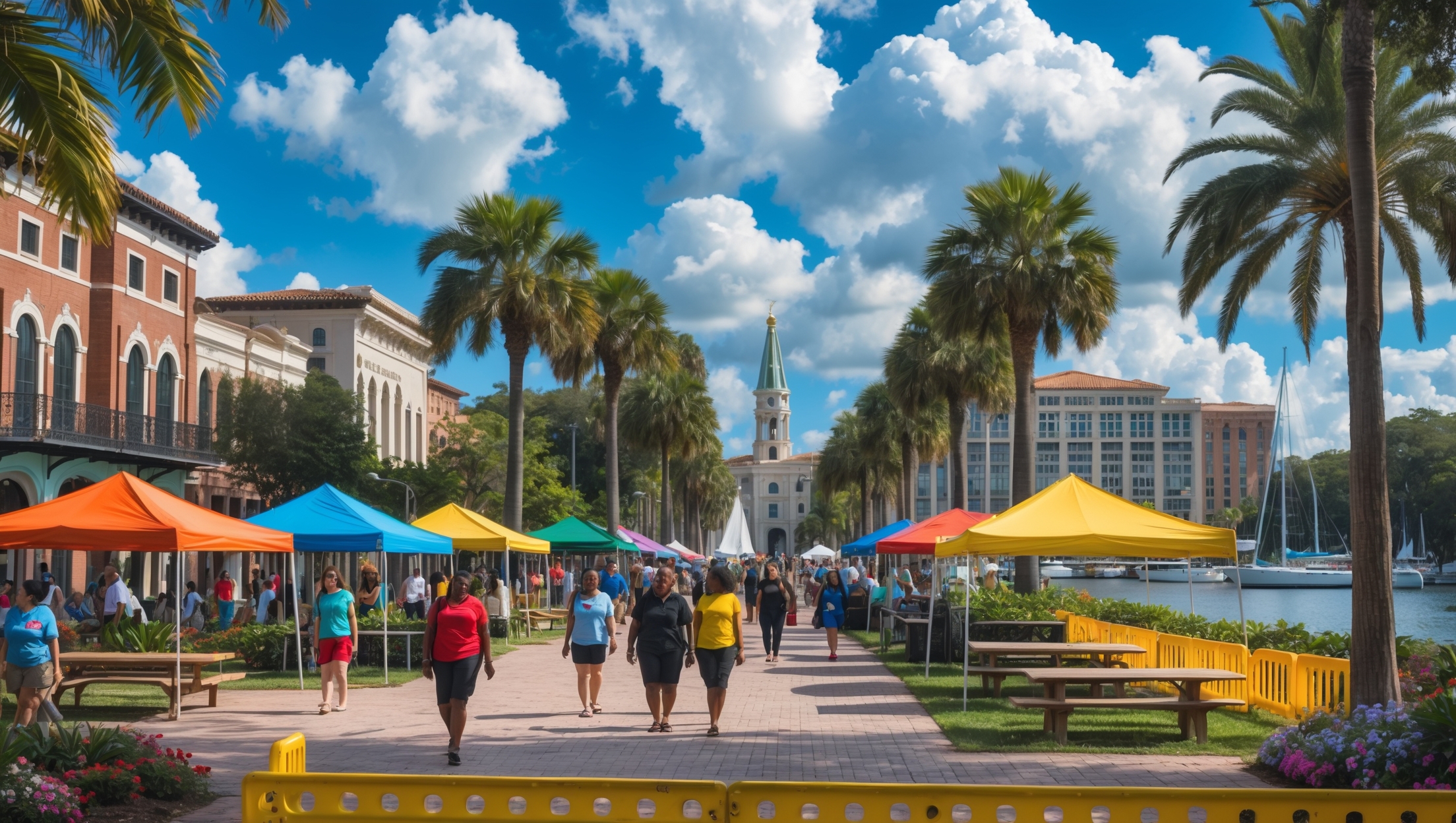
Safety Checklist for Organizing Outdoor Community Events in St. Petersburg, FL

Introduction: The Vital Role of Safety in St. Petersburg’s Outdoor Community Events
St. Petersburg, FL is renowned for its thriving community spirit, balmy weather, and abundance of public spaces perfect for outdoor gatherings. From neighborhood block parties and pop-up art fairs to volunteer cleanups and resource fairs, these events are the backbone of local engagement. Yet, behind every successful outdoor community event lies thorough planning—especially when it comes to safety. Overlooking critical safety steps can lead to accidents, disrupt activities, or even jeopardize future use of cherished public spaces. In this post, we’ll provide St. Pete event organizers, volunteers, and neighborhood leaders with a practical, locally-relevant safety checklist. Whether you’re hosting your first event at a city park or you’re a seasoned organizer seeking a refresher, this detailed guide will help you anticipate challenges, meet legal requirements, and provide a welcoming, secure environment for everyone involved.
Understanding Local Context: St. Pete’s Unique Outdoor Event Landscape
Why St. Petersburg’s Environment Matters
With its subtropical climate, vibrant arts scene, and active community organizations, St. Petersburg offers both opportunities and challenges for outdoor events. Weather can change rapidly, parks are busy year-round, and city regulations aim to balance fun with public safety. Organizers must adapt to these local factors to ensure their events are safe and successful.
Common Outdoor Event Types in St. Pete
- Neighborhood block parties
- Outdoor markets and pop-up shops
- Community clean-up days
- Local art installations and festivals
- Resource fairs and outreach events
Pre-Event Safety Planning: Laying the Groundwork
1. Site Assessment and Selection
Choose a location that fits your expected attendance and activities. Evaluate potential hazards such as uneven terrain, nearby traffic, or limited lighting. In St. Pete, public parks and recreation areas often require advance reservations and may have specific safety rules.
- Walk the site in advance with your team.
- Identify emergency exits, access points, and any natural hazards (e.g., low-hanging branches, water features).
- Check for ADA accessibility: Are paths, restrooms, and event areas accessible for all?
2. Weather Readiness
St. Pete’s weather is famously unpredictable—sunshine can turn to thunderstorms in minutes, especially during hurricane season (June–November).
- Monitor local weather forecasts daily leading up to the event.
- Have a written plan for severe weather: Where will people go if lightning or heavy rain occurs?
- Consider tent and canopy safety—secure all structures against wind gusts.
- Prepare for heat: Provide shade, water stations, and cooling areas.
3. Permits and Compliance
St. Petersburg’s Parks & Recreation Department and city government require permits for most public events. Permit applications often include safety requirements, insurance, and site plans.
- Review the City of St. Petersburg’s event permit guidelines.
- Submit applications well in advance—some permits take weeks to process.
- Comply with noise ordinances, alcohol policies, and capacity limits.
Event Day Safety: A Comprehensive Checklist
1. Emergency Preparedness
- Designate safety coordinators or volunteers responsible for emergencies.
- Display emergency exits, first aid stations, and meeting points clearly.
- Have a list of local emergency contacts: police, fire department, and closest medical facilities.
- Stock a complete first aid kit (bandages, antiseptic, ice packs, gloves, etc.).
- Train volunteers on basic first aid and emergency procedures.
- If possible, have an AED (Automated External Defibrillator) on-site.
2. Crowd Management and Flow
- Set up clear entry and exit points with appropriate signage.
- Use barriers or cones to direct foot traffic and prevent overcrowding.
- Monitor crowd density—limit access if areas become too packed.
- Have a lost-and-found station and a plan for reuniting lost children or guests.
3. Equipment and Electrical Safety
- Inspect all tables, chairs, tents, stages, and other equipment before use.
- Secure tents, canopies, and signage against wind.
- Only use outdoor-rated extension cords and power strips with GFCI protection.
- Keep electrical cords away from walkways; cover cords with mats or cord protectors.
- Ensure all lighting and sound equipment is tested and stable.
4. Food and Water Safety
- Follow Pinellas County Health Department guidelines for food handling and serving.
- Ensure all food vendors have proper permits and food safety training.
- Provide ample potable water for guests and volunteers, especially during hot months.
- Label allergens and ingredients clearly for all community-prepared foods.
5. Sanitation and Hygiene
- Arrange for sufficient restrooms and handwashing stations.
- Schedule regular trash collection and recycling pickup.
- Place hand sanitizer at entrances, food areas, and high-touch points.
- Monitor restrooms and refill supplies as needed.
6. Accessibility and Inclusion
- Ensure ramps, pathways, and event activities are wheelchair-accessible.
- Use clear signage in multiple languages if needed.
- Offer sensory-friendly quiet zones at larger events.
- Provide seating and shade for seniors and guests with mobility needs.
7. Volunteer and Staff Safety
- Hold a pre-event safety briefing for all volunteers and staff.
- Distribute safety vests or badges for easy identification.
- Assign clear roles for emergency response, crowd control, and sanitation.
- Encourage regular hydration and breaks, especially during hot weather.
Special Considerations for St. Petersburg Events
1. Wildlife and Environmental Hazards
St. Pete’s parks and waterfronts are home to a variety of wildlife, including birds, insects, and even the occasional alligator. Respect posted signs and educate guests about local animals. Instruct volunteers on dealing with bee stings or minor bites, and always keep first aid supplies handy.
2. Sun Safety
- Encourage attendees to wear hats, sunglasses, and sunscreen.
- Set up shaded rest areas, especially for children and seniors.
- Monitor for signs of heat exhaustion (dizziness, nausea, rapid heartbeat).
3. Noise and Neighborhood Impact
- Consult city noise ordinances before booking live music or amplified sound.
- Notify nearby residents in advance of large events.
- Schedule loud activities for mid-day rather than early morning or late evening.
4. Pet and Animal Policies
- Check whether your venue allows pets; many St. Pete parks have leash rules.
- Provide water bowls and shaded areas for service animals.
- Set up waste stations and encourage responsible pet ownership.
Post-Event Safety: Wrapping Up Responsibly
1. Safe Breakdown and Clean-Up
- Disassemble tents and stages carefully—watch for sharp edges and heavy items.
- Use gloves and appropriate tools for trash pickup; beware of broken glass or hazardous waste.
- Ensure all electrical equipment is disconnected before packing.
- Leave the site cleaner than you found it to maintain good community relations.
2. Incident Reporting and Review
- Document any injuries, accidents, or near-misses during the event.
- Debrief with your team to discuss what worked and what can be improved.
- Update your safety plan based on lessons learned for future events.
Conclusion: Creating Safe, Welcoming Spaces for St. Pete’s Community
Planning and running an outdoor community event in St. Petersburg, FL is an exciting way to bring neighbors together, showcase local talent, and foster resilience. But safety isn’t just a box to check—it’s the foundation of every memorable gathering. By proactively addressing St. Pete’s unique environmental, regulatory, and community factors, your team can anticipate challenges and create a secure space where everyone feels welcome.
From the initial site walk-through to the final clean-up, each step in this safety checklist is designed to help your event succeed while protecting guests, volunteers, and the public. Remember, the most successful events are those where safety measures blend seamlessly into the experience—visible but not intrusive, comprehensive yet adaptable. By investing time and care into your planning, you’re not just preventing mishaps; you’re building trust, demonstrating leadership, and ensuring that St. Petersburg’s tradition of vibrant, inclusive community events continues for years to come.
After your event, take pride in your accomplishment—and share your insights with other organizers. Community-driven news and resources thrive when we learn from each other. Together, we can keep St. Pete’s public spaces both lively and safe for all.
For first-time organizers in St. Pete, are there specific city permits or legal requirements mentioned in your checklist that are easy to overlook?
Yes, first-time organizers in St. Pete may easily overlook the need for a Special Event Permit, which is required for most public gatherings. Additionally, the checklist highlights that you might need separate permits for amplified sound, food vendors, or street closures. Don’t forget about obtaining liability insurance and coordinating with local police for security if your event is large. Double-check these requirements early to avoid last-minute issues.
Could you elaborate on how to assess less obvious site hazards in public spaces, such as uneven terrain or limited lighting, specifically for evening events in St. Pete?
When assessing less obvious site hazards for evening events in St. Petersburg, walk the venue at dusk to spot poorly lit pathways and identify trip hazards like uneven pavement, exposed roots, or low curbs. Use temporary lighting to brighten dark areas and mark uneven spots with cones or tape. Also, check for low-hanging branches and ensure signage is visible after dark. Document your findings and brief your team so everyone is aware of these less obvious risks.
How do city regulations in St. Petersburg specifically impact things like setting up tents or using amplified sound at outdoor events? I want to make sure we’re compliant but am not sure what rules are unique to local parks here.
In St. Petersburg, setting up tents or using amplified sound in city parks usually requires a special event permit. The city has rules on tent size, placement, and anchoring—often prohibiting stakes that could damage underground utilities. For amplified sound, there are volume limits and time restrictions to minimize noise disturbances. It’s best to check with the city’s Parks and Recreation Department for any unique park-specific rules before finalizing your plans.
Could you elaborate on how St. Petersburg’s rapidly changing weather is typically factored into pre-event safety planning, especially for events scheduled during the summer storm season?
St. Petersburg’s summer weather can change quickly, so event planners usually monitor forecasts closely in the days leading up to an event. They often set up weather alerts and designate a team member to track current conditions during the event. Backup plans might include covered areas or postponement options if storms are likely. Communication protocols are also established to notify attendees and staff quickly in case severe weather approaches.
If I’m planning a neighborhood block party for the first time, how far in advance should I begin the safety planning process considering all the local regulations and site assessments you mention? Is there a typical timeframe people use in St. Pete?
For a neighborhood block party in St. Petersburg, it’s best to start your safety planning at least 2 to 3 months in advance. This gives you enough time to secure permits, review local regulations, arrange for site assessments, and coordinate with any needed services like police or first aid. Many event organizers in St. Pete follow a similar timeline to ensure nothing is overlooked.
How do organizers in St. Pete usually budget for safety equipment and staff, especially for free or volunteer-run events? Are there local grants or city programs that help cover those types of costs?
Organizers in St. Pete often start by estimating the minimum safety needs—like first aid kits, signage, and event staff—then look for in-kind donations or local volunteers to help keep costs down. For funding, the city sometimes offers small grants or support through neighborhood associations and cultural affairs programs. It’s also common to partner with local businesses for sponsorships or to apply for community-focused grants that help cover safety expenses.
I’m planning a neighborhood block party in St. Pete and I’m a little worried about how quickly the weather can turn. Does the checklist include tips on handling sudden storms or heat advisories specific to the area?
Yes, the checklist addresses local weather concerns like sudden storms and heat advisories. It recommends having a weather monitoring plan, setting up designated shelter areas, and keeping emergency supplies on hand. It also advises clear communication with attendees about severe weather procedures, so you can respond quickly if conditions change.
The article mentions balancing fun with public safety given city regulations. How far in advance should organizers apply for permits or coordinate with city officials for community clean-up days?
For community clean-up days in St. Petersburg, it’s wise to start the permit application process and coordinate with city officials at least 4 to 6 weeks in advance. This allows enough time to address any city regulations, complete paperwork, and ensure all safety considerations are met for a smooth event.
You mention meeting legal requirements for outdoor events in St. Pete. Could you clarify which specific permits or city approvals are usually needed for something like a neighborhood block party, and how far in advance organizers should apply?
For a neighborhood block party in St. Petersburg, you’ll typically need a Special Events Permit from the city. If you plan to close a street, a Street Closure Permit is also required. Applications should be submitted at least 30–60 days before your event to allow for processing and any necessary coordination with city departments. Check with the City’s Leisure Services or Special Events office for any additional requirements based on your event’s specifics.
Does the safety checklist you mention include budget-friendly ideas for managing resource fairs with limited volunteers, especially in terms of meeting legal safety requirements without hiring extra staff?
The checklist focuses on essential safety measures but doesn’t specifically address budget-friendly strategies for resource fairs with minimal volunteers. However, many recommendations can be adapted for smaller teams, such as using simple signage, partnering with local organizations for support, and assigning clear roles to volunteers to cover safety tasks. These steps help meet legal requirements without the need for hiring extra staff.
I’m interested in organizing a volunteer cleanup in one of St. Pete’s public parks, but I’m not sure how to anticipate weather changes the way you mentioned. Are there specific city resources or alerts that organizers use to keep track of sudden weather shifts during outdoor events?
St. Petersburg organizers often use the St. Pete Alert system, which provides real-time weather and emergency notifications. You can also monitor local weather through the National Weather Service and the city’s official social media pages for updates. Many organizers assign someone to check radar apps or weather websites during the event so you can act quickly if the forecast changes.
For those of us organizing our first small resource fair, what’s a realistic budget range to expect for meeting all the basic safety requirements listed in your checklist?
For a small resource fair in St. Petersburg, budgeting $500 to $1,500 should cover the basic safety requirements like permits, basic first aid kits, signage, and minimal crowd control measures. If you need temporary fencing, security personnel, or additional sanitation stations, expect costs to be on the higher end. It’s wise to contact your local city office early for permit and insurance estimates as these can vary.
How far in advance should organizers start working through this safety checklist for resource fairs or pop-up art events in St. Pete, especially during peak season when public spaces might be in high demand?
For resource fairs or pop-up art events in St. Pete, especially during peak season, it’s best to start working through the safety checklist at least 8 to 12 weeks in advance. This gives you ample time to secure permits, coordinate with city officials, and reserve public spaces, which can book up quickly. Early planning also helps ensure you have time to address any unforeseen safety or logistical issues.
Once you’ve picked a location and identified hazards, what are the most important next steps to ensure legal requirements are met before advertising the event to the public in St. Pete?
After choosing your location and identifying hazards, your next steps should focus on securing permits from the city, arranging for necessary insurance coverage, and confirming compliance with noise, food, and alcohol regulations if they apply. It’s also important to coordinate with local authorities such as police and fire departments when required. Taking care of these legal steps before advertising ensures your event meets all local requirements in St. Pete.
If I’m organizing a clean-up day and a few volunteers get minor injuries, what’s the protocol for on-site care versus involving local emergency responders? I want to be prepared for common safety issues in these situations.
For minor injuries like small cuts or scrapes, provide basic first aid on-site using a well-stocked kit and have someone trained in first aid available. If an injury seems more serious or you are unsure—such as deep wounds, possible sprains, or head injuries—call local emergency responders immediately. Always document any incidents and inform volunteers of the nearest hospital or urgent care beforehand.
How do you suggest balancing tight budgets with the need for things like adequate lighting and safety barriers at community gatherings in local parks?
One way to balance a tight budget with safety needs is to prioritize essential items like lighting and barriers over less critical expenses. You can explore renting equipment instead of buying, or partnering with local businesses for sponsorships or in-kind donations. Sometimes city parks departments can lend basic safety equipment. Also, gather volunteers to help with setup and supervision, which can reduce staffing costs while still keeping your event safe.
When budgeting for a community clean-up or resource fair in St. Pete, what safety-related expenses are easy to overlook but critical for compliance and public well-being?
Some often-overlooked but essential safety expenses include proper first aid supplies, rental of handwashing stations or portable restrooms, signage for emergency exits and procedures, and fees for required city permits or insurance. You should also consider costs for on-site security personnel and protective gear for volunteers, like gloves and reflective vests, especially for clean-ups. These help ensure compliance and keep everyone safe.
For a small neighborhood cleanup day, do you find it necessary to go through the same detailed site assessment as larger festivals, or can some steps be safely skipped? Curious how to right-size the planning for different event types in St. Pete.
For a small neighborhood cleanup day, you can definitely simplify the site assessment process compared to a large festival. Focus on key basics like checking for obvious hazards, planning for first aid, ensuring everyone knows the cleanup boundaries, and having a communication plan. You don’t need the full-scale assessment, but a quick walkthrough and basic safety prep are still important for even the smallest event in St. Pete.
Could you clarify whether organizers need different safety permits or permissions for various types of events, like a block party versus a resource fair, especially when using city-managed parks in St. Petersburg?
Yes, organizers usually need different permits depending on the type and size of the event. For example, block parties often require street closure permits, while resource fairs in city-managed parks may need event or facility use permits from the city. Additional permissions might be needed for things like amplified sound, food vendors, or large equipment. It’s best to contact the City of St. Petersburg’s parks department to confirm the requirements specific to your event.
How do organizers in St. Pete usually decide between using a public park versus a neighborhood street for their events, especially when considering safety concerns like traffic or lighting?
Organizers in St. Pete typically weigh factors like expected crowd size, event type, and time of day when choosing between a public park and a neighborhood street. Parks often offer better lighting and established safety features, which is helpful for evening events. Streets might need more planning for traffic control and additional lighting. Safety concerns like emergency access and crowd management usually make parks a preferred choice for larger or nighttime gatherings.
How do organizers usually handle sudden weather changes during outdoor events in St. Petersburg, especially given how quickly conditions can shift?
Organizers in St. Petersburg typically monitor weather forecasts closely before and during outdoor events, often designating a team member to track real-time conditions. They prepare backup plans, such as moving activities under shelters, delaying the schedule, or having evacuation routes ready. Communication systems like text alerts or loudspeakers help keep attendees informed if the weather changes suddenly, ensuring everyone stays safe.
I know St. Pete weather can be unpredictable, especially during summer storms. Do you have tips for handling last-minute weather changes during outdoor events, and is there a best way to communicate weather-related cancellations to attendees?
For sudden weather changes, it’s smart to have a backup indoor location or tents ready, and to monitor weather apps closely on event day. When it comes to notifying attendees about cancellations, sending out group texts, emails, or using event apps with push notifications ensures people get updates quickly. Posting updates on your event’s social media pages also helps spread the word fast.
If a neighborhood is hosting its first block party and is unsure about city permit requirements or how to work with local authorities, what steps would you suggest they take to ensure they meet all legal safety obligations before the event?
To ensure you meet all legal and safety requirements, start by contacting the City of St. Petersburg’s special events department to ask about necessary permits for block parties. Explain your event size and activities so they can guide you on specific rules. You should also notify local law enforcement and your neighborhood association, if applicable. Request any written guidelines or forms, and submit your applications well in advance to allow time for approvals.
Does the safety checklist take into account budget limitations that smaller community groups in St. Pete might face, or are there low-cost alternatives for meeting the main safety requirements?
The safety checklist focuses on essential safety measures but doesn’t specifically address budget limitations. However, many items can be adapted for smaller budgets. For example, community volunteers can help with crowd control and first aid, or local organizations may loan equipment. The key is to prioritize must-have safety elements and look for partnerships or in-kind donations to meet requirements affordably.
How far in advance should permits and safety plans be submitted to the city for something like a small outdoor market? I’m trying to avoid last-minute issues and want to plan my timeline effectively based on local requirements.
For a small outdoor market in St. Petersburg, it’s best to submit your permits and safety plans at least 30 to 60 days before your event date. The city may require additional time if your event involves road closures or amplified sound. Starting early gives you time to address any feedback or required changes from city officials, helping you avoid last-minute complications.
You highlighted that city parks can have uneven terrain and limited lighting. Are there cost-effective ways to address these hazards, especially for small volunteer-run events with tight budgets?
Absolutely, there are budget-friendly ways to improve safety at small events. For uneven terrain, use visible markers like cones, caution tape, or simple signage to alert attendees. For limited lighting, consider renting portable LED work lights or borrowing lanterns and flashlights. Volunteers can help monitor areas, and scheduling activities during daylight hours can also reduce risk. These steps help manage hazards without requiring major expenses.
I see you suggest doing a site assessment for things like traffic and lighting. Do you have tips on which public parks in St. Pete work best for events after sunset, or is extra lighting always required from the organizer?
Some public parks in St. Pete, like North Straub Park and Vinoy Park, have better existing lighting than others and are commonly used for evening events. However, even in these parks, organizers usually need to bring in extra lighting for safety—especially in areas set up for activities, walkways, and parking. It’s a good idea to visit the park after sunset to assess lighting needs before your event.
Does the safety checklist include budget-friendly ways for small neighborhood groups to meet local regulations, especially if we don’t have funds for hired security or infrastructure?
The checklist highlights several low-cost strategies for small groups, such as forming volunteer teams for crowd control, using borrowed or rented barricades, and coordinating with local police for free safety consultations. It also suggests reaching out to neighborhood associations or city services that sometimes offer equipment or guidance at no charge. This way, you can still meet local requirements without a large budget.
Can you expand on the specific city regulations that St. Petersburg has in place for outdoor community events? I want to make sure my event is compliant, but I’m not sure where to start with permits and safety requirements.
St. Petersburg requires permits for most outdoor community events, especially if you’re using public spaces, having amplified sound, or expecting large crowds. You’ll typically need to apply for a Special Event Permit and may be asked to provide a site plan, proof of insurance, and details about security or medical provisions. Fire safety rules, accessibility, and crowd control measures are also important. Contact the city’s Special Events office early in your planning process to review your event details and get specific guidance on the required permits and safety compliance.
If weather in St. Petersburg can change so fast, how far in advance should I make backup plans for rain or storms, and is there a city alert system for outdoor event organizers that I should sign up for?
Given how quickly weather can shift in St. Petersburg, it’s a good idea to create backup plans for rain or storms as soon as you start organizing your event—ideally at least several weeks in advance. The City of St. Petersburg offers an Alert St. Pete notification system, which event organizers can sign up for to receive real-time weather and emergency alerts. This helps you stay informed and make timely decisions during your event.
How do you recommend handling St. Pete’s rapidly changing weather conditions during events, especially if a thunderstorm hits unexpectedly? Is there a standard procedure or do most organizers create their own contingency plans?
In St. Pete, most event organizers develop their own contingency plans tailored to their specific event and venue, but it’s common practice to monitor reliable weather apps closely throughout the day. If a thunderstorm hits unexpectedly, having a clear protocol for pausing activities and moving attendees to safe, indoor locations is essential. Communicate evacuation procedures in advance and designate safety coordinators so everyone knows what to do if severe weather occurs.
You brought up how busy parks tend to be year-round in St. Pete. If I’m planning a block party or clean-up, what steps should I take to coordinate with city officials about overlapping events or permits to avoid timing conflicts?
To avoid conflicts, first reach out to the St. Petersburg Parks and Recreation Department to check the event calendar and ask about necessary permits. Submit your application as early as possible, specifying your requested date and location. City officials can let you know about any overlapping events and alternative options if needed. They’ll also guide you through any additional requirements for your type of event.
Are there cost-effective safety measures recommended for smaller neighborhood block parties in St. Pete, or does your checklist mostly apply to larger events with bigger budgets?
The checklist includes many affordable safety measures suitable for smaller neighborhood block parties. Simple actions like having a basic first aid kit, clear signage, and designated volunteers to monitor the event can go a long way. You don’t need a large budget for essentials like keeping emergency contact numbers handy or setting up a check-in point. Larger events might need more resources, but the core safety tips apply to gatherings of any size.
For first-time organizers, what’s the best way to navigate the permitting process for outdoor markets or pop-up shops in busy parks? Any tips on timing or paperwork hurdles specific to St. Pete?
For first-time organizers in St. Petersburg, start the permitting process early—ideally 2-3 months ahead. Check with the St. Pete Parks and Recreation Department for the exact permit type you need, as requirements can vary by park and event size. Gather details on vendors, insurance, layout, and anticipated attendance, since these are often required. Be aware that application reviews can take several weeks, especially during peak event seasons, so allow extra time for back-and-forth or additional documents.
I’m planning a neighborhood block party in St. Pete for the first time and I’m wondering how to handle sudden weather changes, since the article mentions the city’s rapidly changing weather. Do you recommend having a backup indoor location, or are there other safety strategies locals use?
Having a backup indoor location is a smart move in St. Pete, given how quickly weather can change. Many locals also rent tents or canopies to provide quick shelter from rain. Make sure to monitor local weather apps closely on the day of your event and communicate any contingency plans to your guests ahead of time. Being prepared to adjust quickly is key.
How can event organizers in St. Petersburg effectively plan for sudden changes in weather, like thunderstorms, especially when events are held in public parks? Are there recommended backup procedures or shelter areas that should always be identified in advance?
Event organizers in St. Petersburg should always monitor weather forecasts closely before and during outdoor events. It’s important to identify nearby shelters, such as park pavilions or recreation centers, ahead of time and share this information with staff and attendees. Back-up plans should include clear evacuation procedures, designated shelter locations, and communication strategies to quickly alert everyone if a storm is approaching.
As a parent in St. Pete, I’m always concerned about unpredictable weather at outdoor events. Does your checklist include guidance on what to do if a sudden storm hits during a neighborhood block party or art fair?
Yes, the checklist does cover weather-related preparedness. It recommends having a weather monitoring plan in place, identifying nearby shelters, and setting up a clear communication method to alert attendees if a storm approaches. It also suggests designating event staff to coordinate evacuations and advising participants on safe locations to take cover until the weather clears.
How do the city regulations in St. Petersburg typically affect the timeline or permits needed for a first-time organizer to set up an outdoor market or resource fair?
City regulations in St. Petersburg require you to obtain specific permits, such as a Special Event Permit, which can take several weeks to process. As a first-time organizer, you should plan early—submit your application at least 60 days before your event. Be prepared for additional steps like site inspections or coordination with city departments, which can also impact your timeline.
You mentioned the unpredictability of St. Pete’s weather—do you have recommendations for creating a backup plan or communicating weather-related changes quickly to attendees?
Absolutely, having a weather backup plan is essential in St. Pete. Consider securing a nearby indoor venue as an alternative. Prepare clear communication methods: use mass texts, email blasts, or event apps to notify attendees of any changes promptly. Designate a team member responsible for monitoring forecasts and making timely decisions. Posting updates on your event’s social media pages can also help spread the word quickly.
The article mentions adapting to St. Pete’s rapidly changing weather. If rain or storms threaten our outdoor event last minute, what emergency steps or backup plans do experienced organizers here usually have in place to keep things safe and running smoothly?
Experienced organizers in St. Pete typically monitor weather forecasts closely and have a clear communication plan with staff and attendees. If severe weather threatens, they often have an indoor backup venue reserved or tents on standby. Evacuation routes and shelter locations are planned in advance, and essential equipment is quickly secured. Some also designate a weather safety coordinator to make fast decisions and update everyone if plans change.
I noticed the article mentions assessing potential hazards like uneven terrain and limited lighting. Do you have recommendations for affordable ways to address those issues in city parks that might not have a lot of resources?
For uneven terrain, consider using temporary mats or plywood walkways to create safer walking paths—these can often be rented affordably. For lighting, portable battery-powered or solar LED lights are a cost-effective solution and don’t require electrical hookups. You might also reach out to local hardware stores or community groups; sometimes they’re willing to lend equipment or sponsor safety improvements for community events.
For resource fairs and outreach events held in busy city parks, how do organizers typically balance crowd control with keeping the event welcoming and accessible, especially when aiming to attract people who may not be familiar with the area?
Organizers usually balance crowd control and accessibility by setting up clear signage and designated entry points while avoiding overly restrictive barriers. Friendly volunteers are placed at entrances to greet visitors and provide directions. Zones are created for different activities, which helps manage flow but still keeps the event open and inviting. Accessible information booths and maps are also provided to make newcomers feel welcome and informed.
As a local small business owner, I’m curious what the legal requirements are for outdoor events in St. Pete. Does your checklist cover things like city permits or liability insurance, or is there a separate guide for those steps?
The checklist in the article does mention important steps like obtaining city permits and securing liability insurance, but it gives a general overview rather than detailed legal requirements. For specifics on permits and insurance for St. Pete, you might want to check with the city’s event permitting office or local business resources, as requirements can vary based on event size and location.
For outdoor block parties in St. Pete, how do you recommend balancing the need for fun activities with safety, especially considering things like rapidly changing weather and busy parks? I’m worried about keeping kids safe while still making it enjoyable.
Balancing fun and safety at block parties means planning a flexible schedule of activities that can quickly move indoors or under shelters if weather changes. Use clear boundaries or barriers to keep kids away from busy streets and traffic. Choose games that don’t require running near roads or crowded paths, and always have adults assigned as dedicated safety monitors. Check weather forecasts frequently, and have a plan to pause or relocate activities if needed so that everyone can enjoy the event with peace of mind.
If I’m coordinating a community clean-up day with volunteers, do you have any advice for addressing uneven terrain or limited lighting mentioned in the site assessment section? Are there affordable solutions for making those areas safer?
For uneven terrain, consider marking hazardous areas with brightly colored tape or cones and clearly alerting volunteers in advance. If possible, limit activities in those spots. For limited lighting, portable battery-powered LED work lights or string lights are affordable and effective, especially as daylight fades. Encourage volunteers to bring headlamps if the clean-up extends into the evening. These simple steps can make a big difference in safety.
You mentioned that weather in St. Pete can change rapidly. What are the best ways for organizers to prepare for sudden storms or extreme heat during an outdoor event, especially if we’re working with limited access to indoor spaces?
For sudden storms, set up sturdy tents or canopies as emergency shelters and keep a close eye on weather apps or alerts for real-time updates. Have a clear evacuation or pause plan and communicate it to staff and attendees. For extreme heat, provide shaded rest areas, set up water stations, and remind everyone to stay hydrated. Renting misting fans and scheduling high-energy activities earlier or later in the day can also help, even if indoor spaces are limited.
As a parent who volunteers at our neighborhood events, I’m especially concerned about the rapidly changing weather in St. Pete. Does your checklist recommend what kind of shelter or supplies we should have on hand in case a sudden storm hits?
The checklist does recommend preparing for sudden weather changes common in St. Petersburg. It suggests having portable shelters like pop-up tents, tarps, or canopies, as well as a designated indoor backup location if possible. For supplies, it’s wise to bring extra ponchos, umbrellas, towels, and a first aid kit. Make sure volunteers know where shelters are located and have a plan to communicate quickly with attendees in case of storms.
For St. Pete events in public parks, do organizers need to coordinate with city officials about temporary structures like tents or booths, or are there specific permits required for those? Just wondering how much advance notice is typically necessary if the weather forecast changes plans.
For public events in St. Pete parks, organizers do need to coordinate with city officials regarding temporary structures like tents or booths. A permit is usually required, especially for anything larger than a small canopy. It’s best to submit permit requests as early as possible—at least a few weeks in advance. If weather forces you to change plans, reach out to the city promptly, as last-minute approvals can be challenging.
If we’re planning a neighborhood block party in a city park with limited lighting, what are some cost-effective solutions recommended for improving evening visibility? Are there local resources or rental options St. Pete organizers typically use?
For a block party in a park with limited lighting, portable LED floodlights or string lights are cost-effective and easy to set up. Local rental companies in St. Petersburg often offer lighting equipment specifically for events. You can also check with St. Pete Parks and Recreation—they sometimes provide or recommend lighting solutions for community events. Additionally, some neighborhood associations have shared event supplies, so it’s worth asking around in your area.
You mentioned that St. Petersburg has a lot of city regulations for outdoor events. For someone new to organizing, what are the key legal requirements I need to look into before I even announce my event? Should I contact the city first or just review their website?
Before announcing your event, it’s important to review the city’s official guidelines for outdoor gatherings. Key legal requirements usually include obtaining permits, coordinating with police or fire departments if needed, and meeting insurance standards. It’s wise to both check the city’s website for initial details and contact the city’s event permitting office directly. This way, you can clarify specific rules and ensure you don’t miss any important steps.
I’m planning a neighborhood potluck at a public park in St. Pete, but I’m worried about sudden weather changes. Does your checklist include tips or steps for handling unexpected storms, especially since the weather here can shift so quickly?
Yes, the checklist covers weather preparedness, including monitoring local weather forecasts and having a clear evacuation or shelter plan in place. It also suggests designating someone to stay updated on weather alerts and identifying nearby shelters or safe indoor spaces ahead of time. For your potluck, it’s wise to share your plan with attendees so everyone knows what to do if a storm approaches.
I’m curious about how weather is factored into event safety planning in St. Pete, since the article notes that conditions can change quickly. Are there recommended tools or procedures for monitoring and responding to sudden weather shifts during outdoor community events?
In St. Pete, event organizers often use real-time weather monitoring tools like weather apps, radar websites, or even NOAA weather radios to keep track of changing conditions. It’s recommended to designate a team member to monitor forecasts and alerts throughout the event. Having a clear communication plan for notifying staff and attendees, along with a prepared shelter or evacuation procedure, helps ensure everyone stays safe if sudden weather changes occur.
If weather changes rapidly during an outdoor resource fair, what’s the recommended protocol for organizers in St. Pete to ensure everyone’s safety? Is there a city hotline or service we should notify or coordinate with?
If rapid weather changes occur during your outdoor event, organizers should have a clear evacuation or shelter plan in place. Monitor weather alerts and direct attendees to safe areas if needed. In St. Petersburg, it’s wise to coordinate with the city’s Emergency Management department. In case of emergencies or severe weather, you can contact 911 for immediate help, or the city’s non-emergency hotline at 727-893-7111 for guidance and coordination.
If severe weather rolls in suddenly, what protocols do you recommend for safely evacuating attendees from a busy St. Pete park?
If severe weather approaches quickly, use a public address system or megaphones to alert everyone immediately. Direct people to the nearest designated shelters or safe indoor areas, if available, and post clear signage to guide them. Assign staff to assist those with mobility issues and help maintain calm as people move. Always have a communication plan with staff and emergency contacts ready, and coordinate with local authorities if needed during the evacuation.
Since St. Petersburg’s weather can be unpredictable, what are some suggestions for handling last-minute weather changes during an outdoor event? Are there any city guidelines or resources for making weather-related decisions?
For handling sudden weather changes during your event, consider having tents or shelters ready and a clear evacuation plan. Stay informed by monitoring local weather alerts, and communicate updates promptly to attendees. The City of St. Petersburg recommends working with their Emergency Management department and reviewing their event permitting guidelines, which include weather safety protocols. It’s also helpful to designate a weather decision-maker on your team to act quickly if conditions change.
I’m working with a tight budget for our pop-up art fair. Do you have any advice on affordable safety measures or essential items we shouldn’t skip, especially when dealing with potentially uneven terrain or limited lighting in local parks?
Focusing on essentials is key when budgets are tight. For uneven terrain, consider using inexpensive rubber mats or borrowed plywood sheets to create safer walkways. Clearly mark any tripping hazards with bright tape or cones. For limited lighting, LED battery-powered lanterns or string lights are affordable and easy to set up. Also, ensure you have a basic first-aid kit and assign someone to monitor safety throughout the event.
How do St. Pete’s city regulations specifically affect which public parks or spaces you’re allowed to host events in, and are there any permits that organizers typically overlook during the planning stage?
St. Pete’s city regulations designate which public parks or spaces are available for events, and some locations have capacity or use restrictions. Always check the city’s official list to confirm availability. Organizers often overlook permits for amplified sound, food vendors, or temporary structures like tents. Double-check with the city’s Parks and Recreation Department to ensure you have all necessary permits for your specific activities.
Does your safety checklist include specific guidance for dealing with sudden weather changes, like thunderstorms or extreme heat, which seem pretty common in St. Petersburg? I’m concerned about how to prepare volunteers and attendees in those situations.
Yes, the safety checklist does cover weather-related concerns specific to St. Petersburg. It includes steps like monitoring weather forecasts, designating indoor or sheltered areas in case of sudden storms, providing water stations for extreme heat, and communicating emergency procedures to both volunteers and attendees. Training your team on these protocols helps everyone respond quickly and safely to rapid weather changes.
If I want to organize a neighborhood block party in one of St. Pete’s city parks, how far in advance should I start the safety planning process to make sure I can get all the required permits and address things like shifting weather?
For a neighborhood block party in a city park, it’s best to begin your safety planning at least 2 to 3 months in advance. This gives you enough time to secure permits, coordinate with city officials, and create contingency plans for weather changes. Early preparation also helps ensure you meet any insurance or staffing requirements and allows time for community outreach.
How far in advance do we need to start working with the city to get permits or safety checks approved for outdoor markets or festivals, given the busy schedule of St. Pete’s public spaces?
For outdoor markets or festivals in St. Petersburg, it’s a good idea to begin the permit application process at least 60 to 90 days before your event. This allows enough time to accommodate the city’s approval process, address any safety requirements, and secure your desired space on their busy calendar. Starting early helps avoid last-minute complications, especially during peak event seasons.
How do local regulations in St. Petersburg affect things like temporary structures, food vendors, or amplified sound at these events? Are permits usually required for community clean-up days too?
Local regulations in St. Petersburg require permits for temporary structures like tents or stages, food vendors, and the use of amplified sound at community events. These permits ensure safety standards and compliance with city ordinances. Even for community clean-up days, a permit might be needed if your group is large or if you plan to set up tables, tents, or distribute food. It’s a good idea to contact the city’s Special Events office early in your planning process to confirm exactly what permits your event will require.
The article talks about rapidly changing weather in St. Petersburg. Do you have any tips for handling last-minute weather changes, like what kind of shelter or backup options are best for outdoor cleanups or markets?
For last-minute weather changes, it’s smart to have portable pop-up tents or canopies on hand, as they can provide quick shelter from rain or intense sun. Scout nearby indoor locations—like community centers or covered pavilions—before your event in case you need to relocate. Also, set up a clear communication plan, such as a group text or app notification, to quickly inform participants of any changes.
Does the checklist cover how to prepare for sudden weather changes during outdoor events in St. Pete, like thunderstorms or heat advisories? I am curious if there are specific local protocols for communicating risks to attendees when conditions shift unexpectedly.
Yes, the checklist addresses preparation for sudden weather changes such as thunderstorms or heat advisories. It recommends monitoring local weather alerts closely and having a communication plan in place, like using public address systems or text alerts, to inform attendees quickly. While the checklist refers to general best practices, it also encourages organizers to coordinate with St. Petersburg emergency management for any specific protocols or recommended actions during weather emergencies.
If my event is happening at a smaller public park and I’m worried about limited lighting in the evening, are there affordable options for temporary lighting that meet city safety standards? Would these need to be approved in advance by the city?
You can rent portable lighting towers or LED floodlights from local equipment suppliers, which are both affordable and commonly used for outdoor events. These options are typically sufficient to meet city safety standards, but you should check with the St. Petersburg Parks and Recreation Department first. Most events with temporary lighting require prior approval, especially in public parks, so submit your lighting plan along with your event permit application to ensure everything is compliant.
Do you have any tips for handling sudden weather changes at outdoor events in St. Pete? I am a bit concerned because the weather here can turn quickly, and I am not sure how far in advance I need to make backup plans.
Sudden weather changes are common in St. Pete, so it’s smart to be prepared. Monitor local weather forecasts closely leading up to your event, and have a shelter plan ready for rain or storms. Communicate any backup plans to your team and attendees ahead of time. Renting tents or securing an indoor backup location is a good idea. Make decisions about postponing or moving the event at least 24 hours in advance if possible, but always be ready to react quickly if the weather shifts unexpectedly.
The checklist talks about evaluating hazards like uneven terrain and limited lighting in public parks. How do most organizers in St. Pete handle lighting for late afternoon or evening events to make sure everyone stays safe?
In St. Pete, event organizers often bring in temporary lighting such as portable floodlights or string lights for late afternoon and evening events. They usually place these around walkways, gathering areas, and near any potential tripping hazards. Some organizers also coordinate with the city to use existing park lighting or request additional fixtures if needed. This helps ensure visibility and safety for all attendees.
How far in advance do you recommend starting the safety planning process for a community clean-up day in one of St. Pete’s busier parks, given the potential hazards and city approval timeline?
For a community clean-up day in one of St. Pete’s busier parks, it’s wise to start your safety planning process at least 8 to 10 weeks in advance. This gives you time to review potential hazards, coordinate volunteers, and go through the city’s approval process, which can take a few weeks. Early planning also allows for adjustments if any additional permits or safety measures are required.
When planning an outdoor event in a St. Pete public park, how early do I need to start working on the safety checklist to make sure I meet all local legal requirements, especially regarding permits and city regulations?
It’s best to start working on your safety checklist at least two to three months before your event. This gives you enough time to research local regulations, gather required documents, and apply for permits, as St. Pete may have processing times and specific requirements. Early preparation also allows you to adjust your plans if the city requests changes for safety or compliance.
Could you clarify if there are any specific city permits or forms required for smaller gatherings like neighborhood block parties in St. Petersburg, or is that mainly for larger festivals and resource fairs?
For neighborhood block parties in St. Petersburg, you do need to obtain a special event permit from the city, even if your gathering is smaller than a festival or fair. The city may also require you to submit forms regarding street closures and notification to affected residents. It’s best to check with the city’s Special Events office to ensure you follow the correct procedures for your specific event size and location.
How do organizers in St. Petersburg typically handle rapidly changing weather during outdoor events, especially when it comes to mid-event safety communications or shelter options for attendees?
Organizers in St. Petersburg usually monitor weather conditions closely using real-time updates from apps or local authorities. If severe weather is approaching, they use loudspeakers, text alerts, or staff with radios to communicate safety instructions quickly. For shelter, venues often have designated indoor areas or sturdy tents ready for attendees, and clear signage is posted so people know where to go if the weather turns suddenly.
If weather in St. Petersburg changes suddenly during an outdoor event, what’s your recommended course of action for organizers? Are there standard emergency procedures or partnerships with local agencies you suggest setting up ahead of time?
If the weather changes suddenly, organizers should have a clearly communicated evacuation or shelter plan in place. It’s wise to monitor weather alerts and designate safe indoor locations nearby. Partnering with local agencies like police, fire departments, and the city’s emergency management office before the event can help ensure coordinated responses. Having a contact list for emergency services and on-site trained staff is important. Preparing these protocols ahead of time will help keep everyone safe.
I’m helping with a community clean-up day soon. Could you share a sample timeline of what the safety planning process usually looks like in the weeks leading up to an outdoor event in St. Pete?
Certainly! A typical timeline starts 4-6 weeks out by identifying hazards and planning emergency contacts. Three weeks before, secure permits and arrange first aid kits or stations. Two weeks out, confirm weather plans and communicate safety guidelines to volunteers. The week before, review team roles and finalize supplies. On event day, set up a check-in area, review procedures, and ensure everyone knows emergency protocols. This approach helps keep everyone safe and organized.
The article mentions evaluating hazards like uneven terrain or nearby traffic when choosing a site. Are there any city guidelines or tools available in St. Pete to help organizers assess these risks more systematically?
St. Petersburg offers resources for event organizers, including guidelines from the city’s Special Events office. They provide checklists and safety requirements, and you can consult their Special Events Coordinator for site-specific advice. You may also request a site inspection or guidance from the city’s Risk Management Division to help systematically identify and address hazards like uneven terrain and traffic concerns.
If weather changes quickly in St. Pete, how do most organizers prepare for sudden storms or heat waves during outdoor markets or fairs? I’m wondering if there are some must-have items or protocols for unexpected weather.
Organizers in St. Pete usually keep a close watch on weather forecasts and have backup plans ready. Common must-haves include pop-up tents for sudden rain, large water coolers and shaded areas for heat, and first aid kits. It’s also standard to have a communication plan, like alert systems or loudspeakers, to quickly inform vendors and attendees of any changes or emergency procedures.
For events like pop-up art fairs in St. Pete, what kind of weather monitoring do organizers typically need to have in place considering how quickly storms can roll in? Are there recommended resources or city alerts you suggest checking during outdoor events?
For pop-up art fairs in St. Pete, organizers usually monitor local weather apps and the National Weather Service for real-time updates since storms can develop fast. It’s helpful to sign up for St. Petersburg’s emergency notifications and use NOAA Weather Radios on-site. Also, checking the city’s official social media or alert systems can provide timely updates about severe weather during your event.
You mention how unpredictable weather can be in St. Petersburg. What are some effective ways organizers can monitor and respond to weather changes quickly during an outdoor event?
Organizers can stay updated on weather changes by using weather alert apps or services that send real-time notifications for their event location. Setting up a designated weather monitor on your team helps keep track of conditions throughout the event. It’s also wise to have a clear communication plan and a shelter or evacuation plan that can be activated quickly if severe weather approaches.
For events at St. Pete parks that have unpredictable weather, do you recommend any specific procedures or gear for volunteers to quickly secure electrical equipment if a storm rolls in unexpectedly?
For unpredictable weather, it’s smart to have clear procedures and gear ready. Volunteers should know exactly who is responsible for unplugging and covering electrical equipment. Keep heavy-duty plastic sheeting or waterproof tarps, zip ties, and duct tape on hand near each setup. Extension cords and power strips should be off the ground and easily accessible. Training everyone on these quick actions ahead of time helps ensure safety if a storm arrives suddenly.
If I want to host a small pop-up art fair, what are the most important local safety regulations to be aware of, and do these differ depending on the type of public space I choose in St. Pete?
For a pop-up art fair in St. Petersburg, pay close attention to permitting, fire safety, and crowd management rules. Requirements can vary based on whether your event is held in a city park, street, or private lot—public spaces often need city permits and may have stricter rules on tent setups and electrical use. Check with the city’s Special Events office to make sure you meet site-specific regulations.
For St. Pete events held in public parks, what are some specific steps you recommend for quickly assessing weather risks, especially since the article mentions how fast the weather can change here? Do you rely on alerts, partners, or on-site equipment?
For events in St. Pete parks, it’s smart to use a mix of tools to stay ahead of sudden weather changes. Set up mobile weather apps with real-time alerts, monitor NOAA weather radios, and assign a team member to track radar updates. Coordinate with local partners like city officials for quick warnings, and consider having a portable weather meter on site for immediate readings. This layered approach helps you react quickly if storms or severe heat develop.
If weather changes quickly on the day of the event, what are some effective communication strategies to keep volunteers and attendees informed about safety updates or potential cancellations in St. Pete?
To keep everyone informed during sudden weather changes, set up a text alert system or group messaging app to quickly reach all volunteers and attendees. Use social media channels and your event website for real-time updates. Designate staff to monitor weather apps and communicate updates over loudspeakers if available. Also, let everyone know the main information point onsite for questions.
With how quickly the weather can change in St. Petersburg, what are some effective ways to monitor and respond to sudden storms during outdoor events, especially if a lot of families are attending?
To keep everyone safe during sudden storms, it’s smart to use reliable weather apps with severe weather alerts and designate someone to monitor conditions throughout the event. Set up a clear communication plan to notify attendees quickly, like using a loudspeaker or group texts. Also, have an evacuation plan ready with accessible shelters nearby, and make sure staff and volunteers know their roles if you need to act fast.
For someone hosting their very first outdoor resource fair in St. Pete, what are the initial permits or city approvals you typically need before locking in a date and location? I’d like to know the practical first steps before diving into the full safety checklist.
Before setting your date and location, you’ll want to contact the City of St. Petersburg’s Special Events Office. Most outdoor resource fairs require a Special Event Permit, which can take several weeks to process. If your event is in a public park or on city property, you’ll also need a facility reservation or park use permit. It’s wise to start by inquiring about date availability and application requirements with the city, so you avoid scheduling conflicts or delays.
For first-time organizers in St. Pete’s public parks, what are the most common site hazards to watch for that might not be obvious at first glance? Are there city resources to help assess these risks before we choose a location?
Some common, less obvious site hazards in St. Pete’s public parks include uneven ground, hidden holes, low-hanging branches, ant nests, and areas that flood after rain. Also watch for limited lighting or poor cell reception in certain park sections. The city’s Parks and Recreation Department can help assess risks—they often provide guidance or site visits to help organizers identify safety concerns before your event.
I noticed you mentioned rapidly changing weather as a challenge in St. Petersburg. What are some practical ways first-time organizers can prepare for sudden rain or storms during an outdoor community event?
To prepare for sudden rain or storms, consider renting tents or canopies and have a backup indoor location if possible. Monitor local weather apps closely on event day and set up a communication plan to quickly notify attendees about any changes. Also, pack basic emergency supplies like ponchos, flashlights, and first-aid kits so you’re ready to handle unexpected situations safely.
Could you explain a bit more about how managers of city parks in St. Petersburg handle permitting for things like pop-up art fairs or outreach events? Is there a big difference in regulations between neighborhood events and larger public gatherings?
City park managers in St. Petersburg usually require you to apply for a special event permit for pop-up art fairs or outreach events. The process involves submitting details about your event, expected attendance, and safety plans. Regulations do differ: neighborhood events with smaller crowds often have a simpler permit process, while larger public gatherings must meet more detailed requirements for things like security, insurance, and traffic control. It’s a good idea to reach out early and describe your event so the correct permit type can be determined.
In terms of adapting to St. Pete’s unpredictable weather, what specific steps would you recommend for organizers to keep attendees safe if a sudden storm hits during an outdoor event?
To handle sudden storms during outdoor events in St. Pete, set up a clear emergency plan in advance. Identify safe indoor shelters nearby and communicate their locations to attendees. Monitor weather alerts and have a public address system ready to quickly announce evacuations. Designate staff to guide people to safety and keep emergency supplies like ponchos and first aid kits on hand. Practicing these steps with your team before the event can help everyone respond calmly and efficiently.
Does the checklist cover what to do if attendance suddenly exceeds expectations during the event, especially in busy public spaces like St. Pete parks?
Yes, the checklist addresses steps to take if you get more attendees than expected, especially in busy public areas like St. Pete parks. It emphasizes planning for crowd control, designating overflow areas, and coordinating with park officials or local law enforcement. This helps manage large crowds safely and ensures you remain compliant with city guidelines.
If you expect a pretty large turnout at a block party or art festival, how do you recommend balancing crowd size with safety and still staying within city guidelines for public spaces?
To balance a large crowd with safety while following St. Petersburg city guidelines, start by determining the legal capacity for your chosen space and securing any necessary permits. Use barriers or signage to manage entrances and exits, and station volunteers or staff throughout the event to monitor crowd flow. Make sure emergency access routes are clear and have a clear plan for communication in case the area approaches capacity. Regularly check local updates for any specific requirements related to crowd sizes and public events.
You mention evaluating hazards like uneven terrain and nearby traffic during site selection. Does the city of St. Petersburg provide any specific guidelines or checklists for these site assessments, or is it mostly up to the organizer’s judgment?
The city of St. Petersburg does have general event permitting requirements that touch on safety, but there isn’t a detailed, official checklist specifically for hazards like uneven terrain or nearby traffic. Event organizers are expected to use their best judgment and follow any guidelines provided during the permitting process. If you have questions about a specific site, it’s always a good idea to consult with the city’s event permitting office directly.
When considering different types of outdoor events like block parties versus community cleanups, do safety requirements or city regulations in St. Pete differ much? I want to make sure I’m not missing any key steps depending on the event type.
Yes, safety requirements and city regulations can differ depending on the type of event in St. Pete. Block parties often require permits for street closures, noise ordinances, and may have stricter crowd management guidelines. Community cleanups usually have fewer requirements but may still need permission if held in public spaces. Always check with the city’s event permitting office for specifics related to your event type to ensure full compliance.
For a small outdoor market in one of St. Pete’s public parks, how far in advance do you usually need to submit permits or paperwork to meet city legal requirements, especially if new vendors are involved?
For small outdoor markets in St. Pete’s public parks, the city typically asks that you submit your permit application at least 30 to 60 days in advance. If you’re including new vendors, allow extra time for processing, as each vendor may need to provide their own documentation. It’s best to contact the city’s Parks and Recreation Department early to confirm specific deadlines for your event size.
When assessing potential hazards like uneven terrain or limited lighting in St. Pete parks, are there particular public spaces that tend to present more challenges based on your experience? I’d like to know if some venues are preferable for first-time organizers.
In St. Petersburg, some parks—like Boyd Hill Nature Preserve—feature more natural, uneven ground, which can pose challenges for accessibility and setup. Conversely, venues such as North Straub Park or Vinoy Park are generally flatter, well-lit, and closer to public facilities, making them more suitable for first-time organizers. It’s always a good idea to visit the space ahead of time to evaluate lighting, paths, and access points specific to your event needs.
When picking a public park for a neighborhood event, how do you recommend dealing with limited lighting if the event goes into the evening? Are there recommended solutions or required permits for temporary lighting in St. Petersburg?
If your event in a public park is expected to run after sunset, consider renting portable lighting like LED floodlights or string lights to ensure visibility and safety. In St. Petersburg, you do need a permit for temporary lighting setups in public spaces. It’s a good idea to discuss your lighting plan with the Parks and Recreation Department when you apply for your event permit, so you can meet any city requirements and ensure proper electrical access.
You mention adapting to St. Petersburg’s quickly changing weather when organizing events. Do you have any tips or suggested backup plans if a sudden downpour hits during a neighborhood block party or community fair?
For sudden downpours, it helps to have pop-up tents or canopies ready for shelter, and set up your main activities away from low-lying areas that might flood. Identify a nearby indoor space, like a community center or school gym, as a backup location if possible. Also, keep weather apps handy for real-time updates and communicate any last-minute changes to attendees through texts or social media.
You mention weather changes and busy parks in St. Pete as unique challenges for event planners. Are there city resources or tips for monitoring weather and managing crowd flow during last-minute changes?
St. Petersburg offers several resources to help with these challenges. For weather, the city’s emergency management website and local news apps provide real-time updates and alerts. For crowd flow, the Parks and Recreation Department can give guidance on park capacity and provide access to park rangers for assistance during events. You can also request support or advice from the local police department for larger gatherings.
Does your checklist include suggestions for affordable ways to improve lighting in areas of parks that are a bit dim, especially if the event runs into the evening? Our budget is pretty tight but we want to keep things safe.
Yes, the checklist does cover budget-friendly lighting tips for evening events. It suggests using portable LED floodlights or string lights, which can be rented or purchased at reasonable prices. You might also consider solar-powered lights for pathways or gathering spots. Partnering with local businesses for sponsorship or borrowing equipment from community centers can help stretch your budget further while keeping everyone safe.
For parents bringing young kids to a block party or festival in one of St. Pete’s busy parks, what should we look out for in terms of safety measures? Are there particular hazards, like traffic or lighting in the evenings, that organizers tend to overlook?
When attending block parties or festivals with young kids, watch for clear barriers separating event areas from roads, especially if the park is near busy streets. Check that there’s ample lighting after dark, both in event spaces and along walkways or parking areas. Also, look for visible security staff, first aid stations, and well-marked exits. Sometimes, organizers overlook crowd control near food vendors or play zones, so keep an eye on those spots too.
You mention assessing hazards like uneven terrain and limited lighting in public spaces. How do you usually address these issues for an evening event in a busy St. Petersburg park, especially on a limited DIY budget?
For uneven terrain, we often use simple signage or cones to highlight trip hazards and encourage guests to stay on main paths. For limited lighting, renting a few portable LED floodlights is usually affordable, or you can string solar-powered lights along walkways and gathering areas. Volunteers with flashlights can also help guide attendees safely after dark. These approaches keep costs low while improving safety for everyone.
I’m wondering about backup plans for bad weather in St. Pete since the climate can change quickly. What steps should organizers take if sudden storms roll in, and are there any city guidelines on how to handle weather-related cancellations?
For sudden storms in St. Pete, organizers should monitor local weather alerts closely and have a clear evacuation or shelter plan ready. It’s smart to identify nearby indoor spaces as alternative venues or shelters. The city recommends notifying attendees ahead of time about possible cancellations and having a communication system, like group texts or social media updates, in place. Check with the St. Petersburg events office for any specific guidelines or permit requirements related to weather cancellations.
If our community wants to organize a cleanup day at a local park, are there specific permits or approvals required from the city, and how far in advance should we start the safety planning process to meet all legal requirements?
For a park cleanup in St. Petersburg, you’ll likely need approval from the Parks and Recreation Department, especially if your group is large or you’re using special equipment. It’s best to contact the city at least 4-6 weeks before your event to allow time for permits and safety planning. This will help ensure you meet all legal and logistical requirements.
If I’m planning a block party for my neighborhood, how early should I start working on the safety checklist you outlined, and are there common safety oversights for first-time event organizers in St. Pete?
Ideally, you should start working on your safety checklist at least two to three months before your block party. This gives you enough time to secure permits, coordinate with local authorities, and address potential risks. Common oversights for first-time organizers in St. Pete include forgetting to arrange for traffic control, not having a clear emergency plan, and overlooking the need for adequate first aid supplies. Make sure to involve your neighbors early and review each item on the checklist to stay prepared.
For someone organizing their first block party in a city park, how early should we start coordinating with St. Pete officials to make sure we’re following all the local safety regulations you mentioned?
To ensure you meet all local safety regulations for your first block party in a city park, it’s best to start coordinating with St. Pete officials at least 2-3 months in advance. This gives you enough time to complete permit applications, arrange for required safety measures, and address any feedback or additional requirements from the city.
If you’re organizing a community clean-up or resource fair in a busy area, what are the most important city regulations to factor in to maintain both public safety and compliance throughout the event?
When planning a community clean-up or resource fair in a busy part of St. Petersburg, make sure to secure the necessary permits from the city, especially for street closures or amplified sound. You’ll need to arrange for adequate crowd control, provide clear signage, and ensure emergency access routes remain open. Also, follow guidelines for waste disposal and sanitation, and have a weather contingency plan in place.
As someone who organizes small outdoor markets in St. Pete, I’m curious how you recommend handling quick shifts in weather, especially when we’re setting up in parks with limited shelter options. Do you include emergency weather protocols on your checklist?
Yes, emergency weather protocols are definitely included on our checklist, especially for events in parks with limited shelter. We suggest monitoring weather forecasts closely and having a clear plan for rapid evacuation or relocation if severe weather is expected. It’s also helpful to communicate the plan to all vendors and participants ahead of time and to identify the nearest sturdy shelters or safe indoor locations as part of your setup routine.
You mention that weather can change rapidly in St. Petersburg. Could you share some tips on how organizers can prepare for sudden storms or extreme heat during outdoor events?
To prepare for sudden storms, organizers should monitor local weather forecasts frequently and have a clear evacuation or shelter plan ready for attendees. Consider setting up tents or temporary shelters for quick protection. For extreme heat, provide shaded areas, supply plenty of water stations, and remind guests to dress appropriately. It’s also helpful to have first aid supplies and trained staff on hand to respond quickly to heat-related illnesses or weather emergencies.
Could you explain more about what kinds of permits or city regulations apply specifically to block parties versus resource fairs in St. Petersburg? I’m not sure if the requirements are different depending on the event type.
Block parties in St. Petersburg typically require a special event permit from the city, and you may need to coordinate with the Police Department for temporary street closures and traffic control. Resource fairs, especially those held in parks or public spaces, often require permits from the Parks and Recreation Department or other relevant city offices. The requirements can differ, so it’s important to specify your event type when applying and check with the appropriate city departments for detailed guidelines.
Does the safety checklist include any recommendations for dealing with sudden weather changes, like thunderstorms or high heat, that are common in St. Pete? I am curious about what resources or plans organizers usually need to have ready for weather-related emergencies.
Yes, the safety checklist highlights the importance of preparing for sudden weather changes such as thunderstorms and high heat, which are frequent in St. Petersburg. It recommends having a clear emergency communication plan, monitoring local weather alerts, identifying shelter areas, and ensuring access to water and shade. Organizers should also establish evacuation routes and keep emergency contact lists handy. These steps help ensure participants’ safety during unexpected weather conditions.