
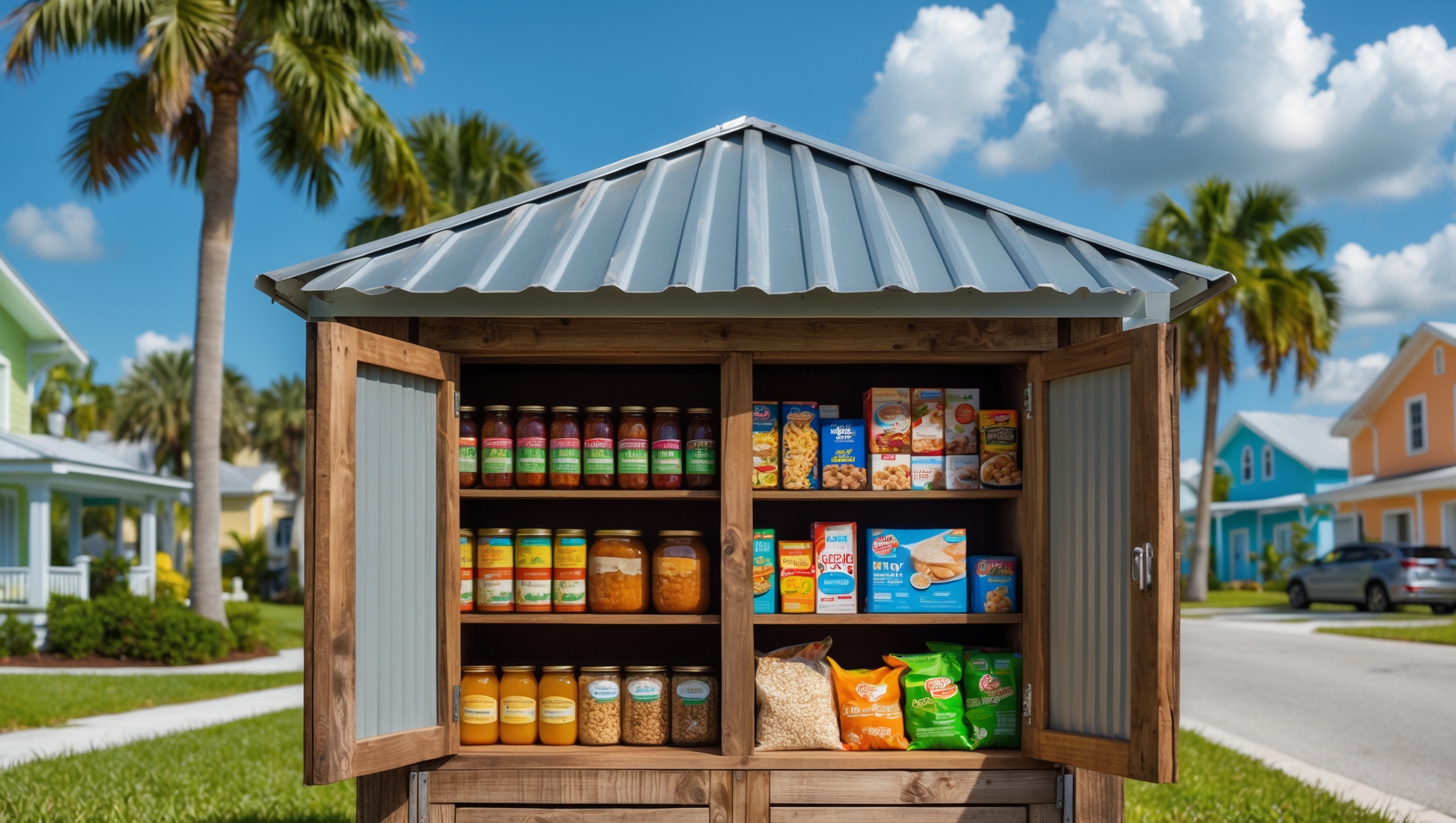
Case Study: How St. Pete’s Little Free Pantry Network Fights Food Insecurity

Introduction: Grassroots Action Against Food Insecurity in St. Petersburg
Food insecurity is a persistent challenge in many urban and suburban communities — and St. Petersburg, FL, is no exception. However, what truly sets St. Pete apart is its vibrant culture of community-driven solutions. Over the past several years, a growing network of Little Free Pantries has sprouted up across the city, connecting neighbors with vital food resources and fostering a spirit of generosity. These small, publicly accessible pantry boxes offer non-perishable foods and basic necessities, available 24/7 to anyone in need, with no questions asked. They are maintained and stocked by volunteers, local organizations, and everyday residents. This case study dives deep into the origins, evolution, operational strategies, impact, and lessons learned from the St. Pete Little Free Pantry network. Whether you’re considering starting a pantry, improving an existing project, or just curious about how grassroots initiatives can make a real difference, this post offers practical insights and actionable takeaways from the front lines of local food justice.
Origin Story: Planting the First Seed in St. Pete
Recognizing the Need
In early 2017, several community advocates, inspired by national Little Free Pantry movements, noticed increasing reports of food insecurity in St. Pete’s neighborhoods. Local food banks were doing critical work, but gaps remained—especially for families unable to access centralized distribution points due to transportation barriers or unpredictable schedules.
Building Partnerships
Initial organizers reached out to churches, community centers, and neighborhood associations. The first pilot pantry was installed outside a small church in the Old Northeast area, stocked with canned vegetables, pasta, and hygiene products. Within days, items were being taken and replaced, validating the concept’s viability.
Scaling Up: Growing a Network of Mutual Aid
Expanding Locations
After the first pantry’s success, word spread quickly via social media and neighborhood meetings. By the end of 2018, St. Pete boasted six active pantries, each strategically placed in areas identified through local data on food insecurity and community input. Locations included:
- Public libraries
- Recreation centers
- School grounds (with district approval)
- Residential front yards (with owner participation)
Design and Construction
Early pantries were simple: repurposed bookshelves or wooden crates with weatherproofing. As the network matured, designs improved. Volunteers with woodworking skills donated time and materials, building sturdy, visually appealing boxes with clear plexiglass doors and secure anchoring. Some local artists contributed painted murals, making pantries both functional and visually engaging landmarks.
Organization and Operations: The Backbone of Success
Stocking and Maintenance
Each pantry operates on a “take what you need, leave what you can” basis. Volunteers are assigned weekly or biweekly check-ins to restock, clean, and inspect for spoilage. Most pantries use a shared Google Sheet to track inventory and schedule maintenance. Typical stock includes:
- Canned vegetables, beans, soups
- Pasta, rice, dried beans
- Peanut butter, shelf-stable milk
- Hygiene items (soap, toothpaste, menstrual products)
Community Engagement
Social media plays a crucial role in sustaining momentum. Dedicated Facebook and Instagram pages showcase pantry locations, post urgent needs, and celebrate donor contributions. Some pantries partner with local businesses for food drives or matching donation campaigns, while neighborhood schools organize periodic restocking events as community service projects.
Overcoming Challenges: Lessons from the Field
Weather and Vandalism
St. Pete’s tropical storms and summer humidity posed early risks to pantry integrity and food safety. Organizers quickly learned to:
- Use waterproof paint and sealant
- Install raised platforms to prevent flooding
- Prioritize non-perishable, heat-tolerant foods
Incidents of vandalism or misuse were rare but addressed through open dialogue with neighbors and, in rare cases, relocating pantries to higher-traffic areas for natural surveillance.
Food Safety and Rotation
To prevent spoilage, pantries adopted a simple “first in, first out” policy. Volunteers regularly check expiration dates and educate donors (via posted signs and social media) about what items are appropriate and safe to donate in Florida’s climate.
Volunteer Burnout
As the network grew, so did the need for reliable volunteers. Organizers implemented a rotating schedule, clear onboarding for new helpers, and periodic appreciation events to keep morale high and avoid burnout.
Measuring Impact: Real-World Outcomes
Stories from the Community
Countless residents have shared stories of how a pantry box provided a crucial meal at the end of a tough week, or how a child’s school project led an entire class to rally around food drives. Teachers have reported fewer hungry students, and seniors on fixed incomes have found relief in knowing there’s a nearby resource during lean months.
Quantifying Success
While anonymity makes precise data collection difficult, pantry organizers estimate that over 8,000 pounds of food have been distributed annually across the network. Regular surveys of volunteers and informal feedback from pantry users consistently highlight:
- Reduced stigma compared to traditional food pantries
- Increased community connection and engagement
- Opportunities for youth leadership and civic engagement
Practical Takeaways for Aspiring Organizers
Start Small, Learn Fast
Launching a single pantry is achievable with minimal resources, and early pilot projects offer invaluable insights. Don’t wait for perfection — let the community’s response guide your next steps.
Leverage Local Networks
Churches, schools, and local businesses are natural partners. Their support can provide locations, funding, or volunteers. Tap into neighborhood associations for insights on where need is greatest.
Prioritize Communication
Consistent updates and transparency build trust. Use social media not just for donation appeals, but also to tell stories, celebrate milestones, and recognize volunteers.
Plan for Sustainability
Document procedures, develop volunteer handbooks, and share lessons learned. Consider succession planning so pantries outlast any single organizer’s involvement.
Spotlight: Innovative Approaches in St. Pete’s Network
Specialized Pantries
Some pantries have experimented with focused offerings, such as “pet food only” boxes, hygiene product pantries, or back-to-school supply drives. These targeted approaches fill niche gaps and attract new donors.
Collaborative Mapping
The network uses a public, interactive online map so residents can find the nearest pantry, check for recent updates, and even sign up for volunteer shifts. This transparency encourages broader participation and reduces duplication.
Seasonal Initiatives
During hurricanes or holidays, pantries coordinate to stock emergency supplies—bottled water, flashlights, or holiday meal kits. These efforts help the network stay relevant and responsive to evolving community needs.
Conclusion: Building Resilient, Compassionate Communities
The story of St. Petersburg’s Little Free Pantry network is a powerful example of what community-driven action can achieve. By harnessing local energy, knowledge, and generosity, St. Pete residents have created a flexible, sustainable, and deeply impactful model for fighting food insecurity. Key to this success is the network’s adaptability—responding quickly to weather, shifting needs, and volunteer capacity. Challenges are inevitable, but they are met with creativity and persistence rather than resignation. Most importantly, the pantries are more than just boxes of food: they are hubs of connection, dignity, and hope, reminding neighbors that no one is alone in facing hardship. For other cities or neighborhoods looking to replicate this model, the lessons from St. Pete are clear: start with empathy, invite collaboration, and let the community’s unique strengths shape every step. Whether you’re interested in launching a new pantry, supporting existing efforts, or simply learning from St. Pete’s journey, the Little Free Pantry network proves that everyday people can be powerful agents of change—one can of soup at a time.
I’m curious how the Little Free Pantries in St. Pete manage food safety, especially since items are out in the open 24/7 and Florida’s climate is so hot and humid. Are there guidelines for what can or can’t be donated to prevent spoilage?
The Little Free Pantry Network in St. Pete does have guidelines to help manage food safety. They recommend only donating non-perishable, shelf-stable items—such as canned goods, dry pasta, and packaged snacks—since these are less likely to spoil in the heat and humidity. Perishable items like dairy, meat, and fresh produce are discouraged. Volunteers regularly check the pantries to remove expired or unsafe items, helping to keep everything as safe as possible for the community.
You mentioned initial organizers worked closely with churches and neighborhood groups to get the first pantry started. For someone looking to launch something similar, what challenges did you face with local regulations or permissions when installing pantries on public or private property?
One common challenge was navigating local zoning laws and property permissions—some areas required permits or special approvals, especially for pantries placed on public land. On private property, getting written consent from owners was essential. Some neighborhoods had concerns about appearance or safety, so organizers often worked transparently with community associations and city officials to address any issues early and ensure compliance with local rules.
You mention that volunteers and everyday residents help keep the pantries stocked around the clock. How did the organizers encourage consistent community involvement, especially as the network grew? Did they use social media or some other system to coordinate stocking?
The organizers encouraged consistent community involvement by making the process easy and welcoming for everyone. As the network grew, they used social media platforms and neighborhood groups to spread the word, share updates, and coordinate stocking efforts. They also posted regular reminders and celebrated contributions online, which helped keep people engaged and aware of pantry needs.
It sounds like the Little Free Pantries fill a gap where traditional food banks can’t always reach people, like those facing transportation issues. Have there been any challenges with vandalism or misuse of the pantries, and if so, how did the organizers address them?
Yes, the organizers have encountered occasional issues like vandalism and misuse, such as people taking more than they need or leaving inappropriate items. To address these challenges, they rely on regular community monitoring and maintenance. Volunteers check the pantries frequently, remove unsuitable items, and repair any damage. The team also encourages neighbors to look out for the pantries and foster a sense of shared responsibility, which has helped reduce problems over time.
For communities looking to replicate St. Pete’s approach, what was the biggest logistical challenge in expanding from the pilot pantry to a full network, and how was it overcome?
The biggest logistical challenge was coordinating consistent food donations and managing inventory across multiple pantry sites as the network expanded. St. Pete’s overcame this by building strong partnerships with local organizations, setting up a volunteer system for regular stocking, and using simple tracking tools to monitor supplies. This ensured each pantry remained well-stocked and responsive to community needs as the network grew.
I’m curious if the pantries have ever had any trouble staying stocked, especially at the end of the month or during holidays. How do the local volunteers handle times when donations run low?
The pantries do sometimes face challenges staying stocked, particularly at the end of the month and during holidays when demand increases. In these situations, local volunteers often reach out to community groups, schools, and faith organizations for extra support. They also use social media to alert neighbors and encourage additional donations, helping to quickly restock the shelves when supplies run low.
How do the organizers decide which neighborhoods or areas in St. Pete should get new Little Free Pantries first, especially when there are limited resources?
The organizers prioritize neighborhoods for new Little Free Pantries based on several factors, including reported rates of food insecurity, community input, and existing pantry locations to avoid overlap. They look for areas with limited access to grocery stores or services and work closely with residents and local organizations to assess where the need is highest. With limited resources, they focus on maximizing impact by choosing sites where a pantry can serve the most people effectively.
For businesses like mine that might want to help out, are there best practices for partnering with existing community groups in the St. Pete network, or is it common for businesses to sponsor specific pantries?
Businesses often support the St. Pete Little Free Pantry Network by sponsoring specific pantry locations or partnering with local groups to provide resources, donations, or volunteers. It’s helpful to reach out to the pantry coordinators to discuss your interests and see where your business can have the most impact. Open communication, understanding community needs, and ongoing collaboration are considered best practices for successful partnerships.
For a first-timer, how long does it usually take from the initial idea stage to having a pantry stocked and available for people to use? Are there any time-consuming steps I should plan for based on the St. Pete project?
Based on the St. Pete’s Little Free Pantry Network experience, it usually takes about 4 to 8 weeks to go from idea to a stocked, operational pantry. Securing a location and getting permission can be time-consuming, as can building or acquiring the pantry structure. You should also plan extra time for recruiting volunteers and organizing your first food drive. Being proactive with permissions and community outreach will help streamline the process.
You mentioned the challenge of getting food to families with transportation barriers. Have any of the St. Pete Little Free Pantries experimented with mobile pantries or delivery services, or is everything strictly through fixed locations?
Most of the St. Pete Little Free Pantries operate as fixed locations, where individuals can pick up food directly. However, the network has recognized transportation barriers and, in some cases, volunteers have stepped up to deliver food to families unable to travel. There hasn’t been a formal mobile pantry program yet, but informal delivery efforts are occasionally organized when a specific need is identified.
For someone who’s never partnered with local organizations before, what are some practical first steps to connect with groups like churches or community centers to get support for starting a pantry?
Start by researching community organizations in your area, such as churches, neighborhood associations, or local nonprofits. Reach out by phone or email to introduce yourself and explain your pantry idea. Request a short meeting to discuss possible collaboration. Attend community events to meet leaders in person, and consider volunteering to build relationships. Be clear about your goals and ask how you can work together to benefit the community.
As someone interested in starting a similar initiative, I’m curious about budgeting—did the initial organizers secure any grants or outside funding to build or maintain the first set of pantries, or was it all entirely community-funded?
The initial organizers of St. Pete’s Little Free Pantry Network primarily relied on community support to get started. Most of the materials and pantry supplies were donated by local residents, businesses, and volunteers. While they later explored small grants for expansion and ongoing needs, the first set of pantries was built and maintained almost entirely through grassroots, community-driven funding.
Since the pantries are volunteer-run and accessible 24/7, have you run into any issues with people taking more than they need or with vandalism? How do community members usually handle those kinds of challenges?
There have been occasional challenges with people taking more than they need or minor incidents of vandalism, which is common with open-access pantries. Usually, community members address these issues by restocking as needed, spreading awareness about sharing fairly, and keeping an eye on the pantries. Volunteers sometimes organize neighborhood check-ins or rotate responsibility to help maintain respect and balance.
How did the organizers address concerns about food safety or items spoiling, especially with the Florida heat? Are there certain non-perishable foods that work better for outdoor pantries in hot climates?
The organizers make food safety a priority by encouraging donations of non-perishable items that can handle Florida’s heat, such as canned goods, nut butters, pasta, and rice. Perishable foods or anything requiring refrigeration are avoided, since outdoor pantries can get very warm. They also regularly check and clean the pantries to remove any spoiled or questionable items, helping to ensure the food stays safe for everyone.
I’m interested in how the volunteers manage the ongoing upkeep of the Little Free Pantries in St. Pete. Are there established schedules or processes to ensure the pantries are consistently stocked and cleaned, or is it more reliant on spontaneous community participation?
The upkeep of the Little Free Pantries in St. Pete combines both scheduled volunteer efforts and spontaneous community participation. Volunteers often follow set routines for checking, restocking, and cleaning the pantries, but neighbors and local supporters also drop off contributions or tidy up as needed. This blended approach helps keep the pantries consistently stocked and in good condition.
How does the Little Free Pantry approach in St. Pete compare with traditional food banks in addressing issues like transportation barriers and unpredictable schedules for families?
The Little Free Pantry approach in St. Pete offers 24/7, walk-up access at neighborhood locations, which helps families who struggle with transportation or can’t visit traditional food banks during fixed hours. Unlike food banks that might require travel, paperwork, or waiting in line, the pantries are open whenever families need them, making it much easier for those with unpredictable schedules or limited mobility to access food.
When the original organizers partnered with churches and community centers, did they run into any challenges around getting these groups on board, or handling liability concerns? I’m curious what kinds of agreements or understandings were helpful in their experience.
The article notes that when partnering with churches and community centers, organizers did encounter some initial hesitation, especially around liability and responsibility for food safety. To address this, they relied on clear written agreements outlining each party’s roles, and often included basic guidelines for pantry maintenance. These understandings helped reassure partners and set expectations, making collaborations smoother and more sustainable.
I’m curious about how the St. Pete Little Free Pantries handle food safety concerns, especially since the items are out in the open 24/7. Are there specific guidelines for what can or can’t be donated to reduce the risk of expired or unsafe food?
The St. Pete Little Free Pantry Network has clear guidelines to address food safety. They ask donors to avoid giving perishable items, opened packages, or foods past their expiration dates. Only shelf-stable items like canned goods, sealed snacks, and hygiene products are accepted. Regular volunteers check pantries to remove expired or unsafe items, helping ensure everything remains safe for the community.
For those wanting to help, what’s the estimated monthly cost or commitment needed to stock and maintain one of these pantry boxes? Is there any support for individuals who might not be able to cover all expenses on their own?
Stocking and maintaining a Little Free Pantry typically costs anywhere from $50 to $150 per month, depending on the pantry’s size and how frequently it’s used. Many volunteers team up with neighbors or local groups to share costs and responsibilities. If covering expenses is a concern, the network sometimes helps connect pantry stewards with donors or food drives, so you wouldn’t be alone in managing the commitment.
Since the article mentions transportation barriers as a reason people use the pantries, has the network tried any creative solutions to reach folks in more remote or underserved areas of St. Pete? For example, have there been discussions about mobile pantries or delivery partnerships?
The article highlights that transportation barriers do lead people to use the Little Free Pantries, but it doesn’t mention any formal mobile pantry programs or delivery partnerships in place right now. The network’s current approach focuses mainly on the community-stocked stationary pantries. However, your ideas about mobile pantries and delivery partnerships are great suggestions and could potentially help reach more people in remote or underserved areas in the future.
I’m curious about the cost involved in setting up one of these pantry boxes. Do you know roughly how much the first St. Pete pantry cost to make and maintain, and are there any tips for keeping expenses low for people just starting out?
The first St. Pete Little Free Pantry was built using donated materials and volunteer labor, so initial costs were kept quite low—typically, if you buy all materials new, you might spend $100–$300 for a simple pantry box. To minimize expenses, consider repurposing old cabinets, seeking donated supplies from hardware stores, or organizing a community build day where volunteers contribute time and resources. Ongoing maintenance costs are usually quite manageable if the community regularly helps keep the pantry stocked and in good repair.
For someone at another college who’s interested in starting a similar pantry project, what were some of the biggest challenges faced during the first year, and how did the St. Pete organizers overcome them?
During the first year, the St. Pete organizers faced challenges like finding reliable volunteers, securing consistent food donations, and building trust with the community. They overcame these hurdles by partnering with local organizations, hosting outreach events to recruit helpers, and communicating openly with neighbors to explain the pantry’s goals. Flexibility and adapting to feedback also played a big role in their success.
I noticed that transportation barriers were a reason for starting these pantries in St. Pete. Did organizers ever partner with local transit services or schools to expand the reach, or is everything centered around these neighborhood boxes?
You’re right—transportation barriers played a big role in the creation of the Little Free Pantries. According to the article, the organizers focused mainly on placing pantries within walking distance in neighborhoods with the most need. While partnerships with transit services or schools weren’t specifically mentioned, the emphasis has been on making food accessible directly in local communities rather than relying on larger distribution networks.
Do the pantries ever face challenges with attracting unwanted attention, such as vandalism or misuse? If so, what strategies have proven most effective in keeping the locations safe and welcoming for everyone?
Yes, the Little Free Pantry Network has occasionally experienced issues like vandalism and misuse. The most effective strategies have included placing pantries in visible, well-trafficked areas, involving local residents and businesses in monitoring, and encouraging neighborhood ownership. Clear signage about respectful use and regular check-ins by volunteers also help maintain a safe and welcoming environment for everyone.
The article mentions the importance of accessibility for families dealing with transportation barriers. Did the organizers consider any specific criteria or mapping tools to decide the locations of new pantries across St. Pete?
The organizers did take accessibility seriously when setting up new pantries. According to the article, they prioritized high-need areas and considered proximity to schools, community centers, and bus routes to better serve families with transportation challenges. While the article doesn’t mention a specific mapping tool by name, it suggests that thoughtful planning guided their location choices to maximize reach and convenience.
I’m wondering how the Little Free Pantries keep up with demand, especially during times when a lot of families might need extra help, like school breaks or holidays. Do volunteers have a system in place to make sure the pantries stay stocked during busier times?
The Little Free Pantry Network in St. Pete manages higher demand by coordinating closely with their volunteers and community partners. During school breaks and holidays, they organize special donation drives and encourage local groups to adopt a pantry for restocking. Volunteers regularly monitor inventory and communicate when supplies run low, so the network can quickly respond and keep the pantries filled when families need them most.
I’m curious about the process for getting approval to install a pantry in public spaces, like outside churches or community centers. Did the network in St. Pete need permits or face any city regulations early on?
The St. Pete’s Little Free Pantry Network did need to navigate some city regulations when installing pantries in public spaces. They often worked with property owners, such as churches or community centers, to get permission. In some cases, especially on public land, they checked with local government about permits or zoning. Early on, they addressed concerns by communicating with city officials to ensure compliance and resolve any issues that came up.
If someone is interested in starting a similar pantry in a different city, what initial costs should they plan for, and are there any funding sources or partnerships that worked particularly well for the St. Pete organizers?
To start a pantry like St. Pete’s, initial costs typically include building or buying pantry boxes, stocking food items, signage, and any necessary permits. St. Pete organizers found local business sponsorships, donations from community members, and partnerships with churches or civic groups especially helpful for funding and support. Connecting with existing nonprofits can also open up grant opportunities and resource sharing.
I would like to know more about how the St. Pete Little Free Pantry network handles restocking, especially when volunteers can’t check the boxes daily. Do they have a specific schedule or backup system to make sure supplies don’t run out unexpectedly?
The St. Pete Little Free Pantry network relies on a mix of volunteer schedules and community involvement to restock pantries. While volunteers aim to check boxes regularly, they also encourage neighborhood residents to contribute whenever they notice a pantry getting low. There isn’t always a strict daily schedule, but some pantries have backup plans like shared communication among volunteers or designated restocking days to minimize gaps in supplies.
Could you share more details about how the St. Pete pantries address the challenge of food safety, especially with Florida’s high temperatures? Are there particular types of non-perishables or best practices that worked well to ensure items stay safe and fresh?
The St. Pete Little Free Pantry Network takes food safety seriously, especially given Florida’s heat. They focus on stocking non-perishable items like canned goods, dried beans, rice, pasta, peanut butter, and shelf-stable milk. Volunteers check pantries often to remove expired or damaged items and avoid items that are especially sensitive to heat, like chocolate or dairy (unless shelf-stable). They also encourage donors to avoid perishable foods that could spoil quickly.
For someone interested in starting a similar network, what were the most effective partnerships or strategies that helped St. Pete’s Little Free Pantry effort scale up beyond the first location? Was it more about word of mouth, formal outreach, or connecting with existing organizations?
St. Pete’s Little Free Pantry Network grew by combining several strategies. Connecting with existing organizations like local churches and nonprofits provided resources and volunteers. Word of mouth within neighborhoods helped build trust and interest, but formal outreach—such as presentations to community groups and city officials—was key for gaining wider support and funding. Partnerships with food banks also played a major role in their expansion.
If someone is interested in starting a similar pantry in their own neighborhood, what were some of the main startup costs and funding challenges the St. Pete group faced in those early stages?
St. Pete’s Little Free Pantry Network faced startup costs like building materials for pantry boxes, permits, signage, and initial food supplies. Funding challenges included finding sponsors and donors, as well as covering ongoing maintenance and restocking expenses. Early on, they relied heavily on community fundraising, small grants, and local partnerships to get the project off the ground. Planning for both initial and recurring costs was important to keep the pantries running smoothly.
Could you share more about the logistics of keeping the pantries stocked, especially as the network has grown across St. Pete? Are there any particular challenges around coordination or keeping up with demand?
The pantries rely on a mix of community donations, volunteer efforts, and partnerships with local organizations to stay stocked. As the network has expanded, coordination has become more complex. Volunteers monitor pantries, but keeping up with demand during busy periods can be challenging, and some sites run low before others. Communication among volunteers, efficient supply distribution, and ongoing community engagement are key strategies used to address these challenges.
I’m curious how the St. Pete Little Free Pantry network addresses food safety concerns, especially since the pantries are accessible 24/7 and self-stocked. Are there specific guidelines or educational efforts to ensure that only safe and appropriate items are placed in the boxes?
The St. Pete Little Free Pantry Network promotes food safety by providing clear guidelines for what can be donated, such as avoiding expired, opened, or perishable items unless they are shelf-stable. Volunteers and organizers regularly inspect the pantries to remove unsuitable items. The network also educates donors through posted signs and outreach, encouraging everyone to follow safe donation practices and keep the pantries clean and safe for all users.
I live in a neighborhood where transportation can also be an issue for a lot of folks. How did the St. Pete organizers decide on the best spots for their first pantries, and what kind of approval process was needed to set one up outside a church or community center?
The St. Pete organizers considered both the level of local food insecurity and how easily people could reach the pantries, especially where transportation was a challenge. They chose visible, walkable locations like churches and community centers. For approval, they worked directly with property owners—such as church leaders or center managers—to get permission, usually through conversations or a simple written agreement. No formal city permits were mentioned for these sites in the article.
Can you share more details about how the St. Pete pantries handle restocking, especially when it comes to keeping items safe during the hot Florida summer? I’m worried about food quality in extreme weather if I try something similar where I live.
The St. Pete Little Free Pantry Network focuses on restocking nonperishable, shelf-stable foods that can withstand Florida’s heat, like canned goods, pasta, and rice. Volunteers check pantries regularly, discarding any items that could spoil or melt. They avoid perishable foods and ensure packaging isn’t damaged. If you’re starting a pantry in a hot climate, stick to nonperishables, inspect food often, and consider shade or insulated containers to help protect supplies.
I live in a neighborhood where transportation is also a big barrier to food access. Could you share more about how the St. Pete group figured out the best spots to place the first pantries? Was there a process they followed to pick safe and convenient locations?
The St. Pete group worked closely with local residents and community organizations to identify areas where people faced the most barriers to food access, including limited transportation. They looked for spots that were easy to reach by foot and considered safety, visibility, and proximity to neighborhoods with higher need. They also gathered input from people living nearby to ensure the pantries would be both accessible and well-used before choosing each location.
Have you found that the 24/7 model leads to any issues with food safety, especially in the hot Florida weather, and if so, how do you address concerns around spoilage or attracting pests?
Food safety is definitely a concern with a 24/7 pantry, especially in Florida’s heat. The St. Pete’s Little Free Pantry Network encourages donations of only non-perishable, shelf-stable items and avoids items that can spoil quickly. Volunteers check the pantries regularly to remove any food that might be unsafe or past its date, and the network uses enclosed, weather-resistant structures to help keep pests away.
I’m curious how the network keeps track of which pantries are most in need of restocking, especially since everything is volunteer-led. Do the volunteers use a centralized communication method or schedule to coordinate supplies across different locations?
The St. Pete’s Little Free Pantry Network relies on a mix of coordination methods. Volunteers regularly check their assigned pantries and share updates through group chats and a shared spreadsheet. This helps everyone track which locations are running low and prioritize restocking efforts. While there isn’t a rigid schedule, volunteers communicate often to make sure supplies are distributed where they’re most needed.
For someone who wants to start a pantry but doesn’t have a connection to local churches or organizations, what are some alternative ways to secure a safe and accessible location like the ones in the article?
If you don’t have ties to churches or organizations, you can look into other community spaces such as local libraries, schools, small businesses, or even neighborhood parks. Some pantry founders also place pantries on their own property or work with neighbors willing to host. Just make sure to get permission from property owners and consider visibility, safety, and ease of access for those who need it.
For someone thinking about starting a similar initiative in their own neighborhood, what were some of the main unexpected hurdles faced during the expansion phase, and what would you recommend to streamline the process?
During the expansion phase, the St. Pete’s Little Free Pantry Network found that maintaining consistent volunteer engagement and managing pantry restocking logistics were bigger challenges than expected. They also navigated zoning rules and occasional neighborhood resistance. To streamline your own process, consider building partnerships early on with local organizations, clearly outlining volunteer roles, and setting up a reliable donation and restocking schedule. Open communication with community members also helps address concerns before they become barriers.
For neighborhoods in St. Pete that still struggle with access due to transportation barriers, are there any plans to expand the Little Free Pantry network to those underserved areas, or to partner with mobile food initiatives to fill in the gaps?
The organizers are aware that transportation barriers still affect some neighborhoods in St. Pete. They are actively exploring ways to expand the Little Free Pantry network into these underserved areas. Additionally, partnerships with mobile food initiatives are being considered to reach residents who can’t access existing pantry locations. Community input and collaboration are key parts of their ongoing strategy, so suggestions and local involvement are always welcome.
You mentioned that initial organizers partnered with churches and neighborhood associations. Have you found that certain types of locations—like schools or community centers—are more successful for pantry placement than others, and why?
From our experience with the Little Free Pantry Network, locations with high visibility and steady foot traffic—such as community centers, libraries, and schools—tend to be especially successful. These places are accessible to a wider range of people and reduce stigma since many visit for other reasons. Partnerships with schools also help reach families with children, while community centers often foster a sense of collective responsibility and support.
Since these pantries are accessible 24/7 and maintained by volunteers, has the network encountered any significant challenges with vandalism or misuse? If so, what solutions or preventive measures have proven most effective?
The network has experienced some challenges with vandalism and misuse, which are not uncommon for open-access pantries. To address this, they rely on frequent volunteer check-ins, strong community involvement, and clear signage outlining proper use. Some locations have also partnered with nearby residents or businesses to keep an eye on the pantries, which helps deter negative behavior and ensures the pantries remain a positive resource.
When the organizers in St. Pete first reached out to groups like churches and neighborhood associations, did they face any challenges in getting partners on board? I’m curious if there were any concerns about liability, property maintenance, or permitting that someone just starting out should watch for.
The article mentions that the St. Pete organizers did encounter some hesitancy from potential partners, especially around liability and property upkeep. Some groups wanted clarity on who would monitor the pantries and handle any issues, like food safety or neighborhood complaints. Permitting wasn’t a major issue in most cases, but it’s wise to check with local authorities. Addressing these concerns early and providing clear plans for maintenance helped them gain trust and participation.
If I want to start a pantry similar to the first one mentioned in Old Northeast, what kind of costs should I expect for materials and stocking the pantry in the beginning? Are there any tips on keeping it affordable for someone new to this?
Starting a small pantry like the one in Old Northeast usually involves materials for a weatherproof box, which can cost between $100 and $300 depending on whether you build it yourself or buy a pre-made one. Initial stocking can be $50–$150, depending on what you choose. To keep costs low, consider using donated or reclaimed materials, partnering with local businesses for food or supplies, and inviting neighbors to contribute items regularly.
The article mentions that volunteers, local organizations, and residents help keep the pantries stocked. How do they coordinate who brings what and make sure the pantries don’t end up empty or overflowing with duplicate items?
The pantry network in St. Pete coordinates through regular communication among volunteers, local groups, and residents. They often use online sign-up sheets, group messages, or social media to track what items are needed and who is bringing what. This helps prevent duplication and makes sure pantries are restocked evenly, so they rarely run empty or get overloaded with the same items.
You mentioned the first Little Free Pantry was set up near a church and quickly gained traction. For those of us considering starting one in our own neighborhood, what advice do you have for partnering with local organizations or building that initial community support?
Partnering with local organizations is a great way to build credibility and reach. Start by reaching out to churches, community centers, or schools and explain how a pantry can serve neighbors in need. Ask if you can place a pantry on their property or if they’d help spread the word. Hosting a small kickoff event or inviting volunteers to help stock and maintain the pantry also helps create a sense of shared ownership and involvement.
I’m curious about how the volunteers keep track of pantry inventories across all the different locations in St. Pete. Do they use a specific system or app to monitor supplies, or is it mostly on an honor basis with occasional check-ins?
The St. Pete’s Little Free Pantry Network mostly relies on an honor system, where community members and volunteers check the pantries as needed and restock them. There isn’t a dedicated app or centralized inventory system in place. Instead, volunteers and neighbors regularly visit the locations, monitor supplies informally, and report or replenish shortages as they notice them.
For someone interested in starting a similar pantry in another city, what were the biggest startup expenses for the first St. Pete location, and did organizers find community partnerships or private donations more helpful in covering those costs?
The main startup expenses for the first St. Pete Little Free Pantry included building materials for the pantry structure, initial food and personal care stock, and some basic signage. Organizers noted that while both community partnerships and private donations played important roles, private donations—especially in-kind contributions of materials and food—were particularly helpful in covering upfront costs. Community partnerships became more valuable as the pantry grew, offering ongoing support and wider reach.
You mentioned that the first pantry was installed outside a church and was supported by local organizations and residents. Which partners or types of locations have turned out to be the most effective or reliable for hosting and maintaining these pantries?
Locations that have proven most effective for hosting and maintaining the pantries include churches, schools, and community centers. These sites generally have established community ties and a reliable presence, making them trusted spots for both donation drop-offs and distribution. Partners like local faith groups, neighborhood associations, and small businesses have also played a key role by providing ongoing support and maintenance.
I’m curious about how the network handles restocking, especially since these pantries are open 24/7 and rely on donations. Have there been any challenges with keeping certain items available, like hygiene products or canned foods?
The network manages restocking through a combination of community volunteers, partner organizations, and regular check-ins by neighborhood coordinators. Because the pantries are open 24/7 and stocked by donations, keeping shelves filled—especially with high-demand items like canned foods and hygiene products—can be challenging. These items often run out quickly, so the network frequently puts out specific requests to donors and organizes targeted drives to help replenish those essentials.
What are some of the main challenges the organizers have faced with keeping the pantries stocked and maintained over time? I’m interested in learning about any systems they’ve developed to handle supply shortages or volunteer burnout.
The organizers have faced challenges like inconsistent food donations, which sometimes lead to empty pantries, and volunteer burnout from the ongoing need for restocking and maintenance. To help with these issues, they’ve set up a network of neighborhood stewards who each monitor a specific pantry, created a rotation schedule for volunteers, and built partnerships with local businesses and groups for more reliable food supplies. These systems help share responsibility and keep the pantries better stocked over time.
For someone interested in launching a pantry, what were some unexpected costs or logistical challenges that St. Pete’s network faced when expanding beyond just the first few locations?
When St. Pete’s Little Free Pantry Network expanded, they encountered a few surprises. One was the ongoing cost of maintaining pantries, like repairs due to weather or vandalism. They also found that securing reliable volunteers to restock and monitor each site became more challenging with growth. Navigating city regulations for placing pantries in new neighborhoods sometimes required extra time and permits, which added complexity to their expansion.
I’m curious how St. Pete’s Little Free Pantries compare to traditional food banks in terms of reaching people who struggle with transportation or irregular work hours. Have there been any surveys or feedback from users about which resource is more accessible for them?
St. Pete’s Little Free Pantries are designed to be accessible 24/7 and are located in neighborhoods, which helps people who have trouble with transportation or can’t visit traditional food banks during set hours. While the article doesn’t mention formal surveys, organizers report that many users appreciate the flexibility and convenience. Some users have shared informally that the pantries fit better with unpredictable work schedules.
Has the Little Free Pantry network in St. Pete faced any challenges with vandalism or misuse of the pantry boxes, and if so, how have they addressed these issues to ensure the safety and reliability of the service?
The Little Free Pantry network in St. Pete has encountered occasional challenges with vandalism and misuse, such as items being taken in bulk or boxes being damaged. To address these issues, organizers regularly check and restock the pantries, engage with neighbors to encourage positive use, and repair or reinforce boxes as needed. Community involvement has played a big part in maintaining the safety and reliability of the service.
If someone wanted to start a similar pantry in their own neighborhood, what kind of initial partnerships or outreach worked best for St. Pete? Did they find churches or neighborhood associations easier to work with?
St. Pete’s Little Free Pantry Network found that partnering with local churches provided a strong foundation, as many churches were eager to offer space and volunteers. Neighborhood associations were also helpful, especially for spreading awareness and recruiting local stewards, but churches generally offered quicker access to resources and community trust. Starting with faith groups and then broadening to civic organizations worked well for them.
Do you have any tips for getting local organizations or neighbors on board with starting a pantry like the one that began at the Old Northeast church? I’m wondering what worked best for building initial partnerships.
One effective way to build initial partnerships is to start by reaching out to people and groups already involved in community service, like faith communities, local schools, and neighborhood associations. Personal conversations and presentations about the pantry’s positive impact can help spark interest. It also helps to share stories of how even small contributions make a difference. Inviting potential partners to tour an existing pantry or help with a simple event can encourage them to get involved.
The article mentions that the first pilot pantry was installed outside a church and quickly validated the concept. Have there been any challenges with location selection since then, like issues with permits or neighborhood acceptance?
Since the first pilot pantry, location selection has sometimes brought up challenges like ensuring the pantry is easily accessible while also being welcomed by the neighborhood. In some cases, there have been discussions with property owners or local authorities about permits or zoning, but most neighborhoods have supported the idea once the benefits were explained. Community engagement and clear communication have helped overcome initial concerns in most situations.
If I wanted to get my child’s school involved in this effort, what are the first steps to setting up a pantry and what partnerships or permissions would I need to consider based on the experiences in St. Pete?
To start a pantry at your child’s school like in St. Pete, first talk with school administrators to secure permission and support. Then, connect with local organizations or existing pantry networks for guidance and possible partnerships. Identify a safe, accessible location on school grounds and rally volunteers among parents, staff, and students. Collaborating with local food banks or community groups can also help with stocking and maintaining the pantry.
How do volunteers make sure that the pantry boxes stay stocked and safe, especially since they’re available 24/7? Have there been any issues with vandalism or leftover food going bad?
Volunteers visit the pantry boxes regularly, sometimes even daily, to restock food and check for any spoiled items. They follow food safety guidelines and remove anything that’s unsafe or expired. To address security, they monitor the boxes and quickly repair any damage. While occasional vandalism or food spoilage can happen, the community’s involvement and frequent check-ins help keep the pantries safe and well-stocked most of the time.
I noticed the article mentioned volunteers and residents help maintain and stock the Little Free Pantries. If I wanted to get my kids involved, is there a specific process for donating items or helping out, and are there restrictions on what can go in the pantries?
Getting your kids involved is a great idea. For donating, you can simply place non-perishable, unopened, and unexpired food items directly into any of the Little Free Pantries. Some pantries may also accept toiletries or baby supplies. Avoid placing home-cooked meals, expired food, or items that need refrigeration. If you’d like to help with regular restocking or maintenance, you can reach out to the network organizers, who often welcome new volunteers, including families.
Did your team face any challenges with city regulations or zoning when placing pantries in public spaces, especially outside churches or community centers? I’m wondering what hurdles we might run into if we try to expand beyond private property.
Yes, we did encounter some challenges related to city regulations and zoning. In public spaces, especially those not owned by churches or organizations, we needed to get permission from the city, which sometimes involved paperwork or meetings with local officials. Some locations required us to follow specific guidelines about structure size or placement for safety and accessibility. It’s important to contact your local zoning office early so you can address any potential issues before starting your expansion.
As someone considering a similar project in my city, I wonder how the St. Pete organizers tracked the impact or usage of their pantries over time without asking intrusive questions. Do they have strategies for measuring success or figuring out high-need locations?
The St. Pete’s Little Free Pantry organizers focused on observing pantry usage patterns rather than collecting personal data. They tracked the frequency of restocking needed at each location to gauge demand and identify high-need areas. Volunteers also noted which items disappeared fastest and used that information to adapt their offerings. This hands-off approach allowed them to respect privacy while still monitoring impact and adjusting their strategy as needed.
I’ve noticed that some cities face zoning or permitting issues when installing public pantry boxes. Did St. Pete’s organizers run into any city regulations or pushback, and if so, what steps did they take to address legal concerns before expanding to multiple neighborhoods?
St. Pete’s Little Free Pantry Network did encounter some city regulations when setting up public pantry boxes, particularly regarding zoning and permissions for structures on public or private property. To address these concerns, the organizers reached out to city officials early, clarified requirements, and worked closely with property owners to ensure compliance. They also focused on placing pantries in locations with clear owner approval, like churches or businesses, which helped streamline the process and minimize pushback.
For a small business wanting to support or sponsor a pantry in our neighborhood, what are some effective ways to partner with local organizations or volunteers to ensure ongoing upkeep and community involvement?
To support a Little Free Pantry, consider partnering with local nonprofits, churches, or neighborhood associations already involved in pantry operations. You could sponsor regular food drives, donate supplies, or offer your business as a drop-off location. Encourage your staff to volunteer for stocking and maintenance shifts. Regularly communicate with pantry coordinators to stay updated on needs and coordinate publicity to boost community engagement.
You mentioned that transportation and scheduling barriers were major issues that existing food banks couldn’t always solve. Have you found that the 24/7 Little Free Pantry model actually reaches people who might otherwise fall through the cracks, or are there still challenges with accessibility?
The 24/7 Little Free Pantry model does help reach people who might otherwise be missed by traditional food banks, especially those with limited transportation or unpredictable schedules. Its open-anytime approach lets individuals access food at their convenience. However, there are still some accessibility challenges, such as being able to physically reach the pantries or knowing where they’re located. Efforts are ongoing to address these issues and improve accessibility even further.
The article mentions that churches and neighborhood associations were key partners in getting the first pantries installed. For someone considering starting a similar project, what challenges did you face in getting property owners or organizations on board at the very beginning?
Early on, the main challenge was gaining trust and addressing concerns from property owners and organizations. Some worried about liability, increased foot traffic, or maintenance needs. It helped to clearly explain the pantry’s purpose, share examples from other communities, and assure them of ongoing volunteer support. Building relationships and being transparent about responsibilities made it easier to get partners on board.
For someone interested in setting up a similar pantry in another neighborhood, what was the biggest challenge in expanding from that single pilot at the church to a broader network? Was it funding, finding locations, or getting enough volunteers?
The biggest challenge in expanding from the initial church pilot to a broader network was actually finding reliable host locations. While funding and volunteers were important, getting community organizations or property owners on board to host pantries took the most time and coordination. Many potential hosts wanted to know about maintenance responsibilities and how the pantry would impact their property, so building those relationships was key.
For students or young people interested in starting a pantry on campus or in their neighborhood, what were some of the biggest obstacles the original organizers faced in the early days, and how did they overcome them?
The original organizers faced a few key obstacles, including finding a suitable, accessible location and getting permission from property owners or local authorities. They also had to raise awareness in the community and secure consistent food donations. To overcome these challenges, they built relationships with local stakeholders, used social media to spread the word, and partnered with nearby organizations for support. Flexibility and clear communication helped them adapt and grow their efforts.
Can you share more about how the St. Pete organizers measured the impact of these pantries over time? For instance, are there specific methods used to assess if food insecurity rates have improved in the neighborhoods served?
The St. Pete organizers tracked impact by regularly monitoring pantry usage, such as the amount of food distributed and how often pantries were restocked. They also gathered feedback from both community members and pantry stewards to understand local needs. While they didn’t conduct formal studies on food insecurity rates, they collaborated with local partners to observe broader trends and changes in neighborhood demand, which provided insights into the pantries’ effectiveness over time.
For someone interested in launching a similar initiative, what were some of the early challenges St. Pete organizers faced when building partnerships with churches and neighborhood groups? Was there any resistance or red tape, and how did you overcome it?
St. Pete’s organizers did encounter early challenges when building partnerships, especially with churches and neighborhood groups. Some groups were initially hesitant due to concerns about liability or doubts about long-term commitment. There was also some red tape, such as obtaining permissions and clarifying responsibilities. The team overcame these issues by holding open conversations, providing clear information, and emphasizing the positive community impact. They also made sure to address concerns directly and worked closely with each partner to find solutions that worked for everyone.
For someone considering setting up a similar pantry in a different city, what kinds of partnerships have been most critical for ongoing support? Did you find that certain groups, like churches or neighborhood associations, were easier to collaborate with than others?
The case study highlights that partnerships with local churches and neighborhood associations were especially valuable for ongoing support. These groups often provided space, volunteers, and helped spread the word. Collaborations with schools and local businesses also played a significant role, but churches and neighborhood groups tended to be more immediately responsive and invested in the success of the pantry.
I’m curious how families with dietary restrictions, like allergies or religious food preferences, are accommodated with these pantry boxes. Has the St. Pete network developed any strategies to address this?
The St. Pete’s Little Free Pantry Network encourages community members to label donated food items, especially if they are allergy-friendly, gluten-free, vegetarian, or meet certain religious requirements. Although the pantries rely on donations and can’t guarantee specialized options at all times, donors are urged to be mindful of dietary restrictions. Some locations also post guidelines and suggestions to help inform both donors and users about common needs.
You mention that the first pantry was put up outside a church in the Old Northeast area. If I want to approach a local organization or church for a partnership, what do I need to prepare ahead of time? Are there specific challenges to look out for during those first conversations?
When approaching a local organization or church, it helps to prepare a clear description of the pantry project, including its purpose, how it works, and the benefits to the community. Bring information on responsibilities, expected upkeep, and examples from other successful pantries. Be ready to discuss concerns like liability, safety, and ongoing maintenance. Some organizations may worry about attracting unwanted attention or increased foot traffic, so addressing these early can help build trust and support.
As someone considering starting a pantry in my neighborhood, I’m curious if there are any particular food items or basic necessities that seem to be in highest demand in St. Pete’s Little Free Pantries.
In St. Pete’s Little Free Pantries, canned proteins like tuna or chicken, peanut butter, pasta, rice, and canned vegetables are consistently in high demand. People also appreciate basic hygiene items such as soap, toothbrushes, and toothpaste. Shelf-stable snacks and single-serve items are especially helpful for individuals without access to full kitchens. Stocking these items is a great way to meet local needs.
If a family relies on these pantries regularly, is there any support for fresh foods or produce, or is it strictly non-perishables? I’m interested in whether people have found creative ways to supplement the basic pantry items.
The Little Free Pantry network in St. Pete primarily focuses on shelf-stable, non-perishable items due to storage and safety reasons. However, some community members and local partners do find creative ways to offer fresh produce, such as occasional produce drops, partnerships with local gardens, or neighbors leaving fresh fruit and vegetables when possible. These efforts help supplement the regular pantry items and provide more variety for families.
The article mentions transportation barriers that prevent some families from accessing centralized food banks. Has the Little Free Pantry network partnered with any local transit services or delivery programs to reach people who still can’t get to the pantries?
The article does not mention any formal partnerships between the Little Free Pantry network and local transit services or delivery programs. The network mainly addresses transportation barriers by placing pantries in various neighborhoods, making them easier to reach by foot. If you’re interested in delivery options, it might be helpful to contact the network directly or check with local community organizations for additional support.
As a small business owner thinking about setting up a similar pantry near my shop, I’m curious about any unexpected challenges the first St. Pete locations faced after installation, like theft or spoilage, and how those were handled.
Some unexpected challenges the St. Pete pantries encountered included food spoilage, especially in hot weather, and occasional instances of theft or misuse. To address spoilage, organizers rotated items more frequently and encouraged donations of non-perishable goods. For theft or misuse, they fostered a sense of community ownership by involving nearby residents and businesses in monitoring and restocking the pantry, which helped reduce problems over time.
Did the St. Pete pantries encounter any obstacles, like city regulations or theft, when setting up and maintaining their boxes? If so, how did they navigate those challenges, and what advice would you give to someone worried about similar issues?
The St. Pete Little Free Pantry Network did face challenges such as city regulations regarding where they could place the pantry boxes and occasional theft or misuse. They addressed these by working closely with city officials to meet placement guidelines and by encouraging community ownership, which helped deter theft. For others starting similar projects, it’s helpful to communicate openly with local authorities early on and to engage neighbors so the whole community feels responsible for the pantry’s success.
For someone interested in starting a Little Free Pantry in another city, what lessons did the St. Pete organizers learn about building partnerships with churches or community centers in those early stages that might smooth the process elsewhere?
The St. Pete organizers found that approaching churches and community centers with a clear plan and highlighting the mutual benefits helped build trust quickly. They emphasized listening to each partner’s concerns, being flexible with location or pantry design, and establishing regular communication early on. Starting small and celebrating shared successes also encouraged more organizations to get involved as the project grew.
For someone worried about upfront costs, how much did it take to get a simple pantry built and supplied at the beginning in St. Pete? Are there any tips on saving money or getting affordable materials for those just starting out?
In St. Pete, starting a simple Little Free Pantry usually cost organizers between $150 and $300 for materials and initial supplies. Many volunteers saved money by using donated or reclaimed wood, asking local hardware stores for discounts, or repurposing old cabinets. Community donations and neighborhood drives also helped keep ongoing supply costs low, so teaming up with others can make the project more affordable.
In the article, it mentions transportation barriers as a reason why centralized food banks weren’t enough. Did you find that the placement of pantries in certain neighborhoods or near specific community centers had a bigger impact on accessibility for those in need?
Yes, the article highlights that placing pantries directly within neighborhoods—especially those facing transportation challenges—had a noticeable positive impact. Locating pantries near community centers, schools, or high-traffic local spots made it much easier for people to access food without needing a car or long commutes. This hyper-local placement was a key factor in improving accessibility for those who couldn’t easily reach centralized food banks.
You mentioned transportation barriers for families; did the St. Pete project map locations to ensure pantries were accessible to those most in need? I’d love to know what data or community input was used when deciding where to place each pantry.
The St. Pete’s Little Free Pantry Network did consider transportation barriers when planning pantry locations. They collaborated with local organizations, reviewed demographic data on food insecurity, and gathered community input through surveys and neighborhood meetings. This helped them identify areas with the greatest need and limited access to transportation, ensuring pantries were placed in easily accessible spots for the families who needed them most.
Did the organizers in St. Pete have to get permission from the city or local government to install those pantries outside churches and community centers, or was it pretty informal? Wondering about what kinds of rules or obstacles you ran into at first.
The organizers in St. Pete mostly took an informal approach when setting up the Little Free Pantries, especially on church and community center properties, since these locations often didn’t require city approval. However, they did consult property owners and sometimes checked local ordinances just to be safe. In a few cases, they encountered questions about zoning or permits, but there were no major obstacles as long as the property owners were supportive.