
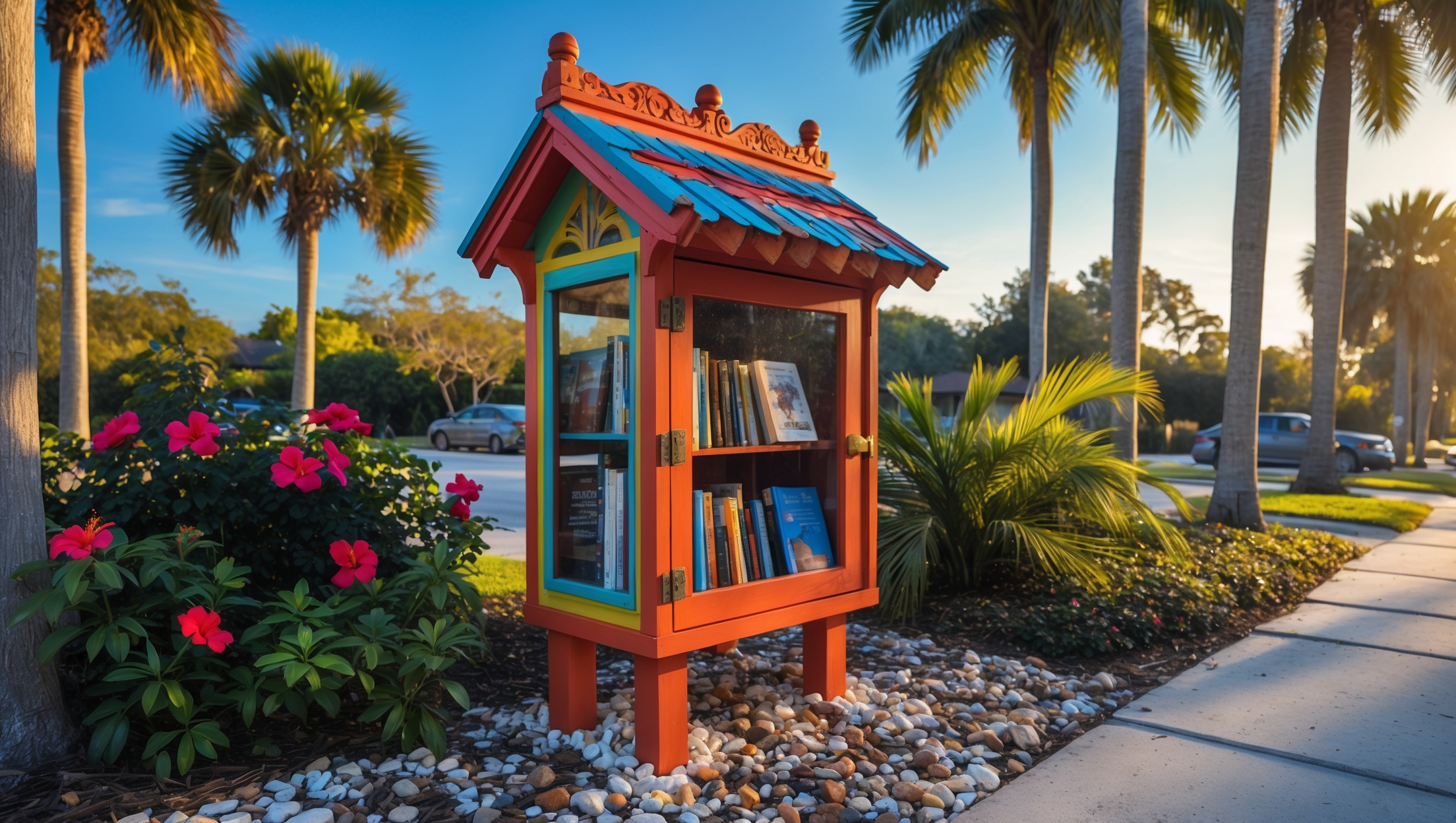
St. Petersburg’s Community Book Exchanges: Maintenance Best Practices for Lasting Impact

Introduction: The Heartbeat of St. Petersburg’s Neighborhoods
St. Petersburg, FL, is a city known for its sunshine, vibrant arts scene, and above all, a strong sense of community. One of the most charming manifestations of this community spirit is the network of free book exchange boxes—sometimes called Little Free Libraries—scattered throughout its neighborhoods. These small structures are more than just repositories for books; they’re hubs of sharing, connection, and lifelong learning. Yet, for these beloved institutions to thrive, they require thoughtful, ongoing maintenance. Too often, community book exchanges fall into neglect: doors break, weather takes its toll, or the selection becomes stale. This comprehensive guide dives deep into maintenance best practices for St. Petersburg’s community book exchanges, ensuring they remain attractive, safe, and welcoming for years to come. Whether you’re a first-time steward or a seasoned caretaker, you’ll find actionable tips, seasonal checklists, and creative engagement ideas tailored for St. Pete’s unique climate and culture.
Understanding the Unique Needs of St. Petersburg’s Book Exchanges
Climate Considerations
St. Petersburg’s subtropical climate brings high humidity, scorching sun, torrential summertime downpours, and the occasional hurricane. These factors accelerate wear on outdoor structures. Selecting and maintaining weather-resistant materials is essential, as is a proactive approach to storm preparation and recovery.
Community Usage Patterns
Book exchanges in St. Pete often see heavy foot traffic, especially those near parks, bus stops, or schools. This means higher book turnover and more frequent wear and tear. Understanding who uses your exchange—and how often—will help you tailor your maintenance schedule and book selection strategies.
Structural Maintenance: Keeping Your Exchange Sturdy and Safe
Monthly Inspection Checklist
- Check for Leaks: Inspect the roof and seams for any signs of water intrusion. In St. Pete’s rainy season, even small leaks can quickly lead to mold and book damage.
- Test Hinges and Latches: Open and close doors fully. Lubricate with a silicone-based spray if there’s any squeaking or sticking.
- Assess Structural Integrity: Examine all joints, fasteners, and legs. Tighten loose screws; replace any corroded hardware with stainless steel to resist salt air.
- Look for Pest Intrusions: Check for ants, termites, or rodents—especially if your exchange is near landscaping. Remove nests and seal any entry points with caulk or weather stripping.
Seasonal Deep Dives
- Spring: Check paint or sealant for peeling. Sand and repaint exposed areas with UV-resistant outdoor paint.
- Summer: Before hurricane season, secure your exchange to the ground or a sturdy post. Consider removable plexiglass panels for additional storm protection.
- Autumn: Clean gutters or overhangs to prevent leaf buildup and water pooling.
- Winter: In rare cold snaps, check for condensation inside the box and wipe down as needed.
Book Management: Ensuring Quality and Variety
Curating Your Collection
Quality control is crucial. Damaged, moldy, or inappropriate books can drive users away. Develop a rotation schedule:
- Weekly: Remove water-damaged, torn, or heavily worn books.
- Every 2 Weeks: Refresh the selection. Add new genres or topics based on community feedback. If certain types of books are always left behind, consider donating them elsewhere.
- Monthly: Disinfect the shelves and covers with a gentle, non-toxic cleaner—especially during cold and flu season.
Weatherproofing Books
Use clear plastic bins or baskets to keep books off the floor and away from moisture. Consider supplying zip-top bags for patrons to use during rainstorms. Encourage donors to avoid donating books with obvious mold or odors.
Landscaping and Accessibility
Maintaining an Inviting Space
The area around your book exchange matters. Overgrown landscaping can obscure visibility and deter users, while well-tended surroundings invite visitors of all ages. Follow these tips:
- Trim bushes and grass at least monthly during the growing season.
- Remove any trash, weeds, or animal droppings weekly.
- Mulch around the base to suppress weeds and protect from mower damage.
- Add a paver or stepping stone path if the ground gets muddy after rain.
Accessibility Tips
- Ensure the door handle is reachable for children and users in wheelchairs.
- Level the ground in front of the exchange to prevent trip hazards.
- Install solar-powered path lights for evening use and extra security.
Safety and Security: Protecting People and Property
Routine Safety Checks
- Ensure there are no exposed nails, screws, or splintered wood.
- Test for stability: The exchange should not wobble or tilt.
- Check for signs of vandalism or graffiti and clean promptly.
Discouraging Misuse
- Post clear signage about acceptable donations (books only, no flyers or trash).
- Partner with nearby neighbors or businesses as informal “watchdogs.”
- For persistent problems, consider installing a low-cost wildlife camera to monitor activity discreetly.
Community Engagement: Building a Culture of Care
Recruiting Stewards
The best-maintained book exchanges are those with more than one caretaker. Form a small stewardship team—neighbors, local students, or library friends—who can each take a week or month to check on the exchange. This not only reduces burnout but also increases community investment.
Hosting Book Exchange Events
- Plan seasonal “book swap” days where neighbors gather to contribute or discover new reads.
- Invite local authors or storytellers for small outdoor readings, weather permitting.
- Organize themed exchanges (e.g., children’s books in September, gardening books in spring).
Communication and Feedback
Include a guestbook or a QR code linking to a feedback form. Ask users what books they’d like to see or if they’ve noticed any problems. Respond to suggestions and thank users for their help in keeping the exchange welcoming.
Common Maintenance Pitfalls—and How to Avoid Them
- Neglecting Weatherproofing: Florida weather is relentless. Reseal wood and check for leaks every season.
- Ignoring Overcrowding: Too many books can damage the structure and make browsing unpleasant. Purge regularly.
- Letting Landscaping Slide: Overgrowth quickly makes an exchange seem abandoned. Schedule regular yard care.
- Failing to Rotate Books: A stale selection discourages repeat visitors. Rotate often and invite community input.
- Lack of Communication: If users don’t know whom to contact about issues, problems linger. Post contact info or a way to report concerns.
Tools and Supplies Checklist for St. Pete Stewards
- Outdoor wood sealant or weatherproof paint
- Silicone-based lubricant spray
- Stainless steel screws and hardware
- Basic tool kit (screwdriver, hammer, pliers)
- Caulk and weather stripping
- Plastic bins or baskets for book storage
- Disinfectant wipes and paper towels
- Yard tools (pruners, rake, mulch)
- Solar path lights
- Contact information signage or QR code stickers
Case Study: Revitalizing a St. Pete Book Exchange
In the Historic Kenwood neighborhood, a community book exchange was falling apart: its door stuck, the roof leaked, and moldy books had piled up. A group of neighbors organized a “Book Box Blitz” weekend. They sanded and resealed the box, replaced rusted hinges with marine-grade hardware, and landscaped the area with native flowers. A new stewardship team was formed, and a monthly rotation schedule was established. Within weeks, the exchange became a neighborhood gathering point, with increased book donations and positive feedback from residents. This case highlights the power of collaborative, consistent maintenance.
Conclusion: Sustaining St. Pete’s Book Exchange Spirit
Well-maintained community book exchanges are more than just wooden boxes filled with paper—they’re living symbols of St. Petersburg’s generosity, creativity, and neighborly pride. Their longevity depends on a shared commitment to upkeep, safety, and inclusion. By following the best practices outlined in this guide—regular inspections, climate-specific protection, community engagement, and responsive stewardship—you can ensure your local book exchange remains a cherished fixture for years to come. Remember: maintenance is not a burden, but an opportunity to connect with your neighbors, encourage literacy, and beautify your community. The ripple effects of a single, well-cared-for book exchange can inspire new projects, spark friendships, and foster a culture of sharing across St. Pete. As you plan your next maintenance day or recruit a new steward, know that you’re investing not only in a structure, but in the heartbeat of your neighborhood.
If an exchange suffers water damage after a torrential downpour, what immediate steps should caretakers take to salvage both the structure and the books?
If the exchange is water-damaged, first remove all books and any wet debris. Dry out the structure by opening doors and using towels or portable fans. Salvage any books that are only slightly damp by standing them upright, fanning out the pages, and air-drying them indoors. Severely soaked books are often not salvageable and should be recycled. Once dry, inspect the structure for leaks or rot and repair as needed before restocking with books.
When it comes to storm preparation and recovery, what are some practical steps you suggest stewards take before and after a major weather event to minimize damage and quickly restore the book exchange?
Ahead of storms, stewards should secure the book exchange by removing all books, waterproofing the structure with tarps or plastic sheeting, and checking for loose parts that could be blown off. After the event, inspect for water damage or debris, dry out and clean the box thoroughly, and only restock books once it’s safe and dry. Prompt repairs to any broken parts help ensure the exchange stays usable for the community.
With St. Petersburg’s humidity and storms, what types of weather-resistant materials hold up best for book exchange boxes over the years? I want to avoid constant repairs but keep it looking nice.
For St. Petersburg’s humid and stormy climate, marine-grade plywood with exterior paint or wood sealant holds up well and stays attractive. High-density polyethylene (HDPE) plastic is also a great option—it’s durable, waterproof, and low-maintenance. If you prefer metal, powder-coated aluminum resists rust and fading. Whichever you choose, make sure all seams are sealed and use stainless steel hardware to prevent corrosion.
For someone on a really tight budget, what are the most affordable but still durable options for building and maintaining a weather-resistant exchange here in St. Petersburg?
For a tight budget, repurposed materials like old cabinets or sturdy plastic storage bins are both cost-effective and durable. Make sure to use weatherproof paint or sealant to protect against St. Petersburg’s humidity and rain. For maintenance, check for leaks regularly and replace damaged parts with salvaged or donated materials whenever possible. These steps keep costs low while ensuring your exchange lasts.
Have any local stewards developed creative ways to prepare their book exchanges ahead of hurricane season, beyond just using weather-resistant materials? I’d love to hear about any practical storm strategies that have worked in St. Pete.
Yes, several stewards in St. Pete have come up with practical hurricane prep strategies. Some add extra waterproofing tape to door seams and hinges, while others install removable storm shutters over their book exchange windows. A few have built raised platforms or secure anchoring systems to keep structures above flood levels and resist strong winds. Temporarily relocating books to safe indoor spots during warnings is another common practice.
What tips do you have for keeping the book selection fresh, especially for boxes near schools or parks with a lot of foot traffic? Are there creative ways to encourage regular contributions from the community?
For busy locations like those near schools or parks, rotating the collection every few weeks helps keep readers interested. You can organize themed weeks, such as mysteries or children’s books, to spark curiosity. Encourage local teachers, parents, or youth groups to participate in book drives. Posting colorful signs inviting people to donate or swap a book can also motivate regular contributions. Hosting occasional community events around the book exchange can boost engagement and freshen up the selection.
Could you elaborate on how to prepare a community book exchange for hurricane season? What steps should I take before and after a big storm to minimize damage and ensure a quick recovery?
To prepare your community book exchange for hurricane season, secure the structure by reinforcing doors, windows, and anchoring to the ground if possible. Remove all books and any loose items before a storm to prevent water damage and loss. After the storm, inspect for structural damage, clean out any debris or moisture, and only restock books once it’s safe and dry. Regularly maintain and weatherproof the box to help it withstand future storms.
For someone setting up a new exchange on a limited budget, which maintenance tasks would you prioritize first to keep the structure safe and appealing in St. Pete’s climate?
Start by regularly checking for water damage and mold, since St. Pete’s climate can be humid and rainy. Make sure the roof and doors are well-sealed to keep books dry. Prioritize clearing debris and litter around the exchange, and wipe down surfaces to prevent mildew. If possible, apply a weather-resistant paint or sealant to protect the wood. These simple steps will go a long way in keeping your exchange safe and inviting.
If the book selection in our exchange gets stale, what strategies have you found most effective for regularly refreshing titles, especially in a neighborhood where foot traffic dips in the summer?
To keep your book exchange fresh, consider partnering with local schools, libraries, or community centers to organize periodic book drives, especially before low-traffic seasons. You might also invite neighbors to schedule themed swap days or encourage people via flyers or social media to donate gently used books. Additionally, rotating the collection by temporarily removing older books and reintroducing them later can give regular visitors something new to discover.
How can community members organize a regular upkeep schedule so that the workload of inspecting and restocking book exchanges doesn’t fall on just one or two people?
To ensure everyone shares the upkeep, try setting up a rotating schedule using a shared calendar or sign-up sheet (either paper at the exchange or digital). Assign simple tasks like inspection and restocking for specific weeks or months. Encourage group communication with email or a messaging group for reminders and updates—this way, responsibilities are clear and no one gets overwhelmed.
You mentioned that book exchanges near bus stops or parks get a lot of use. How often should I plan to restock or check on a high-traffic box to keep the selection fresh and prevent issues with overcrowding or damaged books?
For high-traffic book exchanges near bus stops or parks, it’s best to check on them at least once or twice a week. This allows you to remove damaged books, tidy up the space, and add new titles to keep the selection appealing. If you notice a lot of activity, you may want to visit even more frequently, especially during busy seasons or community events.
If a storm or hurricane damages our community book box, what should we tackle first during recovery to make sure it’s safe and usable again? Are there immediate steps neighbors can take before a full repair?
After a storm or hurricane, start by inspecting the book box for structural hazards like loose panels, broken glass, or exposed nails—remove or secure these right away. Clear out any wet or damaged books to prevent mold. Neighbors can temporarily cover exposed areas with plastic or a tarp to keep out more rain until full repairs are possible. Prioritizing safety and dryness will help get the exchange back in action sooner.
If a book exchange suffers water damage after a summer downpour, what are the immediate steps I should take to minimize further deterioration and get it back in good shape quickly?
If a book exchange gets wet from a downpour, start by removing all books and any wet materials right away to prevent mold. Dry out the interior using towels, and leave the door open to air it out completely. Discard any books that are too damaged, and save those that can be dried and salvaged. Once dry, inspect for any damage to the structure and fix leaks or cracks before restocking with new books.
If I’m new to maintaining one of these boxes, how often should I realistically expect to check on it during the rainy season here? Does the article recommend a different schedule for summer versus winter maintenance?
During the rainy season in St. Petersburg, it’s a good idea to check on your community book exchange at least once a week. The article highlights that moisture can be a big issue, so more frequent visits help you spot leaks and remove any damp books quickly. In drier summer months, checking every two weeks is usually enough, but always adjust based on weather conditions and how much use your box gets.
If a first-time steward is overwhelmed by the maintenance tasks, are there local resources or volunteer groups in St. Pete that can help with monthly inspections or repairs?
Yes, in St. Petersburg, there are several community organizations and neighborhood groups that support book exchange stewards. You can reach out to your local library branch, neighborhood association, or even post on local social media groups to find volunteers willing to help with monthly inspections or repairs. Many stewards connect with others to share the workload or set up a simple rotation for regular maintenance.
I noticed you mention weather-resistant materials for dealing with St. Pete’s humidity and storms. Do you have specific recommendations on brands or types of materials that hold up best over time in this climate?
For St. Pete’s humid and storm-prone climate, marine-grade plywood, PVC boards, and composite decking materials like Trex are excellent choices for constructing book exchange boxes. For paint or sealant, look for exterior-grade options like Behr Premium Plus Ultra or Rust-Oleum marine coatings. Stainless steel or galvanized hardware also resists rust well. These materials have proven durability in similar weather conditions.
For high-traffic book exchanges near places like parks or schools, how often would you suggest refreshing the book selection to keep things engaging, and are there strategies to encourage a steady flow of quality donations?
For high-traffic locations like parks or schools, refreshing the book selection every one to two weeks helps keep things interesting for visitors. To promote a steady supply of quality donations, you can post clear guidelines about acceptable books, thank donors with small notes, and organize occasional community donation drives. Involving local schools or clubs can also encourage ongoing participation and variety in the selection.
I noticed storm prep is discussed as part of maintenance. For someone on a tight budget, what’s the most affordable way to reinforce a book exchange before hurricane season without compromising safety?
For a budget-friendly way to reinforce your book exchange, focus on simple steps like securing the structure with sturdy anchors or stakes to prevent it from being blown over. You can also use weatherproof tarps, bungee cords, or inexpensive plywood panels to cover and protect the box during storms. Just make sure any materials used are tightly fastened, and remove books temporarily if a strong storm is forecast.
If an exchange suffers water intrusion after a torrential downpour, what immediate steps should a steward take to prevent mold or book damage, before more extensive repairs can be made?
If water gets inside an exchange, the first thing to do is remove all books and let them dry in a well-ventilated space. Wipe down and dry the interior of the book exchange thoroughly. If any books are wet or damp, separate them to prevent mold and discard those that are already moldy. Keep the exchange door open for airflow until it’s completely dry, and only restock once you’re sure there’s no lingering moisture.
How do stewards usually prepare these book exchanges for hurricane season? Is there a recommended emergency checklist or steps for securing the boxes right before a storm hits?
Stewards typically prepare book exchanges for hurricane season by first removing all books and any loose items from the box to prevent water damage. They secure the structure itself, often using straps or sandbags to anchor it, and make sure the door or lid is tightly closed and latched. Basic emergency steps include: clear out contents, check for any leaks or structural weaknesses, secure with heavy-duty ties or anchors, and document the box’s condition for post-storm inspection. Having a checklist with these steps helps ensure nothing is missed as a storm approaches.
Are there any particular signs of weather damage that tend to get overlooked during monthly inspections, especially given our subtropical climate?
In a subtropical climate like St. Petersburg’s, subtle signs of weather damage that often get missed include early wood rot along the base, mold or mildew growth inside corners, and rust forming on hinges or screws. Also, swelling or warping of doors from humidity can be overlooked if not closely checked. It’s helpful to inspect all surfaces closely, including underneath and inside, to catch these issues early.
I’m planning to build my first little free library here in St. Pete and noticed the article mentions selecting weather-resistant materials. Could you give some specific recommendations for materials or finishes that hold up best against our humidity and hurricanes?
For St. Pete’s humid and hurricane-prone climate, marine-grade plywood or cedar are great choices for the structure, as they resist moisture and pests. Finish the exterior with a high-quality exterior paint or marine varnish for added protection. Use rustproof hardware like stainless steel screws and hinges. Consider a sloped metal or asphalt shingle roof to help shed water, and add weatherstripping around the door to keep out rain.
I’m new to maintaining a little free library here in St. Pete and was wondering if there are specific types of weatherproof paint or sealant you recommend for the humid and rainy conditions. Have you found any brands that hold up best against our summer storms?
For St. Pete’s humid and rainy climate, using exterior-grade acrylic latex paint is a reliable choice, as it offers good moisture resistance and flexibility. For sealants, look for marine-grade spar urethane or polyurethane, which handle humidity and rain especially well. Brands like Rust-Oleum and Minwax Helmsman Spar Urethane have worked well for many local stewards. Make sure to reapply every year or two for the best results.
How do you recommend stewards deal with books that get damaged by humidity or rain before they can be removed during monthly inspections, especially in St. Petersburg’s rainy season?
During St. Petersburg’s rainy season, it helps to check the book exchange more frequently if possible, especially after heavy rain. Damaged books should be removed right away to prevent mold from spreading. Consider installing moisture-absorbing packets and ensuring the box is watertight with weather stripping. Encouraging visitors to report water damage can also help stewards act quickly between scheduled inspections.
If a door or hinge on the exchange box starts sticking or rusting because of the humidity, what’s the best way to fix or replace it? Is there a type of hardware that works particularly well in St. Pete’s climate?
Humidity in St. Pete can definitely cause doors and hinges to rust or stick. For repairs, start by cleaning any rust off with a wire brush, then apply a rust-inhibiting primer and repaint. If the hardware is too far gone, replace it with stainless steel or galvanized hardware—these materials resist rust much better in humid, coastal environments. Lubricating hinges with a silicone-based spray will also help prevent sticking and future corrosion.
If severe weather is in the forecast, are there specific steps you recommend for short-term storm prep, like securing doors or temporarily removing books, to minimize damage to the exchange?
If severe weather is expected, it’s a good idea to temporarily remove all books to a safe, dry location to prevent water damage. Secure the exchange’s doors tightly, using weatherproof tape if needed, and check that the structure is firmly anchored. If possible, cover the box with a waterproof tarp until the storm passes. This short-term prep helps protect both the structure and the books.
How do you prevent mold or other humidity-related damage inside the book boxes, considering our subtropical climate? Are there particular ventilation techniques or products that work well in St. Petersburg?
To prevent mold and humidity-related damage in St. Petersburg’s book boxes, it’s helpful to add ventilation holes near the top and bottom to allow air circulation. Using weatherproof vent covers keeps rain out while letting moisture escape. Some organizers also place silica gel packs or moisture-absorbing desiccants inside the boxes for extra protection, replacing them regularly. Choosing water-resistant paints or sealants for the box interior also adds a layer of defense against humidity.
I noticed the article mentions a monthly inspection checklist for leaks and damage. Is there a recommended time of year in St. Pete when extra checks should be done, like during hurricane season or after summer storms?
Yes, in St. Petersburg, it’s wise to schedule extra checks during hurricane season, which runs from June to November. After heavy summer storms or strong winds, inspecting the book exchanges for leaks, water damage, and debris is especially important. This helps prevent long-term damage and ensures the exchanges stay safe and welcoming for the community.
About the monthly inspection checklist you mentioned, do you think it’s realistic for one person to manage maintenance duties year-round, or do most stewards organize a volunteer schedule to share the workload?
Most stewards find it much more manageable to share the workload by organizing a volunteer schedule. While a single person can handle maintenance for a short period, rotating responsibilities—especially for monthly inspections—helps prevent burnout and ensures issues are caught promptly. Many community book exchanges thrive when several people contribute, dividing tasks by week or month.
I’m new to maintaining a book exchange and wonder how often to refresh the book selection, especially since locations near schools and parks see high turnover. Is there a recommended schedule for checking in, or does it depend on the specific neighborhood?
How often you refresh the book selection can depend on the location and how busy it is. For book exchanges near schools and parks, a weekly check-in is often ideal because of the higher turnover. In quieter neighborhoods, every two weeks might be enough. Pay attention to patterns in your area and adjust your schedule as needed to keep the selection fresh and inviting.
If a book exchange near a bus stop starts seeing more wear and tear than others, what are some creative ways to involve the local community in upkeep or book donations to keep it inviting and well-stocked?
You could organize a monthly ‘book stop meet-up’ where local residents bring books and help tidy the exchange together. Encourage nearby schools or businesses to adopt the exchange for a month, taking turns to check on it. Setting up a small message board can let people sign up for tasks or leave donation pledges, making everyone feel involved in its upkeep.
I noticed you mentioned seasonal checklists tailored for St. Petersburg’s weather. How far in advance of hurricane season do you recommend stewards begin storm preparation, and do you have advice for quick recovery after a major weather event?
Stewards should ideally start storm preparations at least 2-4 weeks before hurricane season begins, ensuring all repairs, waterproofing, and anchoring are completed beforehand. After a major weather event, it’s best to assess damage as soon as it’s safe, clear debris, dry out any water-damaged materials, and restock books. Keeping basic repair supplies on hand year-round can speed up recovery.
What’s your advice on keeping the book selection fresh in areas with heavy foot traffic like near parks or bus stops? Is there an ideal rotation schedule or a way to encourage more community participation in stocking the exchange?
In busy spots like parks or bus stops, rotating books every one to two weeks helps keep the selection interesting and relevant. You can invite regular users to bring in new titles, set up themed collection days, or even create a sign-up sheet for volunteers to help restock. Posting reminders or suggestions inside the exchange encourages everyone to share and take part, making it a true community effort.
For neighborhoods with especially high foot traffic, how often should volunteers check in to refresh the book selection and handle maintenance? Is there an ideal schedule you’ve found effective?
In high foot traffic neighborhoods, it works well for volunteers to check on the book exchange at least twice a week. This helps keep the selection fresh and ensures any maintenance issues are addressed promptly. Some groups find that setting a regular schedule, like every Monday and Thursday, helps volunteers stay consistent and prevents the exchange from becoming overcrowded or neglected.
In St. Pete’s humid and stormy weather, what materials have you found stand up best for building or repairing the actual book exchange boxes? I’m thinking of replacing ours but don’t want to spend a ton if a simpler solution will last.
For St. Pete’s weather, weather-resistant woods like cedar or pressure-treated lumber perform well, but marine-grade plywood sealed with exterior paint is a good budget option. Some people use recycled plastic boards, which don’t rot and are low-maintenance. Make sure to add a sloped roof and good caulking to keep water out, no matter what material you use.
You mention tailoring book selection and maintenance schedules based on usage patterns near things like parks or bus stops. Do you have tips on how to actually track that usage, or ways to encourage more community feedback about the exchange?
To track usage, you can set up a simple logbook inside the exchange where visitors note when they take or leave a book. For more insight, occasional counts of books or types of titles can reveal trends. Encouraging feedback is easier with visible signs inviting people to leave suggestions or stories, or by hosting occasional meet-ups to chat about the exchange’s impact.
You mention using weather-resistant materials due to St. Petersburg’s climate. Are there specific brands or types of sealants or paints that have worked best for protecting book exchanges from humidity and sun damage?
For protecting book exchanges in St. Petersburg’s humid and sunny climate, many local stewards have had good results with exterior-grade acrylic latex paints and spar urethane sealants. Brands like Behr Marquee for paint and Minwax Helmsman Spar Urethane for sealing exposed wood surfaces are frequently recommended. These products provide strong moisture and UV resistance, which helps preserve both the structure and the books inside.
For book exchanges located really close to the coast in St. Pete, do you have any specific recommendations for dealing with salt air and corrosion beyond general weather-resistant materials?
For book exchanges near the coast, it’s important to use hardware made from stainless steel or marine-grade materials since they resist salt corrosion better than typical metals. Applying a protective sealant to wood or painted surfaces can help block salt air from penetrating. Regularly rinse surfaces with fresh water to remove salt buildup, and inspect for rust or damage more often than you would inland.
How often should we really plan for structural repairs versus just doing monthly checks? Is there a typical lifespan or budget I should expect before needing to do major fixes on a community book box in St. Petersburg’s climate?
Monthly checks are a great way to catch minor issues early, but you should plan for more in-depth structural repairs or renovations every 2 to 3 years, especially given the humidity and storms in St. Petersburg. The typical lifespan before major fixes depends on materials used, but budgeting for repairs every few years—around $100 to $300—helps keep the box safe and inviting.
If a book exchange is near a bus stop and gets used a lot, how often would you suggest checking the book selection to keep things fresh? Should I be swapping out books every week, or is once a month usually enough in these high-traffic areas?
For a book exchange in a busy location like a bus stop, checking the selection every week is a good idea. High-traffic spots tend to see books come and go quickly, so weekly visits let you remove damaged items and add new books to keep it interesting. If you notice turnover slows down, you can adjust to every two weeks, but monthly swaps might allow things to get stale.
I noticed the article mentions regular inspections to check for leaks and wear. How often do most stewards find they actually need to replace parts like doors or roofing in St. Pete’s weather?
In St. Pete’s humid and rainy climate, most stewards find that parts like doors or roofing on book exchanges may need replacing every 1 to 2 years. Frequent inspections help spot early signs of damage, but heavy storms or constant sun exposure can cause wear more quickly, so some replacements might happen sooner if needed.
I’m curious how often stewards in high-traffic locations like parks or near schools have to refresh the book selection to keep it engaging. Is there a recommended turnover rate or strategy for managing donations in these busy spots?
In high-traffic locations, stewards typically refresh the book selection at least once or twice a week to maintain variety and interest. Many find it helpful to regularly rotate genres and remove damaged or unpopular titles. A suggested strategy is to sort incoming donations by category and popularity, keeping the selection balanced for different age groups and interests, especially in areas near schools or busy parks.
For stewards who are new to maintaining a Little Free Library, how do you recommend balancing keeping the selection fresh with making sure the structure itself stays in good shape, especially during hurricane season?
For new stewards, it helps to set a regular schedule to both check the library’s book selection and inspect the structure. Rotate books every week or two to keep things interesting for visitors. For the structure, especially during hurricane season, make sure the library is well-sealed, anchored securely, and regularly check for leaks or damage after storms. Store books indoors if a major storm is predicted and perform any needed repairs right away to maintain safety and appeal.
If a community book exchange near a bus stop sees lots of daily use, how often should book selection and restocking be done to keep the offerings fresh and appealing?
For a busy location like a bus stop, it’s ideal to check the book selection and restock at least twice a week. This helps keep the offerings varied and attractive, prevents overcrowding or gaps on the shelves, and allows you to remove damaged or unsuitable books regularly. Monitoring usage patterns can help you fine-tune the schedule if needed.
I’m curious about sourcing weather-resistant materials that fit a tight budget. Are there particular options you’ve found work well in the humid St. Pete climate without being too expensive for a neighborhood group?
For humid St. Pete weather and limited budgets, pressure-treated wood and exterior-grade plywood are good affordable choices, especially when sealed with marine varnish or weatherproof paint. Recycled plastic lumber is another option—it’s durable and requires little maintenance, though it can be pricier unless found through local buy/sell groups. For roofing, corrugated plastic or metal sheets work well and are often available at hardware stores at reasonable prices. Sourcing gently used materials from community swaps or salvage yards can also help keep costs down.
The article mentions that exchanges near parks or schools get a lot of foot traffic leading to faster wear and tear. Are there any maintenance strategies or designs that help these busy locations stay safe and inviting without constant attention?
Busy locations like parks and schools benefit from using durable, weather-resistant materials such as metal or treated wood for the book exchange structure. Installing clear signage about rules and contact info helps encourage respectful use. Some communities add plexiglass doors to protect books from weather and vandalism. Organizing a volunteer rotation for regular quick checks can spread out maintenance duties, keeping the exchange safe and tidy without requiring constant attention from just one person.
If a book exchange near my shop gets damaged during hurricane season, what are some quick repairs or temporary fixes I can use to keep it safe and accessible until a full repair is possible?
If a book exchange suffers damage from storms, you can use heavy-duty plastic sheeting or tarps secured with duct tape or bungee cords to keep the books dry temporarily. For broken doors or panels, sturdy cardboard or plywood can serve as a quick patch. Make sure to post a note explaining the situation, so visitors understand it’s still safe to use until proper repairs are made.
When the book selection gets stale in high-traffic locations, do you suggest any particular strategies for encouraging ongoing donations or diversity of genres, especially near schools or bus stops where turnover is higher?
To keep the book selection fresh in busy spots like schools or bus stops, consider partnering with local libraries or schools for periodic book drives. You can also post signs inviting community members to donate or swap books in less-represented genres. Hosting themed exchange events—such as mystery week or kids’ book month—can further boost variety and ongoing participation.
I noticed you mentioned that book exchanges near parks or bus stops can get a lot of foot traffic. How do you suggest balancing frequent restocking with making sure the selection stays fresh and not just filled with the same types of books all the time?
A good way to keep the selection fresh is to set up a weekly review, where volunteers check what’s been sitting on the shelves for too long and rotate in different genres. You could also invite community members to suggest or donate specific types of books that are underrepresented. This helps maintain variety, even with frequent restocking due to high foot traffic.
I’m on a tight budget and wondering if there are affordable options for building a sturdy, weather-resistant book exchange that will hold up to the humidity and rain here. Any suggestions for low-cost materials or simple designs that work well in St. Pete’s climate?
For humid and rainy conditions like St. Pete’s, consider using reused or donated marine plywood, which is water-resistant and budget-friendly. Pallet wood sealed with exterior paint also works well and is often free. A simple box design with a sloped roof and weather stripping around the door will help keep moisture out. Recycled plexiglass for windows can provide visibility without letting water in.
You mentioned preparation for hurricanes and storm recovery, which definitely makes sense for this area. Do you have tips on what stewards should do right before and after a big storm to protect or restore the book exchange quickly?
Ahead of a storm, it’s best to remove all books and store them indoors, secure or temporarily cover the book exchange with a waterproof tarp, and check that the structure is firmly anchored. After the storm, inspect for damage, clean up debris, and ensure everything is dry before restocking the books. Quick action helps prevent mold and keeps the exchange inviting for the community.
How much ongoing maintenance should we realistically budget for if we’re setting up a new book exchange in a busy St. Petersburg park? Are there low-cost options that still hold up well in this weather?
For a busy park in St. Petersburg, plan on budgeting about $10 to $25 per month for basic maintenance—this covers weatherproofing touchups, cleaning, and occasional repairs. Using marine-grade sealants and recycled plastic or treated lumber helps keep costs low while standing up to the humidity and rain. Replacing or fixing doors and shelves is the main ongoing expense, but volunteer help can reduce labor costs.
As someone who would love to start a book exchange near a busy school, do you have suggestions for keeping the selection fresh when the boxes see a lot of daily use? How often should replacements or donations ideally be rotated?
For high-traffic locations like schools, it’s helpful to check the book exchange at least twice a week to monitor the selection and tidy up. Encourage parents, staff, and local libraries to contribute regularly. Rotating books weekly or biweekly keeps the collection interesting. Posting themed requests (like children’s books during certain months) can also attract diverse donations and keep things fresh.
I’m curious about managing book selection and turnover—especially for busy locations near schools or parks. Do you have recommendations for how often to rotate books or encourage fresh donations without overwhelming stewards?
For high-traffic locations like those near schools or parks, aiming for a weekly or bi-weekly check-in can help keep book selections fresh. You might set up a simple schedule with fellow volunteers to share the workload. Posting gentle reminders or themed donation requests (such as children’s books during back-to-school season) often encourages community participation without putting too much pressure on stewards.
With the book selection sometimes becoming stale, do you have any creative or low-cost ideas for encouraging the community to contribute fresh books on a regular basis, especially in neighborhoods where turnover drops off?
One effective idea is to organize occasional themed swap days, like mystery novel month or children’s book week, to spark interest and encourage participation. You could also invite local schools or clubs to do mini drives or feature a ‘book of the week’ to draw attention to new arrivals. Posting handwritten notes about why a book is great can also motivate others to share their favorites without needing a big budget.
For sites near schools and parks that get a lot of use, how often do you recommend checking and refreshing the book selection to keep things from getting stale? Is there a schedule that seems to work for busy locations in St. Petersburg?
For high-traffic book exchange sites near schools and parks, checking and refreshing the selection once a week is ideal. Many stewards in St. Petersburg set a regular day for visits, like every Saturday, to keep things consistent. This frequency helps maintain a fresh, appealing selection and allows you to quickly address any issues like overcrowded or damaged books.
You mention hurricane preparation as a maintenance concern. Could you elaborate on what specific steps stewards should take before and after a major storm to protect both the structure and the books inside the exchange?
Before a hurricane, stewards should remove all books and store them in a dry, secure place. Secure the exchange structure by fastening doors, windows, or panels with weather-resistant latches or even temporary boarding. After the storm, check for structural damage, ensure the inside is completely dry, and only restock books once you’re sure it’s watertight. Cleaning any debris and checking for mold will also help keep the exchange welcoming and safe.
For those of us maintaining exchanges in areas with particularly high foot traffic, do you have any recommendations for keeping book selection fresh without overwhelming our capacity for regular restocking?
In high-traffic areas, you might try partnering with local schools, libraries, or community groups to source a steady flow of books, reducing the burden on any one person. Rotating themes or genres monthly can keep the selection interesting without needing constant restocking. Clear signage inviting users to donate or swap books, not just take them, also helps maintain balance.
The guide talks about heavy foot traffic near certain book exchanges. Do you have advice on managing book inventory for really busy spots without overwhelming volunteers or letting the selection get too repetitive?
For busy book exchanges, consider setting up a simple rotation schedule where volunteers swap out a portion of the collection weekly or biweekly. You can also encourage visitors to donate diverse titles and set up a wish list for needed genres. Posting gentle reminders about returning books helps keep the selection fresh without burdening volunteers with constant restocking.
If you notice recurring leaks even after following the monthly inspection checklist, what should be your next steps? Is there a recommended repair protocol for persistent weather damage specific to St. Pete’s climate?
If leaks keep happening despite regular inspections, it’s important to identify the exact source, such as roof seams, door seals, or ventilation. For St. Pete’s humid and rainy climate, use marine-grade sealants, weather-resistant paints, and replace any rotting wood with pressure-treated lumber. Also, consider adding small awnings or extending eaves to prevent direct rain exposure. If problems persist, enlist a local handyman familiar with Florida’s weather conditions.
You mentioned that book exchanges near parks and schools experience higher usage and faster wear. How often should stewards of these high-traffic locations plan to rotate the book selection or check for repairs compared to quieter neighborhood spots?
For book exchanges near parks and schools, it’s best to check for repairs and rotate the book selection at least once a week, since they experience more use and wear. In quieter neighborhood spots, a biweekly or monthly schedule is usually sufficient. Regular attention helps keep high-traffic locations inviting and safe for everyone.
With the high book turnover near parks and schools, do you have any suggestions for streamlining the process of restocking and monitoring book quality to keep selections fresh without becoming overwhelming for stewards?
One helpful strategy is to set up a simple rotation schedule—perhaps checking the exchange once or twice a week during busy seasons. Consider forming a small team of local volunteers who can share the responsibility of restocking and quality checks. Using a logbook or digital tracker can also help stewards note which types of books are popular and quickly spot worn or inappropriate materials.
What’s your advice for keeping the book selection fresh in locations with really high turnover, like near schools? Are there systems or community partnerships people in St. Petersburg have found effective for steady restocking?
For high-traffic spots like those near schools, many groups in St. Petersburg partner with local libraries, bookstores, and school clubs to keep book supplies steady. Rotating themes monthly and organizing book drives with parent-teacher associations also help. Some stewards set up volunteer schedules, so different people check and restock the exchange regularly. Having a simple sign-up sheet for donations can encourage ongoing community participation too.
You mentioned how St. Pete’s subtropical climate increases wear on book exchanges. Are there specific materials or brands for weatherproofing that you’ve found hold up best against both humidity and hurricanes?
In St. Pete’s climate, marine-grade plywood sealed with exterior paint or spar urethane lasts much longer than regular wood. Polycarbonate panels work well for windows since they resist yellowing and cracking. For hardware, stainless steel or galvanized screws and hinges are more rust-resistant. Some local organizers have also had success with elastomeric sealants to keep moisture out, especially during hurricane season.
What are some practical storm preparation or recovery steps that stewards should take before and after a hurricane hits? Are there any fast ways to secure the structure or salvage books if a severe weather event comes up unexpectedly?
Before a hurricane, stewards should quickly secure the book exchange by removing all books and storing them indoors if possible. Fasten or anchor the structure to prevent it from being blown away, and cover openings with waterproof tarps or plastic sheeting. After the storm, inspect for damage, dry any wet books immediately using fans or sunlight, and clean the structure before restocking. Quick action helps minimize loss and ensures the exchange can reopen soon after the weather event.
Since my exchange is near a busy bus stop, I’ve noticed books sometimes get damaged or go missing quickly. Are there any specific engagement strategies to encourage respectful use and keep the selection fresh without overwhelming my own budget?
Encouraging a sense of community responsibility can really help. Try posting friendly reminder signs about caring for books and returning them in good condition. You might also partner with local businesses or commuters, inviting them to donate gently used books. A simple monthly ‘refresh day’ can keep the selection interesting, and a notebook for users to suggest titles or leave comments can foster engagement, all without major extra costs.
With hurricane season being a real concern here, what are some practical steps book exchange caretakers can take to protect the boxes and books when a big storm is forecasted? Are there any methods you’ve found that don’t require a full teardown?
When a storm is coming, caretakers can seal the book exchange boxes tightly with weatherproof tape, cover the structure with heavy-duty tarps, and remove valuable or irreplaceable books temporarily. Elevating boxes off the ground helps prevent flooding damage. These steps protect both the box and its contents without needing to dismantle the whole setup.
I noticed you mention storm preparation for St. Pete’s hurricane season. Are there any specific materials or designs you recommend that will hold up better against both humidity and heavy wind?
For St. Pete’s hurricane season, using marine-grade plywood or pressure-treated lumber for book exchange structures can help resist both humidity and strong winds. Galvanized or stainless steel hinges and fasteners will prevent rust. Consider a sloped, shingled metal roof for water runoff and extra durability. Anchoring the structure securely, such as with ground stakes or concrete footings, is also important for wind resistance.
With the potential for hurricanes, do you have tips for securing a book exchange quickly ahead of a storm, or is it better to design them to be removable during hurricane season?
If a hurricane is approaching, it’s usually safest to remove the entire book exchange structure if possible, especially lighter or freestanding designs. If removal isn’t practical, secure the box with heavy-duty straps or anchors and clear out all books to prevent water damage. For future builds, consider designing the exchange so it can be easily detached from its base during hurricane season, making quick removal much easier.
I noticed you mentioned that book exchanges near parks and bus stops get more wear and turnover—how do you handle keeping the selection fresh in those high-traffic spots without constantly spending money on new books?
To keep selections fresh at busier book exchanges, we encourage community members to bring in books they’ve finished and take ones they’re interested in, promoting regular swaps. We also reach out to local libraries, schools, and thrift shops to source donated books, which helps restock popular spots without ongoing expenses. Periodic volunteer-organized book drives are another way to maintain variety affordably.
Can you suggest budget-friendly ways to keep the book selection fresh, especially for those of us who don’t have a big network for book donations? I’m concerned about the exchange becoming stale over time.
Absolutely, keeping the selection fresh doesn’t have to be expensive. You could organize periodic book swaps with local schools or community centers, or set up a ‘bring one, take one’ policy to encourage visitors to regularly contribute. Posting on neighborhood social media groups can also help attract new donors. Additionally, consider rotating themes or genres each month to inspire more varied donations and keep things interesting.
Our neighborhood’s exchange is showing some wear after a couple of storm seasons. Are there any steps we should take before hurricane season hits to minimize damage or loss, especially for families who rely on it for kids’ books?
Before hurricane season, check for any leaks or loose panels and reinforce them with waterproof sealant and sturdy screws. Make sure the structure is anchored securely to the ground to prevent it from being blown over. Store the most valuable or frequently used books in weatherproof containers or take them indoors if a major storm is expected. Posting a notice about upcoming storms can also help families plan ahead.
If damage happens after a big storm, what are the most important repairs to tackle first to make sure the exchange stays safe and usable? Do you have a checklist for storm recovery specific to Florida weather?
After a big storm, focus first on checking for structural damage, like loose posts or broken doors, to ensure the book exchange is stable and safe. Next, remove any water-damaged books and dry out the interior to prevent mold. Inspect for leaks or roof damage, and clear away debris from around the structure. For Florida, add steps like checking for termite activity and saltwater corrosion if you’re near the coast. A recovery checklist should include: inspect structure, remove wet materials, dry thoroughly, repair leaks, clear debris, and check for pests.
I’m interested in the hurricane prep aspect you mentioned for St. Pete’s book exchanges. What specific materials or reinforcements have local caretakers found most effective at keeping little libraries intact during summer storms?
Local caretakers in St. Petersburg have found that using pressure-treated wood and marine-grade exterior paint helps little libraries withstand heavy rain and wind. For added durability, some install metal brackets for extra reinforcement at joints, secure the libraries to concrete footings, and use waterproof sealants around doors and windows. These steps help keep the book exchanges safe and intact during hurricane season.
You mentioned book exchanges close to bus stops or parks get a lot of foot traffic. How often would you suggest stewards rotate or restock book selections in those high-traffic areas to keep things fresh and inviting?
For book exchanges in busy spots like bus stops or parks, it’s a good idea for stewards to check in and rotate or restock selections at least once a week. If the location is especially popular, twice a week might be even better. This helps keep the collection interesting and ensures there’s a good mix of genres and titles for everyone.
I noticed you mentioned heavy foot traffic near parks and schools can lead to faster book turnover. Do you have any tips for keeping the selection fresh without constantly buying new books, especially for stewards on a tight budget?
You can keep the selection fresh by encouraging community members to participate in book swaps or donation days. Posting flyers or notes inside the exchange inviting people to bring books they’ve finished can help. Partnering with local libraries or thrift stores for occasional donations is another budget-friendly option. Rotating books between nearby exchanges also keeps things interesting without added cost.
I’m curious about book selection strategies for high-traffic locations. How often should I rotate the books to keep the collection interesting, and do you have tips for sourcing new titles without breaking the bank?
For high-traffic exchanges, rotating books every 1-2 weeks helps keep visitors engaged and encourages repeat visits. Try to mix genres and reading levels to appeal to a broad audience. To source new titles affordably, partner with local libraries or thrift stores, organize community book drives, and ask neighbors to donate gently used books. This keeps your selection fresh without straining your budget.