
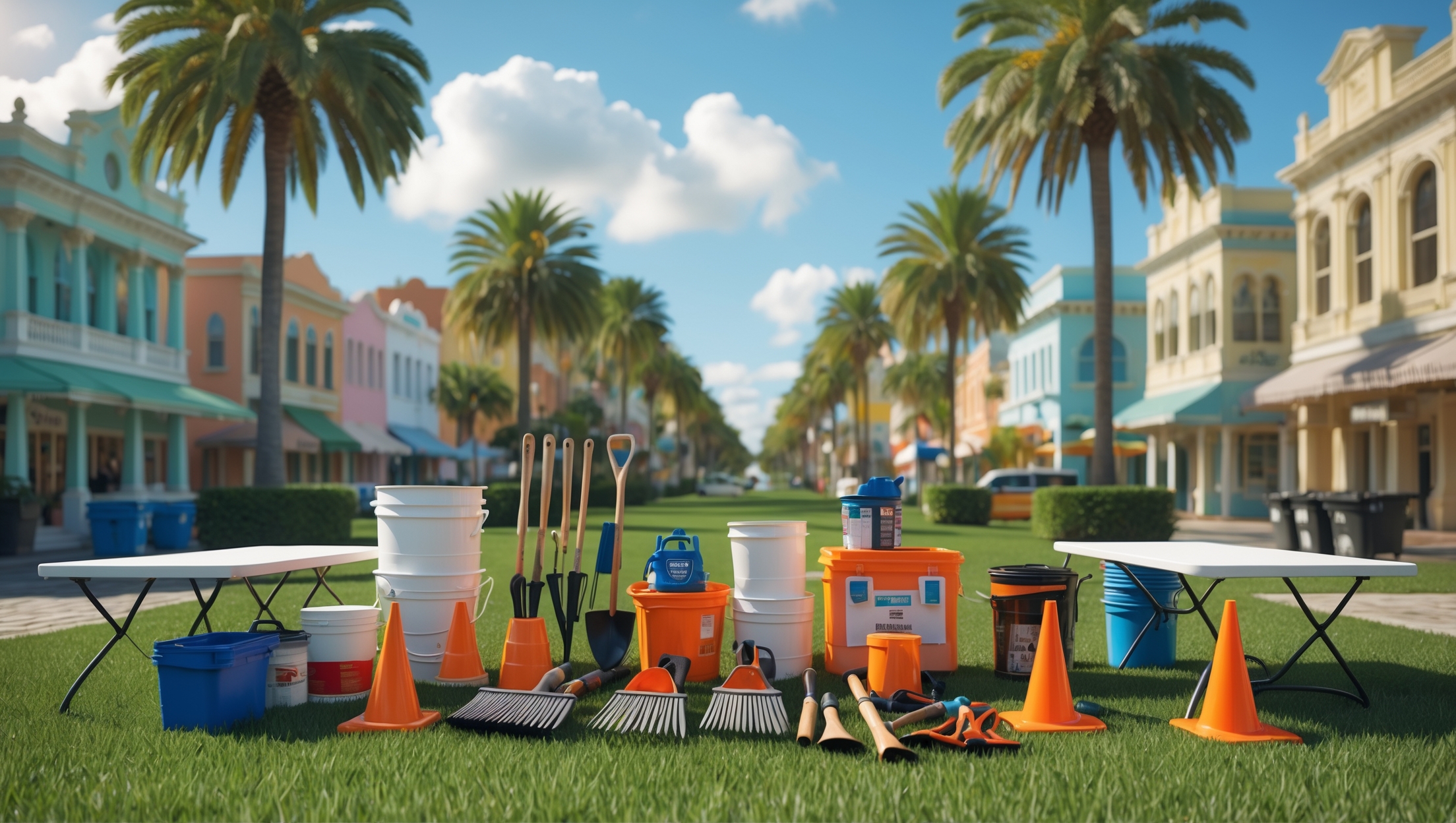
Essential Tools & Equipment Guide for St. Pete Community Projects: What You Really Need

Introduction: The Heartbeat of St. Pete—Community Projects and the Tools That Power Them
St. Petersburg, FL is celebrated for its vibrant neighborhoods, bustling local initiatives, and the collective spirit that keeps the city thriving. From neighborhood cleanups and urban gardens to pop-up art installations and block parties, community-driven projects are the backbone of St. Pete’s unique charm. But behind every successful endeavor lies a crucial, often-overlooked factor: the right tools and equipment. Whether you’re launching your first mural project, revitalizing a park, or coordinating a recurring market, equipping your team with the right gear is vital to efficiency, safety, and longevity. Yet, many local organizers and volunteers find themselves overwhelmed—what’s essential, what’s a luxury, and how do you make the most of a shoestring budget?
This comprehensive guide is tailored specifically for St. Petersburg’s passionate community builders. We’ll break down the must-have tools for various project types, offer local rental and sharing resources, discuss budgeting strategies, and outline maintenance tips to protect your investment. Whether you’re a seasoned organizer or a newcomer with big ideas, you’ll find actionable advice to help your initiative not only launch but flourish. Let’s dive in and ensure your next St. Pete project is set up for sustainable success.
Understanding Your Project’s Scope: The Key to Smart Tool Selection
Before you start filling shopping carts or reaching out to donors, take a step back and assess the true scope of your project. St. Petersburg’s community initiatives are wonderfully diverse, and the right toolkit for a beach cleanup differs significantly from what’s needed for a neighborhood mural or pop-up farmers’ market.
Define Your Core Activities
- Environmental Projects: Park cleanups, tree plantings, beach restoration.
- Creative Projects: Murals, public art installations, community mosaics.
- Event-Based Projects: Block parties, pop-up markets, resource fairs.
- Ongoing Initiatives: Community gardens, tool libraries, regular meet-ups.
Clearly listing your main tasks will help you avoid over-purchasing and focus on what’s truly necessary.
Must-Have Tools for Popular St. Pete Community Projects
1. Urban & Community Gardens
- Basic Gardening Tools: Shovels, trowels, rakes, hoes, pruners, gloves, watering cans.
- Soil Test Kits: Important for Florida’s variable soils—test before you plant.
- Compost Bins: Promote sustainability and cut waste.
- Wheelbarrows & Carts: Essential for moving soil, mulch, and supplies.
- Hose Splitters & Timers: Automate watering, crucial in Florida’s heat.
2. Street Cleanups & Beautification Initiatives
- Trash Grabbers: Reduce strain and improve safety when picking up litter.
- Heavy-Duty Trash Bags: Invest in puncture-resistant bags for glass and debris.
- Safety Vests: Visibility is key, especially near traffic.
- First Aid Kit: Always have one on hand for minor injuries.
- Traffic Cones/Barriers: For larger street or median projects.
3. Art & Mural Projects
- Scaffolding/Ladders: Ensure these are well-maintained and rated for the job.
- Paint Supplies: Brushes, rollers, trays, drop cloths, painter’s tape.
- Protective Gear: N95 masks (for spray painting), gloves, eye protection.
- Storage Containers: For safe and organized paint/material storage between sessions.
4. Pop-Up Events & Markets
- Folding Tables & Chairs: Lightweight, weather-resistant models are best.
- Pop-Up Tents/Canopies: Florida sun and rain can be unpredictable.
- Cordless Power Tools: For rapid setup and tear-down (drills, screwdrivers).
- Extension Cords & Power Strips: Heavy-duty and outdoor rated.
- Coolers & Water Dispensers: Keep volunteers hydrated.
Rent, Borrow, or Buy? Navigating St. Pete’s Resource Landscape
For many grassroots organizers, budgets are tight and storage space is at a premium. Fortunately, St. Petersburg boasts a growing network of tool libraries, neighborhood associations, and friendly local businesses eager to support community efforts.
Tool Libraries and Sharing Networks
- St. Pete Tool Library: A membership-based resource offering everything from power drills to garden tillers. Perfect for one-off needs.
- Local Libraries & Rec Centers: Some offer equipment lending for projects and events—ask about their community programs.
- Neighborhood Associations: Many maintain shared resources like traffic cones, event tents, and even sound systems.
When to Rent
- Large or Specialized Tools: Scaffolding, mulchers, industrial fans, and generators are best rented for occasional use.
- Event Infrastructure: Rental companies offer competitive rates on tents, staging, and portable restrooms.
When to Buy
- Frequently Used Tools: Invest in quality for items like hand tools, safety gear, and basic event furniture.
- Consumables: Trash bags, gloves, zip ties, and first aid supplies should always be stocked.
Pro tip: Pooling funds with nearby groups can stretch your budget and foster cross-community collaboration.
Budgeting for Tools & Equipment: A Practical Breakdown
Spending wisely is just as important as choosing the right gear. Here’s a sample cost breakdown for a typical St. Pete community garden startup (scale up or down as needed):
- Basic hand tools (set of 10): $100–$150
- Gloves & safety gear (for 15 volunteers): $75–$100
- Watering hoses, splitters, and cans: $80–$120
- Wheelbarrow: $70–$100
- Compost bin: $60–$120
- First aid kit: $30–$50
- Soil test kits: $20–$40
- Miscellaneous (markers, signage, storage): $40–$60
Total Estimated Startup: $475–$740
To save further, seek out local grants (the City of St. Petersburg’s Neighborhood Partnership Grants are a great start), ask for in-kind donations, and look for gently used gear at local thrift stores or online community groups.
Maintenance Best Practices: Protect Your Investment
Tools and equipment are an investment in your project’s future. Well-maintained gear lasts longer, performs better, and is safer to use. Here’s how to keep your toolkit in top shape:
Clean After Every Use
- Remove soil, paint, or debris from tools before storage to prevent rust and contamination.
- Wipe down electrical cords and power tools with a dry cloth.
Store Smart
- Designate a dry, secure storage spot—consider weatherproof bins for outdoor locations.
- Label shared tools by project or association to prevent mix-ups.
Inspect Regularly
- Check for wear, loose parts, or damage after every event or workday.
- Keep a log for maintenance needs and replacements.
Sharpen and Oil
- Sharpen blades (shovels, pruners, hoes) at least twice a year.
- Oil moving parts to prevent rust and ensure smooth operation.
Safety Checklist: Protecting People and Projects
Safety is non-negotiable. Here’s a basic checklist tailored to St. Pete’s most common community projects:
- Personal Protective Equipment (PPE): Gloves, safety glasses, closed-toed shoes, reflective vests.
- First Aid Kit: Stocked and easily accessible.
- Hydration: Plenty of water, especially during Florida’s hot months.
- Weather Awareness: Check forecasts—lightning and heavy rain are common risks.
- Safe Tool Handling: Train all volunteers in proper use, especially power equipment.
- Emergency Contacts: Post a list of local emergency numbers and nearest hospitals.
Local Resource Round-Up: Where to Find Tools in St. Petersburg
- St. Pete Tool Library: stpetetoollibrary.org
- Sunshine City Thrift: Affordable used tools and event supplies.
- Pinellas Community Foundation: Grants and equipment for nonprofits.
- City of St. Petersburg Neighborhood Programs: Loaner kits for cleanups and block parties.
- Local Hardware Stores: Many offer nonprofit discounts—just ask!
Conclusion: Empowering Connections, One Project at a Time
St. Petersburg, FL thrives because of the dedication and creativity of its residents. Every mural, garden, cleanup, or market brings neighbors together and strengthens our city’s fabric. But no project succeeds on passion alone—having the right tools and equipment is a game-changer, enabling volunteers to work smarter, safer, and more efficiently.
This guide has walked you through practical tool selection for the most common St. Pete community endeavors, highlighted local resources for renting and sharing, demystified budgeting, and shared expert tips for tool care and safety. By making thoughtful choices, leveraging local networks, and caring for your equipment, you ensure that your project’s impact extends far beyond its initial launch.
Remember, the spirit of St. Pete is rooted in connection. Tools aren’t just implements; they’re bridges—linking people, ideas, and neighborhoods. So gather your toolkit, rally your team, and let’s keep building a brighter, more united St. Petersburg—one well-equipped project at a time.
I’m interested in organizing a neighborhood mural project but am unsure where the line is between an essential tool and a luxury item. Could you provide more examples specific to creative projects like murals?
For mural projects, essential tools include brushes, rollers, buckets, paint trays, ladders, drop cloths, and weather-resistant paints. These are necessary for getting the mural done safely and effectively. Luxury items would be things like projectors for tracing designs, specialty brushes, scaffolding (if simple ladders work), or high-end spray paint brands. Focus on basic, reliable materials first; extras are only needed for specific effects or increased convenience.
I’m curious about the budgeting strategies the guide discusses—does it suggest any local grants or sponsorship opportunities specific to St. Pete that can help stretch limited resources for community initiatives?
The guide does mention budgeting strategies tailored for St. Pete community projects, including suggestions for partnering with local businesses and seeking sponsorships. It highlights a few local grant programs, such as those offered by St. Pete’s Office of Neighborhood Affairs and area foundations, that support grassroots initiatives. Exploring these options can definitely help maximize limited budgets for your community project.
I noticed you mention maintenance tips to protect your investment. Could you share some specifics on the most common mistakes people make with tool upkeep, and which tools are most likely to get damaged if not cared for properly in community projects?
One common mistake is not cleaning tools after use, especially with paintbrushes, saws, and gardening equipment, leading to rust or hardened residue. People also often forget to oil moving parts on tools like pruners or drills, causing them to seize up. Power tools are especially vulnerable if they’re not stored in dry places or if batteries are left drained. Hand tools with wooden handles can crack if left wet. Paying attention to these basic care steps helps your tools last much longer.
For a group organizing its first neighborhood mural in St. Pete, which tools would you consider non-negotiable for both safety and efficiency, and are there local organizations that help lend or share these specialized supplies?
For your first neighborhood mural, non-negotiable tools include ladders or scaffolding, safety vests, gloves, goggles, drop cloths, brushes, rollers, paint trays, and buckets. For safety, always have first aid supplies and ensure the area is well-marked. In St. Pete, look into local art collectives, neighborhood associations, or community tool libraries—they often loan out or share equipment for public art projects. Reaching out to the city’s community outreach or arts office can also connect you to helpful resources.
When planning for an environmental project like a beach cleanup, how far in advance should equipment be secured to avoid last-minute issues, particularly during peak community event seasons?
For a beach cleanup, it’s best to secure equipment at least 3 to 4 weeks in advance, especially during busy community event seasons. This timeframe gives you a buffer in case items are in high demand or need to be sourced from multiple places. You’ll also have time to check equipment quality and arrange alternatives if anything is unavailable.
I’m organizing a small outdoor mural and want to make sure I have all the right supplies. Besides paint and brushes, are there any must-have safety items or maintenance tools specific to St. Petersburg’s climate that I should consider?
For a small outdoor mural in St. Petersburg, make sure to bring sunscreen, hats, and plenty of water to cope with the strong sun and humidity. Protective gloves, masks if you’re using spray paint, and goggles are also recommended. Given the local weather, consider drop cloths or tarps to shield supplies from sudden rain. A sturdy ladder, cleaning supplies for the wall surface, and sealant for UV and moisture protection are important to ensure your mural lasts.
You outline different essential tools for environmental, creative, and event-based projects. Do you have suggestions for organizing tool storage and maintenance when several community projects are happening at once in the same neighborhood?
When multiple community projects are sharing tools, consider setting up a central storage area with clear labels for each tool category—like gardening, art, or event supplies. Use color-coded bins or shelves for easy identification, and create a sign-out sheet or simple tracking app so everyone knows what’s available and what’s in use. Regularly schedule group clean-up and maintenance days to keep everything in good condition.
How do you recommend maintaining and storing equipment after a community event to keep it in good shape for future use, particularly in the humid St. Pete climate?
To keep your equipment in top shape after a St. Pete event, clean and dry everything thoroughly to prevent rust and mold. Store tools in a ventilated, dry place, preferably off the ground. Use moisture absorbers or silica gel packs in storage bins. For power tools, check for battery removal and light lubrication on metal parts. Regularly inspect and re-clean items as needed, especially during humid months.
What are some unexpected tools that would be a huge help for beach restoration projects in St. Pete, especially considering the local environment and weather?
For beach restoration in St. Pete, some unexpected but really useful tools include sand scoops for efficient debris removal, portable shade canopies to protect volunteers from sudden weather changes, and waterproof walkie-talkies for clear communication over windy or large areas. Extra tarps and sturdy wheelbarrows are also invaluable to quickly cover supplies during pop-up storms and to move heavy materials across soft sand.
I’m curious, is there a way to figure out if a certain piece of equipment is more of a luxury than an essential for a neighborhood revitalization effort, or any red flags that something might not be truly necessary?
To determine if a tool is essential or just a luxury, consider how often it will be used and whether it helps achieve project goals efficiently. If a piece of equipment has a very specialized purpose or duplicates the function of tools you already have, it may not be necessary. Also, if the cost is high compared to its expected impact, that’s a red flag. Focus on versatile, multi-use tools that serve core tasks.
For creative projects like murals or public art installations mentioned here, are there any affordable local rental resources for tools in St. Pete? I’d love tips on where to find things like ladders or paint sprayers without buying everything new.
For mural and public art projects in St. Pete, check out local hardware stores like Home Depot or Lowe’s, which often have tool rental programs for items like ladders and paint sprayers. Additionally, Sunbelt Rentals and AAA Rent-All are local options offering a variety of equipment at daily or weekly rates. Sometimes neighborhood tool libraries or community centers also lend out gear for creative projects, so it’s worth asking around in local artist groups or forums.
When assessing project scope in St. Pete, what factors should organizers consider to prevent over-purchasing tools, especially for one-off events like beach cleanups or single-day art installations?
To avoid over-purchasing tools for one-off events, organizers should estimate participant numbers, confirm the specific tasks involved, and check for tool-sharing opportunities. It helps to inventory what you or volunteers already have, and consider borrowing or renting items rather than buying. Also, plan for efficient task scheduling so tools rotate among users instead of being idle. This approach saves money and storage space.
I’m planning a mural project and was wondering about maintenance tips for keeping paint supplies and equipment in good condition for future events. What are some best practices or common mistakes to avoid?
To keep your paint supplies and equipment in good shape, always clean brushes and rollers thoroughly with the appropriate solvent right after use, and store them in a dry, dust-free area. Seal paint cans tightly to prevent them from drying out. Avoid leaving tools in direct sunlight or extreme temperatures, as this can damage bristles and handles. A common mistake is letting paint dry on brushes or rollers, which can ruin them for future projects.
You mention maintenance tips for protecting your investment in tools. Could you expand on which maintenance practices are most important for commonly shared equipment in community projects?
Absolutely. For commonly shared equipment like power tools, hand tools, and garden equipment, the most important maintenance practices include regular cleaning after each use, immediate drying to prevent rust, lubricating moving parts, and routine inspections for wear or damage. It’s also wise to create a simple check-in/check-out log to track usage and note issues early, which helps extend tool life and keeps everything safe for the next user.
If a group is planning a pop-up art installation downtown, are there particular tools that tend to get overlooked by new organizers? I’m curious if there are any essentials that people forget until setting up the day of the event.
For pop-up art installations, new organizers often forget essentials like extension cords and power strips for lighting, duct tape or zip ties for securing displays, and basic toolkits (screwdrivers, pliers, utility knives). Another common oversight is bringing step stools or ladders for setup, and signage materials like chalk, markers, or clipboards. Having extra trash bags and cleaning supplies on hand can also save stress during cleanup.
If I want to help with a beach or park cleanup, but I don’t have much experience with equipment maintenance, do you have advice on what maintenance basics I should know right from the start?
For beach or park cleanups, it’s helpful to know a few basic maintenance tips. Make sure tools like litter pickers and rakes are clean and free from rust after use—just rinse them with fresh water and dry them thoroughly. Check that handles are secure and free of splinters, and store everything in a dry place. This way, your equipment stays safe and lasts longer, even if you’re new to maintaining it.
For event-based projects like pop-up farmers’ markets or block parties, are there certain tools or equipment that people often forget but end up being really important? I want to make sure I don’t overlook anything when planning my first event.
For event-based projects like pop-up markets or block parties, people often overlook items like extension cords, power strips, portable lighting for evening events, trash bags, first aid kits, signage for directions or information, and cash boxes or mobile payment devices. Having extra tables, chairs, tape, zip ties, and a basic toolkit can also save the day. A checklist with these extras will help your event run smoothly.
When it comes to maintaining tools for ongoing projects, like regular community gardens or art installations, do you have any tips on keeping shared equipment in good shape and tracking who’s responsible for what?
For shared tools, it’s helpful to create a simple sign-out sheet or use a digital spreadsheet where volunteers log equipment they borrow. Regularly clean and inspect tools after use, and set up a maintenance calendar for tasks like oiling or sharpening. Assigning rotating responsibilities for upkeep can also ensure everyone pitches in and equipment stays in good condition.
I’m curious if you have advice on how to assess whether a specialized tool is truly essential or more of a luxury, particularly for smaller pop-up projects where storage might be limited in St. Pete.
When deciding if a specialized tool is essential for a small pop-up project, focus on frequency of use and the impact on project safety or quality. If the tool is only needed once or could be replaced by a multi-purpose tool, it’s probably a luxury. Try borrowing or renting for rare tasks. For St. Pete’s limited storage, prioritize versatile, compact tools over single-use items.
How much time in advance do you recommend planning out tool acquisition or rental before launching an event-based project like a block party? I’m worried about delays if something isn’t available locally.
For event-based projects like a block party, it’s wise to start planning your tool acquisition or rentals at least 3 to 4 weeks in advance. This gives you enough time to check local availability, reserve what you need, and adjust if something is out of stock or needs to be sourced from farther away. Early planning helps avoid last-minute surprises and ensures your event setup runs smoothly.
You mention separating essentials from luxury items when organizing neighborhood cleanups or art installations. Could you give an example of a tool you often see people buy that turns out unnecessary, versus one that ends up being a must-have?
A common example is people buying specialized power washers for cleanup events, which usually aren’t necessary and can be costly. A must-have, on the other hand, is a sturdy set of gloves for everyone involved. Gloves protect hands from sharp debris and are essential, while simpler cleaning tools like brooms and dustpans actually cover most needs for community projects.
For someone planning their first large block party, what would you say are the most common overlooked tools or pieces of equipment that often end up being critical for event success in St. Pete?
Some often-overlooked essentials for a big St. Pete block party include plenty of extension cords and power strips, trash and recycling bins, first aid kits, and clear signage for restrooms or activities. Portable lighting is useful if your event goes into the evening, and extra tables or folding chairs often come in handy. Don’t forget sunscreen, hand sanitizer, and a backup plan for unexpected weather.
For someone organizing their first neighborhood mural in St. Pete, which tools would you say are absolutely essential versus those that can wait until later? I’m unsure how to prioritize what to rent or buy up front without overspending.
For your first neighborhood mural, focus on essentials like high-quality exterior paints, brushes and rollers, drop cloths, painter’s tape, sturdy ladders or scaffolding, and cleaning supplies. Buckets, mixing sticks, and protective gear like gloves and masks are also a must. Items such as projectors for design transfer, specialty brushes, or advanced scaffolding systems can wait until you gain more experience or have a bigger budget. Renting ladders or scaffolding is a good way to save money at the start.
For someone new to organizing in St. Pete, do you have suggestions for local rental or sharing programs where volunteers can borrow tools for short-term projects like public art installations or cleanups?
In St. Pete, you can check out local programs like the St. Pete Tool Library, which lets residents borrow tools for community projects. Some neighborhood associations and community centers also have tool lending closets. For larger or more specialized equipment, local hardware stores may offer short-term rentals. It’s worth reaching out to local nonprofits too, as many collaborate on public art and cleanup projects and may share resources.
For creative projects like murals or mosaics, are there any particular tools you’ve found to be surprisingly crucial besides the obvious art supplies? I’m getting ready to help with a community mural and want to make sure we don’t overlook anything important.
For community murals and mosaics, some often-overlooked but essential tools include sturdy step ladders or scaffolding for reaching higher sections safely, painter’s tape for clean edges, drop cloths to protect the area, and weatherproof containers to keep paints and supplies organized. Don’t forget rags, buckets for water, and portable hand-washing stations—keeping things tidy helps a lot. Having a few extra brushes, sponges, and even a broom for prepping the wall can make a big difference, too.
When planning a mural project, how early should I start securing supplies and equipment to avoid any last-minute shortages? I’m trying to coordinate volunteers and want to make sure we’re ready when the time comes.
For a mural project, it’s wise to start securing your supplies and equipment at least four to six weeks in advance. This gives you enough buffer to account for shipping delays, special orders, or backordered items. It also lets you adjust quantities as you get a final headcount of volunteers, so everyone has what they need on the project day.
Could you elaborate on how local equipment rental or sharing resources in St. Pete work for smaller community groups? Are there particular organizations that consistently support things like mural projects or pop-up markets?
In St. Pete, several organizations and community centers offer equipment rental or sharing to help smaller groups. The St. Pete Community Tool Library is a popular resource, lending tools for projects like murals or events. For arts-related projects, the St. Petersburg Arts Alliance often supports mural initiatives, sometimes helping coordinate supplies. Pop-up markets may find help through local business associations or the Greenhouse, which provides event materials. It’s worth reaching out to these groups early, as support and inventory can vary.
For a group new to organizing public art installations in St. Pete, are there any common equipment-related mistakes to watch out for? I’d like to avoid wasting money on tools we don’t end up needing.
One common mistake is overbuying specialty tools that only get used once or twice; it’s often better to rent or borrow these instead. Groups sometimes also forget essentials like sturdy ladders, extension cords, and protective gear. Before purchasing, review your project plan to match each step with a specific need, and check whether local organizations or tool libraries can help fill gaps. This approach keeps costs down and avoids clutter.
The article mentions that the essential toolkit can be very different depending on whether you’re managing a beach cleanup, mural project, or market. Are there any core items that overlap between these project types, or should each initiative start from scratch when acquiring tools?
There are definitely some core items that overlap between different community projects. Basic safety gear like gloves, first-aid kits, and trash bags are useful for most initiatives, including beach cleanups, mural projects, and markets. General-purpose tools such as utility knives, tape, and cleaning supplies also tend to come in handy. While some specialized tools will be project-specific, starting with these shared essentials is a good foundation before adding items tailored to each event.
Could you give some examples of local rental or sharing resources in St. Petersburg that are especially helpful for event-based projects like block parties or farmers’ markets? I would love to connect with those as I plan our next community event.
For event-based projects in St. Petersburg, consider reaching out to the St. Pete Tool Library, which offers tools and equipment rentals for community events. The St. Pete Free Clinic sometimes loans tents and tables for nonprofit events. Local hardware stores like Sunbelt Rentals also have event-specific gear. Neighborhood associations and community centers often have items available for block parties and markets, so contacting them directly can be very helpful too.
What kind of ongoing maintenance should teams expect for commonly used tools in hot and humid environments like St. Pete? Any essential tips to ensure stuff doesn’t rust or wear out too quickly on repeat projects?
In hot and humid places like St. Pete, tools are especially prone to rust and faster wear. Teams should clean and thoroughly dry tools after each use, then store them in a dry, well-ventilated area. Applying a light coat of oil to metal parts helps prevent rust. Regularly inspect handles for cracks and tighten any loose screws. For power tools, keep electrical parts dry and periodically check cords for damage.
When working with a tight budget, how do you recommend prioritizing which equipment to purchase versus rent or borrow for a first-time neighborhood event? Any quick tips for stretching limited funds without sacrificing safety or efficiency?
Start by listing all tools you need and categorizing them as essential or nice-to-have. Prioritize buying durable, multi-use items like gloves, safety gear, or basic hand tools—these often get used again. For expensive, specialized, or bulky equipment, check if you can borrow from local organizations, neighbors, or rent from a tool library. Always ensure safety items are never skipped, and consider teaming up with others to share costs or resources.
The article mentions defining your project’s scope early on. What’s the best way to estimate the quantity of tools or gear needed, especially for large volunteer-driven events like park cleanups, so you don’t over- or under-purchase?
To estimate the right quantity of tools for large volunteer events, first determine the number of expected volunteers and break down tasks (like trash pickup, raking, or planting). For each task, estimate how many people will do it at the same time, then match that number to the appropriate tools needed. Add a few extras for replacements or unexpected needs, but avoid buying too many by planning for tool-sharing among shifts if possible.
Do you have recommendations for local tool sharing programs or rental resources in St. Pete that work well for smaller teams or one-day projects? It would be helpful to know if there are cost-effective options beyond just buying new equipment.
Yes, in St. Pete, the St. Pete Tool Library is a popular choice for borrowing a wide range of tools, perfect for small teams or one-day projects. They offer affordable memberships and a simple checkout process. Additionally, some local hardware stores and big-box retailers provide short-term tool rentals, which can be cost-effective if you only need equipment temporarily. These options help avoid the expense of buying new tools for every project.
When organizing an outdoor event like a neighborhood market, how do you recommend prioritizing tool purchases versus borrowing or renting, especially if we’re working with a tight budget?
For a tight budget, prioritize buying only tools you’ll use frequently for multiple events, like tables, signs, or extension cords. For larger or specialty items—tents, sound systems, generators—consider borrowing from community members or renting from local suppliers. This approach saves money and storage space. Always check what can be shared with partner organizations or borrowed before making purchases.
The article touches on maintenance tips to protect your investment, but could you provide some examples of affordable maintenance practices or common mistakes organizers make when caring for community project equipment?
Affordable maintenance practices include cleaning tools after each use, storing them in a dry, secure area, and doing regular checks for wear or loose parts. Many organizers overlook labeling equipment or keeping a simple inventory, which can lead to lost or misplaced items. Another common mistake is postponing minor repairs, which often leads to more costly fixes later on.
I’m planning to help organize a mural project in my neighborhood for the first time. The article mentions must-have tools for different project types, but I’m not sure what’s truly essential versus nice-to-have for murals. Could you give a more specific list for art projects?
For mural projects, you’ll definitely need essentials like exterior paint, brushes and rollers of various sizes, drop cloths, painter’s tape, sturdy ladders or scaffolding, and buckets for water and mixing. Nice-to-have items include spray bottles for blending, paint sprayers for large areas, kneepads, chalk for sketching outlines, and sealant to protect the finished mural. Make sure safety gear like gloves and masks is available, especially if you’ll be working at heights or with spray paint.
When coordinating a community mural project in St. Pete, what are some budget-friendly options for getting high-quality paint and brushes? Are there local sharing programs or discounts for community groups that you recommend?
For community mural projects in St. Pete, consider reaching out to local art supply stores—they often provide discounts or donations for community initiatives. Some hardware stores also offer bulk purchasing deals. The St. Pete Arts Alliance and Creative Clay sometimes have supply-sharing programs or can connect you with partners for discounted materials. Don’t forget to check with local paint stores, as they may have surplus or mis-tinted paints available at a lower cost for community projects.
Does your guide recommend any local organizations in St. Petersburg where community groups can share or rent equipment instead of purchasing everything outright? I’m especially interested in options for recurring market events.
Yes, the guide mentions a few local options in St. Pete for sharing or renting equipment, which can be great for recurring market events. It highlights organizations like the St. Pete Tool Library and the Greenhouse, which offer tool lending and equipment rentals to community groups. These resources help reduce costs and support sustainability, especially for events that need supplies on a regular basis.
I’m working with a small volunteer group and our budget is pretty limited. In your experience, which essential tools tend to last longest if we invest in them upfront versus those we should definitely plan to rent or borrow for ongoing park cleanup projects?
For ongoing park cleanup projects, investing in quality hand tools like rakes, shovels, loppers, and sturdy trash grabbers pays off—they’re durable and should last your group several years with reasonable care. For bigger items such as wheelbarrows, hedge trimmers, or power washers, it’s often more cost-effective to rent or borrow as needed, since these get less frequent use and can be expensive to maintain.
You mention that equipping a team with the right tools is crucial for both efficiency and safety. For someone organizing their first St. Pete neighborhood mural, what would you consider absolutely essential versus nice-to-have? Any tips on renting versus buying for a one-time project?
For a first-time neighborhood mural, essential items include ladders or scaffolding, safety gear like gloves and masks, high-quality brushes or rollers, buckets, drop cloths, and proper cleaning supplies. Nice-to-have extras might be paint sprayers or portable shade canopies. For a one-time project, renting larger equipment like scaffolding often makes more sense than buying. Smaller items can be purchased and shared among volunteers or donated afterward.
You mention the importance of assessing project scope before gathering equipment. Could you share some specific tips or examples for determining exactly what’s essential for a small-scale pop-up art installation without overspending?
For a small pop-up art installation, start by listing your must-haves based on the artwork size and display method—like portable tables, easels, or hanging supplies. Prioritize safety items, such as tape or weights to prevent tipping. Rather than buying everything new, consider borrowing or renting tools like drills or ladders. Focus on multi-purpose items, and avoid specialty equipment unless absolutely required. This way, you cover essentials without going over budget.
In your section about budgeting, do you have any tips for smaller neighborhood groups in St. Pete that can’t always rent equipment? Are there any local tool libraries or sharing networks that cater specifically to community projects?
For smaller neighborhood groups in St. Pete, consider reaching out to the St. Pete Tool Library, which lends equipment to community groups and residents at low or no cost. You might also want to connect with local neighborhood associations or Facebook groups, as many organize informal sharing networks for tools and supplies. Pooling resources with nearby groups can help stretch a limited budget further.
For an event-based project like a neighborhood market or block party, how far in advance should organizers begin sourcing and scheduling equipment rentals in St. Pete to avoid last-minute issues, especially during busier seasons?
For neighborhood markets or block parties in St. Pete, it’s wise to start sourcing and scheduling equipment rentals at least 2 to 3 months ahead of your event date. During popular seasons like spring and early fall, consider beginning even earlier—up to 4 months before—to ensure availability and to have enough time to compare providers, finalize logistics, and handle any unexpected changes.
How do you suggest deciding between what’s truly essential and what counts as a luxury when planning a creative project like a mural? Sometimes it’s tempting to go overboard, so any advice on prioritizing would be super helpful.
When planning a mural, start by listing every tool and supply you think you’ll need, then separate them into ‘must-have’ and ‘nice-to-have’ categories. Essentials are items that directly impact the project’s safety, quality, or ability to complete the work—like quality paint, brushes, and ladders. Luxuries are extras that make things easier or more comfortable, such as specialized lighting or premium brushes. Prioritize essentials first, and only consider luxuries if your budget and space allow.
I’m curious how maintenance works for equipment if you’re borrowing or renting instead of owning outright. Are there responsibilities or costs we should expect if something breaks during a project?
When you borrow or rent equipment, maintenance is usually handled by the owner or rental company, but you’re expected to return items in the condition you received them. If something breaks due to regular use, most rental agreements cover repairs. However, if damage happens because of misuse or neglect, you may be responsible for repair costs or replacement. It’s best to check the specific terms with the lender or rental agency before starting your project.
I help organize some neighborhood cleanups with my kids here in St. Pete and I always wonder which specific tools make the most difference in terms of both safety and efficiency for volunteers of all ages. Can you share any recommendations or must-haves for families involved in these types of projects?
For family-friendly cleanups, sturdy work gloves in various sizes are essential for safety. Litter pickers or grabbers help avoid sharp objects and make cleanup easier for kids. Buckets or heavy-duty trash bags are practical for collecting debris. Consider reflective vests for everyone if you’ll be near roads, and bring hand sanitizer and a basic first-aid kit. For efficiency, lightweight rakes and brooms work well for all ages. Making sure everyone has properly fitting tools ensures both safety and a more enjoyable experience.
For a recurring pop-up market in St. Pete, how do you recommend prioritizing which equipment to buy versus what can be rented or shared locally, especially if our budget is tight?
For a pop-up market with a tight budget, buy only essentials you’ll use every time, like folding tables, sturdy canopies, and signage—these pay off quickly. Items you use less often or that are costly up front, such as PA systems or extra lighting, are better to rent or share with other vendors. Consider connecting with local community groups to share bulkier or specialty items to save money.
For someone starting their first event-based project, like a pop-up market, what are the absolute essentials versus nice-to-haves when it comes to equipment? I worry about overspending before knowing what truly matters for a successful setup.
For a first-time pop-up market, focus on essentials that ensure safety, comfort, and functionality. Must-haves include tables, chairs, sturdy tents or canopies, signage, basic lighting if the event runs late, and a cash box or point-of-sale device. Nice-to-haves might be decorative displays, professional sound systems, or branded tablecloths. Start simple to control costs, then add extras as you learn more about your specific needs.
When you’re working with a shoestring budget, how do you prioritize which tools to buy versus which ones to rent or borrow, especially for projects like pop-up markets or art installations that might need specialty items?
For budget-friendly projects like pop-up markets or art installations, start by purchasing only the basic, multi-use tools you’ll need often, such as hammers, screwdrivers, or tape measures. For specialty or rarely used equipment, try to rent or borrow those items. Ask around in local community groups or tool libraries for borrowing options before spending any money. Prioritize spending on tools you’ll use again and again, and only invest in specialty gear if you anticipate frequent use in future projects.
For groups just starting with limited resources, how can we prioritize which tools are truly essential for creative projects like murals in St. Pete? Are there local organizations that let new organizers borrow or try out equipment before making a purchase?
For mural projects, focus first on basic essentials like paint, brushes, rollers, ladders, and protective gear. Start small and add specialized tools as needed. In St. Pete, organizations like The St. Pete Tool Library or Creative Clay often loan tools or equipment to community groups. Connecting with these groups can help you access what you need before deciding on purchases.
When you mention local rental and sharing resources for tools in St. Petersburg, does that include things like paint sprayers or specialty items for creative projects like murals? I’m not sure if I should rent or try to buy these tools.
Yes, many local rental and sharing resources in St. Petersburg do carry paint sprayers and some specialty tools for creative work, including murals. It’s usually more cost-effective to rent these if you only need them for a short-term project, instead of buying. You can also check with local tool libraries or art supply centers, as they sometimes offer specialized equipment for community projects.
Your section on maintaining equipment for longevity caught my eye. Are there St. Pete-specific resources or workshops that actually teach basic tool maintenance, especially for community volunteers who may not have that experience?
Yes, St. Pete has some great local options for learning tool maintenance. The St. Petersburg Tool Library often hosts basic maintenance workshops for volunteers and community groups. Additionally, certain community centers, like the Enoch Davis Center, occasionally offer hands-on classes. Reaching out to local hardware stores can also lead to informal demonstrations or advice tailored to common community project tools.
When determining the scope of a project, like an urban garden versus a beach cleanup, are there any tools or pieces of equipment that you’ve found to be surprisingly versatile and useful for multiple types of events?
Reusable gloves, sturdy buckets, and multi-purpose hand tools like trowels or grabbers tend to be surprisingly versatile across different types of community projects. For instance, gloves and buckets are equally handy for both gardening tasks and collecting debris during cleanups. Lightweight folding tables and first aid kits are also useful at nearly any event, making them great staples to have on hand.
I’m just starting to plan a neighborhood mural in St. Pete, but I’m unsure how to prioritize between must-have tools and those that are more of a luxury. Are there any specific items you’d recommend skipping or upgrading depending on the scale of the artwork?
For a neighborhood mural, focus on essentials like high-quality brushes, rollers, sturdy ladders, drop cloths, and weather-resistant paint. Items like projectors or specialty scaffolding can be considered luxuries unless your mural is very large or detailed. For smaller projects, skip airbrush kits and advanced sprayers—hand tools usually suffice. If your mural covers a big wall or involves intricate design, upgrading to a sturdy scaffold or better quality brushes can make a real difference.
In your experience, which tools are the most commonly rented or shared among local St. Pete community groups, especially for park cleanups and public art installations? I’m curious if there are certain items that just make more sense to borrow rather than buy.
For park cleanups, tools like litter grabbers, rakes, shovels, and wheelbarrows are often borrowed since they’re bulky and not used daily. For public art installations, things like ladders, power drills, paint sprayers, and extension cords are frequently shared among groups. These items tend to make more sense to borrow since they’re needed for specific projects but can be costly or take up storage space if purchased individually.
If my project includes both a beach cleanup and a pop-up market, is it realistic to use the same set of basic tools for both, or should I budget separately for each type of activity? Any advice on overlapping or multi-use gear would help!
You can definitely use some tools for both activities, like gloves, trash bags, folding tables, and hand sanitizer. However, a beach cleanup may need items like litter pickers or sifters, while a pop-up market could require display racks or a cash box. Make a list for each event, note overlaps, and budget for unique items separately. Sharing multi-use gear helps save costs.
I’m planning a small mural project in St. Pete, and I’m torn between renting equipment from local sources or buying used. Do you have any insights on which route offers better value and support for community projects on a tight budget?
For a small mural project on a tight budget, renting equipment locally often offers better value. You only pay for what you need, avoid long-term storage concerns, and many rental shops provide advice and support if problems arise. Buying used can be economical if you plan to use the tools for future projects, but it may require more upfront research and maintenance. For one-off or occasional projects, renting is usually the most budget-friendly and supportive option.
When you mention budgeting strategies for St. Pete community projects, do you have any tips specifically for prioritizing tool purchases versus using local rental or sharing resources? I’m always unsure where to draw the line between buying basic equipment and relying on shared gear.
Balancing tool purchases with renting or sharing can be tricky. For St. Pete community projects, it often makes sense to buy only the essential, frequently used tools—like basic hand tools or safety gear. For specialty or expensive items that you’ll rarely use, consider renting or organizing tool-sharing with local groups. This way, you can stretch your budget further while ensuring you have access to what you need.
For someone new to organizing community projects in St. Pete, how do you recommend prioritizing tool purchases versus relying on local rental or sharing resources, especially if our team has a really limited budget to start?
If your budget is tight, start by borrowing or renting tools from local sharing programs or tool libraries in St. Pete. This way, you only buy essential items that you’ll regularly use or can’t easily borrow. Focus your purchases on versatile, high-use tools first, and rely on community resources for specialized equipment. This approach lets you stretch your funds while still getting what you need.
The article mentions different tool needs for projects like beach cleanups versus murals. If I want to start a project that combines both environmental and creative activities, how do I figure out what overlap there is in the tools required?
To identify overlapping tools for a project that blends environmental and creative activities, start by listing the specific tasks involved in both aspects—like picking up litter and painting. Tools such as gloves, buckets, and ladders may serve both purposes. Compare the needs for each activity, and focus on multipurpose items to minimize what you bring. If needed, consult with your team about what can do double duty.
For a small neighborhood mural project, how do I determine which tools are truly essential versus what could be considered a luxury? Sometimes our volunteers bring their own supplies—should we standardize, or is flexibility better for these creative projects?
For a mural project, focus on essentials like brushes, rollers, paint, drop cloths, and ladders. Anything beyond that—such as specialized sprayers or fancy stencils—could be considered a luxury. If volunteers bring their own supplies, flexibility is often helpful for creativity, but it’s wise to set basic guidelines so everyone has what they need and materials are compatible. Standardize key items like paint types and safety gear to ensure consistency and quality.
You mention maintenance tips for protecting investments in tools and equipment. Could you elaborate on practical steps for keeping shared gear in good condition, especially when multiple volunteers use it regularly on projects around St. Pete?
To keep shared tools in top shape, set up a simple check-out and check-in system so you know who uses what and when. After each use, encourage volunteers to clean off dirt and debris. Store tools in a dry, secure place to prevent rust or theft. Schedule regular group maintenance days for sharpening blades, tightening screws, and oiling moving parts. Labeling gear with your organization’s name also helps deter loss. These steps make the gear last longer and ensure it’s safe for everyone.
For someone just getting involved in St. Pete community projects, how do you recommend figuring out which tools are actual necessities versus things that can be borrowed or rented locally? I’m especially trying to avoid overspending on items that might only get used once or twice.
A good way to start is by talking with project leaders or experienced volunteers to find out which tools are most commonly used and expected of participants. For items you’ll only need occasionally, local tool libraries, community centers, or hardware stores often have lending or rental programs. Make a list of essentials based on project types you’ll join most often, and consider borrowing or renting anything outside that core list.
You mention the importance of maintenance to protect your investment in tools. What are some basic maintenance routines or storage tips you suggest for volunteers with limited time and no dedicated equipment space?
For volunteers with little time and no dedicated storage, wipe down tools after each use to prevent rust and dirt buildup. Store them in a sturdy tote or plastic bin to keep everything together and protected from moisture. Apply a light oil to metal parts occasionally, and always dry tools before storing. Even these simple routines can extend your tools’ lifespan.
You mention local rental and sharing resources for tools—do you have any specific recommendations in St. Pete, especially for things like mural installations or park cleanups? It’s tough finding affordable options when organizing on a tight budget.
For mural installations and park cleanups in St. Pete, you might want to check out the St. Pete Tool Library and The Greenhouse, both of which offer affordable tool lending for community projects. Some local hardware stores also provide nonprofit or community discounts if you let them know about your project. For paint and cleanup supplies, connecting with neighborhood associations can sometimes help, as they occasionally pool resources or offer lending programs.
If our neighborhood group wants to launch both an urban garden and a block party this year, is it possible to overlap tools and equipment to save costs, or are the needs totally different for each type of project?
You can definitely overlap some tools and equipment for both projects, which will help save costs. For example, folding tables, chairs, extension cords, and pop-up tents are useful for both a block party and an urban garden event. However, gardening-specific tools like shovels, rakes, and watering cans are unique to the garden, while party supplies such as speakers and games are specific to the block party. Planning shared usage for general equipment is a smart way to stretch your budget.
With a limited budget, how do you recommend deciding between renting versus buying tools for something like a park cleanup? Are there any local St. Pete resources that offer affordable equipment sharing for volunteers with smaller projects?
For a one-time or occasional park cleanup, renting tools or using local equipment libraries is usually more cost-effective than buying. In St. Pete, many neighborhood associations, the local library system, and some community centers offer tool lending programs or allow volunteers to borrow basic equipment for free or at low cost. Check with Keep Pinellas Beautiful and St. Petersburg Parks & Recreation to see if they offer tool sharing or support for volunteer projects.
For creative projects like murals, are there particular tools or materials that tend to get overlooked by first-time organizers? Also, what’s the best method to keep these items in good condition between uses to avoid extra expenses?
For mural projects, first-time organizers often overlook items like high-quality drop cloths, painter’s tape, sturdy step ladders, and proper cleaning supplies for brushes and rollers. Sealants and primers are also sometimes forgotten but are essential for durability. To keep these tools in good condition, clean them thoroughly after each use, store paints and chemicals in airtight containers, and keep everything in a dry, temperature-controlled space. Regularly checking and organizing your supplies helps prevent loss and unnecessary repurchases.
In the section about budgeting strategies, do you have any tips on prioritizing certain tools over others when funds are limited, especially for new organizers launching their first St. Pete event?
When funds are limited, focus first on versatile tools that can handle multiple tasks, like quality screwdrivers, hammers, and utility knives. Borrow or rent specialized equipment only if it’s essential for your project. Ask community members to contribute what they already own, and consider purchasing items that are reusable for future events. This way, you stretch your budget without sacrificing project quality.
When planning a project like a mural or a community art installation in St. Pete, what should volunteers consider to ensure they pick tools that are both safe and durable, especially for outdoor use in Florida’s climate?
Volunteers should look for tools made of rust-resistant materials like stainless steel or coated metals, since Florida’s humidity can cause rapid corrosion. Choose tools with non-slip, ergonomic handles for safety, especially when working outdoors. For electrical tools, ensure they’re rated for outdoor use and protected from moisture. Always store equipment in a dry place after use to extend their lifespan in the Florida climate.
Do you have any recommendations for local tool rental or sharing programs in St. Petersburg that work well for pop-up art installations or farmers’ markets, particularly for teams without much equipment of their own?
Yes, St. Petersburg has a few helpful options. The St. Pete Tool Library is a popular local resource where teams can borrow a wide range of tools for short-term projects like art installations or market setups. You might also try checking with local makerspaces, such as the St. Pete Makers, as they sometimes offer tool lending or collaborative workspace access. For larger events, some hardware stores in the area offer affordable daily rental rates on equipment.
I saw you mentioned local rental and sharing resources for tools in St. Pete. Are there specific organizations or community programs where families can easily borrow equipment for a one-time neighborhood event? Trying to avoid buying everything for just a single project.
Yes, St. Pete has some great options for borrowing tools and equipment. The St. Pete Tool Library is a popular resource where residents can check out a variety of tools for free or a small membership fee. Some neighborhood associations and local churches also run occasional tool-sharing programs. It’s worth contacting your local community center, as they often have details about current lending initiatives for events like yours.