
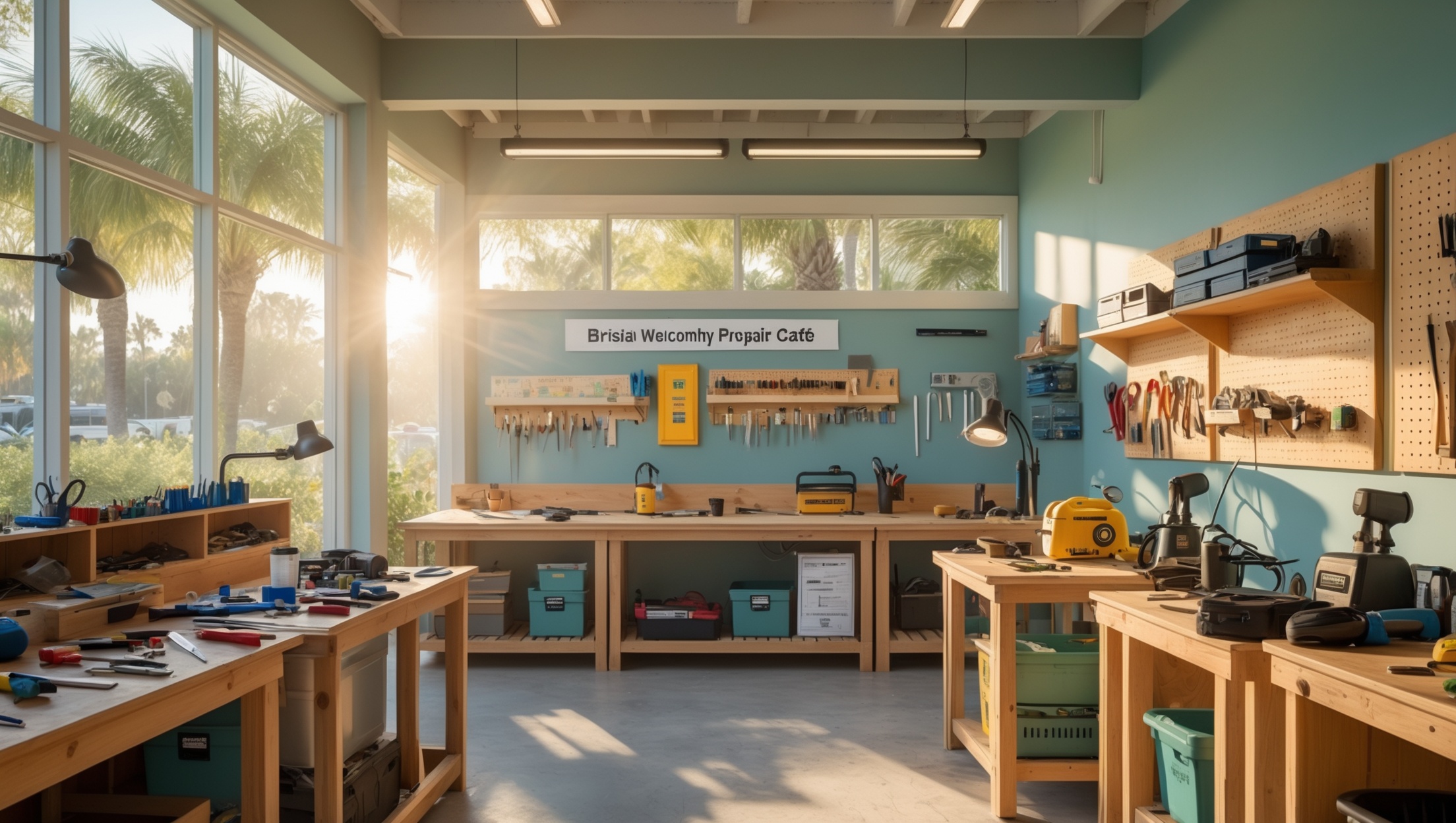
Cost Breakdown and Budgeting for St. Petersburg Community Repair Cafés: Tools, Space, and Local Funding Tips

St. Petersburg, FL, is a city built on collaboration—where creative minds and problem-solvers join forces to tackle local needs. One of the most inspiring grassroots movements gaining traction here is the community repair café: a pop-up workshop where neighbors gather to fix broken household items, learn hands-on skills, and reduce waste. But what does it really take to bring a repair café from idea to reality in St. Pete? Beyond the feel-good stories, successful repair cafés are built on solid planning—especially when it comes to budgeting. Whether you’re part of a neighborhood association, a local non-profit, or just a group of friends passionate about sustainability, understanding the real costs (and how to manage them) is essential for a thriving, long-lasting project.
This comprehensive guide dives deep into the true expenses of launching a community repair café in St. Petersburg. We’ll break down the essential costs—from tools and materials to venue rentals and insurance—while sharing smart budgeting tactics and local sources of support. You’ll find practical advice on choosing the right space, sourcing affordable equipment, tapping into city grants, and building a financial plan that keeps your café thriving month after month. Let’s get your St. Pete repair café off the ground—without any budgetary surprises.
Understanding the Repair Café Model
What is a Community Repair Café?
A repair café is a volunteer-driven event where community members bring broken items—like toasters, lamps, bikes, clothing, and electronics—to be repaired with the help of skilled fixers. The goals are to save money, reduce landfill waste, and foster community connections. St. Pete’s creative spirit and eco-conscious values make it an ideal location for such projects.
Why St. Petersburg?
- Active Neighborhood Associations: Many St. Pete neighborhoods already host regular meetings and events, offering built-in support for new initiatives.
- City Sustainability Initiatives: St. Petersburg is a leader in sustainability, with city-backed programs promoting waste reduction and reuse.
- Diverse Demographics: From college students to retirees, a wide range of residents are interested in learning new skills and supporting green causes.
- Accessible Venues: Libraries, community centers, churches, and maker spaces are plentiful and receptive to hosting events.
Essential Cost Categories for a St. Pete Repair Café
Before you start fundraising or applying for grants, it’s critical to map out your expected expenses. Here’s a breakdown of the major cost categories you’ll encounter:
1. Tools and Repair Equipment
- Basic Hand Tools: Screwdrivers, pliers, hammers, wrenches, tape measures (expect $250–$500 for initial setup, with quality mid-range brands).
- Specialty Tools: Soldering irons, multimeters, sewing machines, bicycle repair stands (budget $300–$700 depending on focus areas).
- Consumables: Screws, glue, sewing supplies, electrical tape, lubricants (plan $50–$100 per event for replenishing stock).
- Safety Gear: Gloves, safety glasses, first-aid kit ($50–$100 upfront, with periodic restocking).
2. Venue Rental and Facilities
- Community Centers & Libraries: Many offer free or low-cost space to local non-profits; expect $0–$100 per event.
- Maker Spaces: May require membership or rental fees; budget $50–$200 per session.
- Insurance-Related Costs: Some venues require proof of liability coverage (see below).
- Utilities and Cleaning: If not included, budget $25–$50 per event for cleaning supplies and snacks for volunteers.
3. Insurance
- General Liability Insurance: Can range from $200–$600 per year, depending on coverage needs and event frequency. Some insurers offer special rates for community organizations in Florida.
4. Marketing and Outreach
- Printed Flyers & Posters: $50–$150 per campaign if using local print shops.
- Social Media Ads: Optional but effective; start with $25–$50 per event for targeted Facebook or Instagram ads.
- Email Platform: Free for small lists (Mailchimp, Substack) or $10–$30/month for advanced features.
5. Volunteer Support
- Refreshments: $25–$50 per event for coffee, snacks, or water bottles.
- Appreciation Gifts: Not required, but small thank-you items (e.g., local coffee shop gift cards) can cost $5–$10 per volunteer.
6. Administrative Supplies
- Sign-in Sheets, Waiver Forms, Name Tags: $10–$20 per event.
- Basic Office Supplies: Pens, clipboards, tape, extension cords—budget $25–$50 for initial outlay.
Sample Budget: First-Year Projection
To help you visualize your costs, here’s a sample first-year budget for a monthly repair café series serving 30–40 people per event:
- Tools & Equipment: $1,000
- Consumables (12 events): $1,200
- Venue Rental (12 events): $600
- Insurance: $400
- Marketing: $400
- Volunteer Support: $600
- Admin Supplies: $150
Total Estimated Annual Cost: $4,350
Actual costs may be lower if you secure donated tools, free venues, or in-kind sponsor support. Always build in a 10–15% contingency reserve for unexpected expenses.
Sourcing Tools and Equipment Locally
Buy, Borrow, or Request Donations?
One of the most effective ways to stretch your budget is through creative sourcing. Here’s how to build your tool kit in St. Petersburg:
- Local Hardware Stores: Some shops offer discounts or donations for community projects—contact management and share your mission.
- Tool Lending Libraries: Collaborate with existing tool libraries or maker spaces to borrow specialty items for events.
- Community Drives: Host a “Tool Drive” where residents donate gently used tools or supplies—promote at neighborhood meetings and online groups.
- Online Marketplaces: Search for affordable used tools on Craigslist, Facebook Marketplace, or OfferUp.
- Corporate Sponsors: Approach local businesses (hardware stores, electronics shops, bike shops) for tool or material sponsorships in exchange for recognition at events.
Picking the Right Tools
Focus your initial purchases on high-utility, durable items. Prioritize tools that serve multiple purposes (e.g., an adjustable wrench, cordless drill, basic sewing machine). Survey your neighborhood to identify the most common repair needs—this will help you avoid overspending on specialty tools you rarely use.
Choosing and Budgeting for Venues in St. Petersburg
Best Local Venue Options
- Public Libraries: Often available for free, especially if your event is open to the public and non-commercial. St. Petersburg Library System has several well-equipped branches.
- Neighborhood Association Clubhouses: Many neighborhoods have small event spaces. Contact your local association for rates and availability.
- Makerspaces: Spaces like St. Pete Makers or Tampa Bay Inventors Council may offer event hosting for members or partner organizations.
- Church Halls and Community Centers: These can be affordable and flexible, especially for recurring events.
Venue Budgeting Tips
- Ask about waived or reduced fees for non-profits.
- Negotiate for multi-event discounts if you plan a regular series.
- Check for included amenities—tables, chairs, electrical outlets, Wi-Fi, parking, and kitchen access.
- Factor in insurance requirements from the venue and plan accordingly.
Smart Budgeting: Managing Costs and Finding Funding
Tips for Controlling Expenses
- Start small—pilot with quarterly events before committing to monthly sessions.
- Share costs with partner organizations (e.g., co-hosting with a neighborhood group or sustainability non-profit).
- Track every expense in a shared spreadsheet and review after each event to spot savings opportunities.
- Encourage participants to bring their own replacement parts (zippers, lamp cords, etc.) when possible.
Budgeting Tools and Templates
Use free templates (Google Sheets, Airtable) to build your budget. Include columns for projected costs, actual spending, and in-kind donations. Set monthly and annual targets. Schedule quarterly reviews to adjust as needed.
Funding Sources for St. Pete Repair Cafés
Local Grants and Mini-Grants
- St. Petersburg Sustainability & Resiliency Division: Offers mini-grants for waste reduction and environmental projects. Check the city website for current programs and deadlines.
- Pinellas Community Foundation: Provides funding for grassroots civic initiatives. Focus on community impact in your application.
- Neighborhood Matching Grants: Many neighborhood associations in St. Pete offer small grants for resident-led projects. Attend meetings and pitch your idea.
Corporate and Local Business Sponsorships
- Reach out to hardware stores, local banks, and eco-friendly businesses for sponsorship or in-kind donations (e.g., tools, snacks, prizes). Offer to display their logo at events or mention them in press releases.
Crowdfunding and Community Support
- Platforms like GoFundMe or GiveButter allow you to collect small donations from neighbors and supporters. Share your campaign in local Facebook groups, Nextdoor, and at community meetings.
- Consider a “Sponsor a Tool” drive, where donors can contribute the cost of a specific item needed for the café.
Partnerships with Non-Profits
- Join forces with established local non-profits that can act as fiscal sponsors, allowing you to accept tax-deductible donations and apply for a wider range of grants.
Budgeting for Growth: Planning for the Long Haul
Building a Reserve Fund
Set aside a portion of income from donations or sponsorships to cover unexpected expenses—such as equipment repairs, price increases, or last-minute venue changes. Aim for 10–15% of your annual budget as a reserve.
Tracking In-Kind Contributions
Document all donated goods and services (e.g., tools, volunteer time, snacks) in your budget. This helps demonstrate your project’s value to future funders and partners.
Expanding Services
- Introduce themed repair events (e.g., bike repair day, electronics focus) to attract new audiences.
- Offer skill-building workshops for a small fee to fund ongoing costs.
- Partner with local schools or youth groups for intergenerational learning opportunities.
Case Study: The Green Thumb Repair Café
Background: In 2022, a group of Midtown St. Pete residents launched the Green Thumb Repair Café with a $2,500 startup grant from the city’s Sustainability Division. They secured a free venue at the James Weldon Johnson Community Library and sourced tools through a combination of donations and thrift store finds.
Budget Highlights:
- Tools & Supplies: $900 (60% donated or purchased used)
- Consumables: $350 (donated sewing supplies, purchased adhesives)
- Marketing: $125 (all digital outreach, flyers printed at local businesses in exchange for logo placement)
- Volunteer Snacks: $100 (donated by a local bakery)
- Insurance: $400 (through a local non-profit partner)
Outcome: Over nine months, they hosted six events, repaired 120 items, and connected with three new neighborhood partners. Their transparent budgeting and active outreach attracted a second year of grant funding and expanded volunteer interest.
Practical Budgeting Checklist for Launching Your Repair Café
- Define your repair focus areas (electronics, clothing, bikes, general household) to guide tool purchases.
- Survey potential venues for costs, amenities, and accessibility.
- Contact local businesses and organizations for possible donations or sponsorships.
- Draft a detailed first-year budget, including a contingency reserve.
- Apply for relevant local grants and funding programs.
- Track all expenses and in-kind support from day one.
- Evaluate and adjust your budget quarterly based on real-world experience.
Conclusion: Building Sustainable Repair Cafés in St. Pete
Launching a community repair café in St. Petersburg, FL, is a powerful way to link neighbors, reduce waste, and strengthen local resilience. But even the best intentions need a well-crafted budget to thrive. By understanding the true costs—from essential tools and venue rentals to insurance and marketing—you’ll be equipped to make smart financial decisions that keep your project running smoothly. Tap into local resources: St. Pete’s robust network of community organizations, city grants, and eco-conscious businesses can help offset costs and provide essential support.
Don’t underestimate the value of in-kind donations and volunteer energy—these are the bedrock of community-driven projects. Start with a clear, realistic budget, and be transparent with your supporters about how funds are used. Regularly review your spending, seek feedback from your team, and stay flexible as your café grows. Whether you’re piloting a small quarterly event or aiming for a monthly fixture, thoughtful budgeting ensures you’ll be able to serve your neighbors for years to come. With careful planning and a little creativity, your St. Pete repair café can become a lasting hub for sustainability, skill-sharing, and community pride—one fixed toaster (or bike, or lamp) at a time.