
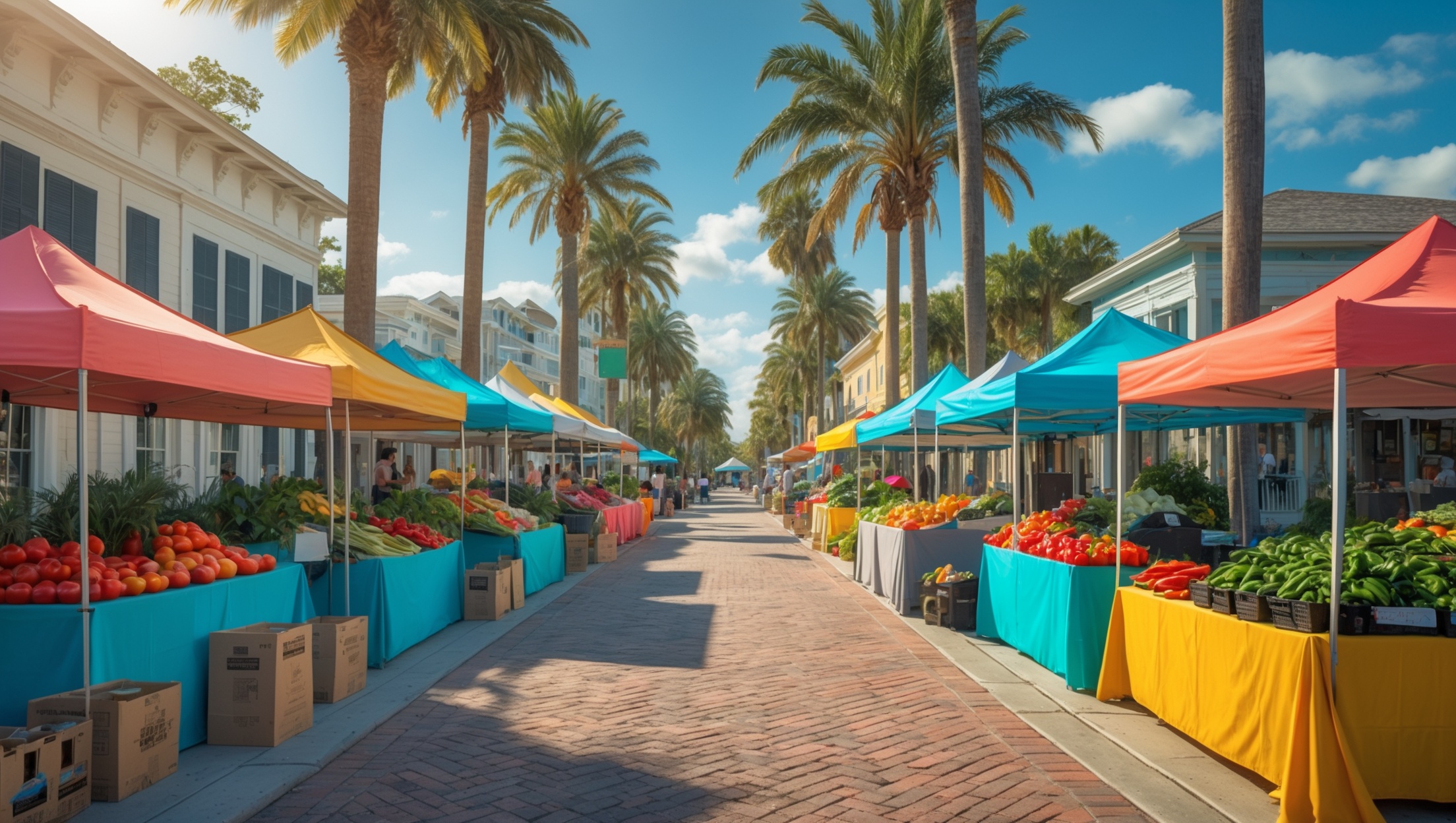
Compliance and Permit Guide for St. Petersburg’s Community Pop-Up Markets: Navigating Local Regulations for Success

Introduction: Why Compliance Matters for St. Petersburg’s Community Pop-Up Markets
Pop-up markets have become a driving force for local entrepreneurship, neighborhood engagement, and creative collaboration across St. Petersburg, FL. These temporary events—ranging from art fairs to farmers’ markets and vintage bazaars—offer residents and visitors a unique platform to discover local makers, foster community ties, and boost the city’s vibrant small business ecosystem. However, the excitement of launching a community pop-up market can quickly run into obstacles without a clear understanding of local regulations, permitting requirements, and compliance best practices. St. Petersburg’s municipal code, zoning ordinances, and health and safety guidelines are designed to support safe, accessible, and legally sound events—but navigating the maze of paperwork, deadlines, and approvals can overwhelm even experienced organizers.
This guide demystifies the compliance and permitting process for St. Petersburg’s community pop-up markets. Whether you’re a neighborhood association, nonprofit, or grassroots group, you’ll find step-by-step instructions, local contacts, and pro tips for avoiding common pitfalls. We’ll break down which permits you need, when to apply, what documentation to prepare, and how to align your market with city ordinances—so you can focus on building community, not battling bureaucracy. Let’s empower your market to become a beloved St. Pete tradition—by getting it right from the start.
Understanding St. Petersburg’s Pop-Up Market Landscape
What Qualifies as a Community Pop-Up Market?
In St. Petersburg, a community pop-up market is typically defined as a temporary gathering of multiple vendors selling goods or services in a shared public or private space. These markets might feature local farmers, crafters, food trucks, artists, or vintage sellers. They often operate for a limited duration—such as a weekend or recurring monthly event—and can be held in parks, parking lots, vacant lots, or even within existing commercial zones.
Common Pop-Up Market Venues in St. Pete
- Public Parks: Requires special event permits and coordination with the Parks & Recreation Department.
- Private Parking Lots: Needs property owner permission and often a temporary use permit.
- Vacant City-Owned Lots: May be available for community projects—requires city application and review.
- Existing Commercial Spaces: Less permitting may be needed if within zoning allowances but still requires notification and sometimes city sign-off.
Step 1: Identifying Required Permits and Approvals
Key City Departments Involved
- St. Petersburg Parks & Recreation Department: For markets in public parks or recreational facilities.
- Planning & Development Services: Oversees zoning, land use, and temporary use permits.
- Economic & Workforce Development: May support community economic initiatives and offer guidance.
- St. Petersburg Fire Rescue: Reviews fire safety and emergency access plans for larger markets.
- Pinellas County Health Department: Regulates food vendors, sanitation, and public health compliance.
Core Permits Typically Needed
- Special Event Permit: Required for any event in a public space or large gathering in a private venue.
- Temporary Use Permit: For short-term commercial activity outside standard zoning or in parking lots/vacant land.
- Vendor Licenses: Each participating vendor may need a local business tax receipt and, if selling food, additional health permits.
- Food Service Permit: For any vendor preparing or serving food onsite; applied for through the Pinellas County Health Department.
- Tent/Structure Permit: If using canopies, tents larger than 10×10 feet, or temporary structures.
Step 2: Mapping Out the Compliance Timeline
Recommended Lead Times
- 60+ Days Out: Secure venue permission, draft your site plan, and begin conversations with city departments.
- 45 Days Out: File special event and temporary use permit applications. Check if your date conflicts with other major city events.
- 30 Days Out: Submit fire safety plans (if required), confirm insurance coverage, and finalize your vendor roster.
- 14 Days Out: Confirm all permits are approved, distribute documentation to vendors, and perform a pre-event site walkthrough.
Delays in any step—especially missing or incomplete applications—can put your market at risk of postponement or cancellation. Plan buffer time for unexpected city questions or document requests.
Step 3: Navigating City Zoning and Land Use Rules
Understanding Zoning Categories
St. Petersburg’s zoning code defines where and how pop-up markets can legally operate. Some zones permit temporary markets by right; others require a special or conditional use approval. Commonly relevant zones include:
- Downtown Core (DC): Typically supports markets, but check for event size limitations and noise ordinances.
- Neighborhood Traditional (NT): May require additional community notification and special event approval.
- Industrial/Commercial: Often more flexible for markets but verify with Planning & Development Services.
Site Plan Essentials
Most permit applications require a detailed site plan. This blueprint should show:
- Vendor booth locations and dimensions
- Ingress and egress points for emergency access
- Tent or structure placements
- Restroom and handwashing facilities
- Waste disposal and recycling stations
- Parking and ADA accessibility paths
Clear, accurate site plans speed up city review and reduce the risk of last-minute changes.
Step 4: Health, Safety, and Accessibility Compliance
Health Department Requirements for Food Vendors
- Food Handler Certification: Vendors must provide proof of food safety training.
- Hand-Washing Stations: Required for any onsite food preparation.
- Temperature Control: Hot and cold foods must be stored and served at safe temperatures.
- Sampling Rules: Strict guidelines for offering samples, including using gloves and single-use containers.
- Waste Management: Each vendor should have a plan for safe disposal of food waste and used materials.
Fire Safety and Emergency Planning
- Fire extinguishers at each tent or structure
- Clear, unobstructed emergency exits
- No open flames unless pre-approved by Fire Rescue (e.g., food truck grills)
- Electrical safety: Use only outdoor-rated extension cords and keep cords taped/covered to prevent trip hazards
ADA Accessibility
- Accessible parking and drop-off zones
- Barrier-free routes between booths and amenities
- Accessible restrooms or portable toilets
- Clear signage for accessible paths and services
Incorporating accessibility from the start avoids costly rework and ensures your market serves everyone in the community.
Step 5: Insurance and Liability Considerations
Insurance Requirements
The City of St. Petersburg typically requires general liability insurance for special events, with the city named as an additional insured. Recommended coverage limits are:
- $1 million per occurrence for general liability
- $2 million aggregate
Food vendors and those offering physical services (e.g., chair massage) may need additional product or professional liability coverage.
Vendor Agreements and Waivers
- All vendors should sign a participation agreement outlining compliance expectations, insurance requirements, and liability waivers.
- Provide vendors with a checklist of required permits and documents to streamline approval on event day.
Keeping thorough records protects your organization and simplifies future market planning.
Step 6: Communicating with the City and Your Community
Building a Relationship with City Officials
- Assign a point person to handle all communications and permit submissions
- Attend pre-event meetings or walkthroughs if offered by city staff
- Provide regular updates and quickly respond to city requests for information
Building trust and transparency with city departments can lead to faster approvals and helpful guidance if issues arise.
Community Notification
- Notify adjacent businesses and residents about your market plans, especially if street closures or parking impacts are expected
- Post clear signage about event hours and any temporary changes to normal traffic or access
- Consider inviting neighborhood associations to participate or co-host
Step 7: Day-of Compliance and Post-Event Wrap-Up
Pre-Event Setup Checklist
- Print and display all permits onsite
- Have a first-aid kit and emergency contacts on hand
- Walk the site to check for hazards (tripping, electrical, weather-related)
- Distribute final vendor maps and compliance checklists
During the Event
- Monitor vendor adherence to health and safety rules
- Keep emergency routes clear
- Promptly address any compliance issues or city inspections
Post-Event Compliance
- Remove all signage, tents, and waste—leave the site cleaner than you found it
- File any required post-event reports with city departments
- Collect feedback from vendors and neighbors to improve future events
Pro Tips from Local Organizers
- Start the permitting process early—city staff are approachable and can offer valuable advice but are busiest during peak event seasons.
- Designate a “compliance captain” for event day, tasked with answering city inspectors’ questions and keeping documentation handy.
- Leverage city resources: St. Petersburg’s official website offers checklists, sample site plans, and contact info for every department involved.
- Maintain a digital folder with all permits, insurance certificates, and vendor agreements—helpful if questions arise mid-event.
- Build relationships with repeat vendors; experienced market sellers know the drill and can mentor newcomers on compliance and best practices.
Conclusion: Setting Your St. Petersburg Pop-Up Market Up for Lasting Success
Launching a community pop-up market in St. Petersburg is about much more than assembling a row of tents—it’s an opportunity to create a gathering place that celebrates local talent, strengthens neighborhood connections, and supports the city’s creative economy. The keys to long-term market success are rooted in thorough preparation, open communication, and an unwavering commitment to safety, accessibility, and legal compliance.
By following St. Petersburg’s permitting processes and building relationships with city officials, you reduce stress for your organizing team and foster trust with the community and local government. Each market you host becomes smoother as you refine your systems for documentation, health and safety, and risk management. More importantly, your diligence sends a clear message: your market is a reliable, well-run, and welcome part of the city’s cultural landscape.
Remember, compliance isn’t just about checking boxes—it’s a foundation for creativity and collaboration. When you know the rules and plan accordingly, you unlock the freedom to innovate, partner with new vendors, and scale your project over time. St. Petersburg’s pop-up market scene is thriving because of dedicated organizers who do the hard work behind the scenes. With this guide, you’re equipped to join their ranks—making your market a safe, successful, and cherished event for years to come.
If our neighborhood group wants to host a monthly pop-up market in a local park, which permits would we need from St. Petersburg, and are there different requirements if we include food trucks or live music?
To host a monthly pop-up market in a St. Petersburg park, you’ll need a Special Event Permit from the city. If you’re inviting food trucks, each vendor must have a Mobile Food Dispensing Vehicle permit and comply with health regulations. Including live music may require an additional sound permit, especially if amplified. Make sure to check with the Parks and Recreation Department for park-specific rules, and allow enough time for all permit applications.