
Budget Breakdown and Fundraising Tactics for St. Petersburg Community Art Supply Exchanges

Introduction: The Power of Shared Creativity in St. Petersburg
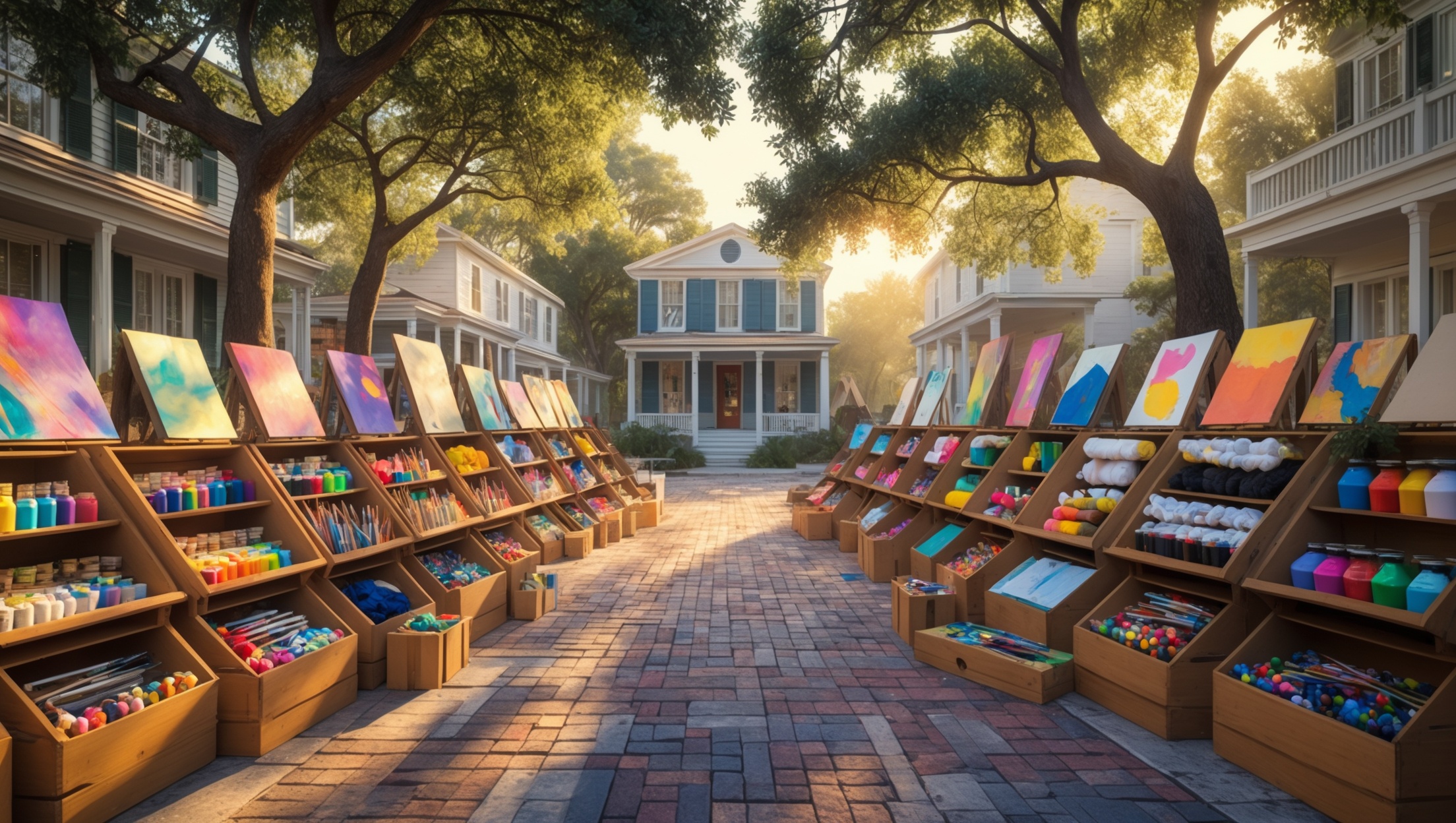
St. Petersburg, Florida is a city alive with creativity. From the vibrant murals of the Central Arts District to grassroots workshops in neighborhood parks, St. Pete’s creative pulse is driven by people who believe in the power of art to connect, inspire, and uplift communities. Yet, not every aspiring artist or art-loving resident has easy access to quality supplies. That’s where community art supply exchanges come in—a practical, eco-friendly solution for redistributing gently used paints, brushes, canvases, and more, making art accessible to all. But how do you actually launch and sustain one of these projects in St. Pete? What are the real costs involved, and how do you fundraise effectively in a city with a bustling nonprofit scene?
This guide offers a detailed cost breakdown and fundraising tactics tailored for St. Petersburg’s unique landscape. Whether you’re a local artist, a teacher, or a community organizer, you’ll find step-by-step budget planning, smart cost-saving tips, and proven fundraising strategies to get your art supply exchange off the ground and keep it thriving. Let’s dive into the nuts and bolts of building a creative resource that truly serves your neighbors.
Understanding the Core Costs of a Community Art Supply Exchange
Defining Your Scope
Before crunching numbers, clarify your exchange’s scale and target audience. Are you serving a single neighborhood, all of St. Pete, or a specific group (youth, seniors, artists with disabilities)? Your scope directly impacts your budget. For most beginners, starting small and scaling up is both practical and sustainable.
Essential Startup Costs
- Location: Free spaces (community centers, libraries, churches) are ideal. If you need to rent, expect $100–$400/month for a shared space in St. Pete.
- Storage & Shelving: Sturdy shelves and bins cost $150–$300 for a small exchange. Look for donations from local businesses or salvage yards.
- Initial Supplies: Launching with a small inventory? Budget $100–$200 for basics, unless you can source all items via donation drives.
- Signage & Branding: DIY painted signs or banners can be made for $30–$100. Professional signage costs more but isn’t essential at launch.
- Insurance: If operating independently, general liability coverage may run $200–$500/year depending on your setup. Partnering with an existing nonprofit or venue can sometimes extend their coverage to your project.
- Permits: Most exchanges on private or nonprofit property won’t need special permits, but check with the city if you’re considering a public park or outdoor kiosk. Budget up to $100 for permits if needed.
- Marketing Materials: Flyers, posters, and social media ads can be managed for $50–$150, especially with in-kind sponsorships from local print shops.
- Cleaning & Maintenance Supplies: $25–$50 for disinfectant, gloves, and basic cleaning items.
- Volunteer Support: Snacks, water, and small thank-you gifts (optional) may cost $25–$75 per launch event.
Ongoing Operating Costs
- Restocking Supplies: Regular donation drives can keep this low, but set aside $25–$50/month for purchasing high-demand items (like canvases or specialty paints).
- Utilities: If you’re in a donated or public space, utilities may be covered. Otherwise, expect $25–$75/month for electricity and water.
- Maintenance: Replacing broken bins, signage, or shelves may average $10–$25/month.
- Insurance Renewal: Budget for annual insurance costs.
- Marketing & Community Outreach: $10–$30/month for ongoing promotional materials.
Sample First-Year Budget
- Location: $0 (partnered with a local library)
- Storage & Shelving: $200
- Initial Supplies: $150 (supplemented by donations)
- Signage: $50
- Insurance: $300
- Permits: $50
- Marketing: $100
- Cleaning: $40
- Volunteer Support: $50
- Restocking: $300 (over 12 months)
- Utilities: $0 (covered by partner)
- Maintenance: $150
- Total Estimated First-Year Cost: $1,390
With creative partnerships and in-kind donations, many St. Pete exchanges have launched for even less!
Cost-Saving Hacks for St. Petersburg Projects
Leverage Local Partnerships
St. Petersburg’s collaborative spirit means many organizations are open to resource sharing. Partner with:
- Libraries: Offer space, visibility, and sometimes insurance coverage.
- Art Galleries/Studios: May donate surplus materials or host collection bins.
- Schools & After-School Programs: Can provide volunteers and host donation drives.
- Local Businesses: Especially office supply stores, hardware shops, and printers.
In-Kind Donations
Request non-cash support for everything from shelves to cleaning supplies. Many businesses prefer to give goods or services rather than cash. Publicly recognize their support to build lasting partnerships.
Volunteer Power
Recruit community members to help with set-up, sorting, and outreach. The more volunteers you have, the less you’ll need to spend on labor or professional services. Offer small perks—like free art supplies or public recognition—to keep your team motivated.
Reuse and Repurpose
Source shelves, bins, and display tables from local yard sales, thrift stores, or online community groups like Freecycle and Buy Nothing St. Pete. Get creative with storage solutions to keep costs low and the project eco-friendly.
Fundraising Strategies That Work in St. Pete
Host Creative Fundraising Events
St. Petersburg loves a good event. Consider:
- Pop-Up Art Markets: Invite local artists to sell work and donate a percentage of sales.
- Art Supply Swaps: Host a ‘bring-one-take-one’ event with a suggested donation at the door.
- Community Paint Days: Offer group mural painting sessions or workshops with an entry fee benefiting the exchange.
Online Crowdfunding
Platforms like GoFundMe and Givebutter are popular in the St. Pete nonprofit community. Tell a compelling story with photos of local artists or kids who will benefit. Encourage donors to share your campaign widely on neighborhood Facebook groups and Nextdoor.
Grant Opportunities
While many grants require nonprofit status, you can often partner with a ‘fiscal sponsor’ (a local nonprofit willing to manage funds on your behalf). Look for:
- Pinellas Community Foundation: Offers neighborhood project grants.
- St. Petersburg Arts Alliance: Supports grassroots arts initiatives.
- Local Businesses and Corporate Giving: Many St. Pete businesses, especially in the arts and culture sector, offer small project grants.
Memberships and Sustaining Donors
Encourage regular donors with a ‘Friends of the Exchange’ program. Offer perks like early access to new supplies, invites to special workshops, or recognition on your website and at events. Even $5/month from ten supporters helps cover basic costs.
Material Drives
Organize quarterly donation drives, especially after school semesters or during spring cleaning season. Partner with local schools and studios, and provide convenient drop-off locations. Promote your needs list (e.g., “We’re low on acrylic paints!”) through social media and local newsletters.
Step-by-Step Budget Planning for Your Exchange
1. List All Startup and Ongoing Costs
Use the categories above to create a spreadsheet. Be realistic and build in a 10% contingency for unexpected expenses.
2. Identify What Can Be Donated or Sourced for Free
Highlight which items (shelves, signage, initial supplies) have the best chance of being donated. Reach out to potential partners early.
3. Map Out Your Funding Sources
Estimate how much you can raise from each source: events, online campaigns, grants, business donations, and memberships. Set specific fundraising goals for each stream.
4. Track Income and Expenses Diligently
Assign a volunteer or team member to manage finances. Use simple accounting software or a Google Sheet. Transparency builds trust with donors and partners.
5. Adjust as You Grow
Review your budget quarterly. As your exchange becomes more established, you may need to invest in better storage, expand your space, or launch new programming. Plan for growth, but scale responsibly.
Creative Ways to Stretch Your Budget Further
Tap Into City and County Resources
The City of St. Petersburg offers mini-grants for neighborhood projects, and the Pinellas County Solid Waste Department sometimes sponsors zero-waste initiatives. Contact the city’s Neighborhood Relations department for guidance.
Engage Local Media
Reach out to local news outlets, arts blogs, and radio stations with a press release about your exchange. Coverage can attract new donors, partners, and volunteers—often at no cost.
Barter and Trade
Offer art workshops, mural painting, or community beautification projects in exchange for supplies or services. Bartering builds community ties and stretches your cash budget.
Piggyback on Existing Events
Set up an info table or pop-up collection bin at local festivals, art walks, and markets. This increases visibility and lets you share costs (like insurance or permits) with event organizers.
Leverage Social Media
Use Instagram, Facebook, and Nextdoor to announce donation needs, share success stories, and thank your supporters. Consistent, authentic updates help maintain momentum and attract new backers.
Case Study: The Uptown Art Exchange
The Uptown Art Exchange, launched in 2022 in St. Petersburg’s Historic Uptown neighborhood, started with a $1,200 budget. The organizers partnered with a local coffee shop for space, sourced all shelving from Facebook Marketplace, and recruited volunteers from the neighborhood association. They hosted a pop-up paint night fundraiser, raising $500, and ran a successful Kickstarter campaign for another $600. A local printer donated signage. Within six months, the exchange was self-sustaining, with regular donations and a growing membership program. Their diligent tracking of expenses, clear communication with donors, and creative community engagement have made the exchange a model for similar projects citywide.
Conclusion: Building a Lasting Creative Resource in St. Pete
Launching a community art supply exchange in St. Petersburg isn’t just about collecting brushes and paints—it’s about building connections, empowering neighbors, and nurturing the city’s creative energy. With careful budgeting and a clear-eyed understanding of your costs, you can avoid common pitfalls, stretch every dollar, and set your project up for long-term success. Remember, many of St. Pete’s most beloved community resources started with a handful of passionate volunteers, a shoestring budget, and a willingness to ask for help.
By leveraging local partnerships, engaging the community through creative fundraising, and transparently managing your finances, your art supply exchange can become a sustainable, celebrated part of St. Pete’s artistic landscape. Don’t be afraid to start small, adapt as you grow, and share your story—both your triumphs and your challenges. Every tube of paint or sketchbook placed in someone’s hands is a step toward a more vibrant, inclusive city. With the right planning and a collaborative spirit, your project can inspire creativity for years to come. St. Pete is ready for your ideas—now’s the time to make them a reality.