
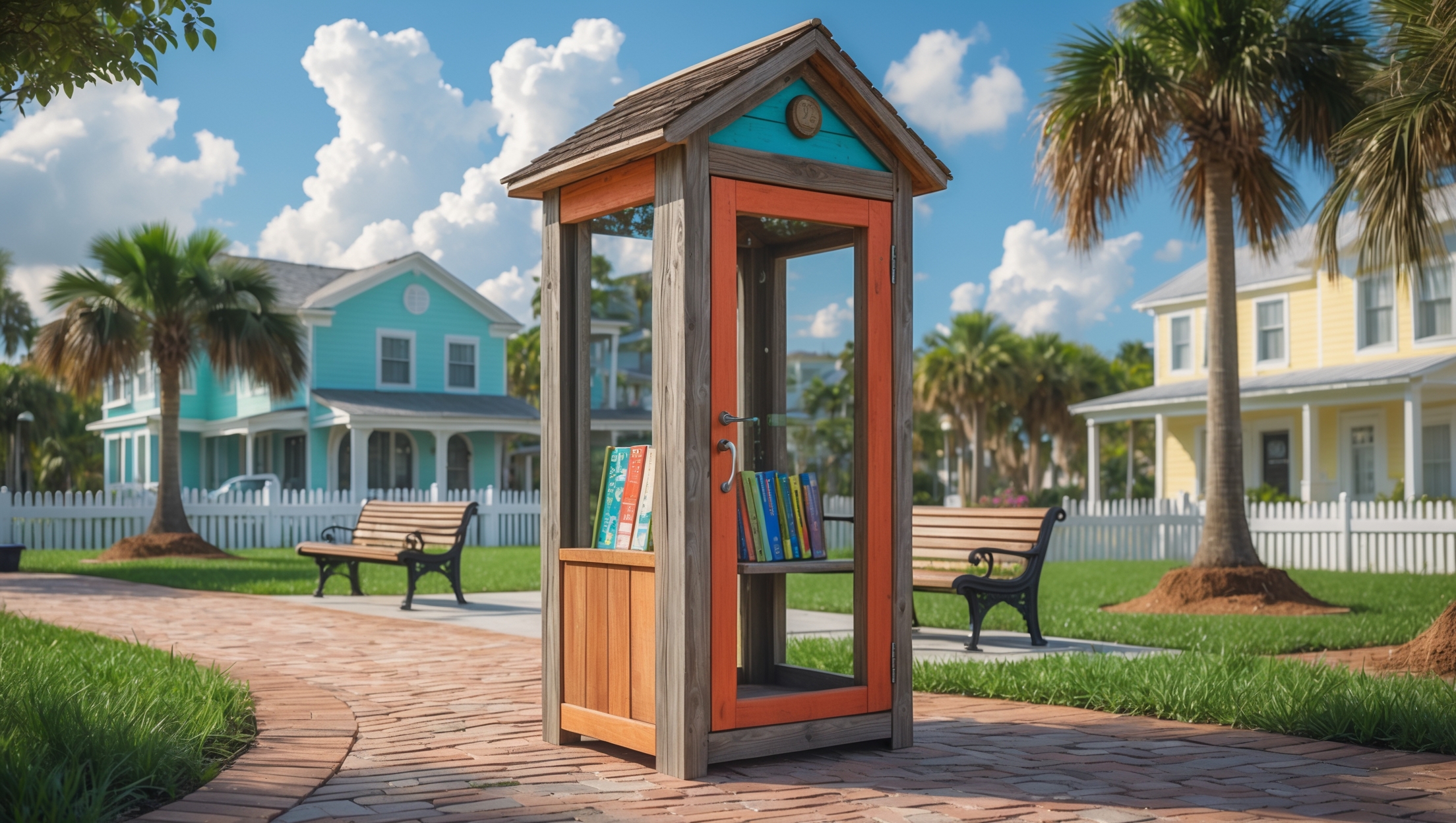
Common Myths About Starting a Community Book Exchange in St. Petersburg, FL—Debunked

Introduction: Separating Fact from Fiction for St. Pete’s Community Book Exchanges
Community book exchanges—those small, friendly boxes where neighbors swap stories—have become a beloved fixture in neighborhoods across the country, and St. Petersburg, FL is no exception. Whether set in a local park, on a corner near Central Avenue, or nestled outside a community center, these exchanges foster literacy, connection, and a sense of shared stewardship. Yet, for all their charm, many would-be organizers are held back by persistent myths and misconceptions about what it takes to launch and sustain one in St. Pete’s unique environment. Does a book exchange need expensive permits? Is vandalism inevitable? Will it just become a dumping ground for unwanted books? These worries can stall the best intentions and leave St. Petersburg’s neighborhoods with fewer opportunities for connection and discovery.
This post digs into the most common myths about starting a community book exchange in St. Petersburg, FL. Drawing on local examples, expert advice, and practical experience, we’ll separate fact from fiction—and equip you with actionable strategies to launch and maintain a successful, inviting book exchange in your own neighborhood. Whether you’re a first-time organizer or a seasoned community builder, understanding what’s really required (and what isn’t) will help you avoid wasted effort and create a project that truly thrives in the Sunshine City.
Myth 1: “You Need a Special Permit from the City to Set Up a Book Exchange Box”
The Truth About Permits in St. Petersburg
One of the most common misconceptions—often spread by well-meaning neighbors—is that installing a community book box requires jumping through complex municipal hoops. In reality, most small, non-commercial book exchange boxes placed on private property (like your front yard or church grounds) do not require a city permit in St. Petersburg. However, there are important nuances to consider:
- Private Property: If you own the property or have written permission from the owner, you generally do not need a permit. Always confirm with your HOA if applicable, as some neighborhoods have their own guidelines.
- Public Property (Parks, Sidewalks): Placing a book exchange on city property does require approval—and sometimes a permit—from the City of St. Petersburg’s Parks & Recreation Department or Public Works. Each request is handled case-by-case, and you’ll need to provide details about location, design, safety, and maintenance plans.
Pro Tip
Contact St. Pete’s Neighborhood Relations Department for guidance before you install on public land. They can often connect you with streamlined approval processes or suggest alternative locations.
Myth 2: “Book Exchanges Are a Magnet for Vandalism and Neglect”
Understanding Real vs. Perceived Risk
Concerns about vandalism, graffiti, or the box becoming a target for mischief are common—but the reality, especially in St. Petersburg’s engaged neighborhoods, is far more optimistic. Local data and anecdotal evidence show that boxes with clear community ownership and regular use rarely suffer from chronic problems.
- Visibility: Placing your exchange in a well-trafficked, visible spot (like near a playground or a busy sidewalk) dramatically reduces incidents of vandalism.
- Community Involvement: Boxes that involve neighbors from the start—through painting parties, book drives, or a shared maintenance rota—are consistently better cared for and respected.
- Design Choices: Use weather-resistant materials and simple, robust designs to deter tampering. Adding a local flair (artwork, mosaic tiles, or a “donated by” plaque) can foster a sense of pride and ownership.
Local Example
The Kenwood neighborhood’s book exchange, installed in 2021, has reported only minor paint touch-ups over two years—thanks to engaged neighbors and a well-chosen, high-visibility location.
Myth 3: “People Will Only Donate Unwanted or Damaged Books”
Curating Quality—Without Becoming a Gatekeeper
Another worry is that your exchange will become a dumping ground for tattered textbooks or outdated manuals. While this occasionally happens, St. Petersburg’s exchanges generally see a steady rotation of well-loved novels, children’s books, cookbooks, and local interest titles. Here’s how to encourage quality contributions:
- Clear Guidelines: Post a friendly note inside the box or nearby: “Please donate books in good condition. No encyclopedias, magazines, or damaged items.”
- Lead by Example: Seed your exchange with appealing, high-quality books. People tend to match the standard they see.
- Rotate Regularly: Schedule a monthly check-in to remove outdated or worn-out books and replenish with fresh titles from local thrift shops or library sales.
Pro Tip
Partner with local schools, libraries, or bookstores for occasional book drives. Many are happy to donate gently used, high-interest books.
Myth 4: “It’s Too Expensive to Build and Maintain a Book Exchange”
Realistic Cost Breakdown for St. Pete Organizers
Worries about start-up costs can stall even the most enthusiastic would-be stewards. The truth: launching a basic, sturdy book exchange in St. Petersburg is surprisingly affordable, even with local weather considerations.
- DIY Build: Using reclaimed wood, weatherproof paint, and a recycled cabinet door, many locals have built boxes for under $75. Hardware stores like Pinellas Lumber and Habitat ReStore often donate or discount materials for community projects.
- Prefabricated Kits: Pre-built boxes (found online or at specialty shops) range from $150–$350, including shipping. Look for Florida-rated options with UV-resistant finishes and water-tight seals.
- Maintenance: Annual costs are minimal: $10–$20 for touch-up paint, hinges, or weather stripping. Most repairs can be handled by a handy neighbor in a single afternoon.
Funding Ideas
- Host a neighborhood yard sale or mini book fair, with proceeds going to box upkeep.
- Apply for small grants from St. Petersburg’s Neighborhood Partnership Program or local Rotary clubs.
- Reach out to local businesses for sponsorship—many are eager for positive community visibility.
Myth 5: “Book Exchanges Need a Large Volunteer Team to Succeed”
The Power of Micro-Commitments
While having a team is helpful, many successful book exchanges in St. Pete are run by one or two dedicated neighbors. The secret is making maintenance easy and inviting light, regular participation.
- Assign Roles: One person can check on the box weekly; another can manage social media updates or coordinate book donations.
- Leverage Existing Groups: Partner with neighborhood associations, scout troops, or faith communities for occasional “book box beautification” events.
- Shared Responsibility: A simple sign-up sheet or group chat can make it easy for neighbors to take turns—no formal committee required.
Local Example
The Crescent Lake exchange is maintained by a single family, with help from their block’s WhatsApp group for occasional deep cleans or restocking after big events.
Myth 6: “Book Exchanges Aren’t Allowed in Flood-Prone or Hurricane Zones”
Weatherproofing and Placement Solutions
St. Petersburg’s coastal setting means weather is a key consideration. However, well-designed book exchanges can thrive in almost any neighborhood with a few smart adaptations:
- Install your box on a raised post (at least 18 inches off the ground) to avoid minor flooding.
- Use marine-grade finishes and weather seals to protect against rain and humidity.
- Add a simple latch to keep the door secure during summer windstorms.
Before hurricane season, consider temporarily removing the box or securing it with extra straps. Many local exchanges have survived multiple seasons with only minor touch-ups required.
Myth 7: “Book Exchanges Only Benefit Readers—They Don’t Build Community”
Beyond Books: Catalysts for Connection
While promoting literacy is a core benefit, St. Petersburg’s book exchanges have become hubs for much more:
- Hosting storytime for neighborhood kids
- Sharing flyers for local events or mutual aid efforts
- Serving as pick-up points for community art projects or seed swaps
Several exchanges have even sparked new friendships and collaborations among neighbors who might never have crossed paths otherwise. The visibility and accessibility of a book exchange invites spontaneous conversation and strengthens neighborhood ties.
Myth 8: “Book Exchanges Are a Passing Fad and Will Lose Interest Quickly”
Ensuring Longevity in St. Pete
Some skeptics worry that the novelty will wear off and the box will be forgotten. However, St. Petersburg’s oldest exchanges—like the one near Mirror Lake, going strong since 2016—prove otherwise. Here’s how to keep interest alive:
- Rotate Themes: Try monthly themes (mystery, cookbooks, local authors) to spark curiosity and conversation.
- Engage on Social Media: Share photos and book recommendations in neighborhood Facebook groups or Nextdoor. Tag local authors or businesses when relevant.
- Host Events: Organize occasional “Book Swap Sundays” or “Meet the Author” afternoons using local talent.
Consistency is key; even small, regular updates or seasonal decorations keep the exchange vibrant and relevant.
Myth 9: “Setting Up a Book Exchange is Complicated and Time-Consuming”
Simplifying the Process
Launching a book exchange in St. Pete can be straightforward with a clear plan:
- Choose a location (private property is simplest)
- Build or buy a weatherproof box
- Invite neighbors to donate books and help decorate
- Post clear, friendly guidelines
- Check the box weekly and share updates with your community
Most organizers report spending just a few hours on setup and no more than 15–20 minutes per week on upkeep. The positive impact on your neighborhood is well worth the minimal investment of time.
Conclusion: Busting Myths, Building Community—One Book at a Time
St. Petersburg, FL is a city built on connection, creativity, and a can-do spirit. Community book exchanges embody these values, offering a low-barrier, high-impact way to bring neighbors together, share stories, and foster lifelong learning. The myths that hold people back—fears about red tape, vandalism, cost, or complexity—are just that: myths. With practical planning, a dash of local pride, and a willingness to involve your neighbors, anyone can launch a sustainable and beloved book exchange in their corner of St. Pete.
Start by picking a spot that’s visible and accessible. Don’t worry about assembling a large committee or a big budget; small, steady efforts add up quickly. Focus on quality over quantity, and remember that your exchange is more than a box of books—it’s a conversation starter, a landmark, and an invitation to connect. Tap into St. Pete’s many resources: neighborhood groups, local businesses, and city departments are all eager to support community-driven projects that make the Sunshine City shine a little brighter.
If you’ve been hesitating to start a book exchange because of something you heard or read, consider this your friendly nudge to look closer. The barriers are lower—and the rewards greater—than you may realize. By challenging these myths and sharing the real story, you can help build a more connected, literate, and joyful St. Petersburg, one book at a time.
The article mentions that most small book exchanges on private property don’t need a permit, but what if I’d like to place one in a public park or near a community center? Does the process change significantly for public spaces?
Placing a book exchange in a public park or near a community center does require a different process compared to private property. You’ll typically need approval from the city or the relevant municipal department. This often means submitting an application, providing details about the structure, and sometimes attending a meeting for approval. It’s a good idea to contact your local parks department or city administration to get specific guidelines and requirements for your chosen location.
Could you clarify what counts as ‘non-commercial’ for these book exchanges? I have a small coffee stand that I run from home sometimes, and I wonder if adding a book box would make permit rules different in St. Pete.
In St. Petersburg, a ‘non-commercial’ book exchange means it’s not connected to any business activity or used to promote sales. If you add a book box to your home-based coffee stand, it could be seen as part of your business, which might trigger different permitting requirements. It’s best to keep the book exchange separate and clearly not linked to your sales to avoid complications.
The article talks about myths around permits, but I’m also wondering about the initial set-up costs. Are there affordable materials or designs recommended for someone on a tight budget who still wants the box to look welcoming and hold up in the Florida weather?
For a budget-friendly yet durable book exchange box, consider using recycled materials like old cabinets or sturdy plastic storage bins, which you can often find secondhand. Paint them with weather-resistant paint to make them inviting and protect them from humidity and rain. Adding a simple slanted roof with leftover wood or shingles helps keep books dry. These options keep costs down while ensuring your exchange remains attractive and functional in Florida’s climate.
Could you clarify what counts as ‘non-commercial’ for these book exchanges in St. Pete? For example, if my neighborhood has a small HOA-managed park, would the same permit rules apply, or is that considered public property?
In St. Pete, ‘non-commercial’ usually means the exchange is free and not connected to any business activity—just neighbors sharing books without profit. If your HOA-managed park is private property (owned or maintained by the HOA), permit rules may differ from those for city-owned public parks. It’s a good idea to check with your HOA and the city to confirm which guidelines apply before setting up the exchange.
Could you elaborate on what specific guidelines or restrictions apply if someone wants to place a book exchange box on public land or outside a city-owned facility in St. Petersburg? I’m interested in understanding what permissions or coordination might be necessary in those cases.
If you want to place a book exchange box on public land or near a city-owned facility in St. Petersburg, you’ll need to get permission from the city. This usually involves contacting the city’s Parks and Recreation Department or relevant municipal office to submit a proposal. They may have guidelines about size, design, maintenance responsibilities, and safety. Placement without proper approval could result in removal, so coordination with the city is important before installation.
You mention concerns about book exchanges becoming dumping grounds for unwanted books. Do you have any tips for keeping the selection fresh and preventing people from leaving damaged or irrelevant items?
Absolutely, keeping a book exchange appealing is all about setting clear expectations. Post simple guidelines asking for gently used, relevant books and note that damaged or inappropriate items may be removed. Regularly check the selection yourself or recruit volunteers to help rotate stock and remove unwanted items. You can also organize periodic swaps or themed weeks to keep things interesting for everyone.
The article mentions that most book exchange boxes on private property in St. Pete usually don’t need a permit, but what if you want to set one up outside a campus dorm or apartment complex that isn’t technically private property? How would that work with city rules?
If you want to set up a book exchange box outside a campus dorm or apartment complex that isn’t strictly private property, you’ll likely need to check with the property owner or management first. For spaces not considered private, like sidewalks or public rights-of-way, the city may require a permit or additional permissions. It’s a good idea to contact city zoning or permitting offices directly to confirm the specific requirements for your location.
I’m curious about maintaining these book exchanges long-term, especially in places like Central Avenue. What are some practical strategies to prevent them from becoming dumping grounds for unwanted books?
To keep book exchanges on Central Avenue thriving, regular check-ins by volunteers are key. Posting clear guidelines about acceptable books and avoiding damaged or outdated items also helps. Engaging local businesses or nearby residents to ‘adopt’ the exchange encourages shared responsibility. Rotating book selections and occasionally removing overflow or unsellable books can prevent the space from becoming cluttered.
You mention concerns about book exchanges becoming dumping grounds for unwanted books. Are there any best practices specific to St. Petersburg for managing overflow or keeping the selection fresh?
In St. Petersburg, many book exchange hosts handle overflow by partnering with local libraries, schools, or thrift shops to donate surplus books. Regularly checking the exchange, rotating genres, and encouraging visitors to take as well as leave books helps keep the selection appealing. Some hosts also post updates in neighborhood groups to coordinate themed swaps or request specific genres when needed.
If someone wants to start a book exchange near a community center or church, what would be the first practical step after confirming no special permit is needed? Should they contact the property owner, or are there other local guidelines to follow?
Once you’ve confirmed that no special permit is required, the next immediate step is to contact the property owner or manager of the community center or church. Securing their permission is essential before setting up anything on their grounds. After that, it’s wise to check for any local guidelines about signage, safety, or hours of operation that might apply.
The article talks about myths around vandalism and book dumping. For a first-time organizer, what are some real-life examples of how people in St. Pete have prevented those problems, especially when just starting out?
Organizers in St. Pete have seen success by placing book exchanges in well-trafficked, visible spots like community centers or busy parks, which discourages vandalism. Many also post clear guidelines inside the exchange about what kinds of books are welcome and how to keep the space tidy. Some groups recruit neighbors to check on the exchange regularly, rotating the responsibility so it doesn’t fall on one person. When issues do come up, organizers often address them through friendly signs or reaching out to the community for support.
I’m a student thinking about starting a book exchange at my apartment complex. Are there any suggested ways to get neighbors involved from the start, or does the article recommend just setting it up and seeing what happens?
The article suggests that involving neighbors from the beginning can make a big difference. It recommends spreading the word with flyers or social media, hosting a small kickoff event, and asking for initial book donations. This helps create excitement and a sense of shared ownership, rather than just setting it up and hoping people participate.
Our neighborhood has a lot of kids, and I’d love to start a book box, but I’m worried it might just end up filled with old textbooks or things nobody wants. Do you have advice on keeping the selection fresh and appealing, especially in the beginning?
To keep your book box interesting for kids, start by seeding it with a variety of popular children’s books and picture books. Reach out to neighbors or local schools for gently used favorites, and consider rotating books every few weeks. Posting a wish list or theme, such as “adventure week” or “animal stories,” can encourage thoughtful donations. Checking on the box regularly and removing outdated or unappealing books helps maintain quality and excitement.
You mentioned concerns about book exchanges potentially becoming dumping grounds for unwanted books. What strategies or routines have worked best for preventing that problem in St. Petersburg neighborhoods?
In St. Petersburg, several neighborhoods have found success by setting clear guidelines about what types of books are welcome and posting those rules at the exchange site. Regular volunteer check-ins help keep the collection tidy, and some groups organize monthly clean-up days to remove damaged or outdated books. Keeping the exchange well-organized and inviting also encourages respectful participation from the community.
Could you clarify what qualifies as ‘non-commercial’ when it comes to book exchange boxes? If my business sponsors the box and adds our logo, does that change whether permits are needed?
A ‘non-commercial’ book exchange means it’s intended for public benefit, with no profit or direct sales occurring at the box. If your business sponsors the box and simply adds a logo, it usually stays non-commercial, provided you don’t advertise products or services or use the box for business transactions. However, some neighborhoods or city rules might vary, so it’s best to check with local authorities to confirm if permits are needed for sponsored boxes.
I’m curious how others in St. Petersburg handle the issue of unwanted books piling up. Do you have any practical tips or local strategies for keeping the selection quality high and preventing the exchange from turning into a dumping spot?
A few effective strategies used by local organizers include setting clear guidelines on acceptable book conditions, regularly checking the selection, and rotating inventory by donating excess or outdated books to charities. Some groups also host periodic ‘refresh days’ where volunteers help sort and tidy the exchange, ensuring the collection stays inviting and high quality.
I’m interested in setting up a book exchange in our neighborhood park, but with kids’ busy schedules I’m worried about maintenance. How much time per week do you find you actually need to keep the box tidy and well-stocked in St. Pete?
Based on our experience in St. Petersburg, you can expect to spend about 30 minutes to an hour each week maintaining a community book exchange box. Tasks usually include tidying up the shelves, removing damaged books, and occasionally restocking with donations. Some weeks may need less attention, especially if the community is actively involved in keeping it neat.
You brought up vandalism as a common worry for organizers. Do you have examples or tips from St. Petersburg on how people have successfully prevented vandalism or maintained their book boxes over time?
Several organizers in St. Petersburg have found success by choosing highly visible locations for their book exchanges, such as near busy sidewalks, schools, or parks. Having local volunteers regularly check on the boxes, keep them tidy, and replace damaged books also helps deter vandalism. Some groups add a little sign with a note about community pride, which encourages respect for the space. Paintings by local artists or kids can give the boxes a unique look that people want to protect.
If someone wanted to establish a community book exchange in a local park or outside a community center rather than private property, would the permit process be different in St. Petersburg? What steps should organizers take in those situations?
Setting up a book exchange in public areas like parks or outside community centers usually requires permission from the city, unlike on private property. Organizers should contact the St. Petersburg Parks and Recreation Department or the appropriate city office to inquire about any permits or approval needed. Be prepared to submit a formal application, provide details about your project, and possibly follow specific guidelines for public installations.
Could you clarify what counts as private property for setting up a book exchange in St. Petersburg? For example, if a neighborhood HOA manages a shared green space, would installing a box there require extra permissions or permits?
In St. Petersburg, private property refers to land or spaces owned by individuals, organizations, or associations rather than the city or public entities. If a neighborhood HOA manages a shared green space, that area is considered private or semi-private property. You would need approval from the HOA before installing a book exchange box, and in some cases, additional city permits might be required depending on local regulations or the size of the installation.
You mentioned that vandalism is a common concern but didn’t elaborate much on prevention strategies. What have successful St. Pete book exchanges done to minimize vandalism or theft, and are there local resources that can help with repairs if something happens?
Successful book exchanges in St. Petersburg often use sturdy, weather-resistant boxes and place them in well-lit, visible areas to deter vandalism. Some coordinators involve neighbors in keeping an eye on the exchange, which helps reduce theft. For repairs, local community groups and neighborhood associations sometimes offer support or materials. Additionally, some volunteers have partnered with local libraries or woodworking clubs for repair help if vandalism does occur.
You touched on concerns about book exchanges becoming dumping grounds for unwanted books. Are there recommended ways to keep the selection fresh and appealing in St. Petersburg’s climate, especially during rainy season?
To keep your book exchange fresh and inviting, regularly rotate books and remove any that are damaged or have been sitting too long. In St. Petersburg’s rainy season, use a weatherproof container or box, and check often for moisture. Inviting community members to suggest or contribute popular titles can also help maintain an appealing and relevant selection.
You mention that permits usually aren’t needed if the book exchange is on private property, but what if my yard is very close to the sidewalk or in an area with an HOA? Are there specific setbacks or rules I should check for in those cases?
If your yard is close to the sidewalk or you live in an HOA, it’s important to check both city regulations and your HOA rules before setting up a book exchange. Some HOAs have specific guidelines about structures or displays in your yard, and the city may have setback requirements or visibility rules for anything near public sidewalks. Contact your HOA board and the local zoning department to be sure you’re in compliance.
After learning that permits often aren’t needed for boxes on private property, I’m wondering about the next steps. Beyond building the box itself, are there city or neighborhood groups in St. Petersburg that help with promoting or maintaining new exchanges?
Yes, in St. Petersburg, several neighborhood associations and local community groups are enthusiastic about book exchanges. Many neighborhoods have active Facebook groups or newsletters where you can announce your new box. You might also reach out to the St. Pete Literacy Council or local libraries, as they sometimes offer advice or connections for volunteers who help maintain boxes and spread the word in the community.
I’d love to encourage more neighbor participation in a book exchange, especially in areas where these aren’t common yet. Based on local experience, what’s an effective first step to get the community on board and deal with any initial skepticism or concerns?
One effective first step is to host an informal meet-and-greet event, like a pop-up book swap in a local park or community space. This gives neighbors a chance to see how the exchange works and ask questions. Sharing positive stories from other local book exchanges and inviting early participants to bring a friend can also help ease concerns and build trust.
The article mentions concerns about book exchanges turning into dumping grounds for unwanted books. What strategies have local organizers found effective to keep the selection fresh and prevent overcrowding or neglect?
Local organizers have found that regular maintenance is key. Many book exchange stewards visit weekly to tidy up, remove damaged or outdated books, and rotate selections. Some also set clear guidelines on what types of books are welcome. Involving volunteers and encouraging community members to take an active role in monitoring the exchange helps keep things organized and inviting.
You talked about concerns over book exchanges turning into dumping grounds for unwanted books. Do you have any practical tips or examples from St. Petersburg of how organizers have successfully kept their boxes tidy and appealing over time?
Organizers in St. Petersburg have found that regular check-ins and clear signage help a lot. Some set up a volunteer schedule to tidy the box weekly, while others post friendly reminders asking people not to leave damaged or inappropriate books. A few even rotate the selection every month to keep things fresh and inviting for everyone.
After reading about the myths, I’m wondering what the most budget-friendly way is to set up a durable book exchange box in our Florida climate without spending a lot on materials or maintenance?
To create a durable, low-cost book exchange box for Florida’s climate, consider upcycling a waterproof container like a plastic storage bin or an old mailbox. Add a sloped roof to shed rain and use exterior paint or sealant for extra weather resistance. Mount it off the ground to prevent water damage and check periodically for mold or leaks.
The article mentions concerns about vandalism and the perception that book exchanges could turn into dumping grounds. How common are these issues in St. Pete, and what are some specific strategies local organizers have used to prevent them?
In St. Pete, issues like vandalism and book exchanges becoming dumping grounds do come up occasionally, but they’re not the norm. Local organizers often address these concerns by choosing visible locations, involving neighbors in regular upkeep, and adding clear signage about acceptable use. Some even form small groups to check on the exchange regularly, making it a community effort to keep the area tidy and welcoming.
Do you have any advice on budgeting for a small neighborhood book exchange in St. Petersburg, especially regarding initial setup costs and ongoing maintenance? Are there any local grants or resources new organizers should be aware of?
When budgeting for a neighborhood book exchange, focus on initial costs like purchasing or building a weatherproof box, signage, and starter books. Ongoing expenses often include basic repairs and occasionally replenishing books. Some libraries and local businesses donate materials or small grants. In St. Petersburg, check with the city’s Neighborhood Partnership program and local community foundations for potential funding. Connecting with existing book exchanges in the area can also provide useful advice and resources.
I’m curious about the concerns around a book box becoming a dumping ground. Do you have any suggestions or real-world examples from St. Pete about how organizers have successfully managed donations to keep the selection fresh and the box tidy?
Many St. Pete organizers have found that regular check-ins are key to keeping book boxes in good shape. Some set up rotating volunteer schedules to monitor donations, remove damaged books, and rearrange selections. A few boxes include posted guidelines encouraging neighbors to donate only gently used books. Others have partnered with local libraries or small businesses for occasional book swaps, ensuring variety and preventing overflow.
If I decide to start a community book exchange outside my storefront, what are the ongoing maintenance and time commitments I should realistically plan for to keep it from turning into a dumping ground for unwanted books?
To keep your book exchange tidy and welcoming, plan to check on it every couple of days. This includes removing damaged or inappropriate books, rearranging shelves, and occasionally cleaning the box or shelves. You may also want to post clear guidelines for donations and periodically ask community members to help monitor. Expect to spend about 30 to 60 minutes per week on upkeep, though busy periods might require a bit more attention.
I live near Central Avenue and would like to start a small book exchange, but I’m not sure if my front yard is considered private property for these rules. Are there specific property boundaries or restrictions I should be aware of in St. Petersburg?
In St. Petersburg, your front yard is typically considered private property as long as it’s within your property lines and not on the city sidewalk, easement, or right-of-way. It’s important to check your property survey or contact the city’s zoning department to confirm your boundaries. Also, avoid placing any structures where city crews may need access or where they could obstruct pedestrians.
You debunked the idea that these book exchanges always get vandalized or turn into places for unwanted books. From your experience, what kinds of community involvement or maintenance routines actually help keep them inviting and well-stocked in St. Pete?
Consistent community involvement is key. In St. Pete, residents often create informal schedules to check on book exchanges, tidy them, and restock with quality books. Some neighborhoods organize monthly mini-events where locals swap books and chat. Simple touches, like inviting local artists to decorate the exchange, also boost pride and reduce neglect. The more neighbors feel ownership, the better maintained and inviting the exchange remains.
You mention that most book exchanges on private property in St. Petersburg don’t need permits, but what about homeowners’ associations? Have you seen any challenges with HOA rules, and how do organizers work with or around those?
Homeowners’ associations (HOAs) can have their own rules that go beyond city requirements. Some HOAs restrict outdoor structures or visible installations, which could include book exchange boxes. Organizers usually review the HOA’s covenants and, if needed, propose the idea at an HOA meeting to get formal approval. Others keep exchanges inside a clubhouse or ask neighbors to support the project before moving forward.
I’m interested in setting up a book swap, but as a parent with a tight budget, I’m wondering what the real costs look like for starting and maintaining one. Can you share any examples or tips on keeping expenses low while still making it inviting and sturdy?
Starting a book swap can be very budget-friendly, especially if you use reclaimed materials like old cabinets or bookshelves for your setup. Many local families have built sturdy exchanges using scrap wood or surplus paint. For weather protection, consider clear shower curtains or plastic sheeting. Ask friends or neighbors if they have supplies to donate, and decorate with community-made artwork to keep costs down while making it inviting.
Can you share any examples of local St. Pete book exchanges that have dealt with vandalism successfully? I’m wondering what kind of upkeep and repair budget I should realistically expect if I set one up near my kids’ school.
Several community book exchanges in St. Petersburg, such as the Little Free Libraries in Crescent Lake and Historic Kenwood, have faced occasional vandalism like graffiti or minor damage. Most organizers set aside about $50–$150 per year for repairs and upkeep, covering paint touch-ups, replacement doors, or signage. Volunteers and local sponsors often help with both maintenance and funding, making it manageable for one person or a small group.
After reading about myths around vandalism and maintenance, I’m curious—what practical steps can first-timers take to keep their book exchange from becoming neglected or targeted? Any advice based on common issues people in St. Pete have faced?
To keep your book exchange in good shape, pick a visible, well-trafficked location and make sure it’s clearly marked as a community project. Check on it regularly, at least once a week, to tidy up and restock if needed. People in St. Pete have found that involving neighbors, sharing responsibility, and posting gentle guidelines nearby really help reduce neglect and deter vandalism.
I’m curious about the concern around a book exchange becoming a dumping ground for unwanted books. Do you have suggestions or examples of strategies local organizers have used to keep the collection relevant and attractive rather than cluttered?
Organizers often set clear donation guidelines to avoid the book exchange becoming cluttered with outdated or damaged books. Some rotate stock regularly, removing books that sit for too long. Others create themed sections or host periodic community sorting days, inviting volunteers to curate the selection. These approaches help maintain an appealing mix of books tailored to community interests and keep the exchange fresh and inviting.
If we wanted to start a book exchange near our local park instead of on private property, are there city contacts or departments you recommend reaching out to first? I’d love to know the best way to get official approval, if needed.
To set up a book exchange in a public park, you’ll want to contact the City of St. Petersburg’s Parks and Recreation Department. They handle permissions for public spaces and can guide you through any application or approval process required. It may also be helpful to check with the city’s Neighborhood Services or local community liaisons for additional support or tips.
I’m interested in starting a little book box in my St. Petersburg neighborhood, but I live in a condo complex. Would it still count as private property if I get permission from the HOA, or are there extra steps I should know about?
If you get permission from your HOA to set up a little book box, it would still be considered private property since condo complexes are usually privately owned and managed. Just be sure to get written approval from your HOA board. You might also want to check if your condo association has guidelines about outdoor installations or shared spaces to stay compliant with their rules.
You mentioned worries about vandalism and book exchanges becoming dumping grounds. For parents like me with little time, what ongoing maintenance should we realistically expect if we start a box in St. Pete?
You can expect some light, periodic maintenance. Typically, that means checking your book exchange box once a week to tidy up, remove trash or inappropriate materials, and make sure it’s weatherproof and inviting. Many parents involve their kids, making it a quick family activity. Asking neighbors to help or scheduling a monthly cleanup can also share the load and keep things manageable.
If a group of students wanted to start a book exchange near Central Avenue, what are some first steps you’d recommend, especially for coordinating with local businesses or community centers?
To get started, gather your group to decide on a clear plan and goals for the book exchange. Visit local businesses or community centers along Central Avenue to introduce your idea—prepare a short description of how the exchange works and the benefits to the community. Ask if they’d be willing to host a bookshelf or provide a small space. Be open to their suggestions and seek any necessary permissions. Promoting your project through flyers or social media can also help attract participants.
Could you clarify what nuances there are for setting up a book exchange on private property in St. Pete? For example, are there restrictions if the box is near the sidewalk, or do you need to notify your HOA or neighbors beforehand?
When setting up a book exchange on private property in St. Pete, you generally don’t need special permits if the box stays within your property lines. However, if it’s near the sidewalk or visible from the street, you should double-check city setback rules to avoid encroachment. If you live in a neighborhood with an HOA, it’s wise to check your HOA guidelines or notify the board, as some have restrictions or require approval. Letting nearby neighbors know is always considerate, even if not strictly required.
After setting up a book exchange, how much regular maintenance does it actually take in a typical St. Pete neighborhood? I’m trying to figure out whether it’s manageable as a solo project, or if I should recruit other volunteers to share the upkeep.
Once your book exchange is up and running, the typical maintenance in a St. Pete neighborhood usually involves checking in once or twice a week to tidy shelves, remove damaged books, and restock as needed. Many solo organizers find it manageable, but having a few volunteers can help cover busy times or vacations, making upkeep easier and more enjoyable.
If I wanted to get a small book exchange started in my neighborhood, how much time should I expect to spend on setup and ongoing maintenance each month, based on your experience in St. Petersburg?
Setting up a small neighborhood book exchange typically takes about 8 to 12 hours at first. This includes finding a location, building or acquiring a weatherproof box, getting initial books, and spreading the word. Once it’s running, most people spend 2 to 4 hours per month on upkeep—restocking, tidying, and checking for damage or inappropriate material.
You mentioned that permits usually aren’t required if the book exchange is on private property in St. Pete. Are there any specific rules about how close it can be to the sidewalk or street, or does that only matter if it’s on public land?
If your book exchange is on private property in St. Petersburg, the main concern is usually making sure it doesn’t extend onto the public sidewalk or street. There aren’t strict city rules about how close it can be to the sidewalk as long as it stays fully within your property lines. However, if any part of it crosses into public right-of-way, different rules and permits may apply.
If I want to avoid my book box turning into a dumping ground for unwanted books, what are some ongoing maintenance tips or rules that successful exchanges in St. Petersburg use to keep things balanced and appealing for everyone?
To keep your book exchange inviting, check it regularly to remove damaged or inappropriate books. Many groups in St. Petersburg post simple guidelines inside the box, such as asking people to take a book for every book they leave. Some rotate genres or feature a Book of the Month to keep things fresh. You might also encourage community members to help with tidying, making it a shared effort.
You said that permits usually aren’t required for boxes on private property, but what about setting up a book exchange in a public park? I’d love to organize one for my child’s scout troop but don’t want to get in trouble with the city.
For setting up a book exchange in a public park, you’ll likely need to request permission from the city or the St. Petersburg Parks and Recreation Department. Public spaces have different rules than private property, and permits or approvals are often required. It’s a good idea to contact the city offices directly to ask about guidelines before proceeding, so your scout troop’s project is fully supported and above board.
The article mentions that permits aren’t usually needed for book exchanges on private property—what about spaces like apartment complexes or condo common areas in St. Pete? Do HOAs or property managers typically have their own restrictions people should watch out for?
In apartment complexes or condo common areas in St. Pete, you’ll likely need to check with your HOA or property manager before setting up a book exchange. Many communities have their own rules about shared spaces, displays, or installations. It’s best to ask for written approval and review any community guidelines to avoid surprises or having to remove your book exchange later.
You covered concerns about permits and vandalism, but I’m worried about the book exchange turning into a dumping ground. Are there specific tips for keeping the selection fresh and managing unwanted books in St. Pete’s neighborhoods?
To keep your book exchange from becoming a dumping ground, try regular check-ins to remove damaged or outdated books and limit how many books people can leave at one time. Posting simple guidelines inside the box can help set expectations. You might also partner with local libraries or donation centers for overflow books, ensuring the selection stays appealing to the community.
As a busy parent with limited time, I’m wondering how much ongoing maintenance is actually needed to keep a book exchange running smoothly in St. Pete. Is it something I could realistically manage on my own, or does it take a team?
Managing a community book exchange in St. Pete can be quite doable for one person, especially if you opt for a simple setup. Most ongoing tasks—like checking for damaged books, tidying shelves, and occasionally rotating the selection—only take a short amount of time each week. Some organizers find that involving family or neighbors helps, but many busy parents successfully handle it solo.
Can you share more about the initial costs involved in setting up a community book exchange in St. Petersburg? Are there affordable options for building or sourcing the boxes, especially for a small business on a tight budget?
Setting up a community book exchange can be quite budget-friendly. Initial costs typically include materials for the box, signage, and possibly permits. Many people use repurposed cabinets, crates, or even sturdy plastic containers to keep costs low. Local businesses or community members sometimes donate materials or labor. If you’re on a tight budget, consider partnering with local carpentry classes or reaching out on community boards for free or discounted supplies and help.
You talked about concerns around vandalism and book exchanges becoming places for unwanted books. Based on local experience, what are the most effective ways to keep a book box well-maintained and inviting in St. Petersburg neighborhoods?
In St. Petersburg, neighbors who assign a small group of volunteers or rotating stewards tend to have the best success keeping book boxes tidy and inviting. Regularly checking the box, removing damaged or inappropriate books, and sometimes adding new titles helps keep the selection appealing. Some communities also post simple signs with guidelines, which encourages respectful use and deters vandalism.
I’m thinking about setting up a book exchange box on my front lawn here in St. Pete and I’m a bit confused about where exactly the line is between private and public property for permit purposes. How can I make sure I’m compliant so I don’t run into trouble later on?
To make sure your book exchange box is compliant, it’s best to check your property survey or deed to confirm your exact property lines. In St. Pete, anything placed past your property line—like on the sidewalk or city easement—usually falls under city rules and may require a permit. You can also call the city’s zoning or permitting office with your address to get clear guidance. Staying entirely on your own property helps avoid potential issues.
If I wanted to set up a book exchange near my college’s campus, would the process be different from doing it at a private home? Are there extra steps for public or shared spaces in St. Pete?
Setting up a book exchange in a public or shared space near your college campus does involve a few extra steps compared to a private home. You’ll likely need to get permission from the property owner or campus administration, and in some cases, the city may require a permit depending on your location. It’s a good idea to check if your college has guidelines for community projects in shared areas and to consult local ordinances in St. Pete just to be sure.
Does the city of St. Petersburg offer any resources or starter kits for first-time organizers, or is it usually up to individuals and neighborhoods to build and maintain these boxes from scratch?
The city of St. Petersburg generally leaves the creation and upkeep of community book exchange boxes to individuals and neighborhood groups. While there aren’t official city-provided starter kits, some local organizations or libraries may offer advice or materials to help you get started. Most organizers handle the building, installation, and maintenance themselves, often collaborating with neighbors for support.
If most book exchange boxes in St. Pete don’t need city permits as long as they’re on private property, what about boxes set up in parks or on public land? Do those require more paperwork or approval from the city?
Book exchange boxes placed in public parks or on city property do require additional approval compared to those on private land. You’ll need to contact the city’s Parks and Recreation Department or local permitting office to request permission, and there may be a formal application or review process. Always check with city officials before setting up a box on public land to avoid any issues.
If I wanted to set up a book exchange outside my small business near Central Avenue, are there any best practices or special considerations for commercial properties compared to residential ones in St. Petersburg?
Setting up a book exchange outside your business is a great idea! For commercial properties on Central Avenue, it’s important to check with the city for any permitting or signage rules, as regulations can be stricter than for residential areas. Make sure your exchange doesn’t block sidewalks or entrances and consider weatherproofing the structure. Also, it might help to notify neighboring businesses and ensure regular maintenance for a welcoming appearance.
Do you have any estimates on the typical costs involved in setting up and maintaining one of these book boxes in St. Pete, especially for someone who’s never built one before?
Setting up a community book exchange box in St. Petersburg usually costs between $100 and $300 if you build it yourself, including materials like wood, paint, and hardware. If you buy a pre-made box, prices can go up to $400 or more. Ongoing costs for maintenance are low—just a few dollars a month for upkeep and occasionally replacing damaged books or supplies.
I’m curious about the process for placing a book exchange box outside a community center versus on residential property in St. Petersburg. Does the city treat these locations differently when it comes to permissions or maintenance responsibilities?
Yes, the city of St. Petersburg generally treats these locations differently. Placing a book exchange box at a community center often requires approval from the center’s management or the city, and maintenance might be a shared or assigned responsibility. On residential property, you typically need only the homeowner’s consent, and maintenance is up to the property owner. It’s a good idea to check with the city or relevant authority about any specific requirements before you install a box in either location.
Do you have any advice about how much the initial setup might actually cost in St. Petersburg? I want to avoid overspending if there are budget-friendly options for building or buying the boxes.
Setting up a community book exchange in St. Petersburg can be affordable if you plan carefully. Building a simple box yourself can cost between $40 and $100 using reclaimed wood or secondhand materials. If you prefer to buy a pre-made box, prices usually range from $150 to $400. Consider reaching out to local woodworkers or community groups, as they sometimes donate materials or labor to support neighborhood projects.
If I want to involve my local PTA or church in setting up a book exchange, is there a suggested process for getting buy-in from those groups, or any common challenges in collaborating with local organizations mentioned in your research?
Involving groups like your PTA or church can really help your book exchange succeed. Start by presenting the idea at a meeting, highlighting benefits for the community and how it aligns with their values. Ask for input to make everyone feel included. One common challenge is coordinating schedules and responsibilities, so be clear about roles and keep communication open. It also helps to start small and celebrate early successes together.
If most book exchange boxes in St. Petersburg don’t need a permit on private property, are there different rules if you want to put one in a public park or on a busy street corner near Central Avenue?
Yes, the rules are different for public spaces. While private property book exchanges usually don’t need a permit, placing a box in a public park or on a busy street corner—especially near Central Avenue—requires approval from the city or relevant authorities. You’ll likely need to apply for a permit and follow specific guidelines to ensure safety and accessibility. It’s a good idea to contact the city’s parks department or public works office before moving forward.
I’m new to this and wondering about the actual costs involved. Besides the box itself, are there hidden expenses I should budget for when starting a small book exchange on my own property in St. Petersburg?
Beyond the initial cost of building or buying the book exchange box, you might want to budget for weatherproofing materials, a post or platform to mount the box, and basic signage. Some people also set aside a small amount for starter books or occasional repairs. Ongoing costs are usually minimal, especially if you monitor the exchange and use donated books.
Are there any suggestions in the article for keeping the book exchange box well-maintained and preventing it from turning into a place for people to dump unwanted books, especially in busy neighborhoods?
Yes, the article suggests checking the book exchange box regularly to keep it tidy and inviting. It also recommends setting clear guidelines on what types of books are welcome, and posting a sign to remind users not to leave damaged or inappropriate materials. If the box is in a busy area, recruiting a few community volunteers to help monitor and maintain it can make a big difference.
I’m interested in setting up a book exchange near a community center. Are there any specific strategies you recommend to prevent the box from becoming a dumping ground for unwanted books, as mentioned in the article?
To keep your book exchange from turning into a dumping ground, start by setting clear guidelines about acceptable book donations—consider posting these right on the box. Regularly check and tidy the selection, removing damaged or obviously outdated books. You might also make the exchange more inviting by curating a few highlighted titles or rotating genres each month. Finally, encouraging community involvement through events or themed swaps helps people feel invested and more respectful of the collection.
You touched on concerns about book exchanges potentially becoming dumping grounds for unwanted books. What are some proven strategies from St. Pete organizers to keep the selection fresh and discourage people from leaving damaged or outdated books?
St. Pete organizers often post clear signage outlining what types of books are welcome and ask visitors not to leave damaged or outdated materials. Many also appoint volunteers or rotate stewards who check on the exchange regularly, removing unsuitable books and tidying up. Hosting themed swaps or highlighting genres each month encourages turnover and keeps the selection interesting for everyone.
You mentioned worries about vandalism and the box becoming a dumping ground. Are there proven strategies other St. Petersburg organizers use to keep these issues to a minimum?
Yes, several St. Petersburg organizers have found success by placing book boxes in well-trafficked areas, which discourages vandalism and misuse. Regularly checking and tidying the box also helps. Some groups post clear guidelines inside the box about acceptable donations, and a few add friendly signage to encourage respect. Involving neighbors in the upkeep creates a sense of shared responsibility, which tends to keep problems low.
If I wanted to start a community book exchange near Central Avenue, how much should I budget realistically for setup and basic maintenance, assuming I’m aiming to keep costs low?
If you’re aiming to keep costs low, you should budget around $100 to $250 for setup, which covers a weatherproof box, paint, and initial signage. For basic maintenance, $5–$15 per month is usually enough for occasional repairs and restocking. You can also reduce costs by using donated materials or enlisting volunteers to help with upkeep.
I’m interested in setting one up outside our community center, but I worry about it turning into a place people just dump books nobody wants. Does the article discuss any guidelines or strategies for keeping the selection fresh and appealing?
Yes, the article covers this concern and suggests some practical strategies. It recommends appointing a volunteer or small team to occasionally review the books, remove damaged or outdated ones, and curate new selections by reaching out to local libraries or residents for donations. It also mentions periodically hosting themed swaps or events to keep people engaged and the book selection interesting.
If I’m organizing a book exchange near Central Avenue, is it better to partner with a community center for placement, or is putting one in my front yard usually more successful in St. Petersburg neighborhoods?
Both options work well in St. Petersburg, but partnering with a community center on Central Avenue can attract more foot traffic and offer extra support in maintaining the exchange. However, many neighborhoods also enjoy and support front yard book exchanges, especially if they’re visible and accessible. Consider your goals—if you want broader reach and help with upkeep, a community center is a solid choice.
The post talks about misconceptions around vandalism—do you have any tips on what materials or design features actually help reduce the risk of damage or misuse in a humid Florida climate? I’d love some practical suggestions from local experience.
For Florida’s humid climate, it’s smart to use weather-resistant materials like treated or composite wood, marine-grade paint, and rust-proof hardware for your book exchange. Elevating the structure slightly off the ground helps avoid water damage. Adding a clear plexiglass door protects books from rain while keeping them visible. Community involvement—like having neighbors ‘adopt’ the box—also tends to discourage misuse and vandalism, based on local experience.
You mention concerns about the book exchange becoming a dumping ground for unwanted books. Have you seen any practical strategies that actually work for keeping the book selection fresh and preventing clutter in St. Pete neighborhoods?
Yes, several St. Pete neighborhoods have used a few effective methods. Volunteers regularly check the exchange to remove damaged or outdated books. Some organizers set clear guidelines about acceptable book types and post these rules at the site. Others rotate themed selections each month to encourage variety and discourage dumping. Local partnerships with schools or libraries can also help manage overflow and keep the collection interesting.
As someone considering a book exchange outside my shop near Central Avenue, could you clarify if the city gets involved if you want to set one up on a commercial property rather than a private residence? Are there extra steps I should be aware of?
If you’re planning to set up a book exchange on commercial property along Central Avenue, the city may require additional permissions compared to a private residence. Typically, you’ll need to check with the city’s permitting office for any specific regulations or zoning rules for commercial spaces. It’s also smart to speak with your landlord or property manager to ensure they’re on board. This helps avoid any compliance issues down the line.
I’m curious if there’s a difference in the rules for setting up a book exchange box in public spaces like parks versus a front yard. Would the city require permits if it’s on public property in St. Petersburg?
There is a difference in requirements. If you want to set up a book exchange box in your own front yard, you typically don’t need a permit, though checking any relevant HOA rules is wise. For public spaces like parks or sidewalks, the City of St. Petersburg does require a permit since it’s public property. You would need to contact the city’s Parks and Recreation Department to get approval and guidance on the process.
If someone is interested in setting up a book exchange in a city park instead of on private property, how does the process differ from what you described? Are there extra permissions, partnerships, or city guidelines to watch out for in St. Petersburg?
Setting up a book exchange in a city park does require extra steps compared to private property. You’ll need to get permission from the St. Petersburg Parks and Recreation Department, which may involve submitting an application and outlining your plan. The city might have guidelines for structures in public spaces, so be prepared to meet safety and maintenance standards. Partnering with a local community group can help with approvals and ongoing upkeep.
I’ve heard stories about book exchanges turning into places for people to dump things other than books. What suggestions do you have for keeping the focus on sharing books and preventing unwanted clutter in the box?
To keep your book exchange focused on books, post clear guidelines both inside and outside the box stating that only books are welcome. Regularly check and tidy the exchange to remove non-book items and show that it’s actively maintained. You might also reach out to local volunteers or neighbors to help monitor the space, which encourages everyone to respect its purpose.
If I wanted to set up a neighborhood book box by my shop, how much ongoing time and money should I realistically expect to spend on maintaining it, like restocking books or fixing minor vandalism, based on your experience in St. Pete?
Based on what we’ve seen in St. Pete, maintaining a neighborhood book box typically takes about 1–2 hours a week, mostly for tidying up, checking for damage, and restocking when needed. As for costs, expect to spend around $5–$20 a month on supplies like replacement books and basic repairs. Occasional minor vandalism does happen, but it’s usually limited to graffiti or damaged doors, which are inexpensive to fix with paint or simple tools.
Does the article touch on startup costs or low-budget options for building a book box in St. Petersburg? I’m interested in practical tips for sourcing materials or funding without spending much upfront.
Yes, the article does address startup costs and low-budget options for building a community book box in St. Petersburg. It suggests using repurposed materials like old cabinets or wooden crates to keep expenses low. The article also recommends reaching out to local businesses or neighbors for donated supplies and mentions community grants or small crowdfunding as possible funding sources. These tips should help you get started without a big financial commitment.
Could you share more about what kinds of maintenance challenges to expect in the St. Pete climate? For example, do book exchanges here need special materials to withstand humidity or rain, or is that not much of an issue?
In St. Pete, humidity and frequent rain are definitely concerns for outdoor book exchanges. You’ll want to use weather-resistant materials like marine-grade wood, treated lumber, or even recycled plastics. Waterproof paints and sealants help protect surfaces. Make sure your exchange has a tight-fitting, sloped roof and some ventilation to prevent mold. Checking for leaks regularly and keeping books elevated off the floor also helps.
For someone interested in setting up a book exchange near a public park rather than on private property, are there additional steps or city contacts you recommend, especially to avoid confusion about permissions or maintenance responsibilities?
If you want to set up a book exchange near a public park, it’s important to contact the City of St. Petersburg’s Parks and Recreation Department first. They can clarify what permits or approvals are needed and help you understand the city’s guidelines. You should also discuss maintenance expectations to ensure the exchange remains clean and safe. Documenting agreements in writing is helpful for future reference.
Do you have any advice for preventing a new book exchange from becoming an informal dumping spot for unwanted books? I’ve seen this happen in other neighborhoods and would love to hear what’s worked locally in St. Pete to keep collections inviting and manageable.
To keep your book exchange inviting, make guidelines visible, like a sign explaining what types of books are welcome and encouraging quality over quantity. Regularly check the collection and remove damaged or unsuitable books. Some organizers in St. Pete rotate stock or host occasional clean-up days with neighbors to refresh the selection and keep it inviting for everyone.
You mention that most book exchanges don’t require permits if they’re on private property, but what about locations like community centers or parks? Are there different rules or potential partnerships to consider for setting up a box in those spaces?
For locations like community centers or public parks, you’ll usually need permission from the relevant city department or property manager. Public spaces often have rules about installations and may require a permit or official partnership. Reaching out to the city’s parks department or the administration of the community center is a good first step. They can let you know about any specific requirements or opportunities for collaboration.
I’m curious about the risk of vandalism that you mentioned—do you have any tips for minimizing that in certain neighborhoods of St. Pete, or examples of what has actually worked for other local book exchanges?
To help reduce vandalism, many St. Pete book exchanges have found success by placing their boxes in well-lit, highly visible spots—like close to main roads, schools, or community centers. Partnering with neighborhood associations or inviting residents to help decorate and care for the exchange also increases community pride and watchfulness, which really helps deter damage.
The article mentions concerns about book exchanges turning into dumping grounds. What practical tips or strategies do you recommend to keep the box tidy and make sure it stays inviting for the neighborhood?
To keep your community book exchange tidy and welcoming, check it regularly to remove damaged or inappropriate books. Create simple, clear signs explaining what types of books are accepted, and encourage neighbors to take as well as leave books. You might also schedule monthly clean-up days or assign volunteers to help maintain the box. These small efforts go a long way in keeping the exchange organized and inviting for everyone.
I’ve been thinking of starting a book exchange in my neighborhood near Central Avenue, but I’m worried about keeping it from turning into a dumping ground for unwanted books. Do you have any practical tips for managing the book selection and keeping things organized over time?
To keep your book exchange organized and avoid it becoming a dumping ground, check it regularly and remove old or damaged books. Consider setting clear guidelines, such as only accepting gently used books, and post these where participants can see them. Periodically curate the selection by rotating genres or themes, and encourage neighbors to take as well as donate. A sign-up sheet for volunteers can also help maintain the space over time.
I’m curious about the actionable strategies you referenced for maintaining a book exchange long-term. Could you elaborate on what has worked well locally to prevent issues like vandalism or boxes turning into dumping grounds?
Locally, the most effective strategies have included recruiting neighborhood volunteers to serve as stewards, who regularly check and tidy the exchange. Clear signage reminding users of the exchange’s purpose helps prevent dumping. Some groups have added simple locks for overnight security or designed weather-resistant boxes. Hosting occasional community events near the exchange also encourages positive engagement and deters vandalism.
I’m curious about the part where you mentioned permit requirements for book exchanges on private property in St. Petersburg. What if your front yard borders a sidewalk owned by the city—would you still need to check with the city before installing a box?
If your front yard borders a city-owned sidewalk, it’s a good idea to check with the city before installing a book exchange box. Even if the box is technically on your private property, local rules may apply if it’s close to public land. Contacting the city’s zoning or permitting office can help you avoid any potential issues.
If vandalism is a concern in certain neighborhoods, would you recommend spending more on sturdier materials for the box, or are there inexpensive ways to keep the exchange secure without a big upfront investment?
If vandalism is a concern, you don’t necessarily have to spend a lot on expensive materials. Many people use simple strategies like installing the box in a well-lit, visible area, securing it with a basic lock, or adding a clear sign explaining its community purpose. Reinforcing with brackets or using recycled materials like old cabinets can also boost durability without major costs.
I’m curious about the concerns around vandalism mentioned at the beginning. Have local organizers in St. Pete found any particular strategies or materials that help keep book boxes safer or more durable in public spaces?
Local organizers in St. Pete have found that using sturdy materials like weather-resistant wood, metal, or plexiglass for book exchange boxes helps prevent vandalism and withstands the elements. Placing boxes in well-lit, visible areas and involving neighbors in their upkeep also proves effective. Some groups add community art or unique designs to encourage respect and deter graffiti or tampering.