
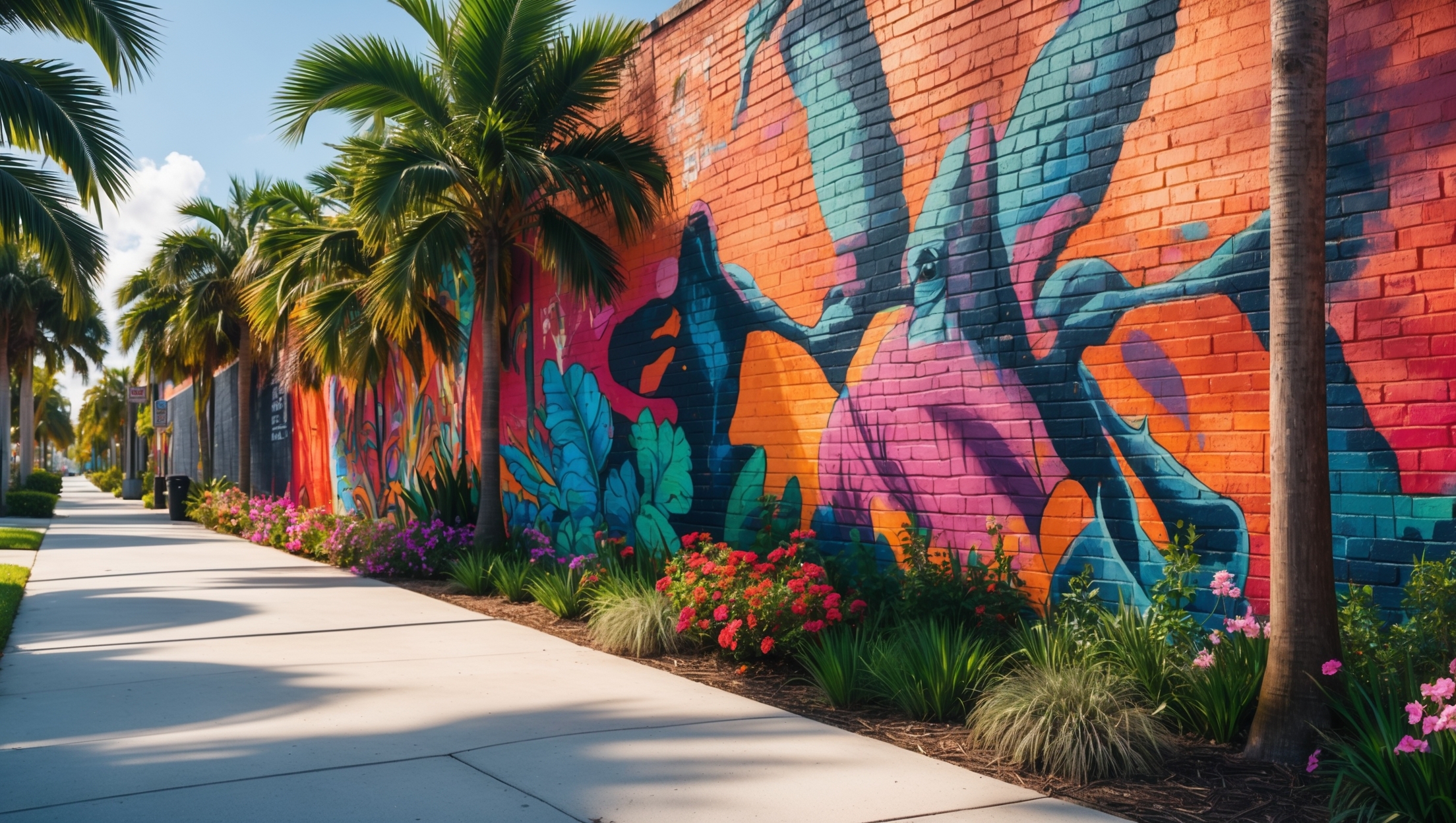
Demystifying Maintenance: Keeping St. Petersburg’s Community Murals Vibrant Year After Year

Introduction: Why Mural Maintenance Matters in St. Petersburg
St. Petersburg, Florida has become a beacon for vibrant public art, with its streets, alleys, and parks adorned by captivating community murals. These creative expressions not only beautify the city but also foster local pride, tell neighborhood stories, and attract visitors from near and far. However, the journey doesn’t end with the final brushstroke. Florida’s subtropical climate—marked by intense sunlight, humidity, sudden rainstorms, and occasional hurricanes—poses unique challenges to the longevity of outdoor artwork. Without proactive and ongoing care, even the most stunning murals can fade, peel, or succumb to mold and vandalism.
Whether you’re a first-time organizer, a property owner, or a muralist, understanding the essentials of mural maintenance is crucial for keeping St. Pete’s public art vibrant year after year. This guide delves into practical, step-by-step strategies tailored to the local environment, from surface prep and protective coatings to seasonal upkeep and community engagement. You’ll also find advice on budgeting, sourcing materials, and building partnerships to share the work—and the rewards—of mural preservation. Let’s empower St. Petersburg’s neighborhoods to celebrate and safeguard their outdoor galleries for generations to come.
Understanding St. Petersburg’s Environmental Challenges
Sun, Salt, and Storm: The Local Climate’s Impact
St. Pete boasts over 360 days of sunshine annually, but this blessing can be a curse for mural maintenance. Ultraviolet rays accelerate fading, especially for reds, yellows, and other bright hues. Proximity to Tampa Bay and the Gulf brings salty air, which can corrode surfaces and compromise paint adhesion. Humidity and heavy rain foster mold and mildew growth, while hurricane season threatens with wind-driven debris and water intrusion. Any maintenance plan must start with a clear-eyed assessment of these environmental risks.
Common Deterioration Issues
- Color Fading: UV exposure breaks down pigments and binders, making vibrant colors look dull.
- Peeling and Flaking: Moisture seeps behind paint layers, causing them to lift away from the wall.
- Mold and Mildew: Persistent humidity creates ideal conditions for organic growth, especially on north-facing walls or shaded surfaces.
- Efflorescence: Salts migrating from masonry can leave whitish stains, interfering with adhesion and appearance.
- Graffiti and Vandalism: Although less frequent in well-loved neighborhoods, tagging and defacement remain a concern.
Essential Steps for Long-Term Mural Care
1. Proper Surface Preparation: The Foundation of Durability
Maintenance begins before the mural is even painted. Ensure walls are clean, dry, and free of loose paint or efflorescence. For masonry, use a masonry sealer to block moisture migration. Fill cracks and repair damaged stucco or brick with appropriate patching compounds. Consider using anti-microbial washes to inhibit future mold growth.
2. Choosing Quality Materials and Coatings
- Paint: Always use professional-grade, exterior acrylic paints formulated for UV resistance. Some brands offer pigments rated for outdoor murals and harsh climates.
- Primers: Apply a high-quality acrylic primer compatible with both the wall material and the paint. This step improves adhesion and helps colors pop.
- Protective Coatings: Once the mural is complete and fully cured, apply a clear, UV-resistant topcoat. Products like anti-graffiti varnishes or polysiloxane sealers create a sacrificial barrier that protects against fading and makes cleanup easier.
3. Creating a Maintenance Plan
Document a maintenance schedule when the mural is first completed. Outline routine inspections (at least twice a year), cleaning protocols, and steps for addressing minor damage. Share this plan with all stakeholders—artists, property owners, neighborhood associations, and volunteers.
Routine Cleaning: Keeping Murals Fresh
Gentle Methods for Local Conditions
St. Pete’s air often carries dust, pollen, and salt. Regular cleaning prevents buildup that can dull colors or foster mold. Always start with the least invasive method:
- Dry Dusting: Use a soft-bristled brush or microfiber cloth to gently remove loose debris.
- Rinsing: A low-pressure garden hose can wash away surface grime. Avoid high-pressure washers, which may erode paint or force water behind layers.
- Spot Cleaning: For stubborn spots, mix a mild, pH-neutral soap (like castile soap) with water. Dab gently with a sponge, then rinse. Avoid abrasive pads or harsh chemicals.
Mold and Mildew Treatment
If you find mildew or algae, act quickly. Mix a solution of one part white vinegar to three parts water, apply with a sponge, and rinse thoroughly. For persistent problems, consult with a mural conservation specialist to avoid damaging the paint.
Dealing with Damage: Touch-Ups, Peeling, and Vandalism
Paint Touch-Ups
Keep a record of the original paint colors and brands used. Store leftover paint properly—tightly sealed and out of direct sunlight—or work with the original artist to mix matching shades. For small chips or scratches, clean the area thoroughly, feather the edges with fine-grit sandpaper, and touch up with matching paint. Allow to dry fully before reapplying protective varnish.
Addressing Peeling and Flaking
Peeling paint requires a more involved approach. Scrape away all loose material, repair underlying wall issues (such as leaks or cracks), prime the area, and repaint. Avoid patching over moisture-compromised surfaces, as problems will quickly reappear.
Graffiti Removal
If anti-graffiti coatings were used, many spray paints and markers can be removed with mild solvents or soap and water. Test any cleaning agent on a small, inconspicuous area first. For unprotected surfaces, consult with a professional conservator to avoid further damage. Prompt removal discourages repeat tagging.
Seasonal Strategies for St. Pete’s Climate
Spring: Post-Pollen Assessment
- Inspect for dust, pollen, and mold accumulation after spring blooms.
- Clean surfaces and check for new cracks or water damage after winter rains.
- Schedule minor touch-ups before the heat of summer.
Summer: UV Defense and Storm Prep
- Monitor for accelerated fading due to intense sunlight.
- Trim vegetation near murals to prevent mold growth and ensure airflow.
- Before hurricane season, inspect for loose or compromised areas that could be worsened by wind and rain.
Fall: Post-Storm Repairs
- After major storms, check for impact damage, water intrusion, or graffiti.
- Clean and repair as needed.
- Apply protective coatings if due for renewal.
Winter: Moisture Management
- Ensure that gutters and drainage systems near murals are clear.
- Check for new cracks from fluctuating temperatures.
- Document condition with photographs for annual records.
Budgeting and Sourcing Materials for Mural Maintenance
Estimating Costs
While initial mural creation often garners grants or community fundraising, maintenance is frequently overlooked in budgets. Plan for:
- Annual cleaning supplies: $40–$100
- Protective coating reapplication every 3–5 years: $200–$500 (depending on size and product)
- Touch-up paint and brushes: $50–$150 annually
- Professional conservation (if needed): Variable, $500+
Factor in volunteer labor versus hiring professionals, especially for technical repairs or large-scale projects.
Where to Source Local Materials
- St. Pete’s independent paint stores often stock mural-quality paints and can offer advice on UV-resistant products suitable for the local climate.
- Many hardware stores carry mild, mural-safe cleaning supplies and protective coatings.
- For specialty products (anti-graffiti varnish, conservation-grade sealers), connect with local arts organizations or consult with muralists who have completed large projects in the city.
Engaging the Community in Mural Stewardship
Building Ownership and Volunteer Networks
Murals are most resilient when the community feels responsible for their care. Establish a mural stewardship group—a rotating team of neighbors, artists, and local businesses—who commit to regular inspections and cleanings. Host “mural maintenance days” to combine light cleaning with social events or educational workshops.
Communication and Documentation
- Create and share a maintenance logbook for each mural, tracking cleaning dates, repairs, and supplies used.
- Encourage passersby to report damage or vandalism using QR codes linked to a reporting form.
- Document condition changes with before-and-after photos; these help with fundraising and grant applications.
Partnering with Local Artists and Organizations
Whenever possible, involve the original artist in maintenance decisions. They can provide insight into paint mixing, repairs, and touch-ups that preserve the mural’s integrity. Collaborate with local arts nonprofits, neighborhood associations, and city departments—many offer resources, technical advice, or small grants for conservation efforts.
Compliance, Insurance, and Liability Considerations
Check Local Ordinances
St. Pete has guidelines on mural placement and maintenance, especially for registered public art. Confirm whether a maintenance or restoration plan needs city approval, and ensure that any work respects copyright and artist attribution.
Insurance Coverage
While property insurance may cover large-scale vandalism or storm damage, ask your insurer about coverage for artwork and routine repairs. For high-value murals, consider a specialized art insurance policy or work with the city to add the mural to a public art registry.
Proactive Strategies to Prevent Future Damage
- Install security cameras or motion-activated lighting near high-profile murals to deter vandalism.
- Use landscaping—like thorny bushes or decorative planters—to create gentle barriers without obscuring art.
- Educate the public about the mural’s meaning and community value through signage or digital storytelling.
- Apply the latest generation of UV-blocking and anti-graffiti coatings as technology improves.
Conclusion: Sustaining St. Pete’s Outdoor Art Legacy
St. Petersburg’s community murals are more than just paint on walls—they are living symbols of neighborhood identity, resilience, and imagination. Their presence transforms public spaces, builds bridges between diverse groups, and inspires both locals and visitors alike. But to ensure that these murals remain vibrant, accessible, and meaningful, a commitment to proactive and ongoing maintenance is essential.
By understanding the unique environmental challenges of Florida’s Gulf Coast, investing in quality materials, and fostering a sense of shared responsibility, St. Pete residents can safeguard their murals against the ravages of sun, salt, storms, and time. Regular cleaning, timely repairs, and seasonal checkups keep colors bright and surfaces intact, while strong community partnerships ensure that no one shoulders the burden alone. Don’t overlook the power of education, documentation, and creative problem-solving—these strategies not only preserve the art but also strengthen the social fabric that murals are designed to celebrate.
If you’re involved with a mural project—whether as an artist, organizer, property owner, or passionate neighbor—take the next step and build a maintenance plan that matches the energy and creativity of the original work. Seek out local resources, invite others to join in, and remember: every act of care adds another year of life to St. Petersburg’s outdoor masterpieces. Together, we can keep the city’s walls telling their stories for generations to come.
You mentioned budgeting for mural maintenance—do you have any ballpark figures or advice on how much a small business should set aside annually to keep a storefront mural looking fresh in St. Petersburg’s climate?
For St. Petersburg’s climate, you can expect to budget around 5-10% of the original mural cost each year for maintenance. For a typical small storefront mural, this usually means setting aside $200–$500 annually. Factors like sun exposure and nearby traffic may increase costs, so a yearly inspection and touch-up estimate from a local muralist is also a good idea.
The article mentions budgeting for mural maintenance. Can you give an idea of what the typical yearly costs might be for maintaining a medium-sized mural in St. Petersburg, and are there grants or local programs that help cover these expenses?
For a medium-sized mural in St. Petersburg, yearly maintenance costs can range from $500 to $2,000, depending on factors like wall condition and needed touch-ups. The city sometimes offers grants or works with local arts organizations to help with these expenses, so it’s worth checking with St. Petersburg Arts Alliance or the city’s public arts office to explore available support programs.
I’m curious how often mural maintenance should be scheduled in St. Petersburg, given the intense sunlight, humidity, and potential for storms. Is there a recommended frequency for inspections or touch-ups, or does it really depend on the materials used?
In St. Petersburg’s climate, mural maintenance is typically recommended at least once a year due to the strong sunlight, high humidity, and storms. However, the exact frequency can vary based on the types of paint and sealant used, as higher-quality or UV-resistant materials may require less frequent touch-ups. Regular visual inspections—every six months or after major storms—can help catch issues early and keep murals looking their best.
With the constant threat of storms and hurricanes in St. Pete, do mural organizers generally budget for emergency repairs, or is that something property owners tend to handle themselves? I’m wondering what’s realistic for an annual maintenance budget.
In St. Pete, budgeting for mural repairs after storms or hurricanes often depends on the agreement between the mural organizers and property owners. Some organizers do set aside funds for emergency repairs, especially for high-profile murals, but many property owners handle minor fixes themselves. For annual maintenance, a realistic budget can range from a few hundred to a couple thousand dollars, depending on the mural’s size and exposure to the elements.
Could you clarify what types of protective coatings work best to guard murals against both salt air corrosion and intense Florida sunlight? I am particularly interested in long-term options rather than quick fixes.
For murals in St. Petersburg, high-quality polyurethane and acrylic-based UV-protective varnishes are most effective for long-term protection against both salt air corrosion and strong Florida sunlight. Look for formulas specifically designed for outdoor murals, as these offer resistance to fading, moisture, and salt. Two-part polyurethane coatings are especially durable, but it’s important to ensure the product is non-yellowing and compatible with the mural’s paint. Regular inspection and reapplication every few years will further extend the mural’s lifespan.
If a mural does get damaged during hurricane season, what are the immediate steps we should take to prevent further deterioration while waiting for a professional to repair it?
If a mural is damaged during hurricane season, try to cover the affected area with a waterproof tarp to shield it from rain and sun exposure. Avoid using adhesives directly on the artwork. If possible, document the damage with photos and keep people from touching the area. These steps will help preserve the mural until a professional can assess and repair it.
I noticed the article talks about budgeting for mural maintenance. Can you give any real-life examples of what the typical yearly costs are for keeping a mural in good shape in St. Petersburg’s environment?
In St. Petersburg, yearly maintenance costs for murals typically range from a few hundred to over a thousand dollars, depending on factors like mural size and exposure to sun or humidity. This can cover cleaning, touch-ups, and protective coatings. For example, a mid-sized mural might require around $400–$800 each year for basic upkeep, while larger or more detailed works can cost a bit more to keep them looking vibrant in the Florida climate.
You mentioned that St. Petersburg’s climate causes certain colors to fade faster, like reds and yellows. Are there specific types or brands of paint that have proven to be more resistant against the intense sunlight and salty air?
Yes, mural artists in St. Petersburg often use high-quality acrylic paints specifically designed for outdoor use, such as Golden Mural Paints or Nova Color. These brands are known for their UV resistance and durability in harsh conditions. Additionally, applying a protective UV-resistant varnish over the finished mural helps preserve colors, especially those prone to fading like reds and yellows.
Can you share what kind of maintenance schedule is realistic for property owners here, considering the climate challenges mentioned like sudden storms and humidity? Is seasonal upkeep enough, or does it need to be more frequent to prevent mold and peeling?
In St. Petersburg’s humid, storm-prone climate, a seasonal maintenance schedule is a good baseline, but checking murals more often—especially after heavy rain or storms—can prevent bigger issues. Mold and peeling can develop quickly, so property owners should inspect murals at least every few months, cleaning surfaces and touching up sealant as needed. Prompt action after weather events helps keep the artwork looking its best.
With all the sun and humidity in St. Pete, how often should property owners expect to do touch-ups or full maintenance on community murals to keep them looking fresh? Is there a recommended schedule or checklist?
In St. Petersburg’s sunny and humid climate, mural touch-ups are typically needed every 1–3 years, with more comprehensive maintenance or sealing every 5 years. It’s wise to inspect murals annually for fading, peeling, or water damage. A simple checklist: inspect for damage, wash gently, repair minor chips, and apply a UV-protective sealant if needed. Scheduling these tasks each spring can help keep murals vibrant.
You mention community engagement in mural preservation. What are some effective ways residents or local businesses in St. Pete have partnered to share the workload and costs of maintaining these murals over time?
Residents and local businesses in St. Pete have teamed up through organized volunteer clean-up days, fundraising events, and even adopting specific murals for ongoing care. Some businesses sponsor restoration supplies or contribute part of their sales, while neighborhood associations coordinate touch-up projects. These collaborations help distribute both the effort and financial responsibility, making long-term mural maintenance much more manageable for everyone involved.
Our mural is starting to fade after just a year, especially the reds and yellows. Is there a typical maintenance schedule you suggest for touch-ups in St. Pete’s harsh climate, or should we expect to budget for repainting more frequently?
In St. Pete’s strong sun and humidity, brighter shades like red and yellow often fade faster. Many local artists recommend inspecting murals every 6 to 12 months and scheduling minor touch-ups as soon as fading appears. Full repainting is usually needed every 3 to 5 years, but budgeting for annual touch-ups can really help keep your mural looking fresh between larger restorations.
The article mentions budgeting for mural upkeep in St. Pete, but I’m wondering what percentage of the original mural cost should typically be set aside each year for maintenance, especially with issues like mold or fading from UV exposure?
A common recommendation for mural maintenance budgeting is to set aside about 5–10% of the original mural cost each year. This helps cover typical issues like fading, UV damage, mold, and general touch-ups. If a mural is in a particularly harsh environment or has experienced problems in the past, you might consider budgeting at the higher end of that range.
If a mural starts showing early signs of peeling or mildew despite following basic maintenance steps, what would be the recommended next steps? Is it better to spot-treat problem areas or schedule a full restoration right away?
If you notice early signs of peeling or mildew, it’s generally best to address these issues as soon as possible. Spot-treating affected areas with gentle cleaning, mildew remover, or touch-up paint can often prevent further damage. However, if the problem is widespread or recurring, a full restoration may be necessary to preserve the mural’s integrity. Regular inspections help catch issues early and determine which approach is appropriate.
You talk about concerns like fading and mold due to the climate. If a mural starts to show early signs of damage, is it better to do spot repairs or wait and plan for a larger restoration project? I’m curious about the recommended approach in St. Pete.
In St. Petersburg’s climate, it’s generally best to address early signs of mural damage with spot repairs as soon as possible. Quick intervention—like cleaning, repainting small faded areas, or treating mold—prevents problems from spreading and becoming more difficult or costly to fix. Waiting for a larger restoration can allow issues to get worse, so proactive maintenance is usually recommended to keep murals looking vibrant.
You mentioned budgeting for mural maintenance—could you give an idea of what a realistic annual maintenance budget looks like for a medium-sized mural in St. Petersburg’s climate, especially factoring in hurricane season?
For a medium-sized mural in St. Petersburg, a realistic annual maintenance budget typically ranges from $500 to $1,500. This estimate covers cleaning, minor touch-ups, and protective coatings, with extra consideration for potential hurricane-related repairs. If the mural is especially exposed, budgeting toward the higher end ensures you’re prepared for unexpected weather damage.
Given how much sunlight and rain we get here, are there specific protective coatings or materials that hold up best for bright colors? Have you found that certain approaches work better to prevent fading and mildew over time?
In St. Petersburg’s climate, UV-resistant varnishes and high-quality acrylic paints with lightfast pigments are commonly used to preserve mural brightness. Applying a clear, anti-graffiti coating also helps protect against moisture and mildew. Regular gentle cleaning and occasional touch-ups are important. Muralists often find that multiple protective layers, especially those designed for outdoor art, are most effective in preventing both fading and mildew over time.
I’m curious about the protective coatings mentioned for outdoor murals in St. Petersburg. Are there specific brands or types you’d recommend that can handle both the intense sun and salty air, or do you need separate products for those issues?
For St. Petersburg’s murals, look for high-quality, UV-resistant varnishes specifically designed for outdoor art—many artists use acrylic-based coatings like Golden MSA Varnish or products from brands such as Sherwin-Williams or Nova Color. These often protect against both intense sun and salty air, so you don’t usually need separate products. Make sure the coating specifies UV and moisture resistance for best results in coastal environments.
If a property owner discovers small patches of mold or peeling on their mural, what’s the recommended first step for addressing it without damaging the original artwork? Is it something a volunteer group could handle, or does it always require a professional?
If you notice mold or peeling on a mural, the safest first step is to gently clean the affected area with a soft, dry brush or cloth to remove surface debris—avoid using water or harsh cleaners. Small issues like this should ideally be assessed by a professional, as improper cleaning can damage the artwork. Volunteer groups can help with minor surface cleaning, but any restoration or mold treatment is best left to skilled mural conservators.
Could you elaborate on the types of protective coatings that are most effective for resisting both UV fading and salt air corrosion specific to murals in St. Petersburg? I’d love to know if there are any brands or products that local muralists consistently recommend.
For murals in St. Petersburg, the most effective protective coatings are typically high-quality acrylic or polyurethane varnishes with strong UV blockers and resistance to salt air. Two-part polyurethane coatings are especially durable for these conditions. Many local muralists recommend brands like Golden MSA Varnish and SEAL-ONCE, as they offer excellent UV protection and stand up well to the area’s salty humidity. Be sure to apply these over fully cured paint, following the manufacturer’s guidelines for best results.
As a property owner in St. Pete, I’m curious about protection options for murals against both fading and salt corrosion. Do you recommend any specific types of protective coatings or finishes that work best in our humid, sunny climate?
For St. Petersburg’s humid and sunny climate, a high-quality, UV-resistant clear acrylic coating is highly recommended for murals. This helps prevent fading from strong sunlight. For salt corrosion, especially near the coast, look for products labeled as marine-grade or specifically formulated for coastal environments. These finishes provide an extra barrier against moisture and salt. Regular reapplication—every few years—will help maintain both color vibrancy and protection.
The article mentions budgeting for mural maintenance. Are there any ballpark figures for annual upkeep costs per square foot for murals in St. Petersburg’s climate, especially factoring in mold, salt, and hurricane prep?
Annual upkeep costs for murals in St. Petersburg typically range from $1 to $3 per square foot, depending on factors like the quality of original materials, wall exposure, and frequency of maintenance. Addressing mold, salt damage, and hurricane prep can push costs toward the higher end of that range. More complex murals or those in harsher locations may need additional care, so it’s wise to budget a bit extra for unexpected repairs.
Could you provide more details on the typical costs involved in seasonal mural upkeep around St. Petersburg? As someone planning a community project, it would be really helpful to know how to budget for materials and ongoing maintenance given the harsh local climate.
Seasonal mural upkeep in St. Petersburg typically ranges from $1 to $3 per square foot annually, depending on mural size, location, and exposure. Budgeting should cover high-quality UV-protective sealants, occasional cleaning supplies, minor touch-up paints, and possibly scaffold rentals. For a medium-sized mural (say 500 square feet), expect annual maintenance costs between $500 and $1,500. Factoring in the region’s sun, rain, and humidity, investing in quality materials upfront can help reduce ongoing expenses.
I noticed the article talks about both protective coatings and seasonal upkeep for murals in St. Pete. How often should these protective coatings be reapplied, considering the intense sun and all the rainstorms? Are there specific brands or types that hold up better in this climate?
Protective coatings for murals in St. Petersburg typically need to be reapplied every 2 to 3 years due to the harsh sun and frequent rain. Polyurethane and acrylic-based varnishes with UV protection tend to perform well in this climate. Some artists and conservators recommend products like Golden MSA Varnish or similar professional-grade outdoor formulas for the best durability.
Once a mural has started showing signs of fading from the intense Florida sun, is it better to touch up the colors or reapply a protective coating first? I’m not sure what the right order is to help restore the mural’s vibrancy.
If a mural is already showing signs of fading, it’s best to touch up the colors first. This ensures that any faded or damaged areas are restored to their original vibrancy. After the touch-ups have fully dried, you should then apply a protective coating to help preserve the refreshed colors and shield the mural from further sun damage.
Given how intense the Florida sun can be, do you recommend any particular brands or types of protective coatings that hold up best against UV rays for murals in St. Petersburg?
For murals exposed to Florida’s strong sun, it’s important to use a high-quality, UV-resistant clear coat. Many muralists in St. Petersburg have had good experiences with professional-grade products like Golden MSA Varnish or Sherwin-Williams Anti-Graffiti Coating, both of which offer strong UV protection. Look for coatings specifically labeled as non-yellowing and formulated for outdoor use to help the colors stay vibrant longer.
When you’re organizing a community mural, what are some effective ways to get neighborhood residents involved in the long-term upkeep, especially with the environmental challenges like mold and salt exposure?
To encourage residents to help with mural upkeep, you can set up regular community clean-up days and create a rotating volunteer schedule for tasks like gentle washing and touch-ups. Providing simple training on mold prevention and safe cleaning techniques helps everyone feel confident. Sharing progress updates and celebrating milestones publicly also keeps people motivated and aware of how their efforts combat mold and salt damage over time.
I’m curious about how property owners in St. Pete usually handle the costs of maintaining murals, especially given the constant challenges like salt air and hurricanes. Are there any city programs or partnerships that help offset expenses for things like protective coatings or regular upkeep?
Property owners in St. Pete often cover mural maintenance costs themselves, but many work with local arts organizations or muralists who may help with upkeep. While there isn’t always direct city funding, the St. Petersburg Arts Alliance sometimes offers resources or connects owners with grants and partnerships. Some neighborhood associations also participate in shared maintenance efforts, helping to offset costs for things like protective coatings and repairs after storms.
Do you have any recommendations on protective coatings that work best against both UV rays and salt air in St. Pete? I’m wondering if there’s a specific brand or type that holds up longer in this climate, or should we expect to reapply every year?
For St. Pete’s sunny and salty conditions, look for clear, anti-graffiti polyurethane sealers or mural varnishes labeled as UV-resistant and marine-grade. Brands like Golden MSA Varnish and Sherwin-Williams’ anti-graffiti coatings are popular choices among local artists. Even with high-quality products, it’s wise to inspect and possibly reapply the coating every 1–2 years to ensure lasting protection.
You mention budgeting for mural maintenance—do neighborhood groups usually share costs with property owners, or is it more common for one party to handle all the expenses? Any tips on finding grants or community partners to help with funding?
Neighborhood groups and property owners often share the costs of mural maintenance, but the arrangement really depends on each project. Sometimes, one party—like a property owner or a neighborhood association—covers the expenses entirely. For funding support, try reaching out to local arts councils, city cultural affairs offices, or community foundations, as they sometimes offer grants for public art maintenance. Partnering with local businesses or arts organizations can also open up new funding opportunities.
Could you share more about what types of protective coatings work best in St. Pete’s salty, humid climate? Have there been coating options that didn’t hold up well over time?
In St. Pete’s salty, humid climate, high-quality anti-graffiti and UV-resistant polyurethane coatings are often preferred because they protect murals from both moisture and sun damage. Some acrylic sealers have been tried in the past but didn’t hold up as well, often peeling or becoming discolored over time. Artists and conservators now tend to choose marine-grade coatings for the best long-term results.
If a mural starts peeling or showing signs of mildew after a rough rainy season, what is the best first step for a property owner who’s not familiar with art restoration? Are there local resources or professionals you suggest reaching out to?
If a mural starts peeling or developing mildew, the first step is to avoid cleaning or repairing it yourself, as improper methods can cause more damage. Instead, document the issues with clear photos and contact a local professional mural conservator or a community arts organization in St. Petersburg. Groups like the St. Petersburg Arts Alliance can connect you with experienced restorers who understand the best techniques for preserving public art.
I live in St. Pete and have seen some murals start to look faded or mildewed after a few years. Could you share more details on what specific coatings or sealants work best here, especially considering our humidity and frequent storms?
In St. Pete’s humid and storm-prone climate, professional muralists often use anti-graffiti coatings and UV-protective sealants to preserve color and prevent mildew. Products like polyurethane or acrylic-based sealants with UV inhibitors work well, and some even contain fungicides to resist mold and mildew growth. Regular cleaning and reapplication every couple of years are essential to keep murals looking fresh despite the challenging weather.
The article mentions budgeting for materials and ongoing upkeep. For community groups with limited resources, what are some realistic ways to estimate these costs up front or secure grants and partnerships for long-term mural preservation in St. Pete’s climate?
To estimate costs, start by listing materials needed (like weather-resistant paint and sealants), and consult with local artists or suppliers for current prices. For ongoing upkeep, factor in annual touch-ups and cleaning. Seeking partnerships with local businesses, arts organizations, or city programs can help secure funding. Many St. Pete arts grants support community mural projects, so researching city and county grant opportunities is a good step, as is reaching out to established mural groups for advice.
How do organizers typically budget for ongoing mural maintenance, especially given the unpredictable costs related to hurricane seasons or sudden mold outbreaks? Are there recommended ranges or funding models that you’ve found successful in St. Pete?
Organizers in St. Pete often set aside a maintenance fund as part of the initial mural project budget—usually allocating 10–20% of the original mural cost for yearly upkeep. To cover unpredictable events like hurricanes or mold, they sometimes partner with local businesses or apply for small annual arts grants. Some also establish community sponsorships or reserve funds specifically for emergencies, ensuring that there’s flexibility when unexpected repairs are needed.
The article mentions community involvement in mural upkeep. What are some effective ways that local residents or students can participate in maintenance without needing a lot of specialized expertise or equipment?
Local residents or students can help maintain murals in several simple ways. Organizing regular clean-up days to gently remove dirt or debris from mural surfaces is a great start. Reporting any damage or graffiti promptly to organizers helps address issues early. Also, creating awareness about preserving murals and respecting the art among the community can prevent unnecessary wear. These activities require minimal training or tools and make a real difference in mural longevity.
As a property owner near the water, I’m especially concerned about salty air impacting mural paints. Are there specific surface prep methods or coatings you recommend to handle both salt exposure and the intense UV we get in St. Pete?
Salty air and strong UV can definitely impact murals near the water. For surface prep, thorough cleaning and using a high-quality masonry primer are important steps. Once painted, applying a marine-grade clear coat or a UV-resistant varnish helps protect against both salt and sun. Reapplying the protective coating every couple of years will extend the mural’s vibrancy and lifespan.
You mentioned that salty air can compromise paint adhesion. Are there certain types of primers or coatings that work best to protect murals in coastal environments like St. Pete, or is it more about frequent upkeep regardless of the materials used?
Both the right materials and regular upkeep matter for murals in coastal areas like St. Pete. Using high-quality, marine-grade primers and UV-resistant clear coatings helps protect against salty air and sun exposure. Still, even with these products, periodic inspections and touch-ups are important to address any early signs of wear before bigger issues develop.
You mention budgeting and sourcing materials for mural upkeep in St. Petersburg’s unique climate. Do you have any tips or ballpark figures for what business owners should expect to spend annually on maintaining an average-sized outdoor mural here?
For an average-sized outdoor mural in St. Petersburg, annual maintenance costs can range from $500 to $2,000. This depends on factors like wall size, location, and the type of protective coatings used. It’s helpful to budget for regular cleaning, touch-ups, and resealing every few years. Opt for UV-resistant paints and anti-graffiti coatings to minimize long-term expenses.
Are there particular types of paints or sealants that stand up better to both the intense sunlight and salt exposure in St. Petersburg, or do most artists just expect to retouch more frequently? Would love to know if some products have proven local staying power.
Artists in St. Petersburg often use high-quality acrylic paints specifically formulated for exterior use, as these tend to resist fading from sunlight. For extra protection, many also apply UV-resistant sealants and marine-grade varnishes that help guard against both sun and salt exposure. While touch-ups are sometimes still needed, these products have shown better durability in the local climate compared to standard paints.
I’m curious about the budgeting part you mentioned. Can you give a ballpark figure for the annual maintenance costs for an average-sized mural in St. Petersburg, factoring in the intense sun and rainfall?
For an average-sized mural in St. Petersburg, annual maintenance costs usually range from $500 to $2,000. This covers cleaning, touch-ups, protective coatings, and supplies, with variations depending on mural size, location, and exposure to weather. The intense sun and frequent rainfall in the area mean protective coatings and more frequent inspections are essential, which can push costs toward the higher end of that range.
I’m wondering how often mural organizers in St. Petersburg typically need to reapply protective coatings, given the strong sunshine and humidity. Is it an annual task, or can the right products last longer before they start fading or peeling?
Mural organizers in St. Petersburg usually reapply protective coatings every 2 to 3 years, thanks to advances in UV- and moisture-resistant products. However, the intense sun and humidity can sometimes require touch-ups sooner if fading or peeling is noticed. Regular inspections help determine the right timing—annual reapplication isn’t always necessary with the best coatings, but conditions vary by mural location.
Could you give more detail on budgeting for ongoing mural upkeep in St. Petersburg? I’m wondering what property owners or organizers should realistically set aside each year to address things like UV damage, mold, and hurricane repairs.
For ongoing mural upkeep in St. Petersburg, it’s wise for property owners or organizers to budget about 5-10% of the original mural cost annually. This should cover routine cleaning, touch-ups for UV fading, addressing mold or mildew, and minor storm-related repairs. For larger hurricane damage, separate emergency funds or insurance may be needed. Consulting with a local muralist for site-specific estimates is also a good idea.
If a mural starts showing signs of mold or mildew from the humidity, should we tackle cleaning ourselves or hire professionals? What are the best practices for treating this without damaging the original artwork?
If you notice mold or mildew on a mural, it’s safest to consult professionals who specialize in art or mural restoration. Mold can be tricky, and using the wrong cleaning agents or techniques may damage the paint or underlying surface. Professionals use gentle, art-safe solutions and test small areas first. If attempting it yourself, avoid harsh chemicals, scrub brushes, or pressure washers; use a soft cloth with mild soap and distilled water, and always test a small, discreet spot before proceeding.
If a mural has already started to show signs of fading or peeling from UV exposure, what are the first steps a property owner should take to restore and protect it before things get worse?
If a mural is fading or peeling due to UV exposure, the first step is to consult a professional mural conservator or restorer to assess the damage. They can clean the surface carefully, remove any loose paint, and recommend the right touch-up materials. After repairs, applying a high-quality UV-protective varnish or sealant will help safeguard the mural from further sun damage.
I noticed the article mentions budgeting for mural maintenance. Do you have rough estimates or examples of what ongoing yearly costs look like for property owners, especially when it comes to materials and labor in St. Petersburg?
In St. Petersburg, ongoing yearly maintenance costs for community murals typically range from $1 to $3 per square foot, depending on the mural’s size, complexity, and exposure to weather. This usually covers cleaning, touch-up materials, UV-protective coatings, and occasional labor for repairs. For a medium-sized mural, property owners might budget anywhere from $500 to $2,000 annually, with labor being the largest expense.
I noticed mold and mildew are particular challenges here due to humidity and rain. What steps should be taken if a mural already shows signs of mold? Is professional cleaning necessary or can volunteers handle it with proper supplies?
If a mural is already showing mold or mildew, it’s important to act quickly to prevent damage. Volunteers can often help if they have the right supplies, such as soft brushes, mild soap, and protective gear. However, for severe cases or valuable murals, professional cleaning is safer to avoid harming the paint. Always test cleaning methods on a small area first and avoid harsh chemicals.
You mentioned community engagement as part of mural preservation. Are there successful strategies for getting local residents involved with seasonal upkeep, or is maintenance usually handled by professionals in St. Pete?
In St. Petersburg, both professionals and local residents play roles in mural maintenance. Successful community engagement strategies include organizing volunteer cleanup days, paint touch-up events, and educational workshops about mural care. These activities not only help preserve the artwork but also foster a sense of ownership among locals. While professionals handle more technical repairs, regular upkeep often benefits from enthusiastic community involvement.
If a mural starts showing early signs of mold or fading, what’s the first step a first-timer like me should take? Should I try to clean and touch it up myself or reach out to a professional right away?
If you notice mold or fading on a mural, it’s best to avoid cleaning or retouching it yourself, especially if you have no experience. Using the wrong products or techniques can cause permanent damage. The safest first step is to contact a professional mural conservator or the original artist for advice. They can assess the situation and recommend the right approach to preserve the artwork.
With hurricane season and all the heavy rain in St. Pete, are there any specific tips for organizing community clean-up days after storms to help restore murals quickly and safely? I’d love to get involved but not sure where to start.
Organizing community clean-up days is a wonderful way to help restore murals after storms. Start by connecting with local mural organizations or neighborhood associations—they often coordinate post-storm efforts. Gather a group of volunteers and provide basic supplies like soft brushes, buckets, and gentle cleaners. Always check for structural damage first and avoid climbing ladders if conditions are unsafe. Document damage with photos for future repairs and, if possible, involve artists for guidance on proper cleaning methods. Your enthusiasm to help is very welcome in the community!
The article mentions mold and mildew as risks due to humidity and rain. If a mural starts showing signs of mildew, what immediate steps should property owners take to prevent permanent damage or discoloration before professionals can step in?
If you notice mildew starting to form on a mural, it’s important to act quickly. Gently clean the affected area with a soft brush or cloth and a mild soap solution to remove surface mildew, avoiding harsh chemicals or scrubbing that could damage the paint. Make sure the area dries thoroughly, and try to reduce moisture exposure until a professional can assess the situation.
If a mural has already started to show signs of peeling or mildew due to the humidity and storms here, what are the first steps to safely restore it without damaging the original artwork?
Begin by gently cleaning the mural with a soft brush and mild soap to remove surface dirt and mildew, taking care not to scrub too hard. For peeling paint, it’s important to consult a professional conservator, as improper handling can cause further damage. They can assess the extent of the peeling and use appropriate restoration materials that match the original without harming the artwork.
When planning seasonal upkeep, how often do you recommend checking murals for early signs of problems like peeling or mildew in St. Pete, and are there certain times of year when issues tend to pop up more frequently?
In St. Petersburg, it’s best to inspect murals for issues like peeling or mildew at least once every season, especially before and after the rainy summer months. Problems often show up more in late summer and early fall, when humidity is highest. Regular quarterly checks help catch early signs and keep the murals looking fresh year-round.
Has anyone tried using special paints or sealants designed for saltwater environments to help murals withstand the salty air from Tampa Bay? I’d love to know if those kinds of products actually make a difference in stopping color fading and peeling.
Several mural artists and restoration teams in St. Petersburg have experimented with marine-grade paints and sealants made specifically for saltwater environments. These products do offer improved resistance to color fading and peeling compared to standard paints, largely because they’re formulated to withstand harsh UV rays and salty, humid air. Many mural caretakers have noted that these sealants extend the vibrant life of the artwork, though regular maintenance is still important for the best results.
If a mural starts showing signs of mold or mildew due to humidity and rain, what’s the safest way to clean and treat it without damaging the original paint? Are there cleaning products you’d recommend, or specific steps I should follow?
To clean mold or mildew from a mural safely, start by gently brushing off any loose debris with a soft, dry brush. Next, mix a solution of mild soap and water—avoid harsh chemicals or bleach, as these can damage the paint. Use a soft sponge to lightly wash the affected area, then rinse with clean water and let it dry completely. If the mural is historic or especially delicate, consider consulting a professional conservator for advice.
In terms of community engagement, what strategies have you found to be most successful for organizing local volunteers or partnerships to help with seasonal mural upkeep, especially during the more demanding periods like hurricane season?
Organizing mural upkeep during challenging times like hurricane season works best when you build strong relationships with local organizations, schools, and neighborhood associations. Scheduling regular volunteer days with clear roles, providing basic training, and offering small incentives like refreshments can boost participation. Communication is key—sending timely updates through social media and community boards helps keep everyone informed and engaged, ensuring the murals get the attention they need throughout the year.
If a mural has already started peeling or showing signs of mold due to the humidity, what are the first steps a homeowner should take before attempting repairs themselves? Should professionals always be involved, or are there safe DIY strategies for minor fixes?
If you notice peeling or mold, start by gently cleaning the affected area with mild soap and water, using a soft brush. Let it dry completely. For minor peeling, you can carefully remove loose paint, but avoid scraping too hard. If mold persists or the damage is widespread, it’s best to consult a professional. Minor touch-ups are possible for small issues, but professionals are recommended for larger repairs to ensure the mural’s longevity.
The article mentions budgeting for mural upkeep. Could you give some examples of what specific maintenance supplies and coatings usually cost, and how far in advance organizers should plan for these expenses?
Typical maintenance supplies for murals include gentle cleaning agents (about $20–$40 per gallon), soft brushes, touch-up paints (around $15–$30 per quart), and anti-graffiti coatings, which can range from $100–$200 per gallon depending on quality. These coatings usually cover 200–300 square feet per gallon. Organizers should ideally budget and plan for these expenses at least six months in advance to ensure they have time to gather quotes, fundraise, and schedule maintenance without rushing.
As someone new to organizing public art, could you elaborate on what kind of protective coatings work best for murals in such a sunny and humid environment? Do certain brands or finishes hold up better against both UV rays and the salty air compared to general outdoor paints?
For murals in sunny, humid, and salty environments like St. Petersburg, use a high-quality, UV-resistant varnish or clear coat specifically designed for murals or outdoor art. Polyurethane and acrylic-based coatings are popular, but make sure they mention UV protection and salt resistance on the label. Brands like Golden MSA Varnish and Sherwin-Williams Anti-Graffiti Coating are often recommended. Always apply the protective layer over well-cured, exterior-grade mural paint for best longevity.
You mention budgeting and sourcing materials for ongoing mural maintenance. For someone just starting out, how much should I expect to set aside annually for things like anti-UV coating touch-ups and mold prevention treatments in St. Pete’s climate?
For a new mural in St. Petersburg, you can expect to budget around $1 to $2 per square foot annually for maintenance. This should cover materials like anti-UV coatings, mold prevention treatments, and minor repairs. Humid, sunny conditions mean you’ll likely need to reapply protective coatings once a year, so planning ahead ensures your mural stays vibrant and protected.
If a neighborhood wants to preserve a mural but has a limited budget, what are some cost-effective ways they can organize seasonal upkeep or community maintenance without sacrificing quality?
Neighborhoods with limited budgets can encourage regular community clean-up days where residents gently wash the mural and remove debris. Partnering with local businesses or art students for volunteer touch-up sessions is another affordable option. Using donated supplies and scheduling maintenance during mild weather can help preserve the mural’s quality while minimizing costs. Keeping a simple maintenance log ensures attention is consistent each season.
I noticed the article mentions budgeting for mural maintenance. Could you give an estimate or some guidelines on how much communities should set aside each year for upkeep in St. Pete’s environment, considering sun, salt, and storm damage?
For St. Petersburg’s climate, it’s a good idea to set aside about 10–20% of the original mural cost annually for maintenance. This covers issues from intense sun, salt exposure, and storms. For example, if a mural costs $10,000, budgeting $1,000–$2,000 per year should help with cleaning, retouching, and sealing to keep colors vibrant and prevent weather damage.
The article mentions budgeting advice—do you have any suggestions for estimating the yearly maintenance costs for a mural in St. Petersburg? I’d love to know what property owners should expect, especially in terms of materials and labor.
For St. Petersburg, property owners should typically expect yearly mural maintenance costs to range from $1 to $3 per square foot. This estimate includes cleaning supplies, touch-up paints, sealants, and professional labor. Factors like mural size, wall condition, and exposure to sun or moisture can affect costs. Annual inspections and minor repairs are generally less expensive than waiting for significant restoration needs to arise.
If a community mural in St. Pete starts showing signs of mildew after a heavy rainy season, what are the safest cleaning methods that won’t damage the paint colors? I’m especially worried about the vibrant reds and yellows fading.
To clean mildew from a mural without damaging vibrant reds and yellows, use a soft sponge or cloth with a mild soap solution—avoid harsh chemicals or bleach, which can cause colors to fade. Gently wash the affected area and rinse with clean water. Always test a small, inconspicuous spot first to ensure the paint isn’t affected. If the mural is especially valuable, consider consulting a professional mural conservator for guidance.
You mention proactive upkeep as key to mural preservation, especially given St. Pete’s intense sun and humidity. Are there specific protective coatings or products that have proven more effective in this climate versus others, or is it more about frequent reapplication?
In St. Pete’s harsh climate, both the choice of protective coating and frequent reapplication matter. UV-resistant varnishes and anti-graffiti coatings specifically designed for outdoor murals hold up best against strong sun and humidity here. However, even the best products require more regular touch-ups in this environment compared to milder climates, so ongoing inspection and reapplication are just as important as product selection.
Could you elaborate on the types of protective coatings that work best in St. Petersburg’s climate, particularly against UV rays and salty air? I am curious whether certain products or application methods are recommended to minimize fading and corrosion over time.
In St. Petersburg’s humid, coastal climate, anti-UV varnishes and marine-grade acrylic coatings are commonly used to protect murals from sun and salt exposure. Polyurethane and fluoropolymer coatings also help by creating a strong barrier. These should be applied in multiple thin, even layers and regularly maintained. For the best results, professional muralists often choose products specifically formulated for exterior use in coastal environments.
If a mural starts to peel after a few stormy summers, what are the first steps I should take to prevent further damage, and do you recommend getting professionals involved right away, or can a small business owner handle minor repairs?
If you notice peeling, the first step is to gently clean the affected area and remove any loose paint. Make sure the wall is thoroughly dry before applying any primer or touch-up paint. For small, localized patches, a careful business owner can often handle the repairs themselves. However, if the peeling is widespread or involves structural issues, bringing in a mural restoration professional is a wise choice to preserve the artwork.
I’m curious how often mural surfaces in St. Petersburg need to be repainted or retouched due to the intense sun and salty air, and are there certain colors or paints that hold up better in Florida’s climate?
Mural surfaces in St. Petersburg often need minor touch-ups every 1 to 3 years, with larger repainting projects typically required every 5 to 7 years due to sun and salty air exposure. Acrylic paints designed for exterior use and UV-resistant coatings are popular choices for durability. Lighter colors tend to fade less quickly than darker ones, and some blues and reds are particularly prone to sun fading, so artists may select pigments labeled as lightfast for longer-lasting vibrancy.
I’m curious about the kinds of protective coatings that work best in St. Pete’s environment. Are there certain brands or types of sealants that stand up better to the intense sunlight and salty air, especially for murals with a lot of bright colors?
In St. Petersburg’s sunny and coastal climate, UV-resistant and anti-graffiti clear coats are commonly used to protect murals. Artists and conservators often recommend acrylic polyurethane sealants, as they withstand both strong sunlight and salty air. Brands like Golden MSA Varnish and Sherwin-Williams’ anti-graffiti coatings are popular choices because they help preserve vivid colors and provide long-lasting protection in outdoor conditions.
When it comes to prepping mural surfaces in such a humid environment, are there specific steps or materials that make a noticeable difference in preventing paint from peeling or mold from setting in? I’m especially interested in what local muralists have had success with.
Local muralists in St. Petersburg often start by thoroughly cleaning the wall and letting it dry completely to prevent trapping moisture. Applying a high-quality masonry primer designed for humid climates is crucial. Some artists use mold-resistant additives in their paint or primer. Acrylic paints are generally preferred for their durability, and a UV-protective topcoat or sealer adds extra protection against humidity and sun exposure. These steps together make a noticeable difference in durability and appearance.
If a mural starts to show signs of peeling or mildew, is it better to try and touch it up ourselves as property owners, or should we always bring in the original artist or a professional? Any tips for what’s safe to handle as amateurs versus when to call for expert help?
If you notice peeling or mildew on a mural, minor surface cleaning—like gently washing off dirt or mild mildew with water and a soft cloth—is usually safe for property owners. However, for any actual repainting, treating mildew stains, or fixing peeling paint, it’s best to contact the original artist or a professional. This helps preserve the mural’s integrity and ensures proper materials and techniques are used.
I own a small business with a wall facing the street in St. Pete, and I’m curious about what protective coatings work best against both the intense sun and salty air. Are there certain brands or products you recommend for our specific climate?
For St. Pete’s strong sun and salty air, look for UV-resistant, marine-grade clear coats. Polyurethane or acrylic sealers are often recommended for exterior murals. Products like Golden MSA Varnish or Sherwin-Williams’ Graffiti Resistant Coating have proven effective in coastal climates. Whichever you choose, make sure it’s specifically rated for high UV exposure and salt resistance for the best protection.
If a mural has already started peeling and showing some mold spots due to humidity, is it possible to restore it fully, or do you have to start over with a fresh surface? What’s the proper first step in tackling existing damage like this?
It’s definitely possible to restore a mural with peeling paint and mold, as long as the wall itself isn’t severely damaged. The first step is to gently clean the affected areas to remove any mold and loose paint. After cleaning and letting the surface dry completely, any damaged sections can be sanded and primed before repainting. Full replacement is usually only needed if the wall is compromised or the damage is extremely extensive.
When budgeting for a new community mural, what are some realistic yearly maintenance costs to factor in? I want to make sure we can keep it looking good and avoid any big repair surprises down the line.
For most community murals, it’s wise to budget around 5–10% of the original mural cost per year for maintenance. This covers routine cleaning, touch-ups for fading or minor graffiti, and sealing to protect against weather. If the mural is in a high-traffic or exposed area, lean toward the higher end of that range. Planning for these yearly expenses helps avoid bigger repair costs later and keeps the mural vibrant.
I own a small storefront in St. Pete and have been thinking about commissioning a mural, but I am concerned about how the intense sun and salt air might affect maintenance costs over the years. Can you give some ballpark figures or tips on budgeting for annual upkeep in this climate?
In St. Pete’s climate, sun and salty air can fade or damage murals, so it’s smart to budget for annual maintenance. Typically, you might expect to spend $1–$3 per square foot each year for cleaning, minor touch-ups, and resealing. Choosing high-quality, UV-resistant paints and protective coatings upfront can help reduce long-term costs. Scheduling a professional inspection and cleaning yearly is also recommended to keep your mural vibrant.
You mentioned that humidity and heavy rain in St. Pete can lead to mold and mildew on murals. Are there specific types of protective coatings or cleaning solutions that work best in this climate to prevent those issues without damaging the artwork?
In St. Pete’s humid and rainy climate, choosing a breathable, UV-resistant, and water-repellent varnish helps protect murals without trapping moisture that can cause mold. Acrylic-based anti-graffiti coatings are often used, as they shield from water but allow the mural to breathe. For cleaning, mild solutions like diluted dish soap and soft brushes are safest—avoid harsh chemicals or high-pressure washing to prevent damaging the paint.
You mentioned budgeting for mural maintenance—do you have any tips on estimating costs upfront or ways to share expenses between neighborhood groups or property owners? That part seems really challenging for families or volunteers just starting out.
Estimating mural maintenance costs can be tricky, but starting with an annual reserve—about 10-20% of the original mural cost—is a common approach. For sharing expenses, neighborhood groups and property owners can set up a simple agreement or maintenance fund, where each party contributes a set amount. Sometimes, local businesses or community grants can help offset these costs, so it’s worth reaching out to them as well.
The article talks about budgeting for mural upkeep. For someone just starting out, what are some realistic estimates on annual maintenance costs, including supplies and labor, for a medium-sized community mural in St. Petersburg?
For a medium-sized community mural in St. Petersburg, you can expect annual maintenance costs to range from $500 to $1,500. This typically covers basic supplies like cleaning solutions, touch-up paints, brushes, and sealants, as well as a few hours of professional labor for cleaning and minor repairs. If the mural is exposed to harsher weather or high traffic, budgeting toward the higher end is a good idea.
If a mural starts to show mold or peeling after a heavy rain season, what’s the recommended sequence for fixing it? Should I clean it myself or bring in a professional right away?
If you notice mold or peeling, it’s best to act quickly to prevent further damage. For minor mold, you can gently clean the area with mild soap and water, but avoid harsh scrubbing. If peeling is present or if the mold is widespread, it’s safer to contact a professional mural conservator. Professionals can assess the extent of damage, properly clean the area, and touch up or reseal the mural if needed, ensuring its longevity.
I’m curious about how often mural maintenance needs to happen in St. Petersburg’s climate. With all that sun and humidity, is there a recommended schedule for checking or retouching the murals, or does it depend on the materials used?
In St. Petersburg’s sunny and humid climate, murals generally benefit from a maintenance check every 6 to 12 months. The exact schedule does depend on the materials—murals painted with UV-resistant paints and quality sealants can go longer between touch-ups, while others might need more frequent attention. Regular inspections help catch any fading, mold, or peeling early, keeping the artwork looking its best year-round.
The article says reds and yellows tend to fade fastest from UV exposure. Are there specific brands or types of paint and coatings that you recommend for those colors to make them last longer outdoors in St. Petersburg’s climate?
For St. Petersburg’s sunny, humid climate, look for high-quality, UV-resistant acrylic paints designed for murals, such as those from Golden Artist Colors or Nova Color. For reds and yellows especially, choosing pigments labeled as ‘lightfast’ will help prevent fading. After painting, apply a professional-grade UV-protective varnish or clearcoat, like Golden MSA Varnish, to add another layer of protection and increase the mural’s longevity.
If a mural starts showing signs of mold or peeling after a few rainy weeks, what’s the best way to address those issues without damaging the original artwork? Are there any simple DIY fixes before calling in a professional?
If you notice mold or peeling on a mural, use a soft brush or cloth to gently remove surface mold—avoid harsh scrubbing, which can damage the paint. For peeling, it’s best not to try reattaching flaking paint yourself, as this can worsen the damage. Light cleaning is safe, but for persistent mold or areas where paint is lifting, it’s wise to consult a professional conservator to preserve the original artwork.
If a mural starts developing mold or mildew after a rainy season, is it safe for volunteers to clean it themselves, or do you recommend bringing in professionals for restoration? I’d like to know the safest and most effective approach for our community group.
If you notice mold or mildew on a mural, it’s generally safest to consult a professional, especially if the artwork is significant or if the issue is widespread. Professionals can use proper cleaning solutions and methods to avoid damaging the paint. For small, isolated spots, volunteers might gently clean the area with mild soap and water, wearing gloves and masks, but always test a tiny area first. Prioritize safety and the mural’s preservation.
Can you give some more details on how often the seasonal upkeep should be done in St. Pete’s climate? With all the rain and hurricanes, is a once-a-year checkup enough or do most murals need more frequent attention?
In St. Petersburg’s humid, rainy, and hurricane-prone climate, most mural experts recommend checking on each mural at least twice a year. Spring and fall inspections help spot weather-related wear early. After severe storms or hurricanes, it’s wise to do an additional check for damage. Some high-traffic or exposed murals might need touch-ups or cleaning more often, depending on their specific location.
The article talks about budgeting for mural maintenance—could you give some ballpark figures on what ongoing upkeep typically costs per mural in St. Petersburg, especially when factoring in the unique climate challenges like hurricanes and humidity?
Ongoing maintenance costs for murals in St. Petersburg generally range from $500 to $2,000 per year per mural, depending on factors like mural size, location, and the severity of weather exposure. The unique climate—especially hurricanes and high humidity—means touch-ups, protective coatings, and occasional repairs might be needed more frequently, so it’s wise to budget on the higher end for murals directly exposed to these elements.
The article mentions budgeting for mural upkeep—can you provide some ballpark figures or suggestions on what kind of costs property owners should expect annually for maintenance and protective coatings in the St. Petersburg area?
Annual maintenance costs for community murals in St. Petersburg can vary based on size, location, and exposure to elements, but property owners can generally expect to budget between $1 to $3 per square foot each year. Protective coatings, depending on the product and application method, typically run from $500 to $1,500 for an average-sized mural. These figures cover cleaning, touch-ups, and applying UV or anti-graffiti coatings.
The article mentions budgeting and sourcing materials for mural upkeep. Do you have any tips for affordable but durable protective coatings that work well against both UV rays and the salty air near Tampa Bay?
For murals in the Tampa Bay area, look for marine-grade acrylic or polyurethane sealers—they’re designed to handle both strong UV exposure and corrosive salt air. These coatings are often used on boats and outdoor signage, so they’re durable and fairly affordable. Water-based options are easier to apply and clean up. Always make sure the product offers UV inhibitors and is rated for exterior coastal use to get the best protection for your mural.
I’m really interested in how mural organizers can budget effectively for ongoing upkeep, especially considering expensive things like protective coatings and potential storm damage every year. Are there any examples of successful funding partnerships or grants specific to St. Petersburg that help cover these recurring maintenance costs?
Many mural organizers in St. Petersburg collaborate with local businesses, arts organizations, and city programs to share maintenance costs. For example, the St. Petersburg Arts Alliance runs grants that sometimes include funds for mural conservation. Some murals also benefit from sponsorship by local businesses, who contribute annually toward upkeep in exchange for recognition. These partnerships, combined with occasional crowdfunding, help organizers manage costs for things like protective coatings and repair after storms.
When budgeting for mural maintenance, what are some hidden or recurring costs that first-time organizers in St. Petersburg should be aware of? I’m trying to set up a plan for my neighborhood and want to avoid unexpected expenses down the line.
Some hidden or recurring costs to watch for include graffiti removal, repainting faded sections, sealing or reapplying protective coatings, and periodic cleaning to remove dirt or mildew. Also factor in potential costs for specialized equipment rentals, insurance, and permits if city approval is needed. Setting aside funds for annual inspections and small touch-ups can help you avoid larger, more expensive repairs later.
Does the article provide any recommendations on specific types or brands of protective coatings that have proven to withstand St. Petersburg’s intense sun and salty air? I’m interested in options that balance durability with budget constraints.
The article discusses the importance of using UV-resistant and anti-graffiti coatings to protect murals, especially given St. Petersburg’s harsh sun and salty air. However, it doesn’t mention specific brands or product names. It suggests choosing coatings labeled for exterior use and seeking professional advice to balance durability with cost. Consulting local muralists or paint suppliers familiar with the area’s climate could also help you find the most budget-friendly, effective options.
I’m curious about the budgeting part you referenced. If a community group wants to start a new mural project, how much should they expect to spend each year just on maintenance in a climate like St. Pete’s?
In St. Petersburg’s climate, community mural groups should plan to allocate about 10–20% of the original mural cost annually for maintenance. This typically covers cleaning, touch-ups, and protective coatings to guard against sun, humidity, and rain. For example, if the mural costs $10,000 to create, budgeting $1,000–$2,000 per year for upkeep is a good starting point.
The article mentions community engagement as part of mural preservation—can you elaborate on what that looks like in practice? For example, are there organized volunteer programs or neighborhood partnerships that have proven especially effective in supporting routine upkeep?
Community engagement in mural preservation often involves organizing volunteer days where residents help clean, retouch, or even repaint sections of a mural. Some neighborhoods establish partnerships with local schools or nonprofits, creating regular schedules for upkeep and educational events about mural care. These efforts not only keep the art vibrant but also foster a sense of shared ownership and pride, making vandalism less likely and maintenance more sustainable over time.
How do mural maintenance teams prioritize repairs after major events like hurricanes? Do they focus on structural damage to the wall first, or does addressing paint and surface issues take priority to prevent further deterioration?
After major events like hurricanes, mural maintenance teams usually prioritize structural damage to the wall first, as repairs to cracks or water intrusion are crucial for the mural’s longevity. Once the wall is stable and secure, they address paint and surface issues to restore the mural’s appearance and prevent further deterioration from exposure. Addressing the structure first helps ensure that any repainting or touch-ups will last.
You mention budgeting and sourcing materials for mural maintenance. Can you give a rough estimate of the annual maintenance cost for a medium-sized mural in a high-exposure location in St. Petersburg?
For a medium-sized mural in a high-exposure spot in St. Petersburg, annual maintenance costs typically range from $500 to $2,000. This estimate covers cleaning, minor touch-ups, and protective coatings. Costs can vary based on the mural’s size, the quality of original materials, and how much exposure it gets to sun and weather. Factoring in occasional larger repairs is also wise for long-term planning.
The article mentions budgeting and sourcing materials for mural maintenance. For a property owner who’s new to this, roughly how much should I expect to budget annually per mural, and are there any affordable options that still provide good protection against things like humidity and hurricane weather?
For a typical outdoor mural in St. Petersburg, you might budget $1 to $2 per square foot annually for basic maintenance, which includes cleaning, minor touch-ups, and protective coatings. Affordable but effective options include high-quality acrylic sealants formulated for UV and moisture resistance, which help protect against humidity and stormy weather. Local art supply stores can recommend products that balance cost and durability, and sometimes bulk purchasing lowers the price.
I noticed you mentioned budgeting for mural maintenance. Do you have any advice on estimating annual costs for ongoing upkeep, especially given the unpredictable weather and potential for hurricane damage in the area?
Estimating annual mural maintenance costs in St. Petersburg can vary, but it’s wise to set aside 10-15% of the original project budget per year for routine cleaning, touch-ups, and protective coatings. To account for severe weather or hurricane damage, consider adding a contingency fund of about 5% extra each year. Consulting with local mural conservation professionals can help refine these numbers based on size, wall material, and specific site conditions.
The article mentions budgeting and sourcing materials for mural maintenance. For someone new to this, could you give a rough estimate of how much annual upkeep typically costs, and whether costs vary a lot depending on the mural’s size or location?
Annual upkeep costs for a community mural can range from $300 to $2,000, depending mainly on the mural’s size, the types of paints and sealants used, and how exposed it is to weather or public interaction. Larger murals or those in high-traffic, sunny, or coastal areas may need more frequent touch-ups and cleaning, raising costs. Smaller or sheltered murals are usually less expensive to maintain.
If a mural starts showing signs of mold or mildew from all the rain and humidity, what’s the safest and most effective way to clean it without damaging the original paint? Are there common mistakes to avoid when trying to restore the mural’s appearance?
To safely clean mold or mildew from a mural, use a soft brush and a mild solution of water mixed with a small amount of gentle soap—avoid harsh chemicals like bleach, which can damage paint. Rinse with clean water and let it dry thoroughly. Common mistakes include scrubbing too hard, using abrasive materials, or trying to repaint without proper cleaning. If the mural is historic or delicate, consulting a professional conservator is recommended.
You mention that certain colors like reds and yellows fade faster due to the Florida sun. Are there specific types or brands of paint that seem to hold up better here, or is regular re-coating the only real solution?
Both paint selection and maintenance play important roles in keeping murals vibrant under the harsh Florida sun. High-quality acrylic paints designed for exterior use, especially those labeled as lightfast or UV-resistant, tend to last longer and resist fading better than standard paints. Some muralists in St. Petersburg prefer brands like Golden or Nova Color because of their superior longevity. However, even with the best paints, regular re-coating and protective clear finishes are still recommended to preserve the brightness of colors like reds and yellows.
I’m curious about the best protective coatings for murals in St. Petersburg’s unique climate. Are there specific brands or types you recommend for resisting both UV fading and salt corrosion, especially for murals with lots of bright reds and yellows?
For St. Petersburg’s humid, coastal climate, a high-quality polyurethane or acrylic clear coat with UV inhibitors works well. Brands like Golden’s MSA Varnish and Sherwin-Williams’ Industrial Polyurethane are often chosen for their strong resistance to both UV fading and salt corrosion. These coatings help protect vivid colors like reds and yellows from fading or bleaching, keeping murals looking fresh for years.
If a mural has already started showing peeling or mold because of the humidity and rain, what are the first steps a beginner should take to repair and prevent further damage? Is it better to tackle repairs yourself or hire a professional for Florida’s specific conditions?
If you notice peeling or mold on a mural, gently clean the affected area with mild soap and water, avoiding harsh scrubbing. Make sure the surface is dry before attempting any repairs. For peeling, lightly sand loose paint and touch up with matching exterior-grade paint. Due to Florida’s humidity and rain, it’s usually safer to consult a professional, especially for persistent mold or large areas, as they can use the right sealants and restoration techniques to prevent future issues.
I noticed the article mentions both protective coatings and seasonal upkeep for murals in St. Pete’s harsh climate. Could you explain which types of coatings are actually proven to withstand the intense UV rays and salty air here, and how often they need to be reapplied?
For murals in St. Pete, artists and conservators typically use UV-resistant acrylic varnishes and specialized polyurethane or fluoropolymer coatings. These are designed to block intense sunlight and resist salt air corrosion. In our climate, recoating is generally recommended every 2 to 3 years, but more exposed murals may need touch-ups annually, especially after hurricane season or heavy storms.
If a mural has already started fading due to intense sunlight, what are the recommended next steps to restore its vibrancy? Should artists repaint from scratch, or are there restorative treatments that can bring back the original colors?
When a mural starts to fade from sunlight, artists usually assess whether the original paint is still stable. In many cases, a gentle cleaning and application of specialized restorative varnishes can revive colors without a full repaint. However, if the fading is extensive, touching up or repainting affected areas with UV-resistant paints might be needed. A full repaint from scratch is typically a last resort reserved for severe deterioration.
I saw the guide talks about budgeting for mural upkeep. Can you provide a rough estimate for annual maintenance costs per mural, especially considering the frequent exposure to sun and salt in St. Pete?
In St. Petersburg, annual maintenance costs for a single mural typically range from $500 to $2,000. This estimate includes cleaning, minor repairs, and periodic touch-ups. Murals exposed to intense sun and salty air may be at the higher end of the range, especially if protective coatings need to be reapplied more frequently to prevent fading and peeling.
When dealing with mold or humidity-related damage on older murals, are there specific cleaning methods or products you recommend that won’t harm the original paint or protective coatings?
When addressing mold or humidity issues on older murals, it’s best to start with gentle, non-abrasive cleaning. Use soft brushes or microfiber cloths with a mild soap solution, avoiding harsh chemicals. Always test a small, inconspicuous area first to ensure compatibility. For stubborn cases, consult a professional conservator who can recommend specialized products that won’t harm the original paint or existing protective coatings.
What types of protective coatings have you found work best in St. Pete’s climate, especially with the combination of UV exposure and salty air? I’m curious whether there’s a big performance difference between marine sealers and typical mural varnishes in preventing fading and peeling.
In St. Pete’s climate, marine-grade sealers tend to outperform typical mural varnishes because they’re specifically formulated to handle both intense UV rays and salty, humid air. These sealers offer better resistance to fading, chalking, and peeling over time. That said, high-quality UV-resistant mural varnishes can also work if reapplied regularly, but marine sealers generally provide longer-lasting protection in coastal conditions like ours.
Has anyone figured out the best time of year to do touch-ups or major repairs on murals in St. Petersburg? I’m curious if certain months are better for avoiding humidity or storms that could mess with paint adhesion.
In St. Petersburg, spring and early fall are generally considered the best times for mural touch-ups or major repairs. These months usually offer lower humidity and fewer storms compared to the summer, which helps with paint adhesion and drying. Summer months often bring afternoon storms and high moisture, so it’s usually best to avoid major work then.
I’m curious if you have recommendations for specific types or brands of protective coatings that work best in St. Petersburg’s mix of sun, humidity, and salty air. Are there any products that stand out in terms of durability and ease of application for mural projects here?
For St. Petersburg’s climate, look for clear, UV-resistant polyurethane or acrylic sealers designed for exterior use. Brands like Golden MSA Varnish and Sherwin-Williams Anti-Graffiti Coating are popular among muralists for their durability and ease of application. These products help protect against sun fading, humidity, and salt air. Be sure to follow the manufacturer’s application instructions for the best results.
I am curious about the protective coatings you recommend for murals in areas exposed to both intense sunlight and salty air. Are there specific brands or types that work best in St. Petersburg’s climate?
For murals in St. Petersburg, acrylic-based or polyurethane clear coats with UV inhibitors are highly effective against both strong sunlight and salty air. Many local artists prefer brands like Golden MSA Varnish or Sherwin-Williams Anti-Graffiti Coating, since they provide excellent protection and durability in our coastal climate. Regular maintenance, such as reapplying the coating every couple of years, also helps preserve the mural’s vibrancy.
The article mentions budgeting as a key part of mural maintenance. Are there any specific grants or city programs in St. Petersburg that help cover these ongoing costs, or do most organizers rely on private fundraising?
St. Petersburg does offer some support for mural maintenance through local arts grants and city initiatives, like those managed by the St. Petersburg Arts Alliance. However, many mural organizers still rely on private fundraising, sponsorships, or donations to fully cover ongoing upkeep. It’s often a combination of public and private funding that keeps these murals looking vibrant over the years.
You mention budgeting and sourcing materials for mural upkeep—do organizers typically cover these costs, or are there local grants or community partnerships that help with the expenses? I’d love more details on how families or neighborhoods can share these responsibilities.
Both approaches are common. Sometimes organizers budget for ongoing upkeep, but local grants, arts organizations, and even neighborhood associations often help cover costs. Community partnerships—like local businesses donating paint or families volunteering for touch-ups—are strongly encouraged. Families or neighborhoods can form maintenance teams, rotate mural care duties, or pool small funds to share the responsibility and strengthen community bonds.
As a parent whose kids love exploring the murals in St. Pete, I’m wondering how often these murals typically need touch-ups or maintenance given the intense sun and humidity described in the article. Is there a recommended maintenance schedule for property owners or organizers?
Murals in St. Petersburg usually need some level of maintenance or touch-ups every one to two years due to the strong sun and humidity, as mentioned in the article. Many organizers and property owners follow an annual inspection schedule to check for fading, peeling, or mildew. Addressing any issues promptly—often with a professional artist or restorer—helps keep the murals looking vibrant for everyone to enjoy.
What are some effective ways the local community can get involved with ongoing mural maintenance, especially after hurricanes or heavy rain? Are there established volunteer programs, or is it mostly up to property owners to organize clean-ups and repairs?
Community involvement is really important for maintaining murals, especially after storms. In St. Petersburg, some neighborhoods and arts organizations organize regular volunteer clean-up days and invite locals to help with gentle cleaning and minor touch-ups. While property owners often take the lead on repairs, there are established volunteer programs—often coordinated by mural artists, local nonprofits, or the city’s arts council—that allow residents to participate. Reaching out to these groups is a great way to get involved.
The article mentions budgeting for mural upkeep. Do you have any tips on how community groups or property owners can predict or estimate ongoing maintenance costs, especially with all the local weather challenges in St. Pete?
To estimate mural maintenance costs in St. Pete, consider the type of paint and sealants used, expected sun and rain exposure, and the mural’s location. Speak with the mural artist or local conservators for typical annual costs—often between 10-20% of the original project budget. Building in a small reserve fund for touch-ups and weather-related repairs each year helps prevent surprises.
The article mentions budgeting for mural upkeep—could you give examples of typical costs associated with annual maintenance in St. Petersburg? I’d like to know what expenses organizers or property owners should realistically expect.
Annual mural maintenance costs in St. Petersburg can vary, but common expenses include cleaning (which often ranges from $200 to $500 per mural), touch-up painting (typically $300 to $1,000), and protective coatings or sealants (about $150 to $600). Organizers should also consider potential costs for graffiti removal, which can add another $100 to $400 per incident. These figures can fluctuate based on mural size, location, and specific restoration needs.
You brought up the challenge of mold and mildew with Florida’s humidity. What’s the best approach for removing existing mold from a mural without damaging the paint, and are there preventive treatments that are safe for colorful outdoor art?
To safely remove mold from a mural, it’s best to gently clean the affected areas with a soft brush and a mild soap solution—avoid harsh chemicals or scrubbing, which can damage the paint. Rinse with clean water and let it dry thoroughly. For prevention, professional-grade, clear acrylic sealers designed for outdoor art offer protection against moisture and mildew, but always test a small, inconspicuous spot first to ensure it doesn’t affect the mural’s colors.
You mentioned budgeting and sourcing materials for mural upkeep. Do you have any ballpark figures or tips on how neighborhoods or small community groups can estimate costs for yearly maintenance, especially considering the salt and humidity in St. Pete?
For neighborhoods in St. Pete, annual mural maintenance can range from $1 to $3 per square foot, factoring in cleaning, touch-ups, and protective coatings. Salt and humidity mean you may need high-quality marine-grade sealants, which can cost more upfront but last longer. Get quotes from local artists and suppliers, and set aside a small contingency fund for unexpected repairs. Regular gentle cleaning reduces long-term costs.
The article mentions budgeting for mural maintenance, which seems crucial given the recurring environmental challenges. Do you have any ballpark figures or examples regarding typical annual maintenance costs for a medium-sized mural in St. Petersburg?
Annual maintenance costs for a medium-sized mural in St. Petersburg generally range from $500 to $2,000, depending on factors like wall condition, paint type, and how much exposure it gets to sun and rain. These figures usually cover cleaning, touch-ups, and protective coatings, but significant repairs or restoration would add to the cost. Planning for this range in your budget helps ensure the mural stays vibrant year after year.
If a mural does start growing mold due to the humidity here, what’s the safest and most effective way to remove it without damaging the existing paint? I’d love step-by-step advice or products that local muralists trust.
To safely remove mold from a mural, start by gently brushing off loose debris with a soft, dry brush. Mix a mild solution of water and non-ammonia soap, and use a soft sponge to lightly dab the affected area—avoid scrubbing. Rinse with clean water and let it air dry. Many local muralists recommend products like Simple Green or diluted vinegar, but always test on a small spot first. Protective gloves and good ventilation help, too.
I noticed you mentioned budgeting for maintenance—are there any typical costs or grant opportunities specific to St. Pete that small neighborhood groups should know about before starting a mural project?
In St. Pete, typical mural maintenance costs can range from a few hundred to a couple thousand dollars per year, depending on mural size and materials. Neighborhood groups can look into city grants like the St. Petersburg Arts Alliance’s funding programs, which sometimes include support for maintenance. It’s smart to budget for touch-ups and sealing every few years, and to check with local arts organizations for current grant opportunities or matching funds dedicated to public art upkeep.
If a mural has already started to show signs of mold or peeling from humidity and rain, is there a recommended first step for repairs, or should the mural be completely redone? I’d love to hear about the best approach for restoration versus replacement.
If a mural is experiencing mold or peeling, it’s usually best to assess the extent of the damage first. For limited areas, cleaning off mold with gentle solutions and carefully repainting or sealing affected spots can restore the mural without a full redo. Larger or deeply damaged sections might require more intensive restoration, but complete replacement is only needed if the mural can’t be saved. Consulting a professional conservator can help determine the best approach.
I noticed the article mentioned budgeting for mural maintenance. As someone new to this, can you give an idea of what typical annual upkeep costs might be for a medium-sized mural in St. Petersburg?
For a medium-sized mural in St. Petersburg, you can generally expect annual maintenance costs to range from $300 to $1,000. This covers cleaning, touch-ups, graffiti removal, and any protective coating reapplications. The exact amount can vary based on the mural’s location, exposure to weather, and the type of paint and sealants used.
Could you share more about the best way to protect bright colors from all the sun exposure in St. Pete? I’m especially concerned about reds and yellows on my building’s mural since they seem to fade the fastest here.
In St. Pete’s strong sun, reds and yellows are especially prone to fading. The best approach is to use high-quality, UV-resistant paints specifically formulated for murals. Once the paint is dry, apply a clear, UV-protective varnish or sealant designed for exterior art. Regularly inspect the mural, and reapply the sealant every couple of years to maintain those bright colors as long as possible.
For property owners who want to incorporate regular mural upkeep into their annual budgets, what are some realistic cost estimates or key factors that impact the overall maintenance expenses in St. Pete’s climate?
Annual mural maintenance in St. Pete can range from $1 to $3 per square foot, depending on factors like mural size, wall surface, paint quality, and exposure to sun and moisture. Costs may cover gentle cleaning, touch-ups, graffiti removal, and protective coatings. Budgeting for periodic inspections and quick repairs also helps prevent bigger issues and keeps your mural looking fresh throughout the year.
I own a small storefront in downtown St. Pete and am worried about how the salty air affects mural paint. Are there specific coatings or surface prep techniques best suited for our area to prevent peeling from salt exposure?
The salty air in St. Pete can definitely take a toll on mural paint. For best results, start with a thorough cleaning and priming of the surface. Use high-quality, exterior-grade acrylic paints designed to withstand UV and moisture. After painting, applying a clear, marine-grade sealant or a UV-protective varnish adds an important layer of defense against salt exposure and peeling. Regular touch-ups and inspections also help keep the mural looking fresh.
Could you share more details about typical annual costs for maintaining a mural in St. Pete, considering the unique weather challenges like salt and hurricanes you mentioned?
Annual maintenance costs for a mural in St. Pete usually range from $500 to $2,500, depending on its size, location, and materials. The area’s salt air, humidity, and hurricane threats mean expenses can go toward specialized sealants, touch-up paint, and occasional repairs. Sometimes, extra funds are set aside for emergency restoration if a storm or flooding causes unexpected damage.
When you talk about community engagement in mural preservation, what are some practical ways that local residents or businesses can get involved in seasonal upkeep or restoration efforts beyond just funding or donating materials?
Local residents and businesses can participate in mural upkeep by joining organized clean-up days to gently wash murals, reporting any damage or graffiti promptly, or volunteering for seasonal touch-up painting under an artist’s guidance. Businesses might offer space for meetings or supply refreshments for volunteers. Hosting or attending educational workshops on mural care is another way to stay engaged and support the murals’ long-term vibrancy.
The article talks about budgeting for mural maintenance. Do you have any advice for community groups trying to estimate annual costs, especially in areas with frequent storms? I’d love a ballpark figure or ideas on where to find funding.
For communities in storm-prone areas, annual mural maintenance can range from $1 to $3 per square foot, depending on factors like paint quality and repair needs. To estimate costs, consider the mural’s size, exposure, and local climate. Funding options include local arts grants, partnerships with businesses, and city beautification programs. You might also organize community fundraisers or approach mural supply companies for sponsorships.
I’m curious about what kind of protective coatings work best for murals exposed to St. Pete’s sun and salty air. Are there specific brands or types you’d recommend for property owners to help minimize fading and peeling?
For St. Petersburg’s intense sun and salty air, clear UV-resistant varnishes are key. Acrylic-based coatings, like Golden MSA Varnish or Sherwin-Williams’ Anti-Graffiti Coating, are often recommended by mural artists. Always choose a non-yellowing, exterior-grade product for best results. Applying multiple thin coats and reapplying every few years helps maximize protection against fading and peeling.
I’m curious about budgeting for mural upkeep since you mentioned financial planning as part of the process. Do you have recommendations on how local groups or property owners can estimate annual maintenance costs for a typical mural in St. Pete’s climate?
To estimate annual maintenance costs for a mural in St. Pete’s climate, consider factors like surface size, paint quality, and wall exposure to sun and rain. Typically, budgeting 5-10% of the mural’s original cost per year covers routine cleaning, minor touch-ups, and protective coatings. Consulting with local mural artists or conservators can help tailor this estimate based on specific wall conditions or past weather-related wear.
The article mentions budgeting as part of a maintenance plan. Could you share more specific tips on how property owners or organizers in St. Petersburg can estimate the annual costs for keeping murals protected from sun and storm damage?
To estimate annual mural maintenance costs in St. Petersburg, start by considering the mural’s size, wall material, and sun or weather exposure. Get quotes from local mural restoration professionals for regular cleaning, touch-ups, and UV-protective sealant applications. Budget for supplies like anti-graffiti coatings and minor repairs after storms. Setting aside 10-20% of the original mural cost each year is a common approach for ongoing upkeep.
I’m organizing our first mural project in St. Pete and I’m a bit unsure about choosing protective coatings. Are there specific brands or types you recommend that can really stand up to both the sun and salty air here? Also, is it something a beginner can apply themselves?
For St. Pete’s sunny and salty conditions, look for UV-resistant, anti-graffiti clear coats made for murals, like ones from Golden MSA or Sherwin-Williams’ anti-graffiti lines. These types hold up well outdoors. Most are available in spray or brush-on forms and can be applied by beginners if you follow the manufacturer’s instructions carefully—just be sure the mural is fully dry and work on a low-humidity day for best results.
If a mural starts showing early signs of peeling after a heavy storm season, what should a first-timer do first—does it make sense to try DIY touch-ups, or should you always call in a pro right away?
If you notice early signs of peeling after storms, start by gently cleaning the area to remove dirt or debris and assess the extent of the damage. For small, superficial spots, you could try light DIY touch-ups with matching paint and a protective sealant. However, if the peeling is widespread or you’re unsure about matching colors and finishes, it’s best to consult a mural restoration professional to prevent further damage.
I noticed you mentioned budgeting as part of the maintenance process. Can you give some insight into what a typical annual maintenance budget might look like for an average-sized mural in the area?
For an average-sized mural in St. Petersburg, an annual maintenance budget typically ranges from $500 to $1,500. This covers expenses like cleaning, touch-ups, graffiti removal, protective coatings, and sometimes minor repairs. The exact amount depends on factors like mural size, location, and the level of exposure to weather and people. Many organizations also set aside a small reserve for unexpected issues.
Could you elaborate on the types of protective coatings that work best in St. Petersburg’s humid and salty climate? I’m particularly interested in any products or techniques that have shown the most success against both fading from UV exposure and mildew growth.
In St. Petersburg’s climate, high-quality acrylic polyurethane coatings are often favored because they offer excellent UV resistance to prevent fading and form a durable barrier against moisture. Some muralists also add fungicidal additives to these coatings to combat mildew. Products designed specifically for marine or coastal environments tend to perform best, as they’re formulated for salty, humid air. Applying multiple thin layers and allowing each to dry thoroughly is a technique that helps maximize protection and longevity.
Our community group is interested in maintaining a mural in a spot that gets a lot of rain and humidity. Can you explain what kind of surface prep or materials can help prevent mold or peeling as mentioned in the article? Is this something volunteers can handle or do we need professionals?
For a mural in a damp, humid area, proper surface preparation is key. The article suggests cleaning the wall thoroughly, applying a mold-resistant primer, and using high-quality exterior acrylic paints. Sealing the finished mural with a clear, breathable varnish also helps. Volunteers can handle these steps if they follow instructions and use the right products, but for large or damaged walls, or if you’re unsure about mold issues, consulting a mural professional is wise.
If mold or mildew starts appearing on a mural, what’s the safest cleaning method to use without damaging the paint? I’m worried about strong cleaners stripping the colors, especially since the article mentions how vulnerable bright hues are to fading.
If you notice mold or mildew on a mural, gently clean the surface using a soft sponge or cloth with a mixture of mild soap and water. Avoid using harsh chemicals or abrasive scrubbers, as these can damage the paint and cause fading, especially on bright colors. Rinse with clean water and dry with a soft towel. If the problem persists, consider consulting a mural conservation specialist for further care.
The article mentions that hurricanes pose a threat to outdoor murals. Are there any preventive steps or seasonal strategies you suggest for protecting murals ahead of severe storms, or is repair after the fact usually the only option?
Preventive steps can definitely help protect murals from hurricane damage. Applying protective sealants, especially those that resist water and UV, is recommended before storm season. Some artists also use removable panels or coverings to shield murals when a hurricane is predicted. While not all damage can be avoided, taking these measures ahead of time can minimize harm and reduce the extent of repairs needed after storms.
If a mural starts showing signs of peeling or mildew just a year after it’s painted, what are the recommended first steps for addressing the problem before it gets worse? Should professionals always be consulted, or can some issues be handled by community volunteers?
If you notice peeling or mildew on a mural within a year, early action is important. For mild mildew, gentle cleaning with a soft brush and diluted soap can help, which volunteers can often handle. However, extensive peeling or persistent mildew may require assessment and repair by professionals to avoid further damage. If you’re unsure, it’s best to consult a mural expert for advice before starting any repairs.
The article brings up potential damage from hurricanes, like wind-blown debris and water intrusion. In the case that a mural suffers post-storm damage, what are the immediate first steps you’d recommend for assessment and emergency repairs to prevent further deterioration?
After a storm, it’s important to inspect the mural as soon as it’s safe. Document any visible damage with photos. Remove loose debris without scrubbing or touching the mural surface too much. If there’s active water intrusion, set up temporary coverings like tarps to keep the wall dry. Then, contact a professional mural conservator to assess the damage and plan proper repairs.
After a hurricane or a big storm, what should be the first steps to check if a mural needs urgent repairs? I’d like to be prepared with a checklist or some tips so our community mural doesn’t get worse after severe weather.
After a storm, start by visually inspecting the mural for any obvious damage like peeling paint, cracks, or water stains. Check for areas where paint may be bubbling or flaking, and look for mold or mildew. Take photos to document any changes. Ensure the wall’s structure is sound and free from new leaks. If you spot urgent issues, such as large cracks or extensive paint loss, contact a professional conservator promptly. Quick action can help prevent further deterioration.
As a property owner near the bay, I’m concerned about the salt air. Are there specific types of paint or sealants that hold up better against corrosion and fading in this environment, or is ongoing cleaning more important?
In coastal areas like St. Petersburg, choosing marine-grade or acrylic paints designed for high UV and salt exposure is key. Protective anti-graffiti or UV-resistant sealants can further help guard against fading and corrosion. While regular cleaning helps, especially to remove salt buildup, using the right paint and sealant from the start makes a much bigger difference in long-term durability.
The article touches on budgeting for mural upkeep. Can you share some ballpark figures or recommended percentage of the initial mural cost that should be set aside each year for proper maintenance in this area?
For St. Petersburg, it’s common to allocate about 10-20% of the original mural cost annually for maintenance. This covers cleaning, touch-ups, and protective coatings, though the exact amount can vary depending on the mural’s size, materials, and exposure to weather. Setting aside this percentage helps ensure the mural stays vibrant and well-preserved year after year.
If a mural has already started to peel or fade because of the intense Florida sun, is it better to touch up the damaged spots or would you recommend a complete repaint? And what should I look for to decide which route to take?
If only small areas of the mural are peeling or fading, touching up those specific spots is often effective and less disruptive. However, if large sections are affected or the paint has significantly deteriorated, a full repaint may be necessary to ensure long-term durability. Check for widespread cracking, bubbling, or deep color loss—if you see these issues throughout, a complete repaint is usually the better option.
If a mural has already started to show signs of mold or paint peeling due to humidity and rain, what’s the best first step to restore it without causing more damage? Should property owners handle minor repairs themselves or always consult a professional?
The best first step is to gently clean the affected area with soft brushes and mild, non-abrasive soap to remove mold and dirt. Avoid harsh chemicals or high-pressure washing. For minor paint peeling, touching up can be tricky—using the wrong materials might cause more harm. If the damage is widespread or you’re unsure about products to use, it’s safer to consult a mural restoration professional. They can assess the situation and recommend appropriate treatments to preserve the artwork.
I noticed you mentioned budgeting for mural maintenance in St. Pete. Could you give a ballpark figure or some examples of what typical yearly costs look like for a property owner to keep a mural protected against things like sun and humidity?
Yearly maintenance costs for a mural in St. Petersburg can vary depending on size, location, and exposure, but most property owners can expect to budget anywhere from $200 to $800 per year. This typically covers cleaning, touch-ups, and protective coatings to guard against sun and humidity. Larger or more complex murals might require a higher investment.
After reading about the impact of Florida’s intense sun and salty air on mural paint, I’m wondering which types of protective coatings have proven most effective in St. Petersburg’s climate. Are there any products locals swear by to reduce fading and peeling?
In St. Petersburg, artists and conservators often rely on high-quality UV-resistant varnishes and anti-graffiti coatings designed for outdoor murals. Acrylic-based varnishes with strong UV blockers, like Golden MSA Varnish, are especially popular because they help prevent fading and peeling from sun and salt exposure. Many locals also use products like Seal ‘n Lock and VandlGuard for extra protection, as these have shown reliable results in the local climate.
The article mentions budgeting for mural preservation, but I’m wondering what the biggest expenses actually are. Is it the protective coatings, mold removal, or something else? Any tips for keeping costs down while still keeping murals in good shape?
The biggest expenses for mural preservation are usually protective coatings and surface repairs—especially if the wall develops cracks or is exposed to harsh weather. Mold removal can be costly, but it’s usually less frequent than regular maintenance work. To keep costs down, regular cleaning and inspections help catch small issues early, and choosing high-quality, durable paints and coatings can reduce how often major repairs or recoating are needed.
If a mural starts showing signs of mold or mildew after a particularly rainy season, what’s your recommended process for cleaning and treating the area without damaging the original artwork or making the surface too slick for repainting?
To safely clean mold or mildew from a mural, start by gently scrubbing the affected area with a soft brush and a mild solution of water and non-abrasive soap. Avoid harsh chemicals or pressure washers. Rinse with clean water and let it dry completely. For persistent spots, diluted white vinegar can help. Once dry, ensure the surface is not slippery by using minimal soap and rinsing thoroughly before repainting or sealing.
As someone who manages a small retail space downtown, I’m curious how often you recommend doing touch-ups or inspections on a mural, especially after hurricane season. Are there signs I should look out for that indicate immediate attention is needed?
For a mural in a downtown retail space, it’s wise to inspect it twice a year, especially after hurricane season and during spring. Look for signs like flaking paint, water stains, fading colors, or peeling edges. If you notice bubbling, mold, or any physical damage, it’s best to address these issues promptly to prevent further deterioration.
The article mentions budgeting for upkeep—do you have any advice on estimating annual maintenance costs for a mural in St. Petersburg, especially with the risk of hurricane damage and mold?
Estimating annual maintenance costs for a mural in St. Petersburg should include regular cleaning, touch-ups, protective coatings, and addressing weather-related issues. You might budget 10–15% of the original mural cost each year for standard upkeep. Because of hurricanes and high humidity, consider additional funds for emergency repairs and mold mitigation—perhaps an extra 5–10% of the mural’s original value. Consulting local muralists or conservators can provide more precise estimates based on your wall’s exposure and location.
I’m curious about budgeting for ongoing mural upkeep—do you have advice for estimating annual maintenance costs, especially with issues like mold and hurricane prep being so unpredictable here in St. Pete?
When budgeting for mural maintenance in St. Pete, it’s smart to set aside at least 10–15% of the original mural cost annually. Unpredictable factors like mold and hurricane prep can push costs higher some years, so consider adding a contingency fund. Consulting with local mural conservators about common local issues and recent repair costs can also help you build a more accurate estimate.
For murals located especially close to the Gulf, do you suggest any special prep techniques or cleaning routines to combat the salty air and prevent corrosion, or is the standard approach detailed here usually enough?
For murals near the Gulf, it’s wise to take extra precautions beyond the standard approach. Using a high-quality, salt-resistant primer and topcoat can provide added protection against salty air. Regular cleaning with fresh water—at least a few times a year—helps remove salt deposits before they can cause damage. These steps help maintain vibrancy and prevent corrosion in harsher coastal conditions.
For property owners new to hosting murals, what are some early warning signs of mold or paint failure they should look out for, and how often should they be checking their mural to ensure problems are caught before major repairs are needed?
Early warning signs of mold on murals include dark spots, fuzzy patches, or a musty odor. For paint failure, watch for cracking, peeling, bubbling, or faded colors. It’s a good idea to inspect your mural at least once every couple of months, especially after heavy rain or extreme weather, to catch any issues early and keep your mural looking its best.
Can you share any tips for property owners on choosing the best paint or sealant brands that hold up well against both UV rays and salty air in St. Petersburg? We’ve had issues with fading reds and yellows, so I’d love some product recommendations or lessons learned.
In St. Petersburg’s climate, mural artists often recommend using high-quality, UV-resistant acrylic paints like Golden or Nova Color, which hold color better in strong sun. For reds and yellows, opt for pigments labeled as lightfast. Once painted, a marine-grade clear sealant, such as those by Sherwin-Williams or Benjamin Moore, helps protect against salt air and fading. Always check product labels for exterior and UV durability, and consider refreshing the protective coat every few years to extend your mural’s vibrancy.
I live near Tampa Bay and would love to support a community mural, but I’m concerned about ongoing costs. Is there a ballpark figure on what annual maintenance and protective coatings usually run for outdoor murals of average size in St. Petersburg?
For a typical outdoor mural in St. Petersburg, annual maintenance—including cleaning and touch-ups—generally ranges from $500 to $2,000, depending on size and exposure. Applying a high-quality protective coating can cost an additional $500 to $1,500 every few years. Collaborating with community groups or local businesses can help share these ongoing costs.
How often do muralists in St. Petersburg typically need to reapply protective coatings, considering the intense sun and salt exposure mentioned? Are there particular brands or types of sealants that perform best in this local climate?
In St. Petersburg, muralists usually need to reapply protective coatings every 1 to 3 years because the strong sun and salty air can wear them down faster. Many artists prefer using UV-resistant, marine-grade sealants designed for coastal environments. Brands like Golden MSA Varnish and products with anti-graffiti properties are popular choices, as they offer extra durability in the local climate.
If a mural does end up with some peeling or mildew after a tough rainy season, what are the recommended first steps for cleaning or repairing it without harming the original artwork?
If you notice peeling or mildew on a mural, start by gently brushing away loose debris with a soft, dry brush. For mildew, use a mild soap and water solution with a soft sponge, carefully avoiding scrubbing the artwork itself. Always test cleaning in a small, inconspicuous area first. For significant peeling, it’s best to consult a mural restoration specialist to ensure repairs don’t damage the original paint.
The article talks about using protective coatings to combat Florida’s intense sunlight and humidity. Do you have any suggestions for specific products or techniques that have worked best in St. Pete, or is it more about regular upkeep than what’s applied originally?
In St. Pete, muralists often use anti-graffiti coatings and UV-resistant varnishes—Golden MSA Varnish and Paraloid B-72 are two products that have shown good results. However, regular inspection and prompt touch-ups are just as important as the original coating. Many artists recommend an annual check-up to address any fading or damage, especially after stormy or especially sunny periods.
The article mentions budgeting for mural upkeep—can you share any tips for estimating annual maintenance costs for an average-sized mural in St. Petersburg, considering all the local climate factors? I’m trying to plan ahead and avoid surprises down the line.
To estimate annual maintenance costs for an average-sized mural in St. Petersburg, consider factors like UV exposure, humidity, and seasonal storms. Typically, you should budget about 5–10% of the original mural cost each year for cleaning, touch-ups, and sealing. Also, factor in occasional larger repairs every 5–7 years. Meeting with local artists or conservators can help you get more precise, location-specific estimates.
When it comes to protecting murals in St. Pete from Florida’s intense sun and salty air, have you found specific brands or types of UV-protective coatings that hold up best over a few years? Or is it more about how often they’re reapplied?
From our experience, both the choice of UV-protective coating and the frequency of reapplication matter. Some artists favor high-quality acrylic varnishes designed for outdoor art, especially those labeled for marine or coastal environments. However, even the best brands need regular reapplication—usually every one to three years—to stay effective against St. Pete’s sun and salt. Consistent maintenance is really key for lasting results.
Given all the environmental hazards like humidity, rain, and hurricanes described here, what would you recommend as the first step for someone who just noticed early signs of mold or peeling on a community mural?
If you spot early signs of mold or peeling on a mural, the first step is to document the affected area with clear photos and note the extent of the damage. Then, gently clean the surface with a soft brush or cloth to remove loose dirt and mold, avoiding harsh chemicals that could harm the paint. Contact the original artist or a local mural conservator for advice on proper restoration before attempting any repairs yourself.
Can you share more about what kinds of protective coatings actually hold up best against the salty air and stormy weather? Are there specific products or types that work better in St. Petersburg’s climate?
For St. Petersburg’s salty air and stormy weather, high-quality acrylic urethane or polyurethane coatings tend to perform well. Look for products labeled as marine-grade or specifically designed for coastal environments, as these resist salt, moisture, and UV damage. Some mural artists in the area also use anti-graffiti coatings that add another layer of protection. It’s important to apply multiple coats and reapply every few years for the best results.
Do you have any tips for property owners who want to help prevent mold and mildew on murals, especially during the rainy season? I noticed you mentioned humidity and heavy rain as big challenges in St. Pete.
To help prevent mold and mildew on murals, especially during St. Pete’s rainy season, ensure good airflow by trimming any nearby plants that block breezes. Applying a high-quality, breathable sealant can protect the mural without trapping moisture. Regularly check for any cracks or chips, since these can let water in and encourage mold growth. Promptly cleaning off dirt or algae buildup also helps keep the mural surface dry and less hospitable to mildew.
When budgeting for a mural project in St. Petersburg, what percentage should typically be set aside for ongoing maintenance given the harsh climate and risks like hurricanes? Are there any local funding sources specifically for mural upkeep?
For mural projects in St. Petersburg, it’s wise to allocate about 10–20% of the initial project budget for ongoing maintenance due to factors like sun exposure, humidity, and potential hurricane damage. While dedicated local funding for mural upkeep can be limited, some grants from local arts organizations or city programs may be available periodically, so it’s worth checking with the St. Petersburg Arts Alliance or city cultural affairs office for current opportunities.
The article mentions budgeting tips for mural maintenance, but I’m not sure what kind of annual costs to expect for a medium-sized wall in St. Pete. Can you give a ballpark figure or some guidelines on how to plan for recurring expenses like touch-ups and mold prevention?
For a medium-sized mural in St. Petersburg, you can typically expect to budget between $500 and $2,000 annually for maintenance. This range covers regular touch-ups, cleaning, and preventive measures like mold treatment. The exact amount depends on wall size, exposure to weather, and the mural’s paint quality. Setting aside a contingency fund for unexpected repairs is also a smart move.
The article mentions budgeting for mural maintenance, but do you have any tips on how organizers or property owners can estimate the ongoing costs, especially when accounting for unexpected repairs after hurricanes or heavy storms?
To estimate ongoing mural maintenance costs, start by calculating annual expenses for cleaning, touch-ups, and protective coatings. For unexpected repairs after storms or hurricanes, it’s wise to set aside a contingency fund—typically 10–20% of your annual maintenance budget. Consulting local artists or restoration experts about common weather-related damage can also help refine your estimates.
The article mentions the challenges posed by the salty air from Tampa Bay and the Gulf. Are there specific types of protective coatings that work better in this environment to prevent paint from peeling or corroding?
Yes, for St. Petersburg’s salty coastal environment, clear acrylic sealants and marine-grade varnishes are often recommended for mural protection. These coatings provide a strong barrier against moisture and salt, helping to prevent paint from peeling or corroding. UV-resistant coatings are also important, since they guard against fading caused by intense sunlight. Regular reapplication, usually every few years, helps maintain their effectiveness.
Is there a preferred type of paint or sealant that holds up better against both humidity and hurricane-season rains in St. Pete? We want to make sure our next mural investment lasts as long as possible.
For St. Petersburg’s climate, high-quality acrylic paints specifically formulated for exterior use tend to perform best against humidity and heavy rain. For added protection, a UV-resistant, weatherproof clear sealant is recommended—look for ones labeled as anti-graffiti or marine-grade. These help prevent moisture intrusion and fading, extending your mural’s life even through hurricane season.
The article mentions that Florida’s humidity and rain can lead to mold and mildew on murals. Are there specific cleaning or protective coating products that have proven most effective in St. Pete’s climate, especially for bright colors that fade quickly?
In St. Pete’s climate, mural artists often use UV-resistant varnishes or sealants, such as those specifically labeled for outdoor or marine use, to help protect bright colors from fading. For cleaning, gentle solutions like mild soap and water with soft brushes are preferred to remove mold and mildew without damaging the paint. Some artists also opt for anti-graffiti coatings, which can add an extra protective layer against moisture and environmental damage.
You mentioned budgeting for mural preservation. Could you provide some ballpark figures or examples of typical annual maintenance costs for a medium-sized outdoor mural in St. Petersburg’s climate?
For a medium-sized outdoor mural in St. Petersburg, annual maintenance costs generally range from $500 to $2,000. This typically covers cleaning, graffiti removal, touch-ups, and protective coatings. The exact cost can vary depending on the mural’s size, materials used, and its exposure to sun and moisture. Budgeting on the higher end allows for unforeseen repairs or more frequent touch-ups due to the humid climate.
With so much sunshine and salty air in St. Pete, how often do property owners realistically need to reapply protective coatings, and are there particular products that work best in the local climate to prevent fading and peeling?
In St. Pete’s sunny, coastal climate, it’s usually best to reapply protective coatings every 2 to 3 years, although some high-traffic or sun-exposed areas might need attention sooner. Look for UV-resistant, marine-grade sealants or varnishes, as these are specifically formulated to hold up against salt air and intense sun, helping to prevent fading and peeling much longer than standard products.
The article mentions budgeting and sourcing materials for mural maintenance. Are there local programs or typical partnerships in St. Petersburg that help offset costs, or is funding usually left up to the property owner or artist?
In St. Petersburg, there are local initiatives like the St. Petersburg Arts Alliance and city-backed programs that sometimes provide funding or resources for mural maintenance. Partnerships with local businesses or community organizations are also common to help offset costs. However, not every mural is covered by these programs, so in many cases, the property owner or artist may still be responsible for funding ongoing upkeep.
In your experience, what type of protective coating holds up best against both the intense UV exposure and salty air in St. Petersburg? Is there a specific brand or finish that local muralists have found to be most reliable over several years?
For St. Petersburg’s climate, a high-quality polyurethane or acrylic-based varnish with UV inhibitors works best to protect murals from both sun and salty air. Many local muralists prefer products like Golden MSA Varnish (satin or gloss finish) because it resists fading and salt damage over time. It’s important to apply multiple coats and reapply every few years for long-lasting protection.
For those of us who maintain murals in St. Pete, what specific types or brands of UV-protective coatings have you found work best against both the intense sun and the salty air? Do the same products handle both issues, or do you use different treatments for each challenge?
Many mural caretakers in St. Pete have had success with products like Golden MSA Varnish or Sherwin-Williams Anti-Graffiti Coating, which offer strong UV protection as well as resistance to moisture and salt air. These coatings usually handle both sun and salt well, but for murals in especially harsh locations, some artists apply a marine-grade clear coat on top for extra salt resistance. Be sure to follow application instructions and reapply every few years to maintain protection.
Do you recommend any community-based strategies or partnerships for monitoring murals for early signs of mold or peeling, especially in neighborhoods where residents may not have prior experience with mural preservation?
One effective approach is to form small neighborhood mural committees or appoint volunteer mural stewards who walk by regularly and note any changes in condition. Local schools, youth organizations, or senior groups can join in, making it a community activity. Hosting basic workshops led by local artists or preservationists can teach residents what to look for, building confidence even if no one has prior experience. Connecting with local nonprofits or city arts councils often brings additional support and resources for monitoring efforts.
The article talks about the challenges posed by hurricane season and wind-driven debris. Are there particular protective measures or quick-response steps that have proven most effective for safeguarding murals during and after severe storms?
Yes, the article highlights several effective ways to protect murals during hurricane season. Applying specialized protective coatings helps repel water and prevent damage from wind-driven debris. Before storms, it’s common for teams to check for any loose paint or damage, making quick repairs to minimize vulnerability. After a severe storm, rapid assessments and immediate touch-ups are crucial to address any new damage before it worsens. These proactive and quick-response strategies have been key to preserving the murals.
The article mentions that hurricane season can be especially rough on murals. Are there steps artists or property owners can take in advance to help murals survive major storms, or is post-storm repair usually the only option?
Artists and property owners can definitely take proactive steps before hurricane season. Using high-quality, weather-resistant paints and protective sealants helps make murals more durable. Some artists also apply anti-graffiti coatings, which add an extra layer of protection against harsh weather. Covering murals with temporary boards or tarps before a major storm can help minimize damage. While post-storm repairs might still be needed, these preventive measures can make a big difference in preserving the artwork.
If a mural starts developing mold or mildew due to Florida’s humidity, what are the recommended first steps for cleaning and treating the affected areas without damaging the original artwork or colors?
To safely clean mold or mildew from a mural, gently wipe affected areas with a soft sponge dampened in a mild soap and water solution. Avoid harsh chemicals or abrasive scrubbing, which can damage paint. After cleaning, allow the area to dry completely. If the problem persists or the mural is delicate, consult a professional conservator for specialized treatment to preserve the original colors.
If a mural starts showing some peeling or early signs of mold, what are the first steps I should take before things get worse? Is it possible for a business owner to handle basic fixes, or should we always call in a professional?
If you notice peeling or early mold on a mural, gently clean the affected area with a mild soap and water solution to remove dirt or mold. Avoid harsh chemicals or scrubbing. For small, superficial issues, business owners can sometimes handle touch-ups themselves. However, if the damage covers a larger area or involves moisture inside the wall, it’s safer to consult a mural professional to prevent further damage.
You mentioned that Florida’s climate can cause colors like reds and yellows to fade more quickly on murals. Are there specific types of paint or protective coatings recommended for these vibrant colors that hold up better in St. Pete’s intense sunlight?
Yes, for murals in St. Pete’s intense sunlight, artists often use high-quality, UV-resistant acrylic paints, which are more durable and colorfast, especially for reds and yellows. A clear, UV-protective varnish or sealant applied on top adds another layer of protection against fading. It’s also helpful to choose paints specifically labeled for exterior use in harsh conditions.
The article mentions choosing protective coatings suited for Florida’s subtropical weather. Are there specific types of sealants or brands that have proven most durable against both UV rays and the salty air in St. Petersburg?
For murals in St. Petersburg, two-part polyurethane sealants are often chosen for their strong UV resistance and durability in salty air. Brands like Golden MSA Varnish and Sherwin-Williams Anti-Graffiti Coatings are frequently recommended by local artists and conservators. These products are designed to withstand intense sun and coastal conditions, helping keep colors bright and surfaces protected year after year.
I’m curious about the specific types of protective coatings you recommend for murals in St. Petersburg, given the combination of sun, humidity, and salt exposure. Are there certain brands or products that have proven especially effective in your experience?
For murals in St. Petersburg’s challenging climate, we typically recommend using high-quality UV-resistant varnishes or clear coats designed for outdoor art. Products like Golden MSA Varnish or Sherwin-Williams Anti-Graffiti Coating have worked particularly well. These coatings offer protection against sun fading, humidity, and salt air. It’s important to ensure surfaces are properly prepped and coatings are reapplied every few years for lasting vibrancy.
You mentioned budgeting for mural maintenance, but how much should project organizers expect to spend each year per mural in this area? Are there any ways to keep costs manageable without sacrificing long-term preservation?
Annual maintenance costs for a mural in St. Petersburg typically range from $500 to $2,000, depending on the mural’s size, location, and environmental exposure. To keep expenses reasonable, organizers can schedule regular inspections to catch issues early, use high-quality weather-resistant materials from the start, and engage community volunteers for basic cleaning. These steps help prevent bigger, more expensive repairs down the road while preserving the mural’s appearance long-term.
The article mentions salt air from Tampa Bay can damage murals. Are there specific types of paint or coatings that hold up better in salty, humid conditions, or is it more about regular cleaning and monitoring for damage?
Both factors are important, but choosing the right paint and coatings makes a big difference for murals in salty, humid climates like St. Petersburg. High-quality, marine-grade acrylic paints and protective UV-resistant sealants are specifically designed to resist salt, moisture, and sun exposure. Regular cleaning and inspections help, but using these specialized materials from the start gives murals the best chance to stay vibrant year after year.
The article talks about budgeting for mural upkeep, but I’m wondering what a realistic annual maintenance budget looks like for a single mural given all the challenges like UV rays, humidity, and storms. Could you share some ballpark figures or tips for keeping costs manageable?
For a single mural in St. Petersburg, a realistic annual maintenance budget typically ranges from $1 to $3 per square foot, depending on exposure and specific challenges. To manage costs, prioritize regular inspections, quick touch-ups for chips or fading, and use protective coatings. Setting aside a small annual reserve helps avoid large, unexpected repair bills after storms or heavy weather.
If our building hosts a mural, how often should we schedule upkeep given the intense sunlight and hurricane threats here? Is there a seasonal checklist you recommend for property owners to keep damage in check?
Given St. Petersburg’s intense sunlight and hurricane season, it’s best to inspect your mural every spring and fall. Look for fading, peeling, or water damage. Clean the mural gently, touch up any paint as needed, and check the protective coating for wear. After storms, inspect promptly for any new issues. A twice-yearly schedule helps prevent small problems from becoming bigger repairs.
As a property owner, I am worried about how the salty air and frequent storms in St. Pete could affect murals on older buildings. Are there specific protective coatings or techniques you recommend that work best in these harsher waterfront environments?
Salty air and storms can definitely impact mural longevity, especially on older buildings. For St. Pete’s climate, we recommend using high-quality, marine-grade sealants or UV-protective clear coats specifically designed for coastal environments. Applying multiple coats and ensuring the wall is properly cleaned and primed before painting also helps. Regular inspections and touch-ups after storms will keep your mural looking its best.
The article mentions budgeting and sourcing materials for mural maintenance, which sounds a little overwhelming for a busy family. Is there a ballpark estimate for yearly maintenance costs, and do neighborhoods ever pool resources or work with local groups to share those expenses?
Yearly maintenance costs for community murals can vary, but a typical ballpark is $200 to $500 per mural, depending on size and condition. Many neighborhoods do pool resources or partner with local arts groups to share these expenses. This approach helps spread out the costs and ensures the murals stay vibrant without putting too much pressure on individual families.
I’m organizing a mural project for the first time and the Florida climate definitely worries me. The article mentions ultraviolet rays causing brighter paint colors like reds and yellows to fade faster. Are there specific brands or types of protective coatings you recommend for St. Pete’s intense sun?
For St. Petersburg’s strong sun, look for UV-resistant clear coats specifically made for outdoor murals. Products like Golden MSA Varnish or Golden Polymer Varnish with UVLS are popular among muralists and offer excellent protection. Apply several thin layers for the best results, and make sure the paint is fully cured before sealing. Reapply every few years to maintain protection.
How do property owners in St. Pete typically handle graffiti or vandalism on their murals? Is there a best practice for cleaning or touching up without damaging the underlying artwork, especially given the humidity and sun exposure mentioned?
Property owners in St. Pete usually act quickly to remove graffiti by working with the original mural artist or a professional conservator. Gentle cleaning methods—like using mild soap and water with soft sponges—are preferred to avoid damaging the paint. If touch-ups are needed, using the same or compatible paint types helps preserve the mural. Protective anti-graffiti coatings are often applied to make future cleaning easier, especially with the city’s sun and humidity in mind.
I’m curious about budgeting for long-term mural maintenance. Are there recommended funding sources or partnerships in St. Pete that have successfully helped cover ongoing upkeep, especially for community-driven projects?
Long-term mural maintenance in St. Pete is often supported through a mix of local arts grants, partnerships with neighborhood associations, and sponsorships from local businesses. The St. Petersburg Arts Alliance and city cultural programs have provided funding or organizational support for community-driven projects. Collaborating with these groups early in the planning process can help secure resources for ongoing upkeep.
I’m curious about the protective coatings you mention—are there particular brands or formulations that have proven to be most resilient against both UV fading and salty air in St. Pete’s climate? I’d love to hear specifics on what actually holds up year after year.
In St. Petersburg, muralists often rely on protective coatings like Golden MSA Varnish (with UVLS) or Seal-Krete Clear-Seal. These brands are known for resisting both UV fading and salt air corrosion. Artists typically apply multiple coats for maximum durability, and prefer satin or gloss finishes for their added weather resistance. Regular touch-ups and reapplication every few years also help maintain protection in the harsh coastal environment.
You mentioned seasonal upkeep for keeping murals vibrant in St. Petersburg. Do you recommend any particular schedule or checklist for inspections and cleaning, especially right before or after hurricane season?
Yes, a proactive schedule is very helpful. Ideally, plan thorough inspections and cleanings twice a year—once in late spring before hurricane season, and again in early autumn after hurricane season ends. During each check, look for water damage, fading, mold, or any peeling paint. Touch up and clean as needed, and make sure any protective coatings are still intact. This routine helps prevent minor issues from becoming major repairs.
If a mural starts to show early signs of color fading or mold, what immediate steps do you recommend before these issues become more severe? Is there an ideal timeframe for addressing minor deterioration in this region?
If you notice early signs of color fading or mold on a mural, it’s best to address them as soon as possible—ideally within a few weeks. Clean the affected area gently with a mild soap and water solution to remove mold, and avoid harsh chemicals. For fading, consult the original artist or a mural conservator about touch-ups using UV-resistant paints and sealants. In St. Petersburg’s climate, quick action helps prevent further deterioration caused by humidity and sun exposure.