
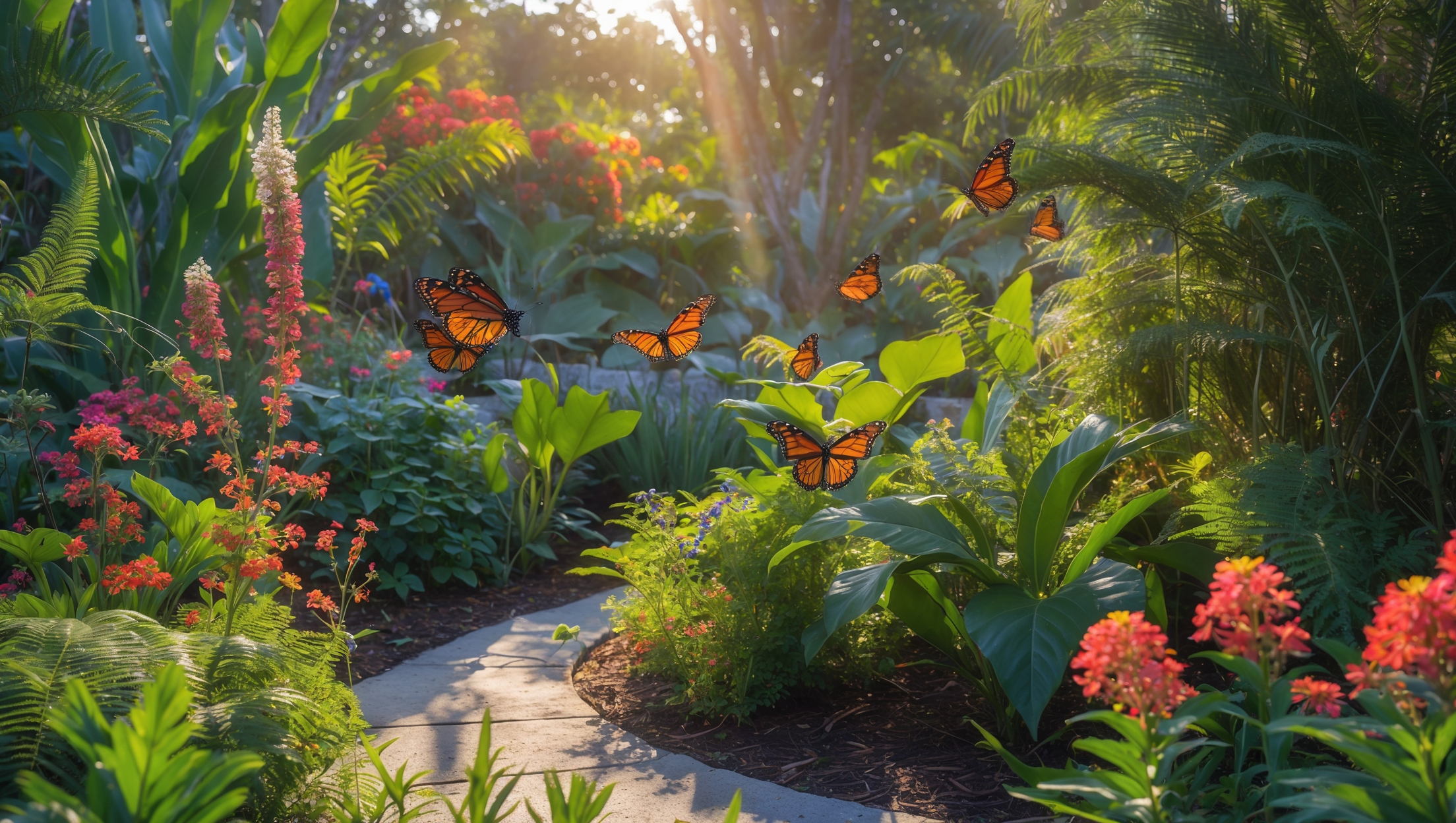
Step-by-Step Maintenance Guide for St. Pete’s Community Butterfly Habitats

Introduction: Why Community Butterfly Habitats Matter in St. Petersburg, FL
St. Petersburg’s passion for green spaces and pollinator health has led to a surge in community butterfly habitats. These vibrant gardens are more than just beautiful additions to neighborhoods and parks—they serve as crucial sanctuaries for pollinators, foster environmental stewardship, and inspire both children and adults to appreciate local biodiversity. However, maintaining a flourishing butterfly habitat in Florida’s unique climate comes with its own set of challenges, from intense summer storms to persistent pests and the need for native plant stewardship. Whether your group is tending a schoolyard pollinator patch, revitalizing a church garden, or working with a neighborhood association, consistent and informed maintenance is key to keeping these habitats healthy, educational, and visually stunning all year round.
This comprehensive, St. Pete-focused guide walks you through every essential step of butterfly habitat upkeep: scheduling tasks, choosing and caring for native plants, managing pests organically, preparing for seasonal changes, and tapping into local resources. Avoiding common pitfalls and following proven best practices will help your community project not only support butterflies but also become a valued hub for neighbors and nature lovers alike.
Planning Your Maintenance Schedule: What St. Pete Gardeners Need to Know
Understanding Local Climate and Its Impact
St. Petersburg’s subtropical climate means high humidity, heavy summer rainfall, and occasional cold snaps. Successful butterfly habitat maintenance must account for:
- Wet season (June–September): Rapid plant growth, fungal risks, and increased weed pressure.
- Dry season (October–May): Need for supplemental watering, slower plant growth, and ideal timing for major clean-ups.
Creating a Maintenance Calendar
Consistency is key. Plan for:
- Weekly tasks: Watering, deadheading spent blooms, checking for pests, and picking up litter.
- Monthly tasks: Mulching, pruning, replacing annuals, and deep weeding.
- Seasonal tasks: Preparing for hurricanes, adding or removing plants, soil testing, and major habitat clean-ups.
Keeping Volunteers Engaged
Use a shared digital calendar (like Google Calendar or SignUpGenius) to organize shifts, communicate weather-related changes, and celebrate milestones. Rotate tasks to prevent burnout and ensure everyone learns new skills.
Choosing and Caring for Native Plants
Why Native Plants Matter for St. Pete Butterflies
Florida-native plants are essential for butterfly habitats because they:
- Provide the specific nectar and larval food sources local butterflies need.
- Resist local pests and diseases better than exotics.
- Require less water and fertilizer once established.
Top Native Plants for St. Petersburg Butterfly Gardens
- Milkweed (Asclepias spp.): Essential for monarch caterpillars.
- Passionflower (Passiflora incarnata): Host for Gulf fritillary and zebra longwing butterflies.
- Firebush (Hamelia patens): Nectar source for adults.
- Cassia (Senna ligustrina): Host for sulphur butterflies.
- Coontie (Zamia integrifolia): Larval plant for atala butterflies.
- Coreopsis, blanket flower, and goldenrod: Reliable nectar sources.
Planting and Replacing Native Plants
Follow these steps for healthy plant establishment:
- Best time to plant: Early fall or late winter for most species—roots establish before heat.
- Soak new plants’ root balls before planting; dig holes twice as wide as the root ball.
- Add compost or leaf mulch, but avoid over-fertilizing—native plants thrive in lean soils.
- Replace annuals and fill in gaps each spring and fall as needed.
Watering and Soil Management
Watering Techniques in St. Pete’s Climate
Rain is abundant in summer but inconsistent in winter. Smart watering ensures plant health and conserves resources:
- Water deeply but less frequently: Promotes deep root growth and drought tolerance.
- Mulch generously: Use pine bark or leaf mulch to retain moisture and suppress weeds.
- Install rain barrels: Capture summer downpours for use during dry spells.
- Water early in the morning to avoid fungal growth and sunburn.
Soil Health and Mulching
Healthy soil builds resilient habitats:
- Test soil annually for pH and nutrients (contact UF/IFAS Extension Pinellas County for local testing programs).
- Top-dress with compost or leaf mold each spring to boost organic matter.
- Use a 2–3-inch mulch layer, but keep mulch away from stems to prevent rot.
Pest and Disease Management: Organic and Safe Methods
Common Butterfly Garden Pests in St. Petersburg
- Aphids (especially on milkweed)
- Spider mites (in hot, dry conditions)
- Leaf miners and caterpillars (on non-host plants)
- Fungal leaf spots (in wet weather)
Eco-Friendly Pest Control Strategies
- Hand removal: Gently squish aphids or rinse off with a strong water spray.
- Encourage beneficial insects: Ladybugs and lacewings keep aphid populations down—avoid broad-spectrum pesticides.
- Neem oil: Use sparingly and never on host plants when caterpillars are present.
- Remove diseased leaves: Prune and dispose of infected plant parts in the trash, not compost.
Preventing Disease Outbreaks
- Space plants for good air circulation.
- Water at the base, not overhead.
- Rotate annuals and replace any plants with recurring disease issues.
Weeding, Pruning, and General Upkeep
Weed Management Strategies
Weeds compete for resources and can harbor pests. Stay on top of them with:
- Weekly hand-weeding—easier after rain.
- Thick mulch to block sunlight.
- Regular edge trimming to keep paths clear.
Pruning and Deadheading Techniques
- Cut back dead or damaged growth at the start of spring and after hurricane season.
- Deadhead spent blooms weekly to encourage more flowers.
- Prune host plants only after caterpillar season when possible.
Litter and Debris Removal
- Pick up trash and fallen branches weekly—especially after storms.
- Compost healthy green waste; bag diseased material for trash pickup.
Preparing for Seasonal Challenges: Hurricanes, Drought, and Cold Snaps
Summer Storms and Hurricanes
- Stake tall plants and remove weak branches before storm season (June–November).
- Have tarps or burlap on hand to protect delicate plants from windburn.
- Clear drains and paths before heavy rains to prevent flooding.
Drought Preparedness
- Install drip irrigation or soaker hoses for efficient watering during dry spells.
- Group drought-tolerant species together for easier care.
Frost and Cold Weather
- Cover tender plants with frost cloth during rare cold snaps.
- Plant more cold-hardy species on exposed edges.
Community Engagement and Educational Opportunities
Involving Neighbors and Local Schools
- Host monthly workdays with hands-on learning for all ages.
- Invite local schools for pollinator lessons and garden tours.
- Create signage explaining plant and butterfly species—apply for mini-grants for materials from local organizations.
Building Partnerships
- Collaborate with Pinellas County Extension, St. Petersburg Audubon Society, or local garden clubs for expertise and volunteers.
- Share habitat updates and photos on neighborhood social media to recruit new helpers.
Accessing Local Resources for Ongoing Success
Where to Find Native Plants and Supplies
- Wilcox Nursery & Landscape (Largo): Wide selection of Florida natives.
- Florida Native Plant Society Pinellas Chapter: Plant sales and expert advice.
- UF/IFAS Extension Pinellas County: Workshops, soil testing, and plant clinics.
Grant and Fundraising Opportunities
- Pursue microgrants from Keep Pinellas Beautiful or Tampa Bay Estuary Program.
- Organize plant sales or garden tours to raise funds for supplies.
Maintenance Checklist: Monthly Tasks for St. Pete’s Butterfly Habitats
- Inspect for pests and signs of disease; take action early.
- Water deeply if rain is scarce; check soil moisture weekly.
- Replenish mulch, especially before hurricane season.
- Prune overgrown or damaged plants as needed.
- Weed around the base of all plants and along paths.
- Check plant labels and replace faded or missing signage.
- Clean and refill community water stations (shallow dishes with pebbles for butterflies).
- Review and update maintenance calendar; schedule group workdays.
Conclusion: Keeping St. Petersburg’s Butterfly Habitats Thriving
Community butterfly habitats are living testaments to St. Petersburg’s commitment to environmental stewardship, education, and neighborhood pride. Regular, thoughtful maintenance ensures these spaces continue to support pollinators and delight residents year-round. By focusing on native plants, organic pest management, and seasonal preparedness, your group creates a resilient habitat that weathers Florida’s storms and droughts while remaining a vibrant gathering place.
Engaging neighbors, schools, and local organizations not only lightens the workload but fosters a sense of ownership and ongoing learning. Lean on local resources—from nurseries to expert workshops and grant opportunities—to keep your project well-supplied and up-to-date with best practices. Most importantly, celebrate your successes: share photos, host garden days, and invite the community to witness the lifecycle of butterflies in action. A well-maintained community butterfly habitat enriches St. Pete’s urban landscape, provides vital pollinator corridors, and becomes a model for other neighborhoods seeking to make a positive environmental impact. With careful planning and a spirit of collaboration, your habitat will flutter with life for seasons to come.
You mention pests can be a problem in these habitats. Could you give examples of common pests in St. Pete’s butterfly gardens and suggest effective organic management approaches that won’t harm pollinators or native plants?
Common pests in St. Pete’s butterfly gardens include aphids, spider mites, and caterpillars that aren’t butterfly larvae. To manage them organically, try rinsing leaves with water to dislodge pests, introducing beneficial insects like ladybugs, and using neem oil or insecticidal soap sprayed directly on affected areas. Always apply treatments early in the morning or late afternoon to avoid harming pollinators, and avoid broad-spectrum insecticides.
How much time should a small neighborhood group budget each week for maintenance tasks like watering, deadheading, and checking for pests, especially during the peak summer months in St. Petersburg?
For a small neighborhood group, budgeting about 2 to 3 hours per week during peak summer months should be sufficient for maintenance tasks like watering, deadheading, and pest checks. If your habitat is larger or receives less rainfall, you might need closer to 4 hours. Dividing tasks among several volunteers can make the work lighter and more manageable.
You mentioned using native plants and dealing with rapid summer growth in St. Pete. Are there particular native species that handle the wet season best, or should I be rotating different plants in and out depending on the time of year?
In St. Pete, certain native plants like swamp milkweed, firebush, and pickerelweed thrive during the wet season and stand up well to heavy rains. You don’t need to rotate them out for the season, as they’re adapted to local weather patterns. Incorporating these resilient species will keep your butterfly habitat healthy and low-maintenance year-round.
I’m interested in how maintenance tasks might differ for a small schoolyard butterfly patch versus a larger park habitat in St. Pete. Are there any specific adjustments or resource considerations that groups should keep in mind based on the size of their project?
For a small schoolyard butterfly patch, maintenance tasks tend to be more frequent but less time-consuming—things like hand-weeding, watering, and monitoring can be managed by a few volunteers or a class. In contrast, larger park habitats require more coordinated efforts, specialized tools, and possibly scheduled workdays with larger groups. Resource planning for big sites should also include access to mulch, larger water sources, and perhaps partnerships with local organizations for ongoing support.
For someone totally new to gardening in a humid place like St. Pete, how do you tell the difference between harmless bugs and pests that could hurt the butterfly plants? Are there common signs I should watch out for during those weekly checks?
In St. Pete’s humid climate, look for bugs that chew holes in leaves, leave sticky residue, or cause wilting—these are often pests like aphids or caterpillars that can harm butterfly plants. Harmless bugs, like ladybugs or bees, usually don’t damage the plants and may even help control pests. During weekly checks, inspect leaves (top and bottom) for clusters of small insects, discolored spots, or webbing, and note any sudden changes in plant health.
When putting together a maintenance calendar for a neighborhood butterfly garden, what would you recommend as the best way to organize volunteer schedules, especially during peak growth periods in the wet season?
To organize volunteer schedules efficiently, use a shared calendar or spreadsheet where volunteers can sign up for specific dates and tasks. During the wet season, schedule more frequent maintenance shifts, such as weekly or biweekly sessions. Assign roles in advance—watering, weeding, and monitoring plants—to ensure all critical tasks are covered. Regular group check-ins can also help keep everyone on track and adjust the schedule if needed.
I’m curious how often supplemental watering is actually needed during the dry season for these habitats, and if that schedule changes depending on the types of native plants chosen for the garden.
Supplemental watering during the dry season is typically needed about once a week for butterfly habitats, but this can vary depending on the types of native plants you have. Many Florida natives are drought-tolerant and may only need a deep soak every 10–14 days once established. For new plantings or less drought-tolerant species, you might need to water a bit more often. Always monitor soil moisture and adjust as needed.
I noticed the guide mentions managing pests organically in butterfly habitats. Are there specific organic pest control methods or products recommended that are also safe around children and pets in community gardens?
Yes, the guide suggests several safe organic pest control methods suitable for community gardens. Handpicking pests, using a strong water spray to dislodge insects, and introducing beneficial insects like ladybugs work well. Neem oil and insecticidal soaps can also be used, as long as you apply them carefully and follow label instructions. These options are generally safe around children and pets when used correctly. Always rinse edible plants before harvesting.
Regarding the wet season you mentioned, what are some effective ways to control fungal issues in butterfly habitats without using harsh chemicals that could harm pollinators or native plants?
To manage fungal issues during the wet season without harsh chemicals, try increasing airflow by pruning dense vegetation and spacing out plants. Water early in the morning so foliage dries quickly, and remove any infected leaves promptly. You can also use homemade sprays like diluted neem oil or baking soda solution, both of which are generally safe for pollinators when applied correctly. Compost teas can boost beneficial microbes that outcompete harmful fungi.
I noticed you mention intense summer storms and fungal risks during the wet season in St. Pete. Are there particular native plants that hold up better against these issues, or do you have tips for keeping fungal problems under control in a humid butterfly garden?
Some native plants like Coreopsis, Black-eyed Susan, and native milkweeds tend to handle St. Pete’s wet, stormy summers better than others, as they’re adapted to local conditions. To control fungal issues, make sure your plants have plenty of airflow by spacing them well, water early in the morning, and remove any dead or dying leaves quickly. Mulching with pine straw can also help keep the soil surface dry and discourage fungus.
Can you recommend specific native plant species that have proven to be both butterfly-friendly and resilient to St. Pete’s heavy summer rains and humidity? We want to avoid plants that require constant replanting or attention.
Absolutely, there are several native plants well-suited for St. Pete’s climate and butterflies. Consider planting coreopsis, blanket flower (Gaillardia pulchella), beach sunflower (Helianthus debilis), and scarlet milkweed (Asclepias curassavica). These species are hardy, attract a variety of local butterflies, and handle heavy rains and humidity with minimal upkeep once established.
You mention that major clean-ups are best done during the dry season here in St. Pete. How do you recommend working around unpredictable cold snaps, especially if we’re hoping to keep the habitat looking good for community events in winter?
To handle unpredictable cold snaps during the dry season, try scheduling major clean-ups right after a cold front passes, when temperatures are more stable. For winter events, focus on light maintenance like removing fallen leaves and trimming only damaged plants. Avoid heavy pruning before a freeze, as it can stress the plants. Keep some frost cloths handy to protect sensitive areas if a sudden cold snap is forecast.
You talk about scheduling weekly maintenance tasks like watering and deadheading, but for community groups with limited volunteers, do you have suggestions for streamlining these chores or prioritizing which ones are most crucial during peak butterfly season?
When volunteer availability is limited, focus first on watering during dry spells and removing spent blooms (deadheading) from key nectar plants, as these directly impact butterfly attraction and plant health. You can rotate other tasks like weeding or mulching on a biweekly schedule. Assigning specific zones or tasks to small teams also helps divide the workload and ensures important chores aren’t overlooked during peak season.
Our small business is interested in sponsoring a butterfly habitat near our storefront, but we’re concerned about managing pests organically, as mentioned in the article. Could you provide more details on effective, organic pest control methods that won’t harm the butterflies or other pollinators?
Organic pest control for butterfly habitats focuses on gentle methods that protect pollinators. Hand-picking pests off plants is very effective and avoids chemicals. You can also encourage beneficial insects like ladybugs and lacewings, which naturally keep pest populations down. Using neem oil or insecticidal soaps in very limited amounts is sometimes possible, but always apply in the early morning or late evening to avoid contact with butterflies and bees. Regularly check plants for issues and remove any infected foliage to stop problems from spreading.
For someone just starting out, could you give more details about what kinds of pests are most common in St. Pete butterfly habitats and what organic controls work best in the wet season?
In St. Pete butterfly habitats, common pests include aphids, spider mites, and caterpillar predators like ants and wasps. During the wet season, fungal issues and snails can also be a problem. Organic controls that work well are introducing ladybugs for aphids, using neem oil or insecticidal soap for soft-bodied pests, and hand-picking snails and caterpillar predators. Ensure you water early in the day to help leaves dry quickly, which reduces fungal risks.
Our business is considering supporting a neighborhood butterfly habitat, but we’re worried about storm damage during the Florida summer. Do you have any specific tips for protecting the gardens or speeding up recovery after heavy rains and wind, especially when coordinating with volunteers?
Protecting butterfly habitats during Florida storms involves a few key steps. Use sturdy native plants that can withstand wind, and add mulch to help prevent soil erosion. After storms, quickly check for broken branches or flooding, and have volunteers clear debris and replant damaged areas as needed. Pre-arrange volunteer schedules so you can respond quickly after severe weather, making recovery smoother and more organized.
Given the challenges posed by summer storms in St. Pete, are there particular native plants that tend to recover faster from wind and rain damage in community butterfly habitats?
Yes, certain native plants in St. Pete are known for their resilience after summer storms. Blanketflower (Gaillardia pulchella), tropical sage (Salvia coccinea), and beach sunflower (Helianthus debilis) often recover quickly from wind and rain damage. These species have strong root systems and flexible stems, making them ideal choices for community butterfly habitats facing harsh weather.
If my community group can only commit to biweekly maintenance instead of weekly tasks, which jobs are most important to prioritize from your schedule to keep the butterfly habitat healthy in both the wet and dry seasons?
If your group can manage maintenance every two weeks, focus on essential tasks like weeding invasive plants, checking for pests or disease, and ensuring water sources are available, especially during dry spells. In the wet season, prioritize trimming overgrown plants and removing debris to prevent mold or rot. Regularly check that host and nectar plants are healthy and thriving, as these are vital for butterflies. These steps will help keep the habitat in good condition year-round.
For someone new to butterfly gardening in St. Pete, how do you know when you need to replace native plants that aren’t thriving after the wet season? Are there signs to look out for before pulling them out, or should you wait until the dry season?
If native plants seem unhealthy after the wet season—such as persistent yellowing, wilting, or lack of new growth—it’s a sign they may be struggling. Before removing them, check for pests, root rot, or overcrowding. Sometimes plants bounce back with drier weather, so it’s wise to wait until the dry season unless the plant is clearly dead or diseased. Patience often pays off with natives!
When preparing for those sudden cold snaps that sometimes hit St. Pete, what are some proven strategies to protect both mature plants and caterpillars in a community butterfly garden?
To shield both mature plants and caterpillars during cold snaps, cover plants with breathable fabric like frost cloths or old sheets, making sure the covers reach the ground to trap warmth. Avoid using plastic, as it can trap moisture and harm caterpillars. Move potted host plants indoors if possible, and gather leaves or mulch around the base of outdoor plants for extra insulation. For caterpillars, gently transfer them along with their host leaves to a sheltered container inside until the cold passes.
This is my first time helping with our neighborhood butterfly garden in St. Pete, and I am a little confused about watering during the dry season you mentioned. How do I know how much supplemental watering is enough without overdoing it or stressing the native plants?
During the dry season, aim to water early in the morning once or twice a week, giving the garden a deep soak rather than light daily watering. Check the soil about two inches down; if it’s dry, it’s time to water. Native plants are adapted to local conditions, so try not to overwater—let the soil start to dry out between waterings.
As a first-timer, I’m worried about budgeting for ongoing maintenance, especially during the dry season when extra watering is needed. Do you have any tips for keeping costs down without sacrificing the health of the butterfly garden?
Keeping costs down while maintaining a healthy butterfly garden is definitely possible. Focus on mulching well to help the soil retain moisture, which reduces the need for frequent watering during dry spells. Collect and use rainwater if possible, and consider planting more drought-tolerant native species—they need less water and thrive locally. Regularly check for leaks in hoses or irrigation systems to avoid waste. These strategies should help you keep your garden thriving without straining your budget.
Could you elaborate on how to choose the best native plants specifically suited for St. Pete’s unique climate, especially given the wet and dry season differences? I’m curious which species consistently thrive despite the heavy rainfall and occasional cold snaps.
When selecting native plants for St. Pete’s butterfly habitats, focus on species adapted to both wet summers and drier winters. Coreopsis, firebush, and porterweed are resilient choices, thriving through heavy rain and brief cold spells. Also consider milkweed and goldenrod, which attract butterflies and tolerate local weather swings. Visit local native plant nurseries for advice, as they often stock varieties proven to handle St. Pete’s unique climate conditions.
Could you explain how to choose the right native plants for both the wet and dry seasons mentioned in the article? I want to make sure our community garden stays healthy year-round without constantly having to replant.
To choose native plants that thrive in both wet and dry seasons, look for species adapted to local St. Pete conditions. For wet seasons, select moisture-loving natives like swamp milkweed or pickerelweed. For dry periods, use drought-tolerant options such as blanketflower or coontie. Mixing these ensures your garden has continuous growth and resilience, reducing the need for frequent replanting. Always check plant tags or local extension guides for season suitability.
The guide mentions planning for weekly tasks like watering and pest checks. How do you suggest organizing volunteer schedules so nothing gets overlooked, especially with the unpredictable Florida rains?
A shared digital calendar or spreadsheet works well for volunteer scheduling. Assign specific days and tasks to each person, and encourage everyone to check off completed duties. Since Florida weather can change quickly, have a group message or email thread for last-minute adjustments. Rotate responsibilities weekly so everyone stays engaged and nothing is missed, even when rain disrupts plans.
Our community group is trying to set up a maintenance schedule, but we’re unsure how to adjust watering routines during St. Pete’s wet and dry seasons. Could you share more specifics on how often we should water and if it changes significantly between June and September versus the rest of the year?
During St. Pete’s wet season (June to September), natural rainfall usually provides enough moisture, so watering butterfly habitats once every two weeks should be plenty. In the drier months, increase watering to once or twice a week, depending on how quickly the soil dries. Always check the soil before watering—if it feels damp an inch down, you can skip a session. Adjustments may be necessary after heavy rains or especially hot spells.
The article mentions using organic methods for pest control in butterfly gardens. Could you share some examples of organic pest management strategies that have worked well in St. Pete’s community habitats, especially for common Florida pests?
In St. Pete’s butterfly habitats, hand-picking pests like caterpillars or aphids off plants has proven effective. Neem oil sprays and insecticidal soaps are also commonly used since they’re gentle on butterflies but deter unwanted insects. Many gardeners plant companion species such as marigolds and dill to naturally repel pests. Encouraging beneficial insects like ladybugs helps control aphid populations without chemicals.
If we’re just starting a schoolyard pollinator patch, is there a rough estimate on how much weekly maintenance time we should budget during both the wet and dry seasons? Trying to plan realistic volunteer shifts for our group.
For a new schoolyard pollinator patch, plan for about 1 to 2 hours of weekly maintenance during the wet season since weeds grow faster and plants may need some extra monitoring. In the dry season, you might need 2 to 3 hours each week to handle watering and additional care. As the patch becomes established, maintenance time often decreases. Dividing tasks among volunteers can make shifts more manageable.
How do you suggest adjusting the maintenance schedule for a butterfly garden during an especially heavy wet season in St. Petersburg? Are there particular tasks that should be prioritized or additional steps to help prevent fungal issues?
During a heavy wet season in St. Petersburg, it’s important to focus on improving drainage and preventing fungal growth. Prioritize removing any dead or decaying plant material and space out plants to encourage airflow. You may also want to reduce watering, as rain will likely be sufficient. Inspect plants regularly for signs of fungal disease and consider using organic fungicides if needed. Mulching with materials that don’t retain excess moisture can also help.
You mention that dry season is the best time for major clean-ups, but what specific tasks should be prioritized then versus left for the wet months? Would dividing perennials or adding new native plants be better in the dry season or just before the rains return?
During the dry season, focus on major clean-ups like removing invasive weeds, pruning overgrown shrubs, repairing hardscape features, and refreshing mulch. Dividing perennials and adding new native plants are best done just before the wet season begins, so the new plants benefit from natural rainfall and establish roots more easily. Save heavy planting and transplanting tasks until just before the rains for the healthiest results.
As someone interested in starting a neighborhood butterfly patch, I’m curious about budget expectations. Can you share any tips or examples for keeping ongoing maintenance affordable in St. Pete while still using native plants and doing proper seasonal care?
You can keep maintenance affordable by choosing hardy native plants that require less water and fertilizer, reducing overall costs. Consider organizing community volunteer days for tasks like weeding or pruning. Using mulch helps retain moisture and suppress weeds, cutting down on labor. Also, look for local plant swaps or city-sponsored giveaways to source native plants cheaply. Planning seasonal care in advance helps avoid expensive last-minute fixes.
Managing pests organically sounds great, but are there easy, family-friendly methods you suggest for keeping caterpillars safe from ants or other common Florida insects without using chemicals? We want our kids involved but also want healthy plants.
Absolutely, there are several family-friendly, organic ways to protect caterpillars. Try using a simple physical barrier like a ring of petroleum jelly or food-grade diatomaceous earth around the base of host plants to keep ants away. Encourage kids to inspect plants daily and gently remove pests by hand. Planting companion flowers such as marigolds can naturally deter some insects, and rinsing leaves with water helps keep aphids in check without harming caterpillars.
Can you share some tips for managing fungal problems during St. Pete’s wet season without using chemicals? Our community garden started seeing some issues last summer, and I’d like to know what preventative steps are most effective in Florida’s climate.
Managing fungal problems naturally in Florida’s wet season is all about prevention and good garden hygiene. Space plants to improve air flow and prune away crowded or infected leaves. Water early in the day and aim for soil-level watering to keep foliage dry. Add mulch to reduce soil splash and remove any fallen, diseased plant material quickly. Choosing butterfly-friendly natives adapted to the region can also reduce disease pressure.
As someone running a small landscaping business in St. Pete, I’m curious about which native plants mentioned are both the easiest to source locally and the most resilient to our heavy summer rainfall. Are there a few top choices you would recommend starting with for new community habitats?
For St. Pete, both Milkweed and Coreopsis are native plants that are easy to find at local nurseries and hold up well during our heavy summer rains. Beach Sunflower and Firebush are also great options—they’re resilient, support butterflies, and require minimal care once established. These would be excellent starter choices for new community butterfly habitats in our area.
For a campus group interested in starting a butterfly garden, what are some ways to connect with local resources or experts in St. Petersburg to help us avoid common pitfalls, especially with seasonal maintenance?
To connect with local resources in St. Petersburg, reach out to organizations like the Pinellas County Extension office or local chapters of native plant societies, as they often offer workshops and advice. Attending local gardening events or volunteering at established butterfly gardens can provide hands-on experience. These connections can help your group learn about seasonal needs, plant selection, and pest management specific to the area.
How do you suggest coordinating maintenance schedules among multiple volunteers, especially during the busy summer months when storms can quickly change garden conditions? I’m curious what systems have worked for other community groups in St. Petersburg.
For coordinating volunteer schedules during the summer, many St. Pete groups use shared online calendars or group chats to update each other on weather changes and urgent tasks. Assigning rotating weekly teams helps ensure someone is always available, even if storms disrupt plans. Some neighborhoods also hold brief weekly check-ins—either in person or virtually—to adjust assignments as needed. Flexibility and clear communication are key during unpredictable weather.
I love that the guide is tailored for St. Petersburg’s climate, but I’m wondering how often we really need to adjust our maintenance schedule during an especially rainy summer. How flexible should our weekly tasks be if storms keep us out of the garden?
During particularly rainy summers, it’s perfectly fine to be flexible with your maintenance schedule. If storms keep you out of the garden, focus on essential tasks like checking for standing water, removing debris, and monitoring for pests when you can get outside safely. You can often skip watering, but try to inspect plants after heavy rain to catch any issues early. Adapting your routine to the weather helps keep the habitat healthy.
I’m curious about managing persistent pests organically, as mentioned in the article. Are there specific techniques or products recommended for St. Petersburg’s climate that won’t harm native butterflies or their larvae?
For St. Petersburg’s climate, the article suggests using neem oil sparingly and only on affected plants, as it’s less harmful to butterflies when applied at dusk. Companion planting with native herbs like basil or dill can help deter pests naturally. Hand-picking pests and encouraging beneficial insects, such as ladybugs, are also recommended organic strategies that protect butterfly larvae.
When scheduling major clean-ups during the dry season as suggested, are there particular times or months in St. Petersburg that are better for cutting back native plants without disrupting butterfly life cycles?
In St. Petersburg, the best time to cut back native plants in butterfly habitats is late winter to early spring, typically from late February through March. This timing allows you to tidy up before new butterfly generations emerge while avoiding periods when caterpillars and chrysalises are most active. Always check plants closely for any overwintering butterflies before trimming.
For neighborhood groups just starting out, how much time should we realistically set aside each week for ongoing butterfly habitat maintenance, especially during peak growing seasons in St. Petersburg?
For new neighborhood groups in St. Petersburg, it’s practical to plan on spending about 2 to 4 hours per week on butterfly habitat maintenance during peak growing seasons. This includes watering, weeding, checking for pests, and trimming plants. As your group gains experience and establishes routines, you may find the time needed decreases slightly, but setting aside a few hours weekly at the beginning is a safe bet.
The article mentions the importance of consistent maintenance like watering and deadheading. Is there a recommended way to get volunteers organized, especially during peak growth months when tasks can pile up quickly in the St. Pete climate?
To keep volunteers organized during busy months, consider setting up a schedule with rotating teams, assigning specific tasks like watering or deadheading to each group. Creating a shared calendar helps everyone stay on track. You might also use group messaging apps to send reminders and coordinate last-minute coverage if someone can’t make their shift.
For those of us working with tight budgets in a neighborhood association, are there specific affordable native plants you recommend for our butterfly habitat that can handle both the heavy summer rains and occasional drought in St. Petersburg?
For St. Petersburg’s climate, you have some great affordable native plant options that thrive in both heavy summer rains and dry spells. Consider using coreopsis (tickseed), gaillardia (blanketflower), and sunshine mimosa for groundcover. These plants are drought-tolerant once established, attract butterflies, and are usually easy to find at local nurseries. You might also try native milkweed and firebush, which offer food for caterpillars and adult butterflies while withstanding local weather extremes.
Could you give some specific advice on how to protect a butterfly habitat from the intense summer storms mentioned, especially if we’re working with a school garden that doesn’t have a lot of shade or windbreaks?
To protect a school butterfly habitat from intense summer storms, try installing temporary windbreaks like burlap screens or snow fencing along the side most exposed to wind. Secure any loose objects and stake taller plants to keep them upright. Mulch around plants to minimize soil erosion during heavy rain. If shade is limited, consider using shade cloths on portable frames to shield vulnerable areas. Checking the site after each storm for damage and making quick repairs also helps maintain a resilient habitat.
I’m new to maintaining butterfly gardens and live in St. Pete. The article mentions heavy summer rainfall and fungal risks. Do you have any tips on organic ways to prevent or treat fungus in butterfly habitats without harming the pollinators?
Absolutely! To prevent fungus organically, try spacing your plants to improve airflow and water early in the morning so leaves dry quickly. Remove infected leaves promptly. For treatment, you can use a homemade spray of 1 tablespoon baking soda and a few drops of mild liquid soap in a quart of water, applied to affected areas—just avoid spraying pollinators directly. Neem oil is another safe option when used sparingly and in the evening when butterflies aren’t active.
I noticed you mentioned dealing with intense summer storms and persistent pests in St. Pete’s butterfly habitats. Are there certain native plants that are especially resilient to both of these challenges, or any specific maintenance tricks for making the habitat more storm-proof?
Some native plants like milkweed, firebush, and coontie are very resilient to both heavy storms and local pests common in St. Pete. Planting in slightly raised beds improves drainage during downpours, and using mulch can help prevent soil erosion. Regularly pruning damaged branches and staking taller plants can also keep the habitat looking tidy and more storm-resistant.
What organic pest management methods have proven most effective in St. Pete’s community butterfly gardens, especially during the wet season when fungal issues seem to spike?
In St. Pete’s community butterfly gardens, hand-picking pests and introducing beneficial insects like ladybugs and lacewings have worked well for controlling unwanted bugs. During the wet season, gardeners often use neem oil or diluted horticultural soap to manage fungal issues, along with spacing plants properly for better air flow. Regularly removing affected leaves and avoiding overhead watering also help reduce the spread of fungi.
I saw you mention preparing for seasonal changes. How far in advance should community groups in St. Pete start adjusting their maintenance routines before the shift from dry to wet season?
Community groups in St. Pete should start adjusting their butterfly habitat maintenance routines about 3 to 4 weeks before the expected shift from the dry to wet season. This gives enough time to check drainage, prune plants, and add mulch where needed. Early preparation helps protect plants and butterflies from sudden weather changes.
We have a lot of intense storms here in St. Pete, and last year some of our butterfly garden plants got pretty damaged. Are there certain native plants you recommend that can bounce back quickly or withstand heavy rain better?
For St. Pete’s stormy weather, consider planting native species like Coreopsis, Beach Sunflower, and Firebush. These plants are adapted to local conditions and tend to recover quickly after heavy rain. Swamp Milkweed and Black-eyed Susan are also great options for resilience and butterfly support. Regular mulching can help protect roots from erosion, too.
You mention managing pests organically as part of maintaining butterfly habitats in St. Pete. Could you elaborate on the most effective organic pest control methods for Florida’s specific pests without harming caterpillars or beneficial insects?
Absolutely! For Florida butterfly habitats, handpicking pests like aphids or caterpillars that aren’t your target species is very effective. You can also use a strong water spray to dislodge pests from plants. Introducing beneficial insects like ladybugs and lacewings helps keep harmful bugs in check. Natural deterrents such as neem oil or insecticidal soap can be used sparingly, but only apply them in the early morning or late evening to minimize impact on caterpillars and pollinators.
If our group is limited on budget and volunteer time, which maintenance tasks should always be prioritized in the weekly schedule to keep the butterfly garden healthy, especially during those heavy summer rains?
When resources are tight, focus on weekly tasks that have the most impact: regularly remove weeds to reduce competition for the butterfly-friendly plants, check for standing water to prevent root rot during heavy rains, and trim back any overgrown or damaged plants. These steps help maintain plant health and habitat quality while requiring minimal time and expense.
Could you clarify which native plants tend to be most resilient during St. Pete’s intense wet season? I’m wondering if some are less prone to fungal problems or withstand the rapid growth better, especially for low-maintenance schoolyard gardens.
For St. Pete’s wet season, some of the most resilient native plants include coreopsis, blanketflower (Gaillardia pulchella), and seaside goldenrod. These species handle heavy rain well and are less prone to fungal issues. Frogfruit and tropical sage are also tough, spreading easily and tolerating rapid growth without much intervention, making them excellent for low-maintenance schoolyard gardens.
What are some effective organic pest management strategies that have worked specifically in St. Petersburg’s butterfly habitats? The excerpt mentions persistent pests, so I’d love to hear more about real-world solutions that won’t harm pollinators.
In St. Petersburg’s butterfly habitats, gardeners have successfully used neem oil sprays applied in the early morning or late evening, which helps target pests while minimizing impact on pollinators. Hand-picking caterpillars and using insecticidal soap on affected plants have also been effective. Planting companion herbs like dill and fennel attracts beneficial insects that naturally control aphids and mites. These organic strategies help keep pest populations down without harming butterflies or their larvae.
For a school group just starting with a butterfly habitat, what would be the first three maintenance tasks you’d recommend focusing on, especially for kids who have limited gardening experience and may not be able to visit every week?
For a school group, start by making sure the plants are watered regularly, especially if there’s no rain. Next, remove any obvious weeds so native butterfly plants have space to grow. Finally, check for trash or debris that might blow in and remove it to keep the area safe for butterflies. These tasks are simple, safe, and manageable for kids with limited experience.
When it comes to native plant stewardship in these habitats, how do you determine the best time to replace or add new host plants in the St. Petersburg area? Is there a particular month or weather marker you use given the local climate?
In St. Petersburg, the best time to add or replace native host plants in butterfly habitats is typically early spring, around March to April, when temperatures warm up and rainfall increases. This timing gives new plants a good start before the hotter summer months arrive. Watch for consistent nighttime temperatures above 55°F and avoid planting during drought or extreme heat for best results.
When scheduling clean-ups and plant care, how should we adjust our approach after severe summer storms in St. Petersburg? Are there particular signs of storm damage or issues that volunteers should prioritize to keep the habitats healthy?
After severe summer storms in St. Petersburg, it’s important to check for flooding, broken branches, and uprooted or damaged plants during clean-ups. Volunteers should prioritize removing debris, checking for soil erosion, and ensuring host plants for caterpillars are healthy. Also, look for standing water where mosquitoes could breed and replant any dislodged or damaged vegetation to help the habitat recover quickly.
With Florida’s heavy summer rains in mind, is there a recommended way to protect butterfly habitats from being overrun by weeds and fungal issues, especially if our group can only meet every other week?
To manage weeds and fungal problems during Florida’s rainy season, apply a thick layer of mulch to suppress weeds and improve drainage. Choose native mulch like pine straw, which also discourages some fungi. Prune plants for airflow, and avoid overhead watering to help prevent fungal growth. Since your group meets biweekly, focus on these tasks each visit and spot-remove any problem weeds or diseased plants as needed.
I’m curious about pest management in these butterfly habitats. When you talk about organic methods, do you mean physical removal, or are there safe sprays that won’t hurt the butterflies or caterpillars? Any specific products you recommend?
In the habitats, organic pest management means both physical removal—like handpicking pests or using water sprays—and choosing safe, non-toxic options. If you need a spray, look for insecticidal soap or neem oil, but always apply carefully and avoid spraying directly on caterpillars or butterflies. Test on a small area first and use only when necessary to protect the insects you want to help.
Are there any native plants that handle both St. Pete’s wet season growth spurts and the dry season’s slower pace well, or do you recommend swapping certain species out as the seasons change?
Several native plants in St. Pete’s area, like Coreopsis, Blanket Flower, and Muhly Grass, adapt well to both wet and dry seasons. They tolerate summer rain and don’t mind drier winter stretches. It’s usually best to choose these resilient natives instead of swapping species each season. Regular mulching and grouping plants with similar water needs can also help them thrive year-round.
How do you recommend managing fungal problems in butterfly habitats during St. Pete’s wet season without resorting to chemical treatments, especially since the article mentions organic pest management?
To manage fungal problems during the wet season organically, focus on spacing plants properly to improve airflow and reduce moisture buildup. Remove any dead or infected plant material promptly. Water early in the day so leaves dry quickly, and consider adding a layer of organic mulch to prevent soil splash. You can also use natural remedies like neem oil or a diluted baking soda spray, which are generally safe for butterflies and their larvae.
Can you elaborate on organic pest management strategies that have worked well in St. Petersburg’s community butterfly gardens, especially with the area’s high humidity? I’m curious what’s actually been effective without harming pollinators.
In St. Pete’s butterfly gardens, hand-picking pests like aphids and caterpillars works well, as does introducing beneficial insects such as ladybugs and lacewings. Neem oil is sometimes used in very diluted amounts, but only early or late in the day to avoid harming pollinators. Keeping the garden clean of debris and rotating nectar and host plants also helps control pests naturally, even in the humid climate.
The article mentions organic pest management for butterfly gardens here in St. Pete. What are some organic methods that work best for common pests we’re likely to encounter, and how often should we be checking for these issues?
In St. Pete’s butterfly gardens, common organic pest management methods include hand-picking pests like caterpillars and aphids, using insecticidal soaps, and encouraging beneficial insects such as ladybugs. Neem oil is also effective but should be used sparingly to avoid harming butterflies. Inspect your plants at least once a week, especially during the warmer months when pests are more active, for early detection and intervention.
Since St. Pete’s climate includes both heavy rainfall and periods of drought, are there certain native plant species that handle these extremes better than others? How do you decide which plants to prioritize when first starting a butterfly garden here?
Absolutely, some native plants are much better suited to St. Pete’s climate extremes. Species like milkweed, coreopsis, and blanketflower are both drought-tolerant and can handle heavy rain. When starting your butterfly garden, prioritize plants that are native to Pinellas County, as they’re naturally adapted to local conditions. Focus on a mix of host plants for caterpillars and nectar plants for adult butterflies to ensure year-round support.
I’m curious about managing weeds in these habitats, especially during St. Pete’s intense wet season when everything seems to grow twice as fast. Are there environmentally safe weed control methods you would recommend for community gardens where kids are often involved?
For weed management in butterfly habitats, especially with kids around, hand-pulling is safest and very effective after rain when the soil is soft. Mulching with untreated wood chips or leaf litter also helps suppress weeds naturally. Avoid chemical herbicides and instead try sheet mulching with cardboard to block unwanted growth. Regular weeding sessions involving community members can help control weeds and teach kids about habitat care.
For a small business or community space with limited volunteers, how would you suggest prioritizing weekly tasks like watering, weeding, and deadheading? Are there efficient scheduling strategies or task groupings you recommend for beginner teams?
For teams with limited volunteers, it’s best to prioritize watering first since butterflies need healthy, hydrated plants. Next, focus on weeding to prevent unwanted plants from competing for resources. Deadheading can be done less frequently, as needed, to encourage blooms. Group similar tasks together—like watering and quick weeding—on the same day, and rotate responsibilities each week to keep things manageable and engaging for beginners.
Our group manages a small patch at our local park, and we’re struggling with keeping native plants healthy during St. Pete’s heavy summer rainfall. Are there particular Florida natives that hold up better during wet spells or strategies you recommend for avoiding root rot in these conditions?
For heavy summer rains in St. Pete, consider natives like swamp milkweed, blue flag iris, and pickerelweed, which tolerate wet conditions. To help avoid root rot, make sure your patch has good drainage—raised beds or mounded planting areas can help. Mulching lightly with pine straw also allows soil to dry out between storms. Monitor your soil’s moisture, and avoid overwatering during rainy spells.
For groups just starting a butterfly habitat in St. Pete, what common mistakes do you see beginners make when it comes to seasonal maintenance? Are there particular tasks that people tend to overlook during the dry season?
One common mistake beginners make is underestimating how quickly habitats can dry out during St. Pete’s dry season. People often forget to water regularly or mulch thoroughly, which can stress both host and nectar plants. Another overlooked task is removing dead plant material and weeds, which helps prevent pests and diseases. Keeping up with these simple tasks each season really improves the habitat’s success.
I’m wondering if you have any advice for getting kids involved in the weekly maintenance tasks like watering and deadheading, especially when schools are out during the summer. Do you have suggestions for keeping the gardens cared for when volunteer availability changes during school breaks?
To keep kids involved over summer, try organizing family volunteer days or themed activity mornings where children can help with watering and deadheading alongside fun, educational games. Creating a rotating schedule for families or community groups is also helpful, so tasks are shared evenly. If volunteer numbers drop, consider reaching out to local youth organizations, camps, or scout groups for support during school breaks.
What strategies do you recommend for managing persistent pests organically in a large community butterfly garden, especially if volunteers have varying levels of gardening experience? Are there any local resources or workshops you suggest for ongoing pest management education?
For organic pest management, encourage regular hand-picking of pests, introduce beneficial insects like ladybugs, and use neem oil or insecticidal soap as needed. Mulching and companion planting can also deter pests. To support volunteers, consider simple illustrated guides posted in the garden. Local resources include the Pinellas County Extension Office, which often offers workshops on organic gardening, and the Florida Native Plant Society for practical advice and events relevant to butterfly habitats.
I noticed the guide highlights the difference between wet and dry seasons for maintenance tasks. For neighborhood groups with limited volunteers, do you have tips for adjusting the schedule or automating some of these weekly tasks during peak growth?
For groups with fewer volunteers, consider focusing on the most essential tasks during peak growth, like weeding and watering, and reduce the frequency of less critical chores. Mulching can help suppress weeds and retain moisture, cutting down on maintenance. If possible, use drip irrigation on timers to automate watering, and schedule group workdays right after heavy rains when soil is easier to work with.
Could you clarify which native plant species are most resilient to both the wet and dry seasonal extremes mentioned for St. Petersburg? I want to make sure our community garden picks varieties that will thrive year-round without constant replacement.
For St. Petersburg’s climate, some native plants that handle both wet summers and dry winters well include Coreopsis (Tickseed), Muhlenbergia capillaris (Pink Muhly Grass), Gaillardia pulchella (Blanket Flower), and Asclepias tuberosa (Butterfly Weed). These species are adapted to local conditions, support pollinators, and generally require less maintenance throughout the year.
If a community garden is just getting started, what’s the best way to educate volunteers about organically managing pests and avoiding common mistakes specific to Florida habitats? Is there a local resource or workshop you recommend for beginners?
For new community gardens in Florida, hands-on workshops offered by your local UF/IFAS Extension office are a fantastic resource. They often cover organic pest management tailored to Florida’s unique environment. You might also invite a Master Gardener to lead an on-site demonstration for your volunteers, focusing on prevention techniques and local pest challenges. Simple tip sheets and regular Q&A sessions can help reinforce best practices and prevent common mistakes.
When scheduling maintenance for a butterfly garden in St. Pete, how do you recommend prioritizing tasks during the wet season when everything seems to grow so quickly? Is there anything you routinely skip or postpone to focus on the most critical issues after heavy rains?
During the wet season in St. Pete, it’s best to prioritize tasks like controlling invasive weeds, clearing blocked drainage, and checking for plant diseases, since these issues escalate quickly with extra moisture. Less urgent tasks—such as pruning non-invasive ornamentals or adding new mulch—can usually be postponed until the weather stabilizes. Focus on what will directly protect butterfly habitat health and access first after heavy rains.
I’m new to butterfly gardening in Florida and a little confused about what exactly should be done during the wet season. Can you give some examples of which weekly tasks matter most when plants are growing fast and weeds are taking over?
During Florida’s wet season, focus on weekly weeding since rapid plant growth can let weeds crowd out your butterfly plants. Trim back any overgrown nectar or host plants to keep pathways and beds tidy. Regularly check for pooling water to prevent root rot, and inspect for pests or caterpillar overcrowding. Mulching bare soil areas can also help control weeds and retain moisture.
Our neighborhood association struggles with planning consistent volunteer shifts for garden upkeep—do you have any scheduling tips or tools for making sure routine tasks like watering and deadheading don’t get missed during busy times, especially in the summer?
Consider using a shared digital calendar like Google Calendar or a simple spreadsheet where volunteers can sign up for specific tasks and dates. Assigning weekly or biweekly roles, such as ‘watering lead’ or ‘deadheading crew,’ can help clarify responsibilities. Also, posting a printed schedule at the garden ensures everyone knows their duties and can check off completed tasks, making it easier to track progress during busy periods.
The article mentions managing pests organically, which sounds a bit tricky given Florida’s climate. Could you share some effective organic pest control methods that have worked in local St. Petersburg gardens without harming butterflies?
Absolutely, organic pest control is very doable here. In St. Petersburg, gardeners often use neem oil spray, insecticidal soap, and hand-picking pests to control issues like aphids or caterpillar predators without harming butterflies. Introducing beneficial insects like ladybugs is also popular. It’s important to spray only in the early morning or late evening to avoid contact with butterflies, and to target only affected plants instead of the whole garden.
For a small group like ours that’s just starting out, what tasks from your suggested weekly list are most important to prioritize if we can’t do everything right away, especially during the busy wet season?
For new, smaller groups, focus first on weeding around host plants and checking for standing water to prevent pests during the wet season. These two tasks keep the butterfly habitat healthy and safe. If you have a little extra time, prioritize pruning overgrown plants to keep pathways clear and spot-checking for litter. This way, you’ll maintain key areas without getting overwhelmed.
When planning a maintenance calendar for a community habitat, how do you recommend handling supplemental watering during the long dry season, particularly if volunteer availability is inconsistent or if there are budget limitations for irrigation equipment?
For dry seasons with limited volunteer availability and a tight budget, consider grouping plants with similar water needs together to maximize efficiency. Use mulch to retain soil moisture and reduce watering frequency. If possible, set up inexpensive rain barrels to collect and store water for hand-watering. Schedule watering for early mornings or late evenings to minimize evaporation, and try to create a rotating volunteer schedule so the workload is spread out. These steps can make supplemental watering more manageable.
If we’re dealing with a sudden pest problem mid-summer, does the article suggest any St. Pete-specific organic pest management tricks that are safe for kids helping out in the garden?
Yes, the article recommends using St. Pete-friendly organic methods like hand-picking pests and spraying diluted soapy water on affected plants. These approaches are safe for children to help with, as they avoid harsh chemicals. The guide also suggests encouraging beneficial insects like ladybugs, which can help control pests naturally in your butterfly habitat.
For St. Pete gardens that deal with summer storms and fast plant growth, are there native plants you recommend that can handle both heavy rain and occasional drought? I’m looking for options that require less hands-on upkeep during those unpredictable Florida weather swings.
For St. Pete gardens facing heavy rain, drought, and rapid growth, native plants like Muhly Grass, Coreopsis, and Beach Sunflower are great choices. These species handle both wet and dry spells well and need minimal maintenance once established. You might also consider Firebush and Beautyberry for larger areas. All of these can thrive with little extra care even during unpredictable Florida summers.
For groups just starting out, is there an ideal time of year in St. Pete to plant or revitalize a butterfly garden to ensure the highest success rate, given the differences in maintenance needs between the wet and dry seasons?
In St. Pete, late winter to early spring is the best time for planting or revitalizing a butterfly garden. This timing lets new plants establish roots before the intense summer heat and rain of the wet season. It also makes early maintenance easier, since you’ll avoid peak weed growth and most pests that come with the wetter months.
With Florida’s wet season bringing so much rapid plant growth and extra weeds, what strategies do you recommend for keeping up with maintenance when our volunteer group can’t meet every week? Are there certain tasks that are more urgent during these months?
During Florida’s wet season, focus on mulching to suppress weed growth and retain moisture between volunteer sessions. Prioritize removing invasive weeds and trimming plants that crowd butterfly host species, since these tasks can quickly get out of hand. If you can’t meet weekly, try organizing smaller, staggered groups or assigning specific zones to volunteers for independent maintenance. Checking paths and signage for safety is also important after heavy rains.
Our group is working with a limited number of volunteers. Are there any tasks from your maintenance calendar that could be spaced out or combined to make upkeep a bit less time-intensive during busier months?
Absolutely, you can combine some routine tasks to save time. For example, mulching and weeding can often be tackled together, as freshly weeded beds are ideal for adding mulch. Monitoring for pests can also be done during watering or general garden visits. During busier months, consider spacing out deadheading and pruning to every other week instead of weekly, as most native plants tolerate a little delay. Prioritizing only essential tasks during peak periods can help keep things manageable.
I’m curious about what kind of organic pest management methods work best for community gardens in our subtropical climate—are there particular solutions you recommend for dealing with persistent pests that won’t harm the butterflies?
In our subtropical climate, it’s best to use gentle, organic methods like hand-picking pests, encouraging beneficial insects such as ladybugs, and using neem oil or insecticidal soap only when absolutely necessary. Neem oil is generally safe for butterflies if applied early in the morning or late in the evening when butterflies are less active. Also, planting companion plants like marigolds and basil can help deter unwanted pests naturally without harming butterflies.
When planning the seasonal clean-ups around October, what are the best ways to balance cutting back plants for garden health while still leaving enough habitat structure for overwintering butterfly species or other beneficial insects?
During October clean-ups, aim to selectively trim only what’s necessary for plant health or to remove diseased growth. Leave some stems and leaf litter in place, as these provide vital shelter for overwintering butterflies and insects. Avoid cutting back all the way to the ground—keeping parts of native grasses, seed heads, and hollow stems intact helps maintain habitat structure through the winter.
When budgeting for a new butterfly garden in St. Petersburg, what ongoing maintenance costs should we expect throughout the year, especially regarding supplemental watering and pest control during the dry and wet seasons?
When budgeting for your butterfly garden in St. Petersburg, expect ongoing maintenance costs to include supplemental watering, especially during the dry months (typically spring), which may increase your water bill. In the wet season, less watering is needed but you might need to manage fungal issues due to excess moisture. Pest control costs will vary: organic or targeted treatments are best to protect butterflies and their host plants. Mulching, pruning, and occasional plant replacement are additional minor expenses to anticipate throughout the year.
If a neighborhood association wants to start a butterfly habitat from scratch, what’s a realistic maintenance schedule for the first few months, given the heavy rainfall and weed pressure mentioned in the article?
For a new butterfly habitat in St. Pete, expect to check on the site at least twice a week during the first few months. After planting, monitor soil moisture and drainage right after heavy rains to prevent root rot. Hand-weed every visit, as weed growth will be fast. Mulching after planting will help suppress some weeds and retain moisture. Replenish mulch if it washes away. Inspect plants for pests or disease weekly and remove any debris. Consistency early on makes maintenance easier later.
Could you explain what organic pest control options work best here in St. Pete? I’m worried about using something that could hurt the butterflies or other pollinators while trying to keep pests in check during the wet season.
In St. Pete, organic pest control options like handpicking pests, using insecticidal soap sprays, and introducing beneficial insects such as ladybugs and lacewings are very effective and safe for butterflies and pollinators. Neem oil can also help, but use it sparingly and apply it early in the morning or late evening to avoid harming beneficial insects. Regular habitat checks and removing weeds can also reduce pest issues without chemicals.
For groups just starting out with a new community butterfly garden in St. Pete, how much time should they expect to dedicate to weekly tasks like watering and deadheading during the wet season versus the dry season?
During the wet season in St. Pete, you’ll likely need to spend less time watering—maybe just 1 to 2 hours weekly—since rainfall helps keep the garden hydrated. Deadheading and basic upkeep might take another hour. In the dry season, plan for 3 to 4 hours weekly, as watering will be more frequent, and the plants may need extra attention to stay healthy.
I’m curious about organic pest management for butterfly habitats in St. Pete’s climate. Could you share specific organic treatments or preventative strategies that work well here, particularly for pests that tend to thrive during the humid summer months?
In St. Pete’s humid summers, organic pest management for butterfly habitats often includes hand-picking pests like aphids and caterpillars, using insecticidal soaps made from natural ingredients, and encouraging beneficial insects such as ladybugs and lacewings. Neem oil is another safe, organic option for most pests, but apply it in the evening to avoid harming butterflies. Planting pest-repellent companion plants, like marigolds and dill, also helps keep unwanted insects at bay.
I’d love to help my kids’ school keep their butterfly garden healthy year-round. Can you give some examples of native plants that can handle both St. Pete’s heavy summer rains and the occasional cold snaps?
Absolutely, St. Pete’s climate can be tricky, but there are several native plants that thrive in both heavy rains and brief cold spells. Consider planting milkweed (Asclepias tuberosa), coreopsis, pentas, and blanket flower (Gaillardia pulchella). These support local butterflies and are resilient through seasonal weather changes. Adding native grasses like muhly grass can also help with drainage and provide shelter for butterflies.
For a group that’s just starting out with a butterfly habitat, what’s the easiest way to set up a maintenance calendar that works with our unpredictable Florida weather? Do you recommend certain apps or tools to help keep everyone organized and on task?
For groups new to butterfly habitat maintenance, starting with a shared digital calendar works well—Google Calendar or Microsoft Outlook are user-friendly choices. You can set up recurring tasks for watering, weeding, and plant checks, and easily adjust dates if the weather shifts unexpectedly. Assigning responsibilities and sending reminders through these tools helps keep everyone organized and accountable, even when Florida’s weather surprises you.
If we’re just starting a butterfly habitat with a small group from our neighborhood, how much time per week should we realistically budget for maintenance tasks during the peak growing season in St. Petersburg?
For a new butterfly habitat managed by a small group, you should plan on spending about 2 to 3 hours per week during the peak growing season in St. Petersburg. This time covers watering, weeding, checking plants for pests, and tidying up. As your group gets more familiar with the tasks, you may find it even more manageable.
If a community group is just starting out, what are some common pitfalls in scheduling maintenance throughout the year that you’ve seen people overlook in St. Petersburg’s climate?
One common pitfall is underestimating how quickly weeds and invasive plants can take over during the wet summer months in St. Petersburg. Many groups also forget that plants need more frequent checks in the spring and fall as growth rates change. It’s easy to overlook the need for regular mulching and soil checks, which help control moisture during hot spells. Setting up a seasonal calendar with monthly tasks can really help new groups stay on track.
When planning a maintenance schedule for a schoolyard butterfly habitat, what tasks would you recommend prioritizing during the dry season if our group only has a couple of volunteers each week?
During the dry season, focus on deep watering the native plants once or twice a week to keep them healthy, as young or shallow-rooted plants are especially vulnerable. Remove any invasive weeds to reduce competition for water. Also, monitor plants for signs of stress like wilting or leaf drop, and trim back any dead growth. Prioritizing these tasks will help the habitat thrive even with a small volunteer group.
I’m new to butterfly gardening and live in St. Pete, and I’m wondering how often I should be checking for pests during the wet season when growth is so fast. Is a weekly check enough, or should it be more frequent because of our climate?
In St. Pete’s wet season, plant growth—and pest activity—can both surge quickly. While weekly checks are a good baseline, you might want to inspect your butterfly garden every 3–4 days during particularly rainy or humid periods. Early detection helps you protect both host and nectar plants, ensuring a healthier habitat for butterflies.
When dealing with rapid plant growth and fungal issues in the summer here, are there particular organic treatments or preventive measures you’ve found effective, or do you recommend prioritizing certain maintenance tasks over others during those months?
During the summer, prioritize regular pruning and thinning to improve air circulation, which helps prevent fungal problems. For organic treatments, neem oil or a baking soda and water solution can be effective against common fungal issues. Mulching with clean, dry materials also helps suppress weeds without trapping excess moisture. Focus on removing diseased leaves quickly and watering early in the day to let plants dry out before evening.
I noticed you recommend a consistent maintenance schedule, but for someone volunteering with limited time, what are the absolute most essential weekly tasks to prioritize, especially during the peak growing season in St. Pete?
If your volunteer time is limited, focus on these core weekly tasks during peak season: water newly planted or stressed plants, remove any obvious invasive weeds, and check for signs of pests or disease. Deadheading spent blooms will also keep the plants healthy and attractive for butterflies. These actions will help maintain the habitat’s health even with a tight schedule.
When creating a maintenance calendar for a community butterfly habitat, how do you recommend dividing up weekly and seasonal tasks among volunteers to make sure nothing gets overlooked, especially in larger gardens managed by neighborhood groups?
To keep things organized in larger community butterfly gardens, assign weekly tasks like watering, weeding, and litter pickup to small teams on a rotating schedule. For seasonal tasks—such as planting, mulching, or pruning—plan them in advance and create sign-ups for larger workdays. Use a shared calendar or checklist, and encourage regular team check-ins to track completed work and upcoming needs. This helps ensure all tasks are covered and everyone stays engaged.
You mentioned that major clean-ups are best during the dry season here in St. Petersburg. How do I tell if it’s too early or too late to do a big pruning, especially if the weather is unpredictable? Does waiting too long hurt the butterflies or native plants?
Timing major pruning in St. Petersburg can be tricky, especially with unpredictable weather. Aim for late winter or early spring, once most cold snaps have passed and before new growth starts. If you prune too late, you might remove food or shelter for early butterflies. If you prune too early, frost could damage tender regrowth. Watch for consistent warm temperatures and signs of new plant growth as your cue.
Can you elaborate on which native plant species are best suited for withstanding both St. Pete’s heavy summer rainfall and the drier winter months? I’m interested in specific recommendations for plants that support butterflies year-round given our unique climate.
For St. Pete’s climate, several native plants do well through rainy summers and dry winters while supporting butterflies year-round. Consider using sunshine mimosa, coreopsis, and blanket flower for nectar. For host plants, try native milkweed, passionvine, and cassia species. These choices are resilient in our weather and provide essential resources for various butterfly species throughout the seasons.
When planning a maintenance calendar for a community butterfly habitat here, how much extra time should be set aside during the peak rainy season for additional tasks like weeding or fungus control compared to the dry months?
During the peak rainy season in St. Pete, it’s wise to set aside about 30–50% more time for maintenance tasks like weeding and fungus control compared to the dry months. The increased moisture encourages faster weed growth and can lead to more fungal issues, so plan for more frequent checks and possibly extra work sessions each week during this period.
I’m new to volunteering with our neighborhood’s butterfly garden in St. Pete and was wondering, when dealing with the heavy summer rains, is it better to stick with a weekly maintenance schedule or switch to something more flexible? How do you keep weeds under control when everything grows so fast in the wet season?
During St. Pete’s rainy summer months, it’s helpful to use a more flexible maintenance schedule. After heavy rains, check the garden more often, since weeds and plants can grow quickly. Try to remove weeds when the soil is moist, as they pull out easier. Mulching around plants also helps prevent weeds and keeps soil moisture balanced. Regular spot checks and quick weeding sessions can be more effective than sticking to a fixed weekly routine during the wet season.
If we’re starting a butterfly habitat with volunteers from our neighborhood association, how much time should we set aside weekly for basic maintenance tasks like watering and deadheading during both the wet and dry seasons?
For a new butterfly habitat, plan to spend about 1-2 hours per week on basic maintenance with your volunteers. During the wet season, rainfall may reduce watering needs, so most of this time will go to deadheading and checking plant health. In the dry season, watering could take more effort—expect closer to the 2-hour mark, especially in hot spells. Dividing tasks among volunteers can make the work faster and more enjoyable.
I’m new to gardening, and I’m wondering how often I should be checking for pests in St. Pete’s wet season, since the article mentions increased weed and fungal risks. Is a weekly inspection enough, or do you recommend doing it more often during those months?
During St. Pete’s wet season, conditions can quickly encourage pest and fungal issues, so checking your butterfly habitat two to three times a week is ideal. This allows you to catch problems early before they spread. Along with regular inspections, remove any debris or dead plant material and keep an eye out for rapid weed growth and excess moisture, which can contribute to issues.
I’m curious about the maintenance calendar you suggest. For groups with limited volunteers or tight schedules, what are the absolute essential tasks to prioritize each month so that the butterfly habitat remains healthy without overwhelming the team?
For groups with limited time, focus on these monthly essentials: water the plants during dry weeks, remove obvious weeds, check for pests or diseases, and trim back any overgrown or dead plant material. Try to spend a few minutes weekly on quick checks and use one longer session each month for pruning and more thorough weeding. This way, the habitat stays healthy without requiring too much time from volunteers.
If our group misses a couple weeks of maintenance during the summer because of vacations, what are the top issues we should look for when we return? I’m worried about catching up after storms and fast growth.
When you return after a break, focus on checking for overgrown weeds and plants, as summer growth can be rapid. Look for storm damage like broken branches or flattened flowers. Inspect for pests or diseases, which may have spread while unattended. Prioritize clearing debris, re-staking plants if needed, and ensuring host and nectar plants are healthy and accessible to butterflies.
You mention managing pests organically as part of the maintenance guide. Are there particular organic methods or products local to the St. Pete area that have proven effective against the most common butterfly garden pests, like aphids or caterpillar predators?
In St. Pete, many gardeners have success controlling aphids with insecticidal soap sprays or by releasing ladybugs, which are available at local nurseries. For caterpillar predators like ants, using diatomaceous earth around plants can help, and row covers can protect young caterpillars. Neem oil is another organic option but should be used sparingly to avoid harming beneficial insects. Always apply these treatments in the early morning or evening to minimize impact on butterflies.
How much time should a small student group expect to spend on weekly maintenance tasks like watering, deadheading, and pest checks? Just trying to get a realistic idea of the time commitment, especially during the peak growing season.
For a small student group, weekly maintenance like watering, deadheading, and pest checks in a butterfly habitat usually takes about 1 to 2 hours during peak growing season. Tasks may go a bit faster or slower depending on the garden’s size and how many students are involved, but setting aside this amount of time each week should keep things in good shape.
Our local school is considering starting a butterfly habitat, but we’re concerned about how to handle the wet season with the extra fungal risks mentioned. Are there specific native plants that are more resilient during those months in St. Pete’s climate?
Absolutely, choosing native plants that thrive in St. Pete’s wet season can really help minimize fungal issues. Consider incorporating species like coreopsis, swamp milkweed, and buttonbush—these are native, adapted to wetter conditions, and support butterflies well. Planting with good spacing also improves airflow, further reducing fungal risks. If you’d like more plant suggestions or tips on habitat layout, let me know!
When planning out a maintenance schedule for a community butterfly garden here in St. Petersburg, what are some ways to involve local businesses or neighbors to help share ongoing tasks like watering and pest control?
You can involve local businesses by inviting them to sponsor specific tasks or host a volunteer day for their employees in the butterfly garden. For neighbors, set up a rotating schedule where each household signs up for a week of watering or pest monitoring. Consider organizing monthly community workdays and sharing updates in a group chat or email list. These steps can make the workload lighter and encourage community pride in the garden.
What’s the best organic strategy to manage persistent pests in these butterfly habitats without risking harm to the pollinators we’re trying to attract, particularly during the humid Florida summers?
To manage persistent pests organically without harming pollinators, focus on manual removal and encourage natural predators like ladybugs and lacewings. Neem oil sprays can be used sparingly, but only apply them early in the morning or late evening when butterflies are less active. Also, keeping habitats well-weeded and avoiding standing water helps deter pests while protecting pollinators during Florida’s humid summers.
I’m curious about managing butterfly habitats during St. Pete’s wet season when storms hit hard. Do you have any tips for preventing plant damage or runoff in these heavy rain periods, especially if you can’t get out to the garden every day?
During the wet season, try mulching around your butterfly plants with pine needles or wood chips to help absorb excess rain and reduce runoff. Raised beds or mounded soil can improve drainage and prevent roots from sitting in water. You might also use small barriers like landscape edging to keep soil in place. Even if you can’t attend daily, these steps help protect your habitat from storm-related damage.
With all the humidity and summer storms in St. Petersburg, how do you handle fungal issues in the butterfly habitats without using harsh chemicals? Are there particular organic treatments or prevention strategies you recommend?
Humidity and summer storms can definitely lead to fungal problems in butterfly habitats. To prevent issues naturally, regularly remove dead or decaying plant material and provide good airflow between plants. Water in the morning to allow leaves to dry during the day. If you notice fungal spots, try a diluted neem oil spray or a homemade solution of baking soda (1 teaspoon per quart of water) as a gentle treatment. Always test organic solutions on a small area first to ensure they’re safe for your plants and butterflies.
For community groups with limited volunteers, are there any suggested ways to prioritize maintenance tasks throughout the year, especially during seasons when rapid plant growth and weeds become overwhelming?
When volunteers are limited and growth is rapid, focus first on removing invasive weeds, as they can quickly overtake butterfly plants. Next, prioritize watering during dry spells and monitor for pests. Regularly deadhead flowers to encourage blooming. During peak growing seasons, consider scheduling shorter, frequent work sessions and dividing the habitat into sections so teams can rotate tasks without feeling overwhelmed.
When setting up a maintenance schedule for a butterfly habitat here in St. Petersburg, do you recommend involving volunteers in weekly versus monthly tasks differently? I’m curious about best practices for organizing neighborhood groups to handle the intense periods like the rainy season.
Involving volunteers in weekly versus monthly tasks can work well if you match their availability and experience to the task intensity. For example, during the rainy season, organize weekly shifts for critical chores like weeding and monitoring plant health, as growth is rapid. Less frequent jobs, such as tidying paths, can be set for monthly gatherings. Rotating groups and clear task lists help ensure everyone knows their role, and regular communication keeps volunteers motivated and engaged.
For a small community group just starting a butterfly habitat in a schoolyard, what would you suggest as the most critical weekly maintenance tasks, and how much time should we expect those to take each week, especially during the wet season?
For a new schoolyard butterfly habitat, your main weekly tasks should be weeding, checking for invasive pests, watering if rain is insufficient, and monitoring host and nectar plants for health. During the wet season, expect less need for watering but possibly more weeding and pest checks due to rapid growth. Plan for about 1 to 2 hours each week, adjusting as your plants mature and the group gains experience.
You discussed scheduling regular maintenance tasks, but how should community groups handle periods when volunteers are unavailable, like during summer vacations or holidays? Are there tips for keeping habitats healthy when staffing is low, especially during the wet season?
During times when volunteer numbers are low, like summer vacations or holidays, consider simplifying maintenance by focusing on essential tasks such as weeding, checking for standing water, and removing debris. Mulching can help suppress weeds and retain moisture, reducing the need for frequent attention. Pairing volunteers for buddy shifts or creating a rotating schedule can ensure coverage. For the wet season, monitor for excess water to prevent plant stress and mosquito breeding, and prioritize quick check-ins over full workdays.
You mentioned the importance of weekly tasks like watering and deadheading spent blooms. If we sometimes miss a week due to rain or volunteer availability, what’s the best way to get back on track without harming the habitat?
If you miss a week, resume tasks as soon as possible. After rain, check soil moisture before watering, as extra water may not be needed. For deadheading and weeding, do a thorough pass to catch up, focusing on any spent blooms or fast-growing weeds. The habitats are resilient, so a brief lapse won’t cause harm. Just continue regular care when you’re able.
For groups just starting out, how do you suggest budgeting for supplemental watering during the drier months? Have you seen any low-cost irrigation solutions that work well for community-run butterfly gardens in Florida’s climate?
For budgeting, estimate water needs based on garden size and local drought periods, then factor in costs for water itself and supplies like hoses or drip lines. Many community gardens in Florida use simple drip irrigation kits or soaker hoses attached to timers, which are affordable and conserve water. Collecting rainwater in barrels during wetter months can also help reduce ongoing costs.
For someone just getting started, could you explain what native plants are best for attracting butterflies specifically in St. Pete? The article mentions plant selection but I’m not sure where to begin, and I want to make sure I choose the right ones for our climate.
In St. Pete, native plants that attract butterflies include milkweed (for monarchs), firebush, coontie, wild coffee, and native passionflower. These plants provide food for caterpillars and nectar for adult butterflies, and they thrive in our local climate. Starting with a mix of these ensures a welcoming habitat for many butterfly species in the area.
Does the guide recommend specific native plant species that are most resilient against common pests and unpredictable Florida weather, or should we experiment with a mix? I want to avoid investing in plants that won’t survive the intense summer storms.
The guide does list specific native plant species that have proven to be hardy in St. Pete’s climate, especially under harsh summer storms and common pest pressures. It highlights options like milkweed, firebush, and wild petunia as particularly resilient. You don’t have to experiment blindly—the recommended plants are chosen for their survivability and benefit to butterflies in local conditions.
Could you elaborate on some organic methods to manage pests that are effective in St. Pete’s humid climate? I’m especially interested in tips that minimize labor since my team often manages several sites at once.
In St. Pete’s humid climate, introducing beneficial insects like ladybugs and lacewings is a low-labor way to keep pests in check. Mulching with pine needles helps deter unwanted bugs and keeps moisture balanced. You can also use neem oil or insecticidal soap sprays—they work well and require only occasional application. Regularly inspecting plants while watering can nip pest problems early without much extra effort.
The article mentions major clean-ups being ideal during the dry season, but as a parent with limited free time, I’m curious—what are the minimum essential tasks I can focus on to keep my kids’ pollinator patch healthy if we can only get out there every couple of weeks?
If you can only visit every couple of weeks, focus on a few key tasks: pull obvious weeds that are crowding your butterfly-friendly plants, check for and remove any trash or debris, and make sure host and nectar plants stay healthy by trimming any dead parts. Watering is less crucial during the rainy season, but look out for any signs of plant stress. These quick actions will help keep your pollinator patch thriving between major clean-ups.
For groups on a limited budget, what are some cost-effective strategies mentioned (or suggestions you have) for organic pest management and supplemental watering during the drier months in St. Pete’s climate?
For organic pest management on a budget, the article mentions hand-picking pests and using homemade solutions like diluted soap sprays. Encouraging beneficial insects by planting native flowering species also helps. For supplemental watering during dry months, collecting rainwater in barrels and mulching heavily to retain moisture are affordable strategies. Regularly watering early in the morning can also maximize efficiency and reduce evaporation.
I noticed the guide talks about using native plants and organic pest management—can you give examples of which native species hold up best against our heavy summer rainfall, and what organic solutions actually work for persistent Florida pests?
For St. Pete’s rainy summers, native plants like milkweed, porterweed, and firebush are excellent choices as they cope well with wet conditions and support butterflies. For organic pest control, try introducing beneficial insects like ladybugs for aphid control, using neem oil sprays for soft-bodied pests, and regularly handpicking caterpillars or beetles. These methods are effective and safe for both butterflies and the habitat.
You mentioned organic pest management—are there specific local pests in St. Petersburg that we should watch out for, and what organic methods actually work best for keeping them in check without harming butterflies?
In St. Petersburg, common pests that might trouble butterfly habitats include aphids, spider mites, and caterpillar predators like ants and wasps. To manage these organically, try introducing beneficial insects like ladybugs, spraying plants with a mild soap and water solution, and using physical barriers such as fine mesh. These methods help control pests while keeping butterflies and their larvae safe.
Our business sponsors a community butterfly garden in St. Pete, and I’m wondering if you have recommendations for native plant nurseries or local suppliers that can help us source the right plants mentioned in your guide, especially those that handle bulk or recurring orders for maintenance.
For sourcing native plants in bulk for your butterfly garden, you might consider reaching out to local nurseries in the St. Pete area that specialize in Florida natives. Look for businesses like Sweet Bay Nursery, Wilcox Nursery & Landscape, and Twisted Trunk, as they are known for carrying a good selection of native butterfly-attracting plants and often accommodate bulk or recurring orders. If your garden needs specific species listed in our guide, it’s helpful to provide them a list in advance to ensure availability.
Could you share more specific advice on how to manage common pests in St. Pete butterfly habitats without harming caterpillars or adult butterflies? I’m particularly curious about safe, organic solutions for the heavier pest pressure that comes during the wet season.
To manage pests safely during the wet season, try hand-picking pests like aphids or caterpillars’ predators from plants when you spot them. Neem oil can be used in very diluted concentrations, but avoid spraying directly on host plants where caterpillars feed. Introducing beneficial insects such as ladybugs can also help control aphids naturally. Regularly check for standing water and decaying leaves to reduce pest breeding grounds, and encourage healthy plant growth through proper spacing and airflow.
When planning the maintenance calendar, is there an ideal time of year for introducing new native plants to maximize their survival in St. Petersburg’s climate?
In St. Petersburg, the ideal time to introduce new native plants is during the early fall, typically from late September to early November. Planting at this time allows roots to establish before the dry spring and hot summer months, increasing survival rates. Avoid planting during the peak summer heat or the driest winter periods for best results.
Our small church just started a butterfly habitat, and we want to make sure we’re planning the right maintenance tasks for each season. How can we best prepare the garden for the transition between the heavy summer rains and the drier months? Are there specific native plants you suggest for more hands-off upkeep?
To prepare for the shift from rainy to dry months, add mulch to help retain soil moisture and reduce weeds. Trim back excess growth after summer to prevent overcrowding and check for any drainage issues. For low-maintenance native plants, consider milkweed, coontie, and blanketflower—they thrive in local conditions and require minimal watering once established. These choices will support butterflies and simplify seasonal upkeep.
When scheduling clean-ups and plant care, is there a particular time in the dry season that’s ideal for making bigger changes to the garden? I want to make sure I don’t accidentally disrupt the butterflies or native plants.
The best time to make significant changes to the butterfly habitat is early in the dry season, just after the last heavy rains. This timing usually allows plants to settle before peak heat and minimizes disturbance to butterfly larvae and eggs, which are less abundant then. Always check for caterpillars or chrysalises before pruning or planting to avoid harming active life stages.
When planning the weekly maintenance tasks like watering and deadheading, do you recommend setting up a volunteer rotation or is it more practical to assign a few dedicated caretakers to ensure consistency throughout the year?
For butterfly habitats, a volunteer rotation can work well if you have a reliable group and keep a clear schedule, helping prevent burnout. However, for consistency and attention to detail—especially with tasks like deadheading and monitoring plant health—a few dedicated caretakers often ensure better results throughout the year. Some groups successfully combine both approaches, with key caretakers overseeing while volunteers assist.
Could you share more specifics about organic pest management in St. Pete’s butterfly habitats? I’m particularly interested in how local groups deal with common pests during the wet season without harming caterpillars or native plants.
Local groups in St. Pete’s butterfly habitats use several organic pest management techniques, especially during the wet season. They regularly inspect plants and remove pests like aphids by hand or with a gentle water spray. Neem oil and insecticidal soaps, applied carefully and only on affected areas, are chosen because they are less harmful to caterpillars and native plants. Introducing beneficial insects like ladybugs also helps control pest populations naturally without resorting to chemicals.
For someone brand new to setting up a maintenance calendar, how do you figure out the right frequency for tasks like watering and deadheading, especially with Florida’s unpredictable weather? Do you have sample schedules for beginners?
For beginners, it’s best to start by monitoring your butterfly habitat weekly. In Florida, check soil moisture regularly and water only when the top inch feels dry—usually 2–3 times per week, but adjust after heavy rain. Deadheading can be done every week or two to encourage blooming. As you get familiar with your garden, you can tweak the schedule. A simple calendar might list watering on Mondays and Thursdays, and deadheading every other Saturday.
The guide mentions scheduling weekly tasks like watering and pest checks. How do you recommend organizing volunteers for these ongoing tasks in a community setting so that nothing gets overlooked, especially during the busy wet season?
To keep things running smoothly, consider setting up a rotating volunteer schedule, assigning specific people or teams to each week’s tasks. A shared calendar (on paper at the habitat or using a simple app) allows everyone to see their duties. Have a checklist for each task, and encourage volunteers to log completed activities. During the wet season, increase communication—perhaps with a group chat—so any adjustments or extra needs are quickly noticed.
The article talks about choosing native plants for the habitat, but I’m not sure which species are considered best for St. Pete’s climate and butterfly population. Is there a resource or a list of top native plants you’d suggest for beginners?
For St. Pete’s butterfly habitats, some beginner-friendly native plants include milkweed, firebush, coontie, passionflower, and blanketflower. These support local butterfly species like monarchs, swallowtails, and zebra longwings. Local garden centers and the Florida Native Plant Society can also provide advice specific to St. Pete’s climate and the best options for attracting butterflies.
For those of us newer to Florida gardening, could you clarify which native plants hold up best during St. Pete’s wet season, especially with the rapid growth and risk of fungal issues mentioned?
In St. Pete’s wet season, native plants like Coreopsis, Beach Sunflower, and Muhly Grass tend to handle heavy rains and high humidity well. They’re less prone to fungal issues compared to more delicate species. Milkweed and Firebush are also good choices for butterfly habitats—just make sure to plant them in areas with good air circulation and avoid crowding to help reduce fungus risks.
I noticed the guide mentions both schoolyard patches and neighborhood association gardens—are there major differences in maintenance schedules or plant choices for smaller versus larger community butterfly habitats in St. Pete?
Yes, there are some key differences. Smaller habitats like schoolyard patches usually need more frequent attention, such as regular watering and weeding, because they can dry out or get overgrown faster. Larger neighborhood gardens may have a wider variety of native plants and can support more butterfly species, but their maintenance tasks like mulching or pruning might be done less often but on a larger scale. Plant choices for both should focus on native species, but larger sites have room for greater diversity.
I’m curious how you recommend scheduling major clean-ups in St. Pete’s butterfly habitats during the dry season, especially if unexpected cold snaps hit. Are there particular months you’ve found best for cutting back native plants without disrupting local butterfly populations?
For St. Pete’s butterfly habitats, late February to early March is often ideal for major clean-ups and cutting back native plants, since this timing avoids most cold snaps and gives plants time to recover before butterflies become more active. If a cold snap does occur, it’s best to wait until after the danger of frost has passed before pruning, to protect both the plants and overwintering butterflies.
As someone organizing a pollinator patch at our daycare, I’m curious how often community groups in St. Pete typically check for pests during the wet season. Should we be inspecting daily with kids around, or is weekly enough given the rapid plant growth and fungus risk?
During St. Pete’s wet season, rapid plant growth and increased moisture do mean a higher risk of pests and fungal issues. Many community groups aim for at least twice-weekly inspections, but if you have eager helpers at your daycare, a quick daily look—especially after rain—can help spot problems early. That said, a thorough check once a week should be enough if you stay consistent. Just keep an eye out for sudden changes or weather events that might need extra attention.
Could you elaborate on how to handle persistent pests organically in a community butterfly garden, especially during St. Pete’s wet season when pest populations might surge? I’m looking for specific organic solutions that are safe for pollinators but still effective for pest management.
For persistent pests during St. Pete’s wet season, try handpicking larger insects like caterpillars and beetles early in the morning. You can also use insecticidal soap or neem oil, but apply them carefully and only on affected plants, avoiding flowers where pollinators feed. Encourage natural predators by planting dill or fennel to attract ladybugs and lacewings. Regularly check plants for pests and remove any infested leaves to keep populations under control without harming butterflies or bees.
With St. Pete’s wet season bringing so much rain and rapid plant growth, how often should we be checking for fungal issues in a community butterfly garden, and are there any specific organic treatments you recommend for Florida’s humidity?
During the wet season in St. Pete, it’s best to check your butterfly garden for fungal issues at least once a week, as high humidity and rain can accelerate problems. For organic treatments, try neem oil, copper-based fungicides labeled for organic use, or a homemade baking soda solution (one tablespoon per gallon of water). Always treat early in the morning to minimize stress on plants and help prevent harm to butterflies.
If our neighborhood group is just starting a butterfly garden, how much time should we realistically set aside each week for tasks like watering, deadheading, and weeding, especially during the peak growing months?
For a new butterfly garden, plan to spend about 2 to 4 hours each week during peak growing months. This time covers regular watering, removing faded blooms (deadheading), and weeding. The workload may be higher in the first season as plants establish and weeds are more persistent, but it usually becomes more manageable as the garden matures.
You mention the importance of consistent maintenance and a calendar for weekly tasks like deadheading and pest checks. Do you have any tips for organizing volunteers so we don’t miss anything, especially during the rapid growth phase in summer?
Assigning specific roles or zones to each volunteer can help ensure all tasks are covered without overlap. Use a shared calendar—either digital or a physical board at the site—where everyone can check off completed tasks. During the summer growth spurt, consider shorter, more frequent shifts so each area gets enough attention. Regular group check-ins, even brief ones, help catch anything that might have been missed.
For a community group just starting out, what are the most important first-year maintenance tasks to prioritize in a new butterfly habitat in the St. Pete area, especially given the challenges with humidity and pest management you mentioned?
In your first year, focus on regular watering to help plants establish strong roots, especially during dry spells. Mulch can help retain soil moisture and control weeds. Watch closely for pests like aphids and caterpillars, and use gentle, non-chemical controls if needed. Removing invasive weeds quickly will make a big difference, and avoid using pesticides that could harm butterflies. Regularly monitor plant health and replace any that don’t survive the season.
When you mention managing pests organically, do you have any specific recommendations for Florida pests that tend to target butterfly habitats, especially during the rainy months?
For Florida butterfly habitats, common pests include aphids, spider mites, and caterpillar predators like ants, especially during the rainy season. You can try using a gentle spray of water to remove aphids, introduce beneficial insects like ladybugs, and use diatomaceous earth to deter ants. Also, planting native nectar plants helps maintain a healthy balance, minimizing pest outbreaks naturally.
We have a small team and limited time. Based on your suggested weekly tasks like deadheading and checking for pests, how much time should we set aside each week for basic maintenance of an average-sized community butterfly garden in St. Pete?
For an average-sized community butterfly garden in St. Pete, a small team should plan to spend about 1 to 2 hours per week on basic maintenance. This includes tasks like deadheading spent flowers, checking for pests, watering as needed, and removing weeds. Dividing these tasks among team members can help keep the workload manageable and ensure the garden stays healthy.
When planning a weekly maintenance schedule for a butterfly habitat in St. Pete, should we be adjusting our tasks during the wet and dry seasons, or just increasing frequency depending on how the plants look? I want to make sure our group isn’t missing anything important during those weather changes.
You should definitely adjust your maintenance tasks based on St. Pete’s wet and dry seasons, not just on how the plants look. In the wet season, focus on managing fast plant growth, checking for fungal issues, and removing excess debris. During the dry season, prioritize regular watering and watch for stressed or wilting plants. This way, your butterfly habitat stays healthy year-round and you don’t miss important seasonal needs.
When it comes to supplemental watering during the dry season, do you recommend any specific watering techniques or schedules that have worked well for community projects in this climate?
For St. Pete’s climate, deep watering in the early morning is very effective during the dry season. This helps the water reach root zones and reduces evaporation. Using soaker hoses or drip irrigation works well for community habitats, as they deliver water gradually and evenly. Typically, watering two to three times a week is sufficient, but always check soil moisture to avoid overwatering.
When planning the maintenance calendar for butterfly habitats here in St. Pete, what is the best way to coordinate weekly tasks like deadheading and pest checks among a group of volunteers so nothing falls through the cracks during the busy wet season?
To keep maintenance organized during the busy wet season, assign specific weekly tasks like deadheading and pest checks to individual volunteers or small teams each week. Using a shared calendar or spreadsheet can help everyone see who is responsible for what and when. Regular check-ins, either by email or in-person briefings, also help ensure that all tasks are completed and any issues are quickly addressed.
If a school group wants to start a butterfly patch but only has a couple of hours each week for maintenance, which upkeep tasks should be prioritized to keep the habitat thriving year-round?
With limited time, focus first on watering the plants regularly, especially during dry periods, as healthy plants are key for butterflies. Next, prioritize removing weeds that compete for nutrients and space. Also, check for pests or diseases and trim any dead or damaged growth. These core tasks will keep the butterfly habitat healthy throughout the year, even with just a couple of hours each week.
The guide mentions major clean-ups are best during the dry season—do you have specific tips on what to cut back or remove versus what should be left for overwintering butterflies or other pollinators in St. Pete?
During major clean-ups in the dry season, focus on removing invasive weeds, excess leaf litter, and any diseased or dead plants. However, leave standing stems, seed heads, and some leaf piles, as these provide essential shelter and food for overwintering butterflies and other pollinators. Native grasses and perennials can be cut back only in early spring, just before new growth, to maximize habitat support.
You mention using native plants and managing pests organically, but I’m curious about what local resources St. Pete offers to help with those things. Are there community programs or places where we can get affordable native plants and advice on habitat upkeep?
St. Pete has a few helpful resources for butterfly habitat gardening. The Pinellas County Extension and Florida Native Plant Society both offer native plant sales and regular workshops. The St. Petersburg Sustainability Department sometimes hosts free events and provides advice on eco-friendly gardening. Local nurseries specializing in Florida natives, like Wilcox Nursery, are also great for plant selection and care tips.
When creating a maintenance calendar for a community butterfly habitat, how do you recommend coordinating between volunteers to ensure weekly tasks like deadheading and pest checks are consistently covered, especially during periods of heavy summer storms?
To keep tasks like deadheading and pest checks covered each week, it’s helpful to set up a shared online calendar where volunteers can sign up for specific dates and duties. Assign backup volunteers for storm-prone weeks so there’s coverage if someone can’t make it. Regular group messages or check-ins—especially during summer—also help remind everyone and keep communication clear about weather changes or rescheduling needs.
Our community is considering starting a butterfly garden at our local park, but we have a limited budget. Are there low-cost ways to manage pests organically in these habitats, especially with all the rain we get in the summer in St. Pete?
Absolutely, there are several low-cost organic options for pest management in butterfly habitats, even with frequent summer rain. You can introduce beneficial insects like ladybugs to control aphids, hand-pick pests off plants, and use homemade sprays with mild soap and water as needed. Mulching with pine needles or leaves can help deter pests and retain soil moisture. Also, choose native, pest-resistant plants to minimize issues and reduce the need for intervention.
I’m part of a neighborhood association trying to keep our butterfly garden looking good during the dry season. The article suggests supplemental watering, but do you have tips on how often to water or ways to keep it low-effort for busy volunteers?
During the dry season, watering butterfly gardens about once a week is usually enough, aiming for a deep soak rather than frequent light watering. To make things easier for volunteers, consider using soaker hoses or drip irrigation with timers, which handle most of the work automatically. Adding mulch around plants also helps keep the soil moist for longer, reducing how often watering is needed.
How do you balance the need for supplemental watering during the dry season without overwatering and causing fungal issues, especially since the article points out both can be concerns in St. Pete’s climate?
To balance supplemental watering during the dry season, water early in the morning so leaves dry quickly, reducing fungal risks. Check soil moisture before watering; only water when the top inch feels dry. Use soaker hoses or drip irrigation to keep foliage dry and avoid pooling. Mulching helps retain moisture but leave space around plant stems for airflow.
As a parent who sometimes has a hectic schedule, I’m wondering how much time I should plan to spend each week on basic tasks like watering and checking for pests in a community butterfly garden during the rainy season here in St. Pete?
During St. Pete’s rainy season, you can expect basic butterfly garden maintenance to take about 30 to 45 minutes per week. Rain often reduces the need for watering, so most of your time will go toward checking for pests and making quick inspections. If it’s been particularly wet, look for signs of excess moisture or mold. Grouping tasks on one day each week can help save time.
If you’re working with a limited volunteer crew, which maintenance tasks would you recommend prioritizing weekly for the biggest impact on butterfly health and habitat appearance during peak season?
With a small crew, focus weekly on removing invasive weeds, maintaining healthy host and nectar plants, and regularly checking water sources. These actions directly support butterfly health and keep the habitat looking tidy. Also, inspect for pests and diseases, and remove any litter. These tasks offer the most noticeable results with limited manpower during peak season.
Do you have suggestions for organic pest management techniques that work well in St. Pete’s community gardens, especially with high humidity and rapid plant growth in the wet season? We sometimes have trouble with pests getting out of control even with regular maintenance.
In St. Pete’s humid, fast-growing conditions, try introducing beneficial insects like ladybugs and lacewings to control pests naturally. Neem oil spray or insecticidal soap made from natural ingredients can also be effective, especially if applied in the early morning. Regularly remove infested leaves and encourage birds by adding bird-friendly plants. Crop rotation and planting pest-repelling herbs like basil or marigold around beds can further help manage outbreaks organically.
For a community group trying to set up a regular maintenance schedule, how do you recommend balancing volunteer availability with the uptick in tasks during St. Pete’s wet season? Do most groups find weekly maintenance manageable in practice, or do things fall behind?
Many groups find that weekly maintenance is manageable in the dry season, but tasks can quickly pile up during the wet season. To balance this, try scheduling shorter but more frequent check-ins when rain increases growth and weeds. Consider creating a rotating volunteer roster so no one gets overwhelmed, and encourage flexible shifts. Some groups also hold a monthly deep-clean day to catch up on anything missed.
Can you recommend specific native plants that do well in St. Pete’s wet season without attracting too many pests? I want to make sure we’re choosing varieties that will survive both the heavy rains and our occasional cold snaps.
For St. Pete’s wet season, consider planting native varieties like swamp milkweed, blue flag iris, and firebush. These plants tolerate heavy rain and brief cold snaps well. They also tend to attract fewer pests than non-natives. Be sure to space them out for good airflow, which helps reduce the risk of fungal issues during wet weather.
Our group is interested in revitalizing a small church garden, but the budget is pretty tight. Could you suggest cost-effective ways to source native plants in St. Pete, or are there local programs that help with materials for community butterfly habitats?
You might want to reach out to local native plant societies or the Pinellas County Extension office, as they sometimes offer free or low-cost native plants for community projects. Local plant sales, especially those hosted by gardening clubs, can be a great source too. Also, some nurseries and community organizations in St. Pete occasionally donate plants or materials for educational or community gardens.
When selecting native plants for a butterfly garden in St. Petersburg, are there particular species you recommend to withstand both the intense summer storms and the occasional cold snaps mentioned in the article?
For St. Petersburg butterfly gardens, some native plants that handle both heavy summer rains and occasional cold snaps include coreopsis, blanket flower (Gaillardia pulchella), and native milkweeds like Asclepias tuberosa. These species are hardy, attract butterflies, and adapt well to local weather extremes. Including a mix of nectar and host plants like these will help your garden thrive year-round.
When planning a year-round maintenance calendar, how much time should I expect to spend each week during the wet versus dry season? I’m trying to figure out if I can handle this myself or need to recruit extra help.
During the wet season, you’ll likely need around 2 to 3 hours a week for weeding, pruning, and monitoring plant health, since growth is faster and weeds appear more often. In the dry season, expect about 1 to 2 hours weekly, focused on watering and checking for pests. If you have a larger habitat or will be away, consider recruiting occasional help, especially during peak growth times.
Could you elaborate on how often major clean-ups should be scheduled during the dry season, and what specific tasks are typically involved in those clean-ups to maintain both the health and appearance of a St. Pete butterfly garden?
During the dry season, it’s recommended to schedule major clean-ups every 4 to 6 weeks. These clean-ups usually include removing dead or damaged plant material, raking up fallen leaves, checking for and removing invasive weeds, and refreshing mulch as needed. It’s also a good time to inspect watering systems, pick up any trash or debris, and trim overgrown plants to keep the garden healthy and visually appealing.
How do you recommend managing pest problems organically in St. Pete’s butterfly habitats when summer storms seem to cause sudden outbreaks? Any specific products or homemade solutions that work best in our local climate?
In St. Pete’s butterfly habitats, summer storms can lead to quick pest outbreaks due to humidity. To manage these organically, try hand-picking pests or spraying plants with a mild soap-and-water solution (about one tablespoon of gentle dish soap per gallon of water). Neem oil is safe for most butterfly plants and effective against many insects—just apply it in early morning or late evening to protect pollinators. Encourage beneficial insects like ladybugs, which thrive in our climate and naturally control pests.
What are some organic methods for dealing with pests that tend to be especially persistent in St. Pete’s butterfly gardens during the wet season? I’d like to avoid chemicals but still protect the native plants.
To handle persistent pests organically during the wet season, you can introduce beneficial insects like ladybugs and lacewings, which naturally control aphids and other harmful bugs. Regularly inspect plants and handpick pests when possible. Neem oil spray or insecticidal soap made for organic gardening can help, but always use sparingly to avoid harming butterflies. Mulching with natural materials and ensuring good air circulation also discourages pest buildup.
For groups with limited time, what are the most critical weekly maintenance tasks you would prioritize to ensure the health and appearance of a butterfly garden in St. Petersburg’s unique climate?
For groups with limited time, focus on a few key tasks each week: remove invasive weeds to prevent competition, check for and trim any damaged or overgrown plants, and ensure the garden has adequate moisture, especially during dry periods. It’s also a good idea to inspect host and nectar plants for pests or diseases and remove any litter or debris to keep the area tidy.
Do you recommend any particular native plant species that really thrive in St. Petersburg’s heavy summer rainfall but can also withstand the occasional cold snap? I’m trying to finalize our plant list for a neighborhood garden.
For St. Petersburg’s climate with heavy summer rains and periodic cold snaps, consider native species like Coreopsis (tickseed), Gaillardia (blanketflower), Salvia coccinea (scarlet sage), and Asclepias tuberosa (butterfly weed). These plants are well-adapted, support local butterflies, and handle both wet summers and mild winter chills. Including a mix of these in your garden should help create a resilient, attractive habitat.
We’re considering collaborating with a nearby school on a pollinator patch. Are there particular native plants you recommend as most resilient to St. Pete’s heavy rain and occasional cold snaps, especially if upkeep time is limited during the school year?
For St. Pete’s climate, consider planting native species like Coreopsis, Blanket Flower (Gaillardia), Black-eyed Susan, and Milkweed. These are hardy, tolerate heavy rain, and can handle brief cold spells. They’re also low-maintenance, which helps when students can’t tend the patch regularly. Adding native grasses like Muhly Grass can boost resilience and support pollinators, too.
For someone starting a butterfly habitat in a schoolyard, how much time per week should we realistically expect to spend on regular tasks like watering, weeding, and pest checks during the wet versus dry seasons?
During the wet season, you can expect to spend about 1 to 2 hours per week on maintenance tasks since rainfall reduces the need for watering, and weeds may grow a bit faster. In the dry season, plan for 2 to 3 hours weekly, as you’ll need to water more often and keep an eye out for stressed plants and pests. Regular check-ins make the work manageable and keep the habitat healthy.
If our neighborhood association wants to start a small butterfly habitat on a limited budget, which native plants would you recommend as most resilient to both summer storms and dry season conditions here in St. Pete?
For a resilient butterfly habitat in St. Pete, consider planting native species like milkweed (Asclepias tuberosa or Asclepias incarnata), coreopsis, black-eyed Susan (Rudbeckia hirta), blanketflower (Gaillardia pulchella), and button sage (Lantana involucrata). These plants handle both heavy rain and dry spells well, and they attract local butterflies such as monarchs and swallowtails. Mulching and grouping plants together will further help retain moisture and shelter them during storms.
Can you explain how often I should plan to replace or add new native plants in a St. Pete butterfly habitat, especially since some might not survive the wet season or occasional cold snaps?
In St. Pete, it’s a good idea to assess your butterfly habitat every spring and fall. These are the best times to replace plants that didn’t survive the wet season or occasional cold snaps. Adding new native plants twice a year also keeps the habitat thriving and ensures butterflies have constant food and shelter. Regularly check for stressed or dead plants and remove them as needed.
For groups new to butterfly habitat maintenance, how detailed should the weekly task list be? Is it better to assign rotating tasks to volunteers or stick with a consistent schedule, especially during peak growth in the summer months?
For new groups, a detailed weekly task list works best. Break tasks down clearly—like watering, weeding, and checking for pests—so volunteers know exactly what’s expected. During peak summer growth, a rotating schedule helps prevent burnout and ensures every task gets attention, but try to pair newcomers with those who have experience to keep things running smoothly.
I’m curious about suggestions for managing butterfly habitats during the wet season here in St. Pete, especially since rapid plant growth and fungal problems seem to hit at the same time. Are there specific native plants that handle these conditions better and require less attention during the summer?
During St. Pete’s wet season, native plants like swamp milkweed, wild coffee, and buttonbush tend to handle excess moisture well and are less prone to fungal problems. These species are adapted to local conditions, so they require less attention and are more resilient against summer storms. To manage fungal issues, keep plants spaced apart for better airflow, prune dead growth regularly, and clear fallen leaves. Mulch lightly to prevent waterlogging, and always choose disease-resistant native varieties when possible.
How do you handle fungal issues during St. Pete’s wet season without using harsh chemicals? I want to keep things organic, but I’ve heard the humidity can make things pretty tricky for butterfly gardens.
Dealing with fungal issues organically in St. Pete’s humid conditions can be challenging, but it’s manageable. Focus on good airflow by spacing plants apart, prune away infected leaves, and water early in the day to allow foliage to dry. You can also use homemade sprays like diluted neem oil or a baking soda solution, both of which are gentle and effective against common fungi without harming butterflies or caterpillars.
I see you recommend choosing and caring for native plants, but with St. Pete’s heavy summer rains, are there particular native species that handle those conditions best and still attract a wide range of butterfly species?
Yes, some Florida native plants are especially well-suited to St. Pete’s rainy summers and are great for attracting butterflies. Consider planting swamp milkweed, goldenrod, and firebush. These thrive in wet conditions and provide nectar for a wide variety of butterfly species. You might also include buttonbush and blue porterweed, as both are resilient in heavy rains and favored by local butterflies.
For a neighborhood group just starting out, what native plants would you suggest prioritizing that can handle the intense summer storms as well as the occasional cold snap mentioned here, while still attracting a good variety of local butterflies?
For a new group in St. Pete’s area, consider starting with native milkweed (Asclepias tuberosa or Asclepias incarnata) for monarchs, black-eyed susan (Rudbeckia hirta), coreopsis, and firebush (Hamelia patens). These are resilient to both heavy summer storms and brief cold snaps, and they’re great for supporting a range of local butterfly species throughout the seasons.
You mentioned that the dry season in St. Pete is ideal for major clean-ups. Are there any maintenance mistakes that new volunteers commonly make during this time, like pruning at the wrong time or overwatering? I’d like to avoid those in our group.
Yes, a couple of common mistakes occur during the dry season. New volunteers sometimes prune nectar or host plants too aggressively, which can reduce food sources for butterflies. It’s best to wait until after the main blooming period to prune. Overwatering is less common in the dry season but can still happen—watering deeply but infrequently is ideal. Also, avoid disturbing leaf litter too much, since some butterfly species use it for shelter. Keeping these points in mind will really help your group.
Budget is always a concern for our school club. Besides tapping into local resources mentioned in the guide, are there any low-cost pest management tips you recommend that still protect the butterflies and native plants?
Absolutely, you can keep costs down while protecting butterflies and native plants. Hand-picking pests is a simple, no-cost method. Encourage natural predators like ladybugs or birds by planting a variety of native flowers. Avoid chemical pesticides; instead, try homemade sprays using diluted soap and water for small infestations, but test a small area first to ensure it doesn’t harm the plants or caterpillars.
When you talk about consistent maintenance, how much time would a typical school or neighborhood group need to invest each week during the wet season versus the dry season to keep a butterfly garden thriving?
During the wet season, the garden will likely need less watering but more attention to weeding and pest monitoring. Typically, plan for 1–2 hours per week. In the dry season, extra watering is essential, so expect to spend about 2–3 hours weekly. These estimates can vary based on the garden’s size, but regular short visits help keep tasks manageable.
When it comes to choosing native plants for a butterfly habitat here in Florida, is there a budget-friendly way to get started without buying everything at a garden center? Are there local resources or plant swaps you’d recommend looking into?
Absolutely, starting a butterfly habitat on a budget is possible. Many local gardening clubs and native plant societies in Florida host plant swaps or sales where you can get native plants at low or no cost. Also, check community bulletin boards and local extension offices—they often have resources, free seed giveaways, or upcoming swap events. Asking neighbors who garden for cuttings or seeds can also be a cost-effective way to get started.
The article mentions that intense summer storms can be a challenge for butterfly habitats in St. Pete. Are there specific strategies or types of native plants that are best for withstanding heavy rain and strong winds during the wet season?
Yes, the article suggests using deep-rooted native plants like goldenrod, coreopsis, and blue porterweed, which are more resilient to heavy rains and strong winds. These plants help stabilize the soil and recover quickly after storms. Planting in clusters and using groundcovers like sunshine mimosa can also reduce erosion and protect butterfly habitats during intense summer weather.
How do you recommend organizing a maintenance calendar if our neighborhood group can only gather for bigger clean-ups once a month? Are there crucial weekly tasks that just can’t wait, or ways to split up responsibilities to make it manageable?
For your situation, focus on dividing tasks into monthly group efforts and simple weekly check-ins. Major actions like weeding, trimming, and mulching can be tackled during your monthly clean-up. However, some weekly tasks—like watering newly planted areas, checking for litter, or monitoring for pests—may need volunteers to take turns on a rotating schedule. Using a shared calendar or sign-up sheet can help everyone see when they’re needed and keep things manageable between big meet-ups.
We have a community garden group in St. Pete and are planning a butterfly section, but we have limited time for upkeep. Which maintenance tasks during the wet season are absolutely essential and which can be done less frequently without harming the habitat?
During the wet season, the most essential tasks are removing invasive weeds and checking for standing water that might encourage mosquito breeding. Pruning should be limited to clearing paths and removing dead plant material, which can be done less often. Watering is usually not needed unless you have new plantings. Focus on these key tasks, and you can safely reduce the frequency of mulching and detailed plant inspections until the dry season.
Could you provide more detail on which native plant species are best suited to withstand both the summer storms and occasional cold snaps here in St. Pete? I’m interested in creating a more resilient habitat.
For a resilient butterfly habitat in St. Pete, consider native species like Coreopsis (tickseed), Gaillardia (blanketflower), and Solidago (goldenrod), which handle both heavy summer rains and brief cold spells well. Milkweed (Asclepias tuberosa) and Firebush (Hamelia patens) are also great choices. These plants attract butterflies, are drought tolerant, and can recover from storm damage or cold snaps typical in our area.
The article mentions the need for organic pest management, but what specific methods have proven to be most effective in St. Petersburg’s subtropical climate, especially when dealing with persistent pests?
In St. Petersburg’s subtropical climate, hand-picking pests like caterpillars and using insecticidal soaps made from natural ingredients have worked well. Neem oil is also commonly used for aphids and whiteflies. Encouraging natural predators such as ladybugs and lacewings is effective too. Regularly removing any infested plant parts helps keep pest numbers down without harming butterflies.
The article mentions the importance of selecting native plants for these community habitats. Are there particular species you recommend that can handle both the heavy summer rains and occasional cold snaps in St. Pete?
For St. Pete’s unique climate, consider planting native species like Coreopsis (tickseed), Gaillardia (blanket flower), and Salvia coccinea (scarlet sage). These handle wet summers and cooler snaps well while supporting local butterflies. Also, milkweed varieties native to Florida, such as Asclepias tuberosa and Asclepias incarnata, are excellent choices. They’re all resilient and will thrive in our area’s conditions.
What are some of the most resilient native plant species you’ve found best withstand St. Pete’s heavy summer rains and humidity without needing constant attention or replacement in a community butterfly habitat?
Some of the most resilient native plants for St. Pete’s butterfly habitats include coreopsis, blanketflower, swamp milkweed, and wild petunia. These species handle the summer rains and humidity well and rarely need much upkeep. They also provide excellent nectar sources for butterflies. Once established, they tolerate local conditions and don’t usually require frequent replacement or attention.
I saw that the guide recommends creating a maintenance calendar for butterfly habitats. Is there a sample schedule that balances weekly and seasonal tasks, or any local resource where we can get templates tailored for St. Petersburg’s climate?
The article doesn’t include a specific sample maintenance calendar, but a balanced schedule could look like weekly checks for weeding and watering, plus seasonal tasks like mulching in early spring and pruning in late fall. For St. Petersburg-specific templates, you can check with local groups like the Pinellas County Extension or St. Pete’s Parks and Recreation—they often have resources tailored to our climate.
I noticed the article mentions the need for native plant stewardship in St. Pete’s butterfly habitats. Are there specific native plant species you recommend that are particularly resilient to both the summer storms and the dry season conditions?
Absolutely, some native plants are especially well-suited to St. Pete’s climate. Consider planting Coreopsis (tickseed), Gaillardia (blanket flower), and Salvia coccinea (scarlet sage) as they handle both heavy rain and dry spells well. Additionally, Muhlenbergia capillaris (pink muhly grass) and Asclepias tuberosa (butterfly weed) offer resilience and provide excellent support for butterflies year-round.
I saw that you suggest scheduling major clean-ups in the dry season. How do you manage supplemental watering during this time without driving up water bills, especially for community habitats that might not have dedicated funding?
During the dry season, supplementing water efficiently is key. Many community butterfly habitats use rain barrels or other simple rainwater collection systems to store water from occasional showers. Mulching around plants also reduces evaporation and keeps soil moist longer. Watering early in the morning or late afternoon minimizes loss to evaporation, so less water is needed overall. These methods help control costs even when there’s no dedicated funding.
Could you explain a little more about how to handle the rapid plant growth during St. Pete’s wet season? I’m worried I’ll miss something important, especially when it comes to controlling weeds without harming the butterfly-friendly plants.
During St. Pete’s wet season, plants—especially weeds—can grow very quickly. Focus on hand-pulling weeds close to butterfly-friendly plants to avoid disturbing roots. Mulching can help suppress weed growth while keeping the soil moist. Check your habitat weekly, and trim plants only as needed to prevent crowding, but never remove host or nectar plants essential for butterflies. Stay consistent and you’ll keep the habitat healthy.
Could you clarify how often we should be checking for pests during the wet season, given that rapid plant growth and higher humidity seem to make things trickier? Is weekly enough, or would you suggest more frequent inspections when the weather is particularly rainy?
During the wet season, pest issues can develop quickly because of the increased humidity and rapid plant growth. While weekly checks are a solid baseline, it’s best to inspect your butterfly habitats every 3 to 4 days if the weather is especially rainy. Frequent checks will help you spot and address any pest problems before they spread.
Could you elaborate on what kind of local resources are available in St. Pete for people starting or maintaining community butterfly gardens? Are there any city programs, organizations, or workshops that can help newbies avoid common maintenance mistakes?
St. Pete offers several helpful resources for butterfly gardeners. The city’s Parks & Recreation Department often hosts educational workshops and provides guidance on native plant selection. Local organizations like the Pinellas County Extension and St. Petersburg Audubon Society offer volunteer programs, plant sales, and beginner-friendly seminars on habitat maintenance. These groups can connect you with experienced gardeners and information to help you avoid common pitfalls as you establish or maintain your butterfly garden.
The article mentions the need for supplemental watering during the dry season. For a small community garden with limited budget, what’s the most cost-effective way to ensure consistent watering without overextending our resources?
For a budget-friendly approach, you can use mulch to help retain soil moisture and reduce how often you need to water. Collecting rainwater in barrels is another cost-effective option—just set up a barrel under a downspout. Water early in the morning or late in the day to minimize evaporation. Grouping thirstier plants together also helps concentrate your watering efforts.
I love the idea of keeping a butterfly habitat thriving all year, but how do you recommend getting kids involved in regular maintenance without it feeling like a chore, especially during the hotter months in St. Pete?
Involving kids can be fun by turning maintenance into short, hands-on activities like butterfly spotting, watering races, or scavenger hunts for caterpillars and eggs. Offer tasks in the cooler mornings or late afternoons to avoid peak heat, and rotate jobs so each child gets to try something new. Creating a simple reward system or letting kids track butterfly species can also keep them interested all year.
You talk about tapping into local resources for butterfly habitats. Could you give examples of the types of organizations or city programs in St. Pete that typically offer support, and what kind of help do they provide for community gardens?
In St. Pete, organizations like the Pinellas County Extension, local Master Gardener programs, and the St. Petersburg Sustainability and Resiliency Department often support butterfly habitats and community gardens. They can provide native plants, educational workshops, gardening tools, and sometimes small grants. Additionally, local garden clubs sometimes offer volunteers or advice for planning and maintaining habitats.
For community groups just getting started in St. Pete, how do you recommend organizing a maintenance calendar to align with wet and dry seasons? Are there handy templates or local examples you’ve found helpful for divvying up weekly versus seasonal tasks among volunteers?
To align your maintenance calendar with St. Pete’s wet (June–September) and dry (October–May) seasons, schedule more frequent weeding and plant checks during the wet months, as growth is faster. In the dry season, prioritize watering and mulching. Many groups use shared spreadsheets or printed charts to assign recurring weekly tasks and larger seasonal projects. Try color-coding tasks by season and rotating volunteer teams so everyone shares responsibilities evenly. Local gardening clubs or neighborhood associations may be willing to share their templates if you reach out directly.
When preparing for seasonal changes, is there a particular time during the dry season that’s best for major clean-ups or plantings? I want to make sure we’re not disturbing caterpillars or chrysalises at a sensitive stage.
Planning major clean-ups or plantings early in the dry season is usually best. At this time, most butterfly species in St. Pete’s habitats have already completed their main breeding cycles, so you’re less likely to disturb active caterpillars or chrysalises. Before starting, check host plants for any visible caterpillars or chrysalises and avoid disturbing those areas to protect developing butterflies.
Could you provide more specifics on what kinds of organic pest management strategies have proven most effective for St. Pete’s unique climate, especially during the wet season when fungal issues can be a big problem?
For St. Pete’s wet season, using neem oil and insecticidal soap has been effective for controlling pests without harming butterflies. To prevent fungal issues, regular pruning for airflow, clearing fallen leaves, and applying a homemade baking soda spray (1 teaspoon baking soda per quart of water) can help. It’s also beneficial to water early in the day so leaves dry quickly, reducing fungal growth.
Can you share tips for handling fungal risks during St. Pete’s wet season without using harsh chemicals? I worry about harming caterpillars or butterflies when combating mildew or rot in our community garden.
You can reduce fungal risks during the wet season by improving airflow between plants—trim dense foliage and avoid overcrowding. Water early in the day so leaves dry quickly, and remove any dead or decaying plant matter promptly. Applying a light spray of diluted neem oil or a homemade baking soda solution can help prevent mildew without harming caterpillars or butterflies. Always test natural solutions on a small area first to ensure there’s no adverse effect.
Could you give some advice on scheduling major clean-ups for butterfly habitats in St. Petersburg? With school breaks and busy family weekends, what’s a realistic frequency for group maintenance days so the space stays healthy without overwhelming volunteers?
For St. Petersburg’s butterfly habitats, scheduling major clean-ups every 6 to 8 weeks works well, especially if you align them with school breaks or quieter weekends. This keeps the habitats in good condition without overburdening volunteers. You can supplement these with quick monthly check-ins by smaller teams to tackle minor tasks, making the bigger clean-ups more manageable and enjoyable for everyone.
If a neighborhood is just starting out and has a small budget, what are the most important native plants to prioritize for a butterfly habitat here in St. Pete so it still attracts pollinators through both wet and dry seasons?
For St. Pete, focus on native milkweeds like Asclepias tuberosa (Butterfly Weed) for monarchs, plus core nectar plants such as Coreopsis, Black-Eyed Susan, and Firebush. These are hardy, support both wet and dry periods, and attract a variety of pollinators. If possible, add native passionflower for gulf fritillaries. Start with these essentials to get strong results even on a small budget.
Can you suggest some budget-friendly native plants that will thrive despite Florida’s wet summers and occasional cold snaps? We want our school garden to stay healthy year-round without constant replacements.
For a school garden in Florida, some budget-friendly native plants that handle wet summers and occasional cold snaps include milkweed (Asclepias tuberosa), coreopsis (Florida’s state wildflower), blanket flower (Gaillardia pulchella), and swamp sunflower (Helianthus angustifolius). These plants are tough, support local butterflies, and don’t need frequent replacements, making them ideal for year-round health.
How much time each week should a community group realistically expect to spend on regular maintenance tasks like watering, deadheading, and weeding during both the wet and dry seasons in St. Pete? I’d like to set expectations before we recruit volunteers.
For St. Pete’s butterfly habitats, expect to spend about 2–3 hours per week on maintenance during the wet season, as rain minimizes watering needs. In the dry season, plan for 4–5 hours weekly since watering and weeding become more intensive. The time may vary with garden size and plant choices, but this is a realistic starting point for scheduling volunteers.
The guide mentions organic pest management, but I’m curious about any particular methods or products that have worked well for community habitats here in St. Pete, especially when dealing with persistent pests during the summer.
In St. Pete’s community butterfly habitats, neem oil spray and insecticidal soap have been quite effective for managing aphids and spider mites during the summer. Hand-picking caterpillar predators like stink bugs also helps. Companion planting with marigolds or dill can naturally deter some pests. Always spray in the early morning or late afternoon to minimize stress on both butterflies and plants.
You mention the importance of a consistent maintenance calendar—do you have suggestions for dividing the weekly and seasonal tasks among different age groups, like kids versus adults, to keep everyone engaged and make sure nothing falls through the cracks?
Dividing tasks by age is a great way to keep everyone involved and ensure all work gets done. Kids can help with watering plants, checking for butterfly eggs, or picking up litter each week. Adults can handle pruning, composting, and planning seasonal planting. For big seasonal chores like mulching or building structures, involve families as teams. Rotate some duties so everyone learns new skills and stays engaged throughout the year.
Our community group is working with a pretty limited budget, so I’m wondering if there are any affordable native plants that hold up well both through the summer storms and the dry season? Any suggestions for low-maintenance options that are still beneficial for local butterflies?
Absolutely, there are several budget-friendly native plants that thrive in St. Pete’s variable weather and support local butterflies. Consider planting Coreopsis (tickseed), Gaillardia (blanket flower), and even native milkweeds—these are hardy, drought-tolerant, and can handle summer rains. They also attract a variety of butterfly species, require minimal care once established, and are often available at local plant sales or native nurseries at reasonable prices.
When planning the maintenance calendar for a neighborhood butterfly habitat, how much time should volunteers typically expect to spend each week during the peak growing season versus the dry season?
During the peak growing season, volunteers should expect to spend about 2 to 3 hours per week on tasks like weeding, watering, and monitoring plants. In the dry season, time requirements usually drop to about 1 hour per week, mainly for watering and checking plant health. This can vary depending on habitat size, but these estimates work well for most neighborhood butterfly gardens.
Could you elaborate on which native plants are most resilient during St. Pete’s intense summer storms? I’m wondering if there are recommended species that withstand heavy rainfall and still provide good support for local butterflies.
For St. Pete’s intense summer storms, some of the most resilient native plants include swamp milkweed (Asclepias incarnata), black-eyed Susan (Rudbeckia hirta), and goldenrod (Solidago spp.). These species tolerate heavy rainfall and periodic flooding while continuing to attract and support local butterflies. Additionally, native grasses like muhly grass provide both shelter and stability during storms, making them excellent choices for butterfly habitats.
When you mention managing pests organically, are there any particular methods or products that work well in Florida’s humid climate without harming the butterflies or caterpillars? I’m especially concerned about dealing with aphids and caterpillar predators.
For Florida’s humid climate, you can control aphids by gently spraying them off with water or introducing beneficial insects like ladybugs. Neem oil can be used very sparingly, but avoid spraying it directly on caterpillars or butterfly eggs. To deter caterpillar predators such as ants or wasps, lightweight mesh netting over host plants helps protect larvae without using chemicals. Always inspect plants regularly to catch issues early.
Could you share some specific recommendations for organic pest management that work well in St. Pete’s humid and rainy summers? I’m wondering what to prioritize to keep pests under control without harming butterflies or native plants.
In St. Pete’s humid summers, focus on encouraging beneficial insects like ladybugs and lacewings, which help control aphids and caterpillar pests. Hand-picking pests in early morning, regular weeding, and using neem oil (applied carefully and only on affected areas) are effective organic methods. Avoid broad-spectrum sprays. Keep plants spaced to improve air flow and remove any diseased foliage quickly. Companion planting with marigolds or dill can also deter common pests while being safe for butterflies and native plants.
For those of us involved with school gardens, what’s the best way to organize a maintenance schedule over the long summer break when families are traveling and rain comes in heavy?
To manage summer maintenance, consider forming a rotating schedule with participating families or community members, assigning each group a week or specific days. Share a checklist of essential tasks, like watering, weeding, and checking for pests. You might also set up group chats for easy coordination and adjust plans based on the weather forecast, especially during heavy rains. This way, the garden stays cared for even when some volunteers are away.
When planning a maintenance schedule for a school or church garden, how much time should be allocated weekly during the peak growing season to stay on top of tasks like watering, deadheading, and pest checks? Any tips for coordinating volunteers efficiently?
During the peak growing season, allocating 2 to 4 hours per week is usually enough for regular tasks like watering, deadheading, and pest checks in a school or church butterfly garden. To coordinate volunteers efficiently, try creating a rotating schedule with clear task lists, use group chats or emails for reminders, and consider holding brief weekly check-ins to keep everyone informed and motivated.
In the article, you mention that St. Pete’s wet season brings rapid plant growth and higher weed pressure. Are there specific native plants that handle this combination particularly well, or tips for keeping weeds under control without using chemicals?
Some native plants like swamp milkweed, pickerelweed, and blue flag iris are especially resilient during St. Pete’s wet season, as they thrive in moist conditions and can outcompete many weeds. To control weeds naturally, try mulching with pine straw or leaf litter, hand-pulling weeds regularly, and planting densely so there’s less open soil for weeds to take hold.
Could you explain a bit more about which native plants are the easiest to maintain through both the wet and dry seasons here in St. Pete? I want to make sure our community garden picks varieties that will actually thrive year-round.
For St. Pete, some of the easiest native plants to maintain year-round include milkweed (Asclepias curassavica), blanketflower (Gaillardia pulchella), and tropical sage (Salvia coccinea). These varieties are well adapted to both wet and dry conditions and require minimal care once established. Black-eyed Susan and coreopsis are also reliable choices for continuous blooms and low effort in our climate.
You mention that major clean-ups should happen during the dry season in St. Pete. How far should we go with those clean-ups to help the butterflies while still keeping the garden manageable for volunteers?
During major clean-ups in the dry season, focus on removing invasive weeds, trimming back overgrown plants, and clearing debris that might block butterfly movement. However, leave some leaf litter and dead stems since many butterfly species use them for shelter or as a place to lay eggs. Aim to keep pathways clear for volunteers but avoid making the garden too tidy, as a bit of natural mess benefits butterflies.
Do you have any tips for involving kids in weekly maintenance tasks like watering or deadheading in a way that keeps them engaged and safe, especially during the hot, humid months in St. Pete?
To keep kids engaged and safe during butterfly habitat maintenance, try making watering and deadheading feel like a game—counting flowers or timing watering races works well. Schedule activities early in the morning or late afternoon to avoid peak heat, and make sure everyone wears hats and sunscreen. Rotate tasks to match their interests and use child-sized tools. Keep water breaks frequent and offer plenty of praise to encourage their ongoing participation.
You mention the need for supplemental watering in the dry season. Do you have advice on how often volunteers should check soil moisture, or any simple methods for groups with limited access to hoses or irrigation systems?
During the dry season, it’s helpful for volunteers to check soil moisture at least twice a week. An easy way is to stick a finger about two inches into the soil—if it feels dry, watering is needed. For groups without hoses, consider using watering cans, repurposed jugs, or a simple bucket brigade, focusing on newly planted or young plants that need moisture most.
My neighborhood group is interested in starting a butterfly habitat, but we’re a bit concerned about managing pests organically with Florida’s humidity. Does the guide include specific recommendations for non-toxic pest control methods that actually work in St. Petersburg’s climate?
Yes, the guide does cover non-toxic pest control methods that are effective in St. Petersburg’s humid climate. It suggests using beneficial insects like ladybugs, as well as homemade sprays made from neem oil or diluted soap. The guide also emphasizes regular plant inspections and removing affected leaves manually to manage pests before they become a bigger issue.
When managing a butterfly habitat during St. Pete’s wet season, what are some effective organic methods for handling fungal issues, especially given the combination of rapid plant growth and heavy rainfall?
During the wet season in St. Pete, increased moisture can lead to fungal issues in butterfly habitats. You can manage this organically by improving air circulation, thinning dense plants, and removing any infected leaves promptly. Use a homemade spray of diluted neem oil or a baking soda solution (1 teaspoon baking soda per quart of water) on affected plants. Also, water early in the day to allow leaves to dry quickly and avoid overhead watering when possible.
Our neighborhood group wants to try organic pest management like you suggest, but sometimes it feels hard to keep up, especially with kids helping. What are some realistic strategies for staying consistent without overwhelming volunteers?
Keeping organic pest management manageable is all about dividing tasks and keeping things simple. Try rotating responsibilities among volunteers so no one feels overloaded, and set up a basic schedule for regular, quick checks. Encourage families to focus on spotting pests or removing problem plants during short visits, rather than tackling everything at once. Celebrating small wins as a group can also help keep everyone motivated and involved.
Our neighborhood is interested in starting a butterfly habitat, but we’re worried about keeping up with weekly maintenance tasks all year. Do you have advice for organizing volunteers or creating a realistic schedule that works with Florida’s seasonal changes?
Organizing a rotating volunteer schedule can really help balance the workload. Consider forming small teams for each season, assigning tasks like watering, weeding, and checking for pests based on peak activity periods—spring and summer require more frequent attention, while fall and winter need lighter maintenance. Creating a shared calendar and holding short monthly check-ins can keep everyone on track and make it easier to accommodate vacations or seasonal availability.
I’m new to butterfly gardening in Florida and wondering if you have any tips for dealing with the sudden downpours during St. Pete’s wet season. Do you recommend any particular strategies to prevent plant damage or flooding in community habitats after heavy rains?
During St. Pete’s wet season, sudden downpours are common and can be tough on butterfly gardens. To prevent plant damage and flooding, try planting on mounds or raised beds to improve drainage. Mulch well to reduce soil erosion but keep it away from plant stems. You can also create shallow trenches or swales to guide excess water away from sensitive areas. Choose native plants that tolerate both wet and dry spells for best results.
Can you provide more details on how to adjust the maintenance schedule for St. Pete’s dry season? I’m not sure how much supplemental watering is needed or if there are certain tasks we should prioritize as plant growth slows down.
During St. Pete’s dry season, it’s important to increase supplemental watering, aiming for about 1 inch per week if there is little rainfall. Water deeply but less frequently to encourage strong root growth. Prioritize tasks like mulching to retain soil moisture and regularly check for signs of drought stress. You can reduce pruning and mowing since plant growth naturally slows, but continue to remove invasive weeds and monitor for pests.
Our community group is on a limited budget, so I’m wondering if you have recommendations for sourcing native plants locally in St. Pete that are both affordable and suited for butterfly habitats, especially considering the wet and dry seasonal shifts you described?
You might want to check with local native plant nurseries or the Pinellas Chapter of the Florida Native Plant Society, as they often have plant sales with affordable options. Some local garden clubs and environmental groups also host native plant swaps or giveaways. For butterfly habitats that handle St. Pete’s wet and dry seasons, consider native milkweed, firebush, and coreopsis—they are resilient and attract local butterflies.
If a school or neighborhood group misses a few weeks of scheduled maintenance during the dry season, what steps would you suggest to help the butterfly habitat recover quickly without causing disruption to pollinators or native plants?
If maintenance has been missed during the dry season, begin by gently removing any invasive weeds by hand to avoid disturbing butterfly larvae or eggs. Water the area deeply and early in the morning to help stressed native plants recover. Check that host and nectar plants are healthy and prune only dead or damaged stems. Avoid using fertilizers or chemicals; instead, focus on restoring natural mulch and monitoring for pests. This careful approach helps the habitat recover while supporting pollinators.
If we’re organizing volunteer schedules for a neighborhood butterfly garden, what maintenance tasks are most critical during the slower dry months versus the rapid growth period in summer? Is there a recommended checklist for each season?
During the dry months, the most important tasks are consistent watering, mulching to conserve moisture, and monitoring for stressed plants or pests. In the rapid summer growth period, focus on regular weeding, pruning overgrown plants, deadheading flowers, and checking for invasive species. A seasonal checklist usually includes watering and mulching in the dry season, and weeding, pruning, and plant health checks in summer. Rotating these tasks among volunteers works well to keep the garden thriving year-round.
I’m curious how often we should update our maintenance calendar as seasons shift in St. Pete. Should we adjust tasks every month, or are there key times in the year when a bigger overhaul is needed for our community butterfly garden?
In St. Pete, it’s helpful to review your maintenance calendar at the start of each season, since plant growth and butterfly activity can shift with temperature and rainfall. While a monthly check-in is useful for small adjustments, focus on bigger updates in early spring and fall, as these are critical periods for planting, pruning, and prepping habitats. This way, you’ll keep your garden in sync with local conditions.
If we want to involve our kids in helping with weekly tasks like deadheading and weed checks, are there any tools or organizational tips you suggest to make the maintenance calendar manageable and fun for families?
Involving kids is a great way to make maintenance fun and educational. Use child-sized gloves and hand tools to keep things safe and comfortable for them. Colorful, laminated task charts or sticker calendars can help track progress and motivate participation. Assign simple, age-appropriate jobs like deadheading flowers or looking for weeds. Rotating responsibilities each week gives everyone a turn and keeps things interesting.
With Florida’s intense summer storms, how do you recommend volunteers protect young butterfly-friendly plants from getting damaged or waterlogged? Are there particular native species that handle the wet season better?
To protect young butterfly-friendly plants during Florida’s summer storms, volunteers can add a layer of mulch around plant bases to improve drainage and reduce soil splash. Planting on slight mounds also helps prevent waterlogging. Some native species like swamp milkweed, coreopsis, and buttonbush are well-adapted to wet conditions and can handle heavy rains better than others. Choosing these for storm-prone areas of the habitat is a smart approach.
I’m just getting started with a butterfly habitat in St. Pete and I’m a little unsure about native plant care during the wet season. Are there specific native plants that are most tolerant of the rapid growth and fungal risks mentioned, or should I plan to rotate in different species as the seasons change?
For St. Pete’s wet season, native plants like swamp milkweed, buttonbush, and blue porterweed handle rapid growth and moisture better, making them less prone to fungal problems. You don’t need to rotate species, but providing good airflow between plants and promptly removing unhealthy leaves will help prevent fungal issues. Choosing natives adapted to local rain patterns is your best bet for an easy-care habitat.
For a college student group just starting a butterfly garden project, what are some realistic weekly and monthly maintenance tasks we should prioritize to keep the habitat healthy, especially during the June to September wet season you described?
For a new student butterfly garden, focus weekly on weeding, checking for pests, and making sure plants aren’t overwatered during the wet season. Remove debris and dead leaves to prevent mold. Each month, inspect plant health, replenish mulch, and trim back overgrown plants. Watch for standing water to reduce mosquito breeding. Keep a simple log to track any changes or issues, which helps the group stay organized and responsive to the habitat’s needs.
For community butterfly gardens in St. Pete, do you recommend any specific native plants that can handle both the heavy summer rainfall and occasional cold snaps mentioned in the article? I’m looking for hardy options that volunteers with limited experience can maintain easily.
For St. Pete’s butterfly gardens, consider planting native species like milkweed (Asclepias tuberosa), blanketflower (Gaillardia pulchella), and seaside goldenrod (Solidago sempervirens). These plants tolerate heavy rain, occasional cold, and require minimal care once established. They’re well-suited for beginner volunteers and provide both nectar for adult butterflies and food for caterpillars.
If we’re on a limited budget, what are some cost-effective ways to keep up with the weekly maintenance like watering and pest monitoring, especially during the rapid growth of the wet season in St. Petersburg?
To save costs during weekly maintenance, consider organizing a volunteer schedule so community members take turns with tasks like watering and pest checks. Use collected rainwater for irrigation to reduce water bills, and make homemade pest deterrents from natural ingredients like soap and garlic. Mulching the beds will also help retain moisture, cutting down on the frequency of watering needed during the wet season.
For groups new to maintaining a habitat, how much time should they expect to dedicate each week during the busiest months, and are there recommended strategies for dividing tasks among volunteers?
During the busiest months, groups should plan to dedicate about 4 to 6 hours a week for habitat maintenance. This includes watering, weeding, monitoring plant health, and checking for pests. To divide tasks among volunteers, consider creating a rotating schedule where each person focuses on a specific task or area each week. Assigning team leads for key activities like watering or plant care can also help ensure nothing gets overlooked.
When planning weekly tasks like watering and deadheading, how can community groups best organize volunteers to ensure nothing is missed, especially during periods of rapid growth? Do you have any examples of successful task rotation systems from local St. Pete projects?
Community groups often find success by assigning volunteers to specific zones or task lists each week. For example, some St. Pete projects use rotating teams, where each group is responsible for a section of the habitat or a set of tasks like watering and deadheading. A shared calendar or whiteboard helps keep everyone on track, and having a quick end-of-week huddle ensures any missed tasks are caught and completed.
Is there a recommended list of native plants that do especially well in St. Pete’s butterfly habitats, especially considering our rapid plant growth during the wet season and slower growth in the dry season?
Yes, the article highlights several native plants that thrive in St. Pete’s butterfly habitats, taking into account the local seasons. Some top choices include milkweed, firebush, wild coffee, coontie, and pentas. These plants handle rapid growth during the wet season and are resilient during drier periods. Planting a mix of these will support butterflies year-round and adapt well to the changing conditions.
If we want to start coordinating with a neighborhood association to create a maintenance schedule, how much time should we budget each week for essential tasks like watering or deadheading blooms, especially during peak growing season?
For a community butterfly habitat, plan on budgeting about 2 to 4 hours per week during the peak growing season for essential tasks like watering, deadheading spent blooms, and basic weeding. This can vary depending on the size of your habitat and weather conditions, but spreading these tasks among several volunteers can make the workload much more manageable for your group.
When you talk about managing pests organically, what are some methods that work best for the specific insects and problems found in St. Pete butterfly gardens? I’m worried about accidentally harming the butterflies or caterpillars.
In St. Pete butterfly gardens, hand-picking pests like aphids or caterpillars that aren’t butterfly species is safest. You can also use a gentle spray of water to remove aphids. Introducing beneficial insects like ladybugs can help control harmful pests naturally. Avoid pesticides, even organic ones, since they may still harm butterfly eggs, larvae, or adults. Focus on plant health and routinely inspect your garden for balanced pest management.
When planning out a butterfly habitat maintenance schedule in St. Pete, how do you recommend balancing between too much and too little watering during the dry season, especially if you’re working with a group that might not be able to check the garden every day?
To avoid over- or under-watering during St. Pete’s dry season, aim for a deep watering once or twice a week rather than light, daily sprinkling. Mulch well to retain soil moisture, and encourage your group to check the soil about 2 inches down—if it feels dry, it’s time to water. Setting a rotating schedule for group members can help ensure consistency even if daily checks aren’t possible.
You mentioned the importance of a consistent maintenance schedule. For busy families, are there any tips for simplifying weekly tasks or dividing responsibilities in a community group setting?
To help busy families, try creating a rotating schedule where each family or group member takes turns with specific tasks. Break jobs into simple, manageable steps like watering, weeding, or checking plants for pests, so they don’t overwhelm anyone. Posting a weekly checklist at the habitat and holding short monthly meetups can also keep everyone on track without taking too much time.
I’m curious about the native plants recommended for these habitats. Are there any native species that work especially well in the drier months, or should the plant selection change between wet and dry seasons in St. Pete?
For St. Pete’s butterfly habitats, native species like blanketflower (Gaillardia pulchella), coreopsis, and seaside goldenrod are excellent choices as they’re drought-tolerant and thrive in drier months. While most native plants handle seasonal shifts well, choosing a mix that includes both drought-tolerant and moisture-loving species can ensure blooms and habitat value year-round without needing to swap plants for wet or dry seasons.
For small businesses interested in sponsoring or supporting a local butterfly habitat, are there any specific maintenance costs or time commitments that we should budget for during the wet and dry seasons in St. Pete?
For small businesses looking to support a butterfly habitat, it’s wise to budget for increased maintenance during St. Pete’s wet season, such as more frequent weeding and potential plant replacements due to heavy rain. In the dry season, plan for regular watering and monitoring for drought stress. Typically, expect to commit a few hours per week year-round, with some seasonal adjustments. Costs can include plants, mulch, tools, and possible irrigation.
The article mentions both a wet and a dry season in St. Pete. If my business sponsors a community garden, what are some cost-effective ways to handle watering during the dry season without driving up our utility bill too much?
During the dry season, you can save on water costs by installing rain barrels or cisterns to collect rainwater for irrigation. Mulching garden beds helps retain moisture, reducing how often you need to water. Drip irrigation systems are also efficient, delivering water directly to plant roots with minimal waste. Watering early in the morning or late evening further prevents evaporation and maximizes efficiency.
We want to start a butterfly habitat in our community park, but are concerned about the time commitment. How many volunteer hours per week should we realistically expect to dedicate to basic upkeep tasks like watering and deadheading, especially during peak summer in St. Pete?
For basic upkeep during peak summer in St. Pete, plan for about 4–6 volunteer hours per week. Tasks like watering (especially in dry spells), deadheading spent flowers, and general tidying up are most demanding during hot months. If you can divide these hours among several volunteers, the work will feel much more manageable and enjoyable.
I noticed the guide talks about choosing native plants for butterfly habitats. Are there particular native species you recommend that are hardy enough to handle both the rapid wet season growth and dry season droughts here in St. Petersburg?
For St. Petersburg, some hardy native plants for butterfly habitats include Coreopsis (tickseed), Gaillardia (blanket flower), and Asclepias tuberosa (butterfly milkweed). These species tolerate both wet and dry conditions well. You might also consider Salvia coccinea (scarlet sage) and Passiflora incarnata (passion vine), which support local butterflies and cope well with seasonal changes.
I’m curious about how often we should be scheduling major clean-ups during the dry season. Is once a month enough, or are there signs we should watch for that indicate it’s time to do a bigger maintenance push?
Scheduling major clean-ups once a month during the dry season is a good starting point, but you should also watch for certain conditions. If you notice a buildup of debris, invasive weeds spreading, or plants looking stressed or overgrown, it’s a sign to do a more thorough maintenance push. Adjust your schedule if these issues appear sooner than expected to keep the habitat healthy.
For someone totally new to butterfly gardening in St. Pete, do you have any tips for choosing specific native plants that will survive both the wet summer and dry winter here? I want to avoid constantly replanting if possible.
For St. Pete, focus on native plants like milkweed, coreopsis, and firebush, as these are well-adapted to our local climate and support butterflies year-round. Look for varieties labeled as drought- and flood-tolerant. Grouping plants with similar water needs together also helps reduce stress during weather changes. Local nurseries or garden clubs can recommend specific species proven to thrive in both our wet summers and dry winters.
When planning a maintenance schedule around St. Petersburg’s climate, how do you recommend adjusting watering routines during the dry season to avoid over- or under-watering native plants?
During St. Petersburg’s dry season, it’s best to water native plants early in the morning to minimize evaporation. Check the soil moisture about two inches below the surface—water only if it feels dry. Most native plants only need deep watering once a week, but always adjust based on rainfall and plant appearance. Avoid shallow, frequent watering, as deep roots help plants handle dry spells better.
Do you have any recommendations for sourcing native plants locally in St. Petersburg, particularly ones that can handle both the summer storms and the occasional cold snaps mentioned in the article?
For St. Petersburg, you’ll find great native plant options at local nurseries like Wilcox Nursery & Landscape or Twigs & Leaves. They focus on Florida-native species that are resilient to heavy summer rains and occasional cold spells. Plants like milkweed, firebush, and blanketflower are excellent choices for butterfly habitats and can handle the area’s weather swings. Staff at these nurseries can also help recommend the best varieties for your location.
How do you recommend balancing the need for regular watering during Florida’s dry season with preventing overwatering, especially if different native plants have different moisture requirements in a community habitat?
To balance watering needs, group plants with similar moisture requirements together in your habitat. Check soil moisture before watering—if the top inch feels dry, it’s time to water. Early morning is best to reduce evaporation. Mulch helps retain moisture and reduces how often you need to water. Adjust frequency for each group based on their needs, especially during Florida’s dry spells.
For small community groups with limited time and volunteers, which tasks from the weekly or seasonal maintenance schedule are absolutely essential to keep the habitat thriving without overwhelming the team?
For small groups with limited resources, focus on the essentials: regular watering (especially during dry spells), weeding to prevent invasive plants from taking over, checking for and removing litter, and periodic pruning of any plants that grow too wild. Seasonal tasks like refreshing mulch and adding new host plants can be done once or twice a year. Keeping these basics covered will maintain a healthy butterfly habitat without overburdening volunteers.
For groups that don’t have a lot of gardening experience, what are some specific signs of fungal risks or pest problems to watch for during the wet season in St. Petersburg?
During the wet season in St. Petersburg, watch for powdery white or gray spots on leaves, which can signal fungal growth. Yellowing, wilting, or distorted leaves may also indicate pests or root rot. Look for holes in leaves, sticky residue, or clusters of tiny insects like aphids or caterpillars. Early detection helps prevent bigger problems and keeps butterfly habitats healthy.
For those of us maintaining a butterfly habitat in St. Pete, how do you recommend we handle the rapid weed growth during the wet season without using herbicides? Are there organic or manual approaches that work best in Florida’s climate?
In St. Pete’s wet season, weeds can get out of hand quickly. Hand-pulling is very effective if you do it regularly, especially after rains when the soil is soft. Mulching with pine straw or shredded leaves helps suppress weed growth while keeping soil moisture steady. For persistent weeds, try using a hoe or weeding tool, ideally before they set seed. Rotating mulches and staying consistent with manual removal are safe, organic ways to protect your butterfly habitat.
I noticed the guide suggests deadheading and checking for pests weekly. Are there specific native plants for butterfly habitats in St. Pete that require less frequent care, especially for community projects with limited volunteers?
Yes, there are several native plants ideal for St. Pete’s butterfly habitats that need less frequent maintenance. Consider planting species like Coreopsis, Blanketflower (Gaillardia), and Milkweed (Asclepias tuberosa). These natives are drought-tolerant, resistant to most pests, and require minimal deadheading. Incorporating these plants can make community projects more manageable for smaller volunteer groups.
I’m part of a student group that wants to start a butterfly garden at our university, but we’re on a pretty limited budget. Are there any local resources or organizations in St. Pete that offer free or discounted native plants for community projects?
In St. Pete, you can reach out to local organizations like the Pinellas Chapter of the Florida Native Plant Society and the UF/IFAS Extension Pinellas County. They sometimes offer free or discounted native plants to schools and community groups. Also, keep an eye out for plant giveaways or native plant sales, which often have special rates for nonprofit or educational projects.
I noticed you bring up organic pest management. Could you give some practical examples of safe and effective ways to control pests without risking the butterflies or caterpillars, especially when working with kids in the garden?
Absolutely, you can use hand-picking as a safe method—simply remove pests like aphids or caterpillars that aren’t butterfly species. Encourage natural predators such as ladybugs, which control pests without harming butterflies. You can also spray plants with a gentle solution of water and a few drops of mild dish soap to deter soft-bodied insects, but always rinse plants well after. Avoid any chemical sprays, and focus on keeping the habitat healthy so beneficial insects thrive.
Since St. Pete often experiences intense summer storms, how do you recommend preparing butterfly habitats in advance to minimize storm damage, especially with regard to protecting delicate plants and any caterpillars present at the time?
To protect butterfly habitats before storms, focus on stabilizing delicate plants with stakes or temporary supports so they’re less likely to be uprooted or broken by wind. Move portable potted plants to sheltered spots. For areas with caterpillars, gently cover host plants with breathable netting or mesh to shield them from heavy rain and wind, ensuring it doesn’t trap excess moisture. After the storm, check for debris and damaged plants, and remove any hazards to help the habitat recover quickly.
I noticed you recommend a maintenance calendar for butterfly habitats. What kind of time commitment should a family expect each week if we want to keep a small pollinator patch healthy, especially during the wetter months in St. Petersburg?
For a small pollinator patch, expect to spend about 1–2 hours per week on upkeep during the wetter months in St. Petersburg. This usually involves weeding, checking for pests, trimming overgrown plants, and making sure there’s no standing water. Some weeks might require a bit more time if growth is rapid or after heavy rains, but overall, the commitment is very manageable for a family.
You mentioned managing pests organically as part of butterfly habitat upkeep. Are there specific organic methods or products you recommend for dealing with pests that won’t also harm the butterflies or caterpillars themselves?
To control pests in butterfly habitats without harming butterflies or caterpillars, try hand-picking pests like aphids or caterpillars by hand. You can also use a gentle spray of water to remove them. Introducing beneficial insects such as ladybugs and lacewings helps keep pest populations in check naturally. Avoid broad-spectrum organic sprays, and skip any products containing neem oil, as these can harm caterpillars.
Your article mentions organic pest management as part of maintaining butterfly habitats in St. Pete. Can you provide more specifics on which organic methods have proven most effective for local Florida pests without harming butterfly larvae?
Absolutely! In St. Pete, handpicking pests like aphids or caterpillars by hand is very effective and safe for butterfly larvae. You can also use insecticidal soaps or neem oil sparingly, but only in the evening and never directly on host plants where larvae are present. Introducing beneficial insects such as ladybugs can help control pests naturally without harming butterflies.
When planning a maintenance calendar for a butterfly habitat in St. Petersburg, how much time each week should we realistically expect to spend on basic tasks like watering and deadheading, especially during the peak wet season? I’m trying to see if our volunteer schedule will be enough.
During the peak wet season in St. Petersburg, you can expect to spend about 1–2 hours per week on basic tasks like watering and deadheading. Rainfall usually reduces the need for frequent watering, but you’ll still need to check for overgrown or unhealthy plants and remove spent blooms. If your volunteers can rotate these duties, your schedule should be manageable.
I noticed you mentioned managing pests organically, but are there specific organic solutions that work well in St. Petersburg’s high humidity? We’ve been struggling with fungal issues, so any recommendations for effective, eco-friendly treatments would be appreciated.
High humidity in St. Petersburg can definitely increase fungal problems. Neem oil and baking soda solutions are both safe, organic options for managing fungal issues on plants. Make sure to apply early in the morning to avoid leaf burn and encourage good airflow by spacing plants properly. Consistent removal of affected leaves also helps prevent the spread of fungi while keeping the environment butterfly-friendly.
We work with a few local schools on garden projects. Could you clarify what organic pest control options have worked best for community butterfly habitats in St. Petersburg’s humid climate? Some non-chemical methods we tried lost effectiveness during peak summer.
In St. Petersburg’s humid summers, neem oil sprays (applied early morning), regular hand-picking of pests, and introducing beneficial insects like ladybugs and lacewings have shown the most consistent results in butterfly habitats. Floating row covers can also deter pests without chemicals, though they need to be removed during butterfly activity. Consistent monitoring and rotating these methods helps maintain control even during peak heat and humidity.
Can you elaborate on what organic pest management methods have worked best for St. Pete’s community butterfly gardens? We sometimes struggle with persistent pests in our own outdoor spaces and would like to apply practical, eco-friendly techniques if we help with a neighborhood habitat.
St. Pete’s community butterfly gardens have found that introducing beneficial insects like ladybugs and lacewings is very effective for controlling aphids and other pests. Regularly using neem oil sprays and encouraging natural predators have also worked well. Hand-picking pests and removing damaged leaves helps keep problems in check without chemicals. Mulching and planting companion flowers, such as marigolds, can further deter unwanted insects while supporting a healthy habitat for butterflies.