
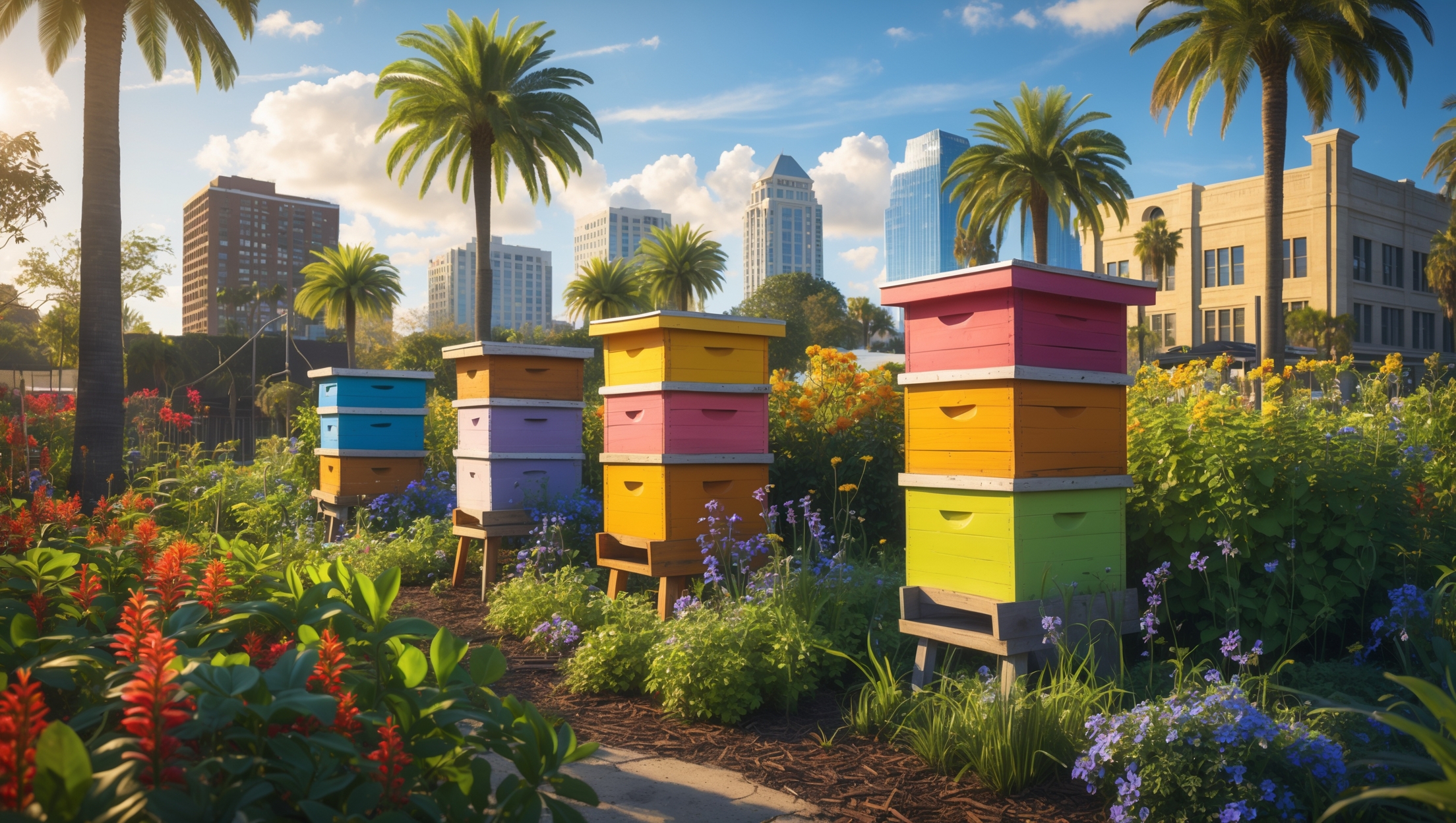
Navigating Compliance and Permits for St. Pete’s Community Beekeeping Projects

Introduction: Why Community Beekeeping Needs a Compliance Roadmap in St. Petersburg, FL
St. Petersburg, Florida, has blossomed as a haven for urban agriculture, with community gardens and innovative food projects bringing neighbors together. Among these, community beekeeping is gaining traction as a way to boost pollination, support local food systems, and offer hands-on education about the vital role bees play in our ecosystem. But for all its rewards, starting a community apiary isn’t as simple as placing a hive in a garden. Success hinges on understanding and navigating a patchwork of local, state, and sometimes federal regulations. From city zoning codes and county permits to state registration and best-practice guidelines, St. Pete’s aspiring community beekeepers face a maze of rules that, if overlooked, can lead to fines, project delays, or even hive removal.
This in-depth guide distills the compliance essentials specific to St. Petersburg, FL, providing a clear, step-by-step roadmap for launching a legally sound and sustainable community beekeeping project. Whether you’re an educator, garden leader, or passionate volunteer, you’ll find actionable insights on zoning, permits, registration, neighbor relations, and ongoing legal obligations. With the right preparation, your project can become a thriving, respected part of St. Pete’s urban ecosystem—avoiding costly mistakes and earning the trust of the community you serve.
Understanding Local, State, and Federal Regulations: An Overview
City of St. Petersburg Ordinances
Before introducing honeybees to communal land, you must first confirm that your proposed site is compliant with St. Petersburg’s municipal code. As of June 2024, beekeeping is allowed in certain residential and community settings, but strict rules apply regarding hive placement, number, and maintenance.
- Zoning Restrictions: Check if your site is zoned for agricultural or residential use. Some city parcels—especially those near schools, playgrounds, or high-density housing—may prohibit or restrict apiaries.
- Setback Requirements: Hives must be placed a minimum distance from property lines, sidewalks, and occupied structures. Typical setbacks in St. Pete range from 10 to 25 feet, but always verify with the city’s Planning & Development Services.
- Hive Limits: Most urban lots are limited to 2-4 hives. Community gardens may be able to apply for exceptions with additional review.
- Water Source: A permanent water source must be provided within the apiary to prevent bees from seeking water at neighboring properties.
Pinellas County Requirements
While the City of St. Petersburg governs much of the permitting, Pinellas County also enforces health and nuisance regulations. The county health department may inspect your site to ensure compliance with vector control and environmental health standards.
- Vector Control: Hives must not contribute to pest problems. Maintain clean grounds and proper waste disposal.
- Noise and Disturbance: While bees are generally quiet, frequent public events or hive inspections may require consideration of noise ordinances, especially in residential neighborhoods.
Florida State Laws
The Florida Department of Agriculture and Consumer Services (FDACS) oversees apiary registration and disease management statewide. All beekeepers, including community projects, must register their hives annually and adhere to state best-management practices.
- Registration: Every hive must be registered with FDACS. Failure to register can result in fines and mandatory hive removal.
- Best Management Practices (BMPs): FDACS publishes BMPs for responsible beekeeping, covering everything from hive health to neighbor relations. Adherence is required for registration renewal.
- Transport Restrictions: Moving hives into or out of Pinellas County may require inspection for diseases and invasive pests (such as small hive beetle or Africanized bees).
Federal Guidelines
While most regulations are local or state-level, federal guidelines may apply if your project participates in USDA grants, educational programming, or honey sales across state lines. Always check grant requirements and food safety laws if your project operates at this scale.
Step-by-Step Compliance Checklist for St. Pete’s Community Apiaries
1. Site Assessment and Stakeholder Engagement
- Confirm land ownership or secure written permission from the property owner or managing entity.
- Identify all property boundaries, neighboring land uses, and potential sensitive areas (schools, playgrounds, medical facilities).
- Engage with stakeholders, including neighbors, garden members, and local officials, early in the planning process to address concerns and build support.
2. Zoning and City Permitting
- Contact St. Petersburg Planning & Development Services to confirm your site’s eligibility for beekeeping.
- Determine if a Special Exception or Conditional Use Permit is required for your location. Some community gardens may need to submit site plans for review.
- Submit all required application forms, including site maps, proposed hive locations, and descriptions of fencing, signage, and water sources.
- Pay applicable fees and attend any required public hearings or neighborhood meetings.
3. County Health and Environmental Review
- Notify the Pinellas County Health Department of your intent to establish an apiary.
- Schedule inspections as needed to ensure compliance with environmental health, waste disposal, and vector control standards.
4. State Registration and Best Practices
- Register all hives with Florida’s FDACS using the online portal or by mail. Renew registration annually or when the number of hives changes.
- Download and review the state’s Best Management Practices for beekeeping. Ensure all volunteers and staff are trained in these standards.
- Keep records of hive inspections, disease treatments, and major interventions as required by law.
5. Ongoing Compliance and Community Relations
- Maintain clear, friendly signage explaining the project’s purpose and providing contact information for questions or concerns.
- Host regular educational events to demystify beekeeping and foster goodwill with neighbors.
- Monitor for changes in local law or neighborhood sentiment, and be ready to adapt practices as needed.
Common Mistakes and How to Avoid Them
Overlooking Zoning Codes
Assuming that all community gardens can host hives is a recipe for trouble. Always verify current zoning and don’t rely on anecdotal evidence. Zoning maps and codes are available online or through the city clerk’s office. Even if beekeeping was previously allowed, code changes or nearby development can alter eligibility.
Insufficient Hive Placement Planning
Improper hive placement—too close to property lines, busy sidewalks, or playgrounds—can trigger complaints or code violations. Use Google Maps, on-site measurements, and city guidelines to ensure all setbacks are met. Consider flight patterns and sun exposure when placing hives to minimize bee traffic over common areas.
Skipping State Registration
Registration with FDACS is not optional. Unregistered hives can be removed by state inspectors, jeopardizing your entire project. Registration is inexpensive and supports statewide disease management efforts.
Poor Neighbor Communication
Even if you’re compliant on paper, failing to inform and educate neighbors can lead to complaints, negative press, or forced removal. Proactive outreach—including flyers, open houses, and clear signage—helps prevent misunderstandings and builds community support.
Neglecting Ongoing Maintenance and Record-Keeping
Regulations don’t end after setup. You must keep up with hive health, waste management, and annual reporting. Assign clear roles for inspections and record-keeping, and conduct periodic reviews to ensure continued compliance.
Budgeting for Permits and Compliance: What to Expect
City and County Fees
- Special Exception/Conditional Use Permit: $250–$600 (varies by site complexity)
- Site Plan Review: $100–$300
- Annual City Permit Renewal (if required): $50–$150
State Registration Fees
- FDACS Apiary Registration: $10 (covers up to 5 hives), $5 for each additional hive
Additional Compliance Costs
- Signage and Fencing: $100–$500 (for safety and code compliance)
- Insurance (if required by landowner): $150–$400 annually
- Legal or consulting fees for complex sites: $200–$500 (one-time)
Budget for a minimum of $400–$1,500 in initial compliance-related costs, with ongoing annual expenses for registration and possible permit renewals.
Building Positive Community Relations: Beyond Compliance
Transparent Communication
Host informational meetings before hive installation. Provide neighbors with literature on the benefits of pollinators, safety protocols, and your contact details. Address fears about allergies or stings by sharing data and inviting questions.
Ongoing Education
- Offer regular beekeeping workshops for neighbors, schools, and local organizations.
- Maintain an up-to-date website or bulletin board with project updates, inspection reports, and educational resources.
Responsive Management
Encourage neighbors to report concerns promptly. Have a clear, documented process for responding to complaints, including inspection, mitigation, and follow-up. Proactive responsiveness can resolve small issues before they escalate.
Case Study: The Grand Central Community Apiary
In 2022, the Grand Central Community Garden launched St. Pete’s first city-approved community apiary. The project team began by consulting with the city planning office, confirming their lot’s eligibility, and talking with neighbors. After submitting a detailed site plan—including setback diagrams and proposed signage—they navigated a public hearing and secured a conditional use permit. The team registered their hives with FDACS, installed a solar-powered water fountain, and hosted monthly open houses to educate the neighborhood. Two years later, the apiary is thriving, pollinator gardens have flourished, and neighbor complaints have been virtually nonexistent—thanks to a strong foundation of compliance and community engagement.
Resources for St. Petersburg Beekeepers
- St. Petersburg Planning & Development Services
- Florida Department of Agriculture – Apiary Registration
- Pinellas County Health Department
- Tampa Bay Beekeepers Association
- UF/IFAS: Beekeeping in Florida
Conclusion: Setting Your Project Up for Sustainable Success
Community beekeeping is one of the most rewarding—and visible—urban agriculture projects you can launch in St. Petersburg. By supporting local pollinators, you’re investing in the city’s gardens, food systems, and environmental resilience. But with high visibility comes heightened responsibility. Skipping over compliance or treating permits as an afterthought can quickly unravel months of hard work and put neighbors and bees alike at risk.
By thoroughly researching local zoning, securing all required permits, registering with the state, and building trust with your neighbors, your community apiary will be legally sound and widely supported. Remember that regulations can change, and ongoing communication with city officials, county health inspectors, and community members is essential for long-term success. Treat compliance as an opportunity—not a hurdle—to demonstrate professionalism and earn goodwill. With diligent preparation and proactive outreach, your St. Pete beekeeping project can serve as a model of responsible urban agriculture, creating buzz for all the right reasons.
I’m curious about the process for getting the necessary permits—how long does it usually take from the time you apply until you’re fully approved to start a community apiary in St. Pete? Are there common delays we should watch out for?
The permit process for starting a community apiary in St. Pete typically takes about 4 to 8 weeks from the time you submit your application, assuming all documentation is in order. Common delays can occur if there are missing details in your application, incomplete site plans, or if inspections need to be rescheduled. To avoid setbacks, double-check your paperwork and be responsive to any requests from the local permitting office.
Does the guide mention any strategies for handling neighbor concerns or complaints once a community apiary is set up? Our neighborhood is pretty close-knit, and I want to be proactive in maintaining good relationships while following the local ordinances.
The guide does address ways to handle neighbor concerns. It suggests holding informational sessions before setting up the apiary and encourages ongoing communication with neighbors. The article also recommends sharing details about safety measures and inviting neighbors to visit the apiary, which can help ease any worries and foster positive relationships while you stay compliant with local laws.
For community gardens in St. Pete looking to add beehives, does the city require a minimum distance from schools or playgrounds, or is it more about overall zoning? If so, how do organizers verify these specifics before applying?
The main focus in St. Pete is on zoning when it comes to beehives, but there may also be specific distance requirements from sensitive areas like schools or playgrounds. Organizers should consult the city’s land use or zoning maps, and reach out to the Zoning and Permitting office directly to confirm any required setbacks before applying. This ensures your project meets all local regulations before you proceed.
Once we get the correct permits and meet the city zoning rules, how often do we need to re-register our community bee project with the state, and are there any ongoing inspections we should be prepared for?
Once your community beekeeping project is registered with the state, you’ll typically need to renew your registration annually. The Florida Department of Agriculture may also schedule periodic inspections to ensure compliance with health and safety standards. Keeping your records up to date and your apiary in good condition will help you be prepared for these inspections.
If our community group gets through all the city and state paperwork for our first hive, are there ongoing inspections or yearly renewals we should budget time and money for in St. Petersburg?
Yes, once your community hive is established in St. Petersburg, you should expect some ongoing requirements. The Florida Department of Agriculture and Consumer Services (FDACS) requires annual renewal of your apiary registration, which comes with a small fee. Additionally, there may be periodic inspections by state apiary inspectors to ensure compliance with regulations. It’s smart to budget both time and funds for these renewals and occasional inspections each year.
If we want to add hives near a school’s garden, would that be a problem under St. Petersburg’s current zoning codes or are there special exceptions? The article mentioned stricter rules around schools but didn’t go into much detail.
Under St. Petersburg’s current zoning codes, placing beehives near schools is subject to additional restrictions for safety reasons. Typically, beehives must be set back a certain distance from school property, and special permits or exceptions may be required. It’s best to contact the city’s zoning office directly for specifics and to see if your site can qualify for an exception with a detailed management plan.
Are there any additional permit fees or legal costs that should be budgeted for beyond the initial application and registration, or do unexpected expenses typically come up when launching a community beekeeping project here?
Beyond the initial application and registration fees, you may encounter additional costs such as local zoning or land use permits, liability insurance, or inspection fees depending on the specific location of your project. Sometimes, unexpected expenses can arise if site requirements change or if extra compliance paperwork is needed. It’s wise to budget a bit extra to cover these possibilities.
For someone just starting out with community beekeeping in St. Petersburg, what are the most common zoning issues people run into? Is there a main city department or official we should contact first to avoid early mistakes?
When starting community beekeeping in St. Petersburg, the main zoning issues often relate to setbacks from property lines, limits on the number of hives, and ensuring you’re in an area where beekeeping is permitted. The best place to start is the City of St. Petersburg’s Zoning Division, as they can clarify requirements and direct you to any necessary permits. Reaching out early helps prevent costly mistakes.
Could you clarify what happens if our community garden is located near a school or playground? Are there special zoning or permit steps we need to follow in St. Pete before starting a beekeeping project in these areas?
If your community garden is close to a school or playground in St. Pete, you’ll need to pay special attention to zoning regulations. The city typically requires a greater setback distance between beehives and sensitive sites like schools or playgrounds. You may also need additional permits or neighborhood notification. It’s a good idea to consult the city’s zoning department directly to confirm specific requirements and ensure you stay compliant before moving forward.
Since the article points out the importance of maintaining good neighbor relations, are there any recommended strategies or city resources for addressing concerns from nearby residents who may be uncomfortable with bees being introduced to a community garden?
To help address neighbors’ concerns about bees, consider hosting informational sessions or open houses where residents can learn about the bees and safety measures. The city’s Urban Agriculture Office sometimes offers educational materials or may connect you with local beekeeping groups willing to assist in outreach. Clear signage around the garden and regular communication are also effective for easing worries and building trust.
I’m wondering about the process for registering a community apiary at the state level in Florida. Are there extra requirements or forms compared to registering a backyard apiary, and does the state provide any guidance on best practices specifically for communal beekeeping projects?
Registering a community apiary in Florida involves similar steps as registering a backyard apiary: you need to submit the Apiary Registration form to the Florida Department of Agriculture and Consumer Services (FDACS) and pay a fee. However, communal apiaries may face extra considerations, such as documenting collective management responsibilities or site maps showing multiple beekeepers. The state does offer guidance tailored to communal projects, focusing on shared responsibilities, hive spacing, and disease management. It’s a good idea to contact your local FDACS apiary inspector for specific recommendations and support.
Are there ongoing legal obligations for maintaining a community apiary in St. Petersburg after the initial permits and registration are secured? For example, are periodic inspections or renewals required, and what kind of record-keeping do groups need to prepare for?
Yes, after securing initial permits and registration for a community apiary in St. Petersburg, ongoing obligations remain. The city may require periodic inspections to ensure compliance with safety and zoning rules. Annual permit renewals are typically required, and groups should keep detailed records on hive locations, colony health, and honey harvests. Accurate records help demonstrate compliance if requested by local authorities.
Could you explain more about what happens if a community beekeeping project accidentally violates one of St. Pete’s zoning restrictions? Are there opportunities to fix issues before getting fined or having hives removed?
If a community beekeeping project in St. Pete accidentally violates a zoning restriction, the city usually issues a warning or notice first instead of immediately imposing fines or requiring hive removal. This gives you a chance to address the problem—such as moving hives or updating permits—within a set timeframe. Communication with city officials and prompt corrective action can often resolve issues before penalties are enforced.
I’m curious, does the article go into detail about how neighbor relations are usually handled for community apiaries, especially in residential areas? Have you found any strategies that work well for easing concerns or getting buy-in from people living nearby?
The article does touch on the importance of neighbor relations in community apiaries, especially in residential settings. It recommends proactive communication, such as notifying neighbors before starting a project and addressing common concerns like safety and allergies. Hosting informational sessions or open houses is also suggested as a way to build understanding and trust. These strategies can help ease concerns and foster positive relationships with the community.
Could you elaborate on what the city considers ‘best-practice guidelines’ for hive maintenance in St. Petersburg? We want to make sure our volunteers are following the right procedures to stay compliant beyond just permits and zoning.
St. Petersburg’s best-practice guidelines for hive maintenance include regular hive inspections, maintaining healthy bee populations, and using clean equipment to prevent disease. The city also encourages proper placement of hives away from property lines, ensuring ample water sources nearby, and using gentle management techniques to minimize swarming or aggressive behavior. Training volunteers on identifying pests and diseases, as well as keeping detailed hive records, is also recommended for ongoing compliance and healthy colonies.
Could you clarify how the City of St. Petersburg defines ‘community settings’ versus residential areas when it comes to hive placement and the number of hives allowed? Are there specific thresholds or criteria project leaders should be aware of before applying for permits?
The City of St. Petersburg typically defines ‘community settings’ as locations like schools, community gardens, or public spaces run by organizations, while ‘residential areas’ refer to private home properties. Community settings may allow more hives than residential lots, often based on available space and community impact. It’s important to check city code for specific thresholds, such as minimum lot size or required setbacks, before applying for a permit. Project leaders should consult the city’s urban agriculture or zoning department for detailed criteria.
If a community garden is located near a school or playground, what additional steps should organizers expect to take to comply with local ordinances in St. Petersburg? Are there alternative permit routes or stricter guidelines in these cases?
If your community garden is near a school or playground in St. Petersburg, beekeeping projects will likely face stricter guidelines. You’ll need to ensure hives are set back a greater distance from property lines and public spaces, add barriers like fences or hedges, and sometimes get written permission from the neighboring institution. There are no alternative permits, but the city may require more frequent inspections and documentation in these sensitive areas.
If a group wanted to start a community apiary in a residential neighborhood, what’s the rough timeline from the first permit application to actually installing hives, assuming all paperwork is in order? Are there common delays to anticipate in St. Pete specifically?
For a community apiary in a St. Pete residential neighborhood, the process from submitting your first permit application to hive installation usually takes about 2 to 3 months, if all paperwork is accurate and complete. Common delays include zoning clarifications, HOA approvals, and scheduling inspections. Sometimes, neighbor notification requirements can add extra time. Staying in close contact with city officials and preparing thorough documentation can help minimize setbacks.
If our community garden already has a few hives, does the city limit the number we’re allowed to keep, or is it based on the lot size? We’d like to make sure we’re not exceeding any local rules before expanding.
The number of hives you can keep in St. Pete usually depends on your lot size and proximity to neighboring properties. The city has guidelines that specify minimum lot sizes and required setbacks for each additional hive. Before expanding, I recommend reviewing the city’s beekeeping ordinance or contacting the local zoning office to confirm the exact limits for your garden’s location.
With so many different rules—city, county, and state—what would you say is the very first step someone should take if they’re unsure their chosen community garden site is zoned correctly for a beehive in St. Pete?
The very first step is to check the zoning designation for your community garden site by contacting the City of St. Petersburg’s zoning or planning department. They can confirm whether beekeeping is allowed in your specific area and let you know about any local restrictions or next steps needed before moving forward.
Are there particular challenges or extra permit requirements if the community beekeeping project is located near a school or playground in St. Pete? The article mentioned stricter rules in these cases, and I want to be sure we plan appropriately.
Yes, if your community beekeeping project is near a school or playground in St. Pete, you’ll face stricter regulations. These may include increased setback distances from property lines, mandatory physical barriers, and possibly additional notification or approval from local authorities. It’s important to contact both city officials and the Florida Department of Agriculture to confirm all requirements before moving forward.
Once a community apiary in St. Petersburg is set up following these steps, what are the main ongoing compliance tasks or inspections to be prepared for each year, and is there an estimated annual budget for registration or permits we should plan for?
After setting up your community apiary in St. Petersburg, you’ll need to renew your apiary registration annually with the Florida Department of Agriculture and Consumer Services. Beekeepers should be ready for periodic state inspections to check for compliance with hive health and placement standards. You should also maintain records of hive health and pest management. For budgeting, expect to pay about $10 to $20 per year for apiary registration, though fees can vary, so it’s wise to confirm the latest amount each year.
If a community garden accidentally misses a step in the permitting process and faces hive removal or fines, is there any kind of appeal process or opportunity to fix the issue before having to remove the bees? I’m curious how strict enforcement tends to be in practice.
In St. Pete, the city generally prefers working with community groups to resolve compliance issues before resorting to hive removal or fines. If a permit step is missed, it’s usually possible to correct the mistake or file an appeal, especially if you respond quickly and show good faith in meeting the requirements. Enforcement is focused more on safety and cooperation rather than immediately penalizing honest errors.
Can you clarify what the ongoing legal obligations are once the hives are active? Are there routine inspections or paperwork that need to be kept up with annually in St. Petersburg, or is it mostly a one-time registration and permit process?
Once your beehives are active in St. Petersburg, you’ll need to maintain your registration with the Florida Department of Agriculture and Consumer Services, which requires annual renewal. Regular inspections by state apiary inspectors may also occur to ensure compliance with health and safety standards. Keep accurate records of your hive management and be prepared for periodic paperwork updates or inspections as part of ongoing compliance.
I see that strict guidelines exist around hive placement and zoning in St. Pete. Are there certain neighborhoods or types of properties where it’s generally easier or harder to get approval for a community beekeeping project?
Yes, getting approval for community beekeeping projects in St. Pete can depend on the neighborhood and property type. Residential areas with smaller lot sizes or proximity to schools and playgrounds often have stricter rules, while properties in agricultural or less densely populated zones usually face fewer challenges. Always check with the local zoning office to confirm specific requirements for your intended location.
The article mentions city zoning codes and restrictions, especially for areas near schools or playgrounds. How do organizers typically find out if specific garden plots are considered compliant, and is there a central office or database for this in St. Pete?
Organizers usually start by contacting the St. Petersburg Zoning Division to confirm if a garden plot complies with city regulations, especially near sensitive areas like schools or playgrounds. There’s not a single public database, but zoning maps and property records can be requested from the city offices. Reaching out directly to the city’s zoning or planning department is the most reliable way to get current, location-specific information.
Can you explain more about the step-by-step process for actually registering a community beehive with the state of Florida? I’m worried about missing something important and getting fined.
Absolutely! To register a community beehive in Florida, first, fill out the Application for Apiary Registration from the Florida Department of Agriculture. Include details about the hive’s location and ownership. Next, pay the registration fee. Once submitted, an inspector will visit your site to ensure compliance with state guidelines. Make sure to renew your registration annually and keep accurate records. This step-by-step process helps you avoid fines and ensures your hive meets all legal requirements.
Can you give an estimate of how long the full permitting and compliance process typically takes from start to finish in St. Petersburg? We’re hoping to get the project up and running by spring, but I’m not sure if that’s realistic given all the steps mentioned.
The permitting and compliance process in St. Petersburg for community beekeeping projects usually takes about 2 to 3 months if all documents are in order and there are no unexpected delays. This includes city applications, site inspections, and state registration. Starting now could make a spring launch possible, but it’s best to apply as soon as you can to allow some buffer time.
You talk about needing both city permits and state registration for community beekeeping projects in St. Petersburg. Can you clarify which step should come first, and if there’s ever a situation where a state registration is denied because of a city zoning issue?
You should start with city permits, since St. Petersburg’s zoning and municipal codes determine if beekeeping is allowed at your chosen location. Once city approval is secured, you can then apply for state registration. If the site isn’t zoned for beekeeping or doesn’t meet city requirements, the state can deny your registration based on that local issue. Always confirm local compliance before moving to the state level.
If my kids’ school wants to add a couple of hives to support our science program, are there specific city zoning restrictions when placing hives near school property in St. Pete? I want to make sure we don’t run into problems with the city or neighbors.
In St. Pete, placing beehives near schools does require attention to zoning rules and city ordinances. Hives must be set back a certain distance from property lines and public spaces, and proper barriers may be needed. It’s a good idea to contact the city’s zoning department directly to confirm allowed locations and discuss required permits, since schools can have additional considerations. Notifying neighbors and the school community in advance also helps build support and avoid misunderstandings.
If our community garden is close to a school, does that automatically make us ineligible for a beekeeping permit under St. Petersburg’s zoning rules, or are there special circumstances where it might still be allowed?
Being close to a school does not automatically make your community garden ineligible for a beekeeping permit in St. Petersburg. However, the city’s zoning regulations do place restrictions on proximity to schools. Special circumstances or variances may sometimes be granted, so it’s a good idea to consult directly with the city’s zoning office. They can review your specific location and let you know if any exceptions or additional steps are possible.
If a group fails to register their hives with the state but meets city zoning rules, what kind of fines or legal trouble could they actually face in St. Pete?
If a group doesn’t register their hives with the state, they’re violating Florida law, even if they’ve met city zoning requirements. The Florida Department of Agriculture can issue fines, require removal of unregistered hives, or impose other penalties. The state takes registration seriously to help track and manage bee health, so it’s important to comply with both city and state regulations.
If a community garden in St. Pete is within a residential area, how can organizers check whether their specific parcel is zoned for beekeeping, and are there resources or contacts the article recommends for confirming compliance before starting the project?
To check if your community garden’s parcel is zoned for beekeeping in St. Pete, organizers should contact the City of St. Petersburg’s Zoning Department directly. The article recommends reaching out to city officials or the Planning and Economic Development Services for guidance. They can confirm zoning status, outline any restrictions, and help ensure full compliance before you start your beekeeping project.
Could you explain a bit more about the ongoing legal obligations for keeping a community hive after we’ve set everything up? Are there regular inspections or reports required each year, or is it mostly a one-time process in St. Petersburg?
Once your community hive is set up in St. Petersburg, you’ll need to keep up with a few ongoing legal obligations. Beekeepers must renew their state registration annually and keep records of hive locations. The Florida Department of Agriculture may conduct periodic inspections to ensure compliance with regulations, but these aren’t necessarily on a fixed schedule. It’s not just a one-time process—ongoing attention to rules and paperwork is required.
If our project site is close to a school or playground, what additional considerations or restrictions should we keep in mind when planning our hive locations? I want to make sure we’re compliant with both zoning and safety guidelines before moving forward.
When placing hives near a school or playground, you’ll need to ensure extra safety measures and possibly greater setbacks than usual. St. Pete zoning often requires hives to be set back a minimum distance from property lines, especially if children are nearby. Installing barriers like tall fences or hedges can help direct bee flight paths upward and away from high-traffic areas. Always check with the local zoning office for specific setback distances and any additional requirements related to schools or playgrounds.
After securing all the right permits and making sure our site fits local zoning laws, what are the ongoing legal obligations for maintaining the apiary? For example, do we have to renew our permits annually, or is it a one-time approval?
Once you have your permits and zoning approvals in place, you’ll usually need to renew your apiary registration and any related permits annually in St. Pete. Ongoing obligations also include regular inspections, maintaining updated records of hive locations, and adhering to health and safety standards. Be sure to check with your local agricultural department for specific renewal timelines and any updates to regulations.
You talked about needing to follow both city ordinances and state registration for starting a community apiary in St. Petersburg. Is it usually more complicated to get city approval or state registration, and what steps usually take the longest?
For most community beekeeping projects in St. Petersburg, city approval tends to be more involved than state registration. The city process may include site inspections, neighbor notifications, and zoning checks, which can take several weeks. State registration is usually straightforward: you fill out an application and pay a fee. The city’s review and permit process is often the longest step due to the additional local requirements.
You mentioned possible fines or even hive removal if rules aren’t followed. Could you give some examples of the most common mistakes beginners make with compliance in community beekeeping, and how to avoid them?
Common mistakes beginners make include failing to register their hives with local authorities, placing hives too close to property lines or public spaces, and neglecting required inspections. Others may forget to maintain proper barriers or water sources for bees. To avoid issues, thoroughly review local beekeeping ordinances, register your hive, keep good records, set up hives as specified, and maintain regular communication with neighbors and officials.
I’m interested in starting a beekeeping project with a few neighbors, but we’re worried about the risk of fines if we miss a rule. What’s the most common compliance issue that new community beekeepers overlook in St. Petersburg?
One of the most common compliance issues for new community beekeepers in St. Petersburg is missing the local registration and notification requirements. Often, people forget they must register their hives with the city and sometimes with the state. Not following setback rules—how far hives must be from property lines or public areas—is another frequent oversight. Double-checking these steps can help you avoid unexpected fines.
Does the number of hives allowed per community site depend on the size of the property or is it a fixed number regardless? I’m worried about setting up too many and getting fined. Any advice on how to plan for this in St. Pete?
In St. Pete, the number of beehives allowed per community site typically depends on the size of the property, not a fixed number. Local zoning regulations and city ordinances often set guidelines based on lot size and distance from property lines or neighboring buildings. It’s best to consult with the city’s permitting office to confirm the specific rules for your location before setting up your hives. Careful planning will help you avoid potential fines.
Our project is still in the planning phase, and I want to avoid costly mistakes. Could you outline the typical timeline and main steps for getting all the necessary city and state permits approved for a new community apiary in St. Pete?
For a new community apiary in St. Pete, start by checking city zoning for allowed locations, which can take 2–4 weeks. Next, prepare your project proposal and site plan for city review, along with any required neighborhood notifications. City permit processing usually takes 1–2 months. State registration with the Florida Department of Agriculture is required and typically takes about 2 weeks. Altogether, expect 2–3 months for all approvals if documents are submitted promptly and requirements are met.
Can you clarify whether there are any specific restrictions or extra steps in the permitting process if the community apiary is located close to schools or playgrounds in St. Petersburg? The article mentions certain parcels may have unique rules, so I want to be sure we cover all the bases.
If your community apiary is near schools or playgrounds in St. Petersburg, you may face additional restrictions. City zoning and permitting often require greater setbacks or buffer zones for hives in these sensitive areas. It’s important to check with both the local zoning office and the permitting authority for any special conditions on those parcels, such as extra fencing, signage, or notification requirements. These steps help ensure safety and compliance with local ordinances.
For those just starting out, what is the typical timeframe between applying for all the necessary permits and actually being able to set up a legal hive in St. Pete? Are there common delays or pitfalls people should watch out for during that process?
In St. Pete, the permitting process for a community beehive usually takes about four to eight weeks from application to approval, assuming all paperwork is in order. Common delays include missing documentation, incorrect site plans, or not meeting zoning requirements. Make sure to double-check your application, follow local guidelines closely, and respond promptly to any city requests to avoid setbacks.
I noticed there’s mention of fines and even hive removal if rules are overlooked. If a community garden accidentally violates a zoning code or misses a permit, is there a warning system in place, or do penalties happen right away?
In most cases, the city issues a warning or notice of violation before any fines or hive removal happen. Generally, this gives the community garden a chance to correct the issue within a set timeframe. Immediate penalties or removal are rare and usually reserved for repeated or serious infractions. It’s always best to address any notices from the city promptly to avoid further action.
If a community garden in St. Pete wants to start with just one or two hives for educational purposes, are the compliance requirements any different than for a larger apiary, especially regarding zoning or permits? I’m wondering if there’s more flexibility for smaller projects.
For St. Pete, the compliance requirements for keeping bees generally apply regardless of the number of hives. Even small community garden projects with one or two hives need to meet state registration, local zoning, and permit rules. However, some zoning codes may offer more flexibility for educational or non-commercial setups, so it’s a good idea to check with the city’s zoning office for any possible exemptions or streamlined processes for smaller, educational projects.
If my neighborhood has a community garden but we’re close to an elementary school, are there extra zoning restrictions or requirements for community beekeeping? I want to make sure we’re not overlooking any rules specific to locations near schools.
Being close to an elementary school can trigger additional restrictions for community beekeeping projects. In St. Pete, local zoning ordinances often require specific distance buffers between beehives and sensitive areas like schools. You should check with the city’s zoning office to confirm setback requirements and any special permit conditions. It’s also a good idea to notify the school administration about your plans and follow state regulations on hive placement and signage.
I’m curious about how ongoing compliance is monitored for community beekeeping projects in St. Pete. Are there regular inspections or renewal processes that organizers should plan for after the initial registration and permitting steps?
Ongoing compliance for community beekeeping projects in St. Pete involves both regular inspections and permit renewals. After initial registration, local authorities may conduct scheduled or occasional inspections to ensure apiaries follow city guidelines. Additionally, permits often require annual renewal, during which organizers might need to update documentation or demonstrate continued compliance. Organizers should stay in touch with the permitting office to keep up with specific deadlines and requirements.
If our community garden wants to add a few hives, how soon should we start the permit and registration process to avoid any project delays? The article mentions possible fines and hive removal, so I’m a bit nervous about the timing.
It’s wise to start the permit and registration process as early as possible, ideally several months before you plan to install the hives. This gives you time to gather any required documents, address zoning or neighbor notifications, and handle any unexpected delays. Starting early helps you avoid fines or forced hive removal and ensures your project runs smoothly.
Our group is worried about accidentally missing a required registration or permit and facing fines. Are there any common pitfalls or steps in the permit process for St. Petersburg community beekeepers that people most often overlook?
One common pitfall is not registering hives annually with the Florida Department of Agriculture and Consumer Services, which is required by state law. Another step people sometimes overlook is getting local zoning approval, especially if the apiary is in a residential area. Double-check property setback requirements and keep detailed records of your compliance. Regularly reviewing both city and state regulations can help your group avoid fines.
Could you clarify what the process looks like if our community garden straddles two different zoning categories in St. Petersburg? Are there extra steps or inspections we should anticipate before installing any hives?
If your community garden falls into two different zoning categories, you’ll need to check the specific requirements for both zones. Each zoning type may have its own rules around beekeeping. The city may require you to get approval from both zoning departments, and there could be extra inspections to ensure compliance in each area. Reaching out to your local planning office before installing hives is a good way to confirm all necessary steps.
If our neighborhood community garden is close to an elementary school, would that zoning automatically disqualify us from setting up a community beehive, or are there specific distance requirements we could work around?
Being near an elementary school doesn’t automatically disqualify your garden from hosting a community beehive, but there are usually specific distance requirements in place. In St. Pete, city ordinances often require beehives to be set back a certain distance from public spaces like schools. It’s important to check the exact zoning rules and possibly consult with the city’s permitting office to see if your location meets those requirements or if exceptions can be requested.
After we’ve confirmed zoning and secured the necessary permits, are there ongoing inspections or annual registration fees required by the city or state that we should budget for as part of maintaining a community apiary?
Yes, ongoing responsibilities do apply. In Florida, beekeepers must register their hives with the Florida Department of Agriculture and Consumer Services annually, and there is a modest registration fee. The city may also require periodic inspections to ensure compliance with local regulations. Budgeting for both the annual state registration fee and potential inspection-related expenses is recommended for maintaining your community apiary.
If a community group wants to start a beekeeping project, how long does it typically take to get through the permitting and registration process in St. Petersburg, from application to approval?
For most community beekeeping projects in St. Petersburg, the permitting and registration process usually takes a few weeks from the time you submit your application. The timeline can depend on how quickly you gather necessary documents, complete any required site inspections, and respond to requests for additional information. To keep things moving smoothly, make sure all forms are filled out accurately and reach out to local officials if you need clarification.
For someone on a tight budget, what are the typical fees involved with permits and state registration for a small community beekeeping project in St. Pete? Are there any financial aid programs or waivers for community gardens just starting out?
For a small community beekeeping project in St. Pete, the main costs are the Florida state apiary registration fee, which is generally around $10 per year, plus any local city permits that may range from $25 to $100. Unfortunately, there aren’t widespread waivers or financial aid programs specifically for beekeeping permits, but you might check with local agricultural extension offices or community gardening organizations—they occasionally offer grants or small funding opportunities for new projects.
You mention that strict rules apply regarding hive placement and maintenance. Could you clarify what counts as an acceptable distance from things like playgrounds or neighboring houses in St. Pete? I’m worried about meeting those requirements.
In St. Pete, hives must be placed at least 15 feet from any property line and at least 25 feet away from public areas like playgrounds, parks, or sidewalks. Additionally, it’s often required to have a barrier, such as a fence or dense vegetation, around the hives to direct bee flight upward and minimize interaction with neighbors. Always check your local ordinance for any updates or stricter requirements.
I’m curious about the city and state registration steps mentioned in the guide. Are these processes typically straightforward, or have St. Pete beekeepers reported any particular bottlenecks or issues when trying to obtain the necessary approvals?
The registration steps for beekeeping in St. Pete are generally clear, but some local beekeepers have mentioned delays, especially with state-level processing times. Common challenges include ensuring all paperwork is complete and understanding zoning requirements. It’s helpful to double-check application details and reach out to the local Extension office if you run into questions or need clarification.
I see you mentioned city zoning restrictions—do you know if there are any recent updates to St. Pete’s codes that affect the minimum distance required between hives and schools or playgrounds? I’m hoping to set up an apiary near a community center.
St. Pete’s current ordinances still require beehives to be set at least 150 feet away from schools and playgrounds. As of the latest updates, there haven’t been any recent changes to this distance requirement. If your proposed apiary is near a community center, be sure to check if the center hosts children’s programs, as this might fall under similar restrictions. It’s always wise to double-check with the city’s zoning office before finalizing your plans.
Could you elaborate on what ongoing legal obligations there are after getting approved? I want to make sure I don’t miss regular inspections or reporting requirements that could risk getting our hive removed down the road.
After your beekeeping project is approved in St. Pete, you’ll need to maintain ongoing compliance. This usually means allowing for regular inspections by local agricultural authorities to ensure hive health and safety standards. You may also have to file periodic reports on hive status and honey production, as well as promptly address any complaints or issues raised by neighbors. Staying organized with dates and paperwork helps prevent accidental lapses.
Does the guide mention anything about costs or budgeting for permits, registrations, or compliance measures in St. Pete? I’d like to get an idea of what kind of expenses to expect before starting a community apiary.
The article does not provide specific figures or a detailed breakdown of costs related to permits, registrations, or compliance for beekeeping in St. Pete. However, it does emphasize that budgeting for these expenses is important and recommends contacting local authorities for up-to-date fee schedules and requirements. This way, you can better plan for the financial aspects of starting your community apiary.
Does the city of St. Petersburg offer any specific resources or contacts for groups trying to interpret their zoning codes, especially for sites close to places like schools or parks? I’m trying to figure out who we’d need approval from before moving forward with a community apiary.
The City of St. Petersburg has a zoning department that can help clarify how their codes apply to beekeeping, especially near sensitive areas like schools or parks. You should contact the city’s Planning and Zoning Division to review your specific site. It’s also a good idea to reach out to the St. Petersburg Department of Codes Compliance and possibly the Parks and Recreation Department if your location is near public parks. They can guide you on necessary approvals and any additional steps.
As a parent who volunteers at our local community garden, I’m curious if the city offers any resources or support for groups who are just starting out with beekeeping and navigating all the required permits and zoning rules in St. Petersburg?
St. Petersburg encourages community beekeeping and offers support through its Environmental Services department. They can guide you on permit applications, zoning rules, and local ordinances. Additionally, the city sometimes hosts workshops or partners with local beekeeping associations to help new groups get started. Reaching out to city staff or local extension offices is a great first step for tailored assistance.
I understand that missing a regulation could result in fines or even hive removal. Are there any city or state resources available to help community groups budget for compliance costs and avoid unexpected expenses during setup?
Yes, both city and state resources are available to help community beekeeping groups plan for compliance costs. The City of St. Petersburg’s Environmental Services Department can provide guidance on permit fees and inspections so you can build these into your budget. Florida’s Department of Agriculture and Consumer Services also offers information on state requirements and can answer questions about expected costs. It’s a good idea to reach out to these offices early during planning to clarify any potential expenses and avoid surprises.
If our community garden is already zoned for residential use in St. Petersburg, are there additional steps we need to take before placing our first hive, or does zoning compliance cover most of the requirements?
Zoning compliance is an important first step, but you’ll still need to meet a few additional requirements before placing your first hive. In St. Petersburg, you must register your apiary with the Florida Department of Agriculture and Consumer Services. Also, make sure your hive placement follows local setback rules and any specific city beekeeping ordinances. Checking with your homeowners association, if applicable, is also wise.
Could you clarify whether St. Pete’s city ordinances require community beekeepers to get neighbor approval before setting up hives, or is adherence to zoning and hive placement rules usually enough?
In St. Pete, community beekeepers generally need to follow zoning and hive placement rules rather than obtain formal neighbor approval. The city ordinances focus on setbacks, hive numbers, and specific locations. However, it’s still a good practice to communicate with neighbors to avoid misunderstandings, even if it’s not a legal requirement.
If I want to start a small beekeeping project at our neighborhood community garden, how do I find out if our land is zoned properly for hives in St. Petersburg? Are there specific offices or websites you recommend reaching out to first?
To check if your community garden is zoned for beekeeping in St. Petersburg, start by contacting the City of St. Petersburg Zoning Office. They can confirm your property’s zoning classification and whether beekeeping is permitted. You can also consult the city’s Planning and Development Services for guidance. It’s helpful to have your property address or parcel number ready when you call or email.
Besides the obvious legal fees and registration, are there hidden costs involved in meeting all the compliance requirements for a community apiary in St. Pete, like special insurance or property modifications, that beginners might overlook?
Yes, beyond legal fees and registration, there are a few costs that beginners sometimes miss. You may need liability insurance to protect against bee stings or accidents. Property modifications can include fencing, signage, or water sources to comply with city or state rules. Also, some neighborhoods may require screening or setback features. These expenses can add up, so it’s wise to budget for them early on.
Does St. Petersburg require ongoing inspections or annual renewals for community beekeeping permits, or is it more of a set-it-and-forget-it process once you’re registered? I want to avoid any surprises down the line that might risk our project’s compliance.
St. Petersburg does not operate on a set-it-and-forget-it basis for community beekeeping permits. The city requires annual renewals to keep your permit valid, and there may be periodic inspections to ensure ongoing compliance with local regulations. Staying up to date with renewals and maintaining good records will help you avoid any unexpected issues with your project.
If our community garden wants to add beehives, at what point in planning should we start contacting city officials or applying for permits? Is there a typical timeline from application to approval that we should be prepared for?
You should reach out to city officials early in your planning process—ideally once you’ve decided on adding beehives but before you finalize your site layout. This will help you understand local zoning, permit requirements, and any restrictions that could affect your setup. Approval timelines can vary, but in St. Pete, it usually takes from a few weeks to a couple of months. Factoring in some extra time for unexpected questions or paperwork is a good idea.
We’re budgeting for our first beekeeping project in a neighborhood garden. Besides registration and permits, are there any recurring legal or compliance fees in St. Petersburg that we should be aware of before launching, such as inspections or renewals?
In St. Petersburg, beyond the initial registration and permit fees, you should plan for annual permit renewals, which often come with their own costs. Periodic inspections may also occur, but in most cases, there are no separate inspection fees unless violations are found. It’s a good idea to confirm with local authorities, as local ordinances or state requirements can sometimes introduce additional charges or changes to compliance rules.
Our neighborhood garden is near a school, so I’m concerned about the zoning restrictions mentioned. Are there any extra hurdles or specific permit considerations for beekeeping projects located close to schools or public spaces in St. Petersburg?
Yes, beekeeping projects near schools or public spaces in St. Petersburg often face stricter zoning and permitting requirements. Typically, you’ll need to ensure your hives are set back a certain distance from property lines and public areas, and additional safety measures may be required. It’s a good idea to check with the city’s zoning department for exact rules and to confirm if you need extra permits or neighbor notifications due to your proximity to the school.
If a community group doesn’t realize they’re out of compliance and gets fined or told to remove hives, is there an appeals process or steps they can take to come back into compliance without having to shut down the project completely?
If a group is found out of compliance, there are usually steps they can take before shutting down completely. Typically, the city will provide notice and outline what needs to be fixed. Groups can often address the violations—such as updating permits or improving safety measures—to regain compliance. If fined or asked to remove hives, they may also be able to appeal the decision by contacting the city department responsible for urban agriculture or code enforcement. It’s important to communicate promptly with officials and show willingness to correct any issues.
If our community garden is close to a school, are there additional restrictions or extra steps we need to consider for hive placement beyond the standard zoning laws mentioned? I’m especially concerned about compliance with both education and city ordinances.
If your garden is near a school, you’ll likely need to pay special attention to both local zoning laws and any school district or city ordinances that address hive placement in proximity to educational facilities. Some areas require increased setbacks from property lines, fencing, or additional barriers to minimize bee traffic toward the school. It’s a good idea to consult both city planning and the local school board to ensure full compliance.
For a small nonprofit with limited funds, what are the typical costs involved with permits, site preparations, and maintaining compliance for a community apiary in St. Petersburg? Any tips for budgeting would be appreciated.
For a small nonprofit in St. Petersburg, permit fees for a community apiary can range from $10 to $50 per year, depending on local regulations. Site preparation costs vary but basic fencing, signage, and bee-friendly landscaping could run $300–$1,000. Ongoing compliance might involve annual inspections or renewals, typically under $100. To budget wisely, seek in-kind donations, use volunteers for setup, and connect with local beekeeping groups for shared resources or discounted equipment.
Are there any specific setbacks or distance requirements for placing hives near property lines or public areas in St. Petersburg? I want to make sure our community garden setup will comply with both city and county guidelines before we move forward.
In St. Petersburg, hives must generally be placed at least 15 feet from property lines and 25 feet from public walkways or roads, according to city ordinances. Pinellas County may have similar or slightly stricter rules, so it’s important to check both city and county codes. Also, consider installing barriers or fences if your space is tight, as these can help meet compliance and minimize bee flight paths into neighboring areas.
I’m curious about the specific process for registering a community apiary at the state level in Florida. Does the group managing the hives need to apply as an organization, or can an individual be listed for multiple gardens in St. Pete? Any tips on paperwork or common hurdles?
In Florida, community apiaries must be registered with the Department of Agriculture. Either an organization or an individual can register, but the responsible party listed must oversee compliance and inspections. One person can be listed for multiple gardens, as long as they maintain accurate records for each site. Common hurdles include missing site maps or incomplete contact info, so double-check all paperwork before submitting. Annual renewal is also required.
If we’re starting a new community garden project near a school in St. Petersburg, are there extra restrictions or permits required for keeping bees compared to a garden in a standard residential area?
When setting up beehives near a school in St. Petersburg, there may be extra considerations compared to residential areas. While city and state permits are always required, proximity to schools could mean additional zoning rules or setback requirements for hives to ensure safety. It’s best to check with the city’s zoning department and the Florida Department of Agriculture for any special rules about hive placement near schools.
If I want to start a beekeeping project at my child’s school in St. Pete, are there additional requirements or restrictions compared to gardens in residential areas? I’m worried about the mention of parcels near schools potentially having different rules.
Yes, starting a beekeeping project at a school does come with extra considerations. In St. Pete, parcels near schools can face stricter zoning and safety requirements compared to residential gardens. You’ll likely need to get special approval from both the school administration and local authorities. It’s important to check with the city’s zoning office and the Florida Department of Agriculture to ensure your project complies with all relevant policies for educational sites.
If our group wants to start a community beekeeping project but we’ve never managed hives before, are there recommended training programs or city guidelines in St. Petersburg that we need to follow before applying for permits?
Yes, St. Petersburg encourages new community beekeepers to complete basic training before managing hives. The city recommends participating in introductory courses offered by local organizations, such as the Pinellas Beekeepers Association or UF/IFAS Extension. Completing a training program can also strengthen your permit application. Be sure to review the city’s beekeeping guidelines, which outline requirements for hive placement, colony numbers, and neighborhood safety.
If our community garden already has city approval for general agriculture, would we still need a separate beekeeping permit under St. Pete’s current ordinances, or does the existing garden permit cover apiaries as well?
Under St. Pete’s current ordinances, having city approval for general agriculture in your community garden doesn’t automatically include beekeeping. Apiaries are typically considered a specific agricultural use and usually require a separate beekeeping permit. To ensure compliance, you should contact the city’s permitting office to confirm the exact requirements for adding beehives to your garden.
We’re organizing a new community apiary and trying to budget for every step. Are there standard permit fees or registration costs specific to St. Pete, and does the city require any special insurance for group beekeeping projects?
In St. Pete, beekeeping operations typically register with the Florida Department of Agriculture, and as of now, the state charges a modest annual registration fee per apiary location. The city itself doesn’t have additional permit fees specifically for beekeeping, but local zoning requirements may apply. Special insurance isn’t mandated by the city, though liability coverage is strongly recommended for group projects. Always double-check with city officials for the latest regulations.
I’m looking into starting a few hives at our local community garden in St. Pete. How do I actually find out which zoning codes apply to our address? Is there a city office or website where you can check if a particular lot is eligible for beekeeping?
To check if your community garden lot in St. Pete is eligible for beekeeping, you can contact the City of St. Petersburg’s zoning department directly. They can confirm which zoning codes apply to your specific address and whether beekeeping is allowed. You can also explore the city’s official website, where zoning maps and permitted use lists are often available. Providing your address when you call or search will help you get the most accurate information.
I see you mention that beekeeping is permitted in certain residential and community settings in St. Pete, but there are strict rules. Could you clarify how close to schools or parks hives are allowed to be placed under the latest city ordinances?
Under the current St. Pete ordinances, beehives must be set back at least 150 feet from schools, playgrounds, and public parks. This setback helps protect public spaces while allowing for responsible urban beekeeping. Always double-check with the city’s zoning office in case regulations have been recently updated or if your location has additional requirements.
You mention zoning restrictions near schools and playgrounds—are there specific minimum distance requirements for placing hives in community gardens, and how often do these rules change?
Yes, St. Pete does have specific minimum distance requirements for placing beehives near sensitive areas like schools and playgrounds. Typically, hives must be at least 150 feet away from these locations, but you should always check the current city ordinances as requirements can change. These rules are reviewed periodically, so it’s wise to confirm with local code enforcement before installing new hives.
We’re planning to set up a few hives in our neighborhood garden, but I’m a bit confused about the zoning rules mentioned. How can we quickly determine if our location is zoned appropriately for community beekeeping in St. Petersburg?
To determine if your garden is zoned for community beekeeping in St. Petersburg, check your property’s zoning designation by visiting the city’s online zoning map or contacting the city’s zoning department directly. Once you know your zoning type, compare it to the list of permitted zones for beekeeping in the city code. If you’re unsure, city staff can clarify the specifics for your address.
If our community beekeeping project gets all the right city and state permits, are there still federal regulations we need to watch out for, or is compliance mostly handled locally in St. Petersburg?
Even with the correct city and state permits for your St. Petersburg beekeeping project, you should still be aware of some federal regulations. For example, the USDA oversees bee health and interstate movement of colonies, especially if you plan to transport bees across state lines. However, most day-to-day compliance for local beekeeping is managed at the city and state levels.
Could you clarify what the typical permit process looks like from start to finish? How much time should we budget for getting city and county approvals before we can actually set up any hives with our garden group?
The typical permit process starts by submitting your application with details like hive locations and safety measures. The city and county will each review your plans, sometimes requesting site visits or additional information. In most cases, expect one to two months for full approval, though this can vary. It’s wise to allow at least 60 days to handle any questions or paperwork before setting up your hives.
Once we secure permits and registration for a community apiary, are there ongoing inspections or renewals required in St. Pete? Just wondering what kind of long-term legal obligations we’d be signing up for as volunteers.
After your community apiary is permitted and registered in St. Pete, you should expect some ongoing legal responsibilities. These typically include periodic renewals of your registration, which may be annual, as well as possible inspections to ensure compliance with local regulations. Volunteers should be prepared to maintain records, follow best practices, and respond to any city or state updates regarding beekeeping laws.
If our community garden in St. Pete is near both a school and residential homes, how strict are the zoning restrictions for placing a hive? Are there specific setback distances or other requirements we should plan for before applying for permits?
In St. Pete, zoning rules for beehives are quite specific, especially near schools and residential areas. Generally, hives need to be placed a minimum distance—often 15 to 25 feet—from property lines, and sometimes further from schools. Barriers like fences or dense shrubs may also be required to encourage bees to fly upwards. It’s important to check with the city’s zoning department before applying for permits to ensure full compliance with any local setback or buffer rules.
I’m curious how state registration interacts with city permits in St. Petersburg. Are there situations where you might be fully approved at the state level but still have to halt a project because of a local zoning rule?
Yes, that situation can happen. In St. Petersburg, you must comply with both state requirements and city regulations. You might be fully registered and approved as a beekeeper with the state, but if your project doesn’t meet city zoning or local permit rules—for example, location restrictions or neighborhood guidelines—you could be required to stop or modify your project. Always check with both state and city authorities before starting.
You mention fines and the possibility of hive removal if regulations are missed—do you have any examples of common mistakes groups make with permits or registration that we should be aware of before starting?
Some common mistakes include failing to renew permits annually, not updating the city about changes in hive locations, or not displaying required signage at apiary sites. Groups also sometimes overlook neighborhood notification requirements or forget to register new hives with state authorities. Being thorough with documentation and staying on top of deadlines can help you avoid these issues.
Could you clarify whether individual v. group-led community beekeeping projects face different permit or neighbor notification requirements in St. Petersburg? I’m trying to figure out what steps a small business owner like me should expect if collaborating with local garden leaders.
In St. Petersburg, the core permitting process is similar for both individual and group-led community beekeeping projects, but group projects sometimes have added layers. If you’re a small business owner collaborating with garden leaders, you’ll typically need to secure city permits and notify adjacent property owners. Group projects may also require a formal partnership agreement and possibly extra documentation to clarify responsibilities. Always double-check with city officials, as requirements can adjust based on project scale and location.
For someone organizing a new community beekeeping project, how long does the whole process of getting through zoning checks, permits, and state registration typically take in St. Pete? I’m trying to figure out how far in advance we need to start planning.
In St. Pete, you can expect the entire process—from zoning checks to city permits and state registration—to take about 2 to 3 months. Zoning reviews and city permits often require several weeks, while state apiary registration can take a few more weeks after that. Starting at least 3 months in advance is a safe timeline to account for any delays.
As a parent helping organize our neighborhood garden, I’m wondering if there are any special permitting considerations for community beekeeping projects that are close to elementary schools or playgrounds in St. Pete? Are there extra steps or restrictions we should be aware of for those locations?
When planning beekeeping projects near schools or playgrounds in St. Pete, you should pay close attention to local setback requirements, which may require hives to be a certain distance from property lines, public spaces, or gathering areas like playgrounds. You may also need to notify nearby institutions and comply with fencing or barrier rules to keep children safe. It’s a good idea to check with city officials or the zoning department for any additional restrictions specific to locations near schools.
If our group is just starting to explore a community apiary, which permits or registrations should we prioritize first to avoid delays, and is there a typical timeline for getting all the necessary approvals in St. Petersburg?
To begin your community apiary project in St. Petersburg, you should first prioritize registering as a beekeeper with the Florida Department of Agriculture and Consumer Services (FDACS). This registration is essential and often required before you can apply for local permits. After that, check with the city for any zoning or land-use permits. The full approval process can take anywhere from a few weeks to a couple of months, depending on response times from each agency.
If our community garden is close to a school zone, how strict are the zoning restrictions for setting up hives nearby? Are there specific distances or requirements we’d need to follow in St. Pete before getting permits?
In St. Pete, zoning restrictions for hives near school zones are quite strict. Typically, there are minimum distance requirements—often at least 300 feet from schools, playgrounds, and similar areas. Before setting up hives, you’ll need to check the city’s zoning map and submit a permit application. The city may also require you to notify neighboring institutions and meet specific safety guidelines. It’s best to consult with the local zoning office for up-to-date, site-specific requirements.
I noticed the mention of ongoing legal obligations after getting a hive started. Are there recurring fees or inspections we need to budget for each year to keep our community beekeeping project compliant?
Yes, ongoing legal obligations may include annual permit renewal fees and scheduled inspections. In St. Pete, community beekeeping projects typically need to renew their permits each year, and there may be a yearly fee associated with this process. Regular inspections by local authorities are also possible to ensure compliance with zoning and safety regulations. It’s a good idea to include these costs and requirements in your annual budget and planning.
If our garden group gets state registration for beekeeping, do we still need a separate permit from the city, or does the state registration cover everything? I’m trying to understand how these different layers of approval work together for St. Petersburg.
State registration is required for beekeeping in Florida, but St. Petersburg also has its own city ordinances regarding beekeeping. Having state registration does not automatically cover city requirements. You’ll need to check with the City of St. Petersburg to see if a separate city permit or compliance with local zoning rules is necessary for your beekeeping project.
The article mentions state registration for hives—does this apply to educational or demonstration apiaries as well, or are there exceptions for projects run by schools or nonprofits? I’m wondering if the paperwork differs from standard community setups.
State registration is generally required for all beekeeping operations in Florida, including educational and demonstration apiaries managed by schools or nonprofits. The paperwork process is usually the same as for standard community setups, though some educational institutions might qualify for additional guidance or resources from the Department of Agriculture. However, there are no broad exemptions, so you should plan to complete the standard registration process.
Could you clarify whether St. Pete’s municipal code requires community beekeeping projects to notify or get consent from adjacent property owners before placing hives, particularly near schools or playgrounds? I want to be sure we’re respecting both the zoning and any neighbor notification requirements before we move forward.
St. Pete’s municipal code currently does not require community beekeeping projects to obtain formal consent from or notify adjacent property owners before placing hives. However, if your proposed location is near sensitive areas like schools or playgrounds, you must follow any specific setback regulations and additional safety measures outlined in the code. Always check with the local zoning office for the most up-to-date and site-specific requirements to ensure full compliance.
Could you clarify whether community beekeeping projects in St. Petersburg require approval from both city and county authorities, or is city zoning compliance usually sufficient to get started?
In St. Petersburg, city zoning compliance is typically the main requirement for starting a community beekeeping project. However, you should always check if there are any additional county-level rules or permits that might apply, especially if your project is near the city limits or on county-owned land. Double-checking with both city and county offices helps ensure you meet all necessary regulations.
Could you clarify what kinds of community sites are most commonly approved for beekeeping under the current zoning laws in St. Petersburg? For example, would a church garden or a school garden typically meet the requirements, or is it mostly limited to standalone community gardens?
Under the current zoning laws in St. Petersburg, community beekeeping is most commonly approved at official community gardens. However, sites like church gardens and school gardens can also be eligible if they meet certain requirements like sufficient property size, proper fencing, and permission from the property owner. It’s important to confirm that the site falls within the appropriate zoning category and follows all city regulations on hive placement and management.
For community groups just starting out, is there a typical timeline for securing all necessary city, county, and state permits before installing hives, or do some approvals tend to take significantly longer than others?
The timeline for securing all necessary permits can vary, but most community beekeeping groups in St. Pete can expect the process to take anywhere from a few weeks to a few months. City-level approvals, like zoning or neighborhood permissions, often move faster, while county and especially state permits may take longer due to additional reviews. It’s a good idea to start all applications simultaneously to minimize delays.
For budgeting purposes, could you share a rough estimate of the fees or costs involved in getting all the necessary permits and state registration for a small community beekeeping project in St. Petersburg?
For a small community beekeeping project in St. Petersburg, you can expect the state apiary registration fee to be around $10 to $15 per year. Local permits or zoning fees can vary depending on your site, but they are often in the $25 to $100 range. It’s wise to set aside at least $50 to $150 in your budget to cover all initial permit and registration costs.
The article mentions fines and possible hive removal if you don’t follow the regulations closely. Do you have an idea of how quickly those kinds of penalties can be enforced after a violation is reported, or is there usually a warning period?
Enforcement timelines can vary depending on the severity of the violation and the approach of local officials. Typically, after a violation is reported, inspectors will investigate and often issue a warning or a notice to comply before any fines or hive removal occur. Immediate penalties are rare unless there is a significant safety concern, but it’s best to address any issues promptly to avoid escalation.
If a community group can’t meet the city’s zoning requirements for a beehive in their first-choice location, are there alternative options or exemptions available for educational projects, or is relocation the only solution?
If the city’s zoning requirements can’t be met in your preferred spot, relocation is typically required. However, for educational projects, it’s sometimes possible to request a special permit or variance by presenting the educational intent and safety measures to city officials. It’s best to contact the city’s zoning department to discuss your project, as they can clarify if any exemptions or alternative solutions are available for your situation.
If our community garden is located near a playground, how strict are the city’s rules on distance between hives and recreational areas, and are there any ways to apply for exceptions?
St. Pete’s city regulations typically require beehives to be set a certain distance from playgrounds and other recreational areas to ensure public safety. The exact distance can vary, but exceptions are rarely granted due to safety concerns, especially around children. If you feel your situation is unique, you can contact the city’s zoning or environmental department to discuss your project and see if any special considerations might apply.
You mentioned that overlooking compliance can lead to hive removal or fines. What’s the process like if we accidentally set up a hive in a spot that isn’t zoned properly? Is there a grace period for first-time beekeepers to fix issues, or are penalties immediate?
If a hive is set up in an area not properly zoned, the city typically notifies the beekeeper and provides a window to correct the issue—usually 30 days, but this can vary. First-time offenses often result in a warning and instructions for compliance rather than immediate fines. However, repeated or serious violations may trigger penalties sooner, so it’s best to address any zoning concerns promptly.
Once our group has gotten through the initial permitting and registration, are there annual renewal requirements or inspections we should budget time for, or is it mostly a one-time process in St. Pete?
In St. Pete, permitting for community beekeeping typically involves annual renewal requirements rather than being a one-time process. You should plan to budget time each year for permit renewal and possible inspections. Keeping accurate records of your hives and staying updated on local regulations will help make the renewal process smoother for your group.
Could you clarify whether a community garden in St. Pete that is located near a school faces any special restrictions when it comes to setting up beehives, beyond the general zoning and permit requirements mentioned?
In St. Pete, beehives must meet general zoning and permit requirements, but there are additional restrictions if your community garden is close to a school. Typically, beehives cannot be placed within a certain distance—often 300 feet—of schools or playgrounds. It’s important to check with the city’s zoning office for the exact setback requirements and any updates specific to your garden’s location.
The article mentions that overlooking certain regulations could result in fines or even hive removal. Can you clarify which city zoning or permit requirements are most commonly missed by new community beekeepers in St. Petersburg?
One of the most commonly missed requirements is proper hive placement—St. Petersburg requires beehives to be set back a specific distance from property lines and neighboring structures. New beekeepers also sometimes overlook the need to register their hives with the city and state, and forget to secure the necessary permits for community projects. Double-checking zoning rules and ensuring all paperwork is filed before setting up helps avoid fines or removal.
If a community garden in St. Pete is located near a public playground, are there extra steps or limitations beyond the standard zoning and hive placement rules mentioned here? I want to make sure we comply with both city ordinances and neighbor concerns before we start a project.
If your community garden is close to a public playground, you may face additional considerations. The city may require greater buffer distances between hives and areas where children gather, and you might also need to install fencing or barriers for safety. It’s wise to check with the city’s zoning or parks department for any site-specific requirements, and to communicate your plans with nearby residents to address concerns early.
Does the city require a specific distance between community beehives and public spaces like schools and playgrounds, or does it just depend on the zoning classification? I’m trying to figure out if there are set buffer zones required in St. Petersburg.
St. Petersburg does have specific requirements for beehive placement. There are buffer zones set by city regulations that dictate how close beehives can be to public spaces such as schools and playgrounds, regardless of zoning classification. The article points out that hives typically must be placed a minimum distance—often 150 feet—from these sensitive areas. Always double-check with the city’s Code Compliance office for the most up-to-date buffer requirements.
What kind of ongoing legal obligations should we expect once we set up a community apiary? For example, are there specific inspections or documentation St. Pete requires yearly?
Once your community apiary is established in St. Pete, you’ll need to maintain current registration with the Florida Department of Agriculture and Consumer Services, which typically requires annual renewal. Expect periodic inspections to ensure compliance with local and state regulations. You’ll also need to keep records of hive management and any pest control measures. Local ordinances may require updated contact information and documentation, so review city requirements regularly to stay compliant.
I noticed the article mentions the risk of project delays or fines if rules are overlooked. Is there a recommended checklist or resource for tracking compliance with both city and state beekeeping regulations throughout the process in St. Petersburg?
To keep your project on track, it’s helpful to create a detailed checklist based on the requirements outlined by both the City of St. Petersburg and the Florida Department of Agriculture. Include permit applications, neighbor notifications, hive placement rules, and regular inspection dates. Contacting the city’s zoning office and the Florida Apiary Inspector can provide you with up-to-date forms and guidance to ensure full compliance at each step.
What should we expect in terms of the typical timeline for getting local zoning approval and state permit registration before introducing bees to a new community apiary site in St. Pete?
For a new community apiary in St. Pete, local zoning approval often takes 4 to 8 weeks, depending on meeting schedules and any required public input. After zoning approval, state permit registration with the Florida Department of Agriculture usually takes about 2 to 4 weeks. Overall, expect the process to take around 6 to 12 weeks before you can introduce bees to your site.
I understand ongoing legal obligations are important. Once a community beekeeping project is set up, what are the annual costs and paperwork requirements to stay compliant with city and state regulations in St. Petersburg?
In St. Petersburg, once your community beekeeping project is established, you’ll need to renew your Florida Department of Agriculture apiary registration annually, which usually costs about $10–$20 per location. You must also submit an updated site map and confirm continued compliance with city zoning rules each year. Additionally, periodic inspections may occur, but there are no major recurring city fees. Keeping accurate hive records is recommended in case of inspection.
Could you share more about the process and estimated timeline for securing both city and state beekeeping permits in St. Pete? I am wondering how long it realistically takes from planning to getting full legal approval to start a community apiary.
Securing permits for a community apiary in St. Pete involves both city and state steps. First, you’ll apply for city approval, which usually takes 2 to 4 weeks, assuming your site plan meets local requirements. Afterward, the Florida Department of Agriculture’s apiary registration can take another 2 to 3 weeks. Realistically, plan for a total of 4 to 8 weeks from initial planning to full legal approval, provided all documents are ready and there are no unexpected delays.
The article mentions best-practice guidelines alongside legal requirements. Are there specific state recommendations in Florida for community apiaries regarding hive density or ongoing inspections, and do these differ much from what the city of St. Pete enforces?
Florida state guidelines recommend spacing hives to reduce disease risk and require apiaries to be registered with the Department of Agriculture, which conducts periodic inspections. While there isn’t a strict statewide hive density limit, local ordinances like those in St. Pete may set specific limits or additional inspection rules. It’s important to check both state and city requirements, as St. Pete could have stricter or more detailed regulations than the general state recommendations.
Could you clarify how often the state registration for community hives needs to be renewed, and whether the renewal schedule is different from any city or county permit requirements in St. Petersburg?
The state registration for community beehives in Florida must be renewed annually. This schedule is set by the Florida Department of Agriculture and Consumer Services. City or county permits in St. Petersburg can have different timelines, so it’s important to verify renewal dates with local authorities, as they may not align with the state’s annual cycle.
The article mentions strict rules about hive placement and the number of hives allowed in certain areas of St. Pete. Is there a clear public resource or city office where we can see the exact zoning maps and current ordinance details before we start planning a community apiary?
You can review official zoning maps and the latest beekeeping ordinances for St. Pete by contacting the city’s Planning and Zoning Department directly. They also have public records available at City Hall. For the most accurate details, ask specifically for information about apiary placement and hive limits, as these can vary by neighborhood or district.
Once a community beekeeping project is up and running, what are the ongoing legal obligations or inspection requirements that organizers should be prepared for in St. Pete?
Organizers of community beekeeping projects in St. Pete should be prepared for regular inspections by city or state authorities to ensure compliance with safety, zoning, and hive management regulations. Ongoing legal obligations include keeping hive registrations current, following best practices for hive maintenance, promptly addressing complaints, and renewing any necessary permits each year. Staying updated on local ordinance changes is also important to remain compliant.
Once we’ve registered our hives and complied with local ordinances, are there ongoing inspections or annual fees we should budget for to make sure our community apiary stays compliant in St. Petersburg?
After registering your hives and meeting local requirements, you should expect periodic inspections from the Florida Department of Agriculture to ensure continued compliance. There is also an annual renewal fee for apiary registration in Florida, so budgeting for this is important. Check with both state and city offices, as local ordinances may have additional requirements or fees.
Could you clarify what ongoing legal obligations there are after the initial permits and approvals? For example, is there regular city or state inspection, or do you just need to renew your registration annually?
After securing your initial permits and approvals for beekeeping in St. Pete, you’re required to renew your apiary registration with the Florida Department of Agriculture and Consumer Services each year. Typically, city or state inspections aren’t scheduled regularly, but inspections can occur if complaints are filed or issues are suspected. It’s also important to follow local ordinances and maintain records, as these may be checked during any inspections.
If we get all the necessary permits and registration in place, what kind of ongoing inspections or reporting do we need to prepare for to stay compliant with local or state regulations in St. Petersburg?
Once your permits and registration are complete, expect periodic inspections from local or state agricultural officials to ensure your hives meet health and safety standards. You’ll likely need to maintain up-to-date hive records and be prepared to submit annual reports on hive locations and colony health. Always keep records of any treatments or hive movements, and stay alert to notices about rule updates from the city or Florida Department of Agriculture.
The article mentions that some zoning restrictions apply, especially near schools and playgrounds. If a garden is close to a school, are there specific setbacks or extra precautions required to get approval for a beekeeping project?
Yes, if your garden is close to a school, you may need to follow specific setback requirements. In St. Pete, there are usually minimum distances—often around 100 to 300 feet—from property lines adjoining schools or playgrounds. You might also need to install barriers, like hedges or fences, and position hives so flight paths direct bees away from children’s areas. It’s best to check with the city’s zoning office for the exact guidelines before applying.
If our community garden is near a school zone, are there additional restrictions or special permits we need to consider for keeping bees, or is it mainly the standard zoning and placement rules that apply?
When your community garden is close to a school zone, you may face stricter requirements beyond standard zoning and placement rules. Local ordinances often require increased setbacks from property lines, additional safety barriers, or even special approval from the city or school district. It’s a good idea to check with your local permitting office to confirm any extra steps needed in your area.
The article mentions ongoing legal obligations after the initial setup. Can you clarify what kinds of ongoing inspections or reporting requirements community beekeepers in St. Pete have to keep up with to stay compliant?
Community beekeepers in St. Pete are required to undergo periodic hive inspections by state or local agricultural officials to ensure health and safety standards are met. Additionally, they must submit annual registration renewals and may need to keep records of colony health, pest management, and honey production. Regular reporting of any disease outbreaks is also required to remain compliant with local and state regulations.
You mentioned that both state registration and local zoning codes apply—does one take priority over the other if their requirements conflict? For example, what if the state allows more hives than the city does?
When state and local requirements conflict, you must follow whichever regulation is stricter. So, if the state allows more hives but the city has a lower limit, you are legally required to comply with the city’s lower limit. Always check both sets of rules and follow the most restrictive to stay compliant.
The article talks a lot about the different permits and regulations at local, state, and federal levels. For someone totally new, can you give a rough idea of the timeline and average costs involved in getting everything approved and legal for a small community apiary in St. Petersburg?
For a small community apiary in St. Petersburg, expect the permitting process to take 1 to 3 months, depending on how quickly paperwork is filed and reviewed. Costs can vary, but budget for $100 to $300 for state registration and local permits. If you need zoning variances or extra inspections, those could add to the timeline and cost. Most fees are for registration and occasional inspections, with no federal permit needed unless selling honey across state lines.
Could you explain what kinds of permits are typically required at the city versus county level, and whether these need to be renewed annually for community apiaries in St. Pete?
For community apiaries in St. Pete, you’ll typically need a city permit to operate within municipal rules, and a county permit that addresses zoning, land use, and apiary placement. Both city and county often require annual renewal to ensure ongoing compliance. Additionally, Florida Department of Agriculture registration is needed and also must be renewed yearly. Always check with both the city of St. Pete and Pinellas County directly for the latest requirements.
If our group gets city approval but still needs to register at the state level, how long does the whole permitting and registration process usually take in Pinellas County? We want to be realistic about our project timeline.
Once you have city approval in St. Pete, the state registration with the Florida Department of Agriculture generally takes about 2 to 4 weeks, provided your paperwork is complete. If you run into any issues or need site inspections, it could take a bit longer, so budgeting for up to 6 weeks total in Pinellas County is a realistic approach for your timeline.
We’re trying to budget for our community apiary—besides permits and registration fees mentioned in the article, are there any other compliance-related costs we should plan for in St. Pete?
In addition to permits and registration fees, you might want to budget for liability insurance, required safety signage, and possible fencing or barriers depending on city or neighborhood rules. There could also be costs for periodic inspections or required training sessions for volunteers. It’s wise to check with local city ordinances, as some neighborhoods may have additional requirements or fees.
Could you clarify what the ongoing legal obligations look like after we’ve registered our community beekeeping project in St. Petersburg? For instance, are there recurring inspections or paperwork we need to budget time and resources for each year?
After registering your community beekeeping project in St. Petersburg, you’ll need to renew your registration annually and submit any required documentation to maintain compliance. The city may also conduct periodic inspections to ensure your apiary meets safety and zoning requirements. It’s wise to set aside time each year for these renewals and to keep records updated in case of inspection. Staying in touch with local authorities can help you keep track of any changes to regulations.
Do you have any advice on how to handle situations where city zoning for a garden is in a gray area or recently changed? I’m wondering if there are ways to proactively check or request clarifications from St. Pete’s officials before investing in hive setup.
When zoning rules are unclear or have recently changed, it’s wise to contact the St. Pete zoning or planning department directly. Ask for the most current ordinances and whether your specific location is eligible for a beekeeping garden. You can also request a written clarification or a pre-approval letter to keep on file in case questions arise later. Keeping records of all communications gives you added security before investing in your hive setup.
As a garden leader, I’m worried about accidentally missing a step in the compliance process. Is there a checklist or resource you recommend to make sure we’re covering both zoning and ongoing legal obligations for our community beekeeping project?
It’s smart to want a clear checklist for compliance. While the article outlines key steps, I recommend creating a custom checklist that includes city zoning approval, state apiary registration, neighborhood notifications, and ongoing hive inspections. Reach out to St. Pete’s local urban agriculture office for any official guidelines or templates—they often have resources tailored for community projects. Keeping a log of permit renewals and inspections can also help you stay organized.
The article mentions that missing a step with permits or registration can lead to fines or even having hives removed. Do you have any tips for how families or volunteers can stay organized so we don’t accidentally overlook something important during the setup process?
To keep your community beekeeping project on track, consider making a checklist of all permit and registration steps required by the city and state. Assign specific tasks to each participant and set reminders for deadlines. Keeping a shared folder with scanned documents and approvals can also help everyone stay updated and ensure nothing is missed throughout the process.
Could you clarify whether St. Petersburg requires a specific minimum or maximum distance between community beehives and neighboring properties or public areas, like schools or parks? I’m trying to determine if my proposed garden site meets these spacing rules before moving forward.
St. Petersburg follows Florida state regulations for beekeeping, which generally require hives to be set back at least 15 feet from property lines and at least 25 feet from public rights-of-way, like sidewalks or roads. There may also be additional local considerations for schools and parks. It’s wise to double-check with the city’s zoning or permitting office to confirm the requirements for your specific location.
You mentioned that there are strict rules about hive placement and number in St. Petersburg. Could you explain what those specific limits are and how close hives can be to things like schools or neighbors?
In St. Petersburg, beekeepers are generally limited to two hives on residential properties, though larger lots may allow more. Hives must typically be at least 15 feet from property lines and public walkways, and at least 50 feet away from schools or playgrounds. It’s also important to provide barriers, like fences or hedges, to direct bee flight paths upward and minimize interactions with neighbors. Always check the latest local ordinances before setting up hives, as these requirements can change.
After registering a hive and securing the necessary permits, what are the best practices for handling concerns or complaints from nearby residents to ensure the project does not face community pushback or legal issues down the line?
Once you’ve registered your hive and have all permits, maintaining open communication with neighbors is key. Proactively inform them about your beekeeping activities, address concerns promptly, and offer reassurance about safety measures. Keeping the apiary tidy, positioning hives away from property lines, and ensuring water is available for the bees can minimize conflicts. Hosting occasional informational sessions or inviting neighbors to learn about bees can also build understanding and support within the community.
For ongoing compliance beyond initial registration, are there annual inspections or renewal fees that community organizers should plan for in their budgets? Any guidance on the typical costs involved would be really helpful.
Yes, community beekeeping projects in St. Pete should plan for ongoing compliance after initial registration. Typically, there is an annual inspection to ensure continued adherence to local regulations, and most permits require yearly renewal. While fees can vary, organizers should budget around $25–$50 per year for permit renewal. Inspection costs are often included in the renewal fee, but it’s wise to check with the city for the most current rates and requirements.
For someone new to community beekeeping, what is the most common reason projects in St. Pete run into compliance issues or delays, and are there steps we can take early on to avoid expensive setbacks?
The most common reason community beekeeping projects hit compliance issues in St. Pete is not understanding city zoning rules and permit requirements from the start. To avoid delays or costly setbacks, review local regulations before you begin, involve city officials early, and make sure your site meets all setback and hive management standards. Proper planning and communication go a long way in keeping your project on track.
Once a community garden gets the required city and state permits for their hives, what kind of ongoing inspections or renewals are involved in St. Petersburg? I’m curious about how much time and paperwork needs to be budgeted for compliance each year.
After you secure the necessary city and state permits for your hives in St. Petersburg, you’ll need to renew your Florida state apiary registration annually. The state may also conduct periodic inspections to check for compliance with health and safety standards. Expect to dedicate a few hours each year to paperwork and occasional onsite visits, but the ongoing requirements are generally straightforward if you keep your records up to date.
If our group accidentally skips a step—like forgetting to check zoning or not registering with the state right away—what’s the typical process for fixing it or appealing a fine? Is there any leeway for first-time community groups?
If your group misses a compliance step, it’s best to address it as soon as you realize. Usually, you can submit the missing paperwork or complete the necessary check retroactively. Some local authorities may offer leniency for first-time groups, especially if you show good faith in correcting the issue promptly. If you receive a fine, you can typically appeal by explaining your situation and outlining how you’ve fixed the oversight.
For a community garden that’s renting land from the city in St. Pete, how much flexibility do we have with hive placement if the parcel is zoned residential but borders a public park? Are there buffer or setback requirements unique to those situations?
If your community garden is on city-rented land zoned residential and borders a public park, St. Pete’s beekeeping rules generally require hives to be set back a certain distance from property lines—often at least 15 feet. Being next to a public park may lead to stricter enforcement, so you might face additional buffer requirements or need to install flyway barriers. It’s best to check directly with the city’s zoning or permitting office for any site-specific rules.
If my neighborhood community garden wants to add a couple of hives, what’s the best way to navigate the city zoning part? Are there any exceptions for sites close to schools or parks, or does that usually block the project entirely?
For St. Pete, it’s best to start by consulting the city’s planning or zoning office to confirm if beehives are allowed in your specific area, as zoning rules can vary. Proximity to schools or parks may have stricter requirements, like additional setbacks or safety measures, but it doesn’t always block the project. Some exceptions or waivers might be possible if you have strong community support and follow best practices for hive management.
Has anyone in St. Petersburg run into issues with the hive limits or placement restrictions mentioned here, especially in community gardens close to schools or public areas? Curious if there are common workarounds or if these rules have caused major project delays.
Some St. Petersburg community beekeeping projects have encountered challenges with hive limits and placement restrictions, particularly near schools and public areas. Typically, projects address these by working closely with city officials to adjust hive numbers or reposition hives further from sensitive locations. Sometimes, installing visual barriers or additional signage helps meet compliance. While these rules can cause initial delays, proactive planning and early communication with permitting authorities usually help keep projects on track.
What ongoing legal obligations should we expect after setting up a community apiary in St. Petersburg? For example, are there routine inspections or annual registration fees that need to be budgeted for to stay compliant?
After setting up a community apiary in St. Petersburg, you’ll need to maintain your registration with the Florida Department of Agriculture and Consumer Services. This usually involves renewing your apiary registration annually and paying the associated fee. Inspections by state apiary inspectors are routine, so you should expect periodic visits to ensure compliance with health and safety standards. Budgeting for both the yearly registration and any potential inspection-related maintenance is a smart move.
With all the different levels of regulation mentioned, which part—city ordinances, county permits, or state registration—tends to be most complicated or expensive for small community groups to handle when setting up a legal beekeeping project?
For small community groups, city ordinances are often the most complicated part to navigate. Local rules can vary widely and may include specific zoning, public notice requirements, or restrictions not found at the county or state level. Costs can also add up here, depending on local application or inspection fees. County permits and state registration are usually more standardized and less costly, but always check the specific requirements for your area.
Does the article provide any specifics on how close community beehives in St. Pete can be placed to neighboring properties or public spaces, especially in residential zones? I’m trying to understand what counts as a safe or legal hive distance under the current ordinances.
The article mentions the importance of following local ordinances and zoning rules for hive placement in St. Pete, but it does not provide exact measurements or specific setback distances from neighboring properties or public spaces. For precise legal requirements like minimum distances, it’s best to check with the city’s zoning office or review the local municipal code related to beekeeping in residential areas.
If we’re just starting out and want to avoid delays, how long does it typically take to get all the necessary city, county, and state permits approved for a new community beekeeping project in St. Petersburg?
For a new community beekeeping project in St. Petersburg, the approval process for city, county, and state permits can take anywhere from 4 to 8 weeks if all paperwork is complete and requirements are met. Submitting thorough applications and responding promptly to any requests for additional information can help prevent delays. It’s wise to check with each permitting office for current processing times, as they can vary.
I’m curious about the ongoing legal obligations mentioned for maintaining an approved apiary. Once you’ve secured permits and registration, what are the main things a group needs to do each year to stay compliant with St. Petersburg and state rules?
Once your group has the necessary permits and registration for your apiary, you’ll need to renew your permits annually and keep your registration information up to date with the state. Regular inspections by the Department of Agriculture are required, so maintaining healthy hives and accurate records is essential. You’ll also need to follow any city-specific rules about hive placement, signage, and neighbor notifications, and promptly address any violations or concerns raised by inspectors.
In the step-by-step roadmap for launching a community apiary, do you address how to handle conflicting requirements between city zoning codes and state beekeeping regulations? If there’s a discrepancy between what the city and state allow, which takes precedence for a project in St. Petersburg?
The roadmap does highlight the importance of checking both city zoning codes and state beekeeping regulations before starting a project. If there is a conflict between city and state rules in St. Petersburg, state law usually takes precedence, but you must comply with local zoning as well. It’s always wise to consult with both city planning and the state agriculture department to resolve discrepancies before moving forward.
Could you clarify how often St. Petersburg updates its municipal codes on beekeeping? If I get my project started this year, I want to make sure I’m not accidentally out of compliance if something changes soon after.
St. Petersburg does not have a fixed schedule for updating its municipal codes on beekeeping. Changes can occur as needed, often in response to community input, new state regulations, or emerging best practices. To stay compliant, it’s a good idea to check the city’s official website or contact the relevant city department periodically, at least annually, for any updates after your project begins.
If my community garden is located near a school in St. Pete, are there extra restrictions or approvals I need to be aware of before starting a beekeeping project, compared to gardens in regular residential areas?
Yes, if your community garden is near a school in St. Pete, there are extra considerations. You’ll likely need to follow specific distance and barrier requirements to ensure safety for students and the public. In many cases, local ordinances require beehives to be a minimum distance from schools, and you may need written approval or notify the school administration. It’s a good idea to check with the city’s zoning office and local school policies before proceeding.
This article mentioned the risk of fines or even hive removal if regulations are missed. How strict are the city inspections, and what are some common mistakes first-timers in St. Petersburg make that I should avoid when starting a new apiary?
City inspections in St. Petersburg are taken seriously, especially as urban beekeeping grows more popular. Inspectors typically check for proper hive placement, compliance with setback requirements, and adequate water sources for bees. Common mistakes include placing hives too close to property lines, not registering the apiary with the state, or failing to provide fencing or barriers where required. Double-check local ordinances and keep hives discreet and well-maintained to avoid issues.
Could you clarify what ongoing legal obligations we need to keep up with once our community beekeeping project is up and running in St. Petersburg? I’m wondering especially about hive inspections, renewals, or annual paperwork.
Once your community beekeeping project is established in St. Petersburg, you’ll need to keep your apiary registration current, which typically involves annual renewal paperwork with the Florida Department of Agriculture and Consumer Services. Regular hive inspections are also required to monitor for diseases and compliance with state regulations. Be prepared to maintain records of inspections and be responsive to any requests from local or state inspectors. This ongoing attention helps ensure both legal compliance and healthy hives.
If a community garden wants to add a few hives but is located near a school, are there additional setback or buffer zone rules in St. Petersburg that go beyond the standard zoning codes? What steps should organizers take to ensure compliance before investing in equipment?
In St. Petersburg, proximity to sensitive areas like schools may require greater setbacks than the standard zoning codes for beehives. Organizers should check with both city zoning and the local school district to identify any specific buffer zone requirements. Contact the city’s zoning or planning department directly, review local ordinances, and document all approvals before purchasing equipment to ensure your project meets every compliance standard.
If a community beekeeping project in St. Pete accidentally misses a step in the permitting or registration process, is there an opportunity to remedy the situation without immediate penalties or hive removal? Knowing the options for troubleshooting would really help us plan responsibly.
If a community beekeeping project misses a step in the permitting or registration process in St. Pete, there’s usually an opportunity to correct the oversight before facing penalties or hive removal, as the city and state agencies often focus on compliance rather than punishment. It’s best to contact the local regulatory office as soon as you realize an error. They can guide you on submitting missing documents or fees, and explain any grace periods or corrective actions available. Proactive communication is key to resolving issues smoothly.
After following the steps to get city and county approval, what ongoing legal obligations should we expect for maintaining a community apiary in St. Petersburg? Are there regular inspections or annual renewal fees involved?
Once your community apiary is approved in St. Petersburg, you’ll need to maintain compliance with all state and local beekeeping regulations. This usually means renewing your apiary registration with the Florida Department of Agriculture each year and paying the associated fee. Routine inspections by state inspectors can also occur to ensure health and safety standards are met. Staying updated on any local ordinance changes is important too.
If my community group wants to start with just one hive to test the waters, is there a minimum permit requirement in St. Pete or state-level rules about the number of hives that changes the registration process?
In St. Pete and across Florida, even a single beehive requires registration with the Florida Department of Agriculture and Consumer Services (FDACS). There isn’t a minimum number of hives to trigger this rule—the requirement applies from your very first hive. The process and permit requirements don’t change based on hive count, so your group will follow the same steps whether you have one hive or several.
You mentioned that ignoring some of these rules could lead to fines or even hive removal. Do you have any examples of common mistakes first-time community beekeepers make with permits or zoning in St. Pete that we should watch out for?
Yes, some common mistakes include setting up hives without first checking city zoning laws or failing to apply for the necessary permits from local authorities. First-time beekeepers sometimes install hives too close to property lines or neighbors, which can violate setback requirements. Others forget to renew annual permits or don’t properly register their hives. Making sure you thoroughly review all city and county requirements before setting up can help avoid these pitfalls.
For community gardens with multiple volunteers, how is legal responsibility for the hives typically handled? Does the city require one individual to be the registered beekeeper, or can organizations apply as a group for permits and state registration?
In St. Pete, legal responsibility for beehives usually falls to a single registered beekeeper, even if a group manages the hives. The city and state typically require a designated individual to be listed on permits and official registrations. Organizations can coordinate hive care collectively, but one person is generally responsible for compliance and oversight in the eyes of regulators.
If I’m helping run a community garden in St. Pete and want to add a couple of hives, what are the first legal steps I need to tackle? Do I have to get approval at the city and state level before actually bringing in bees?
For a community garden in St. Pete, you’ll first need to check the city’s zoning rules to ensure beehives are allowed at your location. After that, you must register your hives with the Florida Department of Agriculture and Consumer Services, which is a state requirement. It’s best to get city approval first, then proceed with state registration before bringing in any bees.
You mentioned ongoing legal obligations after setting up a community beehive. Could you clarify what those responsibilities include, especially around registration and maintenance? I want to make sure our garden group stays compliant after we get initial approval.
Once your community beehive is up and running, you’ll need to keep the apiary registration current—most jurisdictions require annual renewal and updates if any details change. Regular hive inspections are expected to ensure bee health and prevent disease, and you may need to submit periodic reports or allow state inspectors to visit. Ongoing maintenance also includes keeping your site clean and following any local guidelines about hive placement and fencing.
Could you clarify what specific steps I should take first to make sure our site actually meets St. Pete’s zoning requirements for beekeeping? I want to avoid delays or getting fined, especially since we’re close to a playground.
To start, review St. Pete’s zoning map to confirm beekeeping is allowed on your property type. Next, contact the city’s zoning or planning department to explain your location, especially your proximity to the playground, and ask about minimum distance rules or buffer requirements. It’s also important to request written confirmation or guidance. Document all communications and keep records for your project file.
I’m interested in launching a community beekeeping project with some neighbors, but I’m a bit overwhelmed by all the permit and registration steps. Is there a particular order these permits should be obtained in, or can some be done at the same time to speed things up?
You’ll want to start by checking local zoning and HOA regulations to ensure beekeeping is allowed in your area. Once that’s confirmed, apply for any city or county permits required for keeping hives. While waiting, you can complete the Florida Department of Agriculture’s apiary registration since it’s a separate process. Handling local permissions first and state registration next is usually the smoothest path, but these steps can sometimes be done in parallel to save time.
For groups just getting started with limited funds, do you have any advice on affordable ways to stay compliant with state and local registration fees or insurance requirements for community beekeeping in St. Pete?
For groups with limited funds, consider partnering with local gardening clubs or environmental organizations that might share registration or insurance resources. Some cities offer grants or reduced fees for community projects, so check with St. Pete’s local government. Also, look for group insurance policies tailored to small nonprofits, which can be more affordable than individual coverage. Pooling resources among members can help cover required permits and insurance.
Could you clarify whether permits and state registration for community apiaries need to be renewed annually in St. Pete, or is there a different timeframe for maintaining legal compliance?
In St. Pete, both state registration for apiaries and local permits typically need to be renewed annually to maintain compliance. The Florida Department of Agriculture requires yearly renewal of apiary registrations, and local permits from the city also usually follow a one-year cycle. Always check for any updates or changes to local ordinances, as requirements can occasionally shift.
Does the St. Petersburg municipal code specify a maximum number of hives allowed on a community garden property, or is it determined by the site’s zoning designation? Figuring this out would help us plan how many hives we could responsibly establish.
The maximum number of hives you can keep in a community garden in St. Petersburg is determined by the site’s zoning designation rather than a universal citywide cap. The municipal code sets limits based on the specific zoning of your property. I recommend checking your property’s zoning classification first and then referencing the corresponding hive allowances in the code to ensure compliance with local regulations.
Once a community apiary in St. Petersburg is approved and registered, are there specific ongoing inspection requirements from the state or city? For example, do local officials perform regular checks, or is it mostly self-monitored as long as guidelines are followed?
After approval and registration, community apiaries in St. Petersburg are primarily self-monitored, provided all state and city guidelines are consistently followed. However, both city and Florida Department of Agriculture officials have the authority to conduct inspections if there are complaints, concerns about compliance, or routine spot checks. Regular, scheduled inspections are not typically required unless issues arise.
I’m interested in starting a small community apiary in St. Pete, but I’m not sure how to figure out if my property meets the zoning requirements. Is there a specific office or online tool you recommend for checking whether my site is zoned appropriately for beekeeping projects?
To determine if your property is zoned appropriately for a community apiary in St. Pete, you can contact the St. Petersburg Planning and Zoning Department directly. They can review your address and provide guidance on zoning classifications for beekeeping. Additionally, the city offers an online interactive zoning map on their official website, which lets you search your address and see the current zoning designation.
I’m thinking about starting a small community garden in St. Pete and would love to add a beehive, but I’m not sure how to figure out if our location is actually zoned for beekeeping. Is there a particular city department I should contact for zoning maps or official approval?
To find out if your chosen location in St. Pete is zoned for beekeeping, you should contact the City of St. Petersburg’s Zoning and Permitting Department. They can provide zoning maps and let you know about any specific restrictions or requirements. It’s also helpful to ask them about any additional steps needed for official approval of a community beehive.
If we successfully register our community apiary and follow city guidelines, what ongoing legal or compliance checks should we plan for throughout the year? Are there any regular inspections or annual permits required that could impact our operating budget or volunteer planning?
After registering your community apiary and following city guidelines, you should plan for yearly permit renewals and possible compliance checks. The city may require annual inspections to ensure you’re meeting updated safety and location rules. These inspections and permit fees could affect your budget, so factor them in when planning volunteer shifts and finances. It’s wise to set calendar reminders for renewal deadlines and inspection periods to stay compliant.
Can you clarify what ongoing legal obligations we’d need to keep up with after getting initial approval for a beekeeping project here? For example, do we have to renew permits every year, or is registration a one-time thing?
After your initial approval, you’ll need to stay on top of a few ongoing legal obligations. Most importantly, local permits often require annual renewal, so plan to reapply or update your registration each year. Additionally, you must keep your contact information and hive locations current with authorities, and adhere to any city or state health and safety inspections. These steps help ensure your project remains compliant.
How much should a community group typically budget for all the required permits, inspections, and legal fees to set up a community apiary in St. Petersburg? Are there any common unexpected costs people should watch out for when planning?
For St. Petersburg, you’ll want to budget at least $500–$1,200 for permits, inspections, and legal fees for a community apiary, though costs can vary with project size. Common unexpected expenses include additional city inspections, public notice fees, and liability insurance. It’s also wise to set aside a contingency fund for possible site modifications if your chosen location needs adjustments to meet local regulations.
Could you clarify what kind of documentation or proof the city of St. Petersburg typically requires when registering a community beekeeping site, especially on communal or non-residential land? I’m curious whether neighborhood association approval or specific site plans are needed to satisfy municipal code requirements.
When registering a community beekeeping site in St. Petersburg, the city generally requires a site plan showing hive placement, proof of property owner consent (which could be a letter or signed agreement), and compliance with zoning regulations. On communal or non-residential land, neighborhood association approval may be necessary if the association governs the site. It’s important to check for any additional documentation the city might request, such as a maintenance plan or neighbor notification.
Our community garden is near a school playground—does the article clarify what the current zoning restrictions are for placing hives by schools or play spaces in St. Petersburg? Are there specific buffers or rules we need to be aware of?
The article notes that St. Petersburg has specific zoning rules for beekeeping near sensitive areas like schools and playgrounds, but it does not provide exact distances or buffer requirements. It suggests that hives must not be placed too close to places where children congregate, and recommends checking with the city’s zoning office for up-to-date restrictions and any required setbacks before setting up hives near a school.
If I start a small community apiary with just a few hives, what ongoing legal obligations should I expect beyond the initial permits and registration mentioned? For example, are there annual fees or inspections I should budget for in St. Petersburg?
Beyond initial permits and registration, you should plan for annual renewal fees for both state and local beekeeping registrations. The Florida Department of Agriculture requires yearly hive inspections and registration renewals, which may involve a fee. Local ordinances might also require periodic inspections or compliance checks, so it’s wise to confirm with St. Petersburg’s local authorities about their specific annual requirements and any possible city fees.
If a group of parents wants to start a beekeeping project at a local park, what is the general timeline from first application to actually getting hives placed, considering all the local and state permits in St. Petersburg?
For a community beekeeping project in a St. Petersburg park, expect the process to take anywhere from 2 to 6 months. This includes applying for local park approval, obtaining city permits, and securing a state apiary registration. Each step may involve reviews or inspections, so starting early and staying in contact with both city and state agencies will help keep things on track.
If our community garden is located near a public playground in St. Pete, are there additional zoning restrictions or special considerations we need to be aware of before applying for permits to install a few beehives?
Since your community garden is near a public playground, you will need to pay close attention to local zoning ordinances. In St. Pete, beehives may need to be placed at a certain distance from property lines and public spaces to reduce safety risks. The city might require additional barriers, like fencing or hedges, to direct bee flight paths away from areas where children gather. It’s a good idea to contact the city’s zoning or permitting office for any playground-specific requirements before you apply.
You noted that overlooking compliance can result in fines or hive removal. In your experience, are there any particularly common pitfalls or misunderstandings that lead to unintentional violations for first-time community beekeepers in this area?
One common pitfall is not realizing that local zoning ordinances may limit the number of hives or require specific distances from property lines and public areas. Many new beekeepers also overlook the need for annual registration and inspections. It’s easy to miss updates to regulations or assume state laws automatically allow beekeeping—always double-check with both city and county authorities to stay compliant.
We are hoping to set up a small apiary at our neighborhood garden, but our site is near an elementary school. The article mentions zoning restrictions near schools. Are there specific distance requirements or extra permitting steps for these cases in St. Petersburg?
In St. Petersburg, apiaries are generally not permitted within 150 feet of schools, playgrounds, or other areas where children congregate. If your proposed site is closer than that, you may not be eligible for a permit under current regulations. It’s best to contact the city’s zoning department directly for guidance and to confirm if any exceptions or additional steps apply to your location.
You mentioned the importance of neighbor relations in launching a beekeeping project. Could you elaborate on what outreach or consent might be required from surrounding residents before setting up hives?
When setting up hives in St. Pete, it’s helpful to inform your neighbors ahead of time and address any concerns they might have about safety or allergies. While formal written consent isn’t typically required by law, local ordinances may ask you to notify neighbors, especially if the hives are close to property lines. Consider holding a brief meeting, sending out informational flyers, or inviting neighbors to learn about your plans. This transparency can foster goodwill and minimize potential conflicts.
If our community garden is near a school or playground, are there additional requirements or restrictions for placing beehives, beyond the standard city ordinances and state rules? I want to make sure we’re not overlooking any extra permits or neighbor notifications.
If your beehives will be located close to a school or playground, you may be subject to additional setback requirements beyond the usual city and state regulations. Some municipalities require increased distances or may have specific buffer zones in these cases. While St. Pete’s standard ordinances cover most situations, it’s wise to check with the local zoning or permitting office for any site-specific restrictions. It’s also good practice to notify nearby institutions and neighbors, even if not legally required.
If a community garden already has city permission for general urban agriculture, does that usually speed up or simplify the process for getting a beekeeping permit? Or is it a completely separate process with its own set of reviews and approvals?
Having city permission for general urban agriculture can be helpful, as it shows the garden already meets some baseline requirements. However, beekeeping permits in St. Pete are usually a separate process with their own reviews and approvals. You’ll likely still need to submit a specific application for beekeeping and meet any related safety, distance, and management rules, even if your garden is already approved for other agriculture.
If our community garden is close to both residential homes and a school, which specific restrictions or best practices should we be most aware of to stay compliant with St. Pete’s rules? Does proximity to public areas add any extra requirements?
Since your community beekeeping project is near homes and a school, you’ll need to pay close attention to St. Pete’s setback requirements. Hives must be placed a minimum distance from property lines and public areas, which may be greater for locations close to schools or homes. Installing barriers like fences or hedges is also recommended to direct bee flight paths upward. Always check for any additional city or school district permissions needed when close to public spaces, and maintain ongoing communication with neighbors and the school to address concerns.
Do you have any tips for making the whole zoning and permit process less overwhelming for a small group of volunteers? I’m worried about unexpected costs or delays if we miss a step somewhere in the compliance roadmap.
Breaking the process into manageable steps can really help. Start by assigning specific roles, like someone to research zoning rules, another to handle permit paperwork, and a third to track deadlines. Keep a shared checklist and touch base regularly to catch issues early. Contacting the city’s planning office directly for clarifications can also prevent surprises and ensure your group stays on track with compliance.
Are there any ongoing costs or annual fees associated with keeping a community beehive in St. Petersburg beyond the initial permits? I’m trying to budget for our garden project and don’t want to miss any recurring compliance expenses.
Yes, besides the initial permitting costs, you should budget for annual hive registration with the Florida Department of Agriculture, which is typically a modest fee per hive. Additionally, there may be recurring expenses for mandatory inspections or compliance updates, depending on local regulations. It’s wise to check with both city and state agencies for any recent changes to recurring fees or compliance requirements.
Does the city require a certain distance between hives and things like schools or playgrounds? I’m trying to help plan a garden layout and want to avoid having to move the bees later because of compliance issues.
Yes, St. Pete does have specific distance requirements for beehives. The city typically requires that hives be placed a certain number of feet away from property lines, schools, and public gathering spaces like playgrounds. It’s best to check the latest city ordinances or consult with the planning department to get the exact measurements, so you can site your hives correctly from the start and avoid any compliance issues later.
We’re thinking about starting a community beekeeping project in a neighborhood garden in St. Pete, but our site is close to a school. The article mentioned zoning restrictions, especially near schools—can you clarify exactly what the distance requirements are and if there are exceptions for educational gardens?
For St. Pete, beehives generally need to be at least 200 feet from schools or places where children gather, according to local zoning rules. There are some exceptions for educational or community garden projects, but these usually require special approval from the city and may involve additional safety measures. It’s best to check directly with the city’s zoning or permitting office and explain your educational focus to see if your project qualifies for an exception.
For organizations just starting out, what is the typical timeline from application to approval when securing all the necessary permits and registrations for a community apiary in St. Pete?
For new organizations in St. Pete, the typical timeline from submitting permit applications to receiving final approvals for a community apiary is usually between 4 to 8 weeks. This can vary depending on how quickly documentation is completed, city department workloads, and whether any site-specific issues arise. It’s a good idea to prepare for possible follow-up questions from permitting agencies to avoid delays.
I’m curious about what happens if neighboring property owners raise concerns about hive placement or safety. Does the city of St. Petersburg offer any mediation or guidelines to help community projects navigate neighbor relations?
If neighbors raise concerns about hive placement or safety, St. Petersburg encourages open communication between beekeepers and neighboring property owners. While the city doesn’t provide formal mediation, it does have guidelines regarding hive placement, minimum distances from property lines, and safety measures aimed at reducing conflicts. Community beekeeping projects are expected to follow these rules and proactively address any issues that arise with neighbors to foster good relations.
Can you share more about what city, county, and state permits will actually cost for a small volunteer-led apiary, and whether there are any grants or subsidies to help offset those fees in St. Petersburg?
For a small volunteer-led apiary in St. Petersburg, you can expect the annual Florida state apiary registration to cost about $10 per location. City or county permits, if required, vary but are typically modest—often under $100 yearly, though you should confirm with local zoning offices. Some local environmental groups and state agricultural programs occasionally offer small grants or mini-grants to support community beekeeping, so it’s worth reaching out to local nonprofits and the UF/IFAS Extension Office for current funding opportunities.
If a community beekeeping group in St. Pete accidentally places hives too close to a school or playground, what are the usual consequences or fines, and is there any chance to correct the mistake before the city takes action?
If hives are placed too close to a school or playground in St. Pete, the city usually starts by issuing a warning or notice of violation before imposing fines. This gives the group a chance to move the hives and correct the mistake. Fines or penalties typically follow only if the issue isn’t resolved within the given timeframe. Prompt action and communication with the city can often resolve the situation without major consequences.
The article references ongoing legal obligations for community apiaries. Can you provide more detail about what kind of regular reporting or inspections are involved after a site is up and running, particularly for organizations managing multiple hives?
After a community apiary is established in St. Pete, organizations must keep hive registration current and provide periodic reports to local authorities, usually outlining hive health and any disease management efforts. Inspections are generally done annually by city or state agricultural officials, but additional surprise inspections can occur if there are complaints or disease outbreaks. For groups with multiple hives, maintaining up-to-date logbooks with inspection dates, hive conditions, and pest control measures is expected and may be reviewed during official visits.
If our site is close to a school zone, what extra steps would we need to take to satisfy zoning or safety restrictions in St. Pete? Are there exceptions, or would we have to look for a different location altogether?
If your beekeeping site is near a school zone in St. Pete, you’ll likely face stricter safety and zoning requirements. Typically, regulations require increased setbacks from schools and may include additional fencing, barriers, or hive orientation measures. There aren’t usually exceptions if minimum distances aren’t met, so you might need to consider relocating if the site is too close. It’s best to check directly with the local zoning office for precise guidelines and possible options.
When budgeting for a new community apiary, do you recommend setting aside funds for unexpected permit fees or possible fines if we accidentally violate one of the maintenance rules? Any tips for avoiding common pitfalls during the permit process?
It’s wise to budget for unexpected permit fees or potential fines, just in case something unforeseen comes up during your project. To avoid common pitfalls, keep detailed records of your application, double-check requirements with city officials, and attend any workshops or informational sessions the city offers. Staying organized and proactive will help you stay compliant and avoid surprises.
After checking that my site meets the zoning requirements in St. Petersburg, what’s the usual timeframe and process for securing all the necessary permits to legally place hives in a community garden?
Once your site meets zoning requirements in St. Petersburg, the permitting process for placing hives typically takes 2 to 4 weeks. You’ll need to submit your application, including site plans and details about the hives, to the city’s Urban Agriculture division. There may be an inspection before final approval. It’s helpful to check in with city staff for any additional requirements specific to community gardens.
You mentioned needing permits and registration at several government levels. Is there an estimated timeline for obtaining all the necessary approvals in St. Petersburg, and are there any parts of the process that typically cause longer waits or added expenses for community groups?
In St. Petersburg, getting all required permits and registrations for community beekeeping can take anywhere from a few weeks to several months. The timeline depends on local zoning reviews, state agricultural approvals, and any neighborhood association input. Delays often happen during the city zoning or planning phase, which may also involve fees for inspections or public hearings. Budgeting extra time and some funds for these steps is a good idea.
You mentioned strict rules for hive placement and maintenance in residential areas of St. Pete. Do you have any examples of what counts as compliant versus non-compliant hive placement? I do not want to risk fines or having to remove our hives.
Absolutely, compliance is key in St. Pete. A compliant hive should be at least 15 feet from property lines, not directly facing neighboring homes or busy sidewalks, and surrounded by a solid barrier like a fence or dense shrubs at least 6 feet high. Non-compliance could mean placing hives too close to neighbors, without a proper barrier, or in high-traffic areas where bees may become a nuisance. Always check for updated local codes before installation.
I’m part of a neighborhood garden in St. Petersburg and we’re trying to decide between placing hives on residential versus community-zoned land. Does the permitting process differ depending on which type of property we use, or are the requirements essentially the same?
The permitting process does differ based on property type. For residential land in St. Petersburg, you’ll need to comply with local residential beekeeping ordinances, which may limit the number of hives and require setbacks from property lines. Community-zoned land often involves additional city oversight and possibly more extensive permitting, especially if the land is owned by the city or managed by a nonprofit. Always check both city and county regulations before you decide.
If our community garden is near a school, are there extra steps or permits needed to get approval for beekeeping, or does that location make it impossible under current St. Petersburg ordinances?
Being near a school does not automatically make beekeeping impossible in St. Petersburg, but there are extra regulations to consider. The city requires apiaries to be at least 300 feet from schools and other sensitive sites. If your community garden is within this distance, you would not be able to legally keep bees there under current ordinances. If you meet all distance requirements, you would still need to follow standard permitting and compliance steps.
I saw you mentioned both city and state regulations—if there’s ever a conflict between what the city of St. Petersburg allows and what the state of Florida requires for beekeeping, which rules take priority in practice?
When city and state regulations differ, the stricter rule generally takes precedence in practice. However, Florida state law often preempts local ordinances when it comes to agriculture, including beekeeping. This means that if the state has specific requirements or protections for beekeepers, those usually override local restrictions. It’s always a good idea to check with both city and state agencies to ensure full compliance.
What are some recommended strategies for talking to neighbors about a new beekeeping project, especially if they have concerns about safety or allergies? Do any best practices or local guidelines in St. Petersburg cover neighbor relations beyond the legal requirements?
When discussing a beekeeping project with neighbors, it’s helpful to share clear information about hive placement, safety measures, and how bees generally avoid people unless provoked. Offer to answer any questions and provide reassurance about your use of best practices, like maintaining calm bees and installing barriers or water sources. While St. Petersburg’s legal requirements focus on permits and hive placement, it’s also considered good etiquette to proactively communicate and address concerns. Inviting neighbors to observe your beekeeping process or sharing honey can help foster goodwill.
If our community garden is close to a school or playground, does the city have specific rules or extra requirements on hive placement or hive numbers, or could this location potentially disqualify our site for starting a beekeeping project?
If your community garden is near a school or playground, St. Pete does have extra rules. Hives must be set back a certain distance from property lines and sensitive sites like schools, and there are limits on the number of hives based on lot size. Being close to a school or playground won’t automatically disqualify your site, but you will need to carefully follow all setback and safety requirements outlined by the city.
Does the St. Pete municipal code specify a required minimum distance between hives and neighboring property lines for community apiaries? I want to make sure our setup meets both city and neighborhood expectations before we commit to a garden location.
Yes, the St. Pete municipal code does specify minimum distance requirements for beehives in community apiaries. Typically, hives must be set back a certain number of feet from property lines, public sidewalks, and neighboring dwellings. To ensure your setup complies, review the latest city ordinances or consult with the local zoning department. It’s also a good idea to check with your neighborhood association for any additional guidelines.
For someone just starting out, what’s the very first step you recommend after finding a suitable garden location? Should we apply for city zoning approval before registering with the state, or does it work the other way around?
Once you have a suitable garden location, your first step should be to check with the city about zoning approval and local ordinances for keeping bees at that site. City zoning rules can affect whether beekeeping is allowed in your chosen area. After confirming city approval, you can then proceed to register your apiary with the state. This order helps avoid unnecessary paperwork if local regulations don’t permit beekeeping.
For folks who have already registered their hives at the state level, what are the most common mistakes you’ve seen in the city permit process, and how can new community beekeeping groups avoid delays or rejections in St. Pete?
One common mistake is submitting incomplete site plans or missing required details like hive locations and fencing on the city permit application. New groups should also double-check property zoning and get written consent from property owners if the hives aren’t on their own land. Carefully review St. Pete’s specific guidelines and address any checklist items before submitting to help avoid delays or rejections.
If our community garden is located near a school and playground in St. Petersburg, do the zoning and hive placement rules get stricter? We want to make sure we plan correctly and avoid any issues with both the city and our neighbors.
Yes, hive placement rules in St. Petersburg do become more specific when your garden is close to schools or playgrounds. City ordinances typically require greater setbacks from property lines and public spaces in these cases. It’s important to check the exact setback distances and possibly install barriers or fencing. Consulting with the city’s zoning department before placing hives will help you stay compliant and keep neighbors at ease.
Our PTA is considering starting a bee education project at my child’s school. Since you mention restrictions for sites near schools and playgrounds, can you clarify what the minimum distance or special rules are for school-related projects under St. Petersburg ordinances?
For school-related beekeeping projects in St. Petersburg, hives must generally be placed at least 150 feet from property lines of schools and playgrounds unless specific permissions are granted. Additionally, you may need to coordinate with city officials to address safety, signage, and fencing requirements. It’s also advisable to get approval from the school administration and ensure parents are informed before moving forward.
Could you clarify how St. Pete’s zoning codes impact the number of hives allowed on a community garden site? I am wondering if there’s a specific limit for gardens located near apartment complexes or public parks.
St. Pete’s zoning codes generally allow community gardens to keep beehives, but the number permitted depends on the zoning district and the garden’s lot size. There isn’t a universal cap specifically for gardens near apartment complexes or public parks, but proximity to residential areas might trigger additional requirements or buffer zones. It’s best to consult the city’s planning department for your garden’s exact location to ensure compliance with any neighborhood-specific rules.
If a group unintentionally violates one of St. Pete’s hive placement rules, are there grace periods or warnings before facing fines or hive removal? Understanding the enforcement approach will help us prepare better risk management protocols for our project.
St. Pete’s approach to hive placement rule violations tends to be progressive. Usually, if a group unintentionally breaks a rule, local authorities or code enforcement will issue a warning and provide guidance on how to correct the issue before imposing any fines or ordering hive removal. However, response times and leniency may vary depending on the severity of the violation and any prior incidents, so it’s wise to address any concerns promptly.
Could you clarify what kind of state registration is involved for a community apiary project in St. Petersburg? I’m a bit confused about whether each individual hive needs to be registered or if there’s a group application for the whole garden.
In Florida, including St. Petersburg, each individual beekeeper is required to register their own hives with the Florida Department of Agriculture and Consumer Services (FDACS). There is not a group or garden-wide registration option; instead, every participant who maintains a hive must complete their own application and pay the required fee. This helps the state track hive locations and promote healthy beekeeping practices.
I’m wondering how much ongoing time and money should be set aside each year for maintaining compliance with St. Pete’s beekeeping regulations—like renewals, inspections, or unexpected permit changes. Any advice on what to budget for after the initial setup?
After the initial setup, it’s a good idea to budget for annual permit renewal fees, which can be around $50–$100 depending on local requirements. Set aside a few hours each year for paperwork and possible site inspections. It’s also wise to have an extra $100–$200 available in case of unexpected permit changes or additional compliance needs, as regulations can occasionally update.
What are some of the ongoing legal obligations mentioned after a community apiary is up and running? Are there periodic inspections or registration renewals that organizers need to be aware of in St. Petersburg?
Once a community apiary is operational in St. Petersburg, organizers need to maintain up-to-date registration with the Florida Department of Agriculture and Consumer Services. Annual renewals are required, and organizers must keep accurate records. Periodic inspections by state agricultural officials are also mentioned in the article to ensure compliance with safety and health regulations. Staying informed about any local ordinance changes is important, as requirements can evolve.
I’m interested in starting a hive with my neighborhood group, but I’m worried about keeping up with ongoing legal obligations. After we register and get the initial permits, what kind of maintenance or reporting will we need to do every year to stay compliant in St. Petersburg?
After you register and obtain the necessary permits, you’ll need to renew your permits annually and ensure your hive registration with the Florida Department of Agriculture remains current. Regular inspections for compliance with local and state beekeeping ordinances are important, as is keeping records of hive activities. If there are any changes in hive location or ownership, report them promptly. Staying updated on local regulations and participating in educational sessions can also help maintain compliance.
If our community garden is located near a school, do we need to get special approval or meet any extra conditions for hive placement based on the city ordinances mentioned in the article?
If your community garden is near a school, city ordinances in St. Pete may require additional considerations for hive placement. Typically, there are minimum distance requirements between hives and sensitive locations like schools. You may need to notify the city or obtain special approval to ensure the hives are safely situated. It’s best to check the specific setback distances and confirm with local authorities to stay fully compliant.
Could you explain more about the process for registering hives at the state level after we’ve received city approval? I’m trying to figure out if there is a particular order we should follow or if both have to happen at the same time.
Once you’ve received city approval for your beekeeping project, the next step is to register your hives with the Florida Department of Agriculture and Consumer Services (FDACS). The usual order is to get local (city) approval first, then proceed with state registration. The FDACS requires you to submit an application form and pay a small fee. Both approvals don’t have to happen at the same time—city approval should come first, followed by state registration.
If a community garden already has hives but hasn’t obtained all the required permits yet, what are the recommended first steps to get everything squared away with the city and state to avoid penalties or disruptions?
The best approach is to contact the City of St. Petersburg’s zoning and permitting office to clarify which permits or registrations are missing. Then, apply for the required city permit and register the hives with the Florida Department of Agriculture and Consumer Services. It’s important to bring your operation into compliance as soon as possible to avoid penalties or forced hive removal.
If a community garden in St. Pete is located near a school, how strict are the zoning restrictions for setting up beehives, and are there any exceptions or workarounds for educational projects?
Zoning rules in St. Pete are quite strict about the placement of beehives near schools. Typically, beehives must be set back a minimum distance from property lines and sensitive sites like schools. However, for educational projects, there may be opportunities to apply for special permits or variances by working with city officials or presenting the educational value of the project. It’s best to contact St. Pete’s zoning department to discuss your specific case and explore any possible exemptions.
Does the city of St. Pete require a specific type of permit for community gardens that include beekeeping, or is it the same permit as for traditional urban agriculture projects without hives?
In St. Pete, community gardens that include beekeeping do require some additional attention compared to traditional urban agriculture projects. While you still need a general urban agriculture or community garden permit, you must also comply with specific regulations for keeping bees. This may involve registering hives with the state and meeting city guidelines for hive placement and maintenance. So, the permit process is similar but has extra requirements if bees are involved.
You mention city, county, and state compliance—does St. Petersburg have any resources or contacts specifically to help parents or volunteers who are totally new to this process? It sounds a bit overwhelming trying to figure out where to even begin.
St. Petersburg’s Environmental Compliance Division is a helpful starting point for new beekeepers and volunteers. They can explain local rules and direct you to beginner-friendly resources. The Pinellas County Extension Office is also experienced in guiding newcomers through permitting and best practices. Both organizations welcome questions and can connect you with relevant workshops, staff, or community mentors to make the process less daunting.
The article mentions ongoing legal obligations after getting the hives set up. Could you clarify what kind of maintenance or inspections are required to keep a community apiary compliant year after year?
After your hives are established, you’ll need to follow routine requirements to stay compliant. This includes annual registration with the Florida Department of Agriculture, keeping hive locations up to date with authorities, and maintaining healthy, disease-free colonies. Regular inspections by state apiary inspectors can occur, so records of hive health and pest management practices should be well documented. Ongoing community education and good neighbor practices are also expected.
The article mentions that mistakes with permits or registration could lead to fines or even hive removal. Do you have any tips on how to avoid common pitfalls with paperwork or deadlines, especially for first-timers who might not be familiar with the process?
Staying organized is key. Keep a calendar for important permit and renewal deadlines, and set reminders a few weeks in advance. Double-check that your applications are complete and include all required documents before submitting. If possible, reach out to local authorities or beekeeping groups for guidance, as they often know the common mistakes to avoid. Make copies of everything you send in and keep records handy in case you need to reference them later.
If a community apiary gets approval but a neighbor later has concerns or objections, what is the recommended course of action to address those issues while staying in compliance with St. Petersburg laws?
If a neighbor raises concerns after your community apiary is approved, it’s important to address their issues respectfully and promptly. Document their concerns and communicate openly with them. At the same time, review your compliance with St. Petersburg’s beekeeping regulations to ensure all requirements are met—such as proper apiary placement, signage, and maintenance. If issues persist, consider contacting city officials or your local code enforcement for guidance or mediation to resolve the situation while maintaining compliance.
If our community garden in St. Pete is close to a school, would that affect our eligibility for beekeeping permits, or are there specific distance requirements we have to meet under current municipal code?
Yes, the proximity to a school does affect your eligibility. According to St. Pete’s municipal code, beekeeping installations must generally be a certain distance away from schools and similar institutions. You’ll need to check the current code for the exact distance requirement, which is often around 150 feet or more. It’s a good idea to contact the city’s permitting office to confirm your garden location meets all criteria before applying.
I am considering adding a few hives to our community garden, but I’m unsure how to determine if our site meets St. Pete’s specific zoning conditions. Are there clear resources or a particular department to contact for confirming whether our parcel is eligible before applying for permits?
To check if your community garden meets the zoning requirements for beekeeping in St. Pete, you should contact the City of St. Petersburg’s Zoning Department directly. They can review your parcel’s address and let you know if beekeeping is permitted there. They’re the best resource to confirm eligibility before you start the permit application process.
Our local garden is interested in adding a few hives, but we are not sure how to determine if our property is zoned appropriately for beekeeping. Can you explain the process for checking zoning restrictions in St. Petersburg, and who we should contact if we are unsure about our parcel’s status?
To check if your garden is zoned for beekeeping in St. Petersburg, start by reviewing the city’s zoning maps and permitted uses, which are available through the city’s Planning and Development Services. If your zoning category is unclear or you need confirmation, you can contact the Planning and Zoning Division directly. They can look up your parcel and clarify any restrictions or required permits related to keeping bees.
If a community apiary is close to a school or playground, are there additional restrictions or buffer requirements specific to St. Pete? I’m curious how other groups have handled locations near sensitive areas.
In St. Pete, beekeeping projects located near schools or playgrounds usually face additional buffer requirements, such as increased distance between hives and sensitive sites. Local ordinances often require clear signage, taller fencing, and strategic placement of hives to direct bee flight paths away from busy areas. Other groups have successfully worked with city officials and neighborhood associations to meet these standards and ensure safety for everyone nearby.
Could you clarify what the main differences are between city zoning restrictions and county permits for starting a community beekeeping project in St. Pete? I want to make sure we don’t overlook something since our garden is close to a school.
City zoning restrictions in St. Pete specifically address where beehives can be placed within city limits, including setbacks from property lines, public spaces, and sensitive sites like schools. County permits, on the other hand, focus more on registering your hives, safety standards, and compliance with countywide rules. Since your garden is near a school, it’s especially important to check the city’s required distances from schools and ensure you meet both city and county requirements before setting up your hives.
If I want to start a small educational apiary at my daughter’s school garden in St. Pete, are there any extra rules or zoning issues we might run into since it’s near a playground, or does the city have different restrictions for school properties?
For a school-based apiary in St. Pete, you’ll need to consider both city zoning and school district policies. Apiaries near playgrounds may have stricter placement rules for safety, such as required setback distances from play areas and fencing. Additionally, schools might have their own approval process and insurance requirements. Contact the city’s zoning department and your school administration to confirm specific restrictions and get the necessary permits.
The article mentions possible fines or hive removal if regulations are missed. Can you provide some examples of common mistakes groups make during the permit or registration process in St. Pete, and any tips on how to avoid them?
Common mistakes in St. Pete include not registering hives with the Florida Department of Agriculture, placing hives too close to property lines or public spaces, and neglecting to renew permits annually. To avoid these issues, double-check all guidelines, keep records up to date, and confirm that hive placement meets city setback requirements before installing. Staying in touch with local officials can also help prevent accidental non-compliance.
Could you clarify how St. Petersburg defines ‘community settings’ for beekeeping? For example, would a shared garden on a school property be treated differently from one on a neighborhood lot in terms of zoning and compliance?
St. Petersburg generally defines ‘community settings’ for beekeeping as shared spaces accessible to multiple individuals or groups, such as community gardens, school gardens, or public neighborhood lots. However, zoning and compliance can vary: beekeeping on school property may require additional permissions from the school district and could be subject to stricter rules due to student safety. A neighborhood lot used as a community garden typically follows residential or community garden zoning, potentially with fewer restrictions. It’s always best to check both city zoning codes and any property-specific rules before starting a beekeeping project.
You mention that hive placement and numbers are closely regulated by the city. What happens if neighboring property owners raise concerns or complaints after a community apiary is established—are there procedures in place for mediation, or could hives be removed immediately?
If neighboring property owners raise concerns after a community apiary is set up, the city typically follows a process rather than removing hives immediately. Complaints are usually investigated by local code enforcement or animal services. They may work with both parties to resolve issues, such as by recommending barriers, adjusting hive numbers, or changing placement. Hive removal only happens if violations persist or agreements can’t be reached.
I’m interested in starting a small community apiary at our neighborhood garden in St. Pete, but I’m worried about making a mistake with the city’s zoning codes. How do I find out if our particular parcel is zoned appropriately for beekeeping before I invest in equipment?
To check if your parcel is zoned for beekeeping in St. Pete, contact the city’s zoning or planning department directly and provide your property address or parcel number. They can confirm current zoning and let you know if beekeeping is permitted. It’s also helpful to review the city’s online zoning maps and municipal code, but speaking with an official is the best way to avoid surprises.
I’m a bit confused about the permits you mentioned for community beekeeping. Does every member of a group project need to get state registration, or is it just the person responsible for the hives? Would love clarification for a group setting like a school or community garden.
Only the person or entity responsible for managing the hives needs to obtain state registration, not every individual involved. In group settings like schools or community gardens, it’s common for one designated leader or coordinator to handle the permit. Others can assist with beekeeping activities, but the registered person must ensure compliance and keep required records.
The article mentions strict rules for hive placement and the number of hives in certain areas. Could you clarify if these limits are different for community gardens versus private backyards, and how enforcement usually works if you accidentally go over the allowed number?
The hive limits and placement rules do differ between community gardens and private backyards in St. Pete. Community gardens may be allowed a higher number of hives, but they often have more detailed placement regulations. Private backyards typically face stricter limits on hive numbers. Enforcement is usually complaint-based; if you go over the limit, you’re generally contacted by a code enforcement officer and asked to comply before any fines are issued.
I’m new to beekeeping and trying to start a project with my neighborhood garden. If the city parcel we use is close to a school, does that automatically disqualify us from having hives there, or is there a way to petition for an exception based on educational purposes?
If your garden is on a city parcel near a school, you’re not automatically disqualified from keeping hives, but there are specific distance requirements under St. Pete’s local ordinances. While exceptions for educational purposes aren’t standard, you can reach out to the city’s zoning or permitting office to ask if a special permit or variance might be possible for your case. Be prepared to present your project’s educational value and safety plans.
Could you clarify how the city distinguishes between residential and agricultural zoning for community beekeeping? My group is interested in starting a small apiary, but we’re not sure which zoning category our community garden falls under in St. Pete.
In St. Pete, residential zoning typically refers to land designated for homes, while agricultural zoning covers areas intended for farming and related activities. Community gardens can fall under either, depending on their official designation. To determine your specific zoning, check your garden’s address against the city’s zoning maps or contact the city’s Zoning Department. This will help you understand which rules apply to your apiary project.
Our community garden has a mix of residential and school properties nearby. How should we approach the zoning restrictions and neighbor notifications mentioned in the article to make sure we’re covering all our legal bases before starting a hive?
For your community garden, start by checking with the city’s zoning department to confirm if beekeeping is allowed on your specific property type, as regulations can differ for residential and school-adjacent areas. Next, follow the local requirements for notifying neighbors, which may include written notices and a public posting period. Keeping clear records of your notifications and any feedback will help demonstrate compliance if needed later.
I’m curious about the ongoing legal obligations for community beekeepers in St. Pete mentioned here. Once the initial permits and zoning approvals are secured, how often do those permits need to be renewed, and what maintenance records do you have to keep?
After you obtain the initial permits and zoning approvals for community beekeeping in St. Pete, most permits typically need to be renewed annually, but it’s best to check your specific permit details. Beekeepers should keep up-to-date records of hive inspections, any treatments for pests or diseases, and honey harvests. These records help demonstrate compliance during inspections and must be maintained as long as the apiary is active.
I’m a parent volunteer helping with our school’s garden club, and I’m wondering if obtaining all the necessary permits and city approvals for a beekeeping project is a long process. Is there an average timeline from application to final approval in St. Petersburg?
The permit and approval process for a beekeeping project in St. Petersburg often takes about 4 to 8 weeks from application to final approval. This can vary depending on how quickly you gather required documents and whether your application needs revisions. Schools may need additional steps for safety and public notification, so it’s helpful to start early and check in with both city officials and your school administration.
I see that hive placement and number are regulated locally. For a community garden planning just a couple of hives, are there recommended strategies for navigating neighbor concerns or potential pushback during the permitting process?
When planning hives in a community garden, early communication with neighbors can go a long way. Host an information session to explain the benefits and safety measures of beekeeping. Share details about hive placement—like keeping hives away from property lines and providing barriers or hedges. Address any concerns about allergies or safety directly, and document neighbor support when submitting your permit application to demonstrate neighborhood buy-in.
The article mentions that zoning restrictions can be a big hurdle, especially for sites near schools or playgrounds. If a community garden is already operating near one of these areas, are there any exemptions or workaround options for adding hives, or is it usually a hard stop?
Zoning near schools or playgrounds is often quite strict, so it’s usually a significant challenge to get an exemption for beehives in those locations. However, some municipalities might consider variances or special permits if you present thorough safety plans and get community support. It’s best to consult directly with the city’s zoning or planning department to see if any exceptions or mitigation strategies are possible for your specific site.
You mentioned registration and ongoing legal obligations for community beekeeping. Could you elaborate on what types of permits or renewals might be required annually, and how much time or cost we should expect for compliance in St. Petersburg?
In St. Petersburg, community beekeeping projects typically require registration with the Florida Department of Agriculture and Consumer Services, which involves an annual renewal process. Expect to file an application, pay a modest fee (usually under $20 per apiary per year), and possibly complete annual inspections. The paperwork itself is straightforward and usually takes less than an hour each year, but staying organized with hive records and compliance is important to avoid delays.
You mentioned state registration and ongoing legal obligations for community apiaries. How often does registration need to be renewed in Florida, and are there recurring inspection fees or permit costs that we should budget for in a non-profit project?
In Florida, apiary registration must be renewed every year. Non-profit community beekeeping projects should plan for this annual renewal. The state does not typically charge inspection fees for routine apiary inspections, but you may encounter a nominal yearly registration fee. It’s wise to confirm the current fee amount with the Florida Department of Agriculture and include it in your project budget.
If a community garden in St. Pete is located really close to a school, does that automatically mean you can’t set up hives there, or are there exceptions in the zoning codes for educational purposes?
Proximity to a school doesn’t automatically prohibit setting up hives, but there are specific zoning regulations you’ll need to follow. St. Pete generally requires setbacks from schools for beehives, but exceptions can sometimes be made for educational purposes through special permitting. It’s wise to consult with the city’s zoning department to see if your project qualifies for an exception or variance.
If a community garden in St. Pete is near a school or playground, how do the zoning restrictions specifically affect whether beekeeping is allowed? Are there additional steps or approvals required in these situations?
If the community garden is near a school or playground in St. Pete, zoning restrictions become more stringent. Beekeeping is typically not allowed within a certain distance of schools or playgrounds due to safety concerns. In some cases, you might be able to apply for a special exception or variance through the city, but this would require additional approvals from local zoning boards and possibly public notice or hearings. Always check with the city’s zoning office before proceeding.
Once a community apiary is set up and registered, what are the ongoing legal obligations or inspections we should expect from the city or state, and how often do they happen?
After registering your community apiary, you’ll need to keep your registration current, usually renewing annually with the state. Expect routine inspections, which in Florida typically occur once a year, though additional inspections may happen if there are complaints or disease outbreaks. You’re also required to follow local ordinances, maintain proper hive identification, and keep records of inspections or treatments. Stay updated with both city and state guidelines to remain compliant.
Is there any guidance on how to talk to neighbors who might be nervous about having a community apiary nearby, especially in residential areas where hive numbers and placement are regulated?
Talking to neighbors is an important part of starting a community apiary. Be open about your plans, share information on how bees are managed and the safety measures in place, and explain how regulations limit hive numbers and placement for everyone’s safety. Offering a Q&A session or inviting neighbors to visit the site can also help address concerns and build trust.
Could you clarify how the city’s zoning rules apply if some plots in our neighborhood are classified differently? For instance, if part of our garden is on residential land and part is on city-owned property, can we still have a shared apiary?
When plots have different zoning classifications, each part of the garden must follow its respective set of rules. Residential land will have specific guidelines for apiaries, and city-owned property may require more formal approval or have restrictions. A shared apiary can be possible, but you’ll need to get permission from both the city and comply with residential zoning rules. It’s best to check with the St. Pete zoning office for requirements covering both property types.
I saw you mentioned ongoing legal obligations for maintaining a community beekeeping project in St. Pete. Can you give examples of what these ongoing requirements look like? Do they involve regular inspections or recurring fees that organizers should budget for each year?
Ongoing legal obligations for St. Pete community beekeeping projects typically include renewing permits annually, paying associated fees, and keeping up-to-date records of hive locations. Organizers should also expect periodic inspections from local authorities to ensure compliance with health and safety standards. Budgeting for both the recurring permit fees and any necessary equipment upgrades following inspections is a good idea.
If my community garden is near a school zone in St. Pete, are there any extra permitting steps or specific restrictions I should know about when placing hives compared to other residential areas?
When placing beehives near a school zone in St. Pete, you’ll need to follow the same permitting process as in residential areas, but there may be additional requirements related to setback distances from schools for safety reasons. It’s important to check with the city’s zoning office for any site-specific restrictions. You might be asked to provide extra documentation or notification to nearby institutions. Always ensure your placement complies with both city and state guidelines.
If a community garden in St. Pete is near a school or playground, how hard is it to get a beekeeping permit approved? Are there any exceptions for educational projects, or are these locations always restricted?
Beekeeping permits in St. Pete are generally not approved for locations within close proximity to schools or playgrounds, mainly due to safety concerns. There are currently no exceptions for educational projects in these areas, so even if the intent is educational, obtaining a permit is unlikely. It’s best to consider alternative sites that meet the city’s required distance from sensitive locations.
If a community group is just getting started with beekeeping and unsure about their site’s zoning, does the city offer any guidance or preliminary checks before submitting a formal permit application? It would help to know the best way to avoid unnecessary delays.
The city does offer guidance for groups unsure about their zoning status. Before submitting a formal permit application, you can contact the city’s zoning or planning department for a preliminary review. They can help determine if your proposed site meets local requirements and advise on any steps needed, which helps prevent delays and ensures your application is complete from the start.
You mentioned fines and possible hive removal if rules are missed. What are the most common compliance mistakes beginners make in St. Petersburg, and how can we avoid them as we set up our first beehives?
Some common compliance mistakes in St. Petersburg include placing hives too close to property lines, not registering hives with the state, and failing to provide adequate water sources for bees. Beginners also sometimes overlook local zoning rules or don’t maintain hive health, leading to complaints. To avoid these issues, review all city and state regulations before setting up, keep clear records, and regularly inspect your hives and surroundings. Speaking with local beekeeping groups can also help you stay informed and compliant.
If our garden is near a school, what extra steps should we be aware of to stay compliant with local zoning or safety regulations? I noticed the article mentioned special restrictions for sites like these, and I’d appreciate more detail.
When your beekeeping project is located near a school, you may need to follow extra requirements such as increased setbacks from property lines, installing barriers like fences or hedges to direct bee flight upward, and providing clear signage. You might also be required to notify school administrators and possibly limit hive numbers. It’s important to check with your local zoning office, as they may have specific forms or approval processes for sites close to schools.
You mentioned registration at both city and state level. Is there a general timeline for how long these permits usually take to process in St. Petersburg, or could we face delays that might impact when we can start our project?
In St. Petersburg, state-level registration for beekeeping typically takes about 2 to 4 weeks to process, while city permits can vary but often take a similar amount of time. However, processing times depend on application volume and whether additional documentation is needed. It’s wise to allow at least a month or more for both steps to avoid unexpected delays before launching your project.
What’s the typical cost and timeline involved in getting all the necessary permits and registrations set up for a new community beekeeping project in St. Pete?
Setting up permits for a community beekeeping project in St. Pete usually costs between $120 and $200, depending on the size and whether you need additional city approvals. The timeline can vary, but most projects are able to complete the registration and permitting process within 3 to 6 weeks, provided all paperwork is submitted correctly. It’s a good idea to contact the local zoning office early to confirm requirements for your specific location.
For groups new to beekeeping in St. Petersburg, what’s usually the most challenging part of the permitting process, and are there city resources that help walk volunteers through zoning checks and registration paperwork?
For groups just starting out, the biggest challenge is often understanding zoning requirements and making sure the intended beehive location meets city regulations. Navigating the necessary paperwork for permits and registration can also feel overwhelming. The City of St. Petersburg does offer resources—community groups can contact the city’s urban agriculture office, which provides guidance and can answer questions about zoning checks and the permit application process. It’s a good idea to schedule a call or visit for step-by-step help.
Our neighborhood community garden is interested in setting up a hive, but we are close to a school zone. Are there specific distance requirements or additional rules in St. Petersburg for apiaries located near schools or playgrounds?
In St. Petersburg, apiaries must be at least 150 feet away from schools, playgrounds, and other public gathering places. You’ll also need to provide barriers, such as fences or dense hedges, to direct bee flight paths upward and away from these areas. It’s important to check with the city’s zoning office for any neighborhood-specific rules before installing your hive.
If our group wants to place more than one hive in a shared space, are there specific limits under St. Petersburg’s ordinance? I’m also curious about whether there are extra requirements for maintenance or inspections when managing multiple hives.
According to St. Petersburg’s ordinance, you can have more than one hive in a shared space, but there are limits based on the size and zoning of the property. For example, residential areas often allow up to two hives, while larger or community spaces may permit more with approval. When managing multiple hives, you may need to follow additional requirements, such as submitting a management plan, maintaining set distances between hives, and allowing periodic city inspections to ensure compliance.
I’m curious about the specific process for registering a community apiary with the state in Florida. Are there any unique forms or requirements for group projects in St. Pete, or is it the same as for private backyard hives?
Registering a community apiary in Florida generally follows the same process as for private backyard hives. You’ll need to fill out the standard Florida Department of Agriculture registration form for apiaries and pay the annual fee. For group projects in St. Pete, there aren’t unique state forms, but make sure your group designates a responsible party for inspections and recordkeeping, as state regulations require a point of contact for each apiary site.
I’m curious about the estimated timeline for getting all the necessary permits and approvals in St. Petersburg before setting up hives. Is there a typical wait time, or does it depend on the location and number of hives?
The timeline for getting permits and approvals in St. Petersburg can vary. Typically, it takes about 2 to 4 weeks to process applications if all documents are in order. However, the wait time may be longer if you have more hives or are in a sensitive location, as additional reviews might be required. It’s a good idea to check with local officials for specifics related to your project.
The article mentions state registration and best-practice guidelines—do you know if Florida requires specific training or certification for volunteers who help manage a community apiary, or is state registration just for the property and hives?
Florida requires that beekeepers register their hives and locations with the state, but there is currently no statewide requirement for specific training or certification for volunteers helping in a community apiary. Registration is focused on the property and the hives themselves. However, following best-practice guidelines and providing safety training for volunteers is always recommended for effective management and liability protection.
If our community garden wants to start a beekeeping project but borders both residential homes and a public park, how do St. Pete’s zoning codes handle these types of mixed land use situations for hive placement?
In St. Pete, zoning codes typically require beehives to be set back a certain distance from property lines, especially when near residential areas and public spaces. For mixed land use like your situation, you’ll likely need to meet the strictest setback requirement that applies—often at least 25 feet from neighboring homes and public parks. It’s also important to have barriers like fences or hedges around the hives. Always double-check with the city’s zoning department for any updates or special conditions for your exact location.
If a community beekeeping project is already established but the city updates its ordinances, what’s the process for existing hives? Would they need to relocate immediately, or is there a grandfather clause to allow time for adjustment?
When the city updates its ordinances, existing hives are usually subject to what’s called a grandfather clause. This means current projects often have a grace period before needing to comply with the new rules or relocate. The exact details depend on the specific ordinance changes, so I recommend checking with the local permitting office to see how much time your project would have to make adjustments.
If we manage to navigate the zoning and permitting process successfully, what are the ongoing annual requirements or inspections we should plan for to stay compliant with local and state beekeeping laws?
Once your beekeeping project is up and running, you’ll need to renew your state apiary registration annually and keep your contact information updated with the Florida Department of Agriculture. Expect periodic inspections by state or local officials to check hive health and ensure compliance with spacing, signage, and other requirements. Maintain accurate records of hive locations and activities, and promptly address any neighbor complaints or issues reported by inspectors.
Once the hives are registered and operational, are there ongoing inspection fees or annual renewal costs specific to St. Petersburg or Pinellas County that community projects should budget for?
After registering your hives, you’ll need to renew your registration with the Florida Department of Agriculture each year, which involves a modest annual fee. As for local St. Petersburg or Pinellas County fees, there are currently no additional ongoing inspection or renewal costs specific to community beekeeping beyond the state requirement. It’s wise to monitor for any changes in local ordinances, just in case.
If a group is starting a community apiary for the first time, roughly how long does it take to get through all the required permits and registration steps in St. Petersburg? Are there any parts of the process that tend to cause delays?
For a new community apiary in St. Petersburg, the permit and registration process usually takes about 4 to 8 weeks, depending on how quickly paperwork is completed and reviewed. Delays often happen if documentation is incomplete, or if zoning approval gets held up. It’s helpful to double-check application forms and connect early with the city zoning office to clarify any requirements.
If our community garden is close to a school in St. Petersburg, are there additional restrictions we should be aware of when setting up hives, or is following the general city ordinance enough?
If your community garden is near a school in St. Petersburg, you’ll need to follow the general city beekeeping ordinance, but there may be extra requirements or buffer zones when hives are close to sensitive sites like schools. It’s a good idea to check directly with the city’s zoning or planning department for any specific restrictions on proximity to schools to ensure full compliance.
Does the city of St. Petersburg provide any resources or support to help community groups navigate the permitting process for beekeeping projects, or is it mostly up to each project leader to figure out the legal steps on their own?
The city of St. Petersburg does offer some guidance for community beekeeping projects, such as informational resources and contact points within local government. However, much of the responsibility for understanding and completing the permitting process still falls to individual project leaders. It can be helpful to reach out directly to the city’s environmental or agricultural departments for up-to-date information and personalized assistance.
The article mentions zoning restrictions and the need to check if a site is zoned for agricultural or residential use. If a community garden sits on a parcel with mixed zoning, how do you suggest navigating the approval process for beekeeping?
With mixed zoning, you’ll want to contact your local zoning or planning department to clarify exactly which parts of the parcel allow beekeeping. They may require a formal zoning determination or a special use permit. It can also help to present your beekeeping plan and show how you’ll mitigate any concerns. Documentation and clear communication with officials will help smooth the approval process.
If a group already has a community garden up and running, what would be the first step to ensure compliance before adding hives? I’m unsure whether we should contact the city about zoning, apply for permits, or start with state registration.
Since you already have a community garden, your first step should be to check your local zoning regulations by contacting the St. Pete city planning or zoning department. This will confirm whether beekeeping is allowed at your location. Once zoning compliance is confirmed, you can look into any required city permits and then proceed with state registration for the beehives.
After registering a community apiary and getting the necessary permits, what does ongoing compliance look like in St. Pete? Are there recurring inspections or fees that beekeeping projects should budget for?
Once your community apiary is registered and permitted in St. Pete, ongoing compliance includes following all local and state beekeeping regulations, such as proper hive management and maintaining safe distances from property lines. Typically, there may be annual renewal fees for permits. While inspections aren’t always routine, spot checks or complaint-driven inspections can occur, so it’s important to stay prepared. Budget for yearly permit renewals and occasional costs for compliance updates or inspections.
You mentioned potential fines or hive removal if regulations aren’t followed. Are there particular aspects of St. Petersburg’s beekeeping rules that commonly trip up new projects, and what steps do you recommend to proactively avoid these pitfalls?
One area that often causes issues for new beekeeping projects in St. Petersburg is hive placement—hives must be the correct distance from property lines and public areas. Failing to register hives with the state and not maintaining proper signage are also common oversights. To avoid problems, review local ordinances thoroughly, submit all permits before installing hives, and keep detailed records of inspections and hive locations.
We have a group of parents interested in launching a beekeeping project for hands-on education, but we’re concerned about timing. About how long does the full permitting and registration process usually take in St. Pete before we can safely install our first hive?
The permitting and registration process for a community beekeeping project in St. Pete typically takes between 4 to 8 weeks, depending on how quickly your paperwork is completed and approved. It’s a good idea to gather all required documents, including site plans and permission forms, before applying to avoid unnecessary delays. Once your permit and registration are approved, you can safely install your first hive.
If our community garden already has agricultural zoning but is within a few hundred feet of residential homes, are there special neighbor notification or consent requirements we should be aware of before installing hives?
Since your garden is agriculturally zoned but close to residential homes, St. Pete generally requires that neighbors within a certain radius be notified before you install beehives. It’s important to check with the city’s permitting office for the specific notification process and whether written consent is needed, as requirements can vary by location and hive size. Keeping clear records of your outreach is also a good idea.
If a community garden is near both a school and a residential area in St. Petersburg, are there additional steps or permits required compared to gardens located elsewhere? Are there specific setback requirements for hives in these cases?
Yes, in St. Petersburg, there are additional considerations for placing beehives near schools and residential areas. You may need to comply with specific setback requirements, meaning your hives must be a certain distance from property lines, schools, and homes. It’s important to check with both city and county regulations, as setbacks can vary, but expect stricter rules close to sensitive areas like schools. Contact the local zoning office for exact requirements before setting up hives.
Our community garden is close to a school zone, and I noticed the article mentioned extra restrictions for sites near schools. Are there specific setback distances or additional permits we should be aware of if we want to set up a hive in this location?
Since your community garden is near a school zone, you’ll need to follow stricter setback requirements. In St. Pete, hives usually must be at least 150 feet from property lines bordering schools. You may also need written approval from school administrators and possibly extra signage or barriers. Be sure to check with the city’s zoning or permitting office to confirm the latest regulations and required permits for hives near schools.
If my community garden is close to a school, does the St. Petersburg zoning code totally rule out beekeeping, or are there exceptions or buffer distance requirements we should know about?
In St. Petersburg, the zoning code does place restrictions on beekeeping near sensitive sites like schools. Typically, beehives are not allowed within a certain distance from schools, but there may be options depending on the exact location and nature of your site. You’ll need to check the current buffer distance requirement—often 150 feet—and see if your site meets it or qualifies for any exceptions through special permits or waivers.
You mention potential fines or hive removal if rules aren’t followed. What are the most common mistakes new community beekeepers make with permits or compliance in St. Petersburg, and is there a checklist to avoid missing anything critical at the start?
Some common mistakes include failing to register hives with the city, placing hives too close to property lines without proper barriers, and not keeping up with required inspections. Overlooking local notification requirements is another issue. To help, start with a checklist: register your hives, review city zoning and setback rules, install necessary fencing or vegetation, notify neighbors if required, and schedule any mandatory inspections. This should help you avoid the most frequent compliance issues.